
 Box With T buckle
 700ml Square Lunch Box
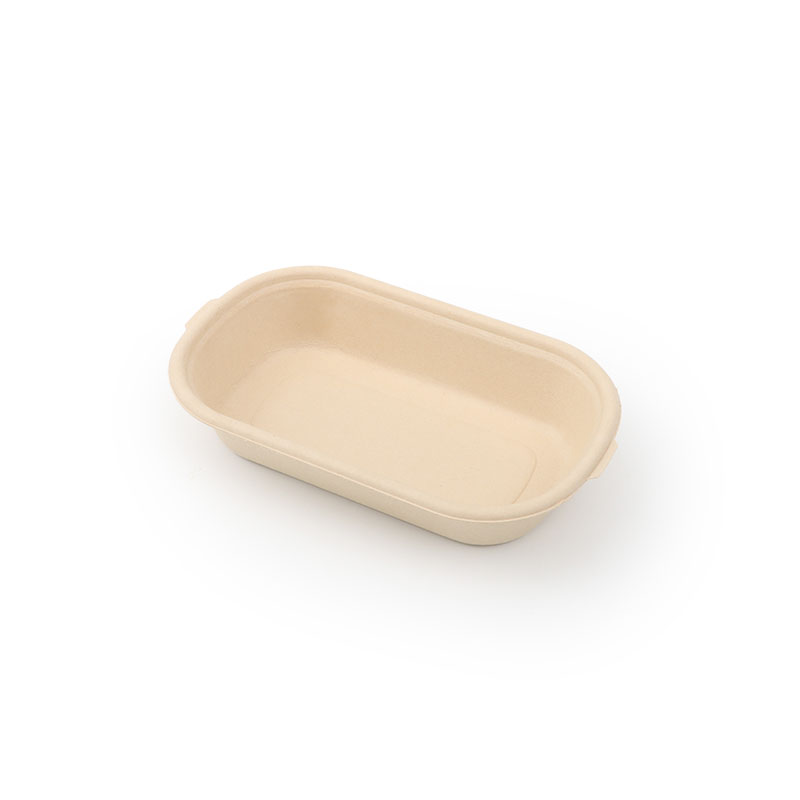 500ml
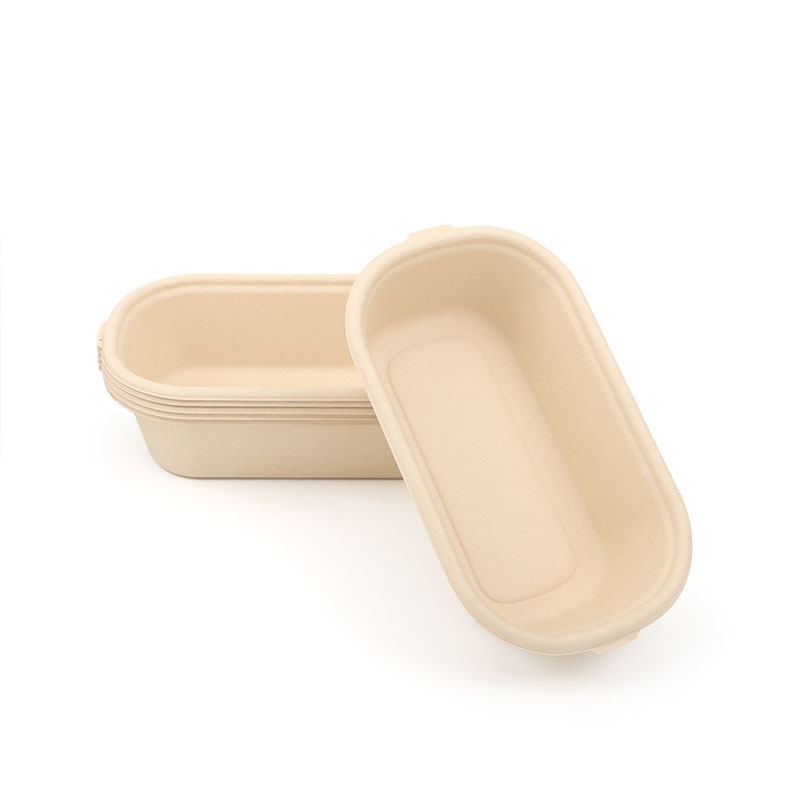 700ml
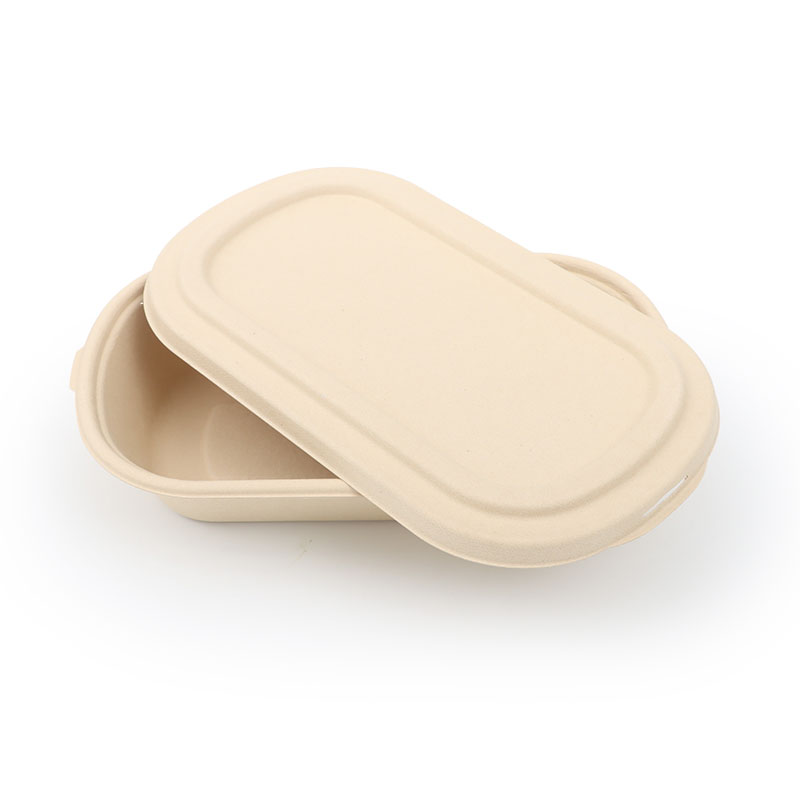 850ml
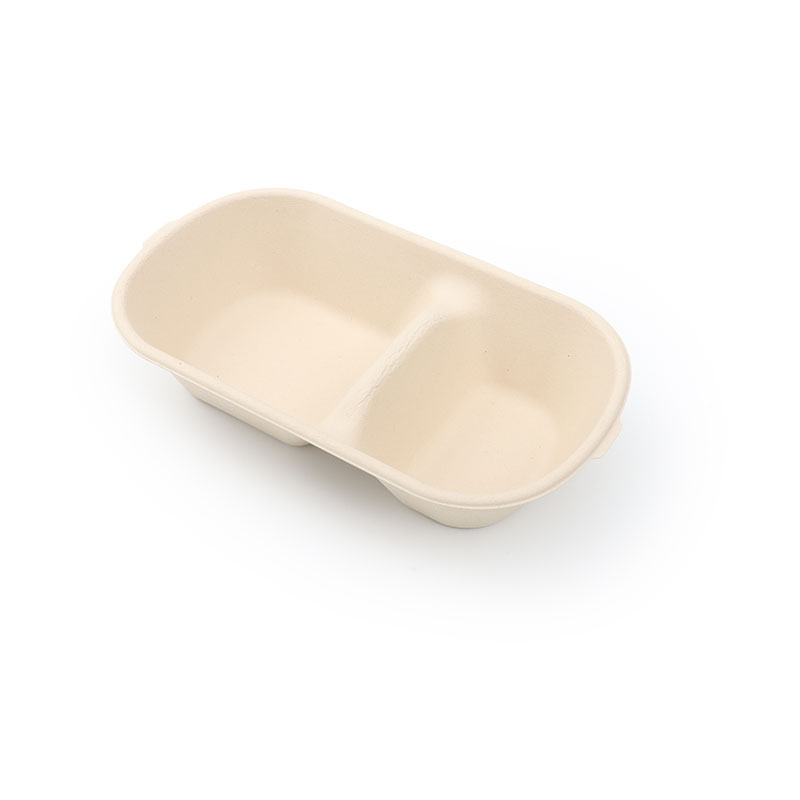 800ml 2 Compartments
 1000ml 2 Compartments
 1100ml
 1000ml Square Lunch Box
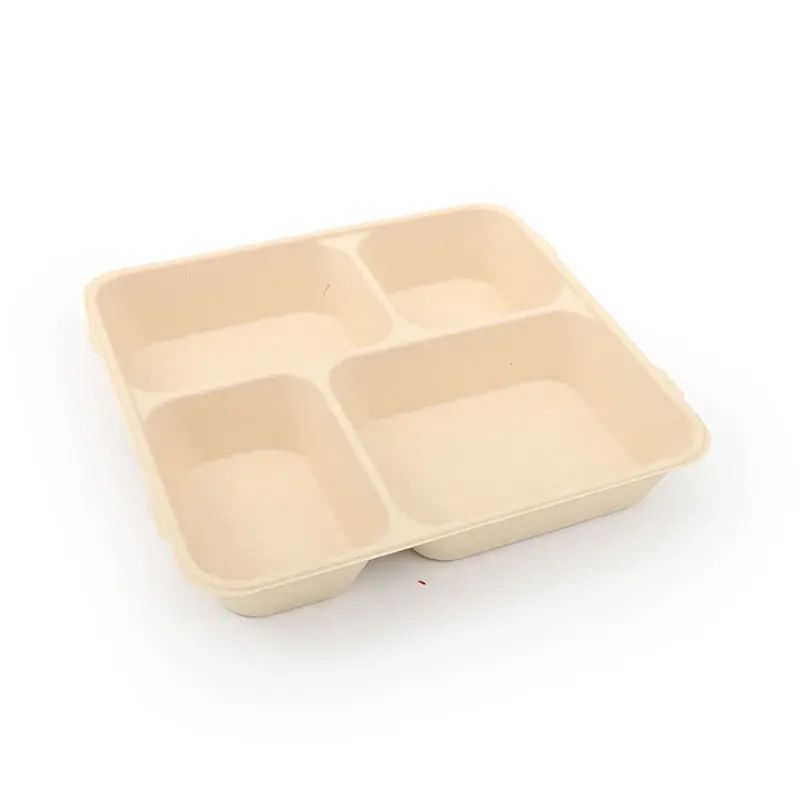 1340ml 4 Compartments
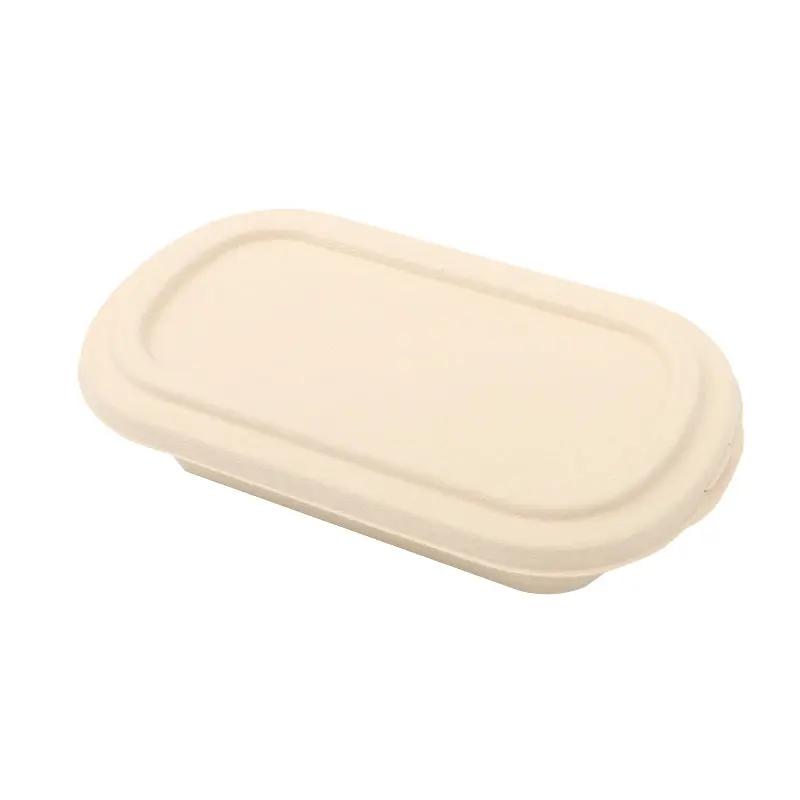 Lunch Box Lid
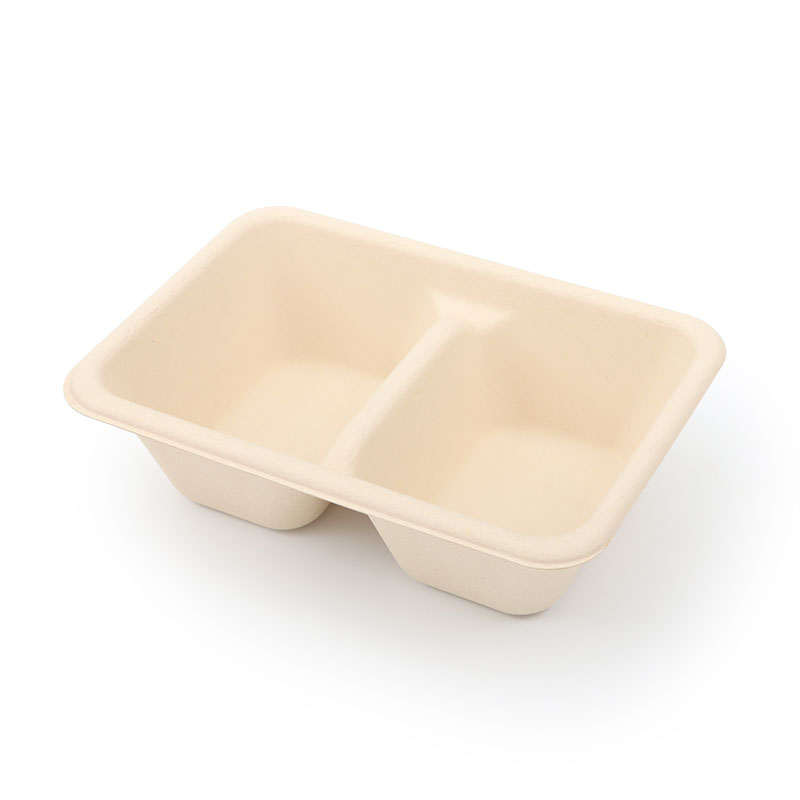 650ml
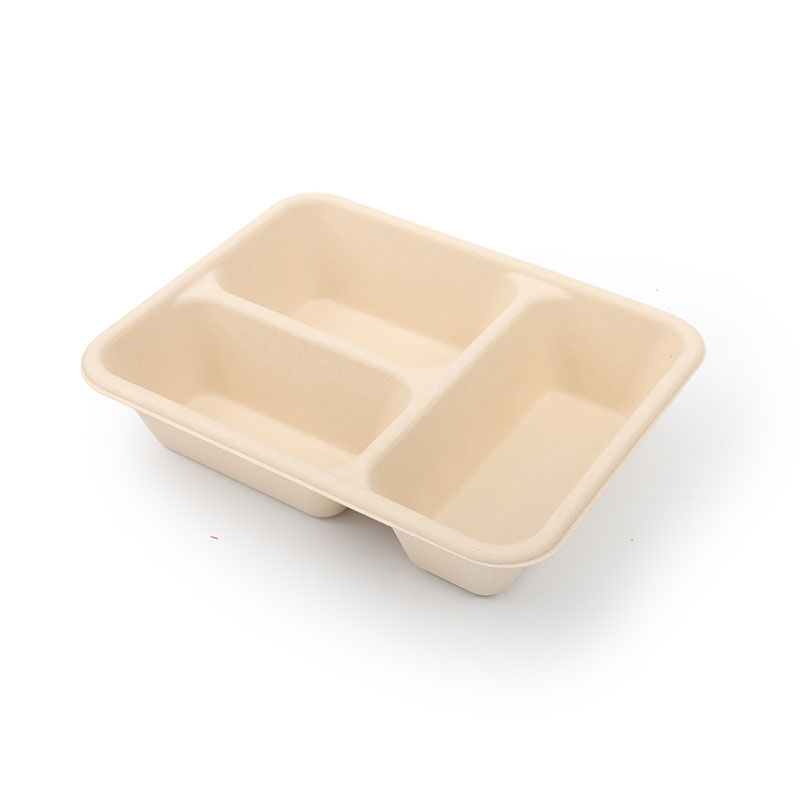 1000ml 3 Compartments
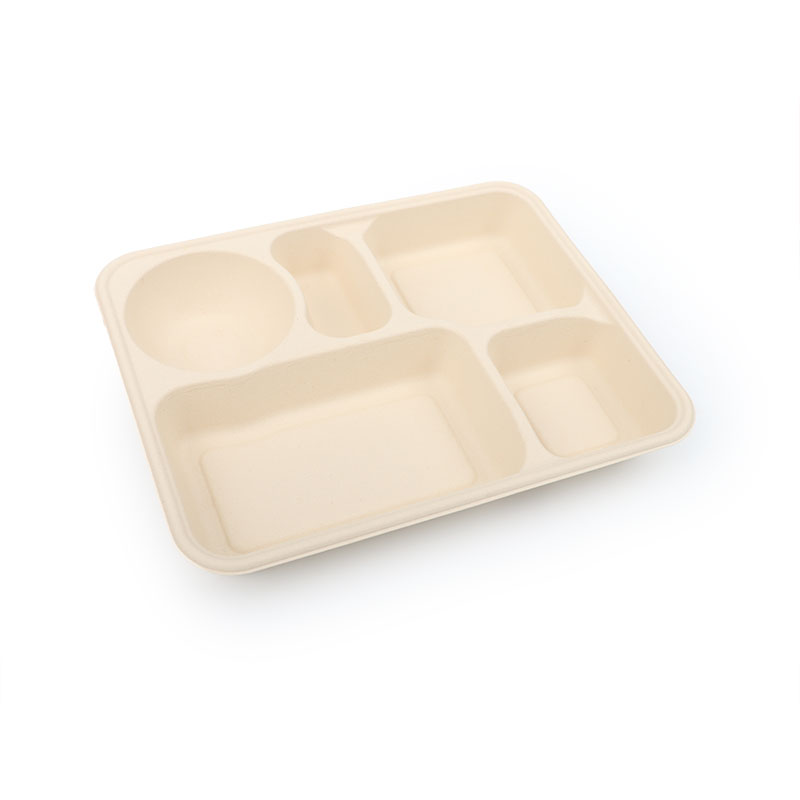 1250ml 5 Compartments
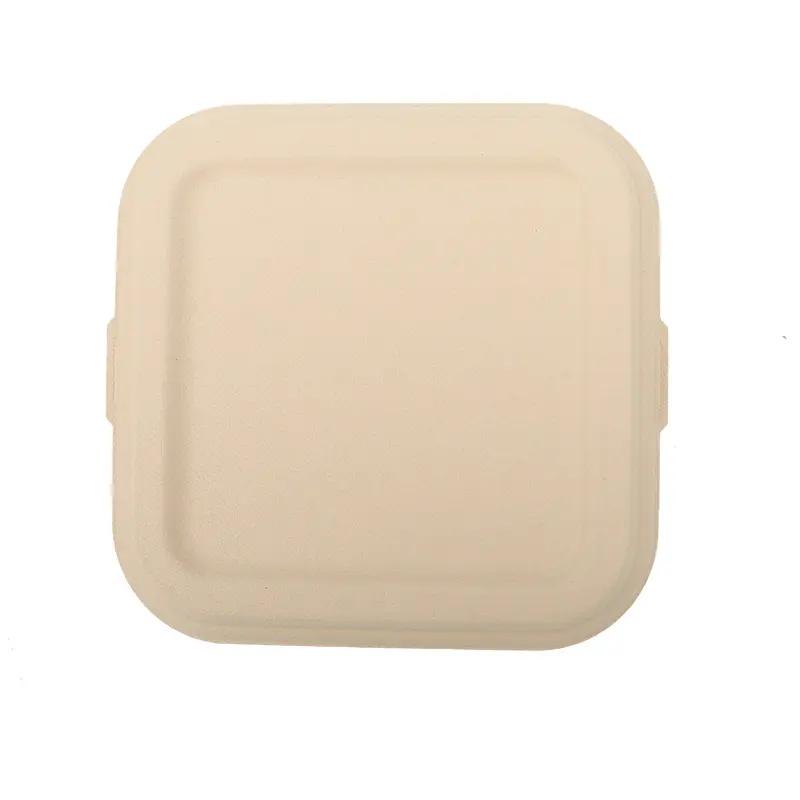 Square Lunch Box Lid
 Box Without T buckle
 850ml Salad Box
 700ml
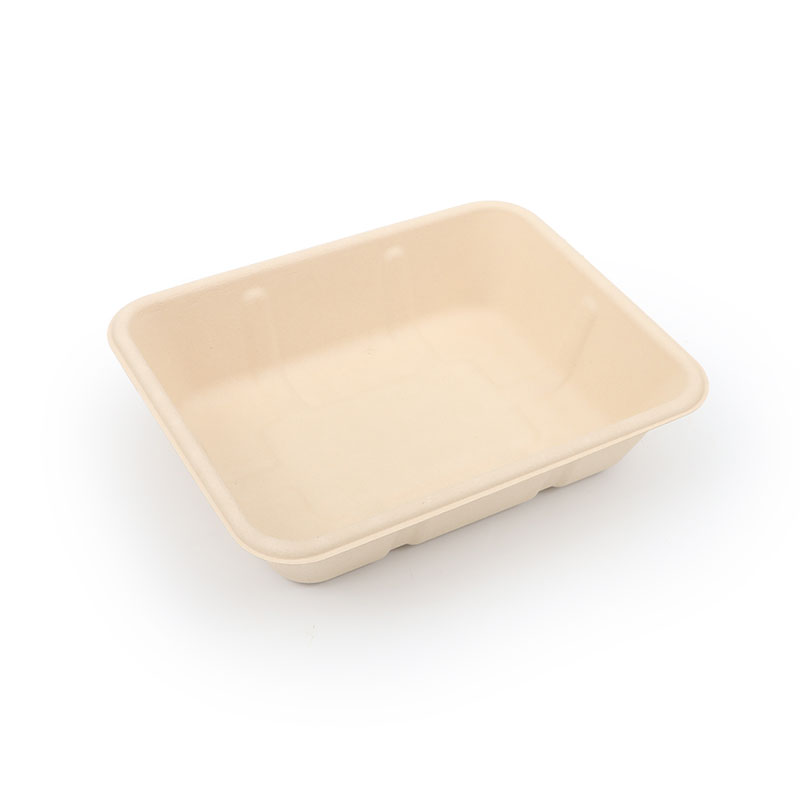 1350ml
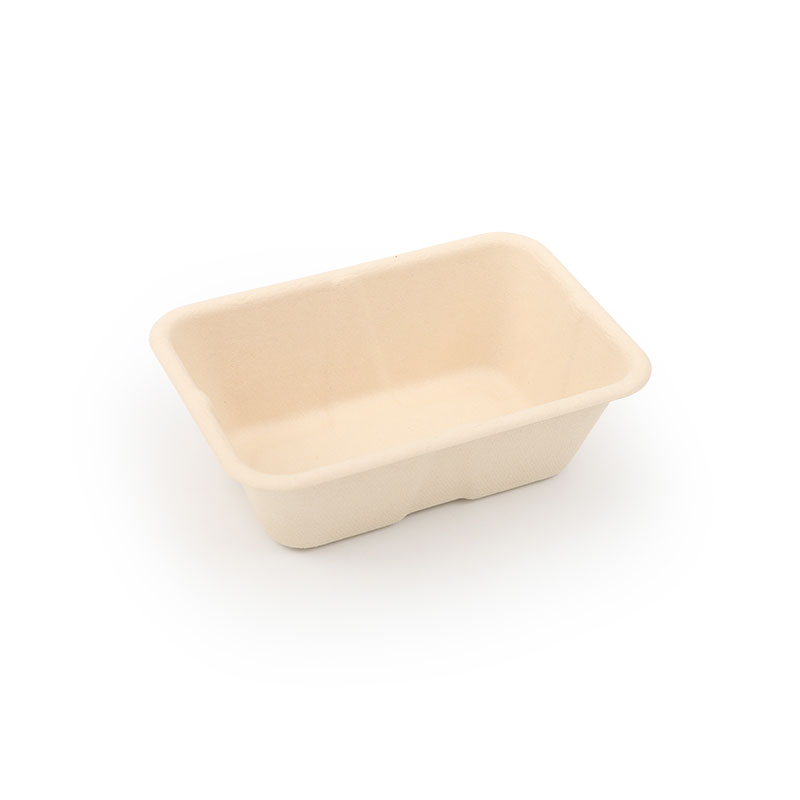 470ml
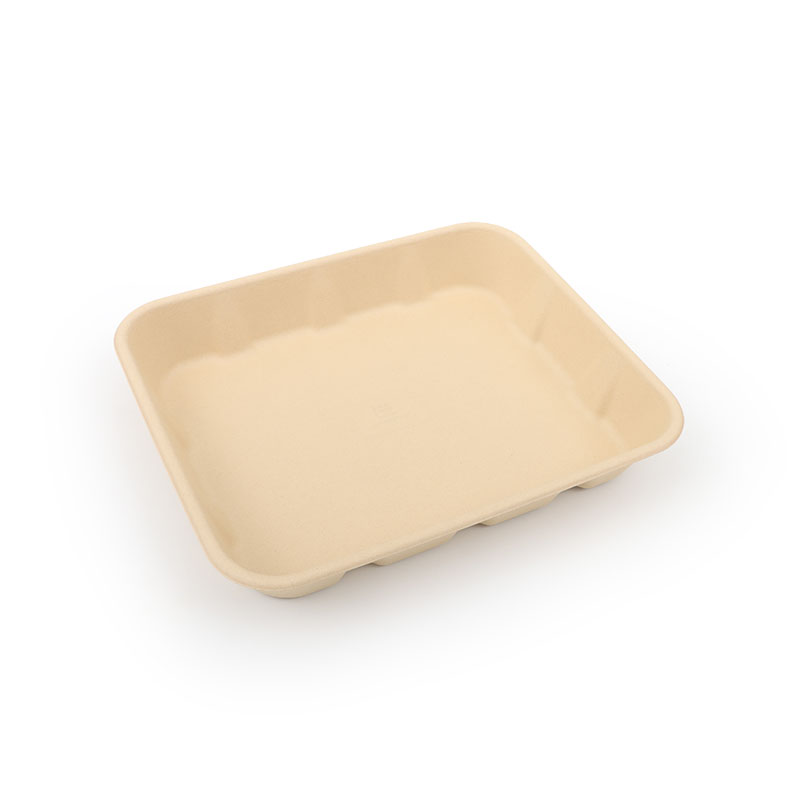 2183ml Tray Box
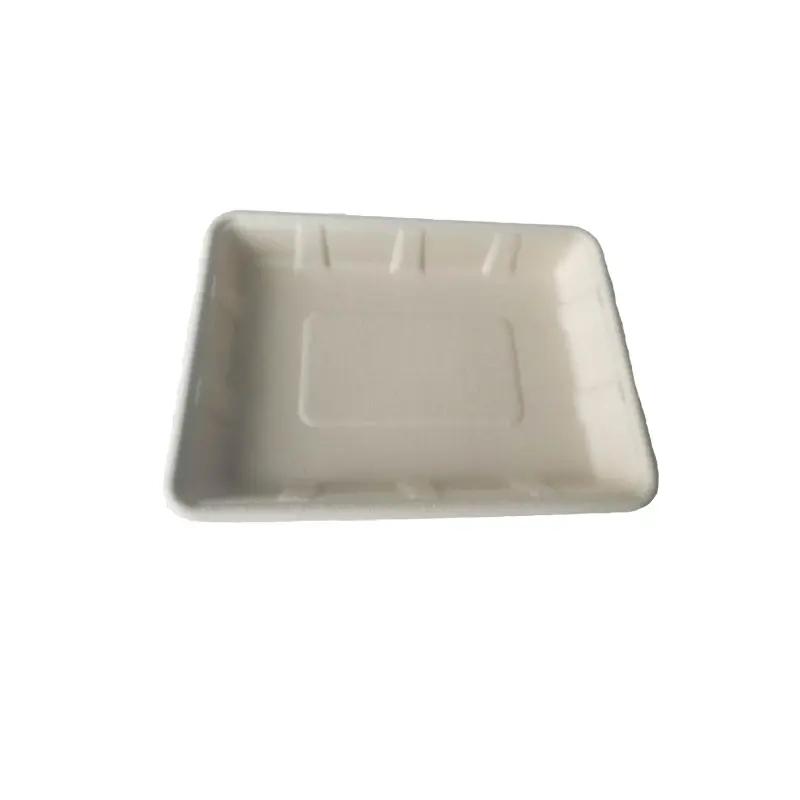 11" * 9"
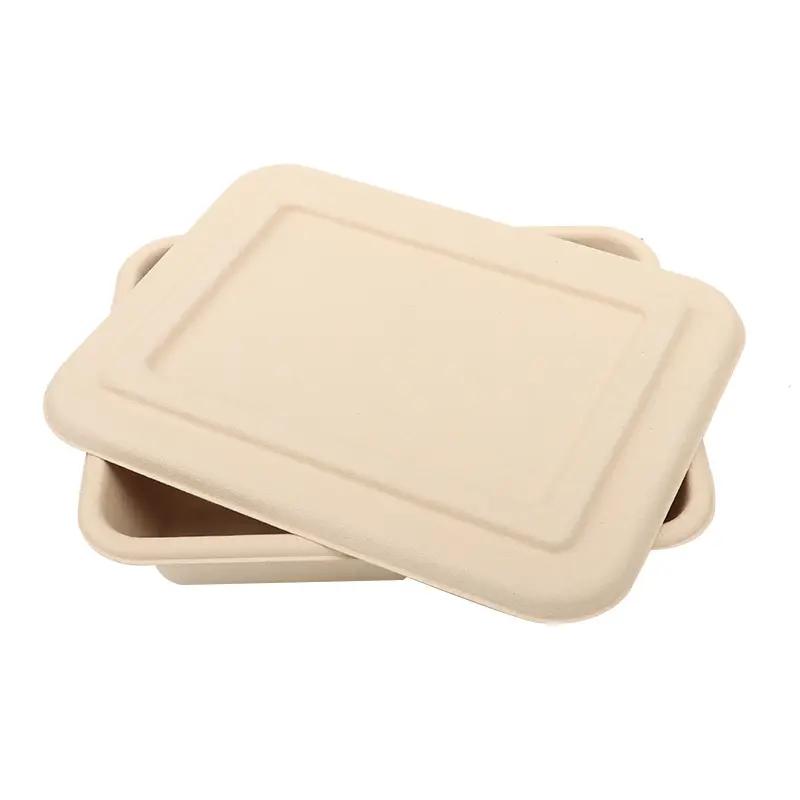 800ml
 One Part Box
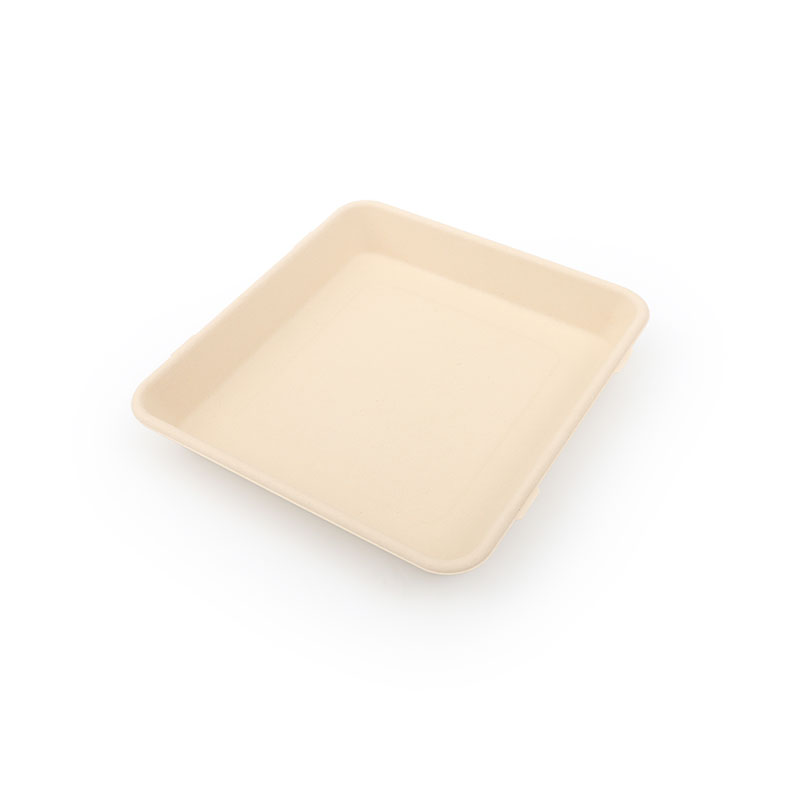 1443ml Tray Box
 Cake Bread Snack Tray Series
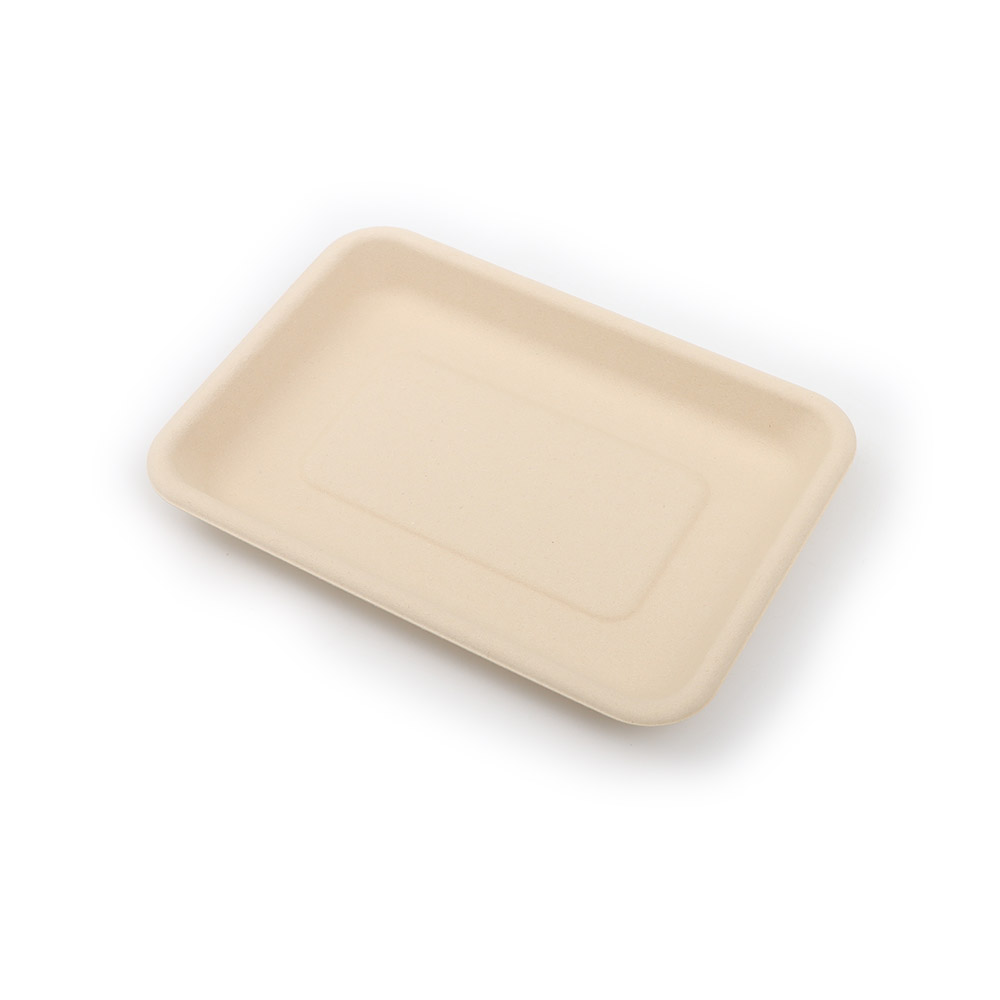 5" * 7" natural color
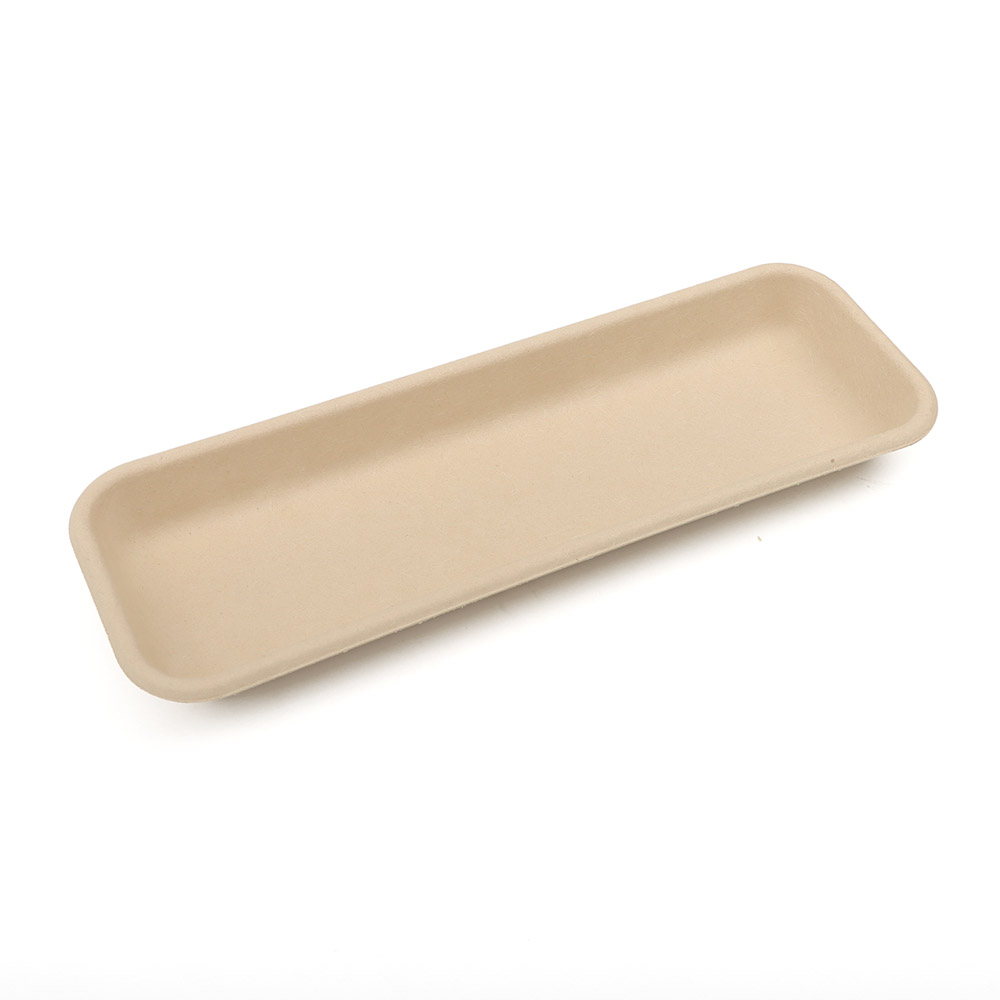 11.4" * 3.9"
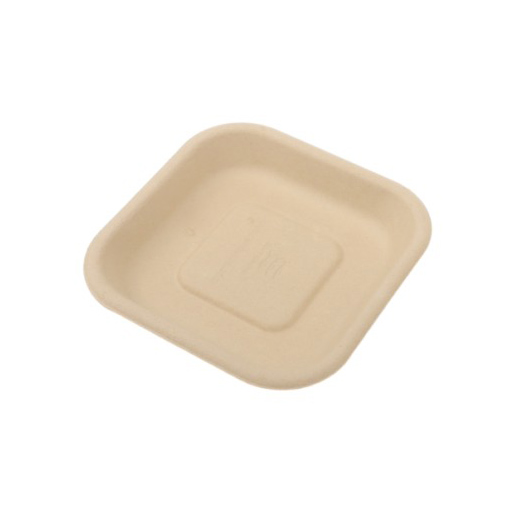 5.3" * 5.3"
 Fruit And Vegetable Tray Series
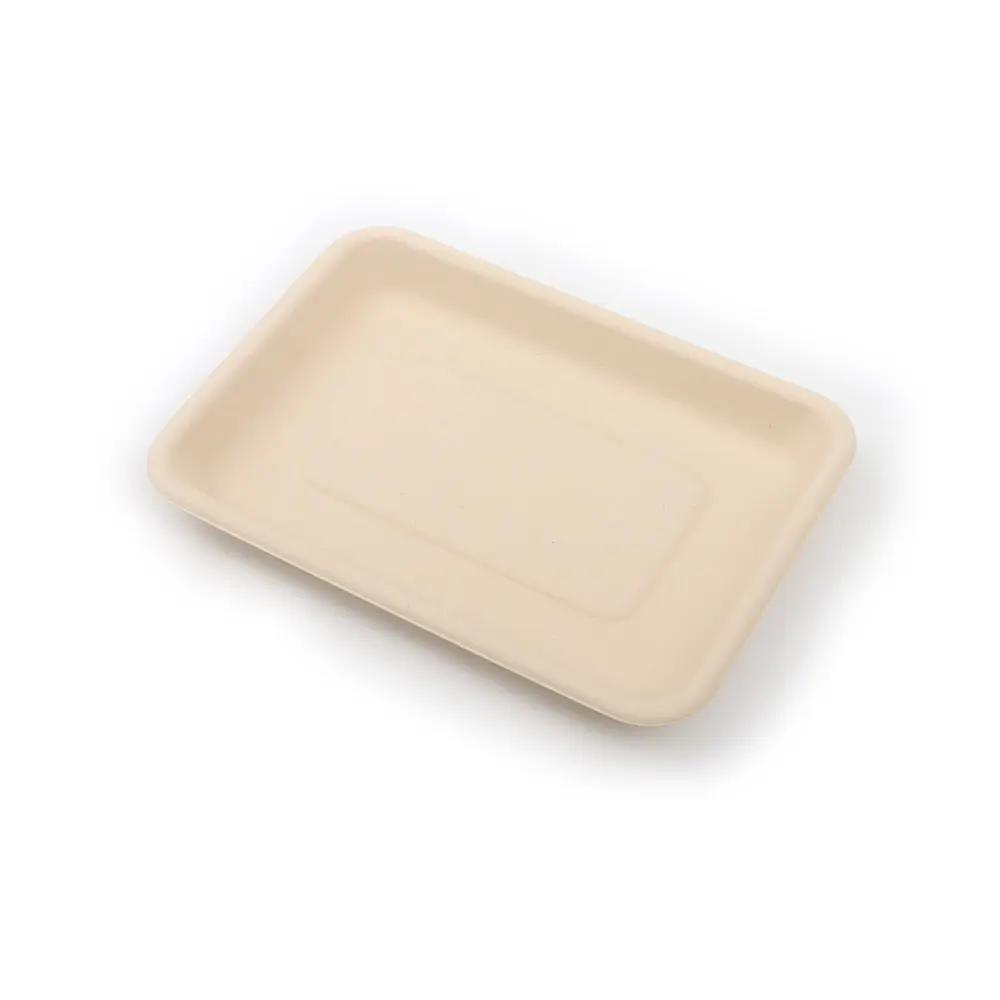 8.6" * 5.3"
 Sushi Tray Series
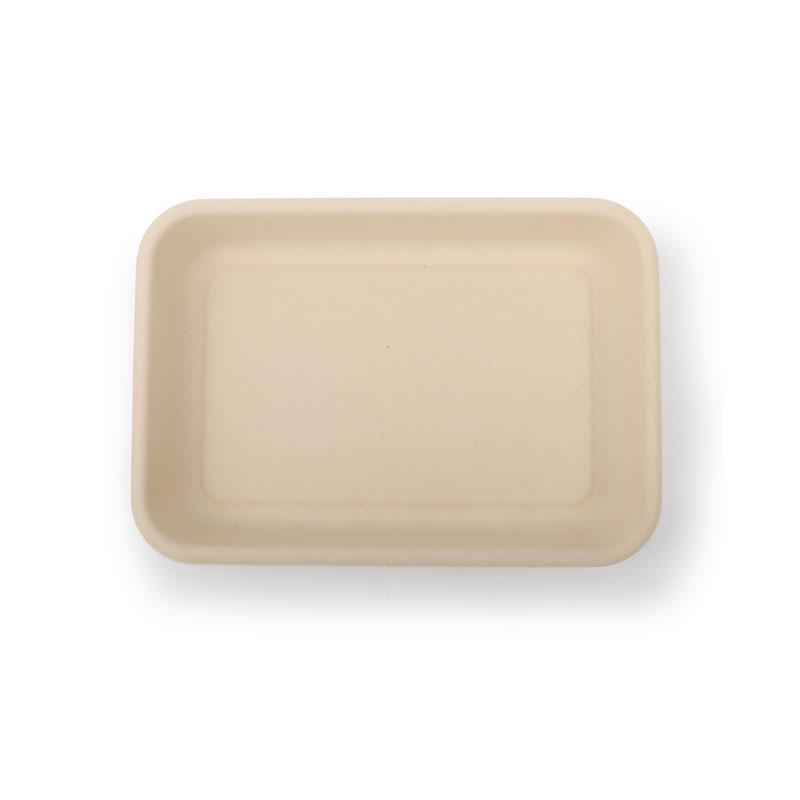 200" * 140"
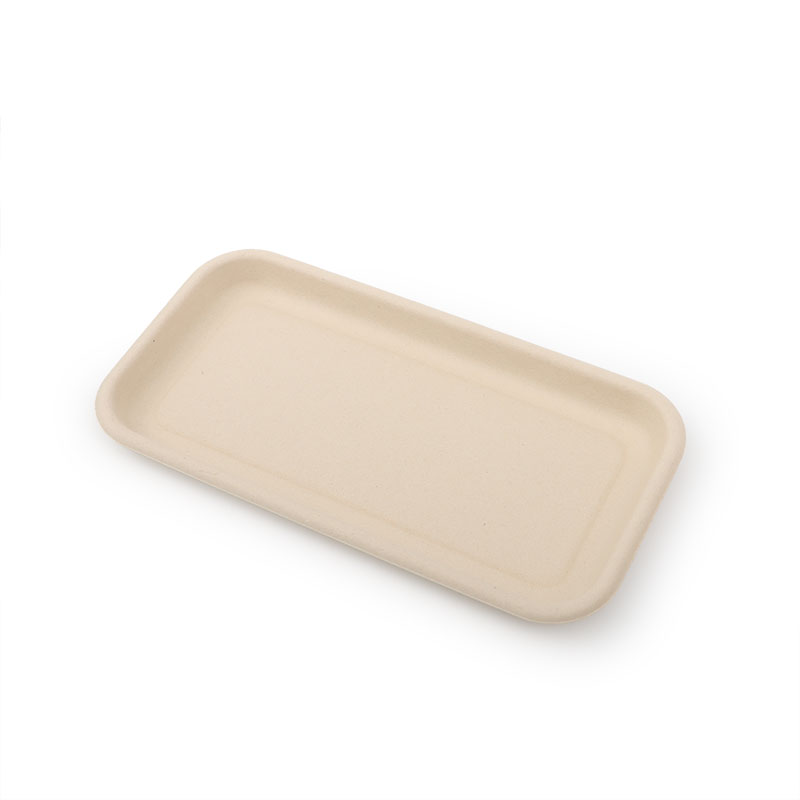 210" * 110"
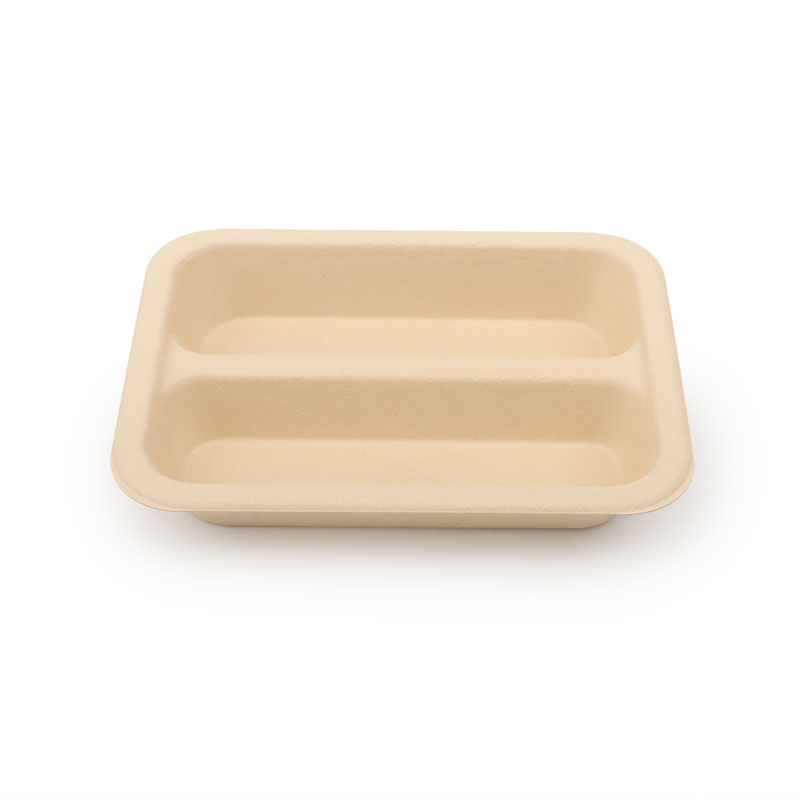 2 Compartments
 Small Round Plate Series
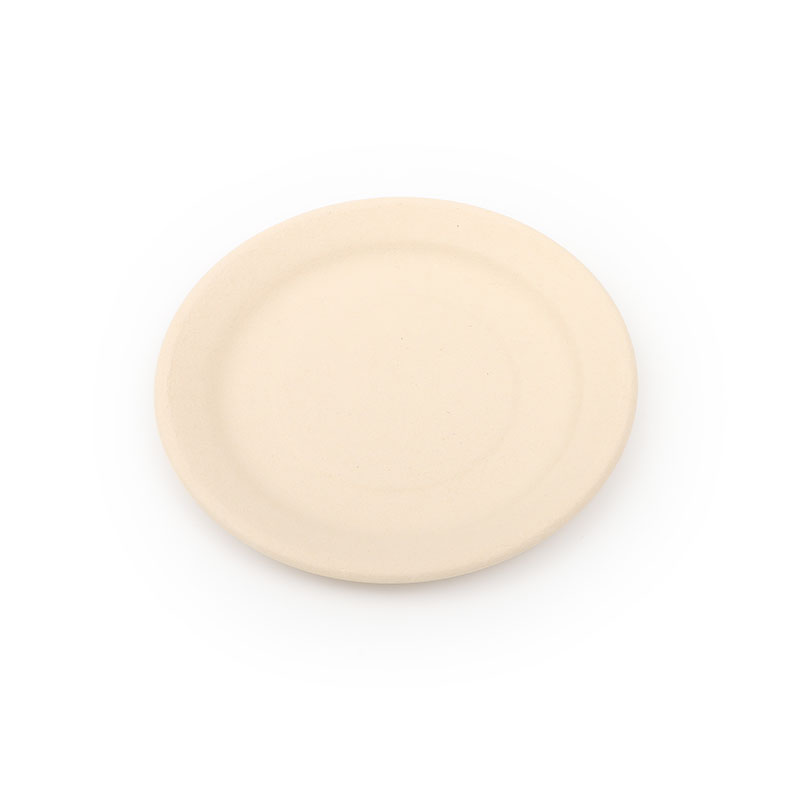 7 inch
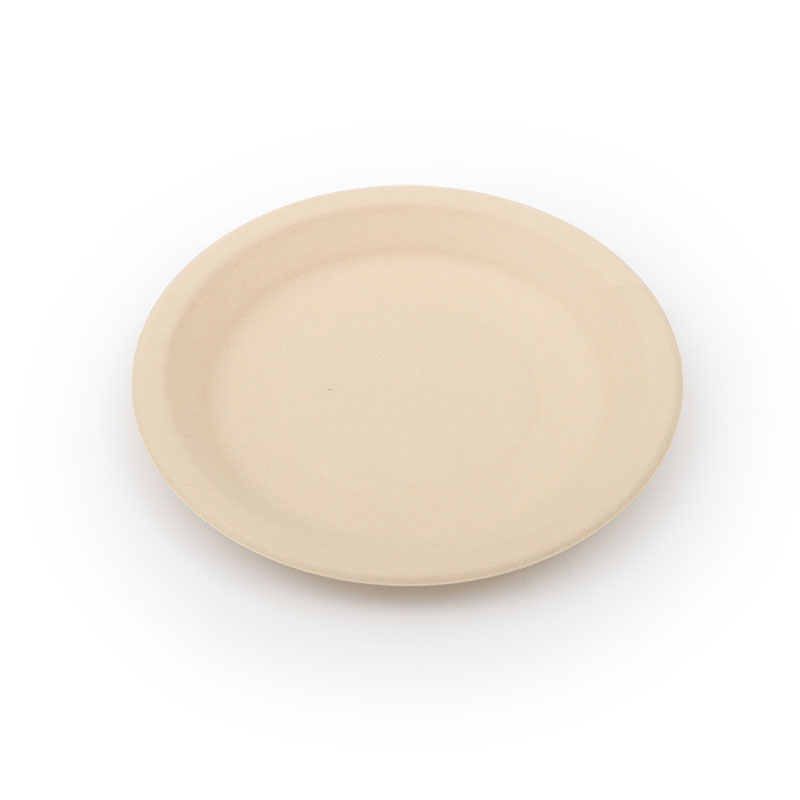 6 inch
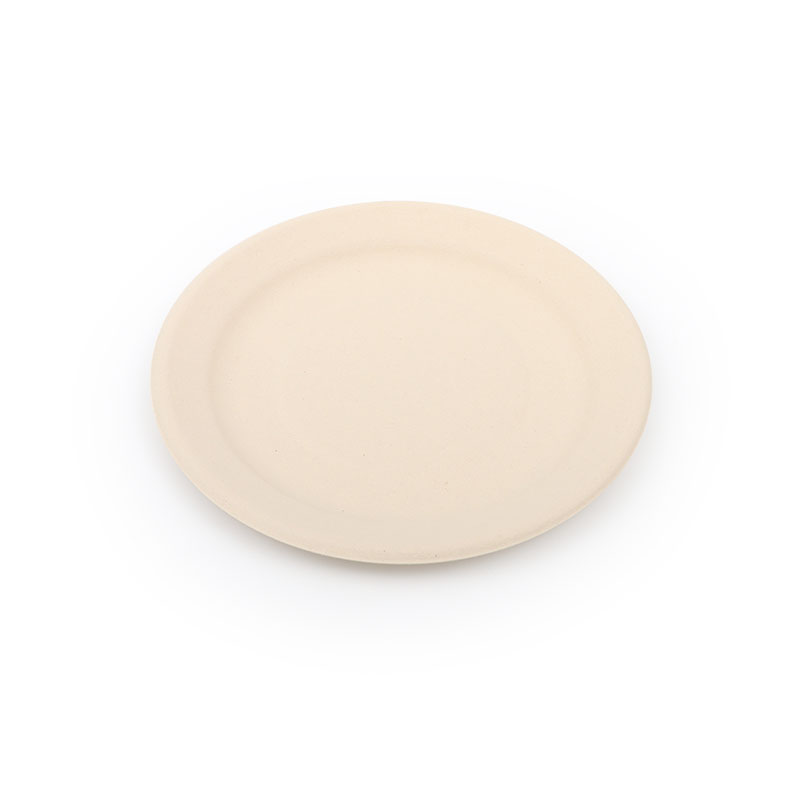 8 inch
 Middle Round Plate Series
 9 Inch 3 Compartments
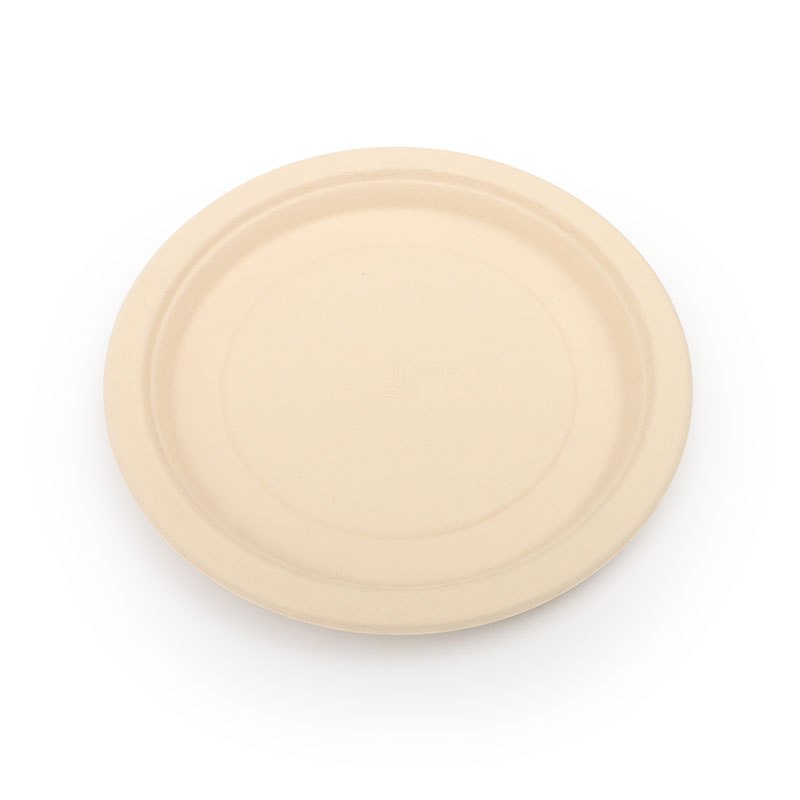 9 inch
 Big Round Plate Series
 12.7 Inch Pizza Plate
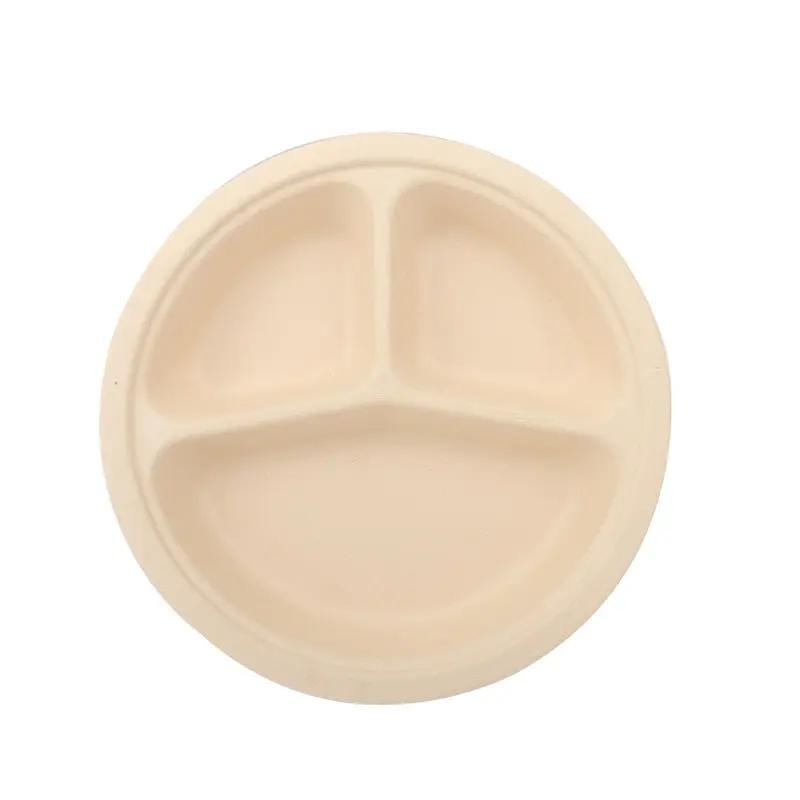 10.25 inch 3 Compartments
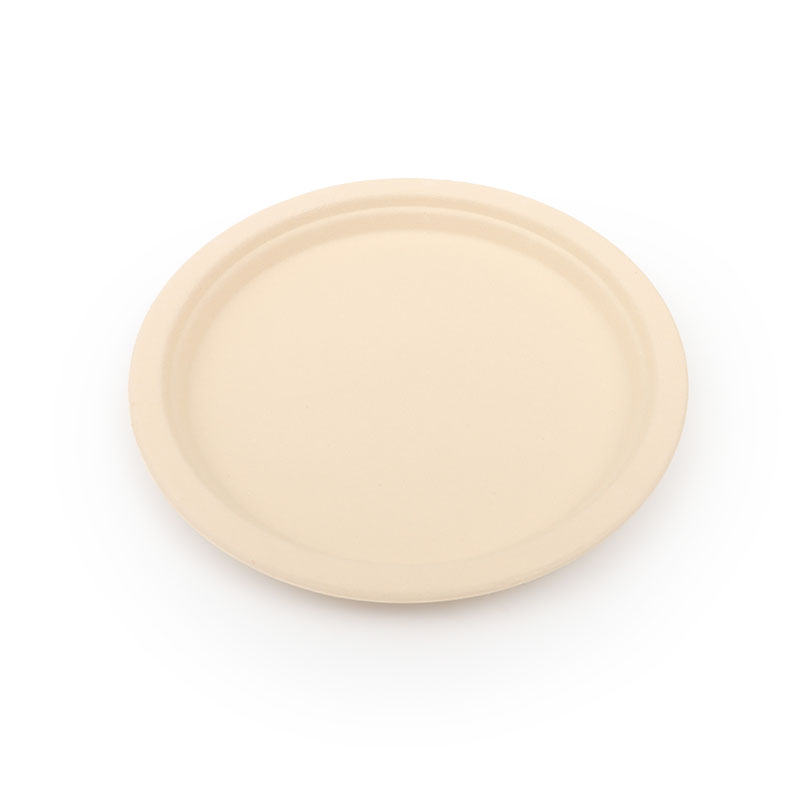 10 inch
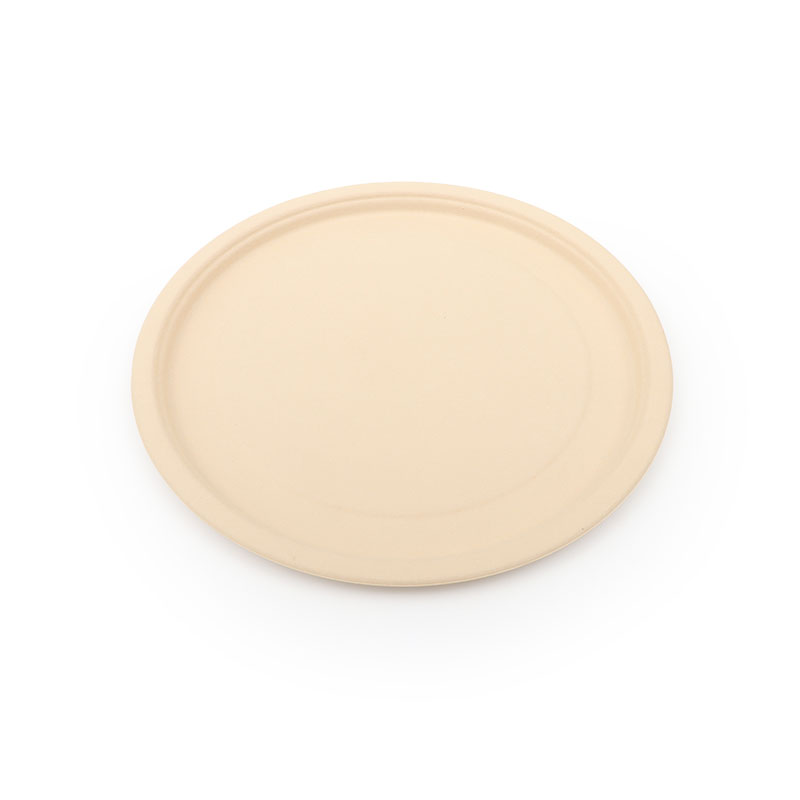 12 inch
 Bigger Bowl
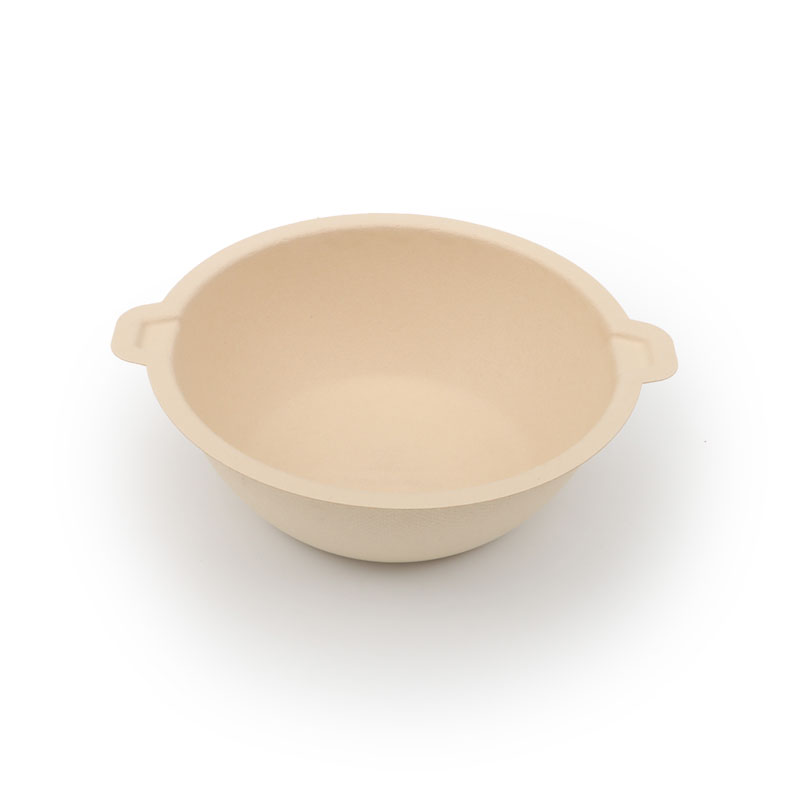 48oz(1420ml)
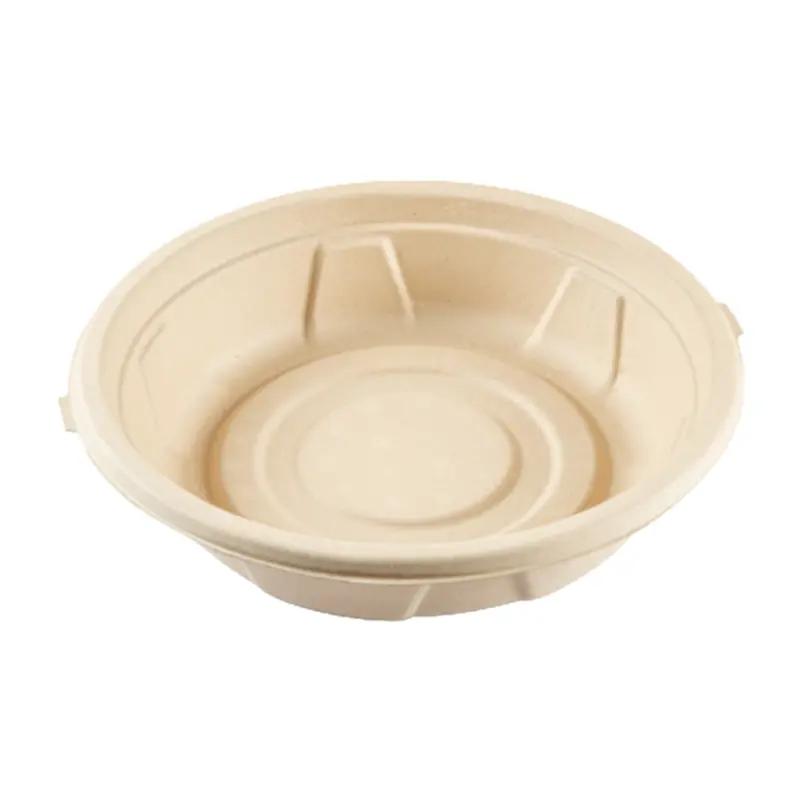 56oz(1650ml)
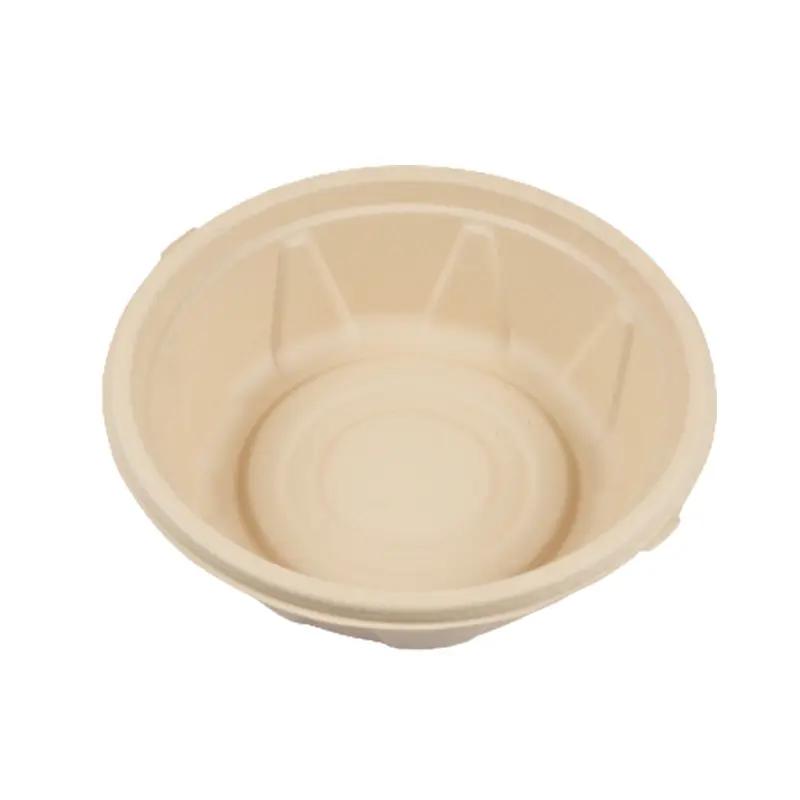 100oz(2950ml)
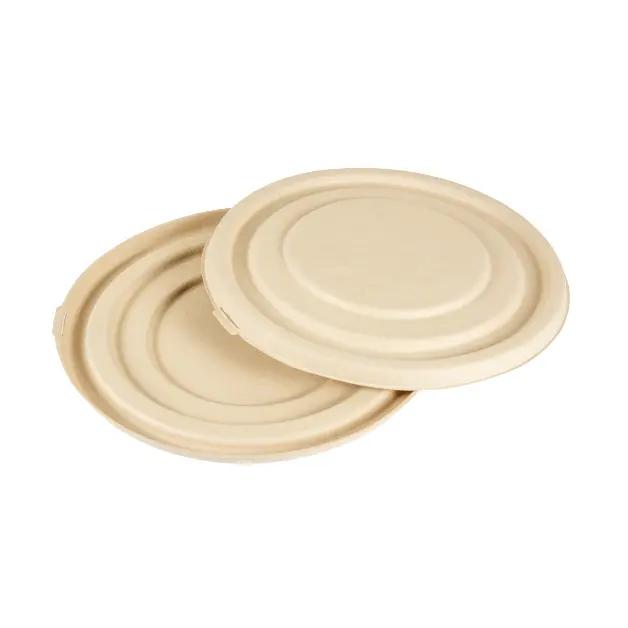 100oz(2950ml) With Lid
 Middle Bowl
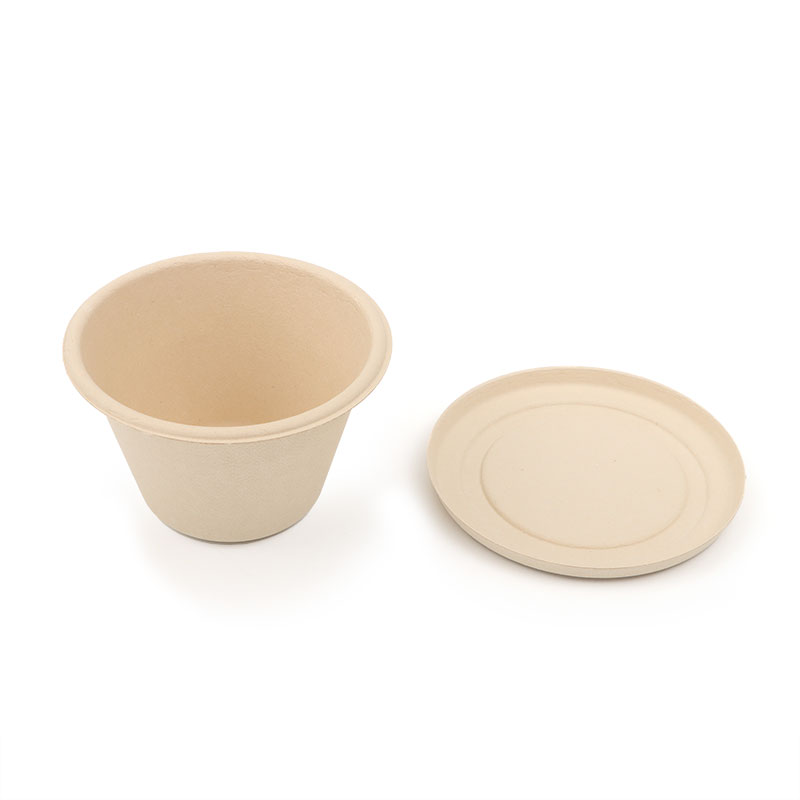 17oz(500ml)
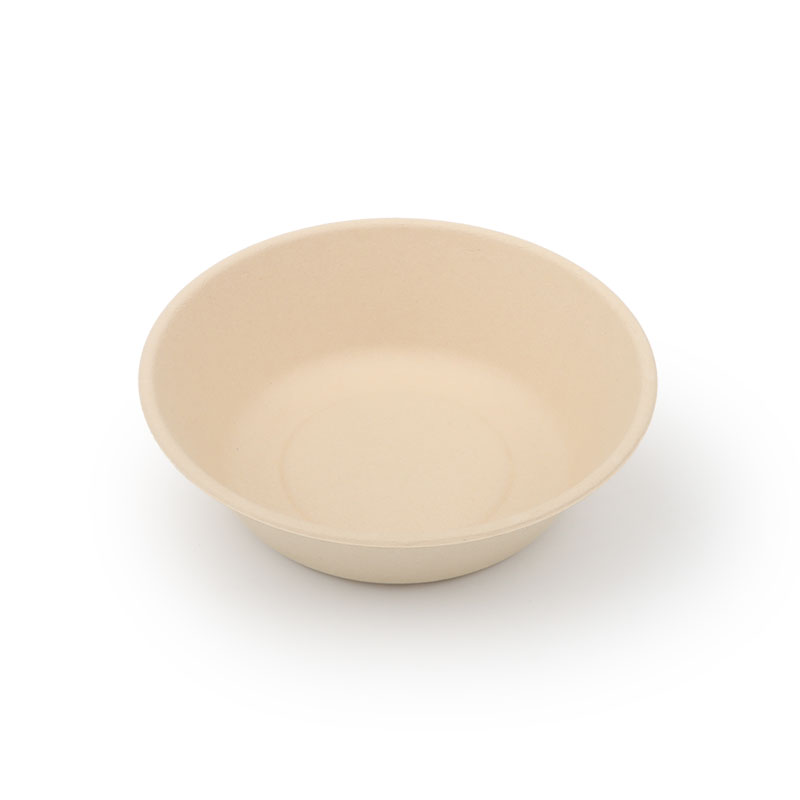 27oz(800ml)
 20oz(600ml)
 29oz(850ml)
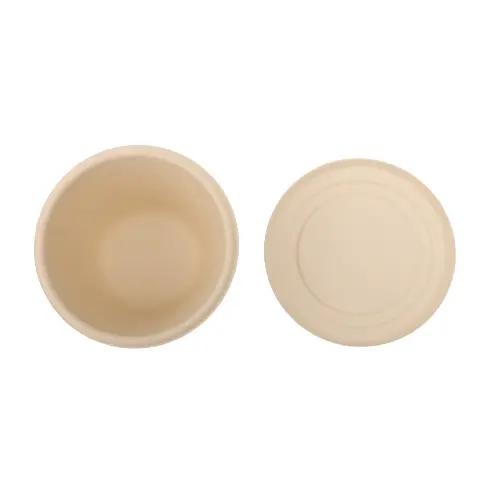 17oz(500ml) With Lid
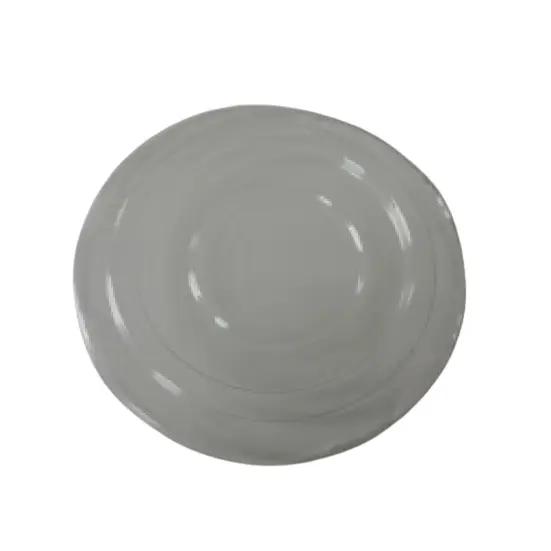 17oz(500ml) PET Lid
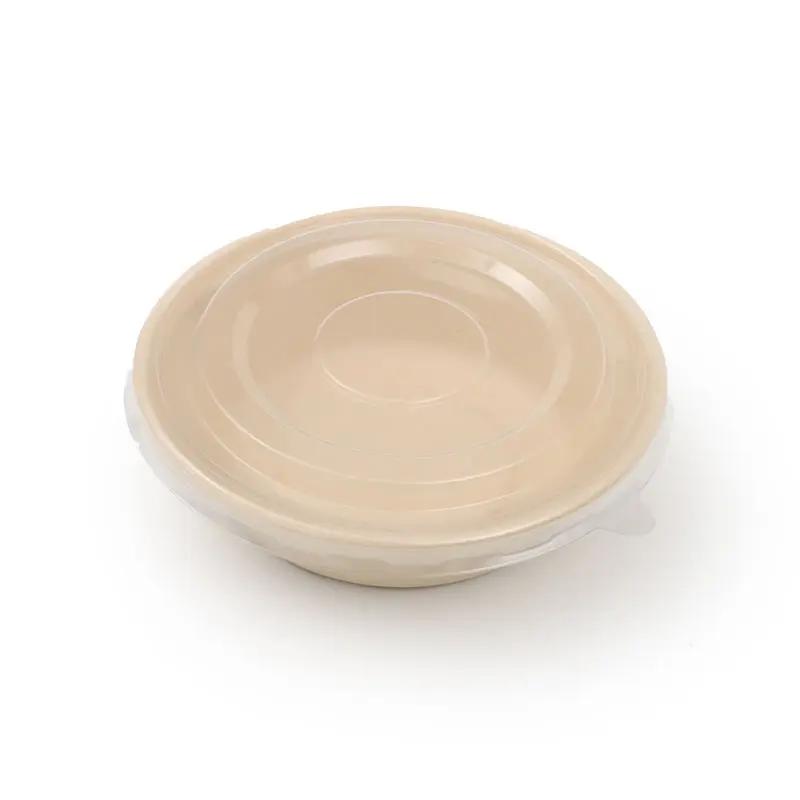 28oz(830ml) PET Lid
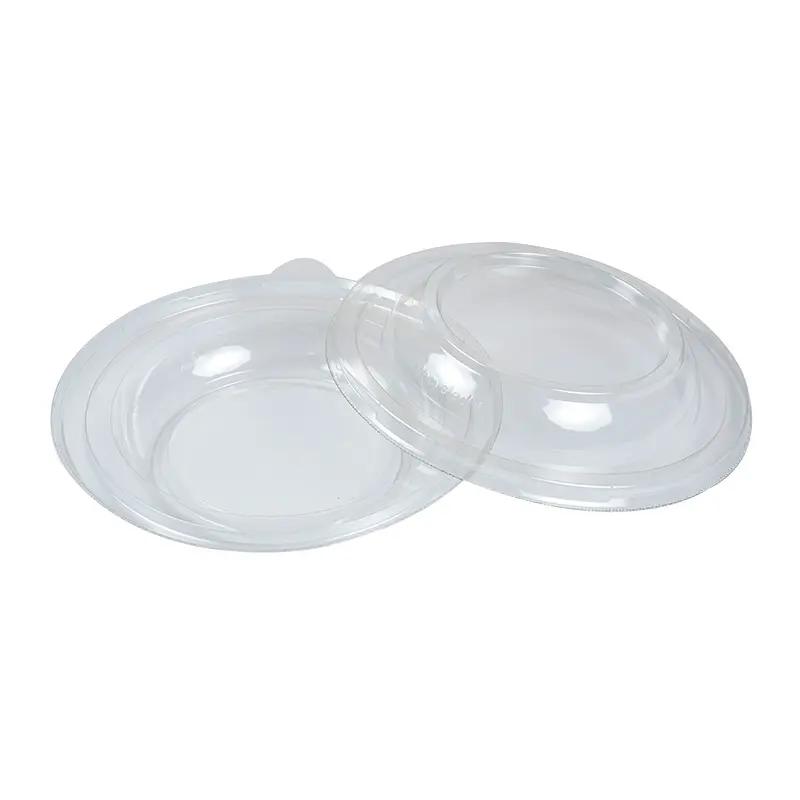 Round Bowl PET
 Small Bowl
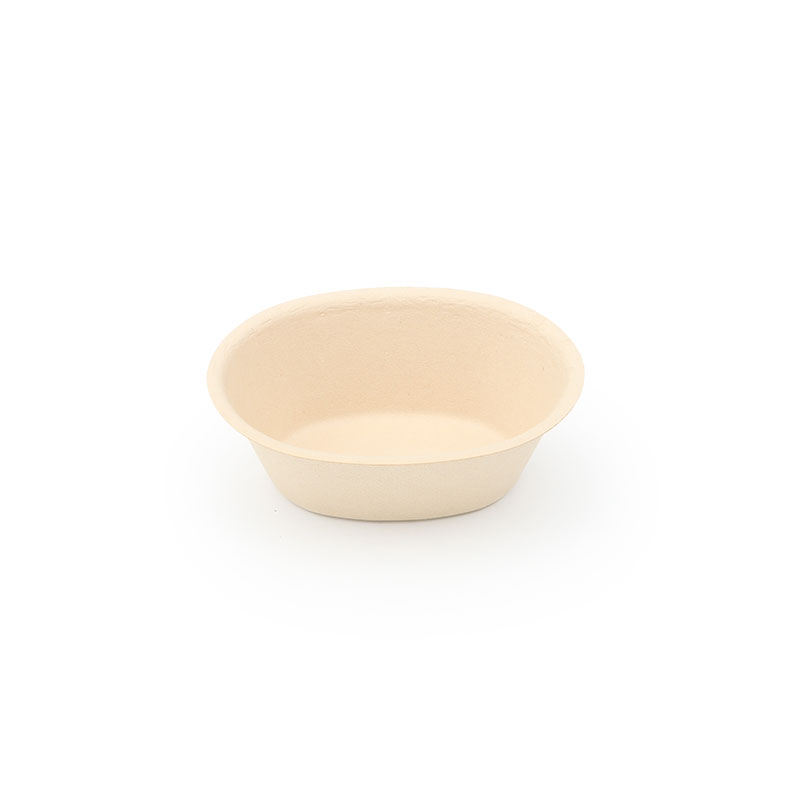 Snack Bowl
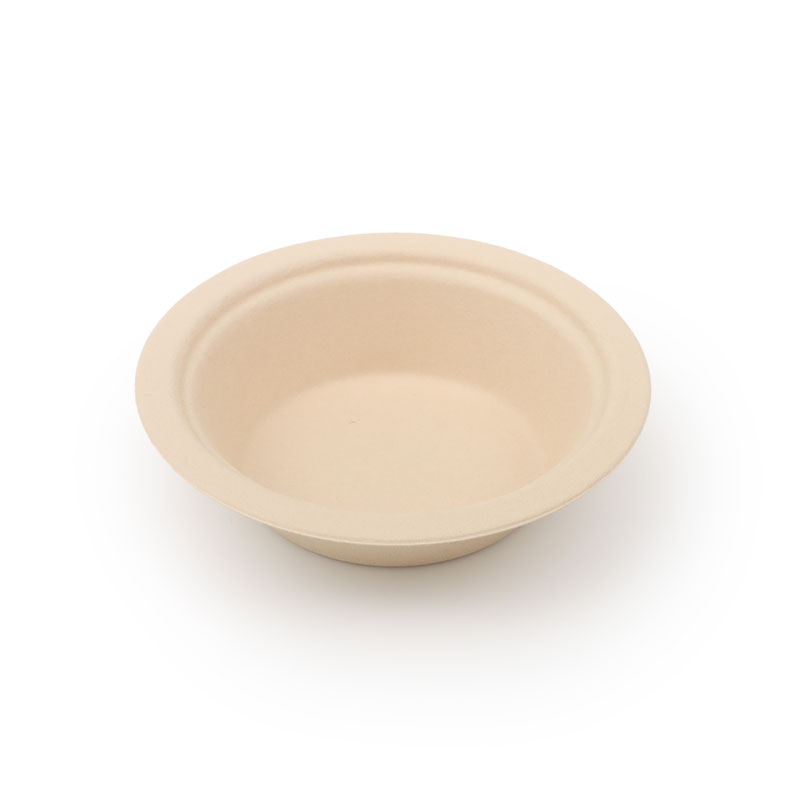 11.5oz(340ml) Bowl
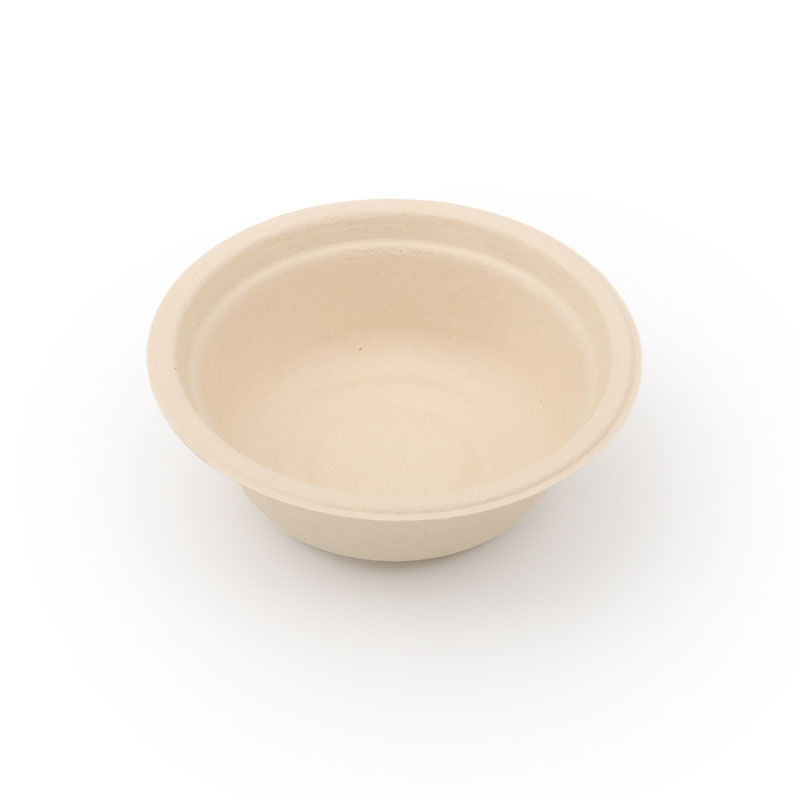 6.7oz(200ml) Bowl
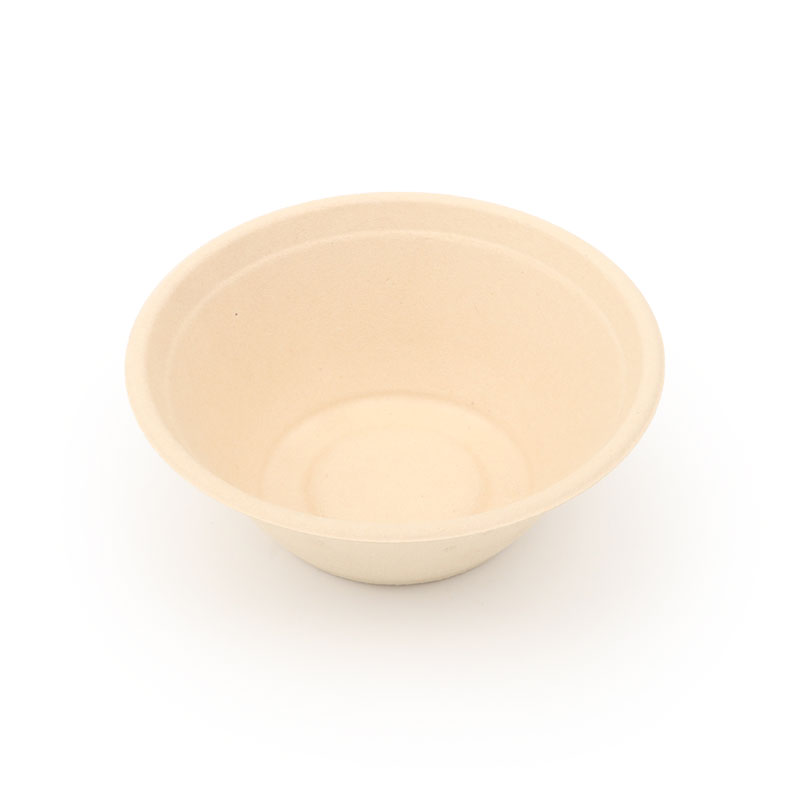 12oz(350ml) Bowl
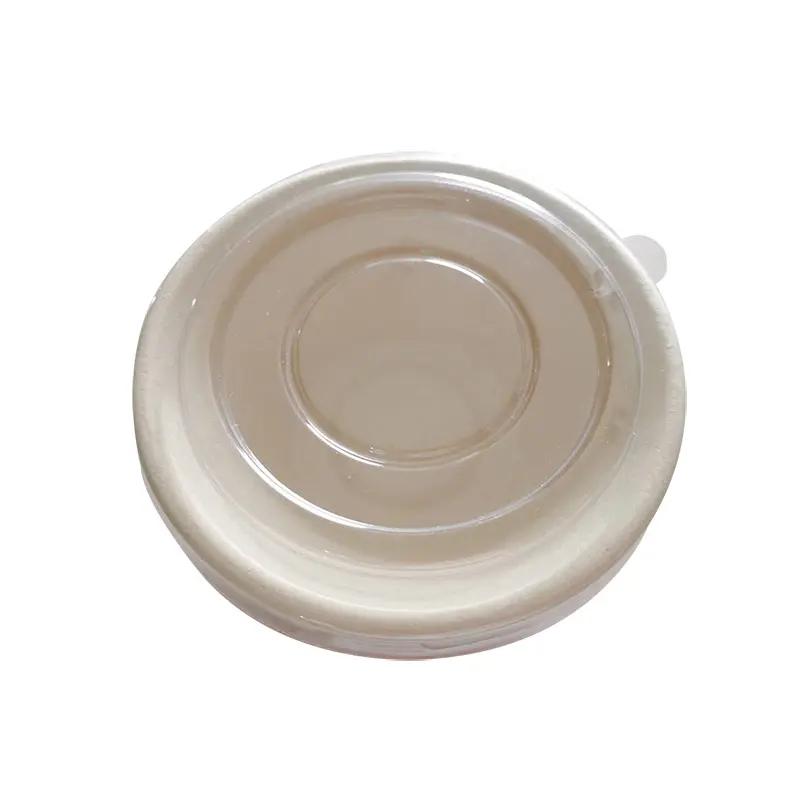 12oz(350ml) Bowl PET
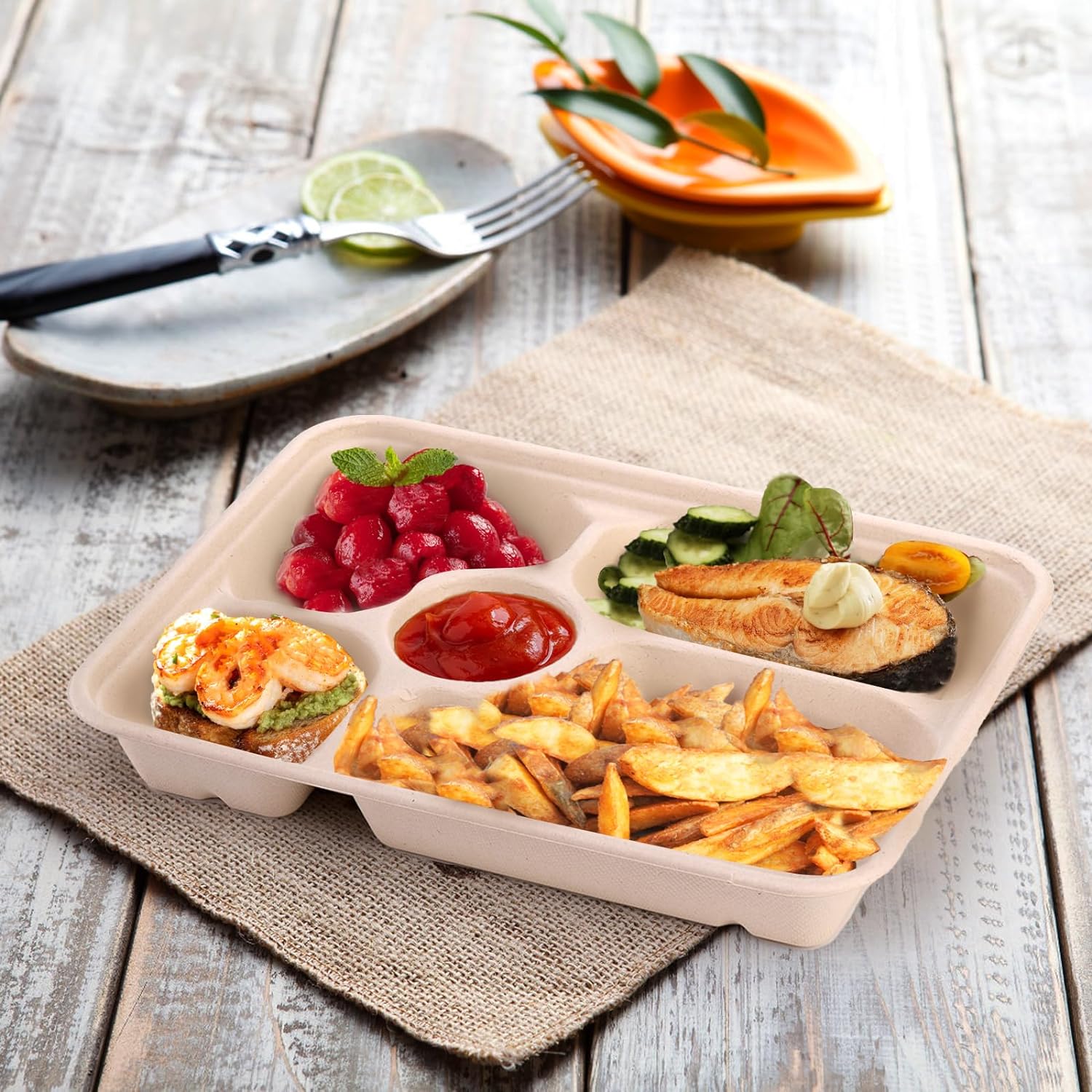 Bagasse Lunch Boxes
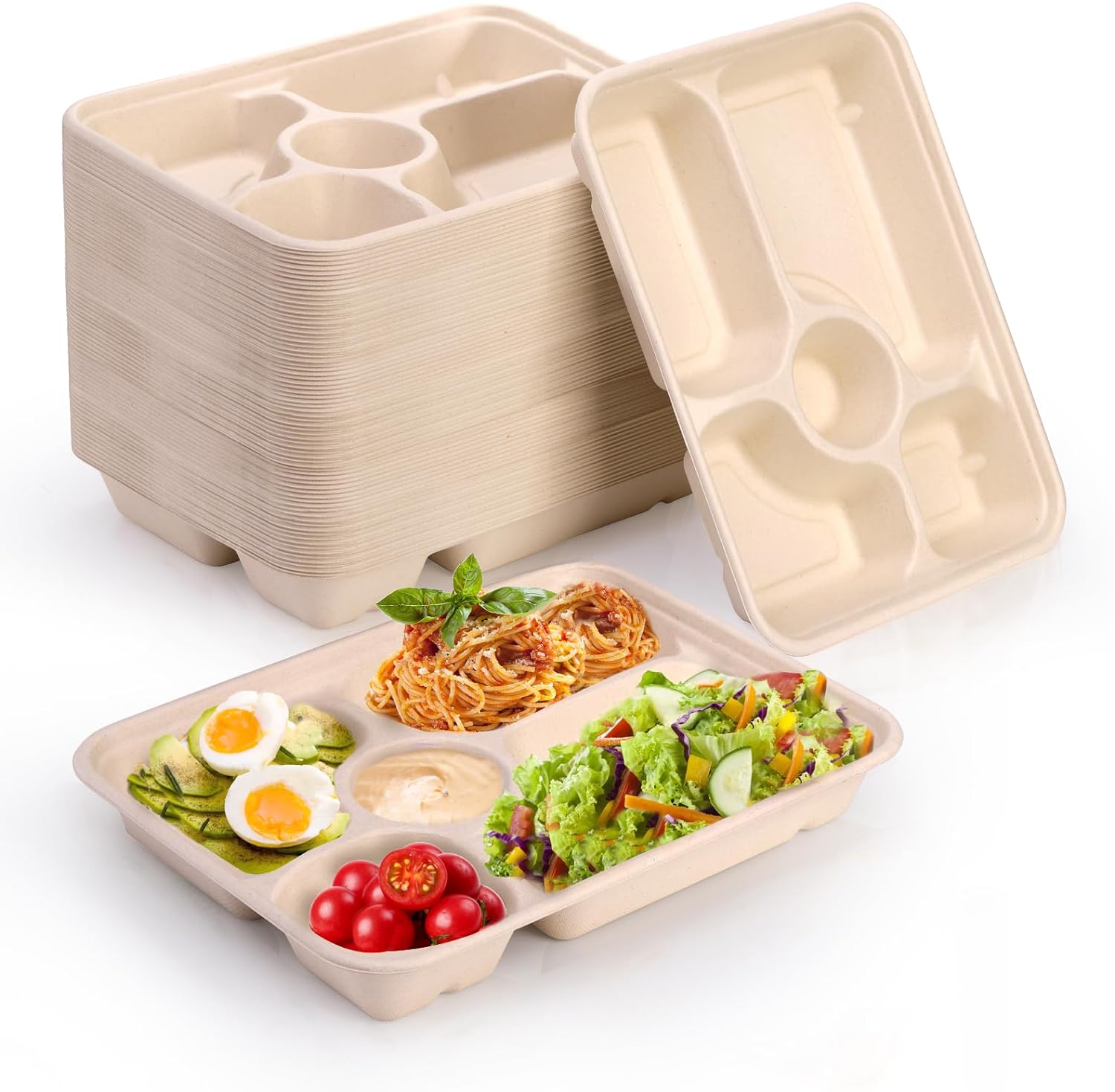 5CP
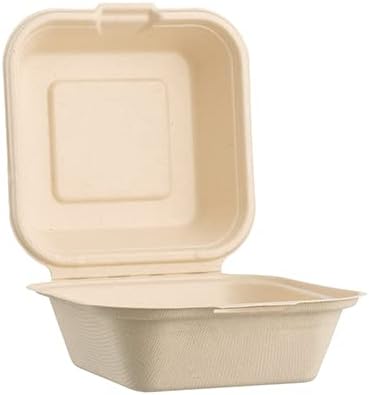 6 inch
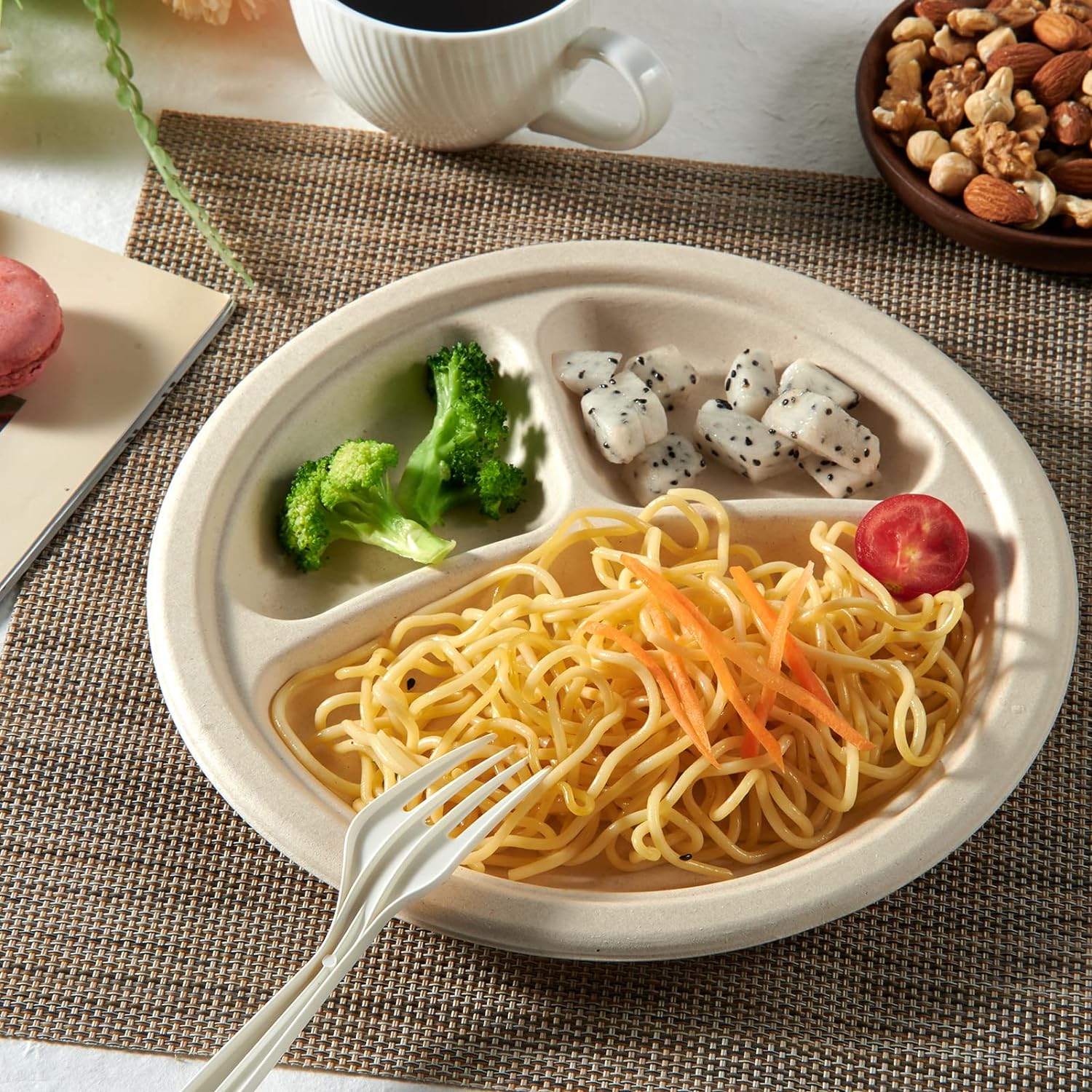 Bagasse Food Plates
 7 inch
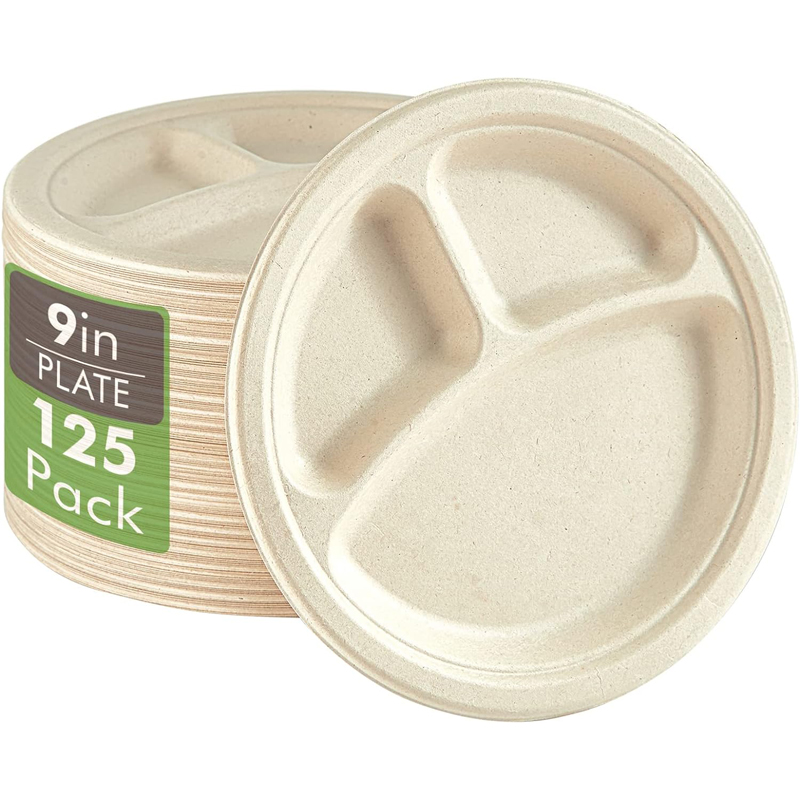 3CP
 Bagasse Bowls
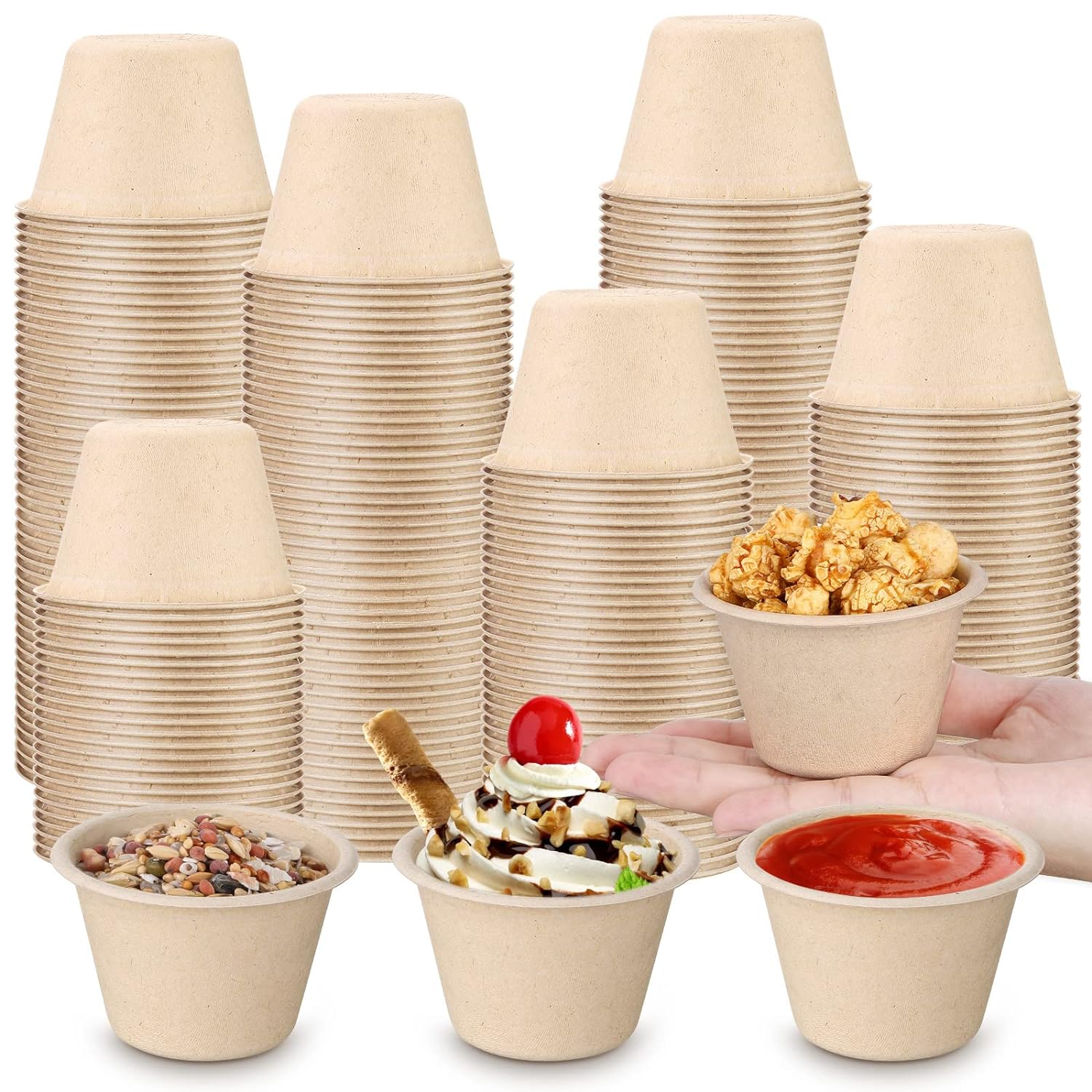 4oz
 Bagasse Cups And Cutlery
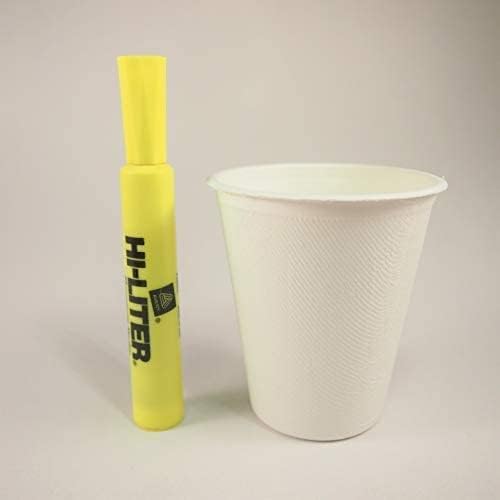
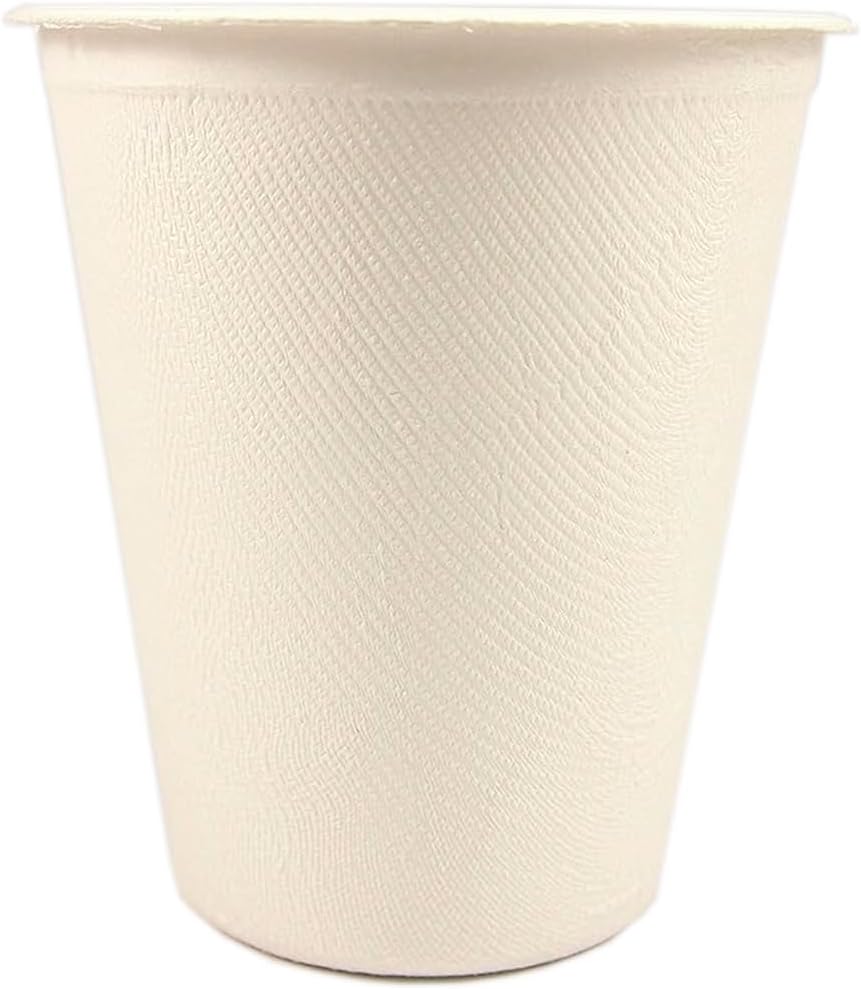 8oz
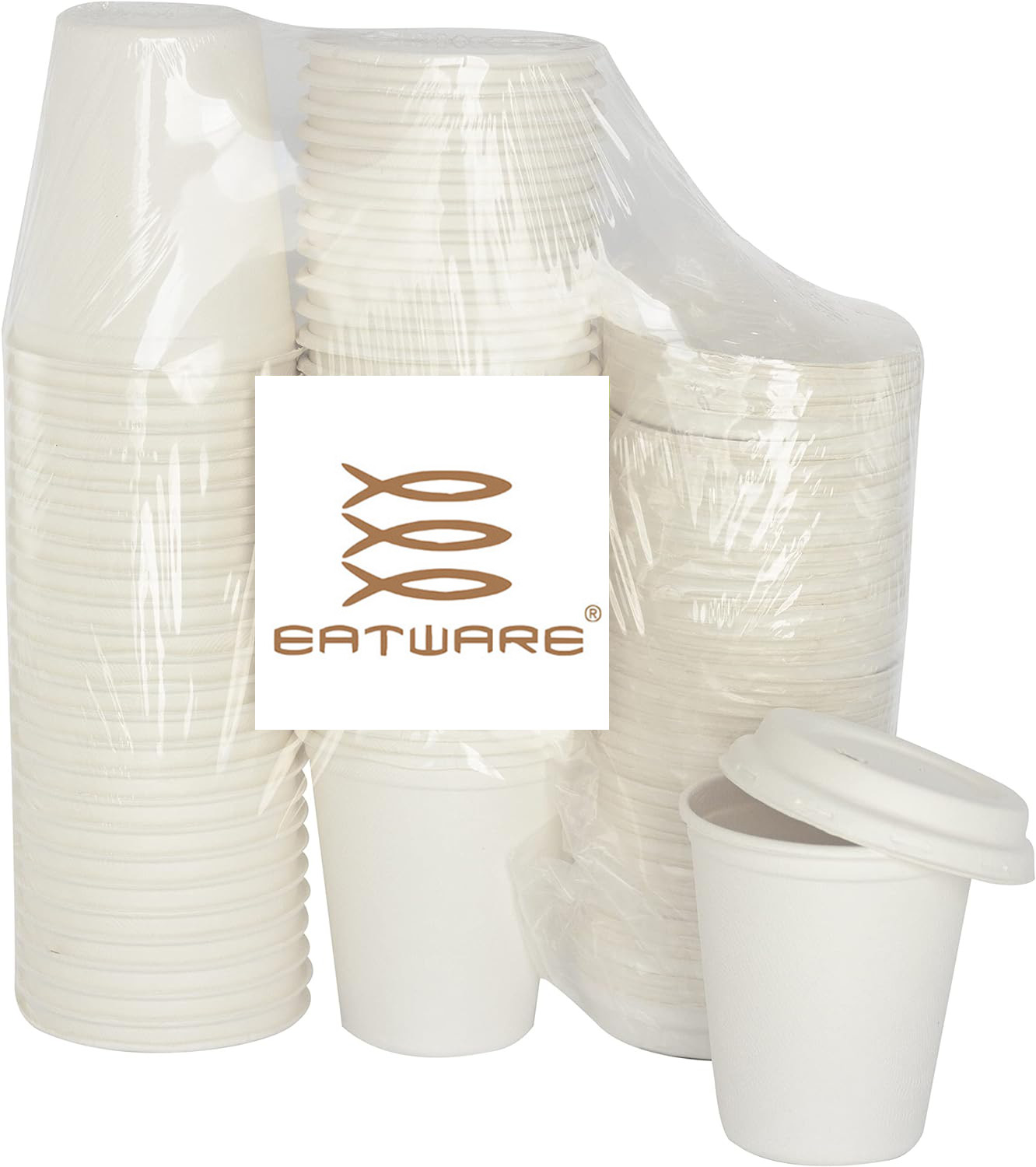 12oz
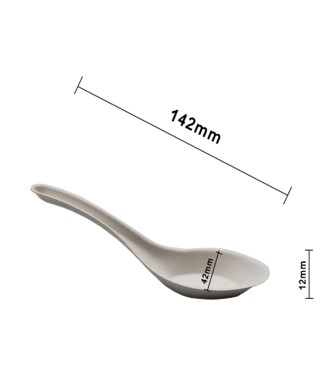 Cutlery
Leave Your Message
Engineered for high-volume automated packaging lines, multi-temperature cold chains, and premium retail shelf appeal.
The contemporary retail grocery sector is experiencing an unprecedented structural transformation. Large supermarket chains, hypermarkets, and club stores face mounting operational challenges: surging cold chain logistics costs, tightening international legislation against non-recyclable single-use plastics, and heightened consumer scrutiny over food freshness and environmental footprint. Within this highly competitive landscape, Map Modified Atmosphere Packaging For Large Supermarkets has transitioned from a specialized preservation technique into a core enterprise strategy for margin protection, waste reduction, and brand differentiation.
Modern supermarkets operate on microscopic margins where retail shrinkage (spoilage and markdown losses) can eliminate up to 3% to 5% of overall fresh department revenues. Plant-fiber thermoformed MAP containers with high-barrier bio-coatings address this pain point by balancing high gas tightness (Oxygen Transmission Rate < 0.5 cc/m²/day) with industrial compostability, allowing multi-store supermarket enterprises to achieve an extended shelf life of 12 to 28 days without synthetic preservatives.
Supermarket supply chain management revolves around velocity, cold-chain stability, and visual merchandising appeal. Traditional petroleum-based plastics such as expanded polystyrene (EPS) foam trays and multi-layer PVC/PVDC cling films are increasingly prohibited under European PPWR (Packaging and Packaging Waste Regulation), North American Extended Producer Responsibility (EPR) statutes, and Asia-Pacific carbon-neutral targets. However, simply removing barrier packaging leads to rapid oxidation, microbial proliferation, and dramatic shelf-life contraction.
Modern modified atmosphere packaging solves this conundrum through gas composition optimization—tailoring concentrations of Carbon Dioxide (CO₂), Nitrogen (N₂), and Oxygen (O₂) inside a hermetically sealed plant-fiber bowl or tray. For large supermarket distribution networks, the economic ramifications are vast:
In high-traffic supermarket meat departments, maintaining the bright cherry-red color of fresh beef (oxymyoglobin stability) while suppressing aerobic spoilage bacteria is essential. High-barrier laminated bamboo fiber MAP trays allow for high-oxygen gas flushes (typically 70–80% O₂ and 20–30% CO₂), which preserves vibrant meat coloration while carbon dioxide prevents microbial colonization. For pork and poultry, low-oxygen or anaerobic blends (70% N₂ / 30% CO₂) prevent lipid oxidation, eliminate rancidity, and keep poultry skin fresh without weeping or drip leakage under stacking pressure.
Fresh-cut fruits, organic berries, and mixed greens continue to respire post-harvest, consuming oxygen and liberating carbon dioxide and water vapor. Equilibrium Modified Atmosphere Packaging (EMAP) using molded pulp bowls equipped with anti-fog laser-perforated bio-laminates prevents moisture condensation and anaerobic fermentation. This prevents leaf wilting, browning along cut edges, and off-odor formation, granting supermarket produce sections consistent 10- to 14-day freshness windows.
Supermarket "Grab-and-Go" deli sections represent the fastest-growing revenue segment in retail grocery. Consumers demand preservative-free gourmet entrees, pasta bowls, and ethnic cuisines. High-barrier plant-fiber MAP containers withstand gas flushing (0% O₂ with 70–80% N₂ balance CO₂), effectively halting fat rancidity and mold growth. Furthermore, advanced bio-laminations provide dual-ovenable properties, allowing customers to safely reheat meals in microwave or conventional ovens up to 200°C directly within the compostable container.
Seafood is among the most perishable commodities in retail supermarkets, prone to rapid degradation by Pseudomonas and Shewanella bacteria. Laminated MAP barrier packaging provides an ultra-low oxygen transmission barrier combined with elevated CO₂ atmospheres (up to 50–60%), suppressing trimethylamine oxide reduction and locking in oceanic freshness for up to 10–12 days under strict refrigeration.
Kangxin (HaiMen) Environmental Technology provides industrial-scale OEM/ODM manufacturing for world-leading grocery and foodservice chains.
In the field of environmentally friendly packaging for 18 years,Has established cooperation with 500+ brands.
Through our research and development, there are more than 60 products can product, we also support OEM ODM customized services.
Exported to the United States, Europe, Australia, Canada and other countries, right now we have exported more than 30 countries.
10000+ square meters factory area, more than 30 patent certificates, 10 foreign authoritative certification, 55 automatic forming machines...
EATware is committed to sustainable development, using all natural plant fibers to produce safe, healthy and environmentally friendly tableware. Adhering to the concept of "take nature, serve humanity, return to nature", we focus on the development of safe, high quality and environmental standards.
EATware emphasizes environmental protection and sustainable development, explores the balance between enterprise survival and environmental protection, and uses all-natural and pollution-free bamboo fiber as the main material of tableware to ensure that its products meet the high technical level and are superior to developed countries.
Kangxin (HaiMen) Environmental Technology Co., Ltd. is a technology innovation oriented enterprise that focuses on disposable environmentally friendly tableware and food packaging.
We have advanced production processes and equipment, and continue to attract senior talents, focusing on environmental protection,emphasizing safety, and ensuring quality.
Explore our 10,000+ sqm intelligent manufacturing facility, 55 automated high-precision forming thermoforming units, and dust-free packaging workshops via our interactive 360 VR virtual tour.
Stay informed with technical insights, testing protocols, and packaging industry evolutions.
The most reliable way to test disposable food containers is to combine leakage testing with structural testing under conditions that reproduce the intended food application. A container should not be approved simply because it holds water for several minutes or survives an empty compression tes...
read more
For foodservice operators, replacing conventional plastic packaging is not simply a matter of changing materials. Disposable biodegradable tableware must still withstand hot food, sauces, oils, condensation, stacking, transport, and commercial handling without losing structural integrity. Poorl...
read more
With growing global demand for takeaway meals and eco-friendly packaging, China’s manufacturing sector has become a major hub for disposable food containers. Today’s food businesses - from fast-food chains and meal-delivery services to supermarkets and catering companies - are looki...
read more
Globally recognized certifications ensuring total food contact safety, biocompostability, and manufacturing compliance.
Trusted by premier supermarket conglomerates, global airlines, and multinational foodservice brands.
Comprehensive plant-fiber barrier bowls, compartmentalized trays, and heat-sealable MAP containers tailored for high-volume grocery retail operations.

