 Box With T buckle
 700ml Square Lunch Box
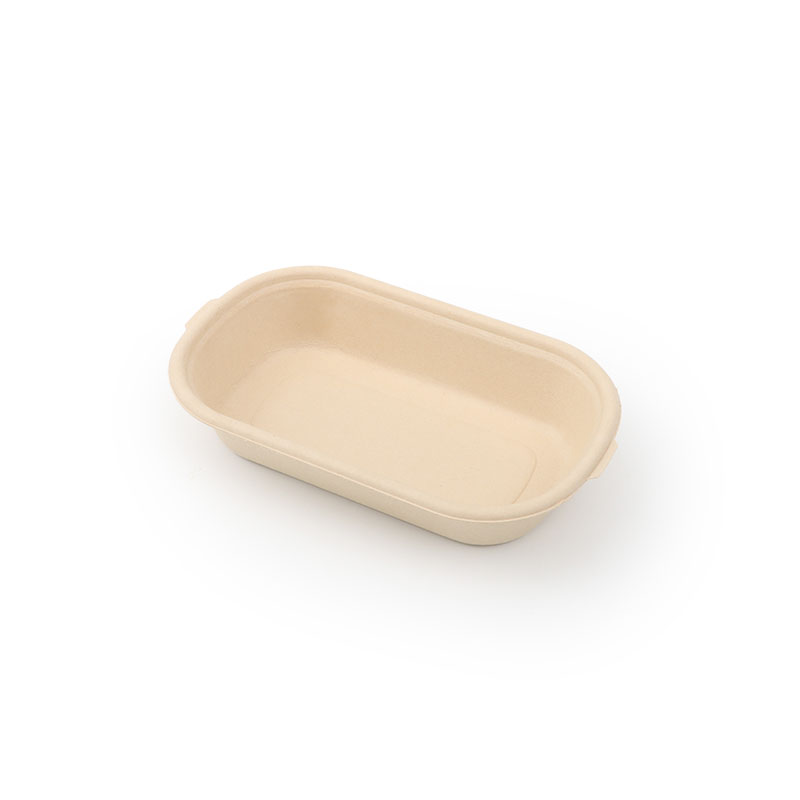 500ml
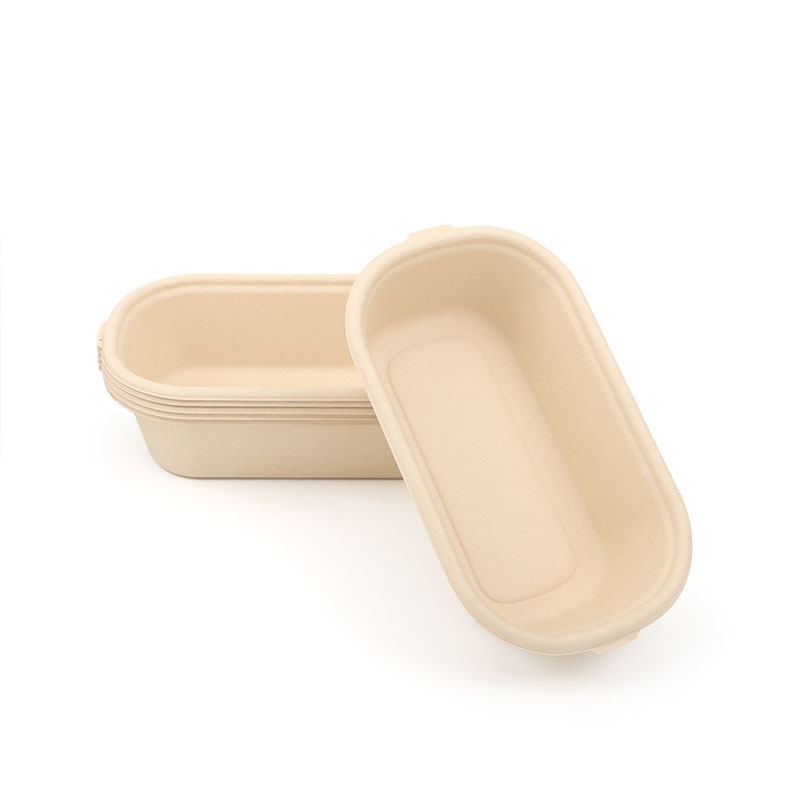 700ml
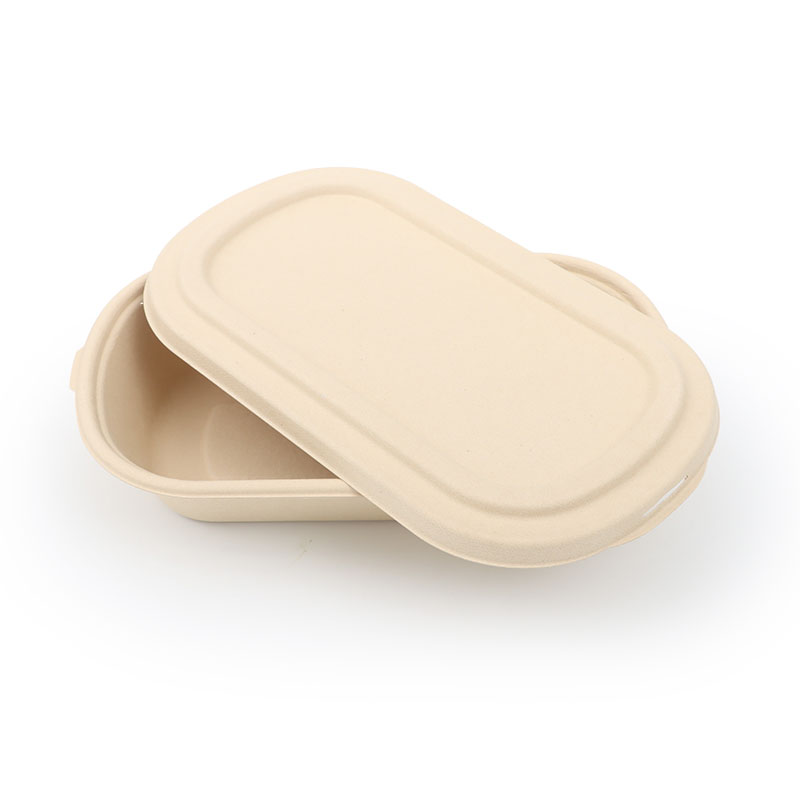 850ml
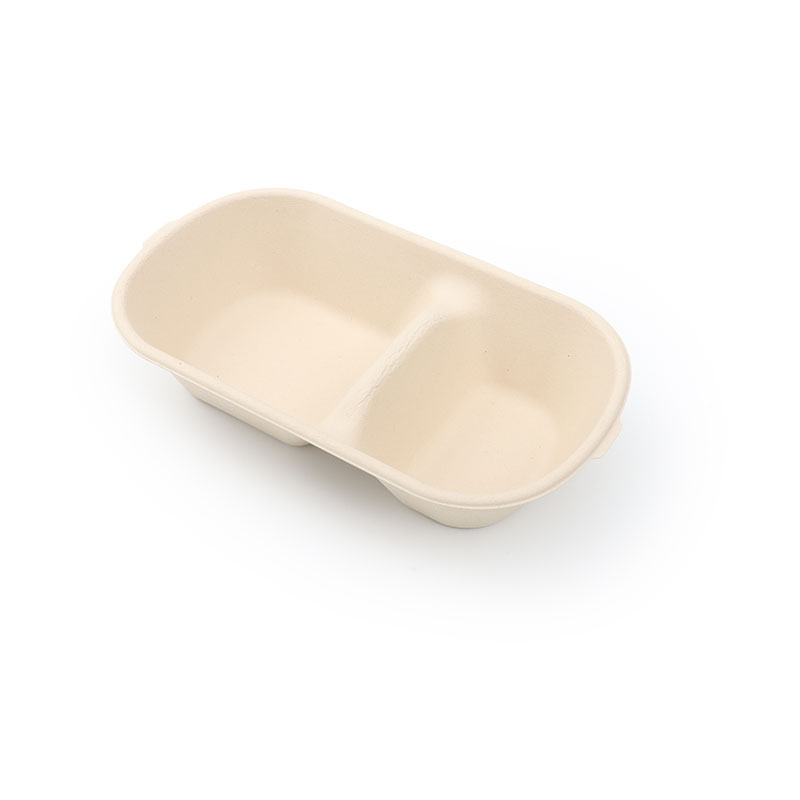 800ml 2 Compartments
 1000ml 2 Compartments
 1100ml
 1000ml Square Lunch Box
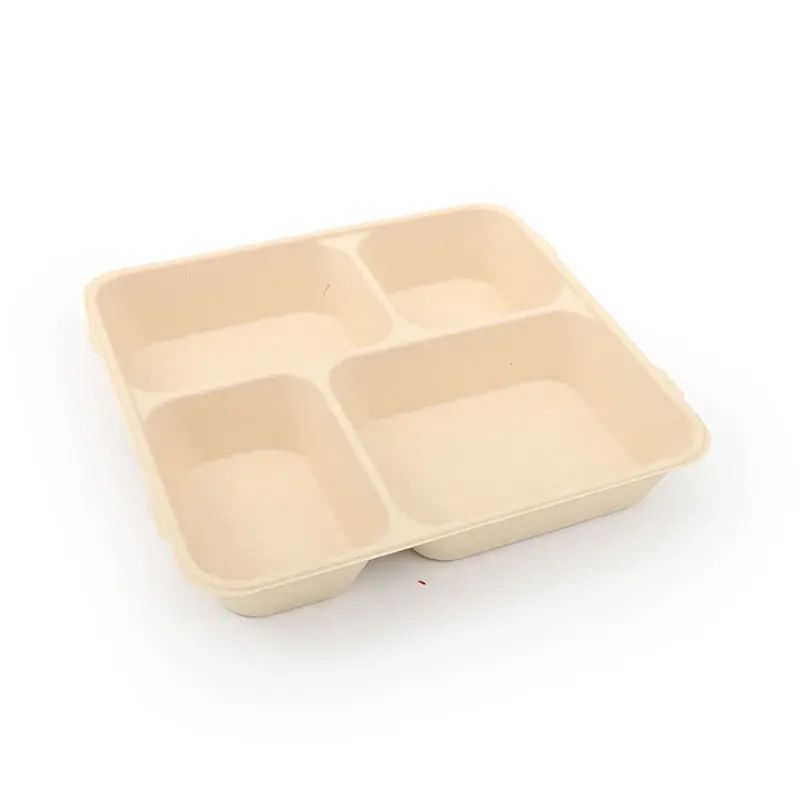 1340ml 4 Compartments
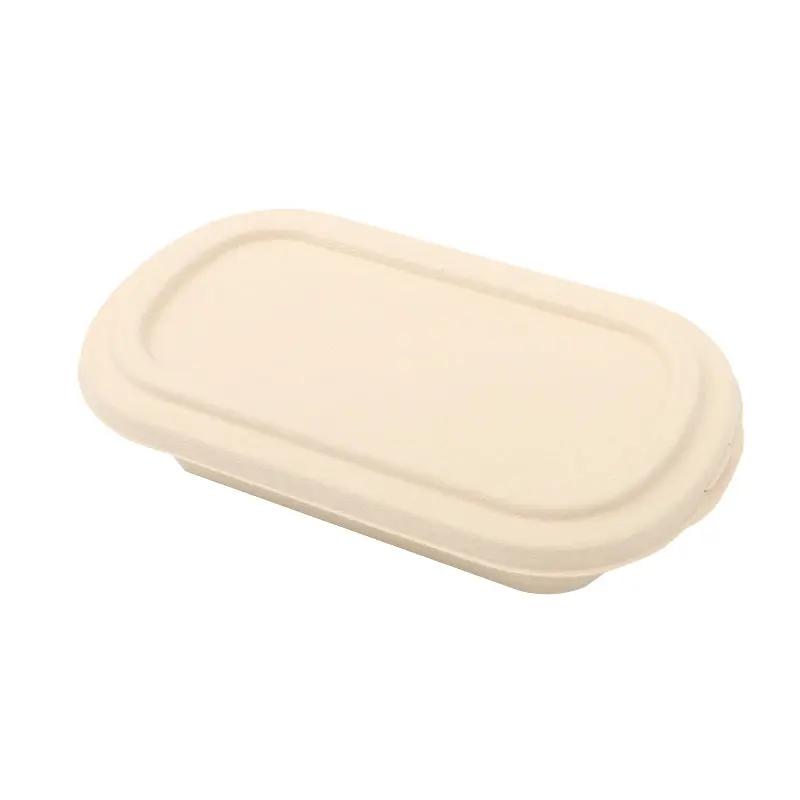 Lunch Box Lid
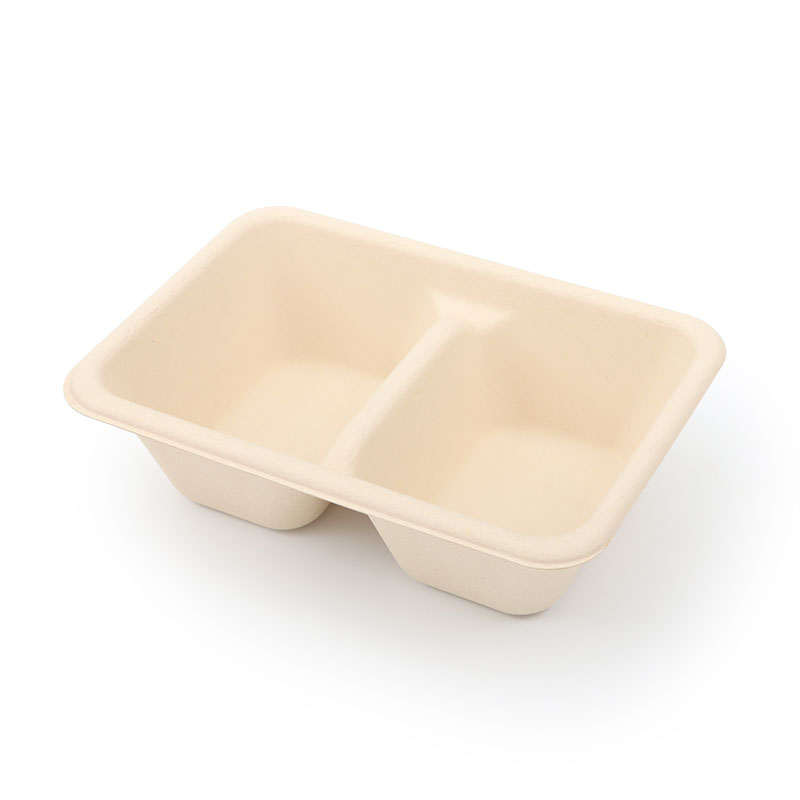 650ml
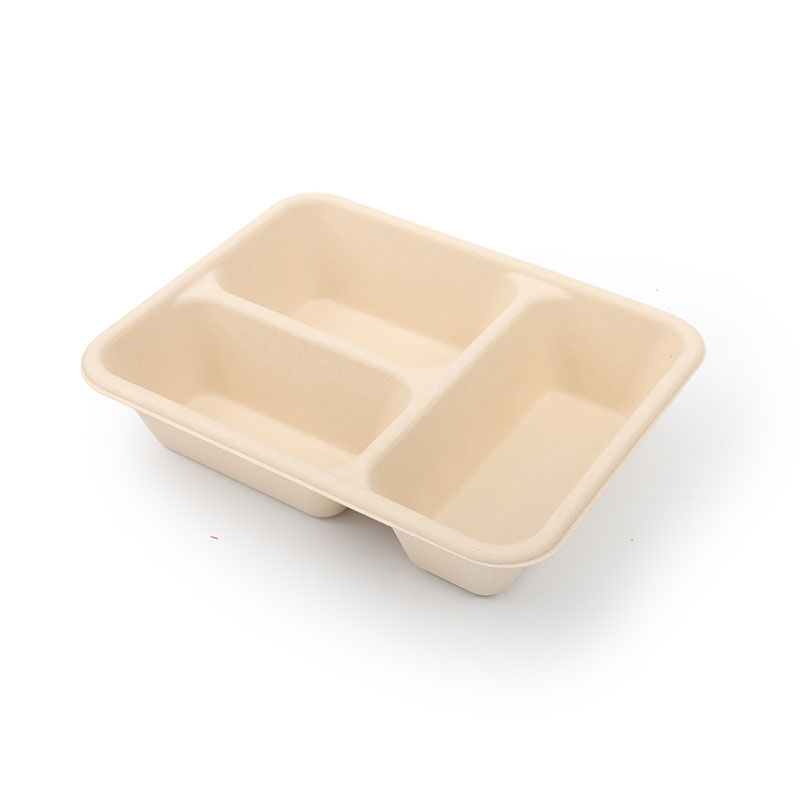 1000ml 3 Compartments
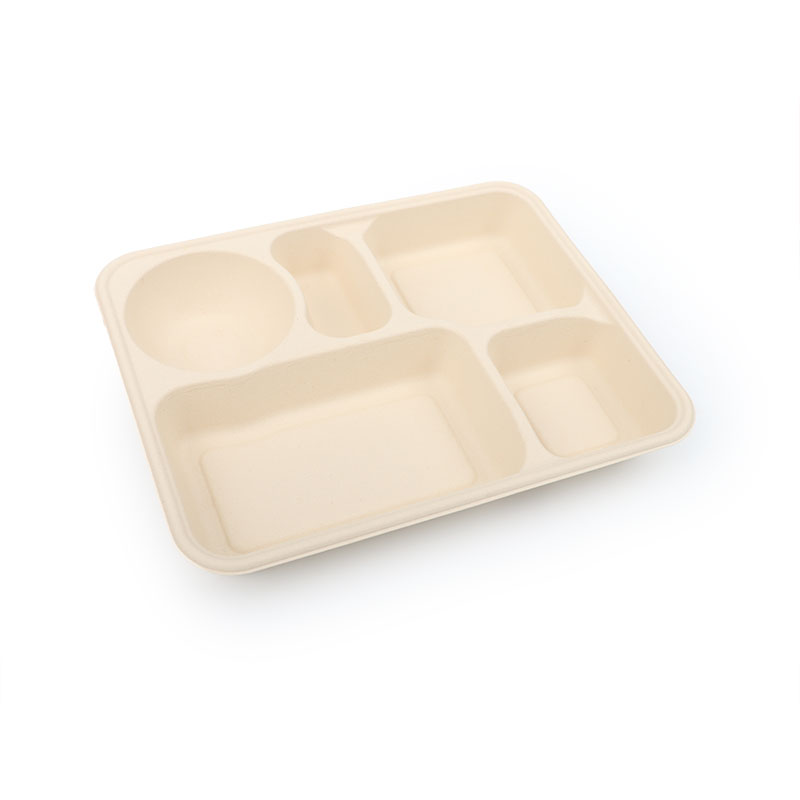 1250ml 5 Compartments
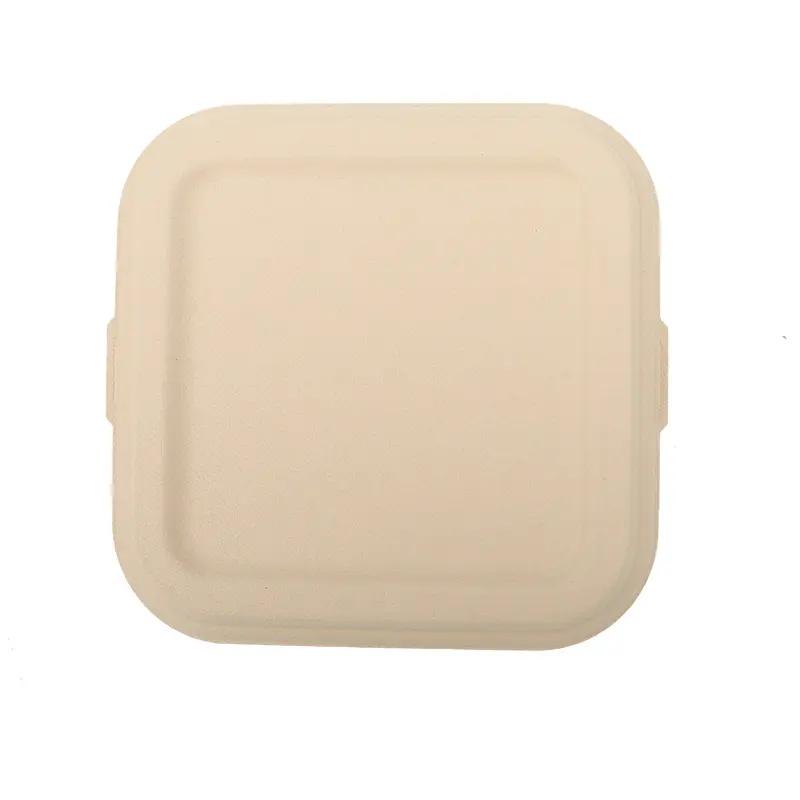 Square Lunch Box Lid
 Box Without T buckle
 850ml Salad Box
 700ml
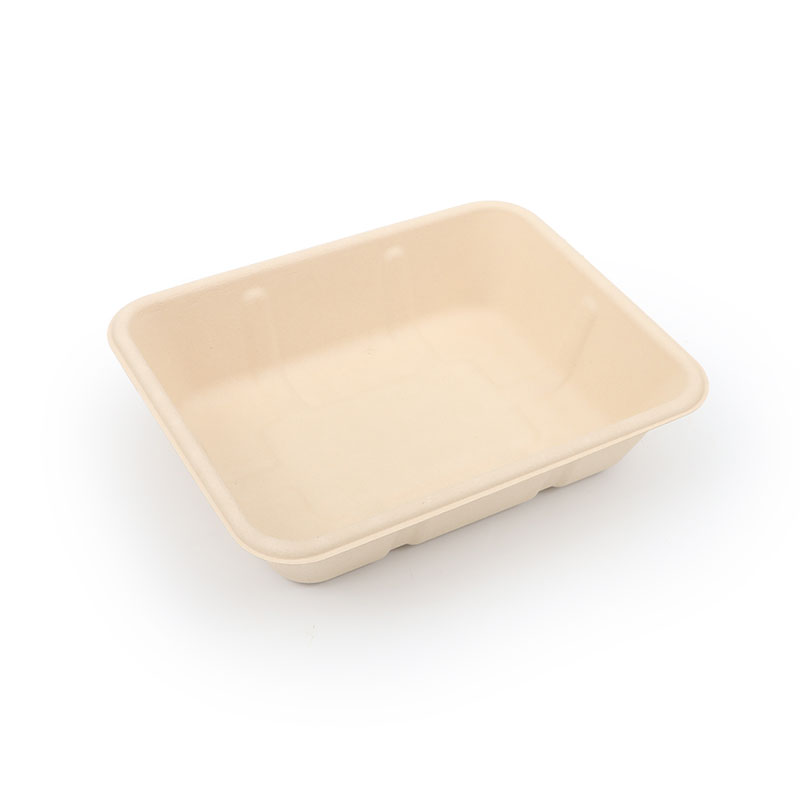 1350ml
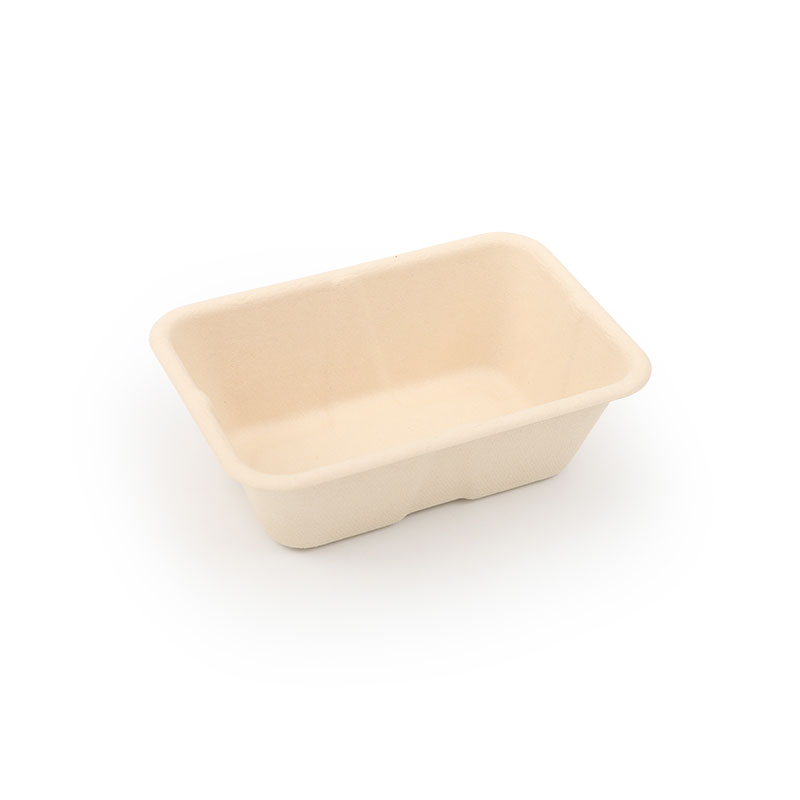 470ml
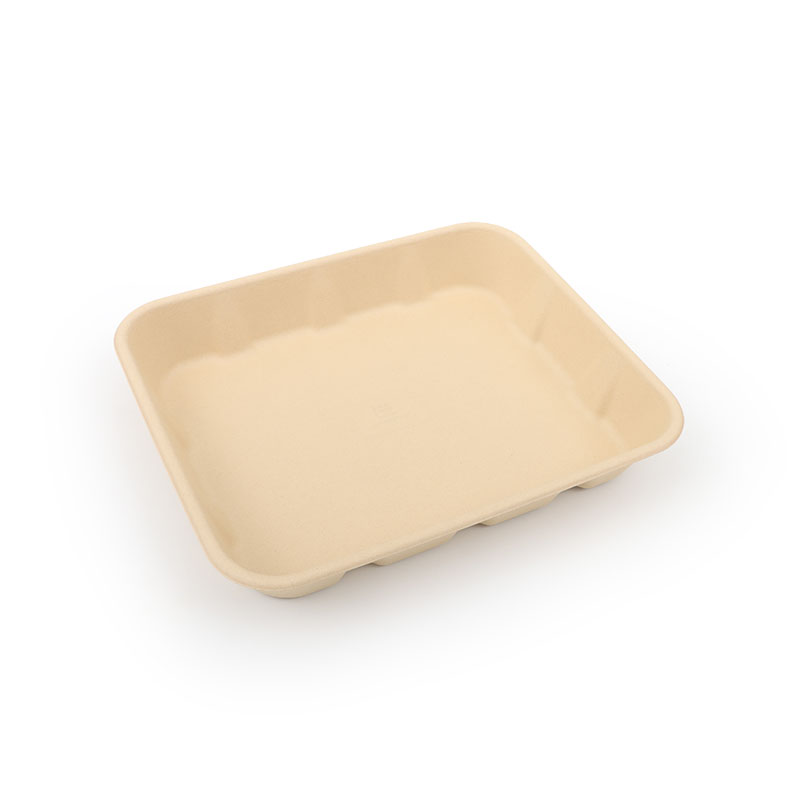 2183ml Tray Box
 11" * 9"
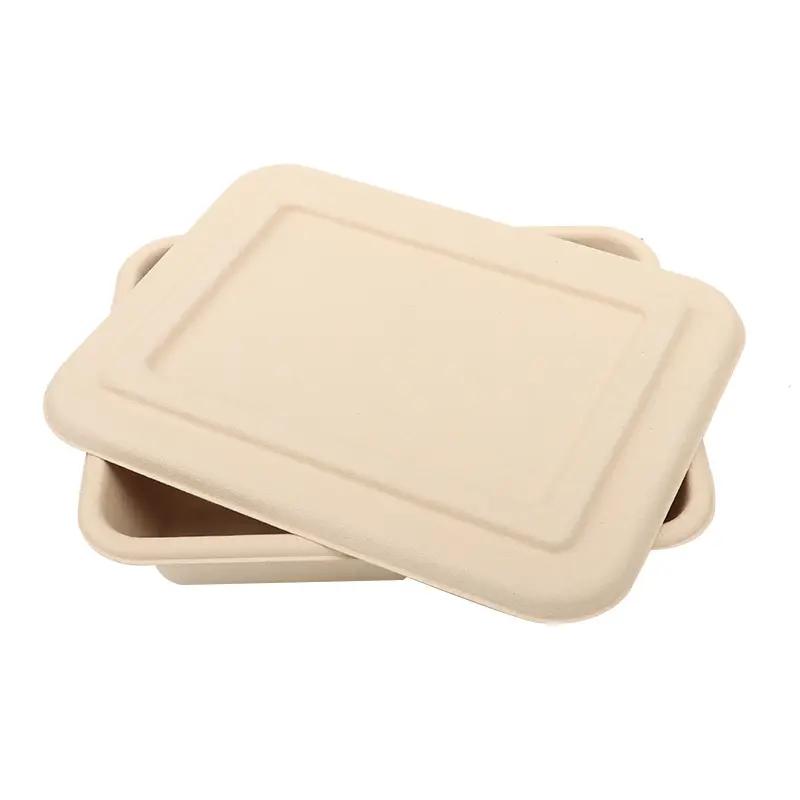 800ml
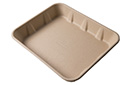 One Part Box
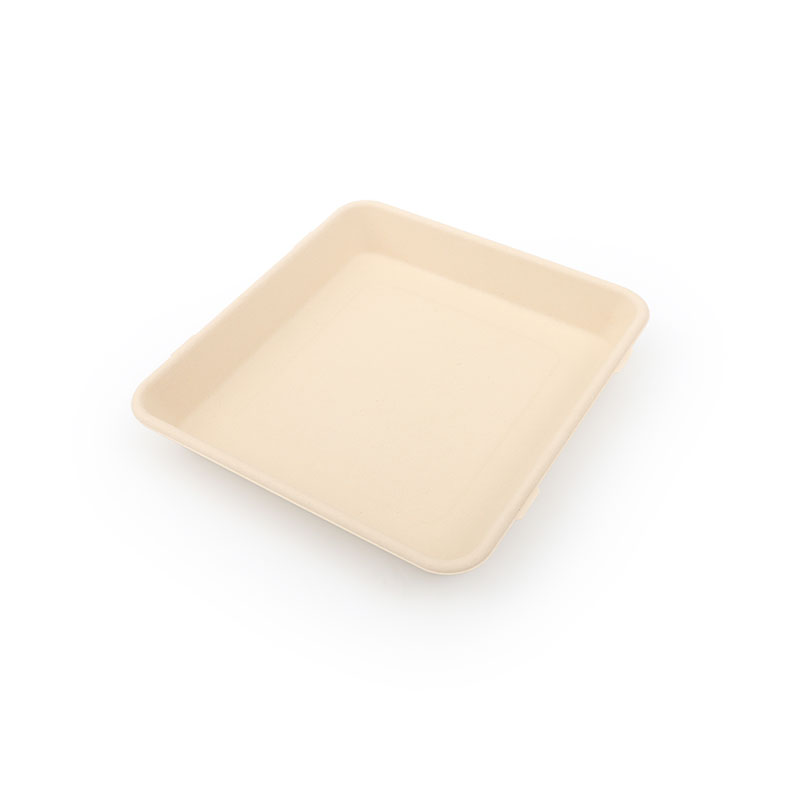 1443ml Tray Box
 Cake Bread Snack Tray Series
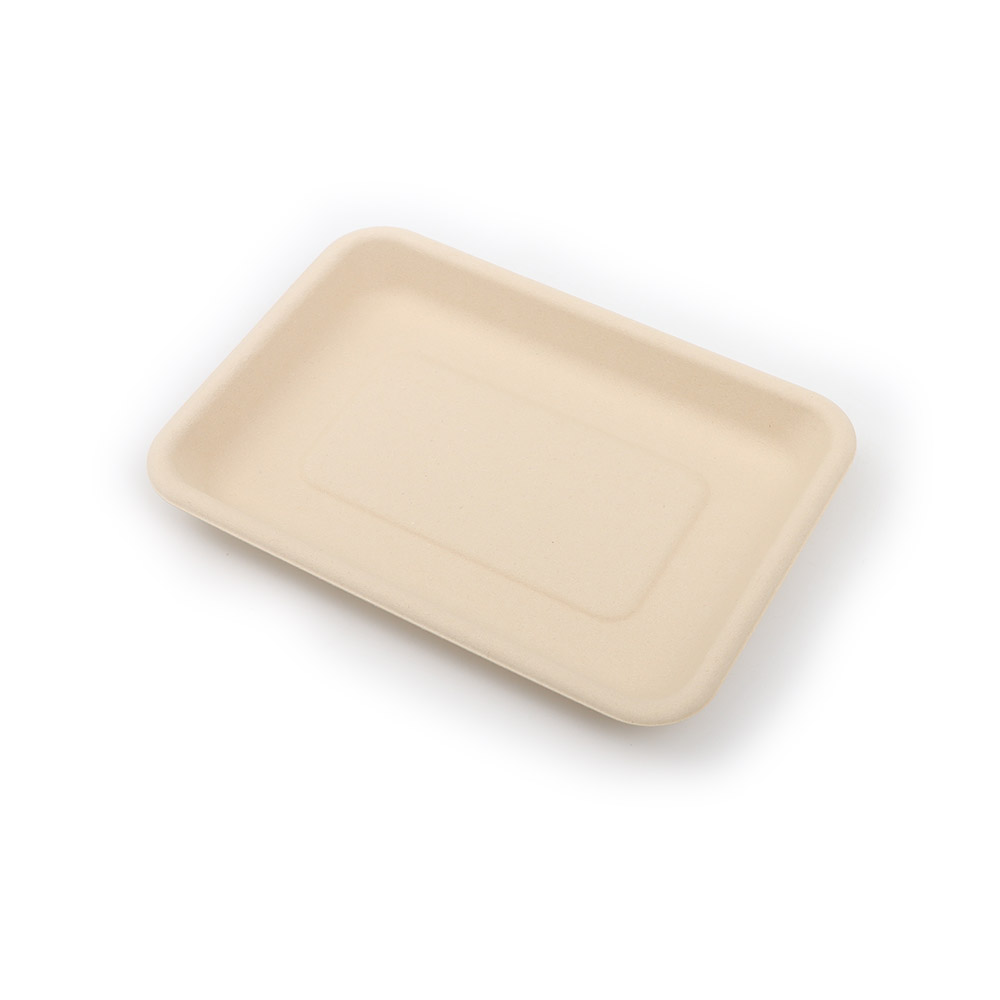 5" * 7" natural color
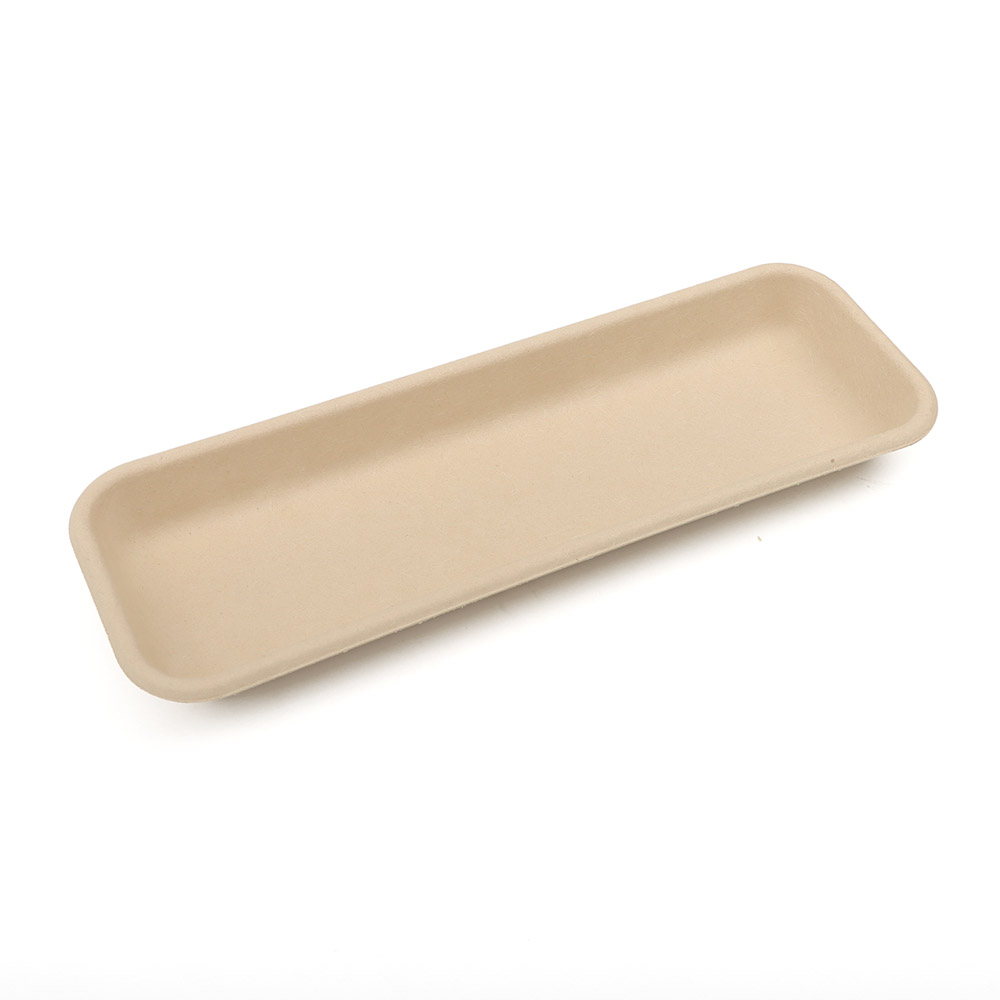 11.4" * 3.9"
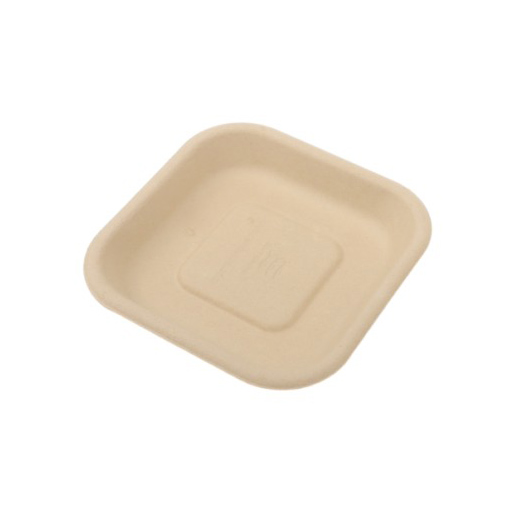 5.3" * 5.3"
 Fruit And Vegetable Tray Series
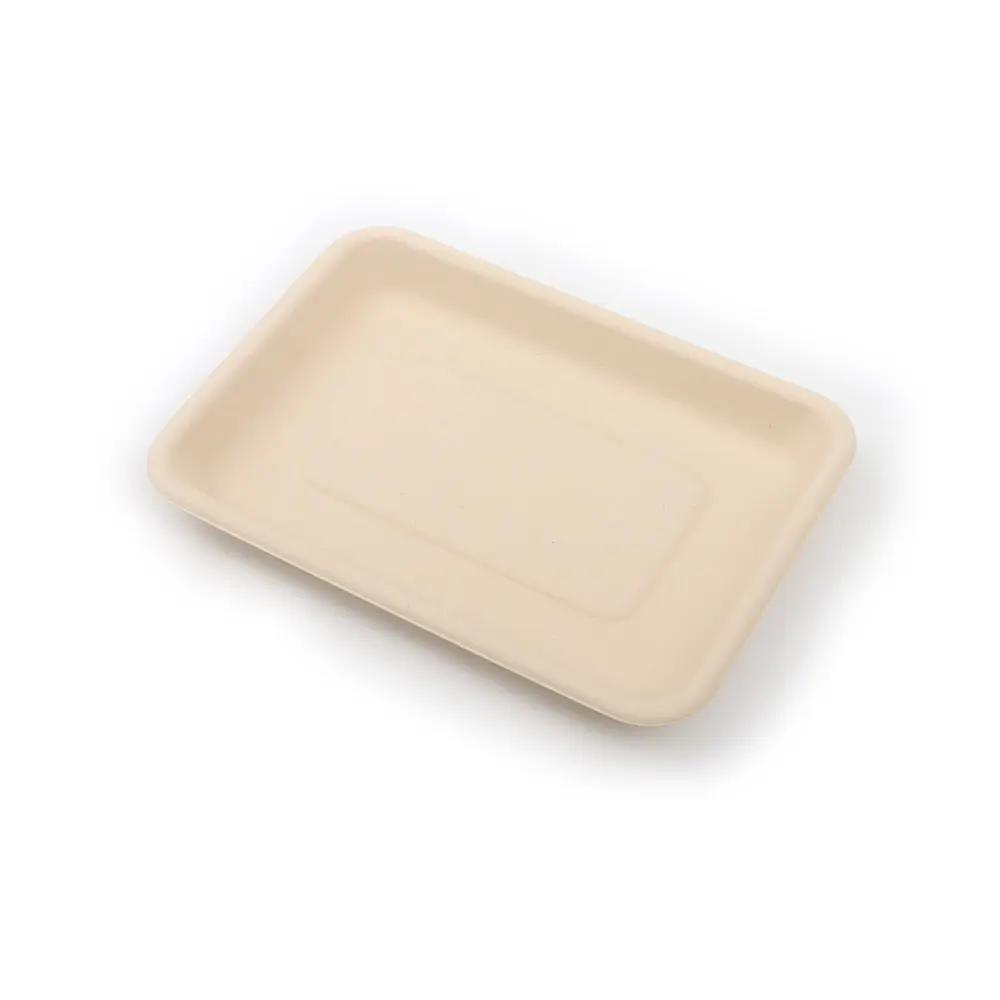 8.6" * 5.3"
 Sushi Tray Series
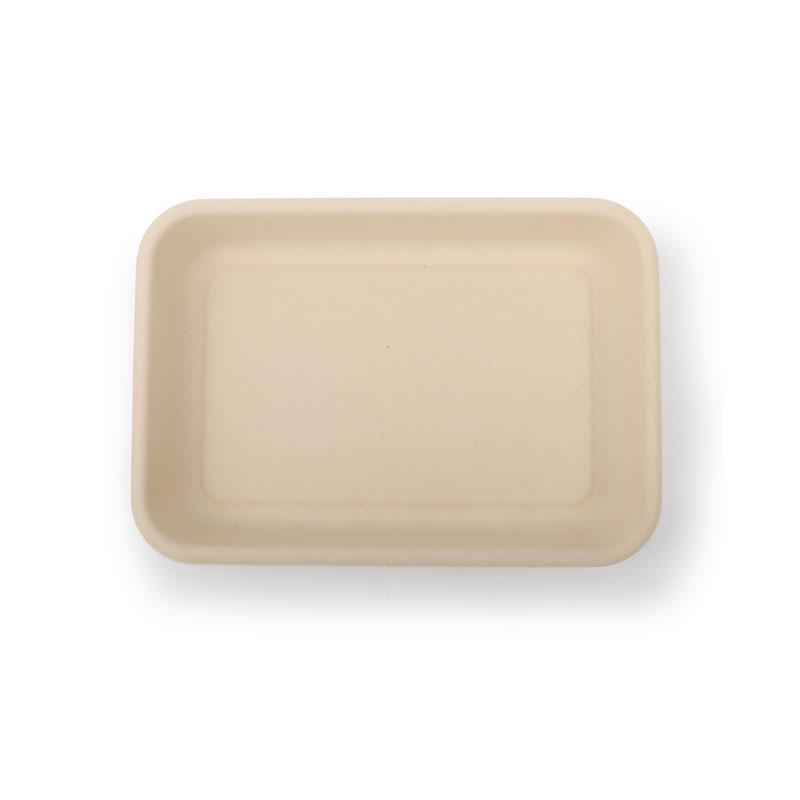 200" * 140"
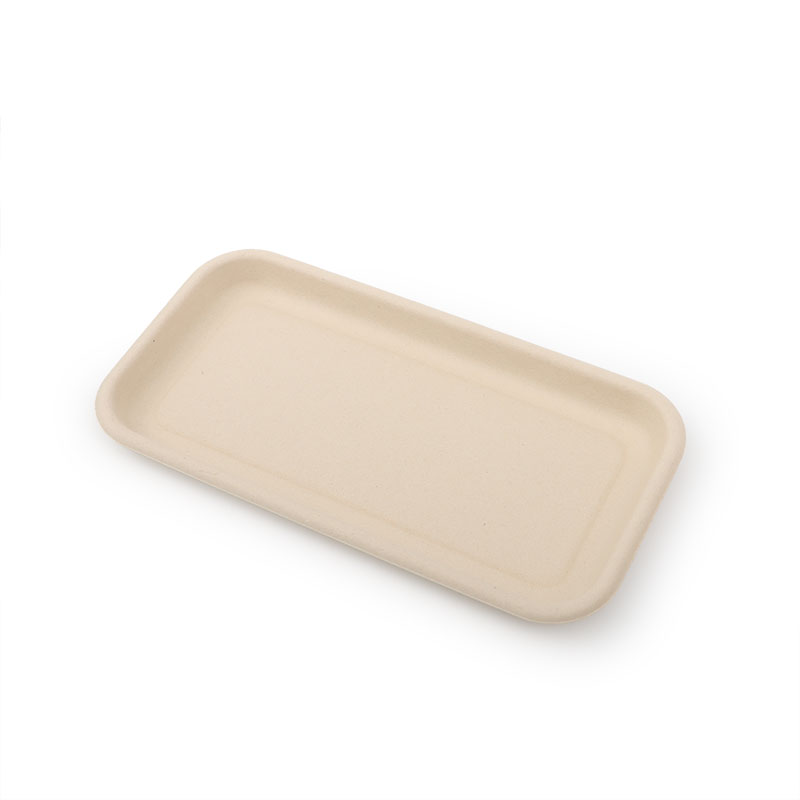 210" * 110"
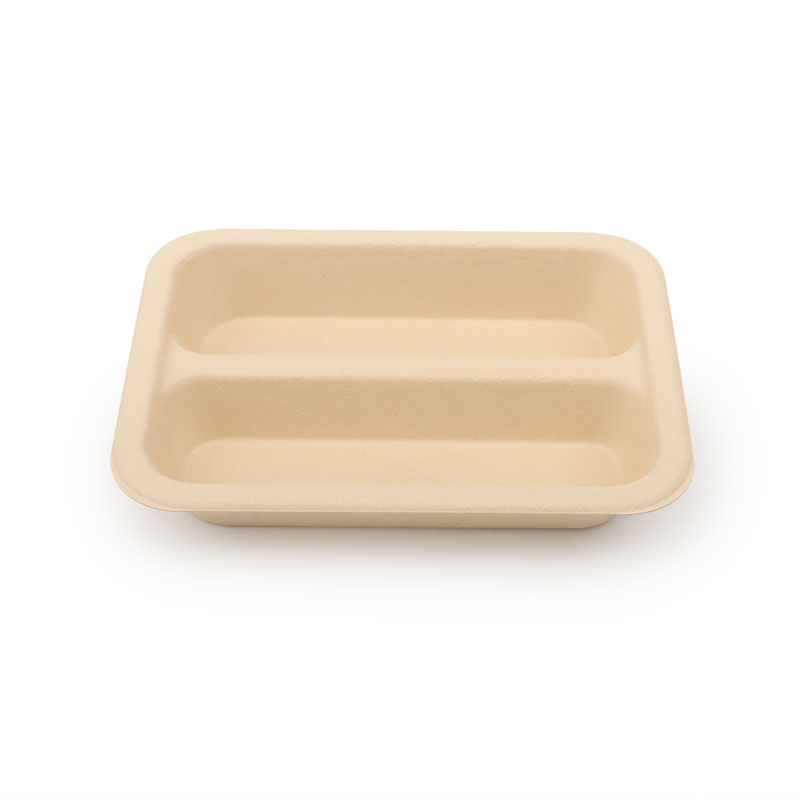 2 Compartments
 Small Round Plate Series
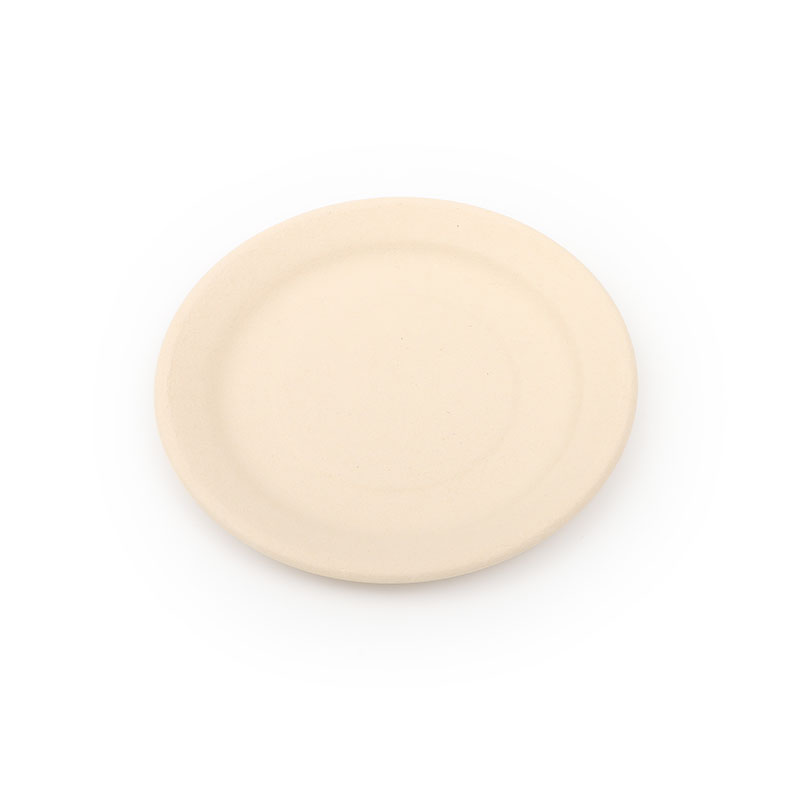 7 inch
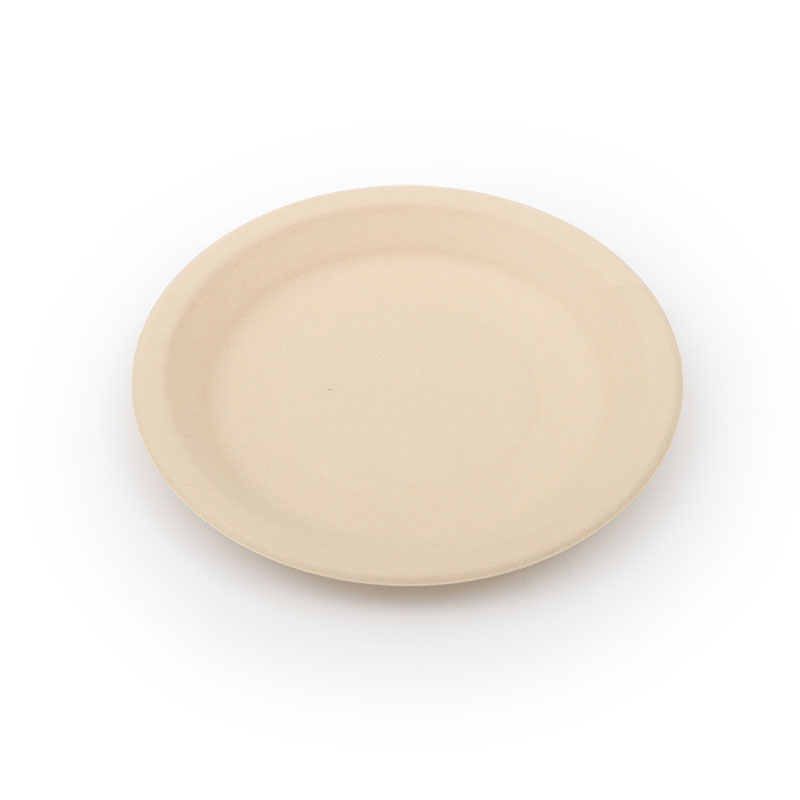 6 inch
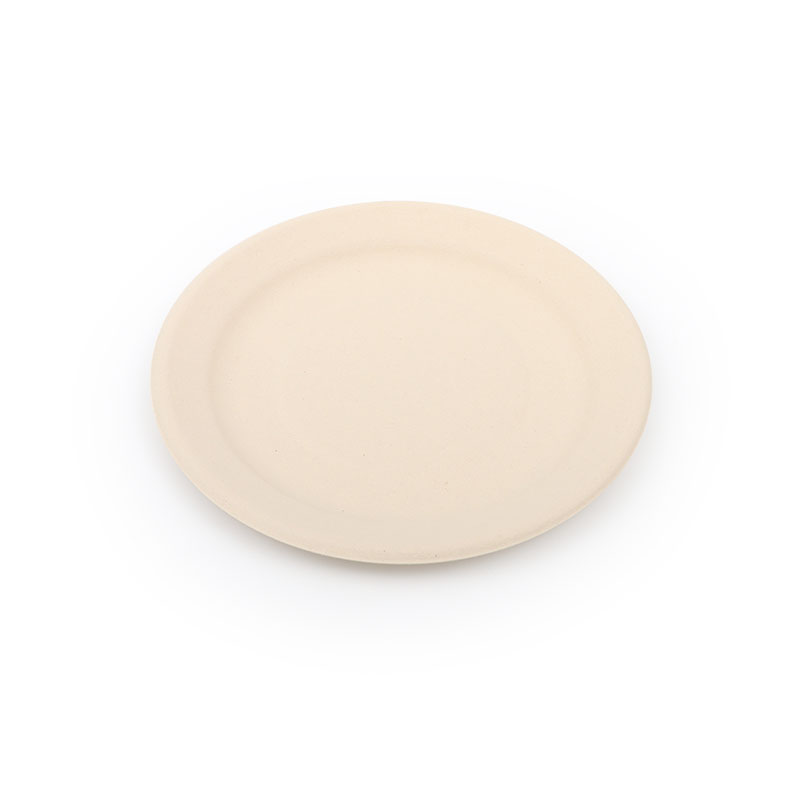 8 inch
 Middle Round Plate Series
 9 Inch 3 Compartments
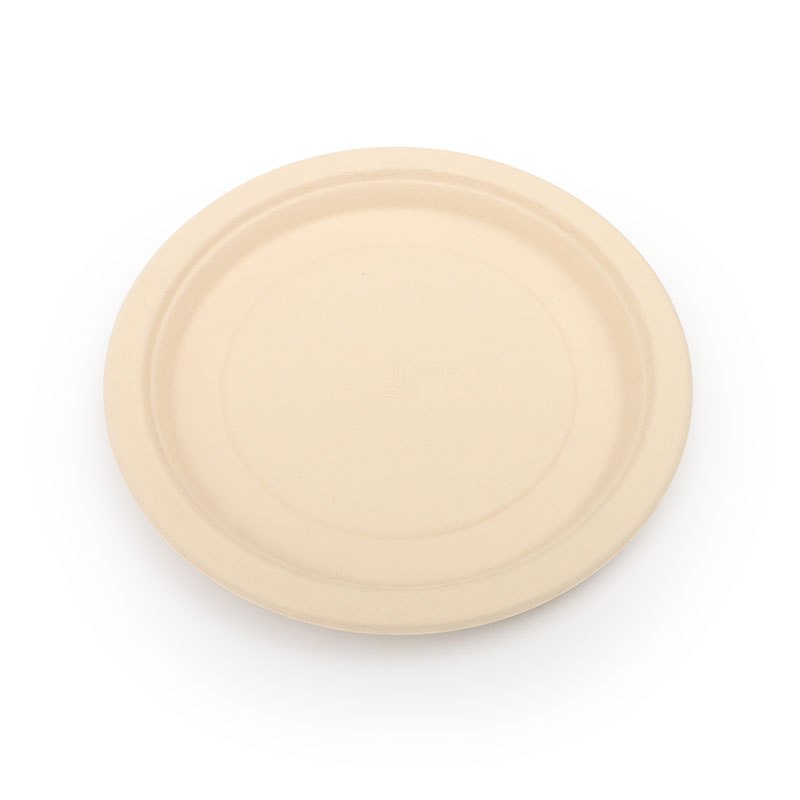 9 inch
 Big Round Plate Series
 12.7 Inch Pizza Plate
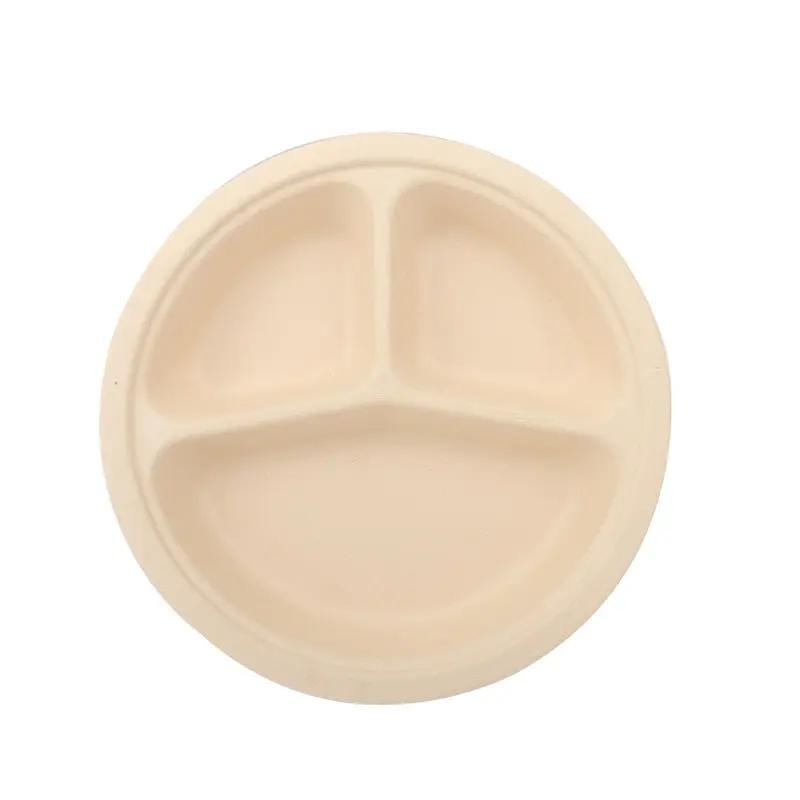 10.25 inch 3 Compartments
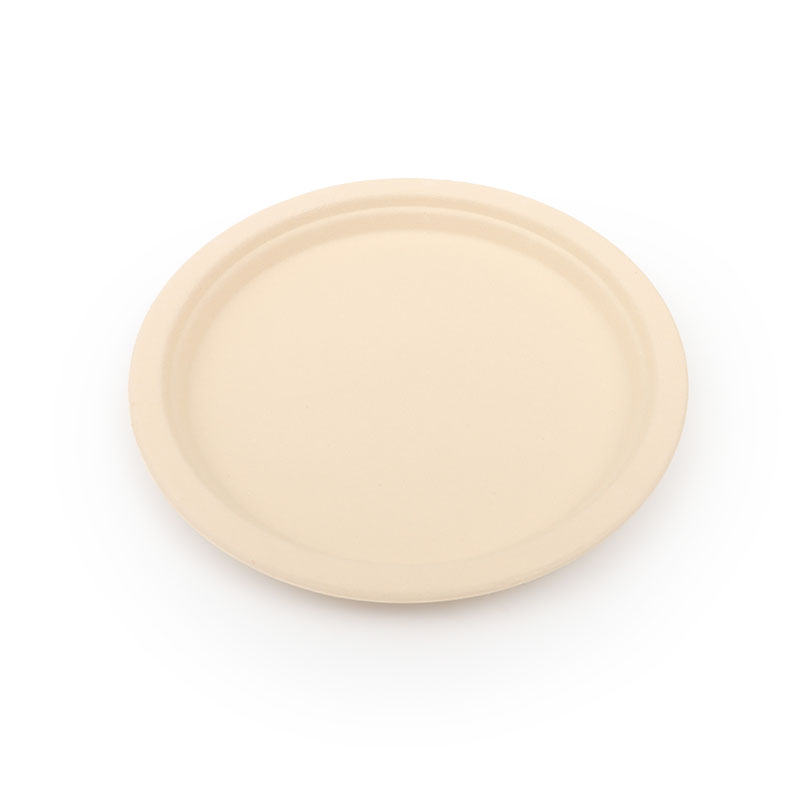 10 inch
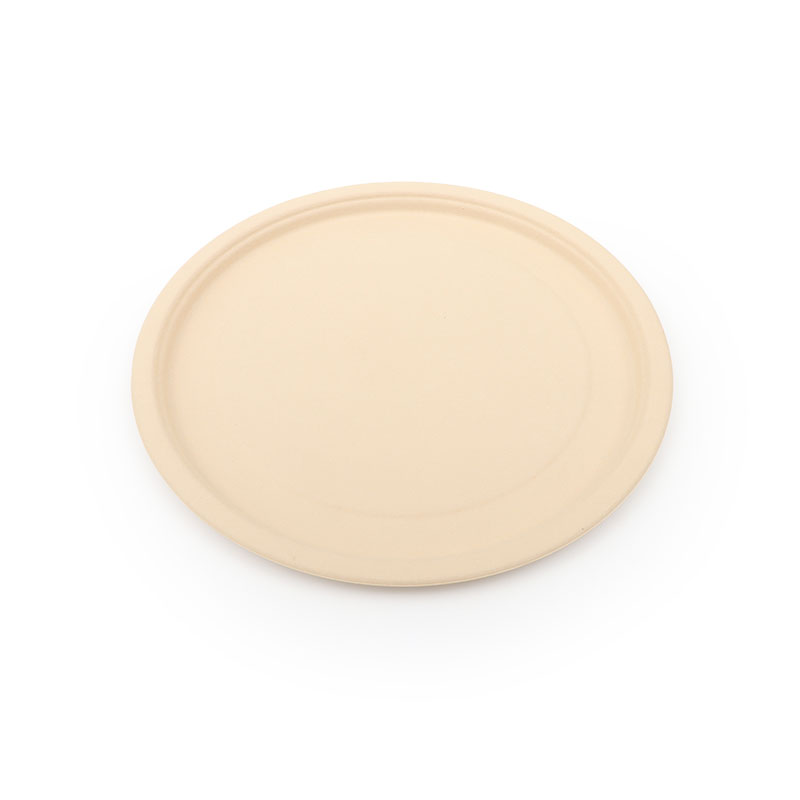 12 inch
 Bigger Bowl
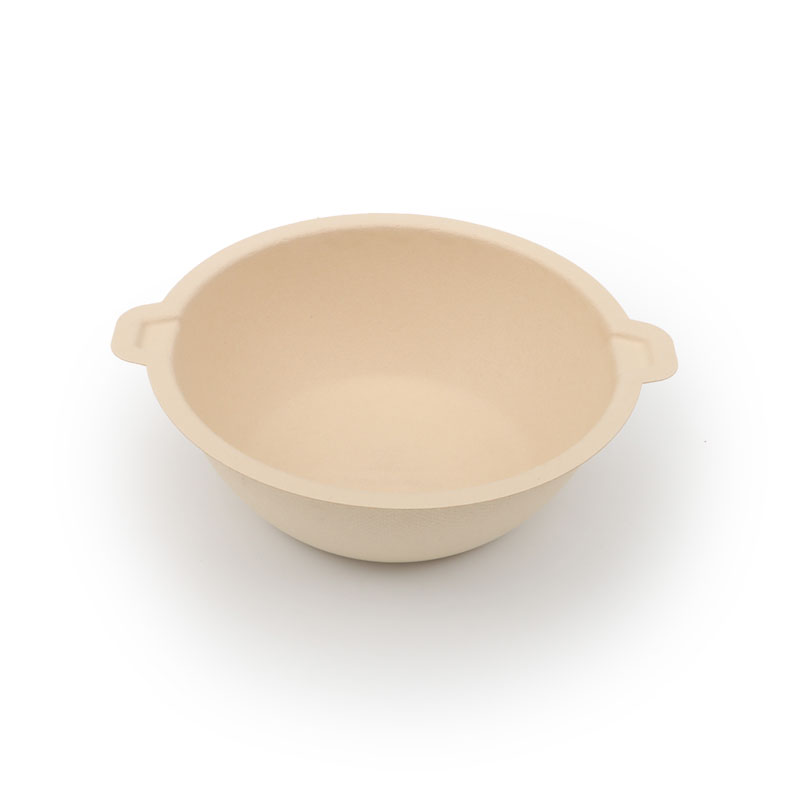 48oz(1420ml)
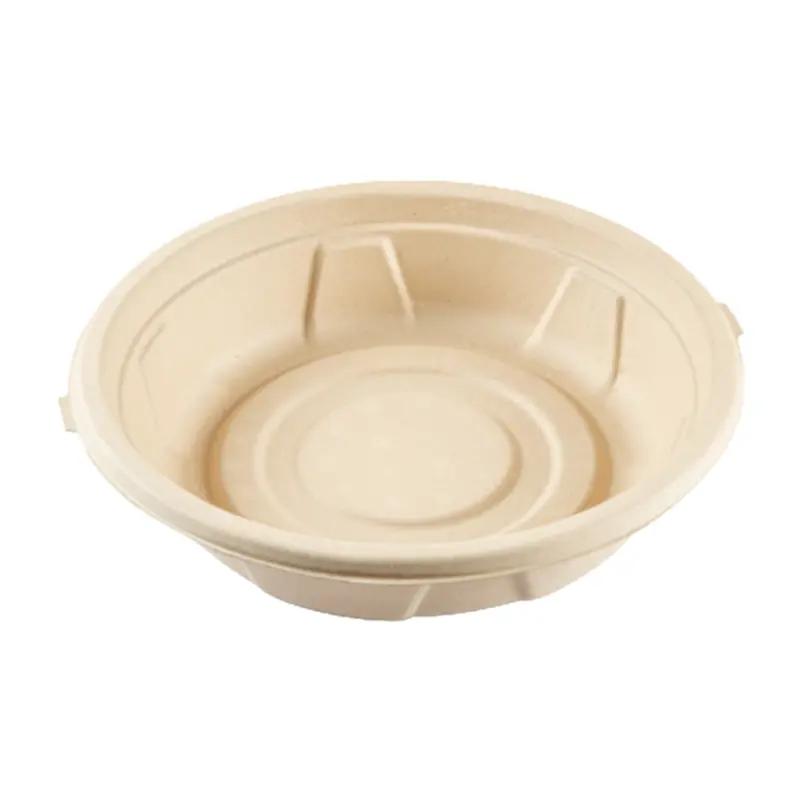 56oz(1650ml)
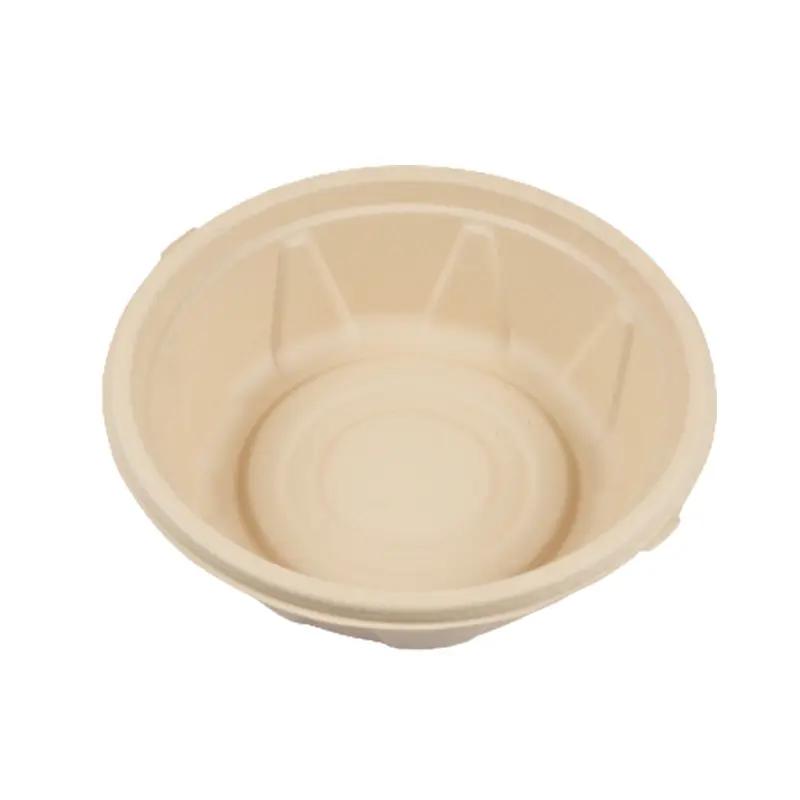 100oz(2950ml)
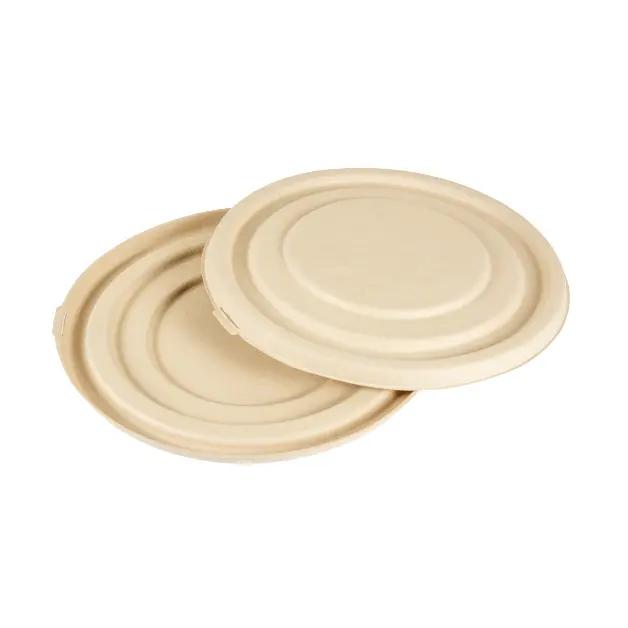 100oz(2950ml) With Lid
 Middle Bowl
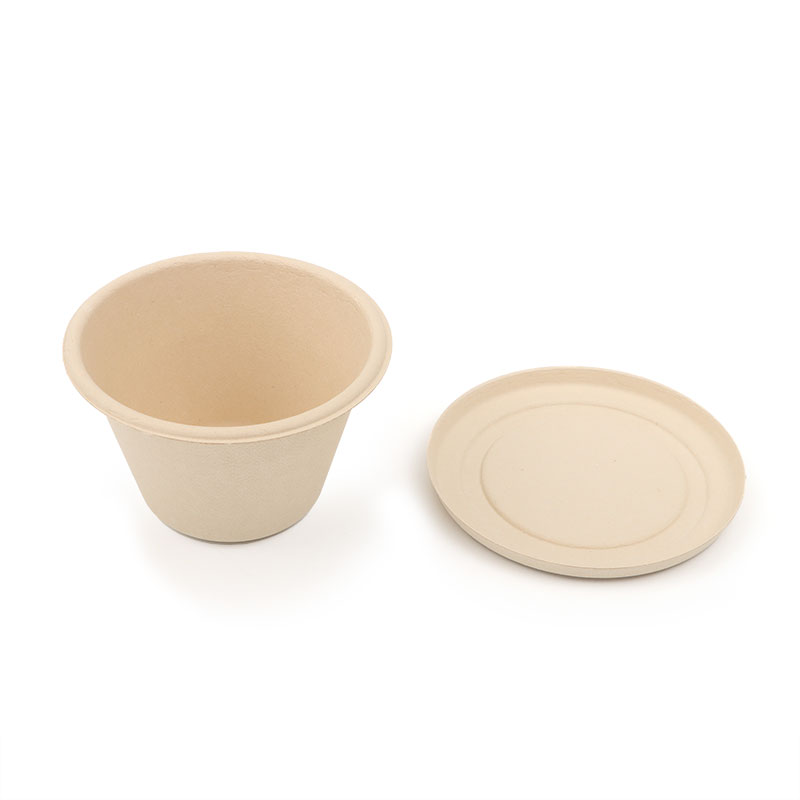 17oz(500ml)
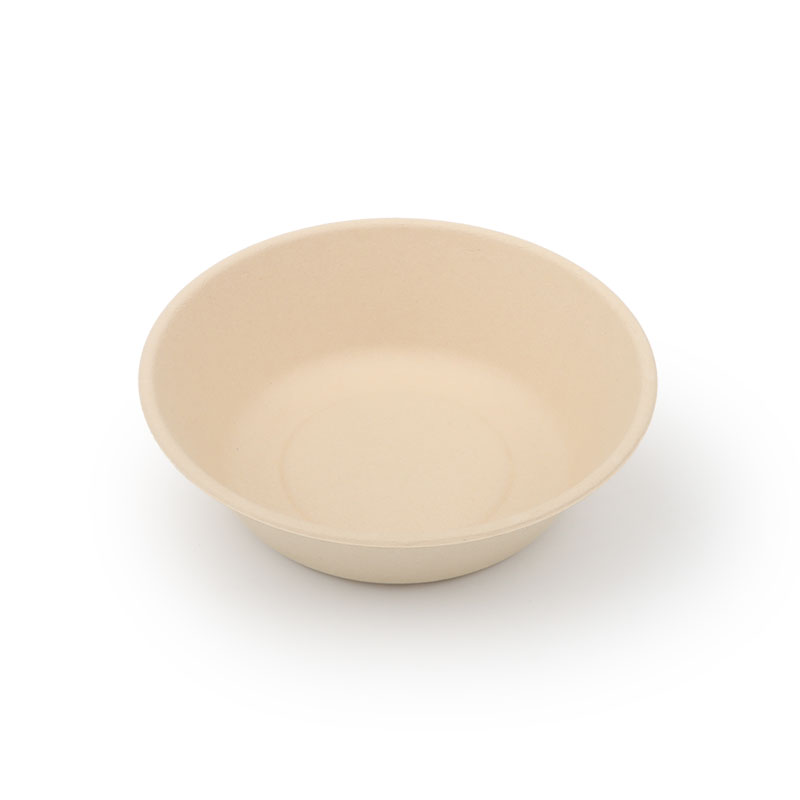 27oz(800ml)
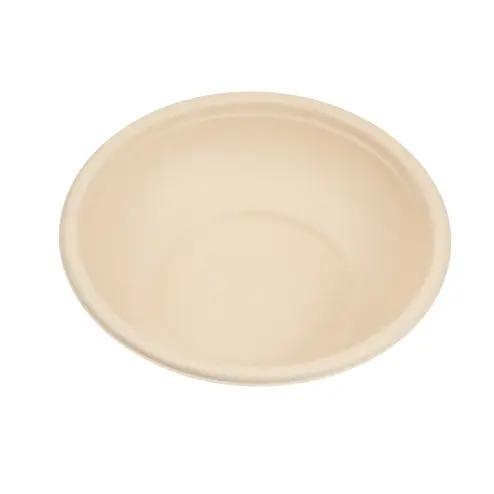 20oz(600ml)
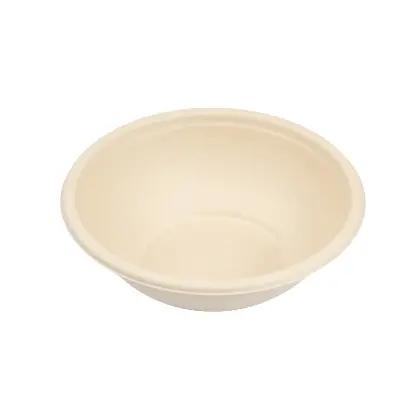 29oz(850ml)
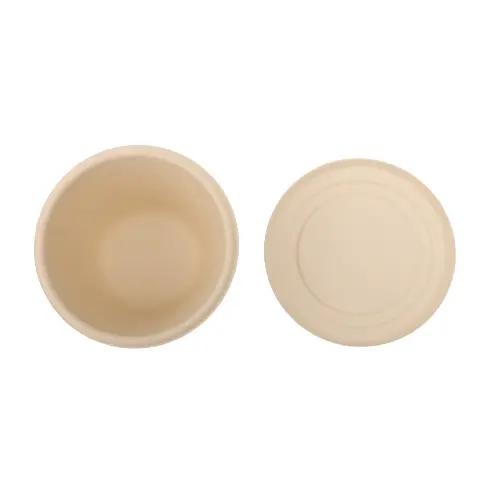 17oz(500ml) With Lid
 17oz(500ml) PET Lid
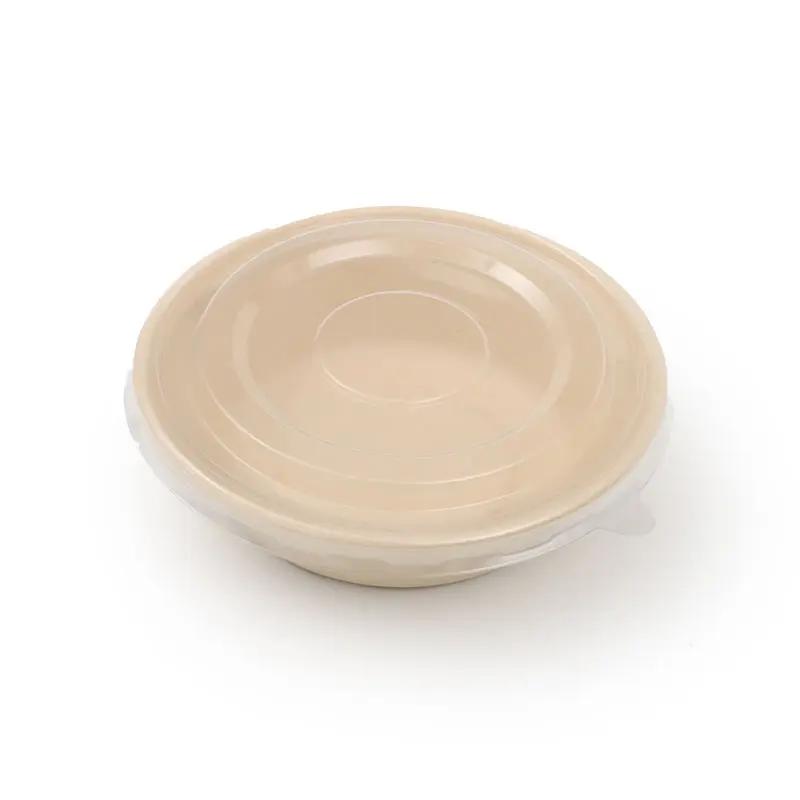 28oz(830ml) PET Lid
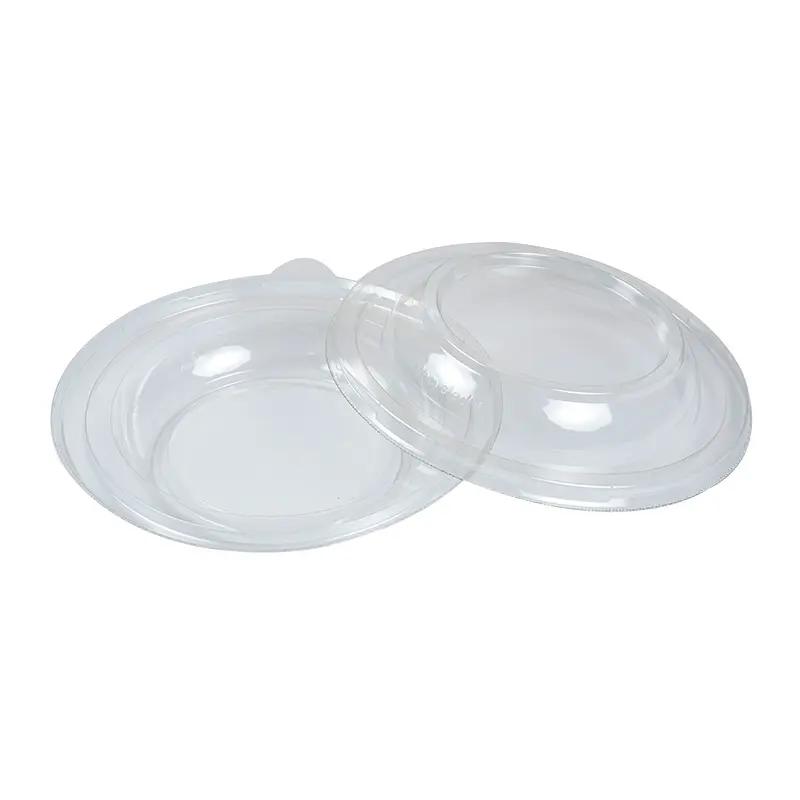 Round Bowl PET
 Small Bowl
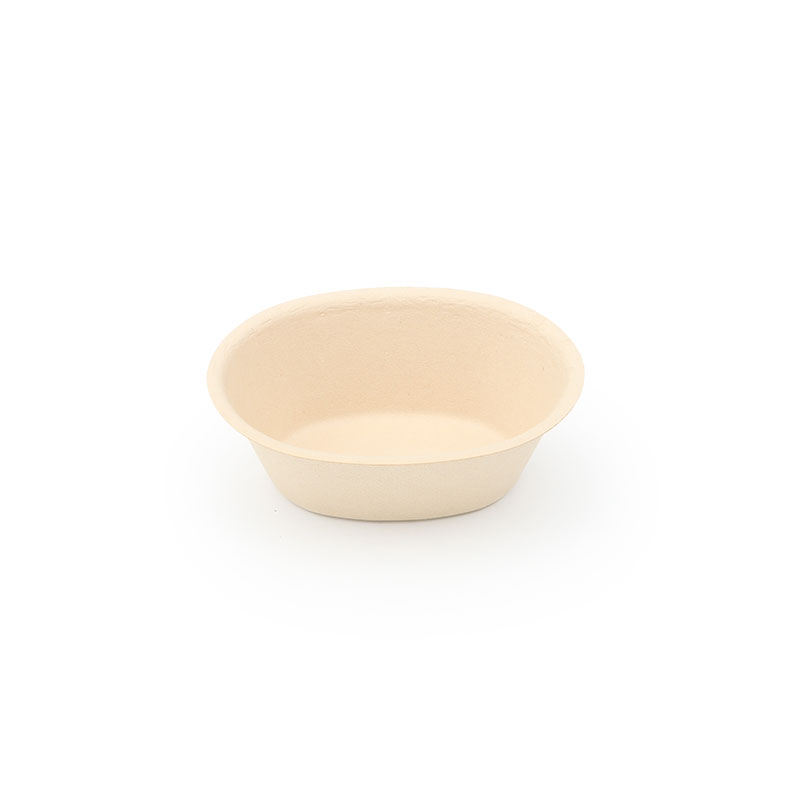 Snack Bowl
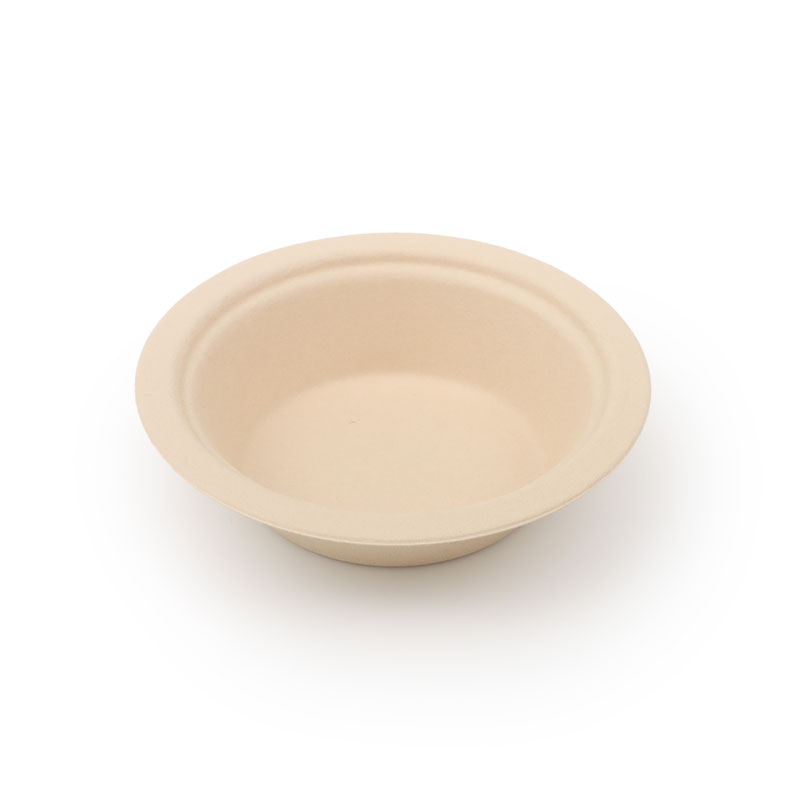 11.5oz(340ml) Bowl
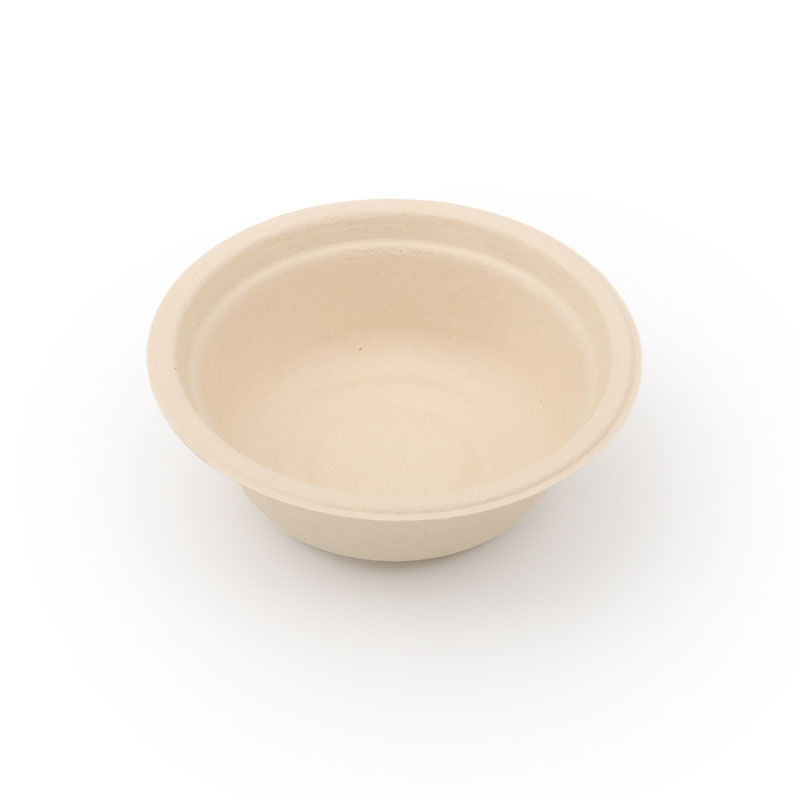 6.7oz(200ml) Bowl
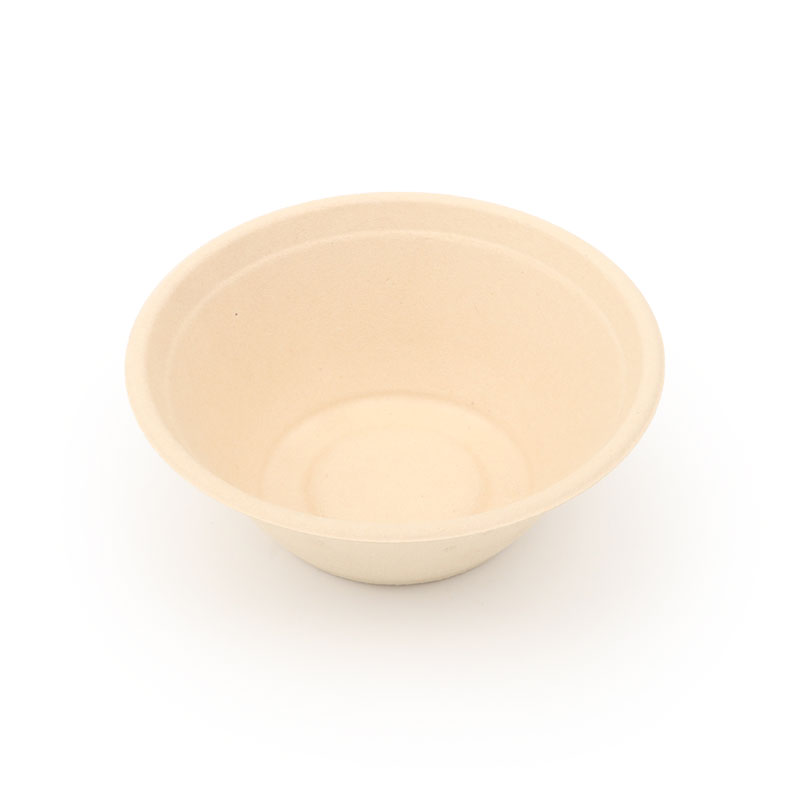 12oz(350ml) Bowl
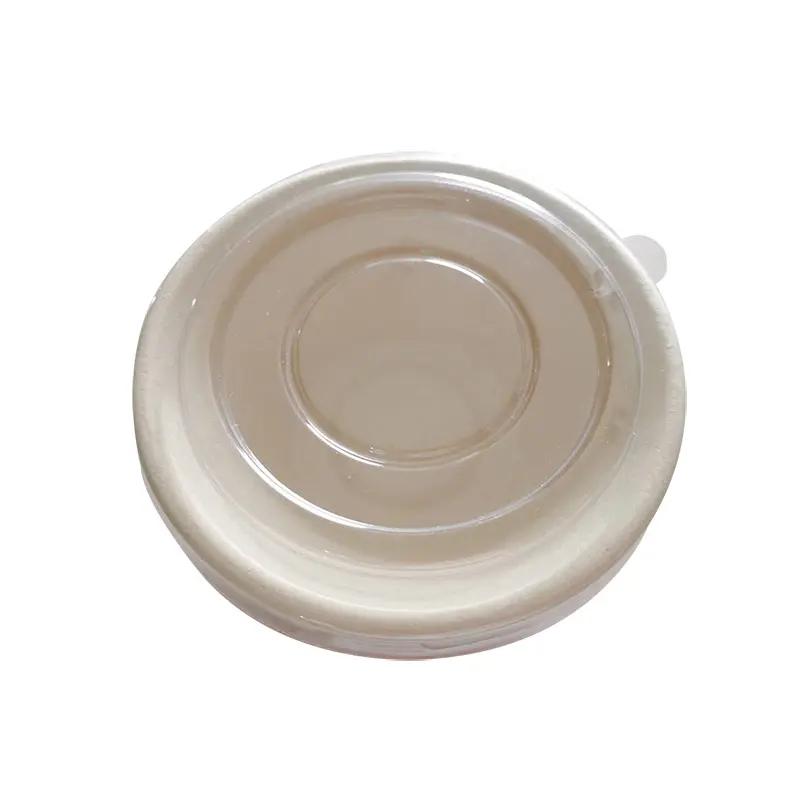 12oz(350ml) Bowl PET
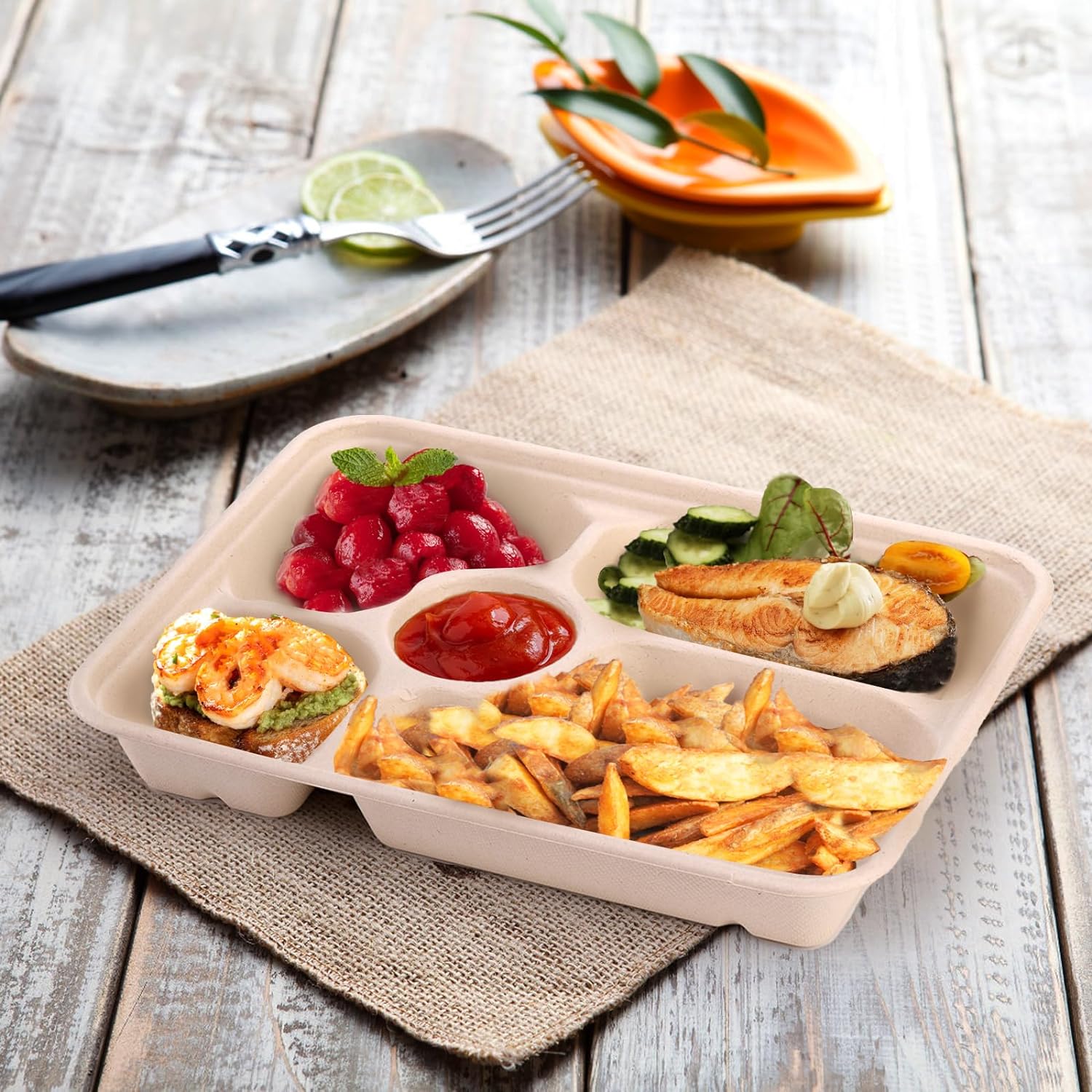 Bagasse Lunch Boxes
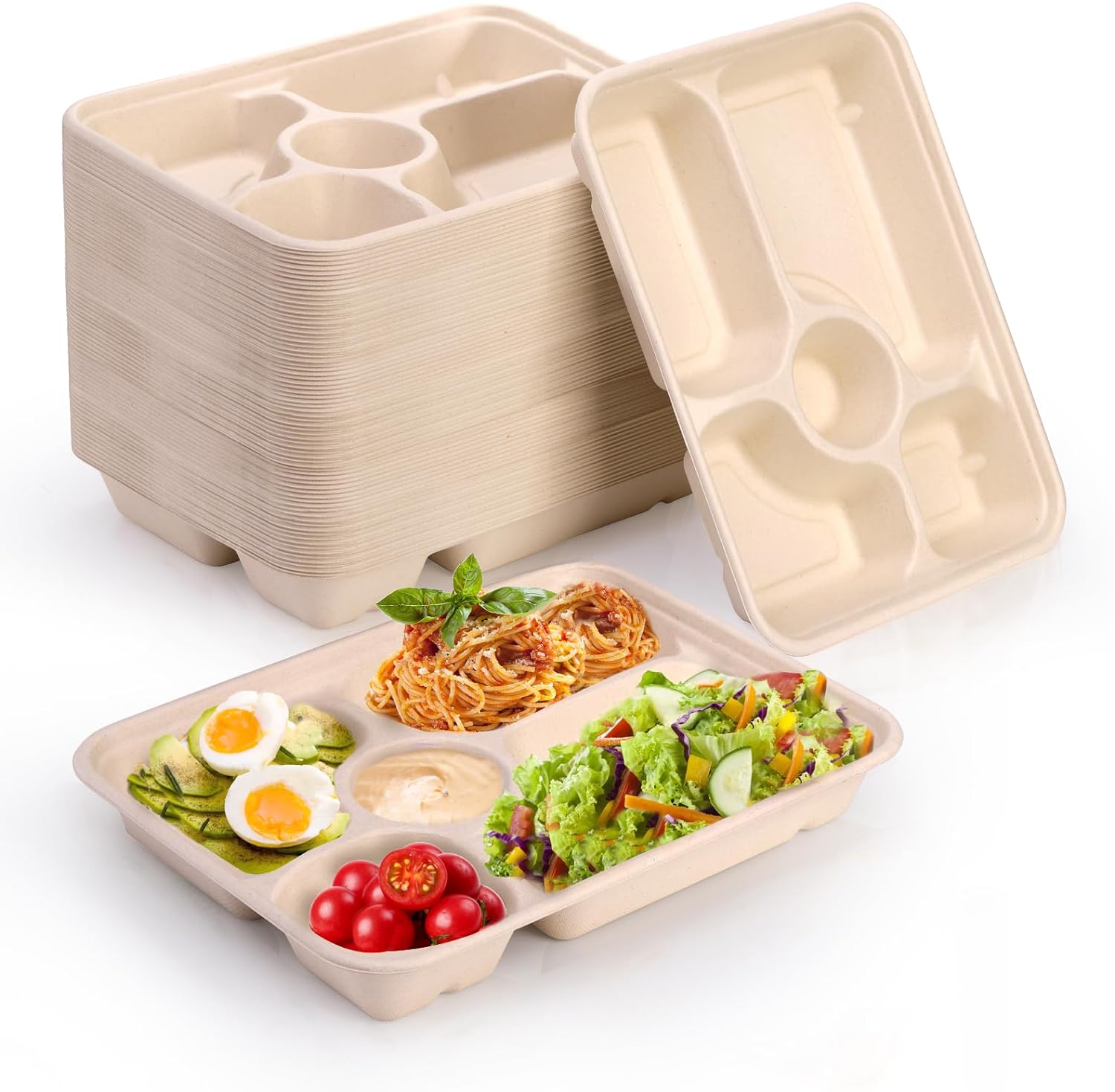 5CP
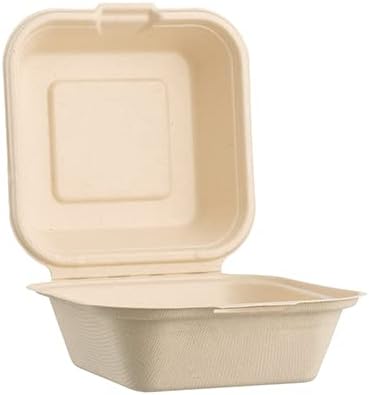 6 inch
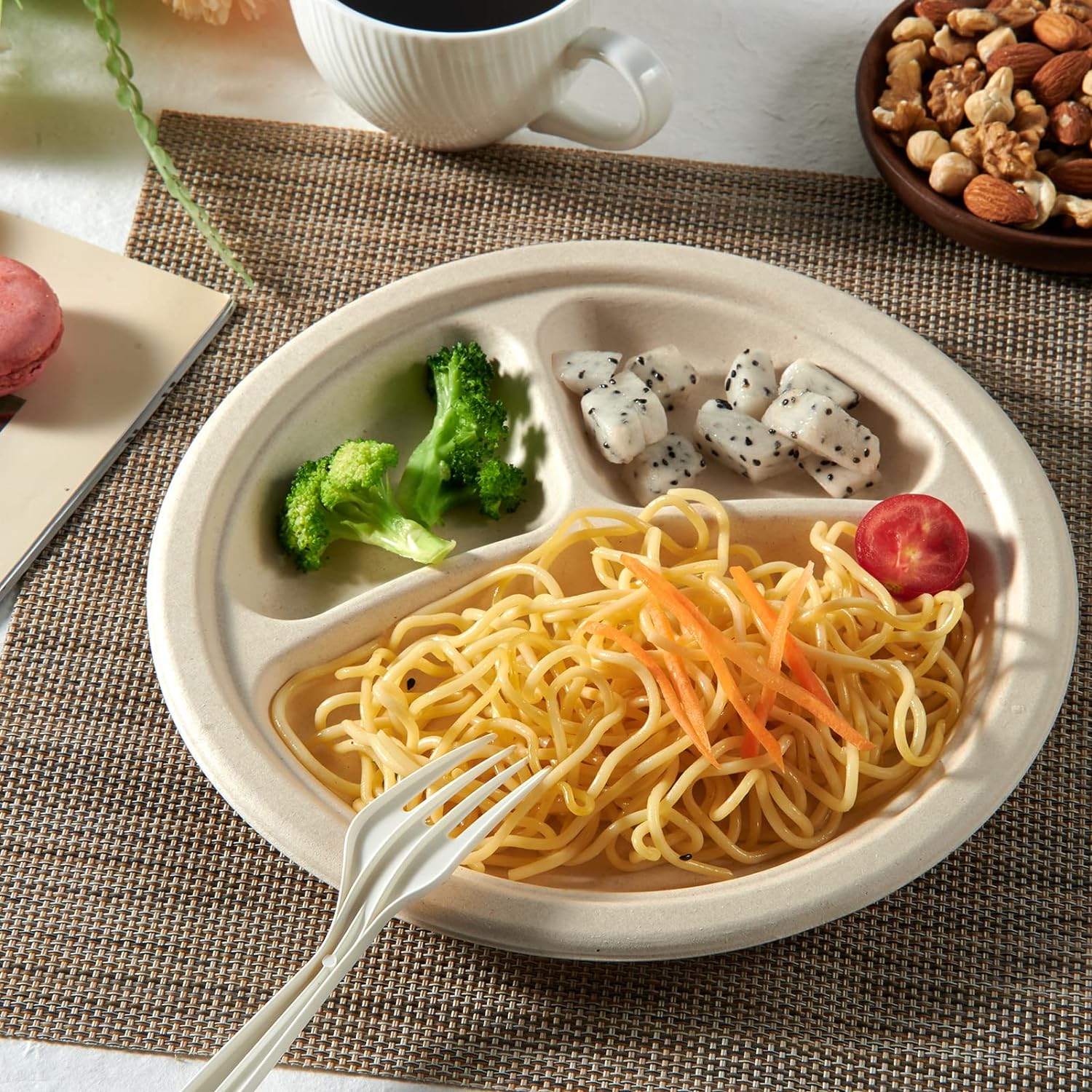 Bagasse Food Plates
 7 inch
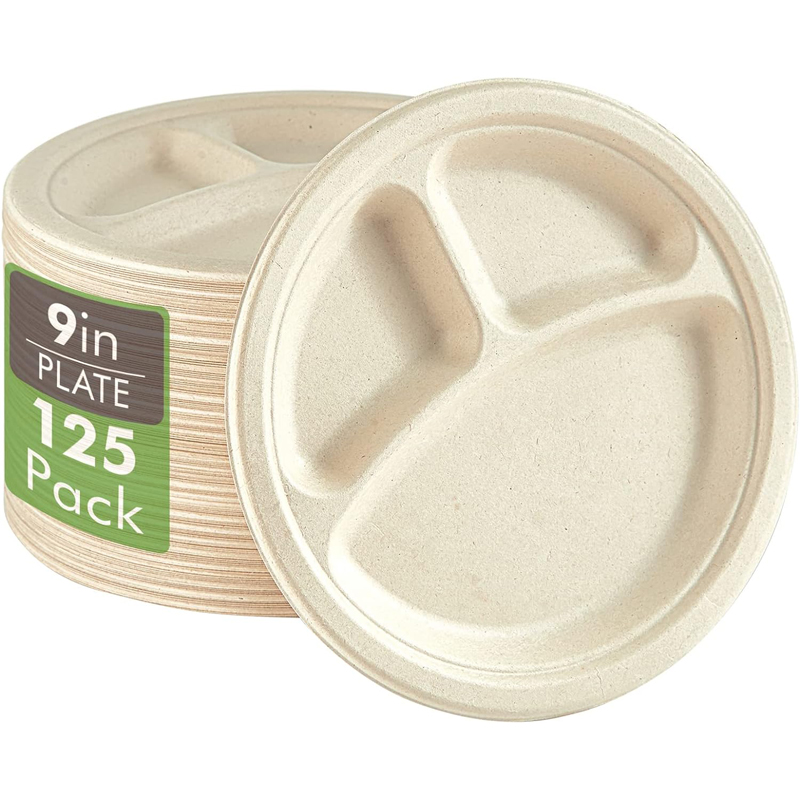 3CP
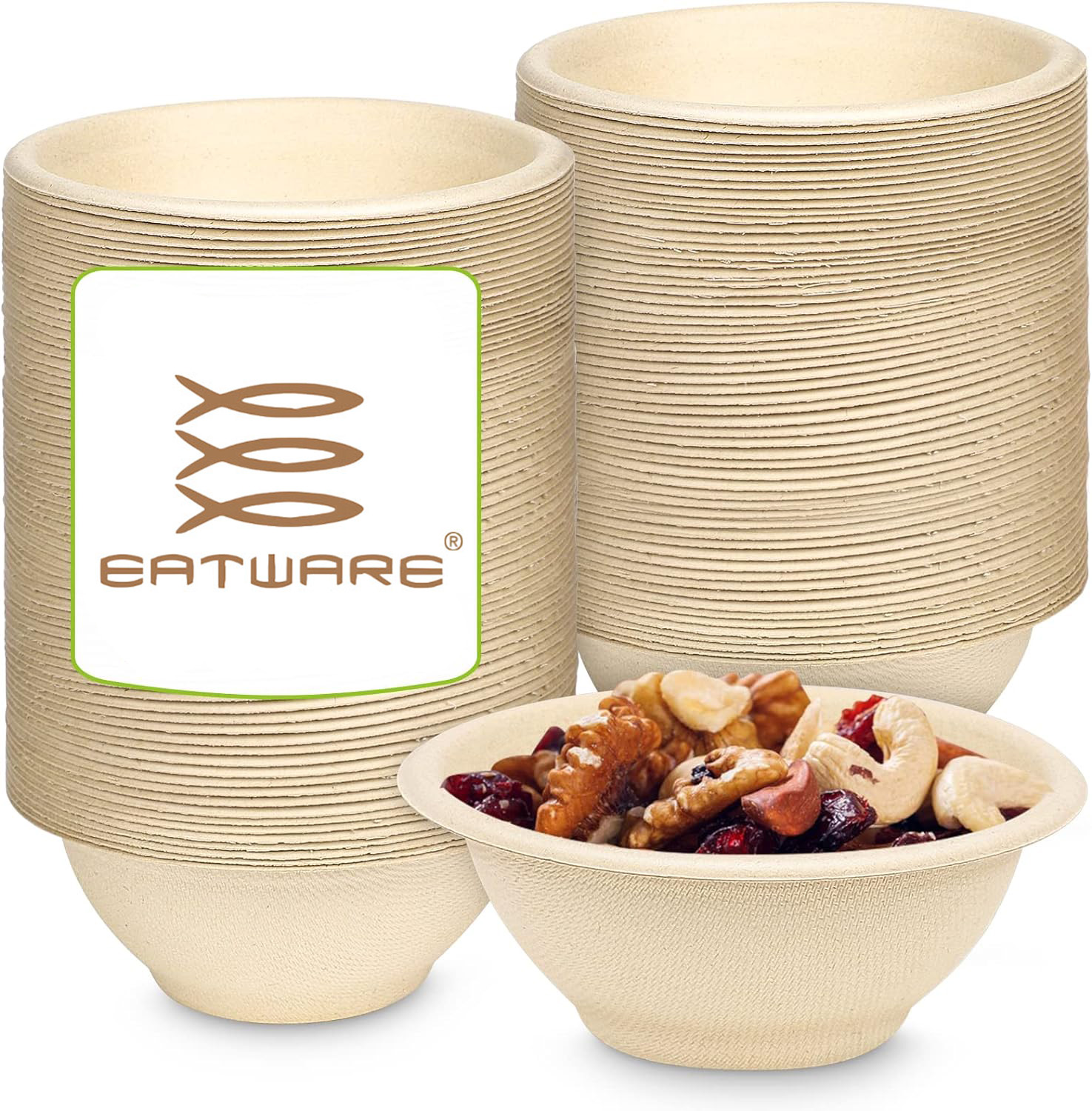 Bagasse Bowls
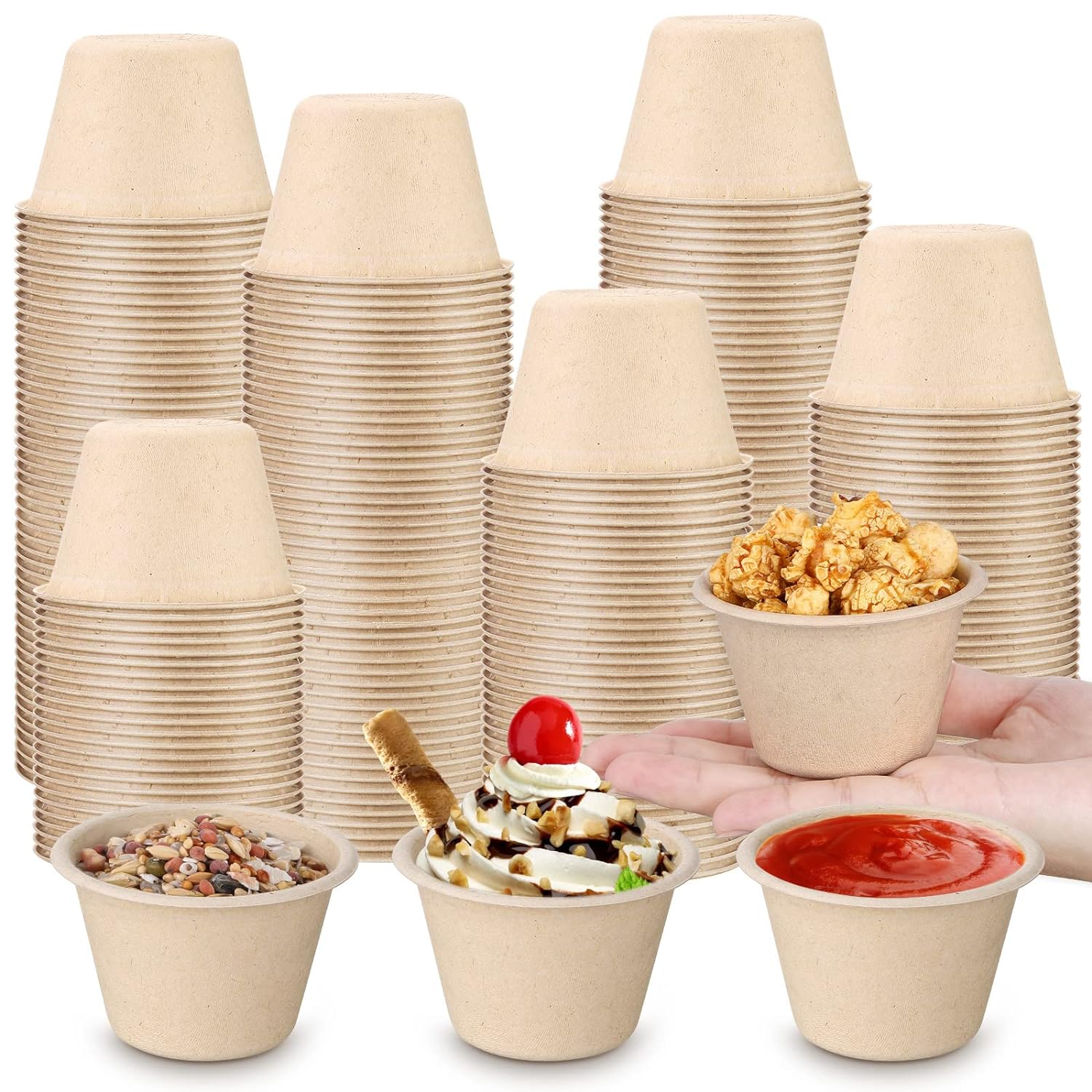 4oz
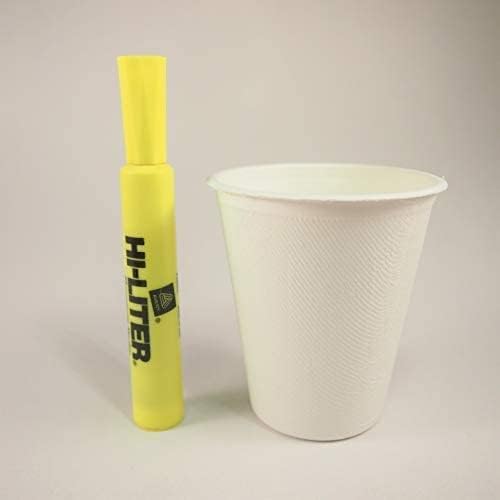 Bagasse Cups And Cutlery
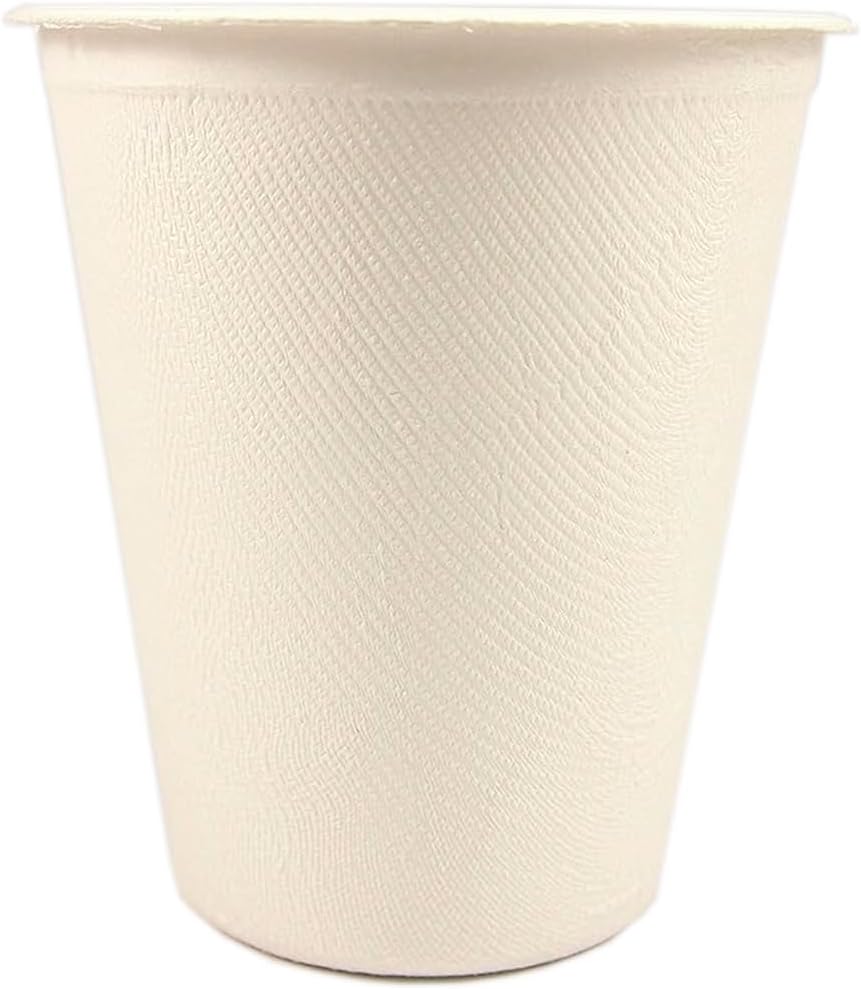 8oz
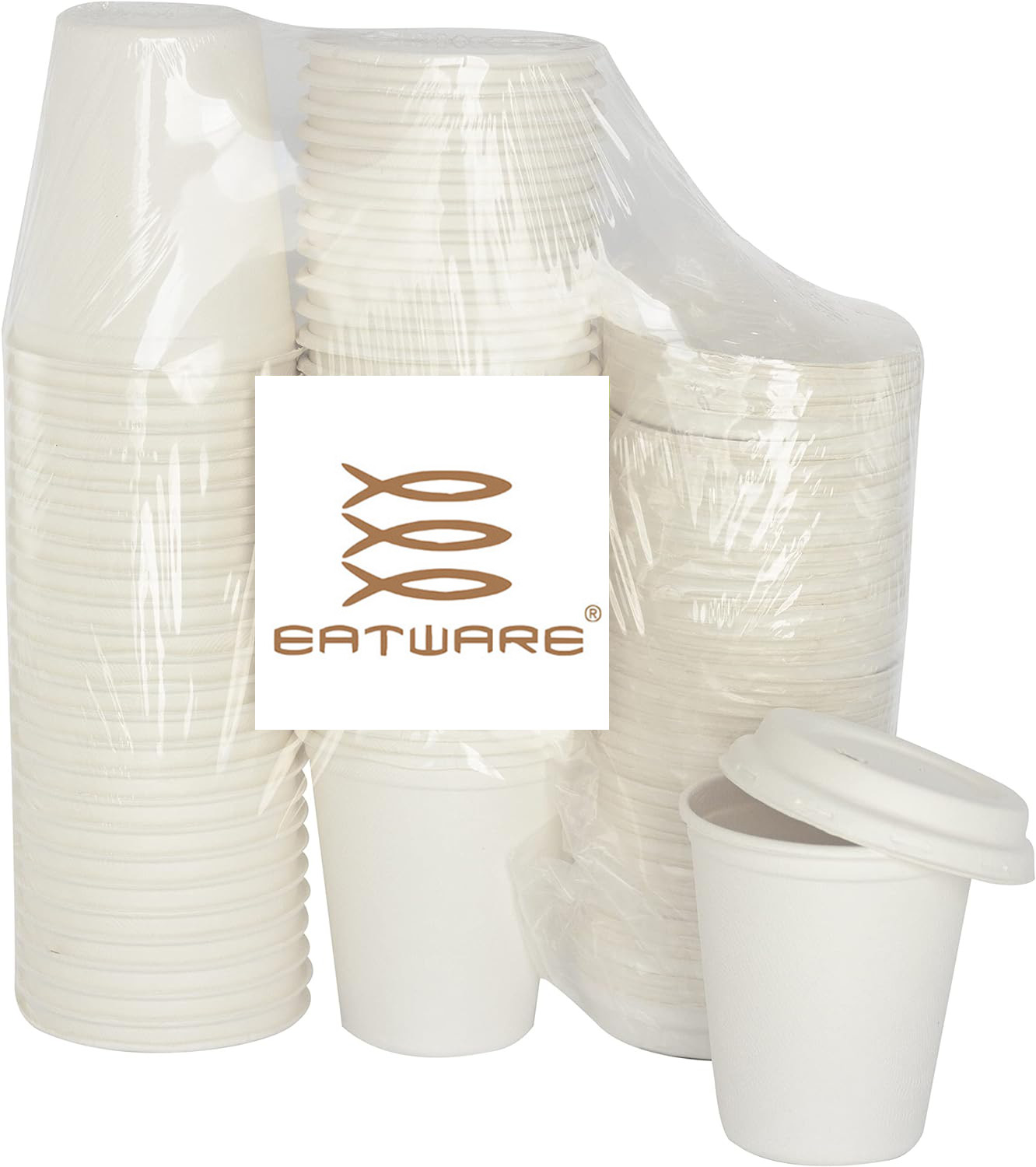 12oz
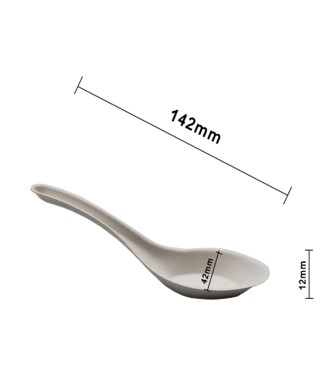 Cutlery
Leave Your Message
Featured modified atmosphere barrier containers tailored for district central commissaries, hot/cold lunch separation, and child-safe grab-and-go meal solutions.

Analyzing how Central Kitchen Commissaries, K-12 Nutrition Standards, and Sustainable Material Engineering converge to reshape student meal delivery.
School districts are increasingly abandoning on-site batch cooking in favor of centralized production kitchens. MAP technology allows commissaries to batch-cook meals 3 to 7 days in advance without sacrificing organoleptic quality, moisture, or vitamin retention.
Younger demographics require the absolute strictest food safety protocols. By displacing ambient air with calibrated carbon dioxide ($CO_2$) and nitrogen ($N_2$) gas mixtures, aerobic bacteria and foodborne pathogen growth are radically suppressed without chemical preservatives.
Modern legislation in North America and the EU restricts single-use fossil-fuel plastics in educational environments. Bamboo and molded plant-fiber MAP bowls provide high oxygen barrier capabilities while upholding complete industrial and home compostability standards.
The operational framework of primary, secondary, and university campus cafeterias has undergone a massive paradigm shift. Rising kitchen labor costs, compressed lunch periods, and stringent national dietary mandates (such as the USDA National School Lunch Program and EU School Fruit Scheme) require foodservice directors to optimize speed-of-service, portion precision, and cold-chain resilience. In conventional cafeteria prep models, fresh items like sliced apples, leafy salads, pre-portioned pastas, and protein bowls deteriorate rapidly, causing excessive food waste (often exceeding 30% of total prepared inventory) and elevated operational expenses.
Modified Atmosphere Packaging (MAP) delivers an airtight micro-climate enclosure tailored specifically to the respiration rate of the food product. By utilizing laminated, compostable natural plant fiber containers, school nutrition authorities achieve commercial shelf-life extension from a typical 48-hour spoilage window to 7–14 days under standard refrigeration (0°C to 4°C). This extended window enables logistics teams to streamline delivery routes, reducing inter-district transport from daily morning dispatches to two efficient weekly drops.
MAP effectiveness hinges upon the exact calibration of headspace gases, barrier laminate transmission rates (OTR and WVTR), and temperature controls throughout the district supply chain:
Traditional MAP trays rely heavily on CPET, PP, or polystyrene laminates which contribute to the global white pollution crisis and fail district zero-waste targets. EATware and Kangxin Environmental Technology lead the shift toward eco-engineered molded bamboo pulp fibers. Bamboo features high tensile strength, rapid renewability (growing to maturity within 3 years without pesticides), and natural antibacterial properties. When combined with ultra-thin biodegradable barrier laminates, our MAP bowls offer high seal strength, leak resistance across hot gravies and cold dressings, and seamless peeling functionality for young children.
Kangxin (HaiMen) Environmental Technology Co., Ltd. is a technology innovation oriented enterprise that focuses on disposable environmentally friendly tableware and food packaging.
We have advanced production processes and equipment, and continue to attract senior talents, focusing on environmental protection, emphasizing safety, and ensuring quality.
READ MOREEATware is committed to sustainable development, using all natural plant fibers to produce safe, healthy and environmentally friendly tableware. Adhering to the concept of "take nature, serve humanity, return to nature", we focus on the development of safe, high quality and environmental standards.
EATware emphasizes environmental protection and sustainable development, explores the balance between enterprise survival and environmental protection, and uses all-natural and pollution-free bamboo fiber as the main material of tableware to ensure that its products meet the high technical level and are superior to developed countries.
Fully compliant with global institutional food contact standards, toxicological safety verifications, and automated equipment engineering patents.
Stay informed with technical testing standards, sustainable packaging benchmarks, and industrial manufacturing updates.
The most reliable way to test disposable food containers is to combine leakage testing with structural testing under conditions that reproduce the intended food application. A container should not be approved simply because it holds water for several minutes or survives an empty compression tes...
For foodservice operators, replacing conventional plastic packaging is not simply a matter of changing materials. Disposable biodegradable tableware must still withstand hot food, sauces, oils, condensation, stacking, transport, and commercial handling without losing structural integrity. Poorl...
With growing global demand for takeaway meals and eco-friendly packaging, China’s manufacturing sector has become a major hub for disposable food containers. Today’s food businesses - from fast-food chains and meal-delivery services to supermarkets and catering companies - are looki...
Trusted by over 500 top-tier educational foodservice operators, airline caterers, supermarket chains, and food packaging pioneers worldwide.
Explore our comprehensive lineup of bio-based MAP bowls, heat-sealable school lunch trays, and multi-compartment institutional containers.
