 Box With T buckle
 700ml Square Lunch Box
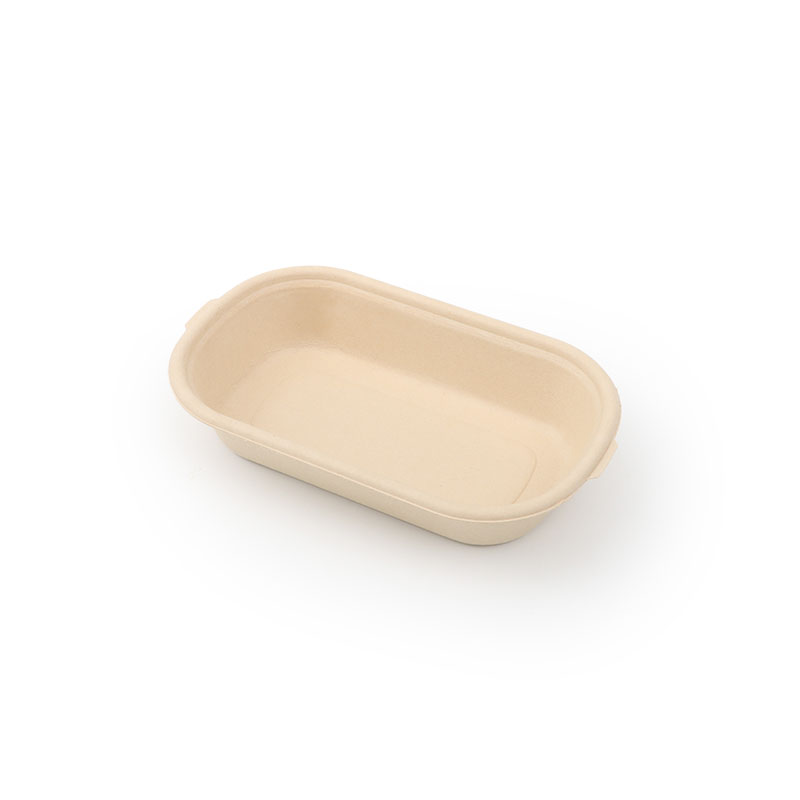 500ml
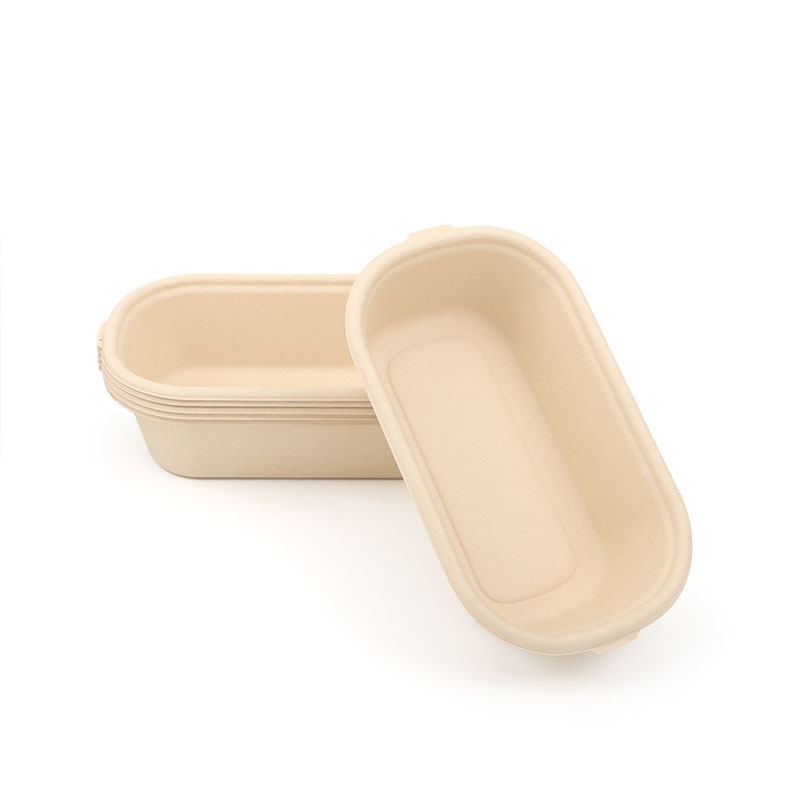 700ml
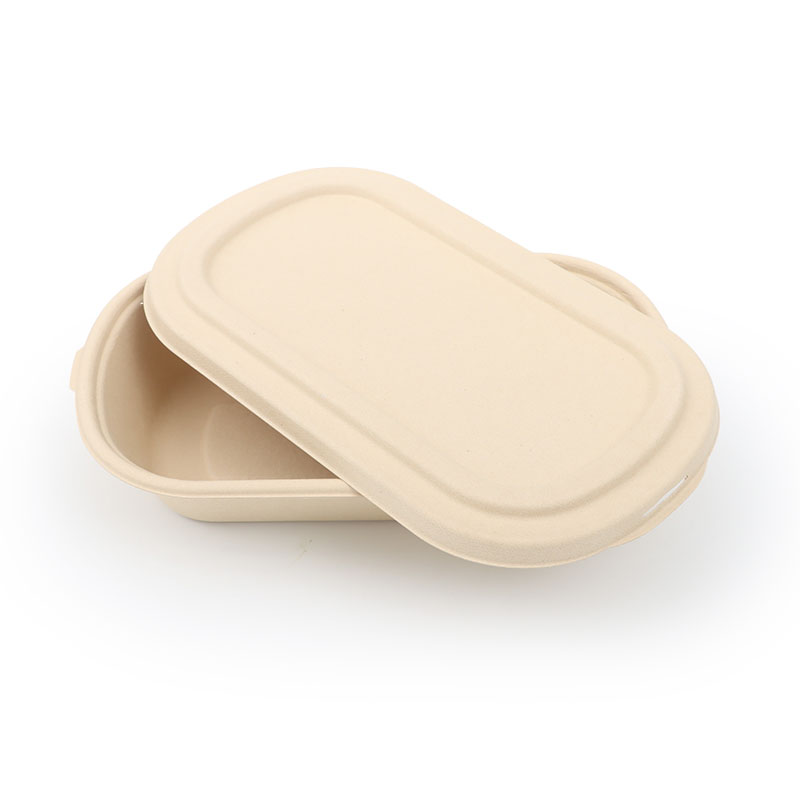 850ml
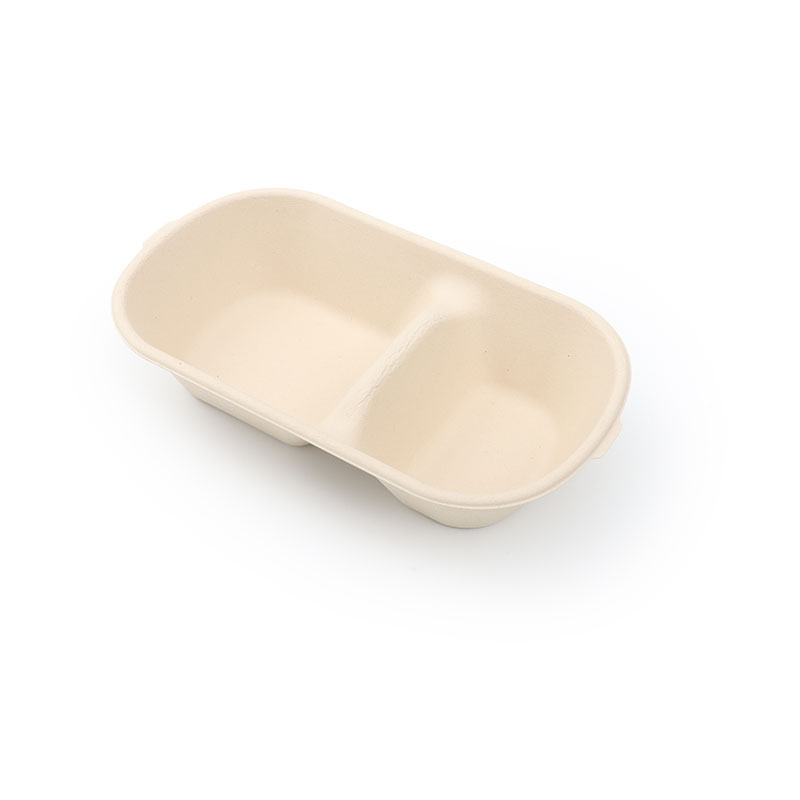 800ml 2 Compartments
 1000ml 2 Compartments
 1100ml
 1000ml Square Lunch Box
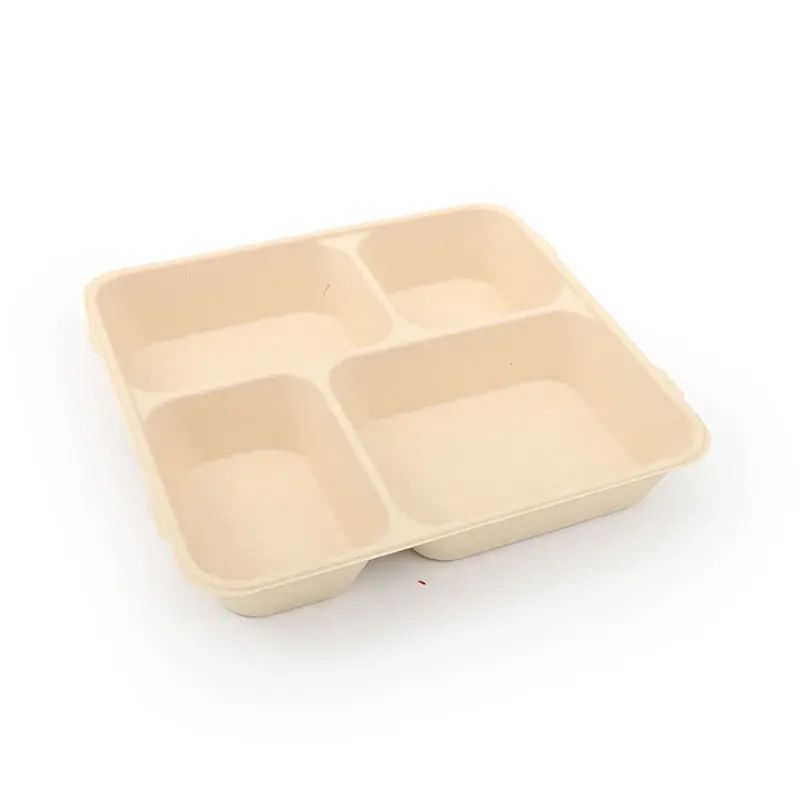 1340ml 4 Compartments
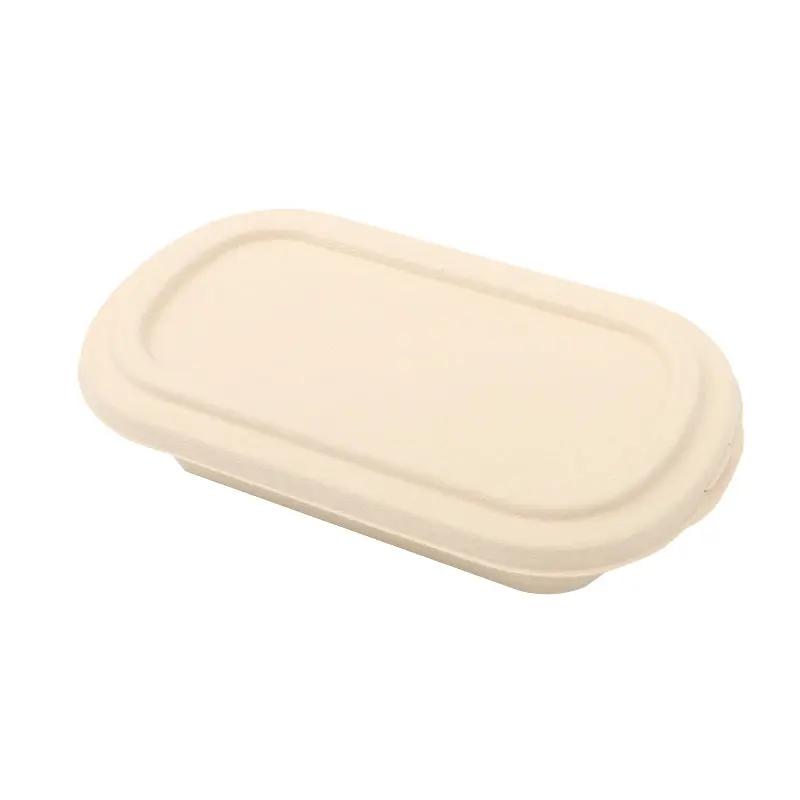 Lunch Box Lid
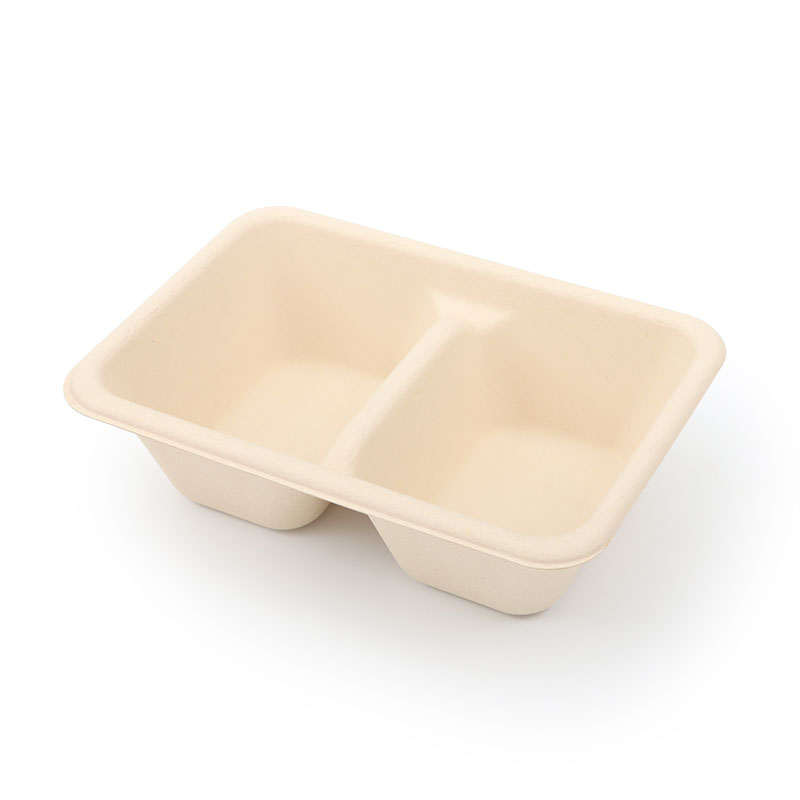 650ml
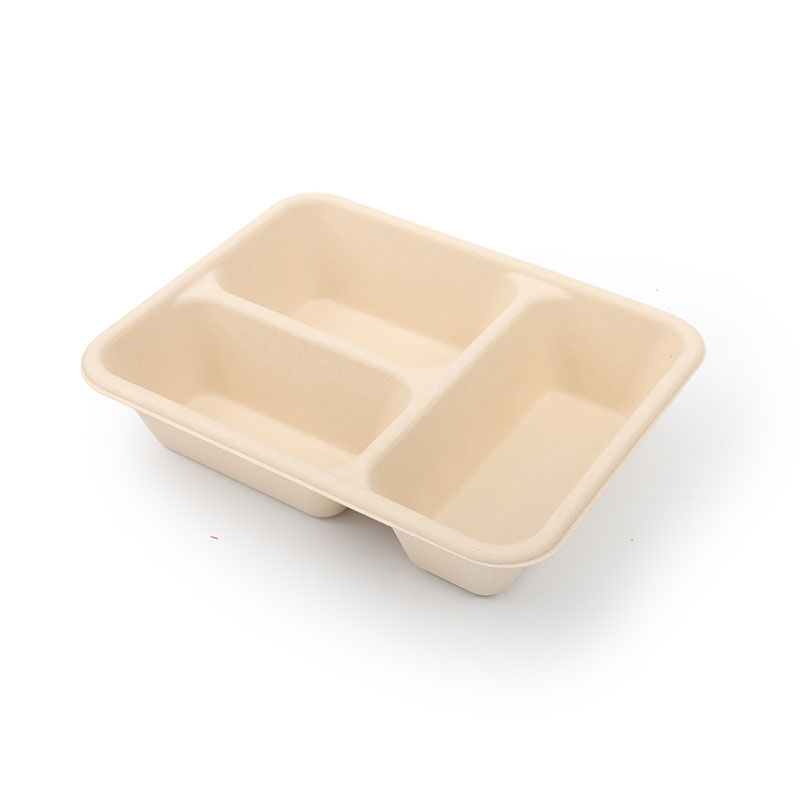 1000ml 3 Compartments
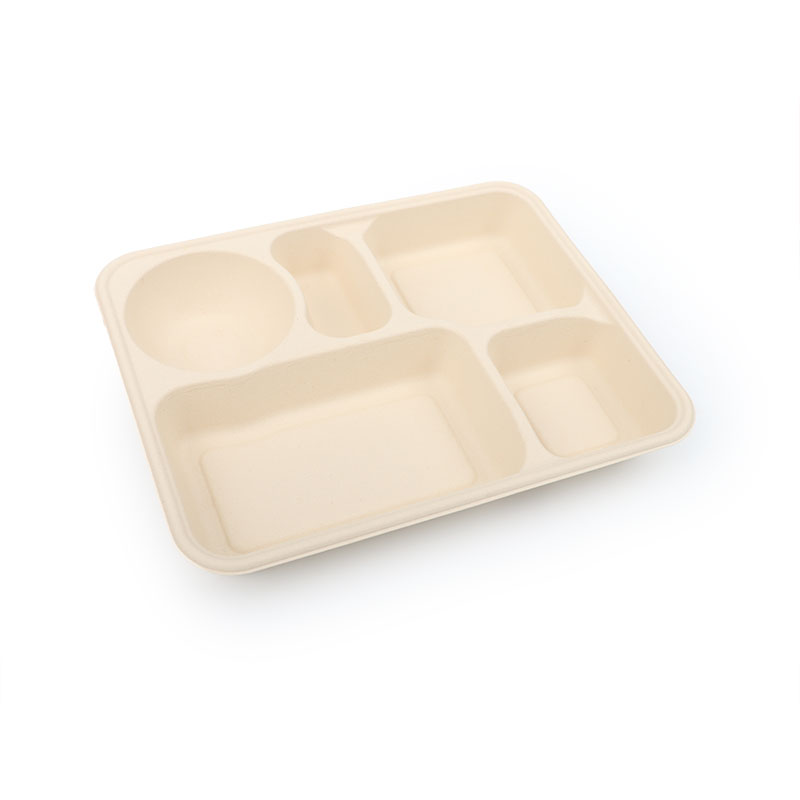 1250ml 5 Compartments
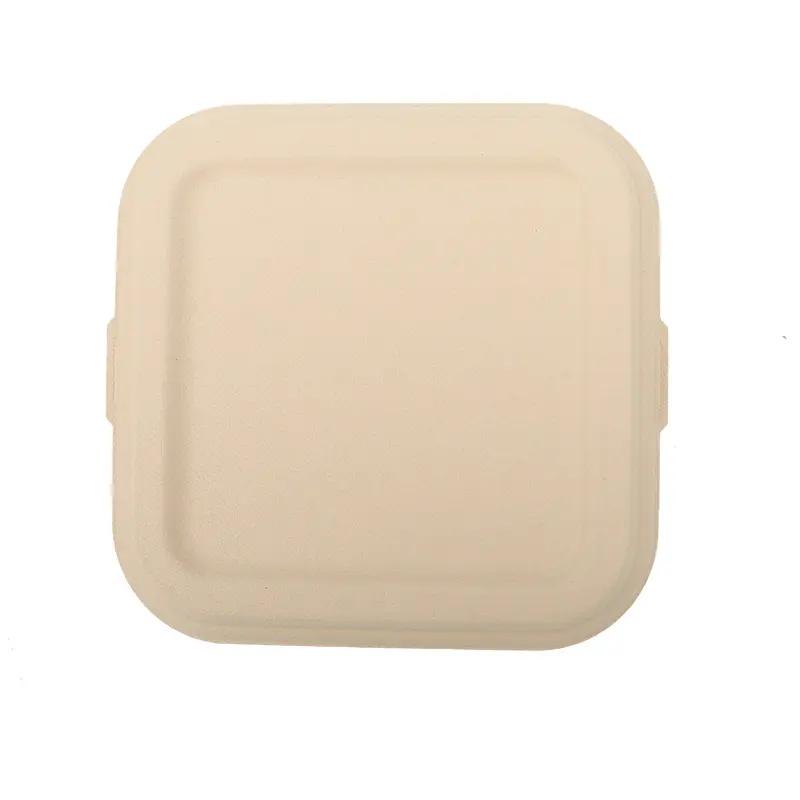 Square Lunch Box Lid
 Box Without T buckle
 850ml Salad Box
 700ml
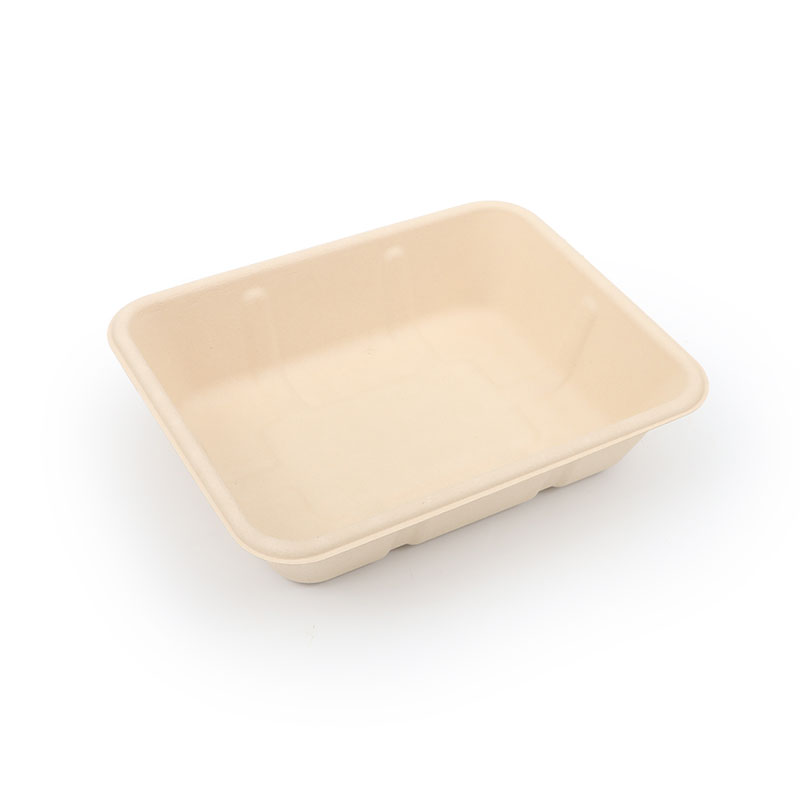 1350ml
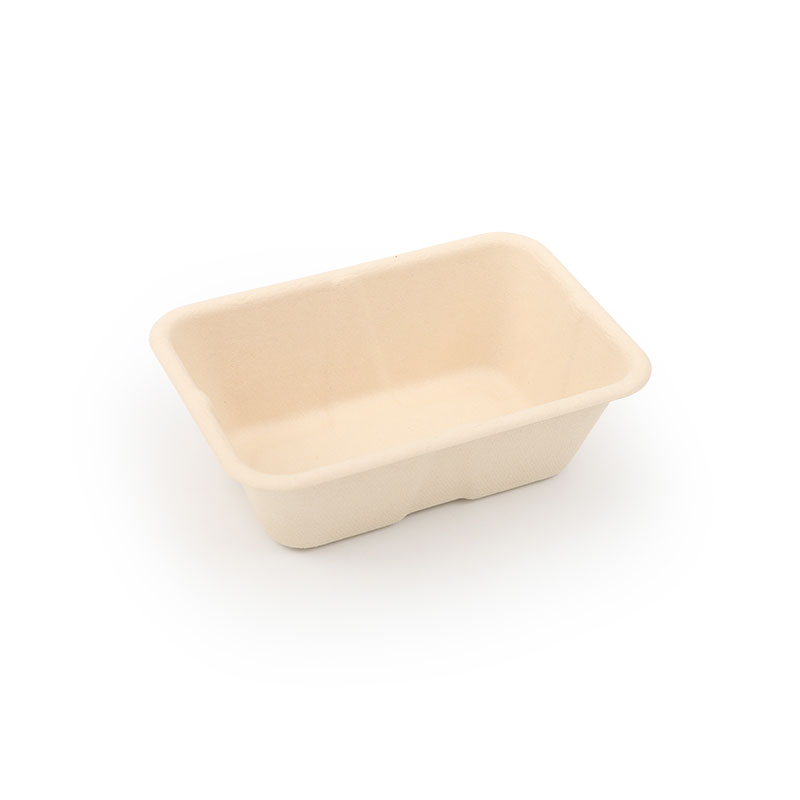 470ml
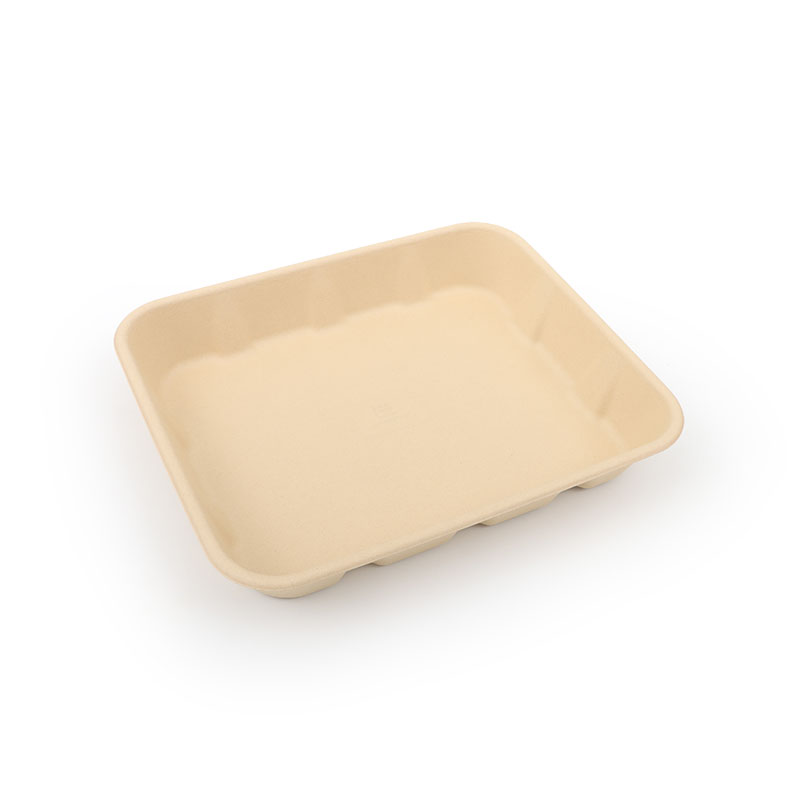 2183ml Tray Box
 11" * 9"
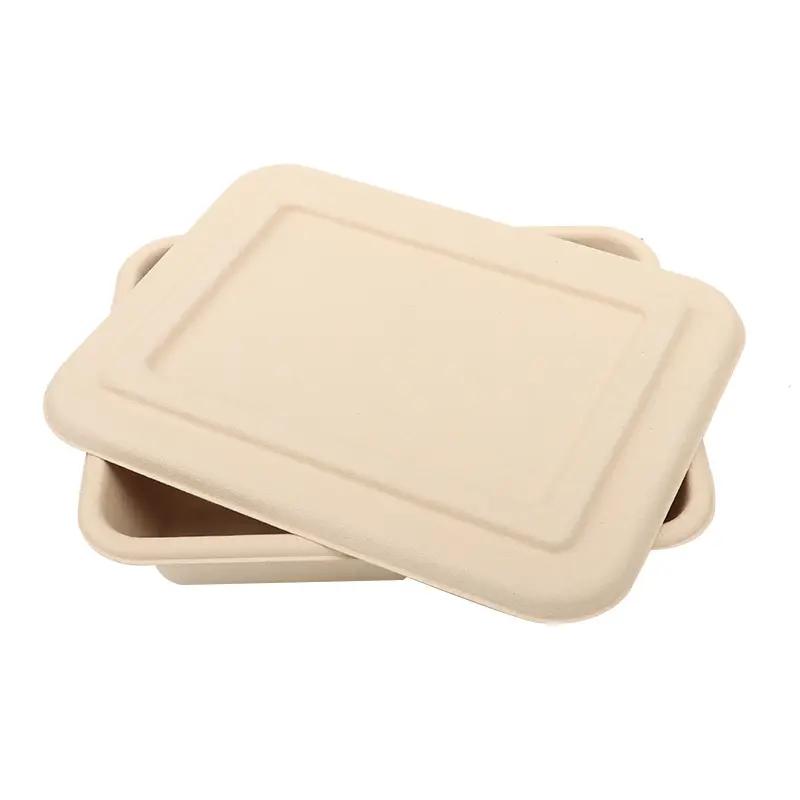 800ml
 One Part Box
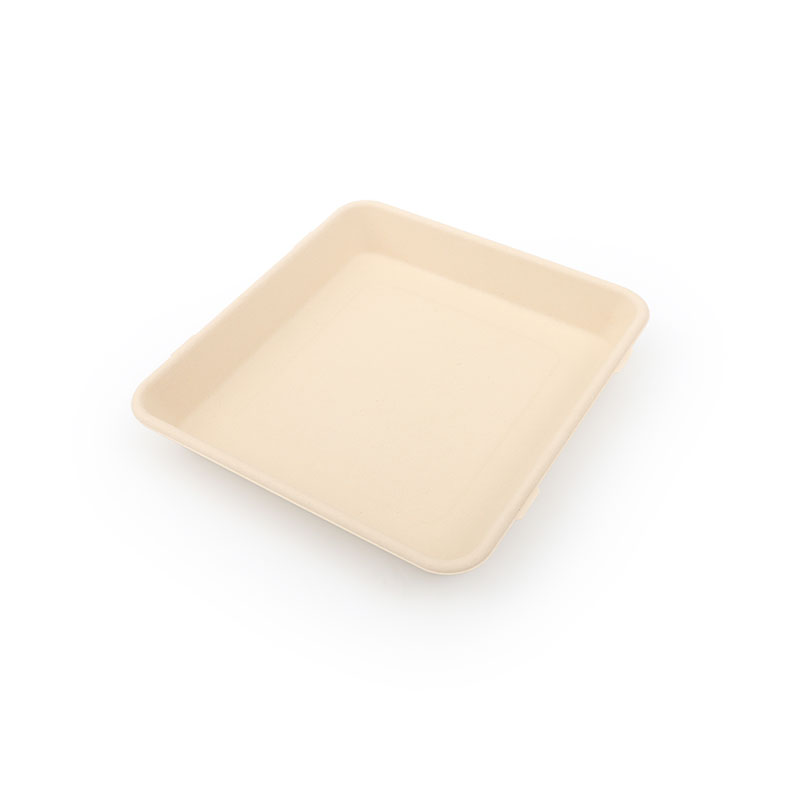 1443ml Tray Box
 Cake Bread Snack Tray Series
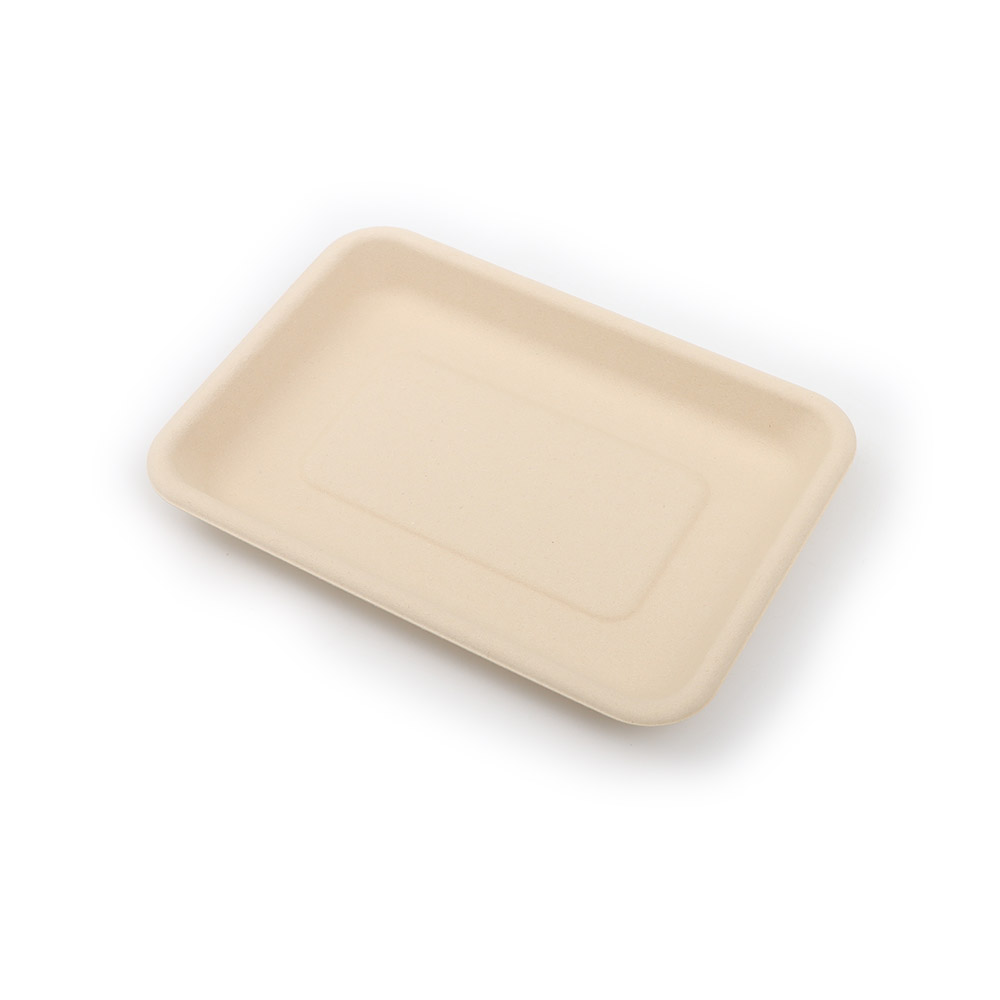 5" * 7" natural color
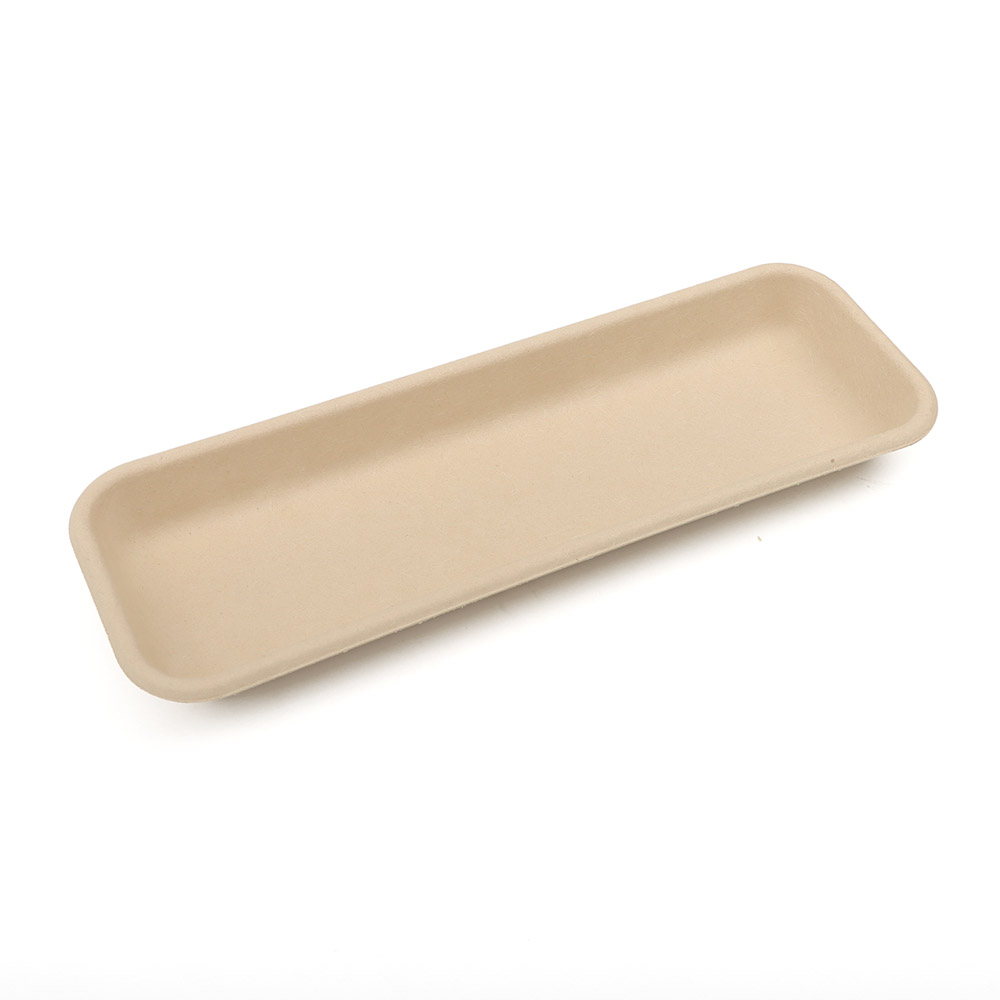 11.4" * 3.9"
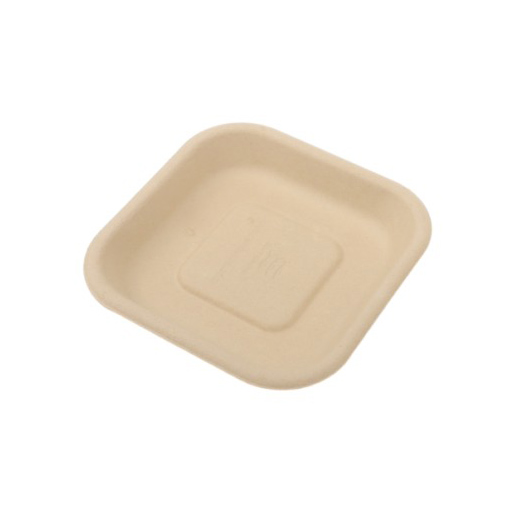 5.3" * 5.3"
 Fruit And Vegetable Tray Series
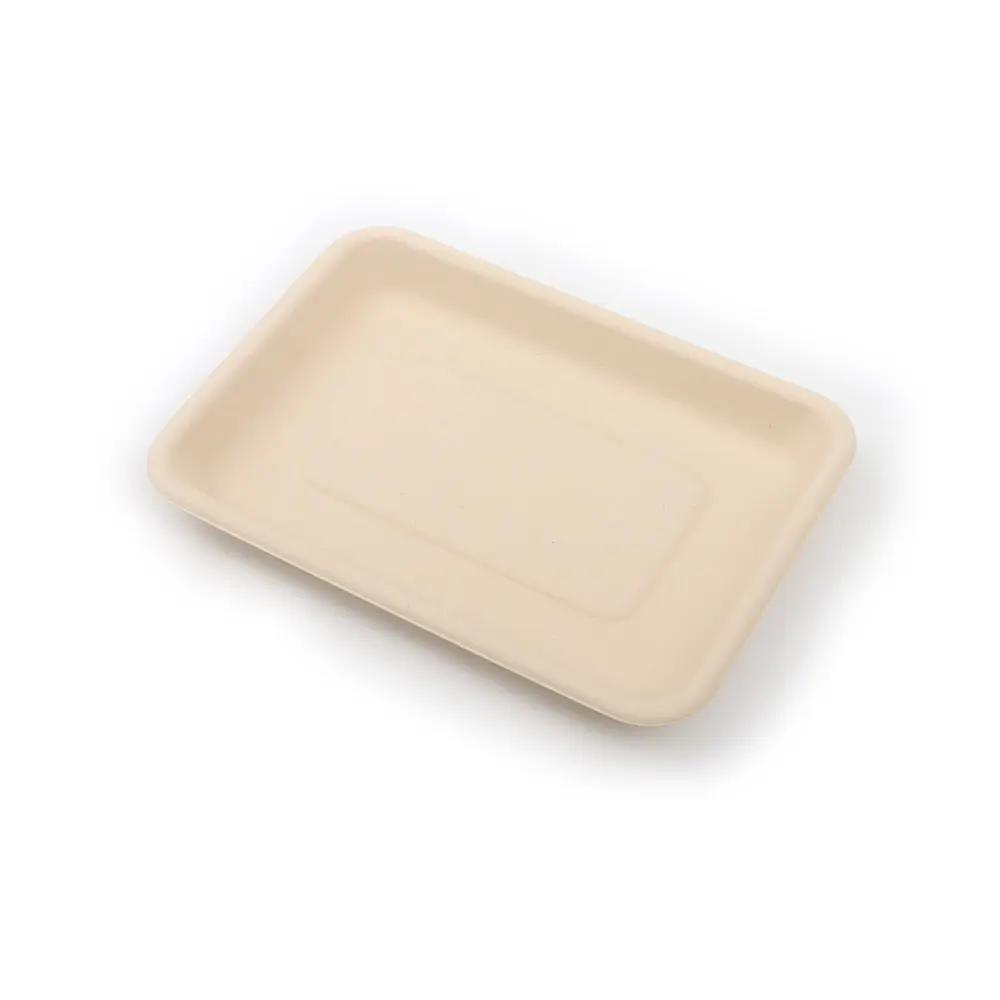 8.6" * 5.3"
 Sushi Tray Series
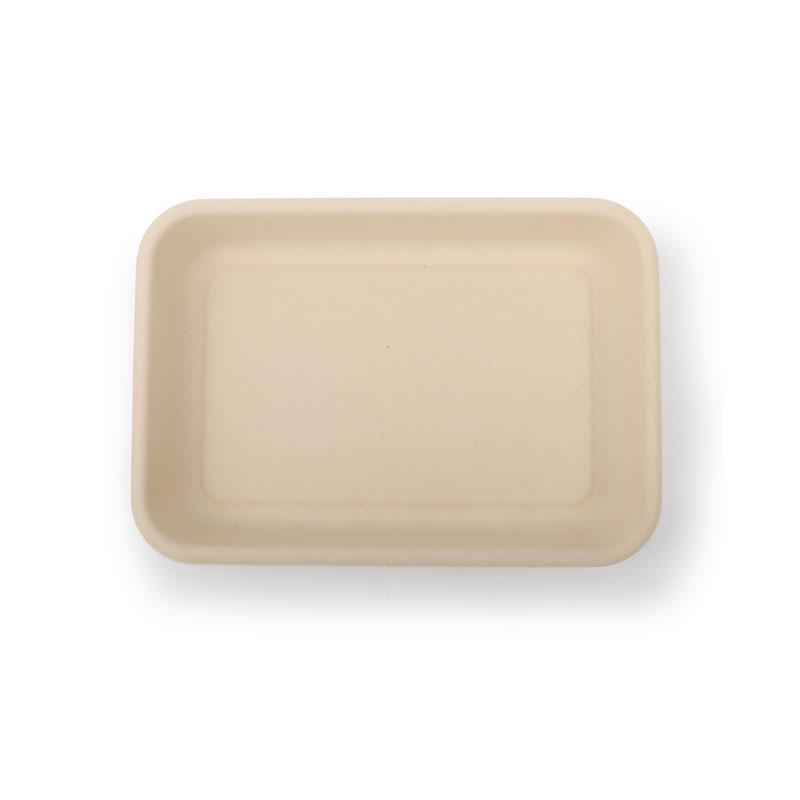 200" * 140"
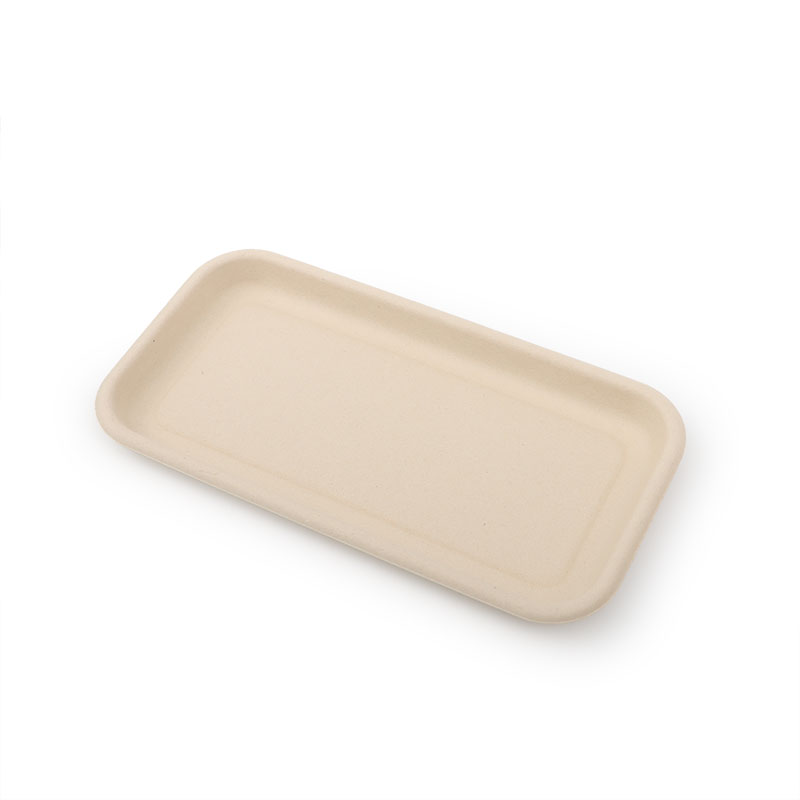 210" * 110"
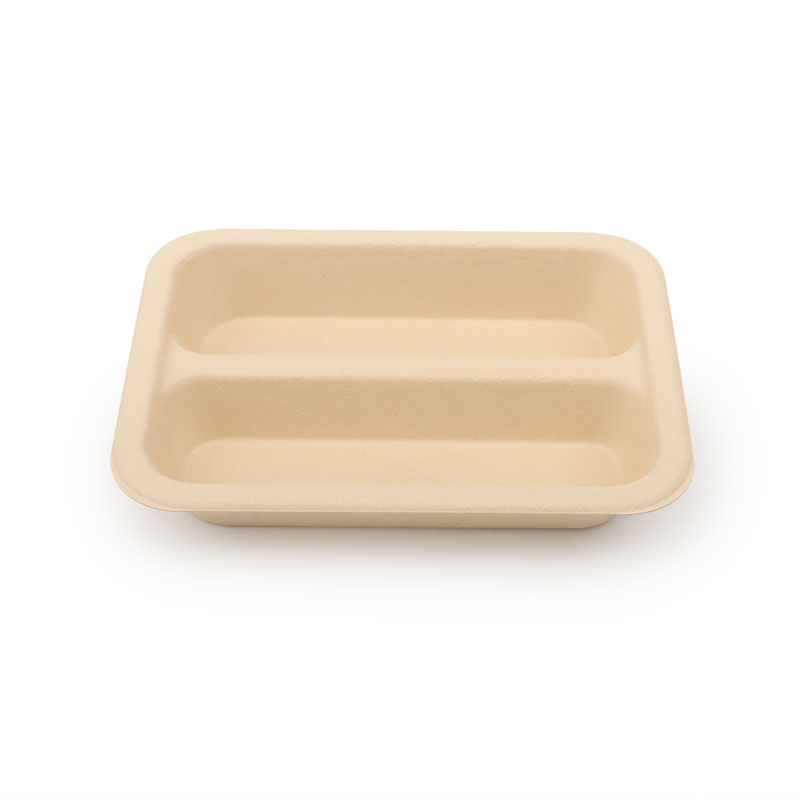 2 Compartments
 Small Round Plate Series
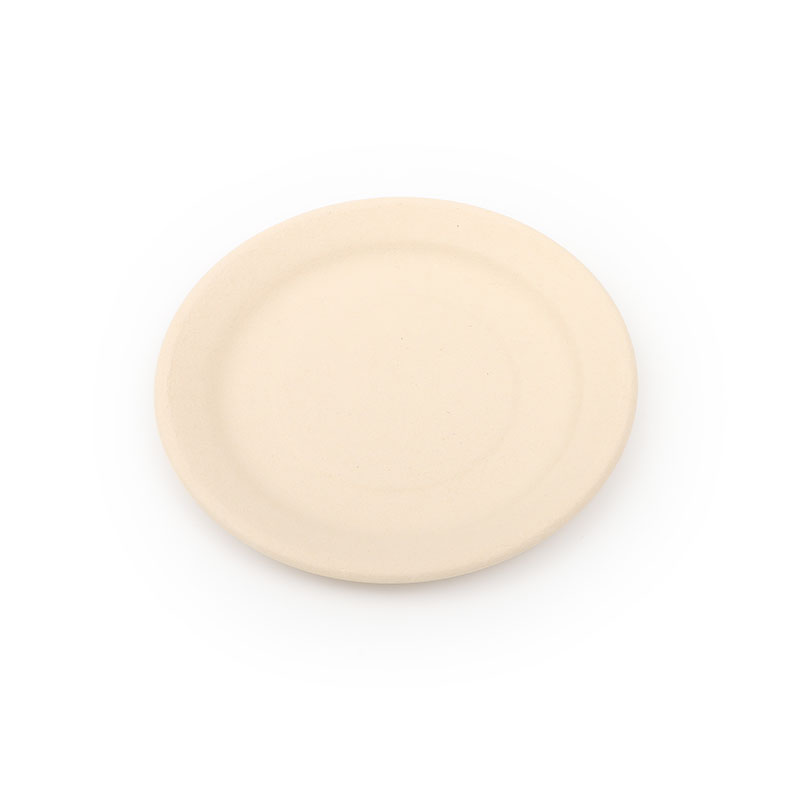 7 inch
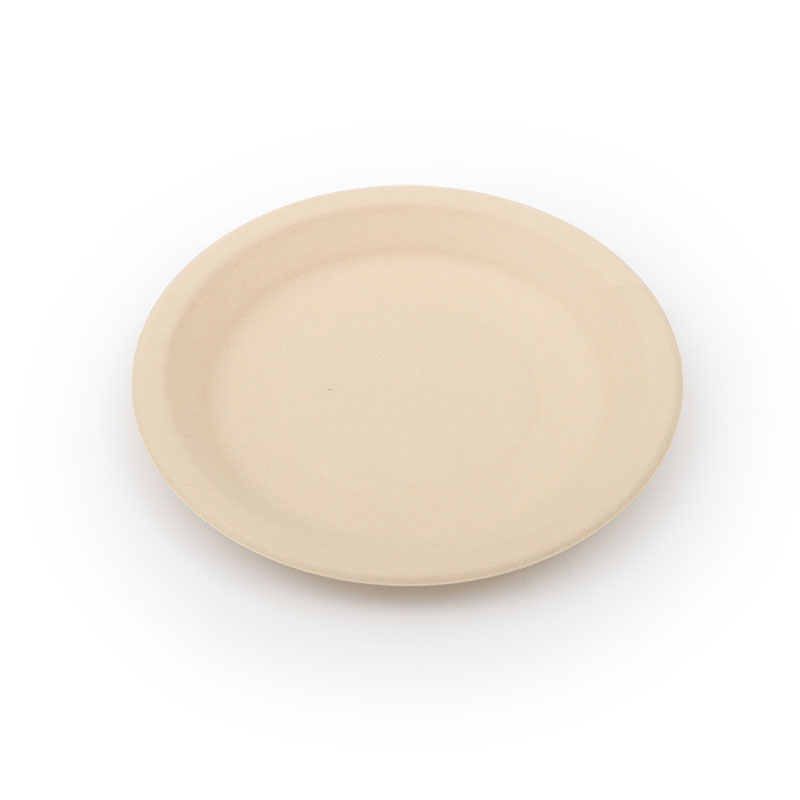 6 inch
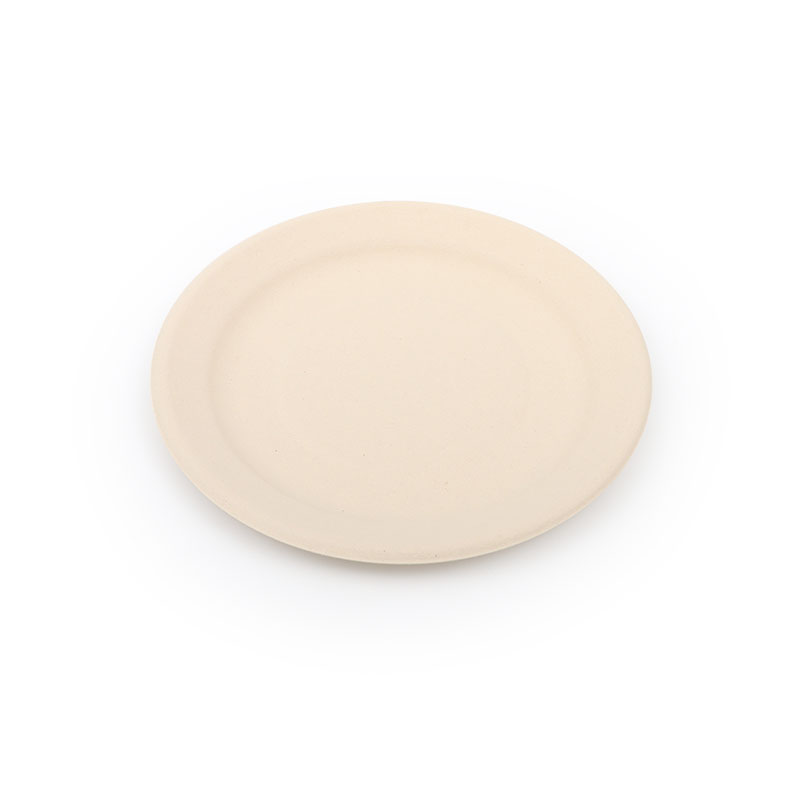 8 inch
 Middle Round Plate Series
 9 Inch 3 Compartments
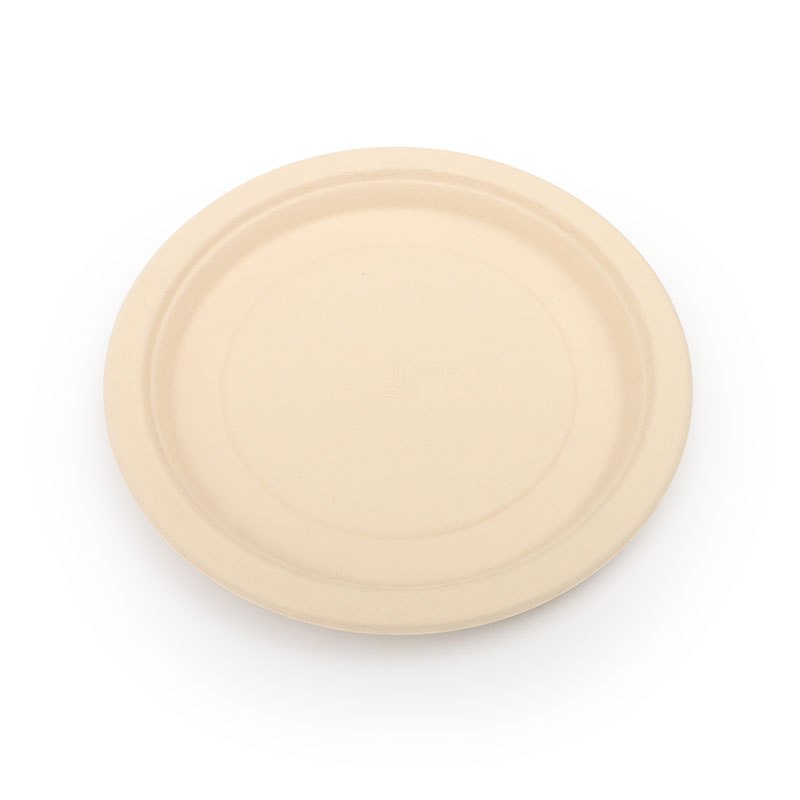 9 inch
 Big Round Plate Series
 12.7 Inch Pizza Plate
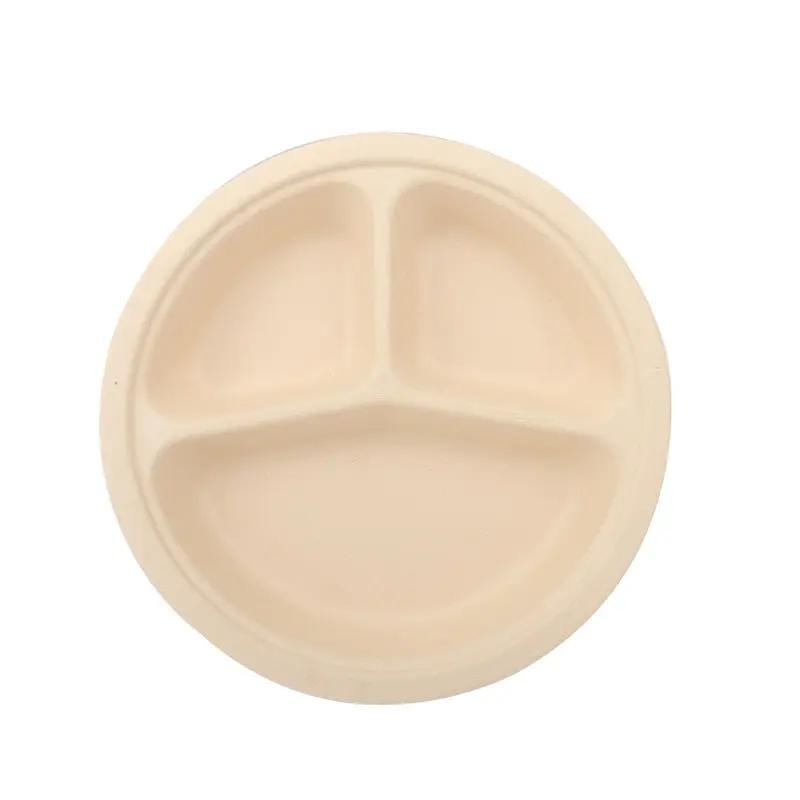 10.25 inch 3 Compartments
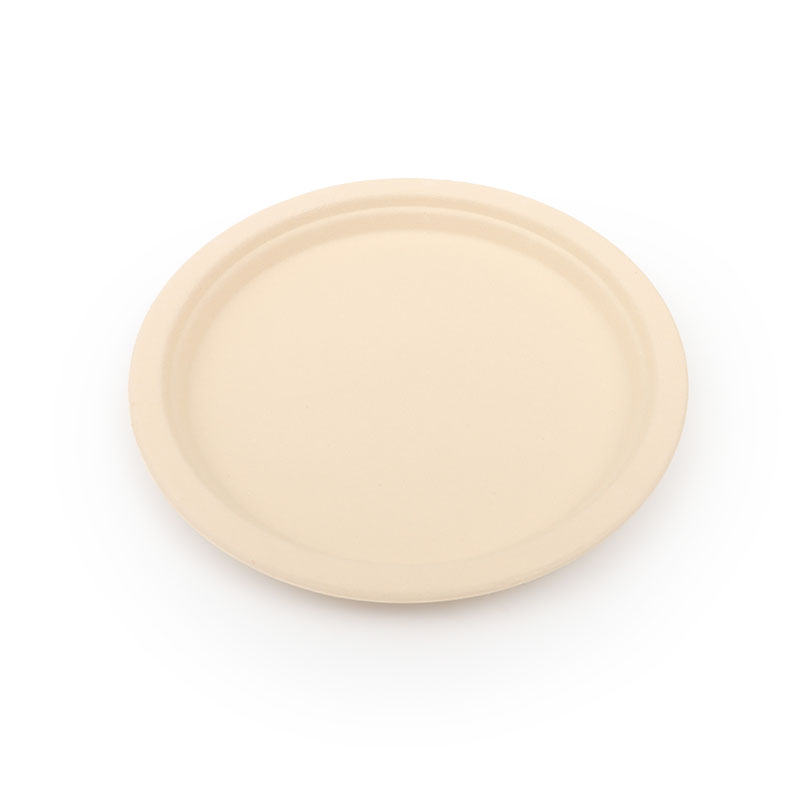 10 inch
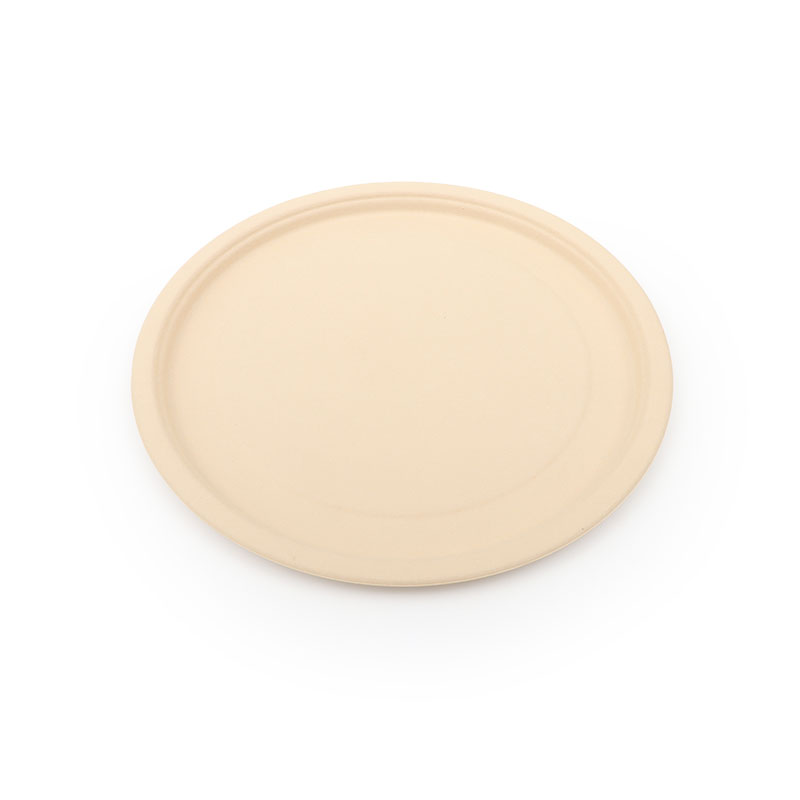 12 inch
 Bigger Bowl
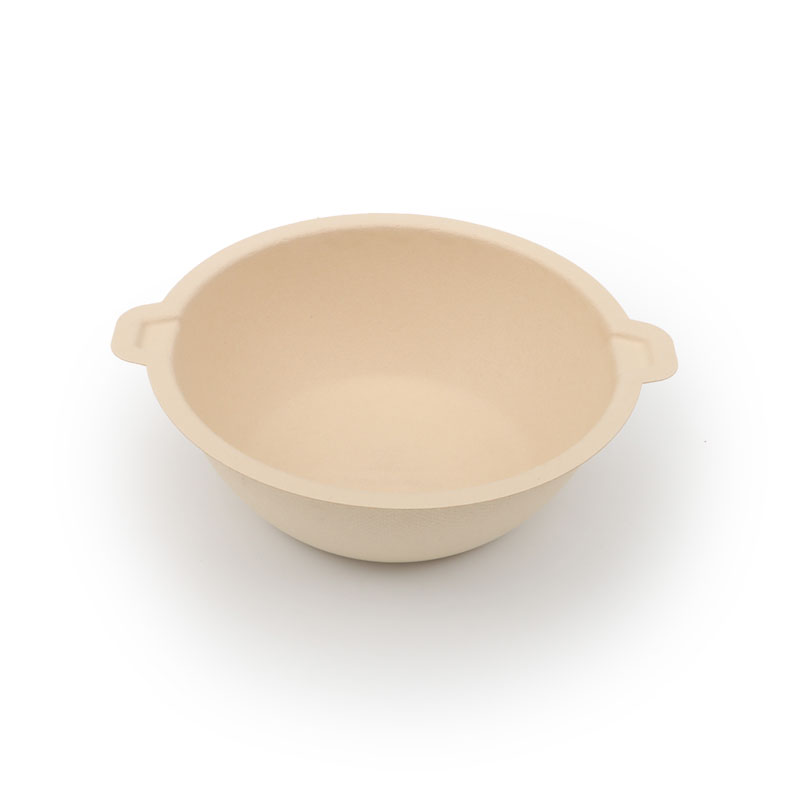 48oz(1420ml)
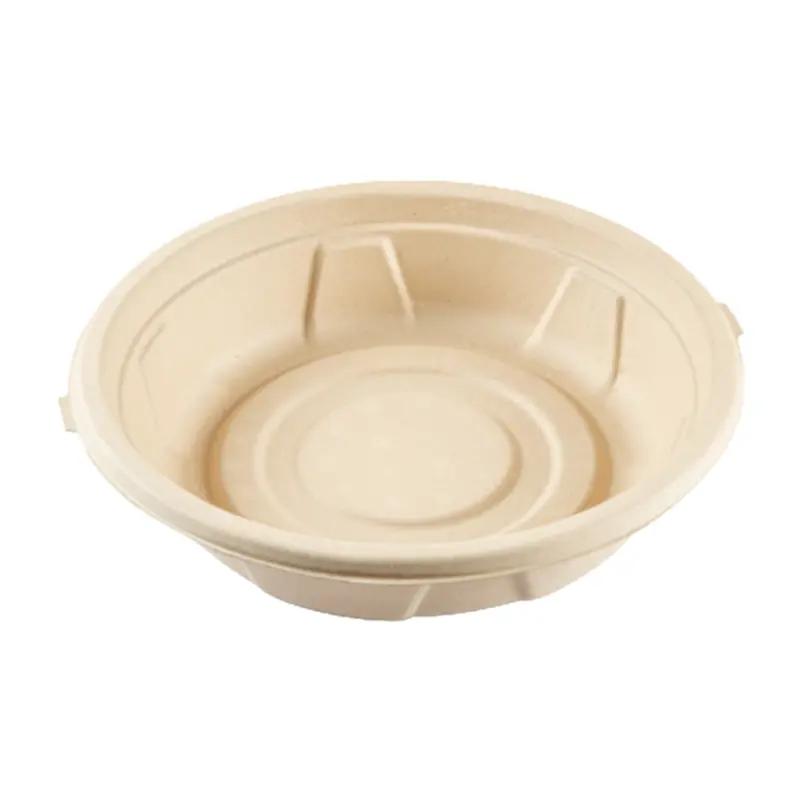 56oz(1650ml)
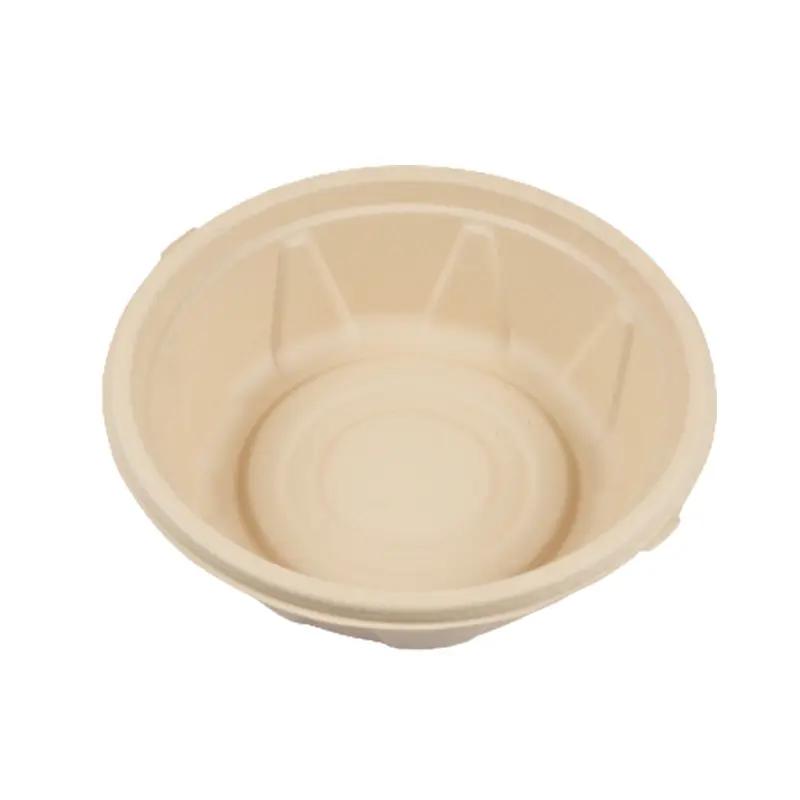 100oz(2950ml)
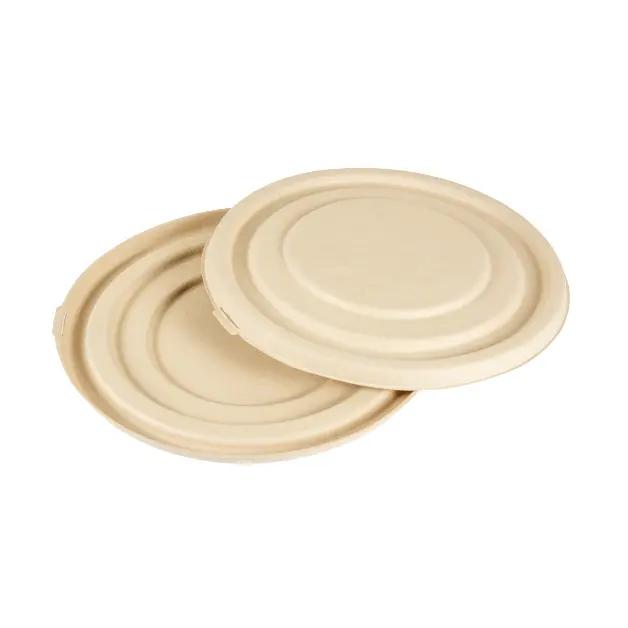 100oz(2950ml) With Lid
 Middle Bowl
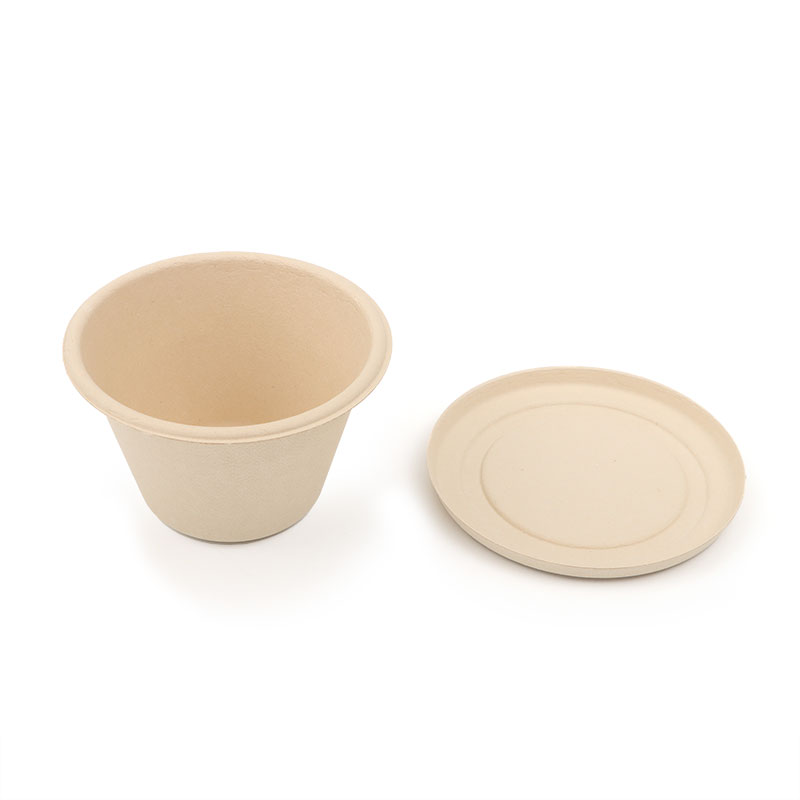 17oz(500ml)
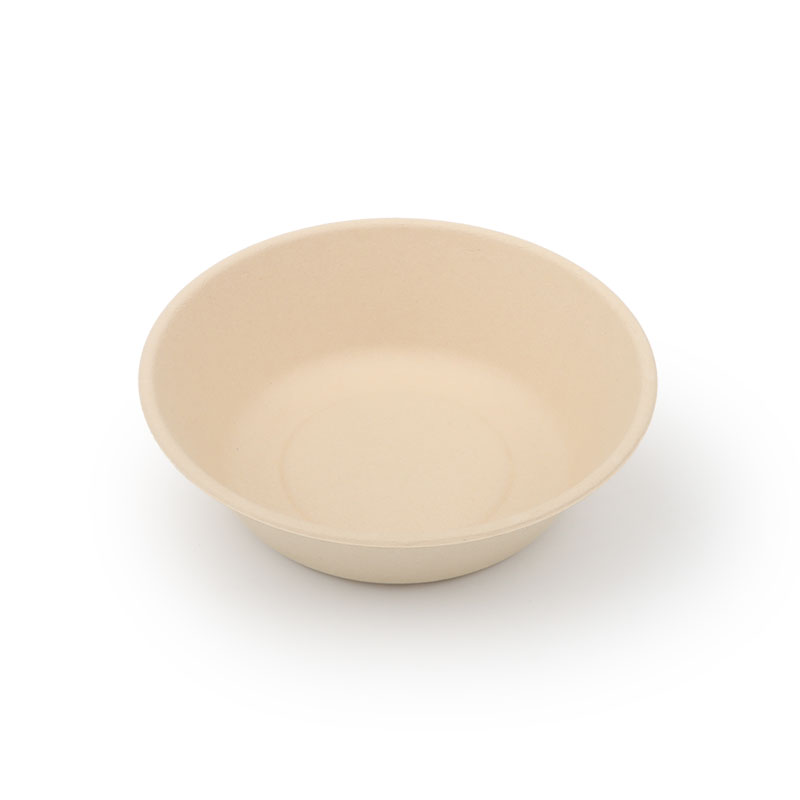 27oz(800ml)
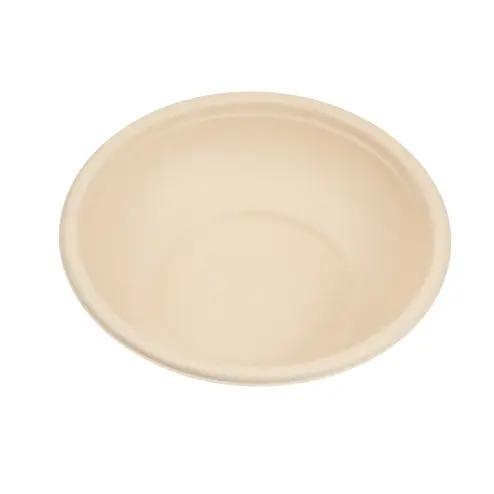 20oz(600ml)
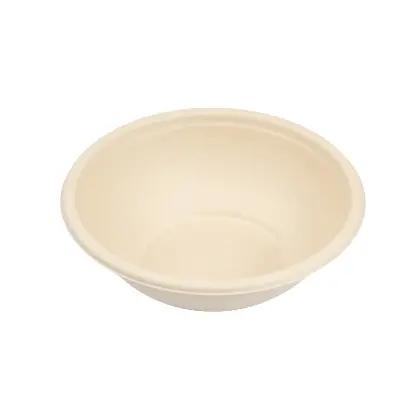 29oz(850ml)
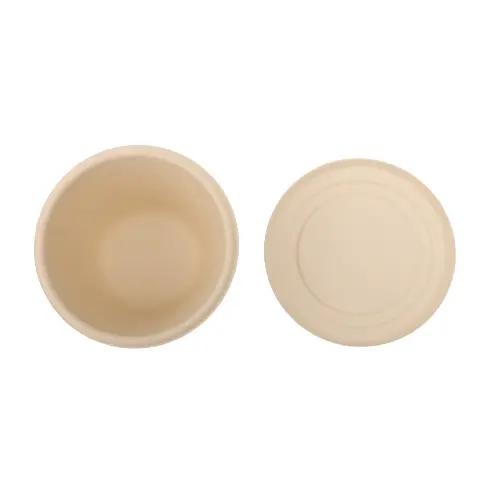 17oz(500ml) With Lid
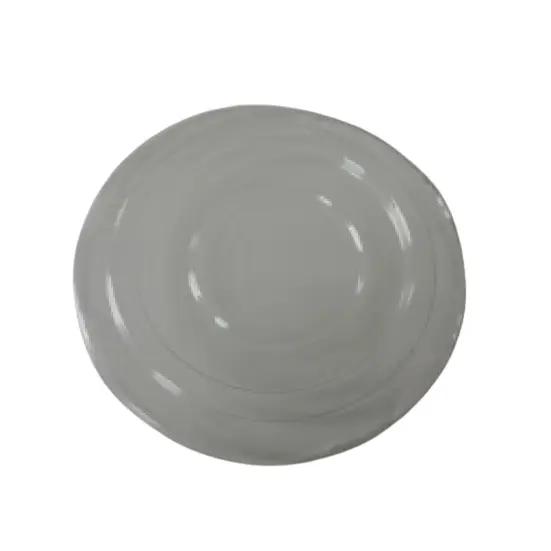 17oz(500ml) PET Lid
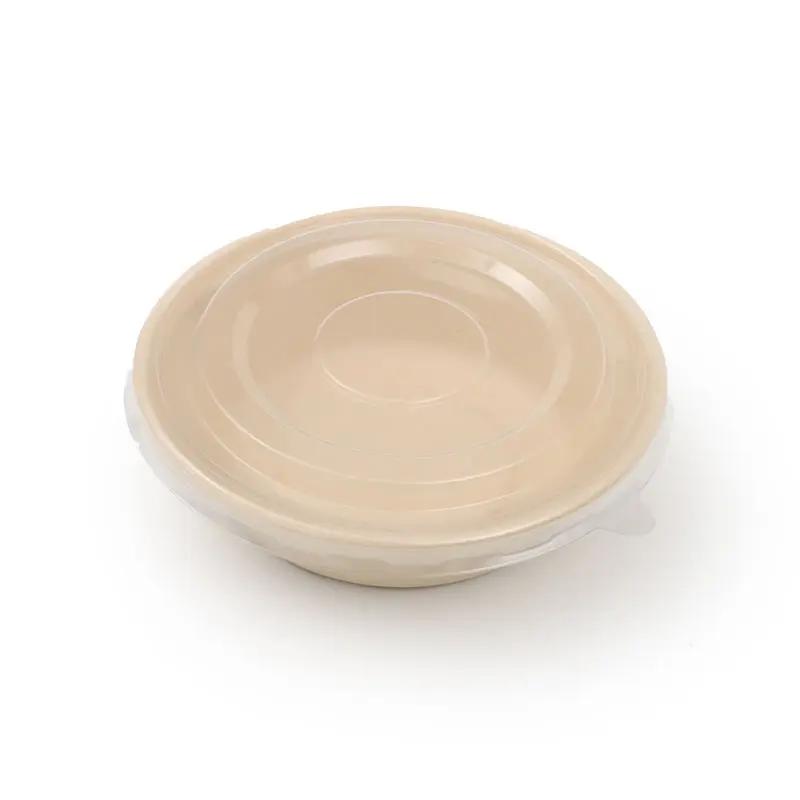 28oz(830ml) PET Lid
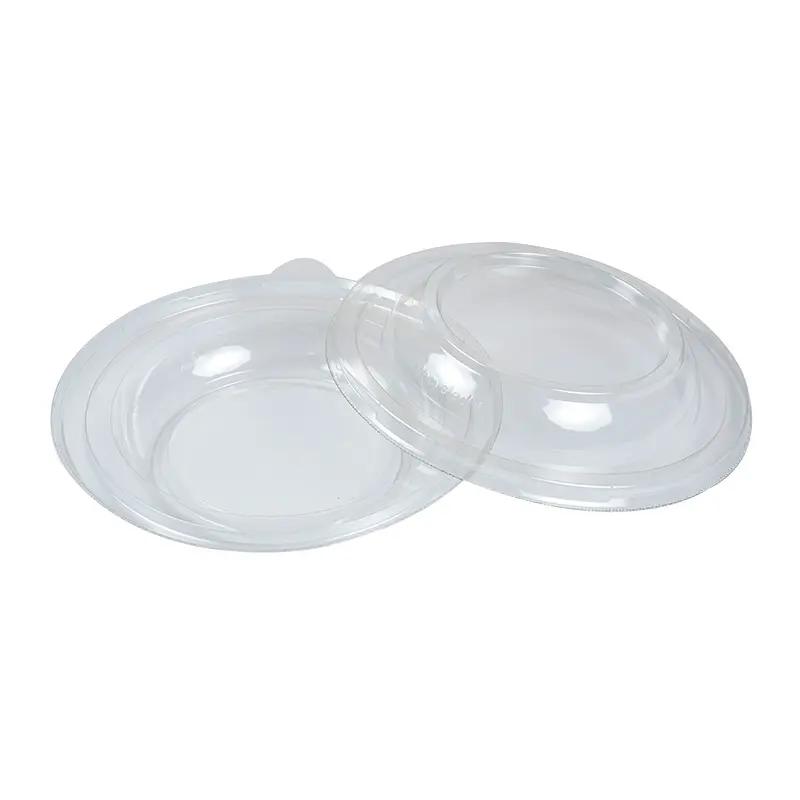 Round Bowl PET
 Small Bowl
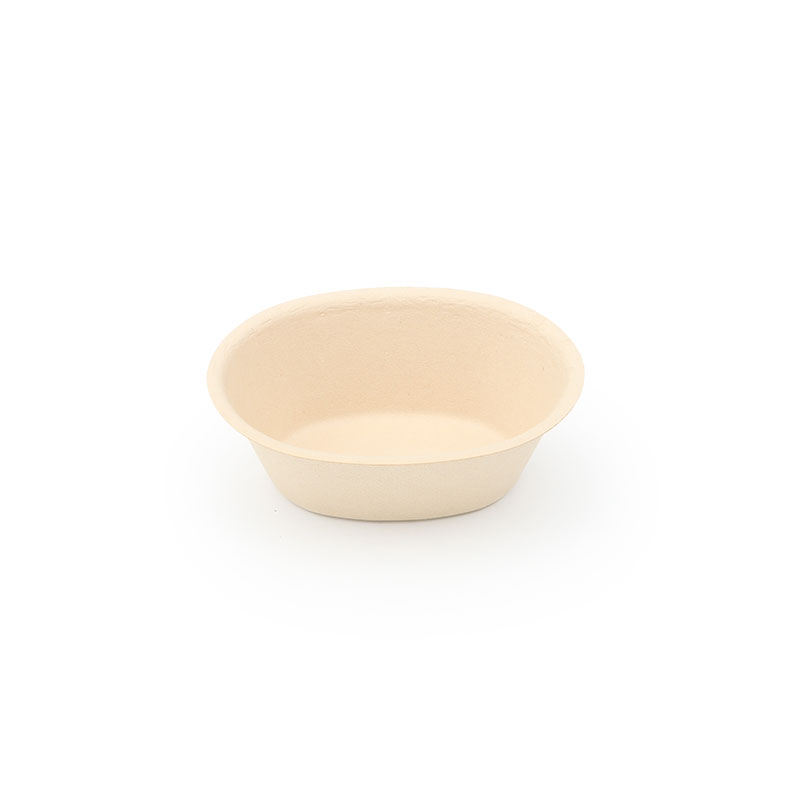 Snack Bowl
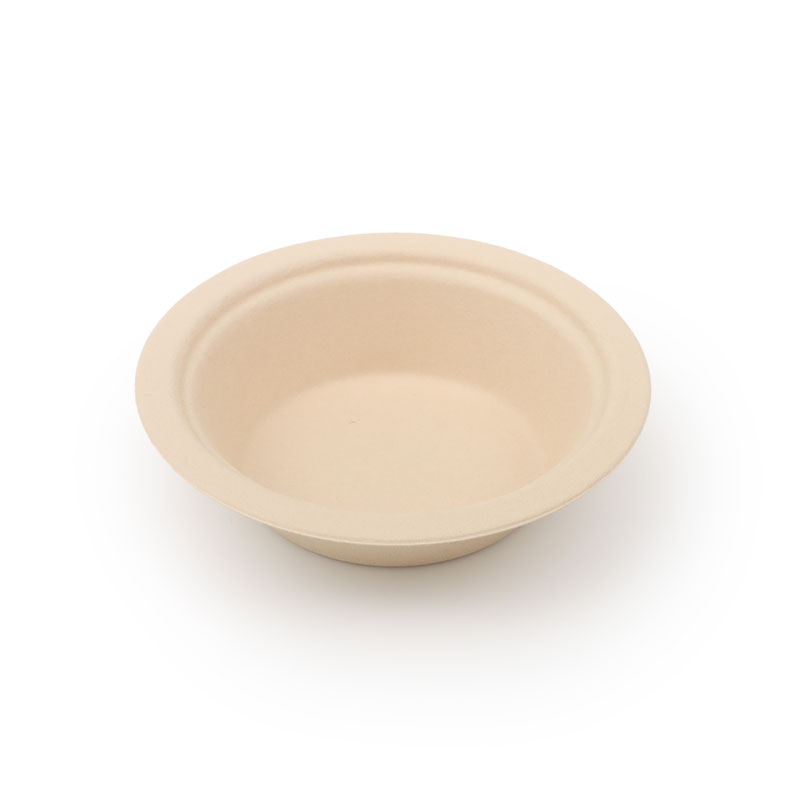 11.5oz(340ml) Bowl
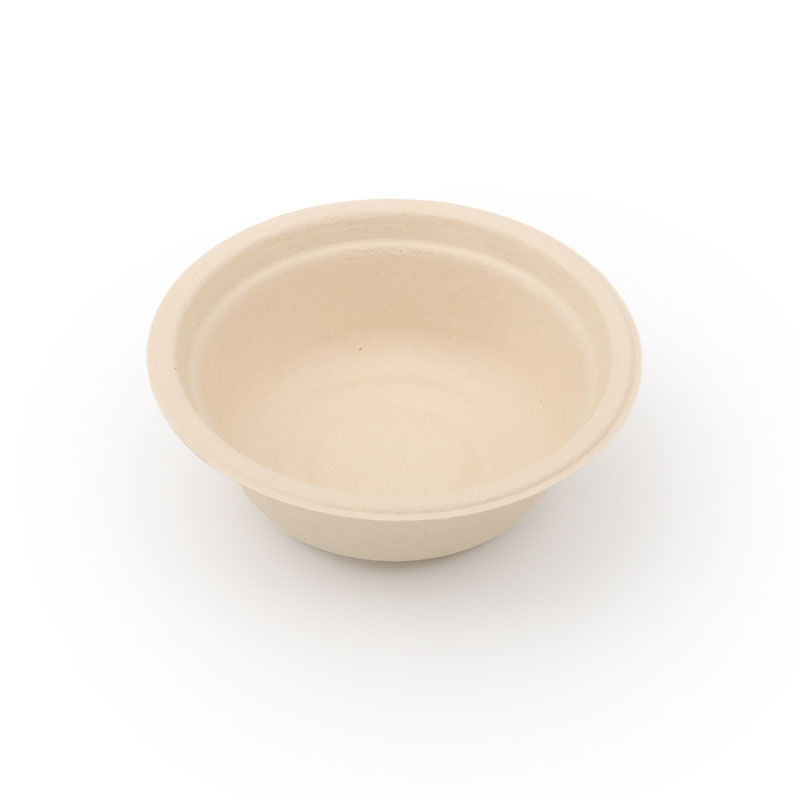 6.7oz(200ml) Bowl
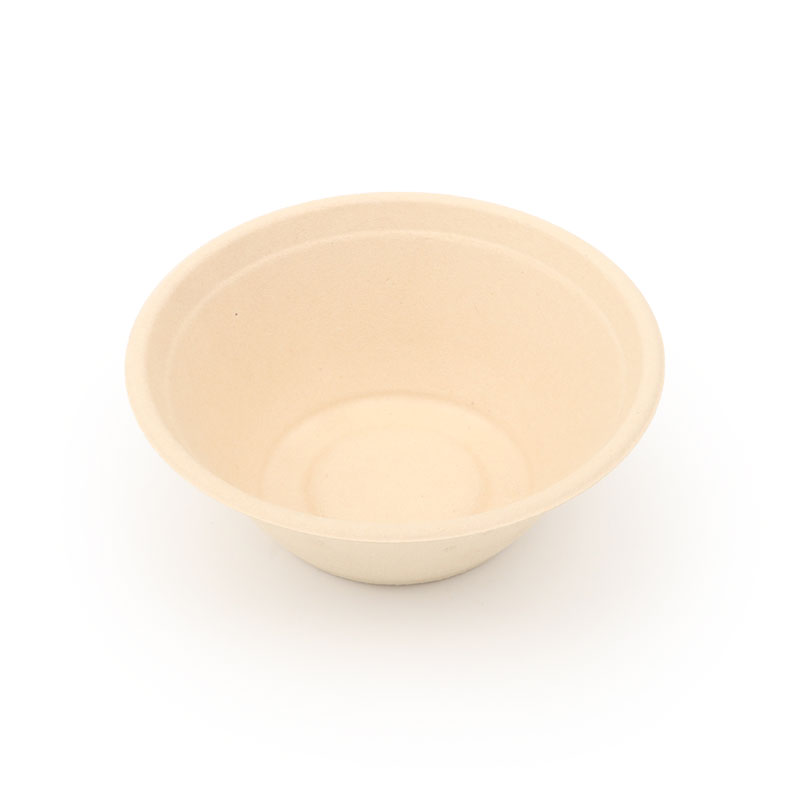 12oz(350ml) Bowl
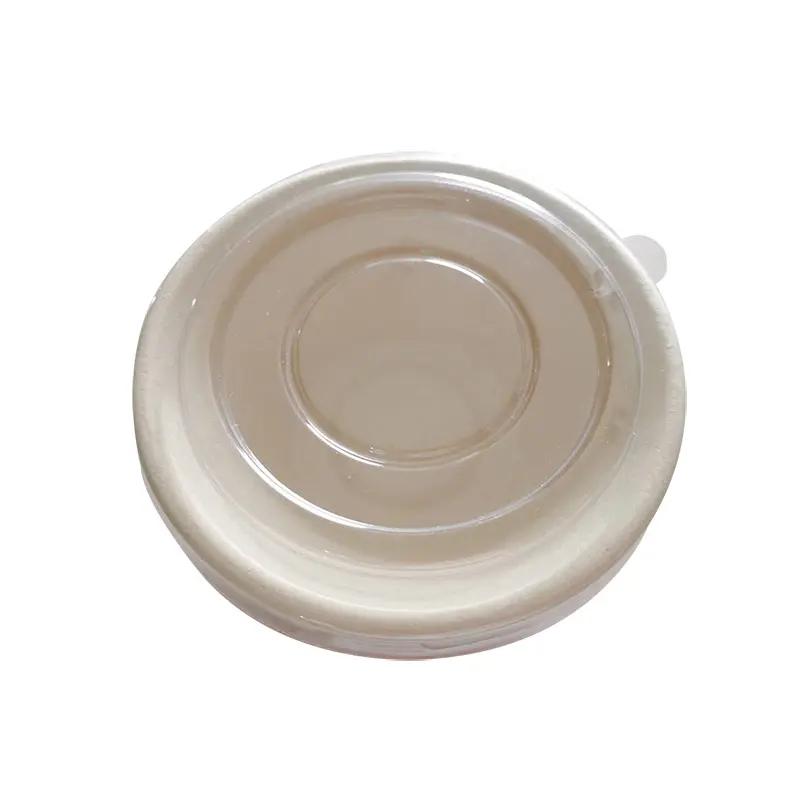 12oz(350ml) Bowl PET
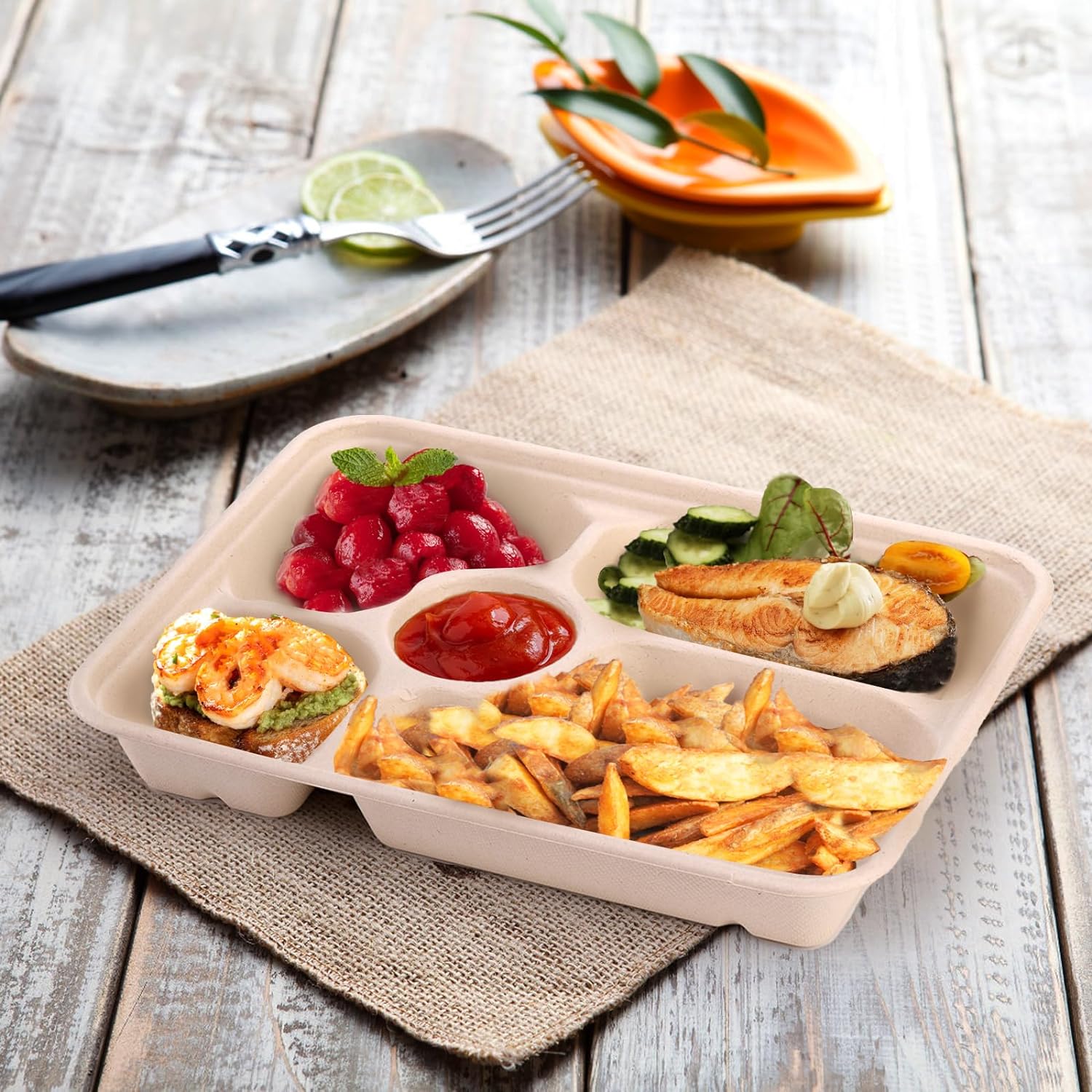 Bagasse Lunch Boxes
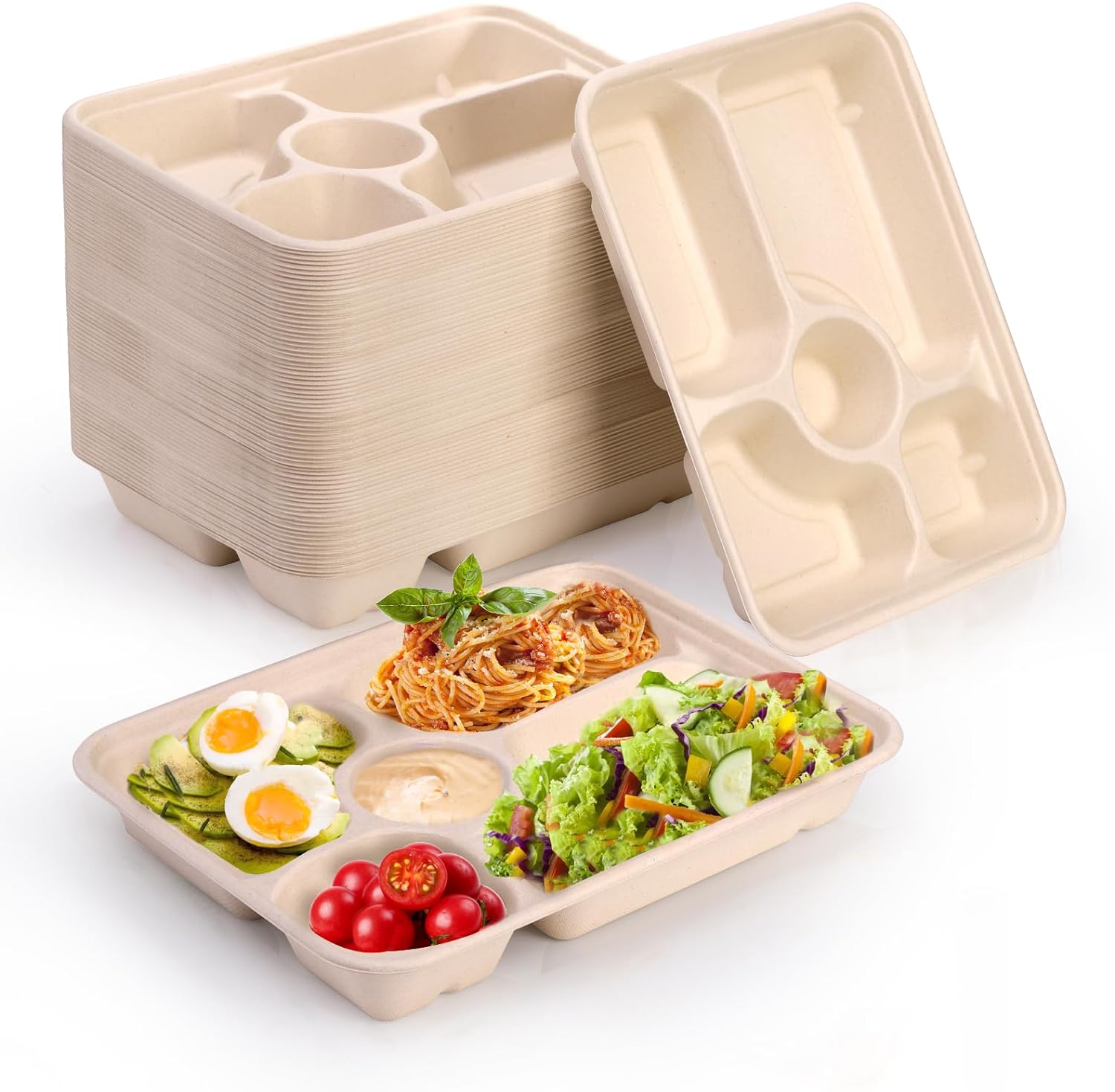 5CP
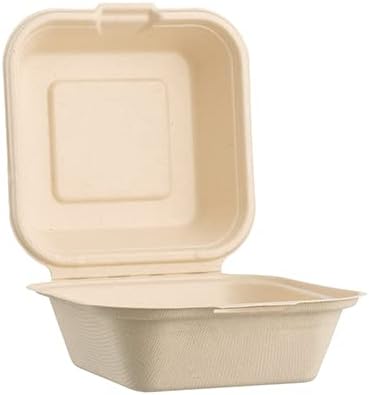 6 inch
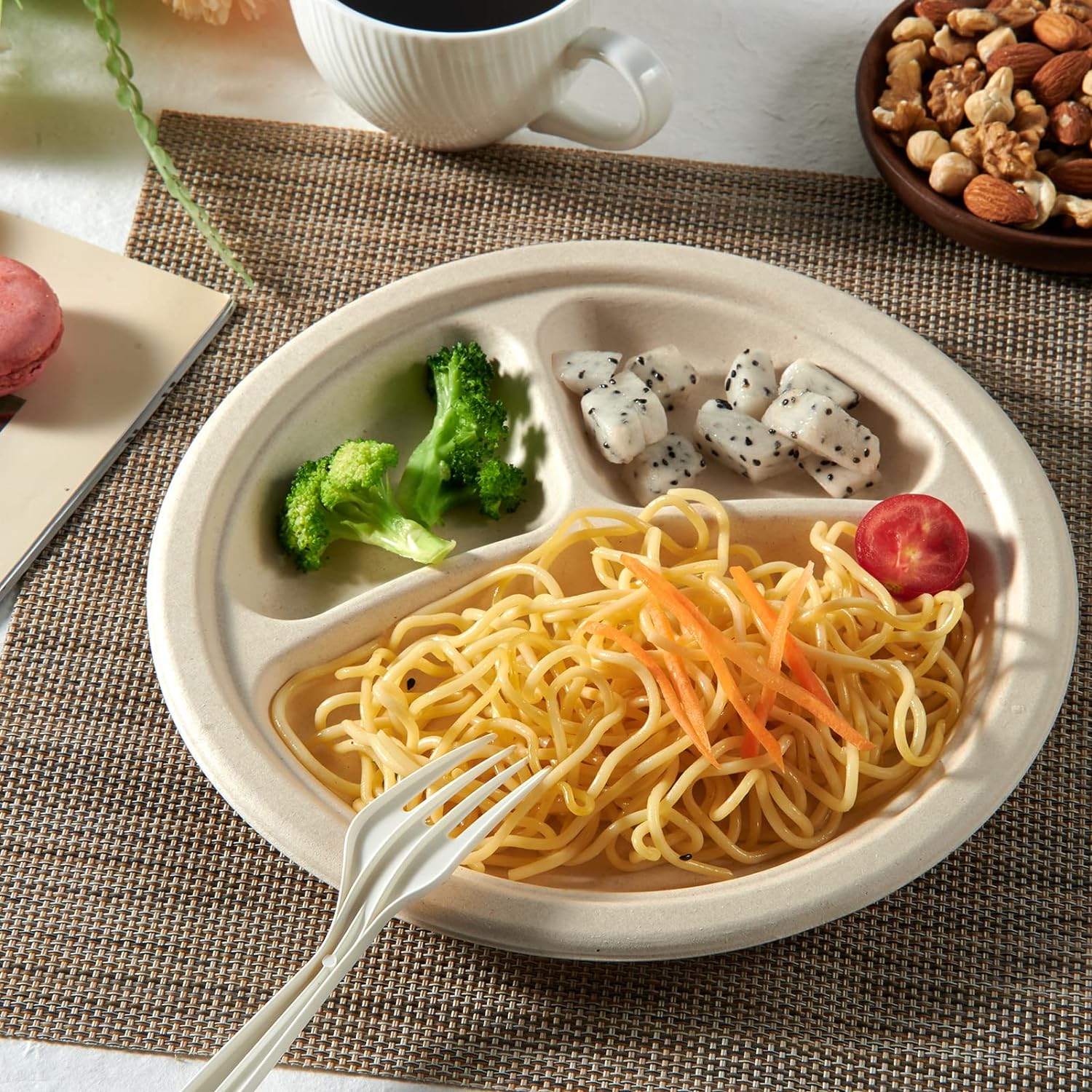 Bagasse Food Plates
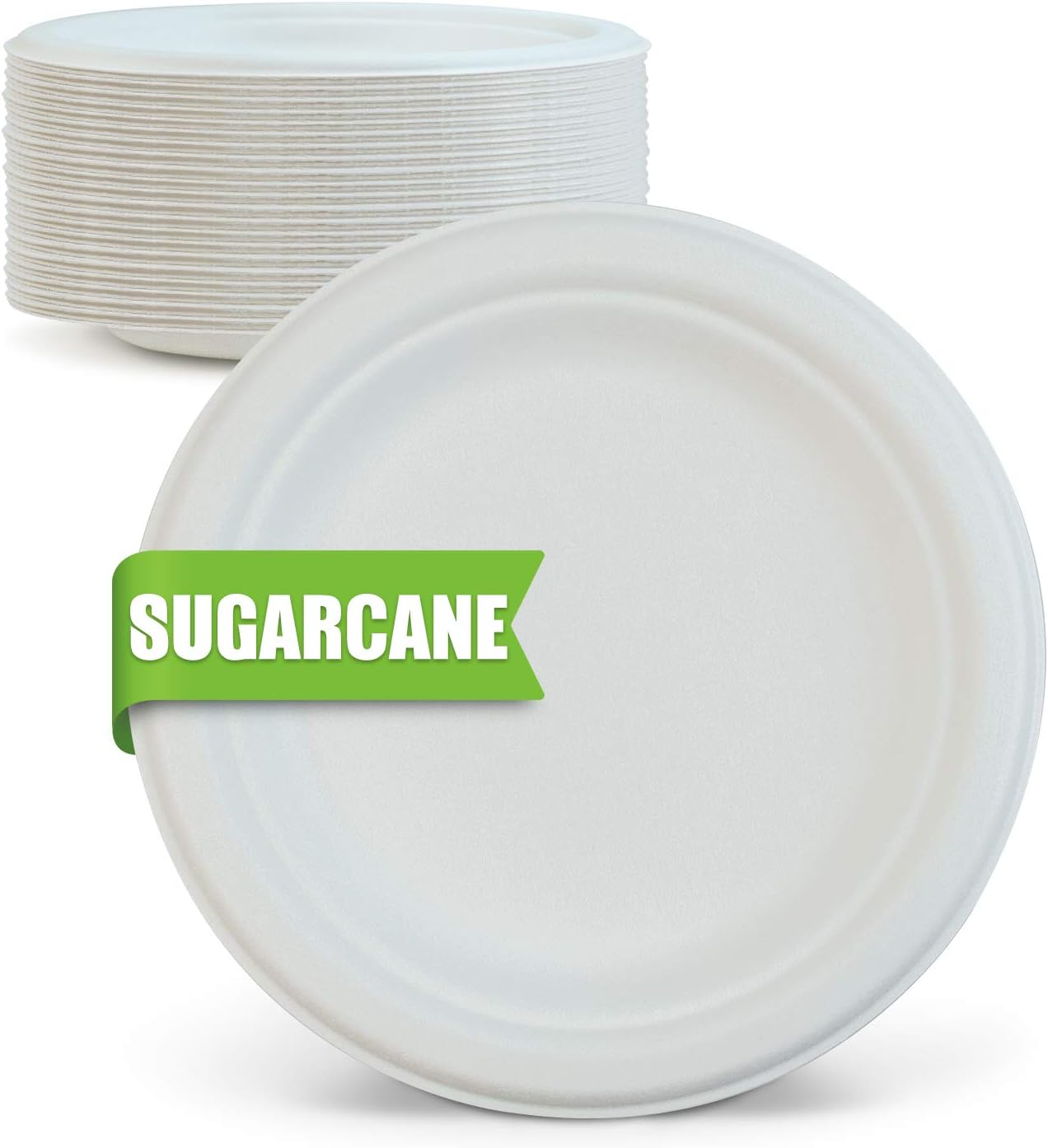 7 inch
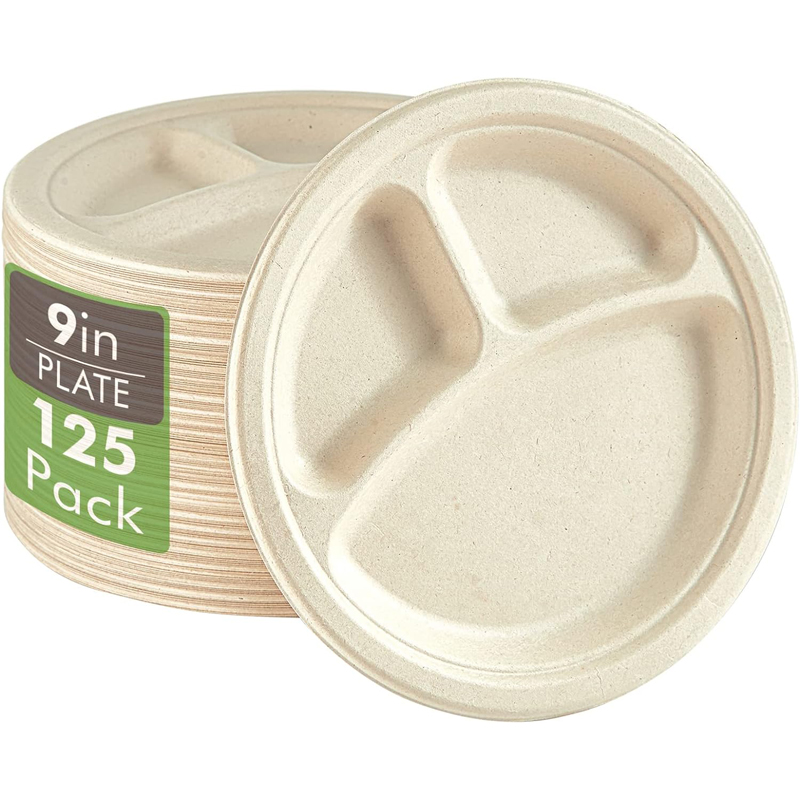 3CP
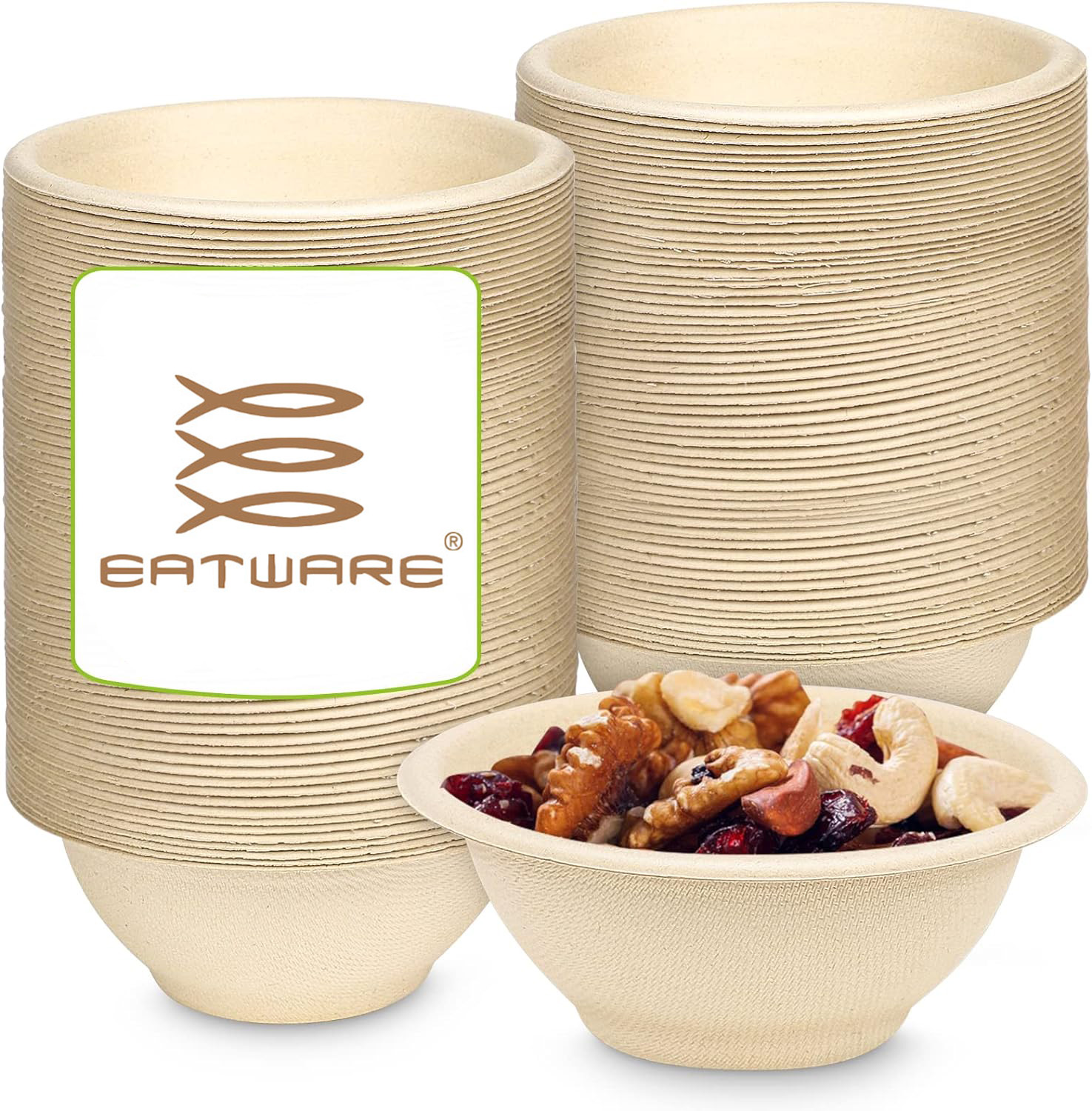 Bagasse Bowls
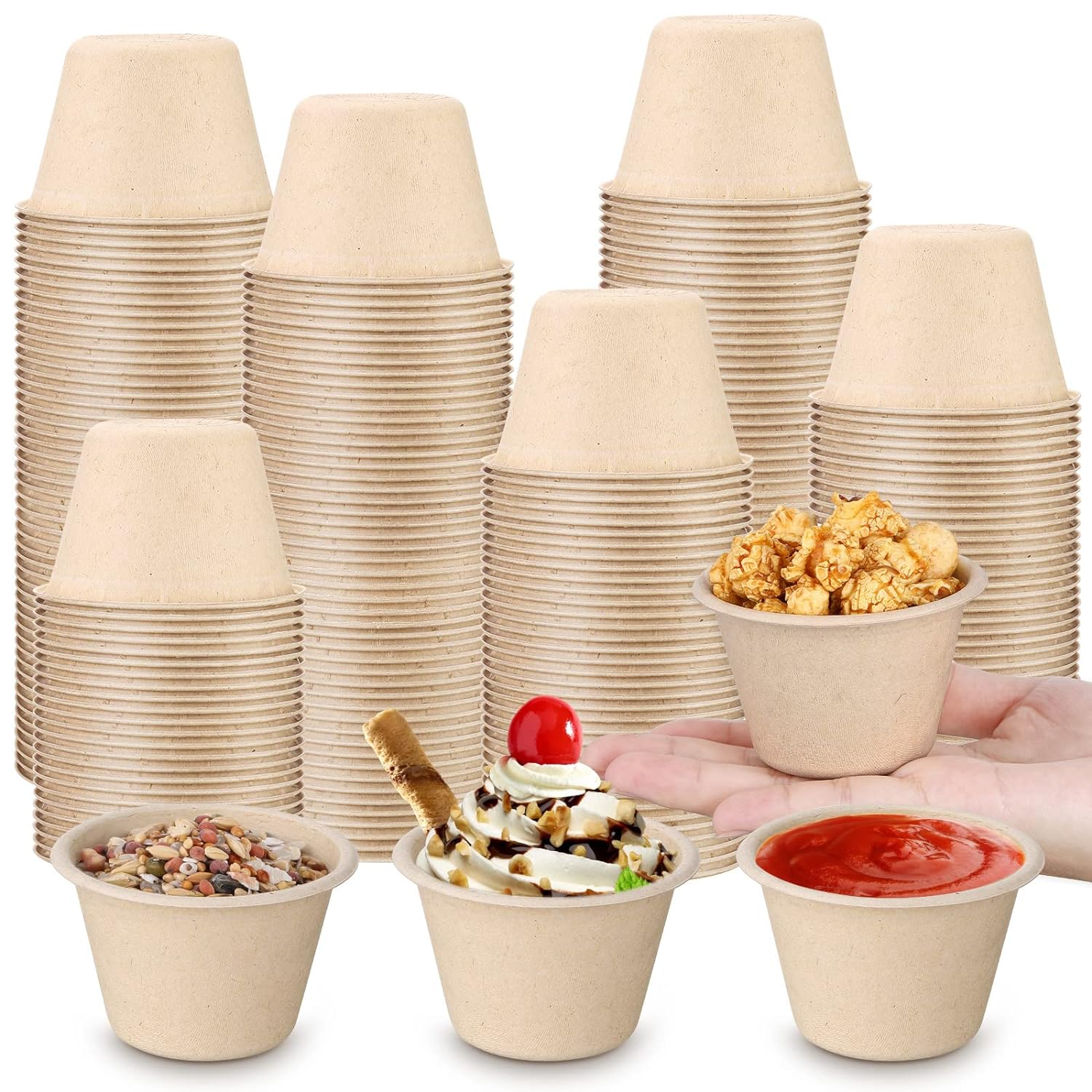 4oz
 Bagasse Cups And Cutlery
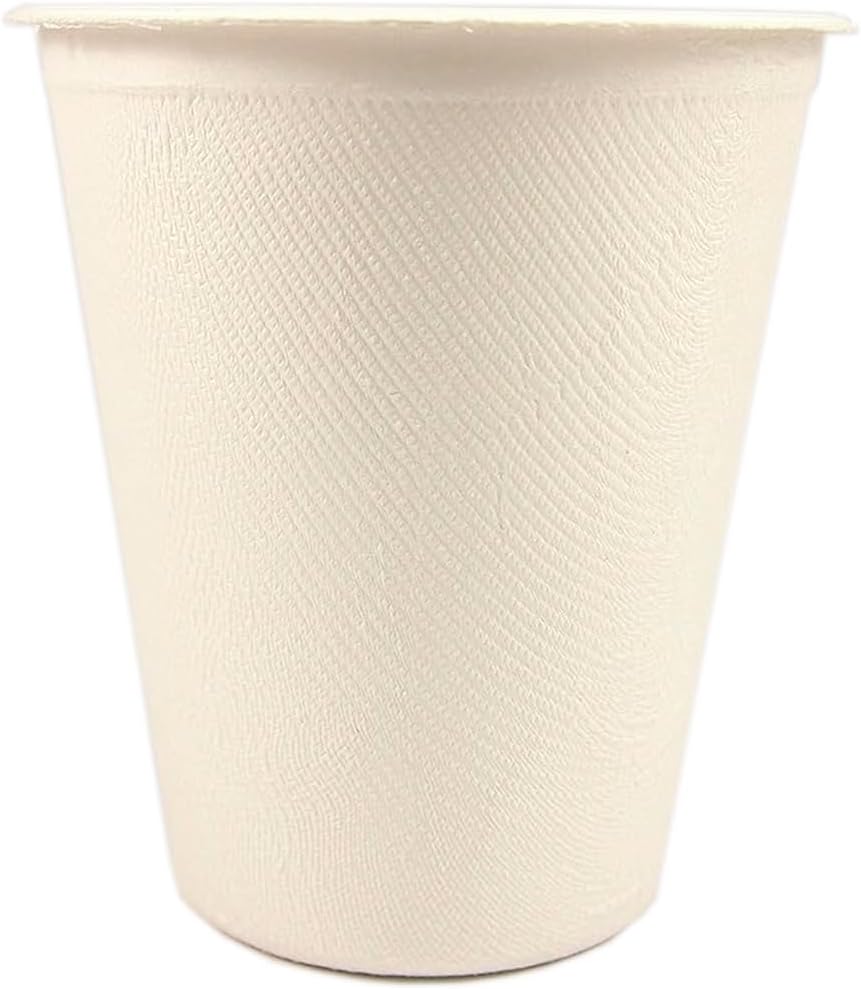 8oz
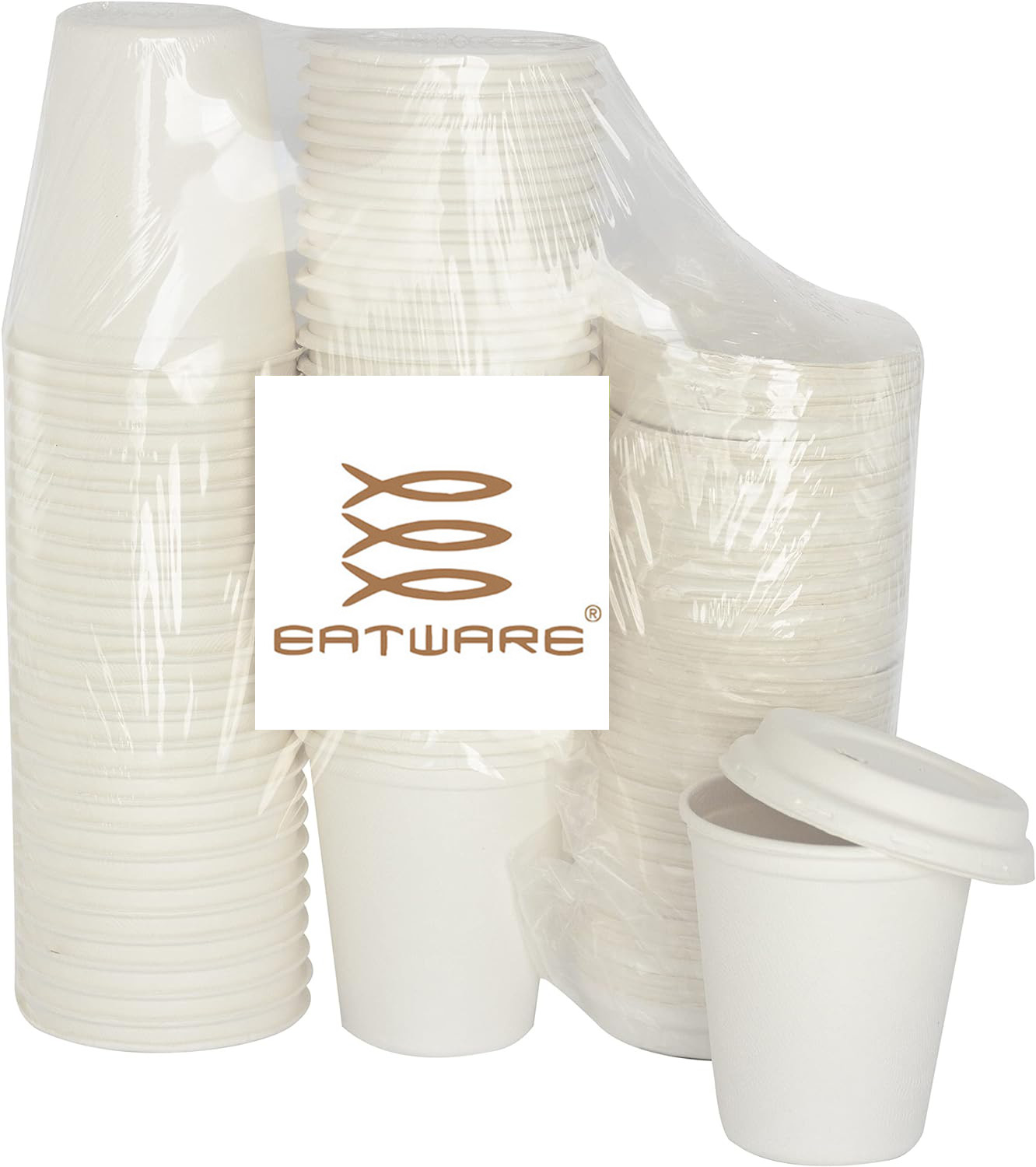 12oz
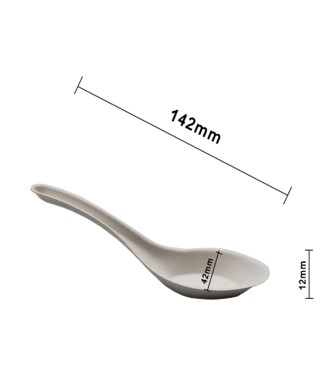 Cutlery
Leave Your Message
Engineered specifically for hot, cold, and fresh ready-to-eat (RTE) meals, airline catering batches, and rapid meal delivery logistics.

The explosive global growth of on-demand food delivery, multi-brand ghost kitchens (cloud kitchens), and large-scale commercial catering has radically disrupted conventional packaging requirements. In the past, traditional disposable containers merely acted as physical carriers for short-haul transport. However, as consumers demand restaurant-grade freshness, zero chemical preservatives, and leakproof deliveries over extended transit radii, traditional packaging rapidly fails. Modified Atmosphere Packaging (MAP) has emerged as the cornerstone technological solution, bridging commercial volume demands with uncompromising culinary quality.
Modern commercial catering operations—including airline meal providers, corporate cafeterias, healthcare food systems, and institutional meal prep networks—rely on central production facilities. In these environments, meals are cooked, rapidly chilled, and sealed within a strictly controlled gaseous micro-environment. By displacing ambient atmospheric air with a tailored blend of carbon dioxide (CO₂), nitrogen (N₂), and controlled oxygen (O₂), MAP delays oxidative rancidity, suppresses microbial proliferation, and preserves color, aroma, and cellular moisture without artificial additives.
Deploying MAP for food delivery and catering requires precise mastery over gas dynamics and film permeability. The primary biochemical mechanisms governing food preservation inside MAP containers include:
Modified Atmosphere Packaging transforms operational economics across several mission-critical foodservice verticals:
Enables cook-chill batch prep 48 to 96 hours in advance. Kitchens eliminate peak-hour bottleneck stresses, optimize kitchen labor schedules, and eliminate delivery transit spills through hermetic peelable lid seals.
Supports stringent aviation food safety protocols with lightweight, high-barrier molded fiber trays capable of enduring cabin pressurization swings and uniform oven reheat regeneration without deformation.
Central kitchens deliver thousands of pre-portioned, sterile MAP gourmet meals to satellite business centers, reducing on-site kitchen footprints, washing equipment costs, and operational food waste by over 38%.
Historically, MAP systems depended on non-recyclable multi-layer petroleum plastics such as CPET, PP/EVOH/PE, or aluminum foils. Today's commercial foodservice landscape operates under rigorous ESG scrutiny and strict single-use plastic regulations (such as EU SUPD and regional landfill bans). The industry frontier has shifted toward thermoformed plant-fiber substrates combined with ultra-thin, high-barrier laminations.
By leveraging 100% natural bamboo and bagasse pulp fibers, EATware's proprietary structural forming processes yield high-density, rigid tray walls that resist hot liquid permeation, oil migration, and moisture absorption up to 100°C. When fused with bio-based or micro-thin recyclable barrier films, these trays deliver oxygen transmission rates (OTR) low enough to guarantee 7 to 21 days of chilled shelf life while reducing plastic consumption by more than 85%.
The convergence of automated inline gas analyzers, AI vision quality assurance, and dynamic thermal logging enables high-speed tray sealing machines to test up to 60 packs per minute with zero false seals. Flange flatness tolerances down to ±0.15mm ensure 100% airtight seams that survive heavy courier stacking, motorcycle vibration, and rapid temperature fluctuations across the last-mile delivery chain.
Global manufacturing infrastructure delivering consistent quality for tier-1 foodservice brands worldwide.
In the field of environmentally friendly packaging for 18 years,Has established cooperation with 500+ brands.
Through our research and development, there are more than 60 products can product, we also support OEM ODM customized services.
Exported to the United States, Europe, Australia, Canada and other countries, right now we have exported more than 30 countries.
10000+ square meters factory area, more than 30 patent certificates, 10 foreign authoritative certification, 55 automatic forming machines...
EATware is committed to sustainable development, using all natural plant fibers to produce safe, healthy and environmentally friendly tableware. Adhering to the concept of "take nature, serve humanity, return to nature", we focus on the development of safe, high quality and environmental standards.
EATware emphasizes environmental protection and sustainable development, explores the balance between enterprise survival and environmental protection, and uses all-natural and pollution-free bamboo fiber as the main material of tableware to ensure that its products meet the high technical level and are superior to developed countries.
Kangxin (HaiMen) Environmental Technology Co., Ltd. is a technology innovation oriented enterprise that focuses on disposable environmentally friendly tableware and food packaging.
We have advanced production processes and equipment, and continue to attract senior talents, focusing on environmental protection,emphasizing safety, and ensuring quality.
Full compliance with international food contact, compostability, and management credentials.
0102030405060708091011121314151617
Trusted by prominent airline operators, supermarket chains, and food packaging pioneers worldwide.
Stay updated with structural testing methodologies, compliance shifts, and manufacturing innovations.
The most reliable way to test disposable food containers is to combine leakage testing with structural testing under conditions that reproduce the intended food application. A container should not be approved simply because it holds water for several minutes or survives an empty compression tes...
For foodservice operators, replacing conventional plastic packaging is not simply a matter of changing materials. Disposable biodegradable tableware must still withstand hot food, sauces, oils, condensation, stacking, transport, and commercial handling without losing structural integrity. Poorl...
With growing global demand for takeaway meals and eco-friendly packaging, China’s manufacturing sector has become a major hub for disposable food containers. Today’s food businesses - from fast-food chains and meal-delivery services to supermarkets and catering companies - are looki...
Protecting ecosystems through 100% bio-based sustainable alternative solutions.
Replacing single-use petrochemical plastics with biodegradable agricultural plant fibers that naturally decompose without leaving toxic microplastic residues.
Preventing coastal and marine plastic waste intrusion with marine-degradable, certified non-fluorinated fiber formulas safe for waterways.
Utilizing rapidly renewable annual bamboo resources to reduce timber logging and preserve global virgin forest biodiversity.
Explore our complete catalog of certified, hermetically sealable MAP trays, lunch boxes, and bowls.
