
 Box With T buckle
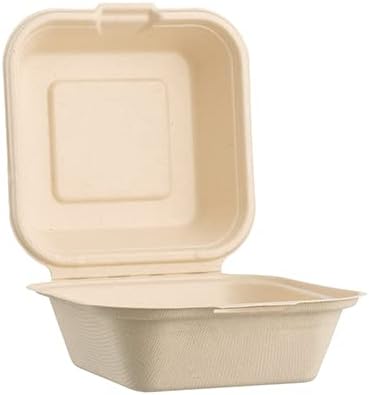
 700ml Square Lunch Box
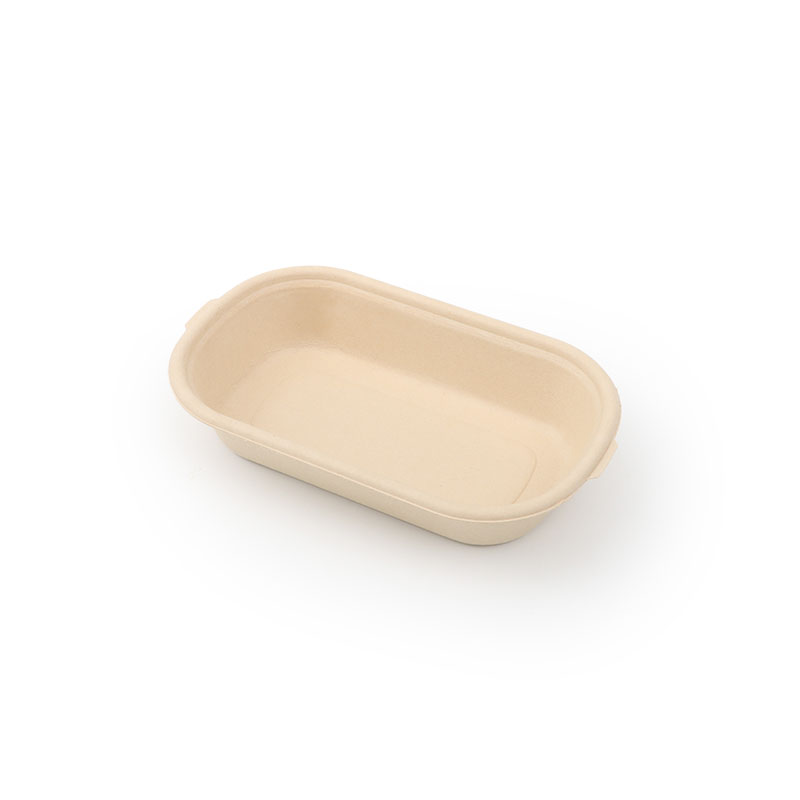 500ml
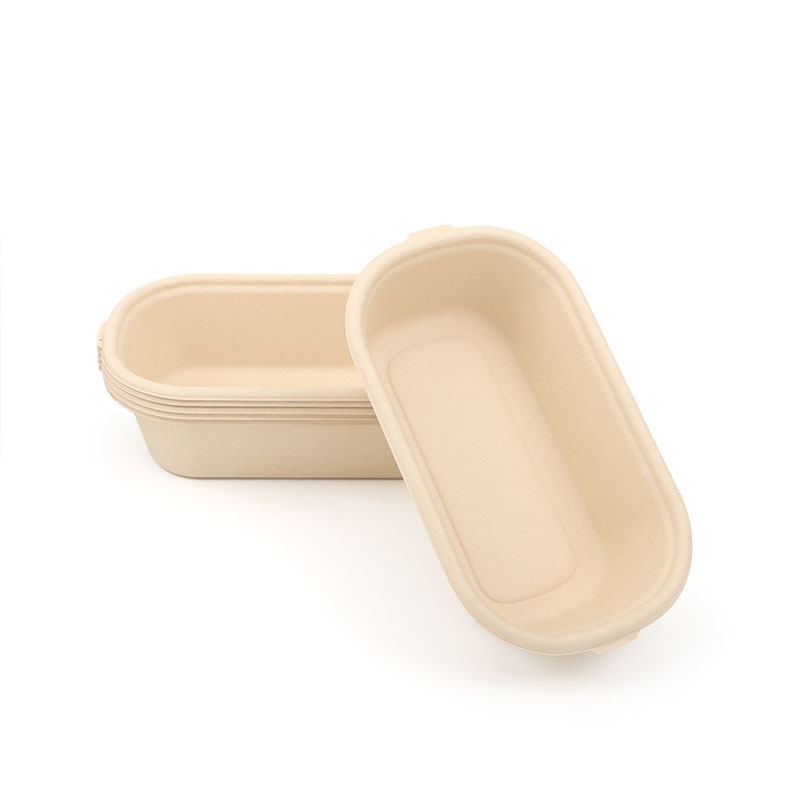 700ml
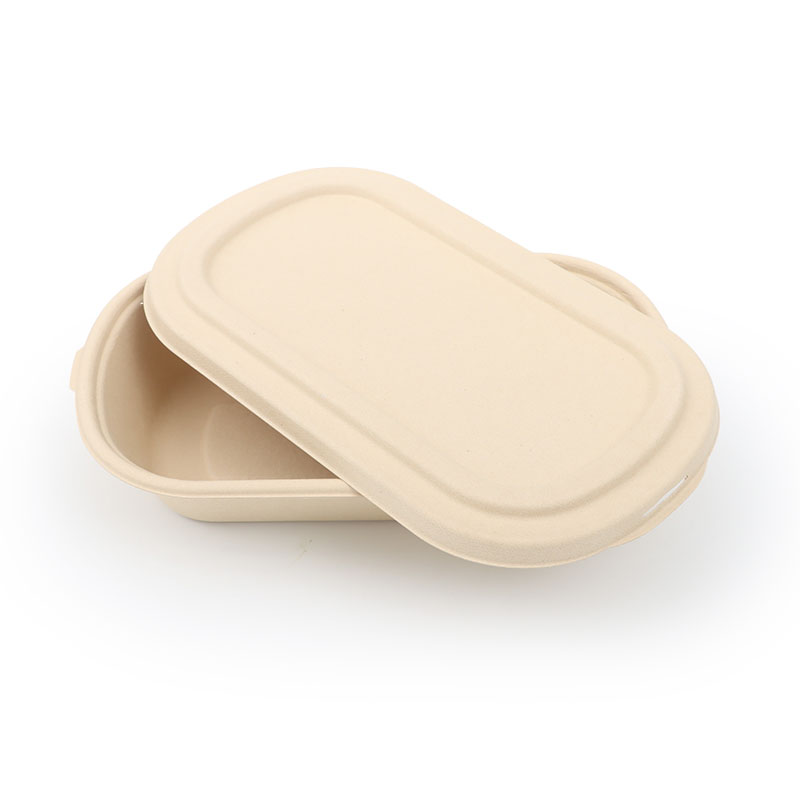 850ml
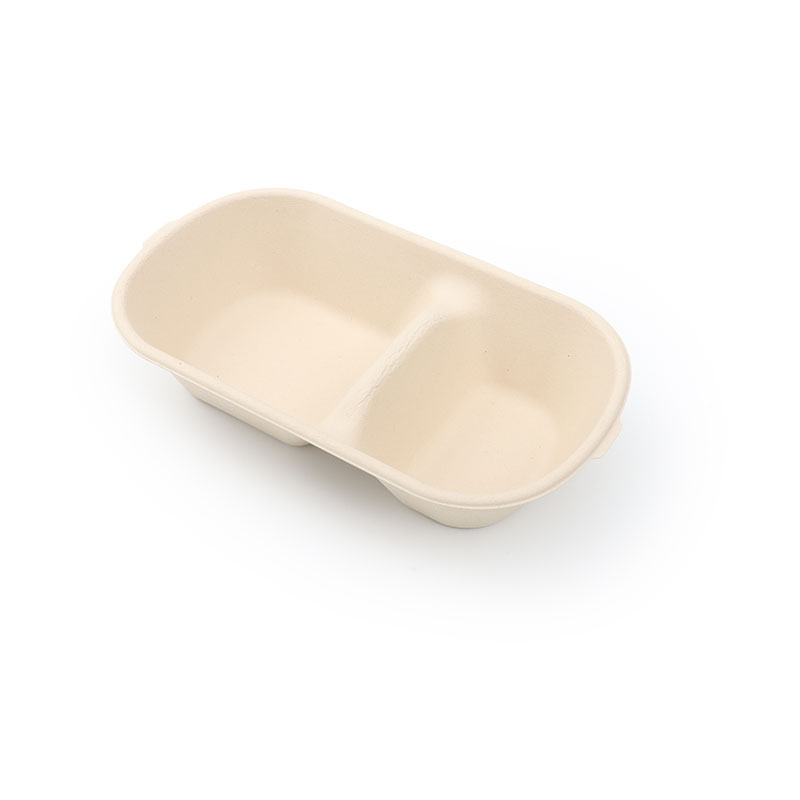 800ml 2 Compartments
 1000ml 2 Compartments
 1100ml
 1000ml Square Lunch Box
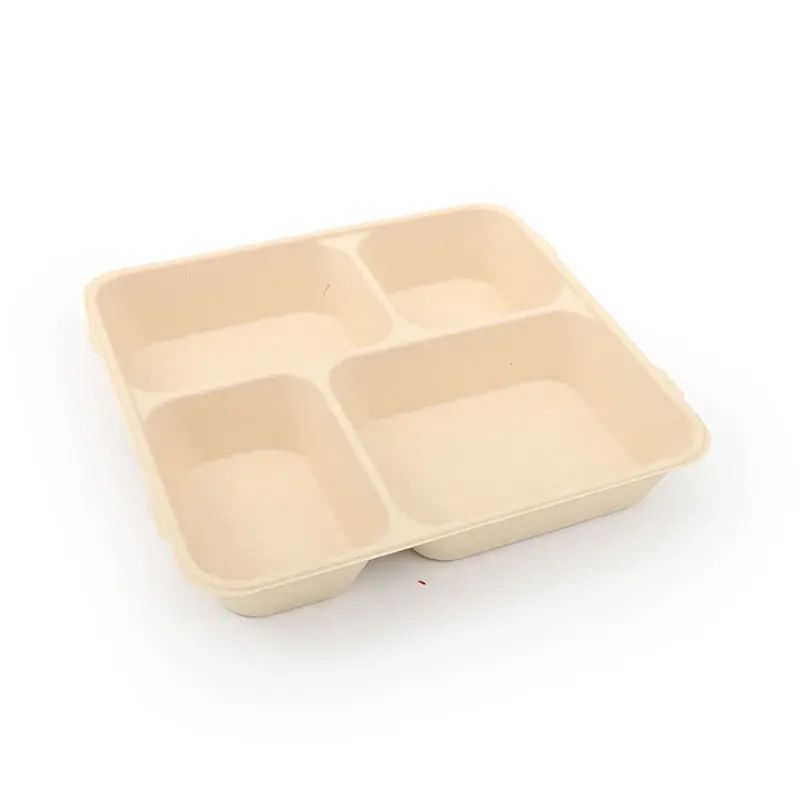 1340ml 4 Compartments
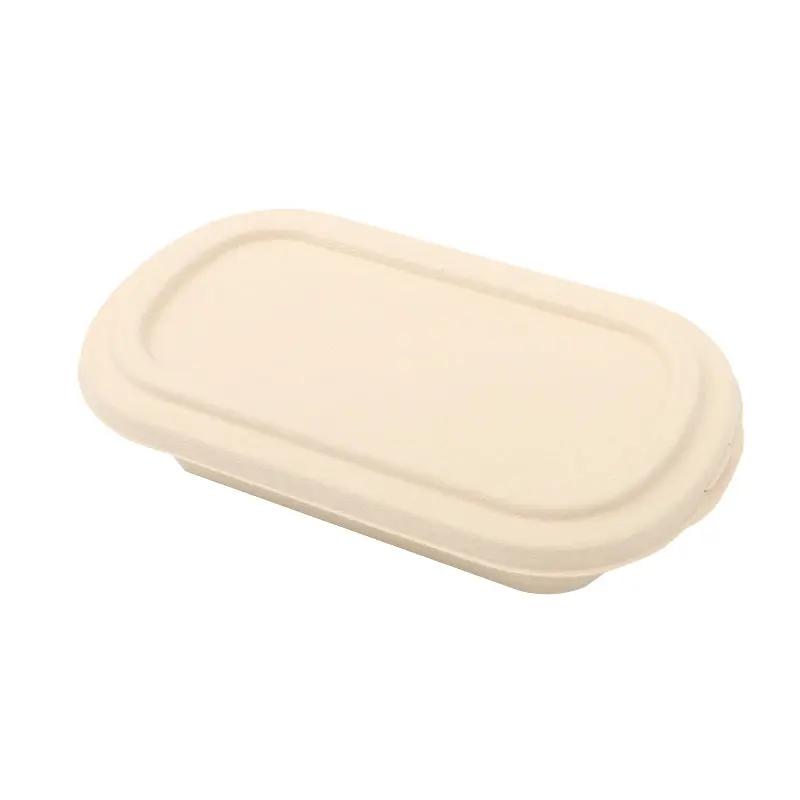 Lunch Box Lid
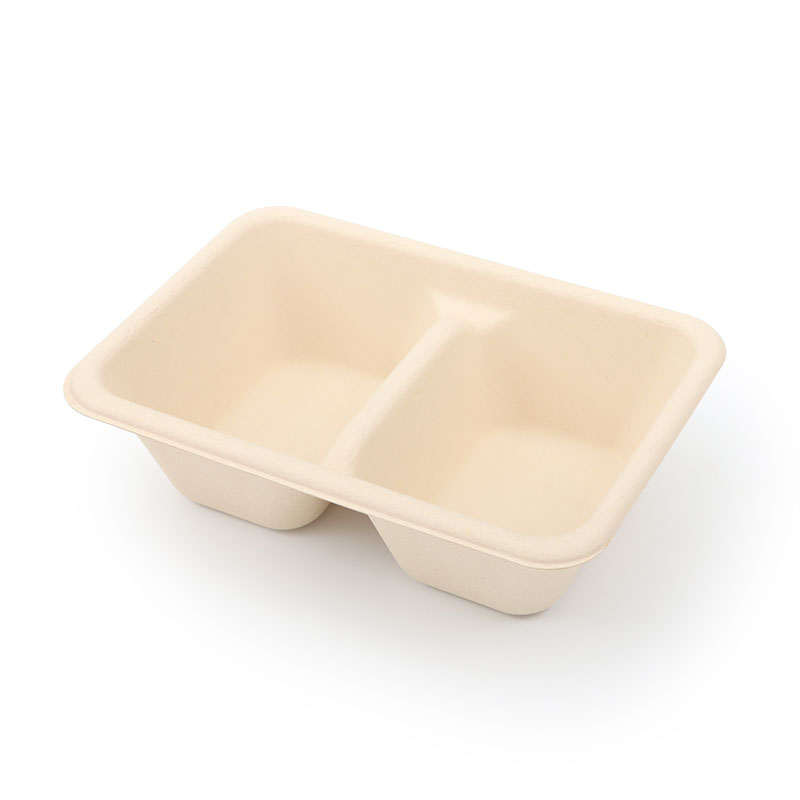 650ml
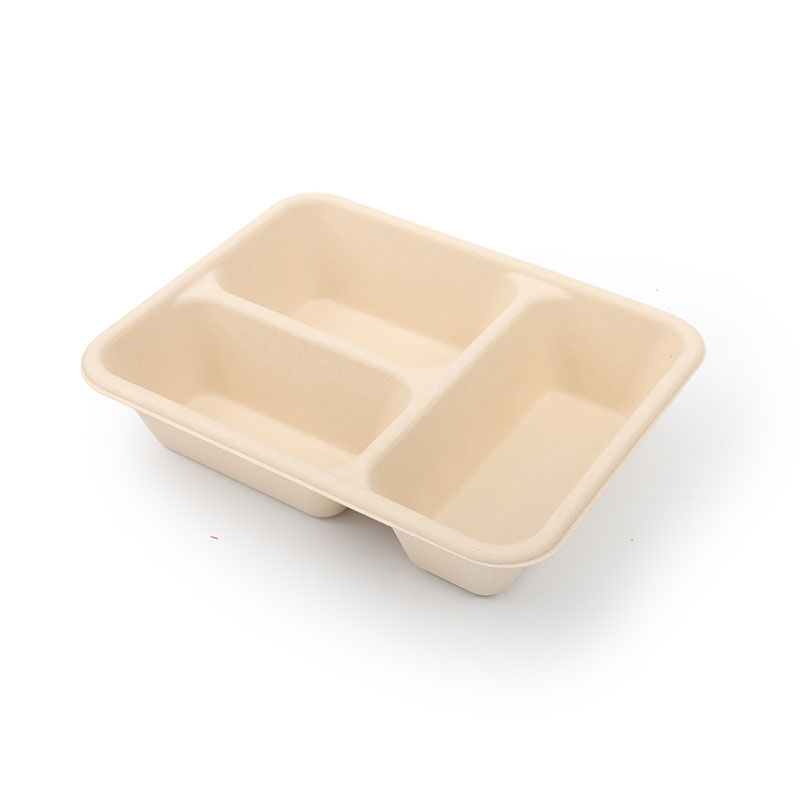 1000ml 3 Compartments
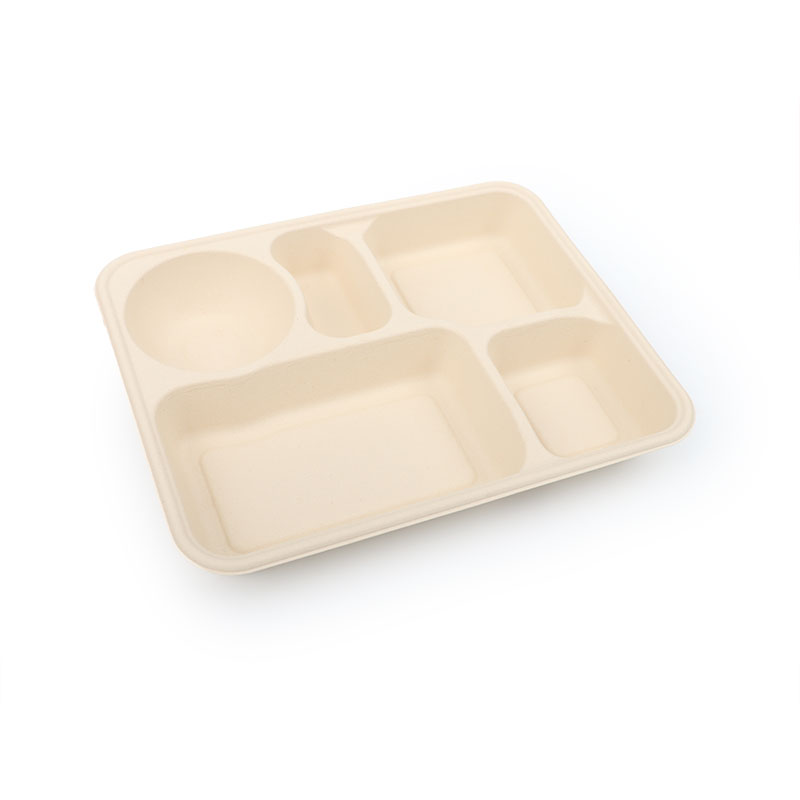 1250ml 5 Compartments
 Square Lunch Box Lid
 Box Without T buckle
 850ml Salad Box
 700ml
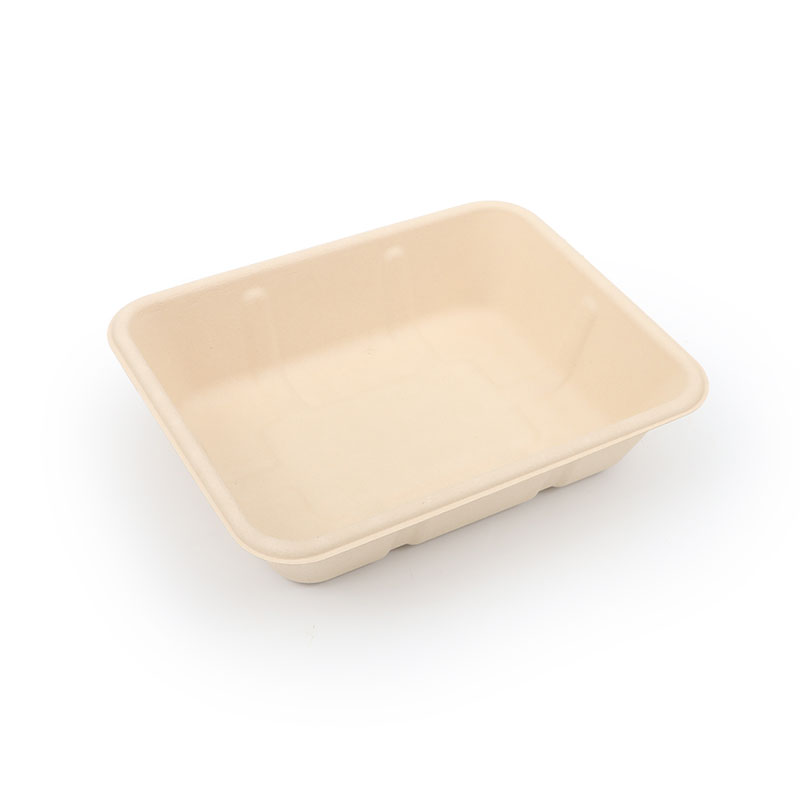 1350ml
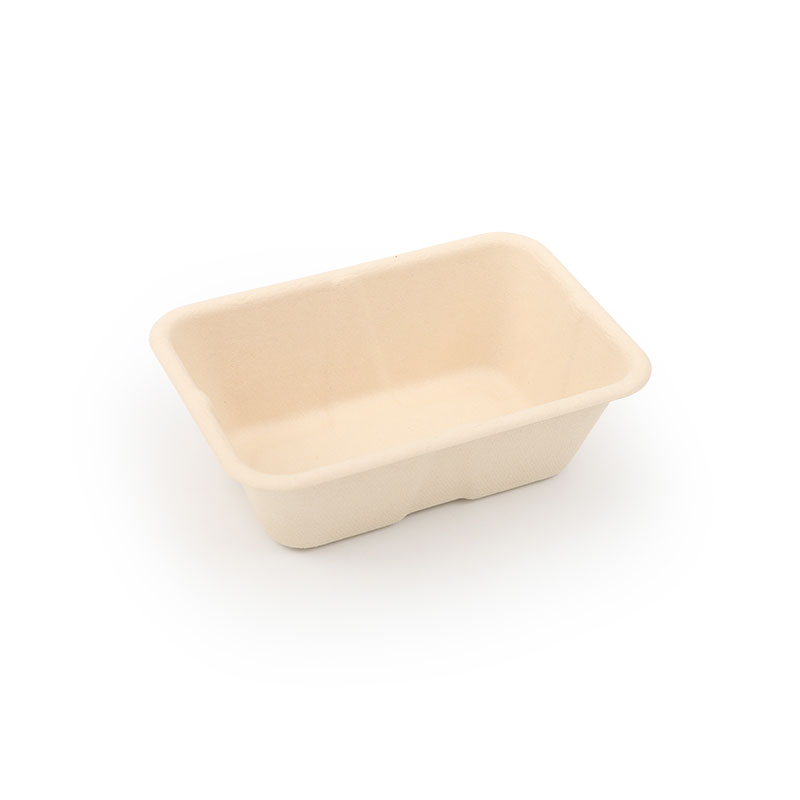 470ml
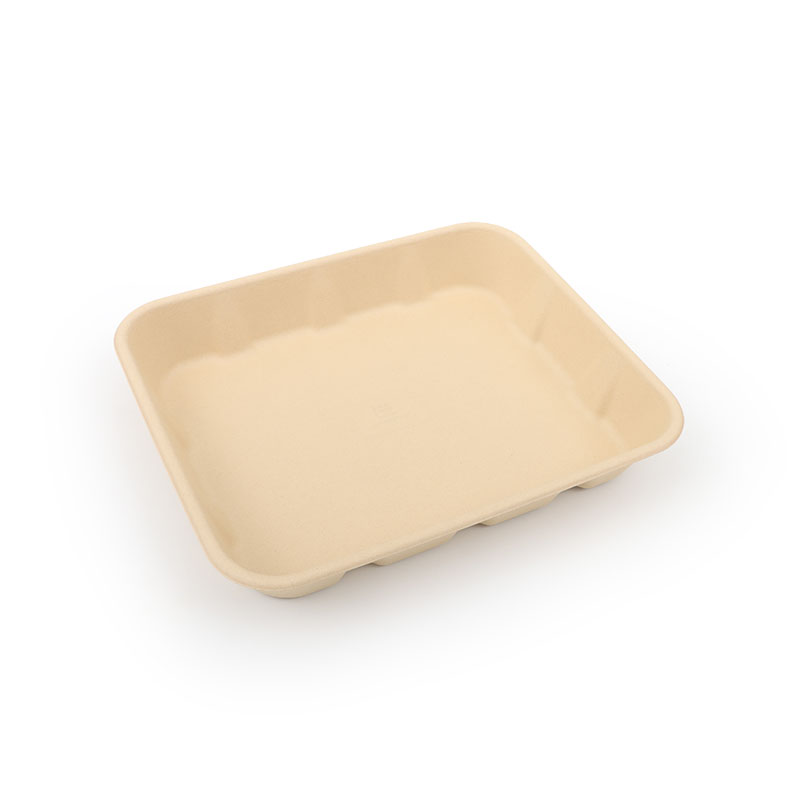 2183ml Tray Box
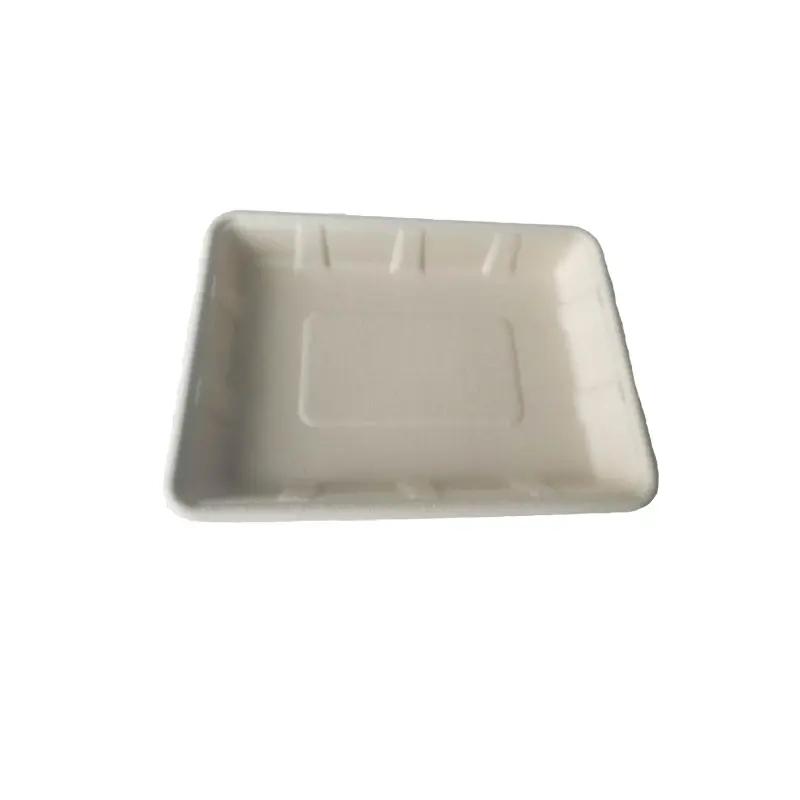 11" * 9"
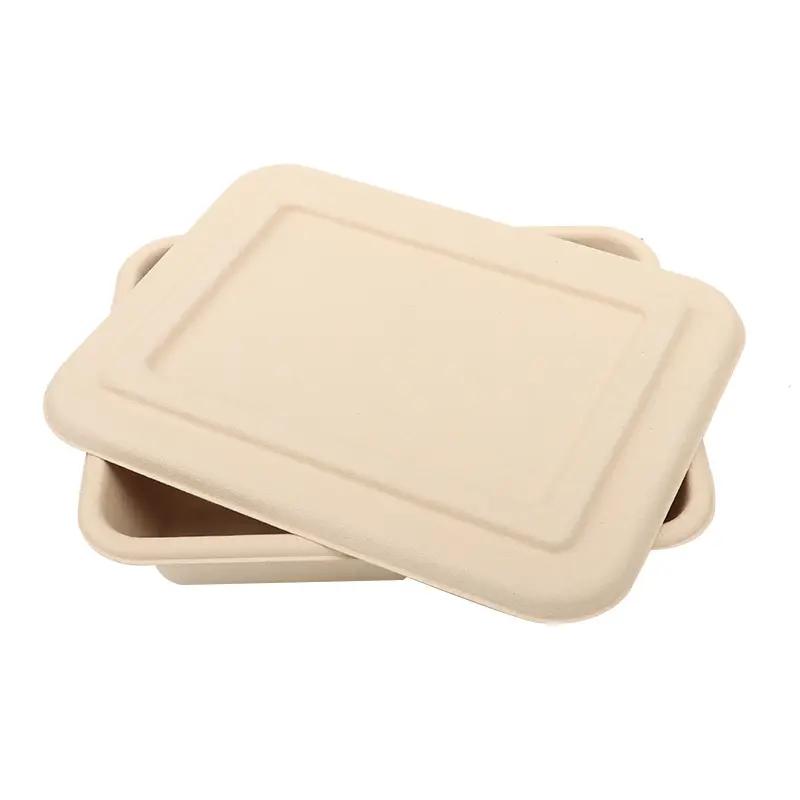 800ml
 One Part Box
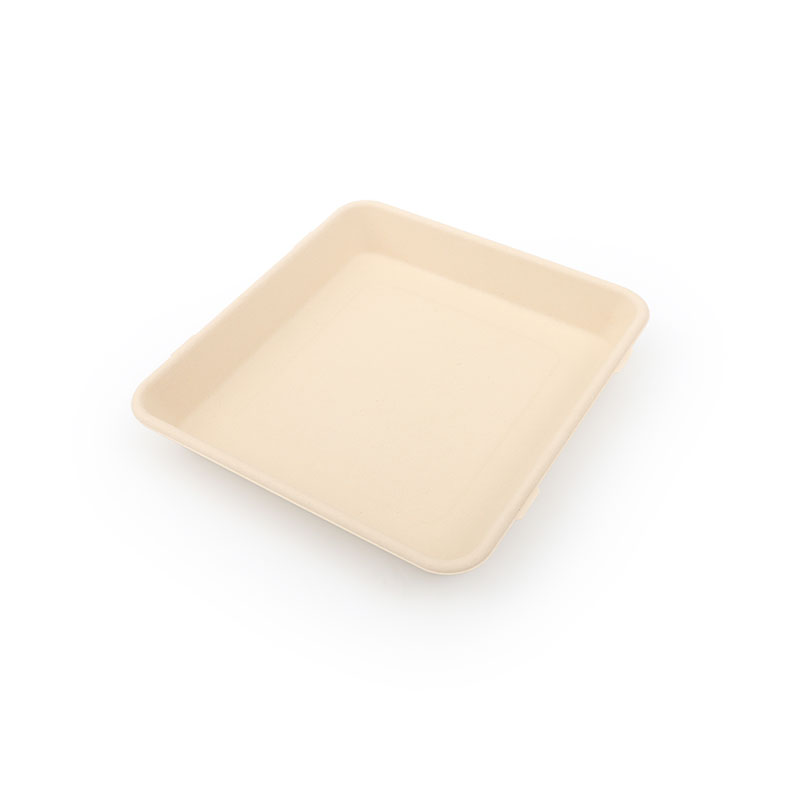 1443ml Tray Box
 Cake Bread Snack Tray Series
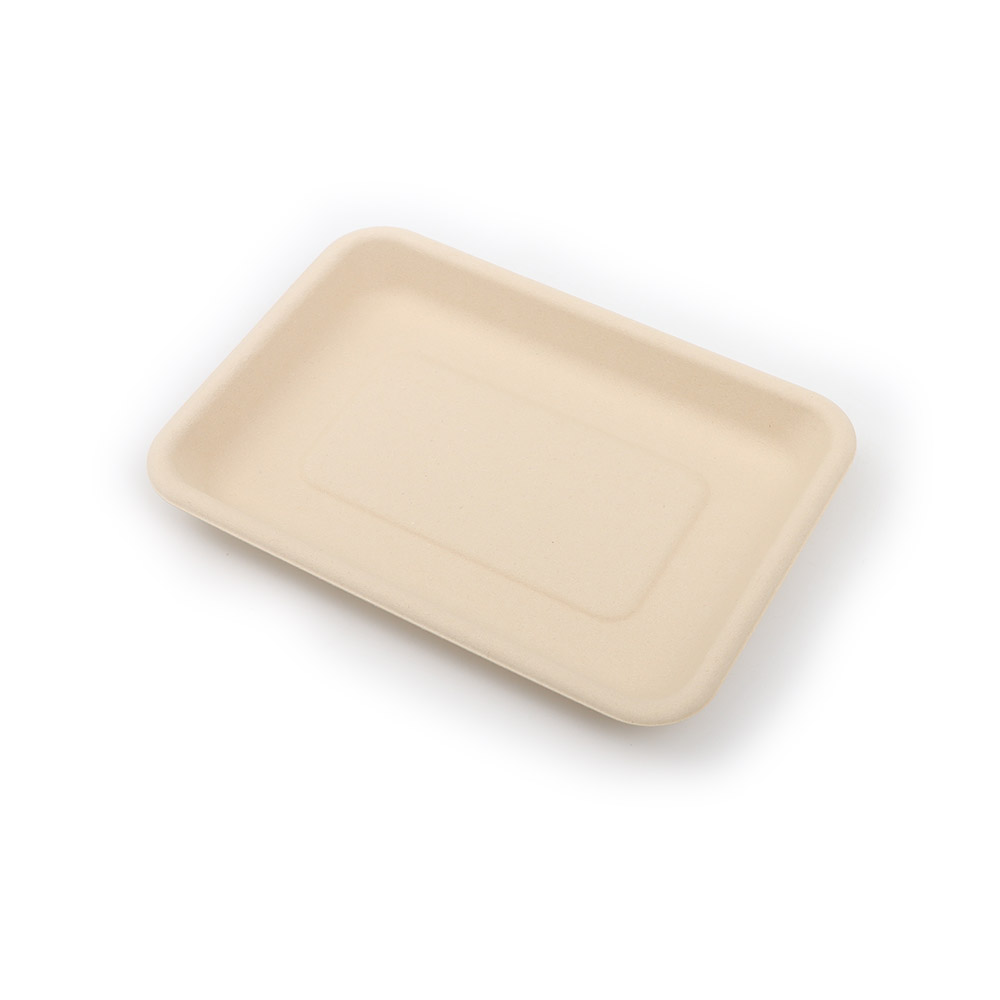 5" * 7" natural color
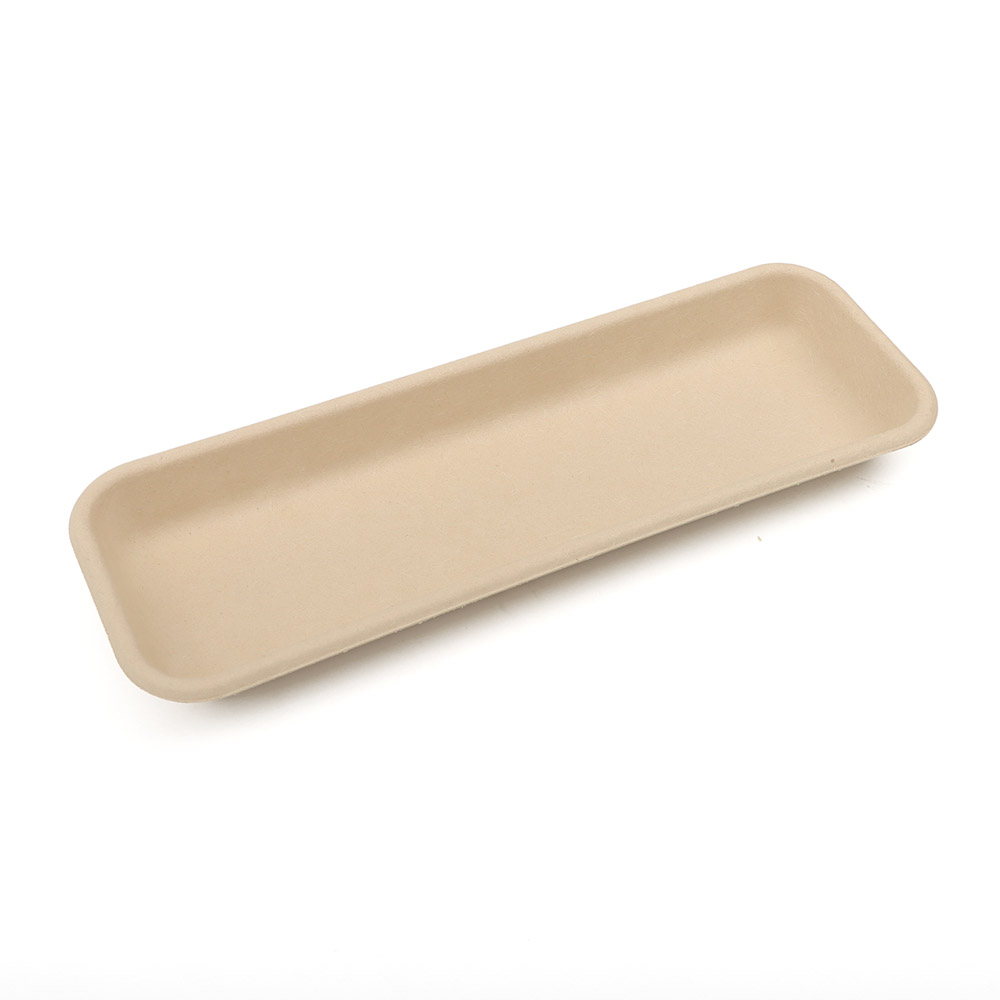 11.4" * 3.9"
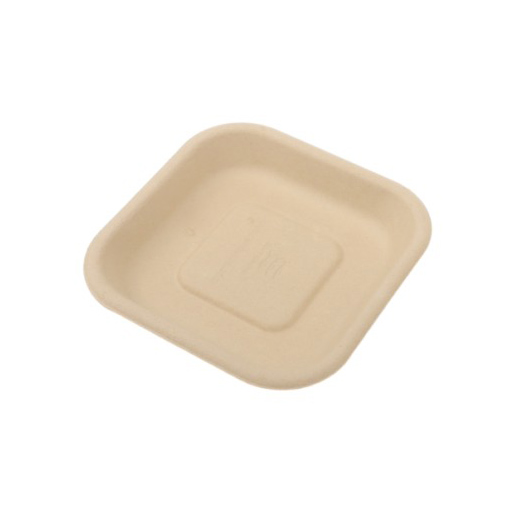 5.3" * 5.3"
 Fruit And Vegetable Tray Series
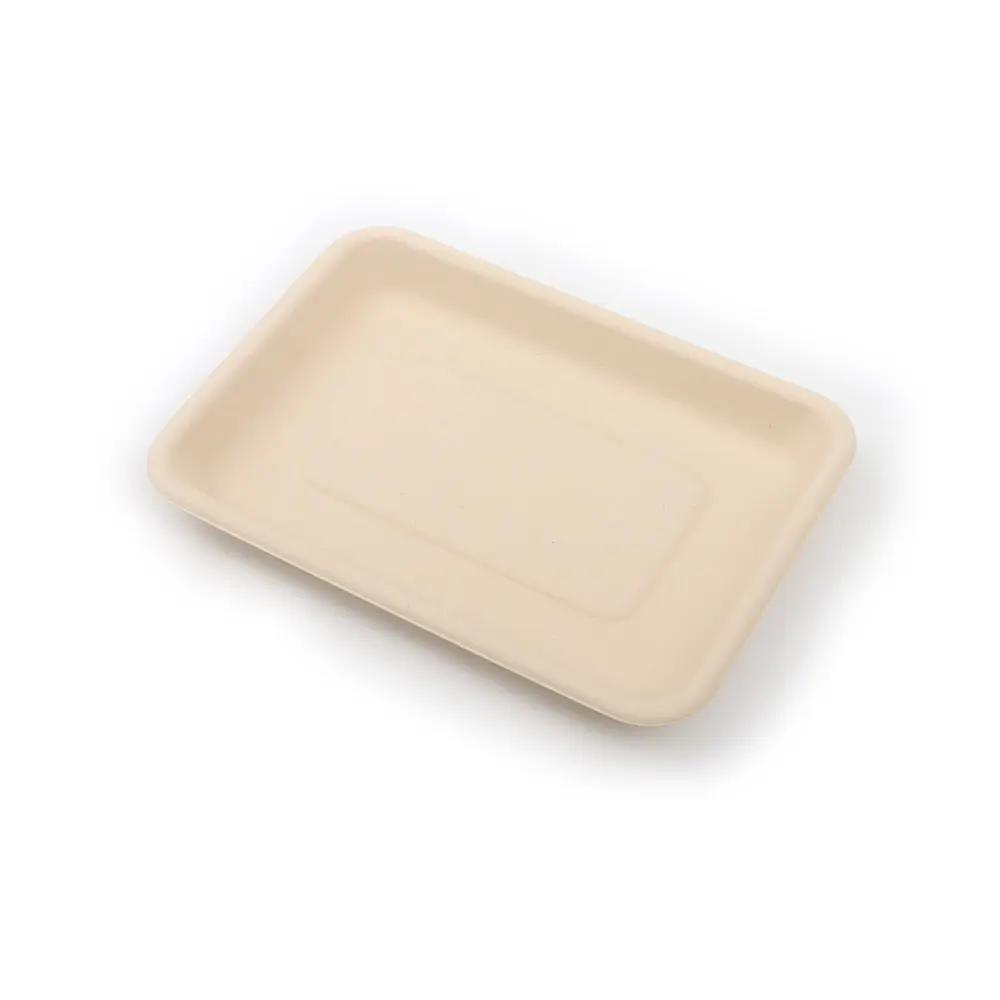 8.6" * 5.3"
 Sushi Tray Series
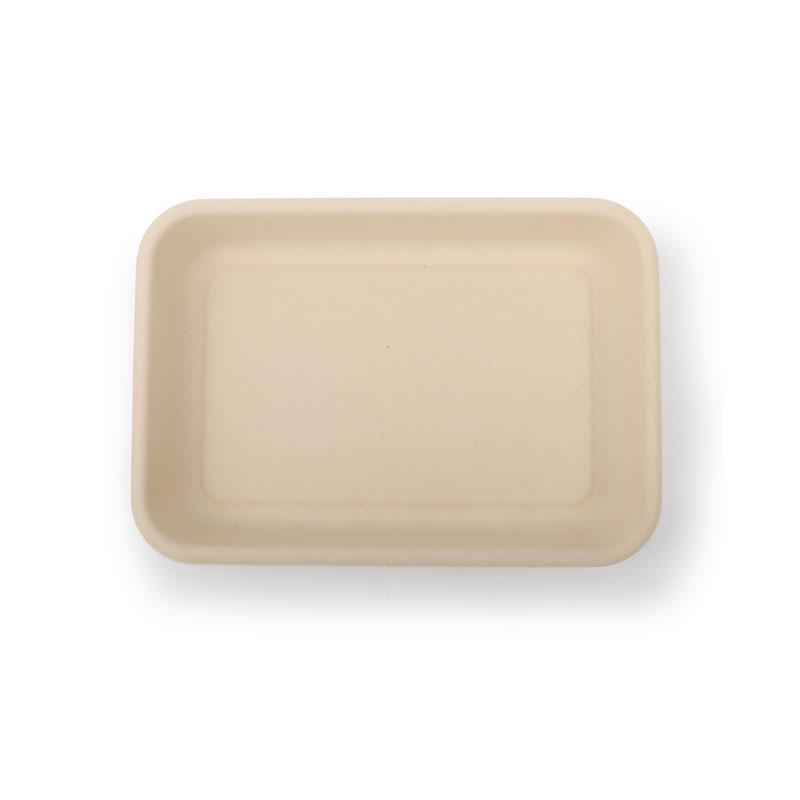 200" * 140"
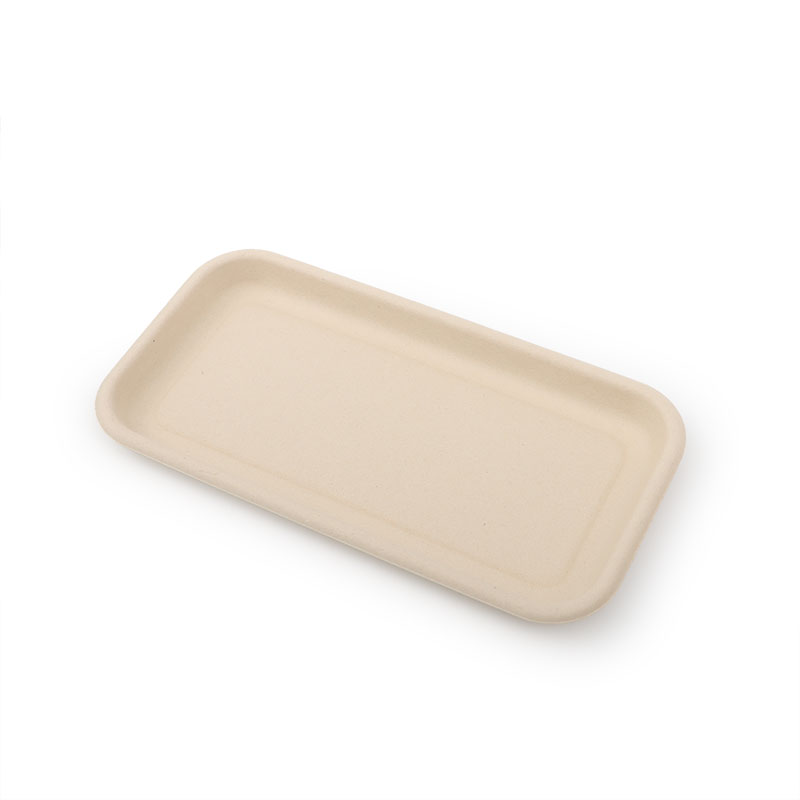 210" * 110"
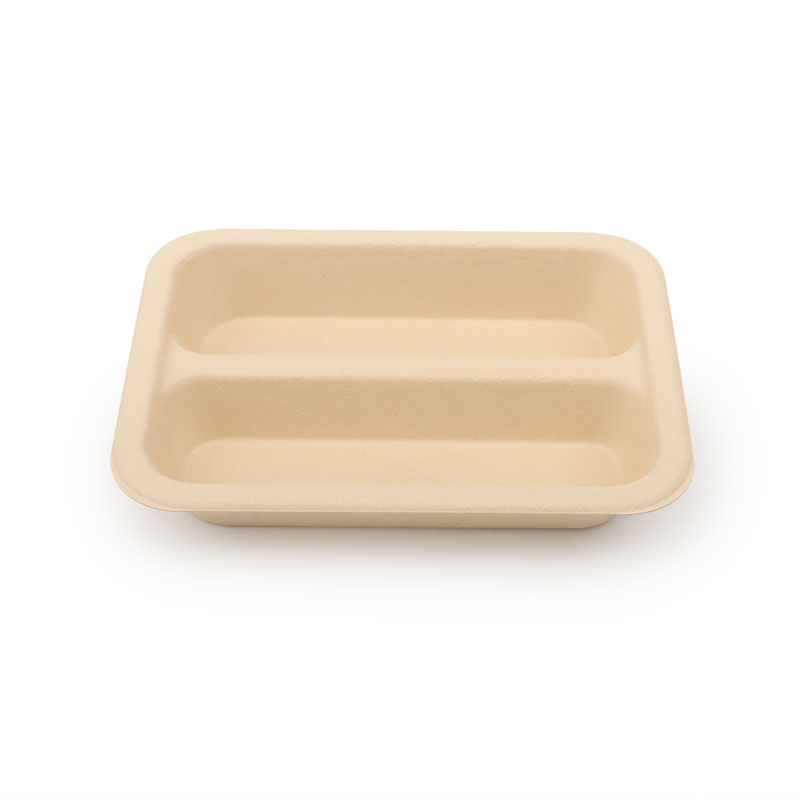 2 Compartments
 Small Round Plate Series
 7 inch
 6 inch
 8 inch
 Middle Round Plate Series
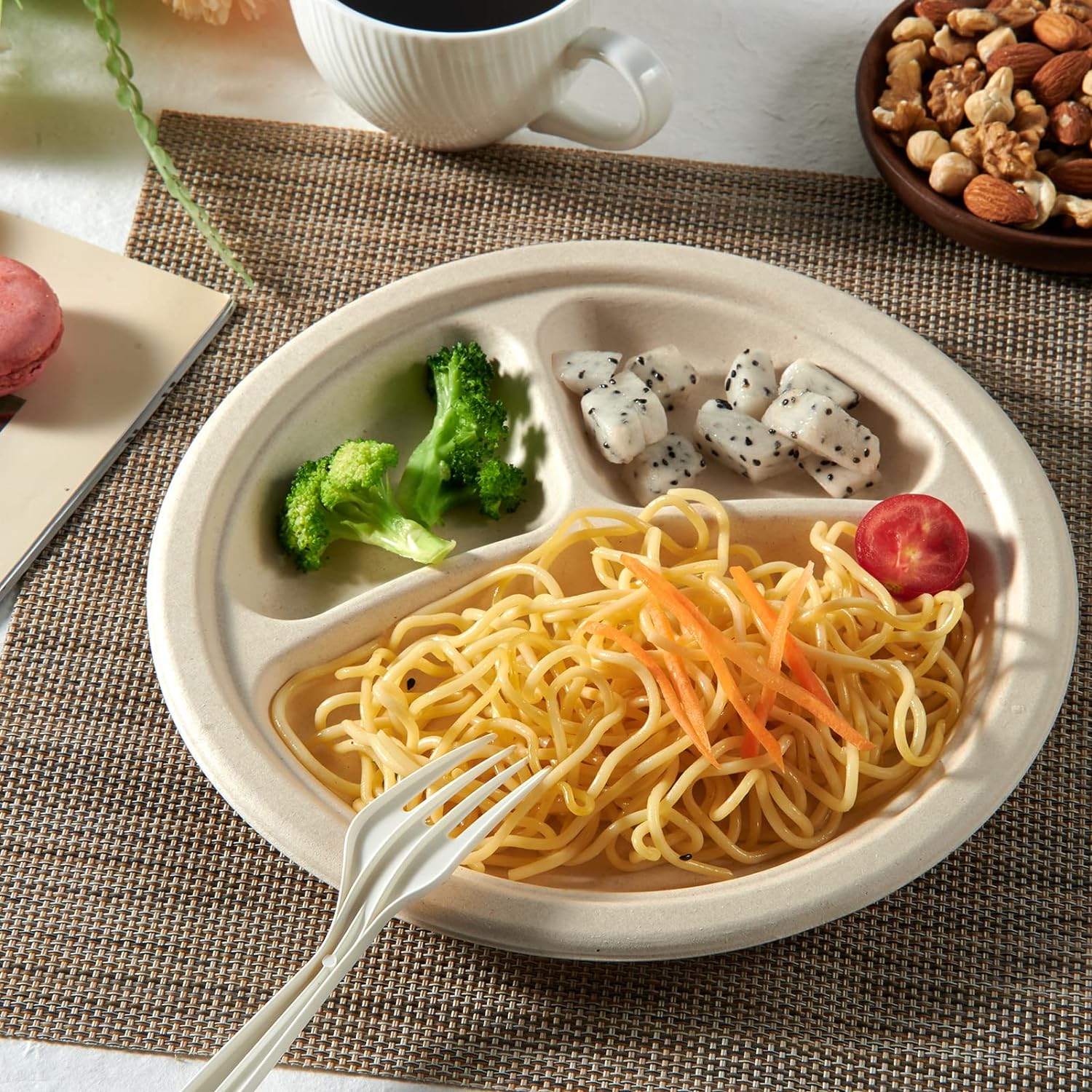
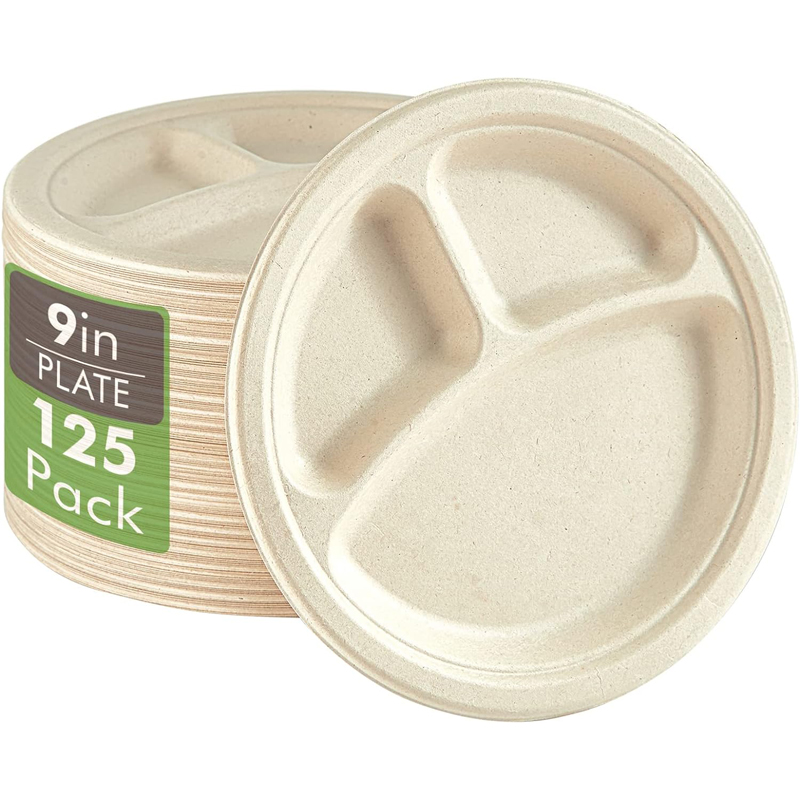
 9 Inch 3 Compartments
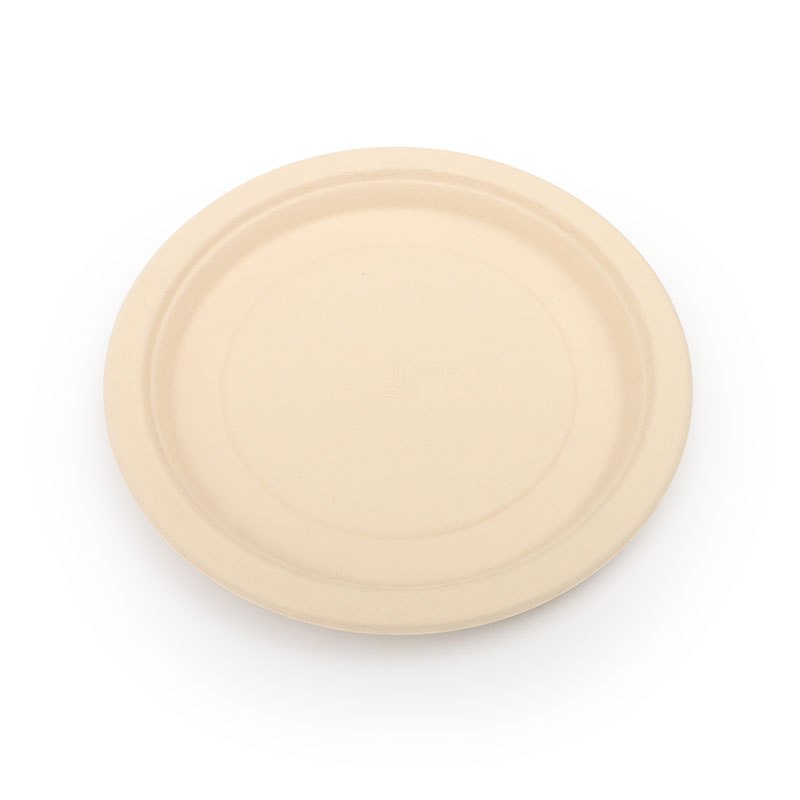 9 inch
 Big Round Plate Series
 12.7 Inch Pizza Plate
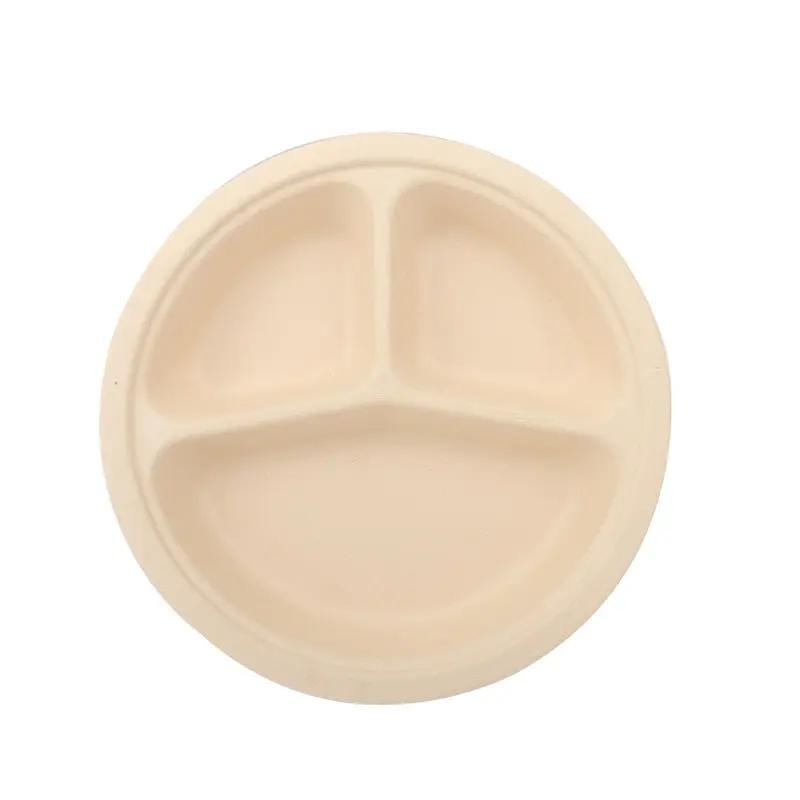 10.25 inch 3 Compartments
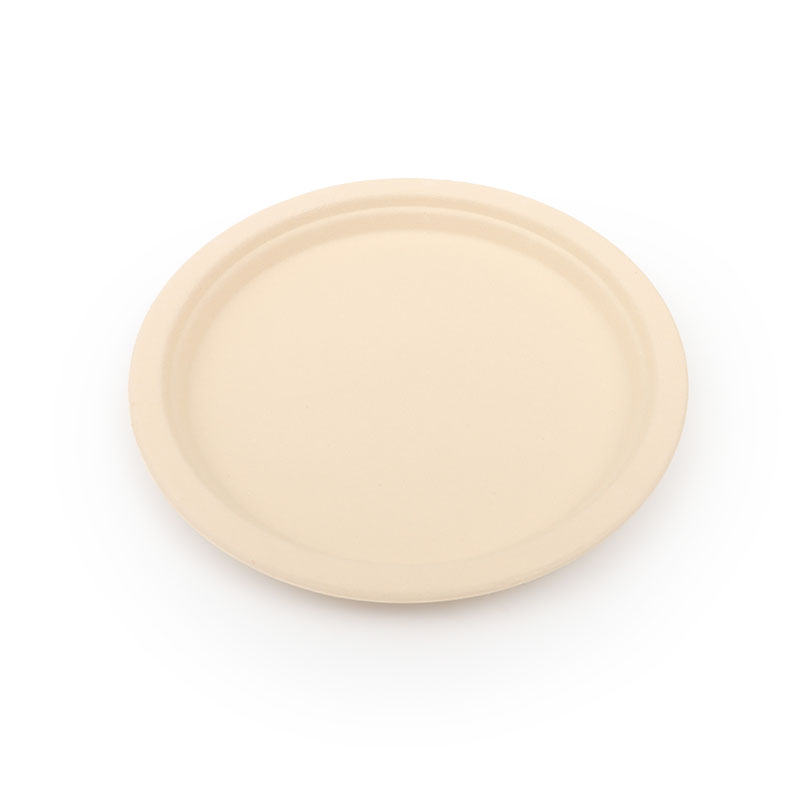 10 inch
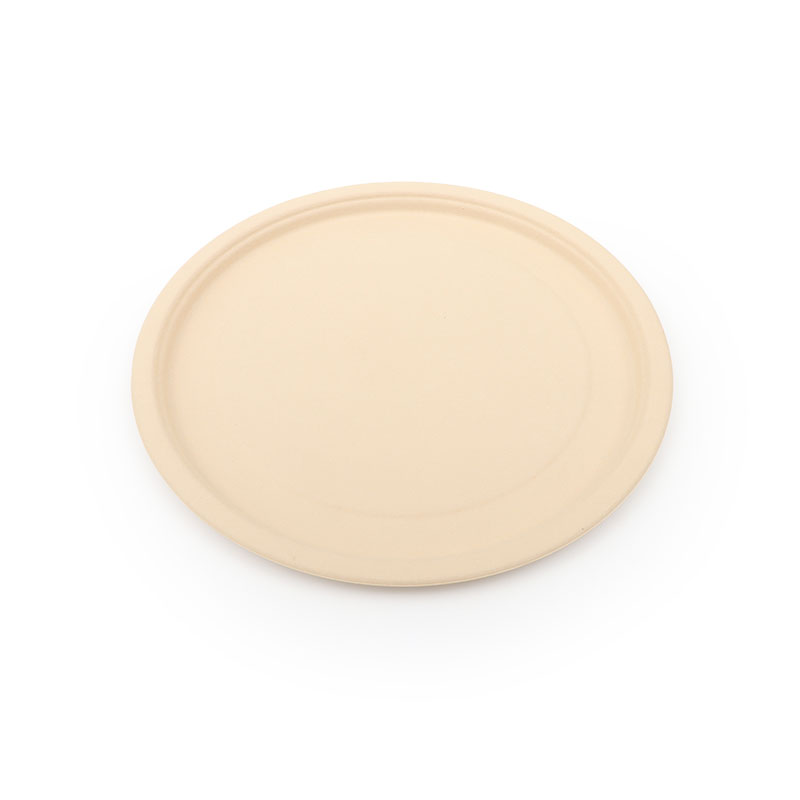 12 inch
 Bigger Bowl
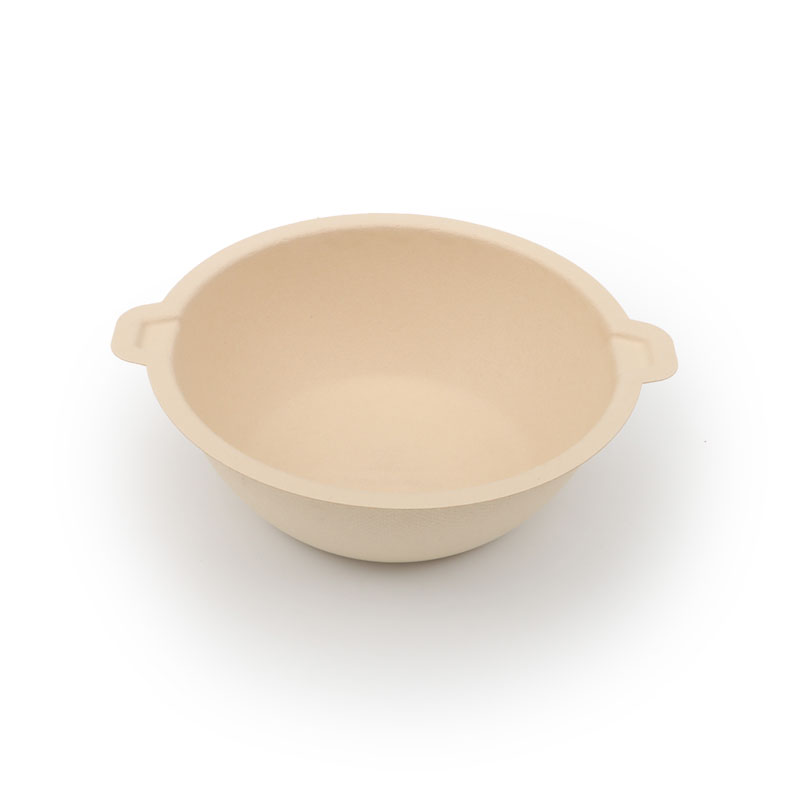 48oz(1420ml)
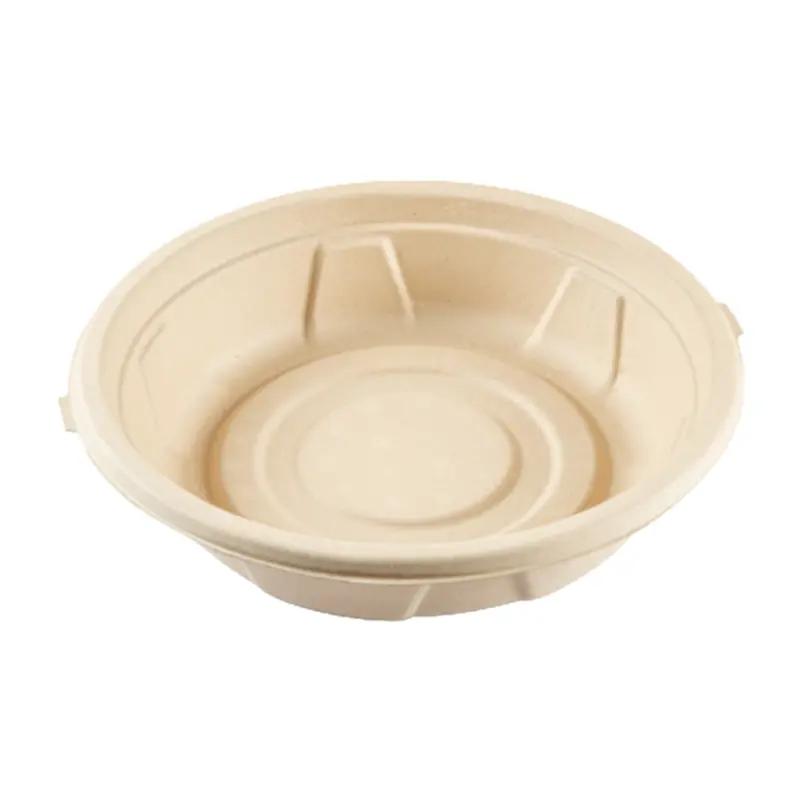 56oz(1650ml)
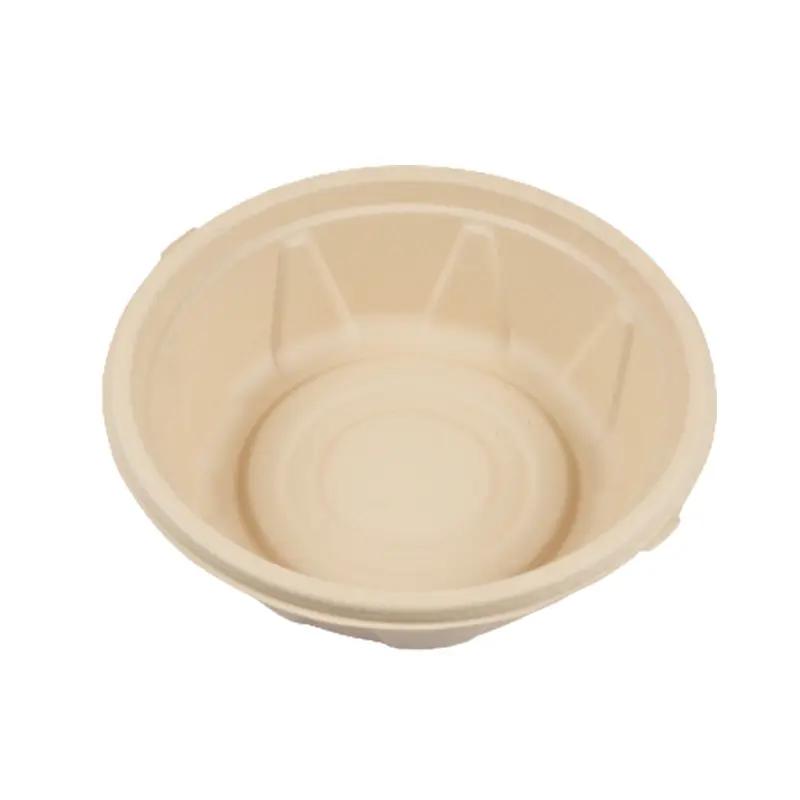 100oz(2950ml)
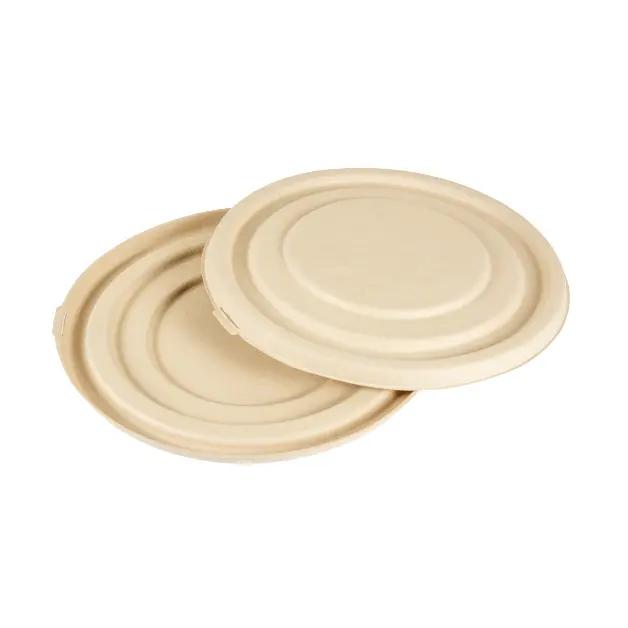 100oz(2950ml) With Lid
 Middle Bowl
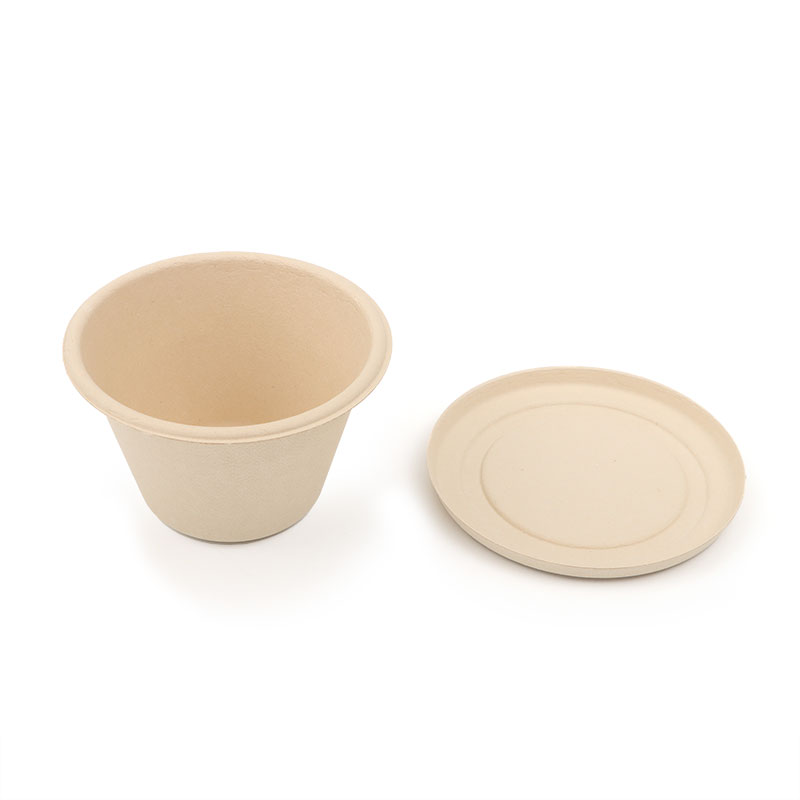 17oz(500ml)
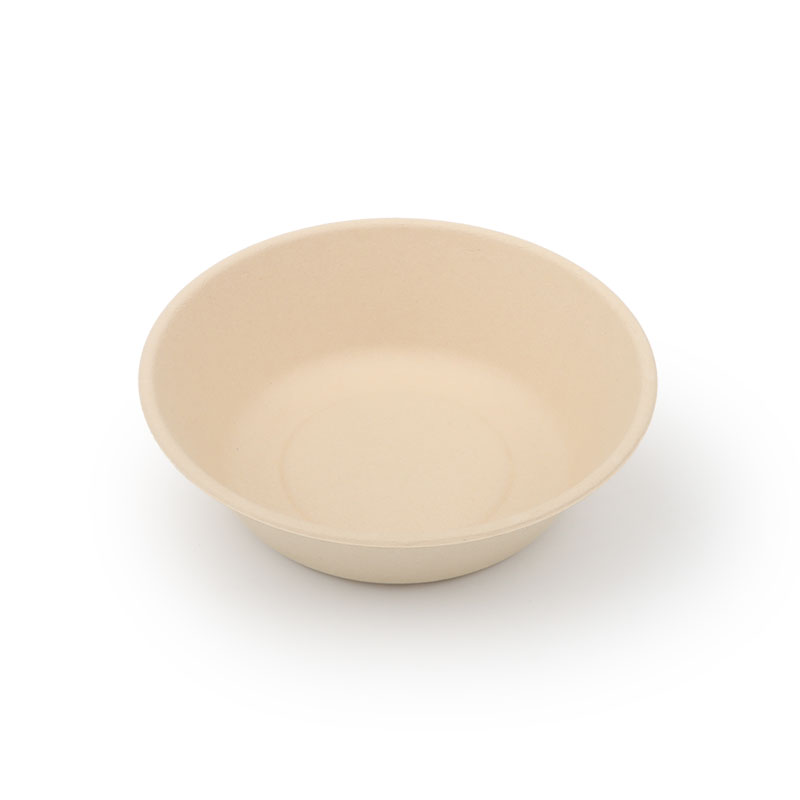 27oz(800ml)
 20oz(600ml)
 29oz(850ml)
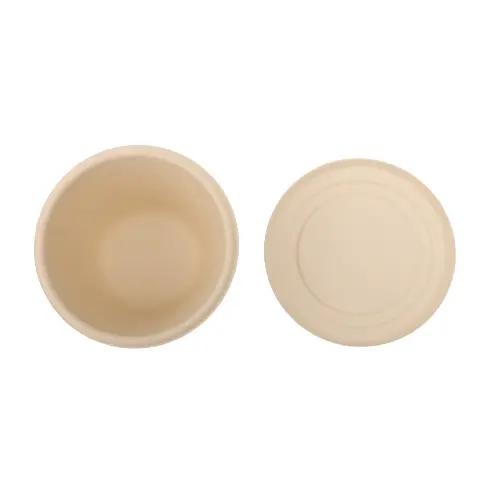 17oz(500ml) With Lid
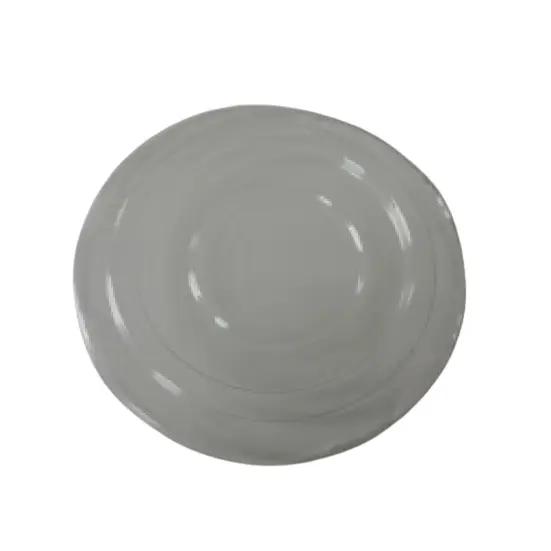 17oz(500ml) PET Lid
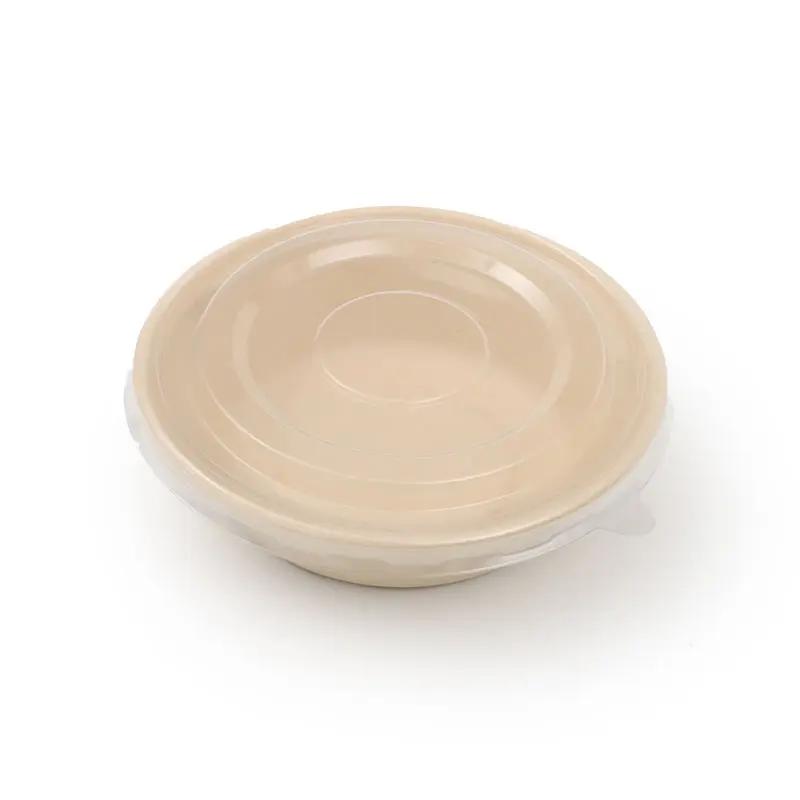 28oz(830ml) PET Lid
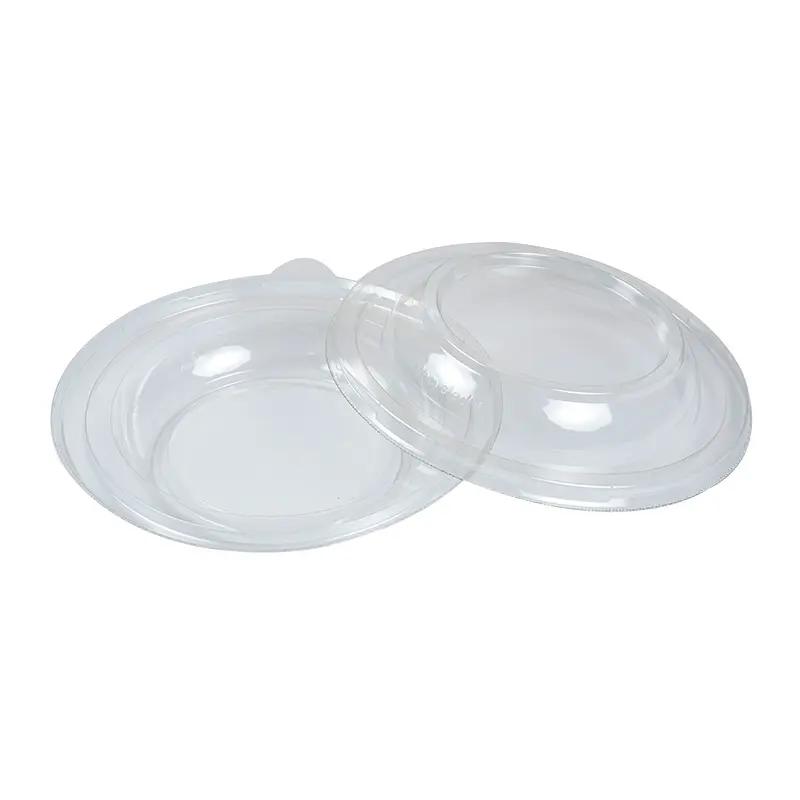 Round Bowl PET
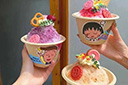 Small Bowl
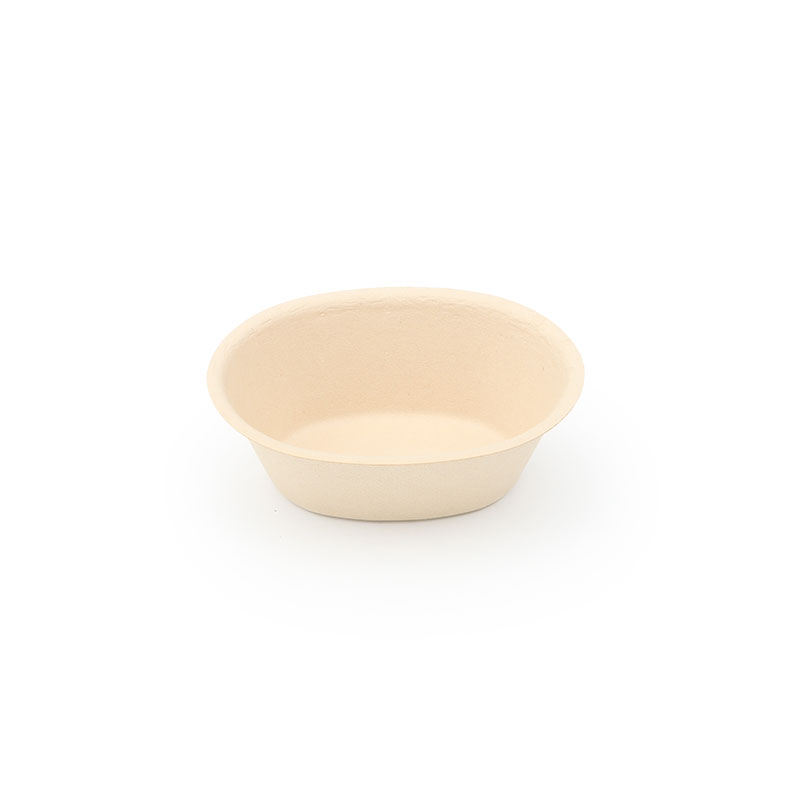 Snack Bowl
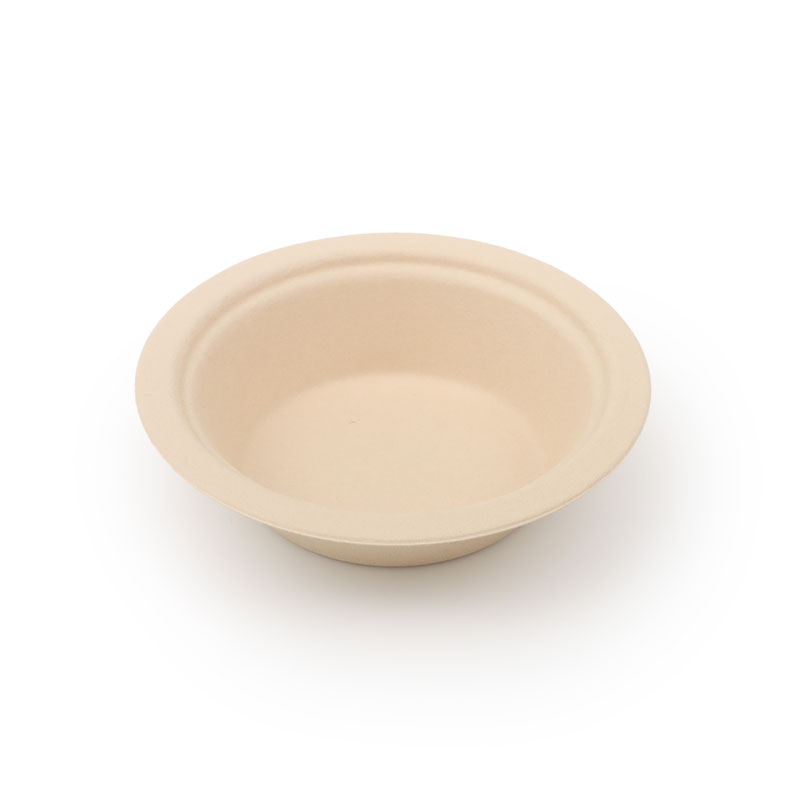 11.5oz(340ml) Bowl
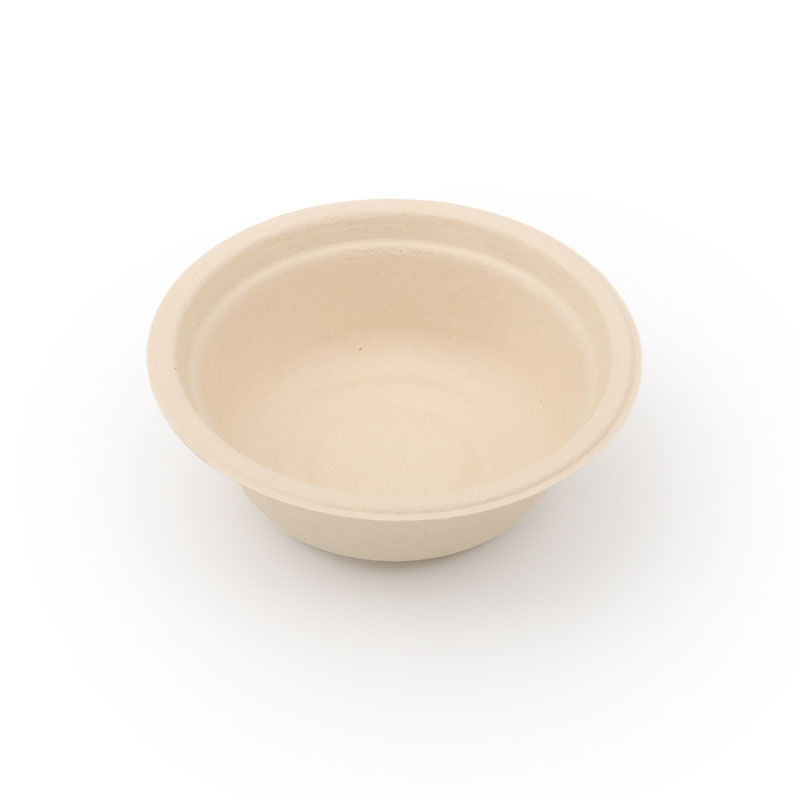 6.7oz(200ml) Bowl
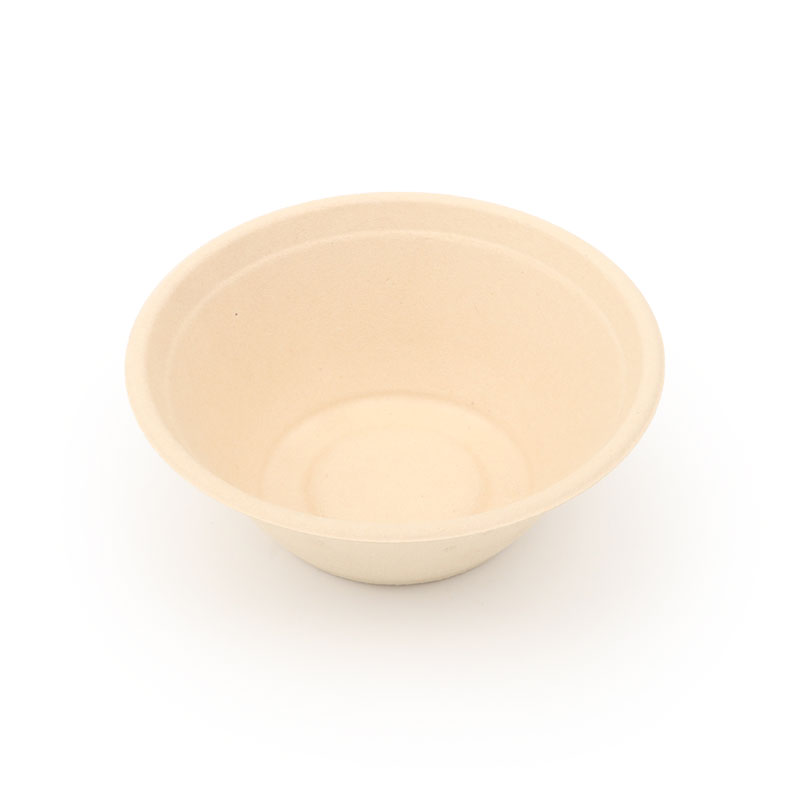 12oz(350ml) Bowl
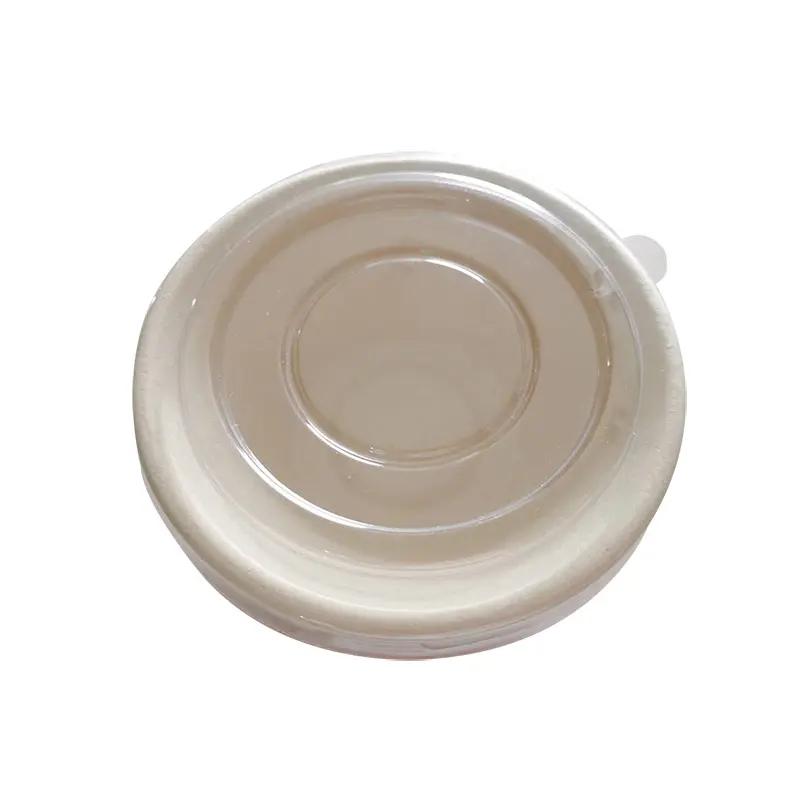 12oz(350ml) Bowl PET
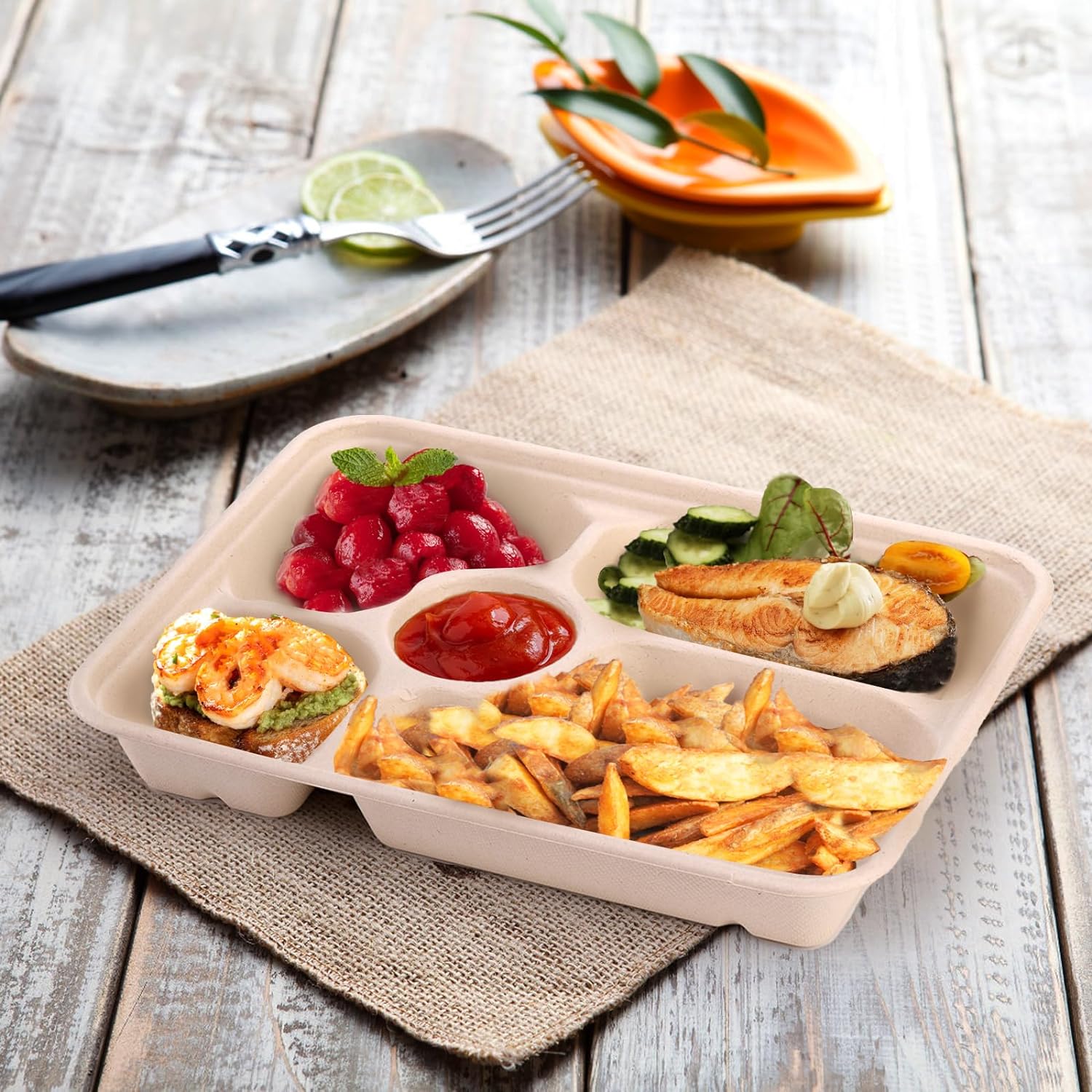 Bagasse Lunch Boxes
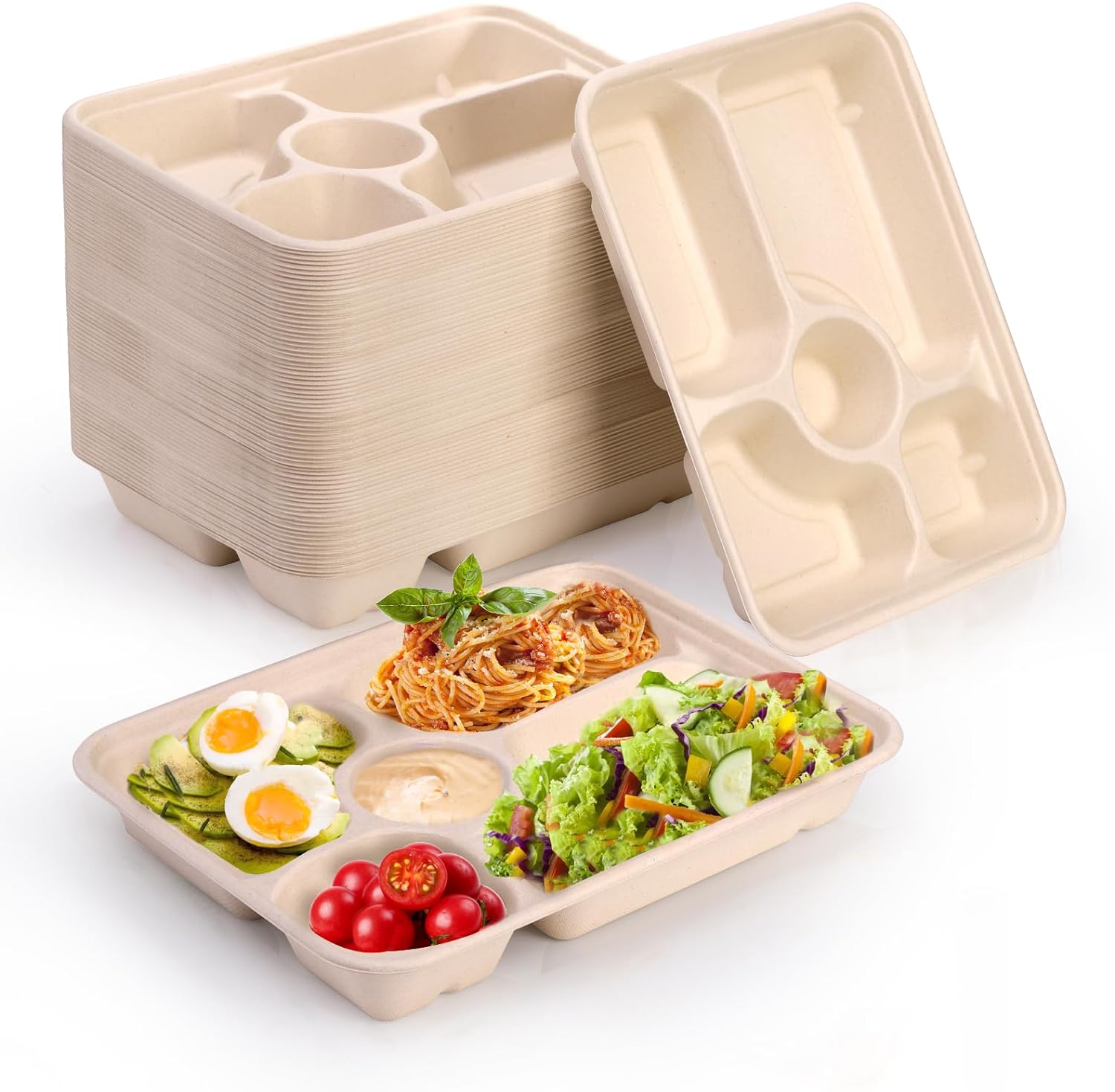 5CP
 6 inch
 Bagasse Food Plates
 7 inch
 3CP
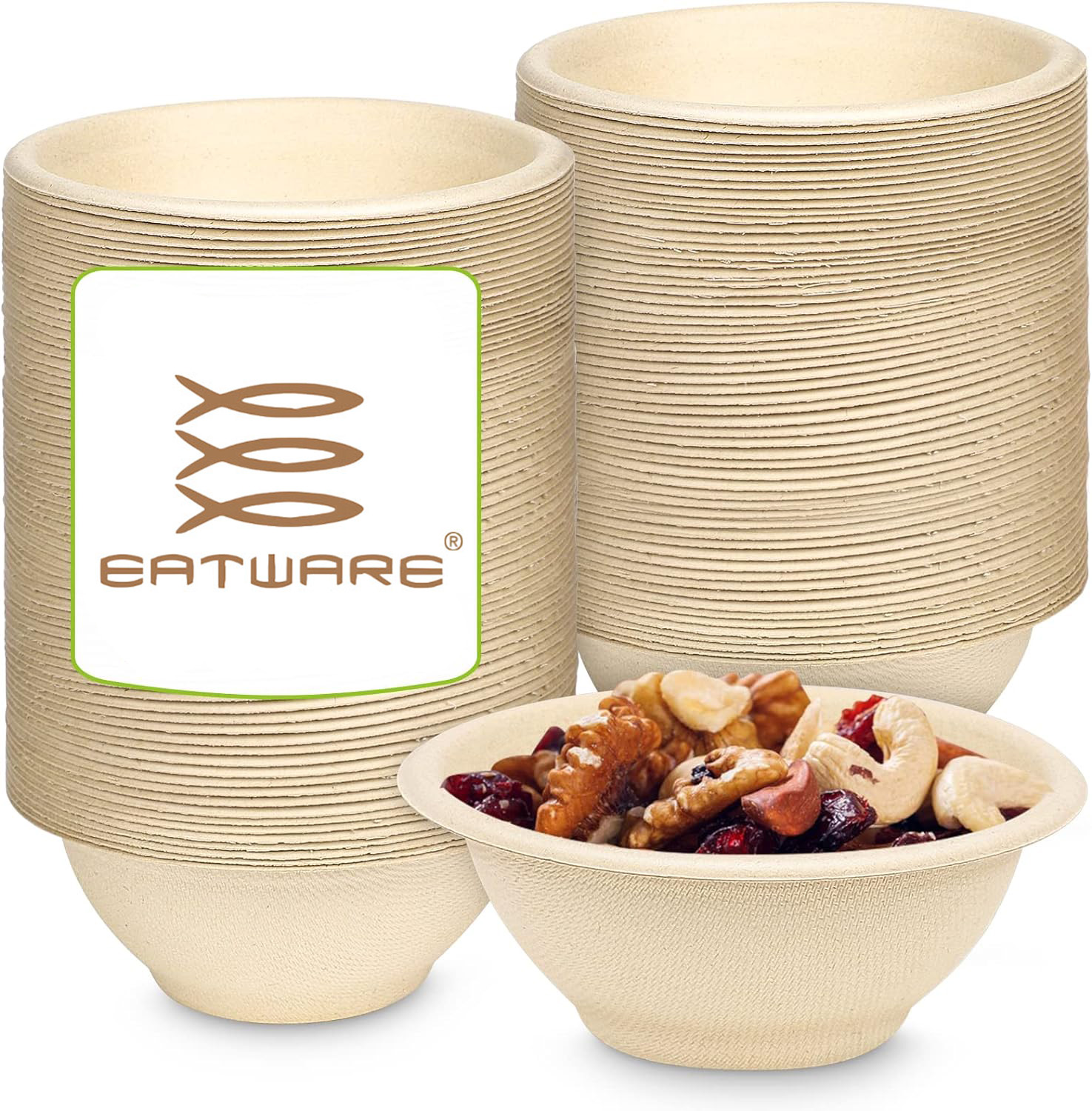 Bagasse Bowls
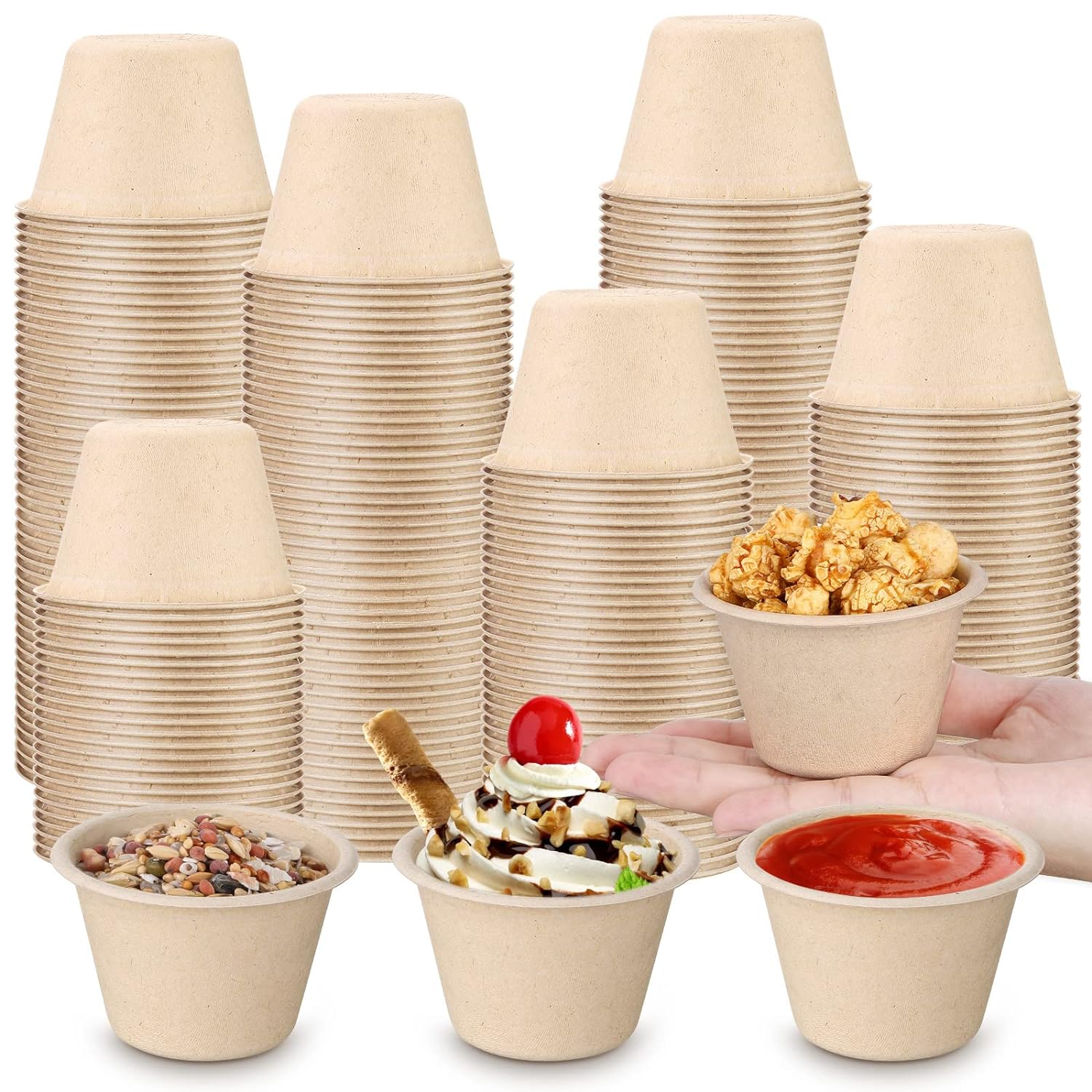 4oz
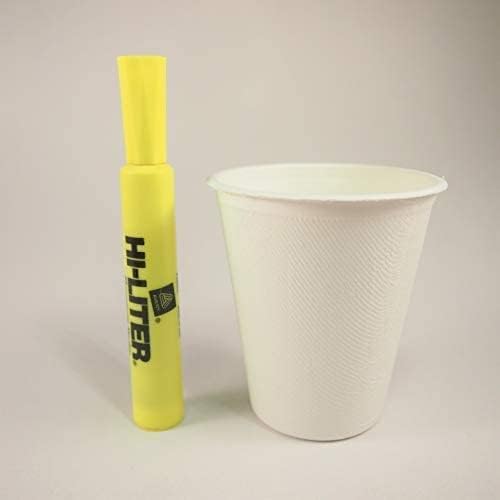 Bagasse Cups And Cutlery
 8oz
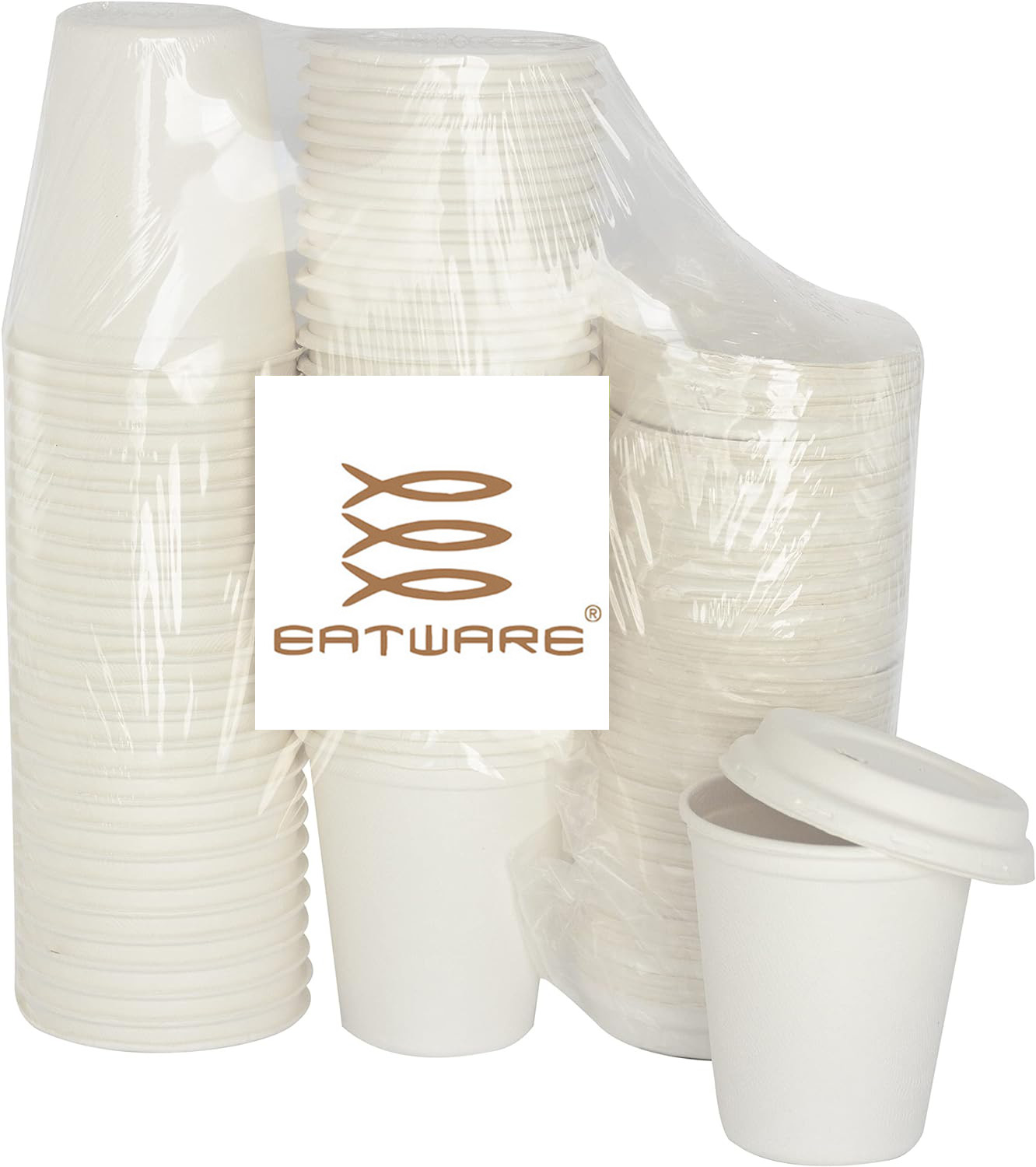 12oz
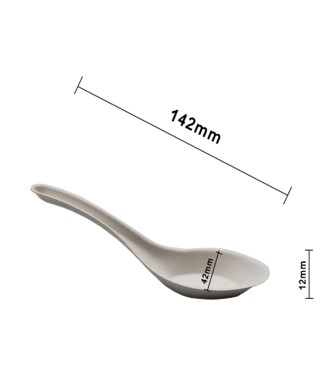 Cutlery
Leave Your Message
Explore our core barrier-coated and molded pulp trays tailored for extended shelf life, spill resistance, and automated tray sealers.


The fast-paced expansion of on-demand food delivery platforms, centralized commissary kitchens, and industrial catering operations has fundamentally transformed food logistics. Today, packaging is no longer just a passive container; it is an active preservation vessel. Modified Atmosphere Packaging (MAP) trays have emerged as the gold standard in food protection, bridging the critical gap between culinary freshness, long-distance cold-chain transport, and consumer food safety.
Modern catering enterprises—from corporate dining providers and in-flight catering services like Air New Zealand and West Air, to nationwide meal prep subscription brands—rely heavily on centralized batch preparation. In these environments, meals are prepared, chilled, portioned, and hermetically sealed before dispatch. A standard disposable container fails under these stringent conditions, leading to condensation collapse, oxygen ingress, and accelerated microbial growth.
Our MAP tray architecture incorporates high-precision sealing flanges designed to interface seamlessly with high-speed automated tray sealing machinery (such as Multivac, Ilpra, and Proseal). By flushing the sealed headspace with tailored gas mixtures (typically CO₂ to suppress aerobic bacteria and N₂ as an inert filler to prevent package collapse), central kitchens can safely prolong prepared meal shelf life from 3–5 days to 14–21 days under refrigerated conditions, without chemical preservatives.
Historically, MAP technology was exclusive to petroleum-based plastics such as CPET, PP, and multi-layer EVOH barrier films. However, shifting international environmental mandates, extended producer responsibility (EPR) regulations, and consumer pushback against non-recyclables have accelerated the development of biodegradable MAP-laminated molded pulp trays.
Utilizing virgin bamboo fiber pulp sourced from sustainably managed plantations, our molded trays deliver high rigidity and thermal resilience (-20°C freezing to 120°C reheating). An ultra-thin, peelable or weldable barrier film is laminated onto the inner rim and cavity. This hybrid approach guarantees zero leakage of gravies, aromatic oils, and acidic sauces during transport, while maintaining total gas-barrier integrity throughout transit.
Precision-molded flat sealing edges withstand automated heat-sealing pressures without rim distortion, maintaining nitrogen-carbon dioxide equilibrium inside the tray.
Engineered with next-generation fluorine-free greaseproof barriers, preventing hot cooking oil penetration while complying with US FDA and EU food safety standards.
Formulated with unbleached natural bamboo fiber that safely returns to nature, providing industrial compostability and drastic reduction in end-of-life landfill mass.
EATware and Kangxin deliver scalable production capabilities, supporting global foodservice operators and multinational retail brands.
In the field of environmentally friendly packaging for 18 years, Has established cooperation with 500+ brands.
Through our research and development, there are more than 60 products can product, we also support OEM ODM customized services.
Exported to the United States, Europe, Australia, Canada and other countries, right now we have exported more than 30 countries.
10000+ square meters factory area, more than 30 patent certificates, 10 foreign authoritative certification, 55 automatic forming machines...
Kangxin (HaiMen) Environmental Technology Co., Ltd. is a technology innovation oriented enterprise that focuses on disposable environmentally friendly tableware and food packaging.
We have advanced production processes and equipment, and continue to attract senior talents, focusing on environmental protection, emphasizing safety, and ensuring quality.
EATware is committed to sustainable development, using all natural plant fibers to produce safe, healthy and environmentally friendly tableware. Adhering to the concept of "take nature, serve humanity, return to nature", we focus on the development of safe, high quality and environmental standards.
EATware emphasizes environmental protection and sustainable development, explores the balance between enterprise survival and environmental protection, and uses all-natural and pollution-free bamboo fiber as the main material of tableware to ensure that its products meet the high technical level and are superior to developed countries.
Stay informed with testing standards, manufacturing methodologies, and industrial foodservice packaging insights.
The most reliable way to test disposable food containers is to combine leakage testing with structural testing under conditions that reproduce the intended food application. A container should not be approved simply because it holds water for several minutes or survives an empty compression tes...
read more →For foodservice operators, replacing conventional plastic packaging is not simply a matter of changing materials. Disposable biodegradable tableware must still withstand hot food, sauces, oils, condensation, stacking, transport, and commercial handling without losing structural integrity. Poorl...
read more →With growing global demand for takeaway meals and eco-friendly packaging, China's manufacturing sector has become a major hub for disposable food containers. Today's food businesses - from fast-food chains and meal-delivery services to supermarkets and catering companies - are looki...
read more →Our fully automated manufacturing lines and eco-materials meet the world's most stringent international quality and food safety standards.
Explore our complete catalog of certified biodegradable, compartmented, and modified atmosphere packaging containers designed for modern foodservice.


