
 Box With T buckle
 700ml Square Lunch Box
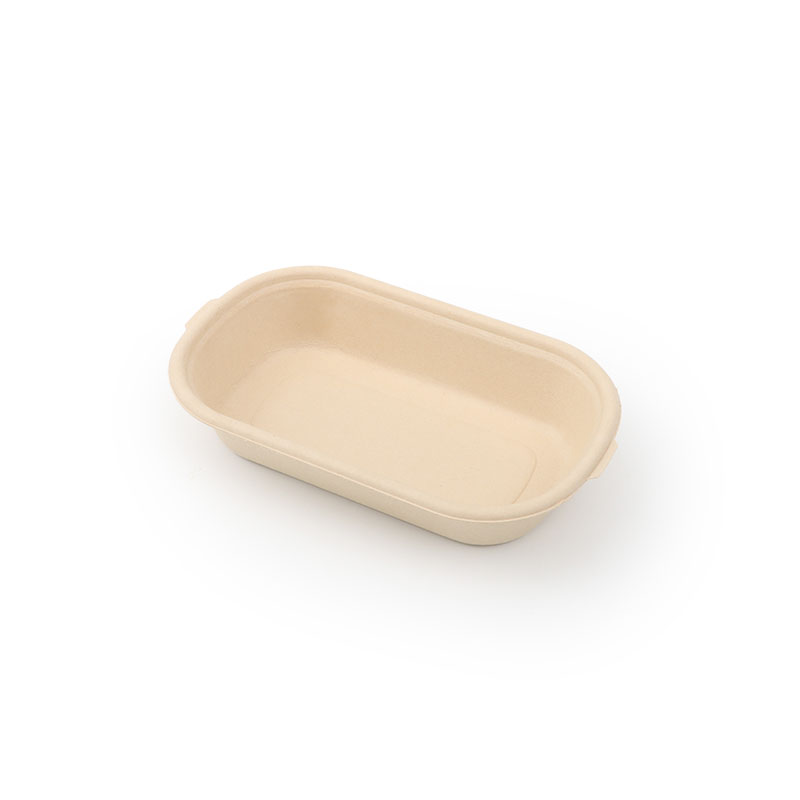 500ml
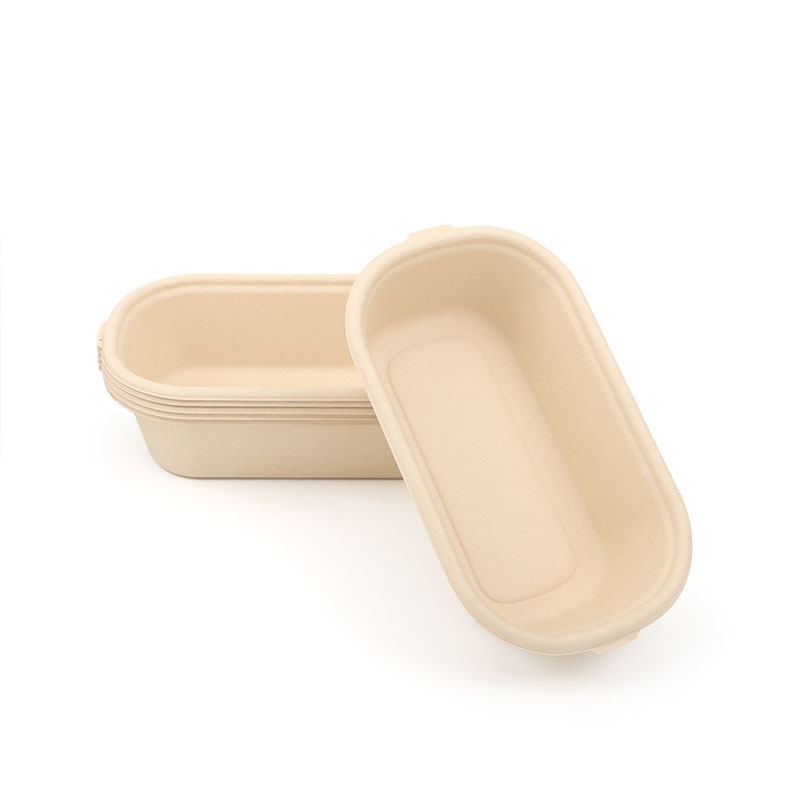 700ml
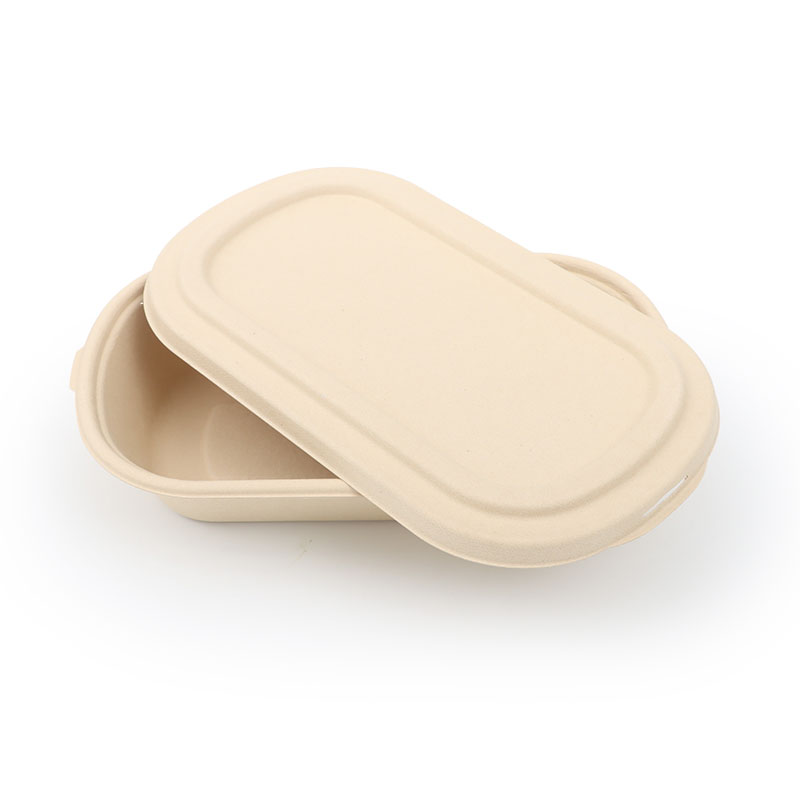 850ml
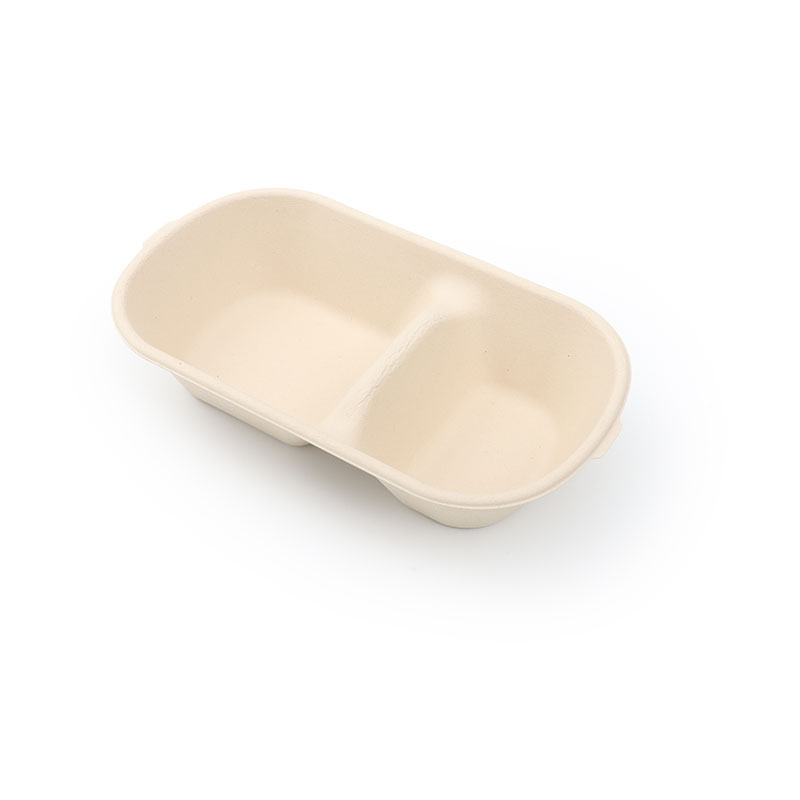 800ml 2 Compartments
 1000ml 2 Compartments
 1100ml
 1000ml Square Lunch Box
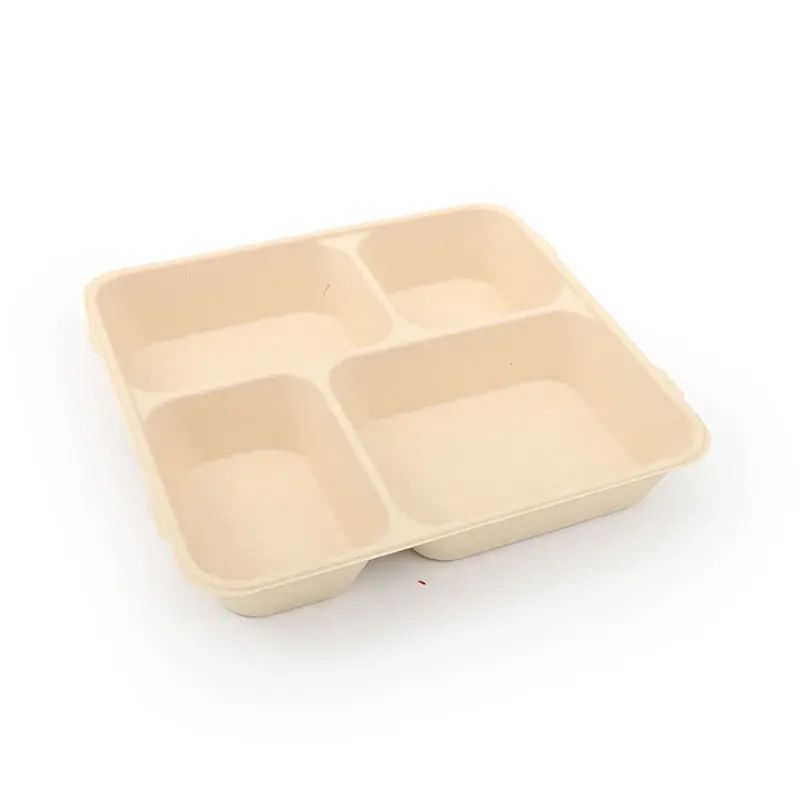 1340ml 4 Compartments
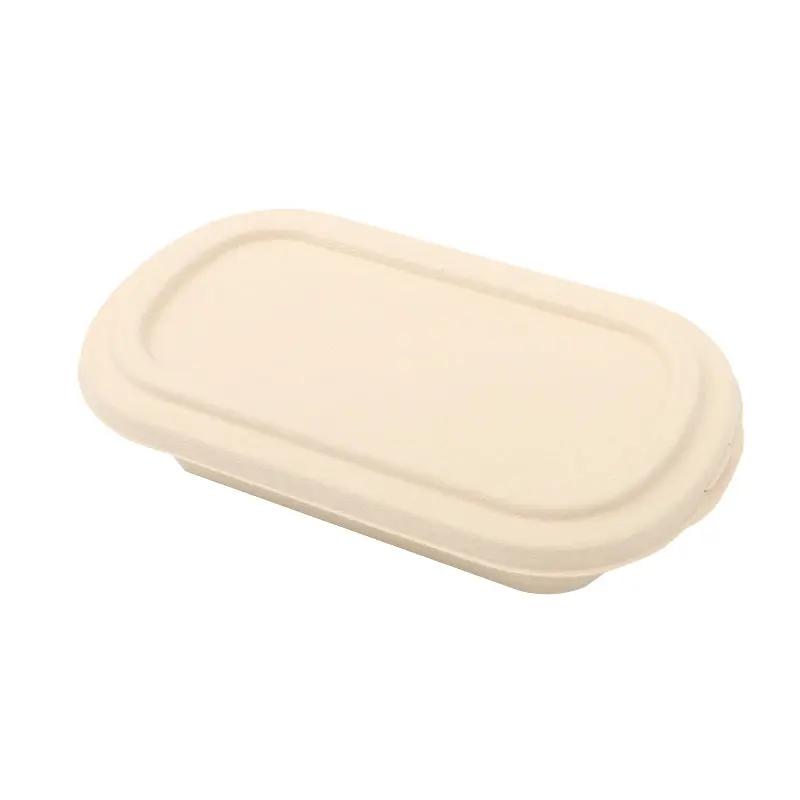 Lunch Box Lid
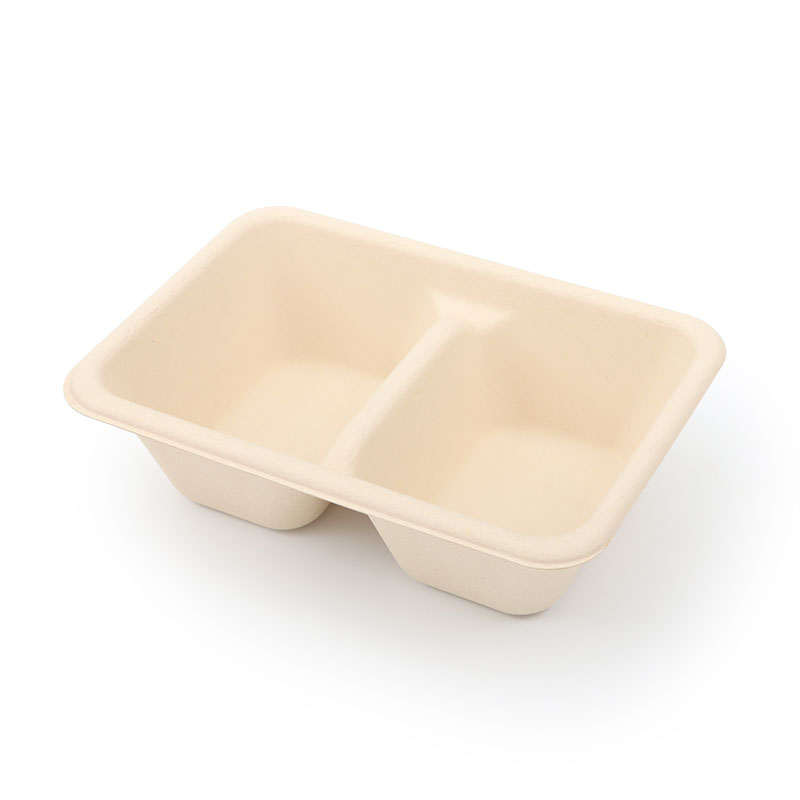 650ml
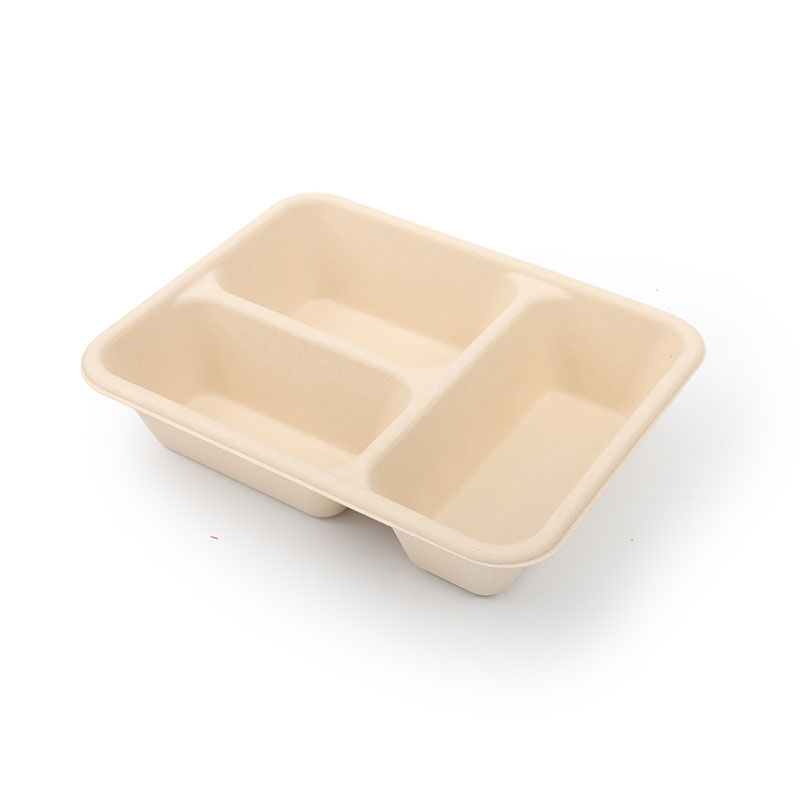 1000ml 3 Compartments
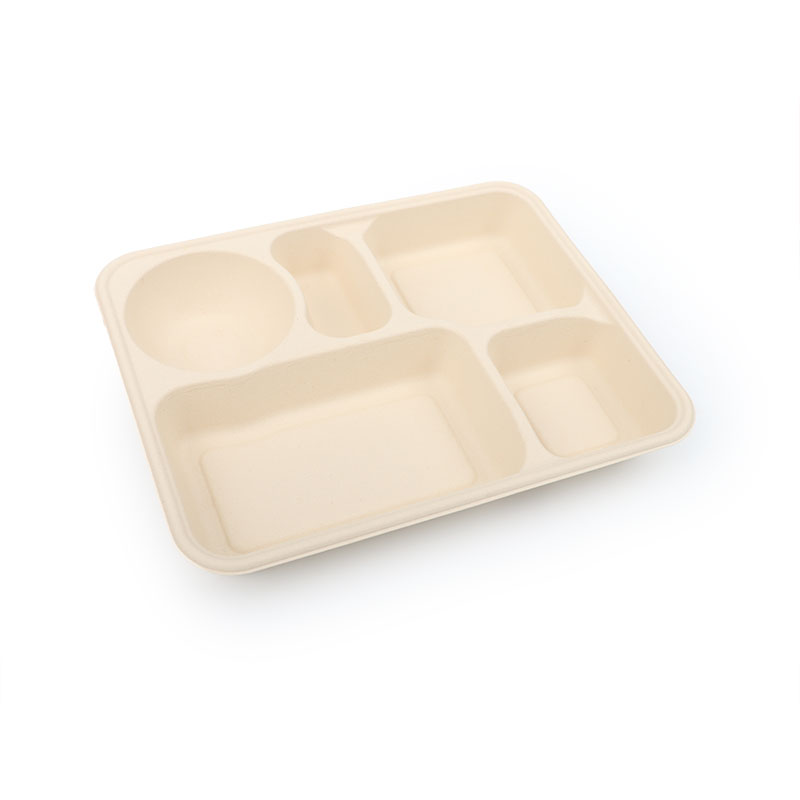 1250ml 5 Compartments
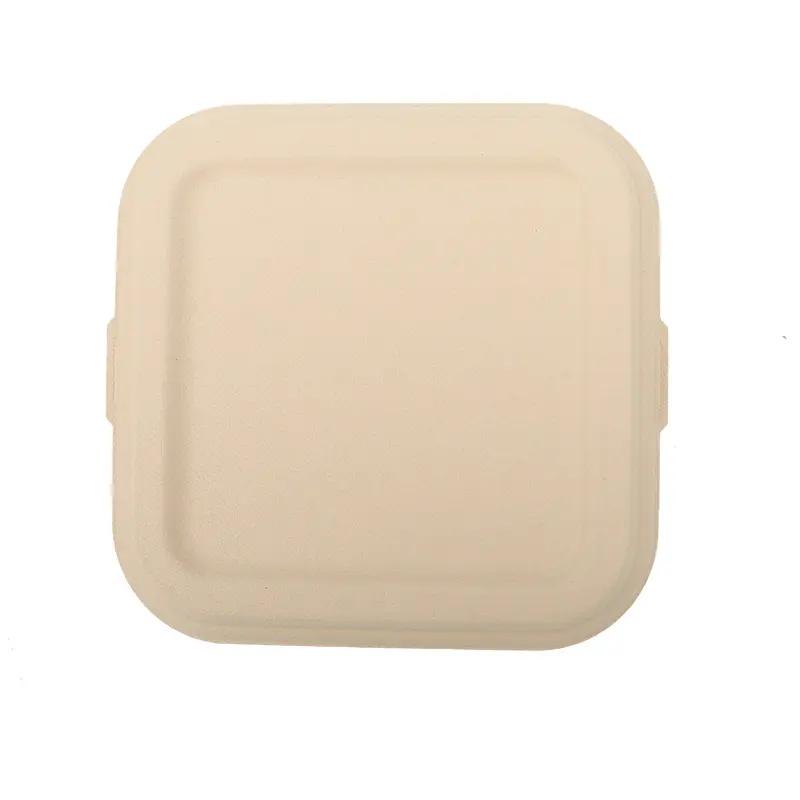 Square Lunch Box Lid
 Box Without T buckle
 850ml Salad Box
 700ml
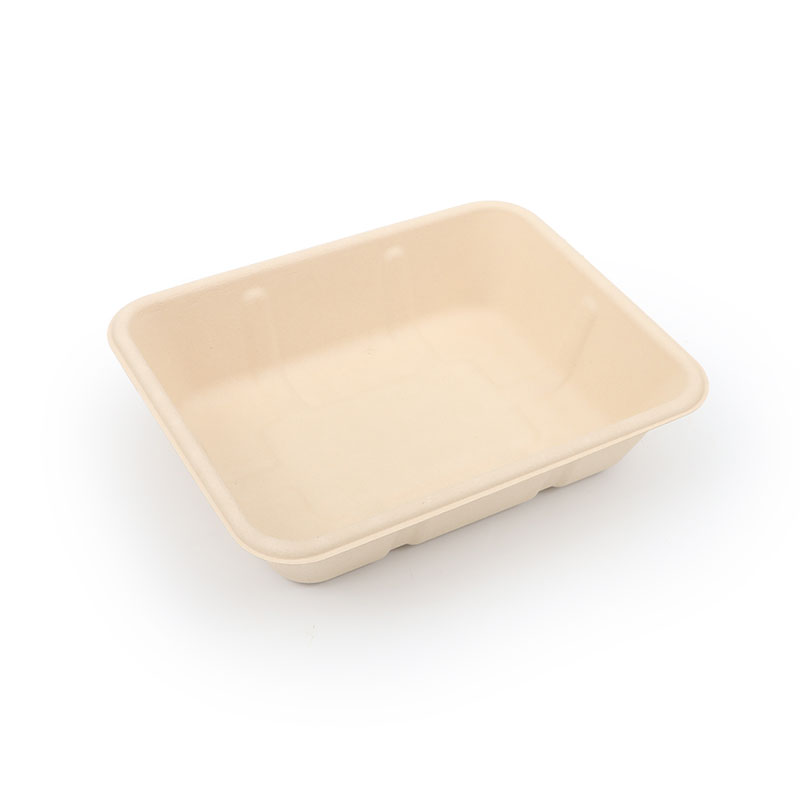 1350ml
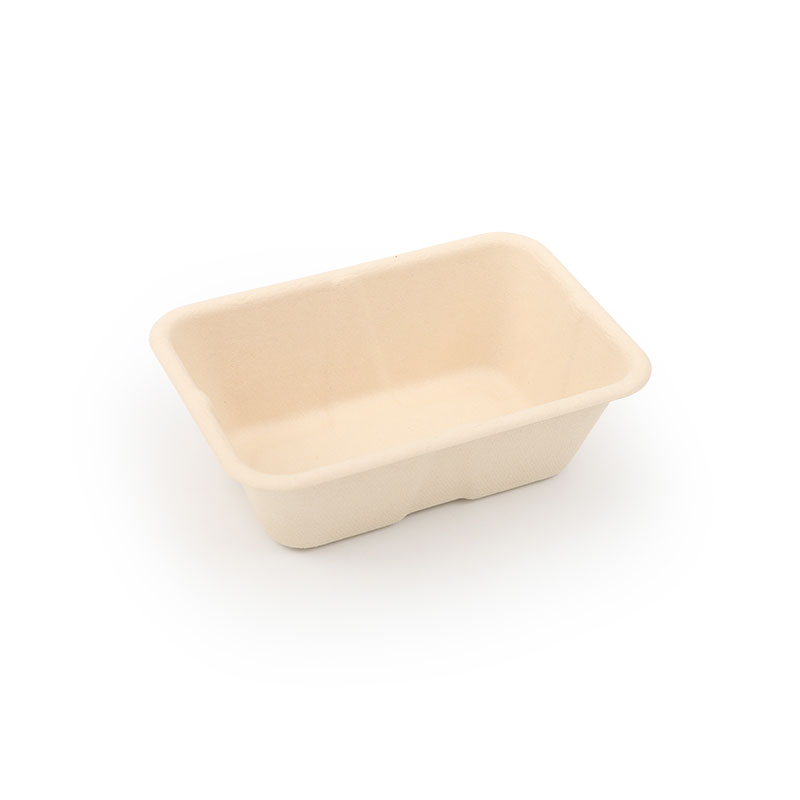 470ml
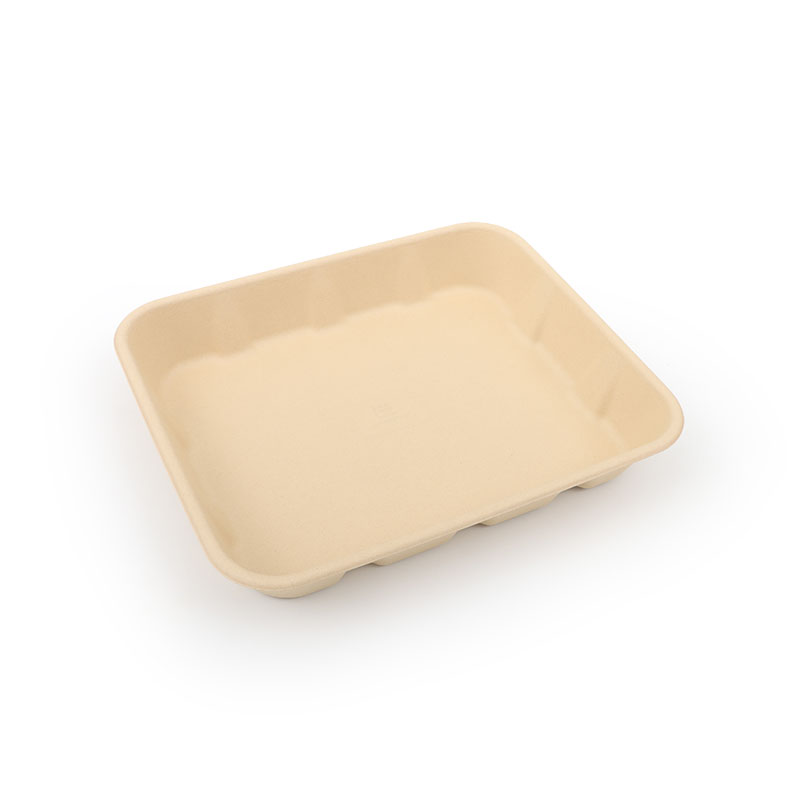 2183ml Tray Box
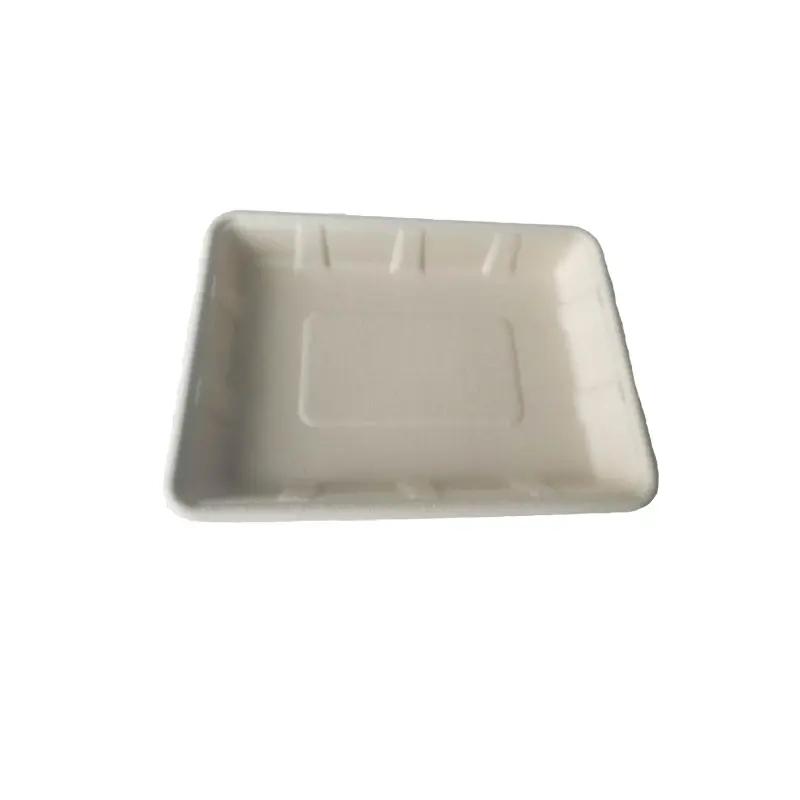 11" * 9"
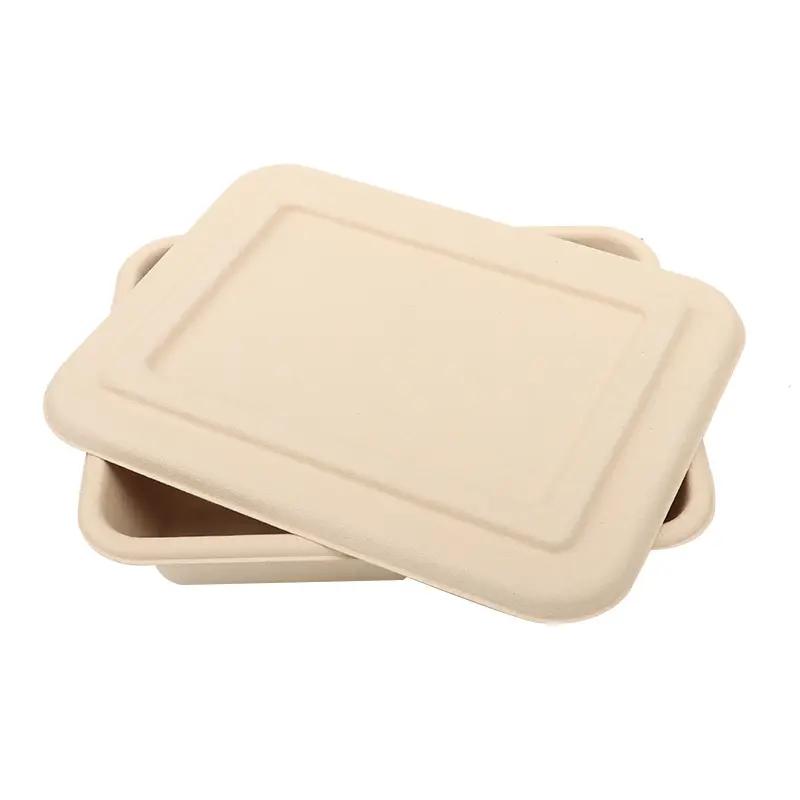 800ml
 One Part Box
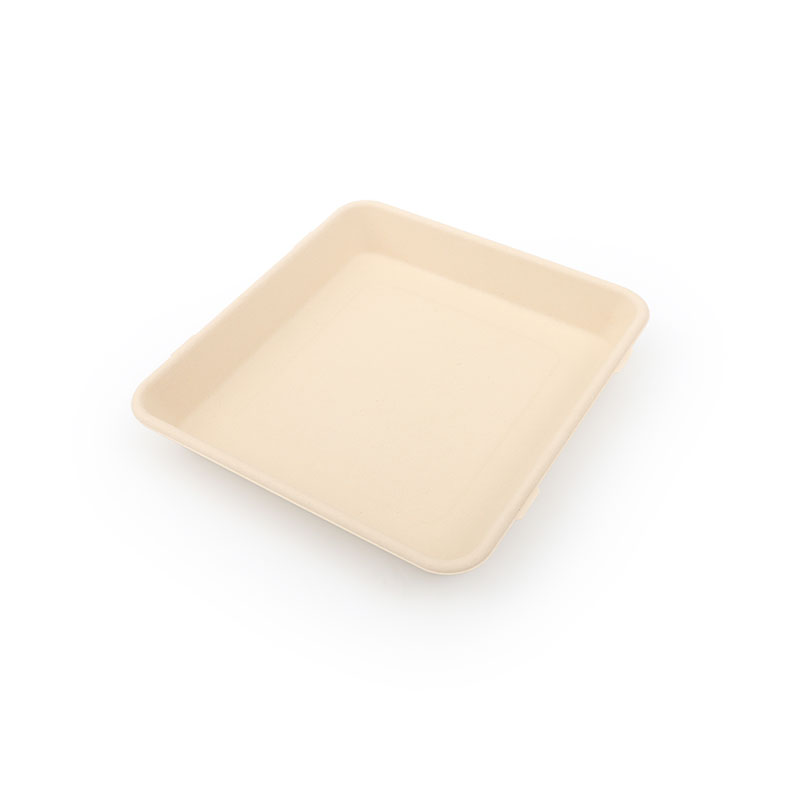 1443ml Tray Box
 Cake Bread Snack Tray Series
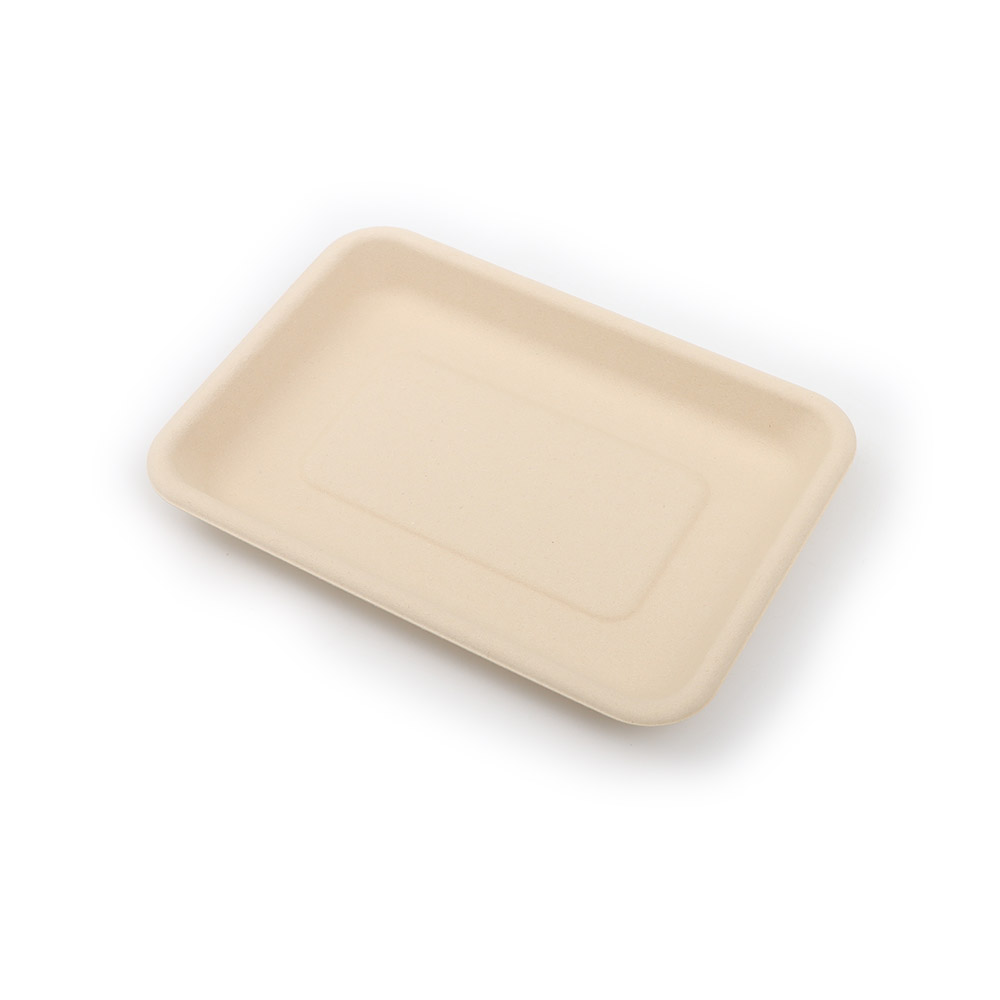 5" * 7" natural color
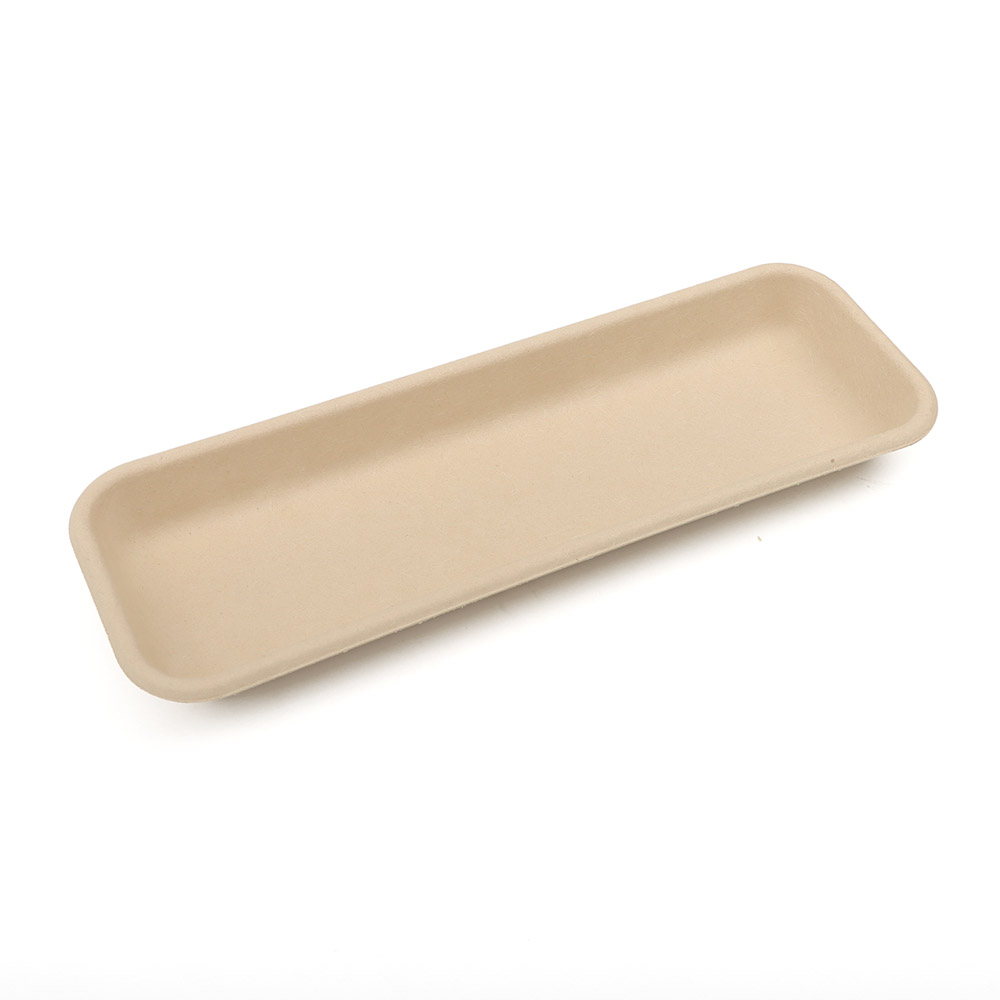 11.4" * 3.9"
 5.3" * 5.3"
 Fruit And Vegetable Tray Series
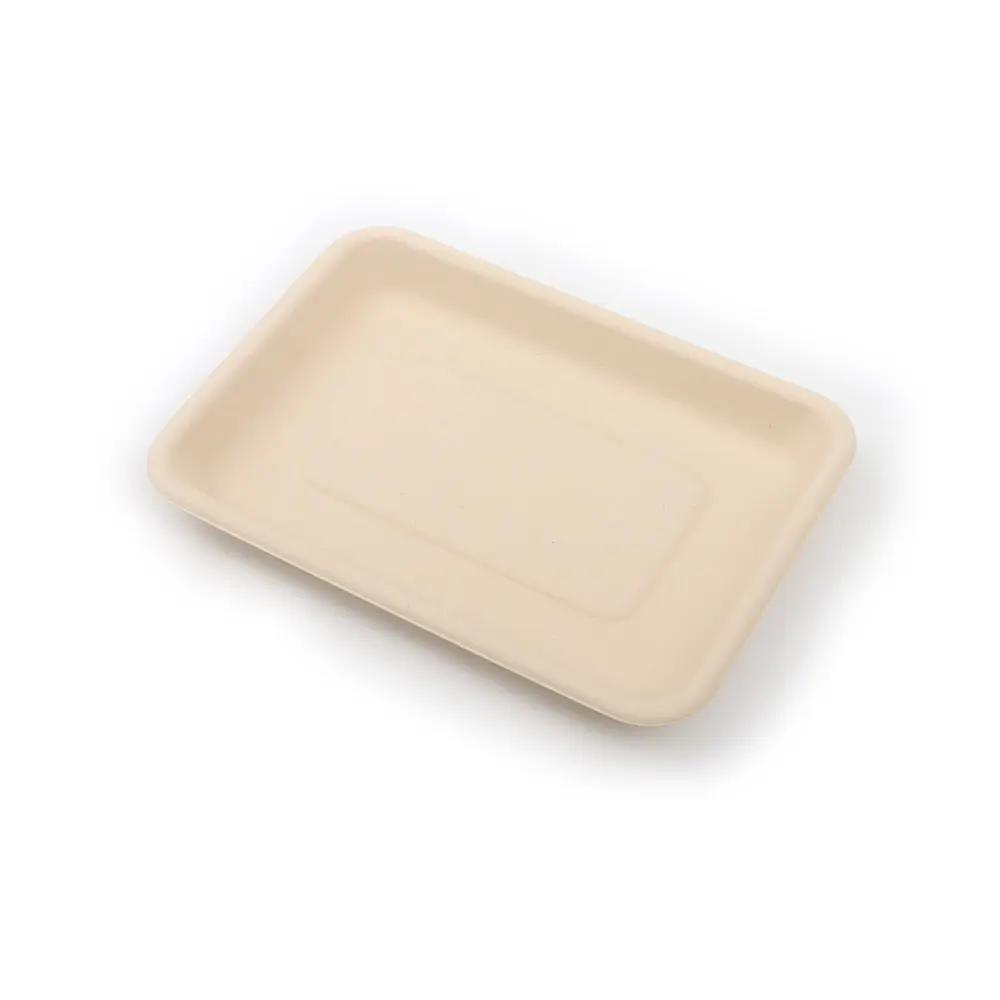 8.6" * 5.3"
 Sushi Tray Series
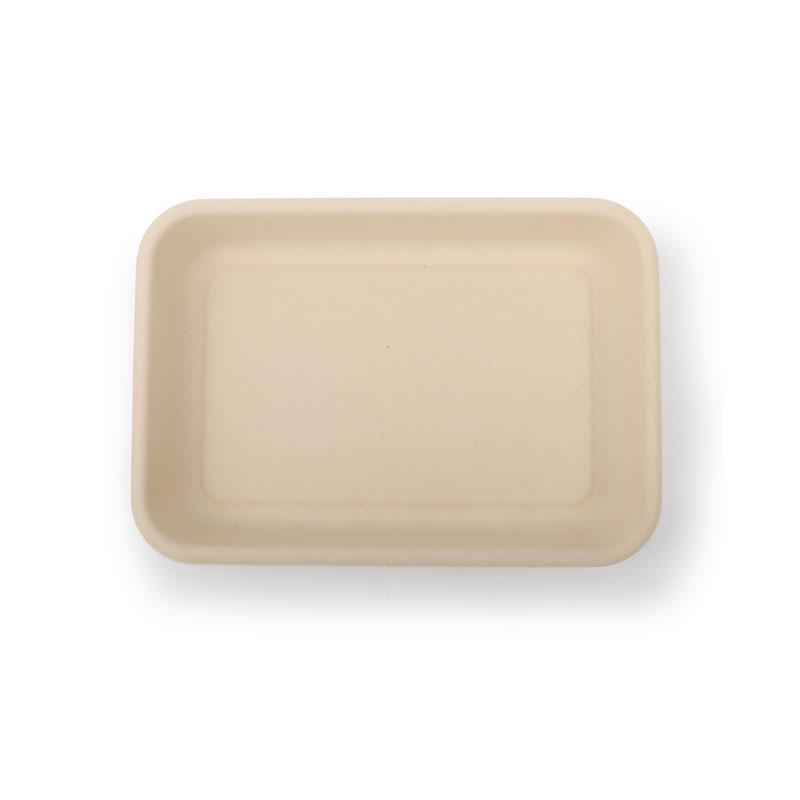 200" * 140"
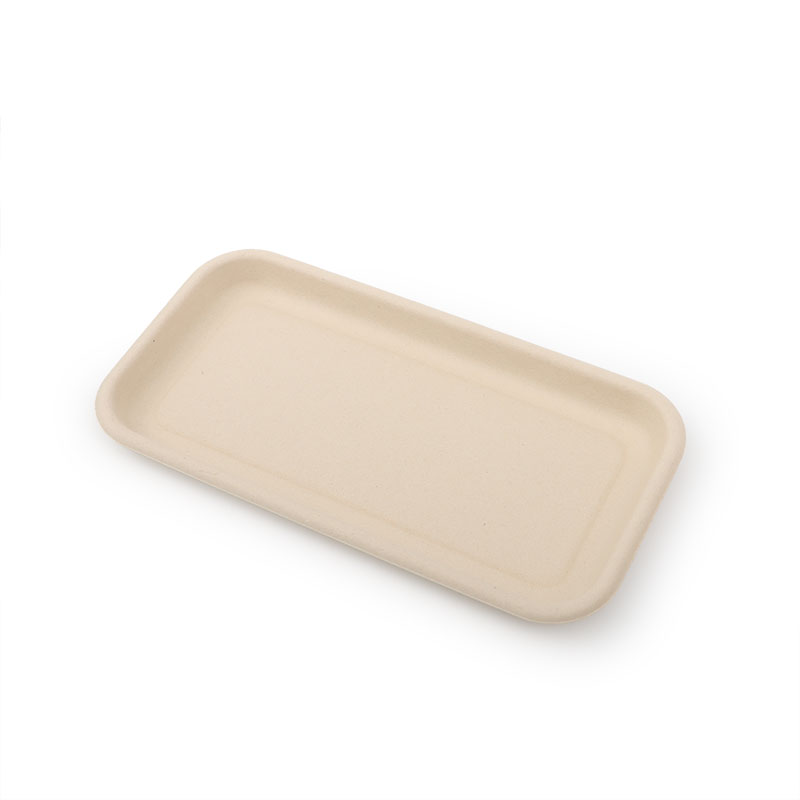 210" * 110"
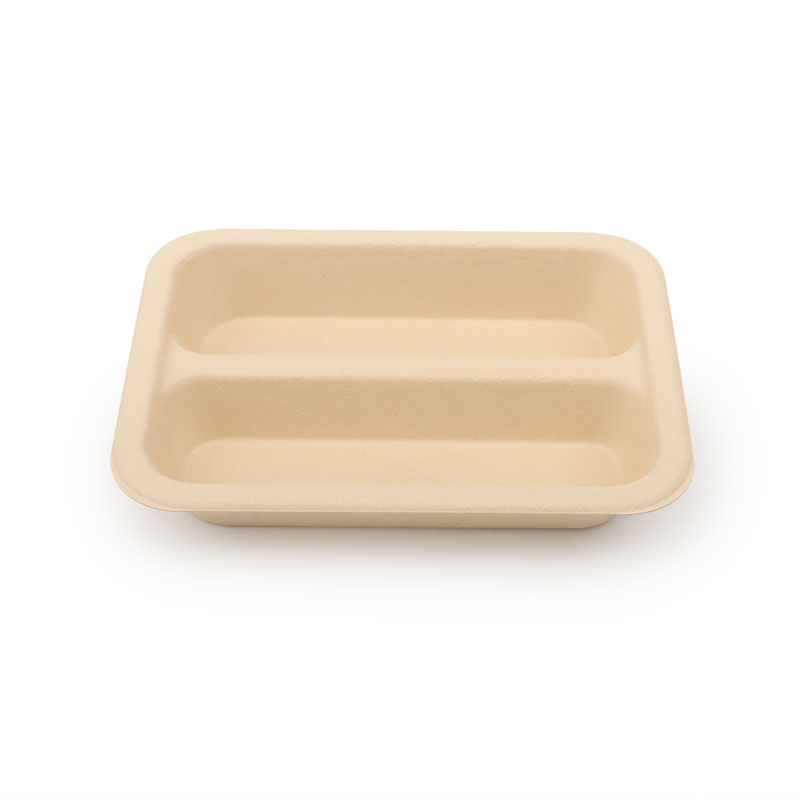 2 Compartments
 Small Round Plate Series
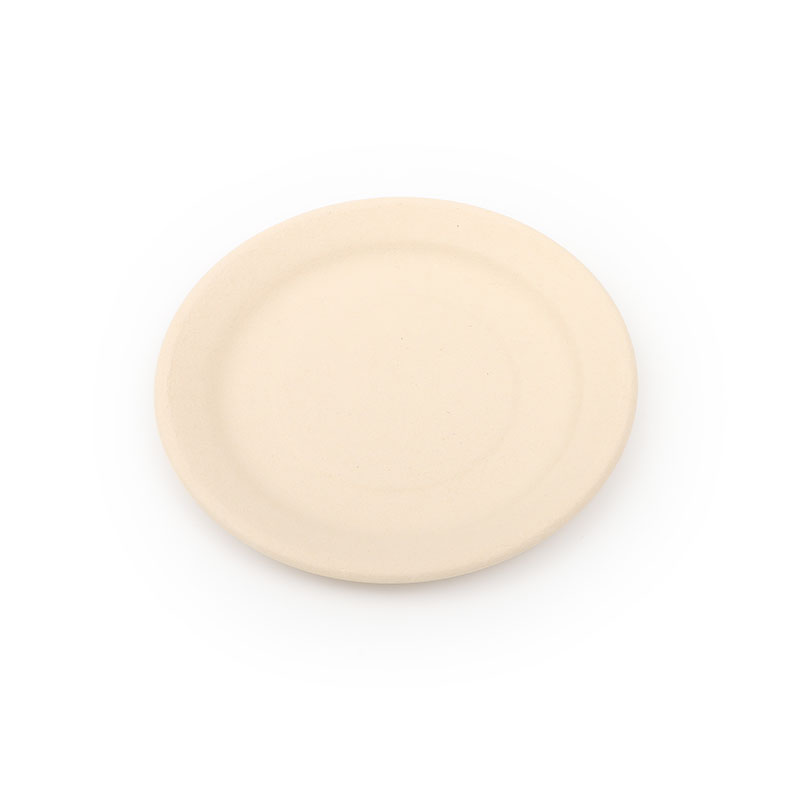 7 inch
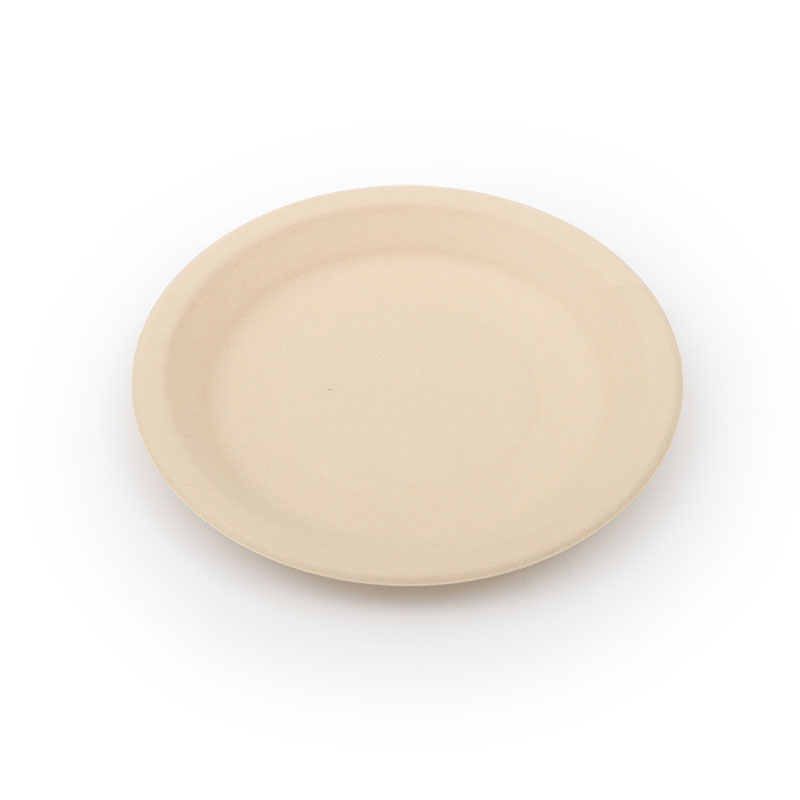 6 inch
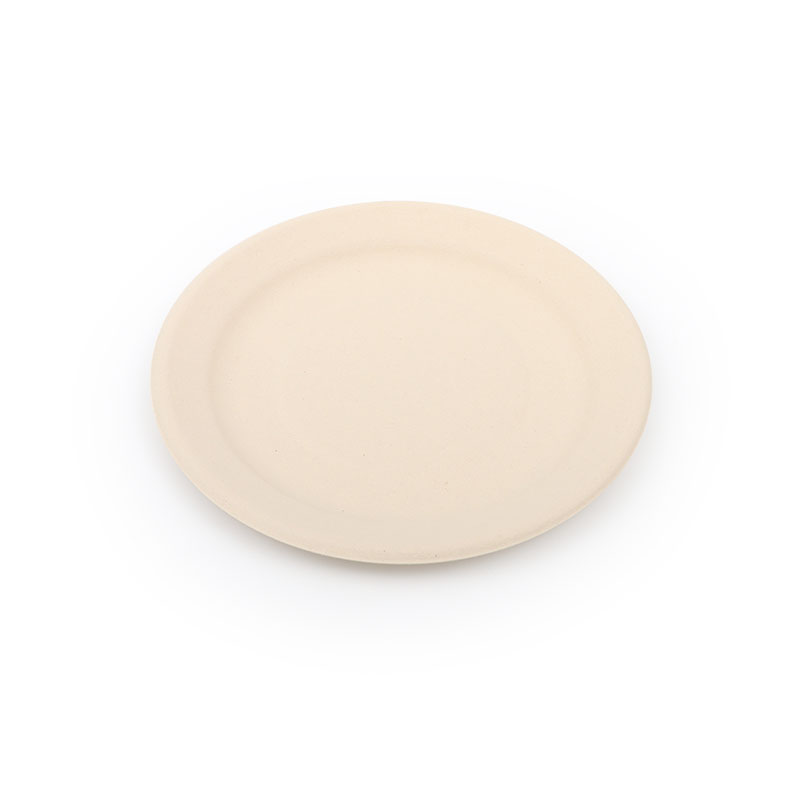 8 inch
 Middle Round Plate Series
 9 Inch 3 Compartments
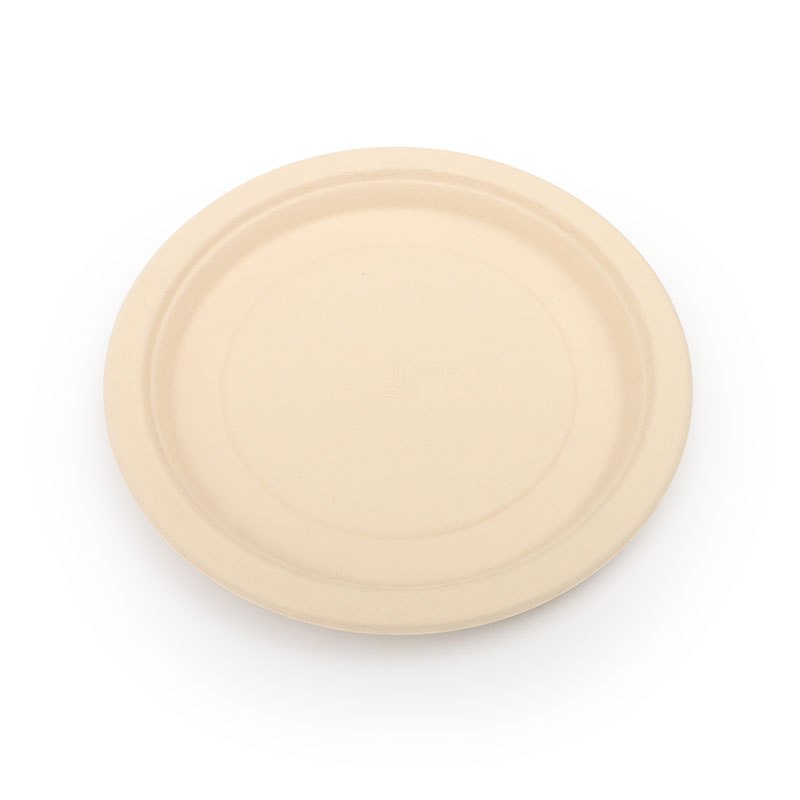 9 inch
 Big Round Plate Series
 12.7 Inch Pizza Plate
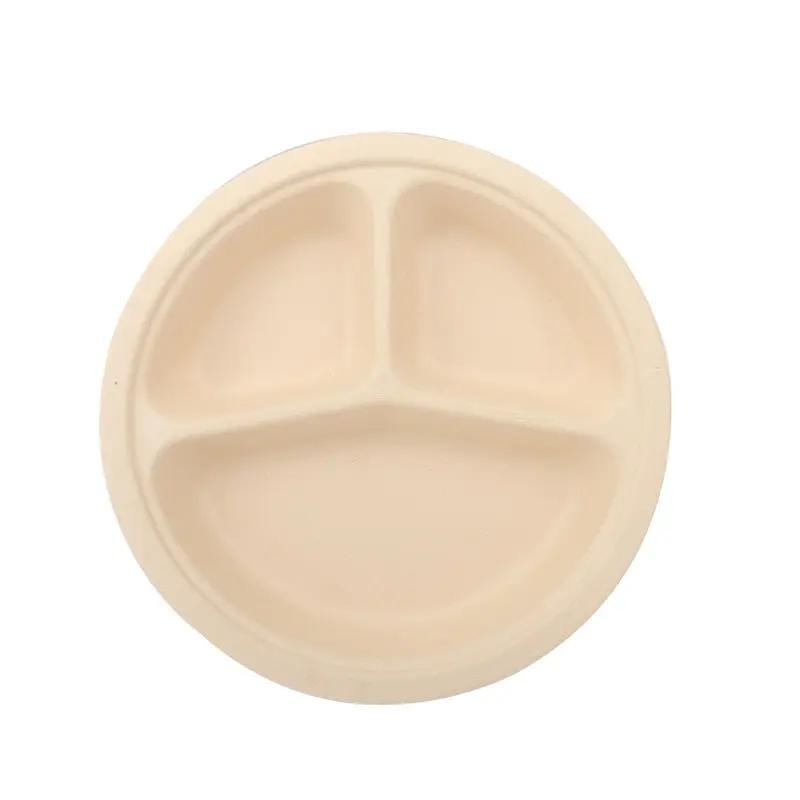 10.25 inch 3 Compartments
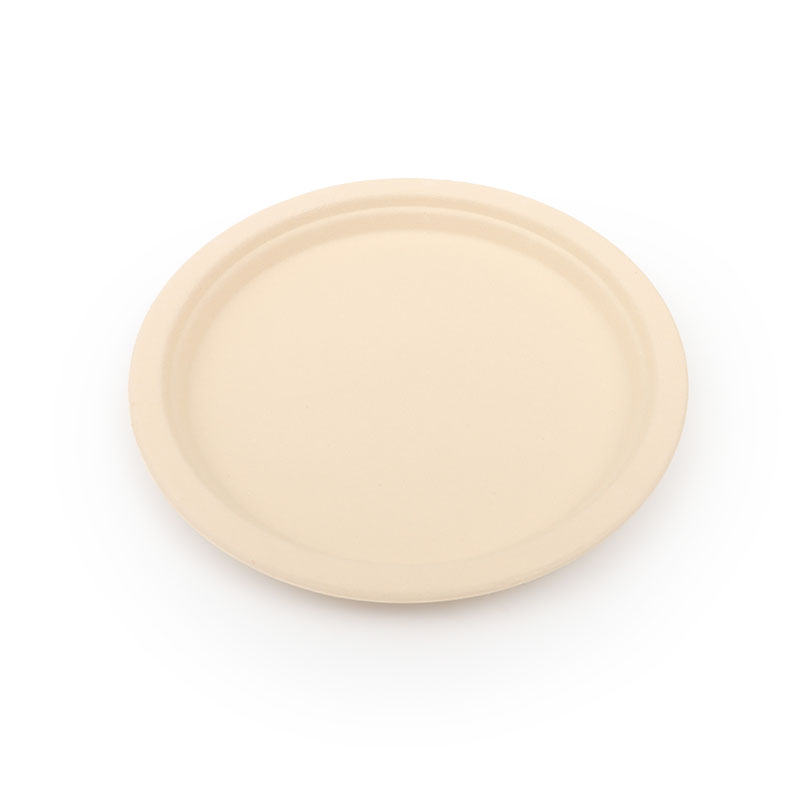 10 inch
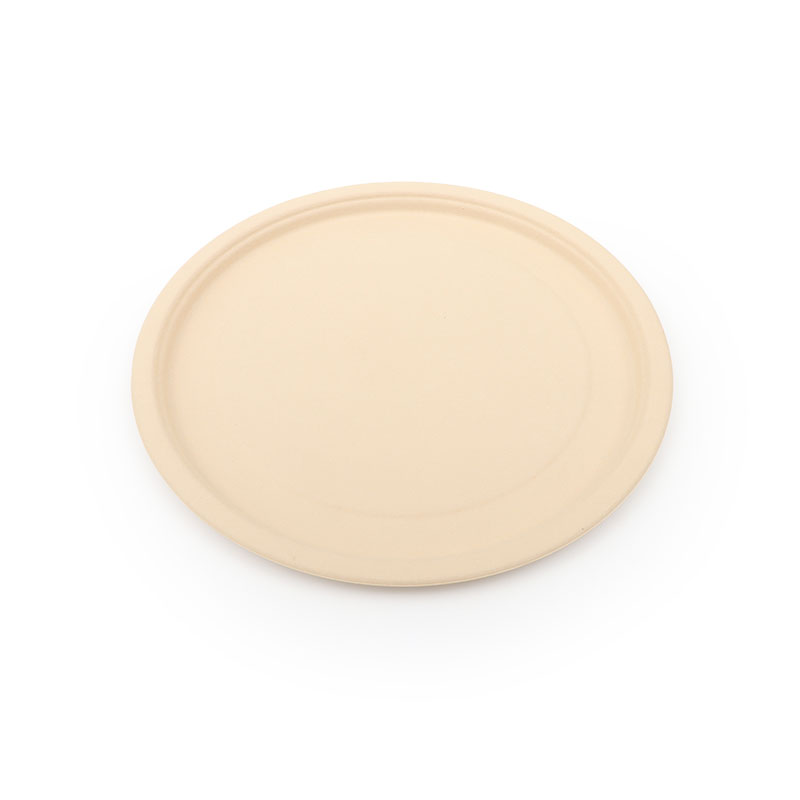 12 inch
 Bigger Bowl
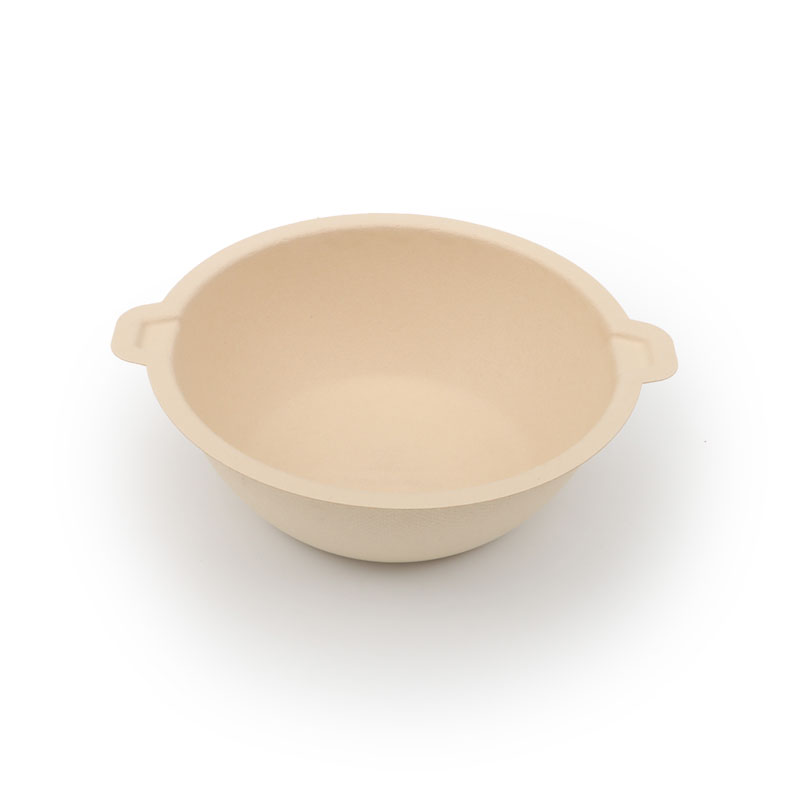 48oz(1420ml)
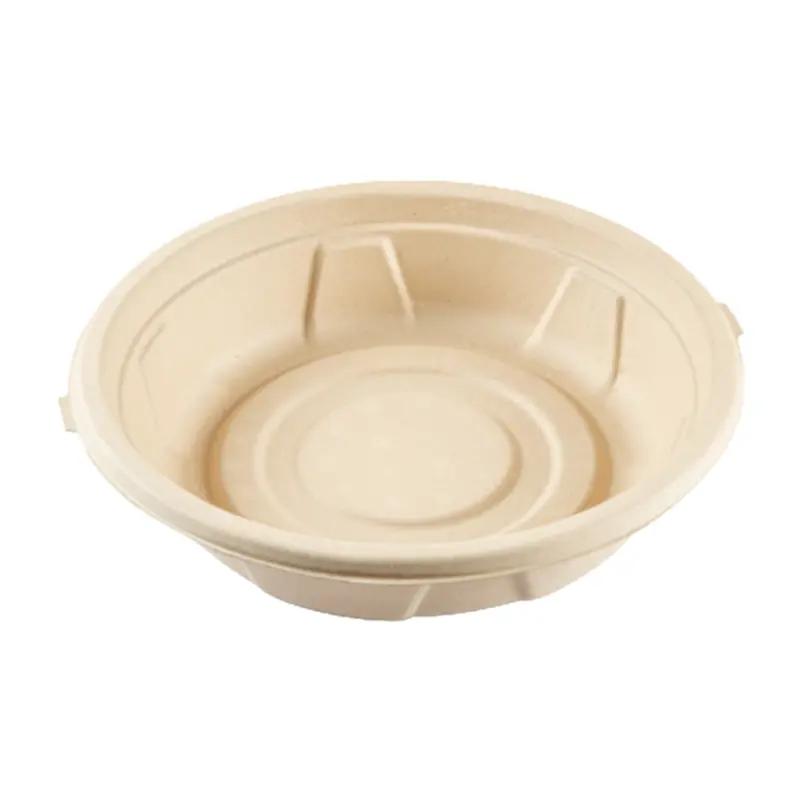 56oz(1650ml)
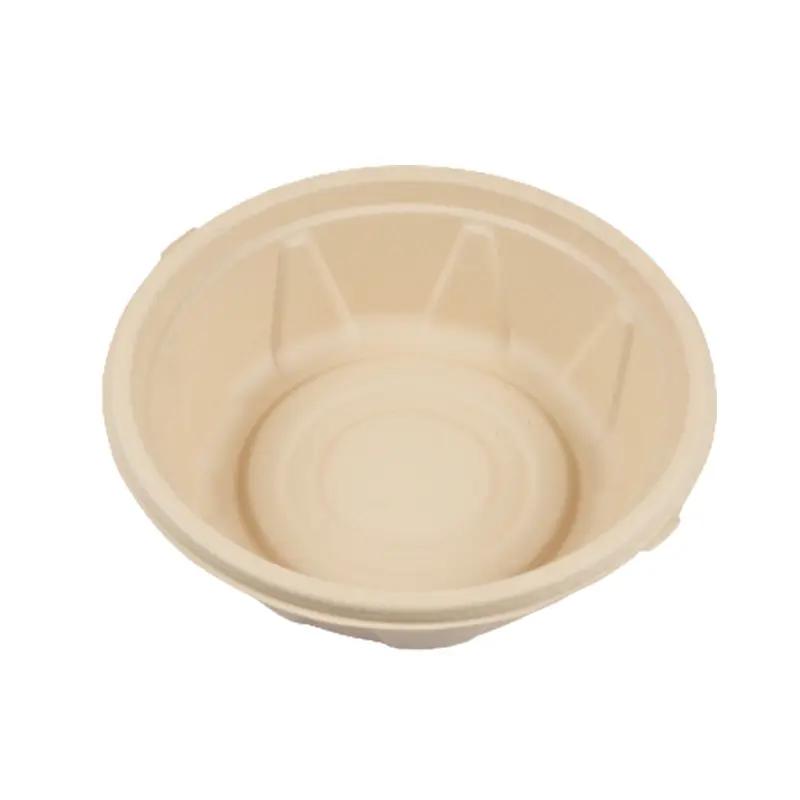 100oz(2950ml)
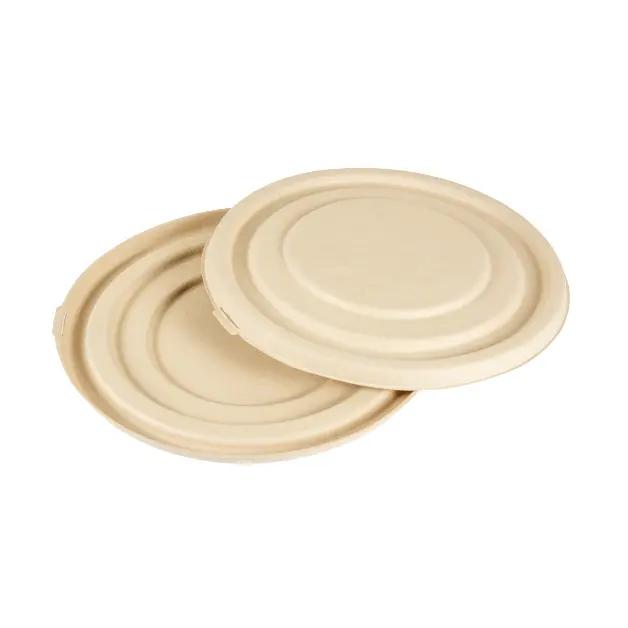 100oz(2950ml) With Lid
 Middle Bowl
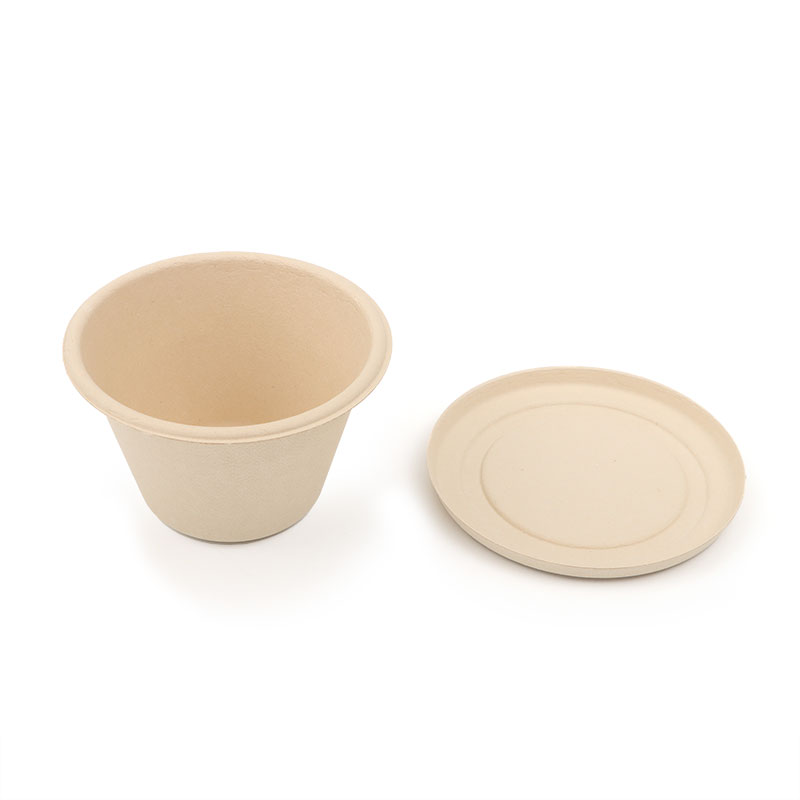 17oz(500ml)
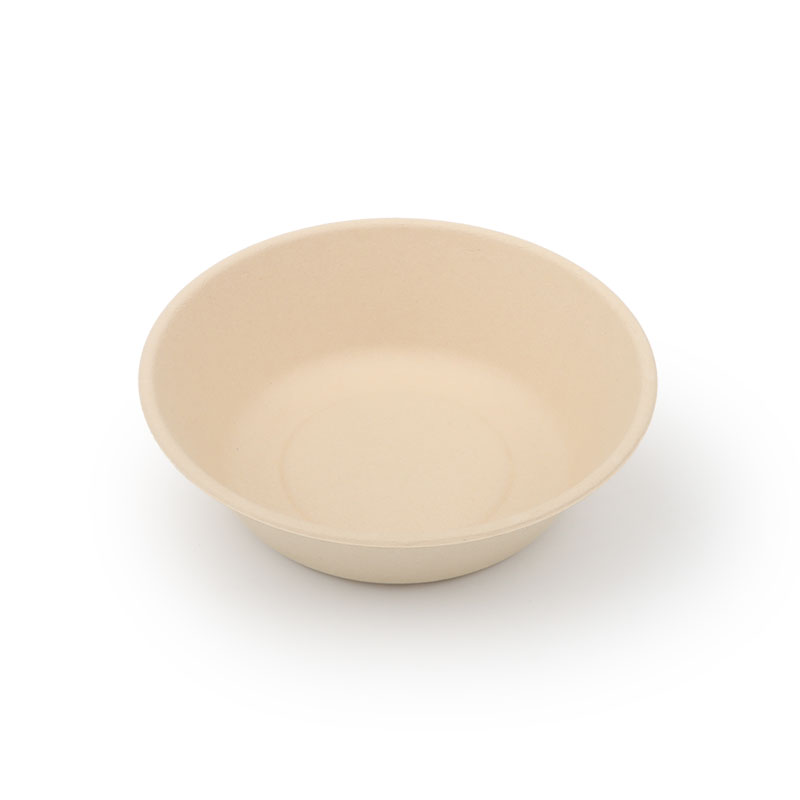 27oz(800ml)
 20oz(600ml)
 29oz(850ml)
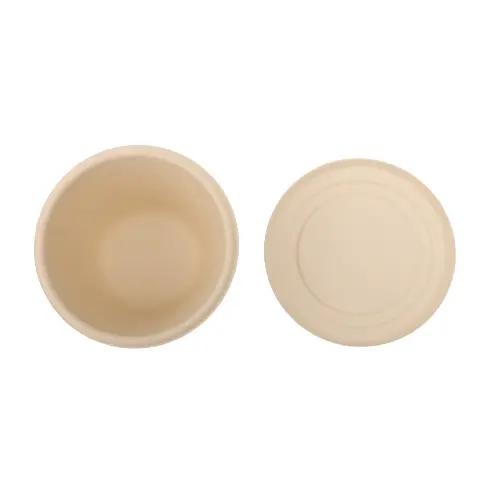 17oz(500ml) With Lid
 17oz(500ml) PET Lid
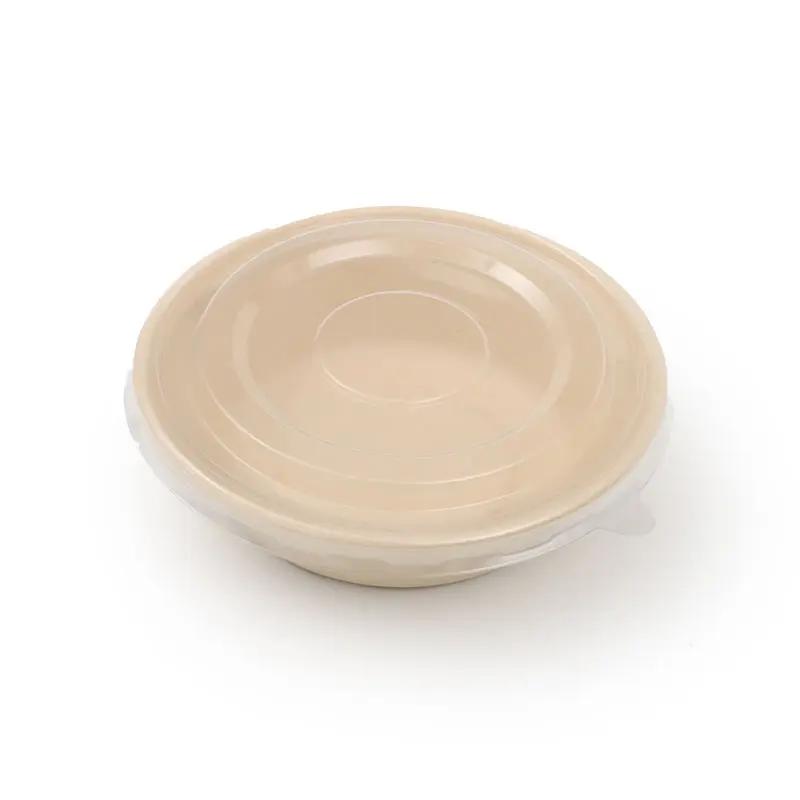 28oz(830ml) PET Lid
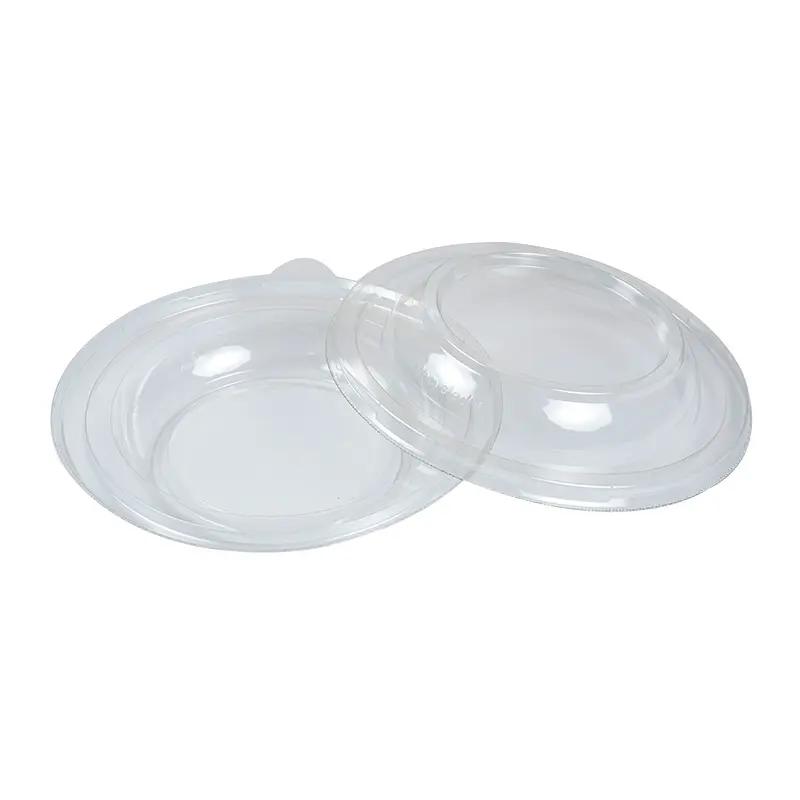 Round Bowl PET
 Small Bowl
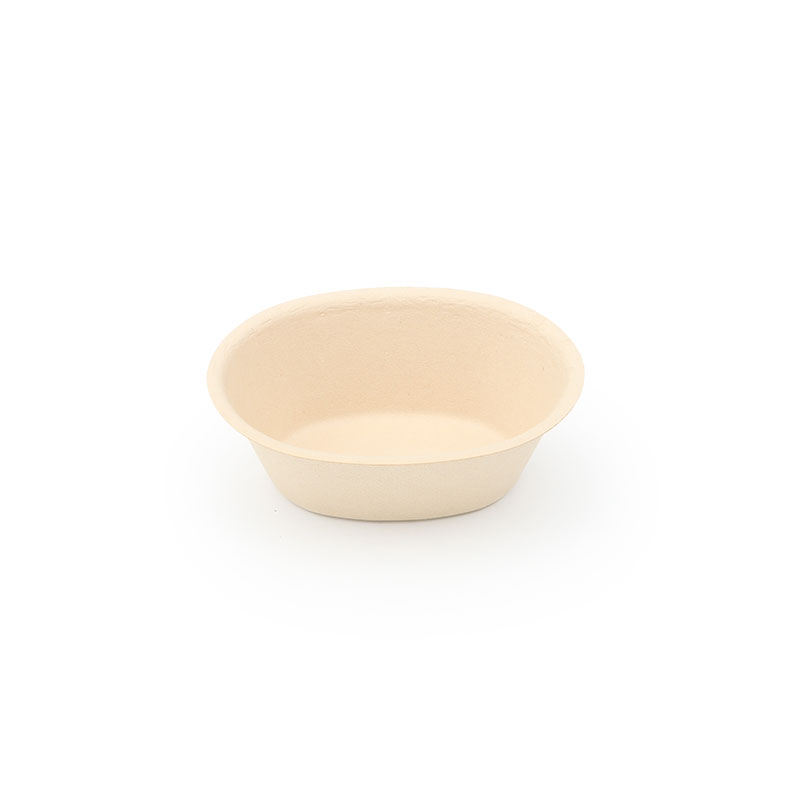 Snack Bowl
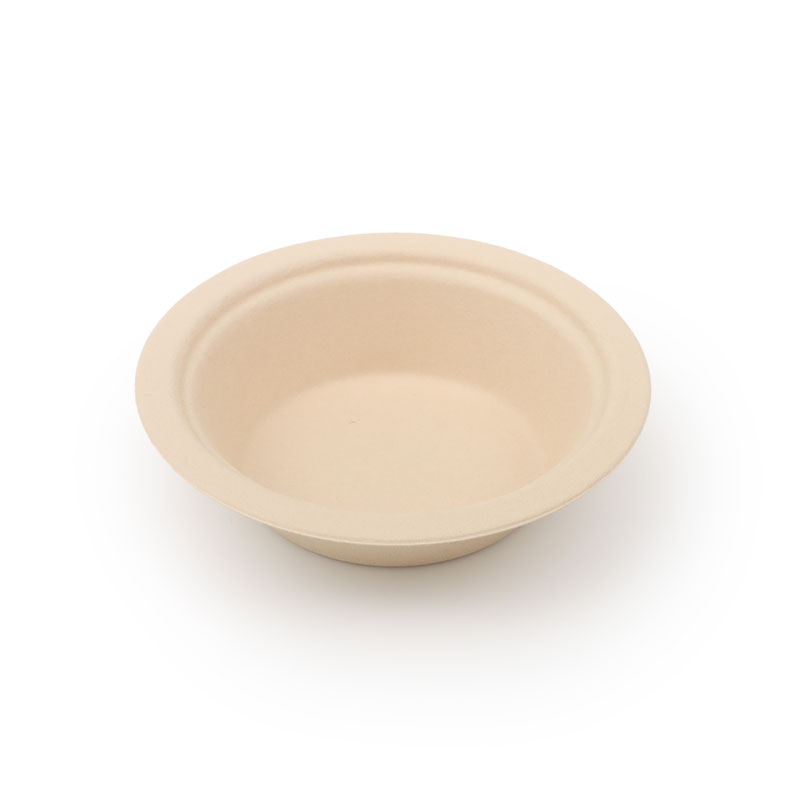 11.5oz(340ml) Bowl
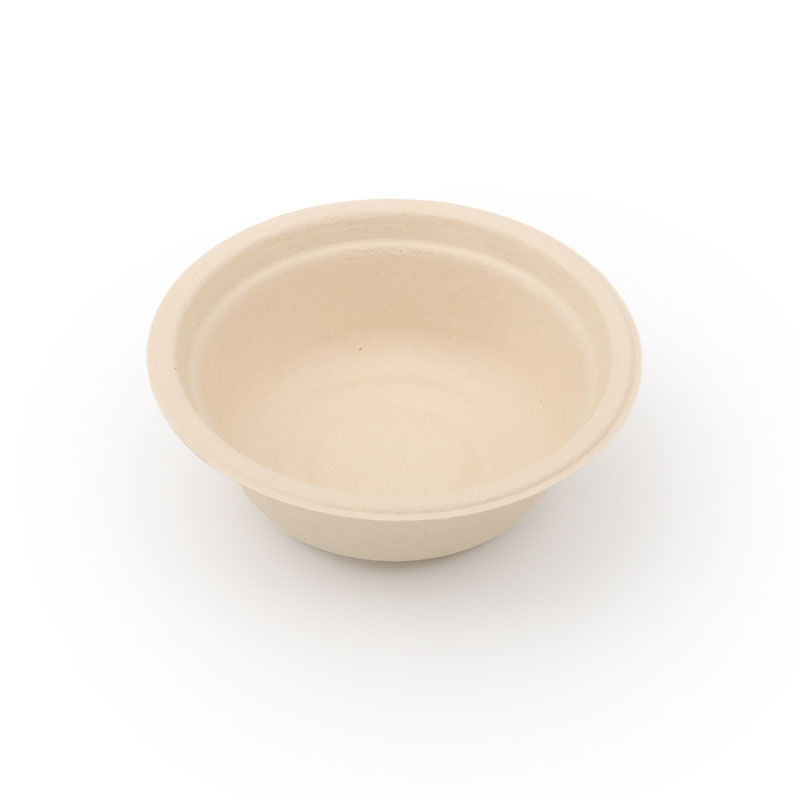 6.7oz(200ml) Bowl
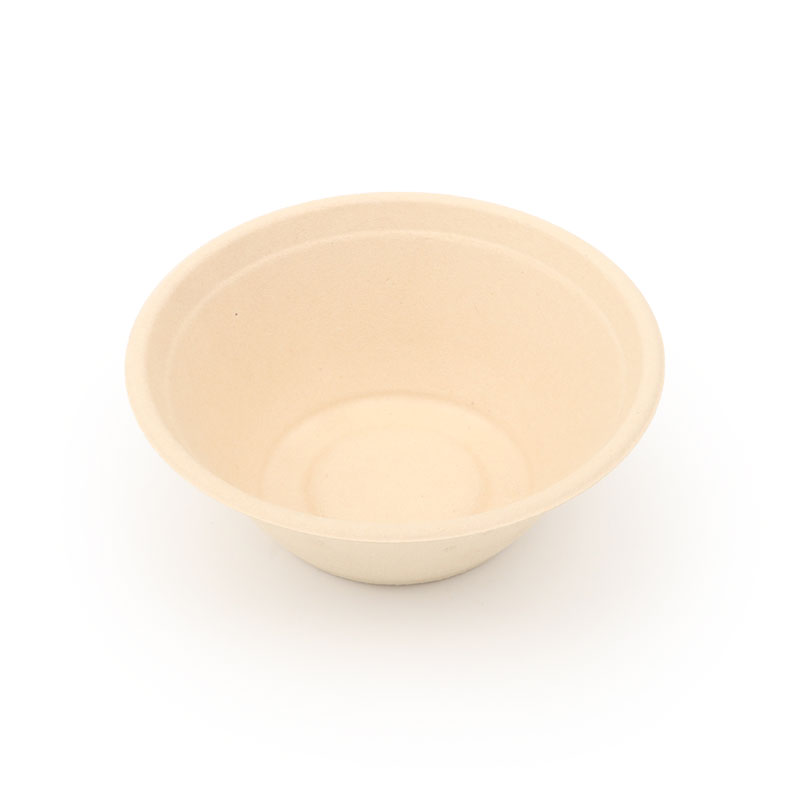 12oz(350ml) Bowl
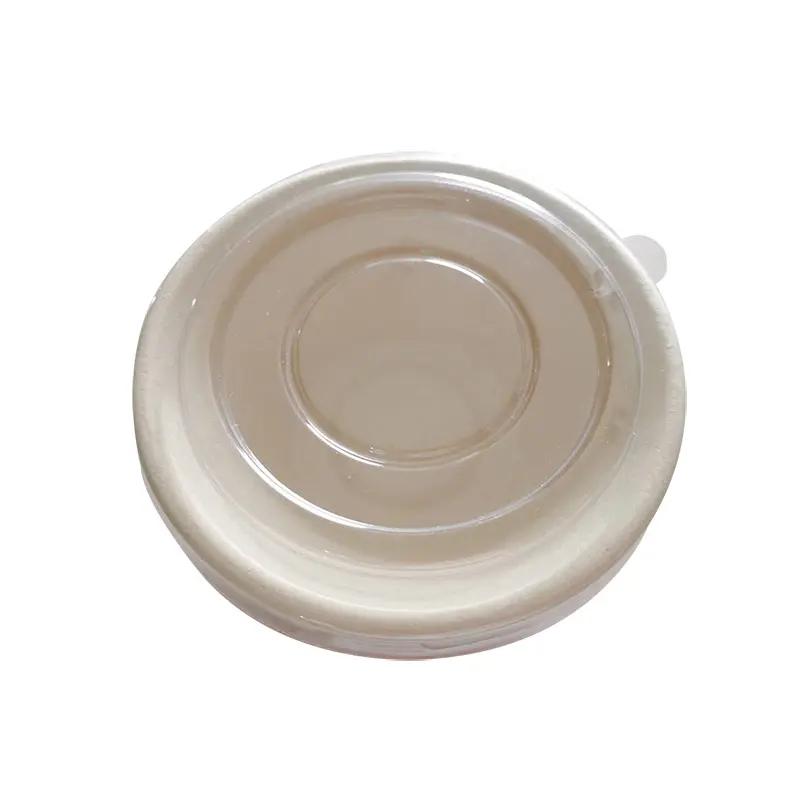 12oz(350ml) Bowl PET
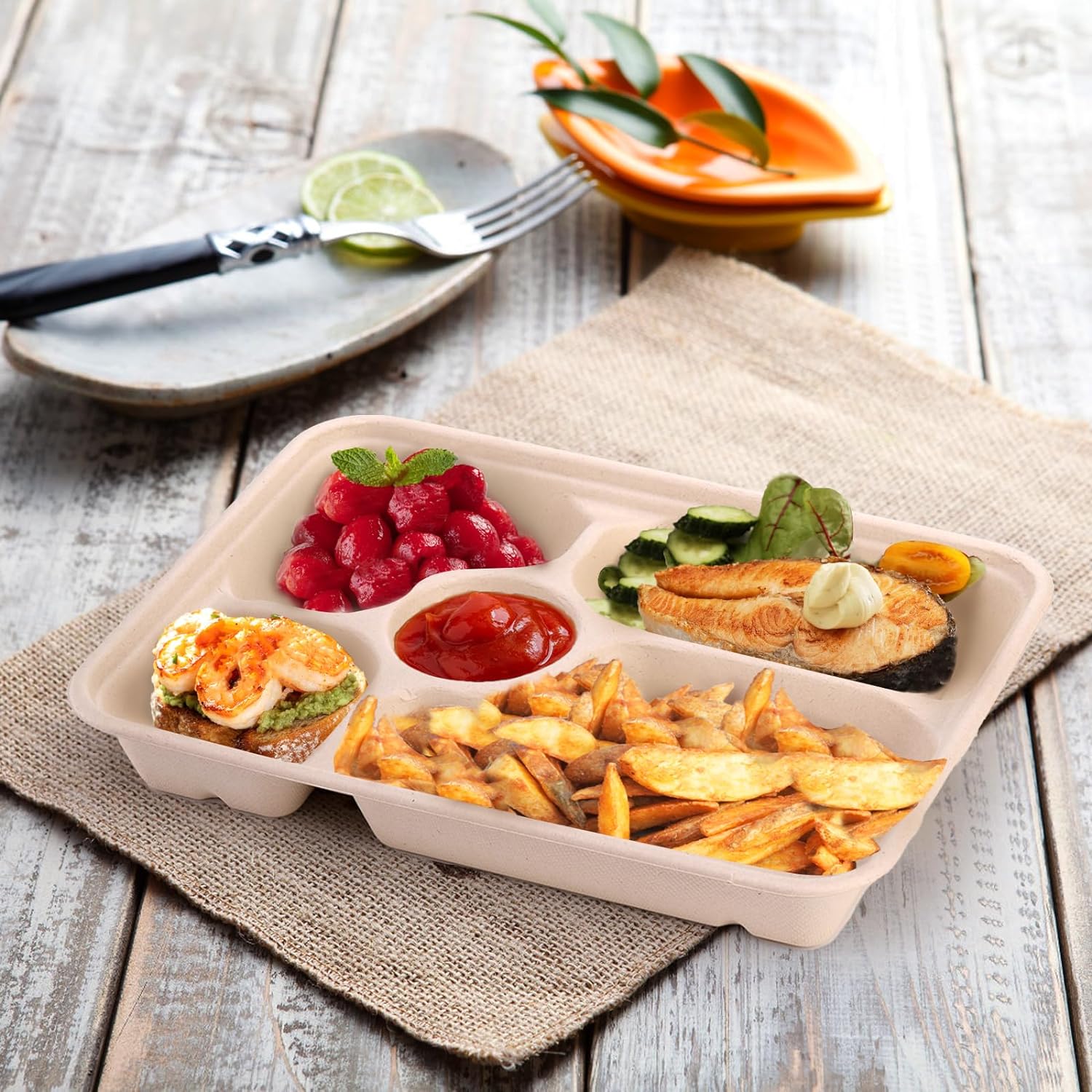 Bagasse Lunch Boxes
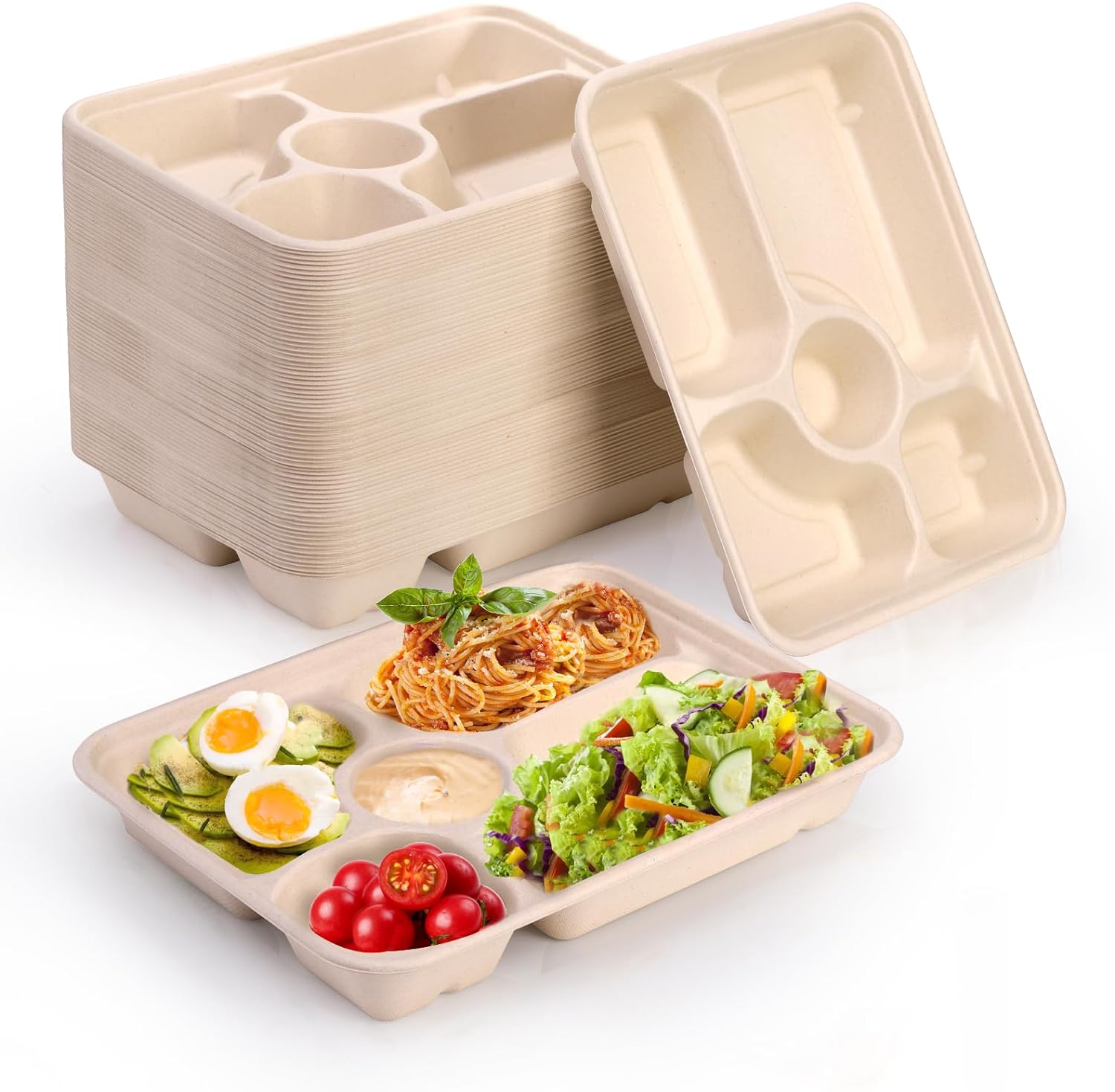 5CP
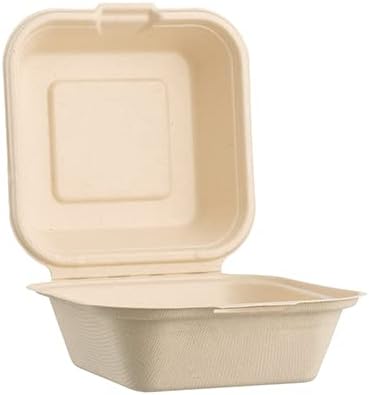 6 inch
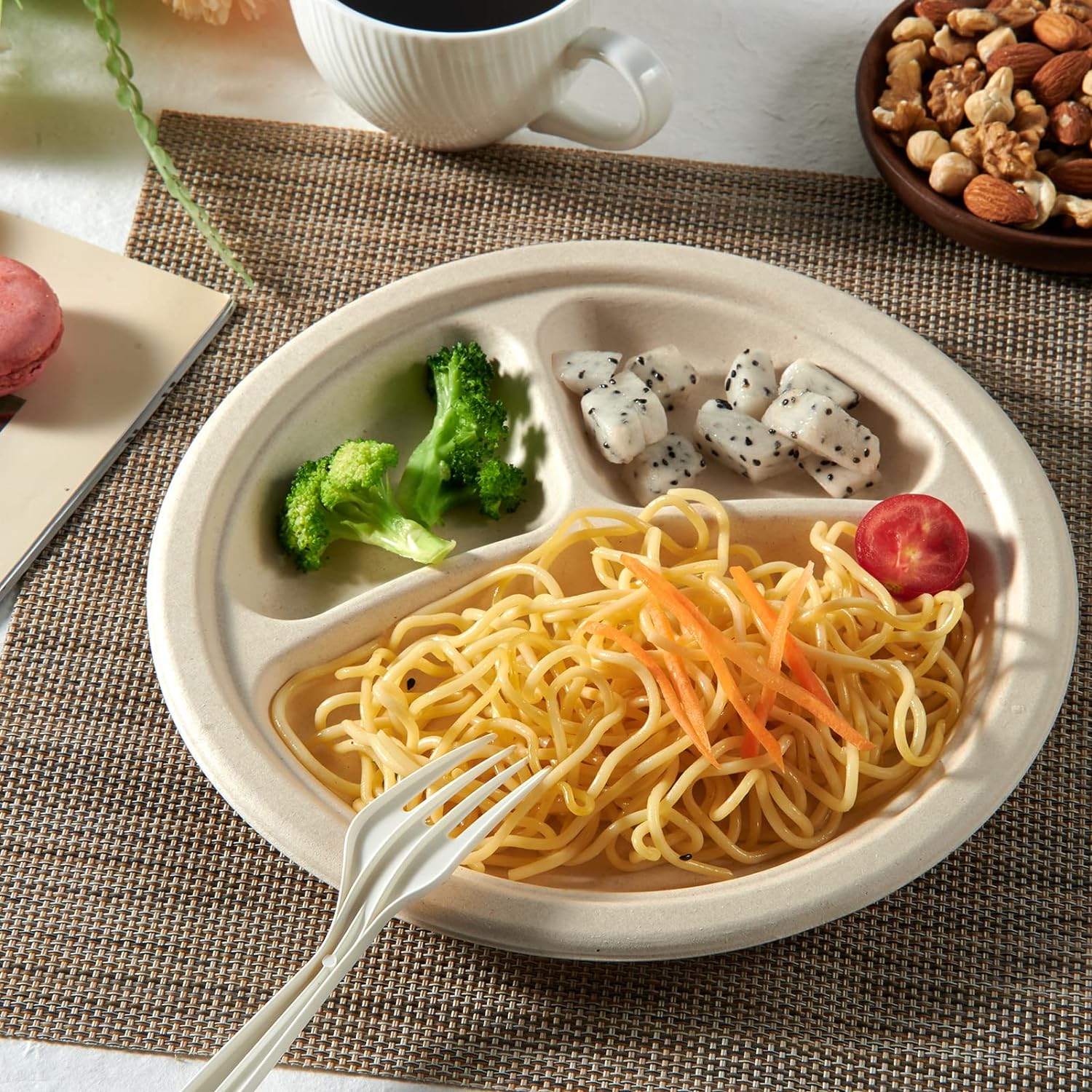 Bagasse Food Plates
 7 inch
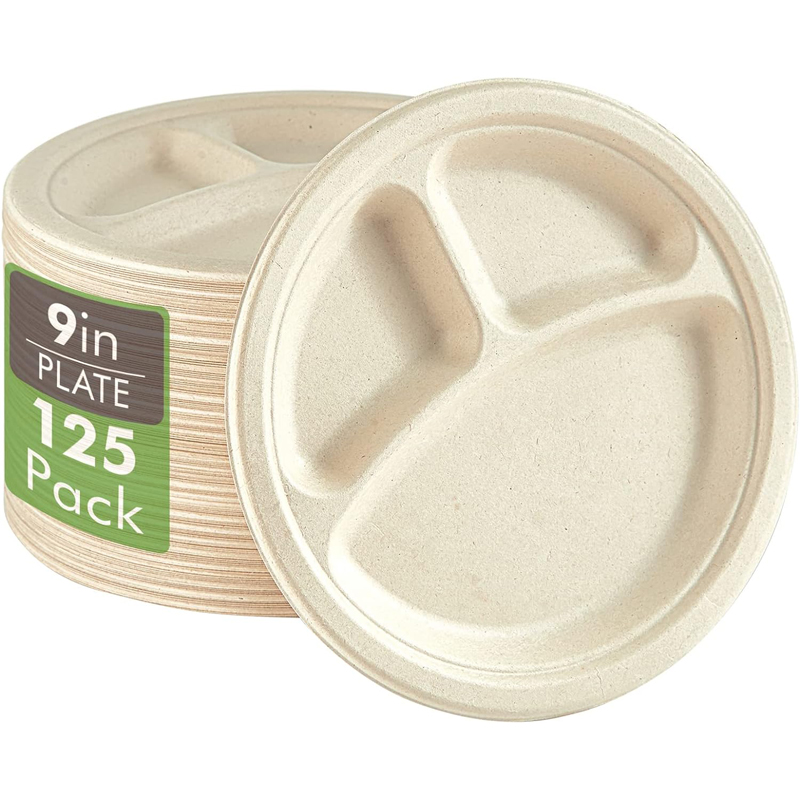 3CP
 Bagasse Bowls
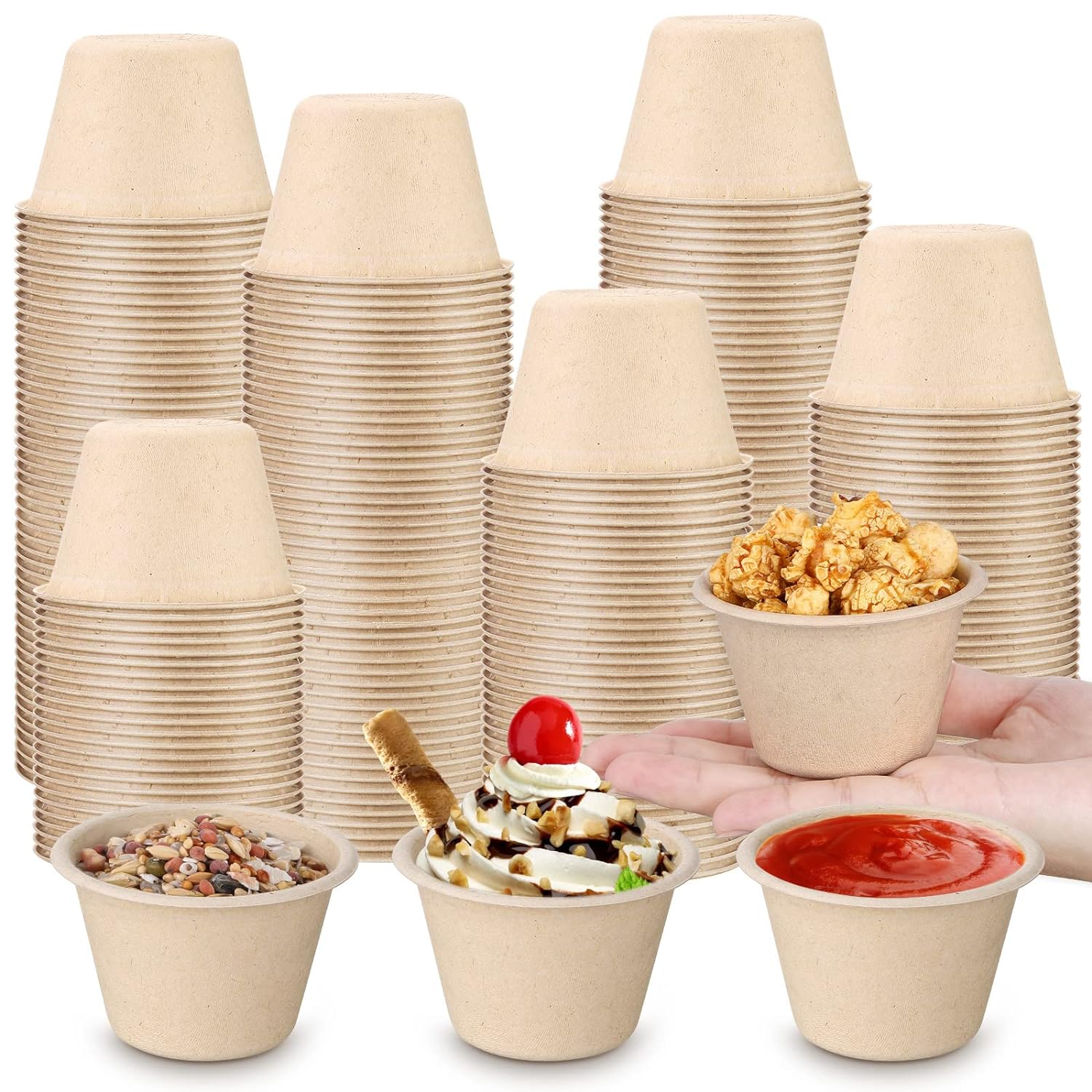 4oz
 Bagasse Cups And Cutlery
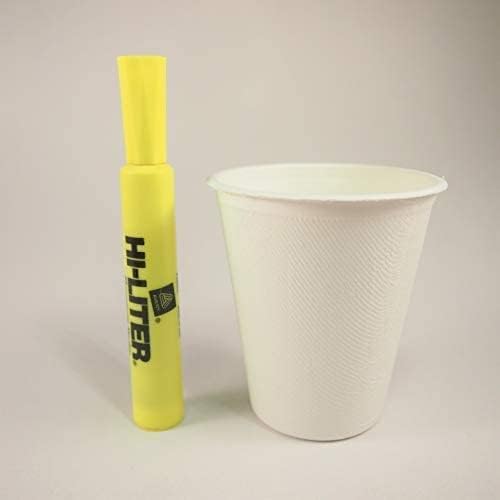
 8oz
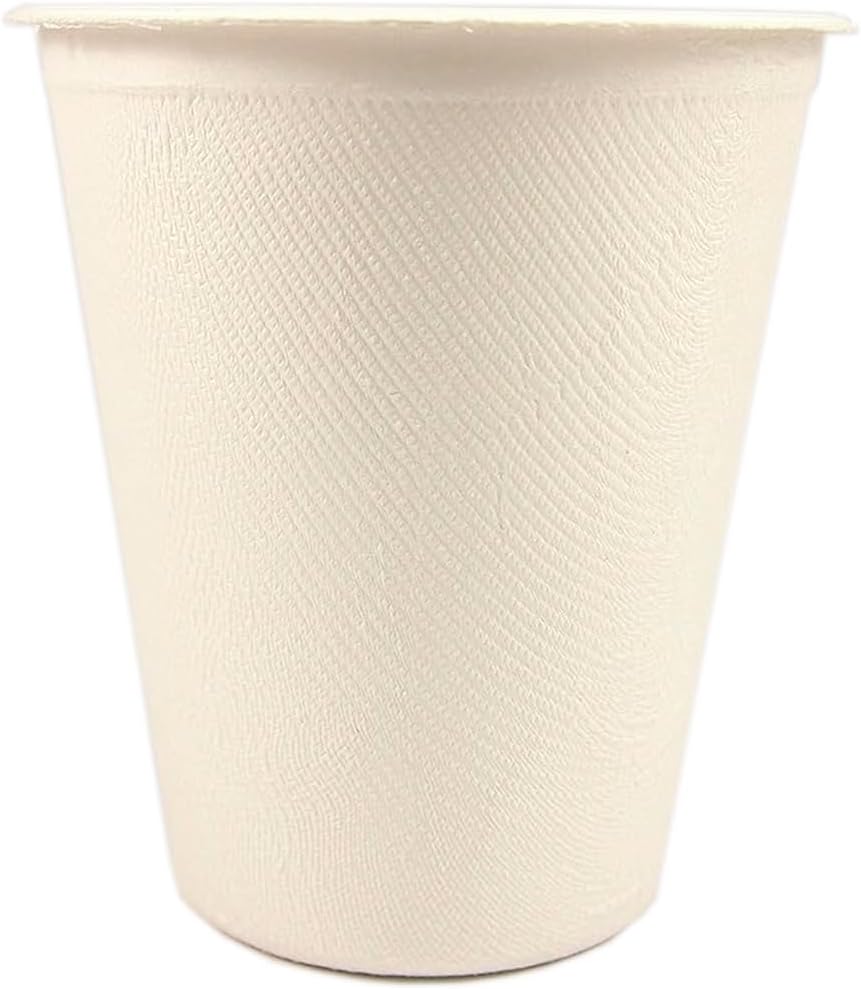
 12oz
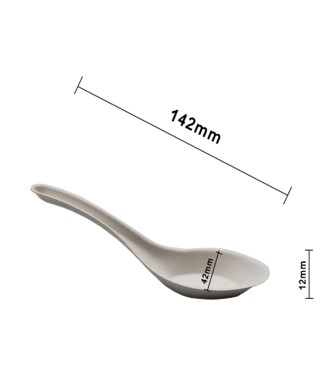 Cutlery
Leave Your Message
Precision-molded plant pulp trays and hermetic barrier containers designed specifically to maintain peak crispness, prevent bacterial cross-contamination, and streamline high-volume culinary replenishment.
Analyzing the intersection of thermodynamic preservation, high-barrier bio-substrates, and dynamic hotel food inventory management.
Modern luxury hotel buffets and large-scale convention dining facilities face an unrelenting operational paradox: guest satisfaction demands an abundant, visually striking display of cold cuts, sashimi, artisanal pastries, and freshly prepared hot entrées throughout multi-hour service windows. However, conventional open-chafing and sneeze-guard displays subject perishable foods to rapid oxidation, microbial proliferation, dehydration, and texture degradation.
Studies show that luxury hotels discard up to 35-45% of prepped buffet food simply because exposure to ambient air degrades aesthetic appeal and violates internal HACCP thresholds. Integrating Modified Atmosphere Packaging (MAP) within hotel central preparation kitchens (CPKs) and satellite buffet distribution lines fundamentally solves this dilemma by altering the headspace atmospheric composition to decelerate biological decay without chemical preservatives.
Modified Atmosphere Packaging for hotel buffet service is not a one-size-fits-all process. The precise balance of Carbon Dioxide (CO₂), Nitrogen (N₂), and controlled Oxygen (O₂) is dynamically calibrated to match the specific respiratory and biological profile of each culinary category:
• High-Moisture Proteins (Sashimi, Roast Beef, Charcuterie): Elevated CO₂ concentrations (20% to 60%) dissolve into the food's aqueous phase, lowering surface pH and inhibiting aerobic spoilage bacteria like Pseudomonas. Nitrogen acts as an inert filler gas to prevent package collapse.
• Fresh Cut Fruits & Crisp Salads: Equilibrium Modified Atmosphere (EMA) uses micro-perforated bio-barrier films allowing low oxygen levels (3-5%) and CO₂ (3-8%) to slow respiration rates while preventing anaerobic fermentation.
The implementation of plant-fiber laminated MAP trays allows hotel culinary brigades to prep buffet components in bulk 48 to 96 hours in advance, drastically reducing early morning labor bottlenecks while guaranteeing consistent Michelin-level presentation.
| Buffet Culinary Category | Traditional Buffet Prep Shelf Life | Bio-MAP Sealed Shelf Life (2-4°C) | Primary Degradation Factor Controlled | Average Hotel Waste Reduction |
|---|---|---|---|---|
| Pre-Portioned Sashimi & Ceviche | 4 – 6 Hours (Air Exposure) | 48 – 72 Hours | Lipid Oxidation, Histamine Growth, Enzymatic Browning | -68% Discard Rate |
| Artisan Charcuterie & Soft Cheeses | 8 – 12 Hours (Moisture Loss) | 5 – 7 Days | Fat Rancidity, Casein Hardening, Mold Spores | -74% Discard Rate |
| Sliced Exotic Fruits & Berries | 6 – 10 Hours (Enzymatic Softening) | 4 – 6 Days | Cellular Respiration, Polyphenol Oxidase, Juicing | -55% Discard Rate |
| Gourmet Breakfast Pastries & Quiches | 12 – 18 Hours (Staling & Moisture Transfer) | 7 – 10 Days | Starch Retrogradation, Lipid Staling, Moisture Siphon | -60% Discard Rate |
| Sous-Vide Hot Entrée Replenishments | 24 Hours (Cook-Chill Limit) | 14 – 21 Days | Aerobic Spoilage, Recontamination During Staging | -82% Discard Rate |
Historical MAP solutions relied heavily on multi-layer fossil-based plastics (PET/PE/EVOH), directly contradicting the environmental, social, and governance (ESG) commitments of leading global hotel brands. Our advanced molded sugarcane bagasse and high-density bamboo fiber substrates integrate ultra-thin compostable barrier laminations, delivering water and oil barrier performance exceeding 95°C hot oil resistance, airtight sealing integrity, and complete post-consumer biodegradability.
Modern hospitality kitchens are evolving into automated, digitized ecosystems. By leveraging hermetically sealed MAP bio-trays equipped with digital lot tracking and temperature-time indicators (TTIs), hotel executive chefs can utilize AI predictive algorithms to stage replenishment batches. Buffet staff swap out pre-sealed, tamper-evident modular bowls seamlessly without exposing fresh portions to fluctuating dining room temperatures.
Post-pandemic dining standards demand extreme sanitary vigilance. Individual MAP pre-portioned containers eliminate open-air sneeze-guard vulnerabilities, pathogen droplet contamination, and unintended allergen cross-contact (such as gluten or shellfish particles entering vegetarian stations). Each sealed unit serves as an individual, sterile culinary safe haven from CPK blast chillers straight to guest plates.
To fully appreciate the commercial impact of modified atmosphere packaging in hospitality, let us examine its practical implementation across four critical luxury hotel operational touchpoints:
A. High-Volume Morning Breakfast Buffets: The morning breakfast rush (6:30 AM – 10:30 AM) is notoriously labor-intensive. Culinary staff must continuously replenish cut melons, yogurts, parfaits, chia bowls, and artisan bakery items. With bio-laminated MAP bowls, these high-labor items are prepared during off-peak shifts 3 days in advance in central production kitchens. Trays are nitrogen-flushed to 0.5% residual oxygen, locking in cell turgor and vitamin C retention without any weeping or syrup accumulation. At service time, staff simply unseal or display individual tamper-evident pods directly over induction chillers.
B. Executive VIP Lounges & 24/7 Grab-and-Go Stations: Hotel executive club floors require premium food availability 24 hours a day without maintaining a dedicated full culinary brigade. MAP food trays with anti-fog bio-film lids allow premium charcuterie, sushi combinations, and chef-curated tapas to remain visually immaculate in glass-front refrigeration for up to 5 days, eliminating dry crusting and maintaining pristine sensory appeal for high-paying loyalty members.
C. Mega-Banquet & Convention Replenishment: Staging multi-course banquets for 1,000+ delegates requires precise timing. Pre-plating cold appetizers into standard plates leads to oxidation and flavor loss within hours. MAP lamination food trays allow hotel banquet teams to seal 1,500 appetizers days in advance, stack them securely without tray collapse using high-rigidity structural molded bamboo designs, and transport them across property wings without refrigeration odor absorption.
D. Late-Night Room Service & Midnight Buffet Alternatives: When main buffet lines close at 10 PM, hotels often incur heavy labor costs running full night-shift kitchens for late check-in guests. Pre-packaged, nitrogen-preserved gourmet meals in microwave-safe, oven-safe bagasse MAP trays allow front-desk staff or automated mini-pantries to offer restaurant-quality meals instantly, turning a cost center into a high-margin amenity.
For a 500-room luxury resort operating multiple daily buffet stations, transitioning to biodegradable MAP food packaging delivers quantifiable financial returns within 90 days. Average food waste reductions range from $8,000 to $18,000 per month, while prep kitchen labor scheduling efficiency improves by 32%. Simultaneously, replacing single-use petrochemical plastics with FSC-certified bamboo and sugarcane pulp eliminates thousands of kilograms of non-recyclable plastic from municipal landfills each year, providing auditable data points for corporate ESG sustainability reports.
Empowering 500+ global brands with precision-engineered, eco-friendly food packaging solutions backed by robust manufacturing infrastructure and international certifications.
In the field of environmentally friendly packaging for 18 years,Has established cooperation with 500+ brands.
Through our research and development, there are more than 60 products can product, we also support OEM ODM customized services.
Exported to the United States, Europe, Australia, Canada and other countries, right now we have exported more than 30 countries.
10000+ square meters factory area, more than 30 patent certificates, 10 foreign authoritative certification, 55 automatic forming machines...
EATware is committed to sustainable development, using all natural plant fibers to produce safe, healthy and environmentally friendly tableware. Adhering to the concept of "take nature, serve humanity, return to nature", we focus on the development of safe, high quality and environmental standards.
EATware emphasizes environmental protection and sustainable development, explores the balance between enterprise survival and environmental protection, and uses all-natural and pollution-free bamboo fiber as the main material of tableware to ensure that its products meet the high technical level and are superior to developed countries.
Kangxin (HaiMen) Environmental Technology Co., Ltd. is a technology innovation oriented enterprise that focuses on disposable environmentally friendly tableware and food packaging.
We have advanced production processes and equipment, and continue to attract senior talents, focusing on environmental protection,emphasizing safety, and ensuring quality.
Experience our state-of-the-art manufacturing lines virtually with our interactive facility showcase:
Pollution
Eradicating single-use plastics from global food chains.
Protecting the
100% biodegradable materials that dissolve naturally without marine toxicity.
Forest
Rapidly renewable bamboo and agricultural byproduct bagasse sourcing.
Insights, technical guides, and industry reports from our packaging engineering experts.
The most reliable way to test disposable food containers is to combine leakage testing with structural testing under conditions that reproduce the intended food application. A container should not be approved simply because it holds water for several minutes or survives an empty compression tes...
For foodservice operators, replacing conventional plastic packaging is not simply a matter of changing materials. Disposable biodegradable tableware must still withstand hot food, sauces, oils, condensation, stacking, transport, and commercial handling without losing structural integrity. Poorl...
With growing global demand for takeaway meals and eco-friendly packaging, China’s manufacturing sector has become a major hub for disposable food containers. Today’s food businesses - from fast-food chains and meal-delivery services to supermarkets and catering companies - are looki...
Rigorous international compliance and state-of-the-art technological patents backing every molded fiber and MAP food container we engineer.
Trusted by premier airline fleets, international supermarket retailers, luxury hospitality chains, and food service leaders worldwide.
Explore our comprehensive portfolio of sustainable, high-barrier bio-containers engineered to optimize hotel buffet preservation, cold-chain transport, and banquet catering.


