
 Box With T buckle
 700ml Square Lunch Box
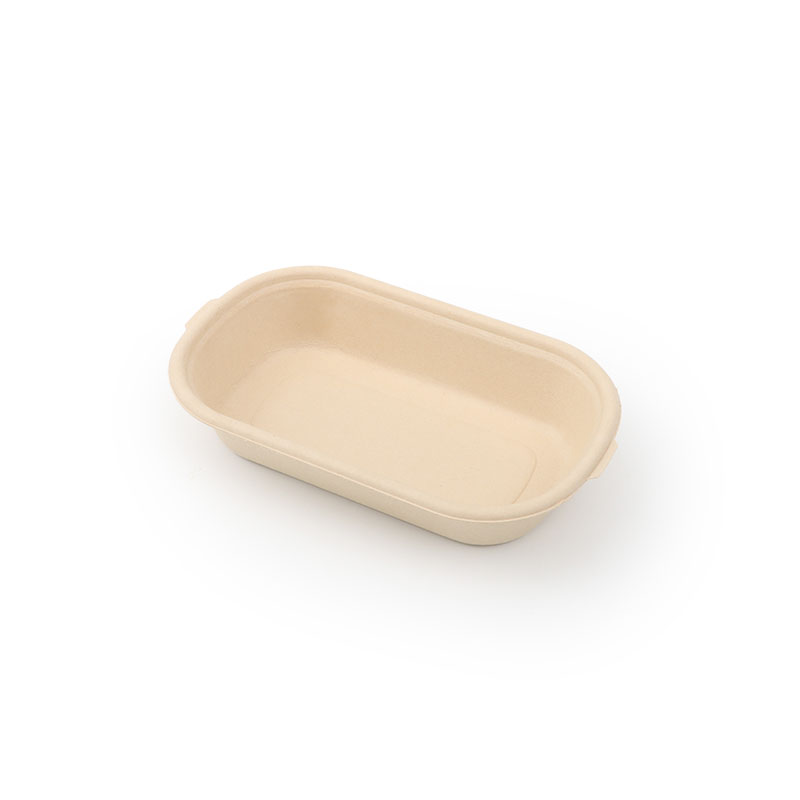 500ml
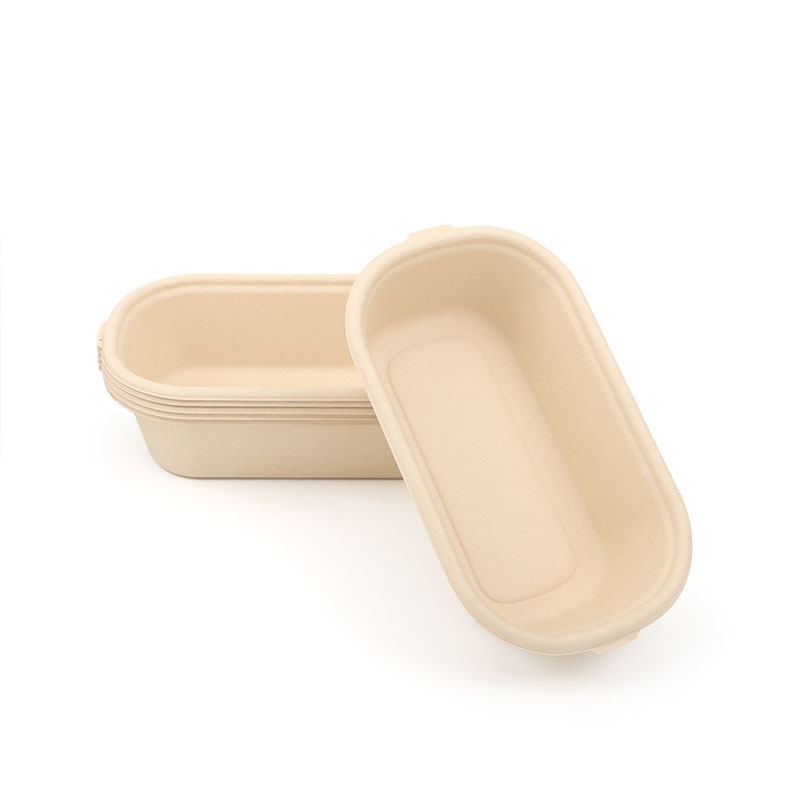 700ml
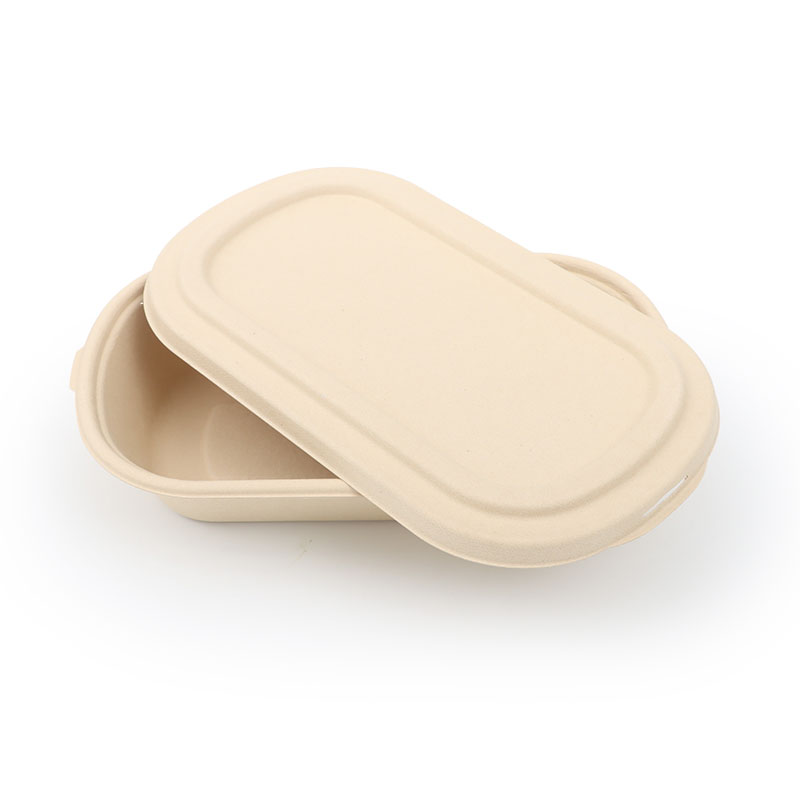 850ml
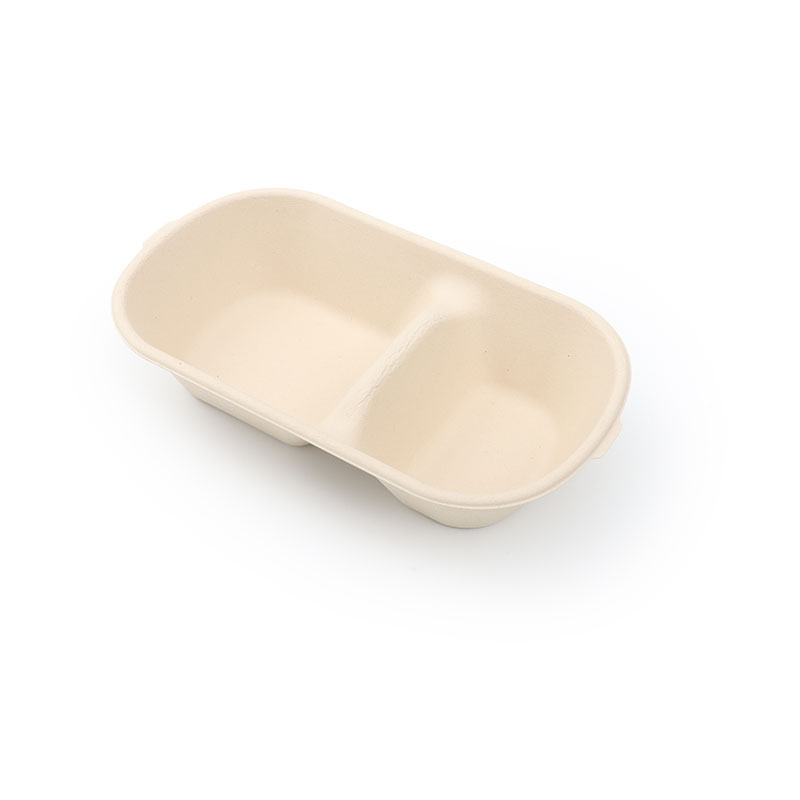 800ml 2 Compartments
 1000ml 2 Compartments
 1100ml
 1000ml Square Lunch Box
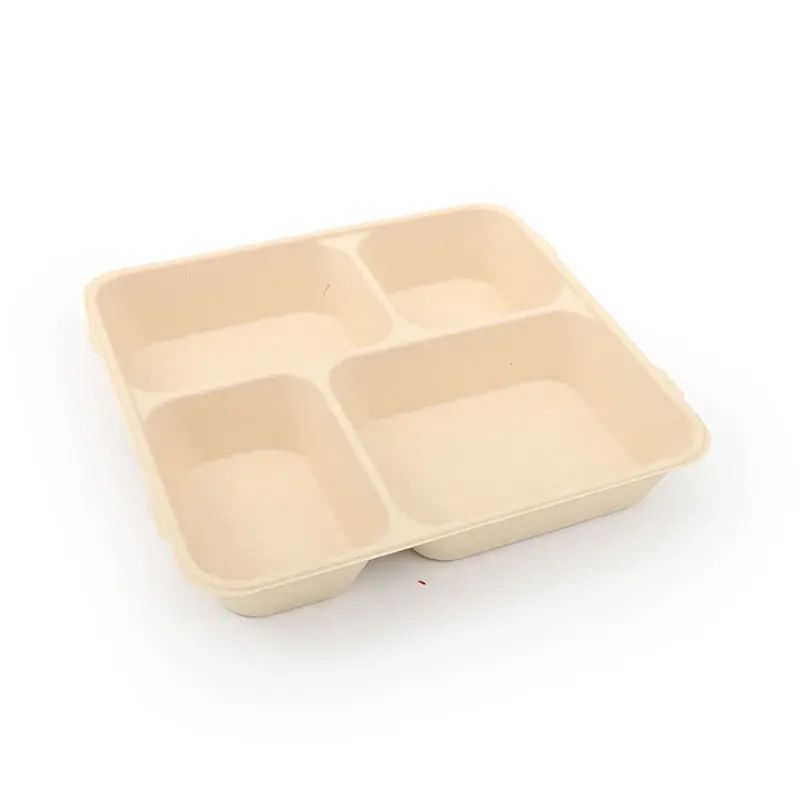 1340ml 4 Compartments
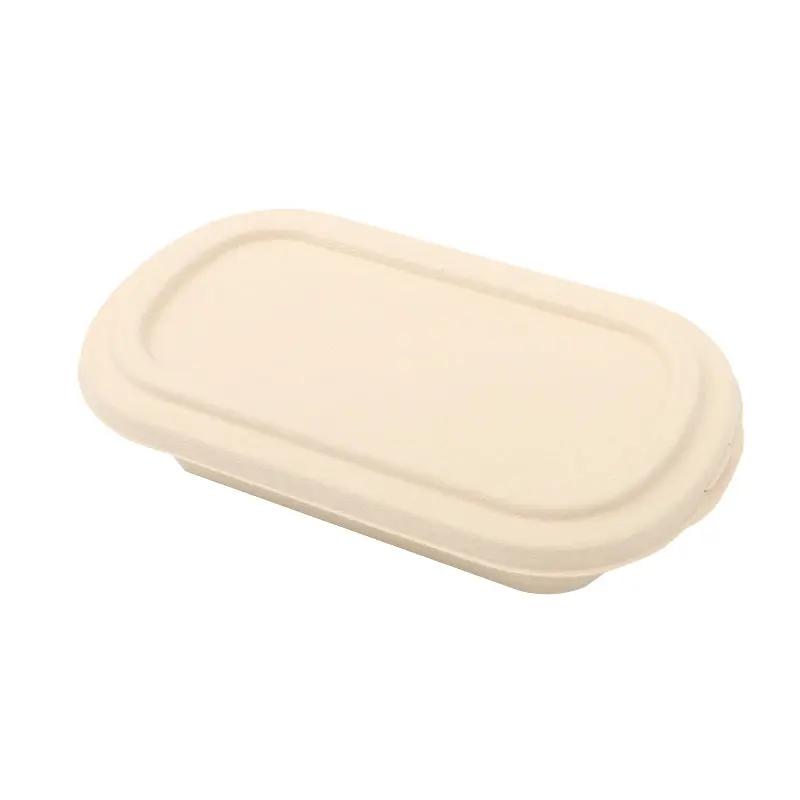 Lunch Box Lid
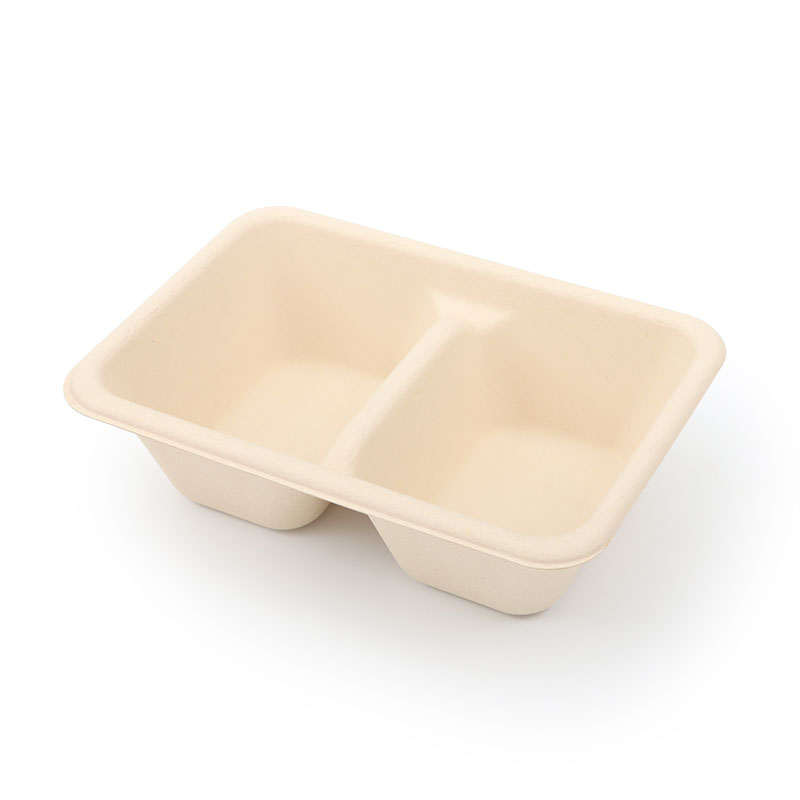 650ml
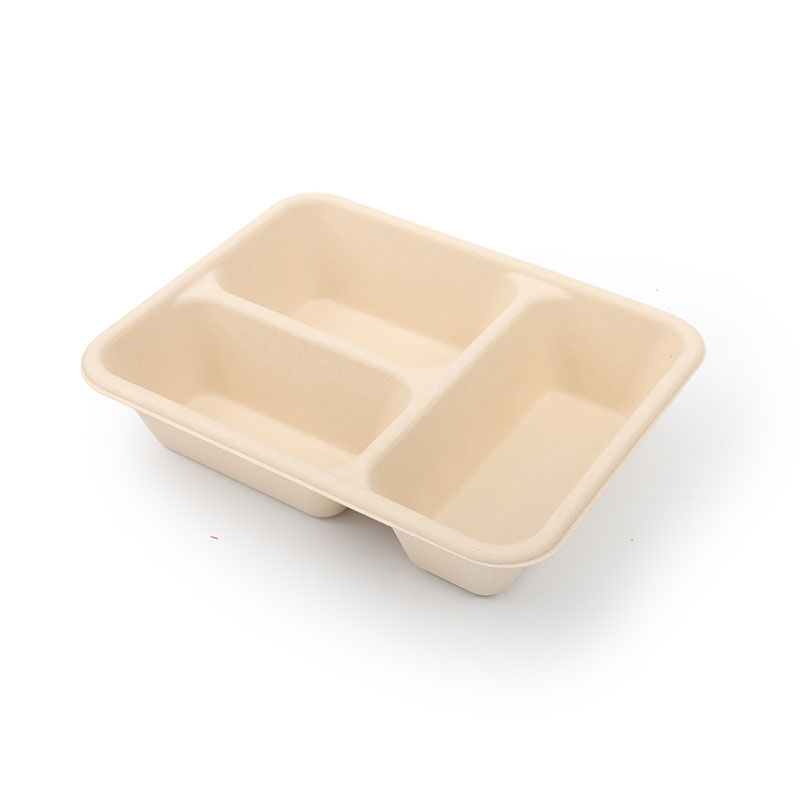 1000ml 3 Compartments
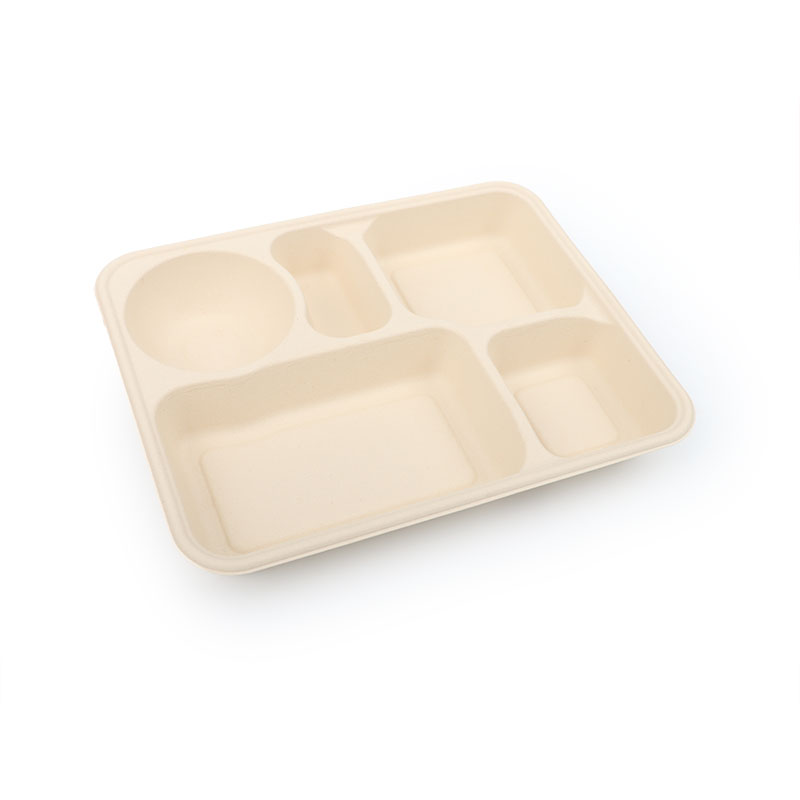 1250ml 5 Compartments
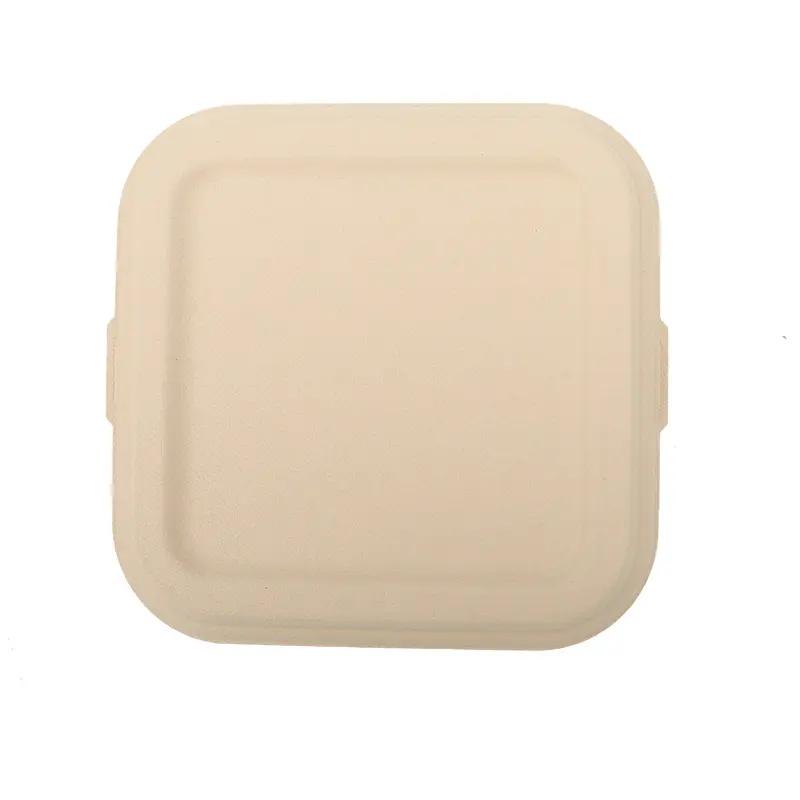 Square Lunch Box Lid
 Box Without T buckle
 850ml Salad Box
 700ml
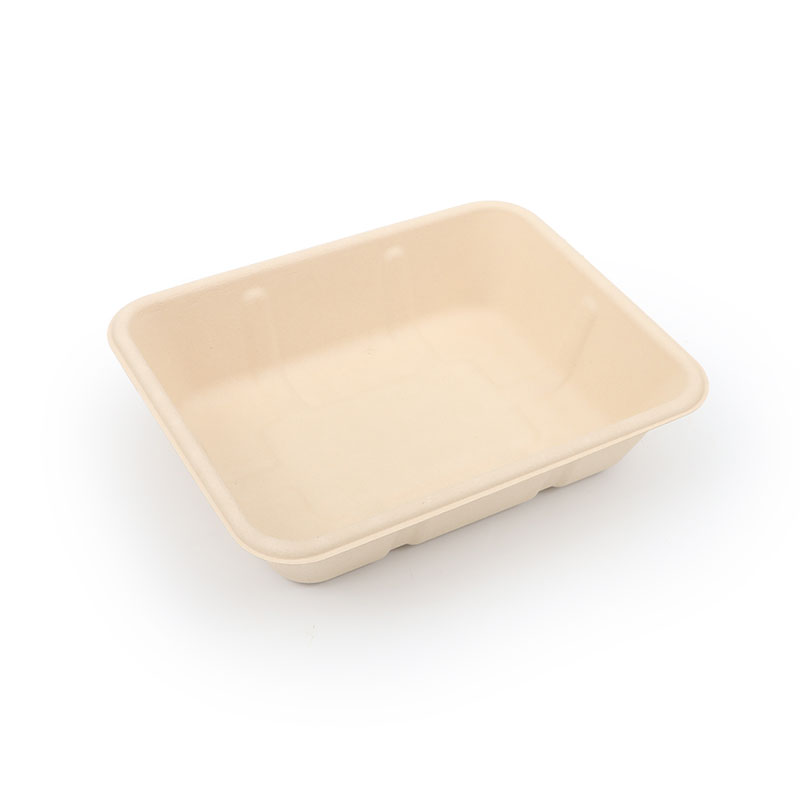 1350ml
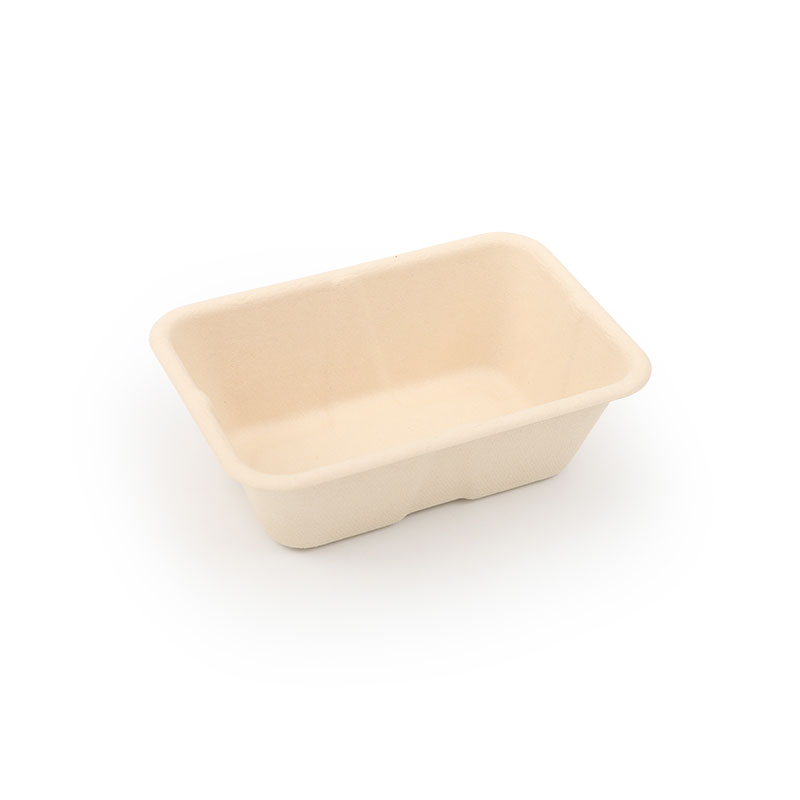 470ml
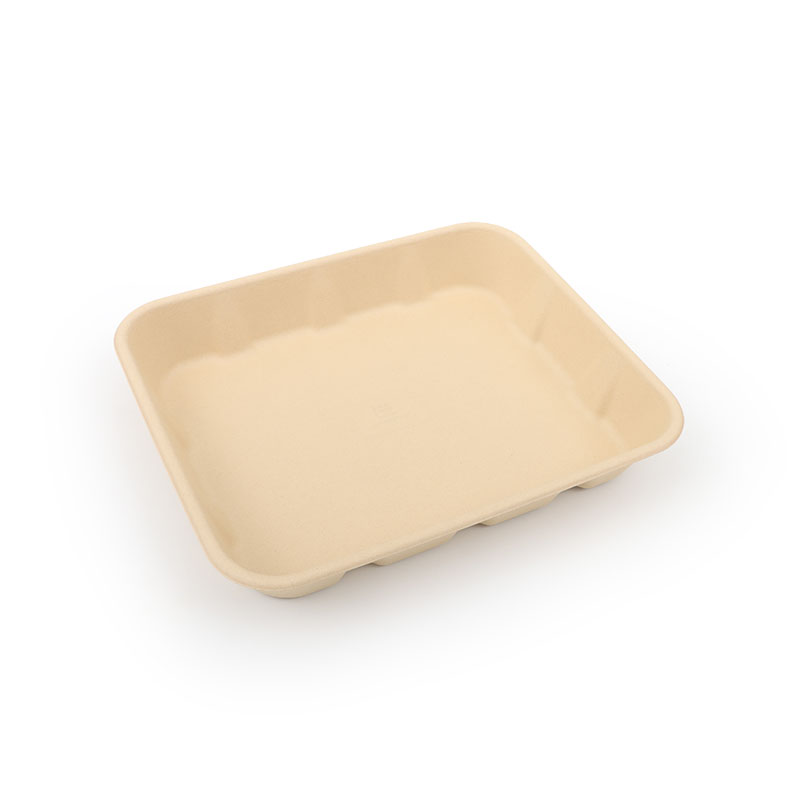 2183ml Tray Box
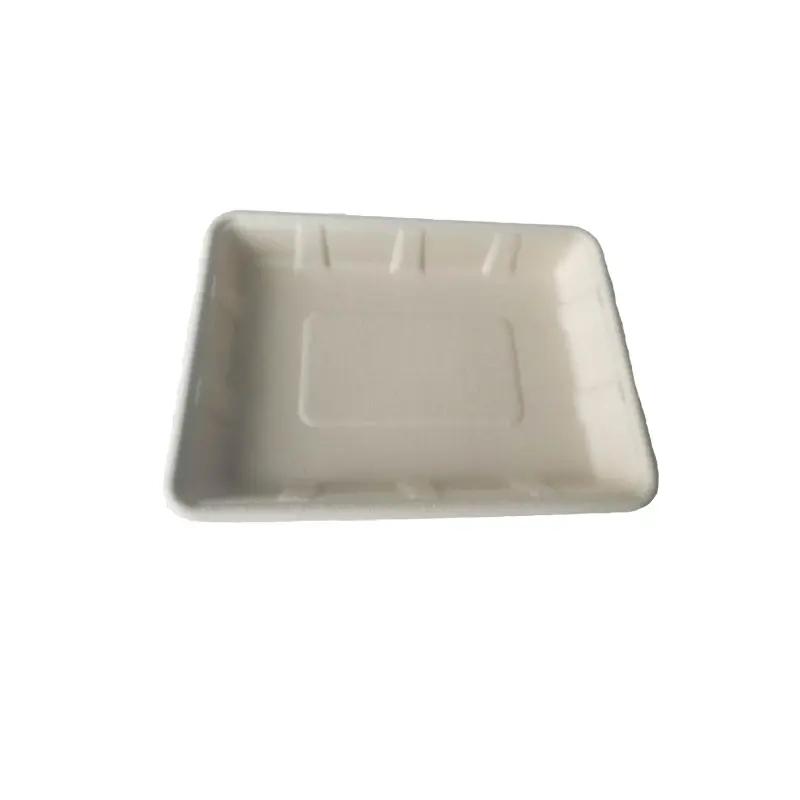 11" * 9"
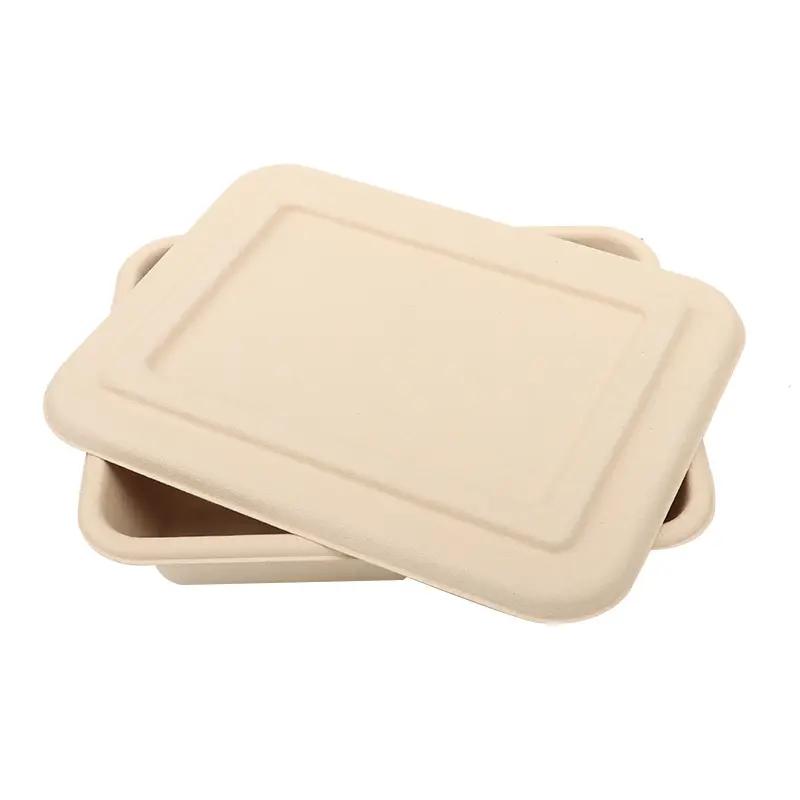 800ml
 One Part Box
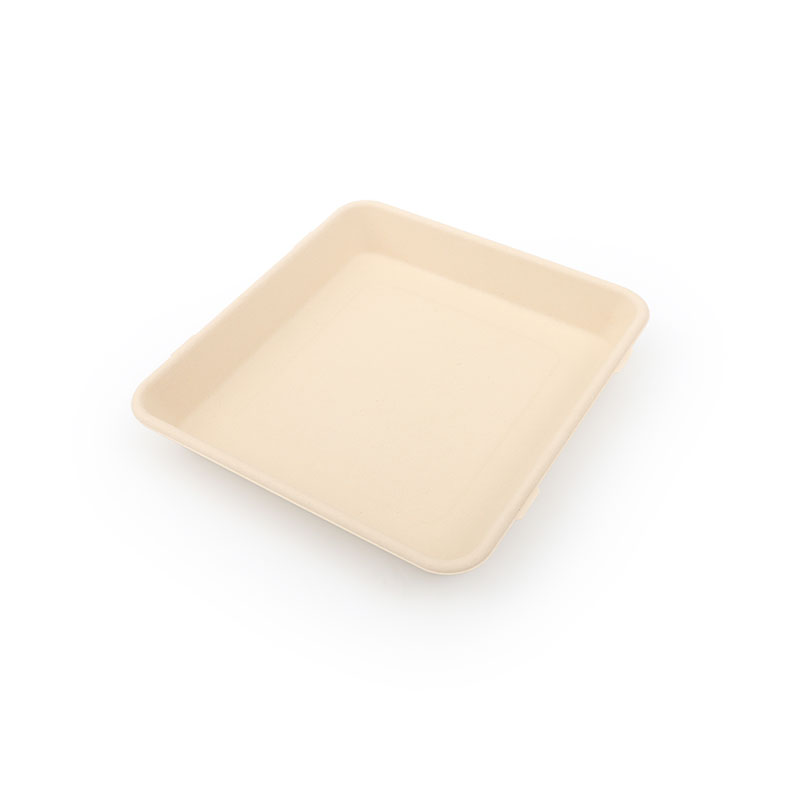 1443ml Tray Box
 Cake Bread Snack Tray Series
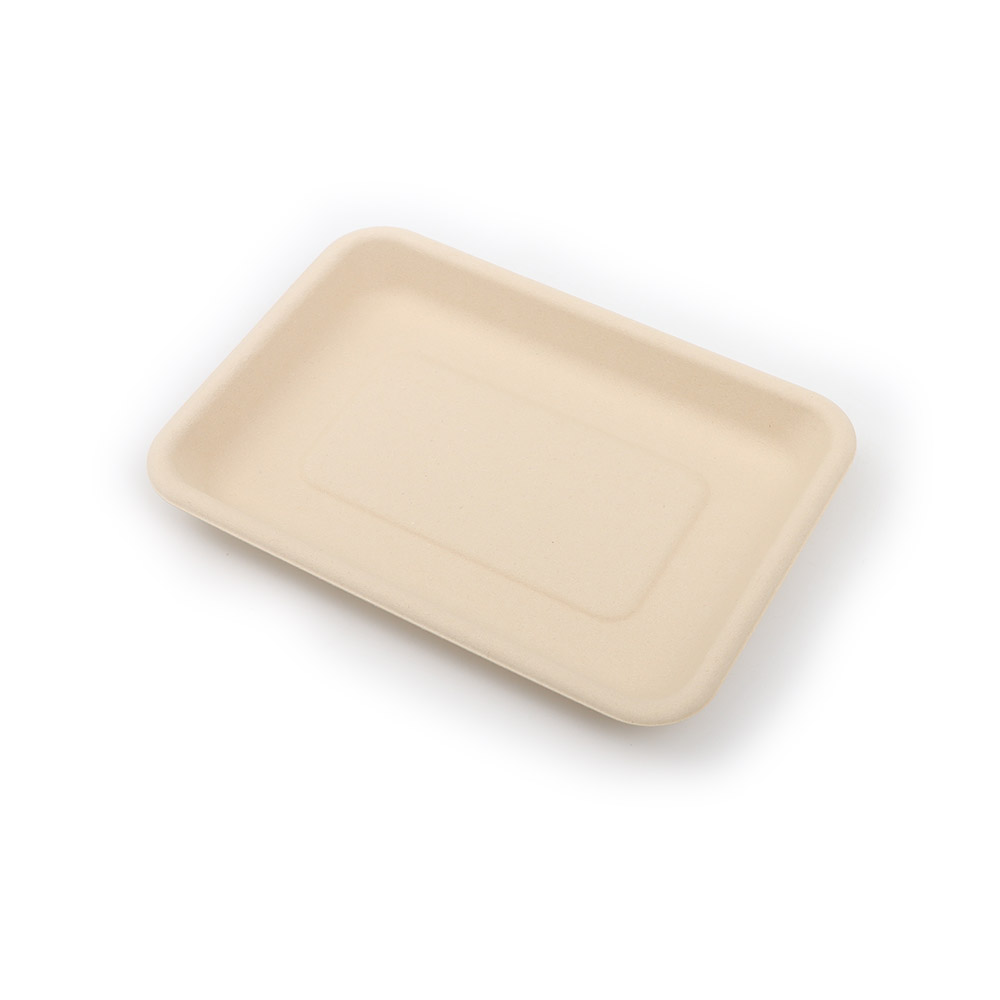 5" * 7" natural color
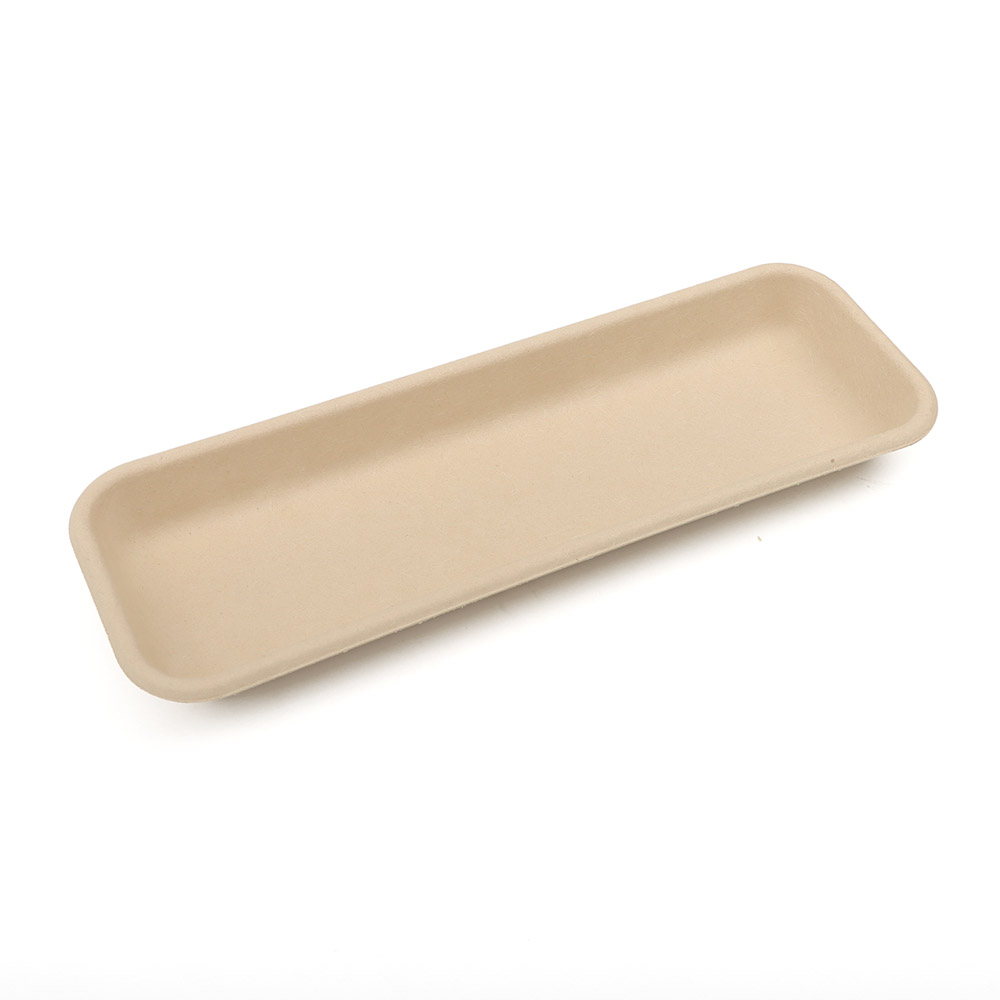 11.4" * 3.9"
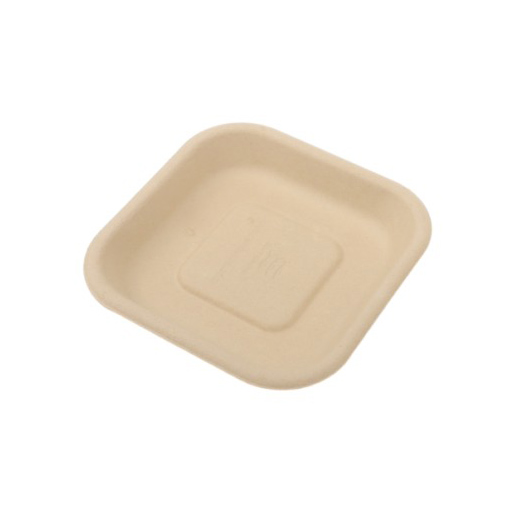 5.3" * 5.3"
 Fruit And Vegetable Tray Series
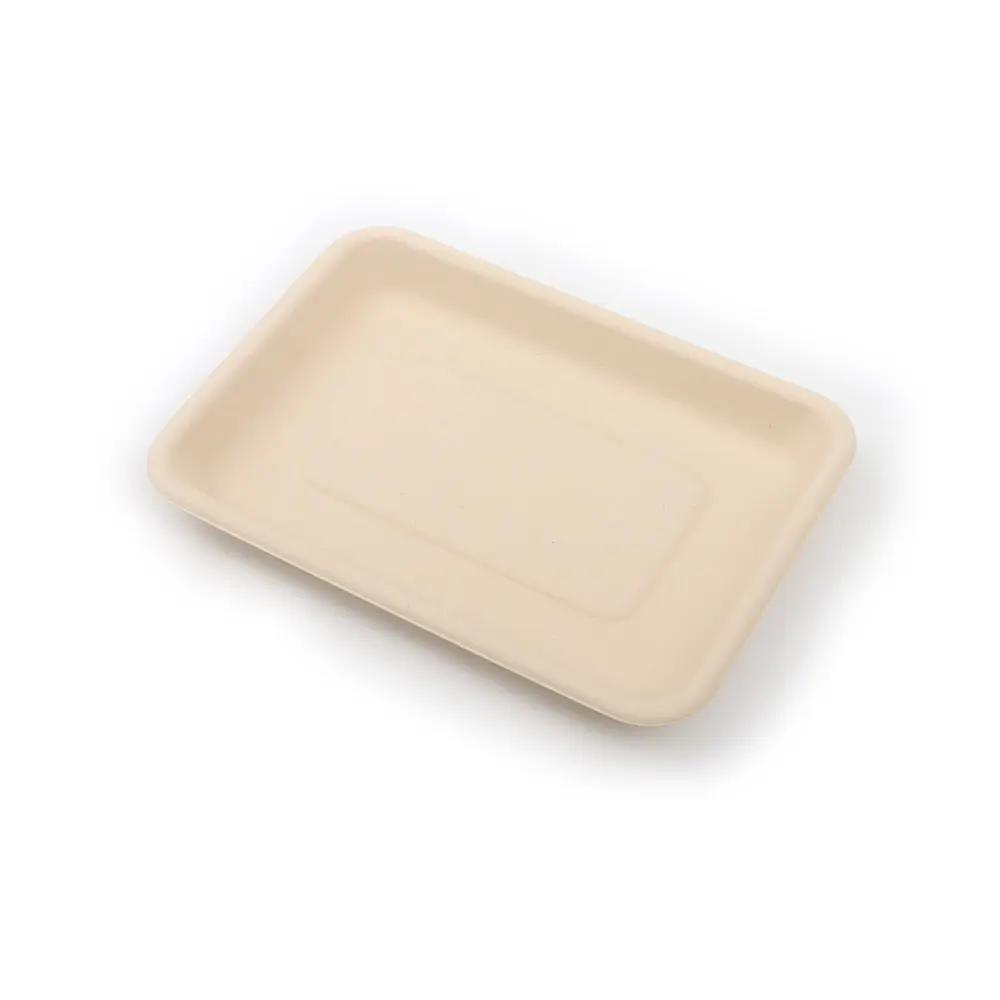 8.6" * 5.3"
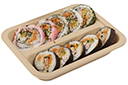 Sushi Tray Series
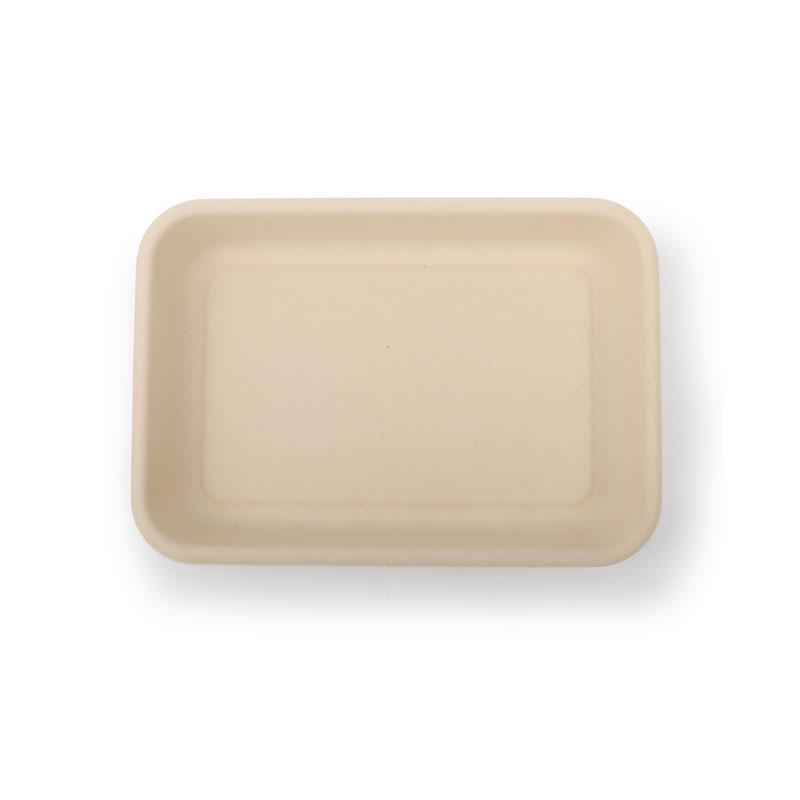 200" * 140"
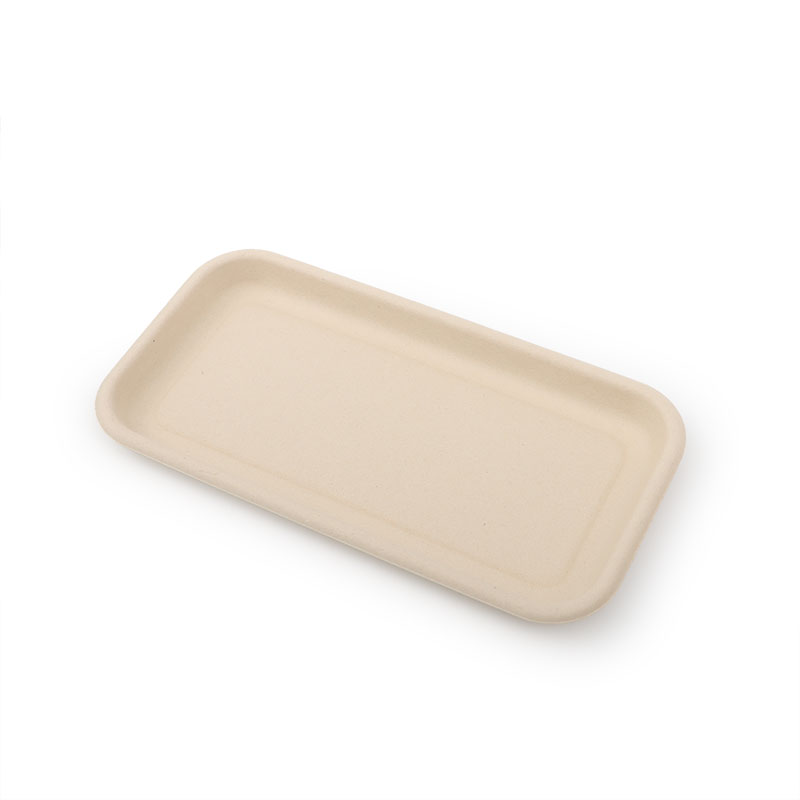 210" * 110"
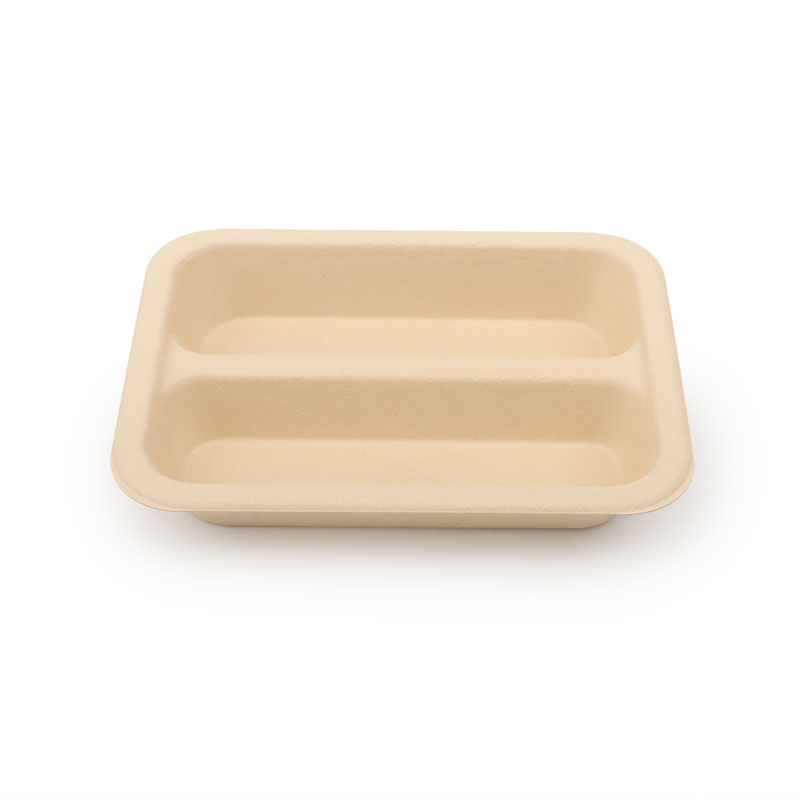 2 Compartments
 Small Round Plate Series
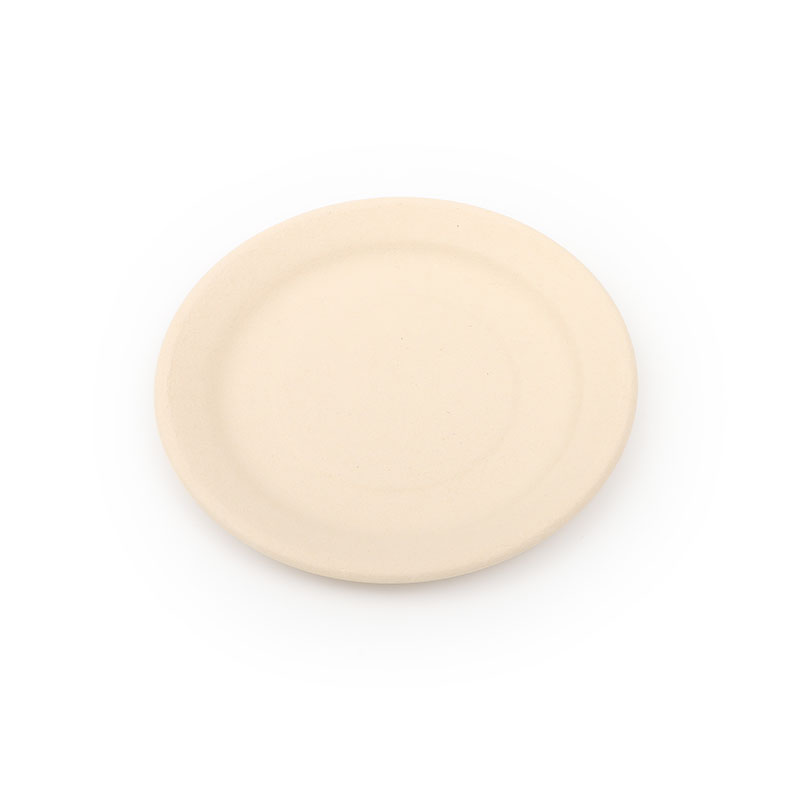 7 inch
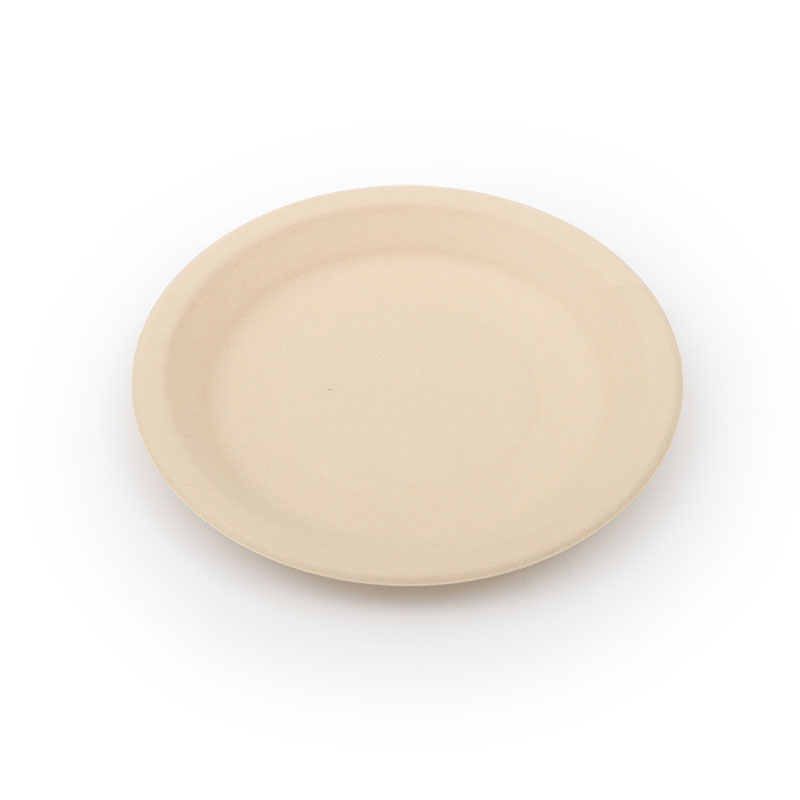 6 inch
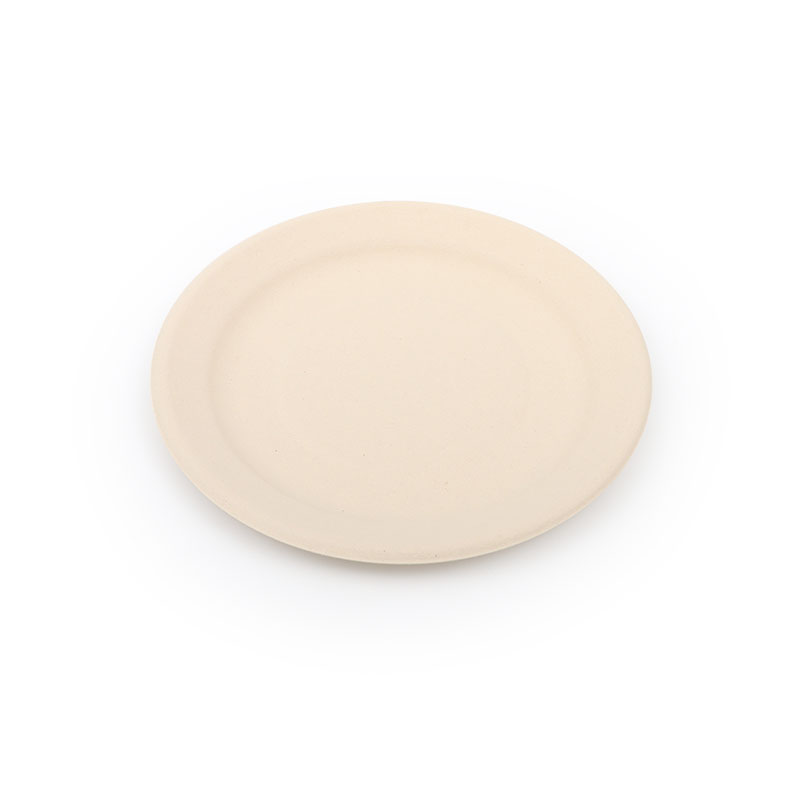 8 inch
 Middle Round Plate Series
 9 Inch 3 Compartments
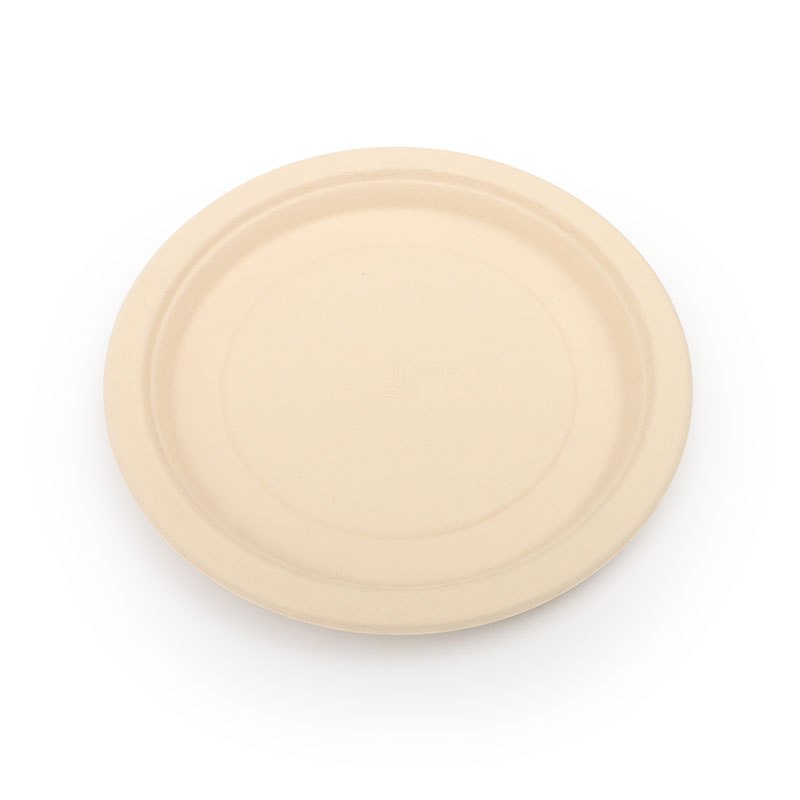 9 inch
 Big Round Plate Series
 12.7 Inch Pizza Plate
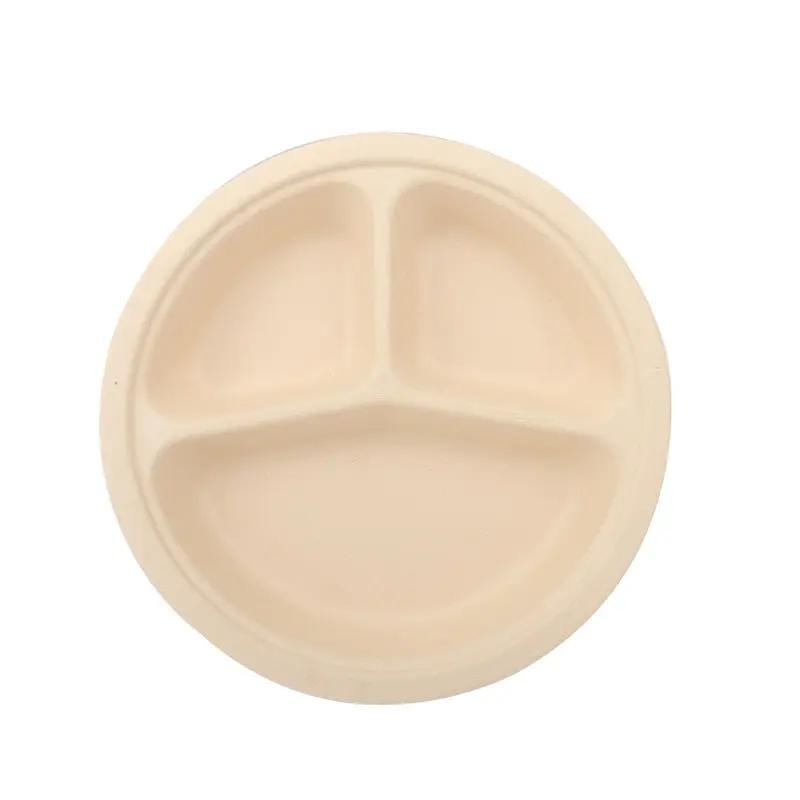 10.25 inch 3 Compartments
 10 inch
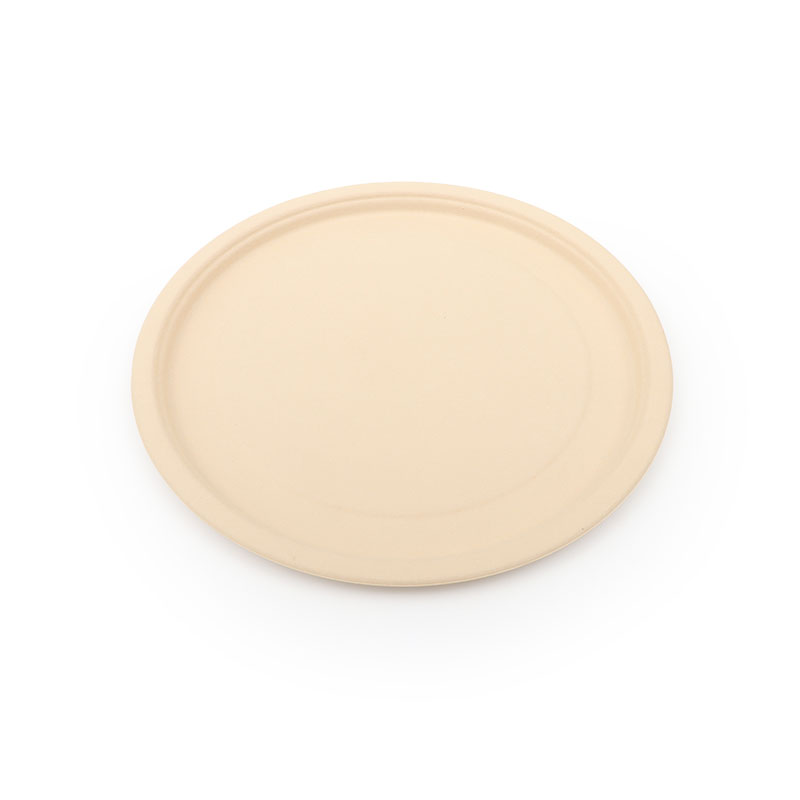 12 inch
 Bigger Bowl
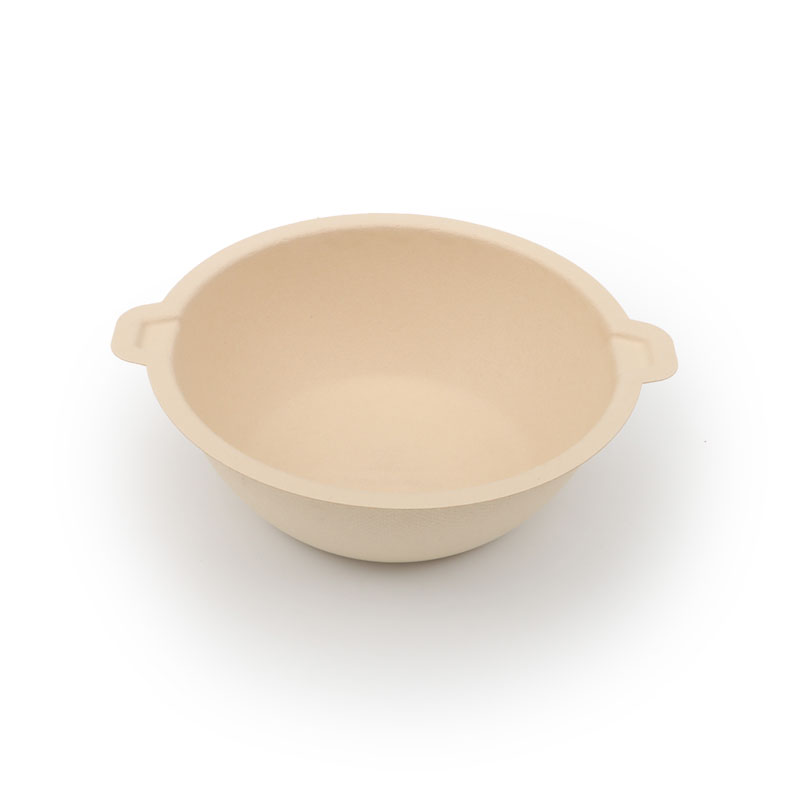 48oz(1420ml)
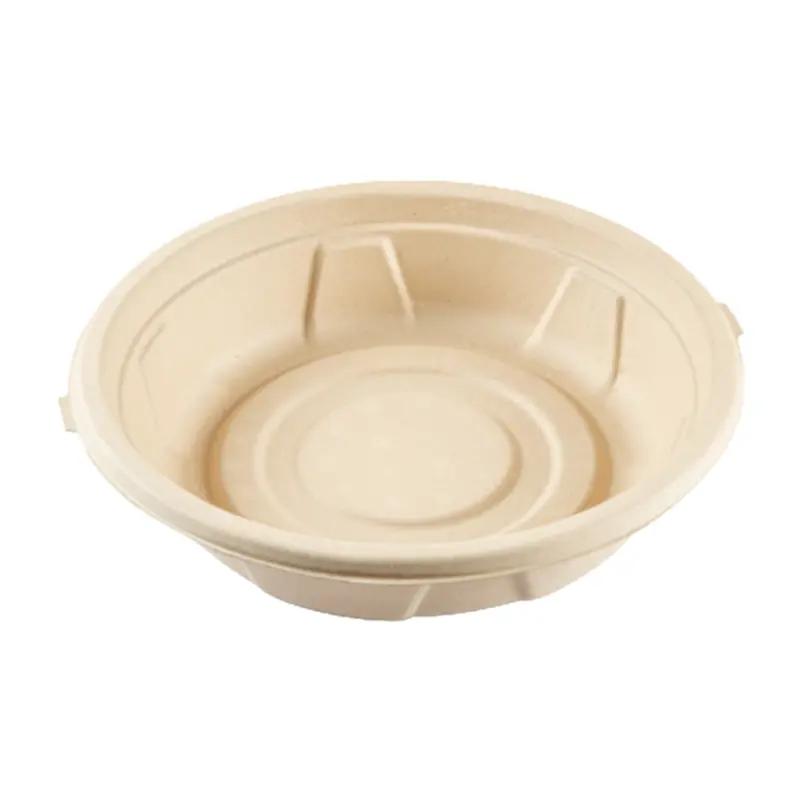 56oz(1650ml)
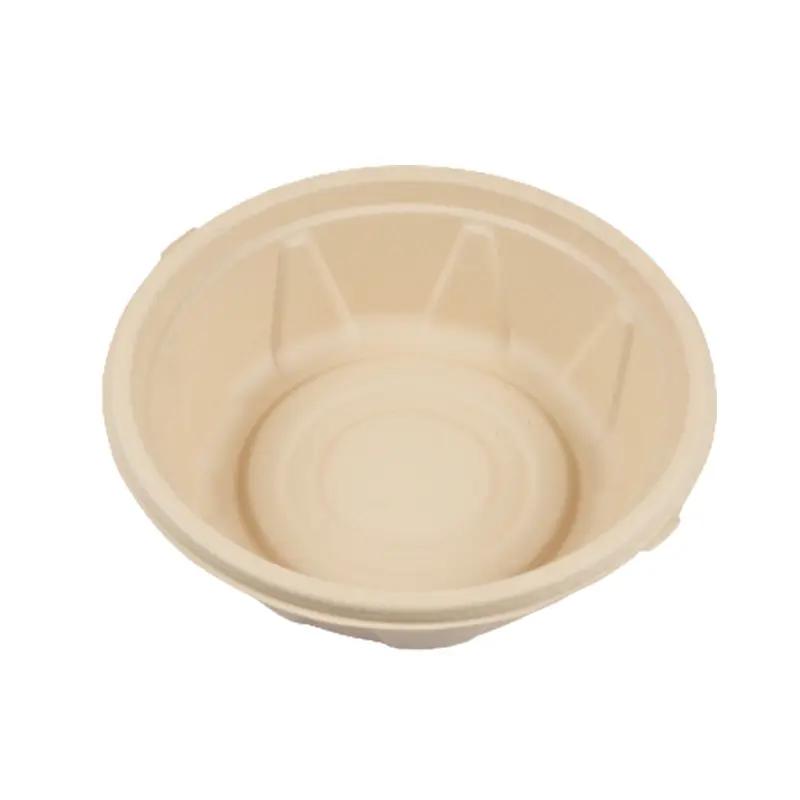 100oz(2950ml)
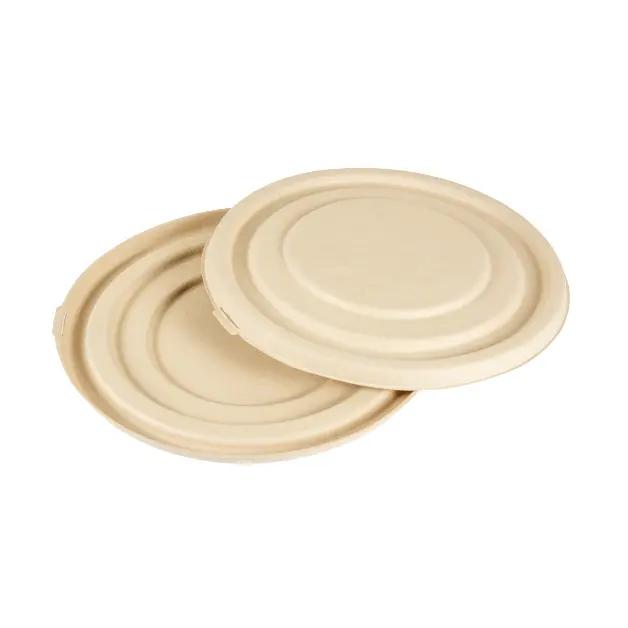 100oz(2950ml) With Lid
 Middle Bowl
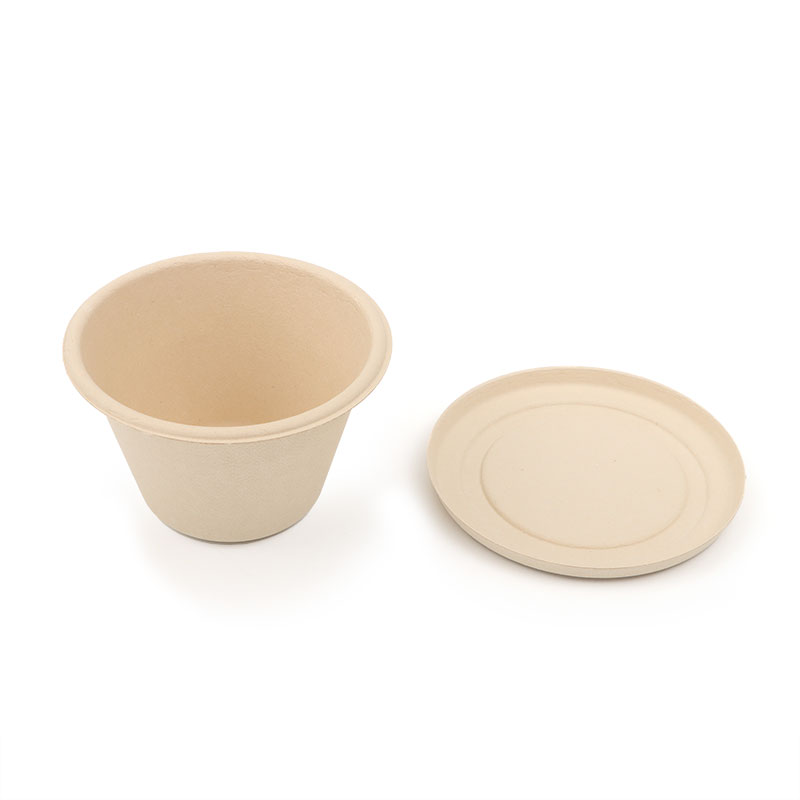 17oz(500ml)
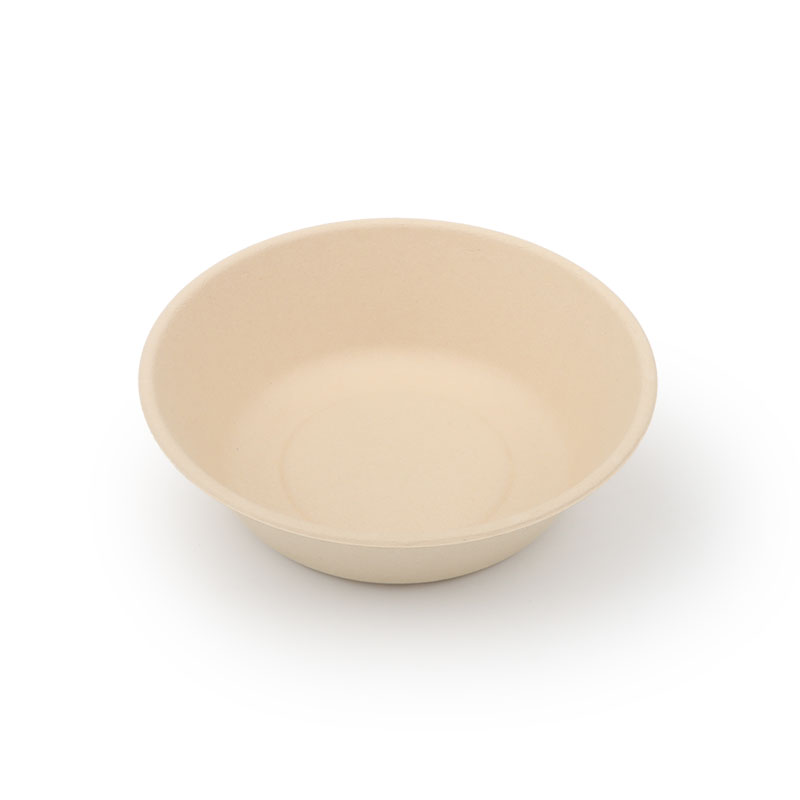 27oz(800ml)
 20oz(600ml)
 29oz(850ml)
 17oz(500ml) With Lid
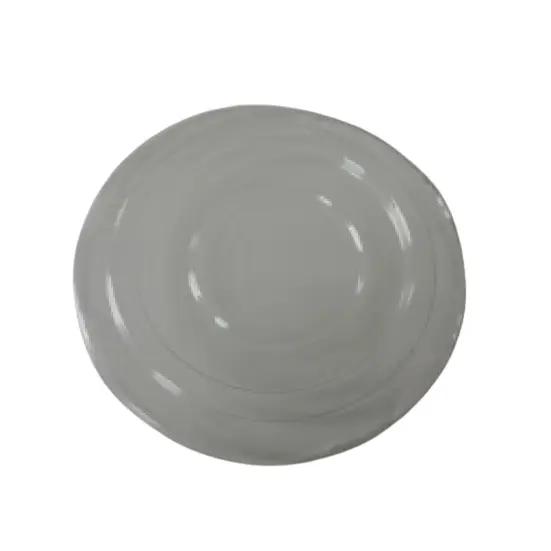 17oz(500ml) PET Lid
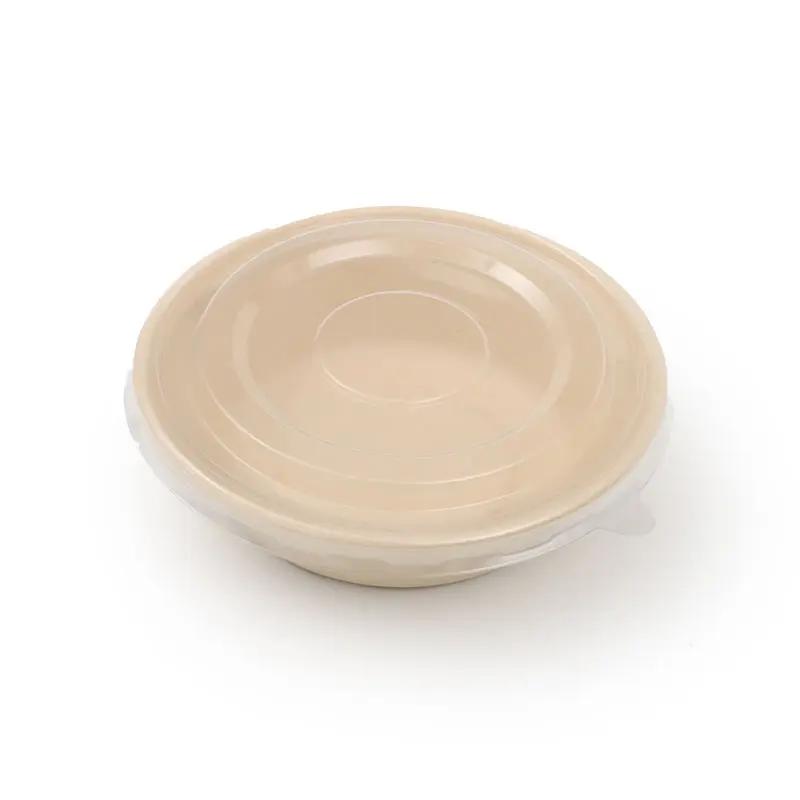 28oz(830ml) PET Lid
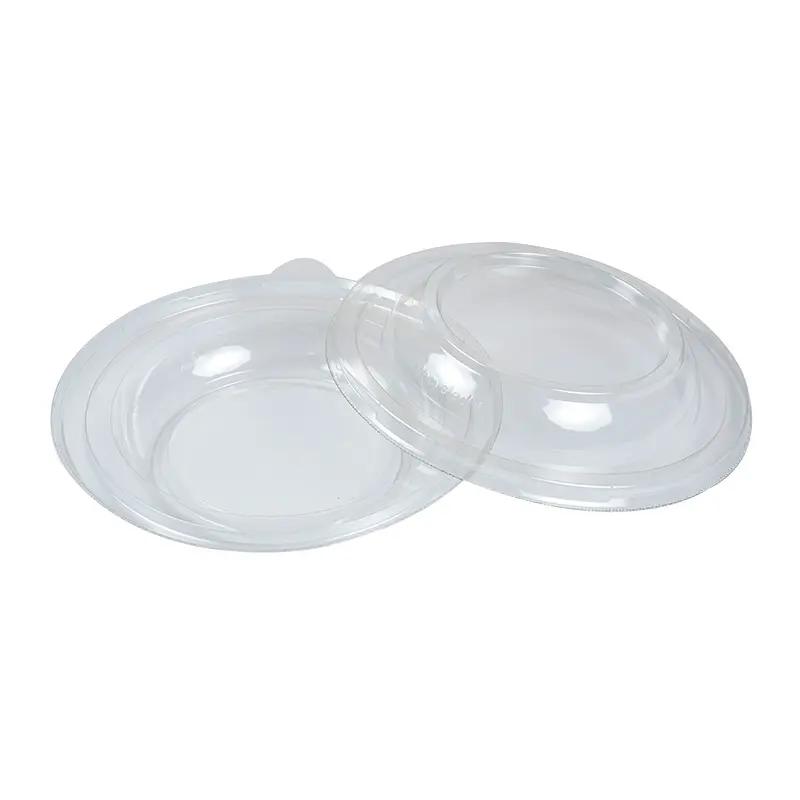 Round Bowl PET
 Small Bowl
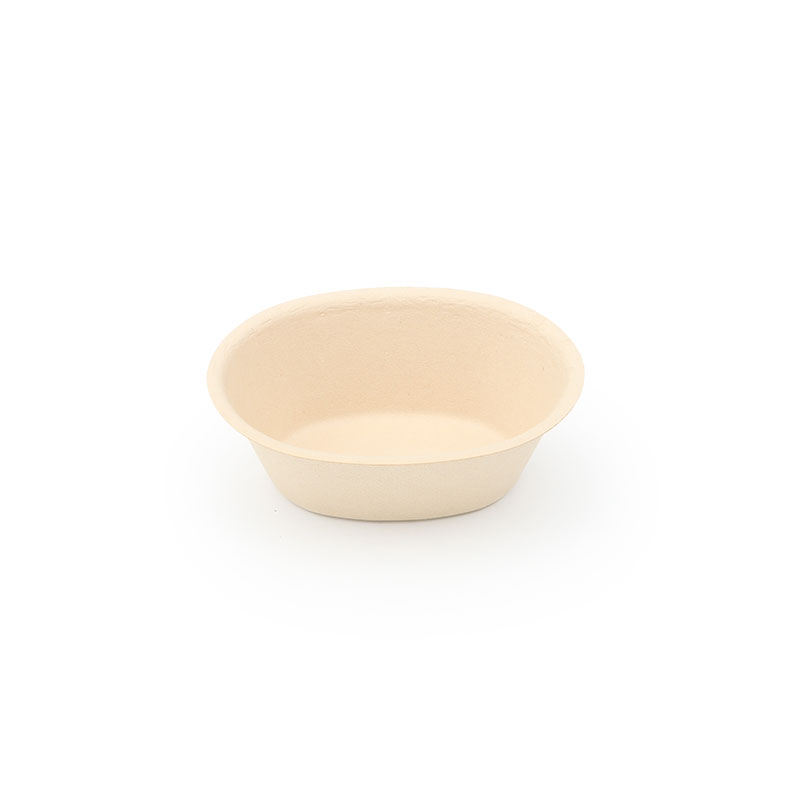 Snack Bowl
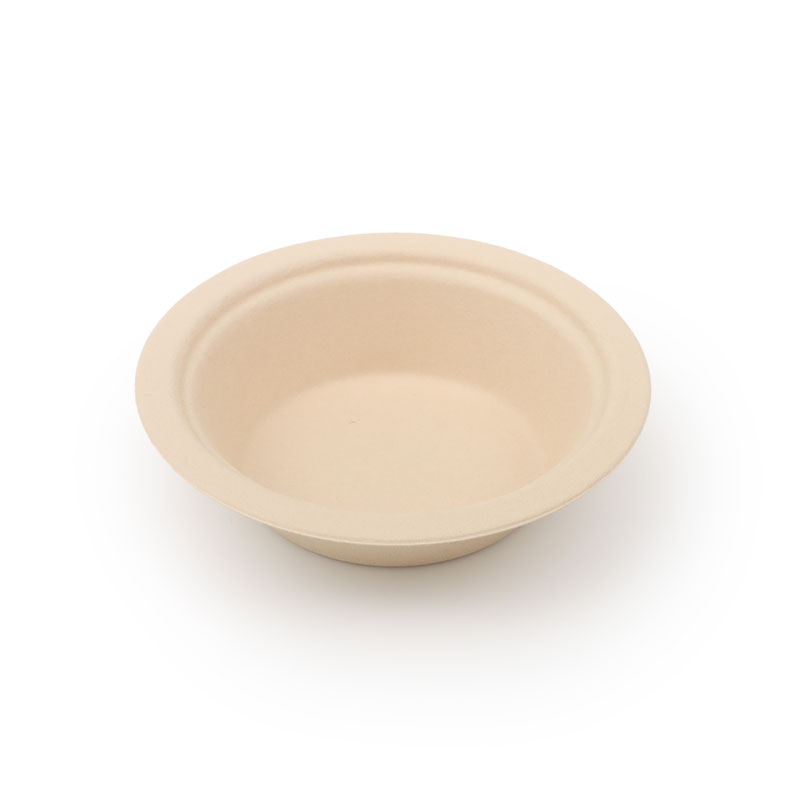 11.5oz(340ml) Bowl
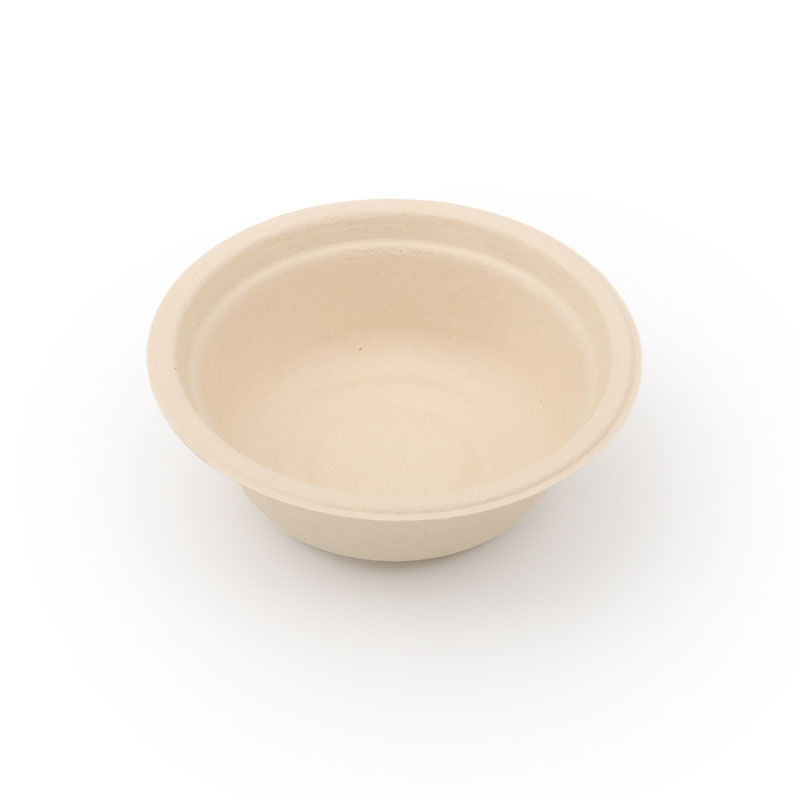 6.7oz(200ml) Bowl
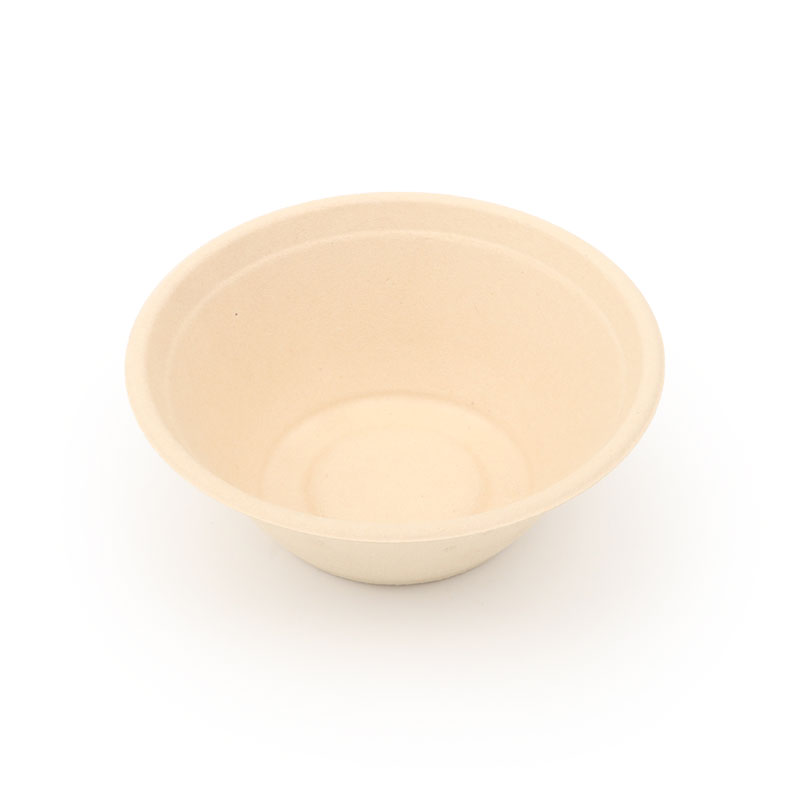 12oz(350ml) Bowl
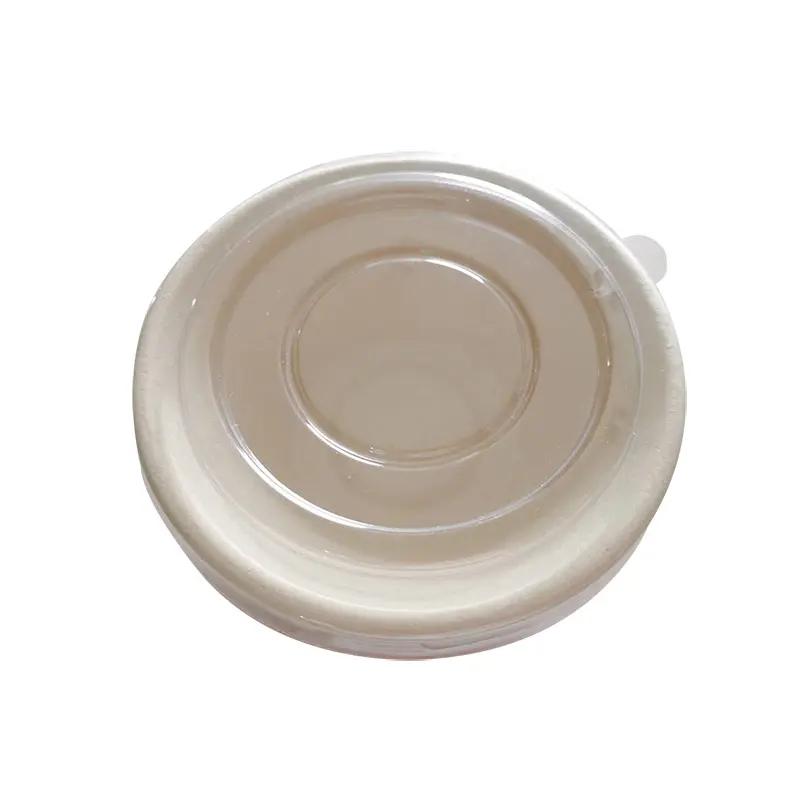 12oz(350ml) Bowl PET
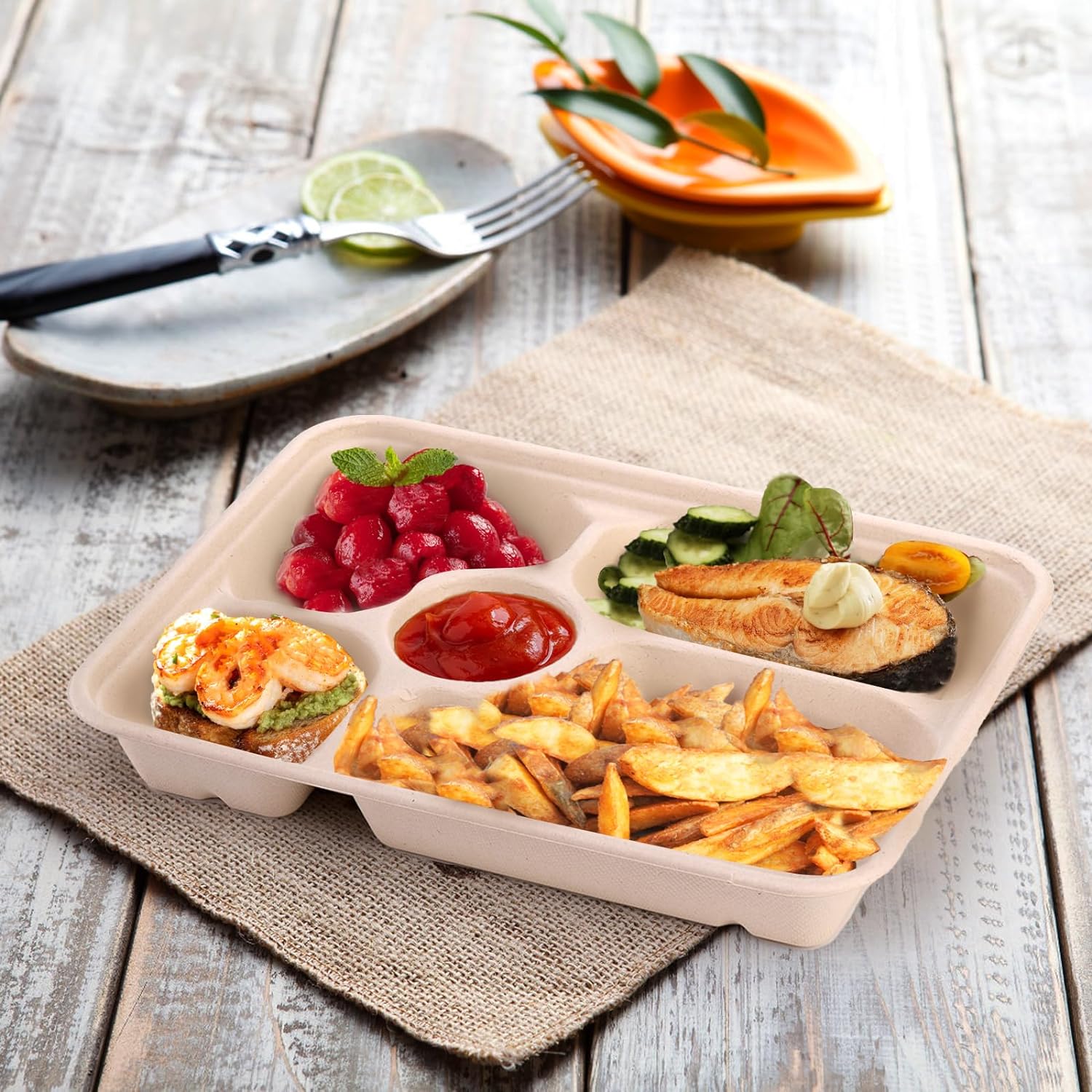 Bagasse Lunch Boxes
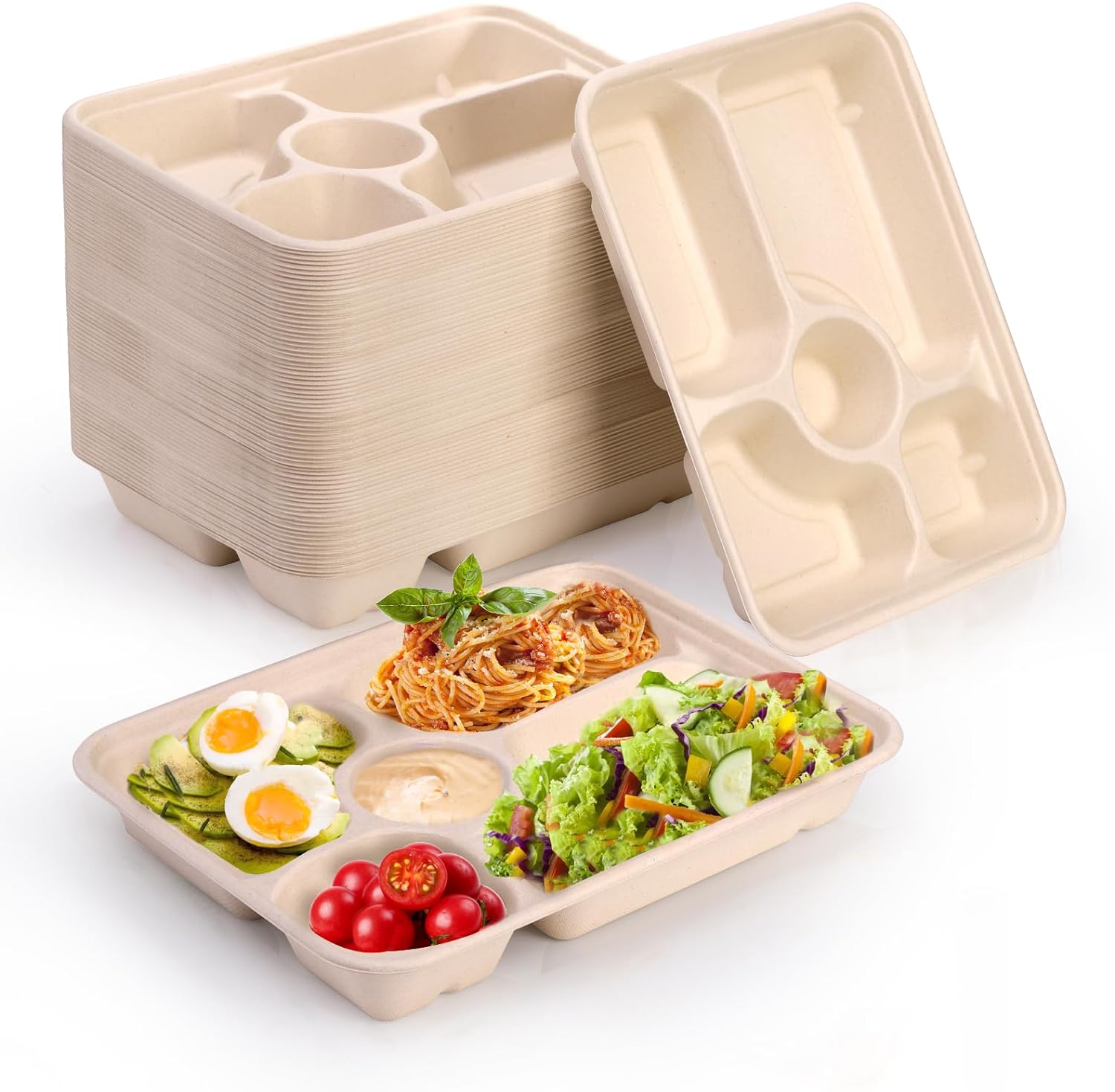 5CP
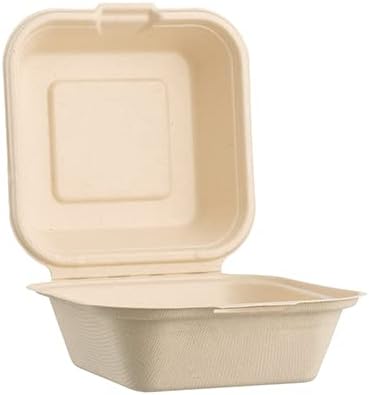 6 inch
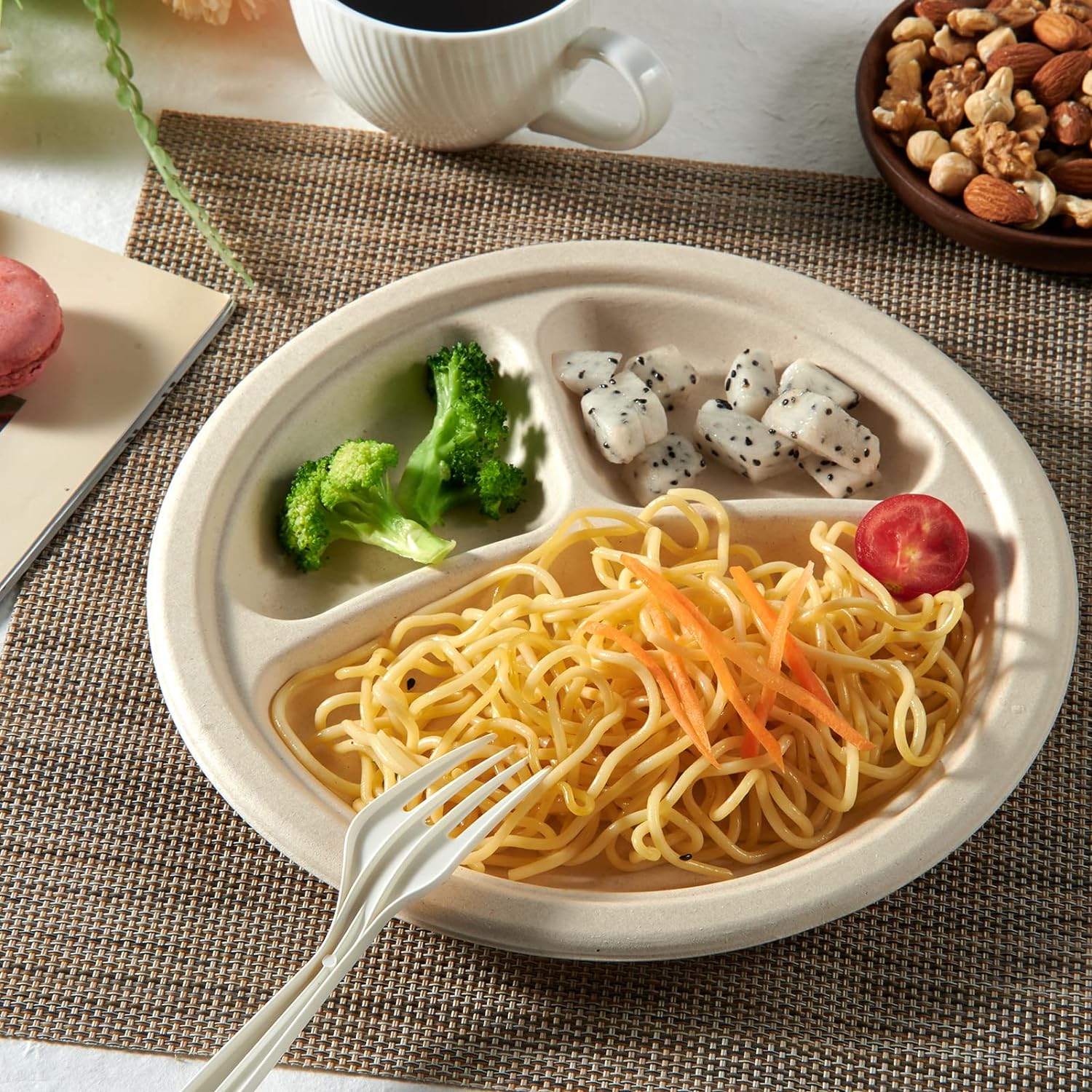 Bagasse Food Plates
 7 inch
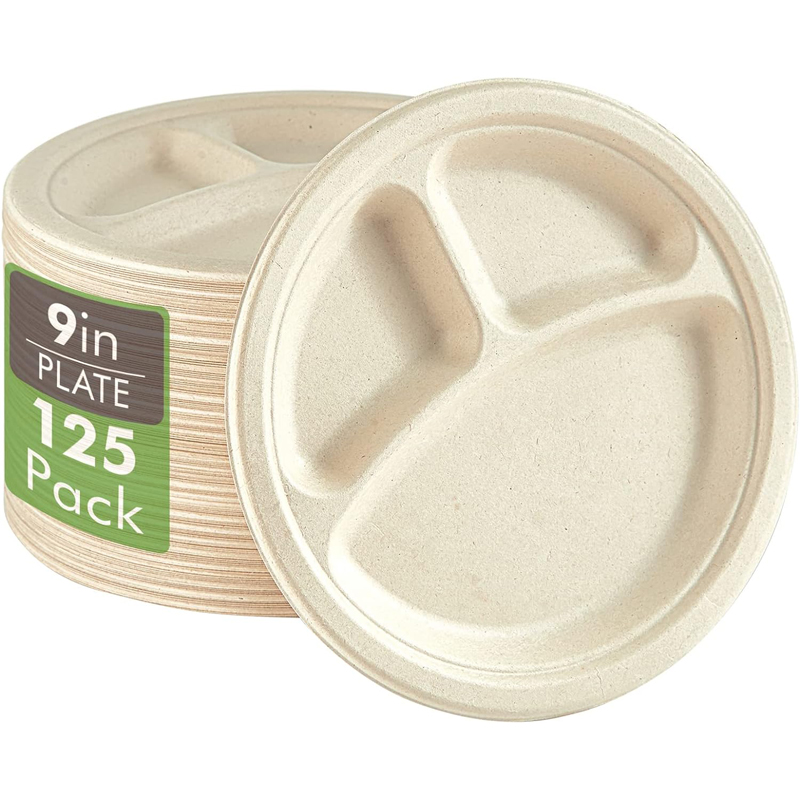 3CP
 Bagasse Bowls
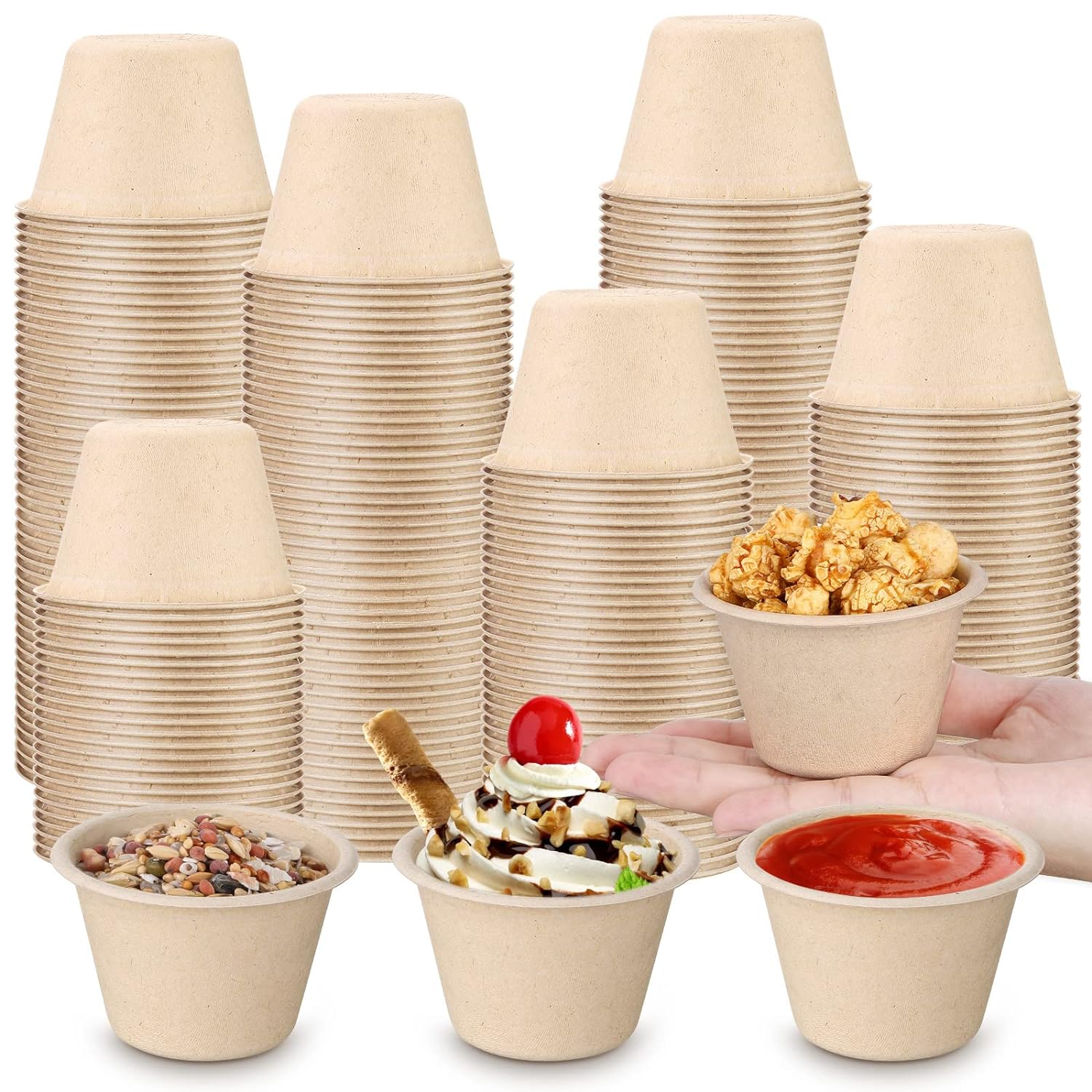 4oz
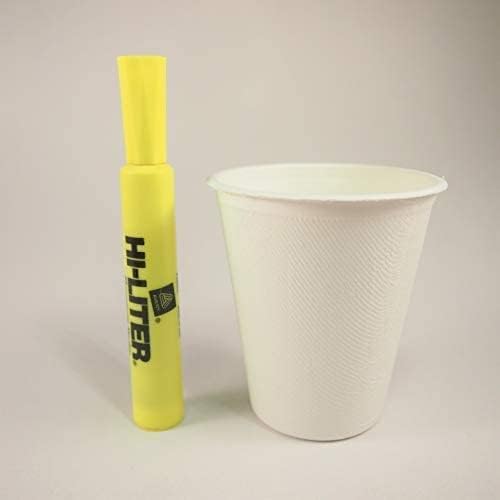 Bagasse Cups And Cutlery
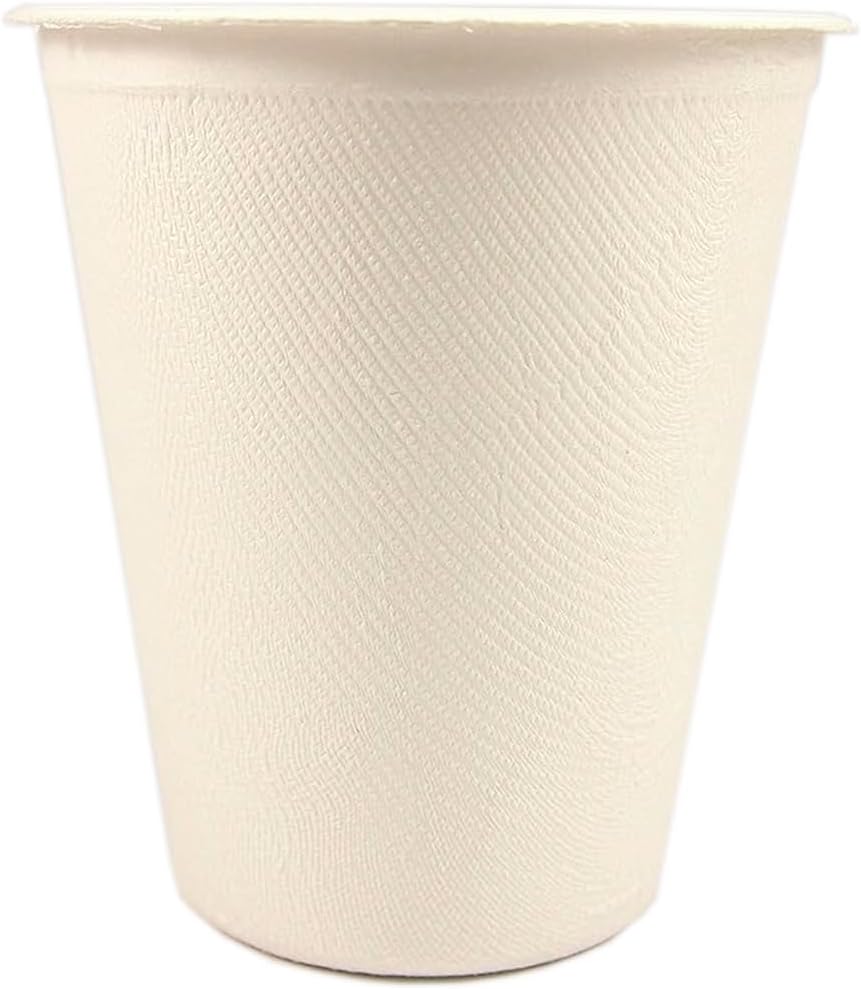 8oz
 12oz
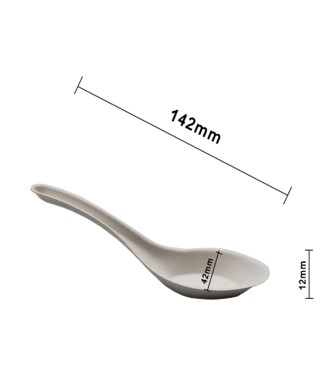 Cutlery
Leave Your Message
Engineered for hot street noodles, grilled skewers, saucy delicacies, and grab-and-go kiosk portions, maintaining taste, crispness, and aroma without chemical preservatives.


The global street food and quick-serve gastronomy industry is undergoing a monumental transformation. Valued at hundreds of billions of dollars across metropolitan street markets, night bazaars, food truck rallies, and ghost kitchen networks, street food is no longer restricted to immediate on-the-spot cooking. Urban consumers increasingly demand the authentic, vibrant flavors of street gourmet—ranging from charcoal-grilled satays, Mexican street tacos, and steamed dim sum to spicy wok-tossed noodles—in hygienic, grab-and-go, ready-to-heat formats.
However, street food has historically suffered from high perishability, rapid microbial spoilage, sauce leakage, and texture degradation caused by lipid oxidation and ambient moisture exposure. Modified Atmosphere Packaging (MAP) has emerged as the definitive industrial solution bridging the gap between street food artisan cooking and industrial-scale food logistics. By displacing ambient air within hermetically sealed bio-composite containers with an optimized gas mixture (Carbon Dioxide CO₂, Nitrogen N₂, and precise Oxygen O₂ ratios), street food operators can extend product shelf-life by 200% to 500% without synthetic chemical preservatives.
Central Kitchen to Street Kiosk Logistics: Modern street food restaurant chains leverage central production kitchens where specialty street dishes are batch-prepared, flash-chilled, and gas-flushed inside biodegradable MAP trays. Decentralized street kiosks, vending lockers, and micro-hawker stalls simply scan, reheat, and serve in under 90 seconds, slashing in-stall labor overhead and ensuring consistent culinary quality across hundreds of locations.
Night Market Shelf-Life & Food Waste Minimization: Street vendors frequently face severe food waste due to unpredictable foot traffic and rapid spoilage of prepped raw meats and cooked ingredients. With hermetically sealed MAP molded bamboo bowls, unsold high-value inventory remains pristine for up to 7–14 days under standard refrigeration, directly converting product loss into merchant profit margins.
Ghost Kitchens & Ultra-Fast Delivery Aggregators: In delivery-first environments, conventional vented paper or flimsy plastic boxes allow soups to spill, fried items to turn soggy, and food temperatures to plummet. Modified atmosphere food packaging ensures that pressure differentials during transit do not burst the package, preserving food texture and steam balance until unboxing.
In the field of environmentally friendly packaging for 18 years, Has established cooperation with 500+ brands.
Through our research and development, there are more than 60 products can product, we also support OEM ODM customized services.
Exported to the United States, Europe, Australia, Canada and other countries, right now we have exported more than 30 countries.
10000+ square meters factory area, more than 30 patent certificates, 10 foreign authoritative certification, 55 automatic forming machines...
Kangxin (HaiMen) Environmental Technology Co., Ltd. is a technology innovation oriented enterprise that focuses on disposable environmentally friendly tableware and food packaging.
We have advanced production processes and equipment, and continue to attract senior talents, focusing on environmental protection, emphasizing safety, and ensuring quality.
READ MORE ABOUT KANGXINEATware is committed to sustainable development, using all natural plant fibers to produce safe, healthy and environmentally friendly tableware. Adhering to the concept of "take nature, serve humanity, return to nature", we focus on the development of safe, high quality and environmental standards.
EATware emphasizes environmental protection and sustainable development, explores the balance between enterprise survival and environmental protection, and uses all-natural and pollution-free bamboo fiber as the main material of tableware to ensure that its products meet the high technical level and are superior to developed countries.
Stay updated with the latest packaging engineering insights, structural validation methods, and global manufacturing dynamics.
The most reliable way to test disposable food containers is to combine leakage testing with structural testing under conditions that reproduce the intended food application. A container should not be approved simply because it holds water for several minutes or survives an empty compression tes...
read more →For foodservice operators, replacing conventional plastic packaging is not simply a matter of changing materials. Disposable biodegradable tableware must still withstand hot food, sauces, oils, condensation, stacking, transport, and commercial handling without losing structural integrity. Poorl...
read more →With growing global demand for takeaway meals and eco-friendly packaging, China’s manufacturing sector has become a major hub for disposable food containers. Today’s food businesses - from fast-food chains and meal-delivery services to supermarkets and catering companies - are looki...
read more →Patent Portfolio & Global Compliance Registry
Explore our full line of sustainable, heat-sealable, gas-flushed trays and molded plant-fiber boxes engineered for heavy grease, acidic sauces, and long shelf-life street dishes.
