
 Box With T buckle
 700ml Square Lunch Box
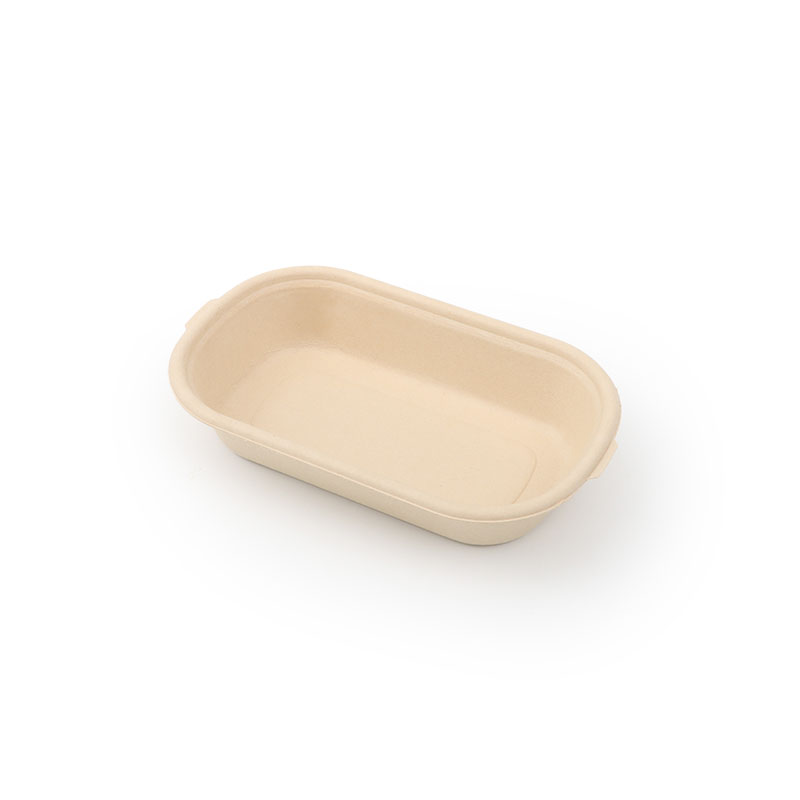 500ml
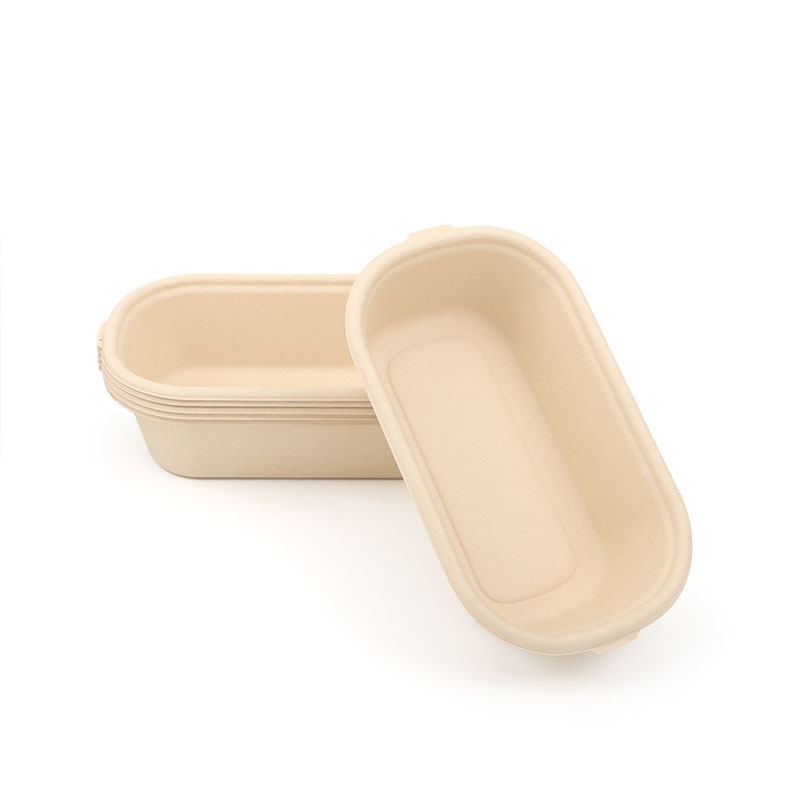 700ml
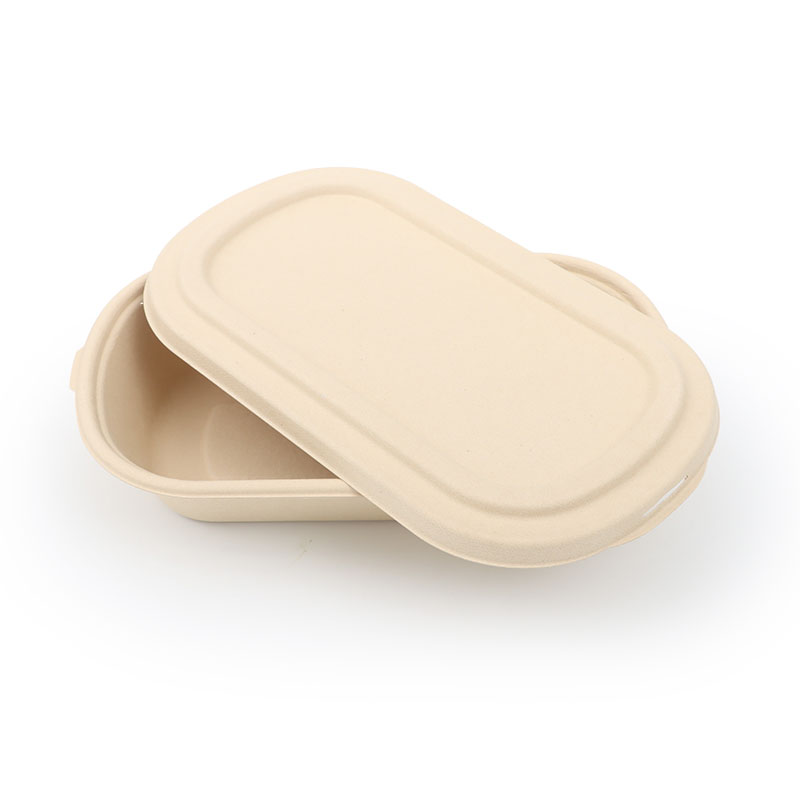 850ml
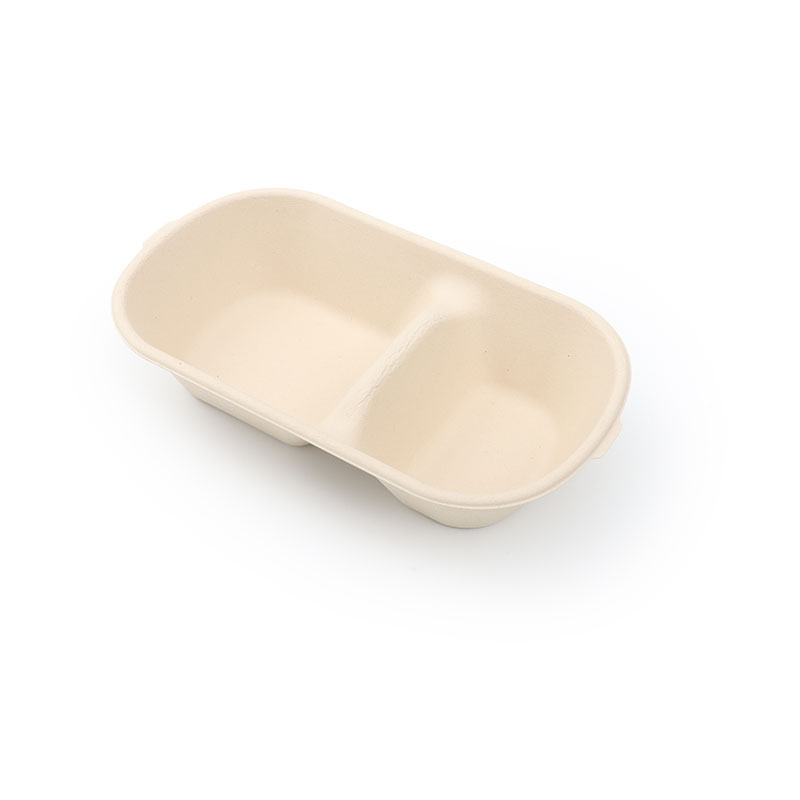 800ml 2 Compartments
 1000ml 2 Compartments
 1100ml
 1000ml Square Lunch Box
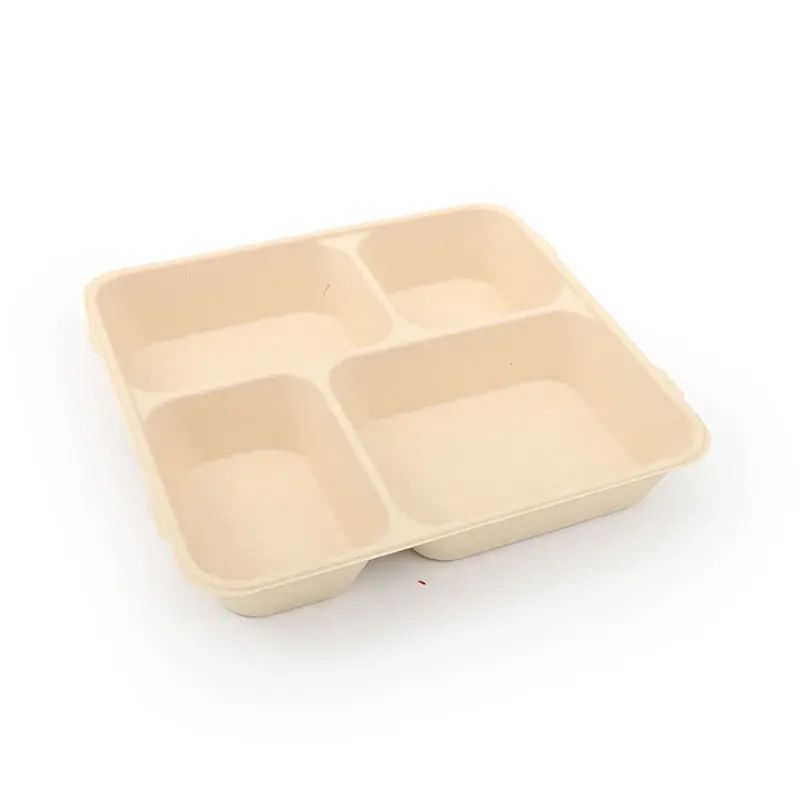 1340ml 4 Compartments
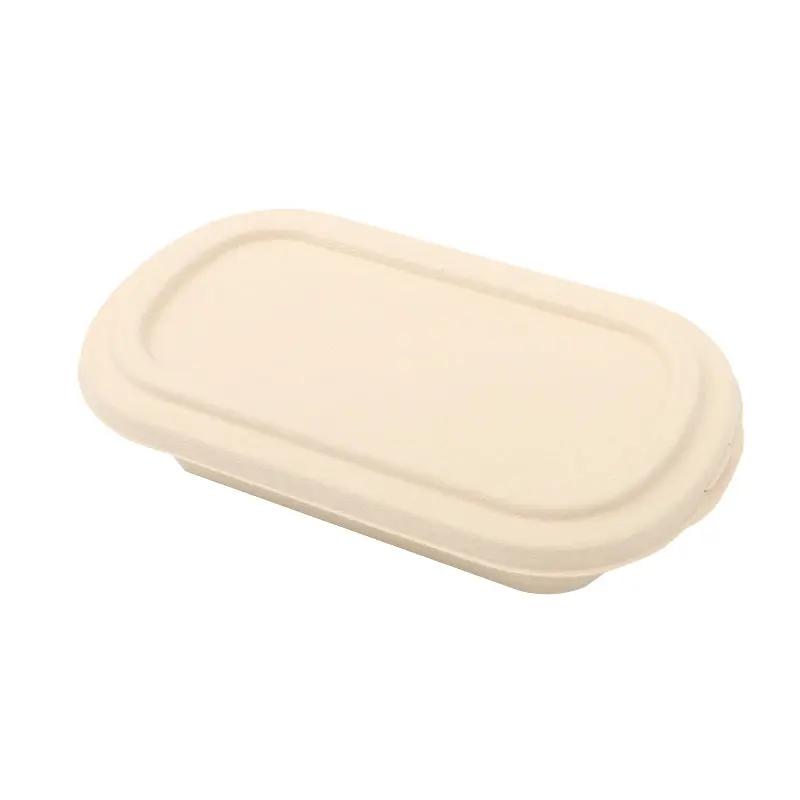 Lunch Box Lid
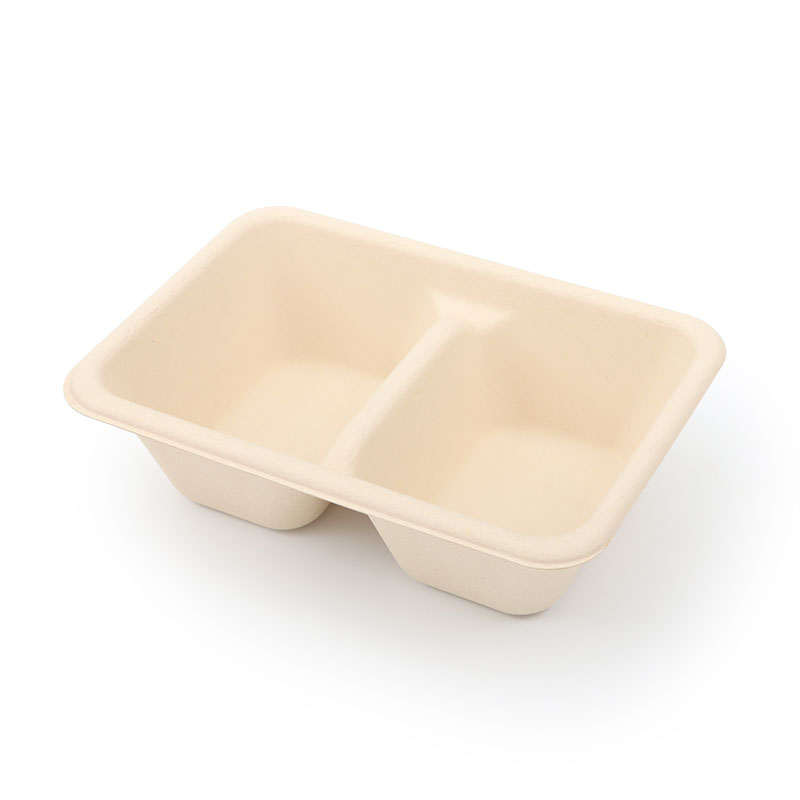 650ml
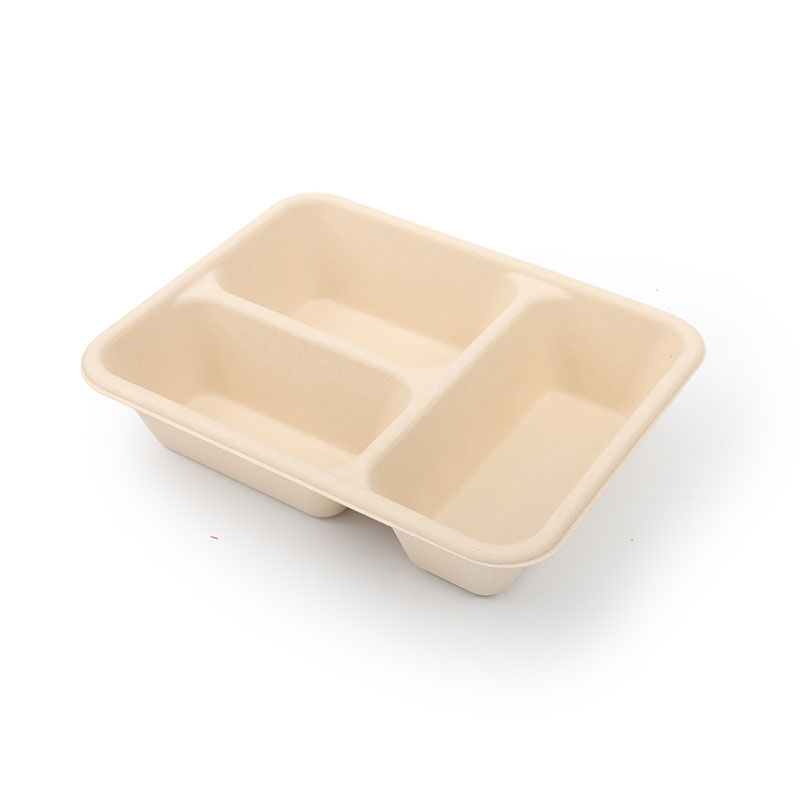 1000ml 3 Compartments
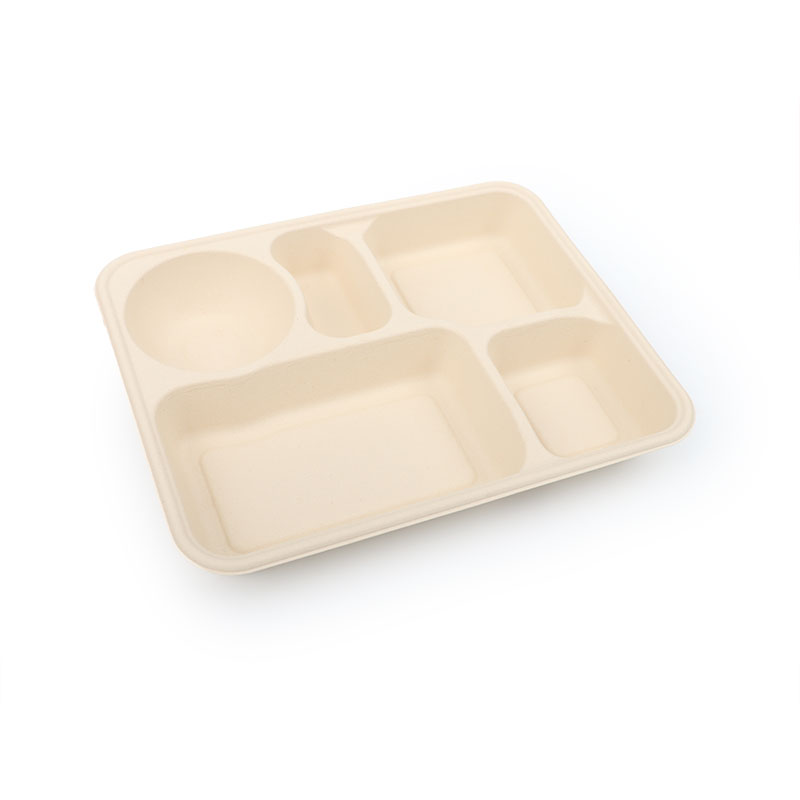 1250ml 5 Compartments
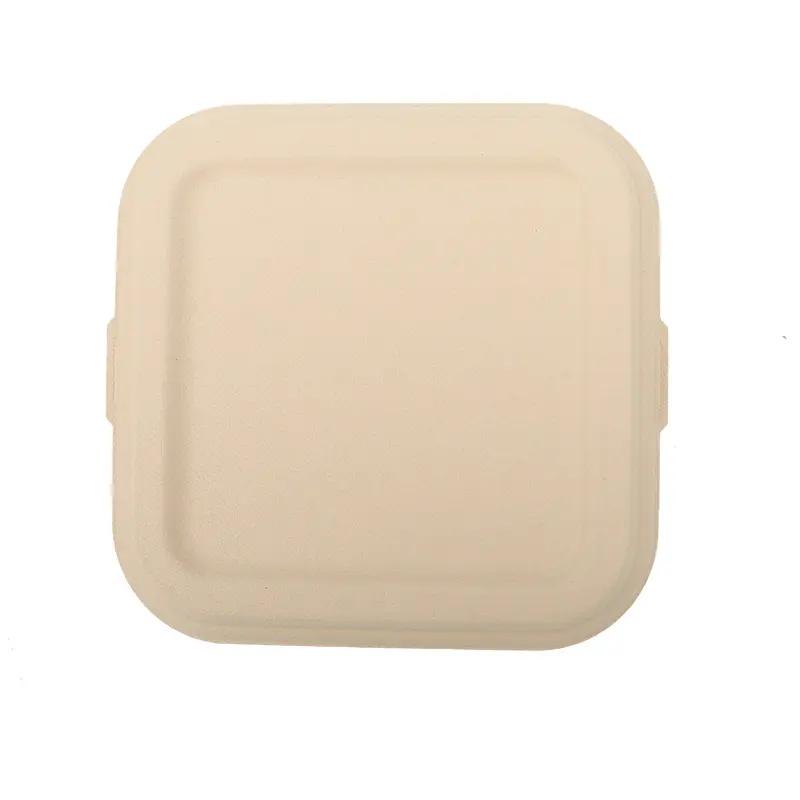 Square Lunch Box Lid
 Box Without T buckle
 850ml Salad Box
 700ml
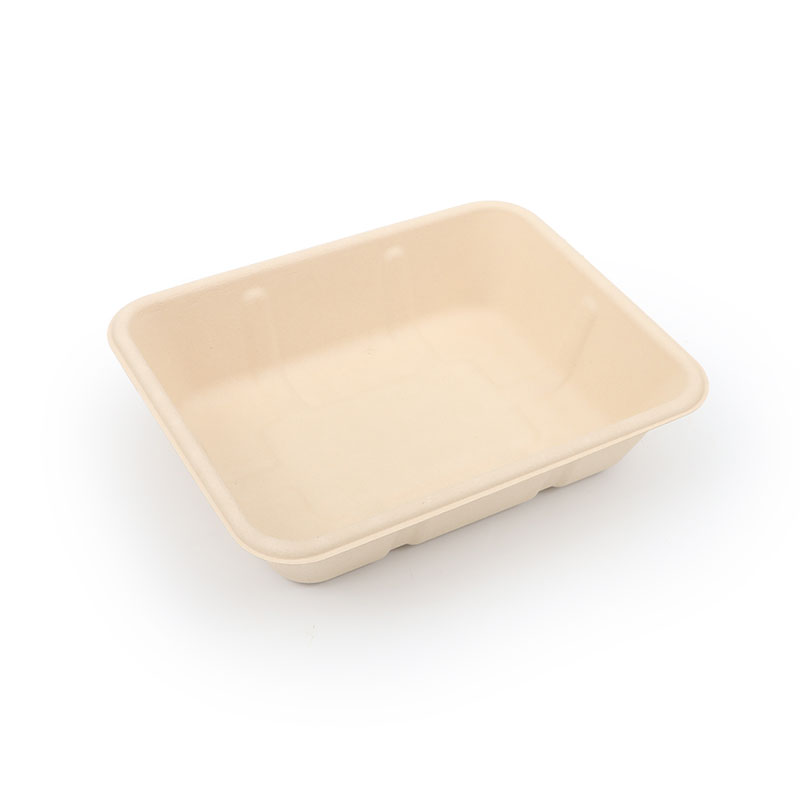 1350ml
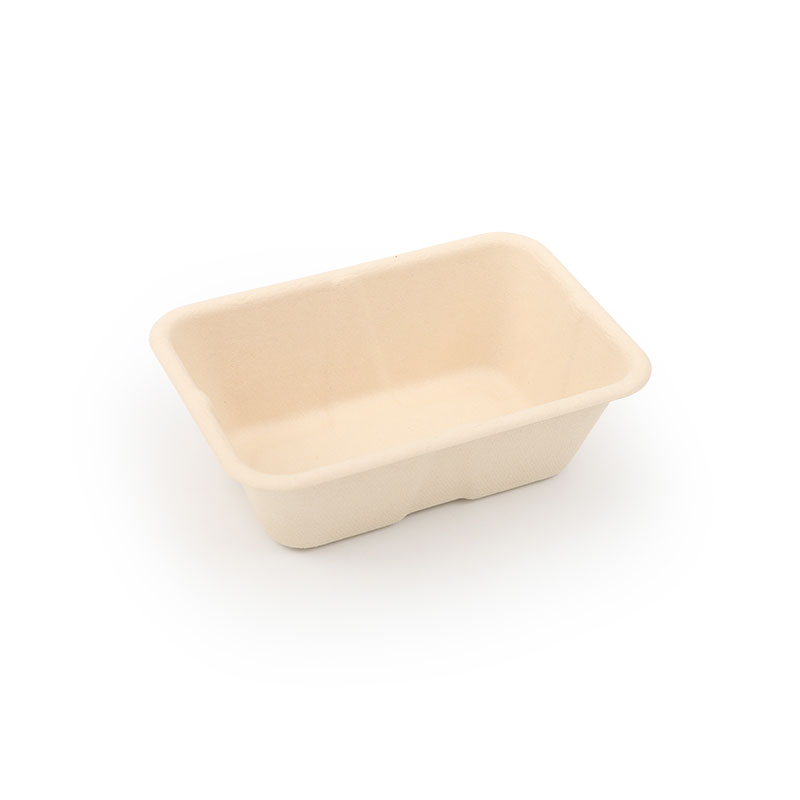 470ml
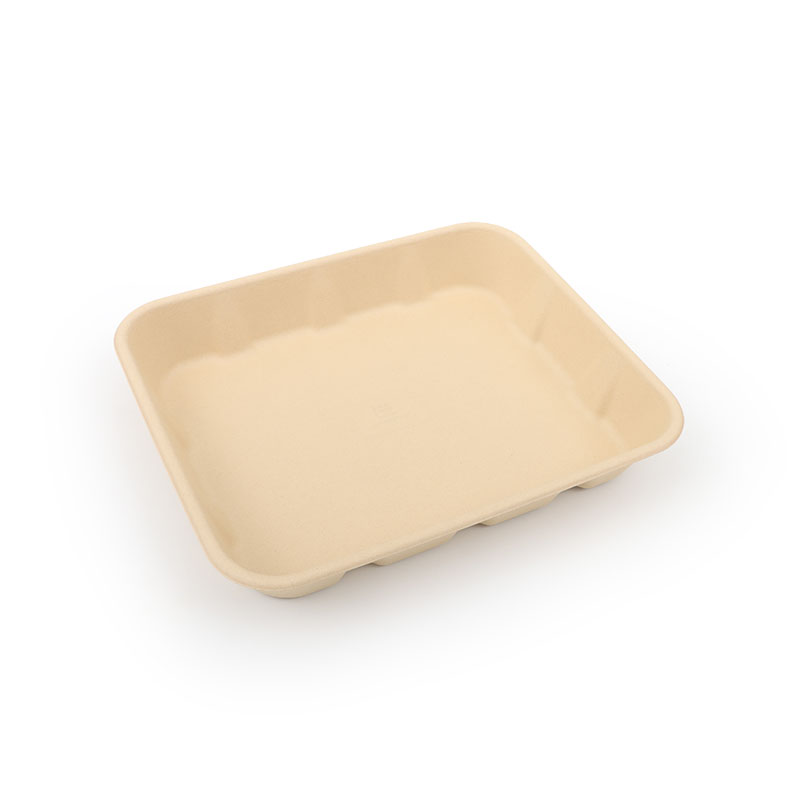 2183ml Tray Box
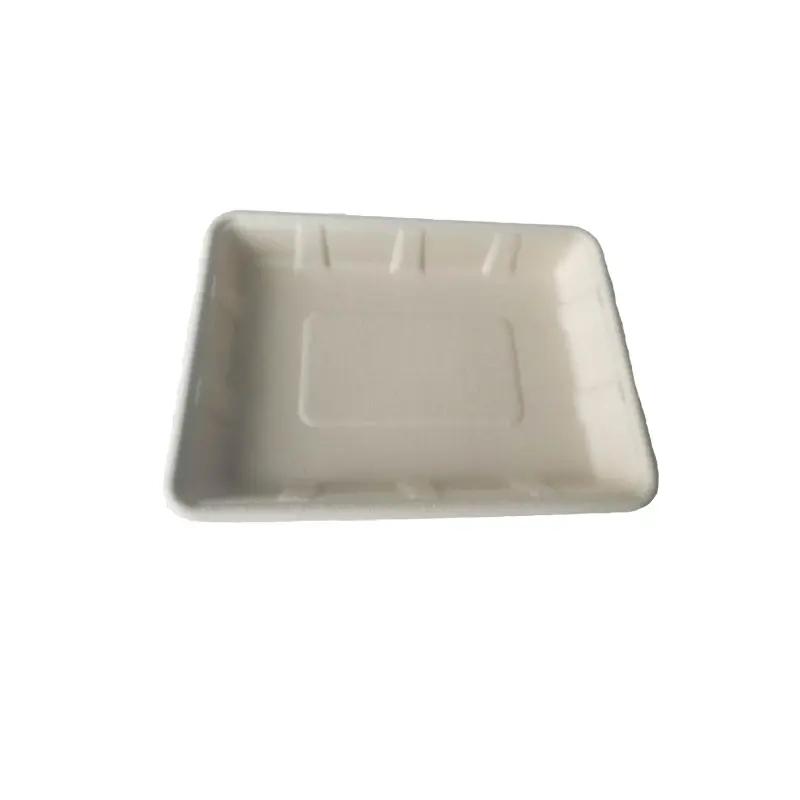 11" * 9"
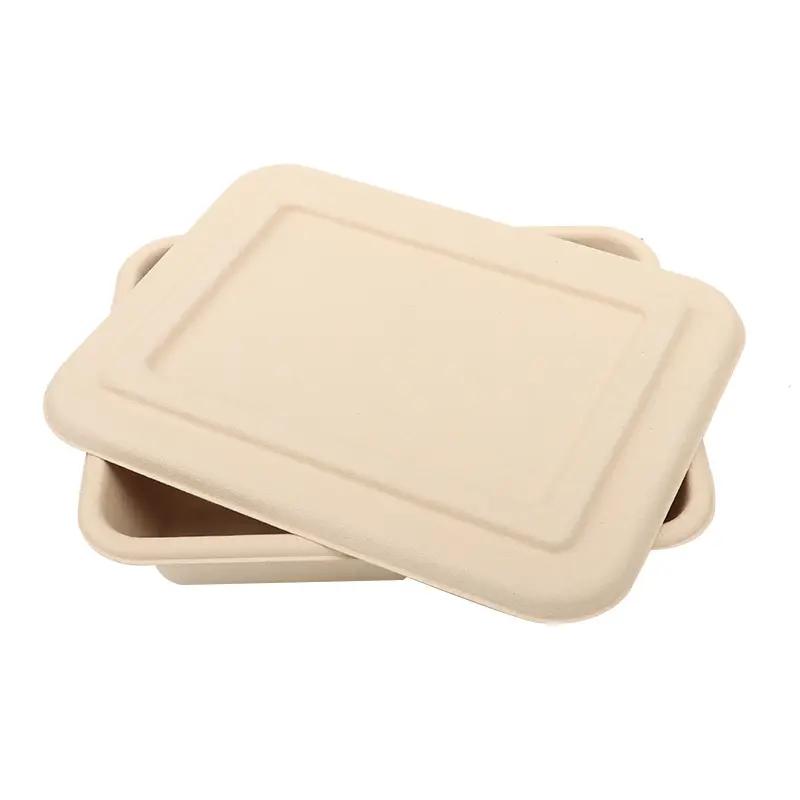 800ml
 One Part Box
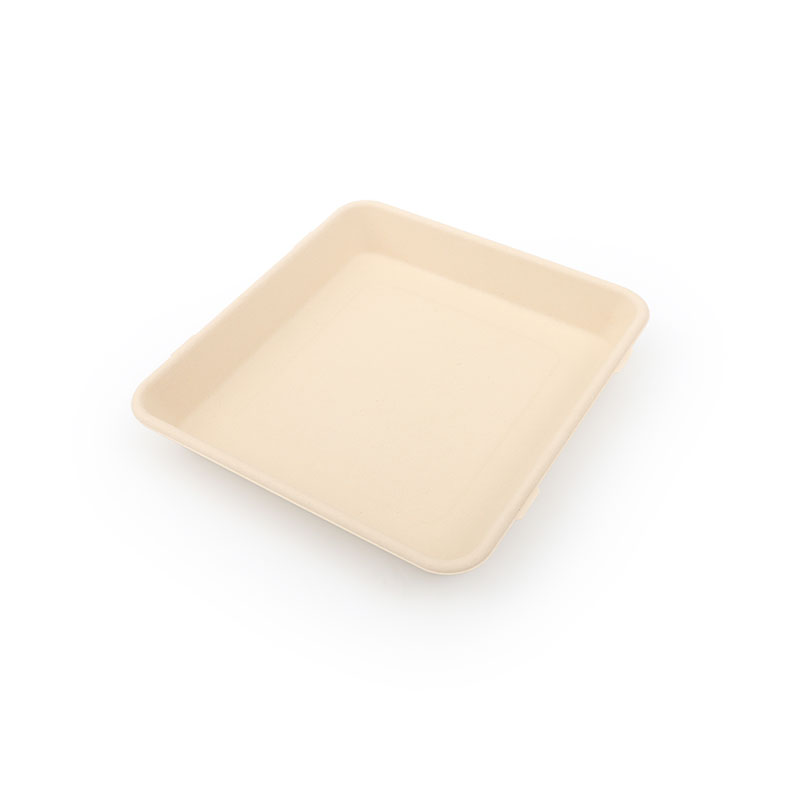 1443ml Tray Box
 Cake Bread Snack Tray Series
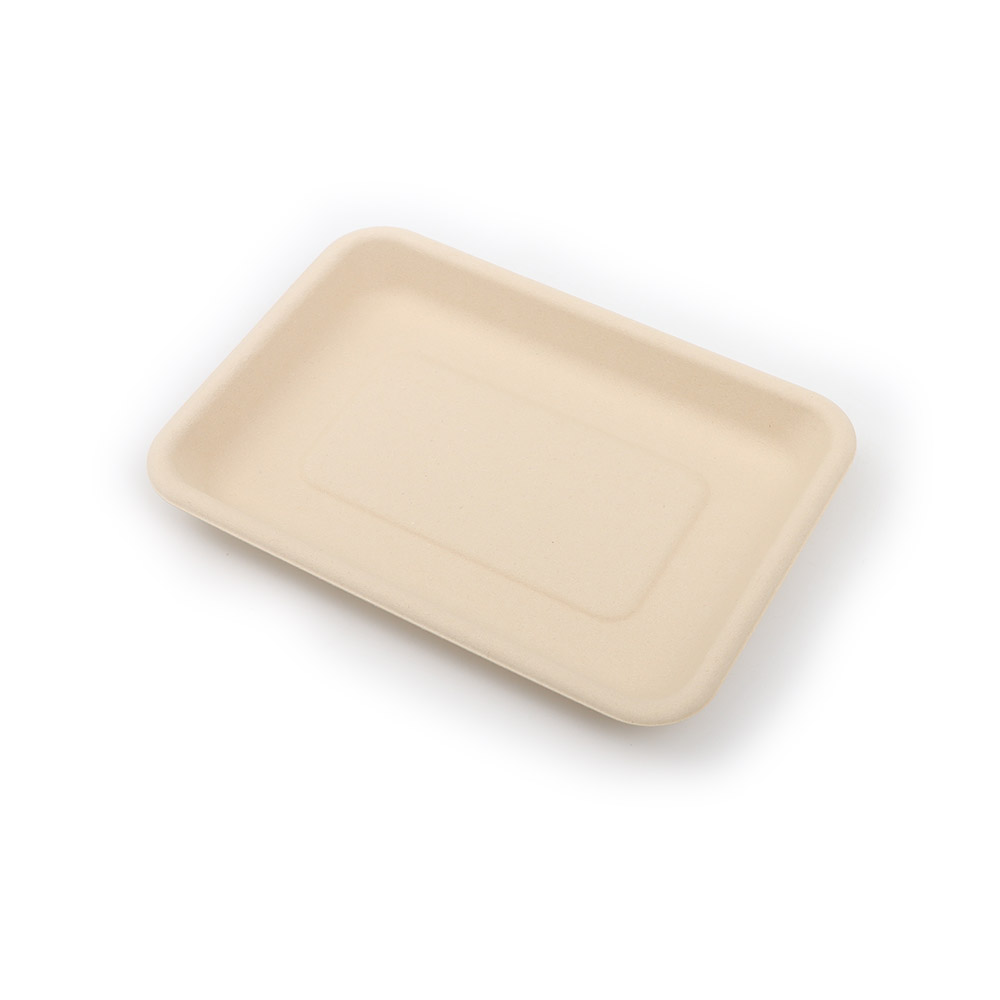 5" * 7" natural color
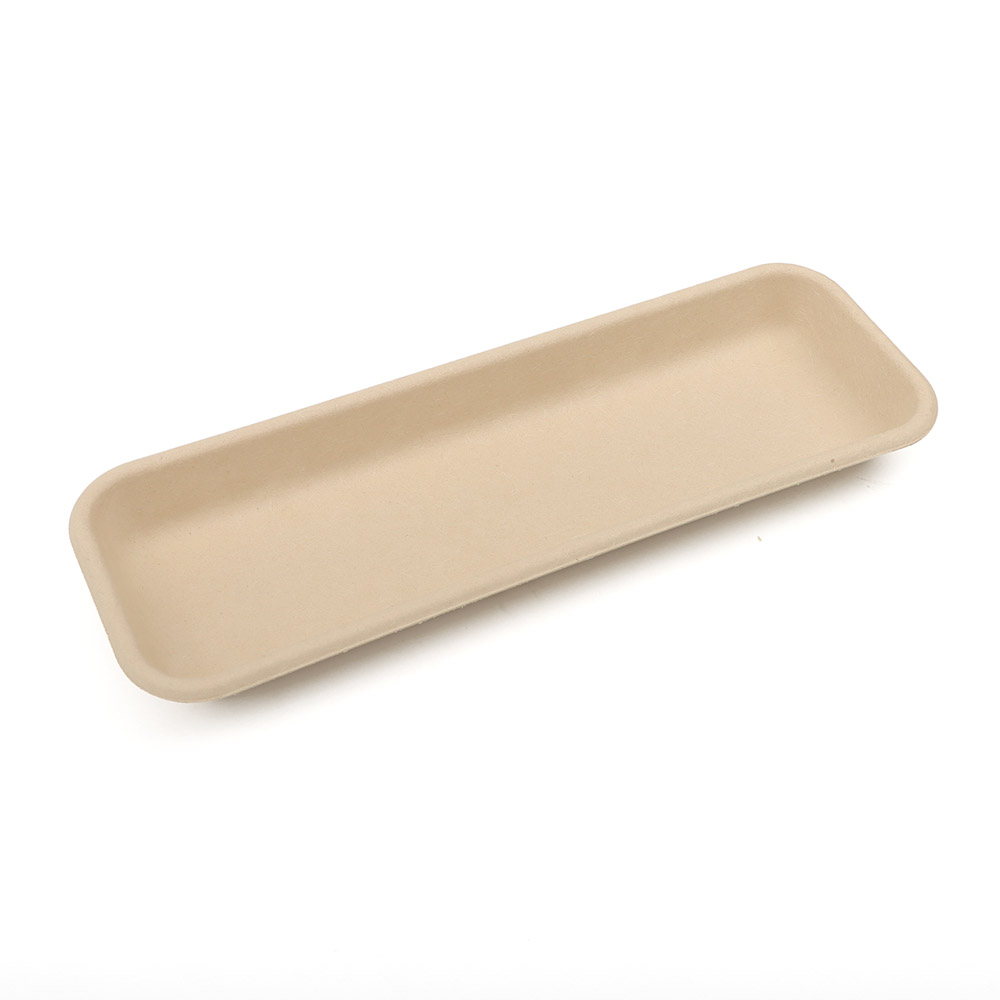 11.4" * 3.9"
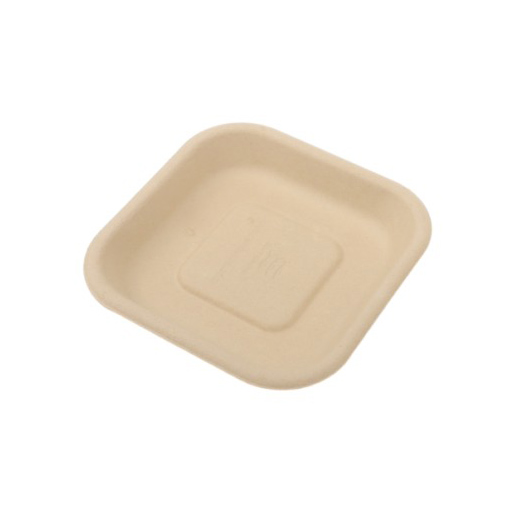 5.3" * 5.3"
 Fruit And Vegetable Tray Series
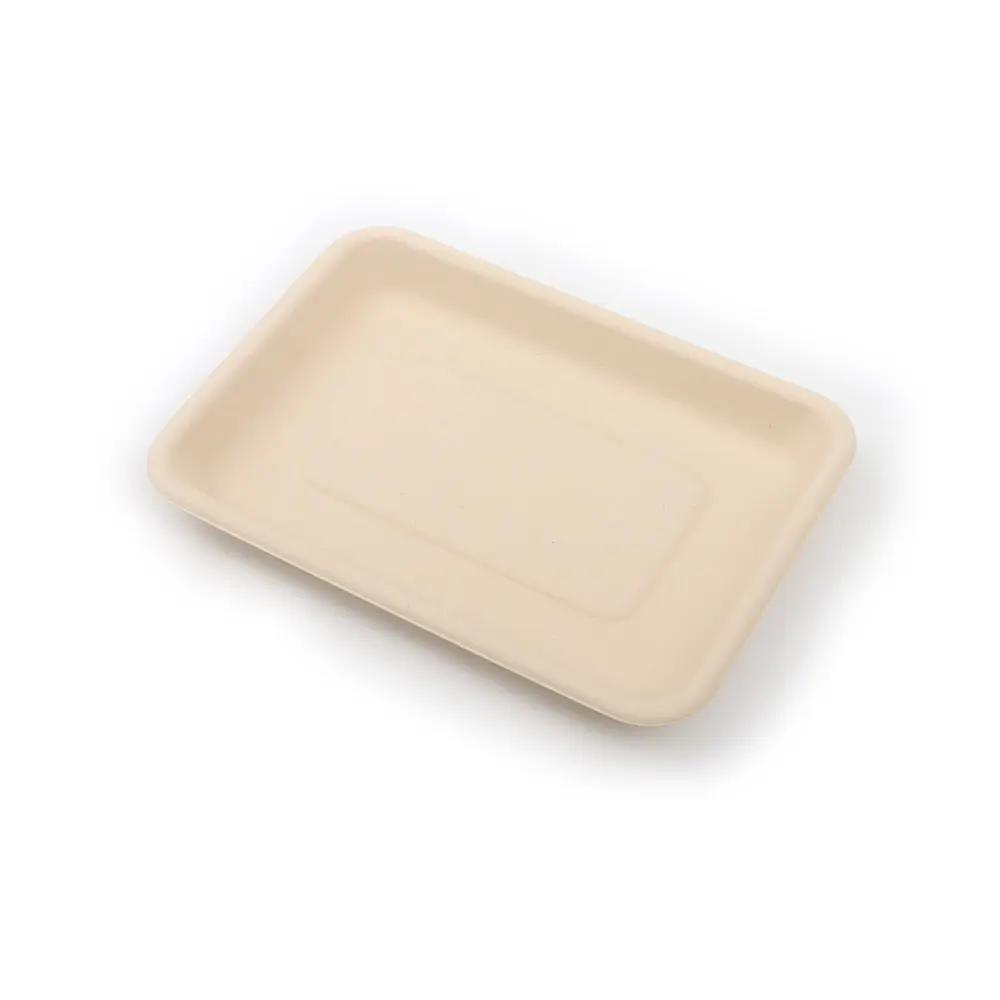 8.6" * 5.3"
 Sushi Tray Series
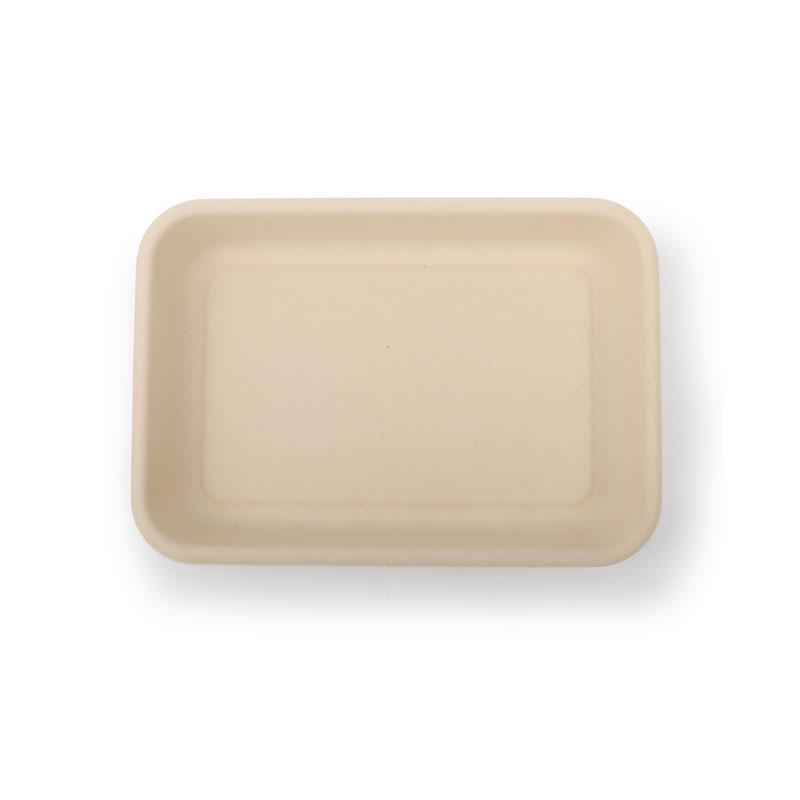 200" * 140"
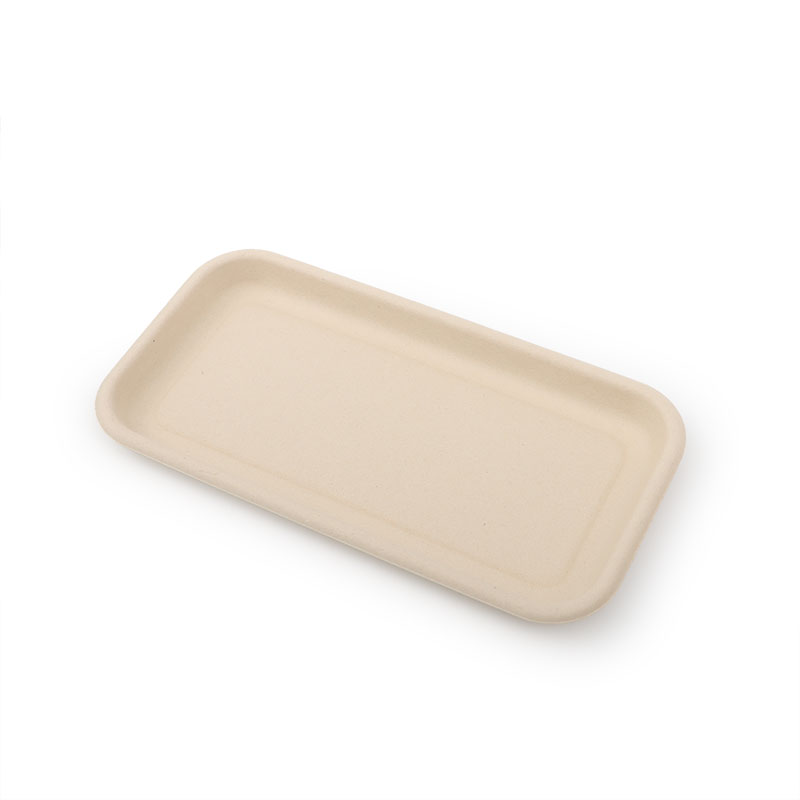 210" * 110"
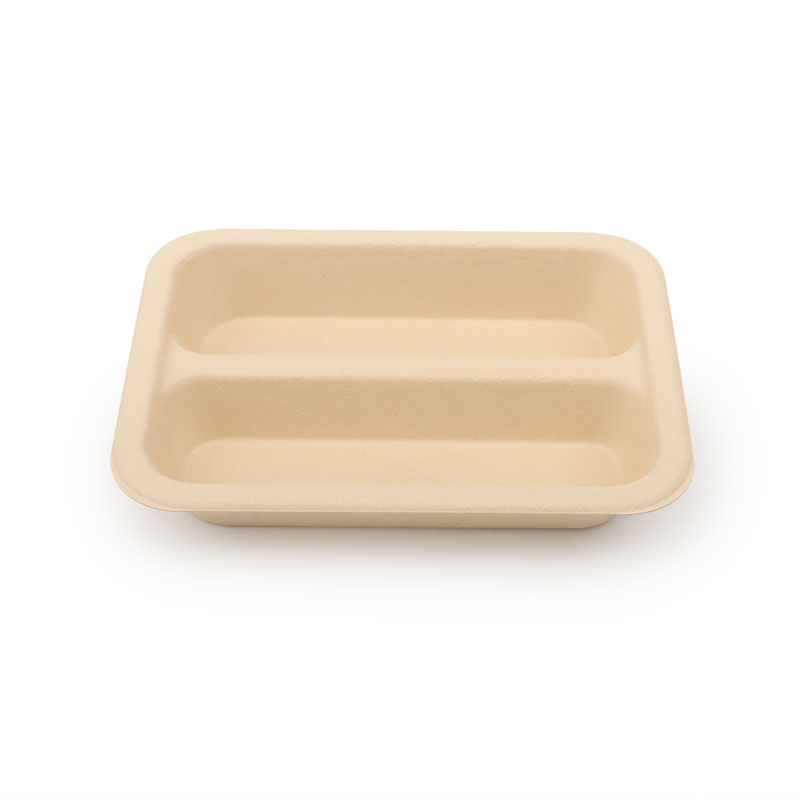 2 Compartments
 Small Round Plate Series
 7 inch
 6 inch
 8 inch
 Middle Round Plate Series
 9 Inch 3 Compartments
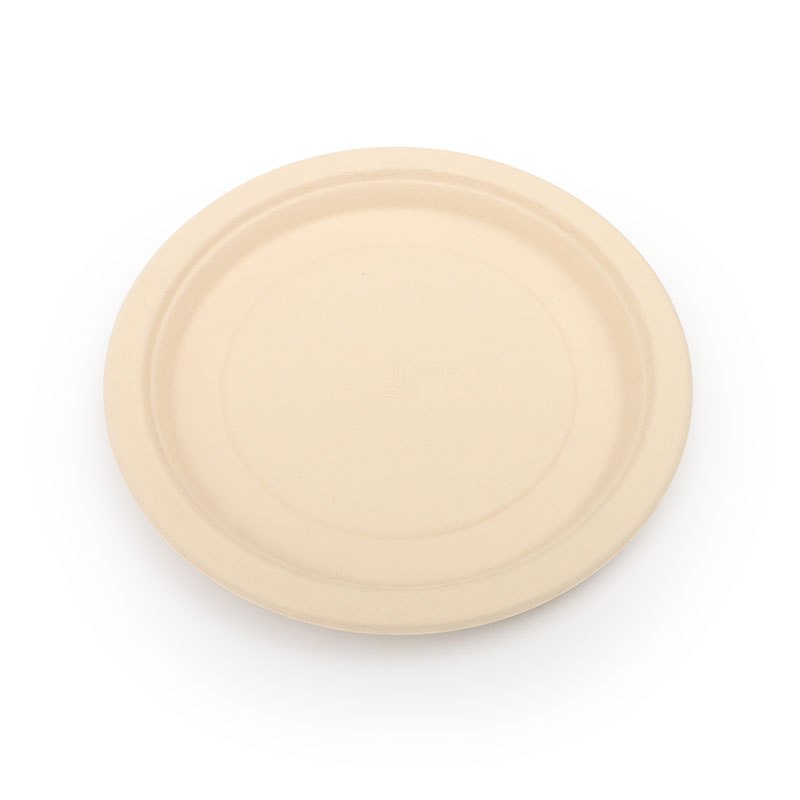 9 inch
 Big Round Plate Series
 12.7 Inch Pizza Plate
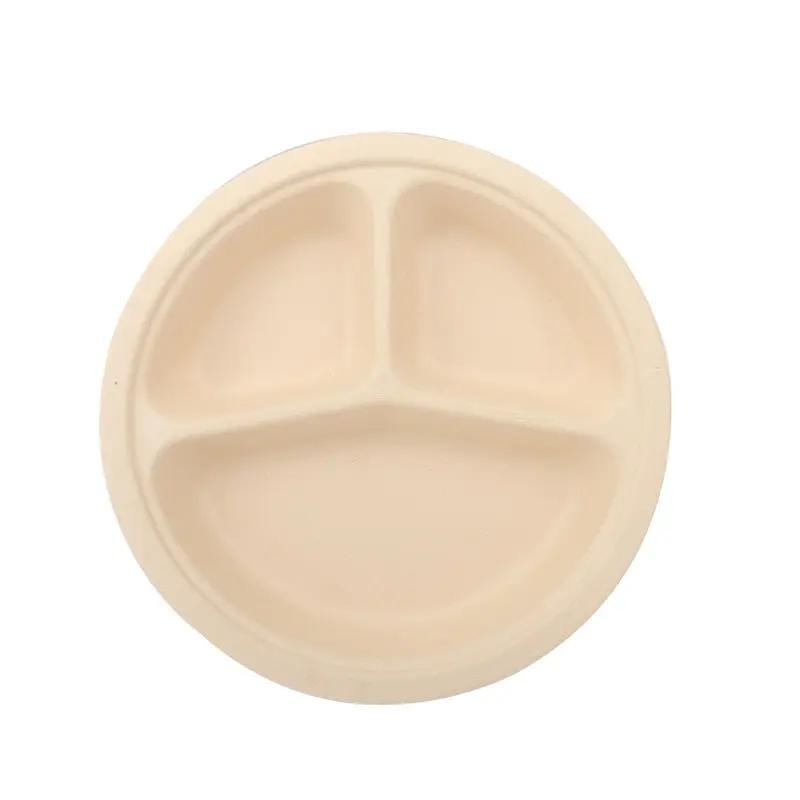 10.25 inch 3 Compartments
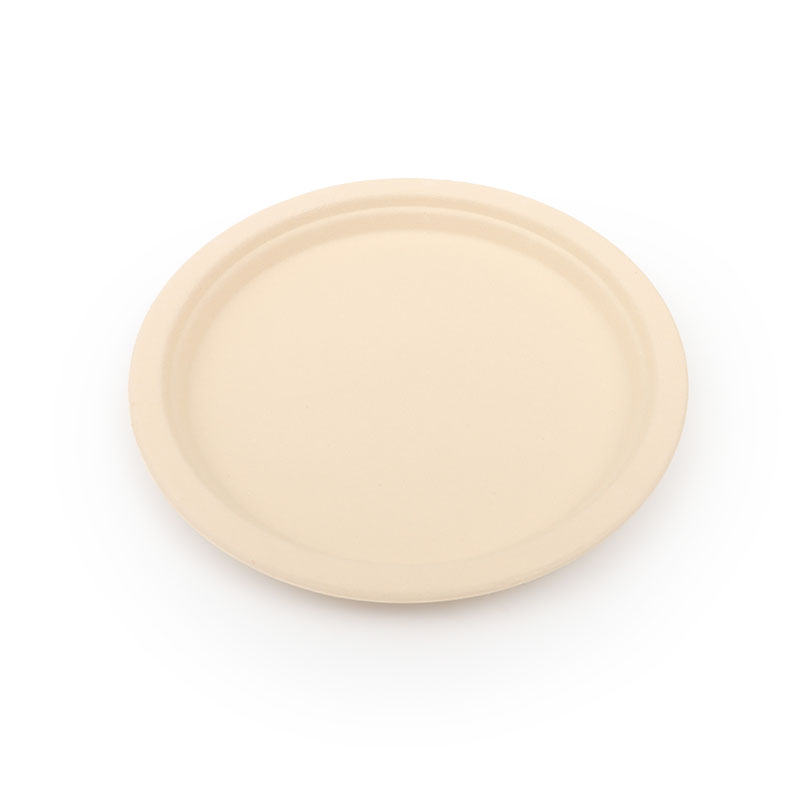 10 inch
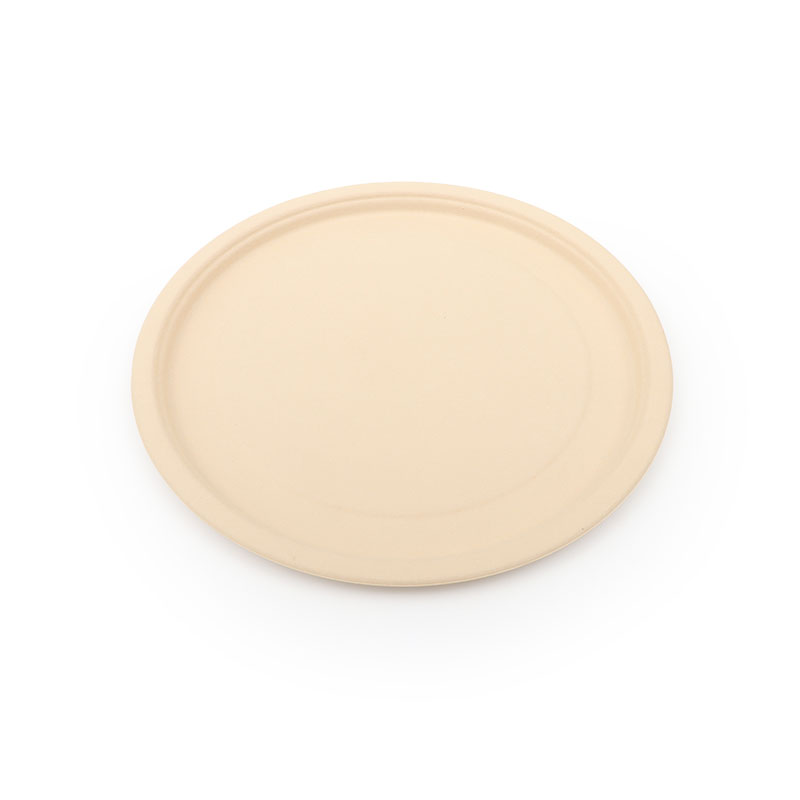 12 inch
 Bigger Bowl
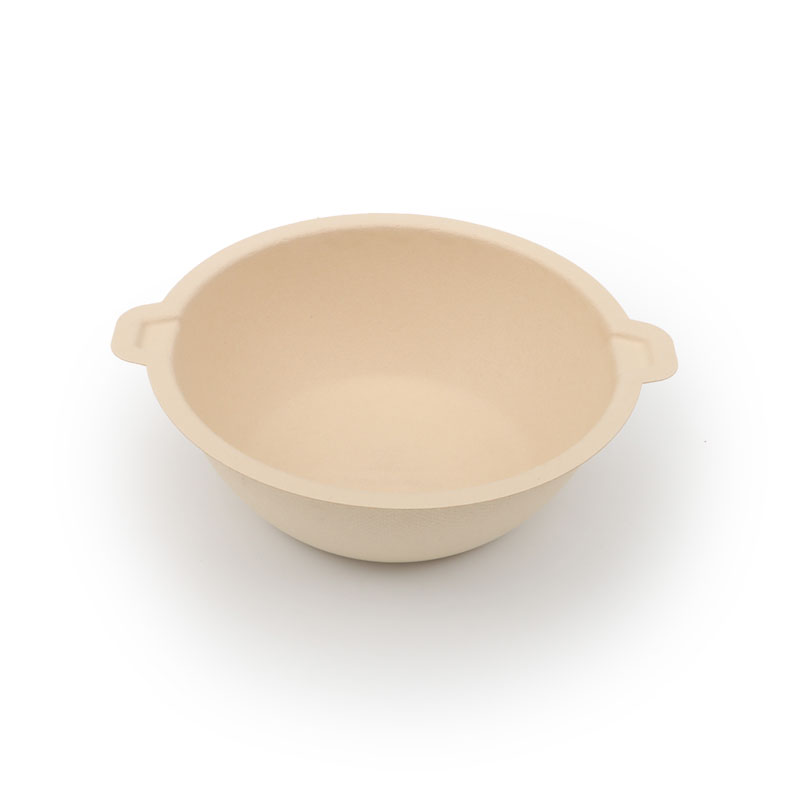 48oz(1420ml)
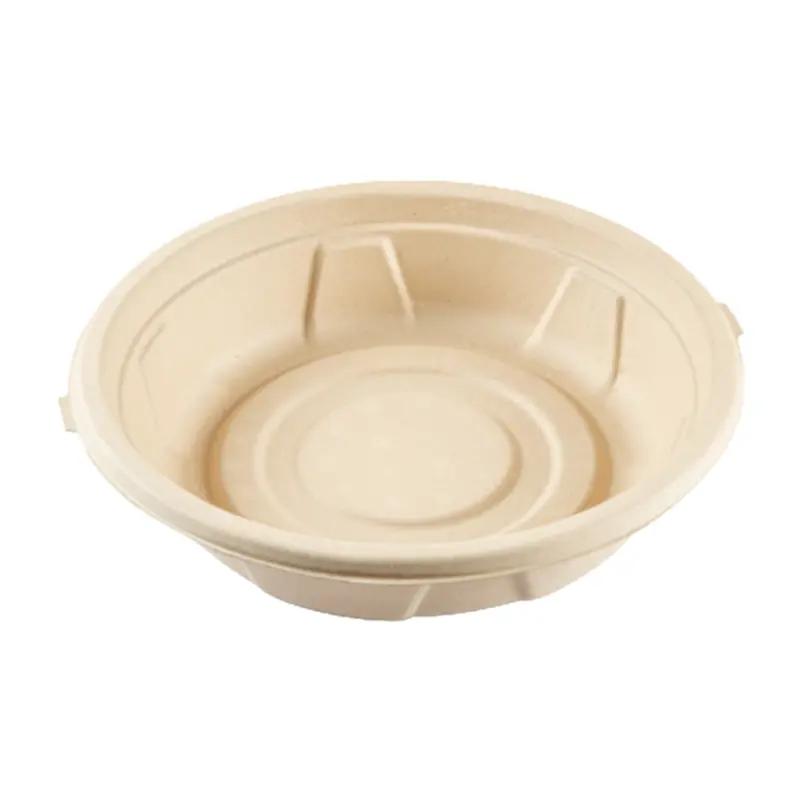 56oz(1650ml)
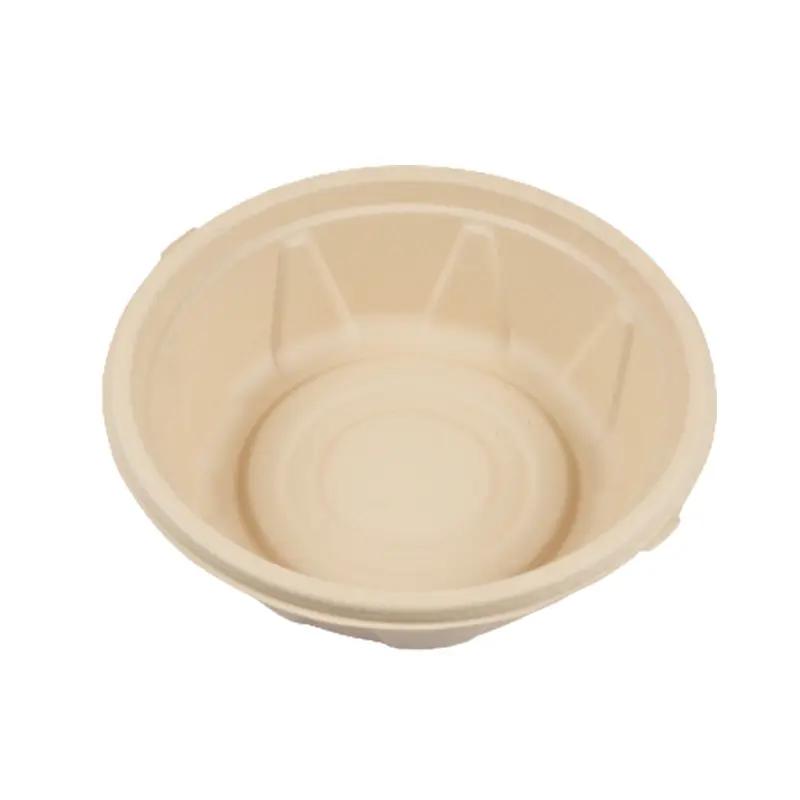 100oz(2950ml)
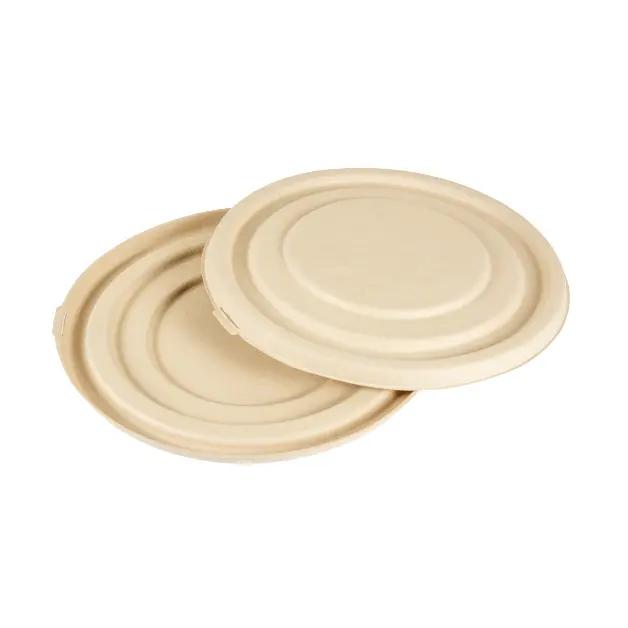 100oz(2950ml) With Lid
 Middle Bowl
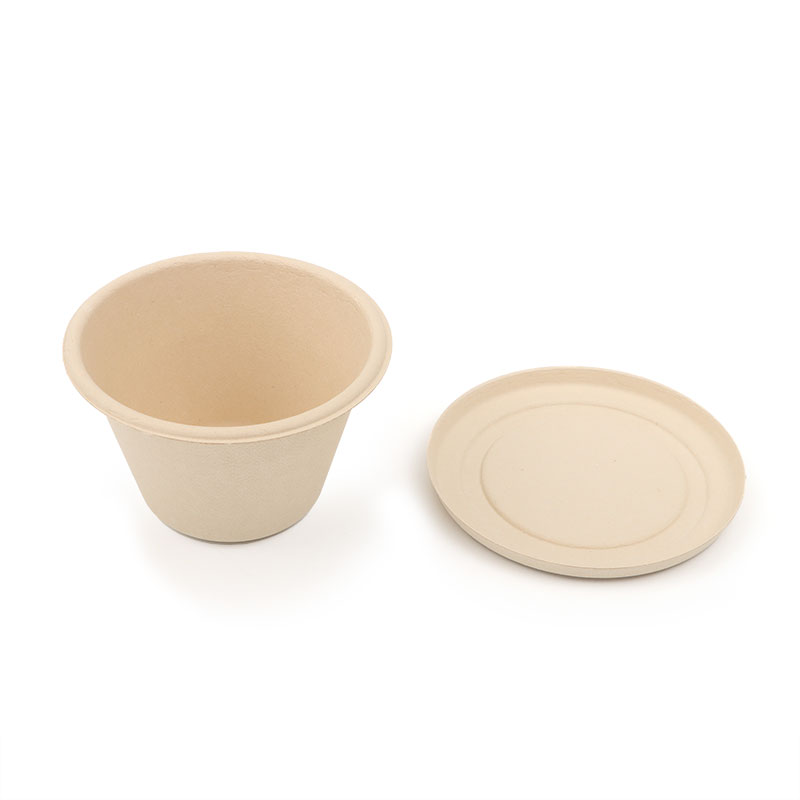 17oz(500ml)
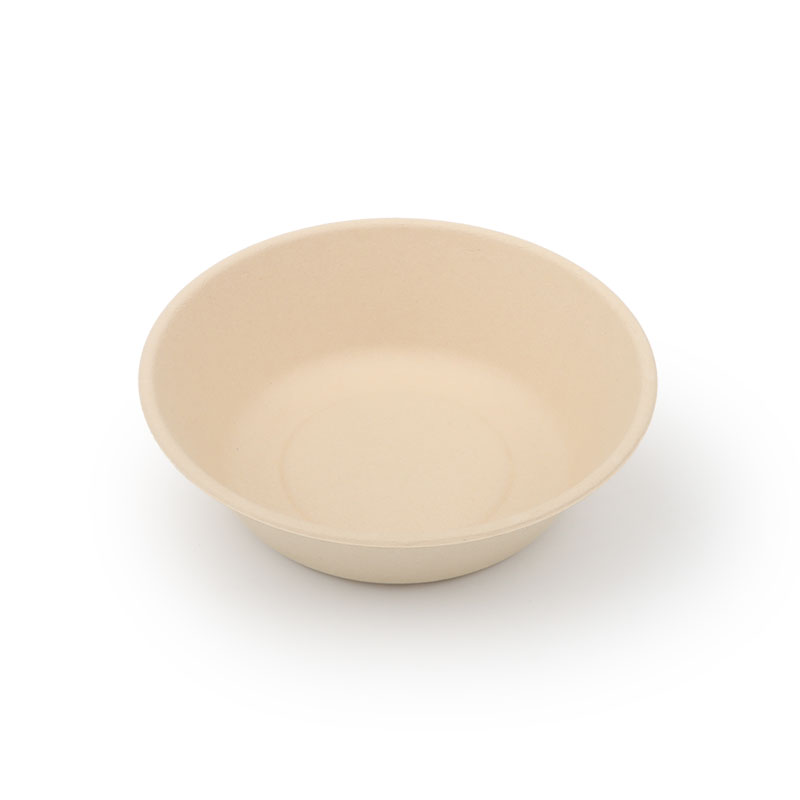 27oz(800ml)
 20oz(600ml)
 29oz(850ml)
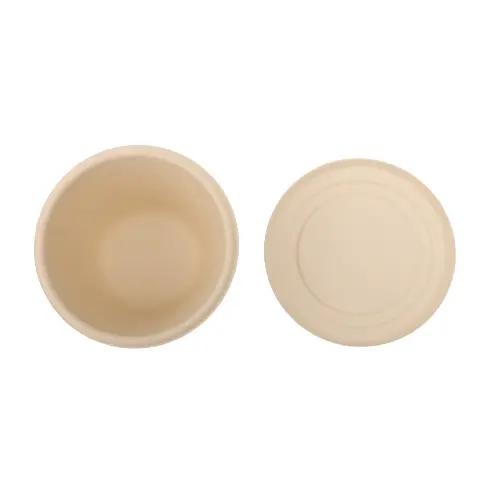 17oz(500ml) With Lid
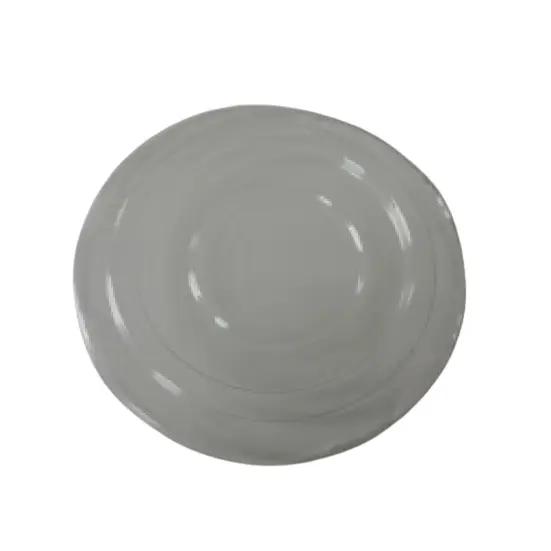 17oz(500ml) PET Lid
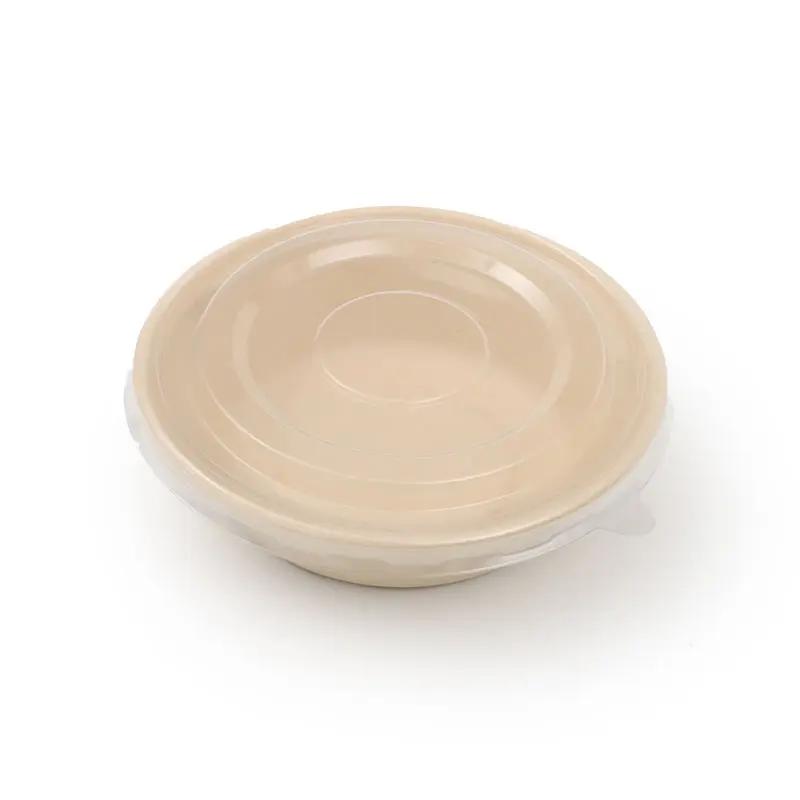 28oz(830ml) PET Lid
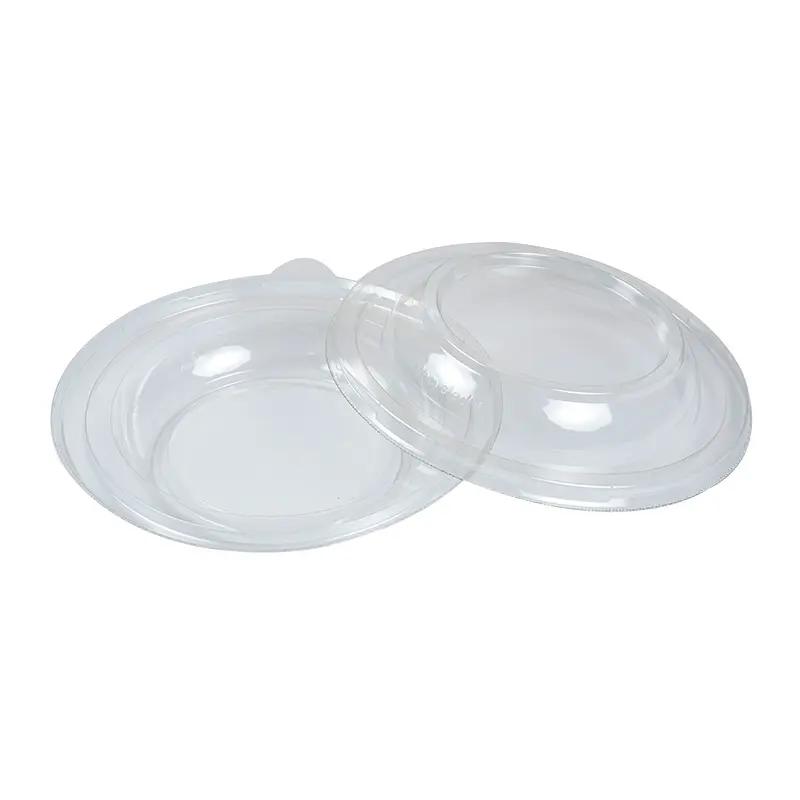 Round Bowl PET
 Small Bowl
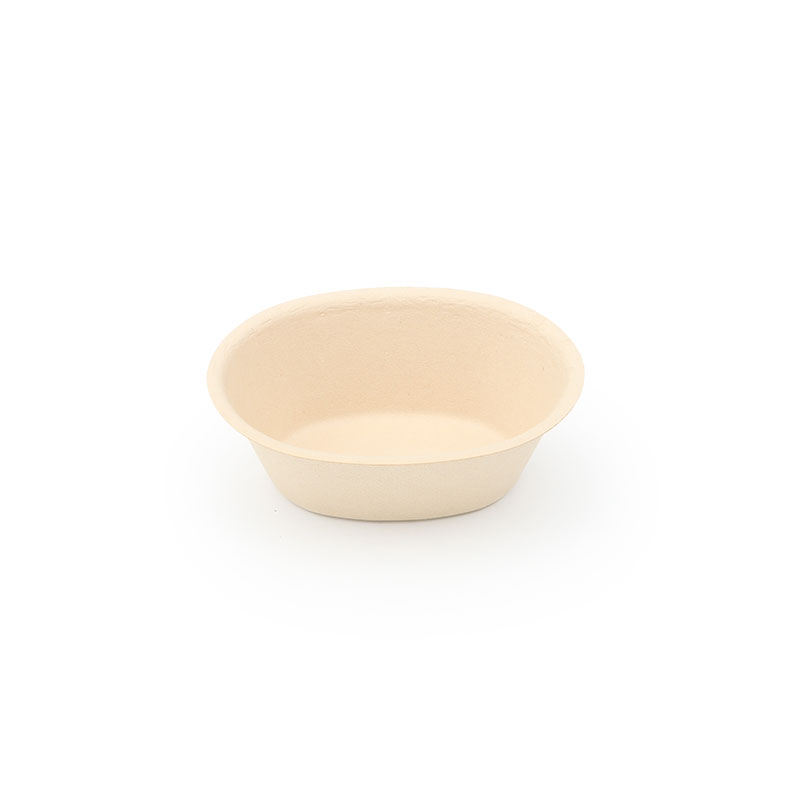 Snack Bowl
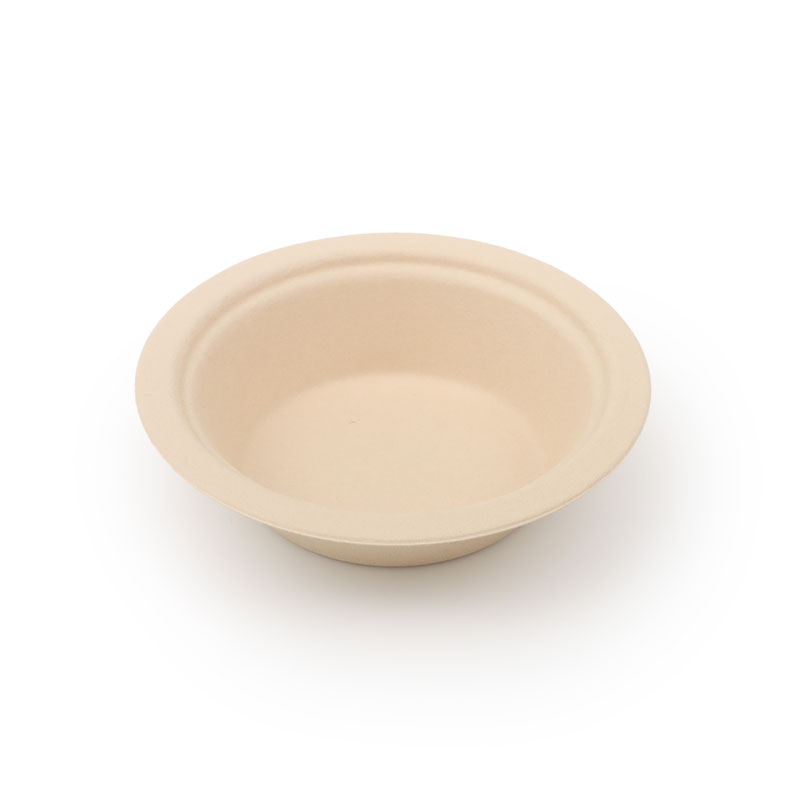 11.5oz(340ml) Bowl
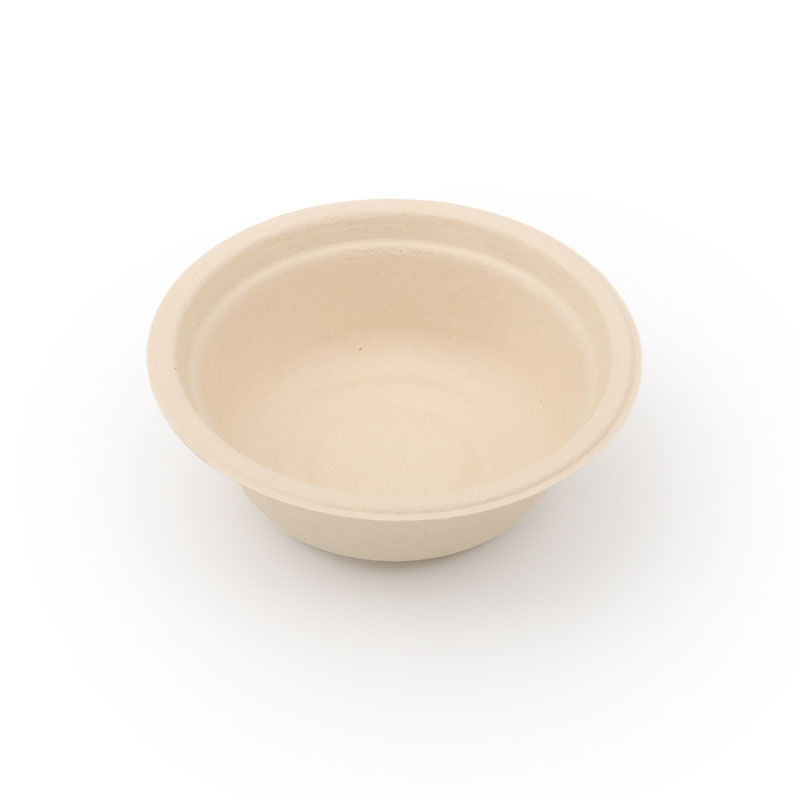 6.7oz(200ml) Bowl
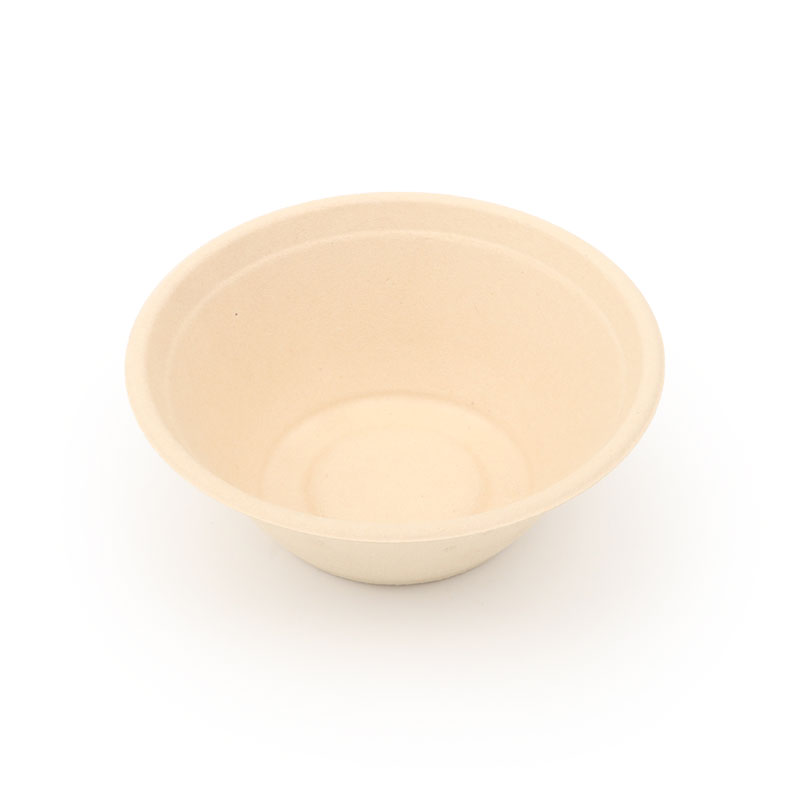 12oz(350ml) Bowl
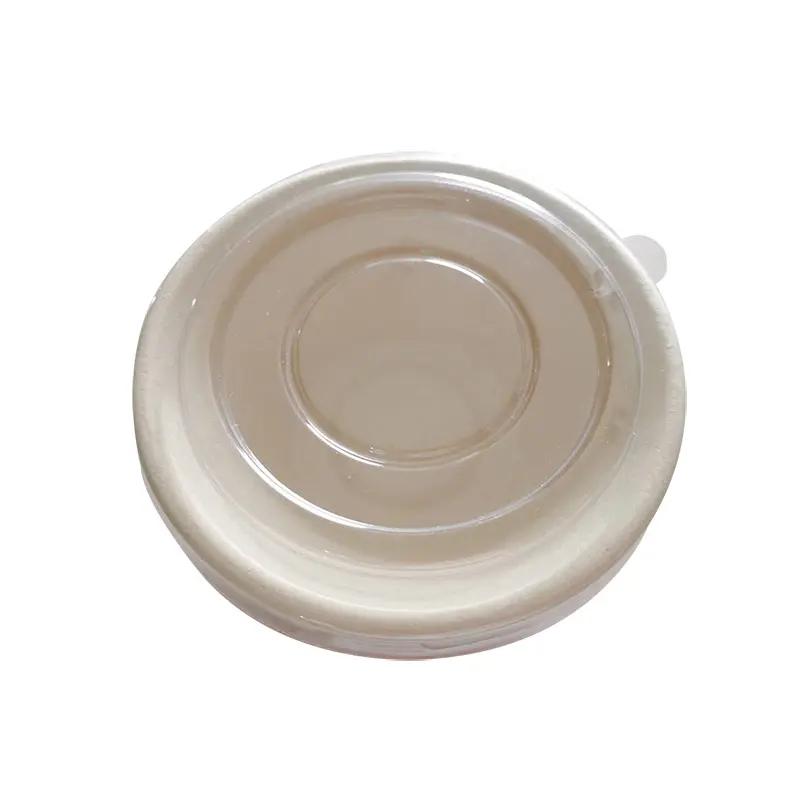 12oz(350ml) Bowl PET
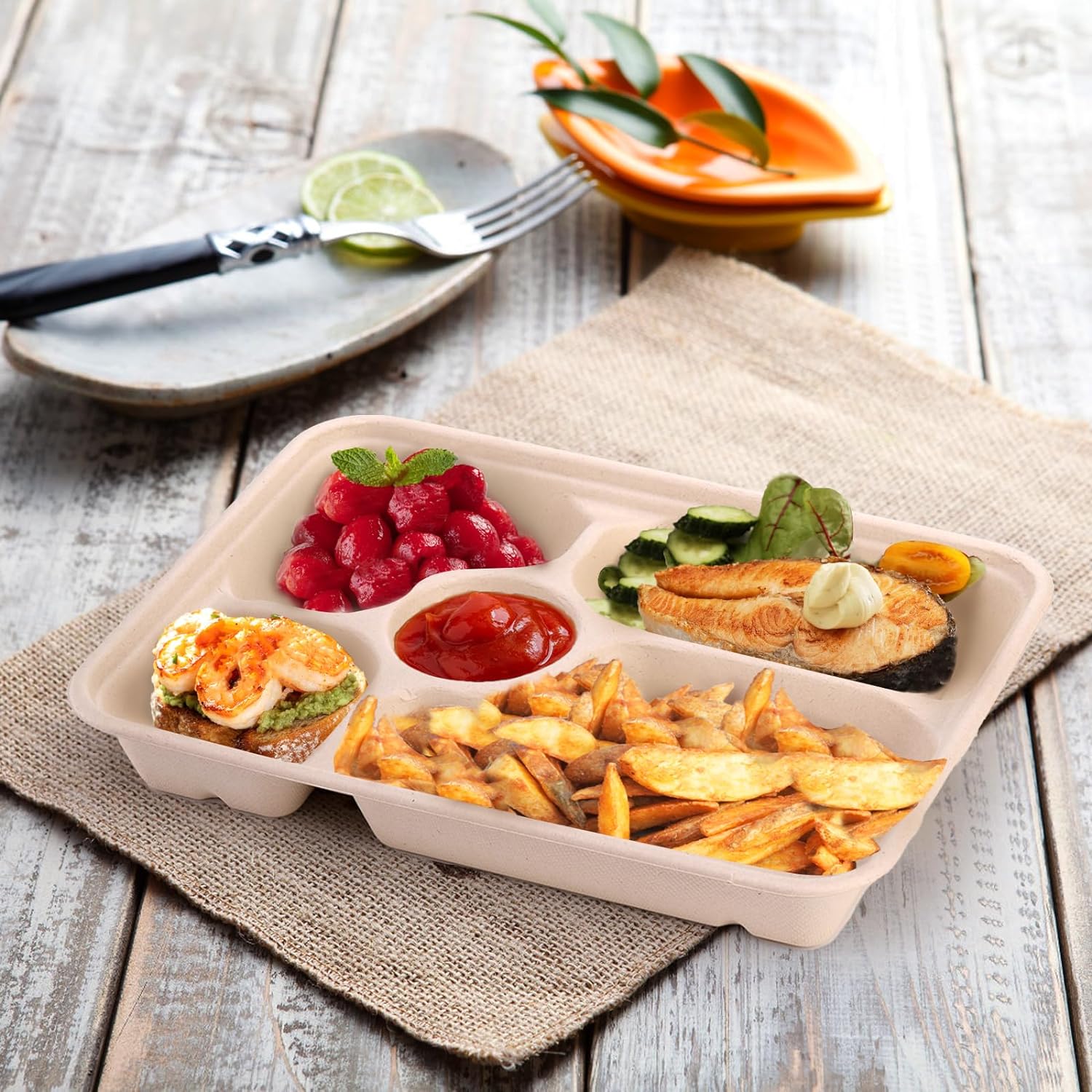 Bagasse Lunch Boxes
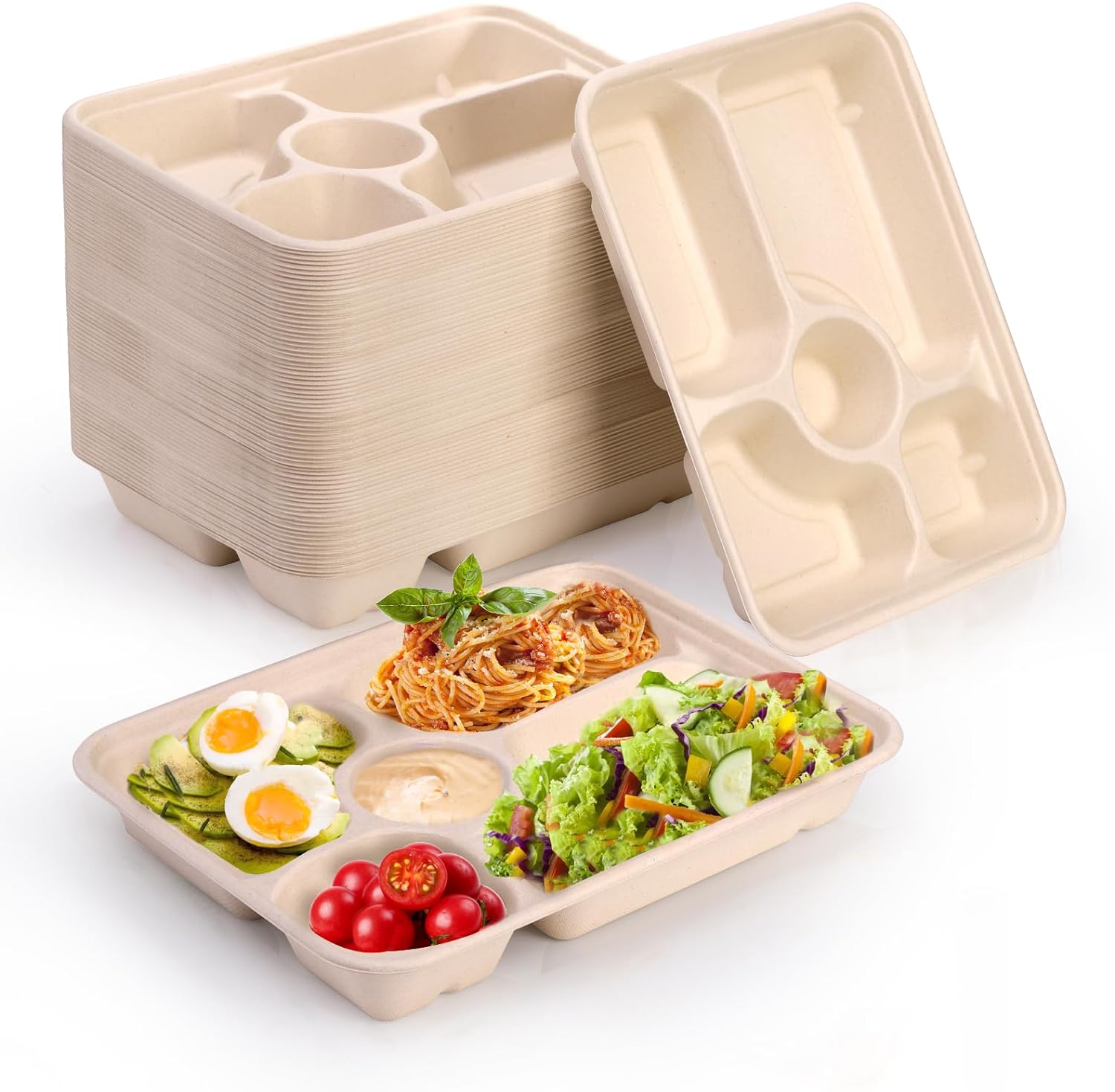 5CP
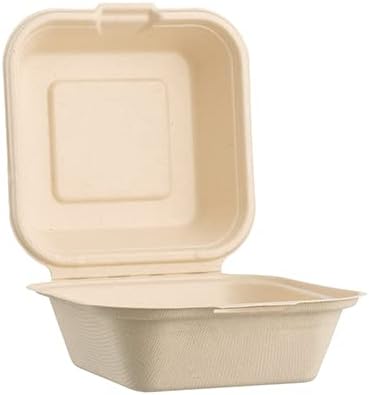 6 inch
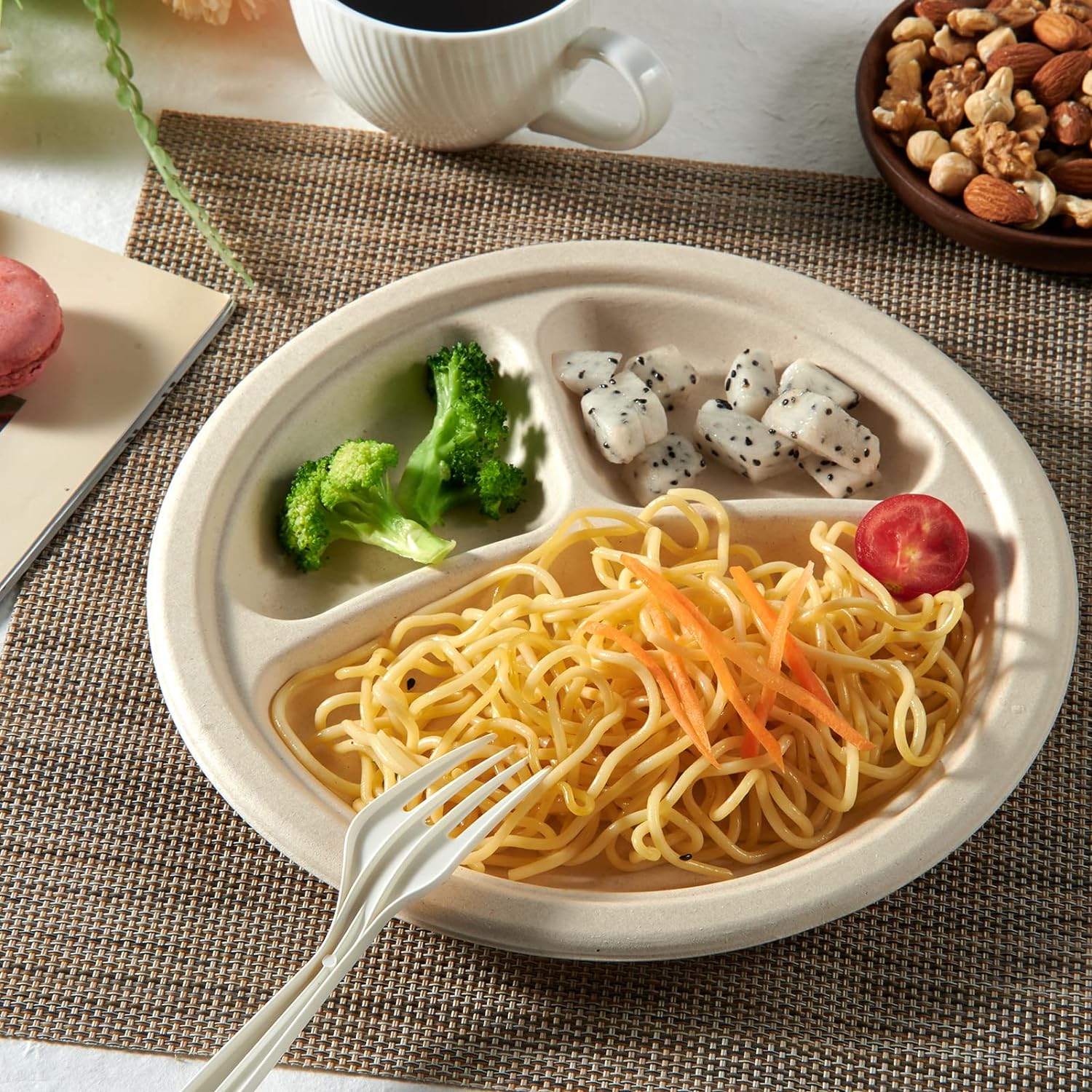 Bagasse Food Plates
 7 inch
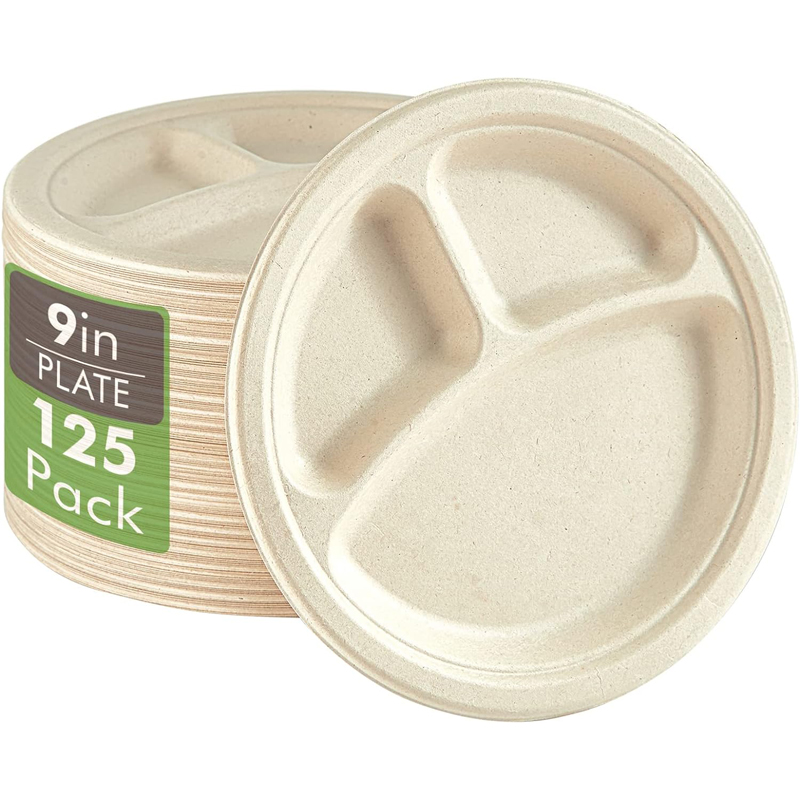 3CP
 Bagasse Bowls
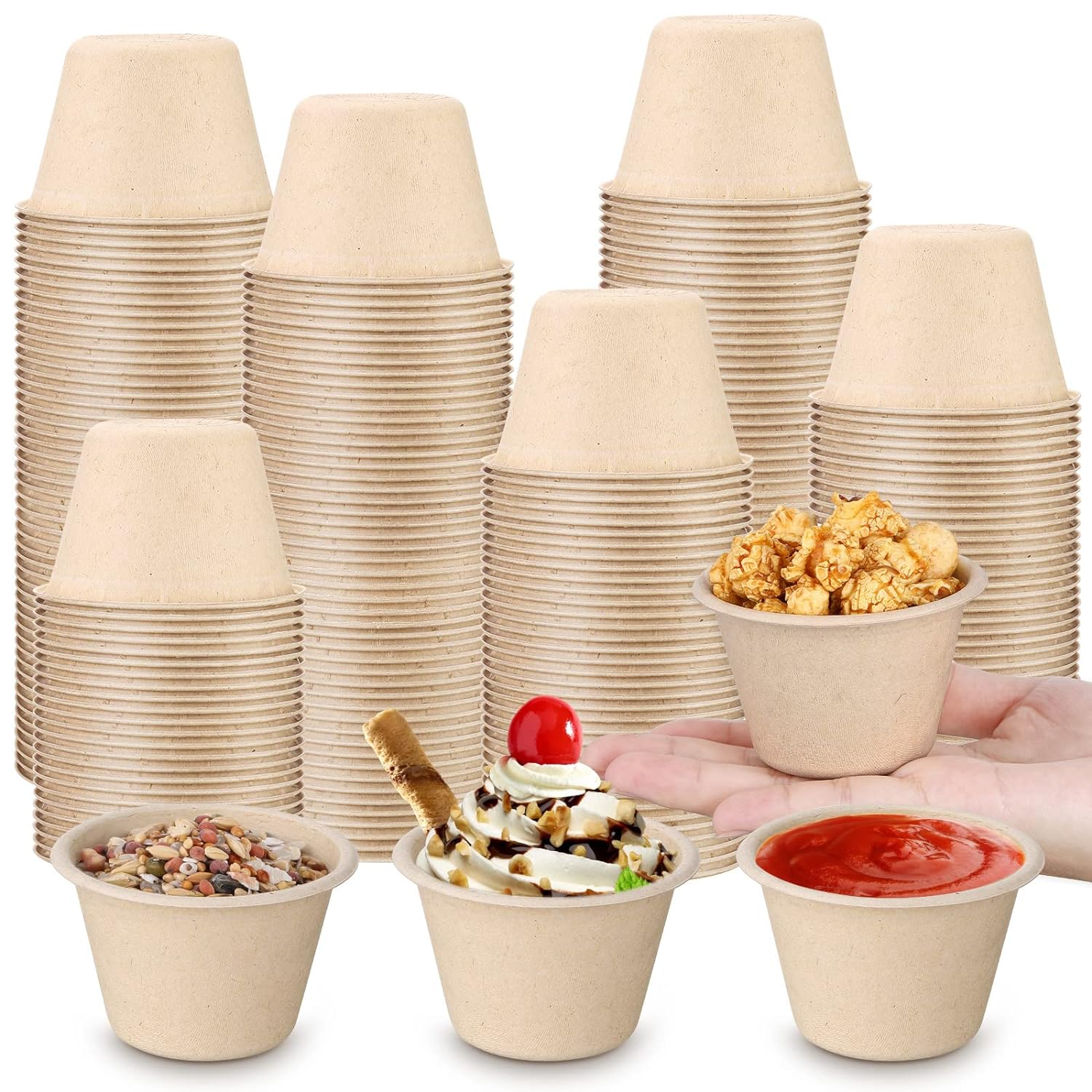 4oz
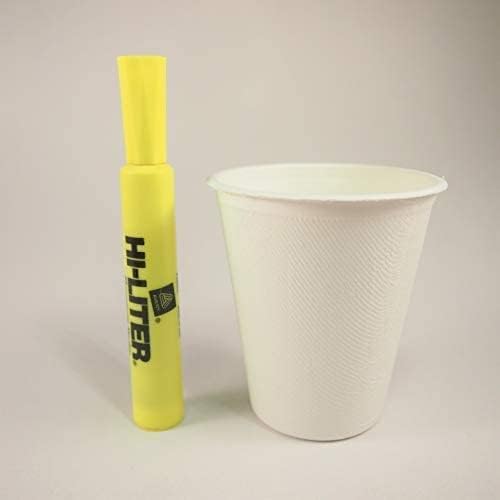 Bagasse Cups And Cutlery
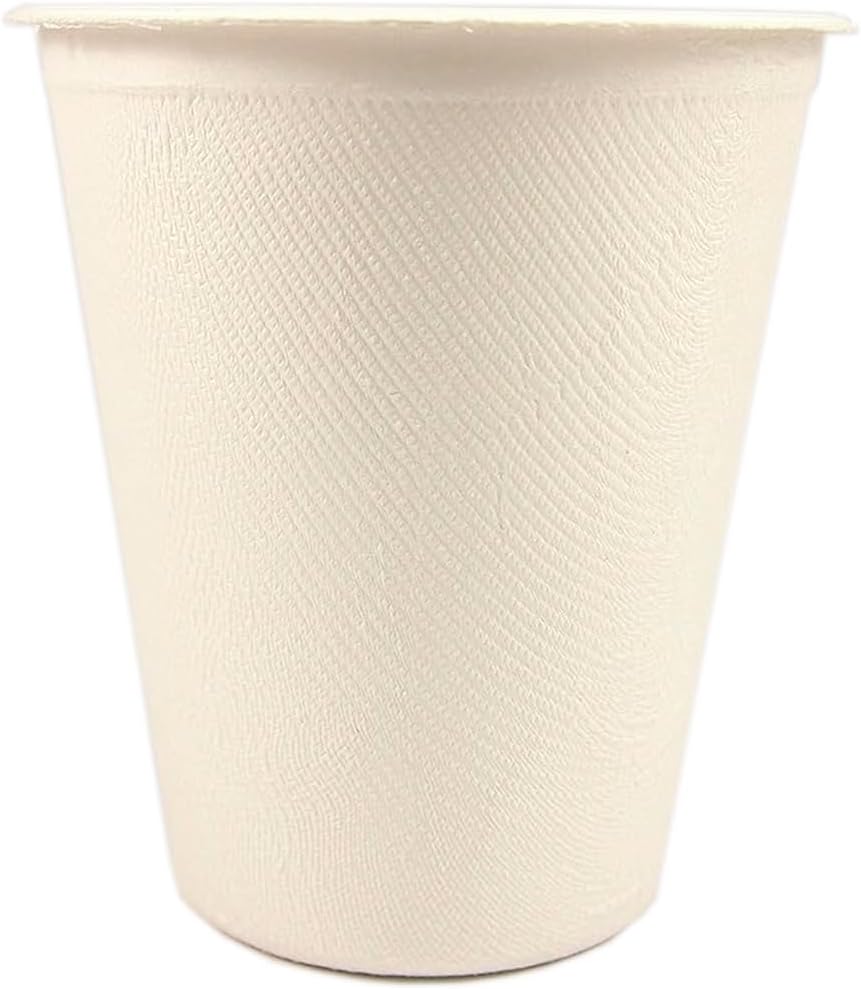 8oz
 12oz
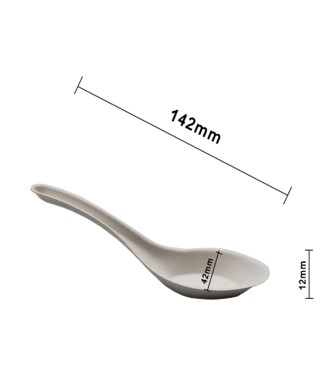 Cutlery
Leave Your Message
High-barrier lamination, precision seal integrity, and compostable plant fibers engineered to maintain freshness in extreme Middle Eastern distribution channels.


How the Kingdom's rapid economic transformation, strict SFDA food regulations, and extreme climatic conditions are reshaping cold chain food preservation.
The Kingdom of Saudi Arabia (KSA) represents one of the most dynamic and fastest-growing food packaging markets in the Middle East and North Africa (MENA) region. Driven by the ambitious goals of Saudi Vision 2030, the National Industrial Development and Logistics Program (NIDLP), and substantial government investments in domestic food security, the demand for advanced Modified Atmosphere Packaging (MAP) solutions has surged exponentially across Riyadh, Jeddah, Dammam, and Al-Qassim.
In an environment where summer ambient temperatures frequently exceed 45°C to 50°C, food shelf-life extension and microbial suppression are critical operational imperatives. Traditional packaging often fails to prevent accelerated oxidation, moisture migration, and aerobic bacterial spoilage during transit. By substituting the ambient air within a food container with an optimized gas mixture—typically combining tailored proportions of carbon dioxide ($CO_2$), nitrogen ($N_2$), and controlled oxygen ($O_2$)—MAP packaging fundamentally preserves cellular respiration, color, and nutritional profile without the necessity of chemical preservatives.
The Saudi Food and Drug Authority (SFDA) has implemented stringent technical regulations governing food contact materials (FCMs) and migration limits. Concurrently, KSA's National Waste Management Center (MWAN) has mandated aggressive reductions in non-recyclable petroleum plastics. Our biodegradable, compostable bagasse and bamboo-based MAP barrier trays fulfill SFDA food safety criteria while helping Saudi enterprises hit sustainability targets.
Saudi Arabia is among the world’s top producers of premium dates (Ajwa, Sukari, Majdool, Saghai). MAP tray systems prevent sugar crystallization, moisture condensation, and weevil infestation, extending commercial export shelf-life up to 18-24 months for international premium retail.
Major Saudi poultry producers (such as Almarai, Al-Watania, and Tanmiah) rely on high-barrier gas-flushed packaging ($70-80\% O_2 / 20-30\% CO_2$) to inhibit Pseudomonas growth while retaining the bright red oxymyoglobin bloom demanded by Saudi supermarket shoppers.
With tens of millions of pilgrims visiting Makkah and Madinah annually, high-throughput centralized meal preparation requires hermetically sealed MAP trays that withstand cold storage, reheating, and high-speed distribution without leakages or structural collapse.
How scientific gas formulations and advanced lamination barriers protect food safety across Saudi retail distribution networks.
Securing an effective Modified Atmosphere Packaging setup for the Saudi market demands a holistic evaluation of the tray base, the barrier film layer, and the exact volumetric equilibrium of gases. In high-heat distribution lines, ordinary plastics suffer from elevated Oxygen Transmission Rates (OTR) and Water Vapor Transmission Rates (WVTR), resulting in rapid package ballooning or early bacterial growth.
Kangxin EATware integrates eco-friendly thermoformed bamboo and sugarcane bagasse bases with micro-thin, easily peelable EVOH/PLA high-barrier laminations. This delivers an exceptional barrier against gas exchange ($OTR
Over 18 years of technical authority in biodegradable food containers and modified atmosphere barrier systems.
EATware is committed to sustainable development, using all natural plant fibers to produce safe, healthy and environmentally friendly tableware. Adhering to the concept of "take nature, serve humanity, return to nature", we focus on the development of safe, high quality and environmental standards.
EATware emphasizes environmental protection and sustainable development, explores the balance between enterprise survival and environmental protection, and uses all-natural and pollution-free bamboo fiber as the main material of tableware to ensure that its products meet the high technical level and are superior to developed countries.
Eliminating non-degradable petroleum polymers across commercial food supply chains.
Preventing chemical leaching and plastic micro-fragmentation in marine and coastal ecosystems.
Utilizing 100% renewable annual plant fibers (bamboo & bagasse) without tree deforestation.
Kangxin (HaiMen) Environmental Technology Co., Ltd. is a technology innovation oriented enterprise that focuses on disposable environmentally friendly tableware and food packaging.
We have advanced production processes and equipment, and continue to attract senior talents, focusing on environmental protection, emphasizing safety, and ensuring quality. For enterprise buyers in the Kingdom of Saudi Arabia, we provide direct factory supply contracts, fast-turnaround mold customization, OEM branding, and comprehensive barrier packaging consultation.
READ MORE ABOUT OUR FACTORYExpert perspectives on food packaging durability, leakage integrity, and sustainable manufacturing standards.
The most reliable way to test disposable food containers is to combine leakage testing with structural testing under conditions that reproduce the intended food application. A container should not be approved simply because it holds water for several minutes or survives an empty compression tes...
Read More →For foodservice operators, replacing conventional plastic packaging is not simply a matter of changing materials. Disposable biodegradable tableware must still withstand hot food, sauces, oils, condensation, stacking, transport, and commercial handling without losing structural integrity. Poorl...
Read More →With growing global demand for takeaway meals and eco-friendly packaging, China’s manufacturing sector has become a major hub for disposable food containers. Today’s food businesses - from fast-food chains and meal-delivery services to supermarkets and catering companies - are looki...
Read More →Every product batch is rigorously tested against global and Middle Eastern food contact regulations.
Our digitalized production facility operates automated forming systems equipped with intelligent temperature control and hygienic sterilization modules. Explore our 360 VR plant walkthrough and review our intellectual property portfolio, including specialized patents for disposable lunch box molding devices, rapid prototyping equipment, fully automatic environmentally friendly lunch box sterilization, lunch box forming and stabilizing apparatus, and automated stacking equipment for fast food containers.
Explore our complete range of certified biodegradable MAP bowls, compartment trays, and takeaway boxes engineered for commercial seal integrity.
Streamlined B2B importing, custom dimensioning, and logistics coordination directly to Jeddah Islamic Port, King Abdulaziz Port Dammam, or Riyadh Dry Port.
Specify the required residual $O_2$ levels, target shelf life (days or months), target refrigeration temperature, and whether the tray must support high-heat microwave reheating or blast-freezing.
Our engineering team verifies flange width, depth, and edge rigidity against leading tray sealers used in KSA (including Multivac, Mondini, ILPRA, and ULMA machines) to ensure high-speed zero-defect sealing.
Receive transparent CIF/FOB pricing, SABER certificate documentation, and container loading schedules designed to optimize freight costs for Saudi distributors and food processing plants.
