
 Box With T buckle
 700ml Square Lunch Box
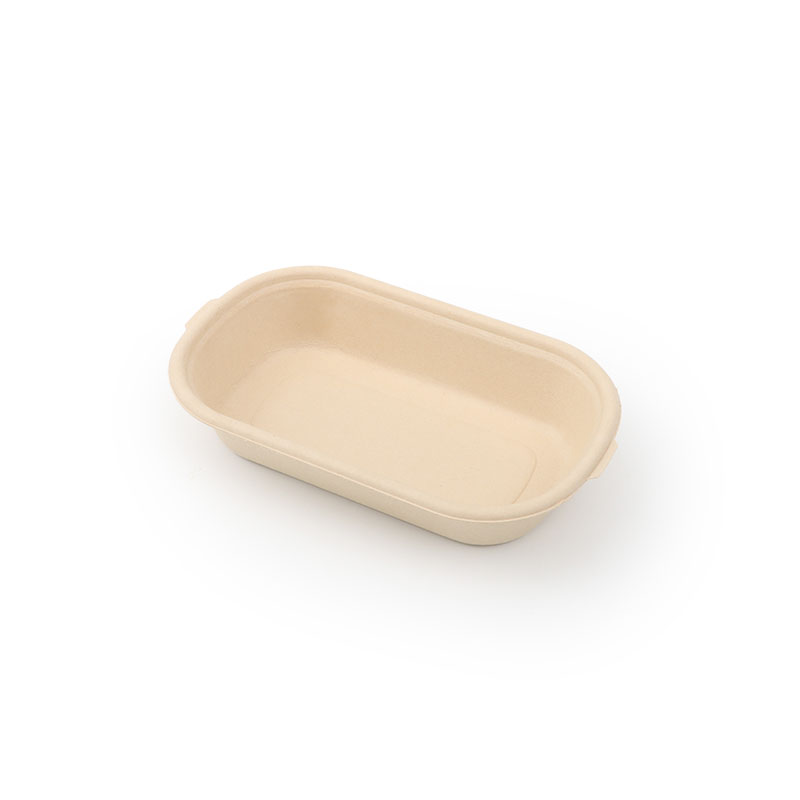 500ml
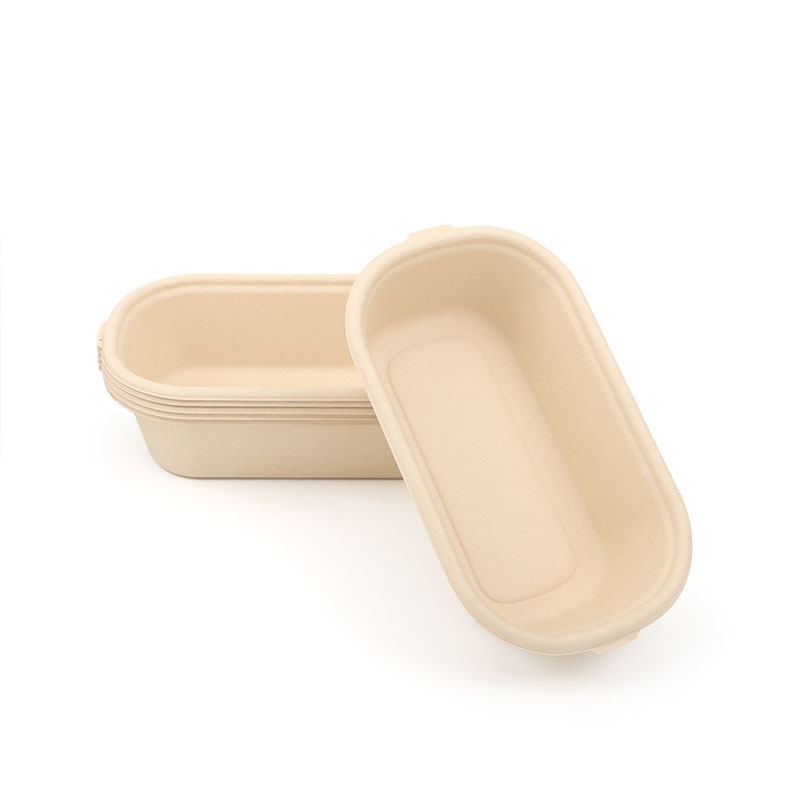 700ml
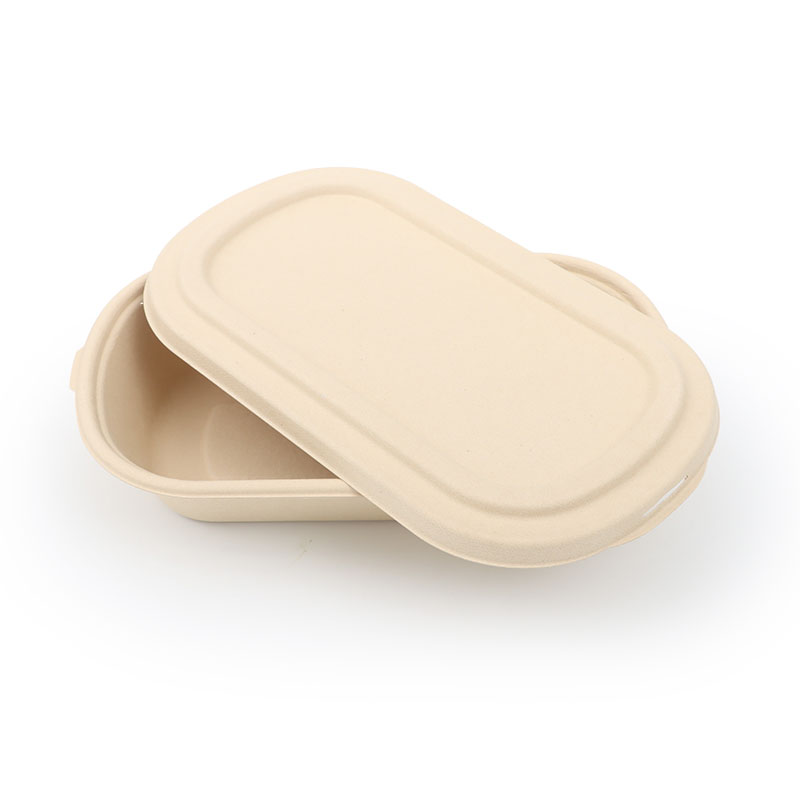 850ml
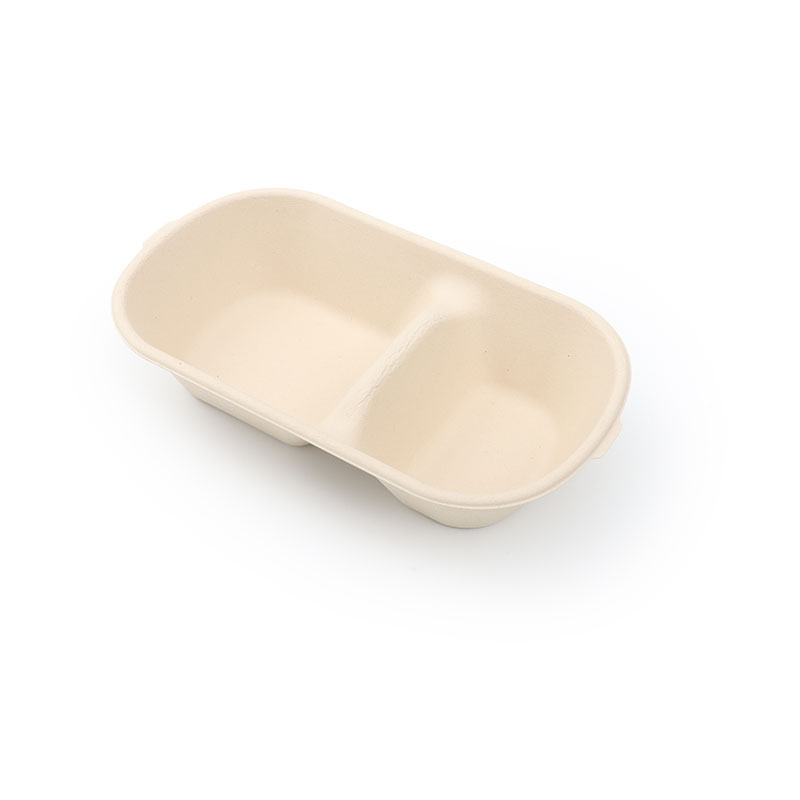 800ml 2 Compartments
 1000ml 2 Compartments
 1100ml
 1000ml Square Lunch Box
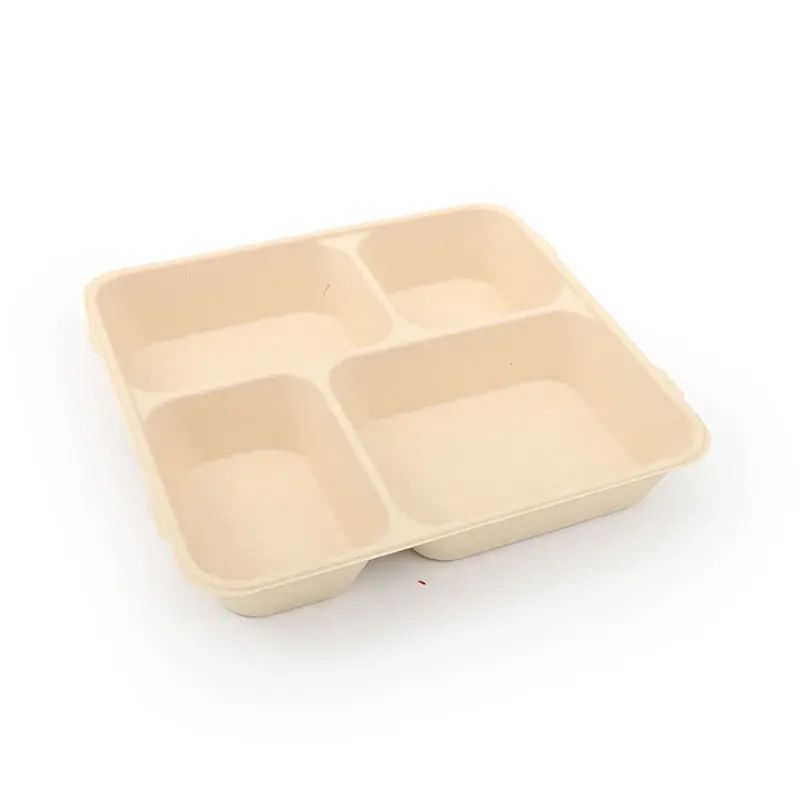 1340ml 4 Compartments
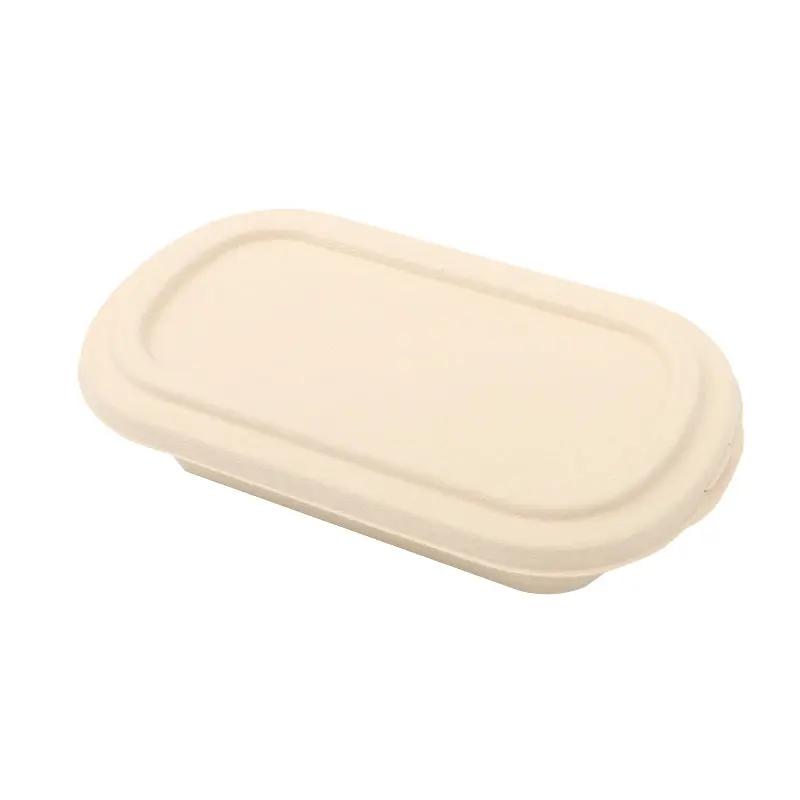 Lunch Box Lid
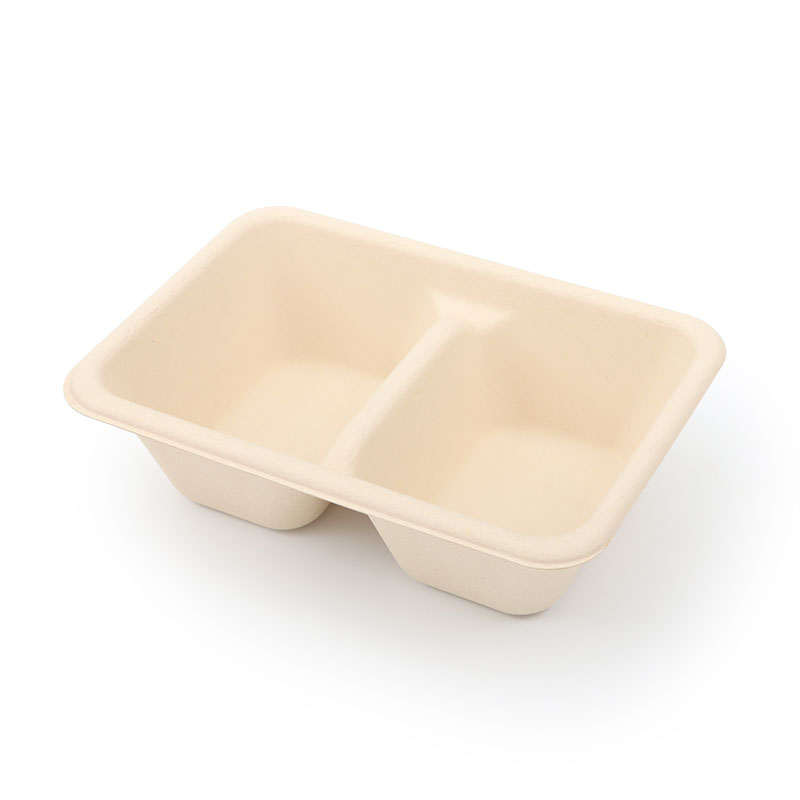 650ml
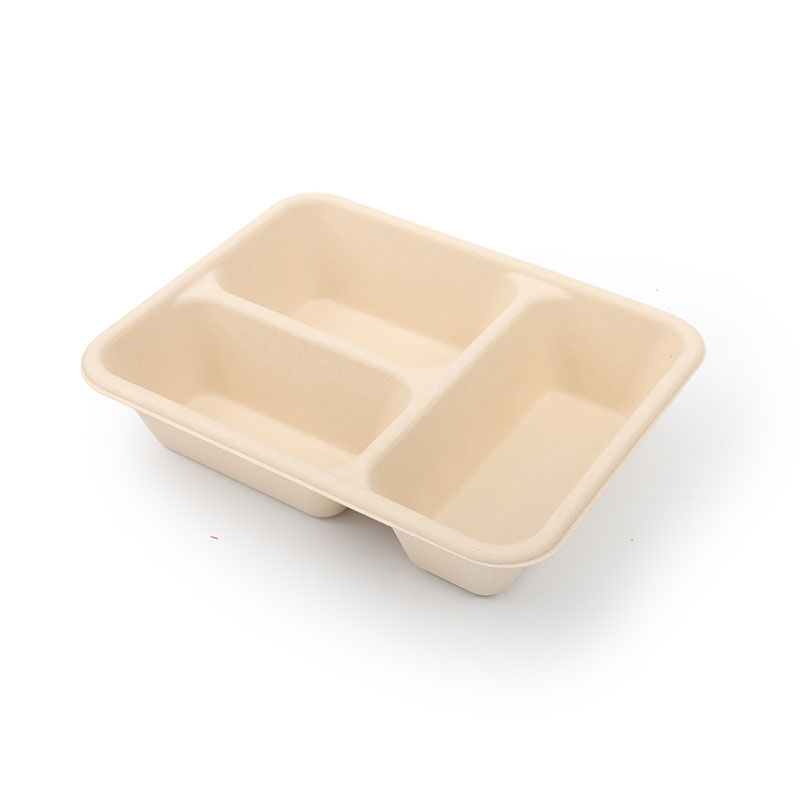 1000ml 3 Compartments
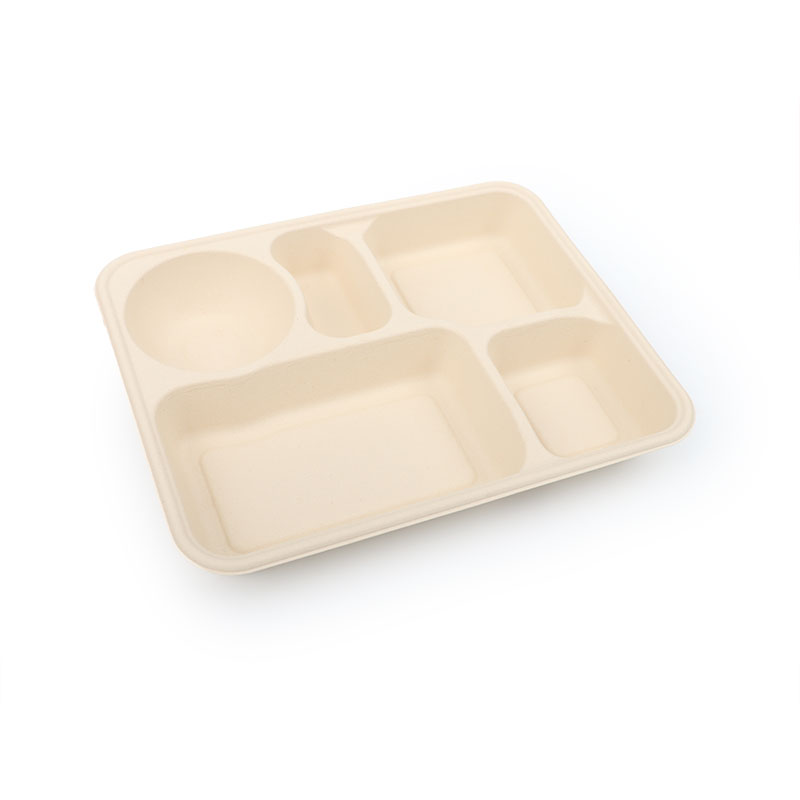 1250ml 5 Compartments
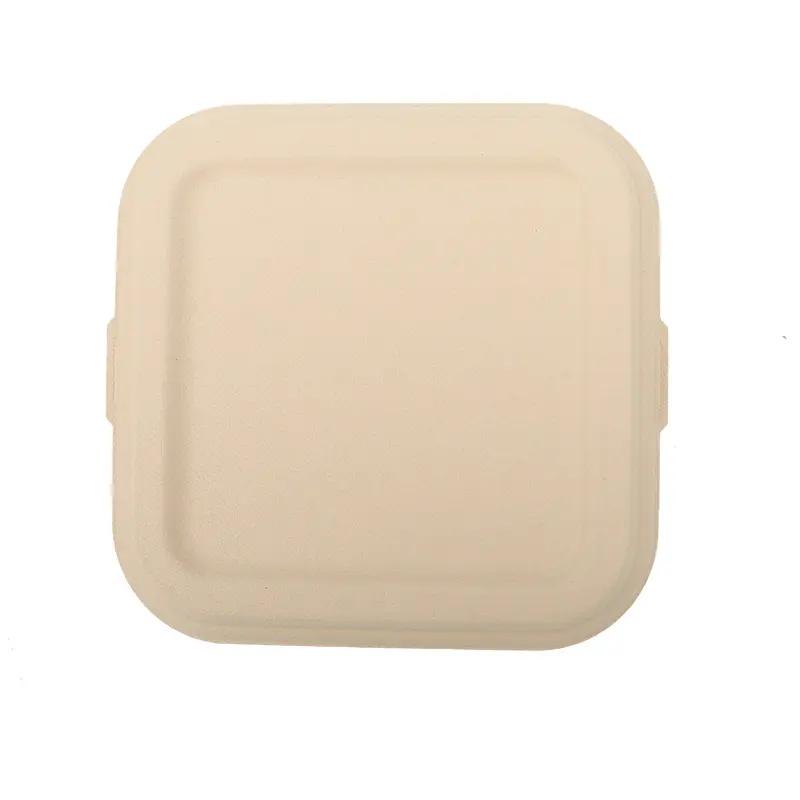 Square Lunch Box Lid
 Box Without T buckle
 850ml Salad Box
 700ml
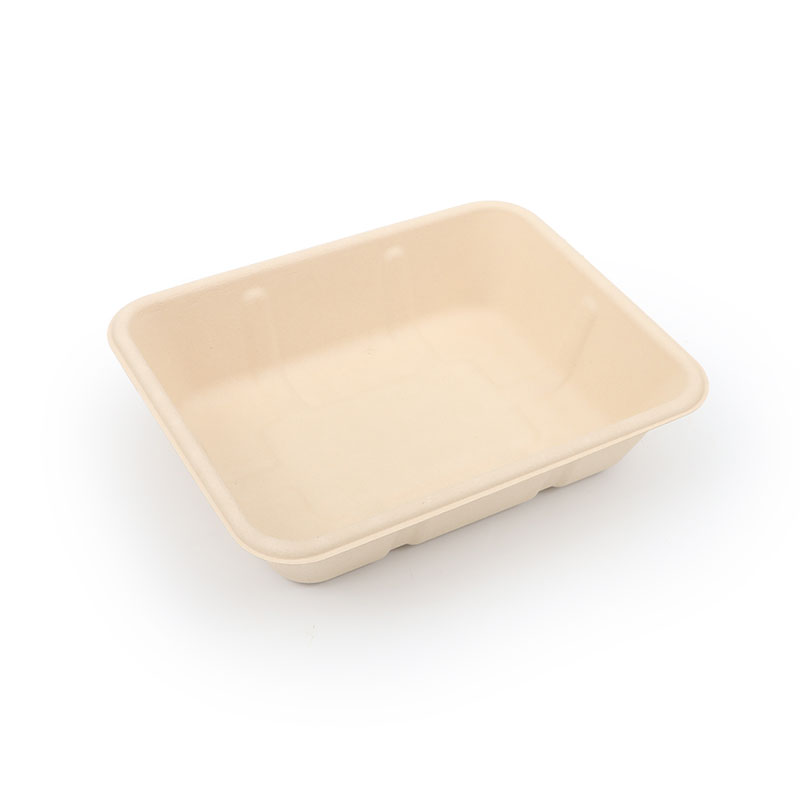 1350ml
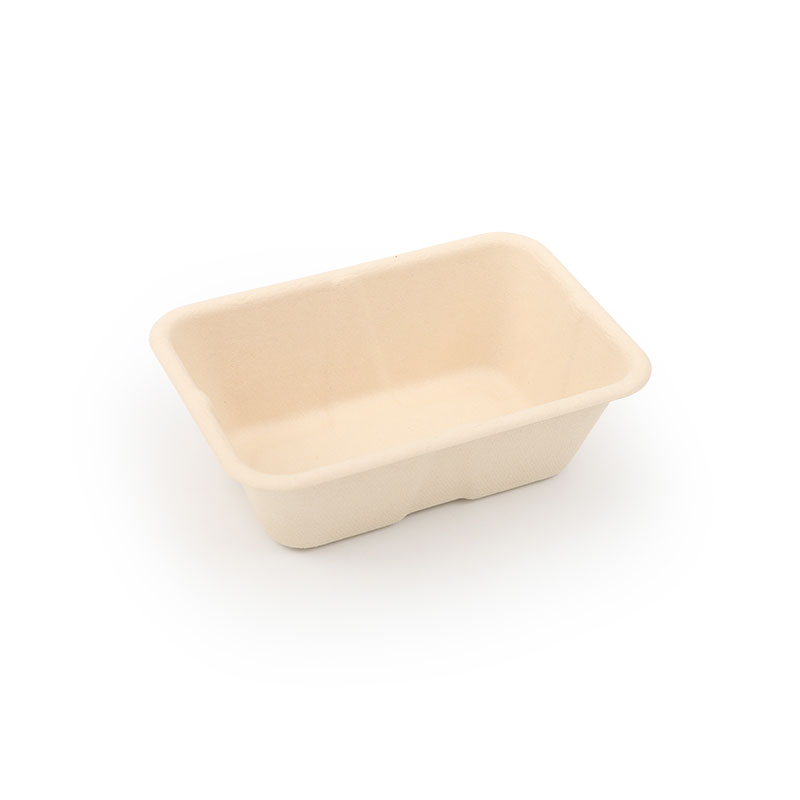 470ml
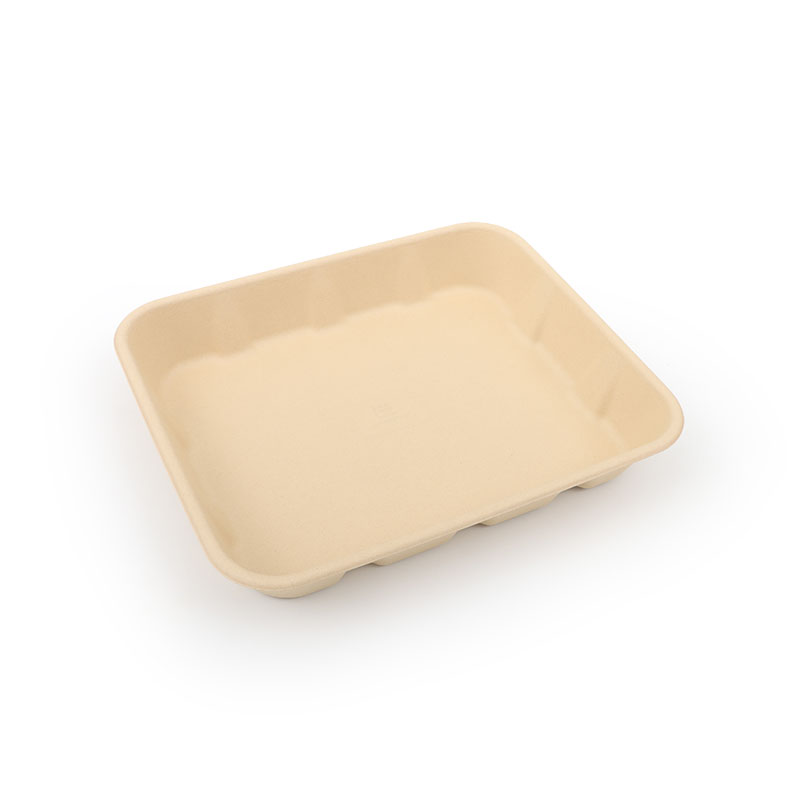 2183ml Tray Box
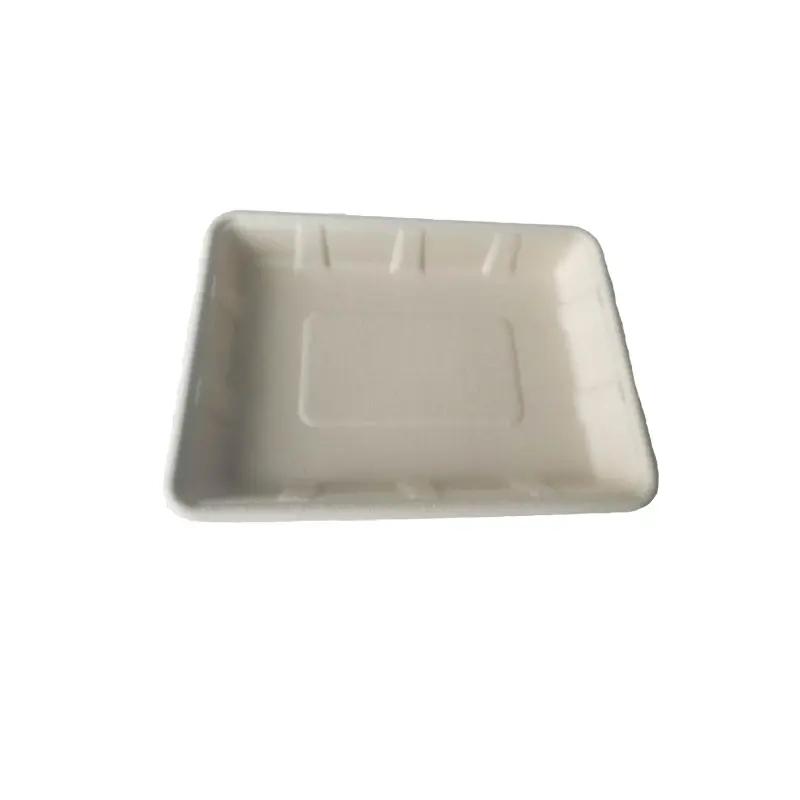 11" * 9"
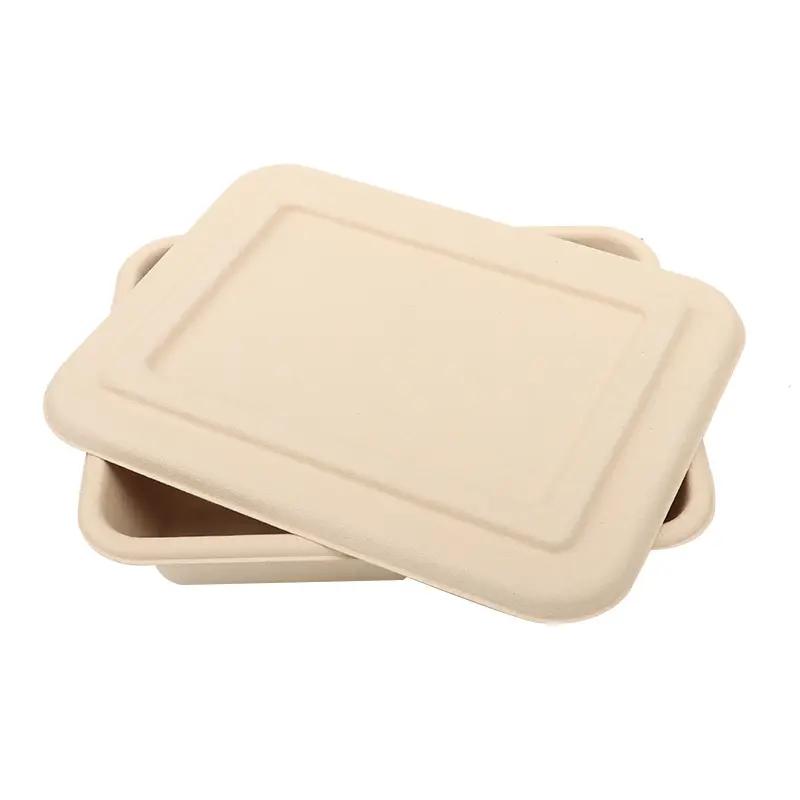 800ml
 One Part Box
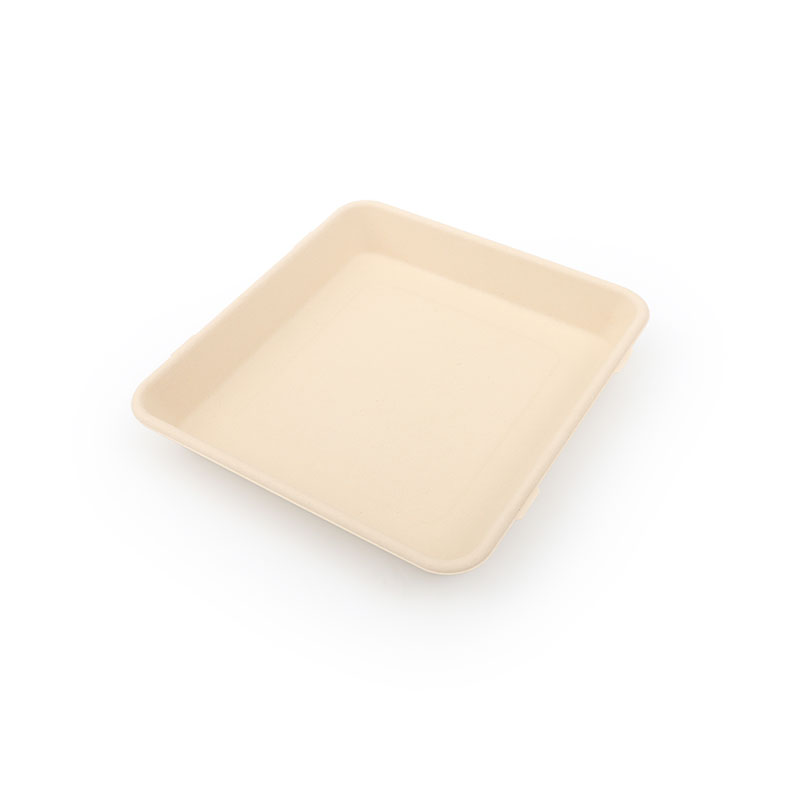 1443ml Tray Box
 Cake Bread Snack Tray Series
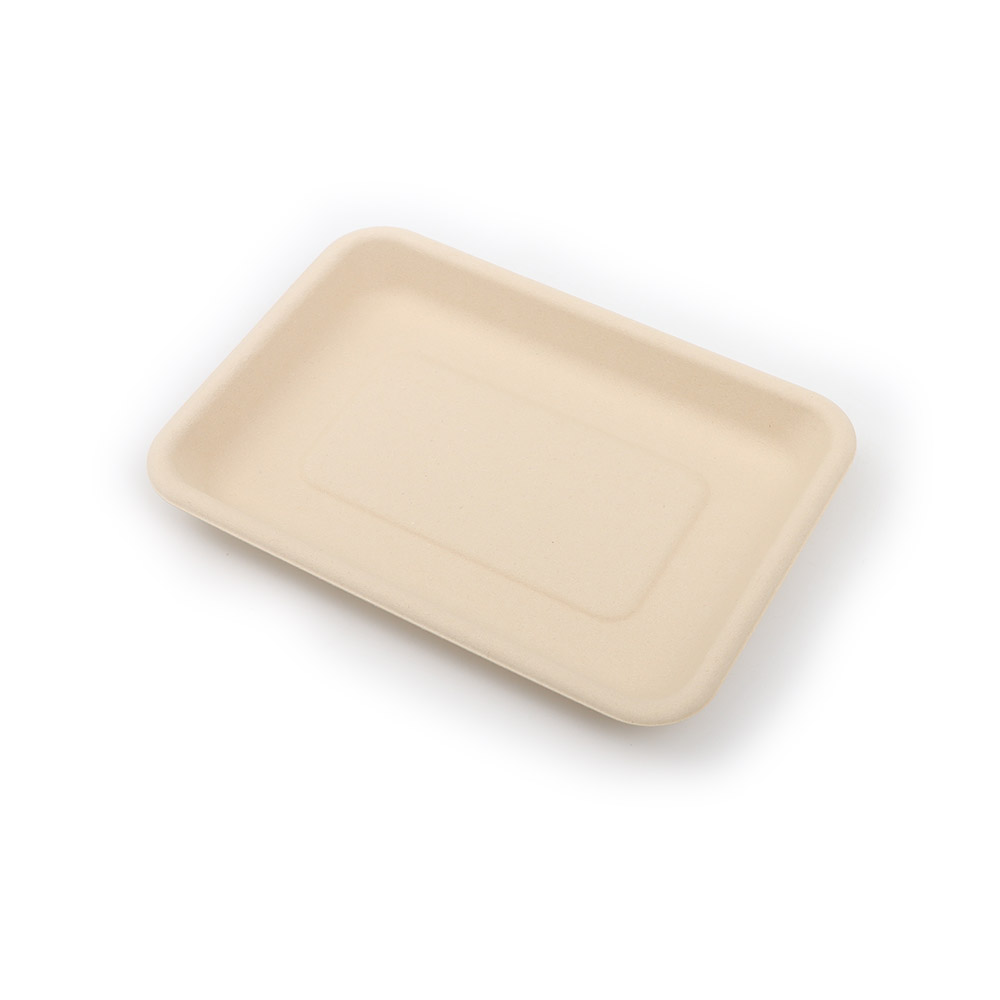 5" * 7" natural color
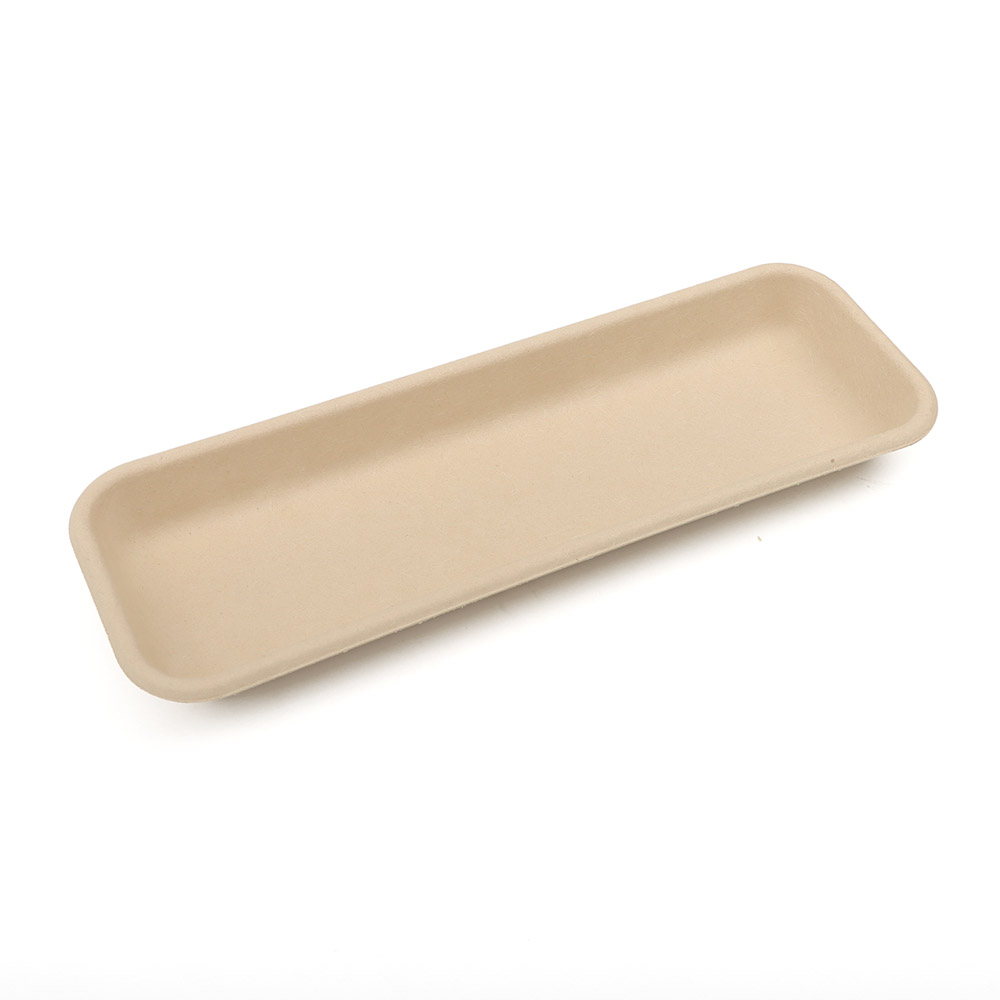 11.4" * 3.9"
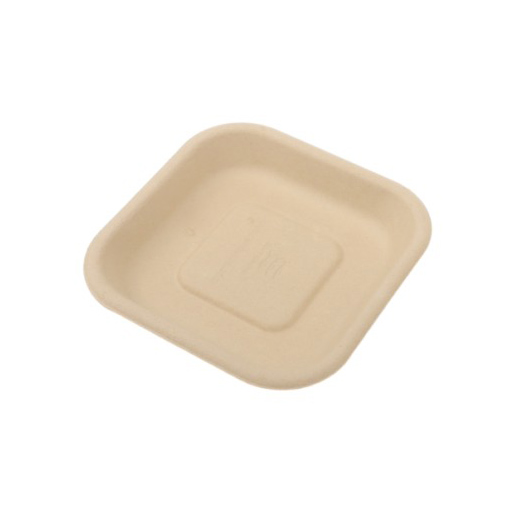 5.3" * 5.3"
 Fruit And Vegetable Tray Series
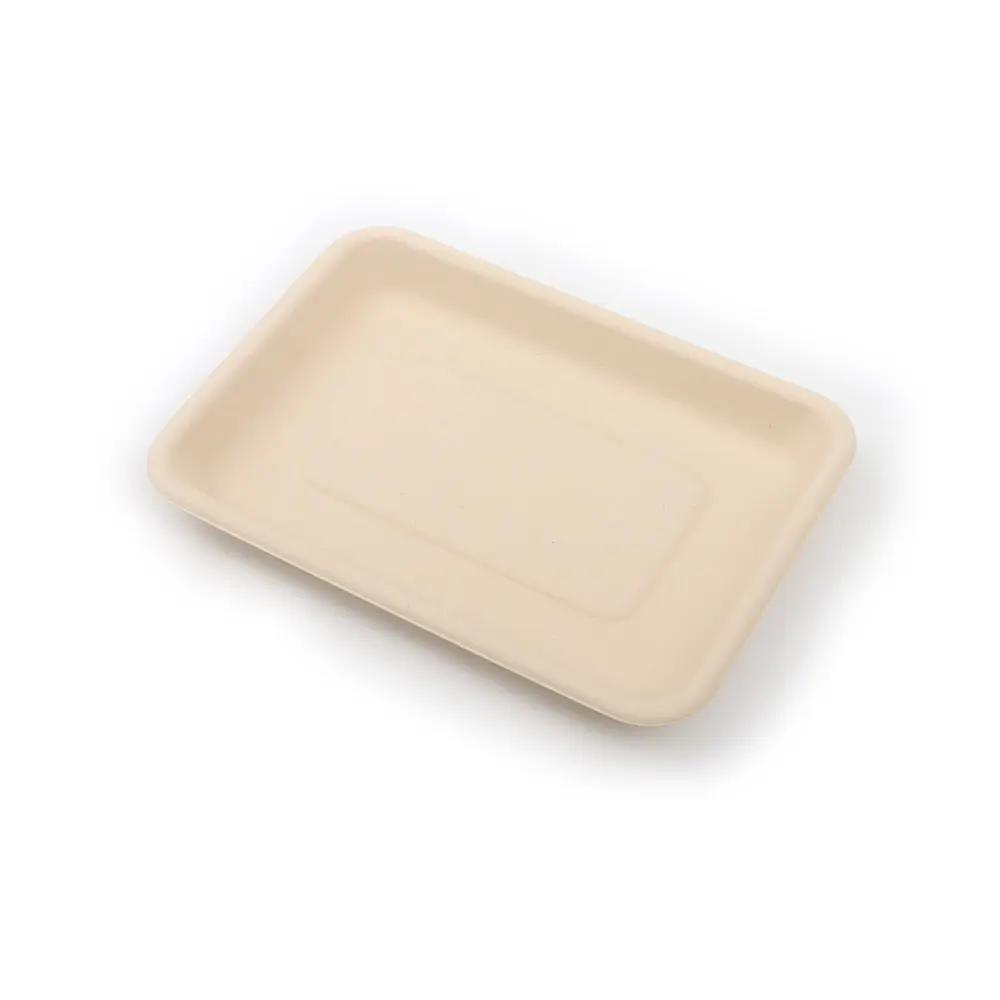 8.6" * 5.3"
 Sushi Tray Series
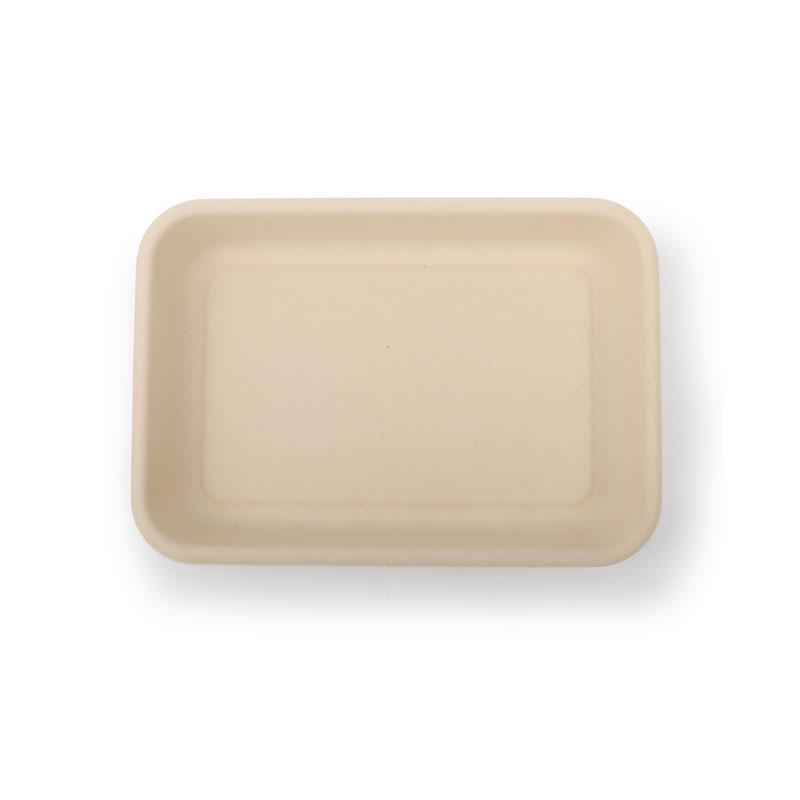 200" * 140"
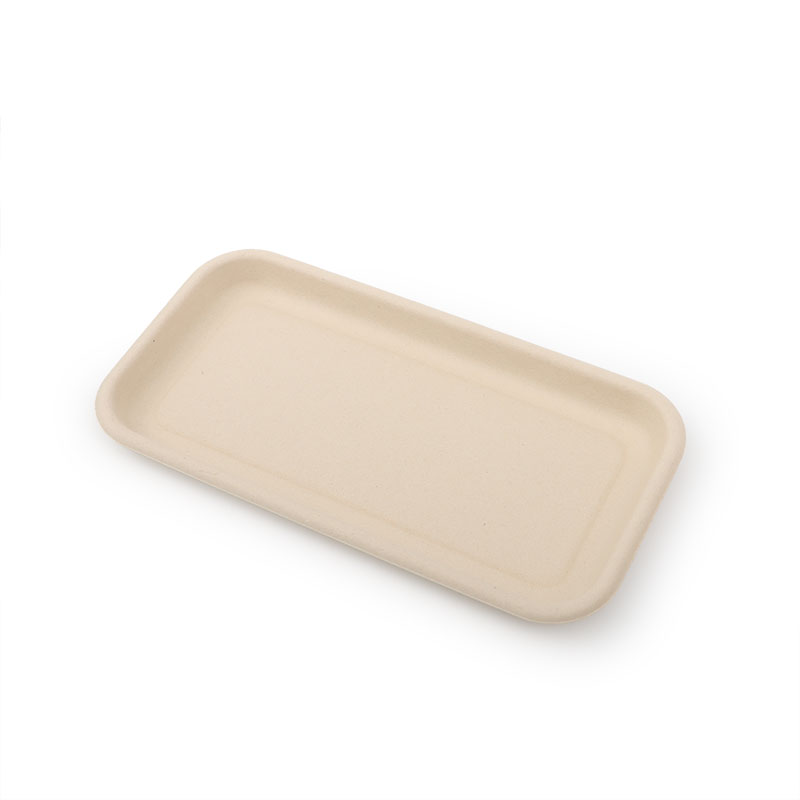 210" * 110"
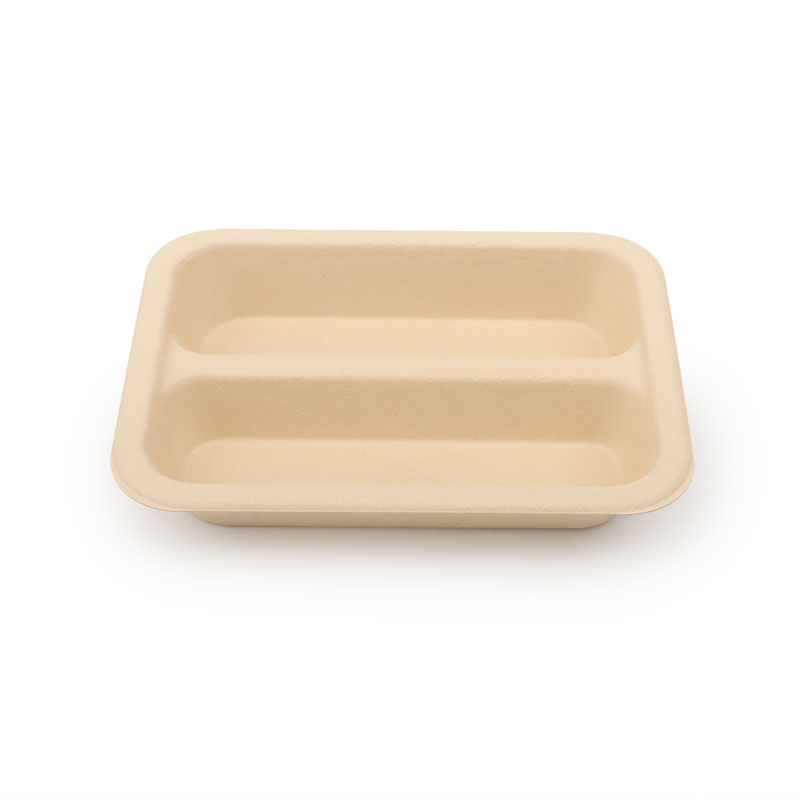 2 Compartments
 Small Round Plate Series
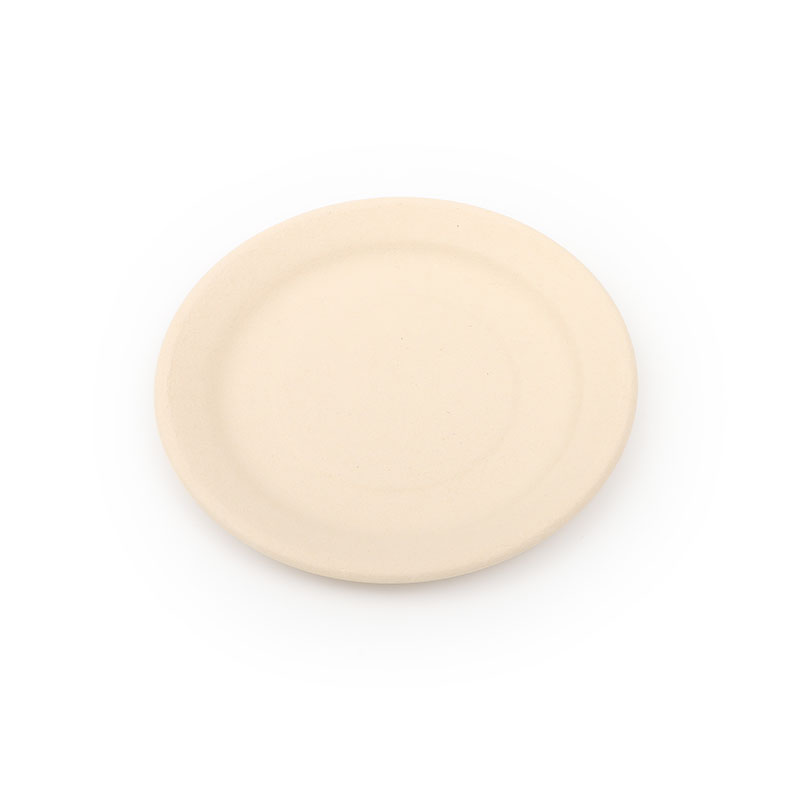 7 inch
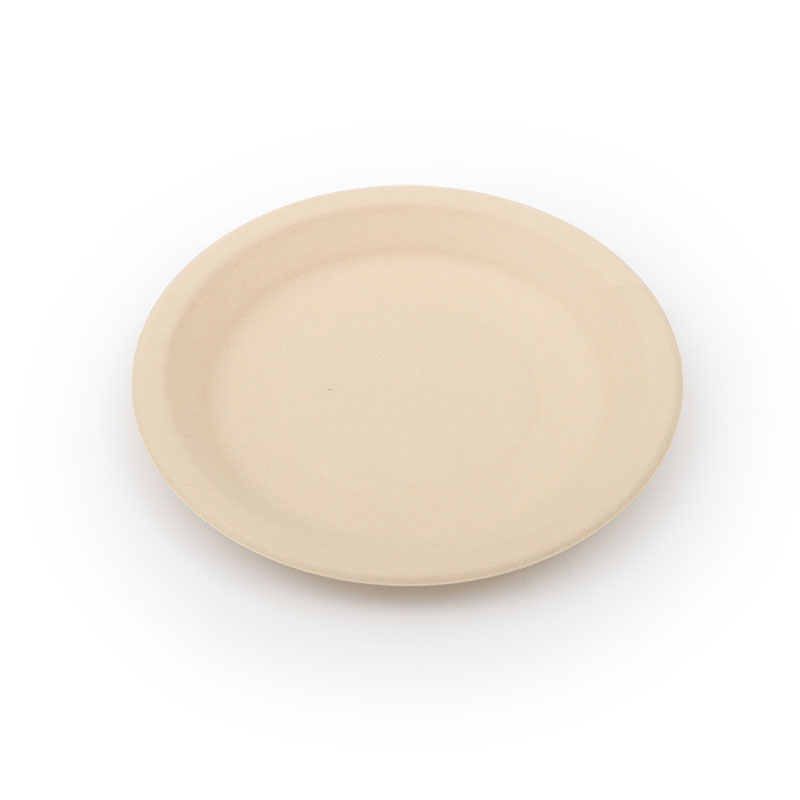 6 inch
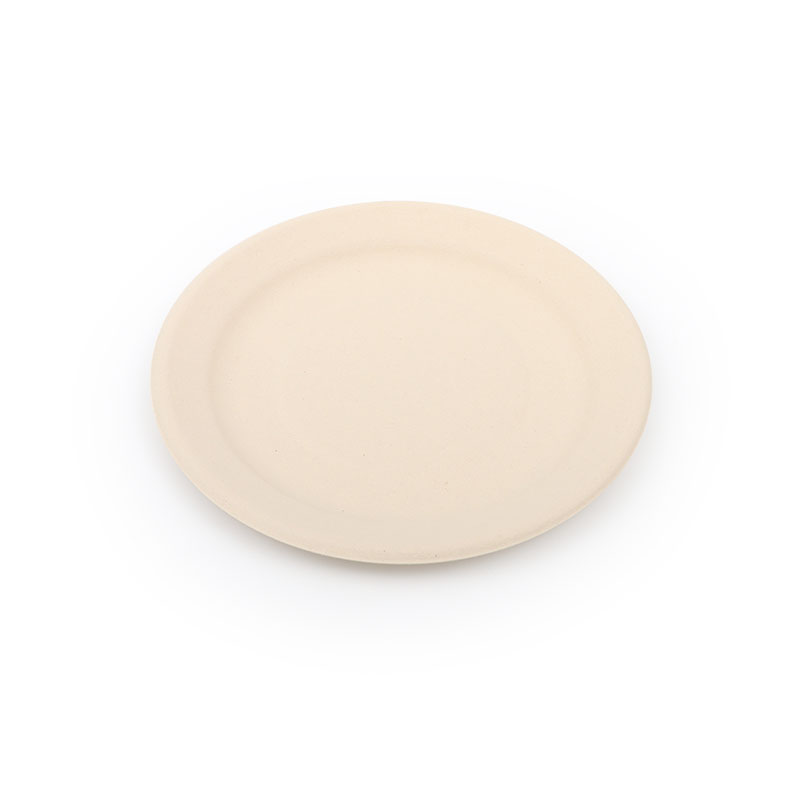 8 inch
 Middle Round Plate Series
 9 Inch 3 Compartments
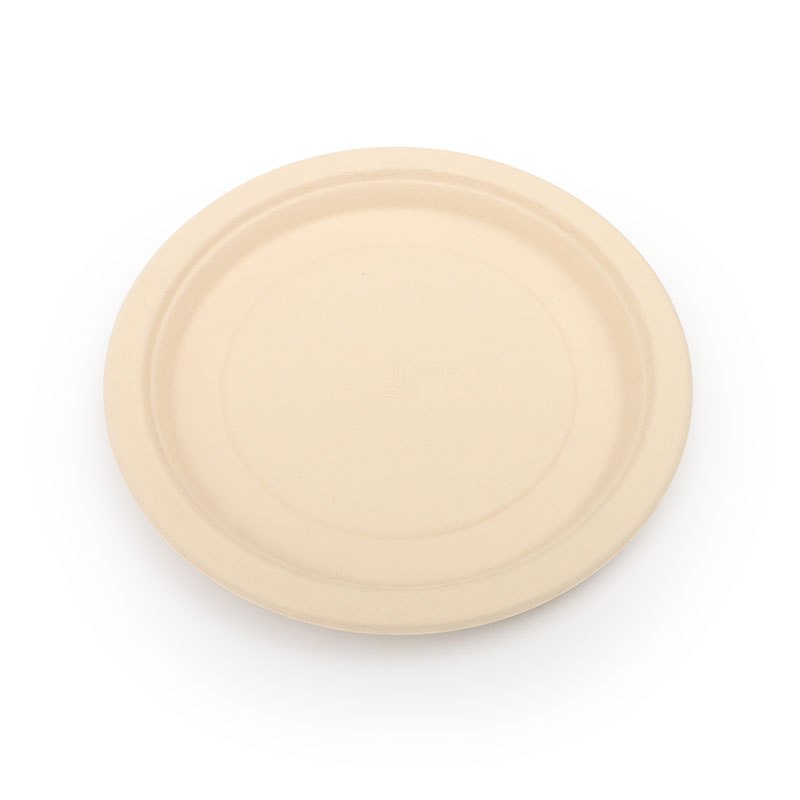 9 inch
 Big Round Plate Series
 12.7 Inch Pizza Plate
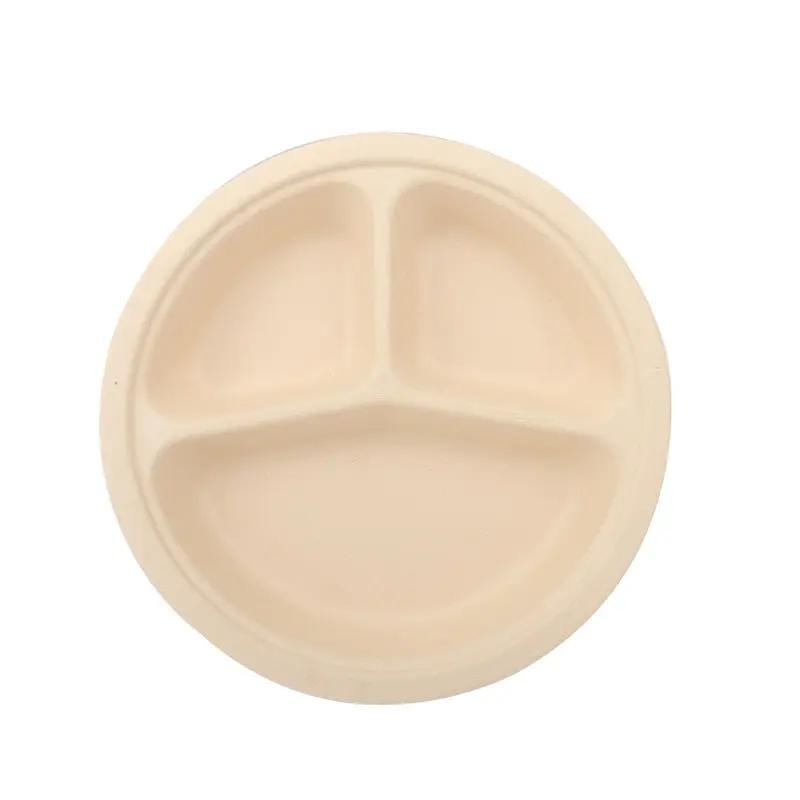 10.25 inch 3 Compartments
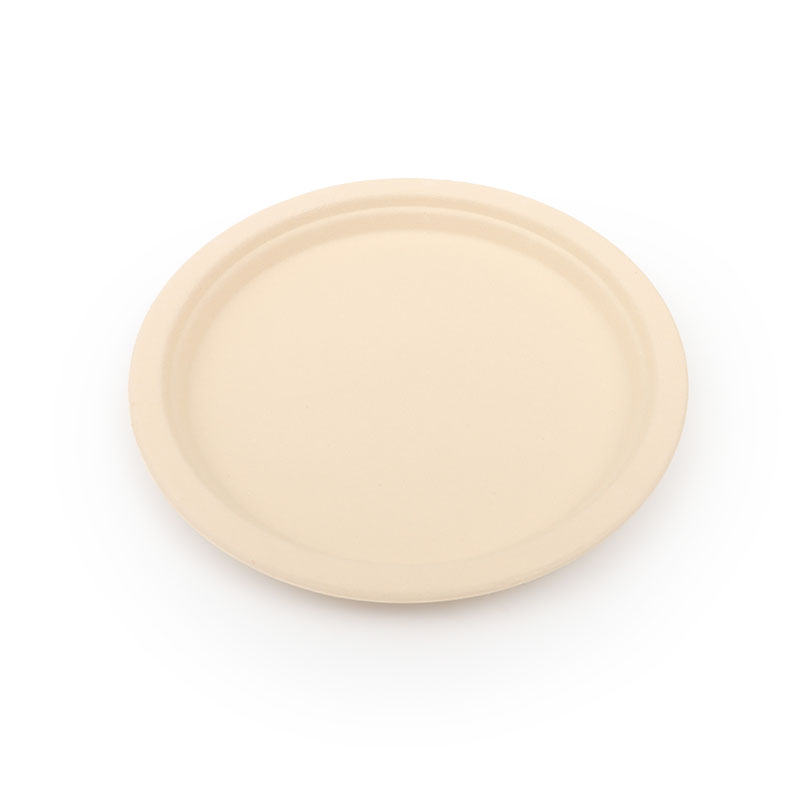 10 inch
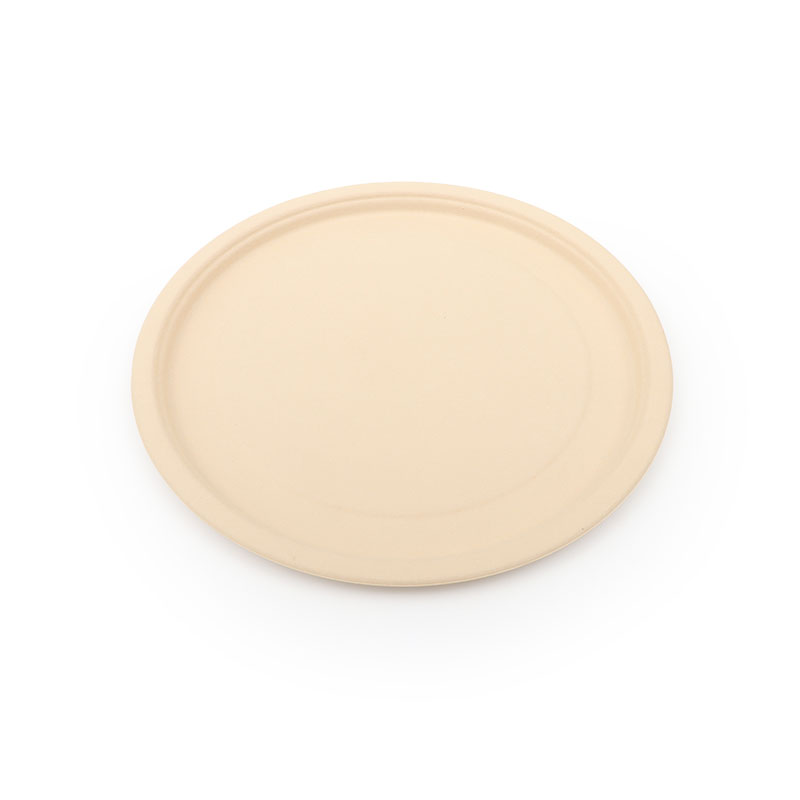 12 inch
 Bigger Bowl
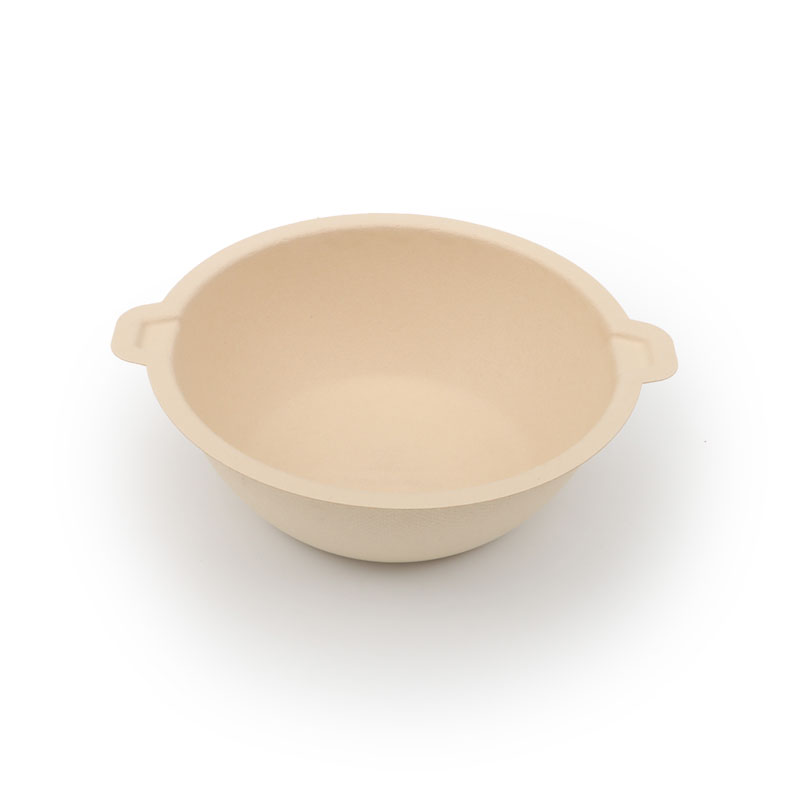 48oz(1420ml)
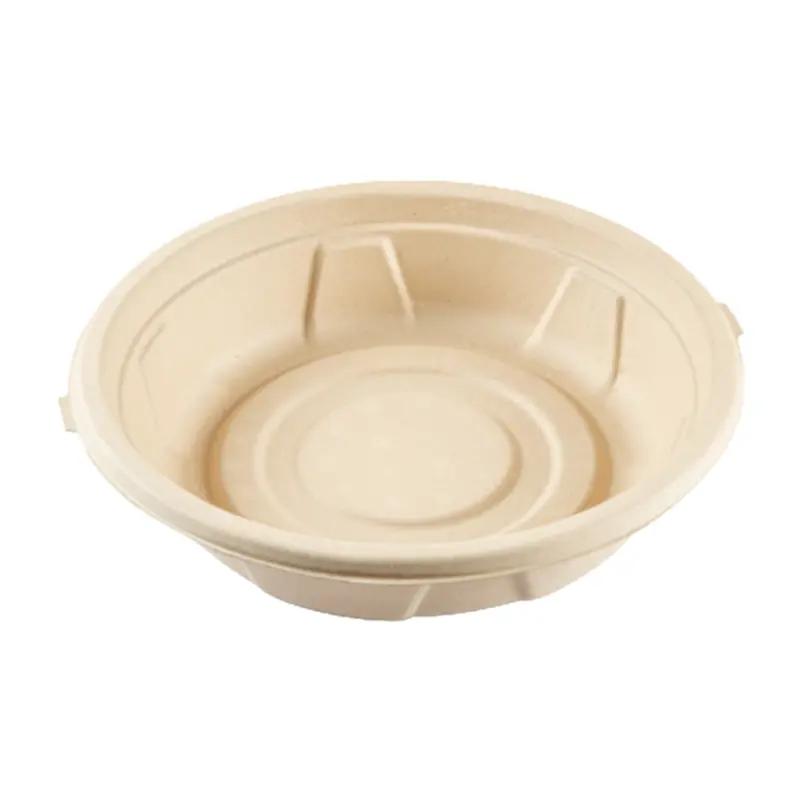 56oz(1650ml)
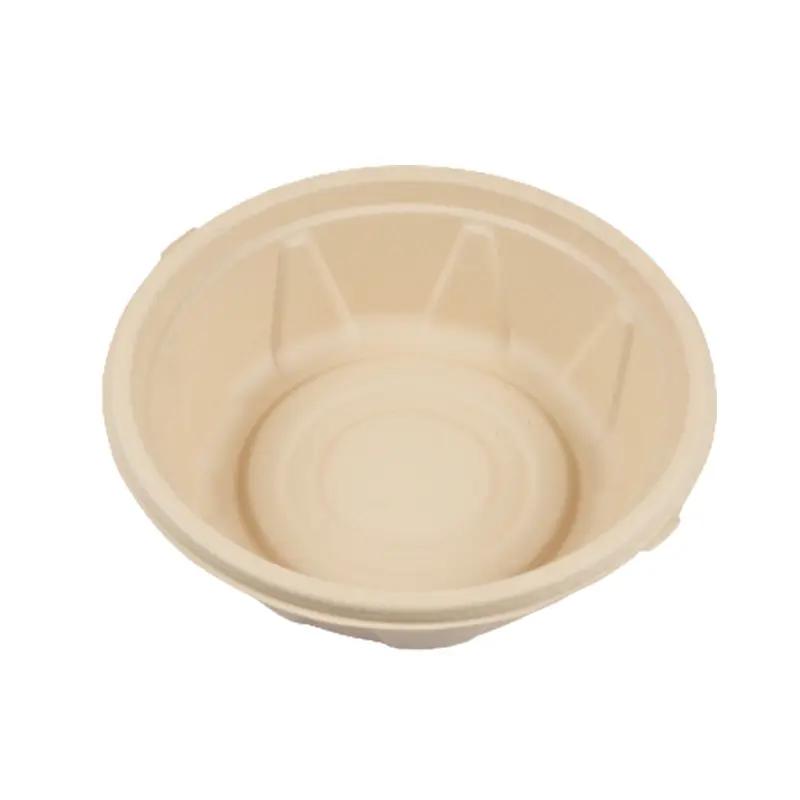 100oz(2950ml)
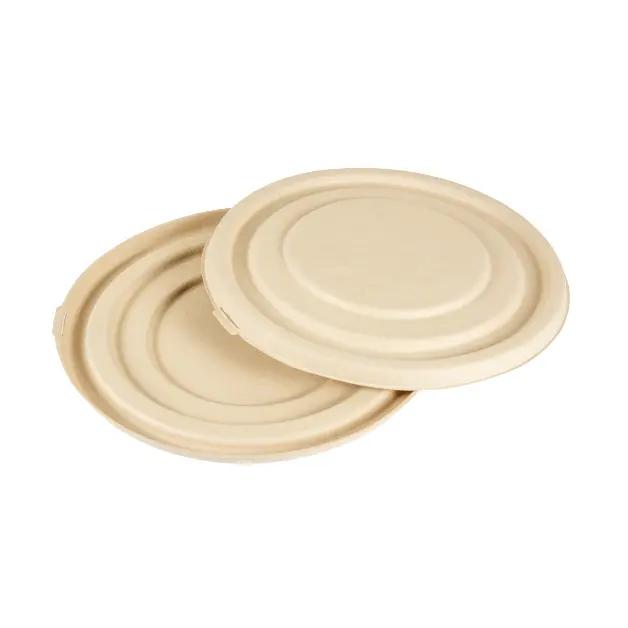 100oz(2950ml) With Lid
 Middle Bowl
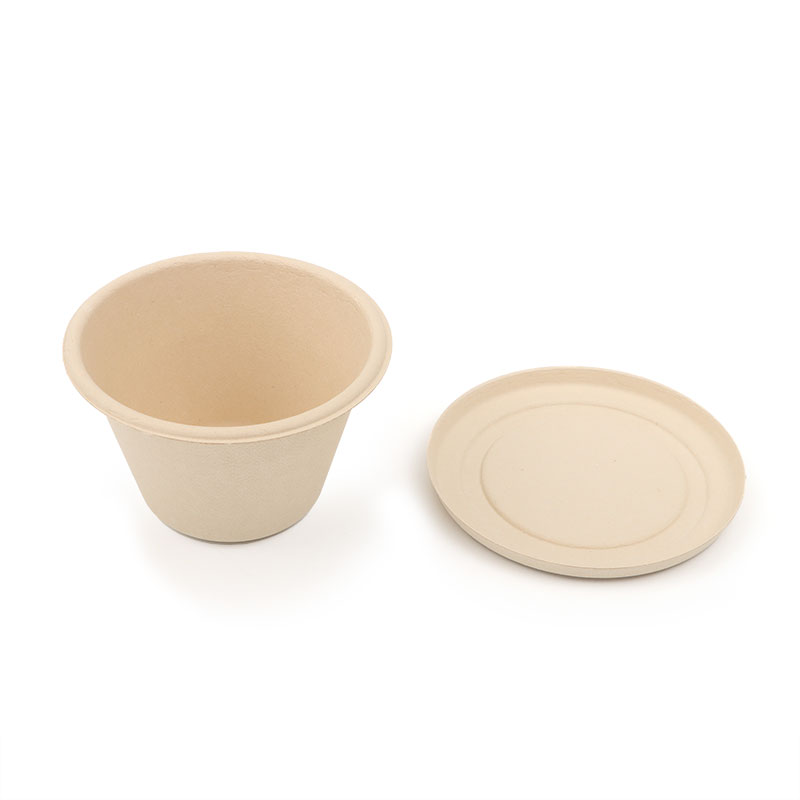 17oz(500ml)
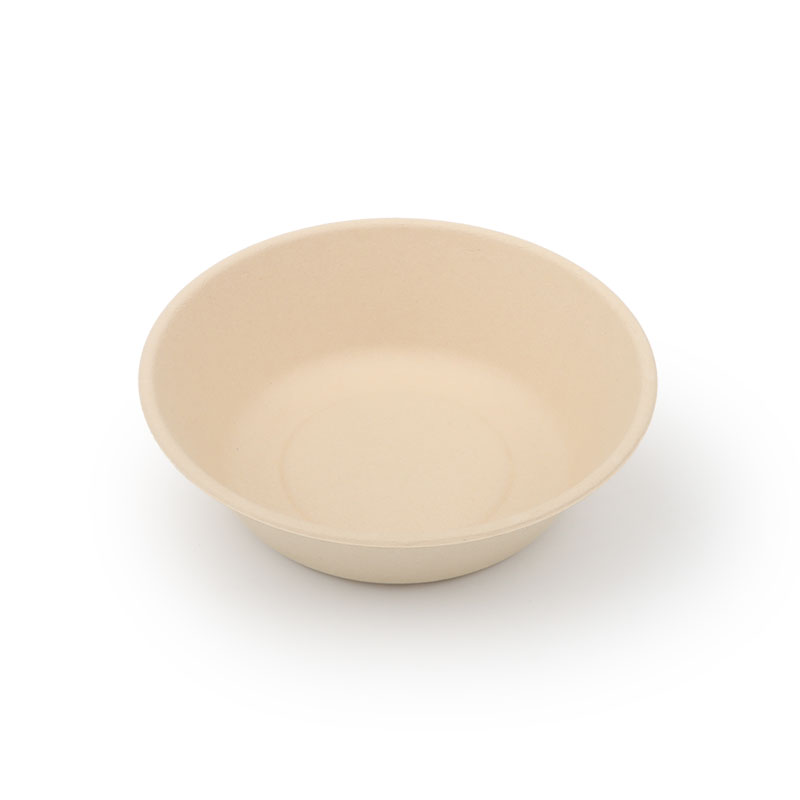 27oz(800ml)
 20oz(600ml)
 29oz(850ml)
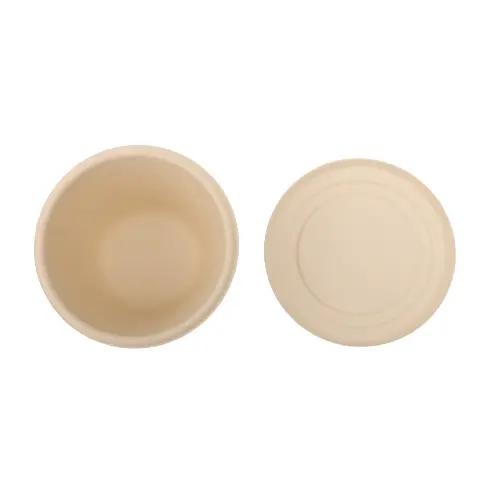 17oz(500ml) With Lid
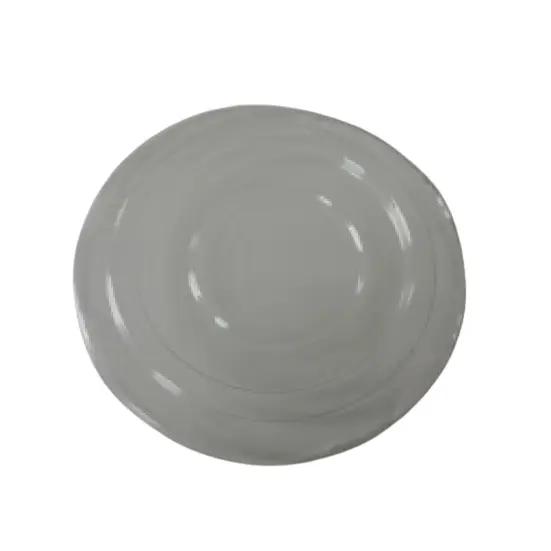 17oz(500ml) PET Lid
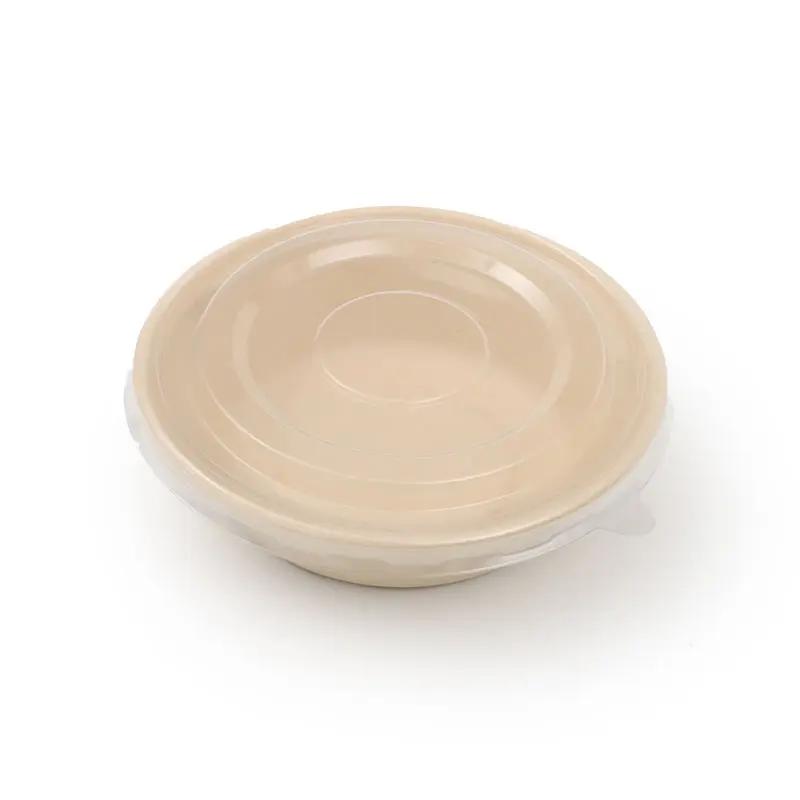 28oz(830ml) PET Lid
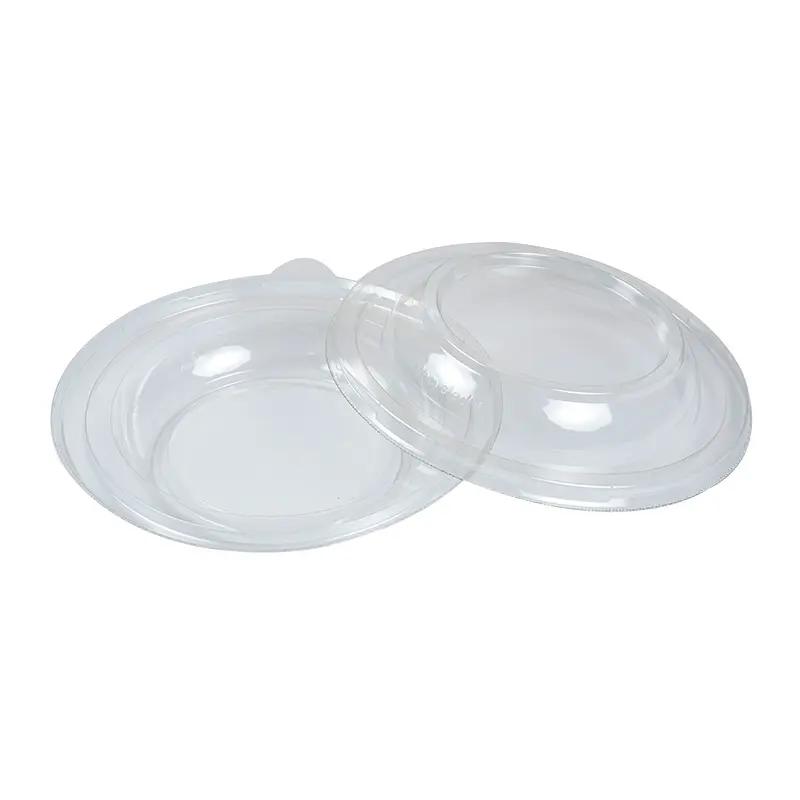 Round Bowl PET
 Small Bowl
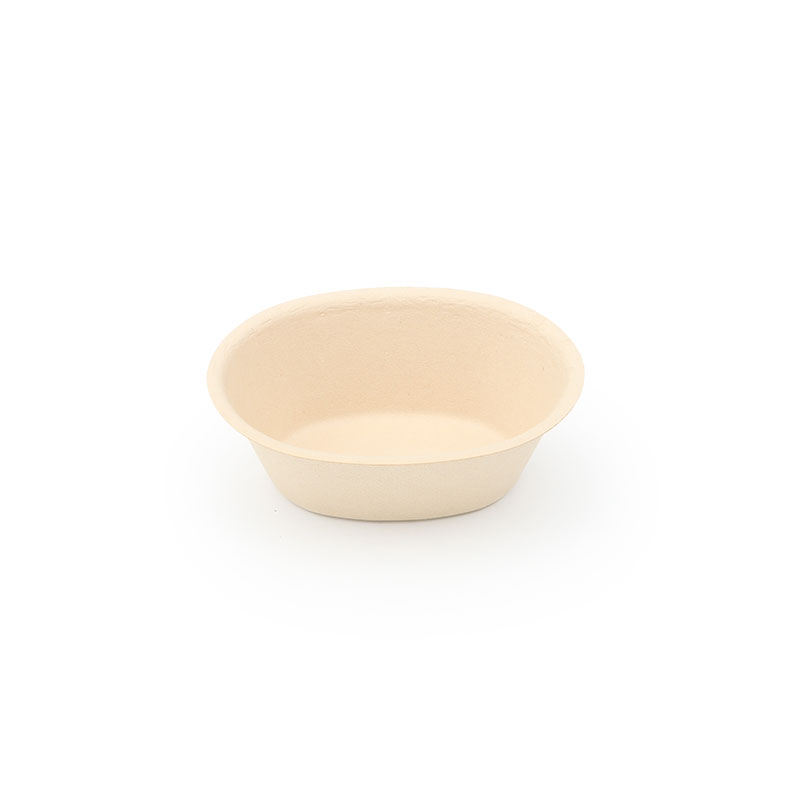 Snack Bowl
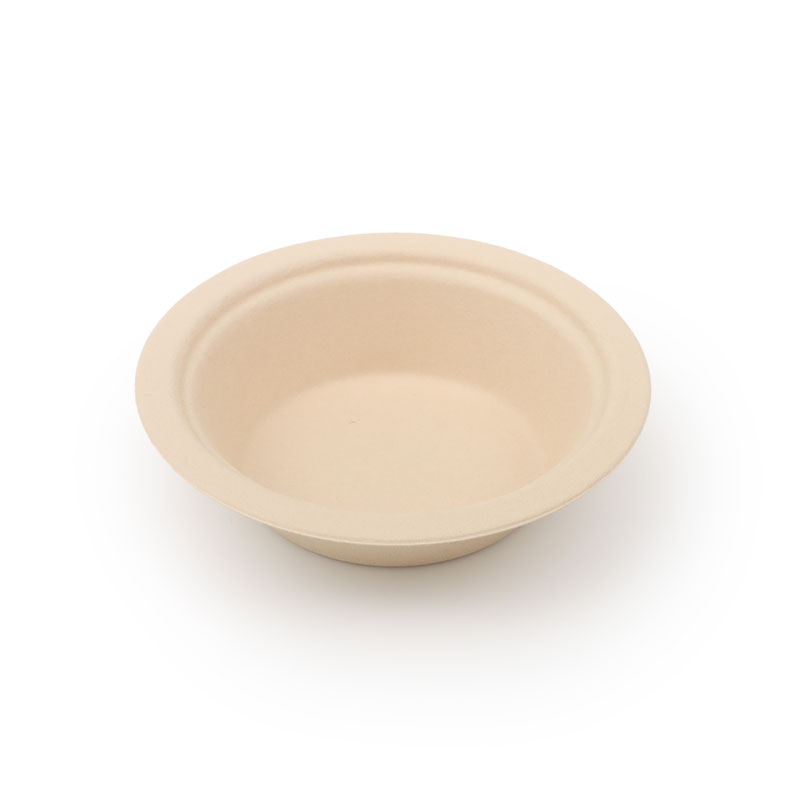 11.5oz(340ml) Bowl
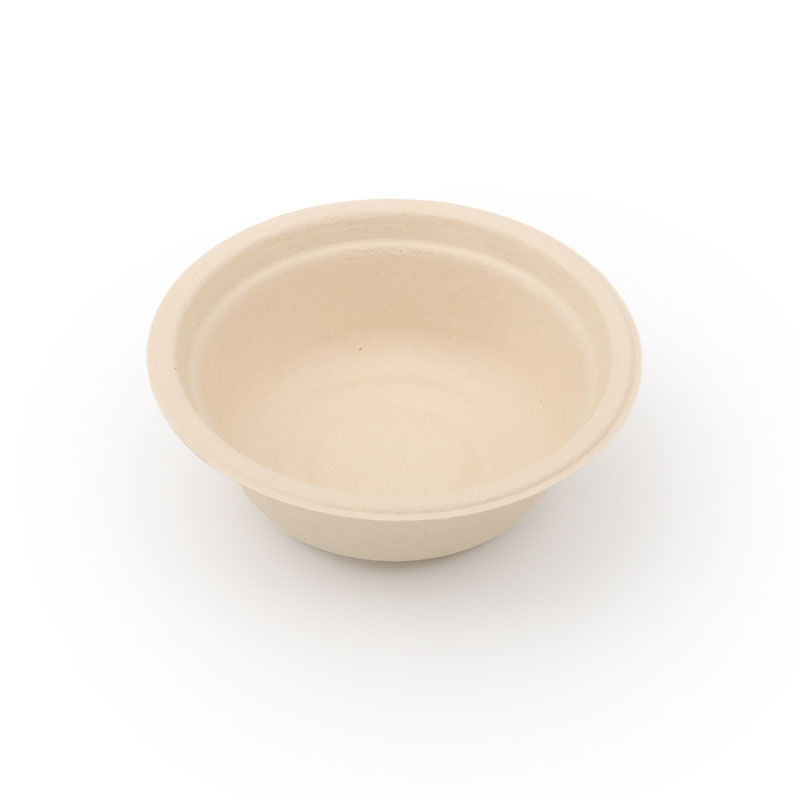 6.7oz(200ml) Bowl
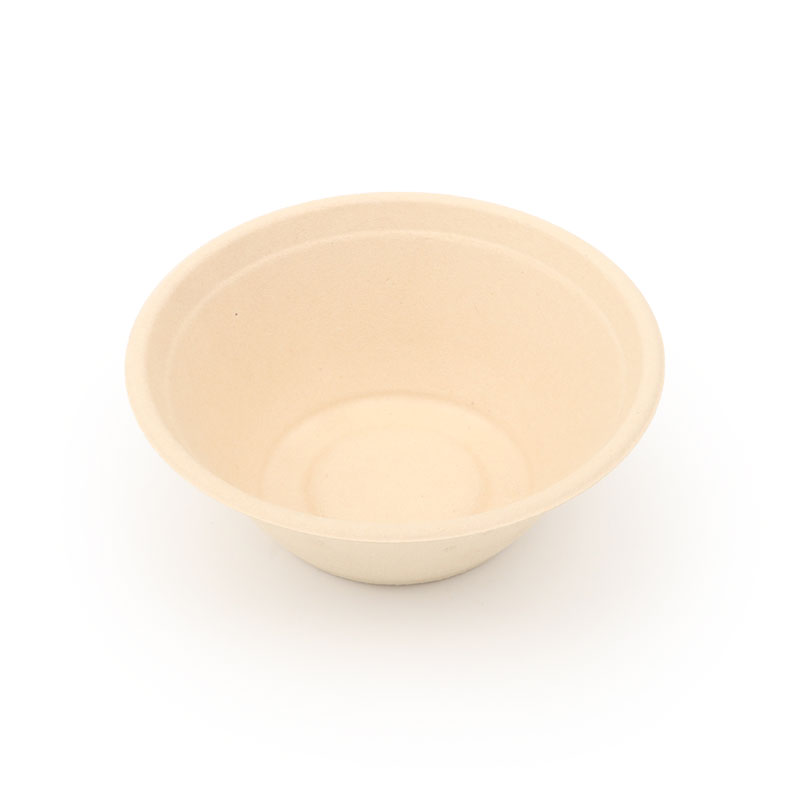 12oz(350ml) Bowl
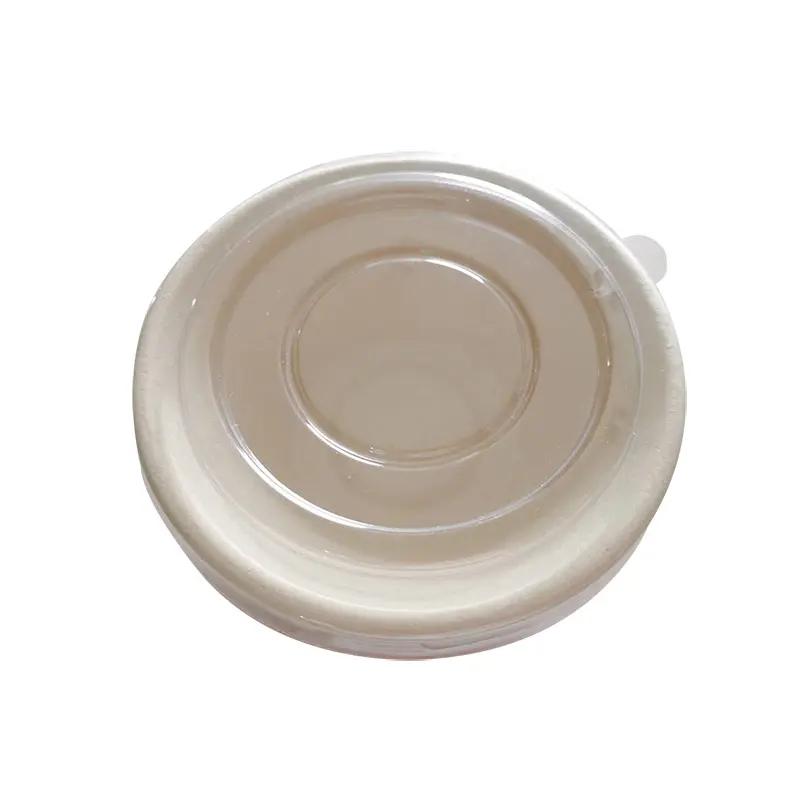 12oz(350ml) Bowl PET
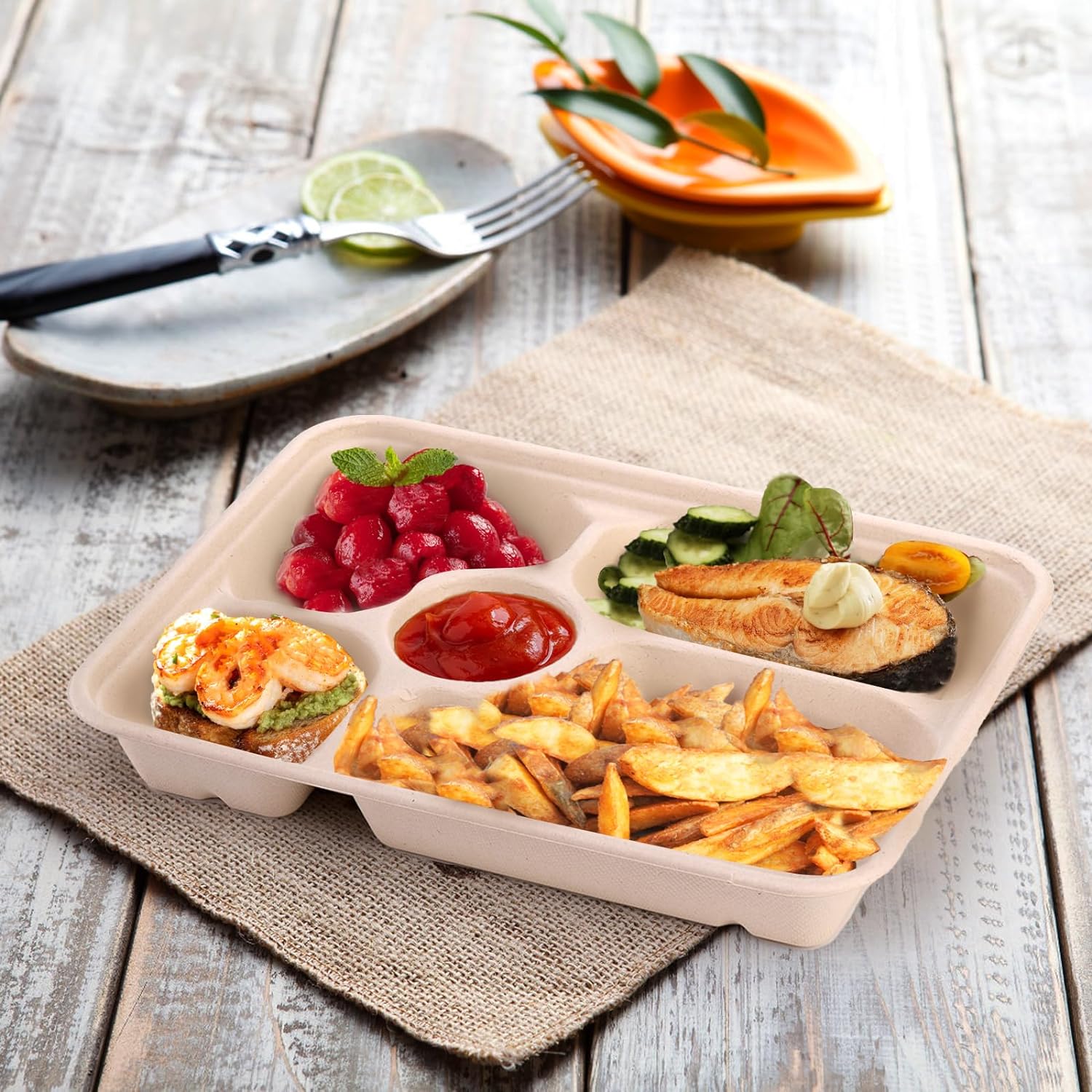 Bagasse Lunch Boxes
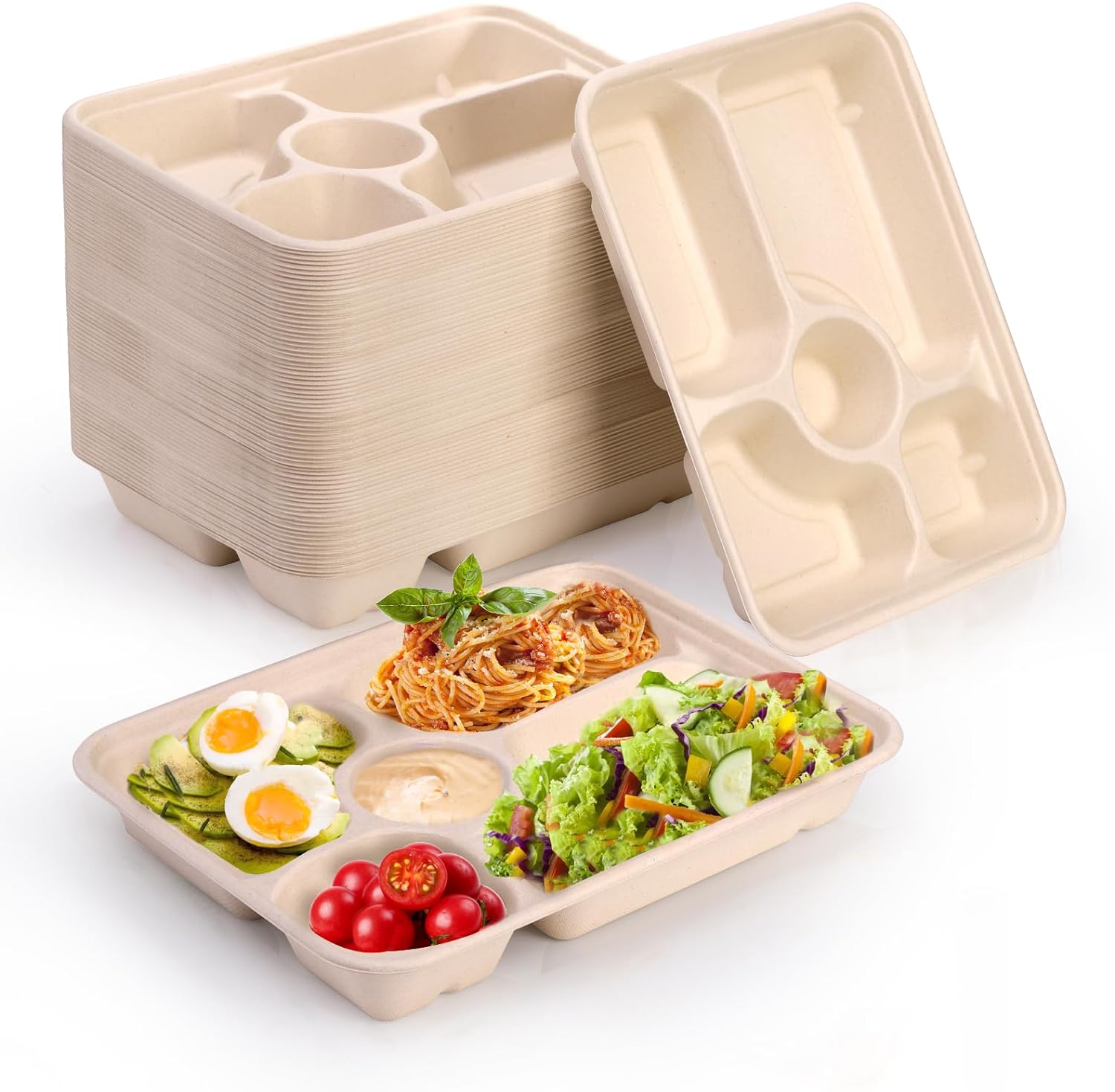 5CP
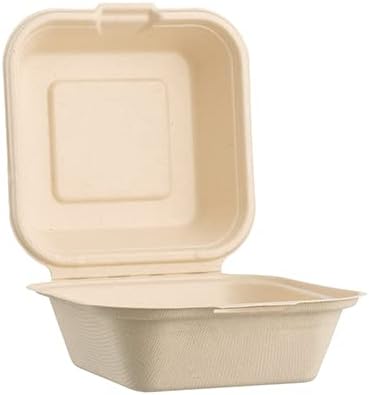 6 inch
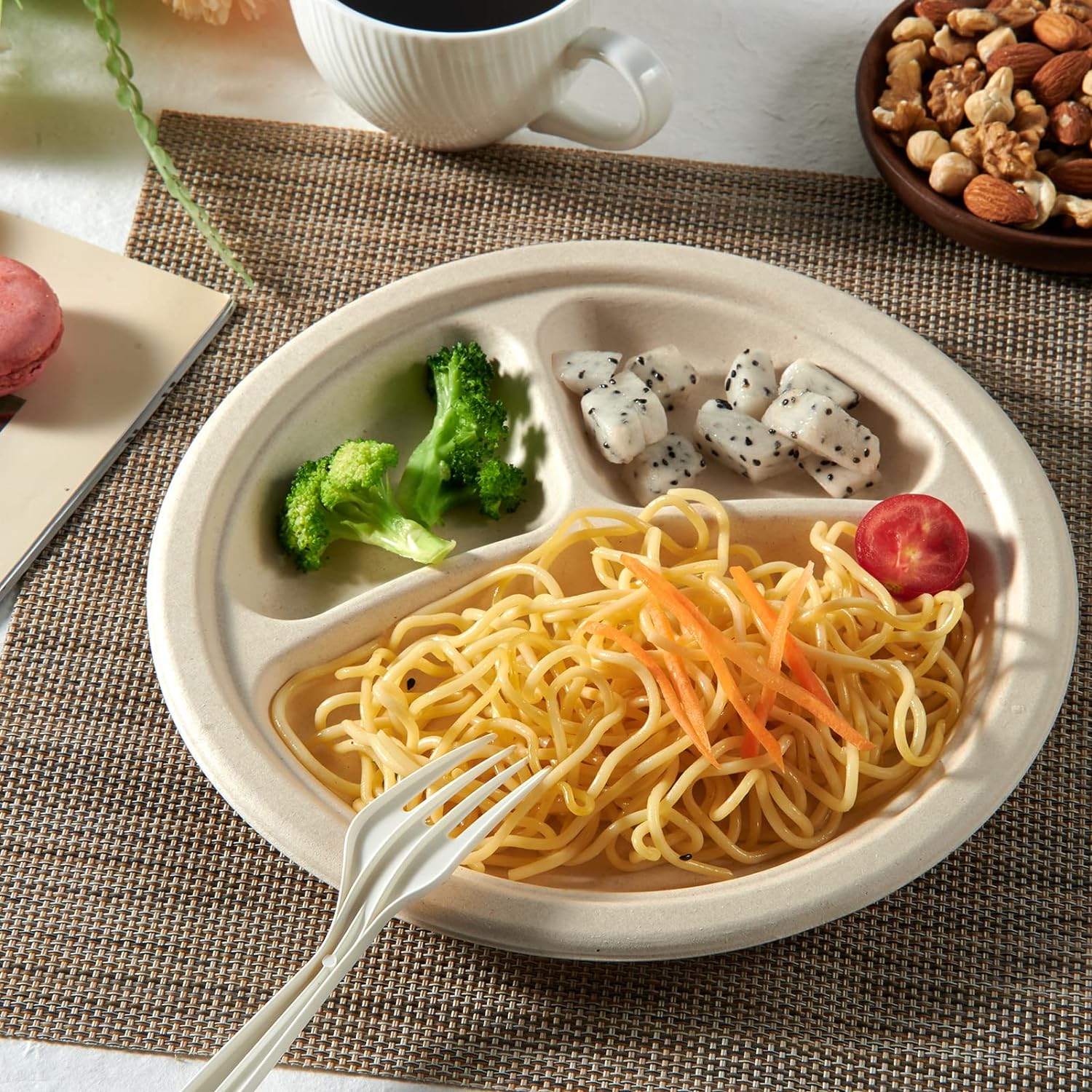 Bagasse Food Plates
 7 inch
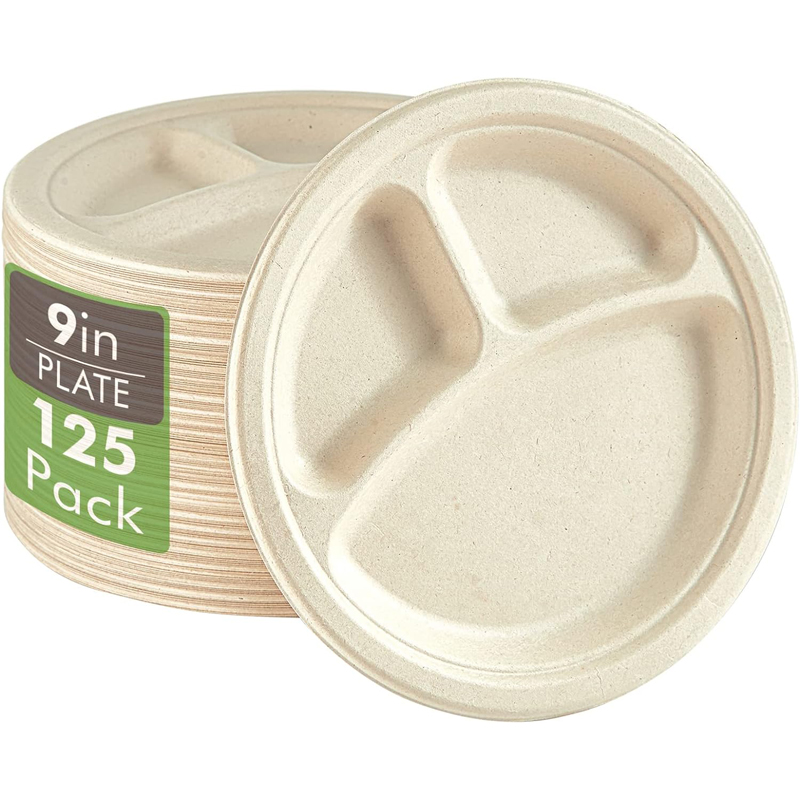 3CP
 Bagasse Bowls
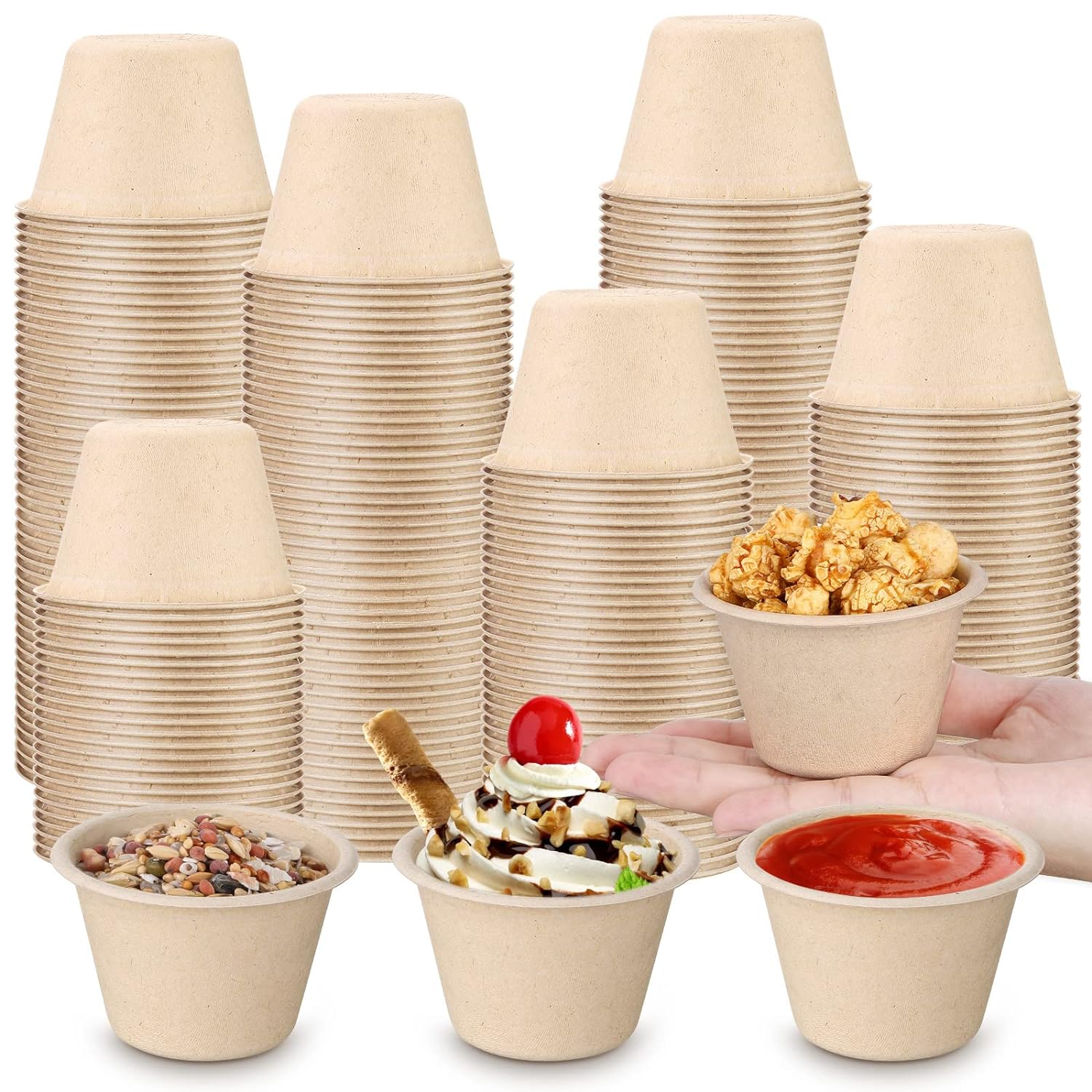 4oz
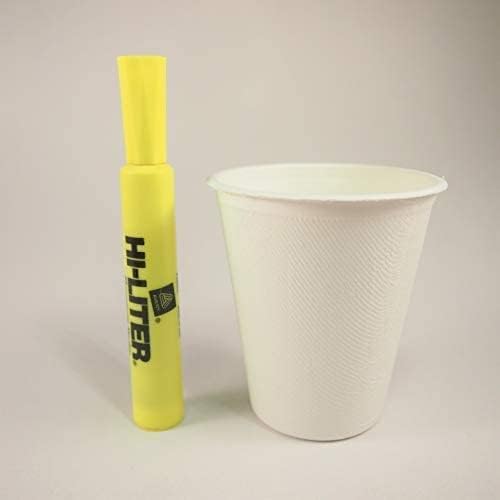 Bagasse Cups And Cutlery
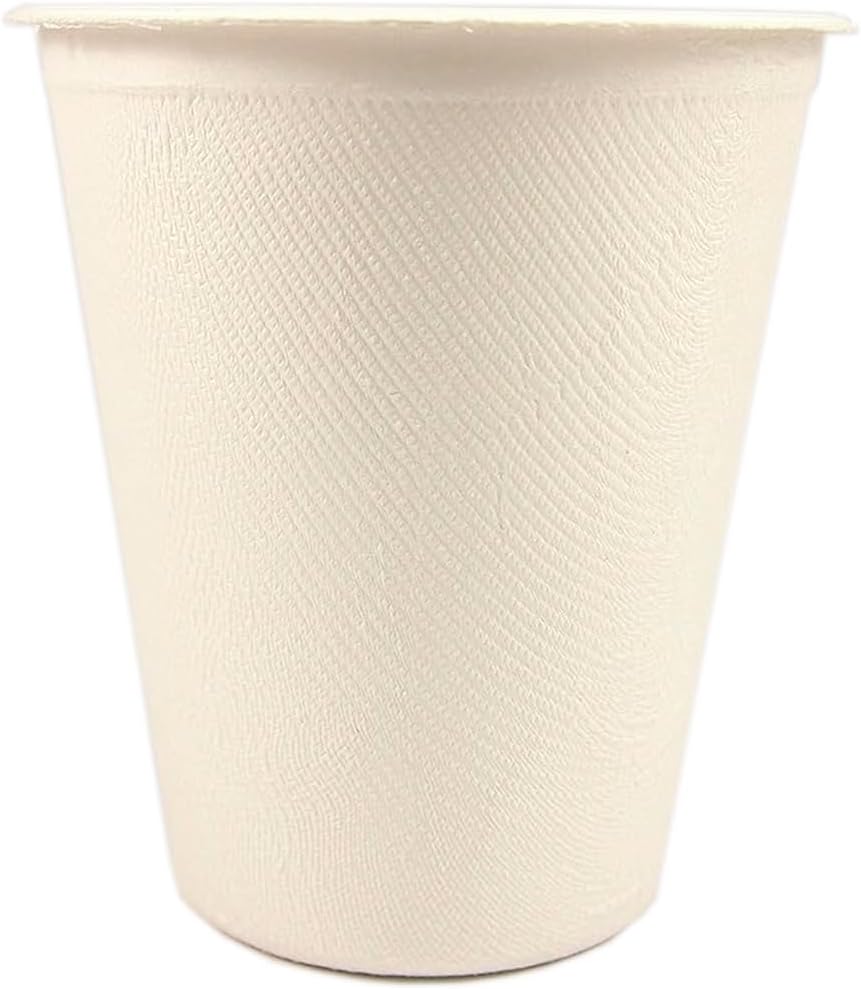 8oz
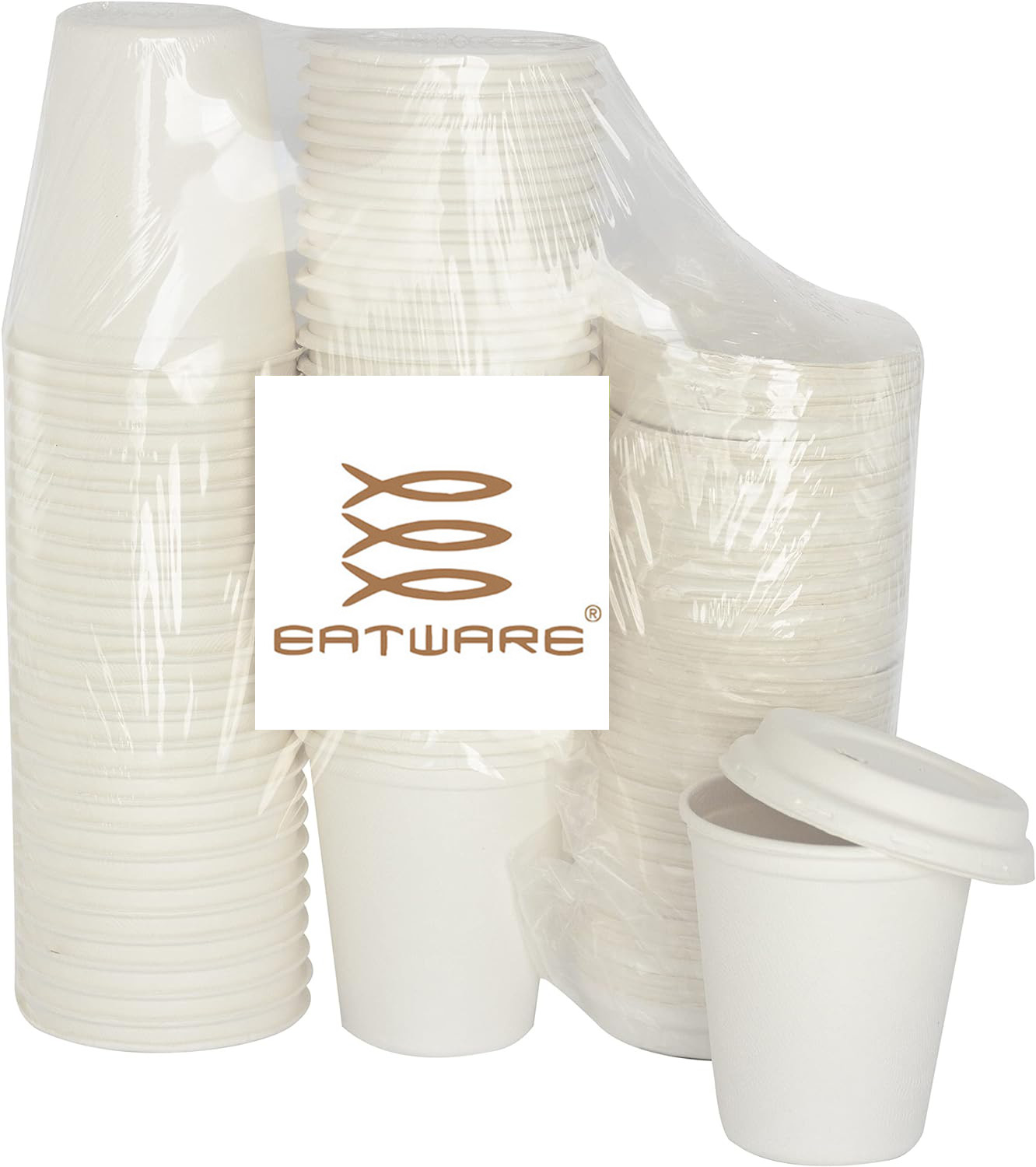 12oz
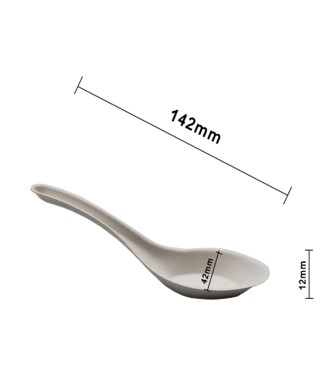 Cutlery
Leave Your Message
High-efficiency modified atmosphere packaging trays engineered for rapid sealing, airtight gas retention, and robust cold-chain school cafeteria distribution.

Eco-friendly plant-fiber laminated trays preserving diced chicken and turkey fillets with 0% leak integrity.
View Specifications →
High-depth gas barrier bowls optimized for batch meat portioning and centralized institutional kitchens.
View Specifications →
Crystal-clear film adhesion with extreme oxygen-barrier layers preventing color discoloration and moisture fogging.
View Specifications →
Engineered for automated fast-speed sealing machines with high structural compression resistance.
View Specifications →In modern institutional nutrition and K-12 education districts, the school cafeteria serves as a critical junction of student health, operational logistics, and stringent food safety protocols. The daily management of proteins—including fresh minced beef, poultry breast strips, pork cutlets, and pre-cooked deli meats—presents rigorous challenges for school food service directors. Traditional bulk storage methods and conventional cling-wrap packaging expose proteins to accelerated lipid oxidation, microbial contamination (such as Pseudomonas, Listeria monocytogenes, and Salmonella), and excessive moisture loss. Implementing Modified Atmosphere Packaging (MAP) for meat catering specifically to school cafeterias transforms institutional meat procurement, storage, and batch-cooking efficiency.
As educational authorities enforce tighter guidelines on additive-free diets and minimize sodium nitrates or chemical preservatives in student lunches, MAP emerges as the premier physical preservation technique. By displacing standard atmospheric air within the package with a precisely calibrated balance of food-grade gases (Carbon Dioxide CO2, Nitrogen N2, and Oxygen O2), the natural freshness, vibrant cellular color, and biological texture of meats remain stable for up to 14–21 days without requiring artificial additives. This technical revolution bridges central commissary preparation with satellite cafeteria assembly, slashing operational waste and ensuring every student receives clean, pathogen-free protein.
Carefully balanced gas mixtures (70–80% O2 with 20–30% CO2 for fresh red meats; 70% N2 with 30% CO2 for pre-cooked poultry) suppress aerobic spoil flora while retaining healthy meat pigments.
Micro-thin, high-barrier bio-based lamination ensures oxygen transmission rates (OTR) remain strictly near zero, preventing package blowouts or seal compromise during school van transport.
Eliminates the morning rush of meat slicing at school sites. Central district kitchens prep protein 5 to 7 days in advance with guaranteed microbiological stability.
The economic model of school foodservice requires tight portion control and extreme cost vigilance. Unsealed bulk meats lose up to 5-8% of total weight via purge loss and moisture evaporation within 48 hours of refrigeration. Modified Atmosphere Packaging preserves the exact moisture content inside the sealed cavity, preventing desiccation and preserving yield when cooked in steam-jacketed kettles or convection ovens. Moreover, school district food banks and cafeterias can take advantage of bulk seasonal meat purchasing contracts, securely packaging chilled meats and leveling out inflationary market spikes without freezing, which preserves the cellular structure and juiciness of the meat.
From an operational standpoint, centralized meal distribution utilizing MAP meat trays minimizes cross-contamination risks across individual schools. Cafeteria staff handle hermetically sealed trays directly into the kitchen prep stations, drastically reducing surface contamination on prep tables, knives, and slicing equipment. This strict barrier containment aligns seamlessly with HACCP protocols mandated by educational departments worldwide.
In the field of environmentally friendly packaging for 18 years, has established cooperation with 500+ brands globally.
Through our research and development, there are more than 60 products we produce; OEM/ODM fully supported.
Exported to the United States, Europe, Australia, Canada, and other countries across 5 continents.
10,000+ m² factory area, 30+ patent certificates, 10 authoritative certifications, 55 automatic forming machines.
The operational spectrum of educational foodservice spans multiple operational paradigms, each requiring specific packaging geometries and barrier dynamics:
Single-use expanded polystyrene (EPS) and non-recyclable black plastic trays have historically created massive landfill burdens for school districts. Educational boards are under rising municipal and parental mandates to adopt zero-waste policies. EATware addresses this systemic challenge by manufacturing MAP trays from 100% natural, pollution-free bamboo and bagasse plant fibers. The resulting packaging delivers exceptional mechanical rigidity, resists high-pressure sealing cycles, and remains entirely biodegradable after its high-barrier inner liner is separated, empowering school cafeterias to achieve both food safety perfection and environmental leadership.
EATware is committed to sustainable development, using all natural plant fibers to produce safe, healthy and environmentally friendly tableware. Adhering to the concept of "take nature, serve humanity, return to nature", we focus on the development of safe, high quality and environmental standards.
EATware emphasizes environmental protection and sustainable development, explores the balance between enterprise survival and environmental protection, and uses all-natural and pollution-free bamboo fiber as the main material of tableware to ensure that its products meet the high technical level and are superior to developed countries.
55 fully automatic high-precision molding and forming machines ensure each MAP tray features absolute edge flatness and dimensional stability required for high-speed continuous heat sealing without micro-leaks.
Kangxin (HaiMen) Environmental Technology Co., Ltd. is a technology innovation oriented enterprise that focuses on disposable environmentally friendly tableware and food packaging.
We have advanced production processes and equipment, and continue to attract senior talents, focusing on environmental protection, emphasizing safety, and ensuring quality.
Our intelligent cleanroom manufacturing facilities operate under comprehensive digital quality management systems, compliant with global food-contact safety standards and environmental regulations:
Expert analysis on performance testing, material engineering, and commercial supply chain trends in sustainable food packaging.
The most reliable way to test disposable food containers is to combine leakage testing with structural testing under conditions that reproduce the intended food application. A container should not be approved simply because it holds water for several minutes or survives an empty compression test. For meat packaging in school cafeterias, testing must include resistance to acidic meat juices, hot steam, and vacuum transport integrity.
Read More →For foodservice operators, replacing conventional plastic packaging is not simply a matter of changing materials. Disposable biodegradable tableware must still withstand hot food, sauces, oils, condensation, stacking, transport, and commercial handling without losing structural integrity. Poorly engineered trays buckle in cafeteria warmers; advanced laminated plant fiber offers true barrier performance.
Read More →With growing global demand for takeaway meals and eco-friendly packaging, China’s manufacturing sector has become a major hub for disposable food containers. Today’s food businesses - from fast-food chains and meal-delivery services to supermarkets and institutional catering companies - are looking for high-barrier MAP solutions with automated consistency.
Read More →Trusted by premier international retailers, airline caterers, supermarket chains, and food service leaders worldwide.
Actively replacing petroleum-based polystyrene and non-degradable trays across educational institutions with renewable plant fiber alternatives.
Preventing non-biodegradable catering plastics from entering water basins, marine ecosystems, and maritime shorelines worldwide.
Utilizing rapidly renewable annual bamboo crops and sugarcane bagasse fibers to prevent timber logging and safeguard native forest biomes.
Explore our full line of thermoformed and molded fiber modified atmosphere packaging solutions engineered for school foodservice reliability.
Designed for ground taco meat, meatballs, and chili batches with grease-resistant barrier coatings.
Learn More →
Precision sealing flange prevents gas micro-channel leakage, prolonging poultry tenderness.
Learn More →
Heavy duty construction allows multi-tier stacking inside school delivery vans without deformation.
Learn More →
Isolates marinated meats from carbohydrates, preventing flavor transfer and maintaining nutrition.
Learn More →
Specially laminated for sliced roast beef and turkey ham sandwiches in high school grab-and-go kiosks.
Learn More →
Supports broad temperature ranges from chilling temperatures (-18°C) to oven re-heating (120°C).
Learn More →
Thick sidewall structural rigidity prevents oil absorption and preserves meat patty geometry.
Learn More →
Customized sizes and branding for university dining systems and municipal school nutrition networks.
Learn More →