
 Box With T buckle
 700ml Square Lunch Box
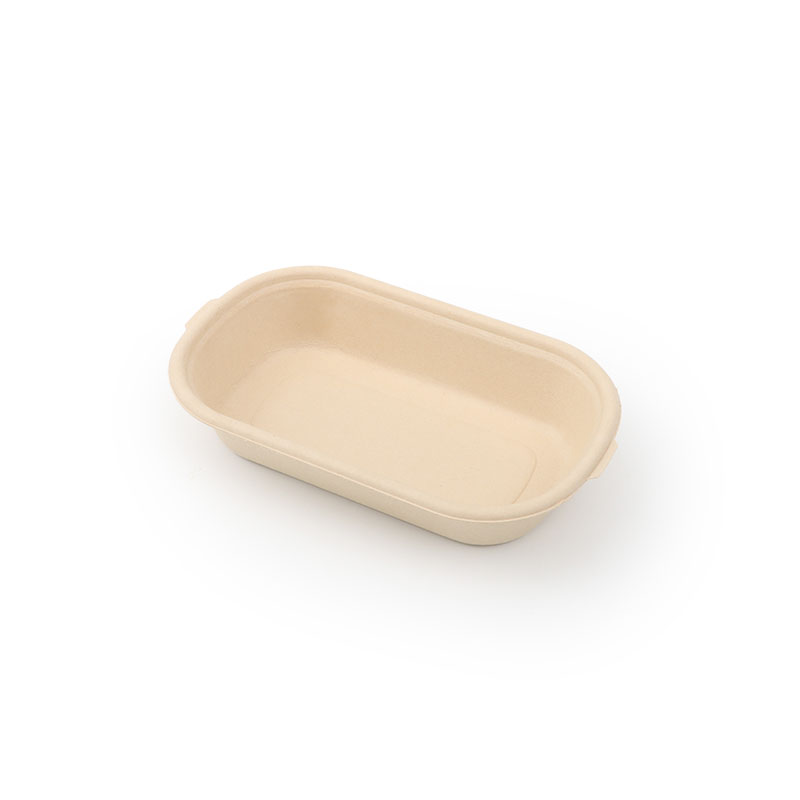 500ml
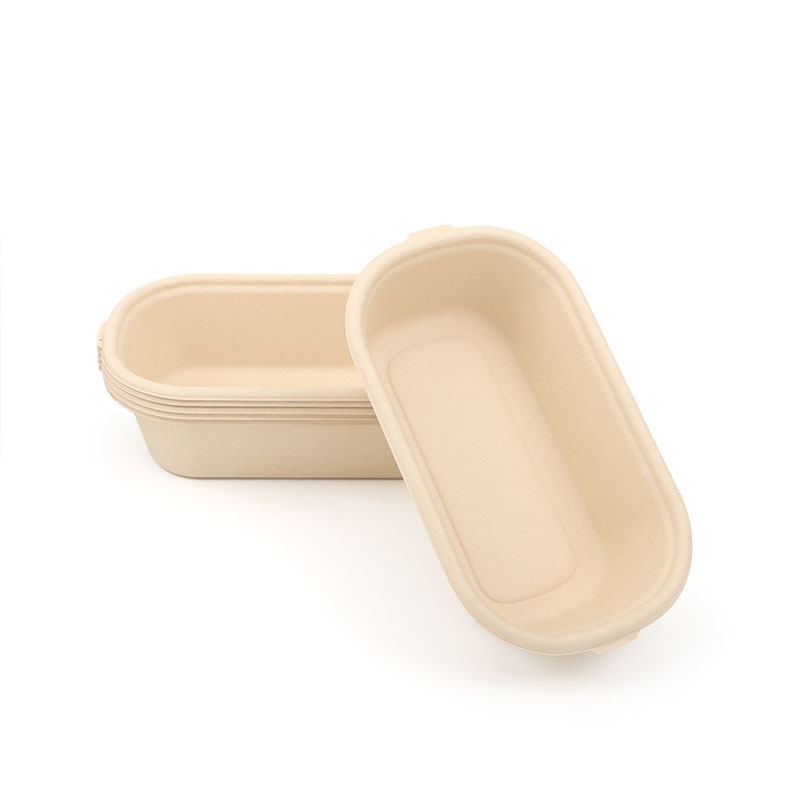 700ml
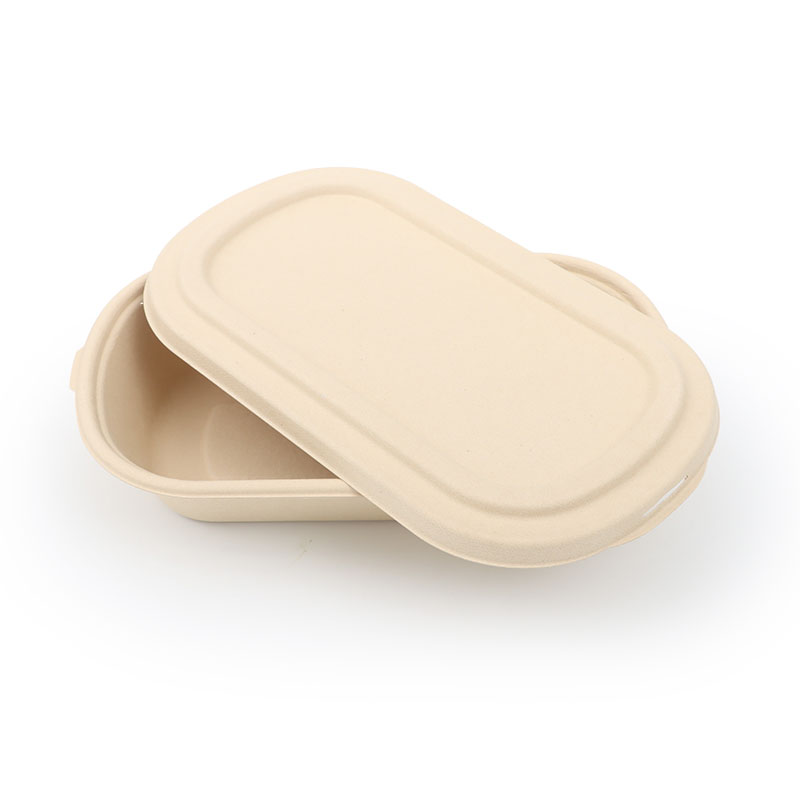 850ml
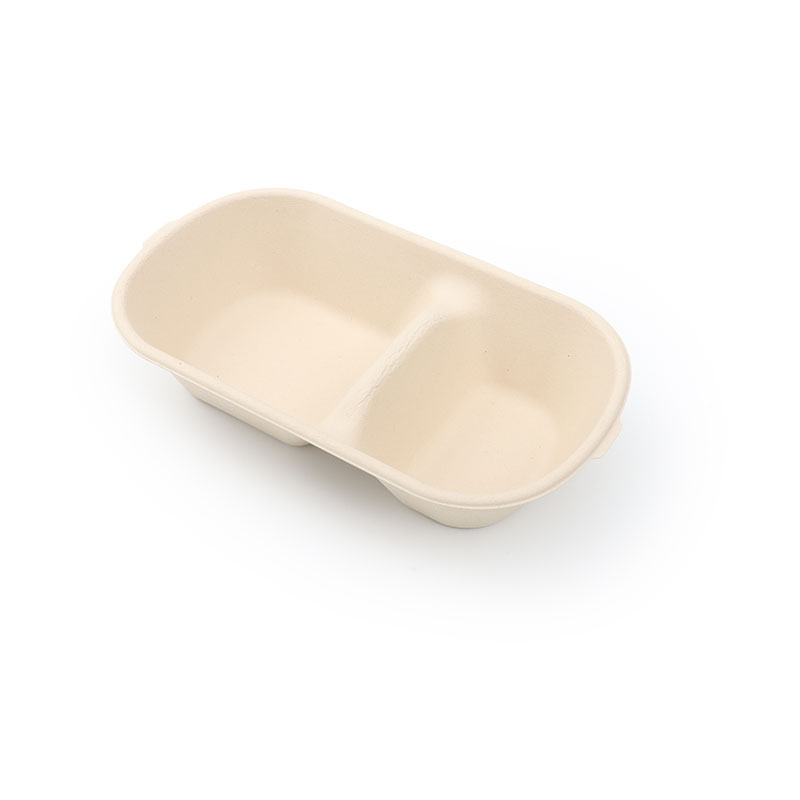 800ml 2 Compartments
 1000ml 2 Compartments
 1100ml
 1000ml Square Lunch Box
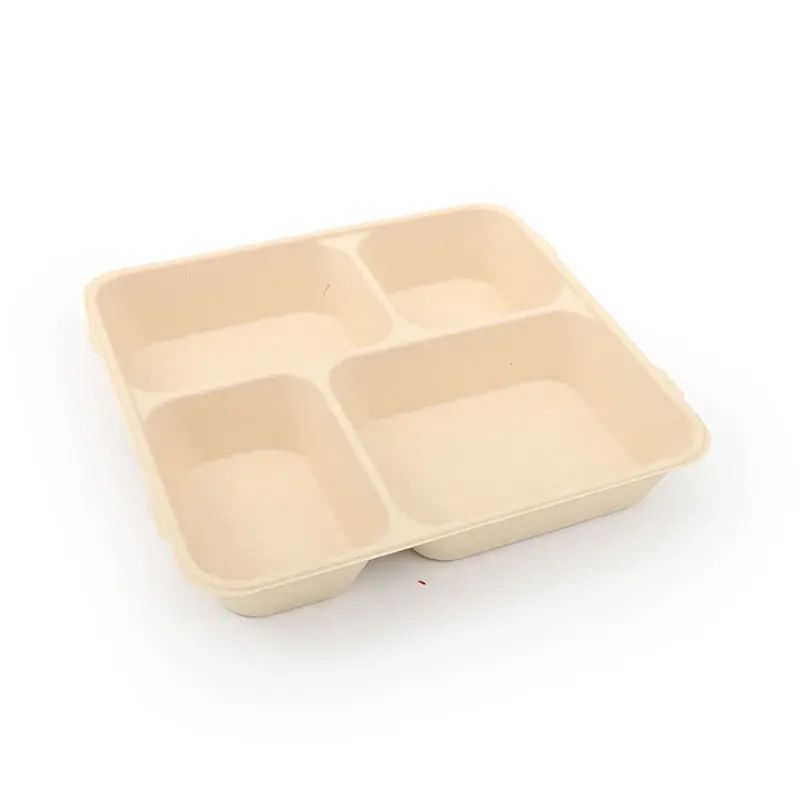 1340ml 4 Compartments
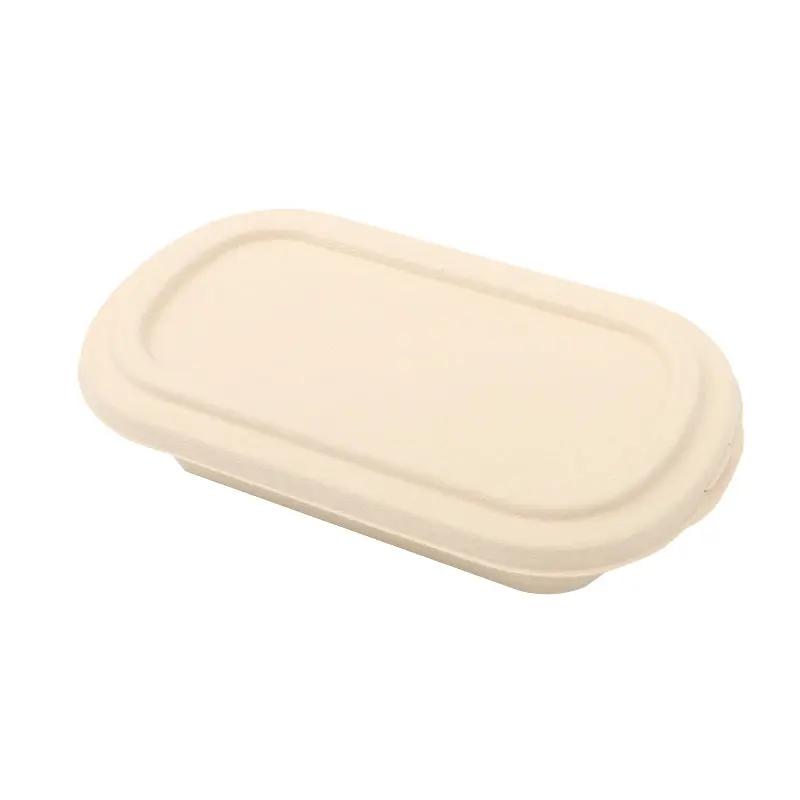 Lunch Box Lid
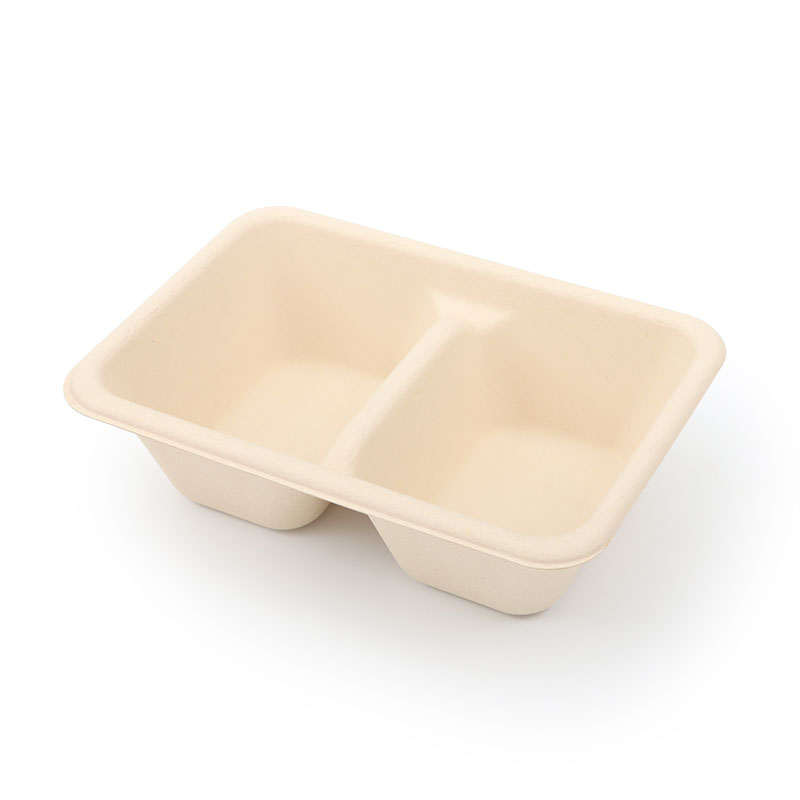 650ml
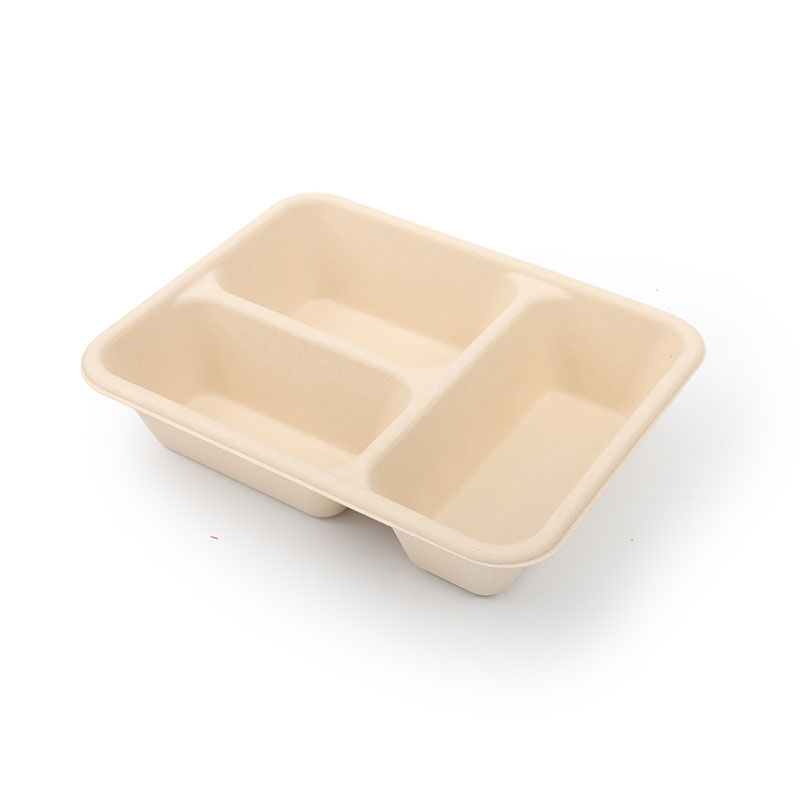 1000ml 3 Compartments
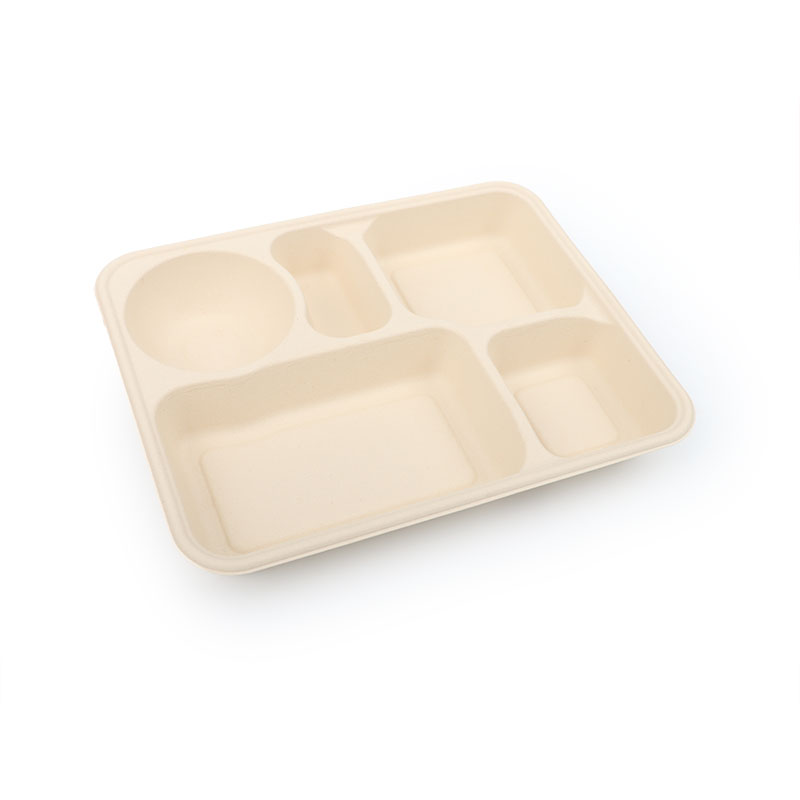 1250ml 5 Compartments
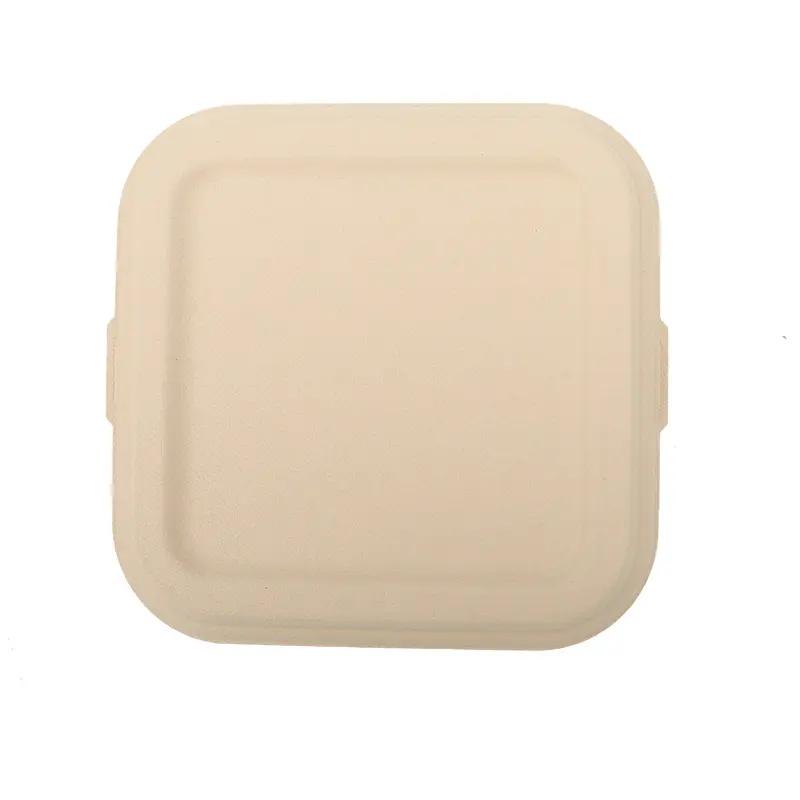 Square Lunch Box Lid
 Box Without T buckle
 850ml Salad Box
 700ml
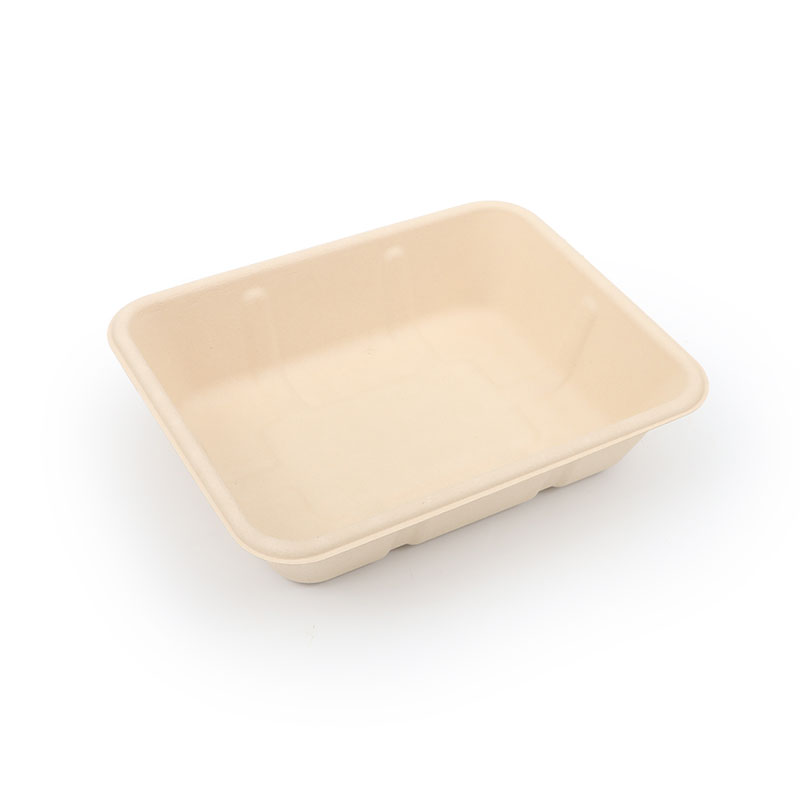 1350ml
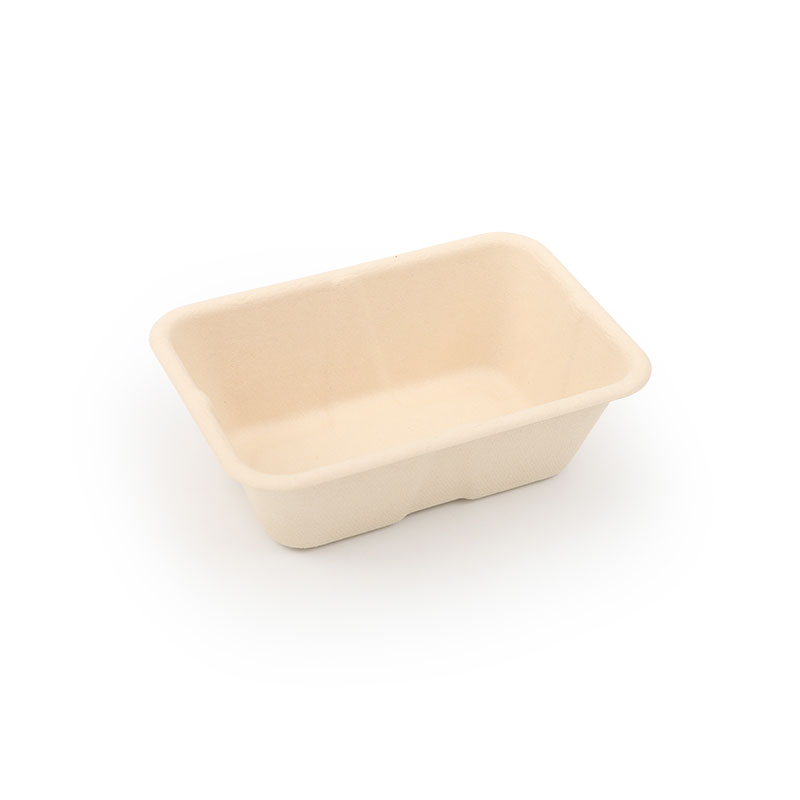 470ml
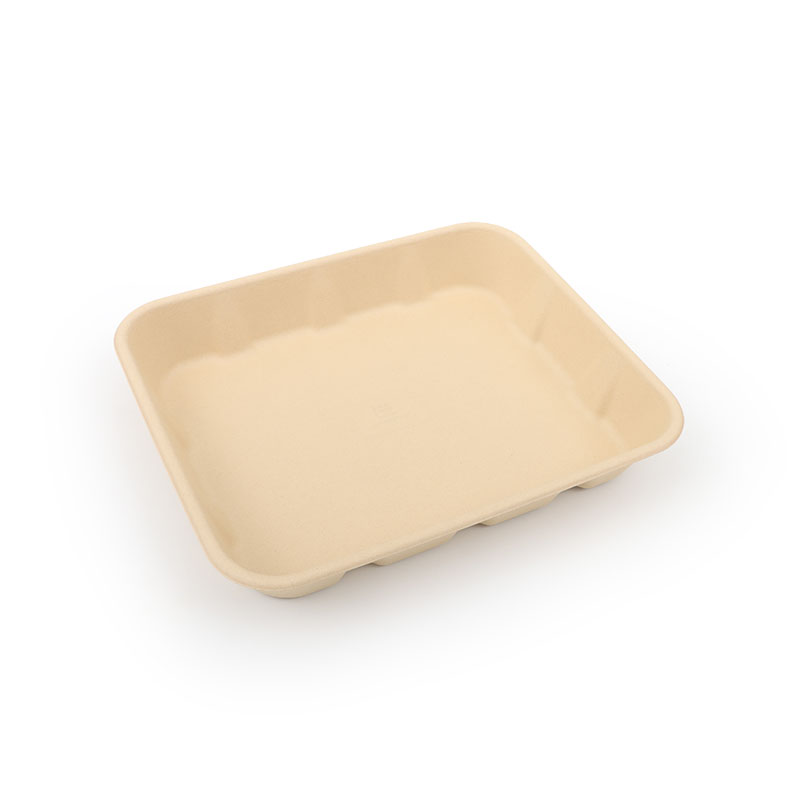 2183ml Tray Box
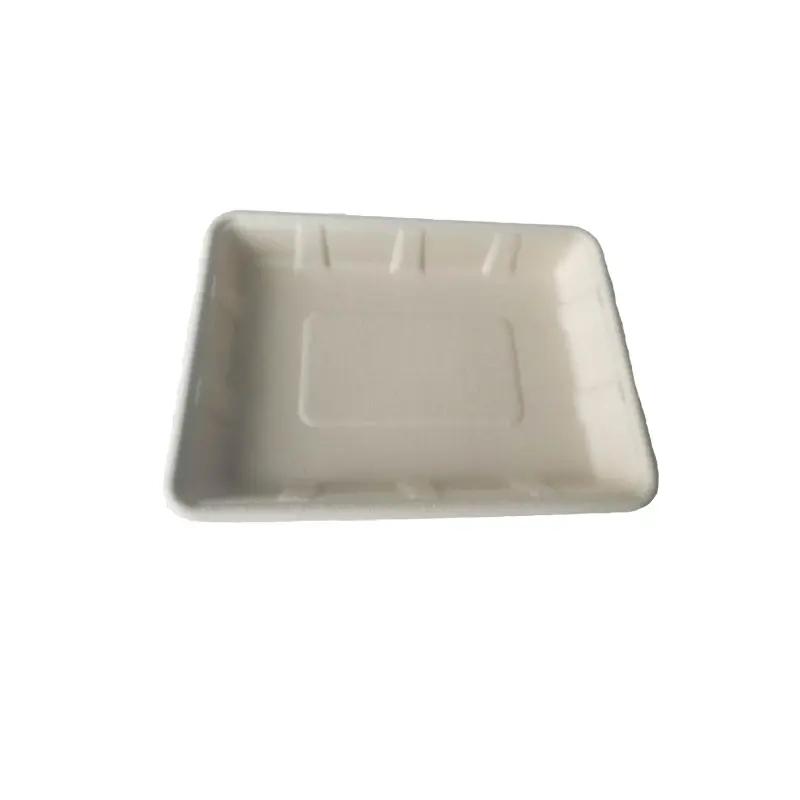 11" * 9"
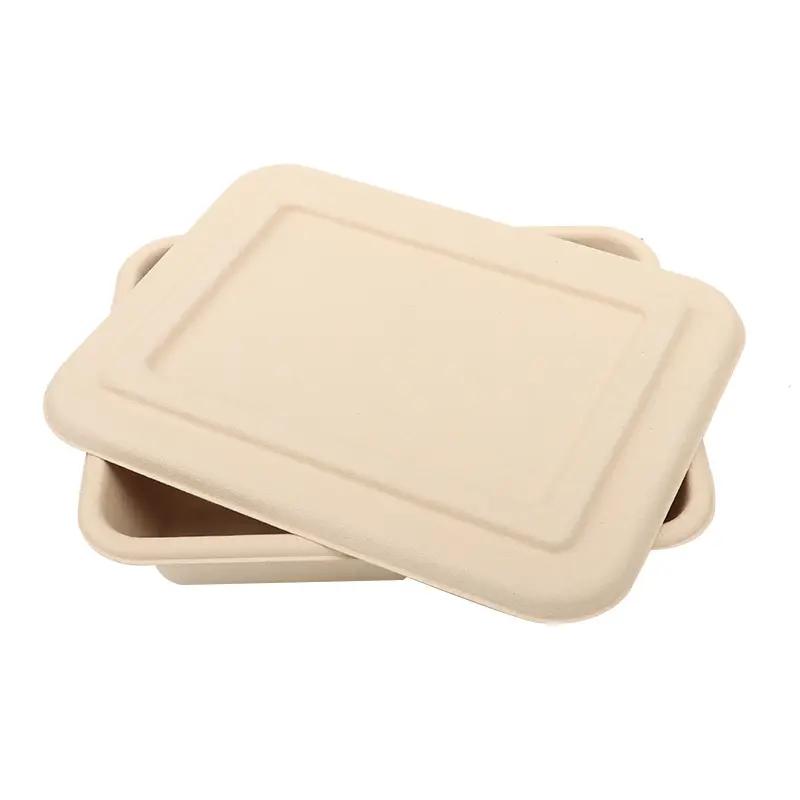 800ml
 One Part Box
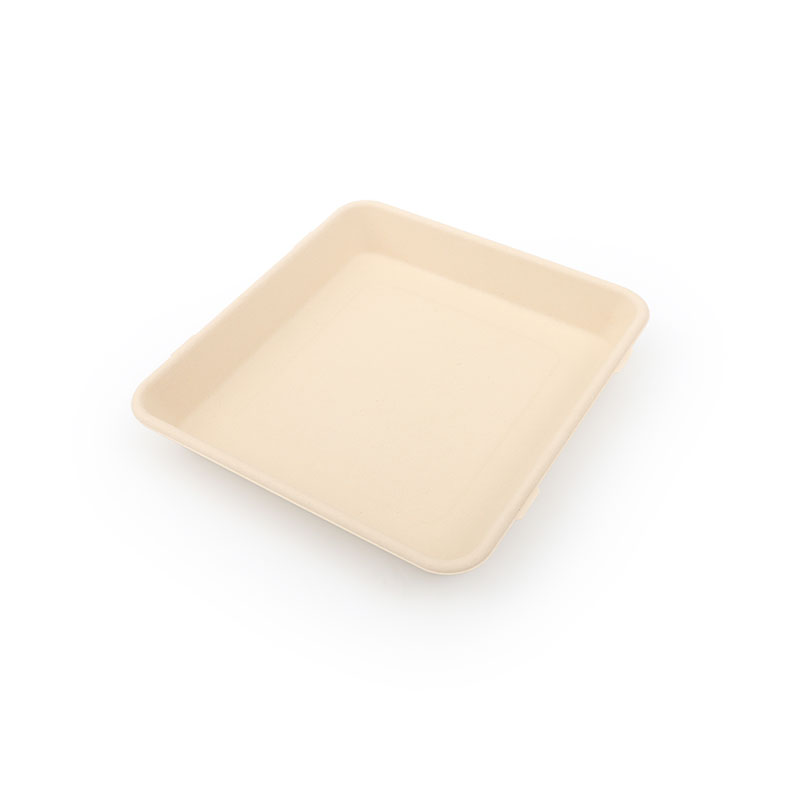 1443ml Tray Box
 Cake Bread Snack Tray Series
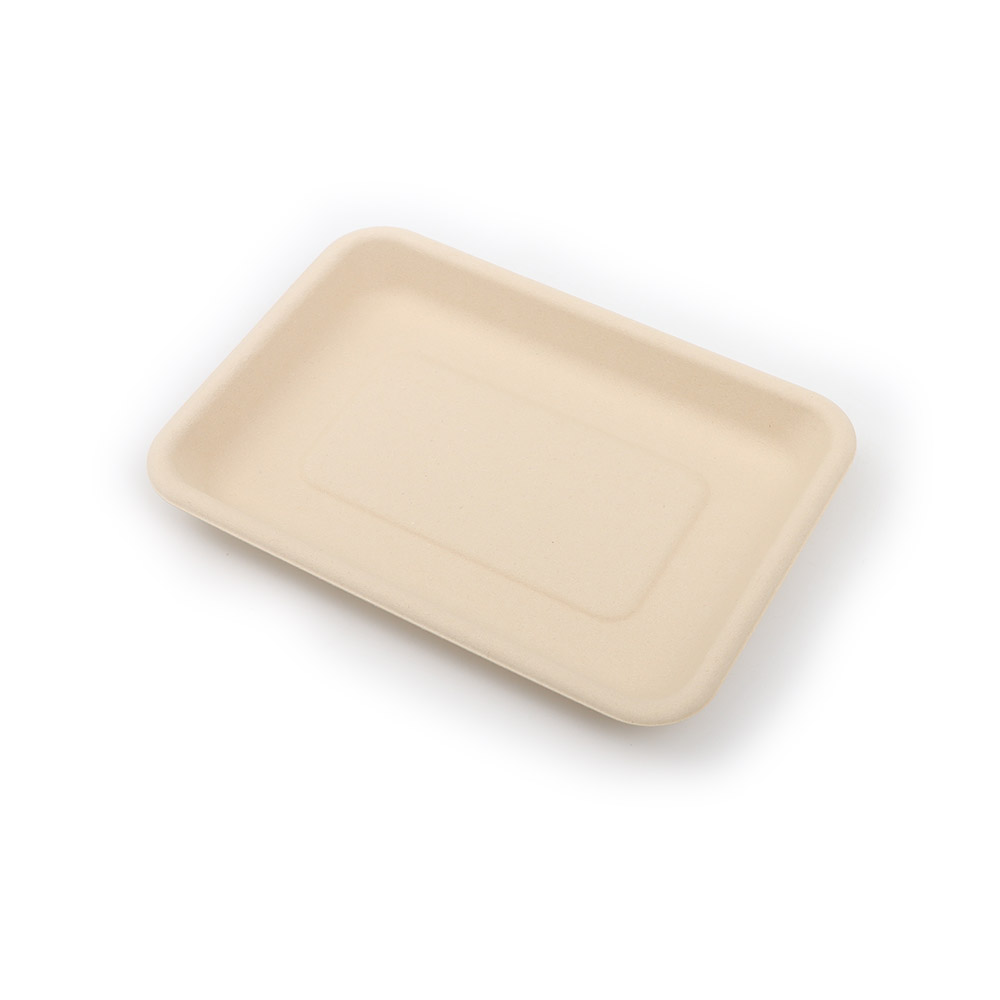 5" * 7" natural color
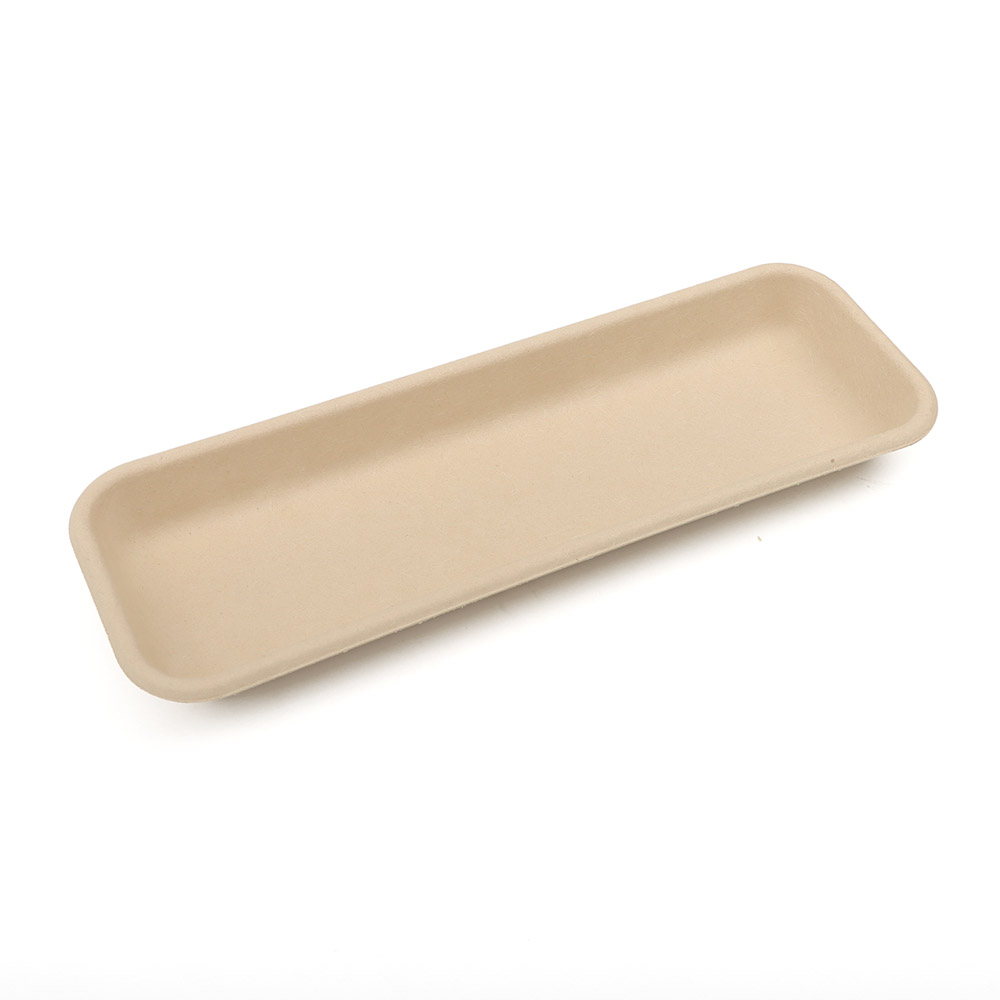 11.4" * 3.9"
 5.3" * 5.3"
 Fruit And Vegetable Tray Series
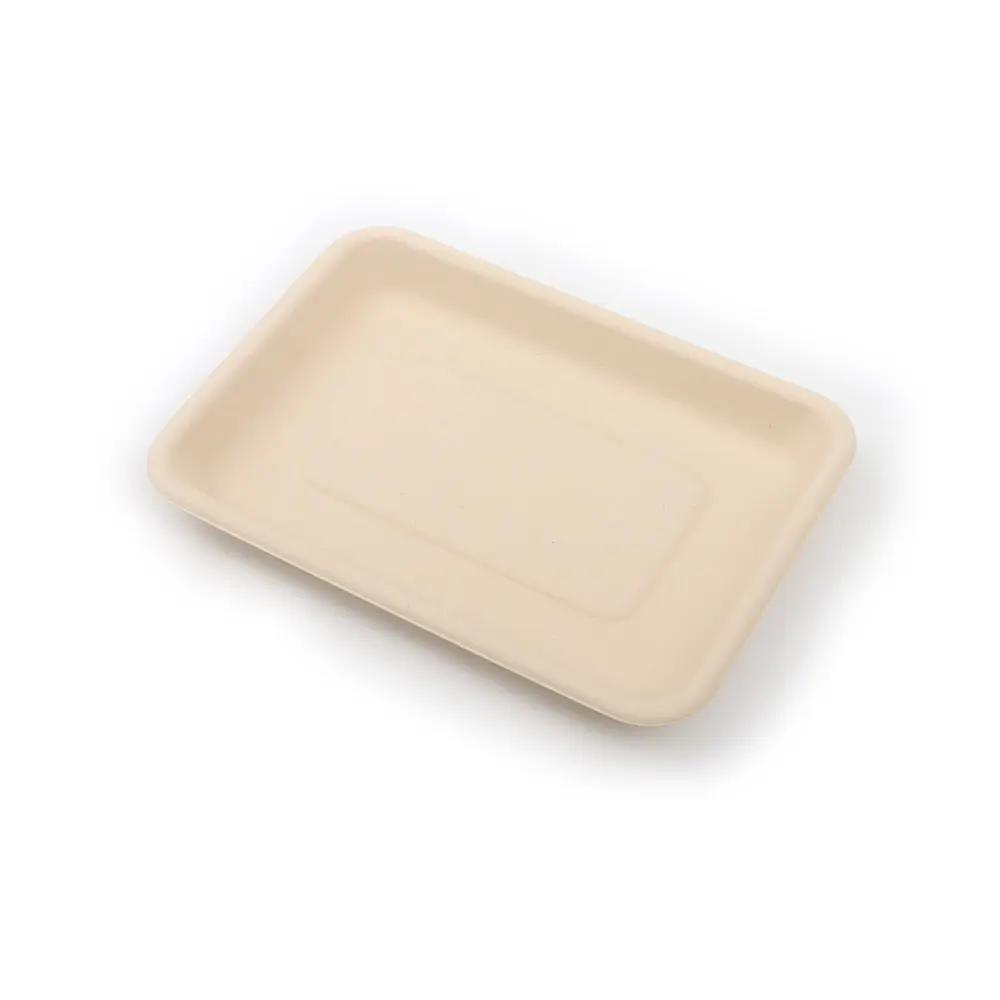 8.6" * 5.3"
 Sushi Tray Series
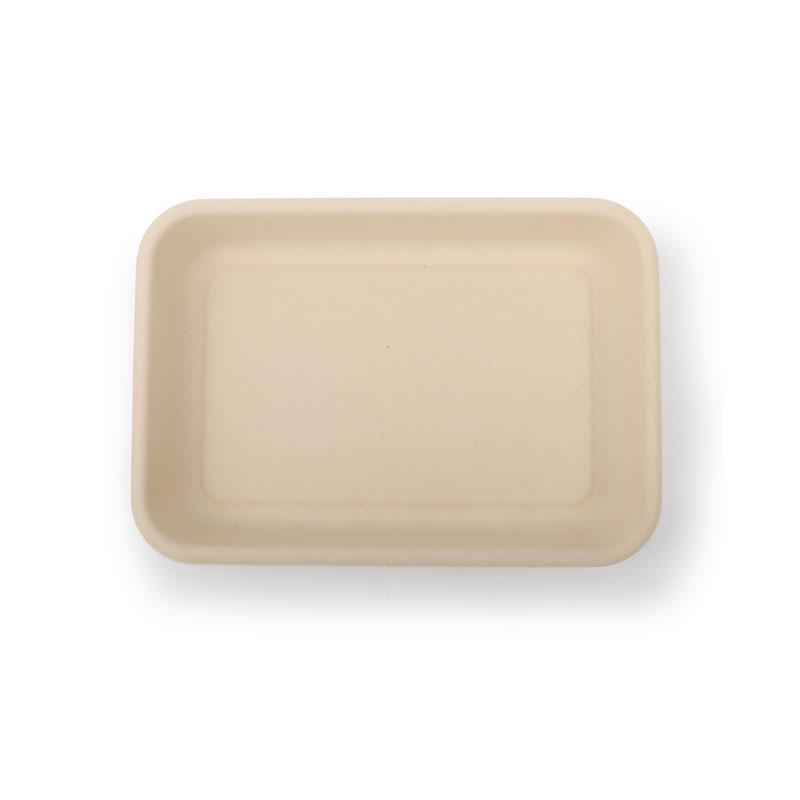 200" * 140"
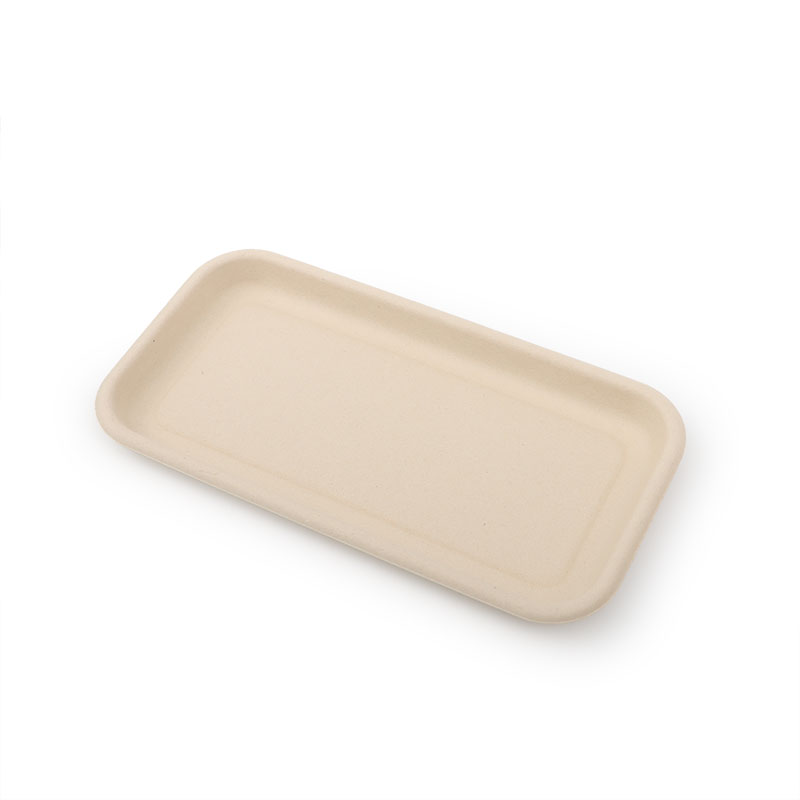 210" * 110"
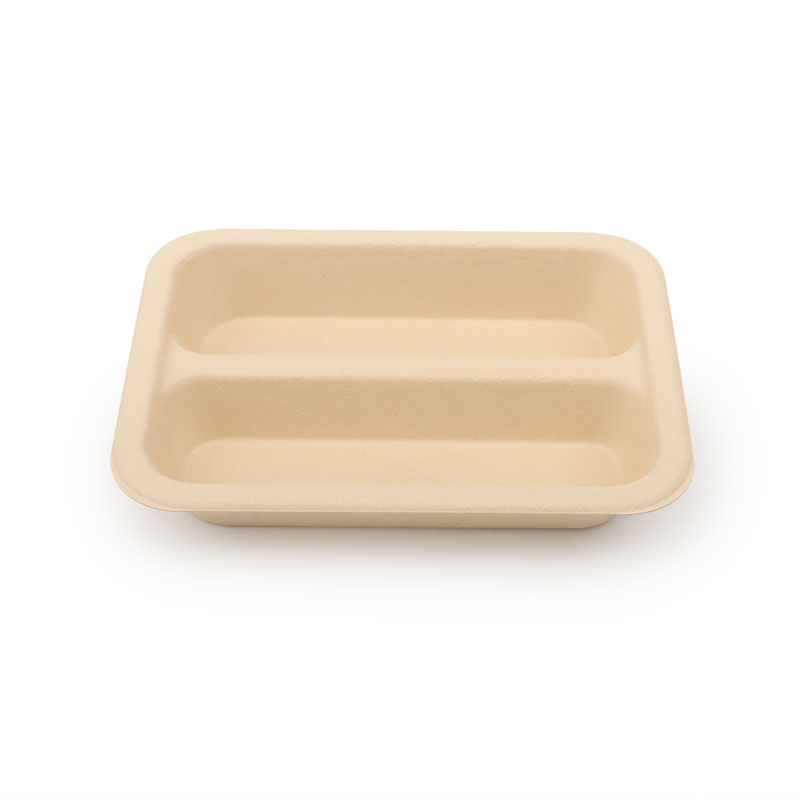 2 Compartments
 Small Round Plate Series
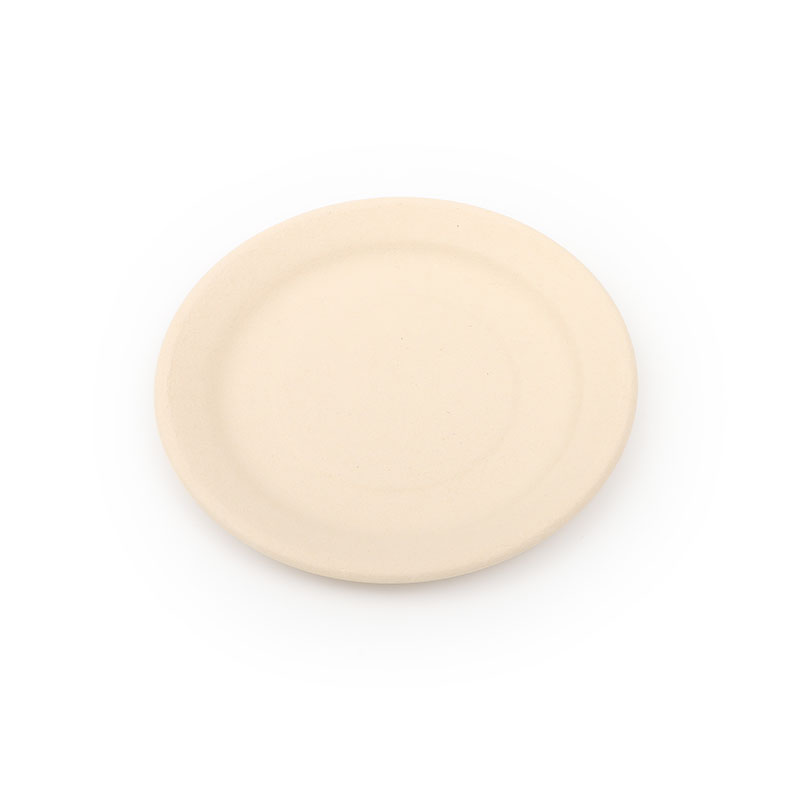 7 inch
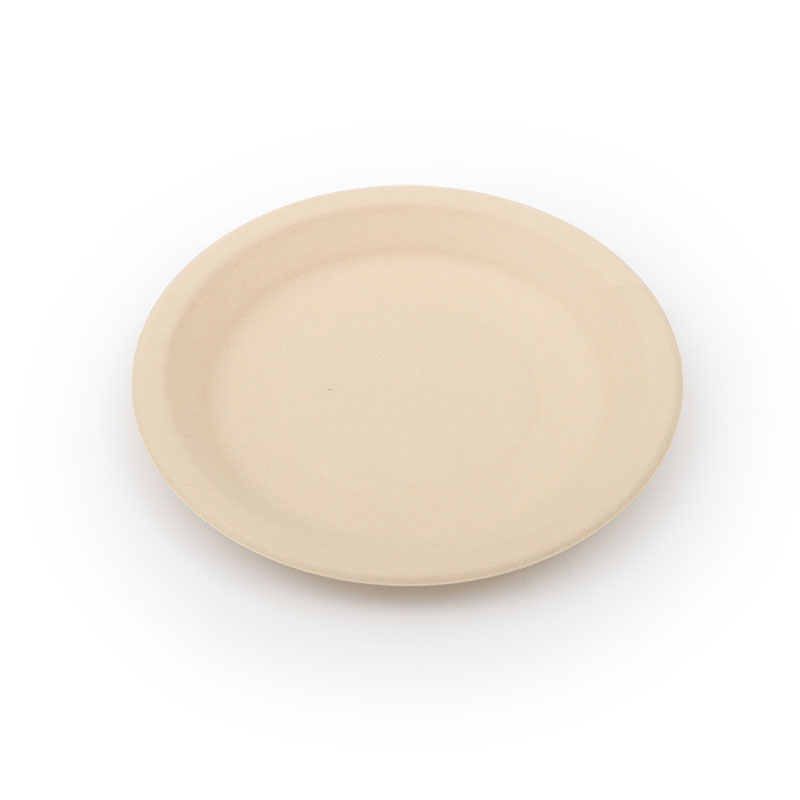 6 inch
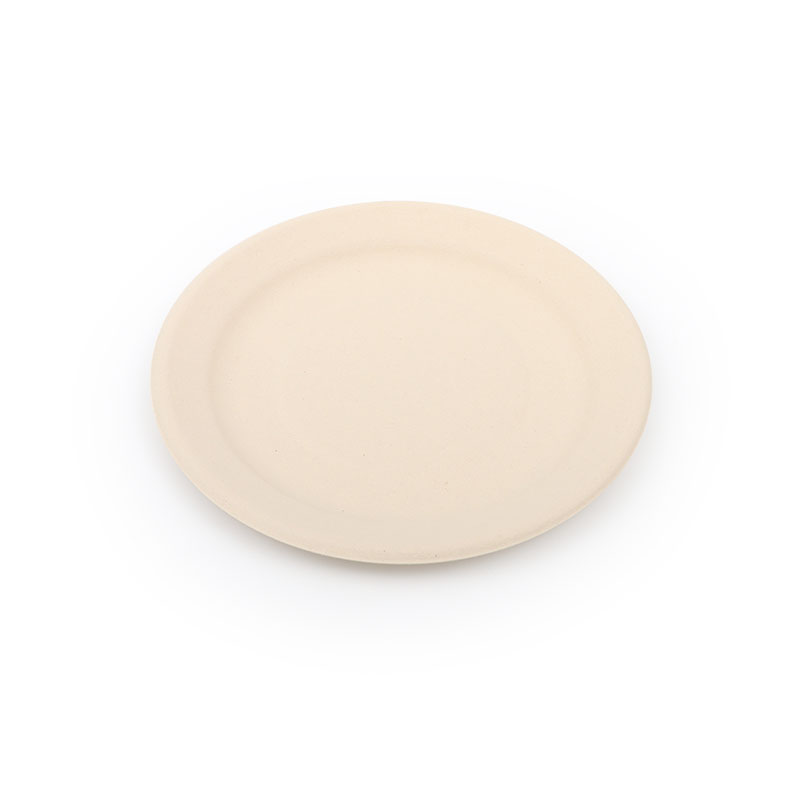 8 inch
 Middle Round Plate Series
 9 Inch 3 Compartments
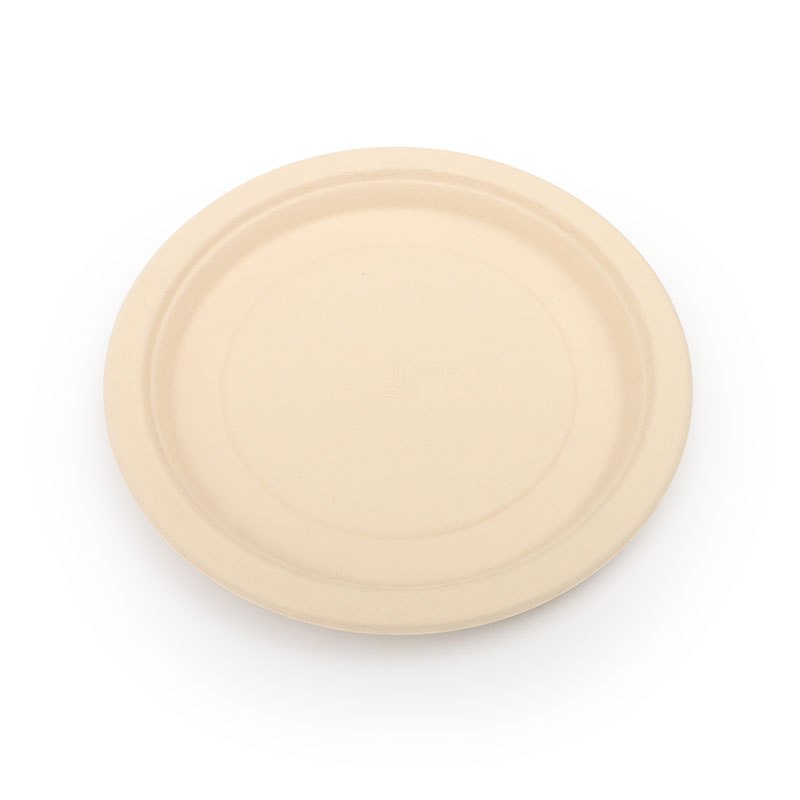 9 inch
 Big Round Plate Series
 12.7 Inch Pizza Plate
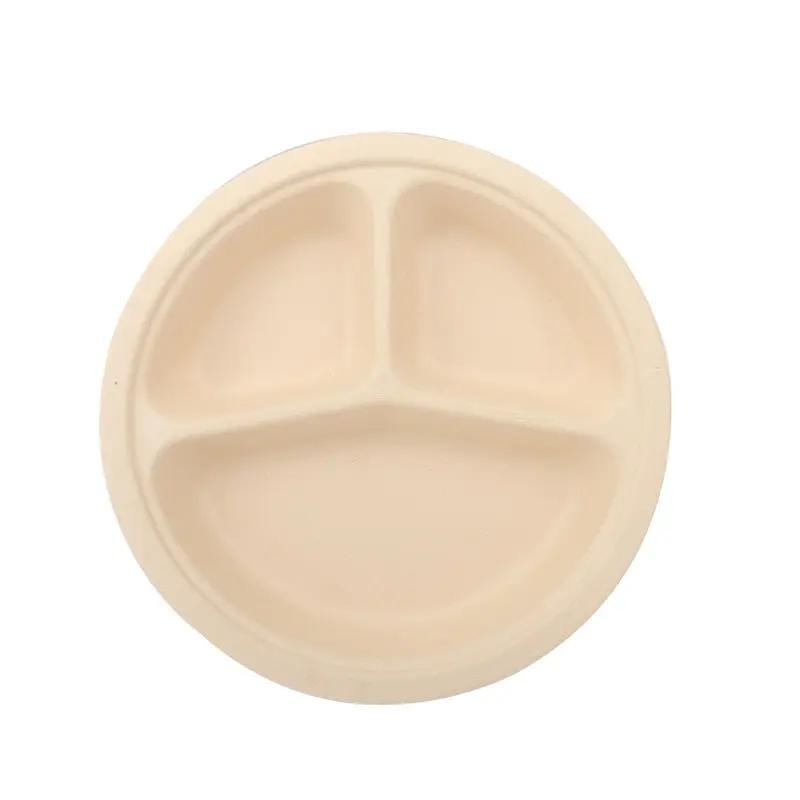 10.25 inch 3 Compartments
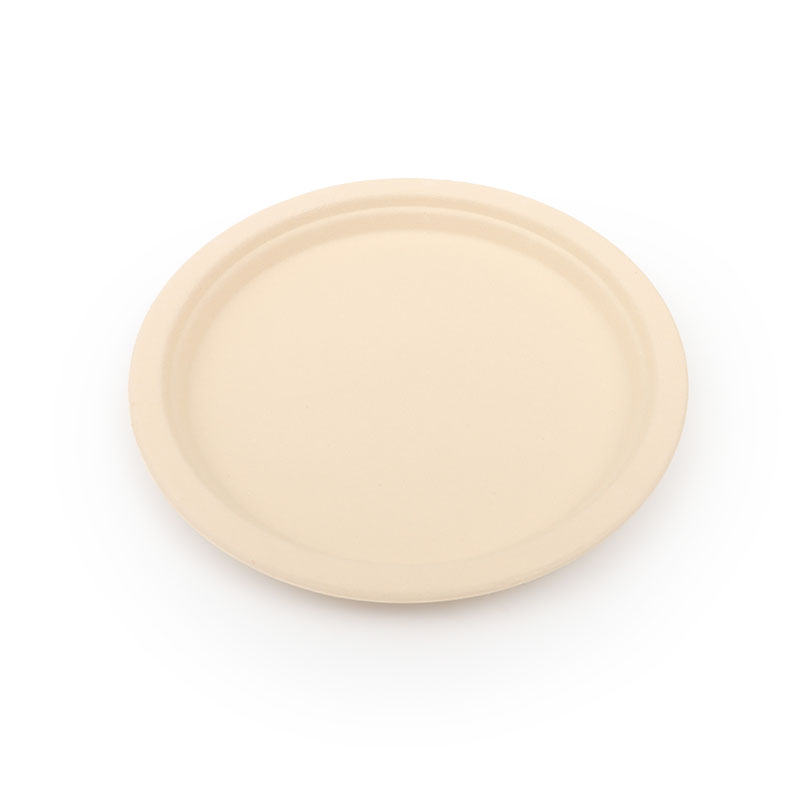 10 inch
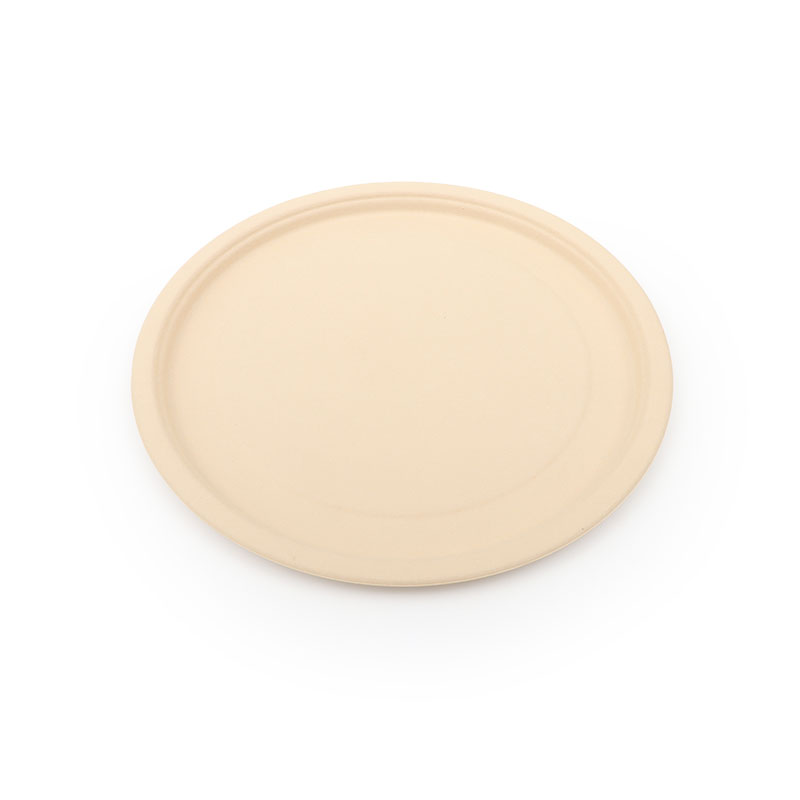 12 inch
 Bigger Bowl
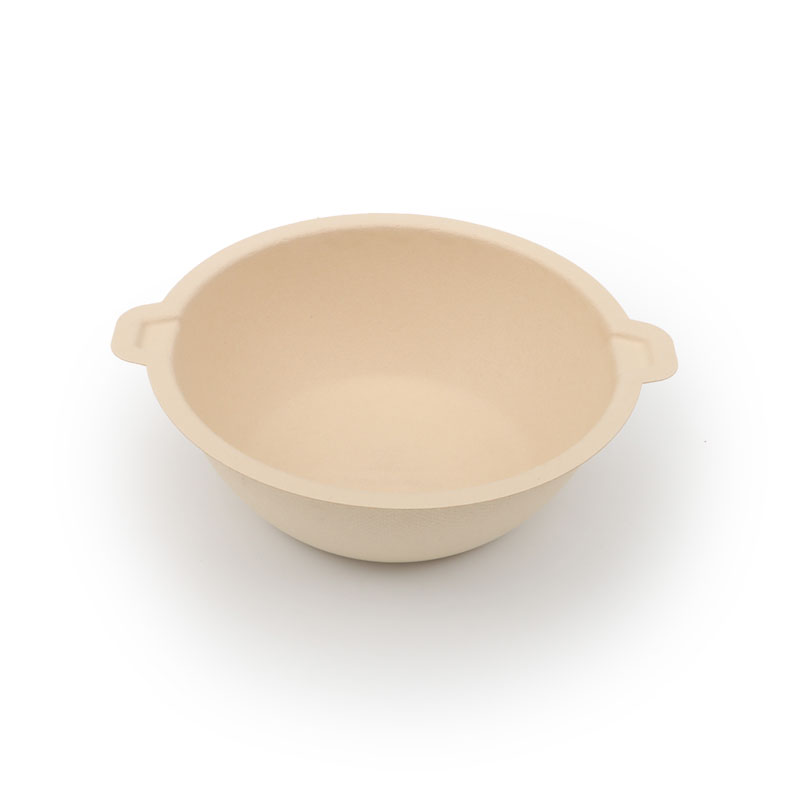 48oz(1420ml)
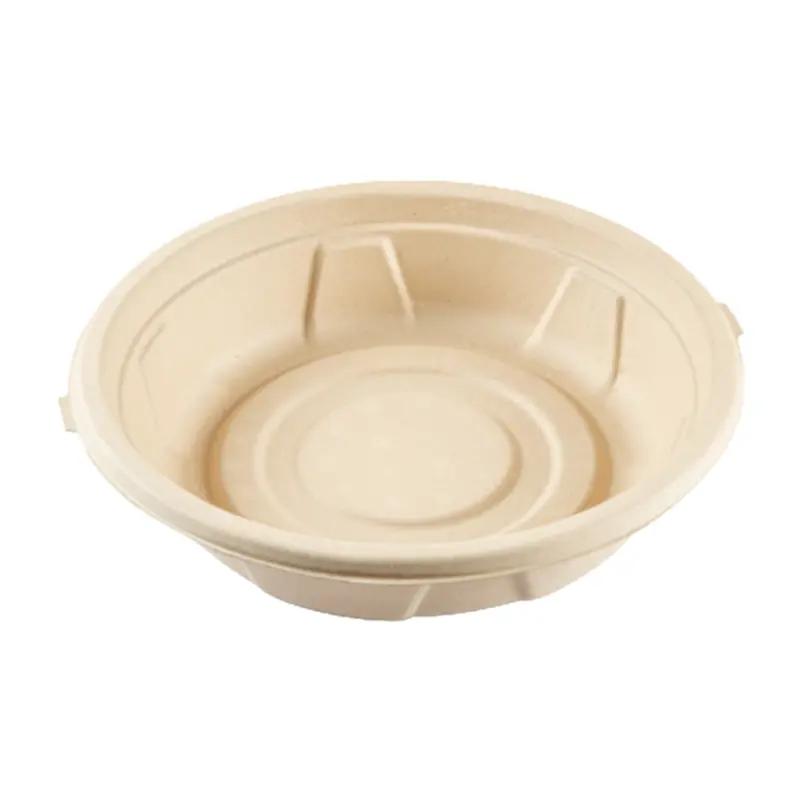 56oz(1650ml)
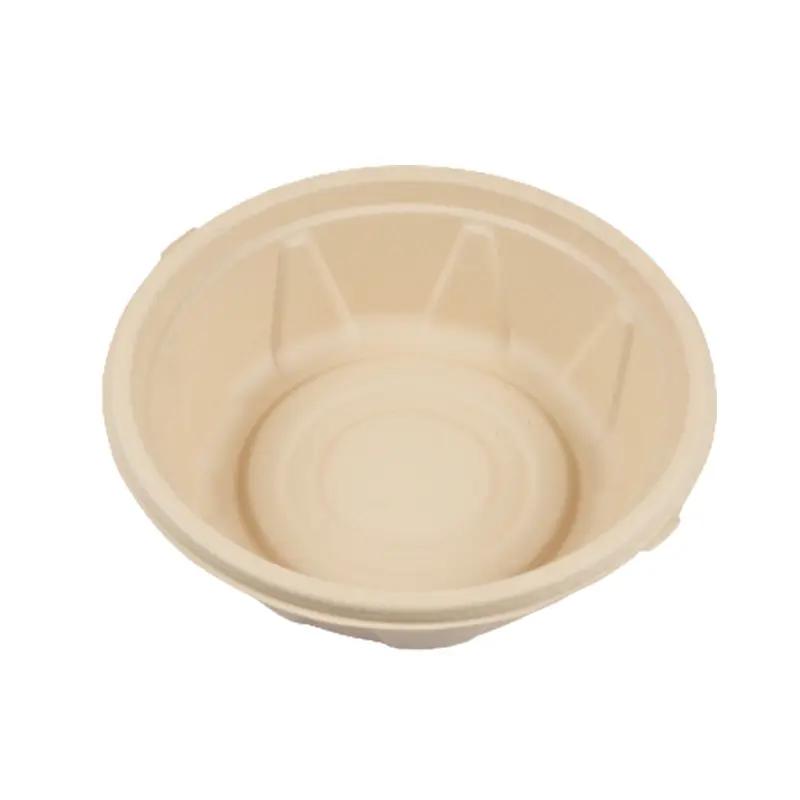 100oz(2950ml)
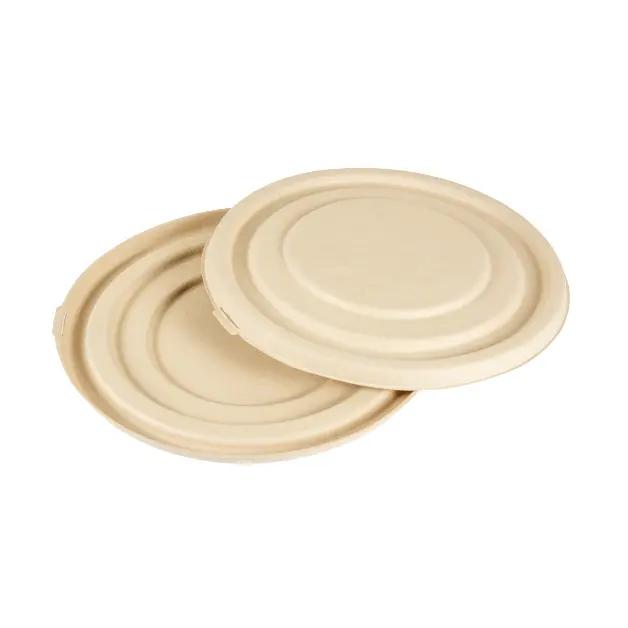 100oz(2950ml) With Lid
 Middle Bowl
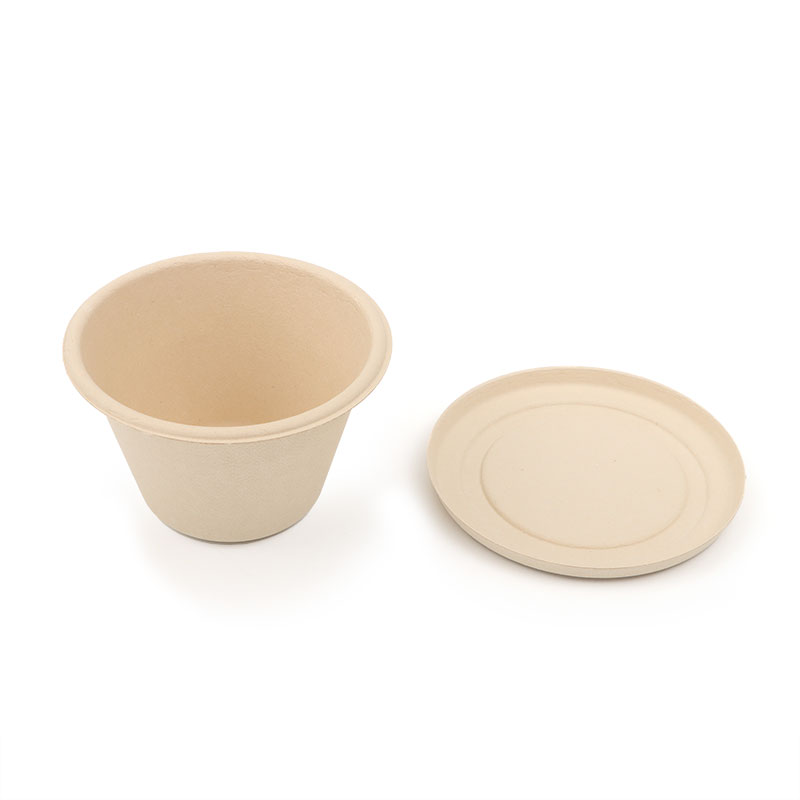 17oz(500ml)
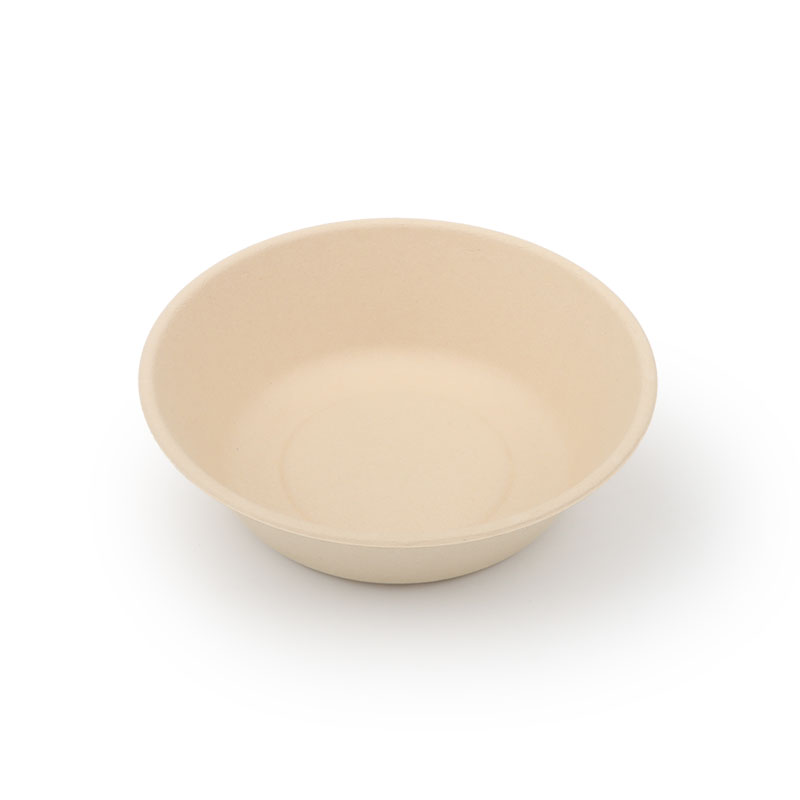 27oz(800ml)
 20oz(600ml)
 29oz(850ml)
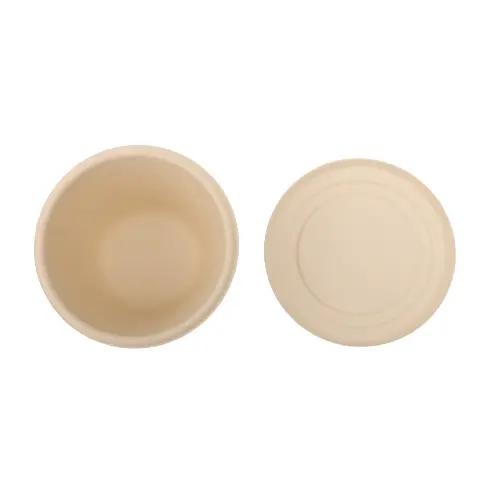 17oz(500ml) With Lid
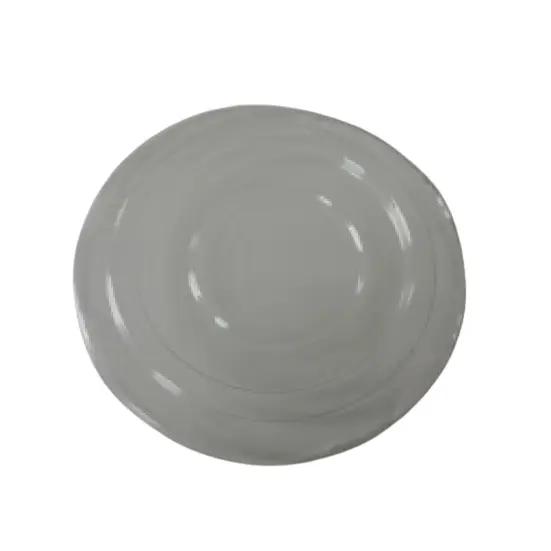 17oz(500ml) PET Lid
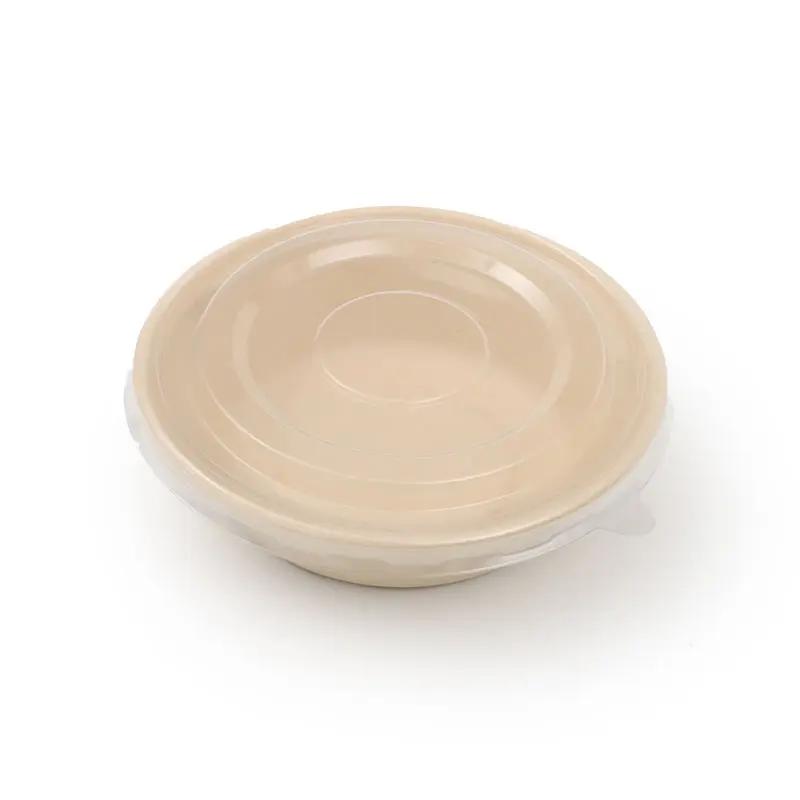 28oz(830ml) PET Lid
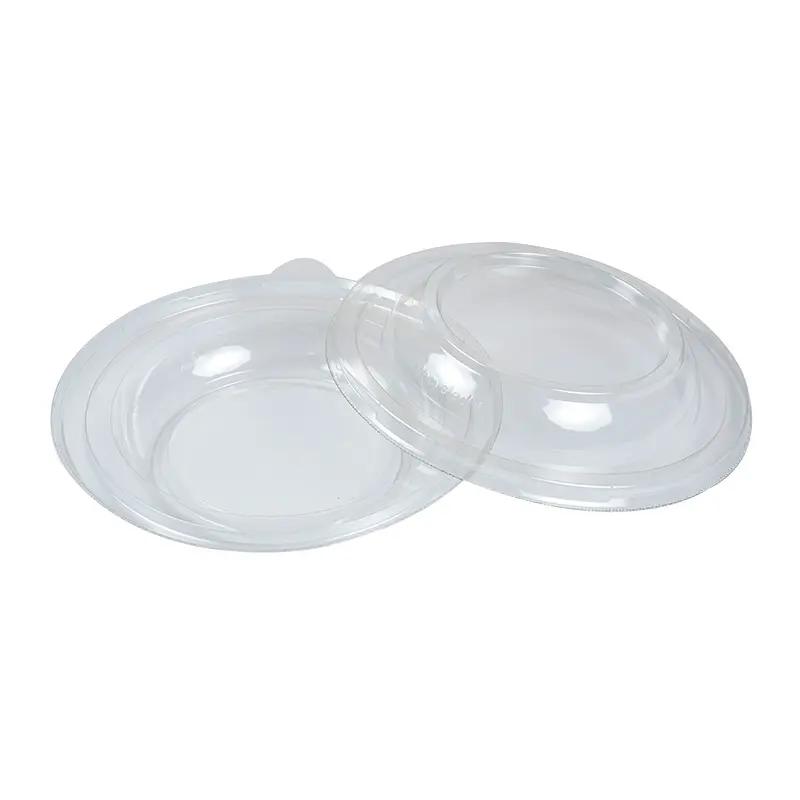 Round Bowl PET
 Small Bowl
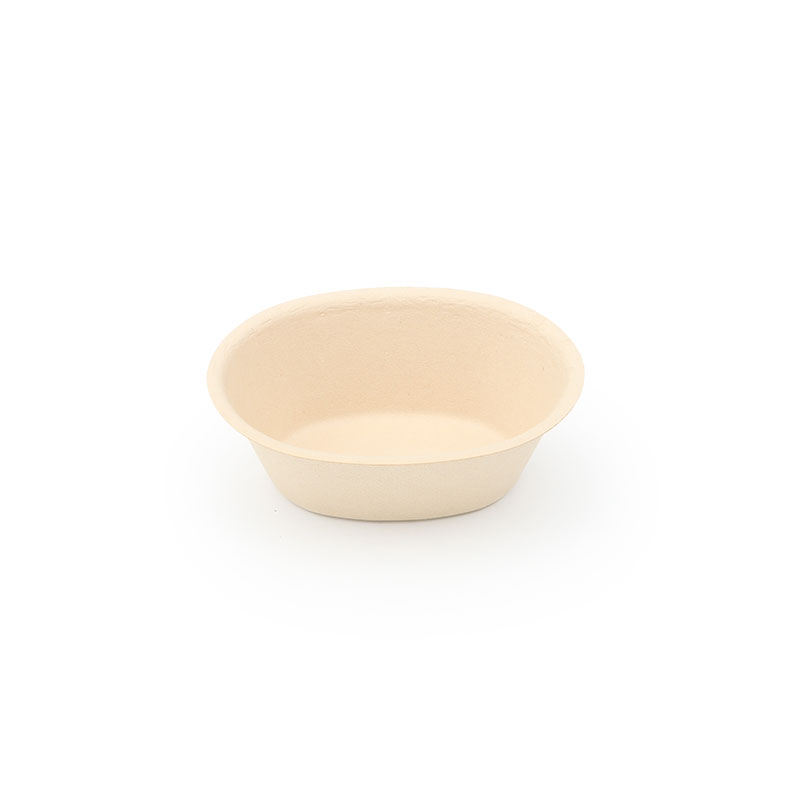 Snack Bowl
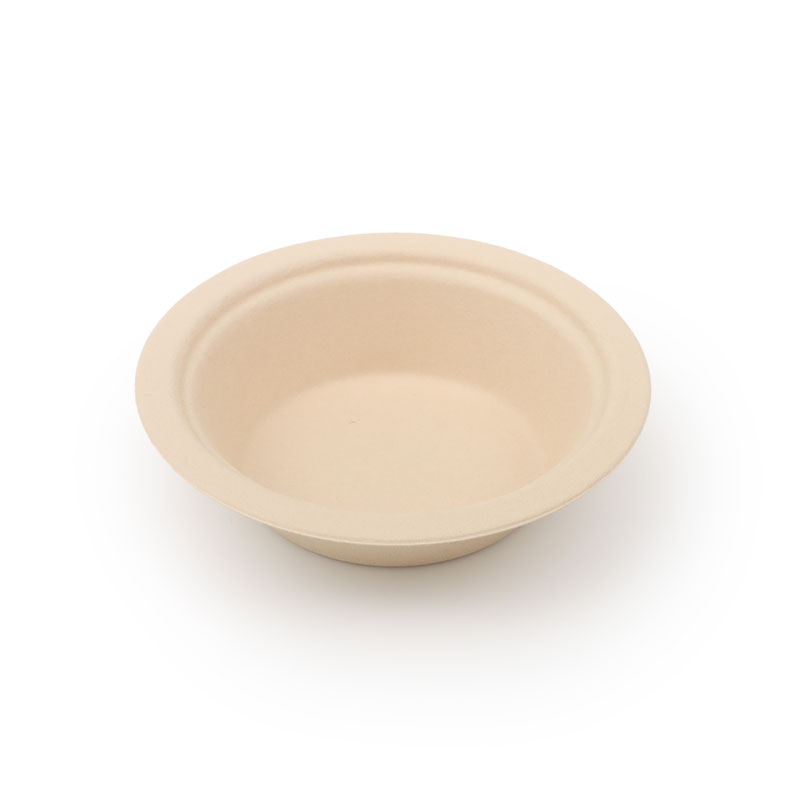 11.5oz(340ml) Bowl
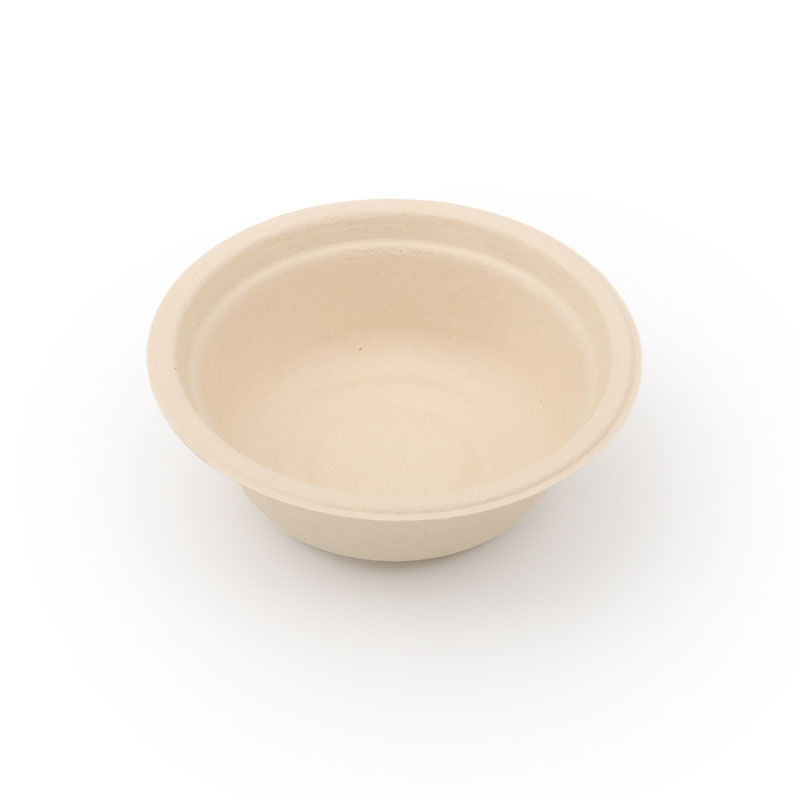 6.7oz(200ml) Bowl
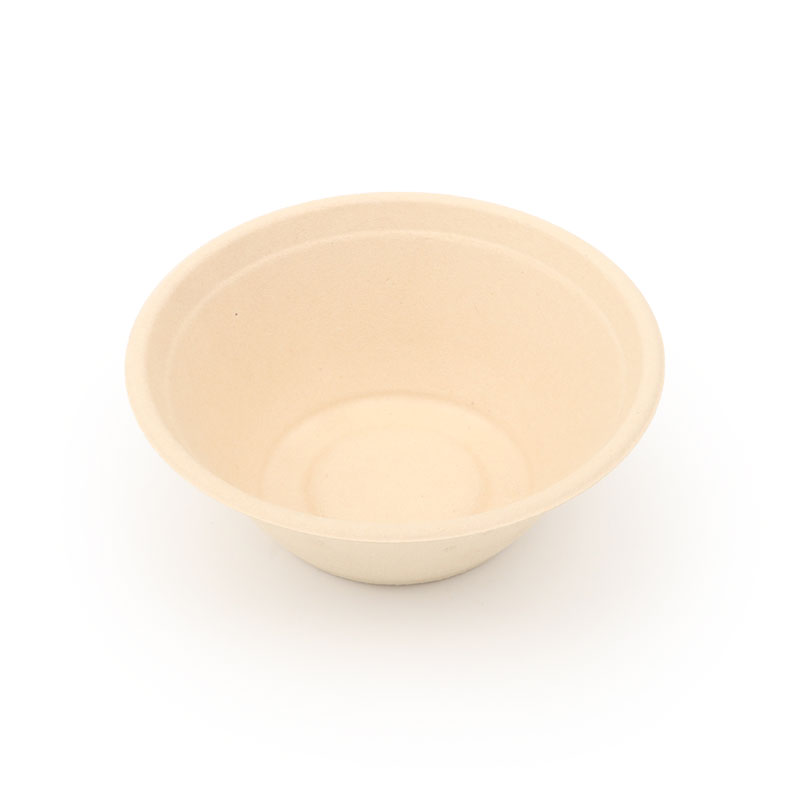 12oz(350ml) Bowl
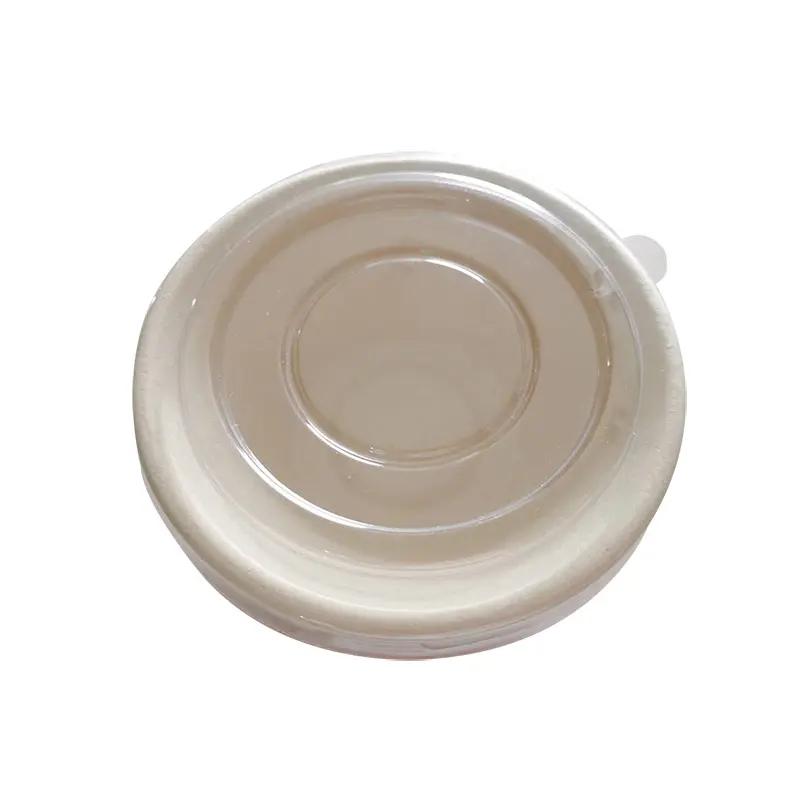 12oz(350ml) Bowl PET
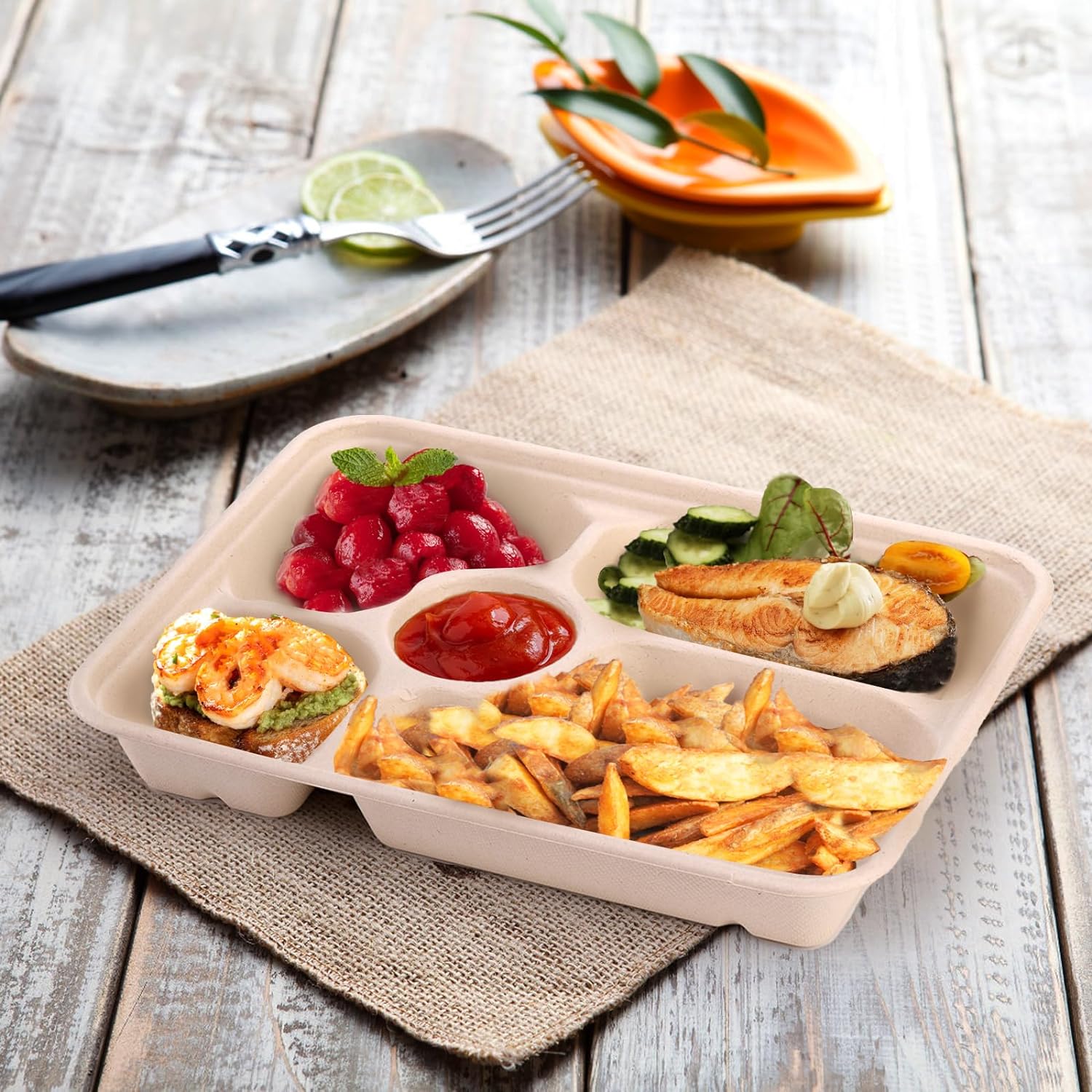 Bagasse Lunch Boxes
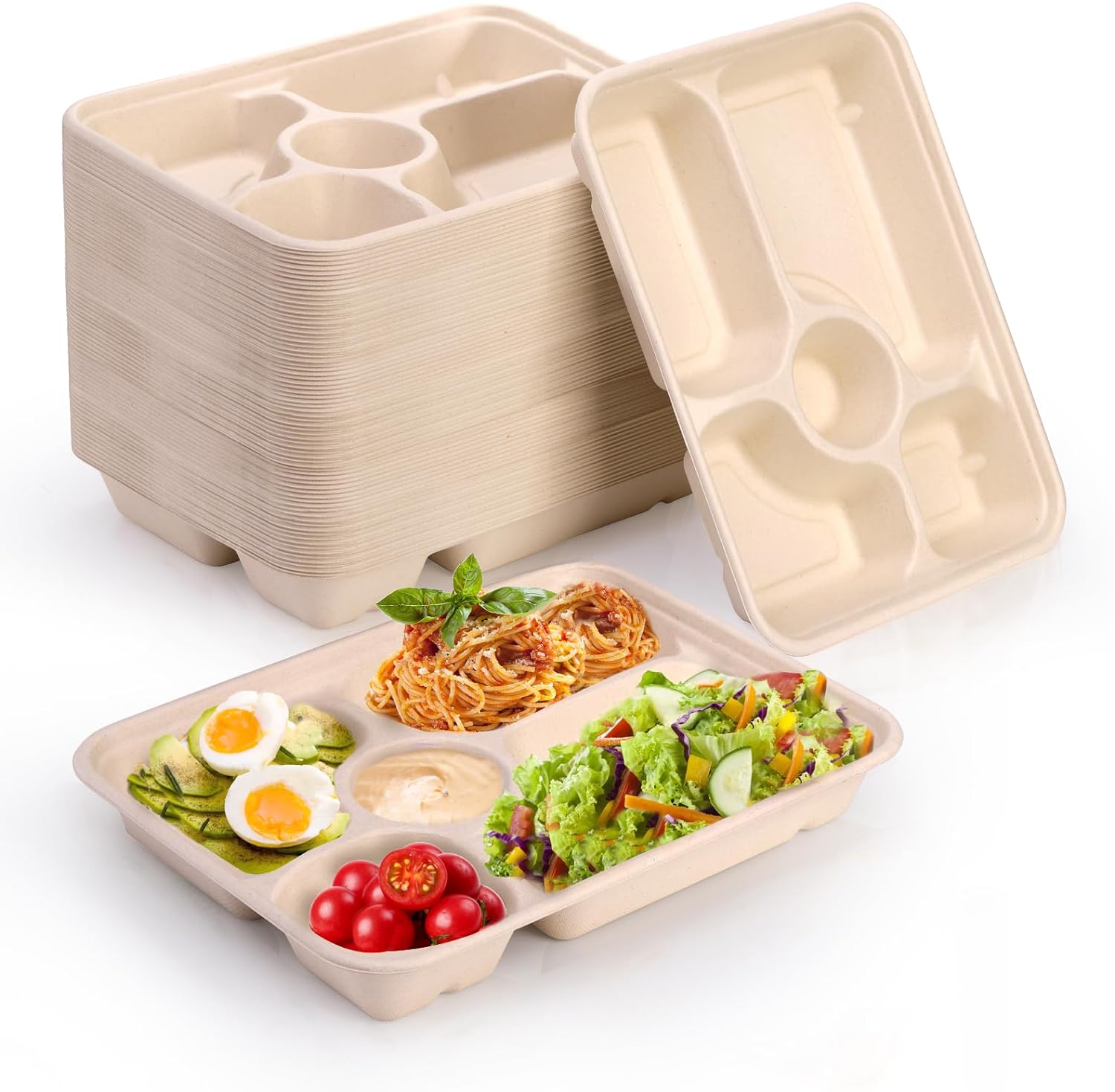 5CP
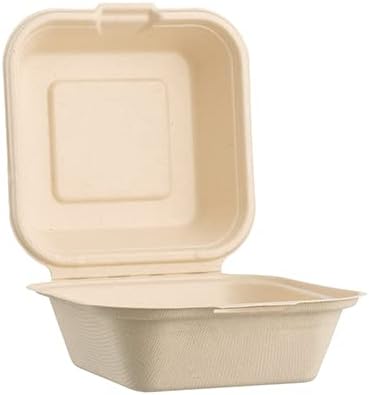 6 inch
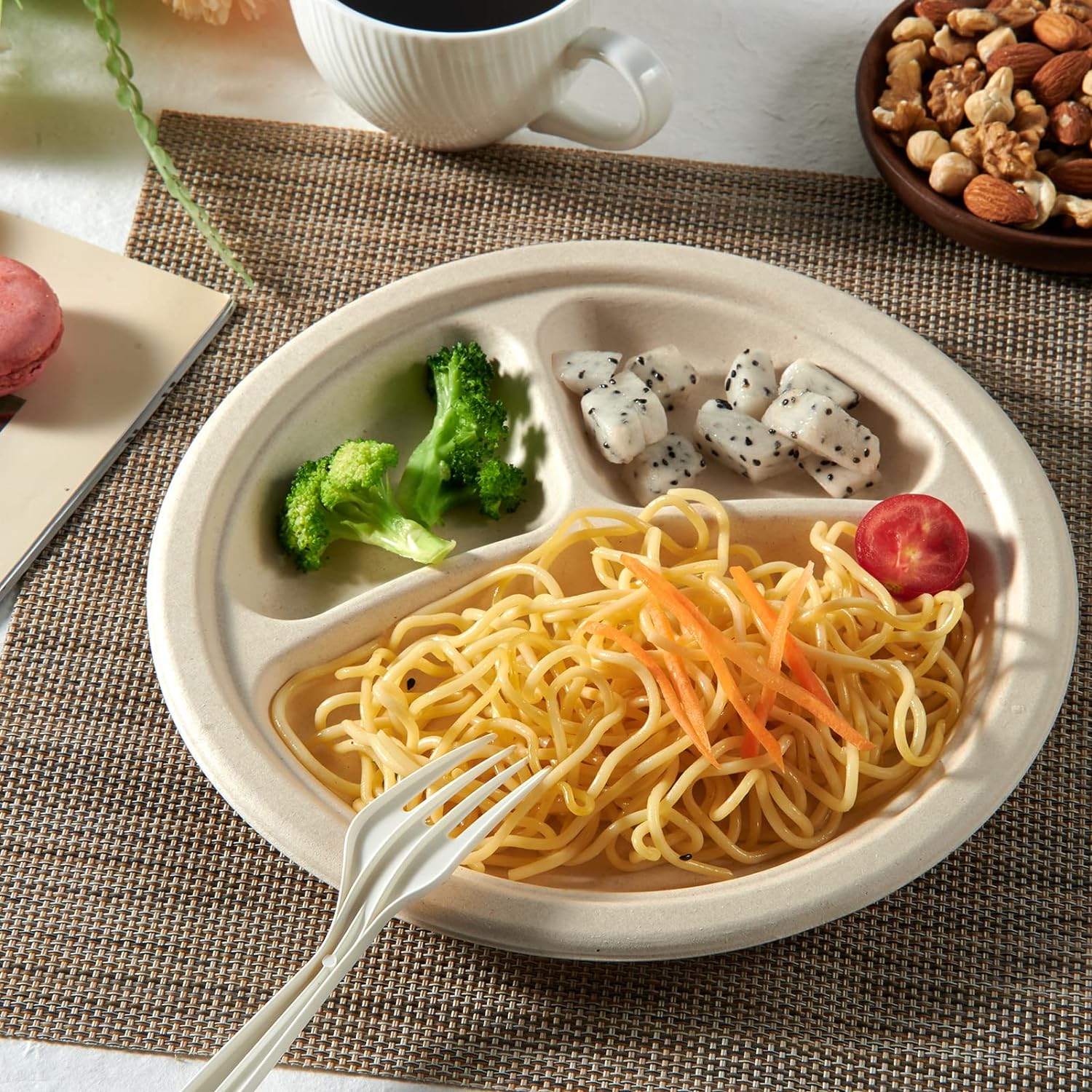 Bagasse Food Plates
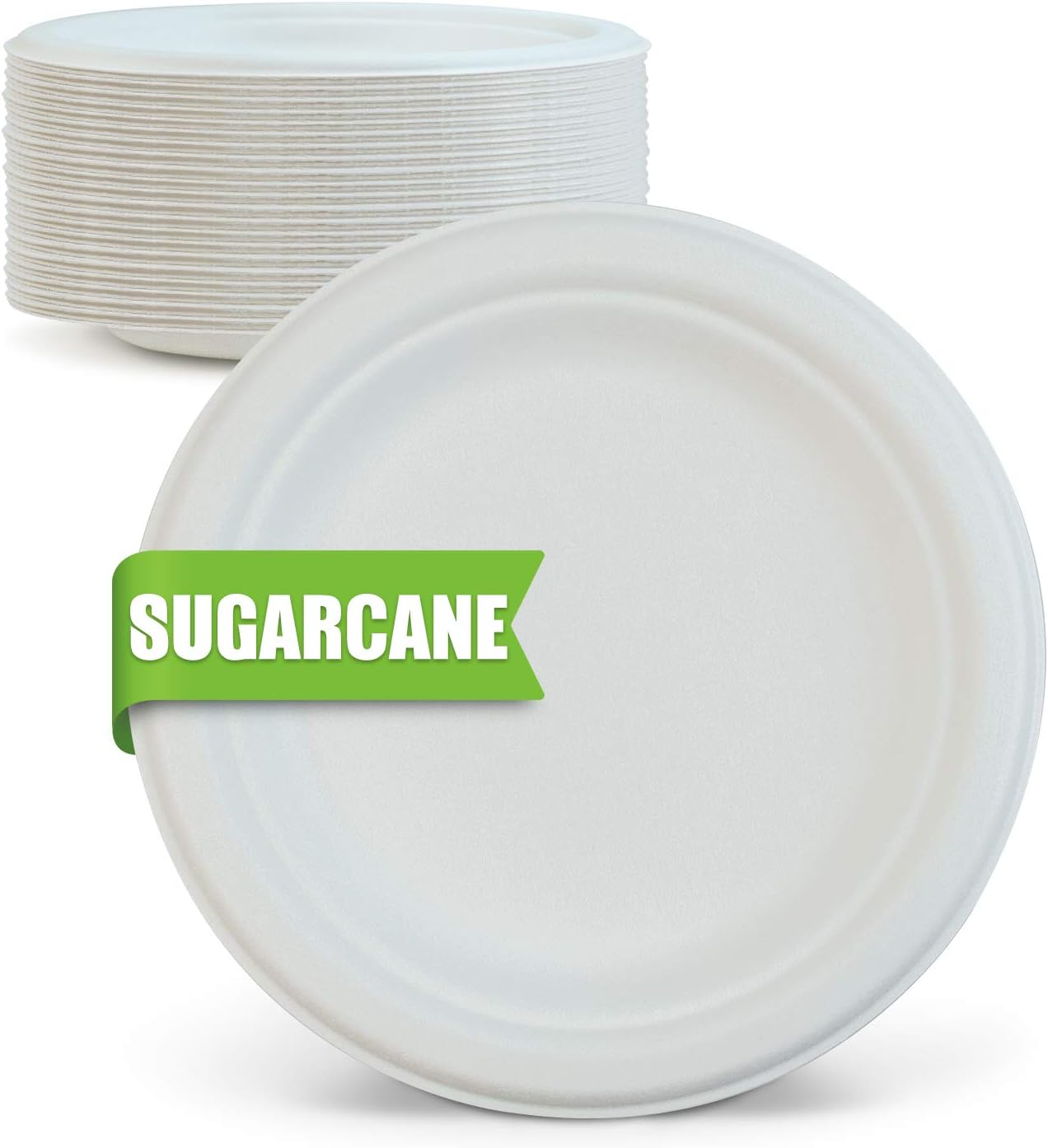 7 inch
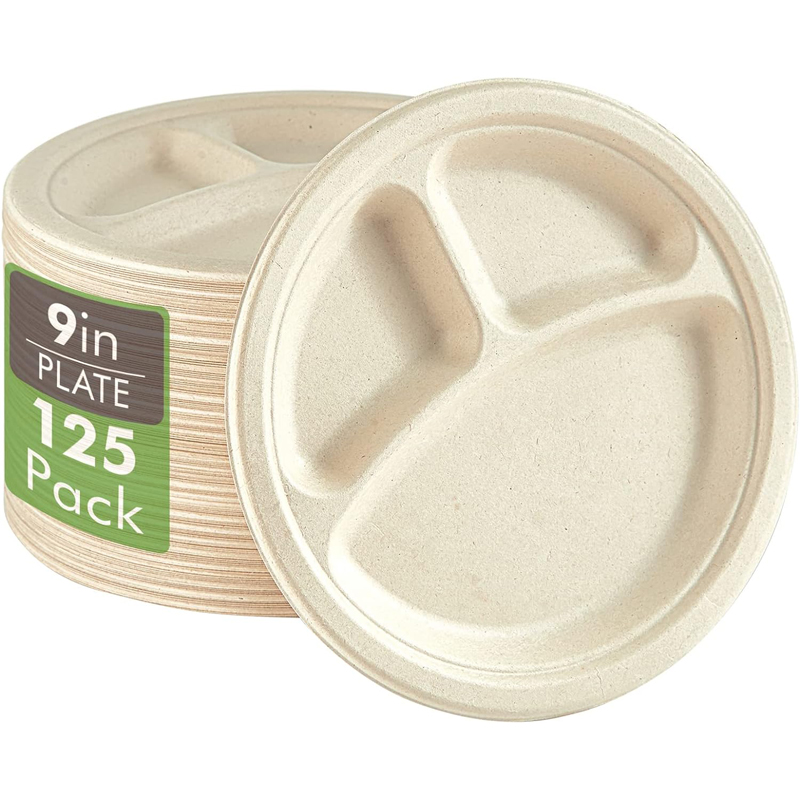 3CP
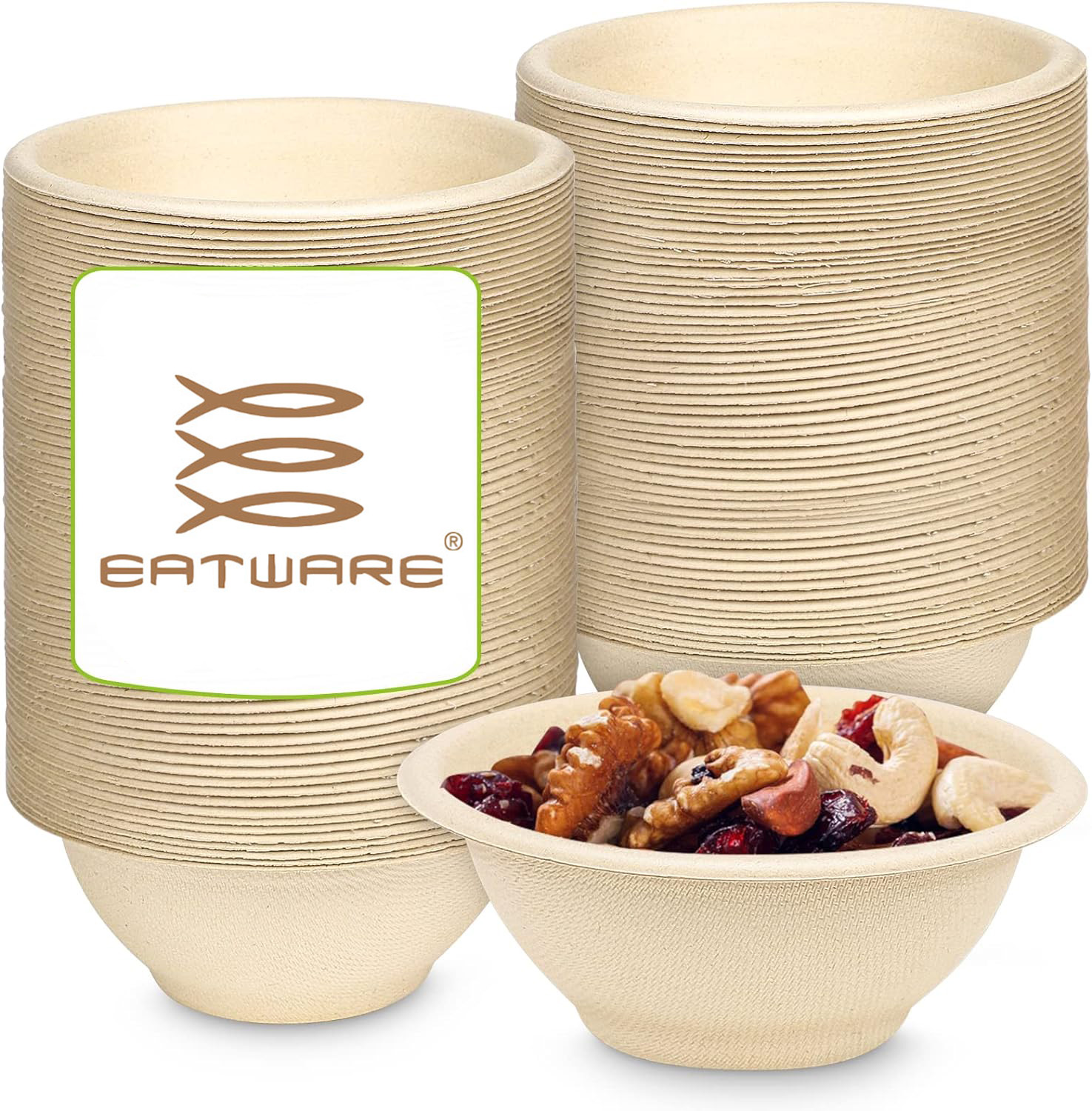 Bagasse Bowls
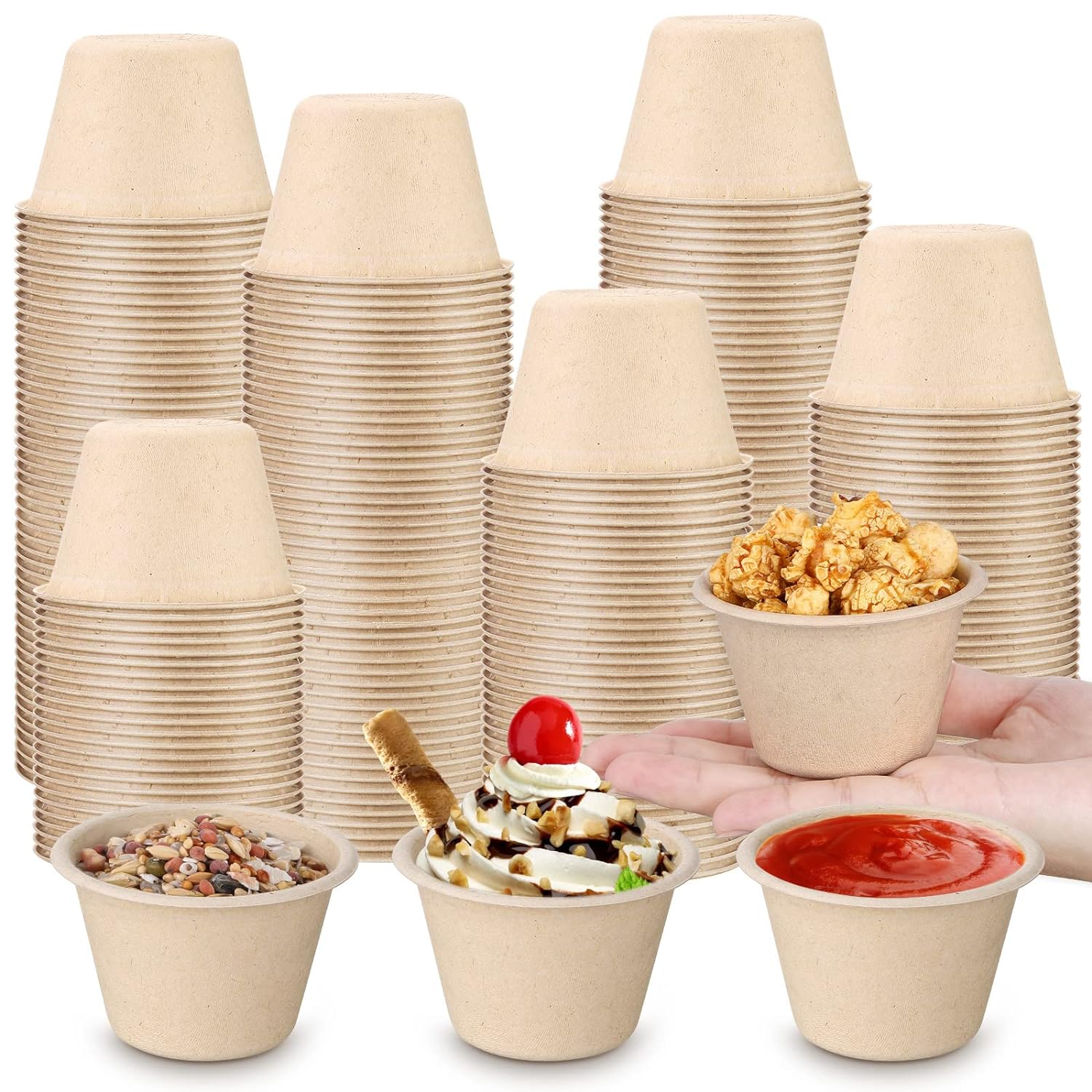 4oz
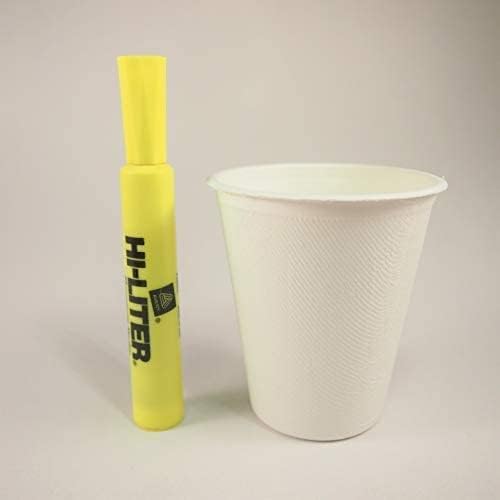 Bagasse Cups And Cutlery
 8oz
 12oz
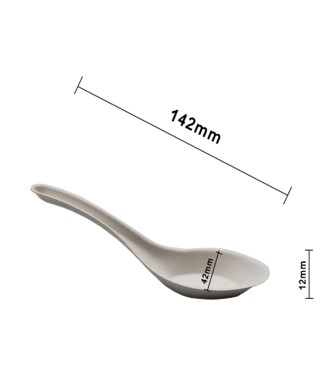 Cutlery
Leave Your Message
Engineered with high-barrier plant fibers and precision-laminated sealing films to preserve authentic street food textures, aromas, and safety without synthetic chemical additives.

Analyzing the paradigm shift from traditional open-air paper wraps to automated gas-flush eco-trays across urban night markets, cloud kitchens, and mobile food networks.
Street food represents the heartbeat of global culinary culture, featuring complex flavor matrices ranging from lipid-dense fried snacks and skewered proteins to high-moisture noodle broths, curries, and steamed dim sum. Historically, the high water activity (a_w) and lipid concentration in street foods resulted in rapid microbial degradation, oil oxidation, and texture softening within 3 to 6 hours at ambient temperatures.
The strategic implementation of Modified Atmosphere Packaging (MAP) for street food alters the internal headspace atmosphere within high-barrier biodegradable containers. By displacing ambient atmospheric air (composed of roughly 78% Nitrogen and 21% Oxygen) with a customized protective gas mixture—typically combining 20–80% Carbon Dioxide (CO₂) and 20–80% Nitrogen (N₂)—microbial spoilage is dramatically hindered.
Carbon dioxide dissolves into the liquid phase of the food matrix to form carbonic acid (H₂CO₃), altering intracellular pH and inhibiting common aerobic pathogens like Pseudomonas, Bacillus cereus, and Staphylococcus aureus. Concurrently, high-purity inert Nitrogen prevents cellular collapse, acts as a structural filler against vacuum compression, and eliminates oxidation of delicate polyunsaturated fats found in deep-fried street favorites.
The global street food sector is undergoing rapid industrialization. Street food operators, food truck franchises, and centralized commissary kitchens are moving away from ad-hoc on-site cooking toward centralized batch preparation and chill-chain distribution. Modified atmosphere food packaging bowls and laminated food trays provide the missing link for this revolution:
1. Shelf-Life Multiplication: Freshly cooked artisanal street foods extend their shelf life from 12 hours up to 7–14 days under standard refrigeration (2–4°C) without chemical preservatives or flavor degradation.
2. Waste Mitigation: Vendors and food delivery aggregators reduce unsellable daily food waste by over 45%, converting volatile spot-cooking models into predictable, scalable, and pre-packaged retail inventories.
3. Seamless Cold-to-Hot Reheating: EATware's plant-fiber MAP bowls and trays resist oil permeation up to 120°C, enabling end-consumers to microwave or oven-heat street dishes directly within the sealed packaging.
With stringent global regulations against single-use plastics—such as the European Union Single-Use Plastics Directive (SUPD) and US state-level polystyrene bans—traditional petroleum-based polypropylene (PP) and polystyrene (PS) trays are no longer viable for progressive food enterprises.
EATware leads this technological transition by formulating heavy-duty bamboo and sugarcane pulp fibers. By integrating ultra-thin, heat-sealable biodegradable laminations, our MAP bowls offer an oxygen transmission rate (OTR) of less than 2.0 cm³/m²·24h·0.1MPa and a water vapor transmission rate (WVTR) below 3.0 g/m²·24h. This ensures hermetic airtight seals that resist pungent sauces, chili oils, hot stews, and acidic gravies without delamination or sogginess.
The next frontier in street food packaging integrates smart MAP with time-temperature indicators (TTI) and printable gas-leak sensors. As decentralized street food networks expand into convenience stores, airport grab-and-go kiosks, and autonomous vending lockers, packaging integrity becomes digitalized.
Through barcode and RFID-linked tracking on modified atmosphere food packaging bowls, logistics managers monitor real-time freshness profiles and batch provenance. EATware's automated thermoforming capabilities ensure high-tolerance rim flatnesses (within ±0.15mm), creating leak-free heat-sealing compatibility with automated industrial tray sealers (such as Multivac, Ilpra, and Ulma) operating at speeds exceeding 60 cycles per minute.
Proven track record in high-barrier sustainable packaging research, mold manufacturing, and automated high-speed production.
In the field of environmentally friendly packaging for 18 years, Has established cooperation with 500+ brands.
Through our research and development, there are more than 60 products can product, we also support OEM ODM customized services.
Exported to the United States, Europe, Australia, Canada and other countries, right now we have exported more than 30 countries.
10000+ square meters factory area, more than 30 patent certificates, 10 foreign authoritative certification, 55 automatic forming machines...
Kangxin (HaiMen) Environmental Technology Co., Ltd. is a technology innovation oriented enterprise that focuses on disposable environmentally friendly tableware and food packaging.
We have advanced production processes and equipment, and continue to attract senior talents, focusing on environmental protection, emphasizing safety, and ensuring quality.
EATware is committed to sustainable development, using all natural plant fibers to produce safe, healthy and environmentally friendly tableware. Adhering to the concept of "take nature, serve humanity, return to nature", we focus on the development of safe, high quality and environmental standards.
EATware emphasizes environmental protection and sustainable development, explores the balance between enterprise survival and environmental protection, and uses all-natural and pollution-free bamboo fiber as the main material of tableware to ensure that its products meet the high technical level and are superior to developed countries.
Pollution
ocean
Forest
Strictly certified according to the world’s most demanding food contact safety, biodegradability, and facility management protocols.
Explore technical whitepapers and testing methodologies to optimize your street food and foodservice packaging performance.
The most reliable way to test disposable food containers is to combine leakage testing with structural testing under conditions that reproduce the intended food application. A container should not be approved simply because it holds water for several minutes or survives an empty compression tes...
For foodservice operators, replacing conventional plastic packaging is not simply a matter of changing materials. Disposable biodegradable tableware must still withstand hot food, sauces, oils, condensation, stacking, transport, and commercial handling without losing structural integrity. Poorl...
With growing global demand for takeaway meals and eco-friendly packaging, China’s manufacturing sector has become a major hub for disposable food containers. Today’s food businesses - from fast-food chains and meal-delivery services to supermarkets and catering companies - are looki...
Trusted by industry-leading food service brands, airlines, supermarkets, and catering leaders worldwide.
Select the perfect gas-flush, moisture-resistant, and high-barrier biodegradable tray or bowl designed specifically for high-volume street cuisine and delivery operations.
