
 Box With T buckle
 700ml Square Lunch Box
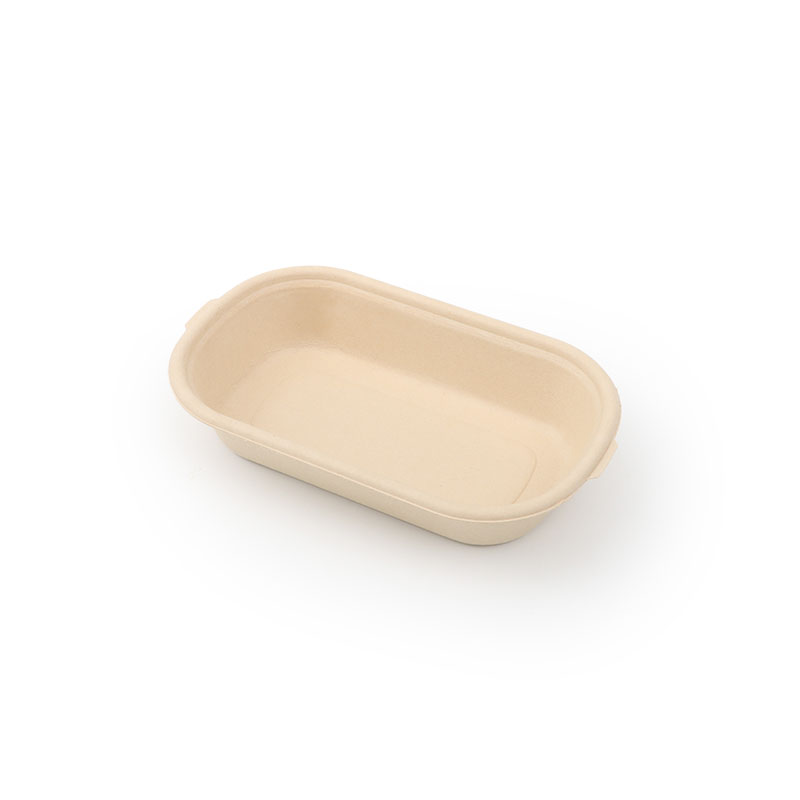 500ml
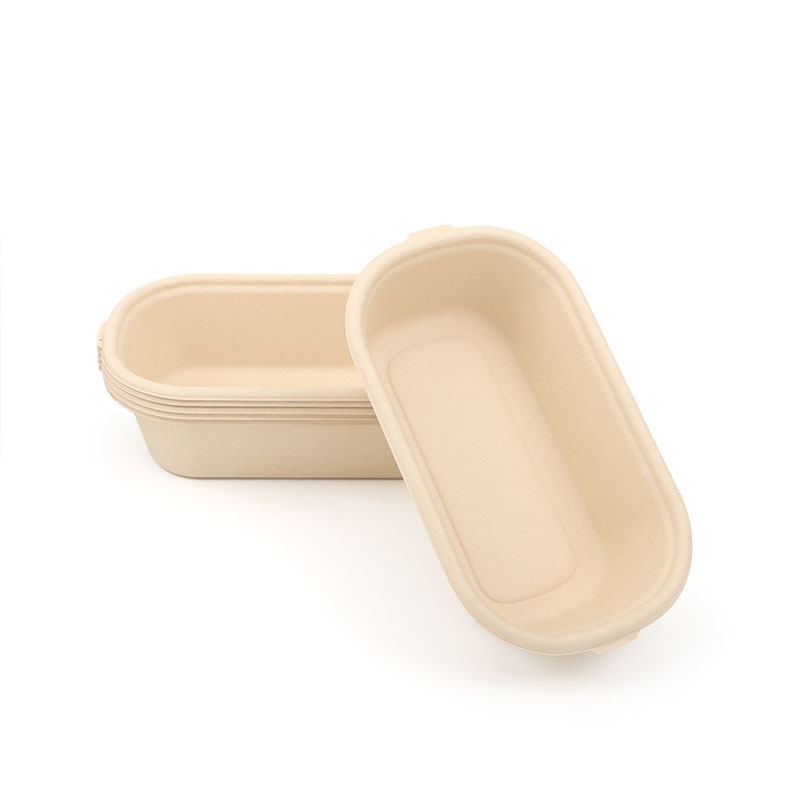 700ml
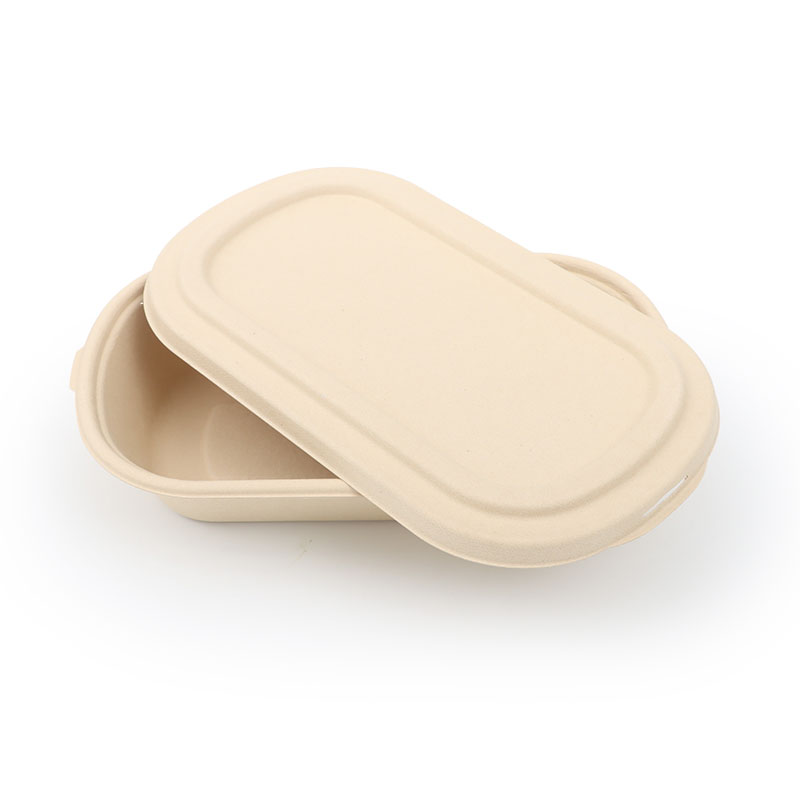 850ml
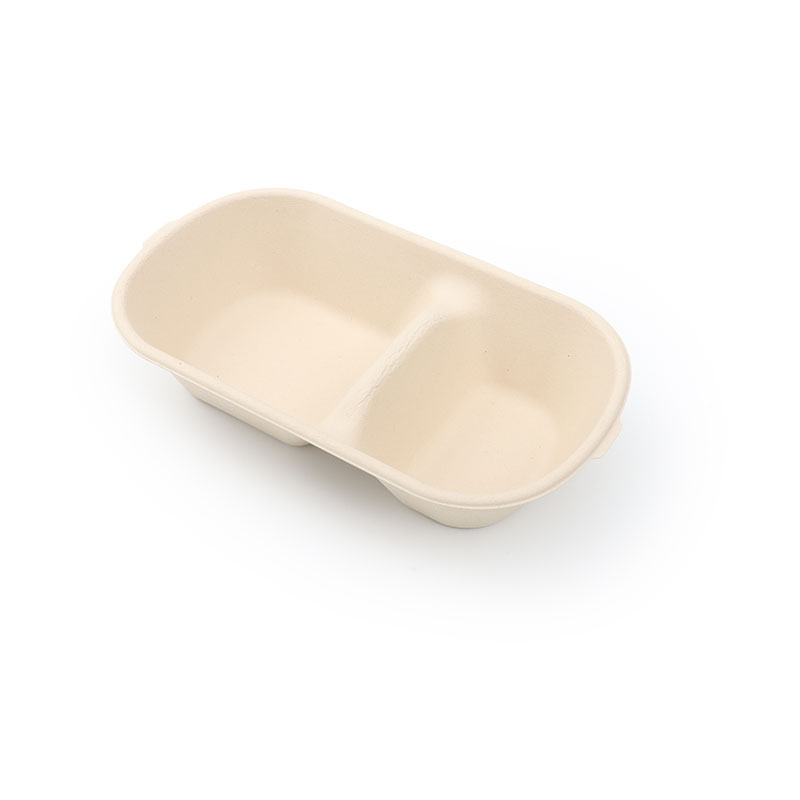 800ml 2 Compartments
 1000ml 2 Compartments
 1100ml
 1000ml Square Lunch Box
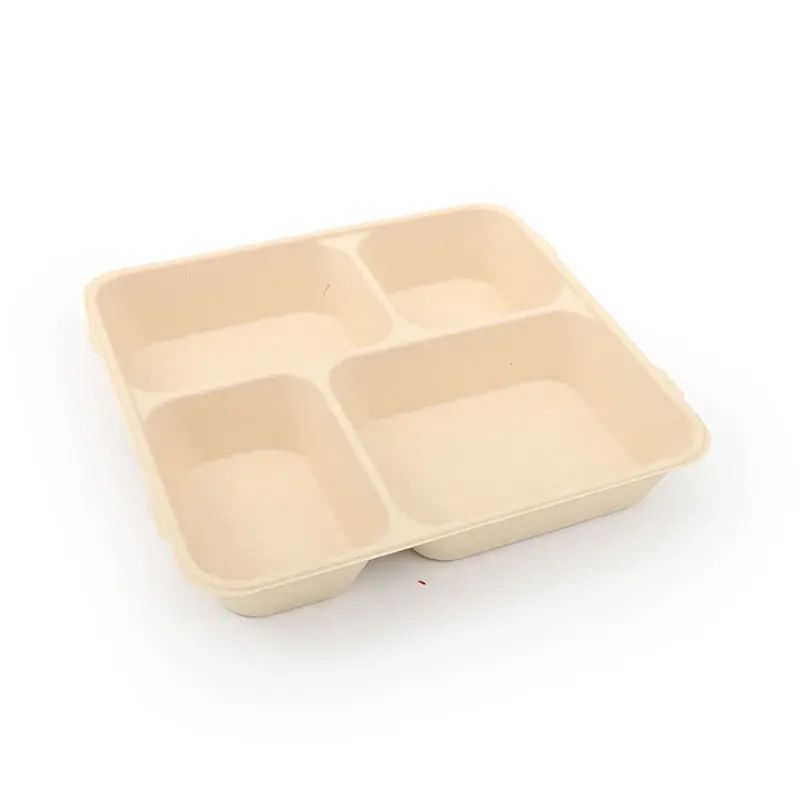 1340ml 4 Compartments
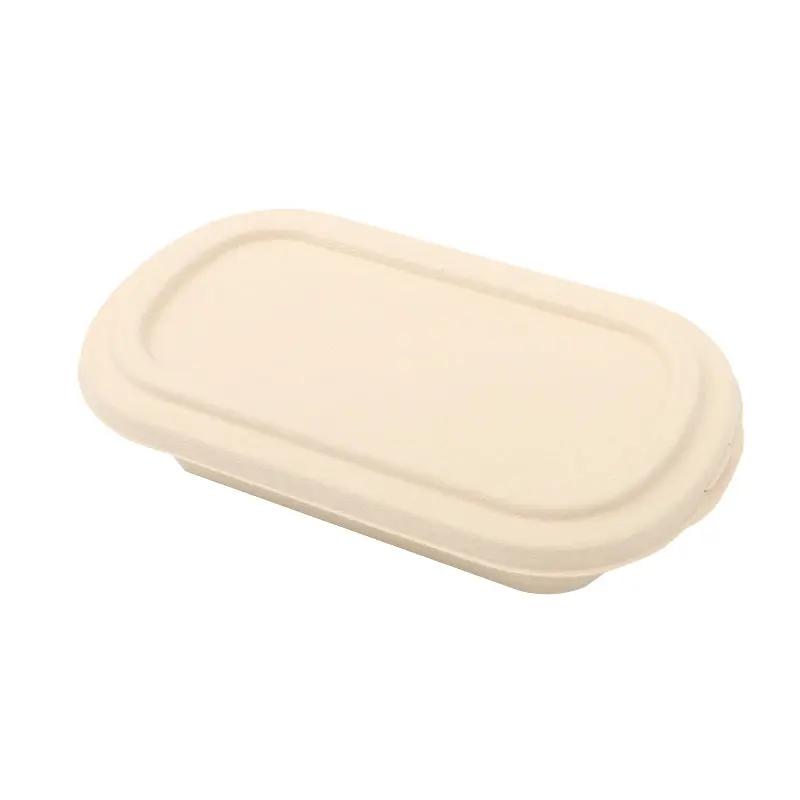 Lunch Box Lid
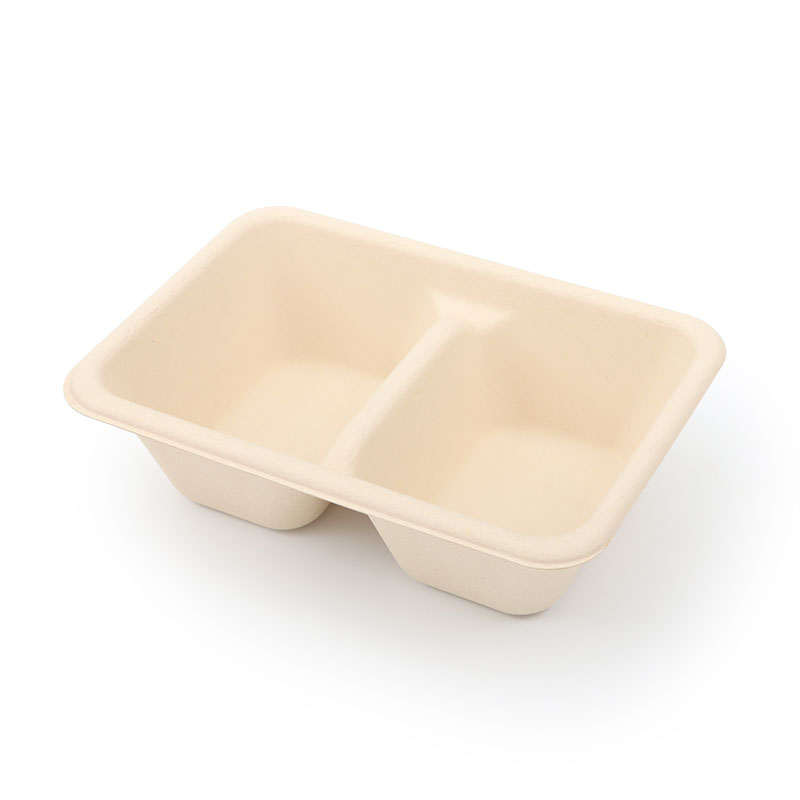 650ml
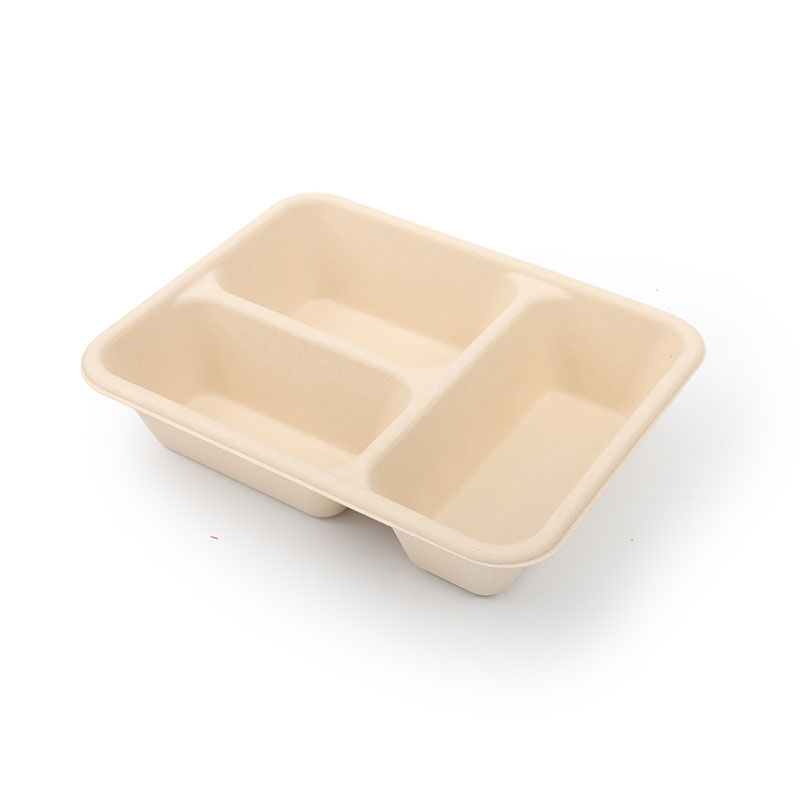 1000ml 3 Compartments
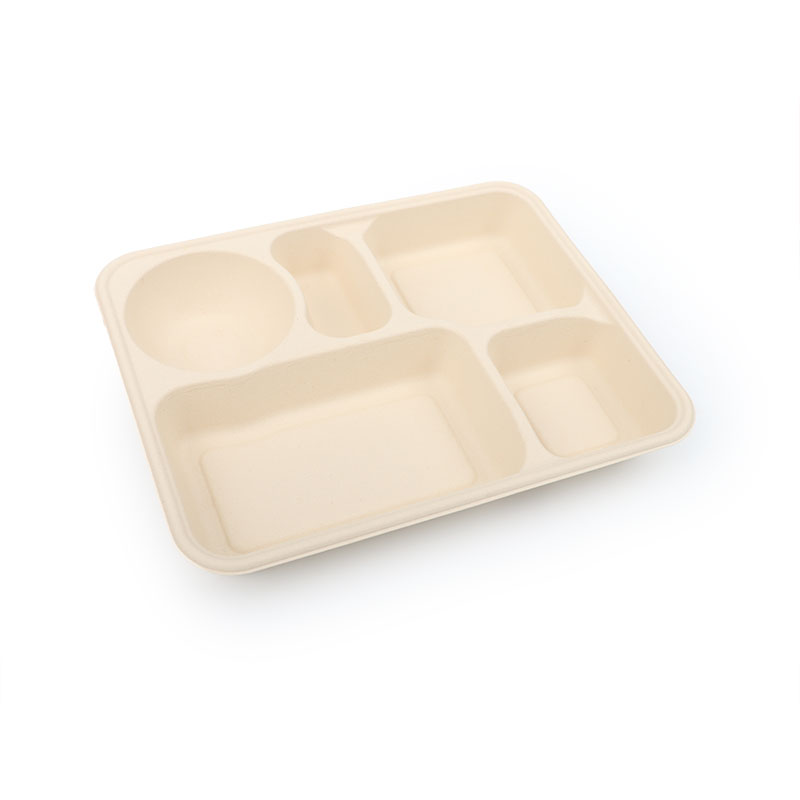 1250ml 5 Compartments
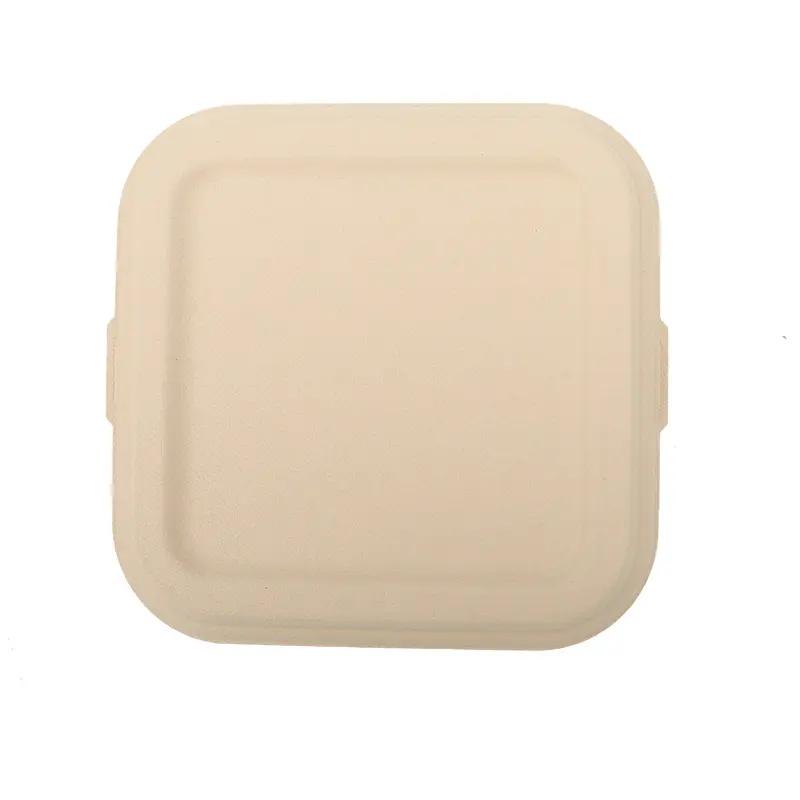 Square Lunch Box Lid
 Box Without T buckle
 850ml Salad Box
 700ml
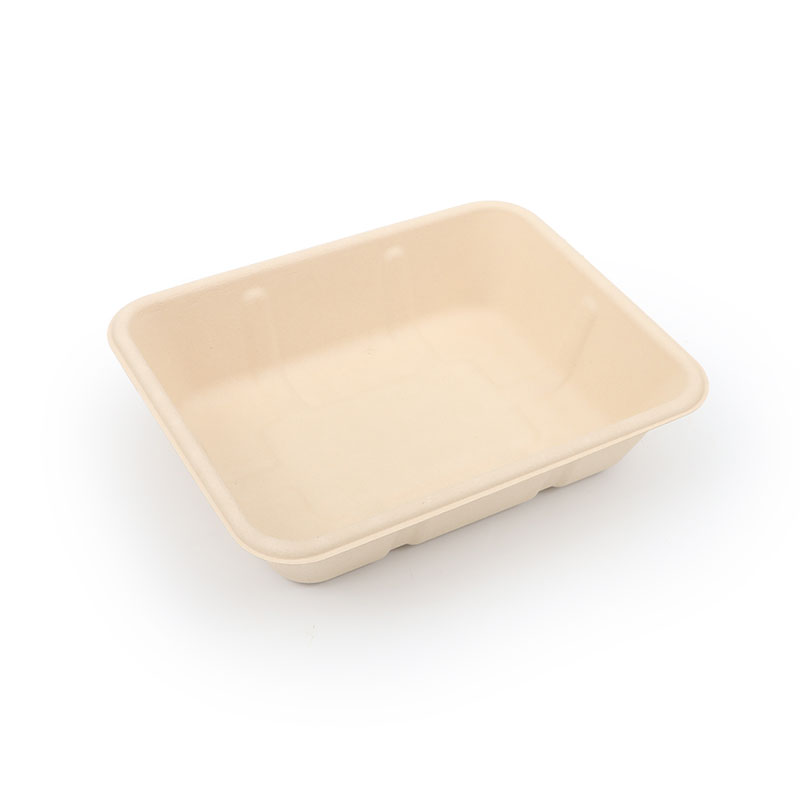 1350ml
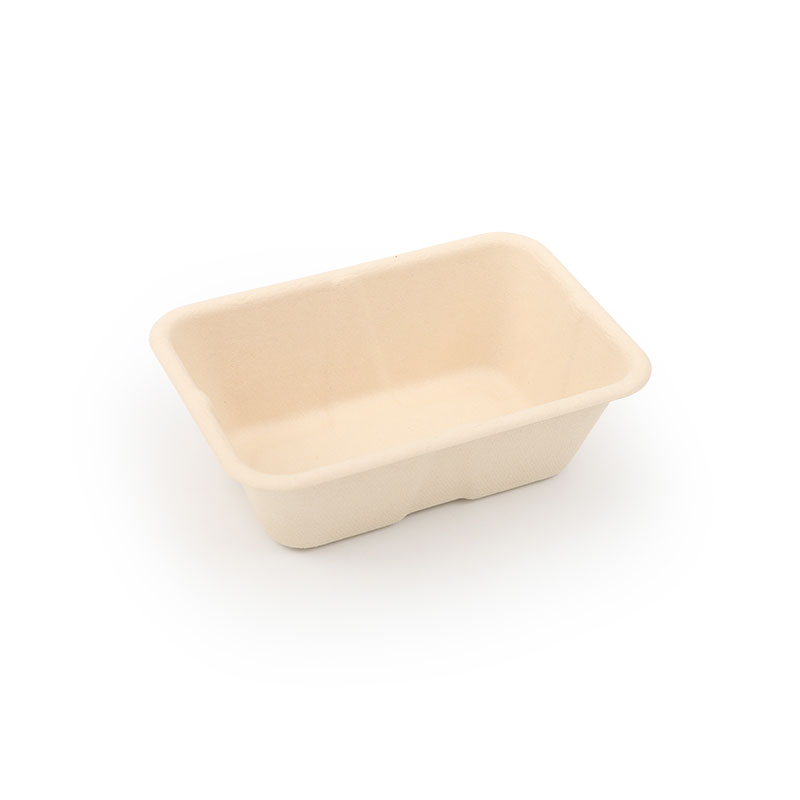 470ml
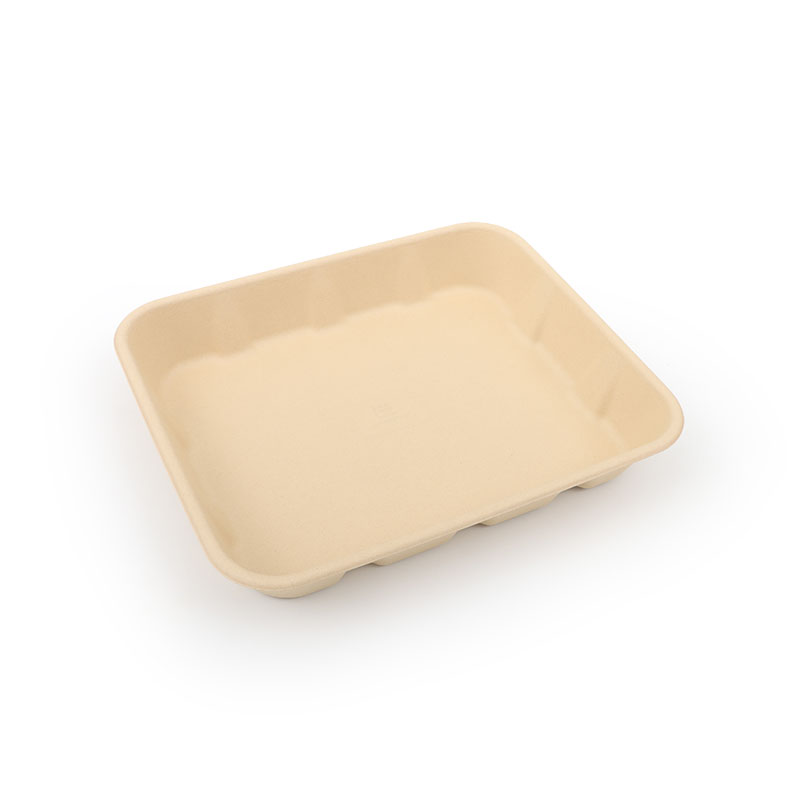 2183ml Tray Box
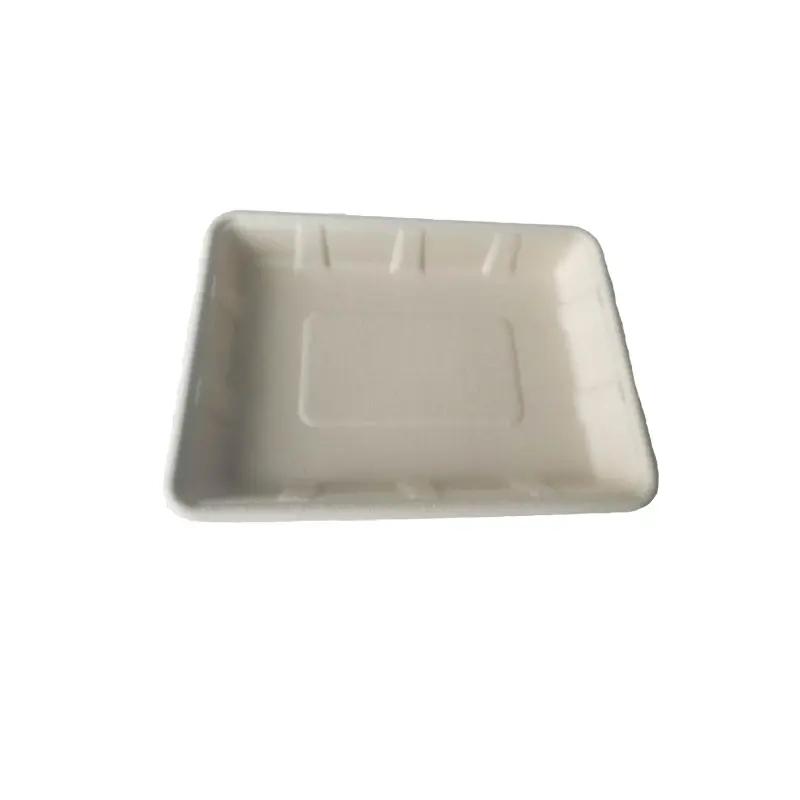 11" * 9"
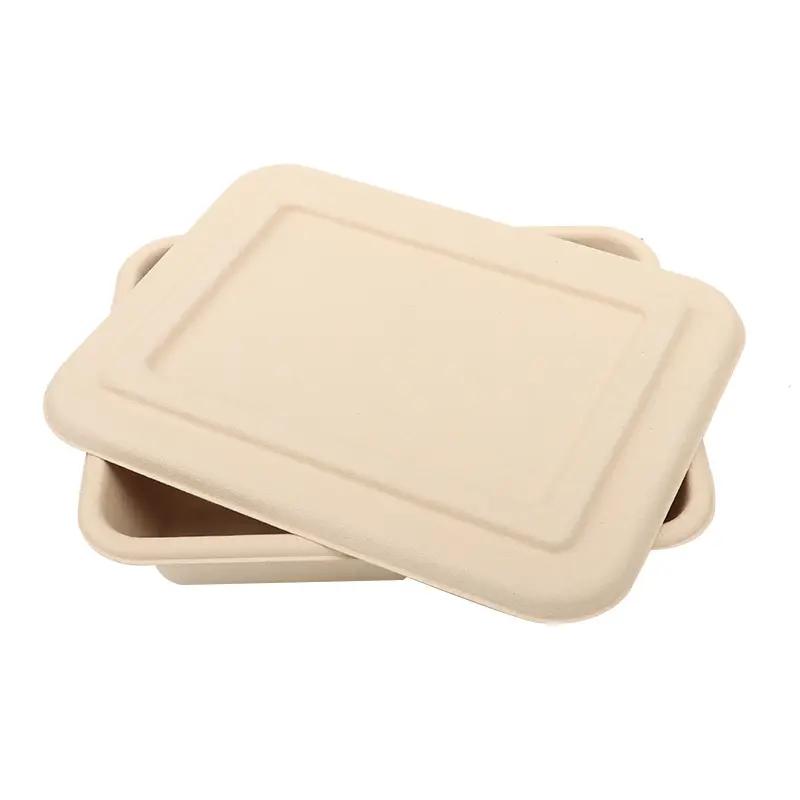 800ml
 One Part Box
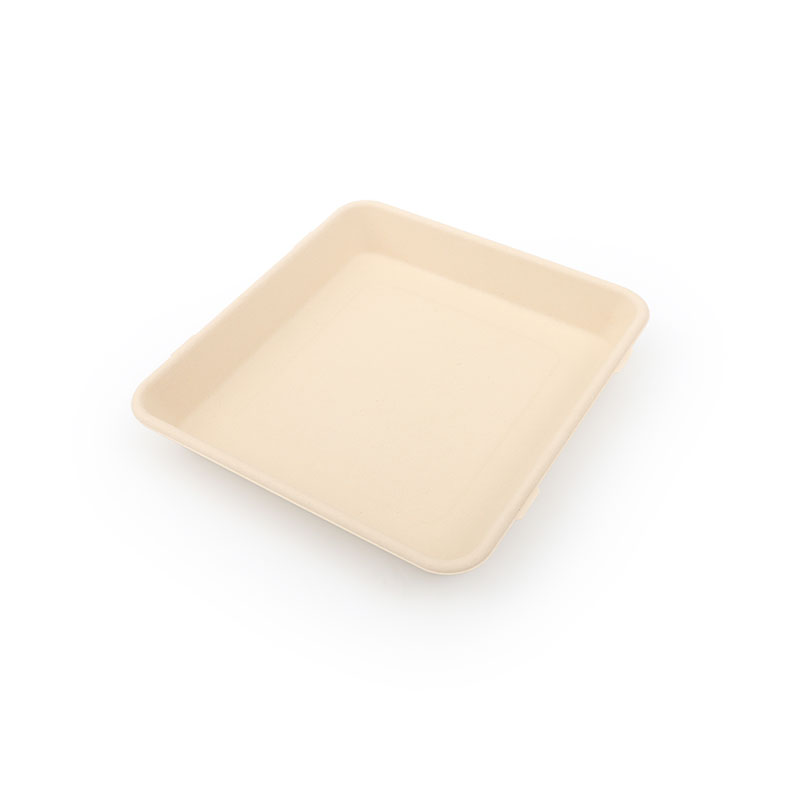 1443ml Tray Box
 Cake Bread Snack Tray Series
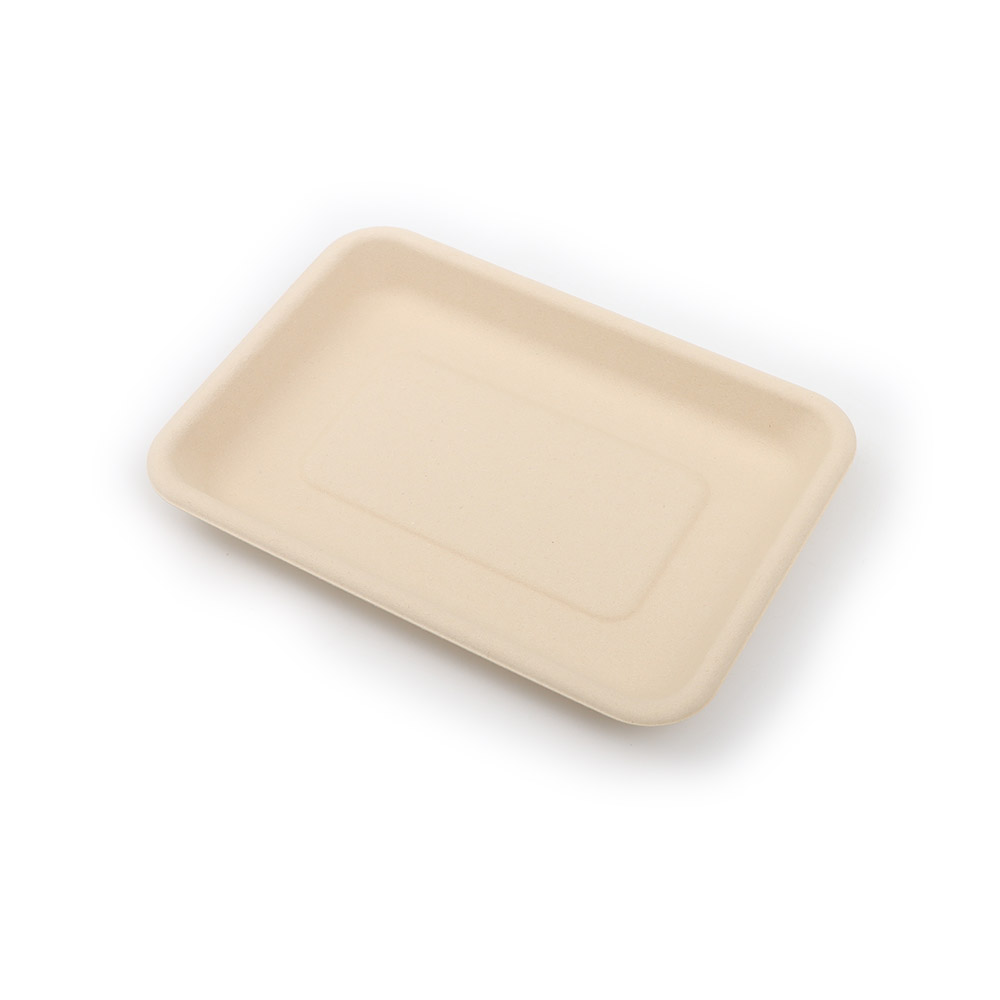 5" * 7" natural color
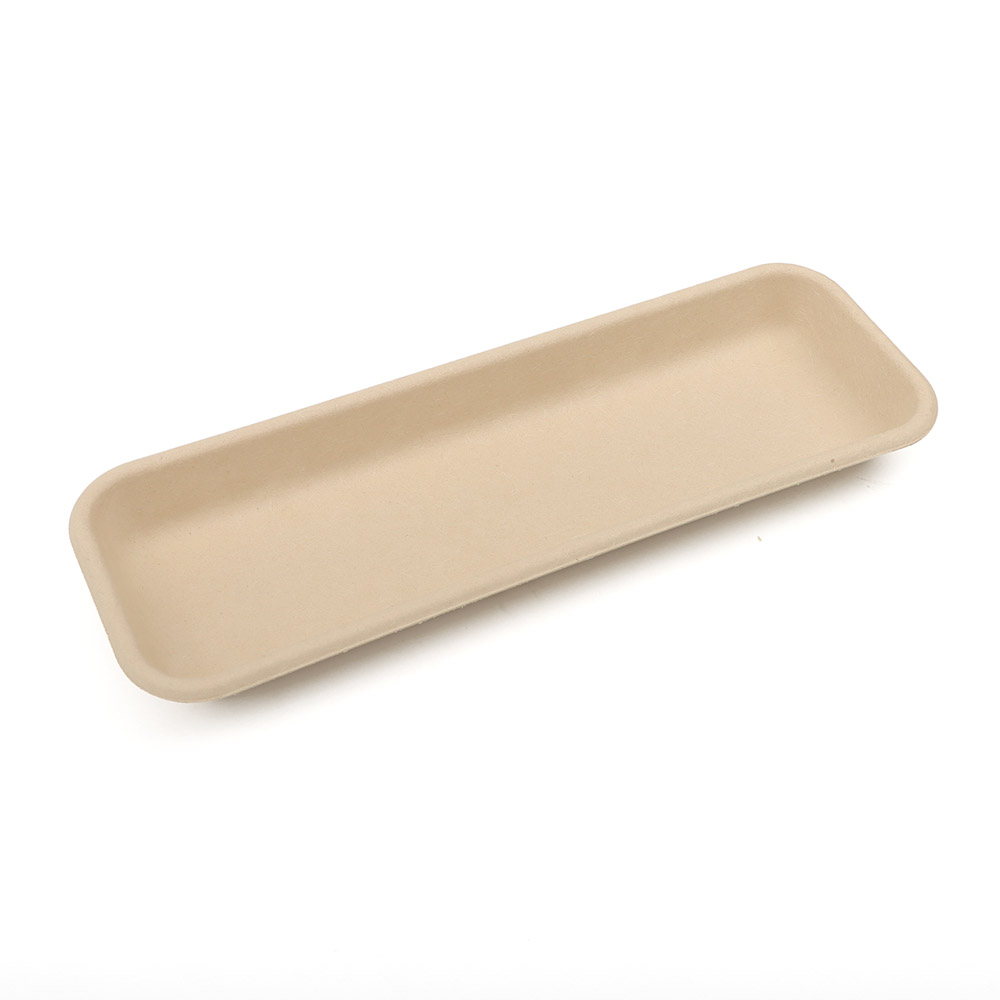 11.4" * 3.9"
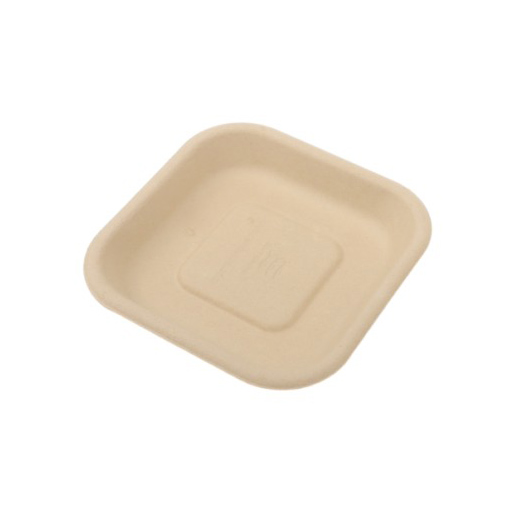 5.3" * 5.3"
 Fruit And Vegetable Tray Series
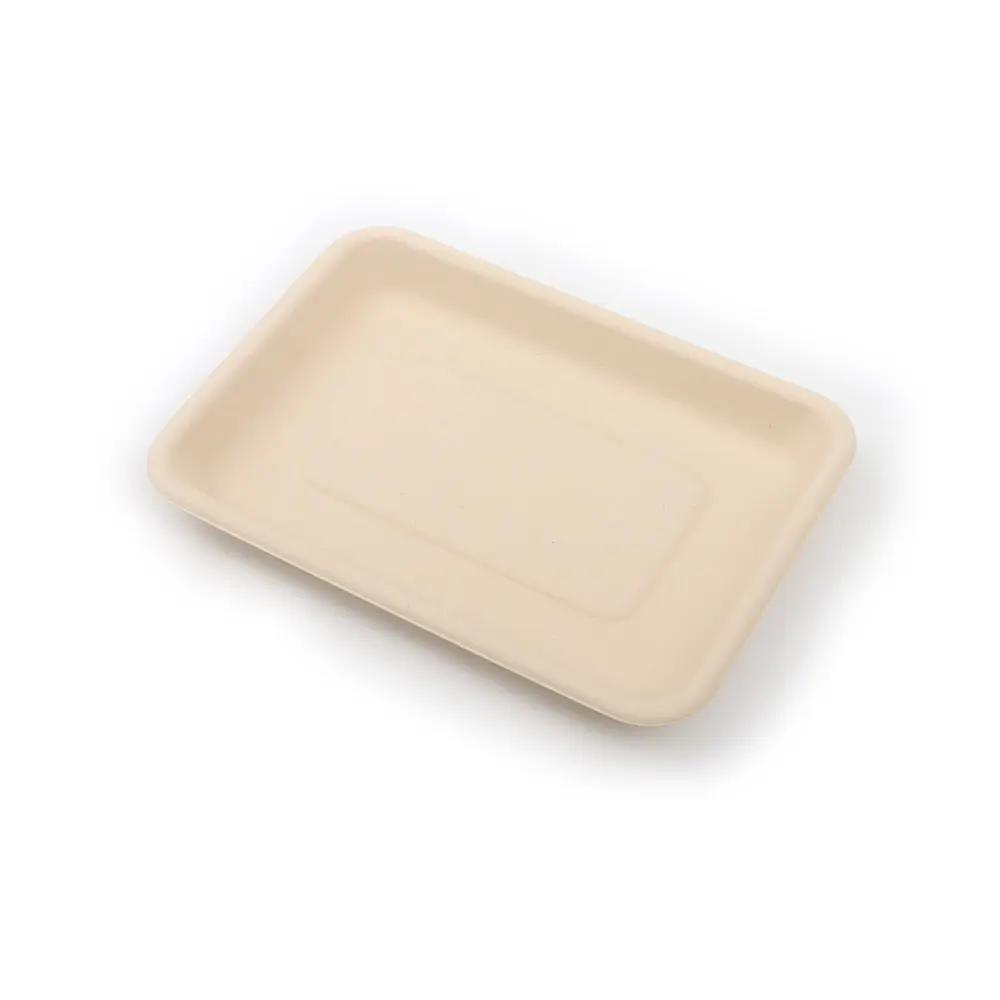 8.6" * 5.3"
 Sushi Tray Series
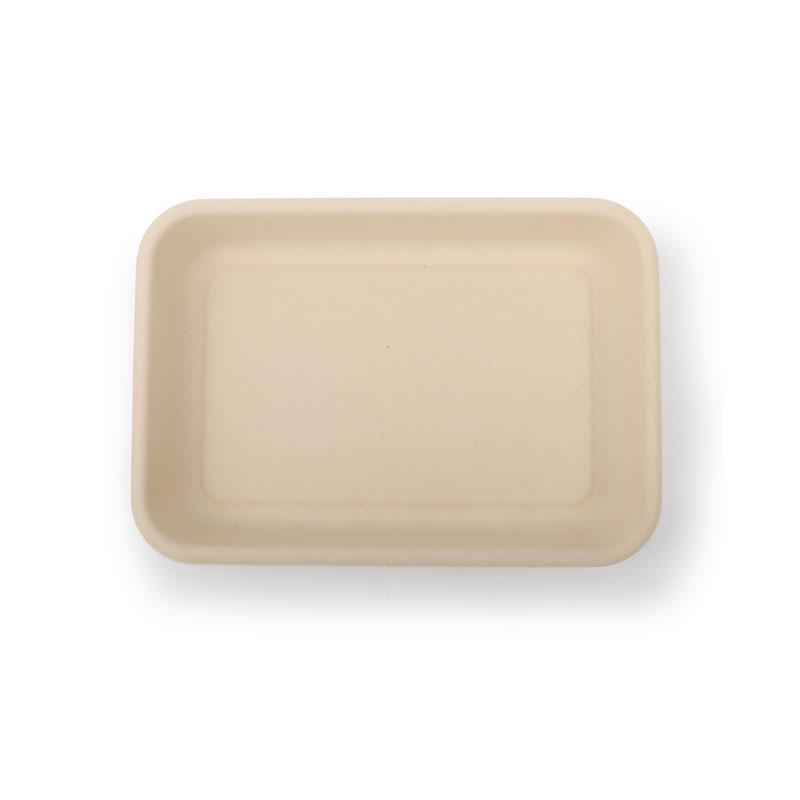 200" * 140"
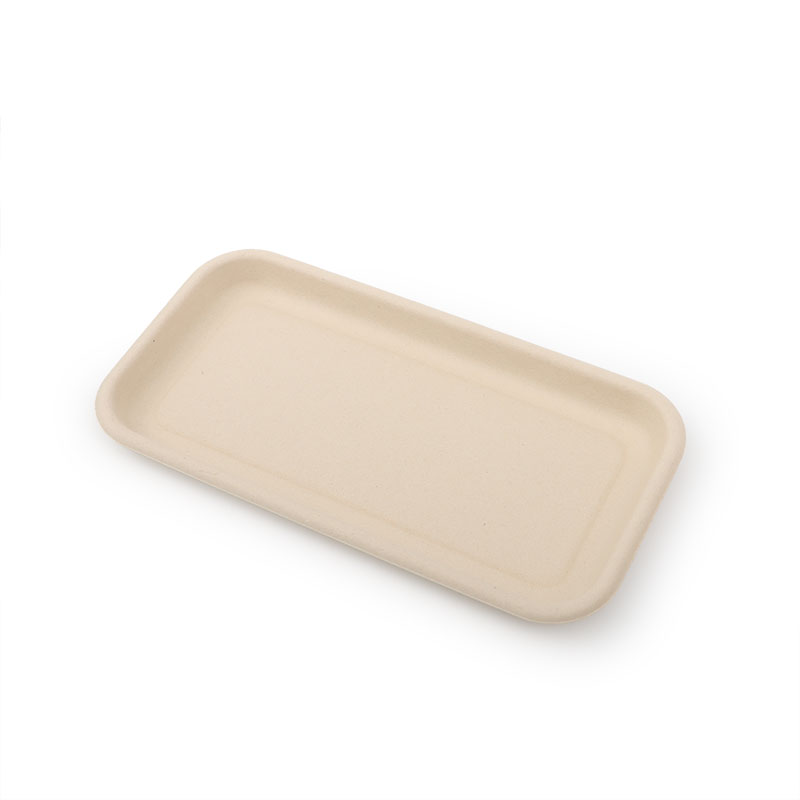 210" * 110"
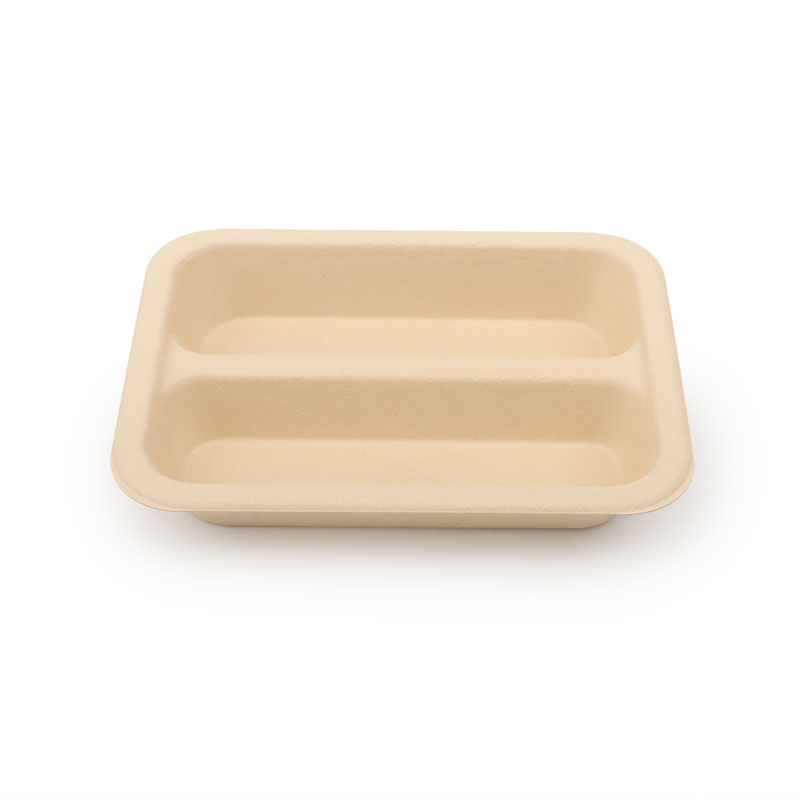 2 Compartments
 Small Round Plate Series
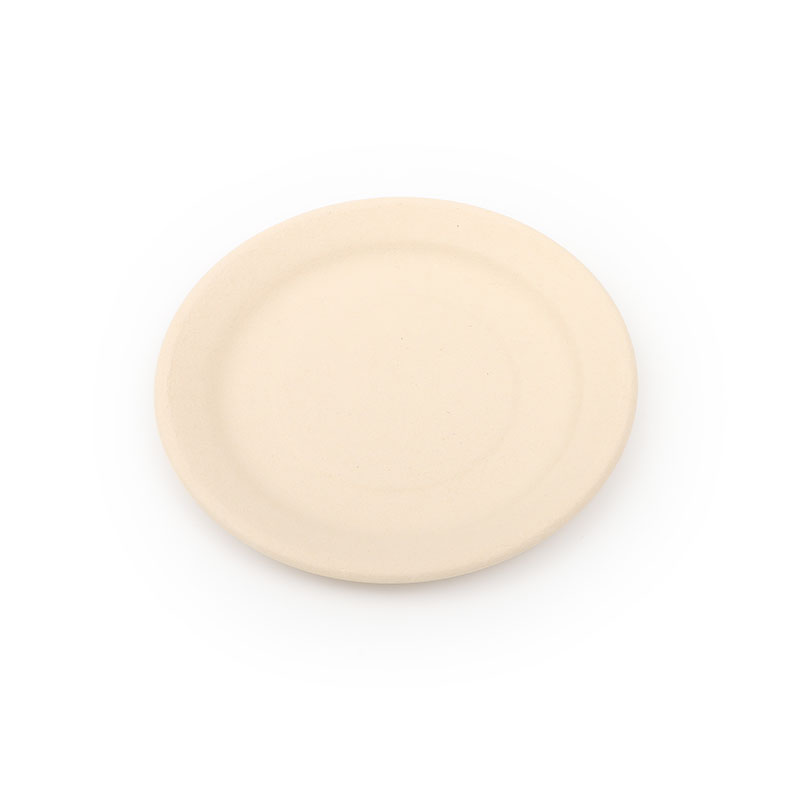 7 inch
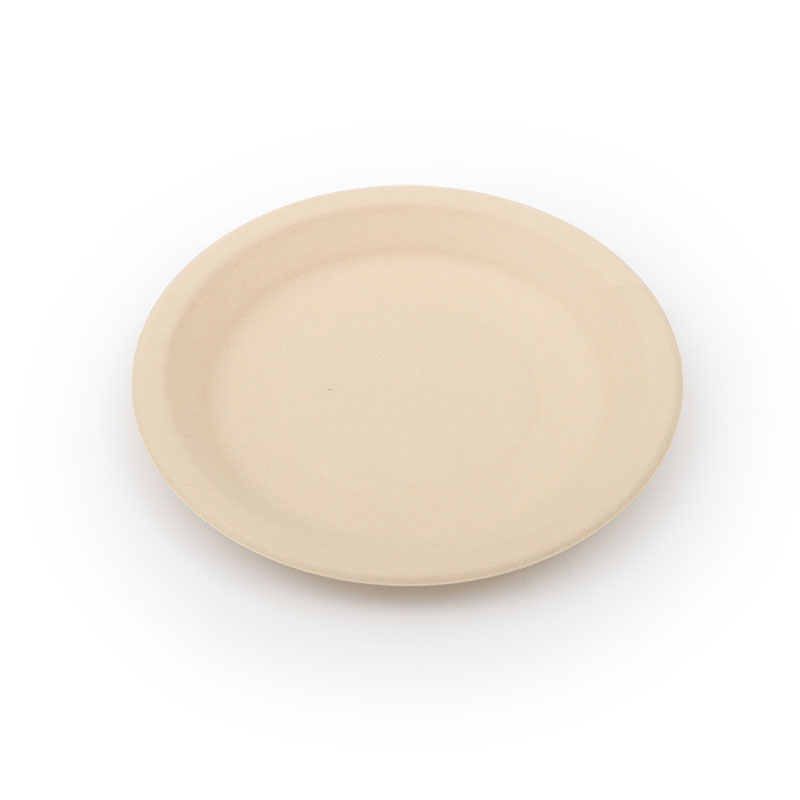 6 inch
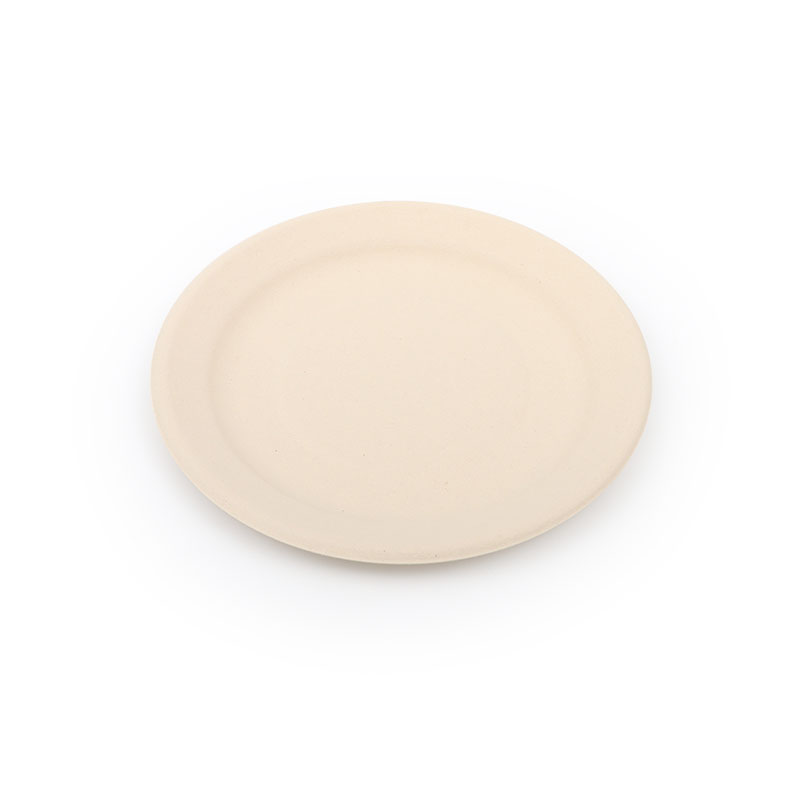 8 inch
 Middle Round Plate Series
 9 Inch 3 Compartments
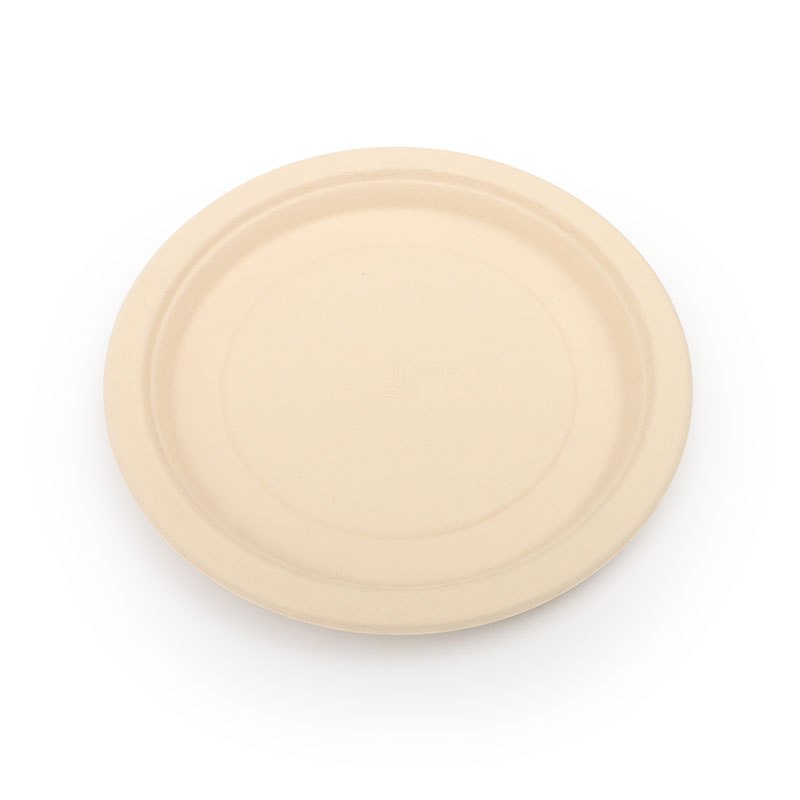 9 inch
 Big Round Plate Series
 12.7 Inch Pizza Plate
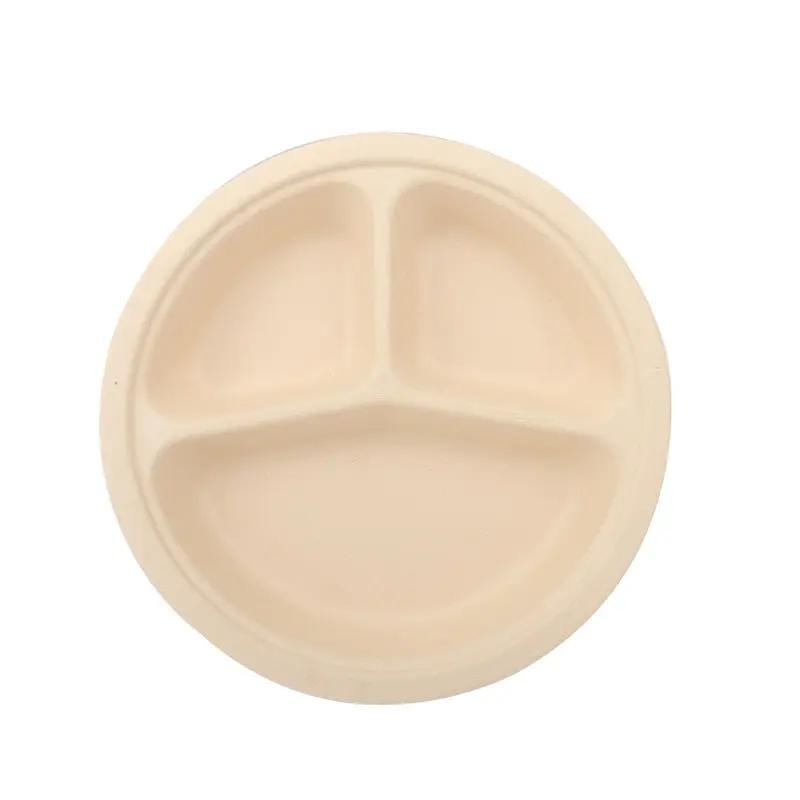 10.25 inch 3 Compartments
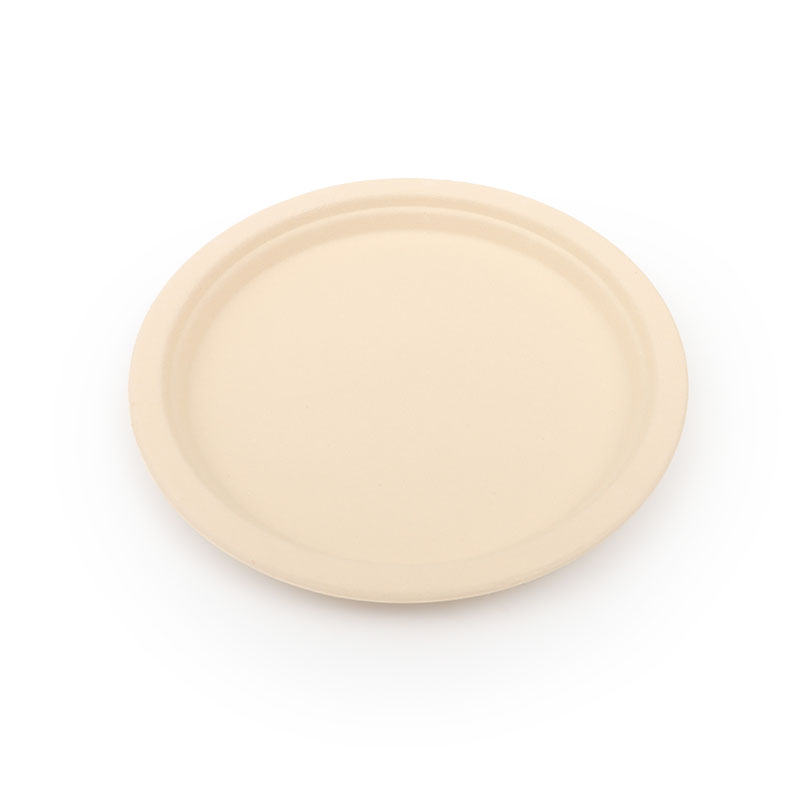 10 inch
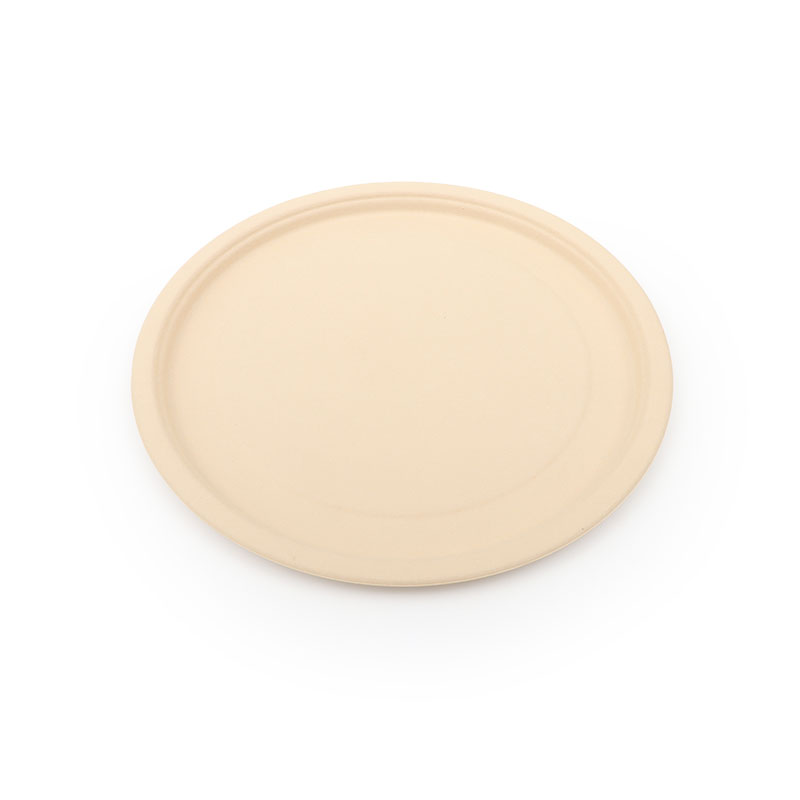 12 inch
 Bigger Bowl
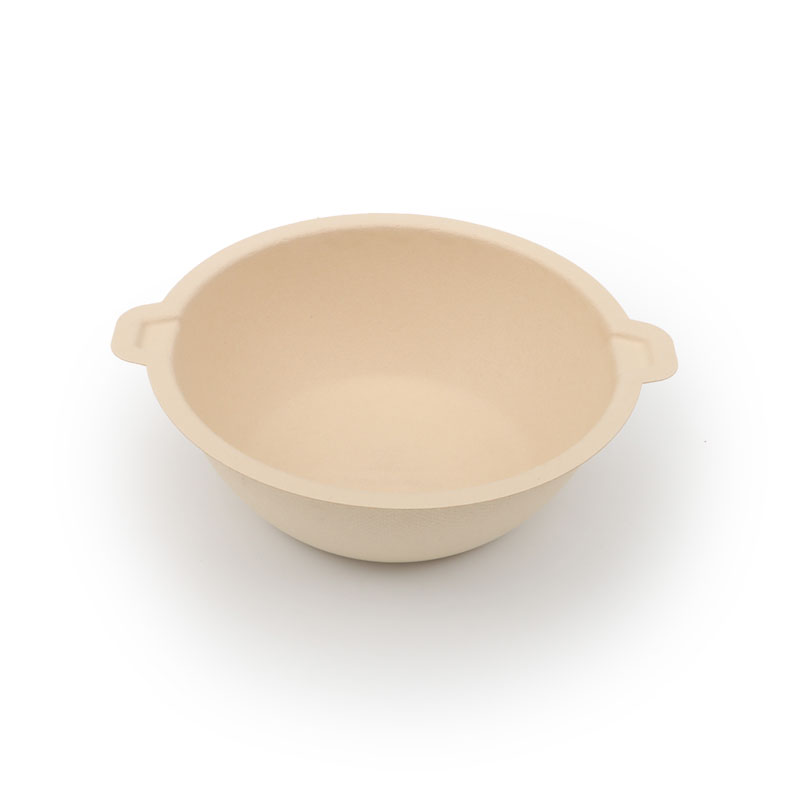 48oz(1420ml)
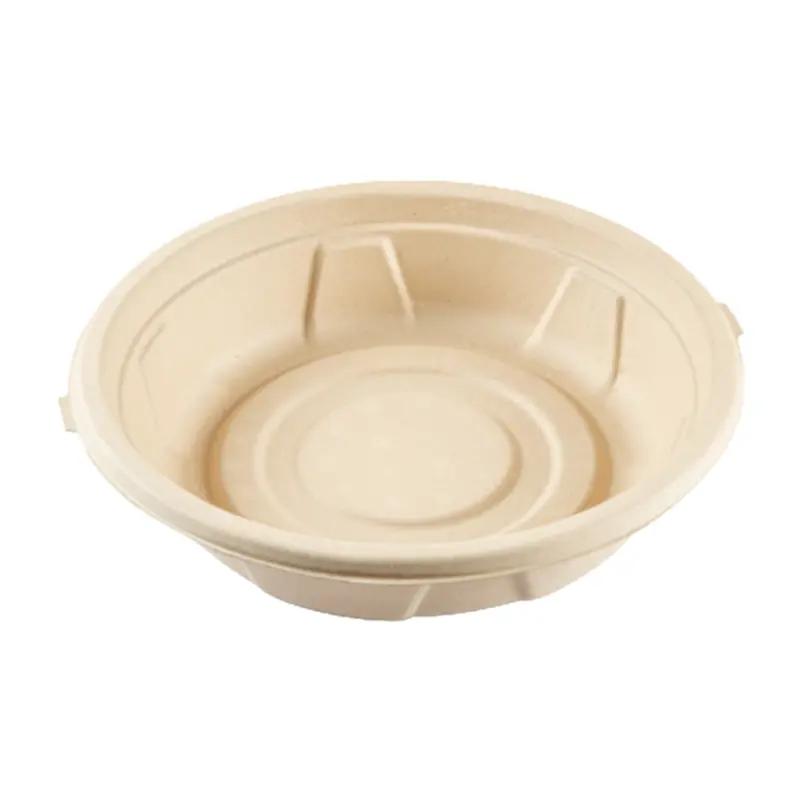 56oz(1650ml)
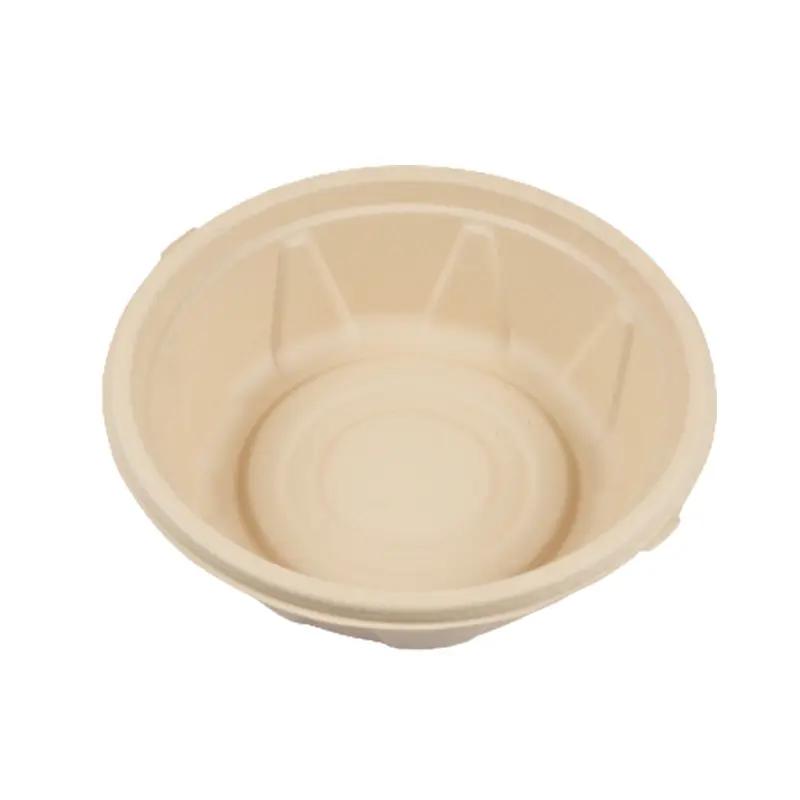 100oz(2950ml)
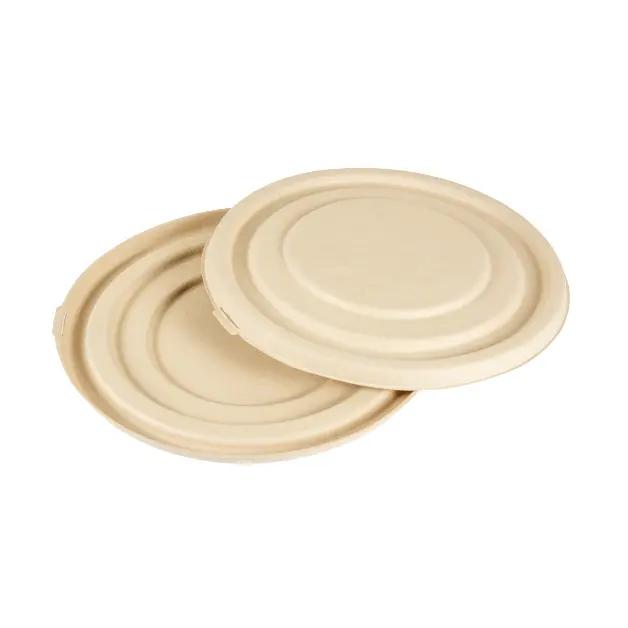 100oz(2950ml) With Lid
 Middle Bowl
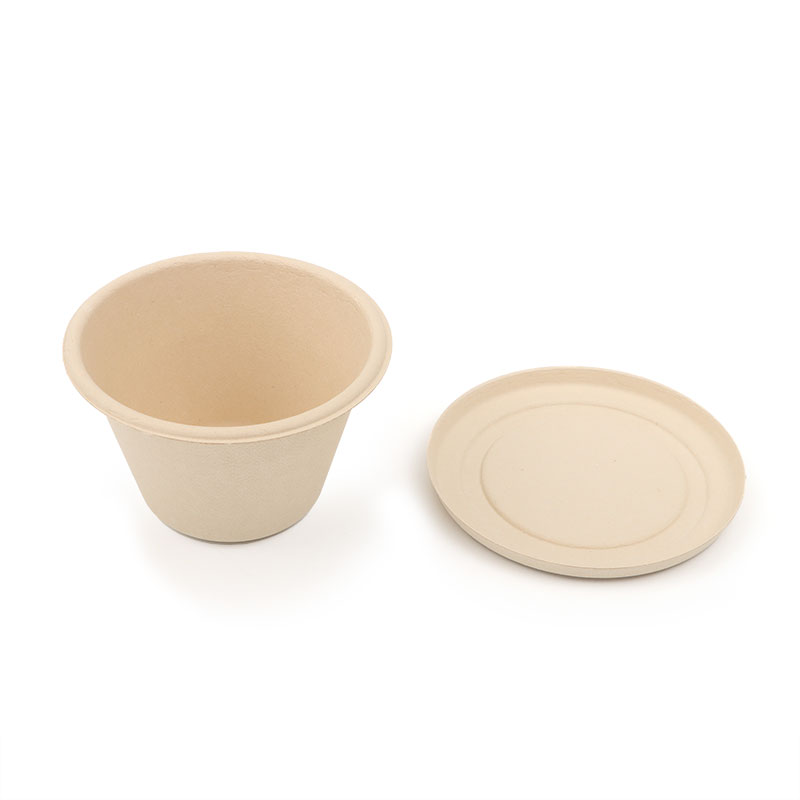 17oz(500ml)
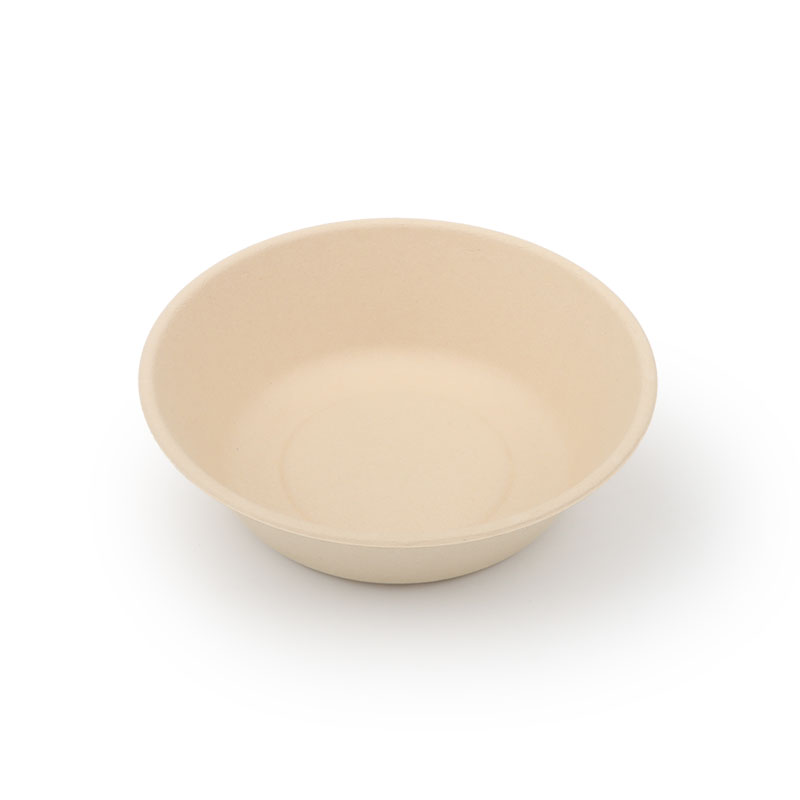 27oz(800ml)
 20oz(600ml)
 29oz(850ml)
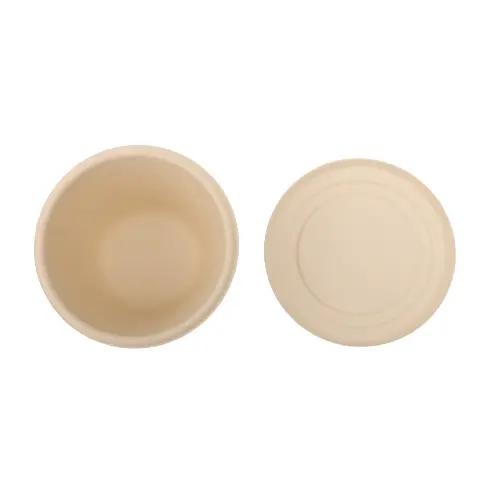 17oz(500ml) With Lid
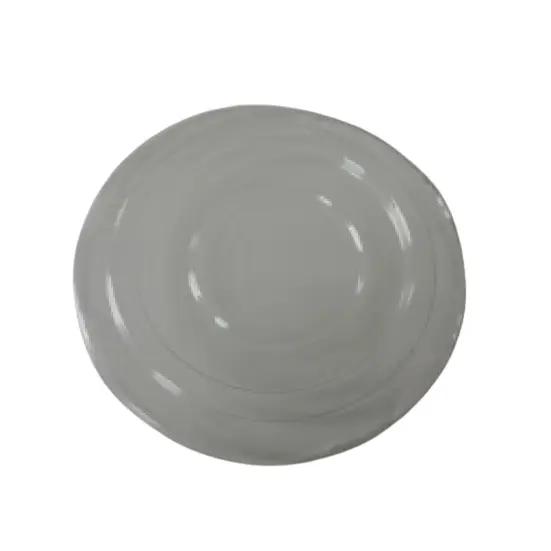 17oz(500ml) PET Lid
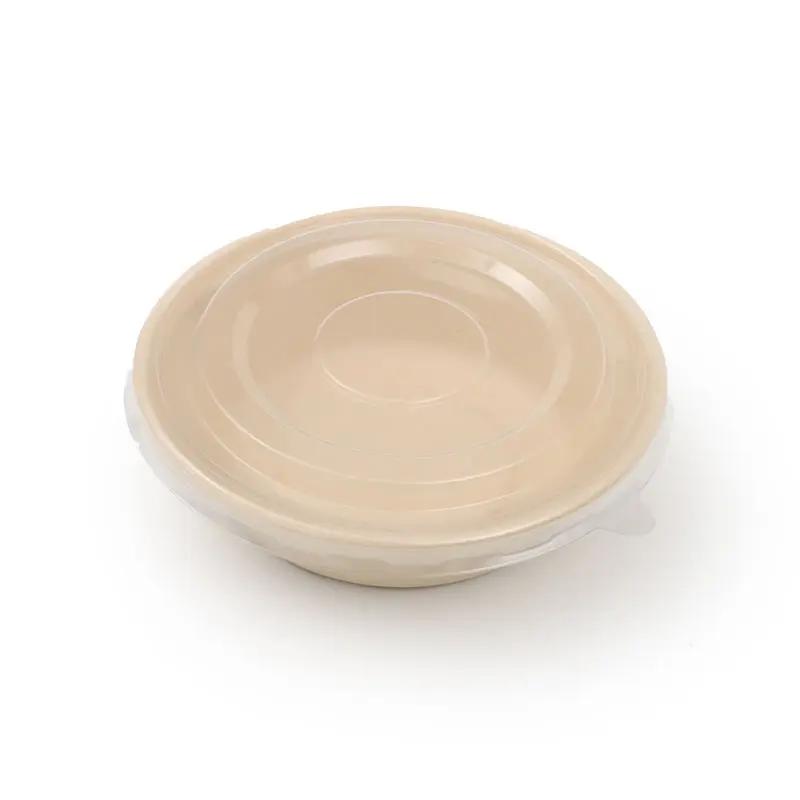 28oz(830ml) PET Lid
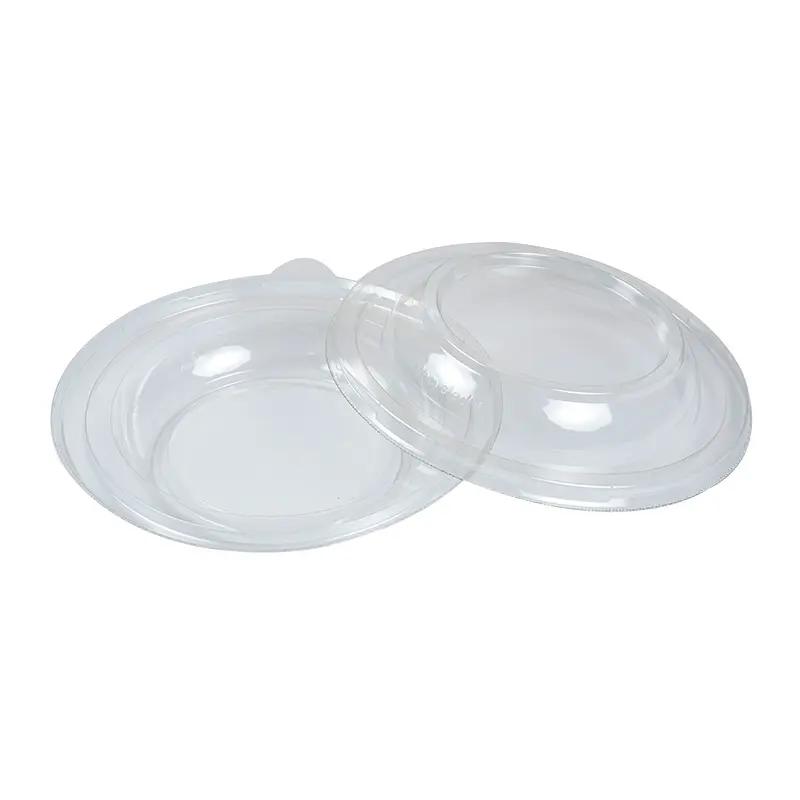 Round Bowl PET
 Small Bowl
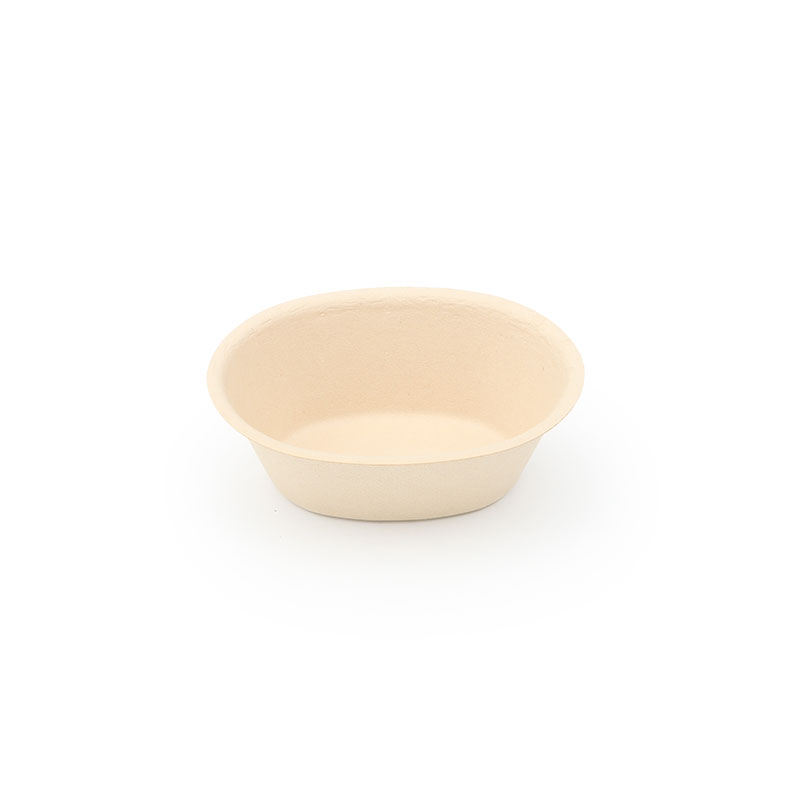 Snack Bowl
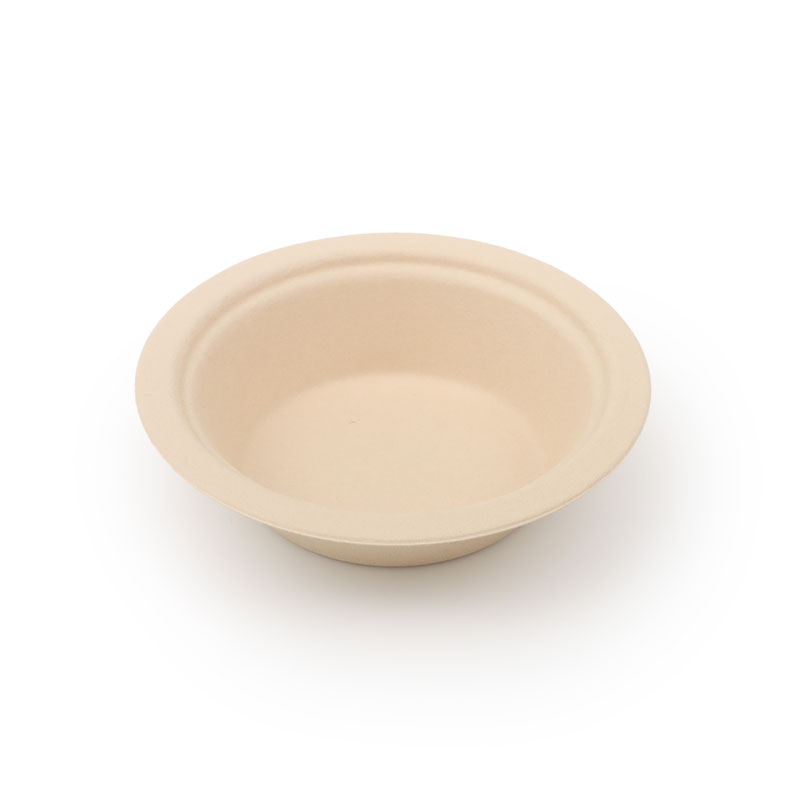 11.5oz(340ml) Bowl
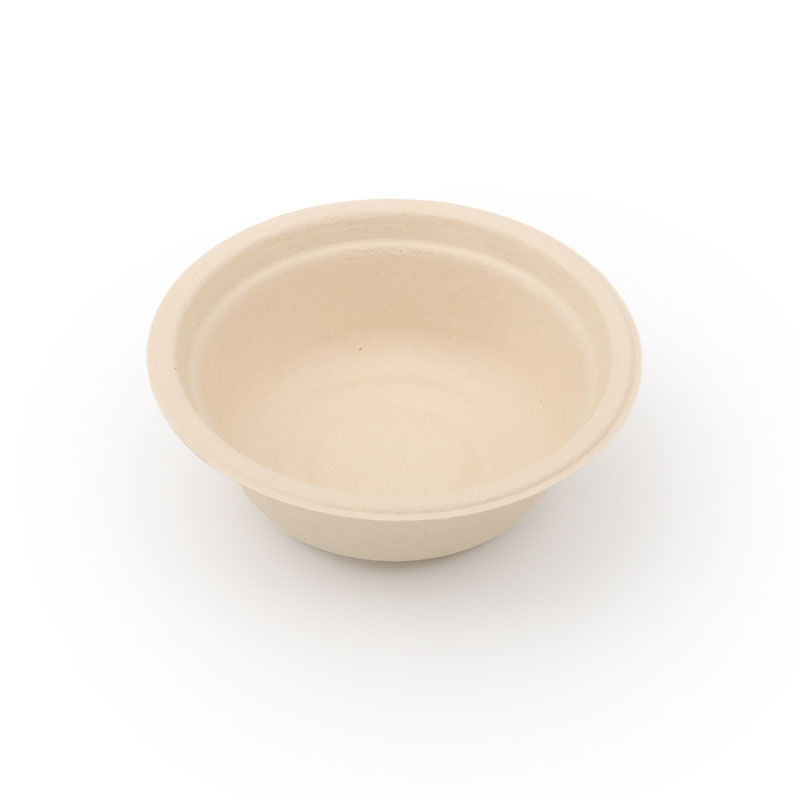 6.7oz(200ml) Bowl
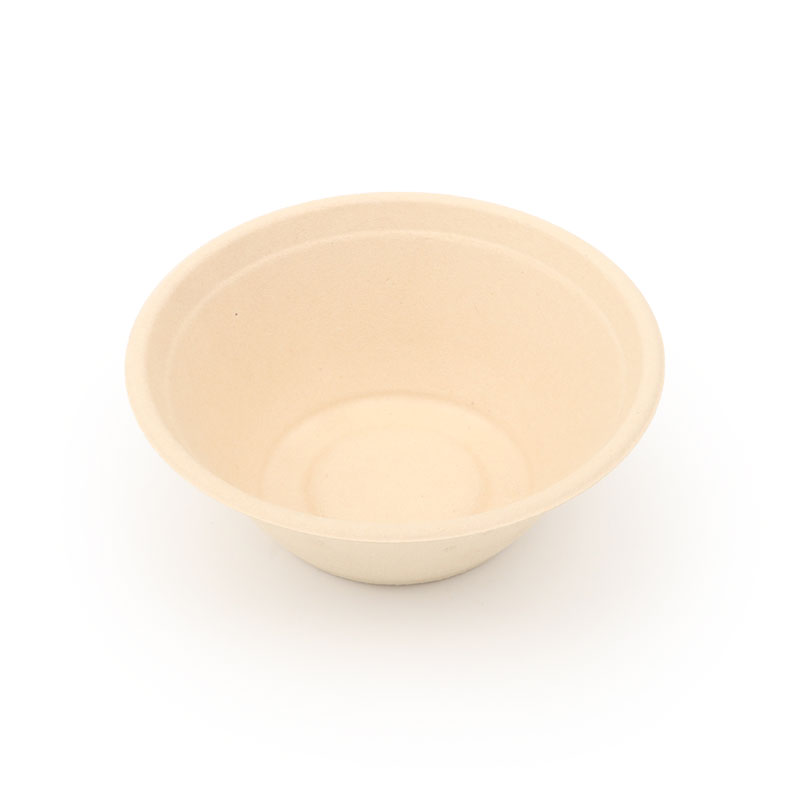 12oz(350ml) Bowl
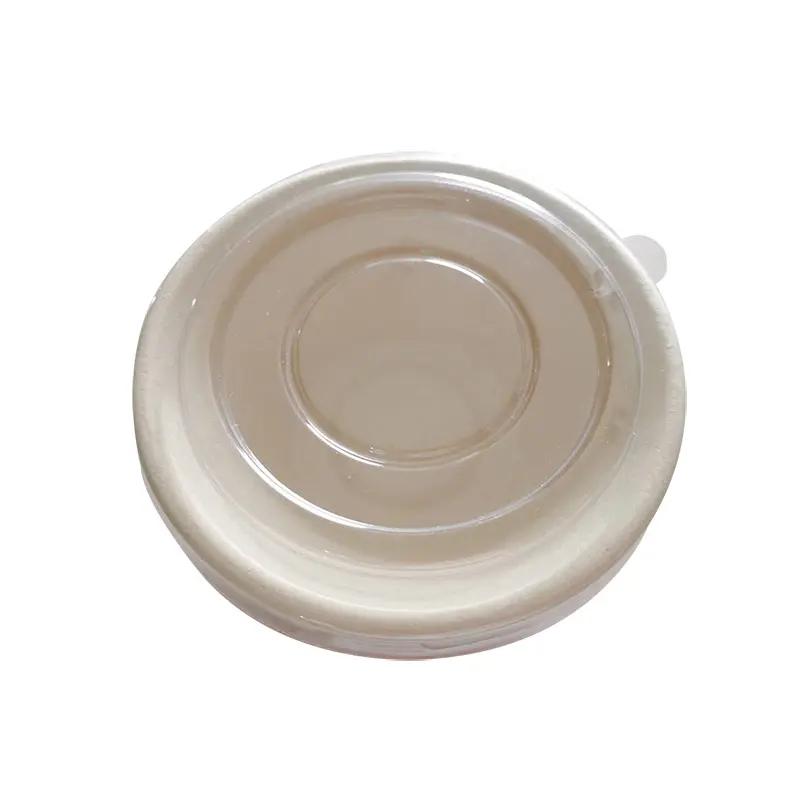 12oz(350ml) Bowl PET
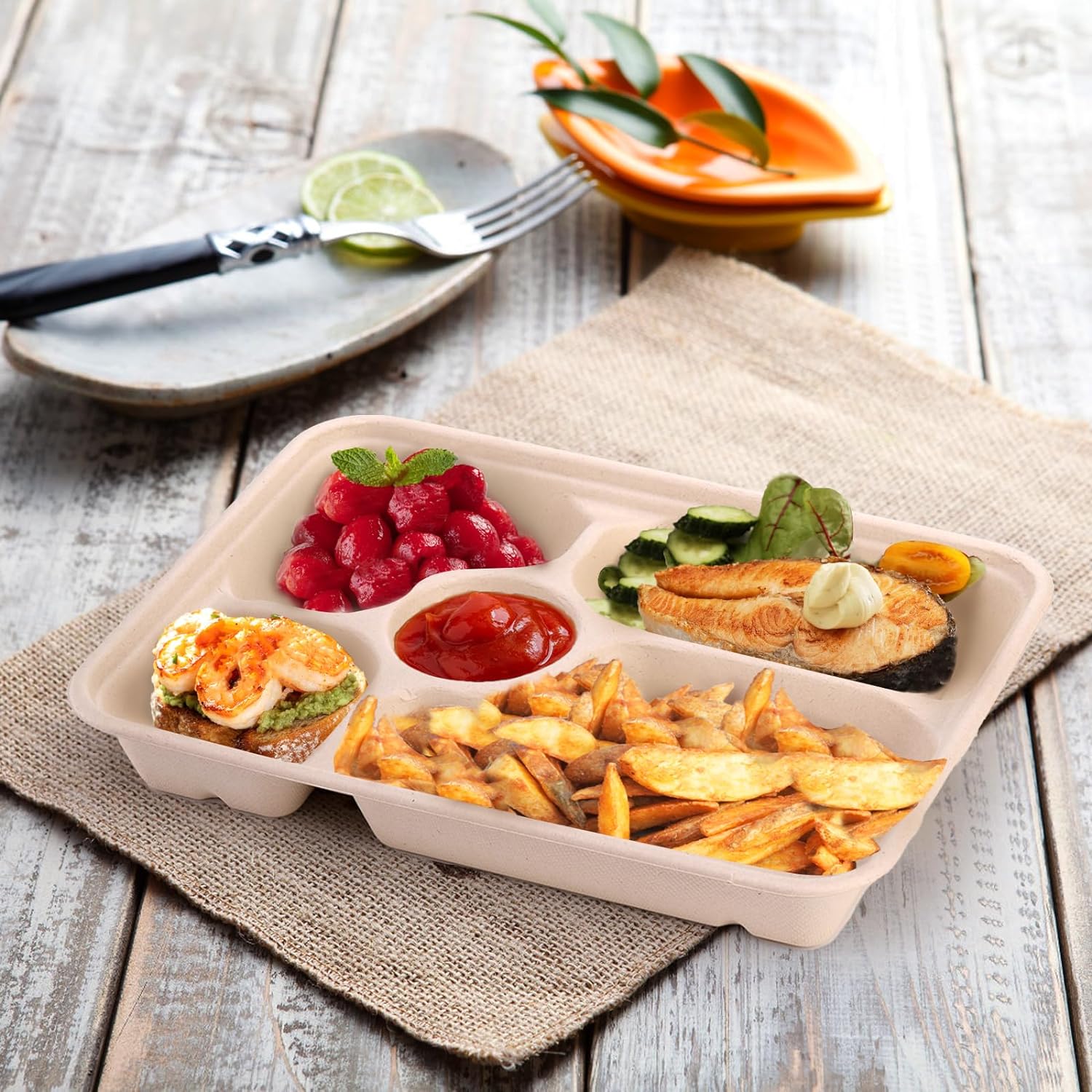 Bagasse Lunch Boxes
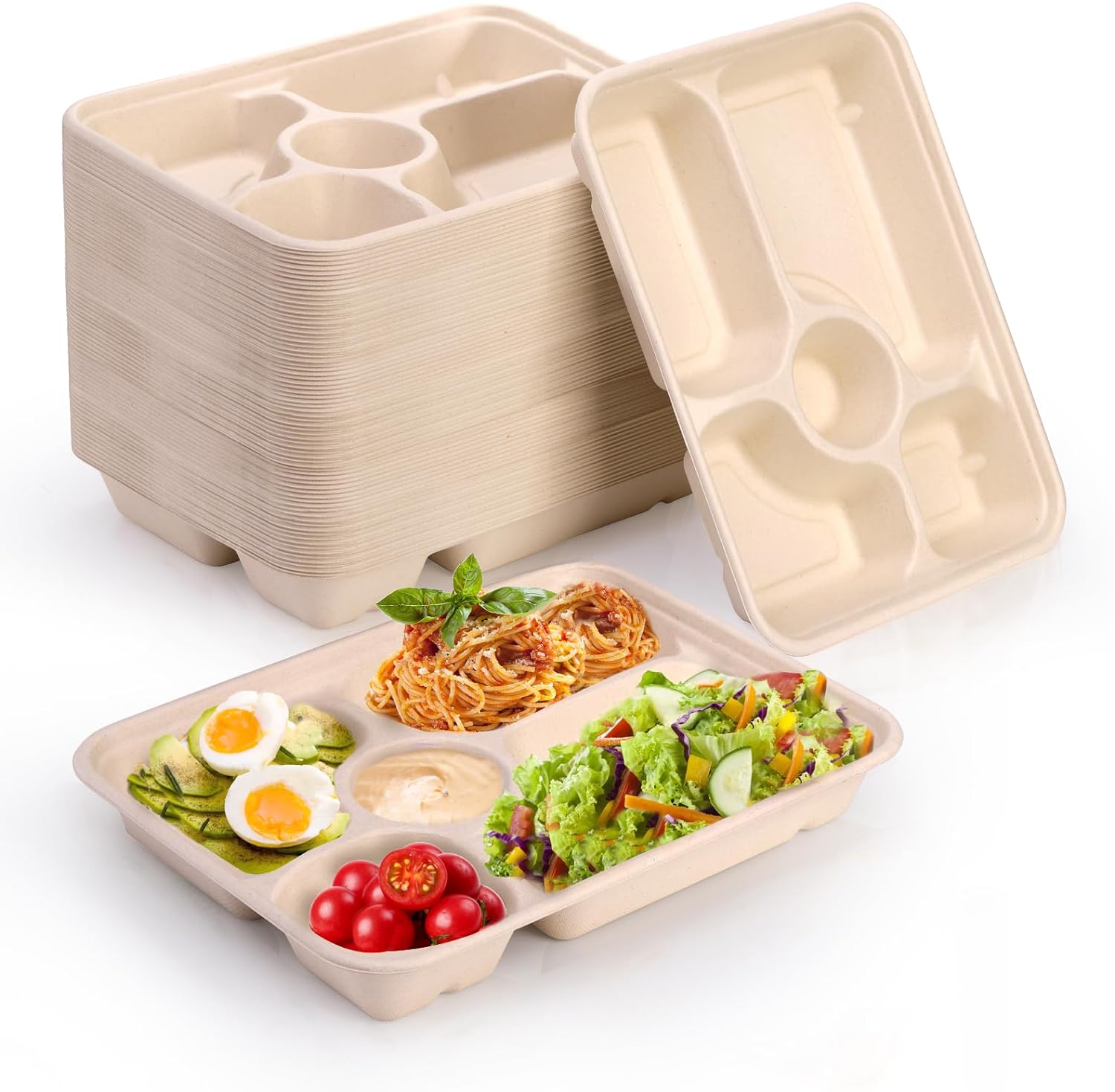 5CP
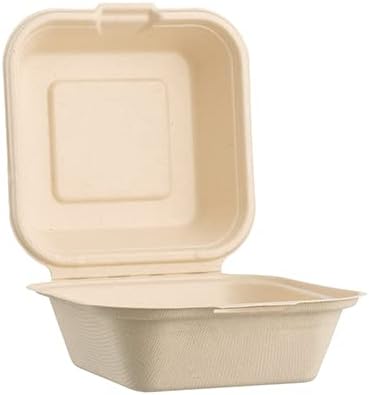 6 inch
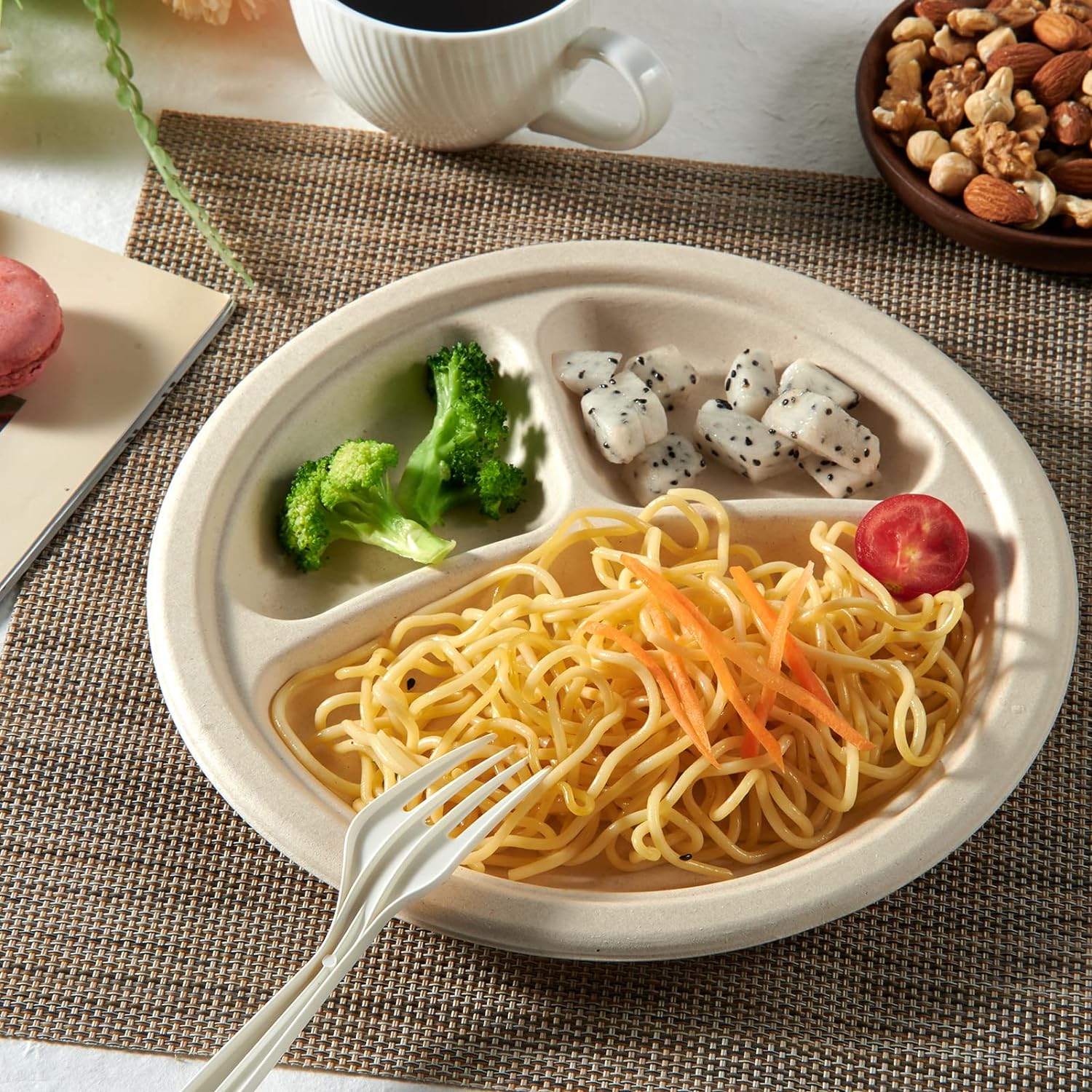 Bagasse Food Plates
 7 inch
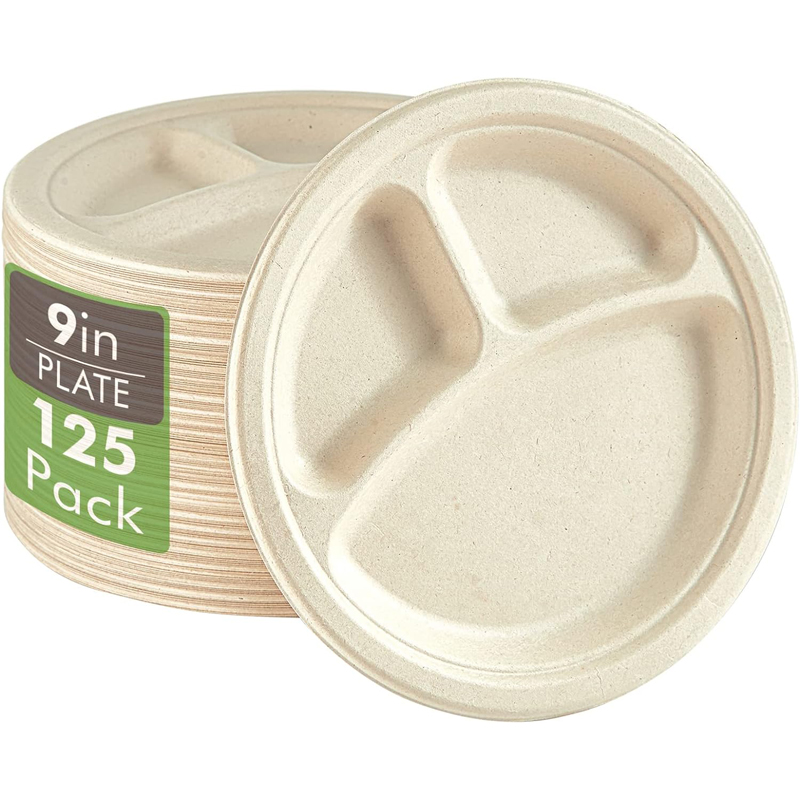 3CP
 Bagasse Bowls
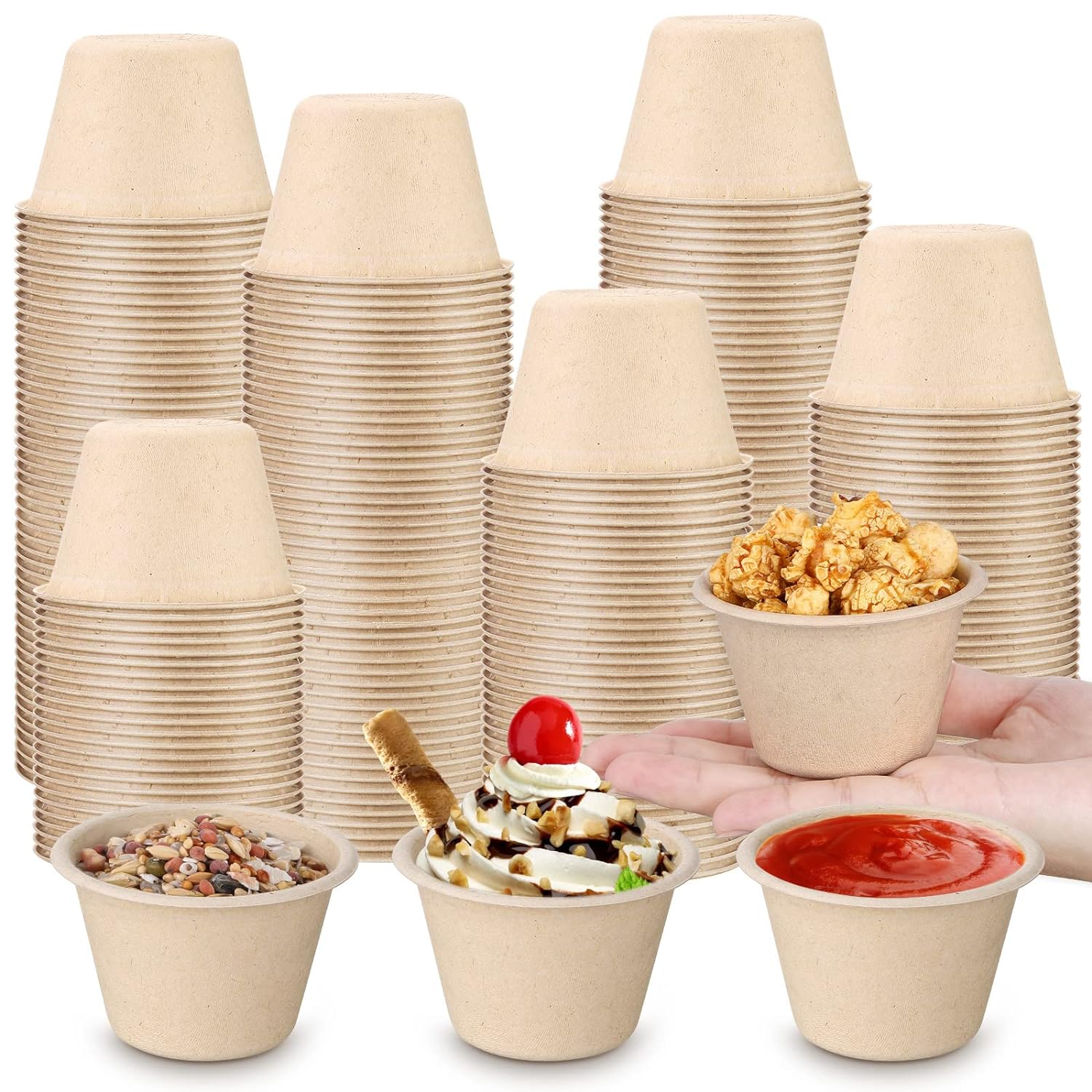 4oz
 Bagasse Cups And Cutlery
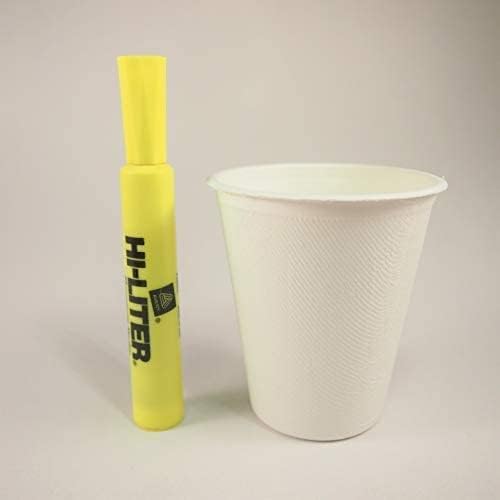
 8oz
 12oz
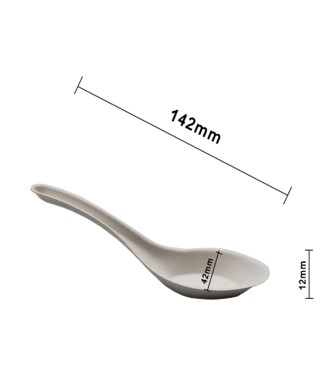 Cutlery
Leave Your Message
Engineered for high moisture barrier, leak-proof integrity, and peak biochemical retention for daily household refrigeration.

High-barrier lamination for fresh salmon, cod, and sea bass daily kitchen prep.
Learn More
Superior airtight sealing designed for pre-seasoned fish steaks and daily meal kits.
Learn More
100% biodegradable substrate reducing home plastic disposal while preserving oceanic umami.
Learn More
Oven and microwave-safe barrier packaging tailored for immediate consumer dining convenience.
Learn MoreA comprehensive analysis of gas composition dynamics, microbial suppression, and household convenience.
Fish and seafood products represent some of the most nutrient-dense yet highly perishable protein sources consumed in modern households. The rapid deterioration of fish quality is primarily driven by three biochemical processes: psychrotrophic bacterial proliferation (e.g., Pseudomonas and Shewanella putrefaciens), endogenous enzymatic autolysis, and lipid oxidation of polyunsaturated fatty acids (PUFA). In recent years, Modified Atmosphere Packaging (MAP) of fish for daily home use has evolved from an industrial cold-chain logistics technique into an essential domestic consumer interface.
For household white fish, lean fillets, and fatty varieties like salmon, customized gas ratios of Carbon Dioxide (CO₂: 40%–60%), Nitrogen (N₂: 30%–50%), and Oxygen (O₂: 10%–30%) are deployed. Carbon dioxide directly dissolves into the aqueous phase of muscle tissue to form carbonic acid, reducing surface pH and arresting bacterial respiration.
Fish decomposition creates volatile basic nitrogen (TVB-N) and trimethylamine (TMA). High-barrier MAP containers completely contain fishy odors within domestic refrigerators, maintaining kitchen cleanliness and delivering restaurant-grade freshness directly to home cooks.
Standard open-air refrigerated fish storage maintains viable quality for merely 2 to 4 days. Advanced MAP technology expands this domestic storage window to 9 to 14 days under 0–4°C domestic refrigeration without requiring artificial chemical preservatives or sodium additives.
The global shift toward e-commerce grocery delivery, single-portion meal preps, and ready-to-cook fresh ingredients has accelerated the commercial deployment of consumer-sized MAP trays. In historical seafood retailing, fish had to be purchased daily from local wet markets or supermarket counters wrapped in non-barrier polystyrene or low-density polyethylene wraps. This practice exposed the delicate seafood muscle to atmospheric oxygen, causing immediate moisture exudate (drip loss) and rapid microbial spoilage.
Modern home-targeted MAP utilizes precision bio-polymer coatings laminated directly onto plant fiber. This yields an Oxygen Transmission Rate (OTR) under 1.5 cm³/(m²·24h·0.1MPa) and Water Vapor Transmission Rate (WVTR) under 2.0 g/(m²·24h), preventing moisture loss and preserving natural fish succulence.
Modern consumers demand packaging that transitions seamlessly from the refrigerator directly into prep workflows. MAP fish containers engineered with plant fiber provide structural rigidity, eliminating the mess of thawing and transferring raw fish. By incorporating peelable high-barrier lidding films with anti-fog coatings, consumers gain visual clarity of fish color, marbling, and freshness without breaking the atmospheric seal until the moment of cooking.
Combining all-natural plant fibers with high-tech lamination to combat white pollution in the seafood sector.
Traditional MAP seafood packaging relies heavily on non-recyclable multi-layer plastics like CPET, PVC, and PVDC. While these offer gas barrier properties, their environmental footprint is catastrophic. EATware and Kangxin have pioneered natural bamboo fiber molded tableware and MAP trays that deliver industrial-grade tensile strength and absolute hermetic seal reliability.
Bamboo fiber is naturally antibacterial, rapidly renewable within 3 years, and eliminates reliance on petroleum polymers. Through advanced thermoforming, these trays maintain zero deformation even when holding moist, fatty, or acidic marinades.
In the field of environmentally friendly packaging, cooperating with 500+ global brands.
Proprietary R&D catalog supporting comprehensive OEM and ODM customized services.
Exported worldwide across the United States, Europe, Australia, Canada, and beyond.
Plant area equipped with 55 automatic forming machines and 30+ patent certificates.
Pioneering sustainable technology innovation in disposable eco-friendly tableware and food packaging.
EATware is committed to sustainable development, using all natural plant fibers to produce safe, healthy, and environmentally friendly tableware. Adhering to the concept of "take nature, serve humanity, return to nature", we focus on the development of safe, high-quality, and environmental standards.
EATware emphasizes environmental protection and sustainable development, explores the balance between enterprise survival and environmental protection, and uses all-natural and pollution-free bamboo fiber as the main material of tableware to ensure that its products meet the high technical level and are superior to developed countries.
Kangxin (HaiMen) Environmental Technology Co., Ltd. is a technology innovation oriented enterprise that focuses on disposable environmentally friendly tableware and food packaging. We have advanced production processes and equipment, and continue to attract senior talents, focusing on environmental protection, emphasizing safety, and ensuring quality.
Validated by 10+ foreign authoritative institutions and compliant with top international food safety regulations.
Our automated production lines integrate patented molding, sterilization, and rapid prototyping technology: 01 02 03 04 05 06 07 08 09 10 11 12 13 14 15 16 17.
Stay ahead with practical testing protocols, regulatory trends, and manufacturing innovations in food packaging.
The most reliable way to test disposable food containers is to combine leakage testing with structural testing under conditions that reproduce the intended food application. A container should not be approved simply because it holds water for several minutes or survives an empty compression test...
For foodservice operators, replacing conventional plastic packaging is not simply a matter of changing materials. Disposable biodegradable tableware must still withstand hot food, sauces, oils, condensation, stacking, transport, and commercial handling without losing structural integrity. Poorly manufactured items fail prematurely...
With growing global demand for takeaway meals and eco-friendly packaging, China’s manufacturing sector has become a major hub for disposable food containers. Today’s food businesses - from fast-food chains and meal-delivery services to supermarkets and catering companies - are looking for reliable partners...
Trusted by leading airline caterers, supermarket giants, and foodservice conglomerates across the globe.
By substituting single-use plastics with compostable plant-fiber MAP solutions, we actively eradicate non-degradable petroleum waste from waterways, prevent plastic micro-particles from entering marine food chains, and champion sustainable forest stewardship worldwide.
Explore our full range of certified biodegradable modified atmosphere packaging bowls, laminating food trays, and containers.
Superior atmospheric retention for family-size fish salads and marinated dishes.
View Details
Engineered for high-barrier domestic storage of fresh Atlantic salmon fillets.
View Details
Anti-drip absorbent base technology combined with high CO₂ gas barrier defense.
View Details
Prevents surface drying and lipid oxidation for cod, tilapia, and haddock.
View Details
Dual-ovenable compostable substrate ready for direct kitchen meal cooking.
View Details
Portioned compartments preventing cross-flavor contamination in daily home meal prep.
View Details
Heavy-duty puncture-resistant plant-fiber construction for sharp-shelled seafood.
View Details
Tailored gas ratios, barrier coatings, and custom dimensions for global brands.
View Details