 Box With T buckle
 700ml Square Lunch Box
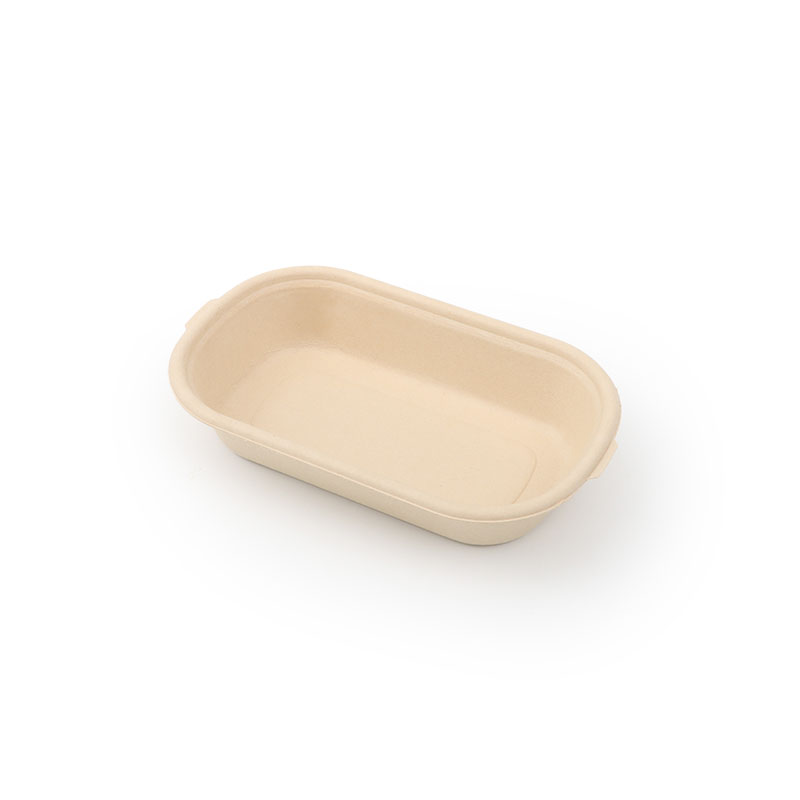 500ml
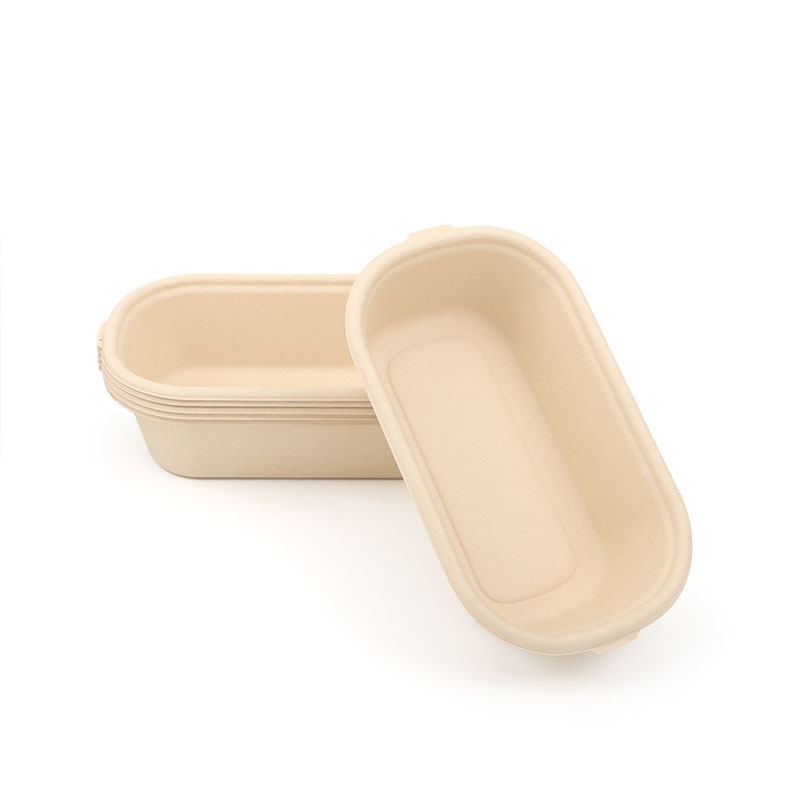 700ml
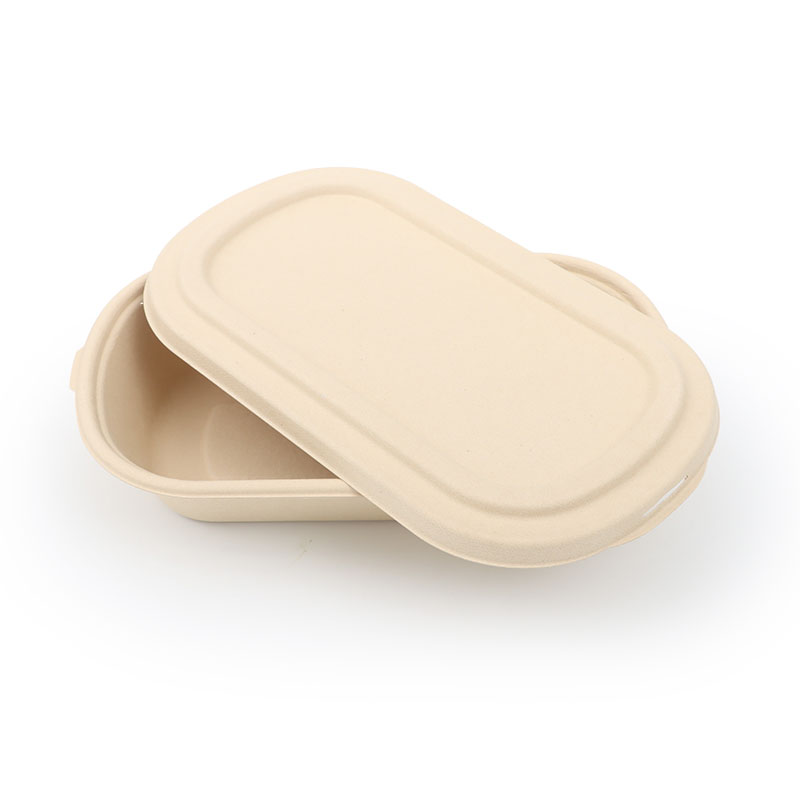 850ml
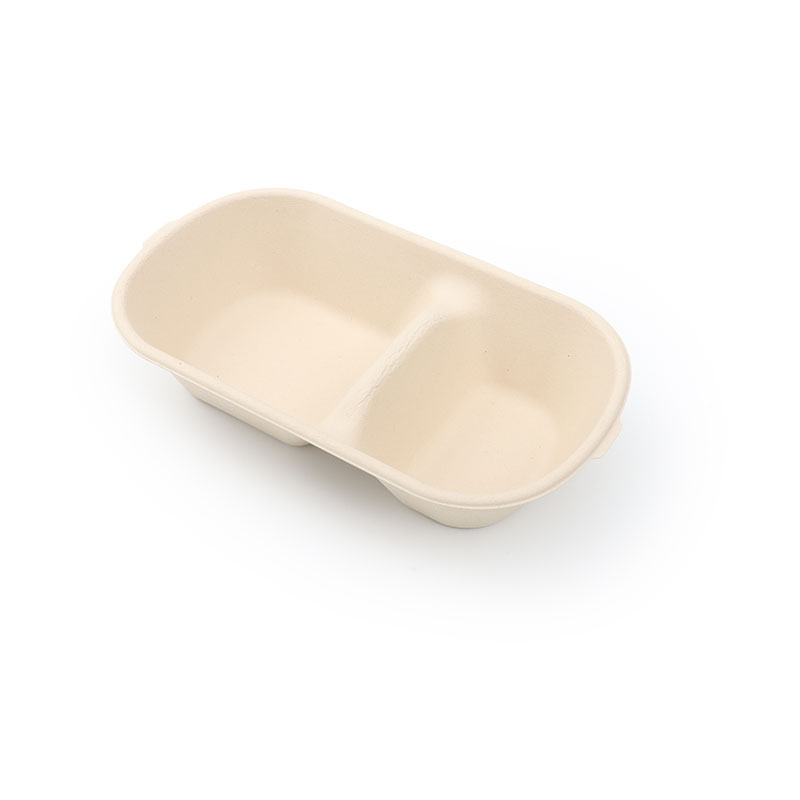 800ml 2 Compartments
 1000ml 2 Compartments
 1100ml
 1000ml Square Lunch Box
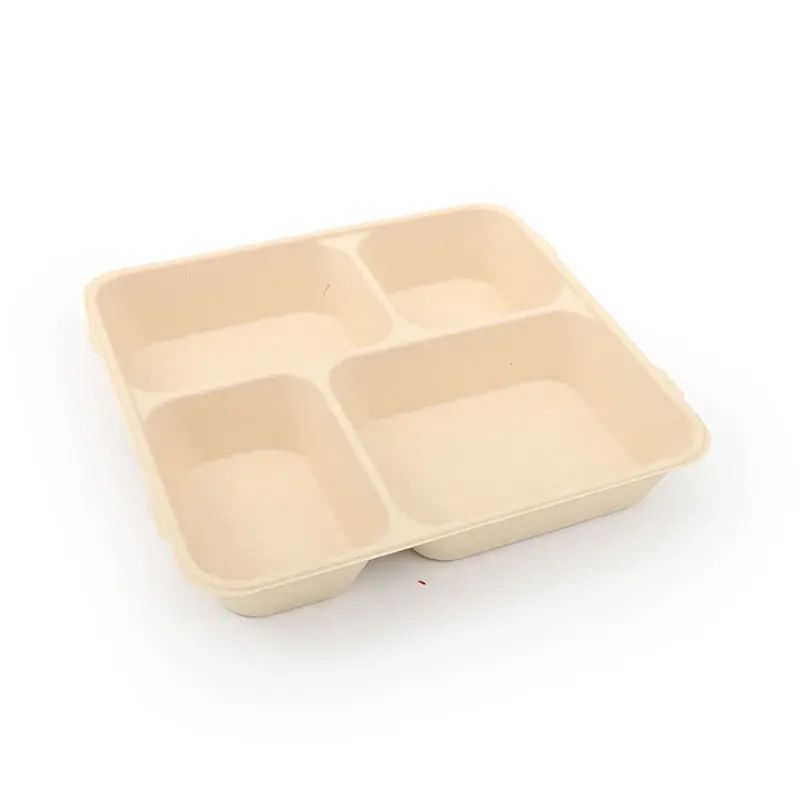 1340ml 4 Compartments
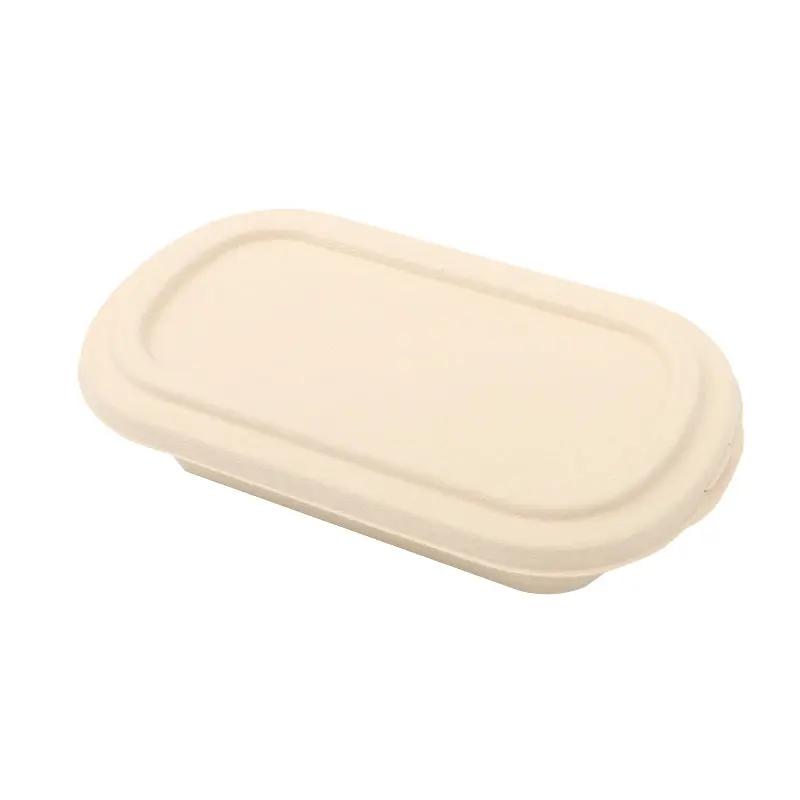 Lunch Box Lid
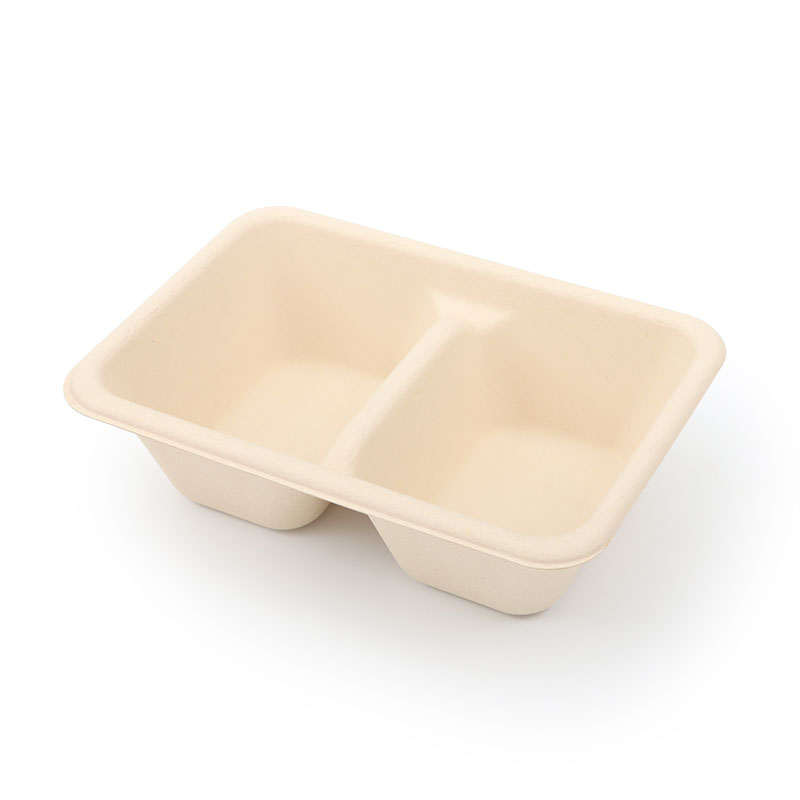 650ml
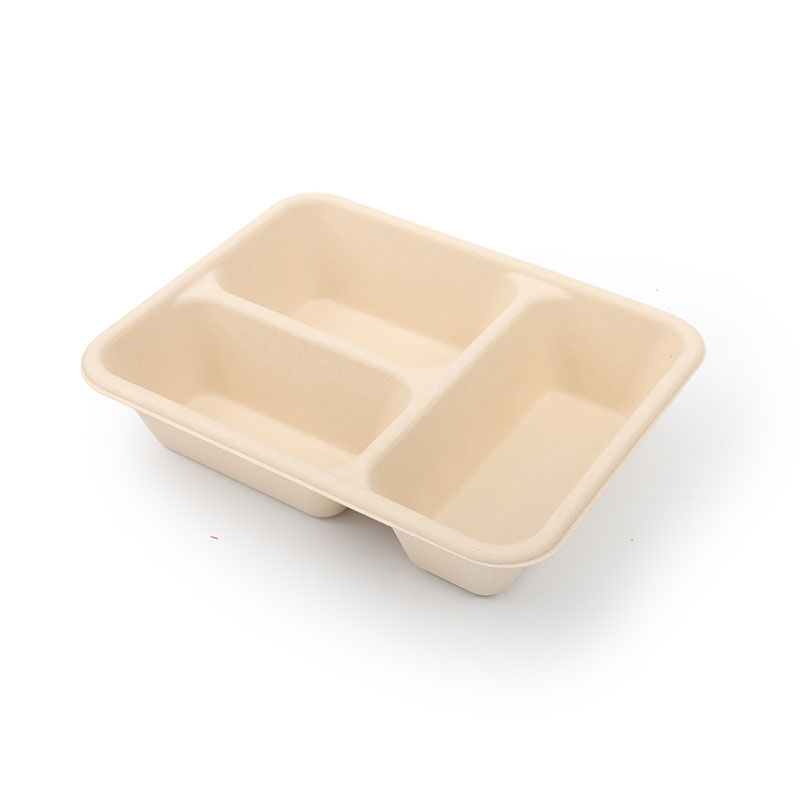 1000ml 3 Compartments
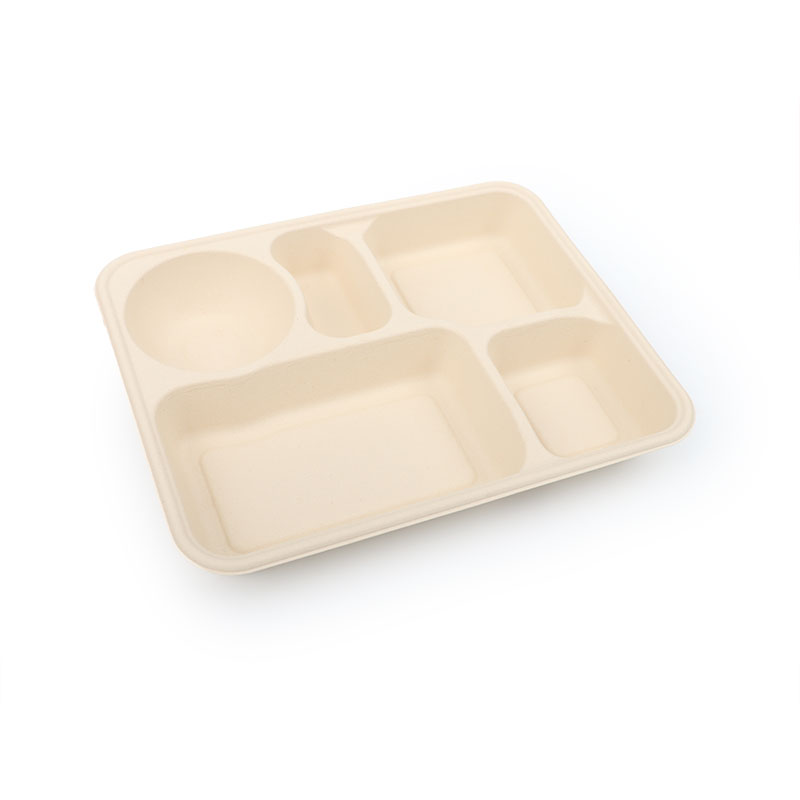 1250ml 5 Compartments
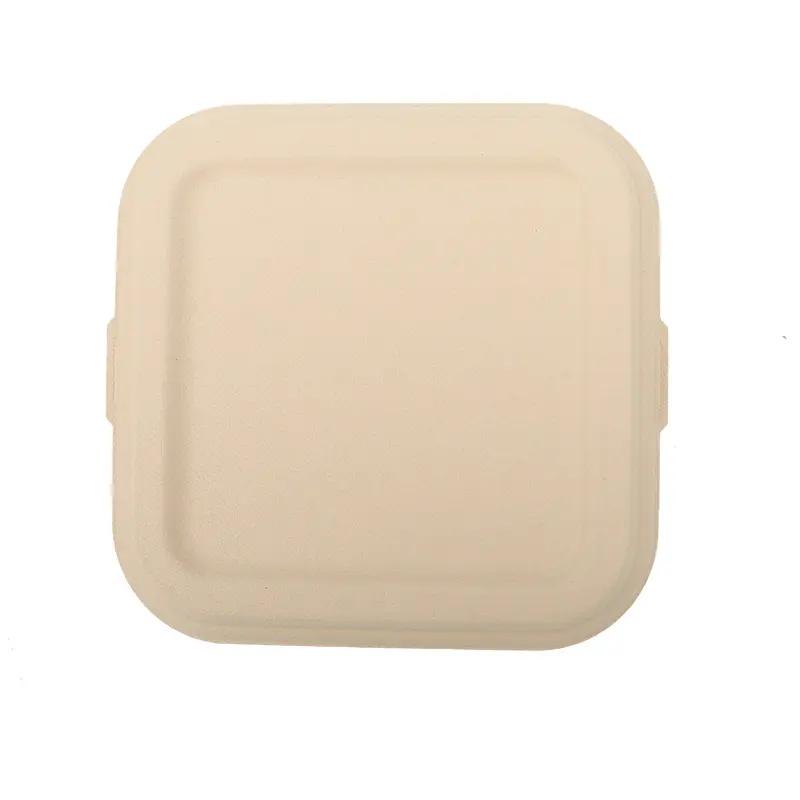 Square Lunch Box Lid
 Box Without T buckle
 850ml Salad Box
 700ml
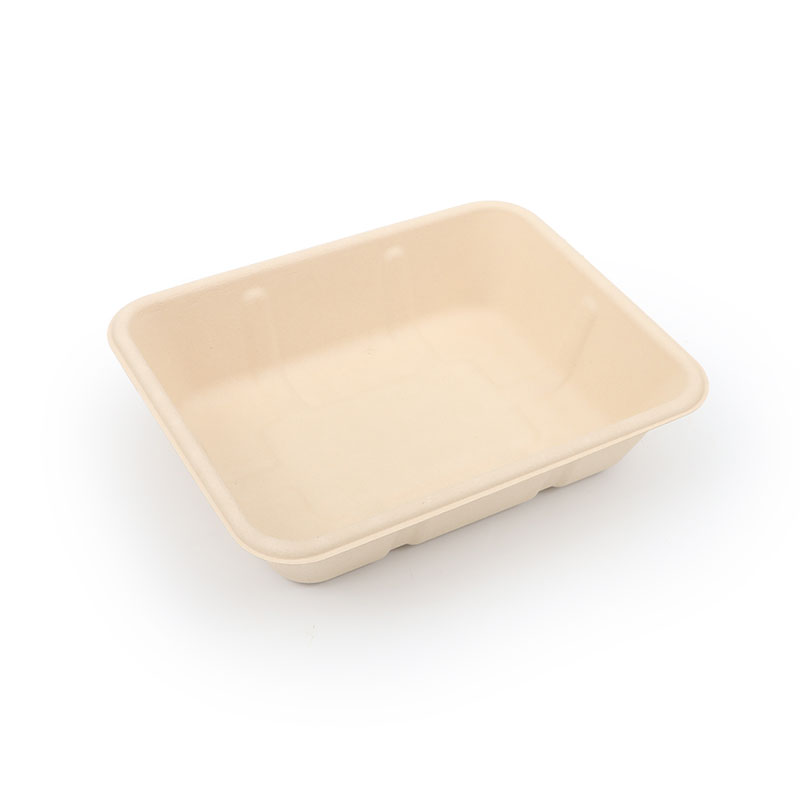 1350ml
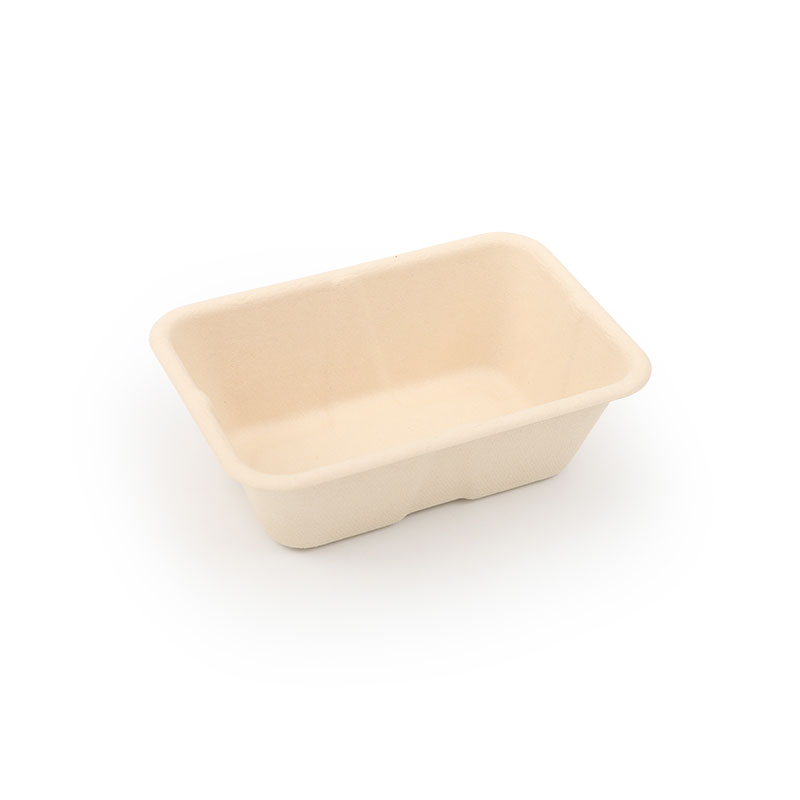 470ml
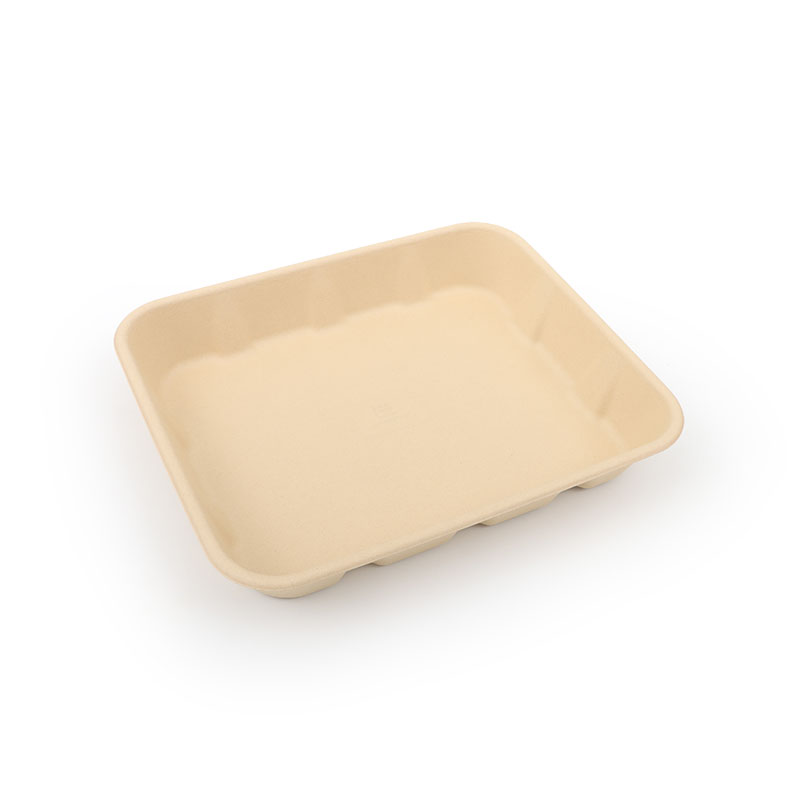 2183ml Tray Box
 11" * 9"
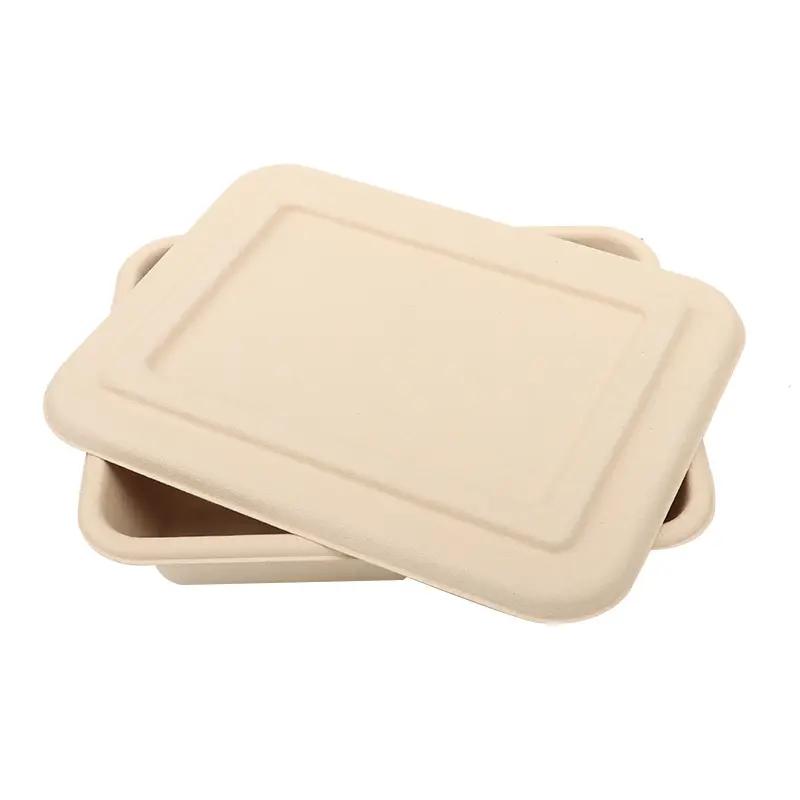 800ml
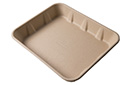 One Part Box
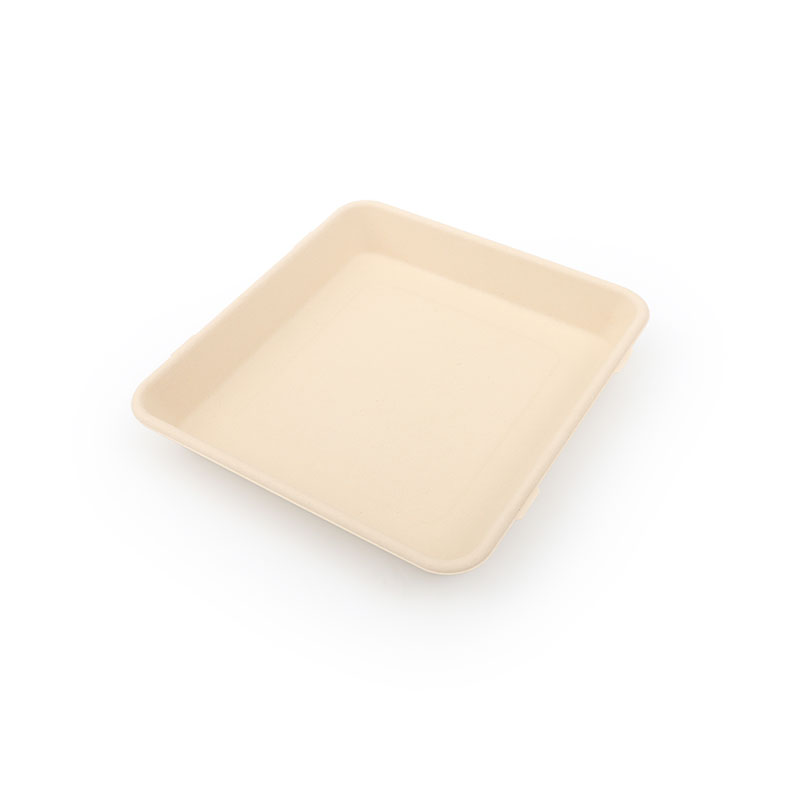 1443ml Tray Box
 Cake Bread Snack Tray Series
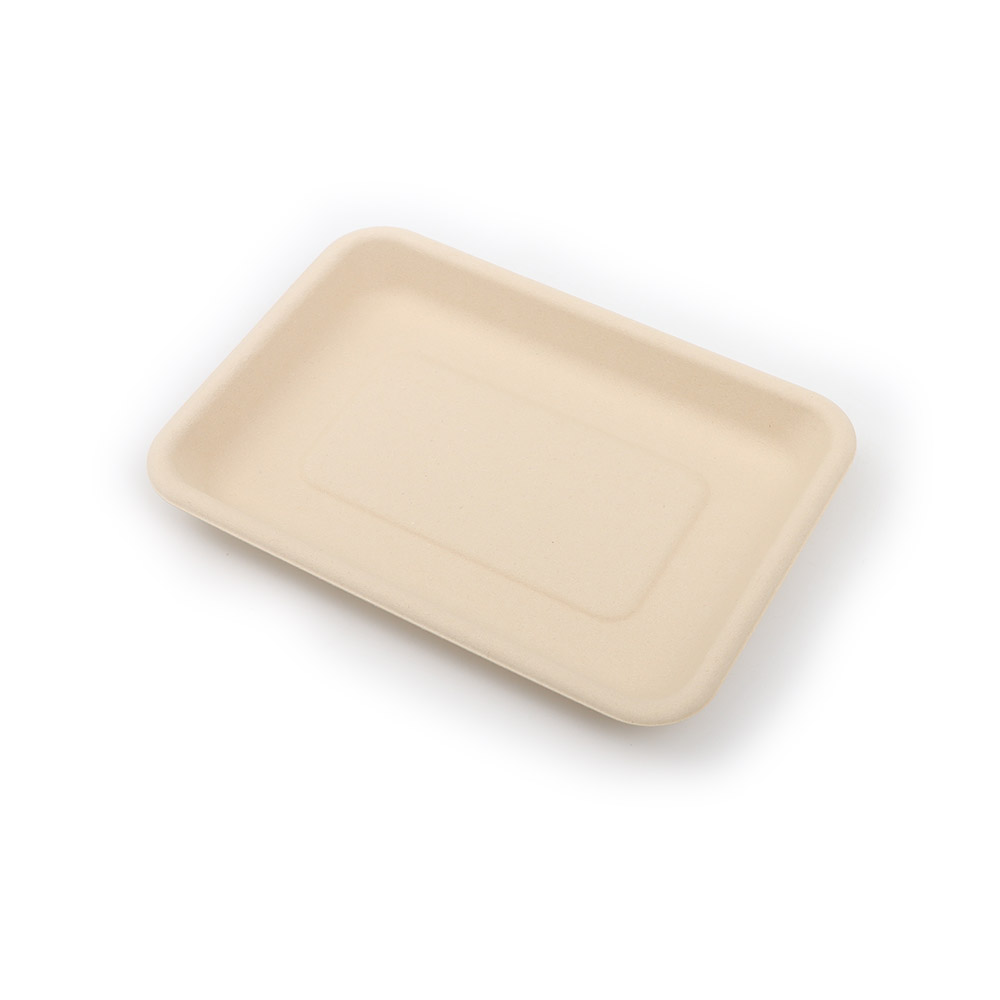 5" * 7" natural color
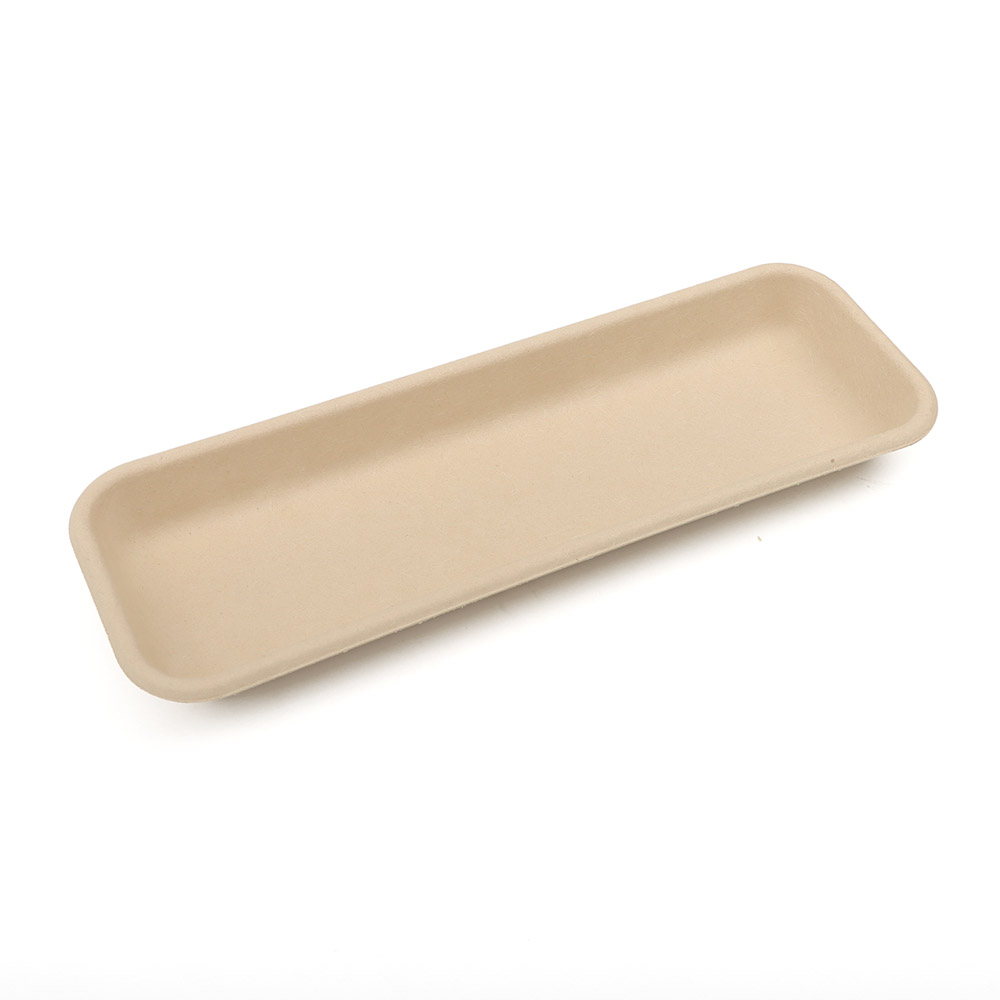 11.4" * 3.9"
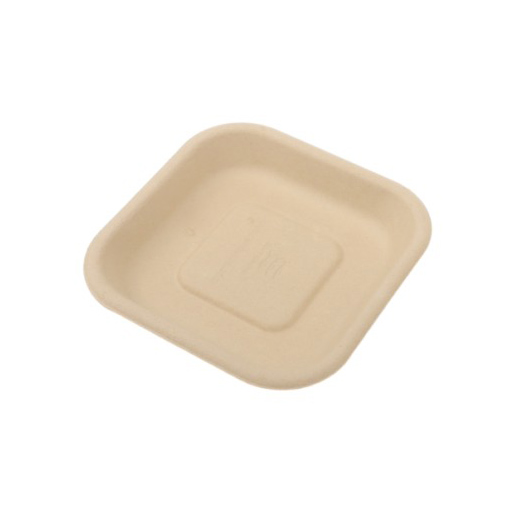 5.3" * 5.3"
 Fruit And Vegetable Tray Series
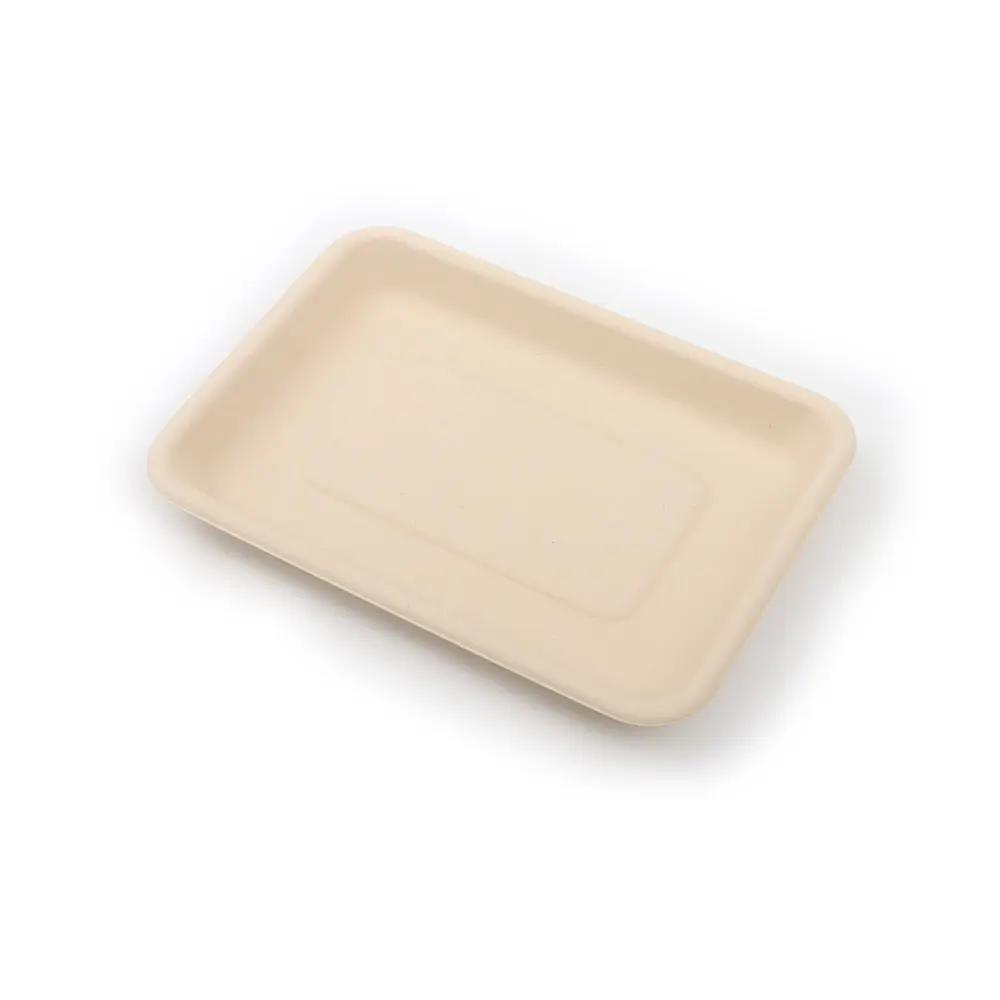 8.6" * 5.3"
 Sushi Tray Series
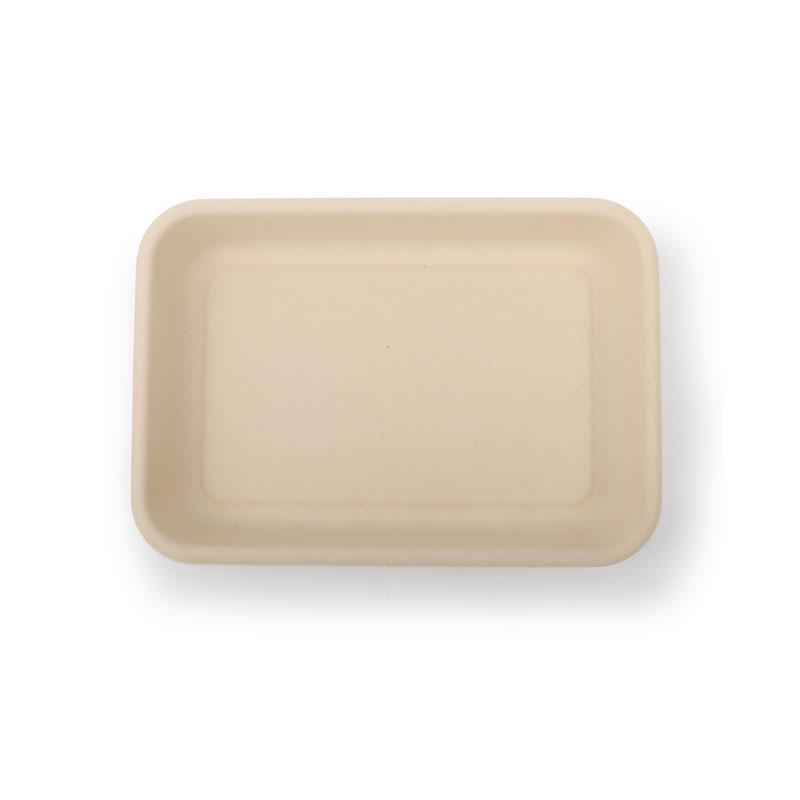 200" * 140"
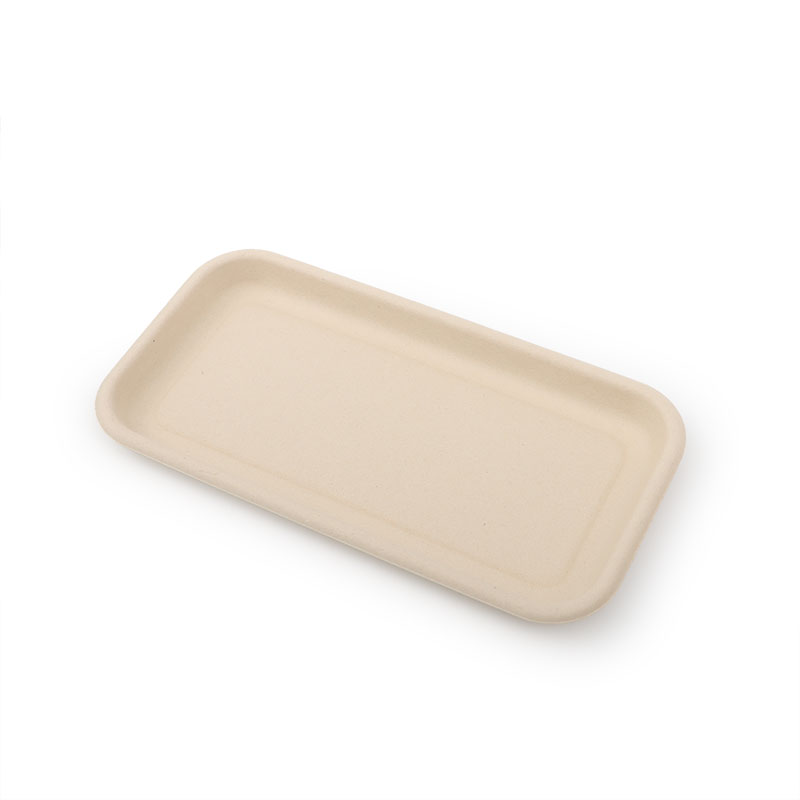 210" * 110"
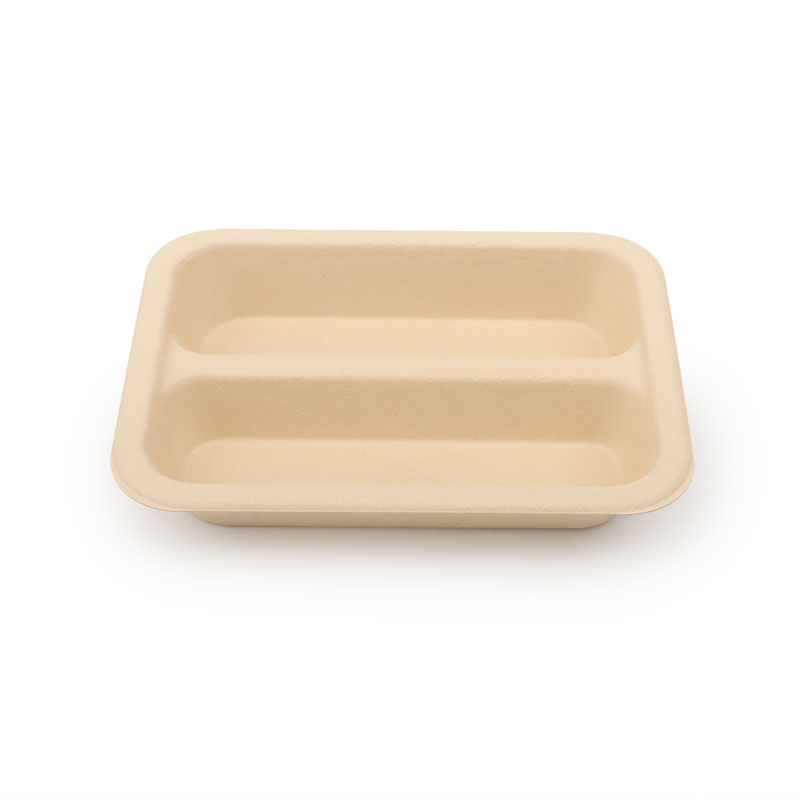 2 Compartments
 Small Round Plate Series
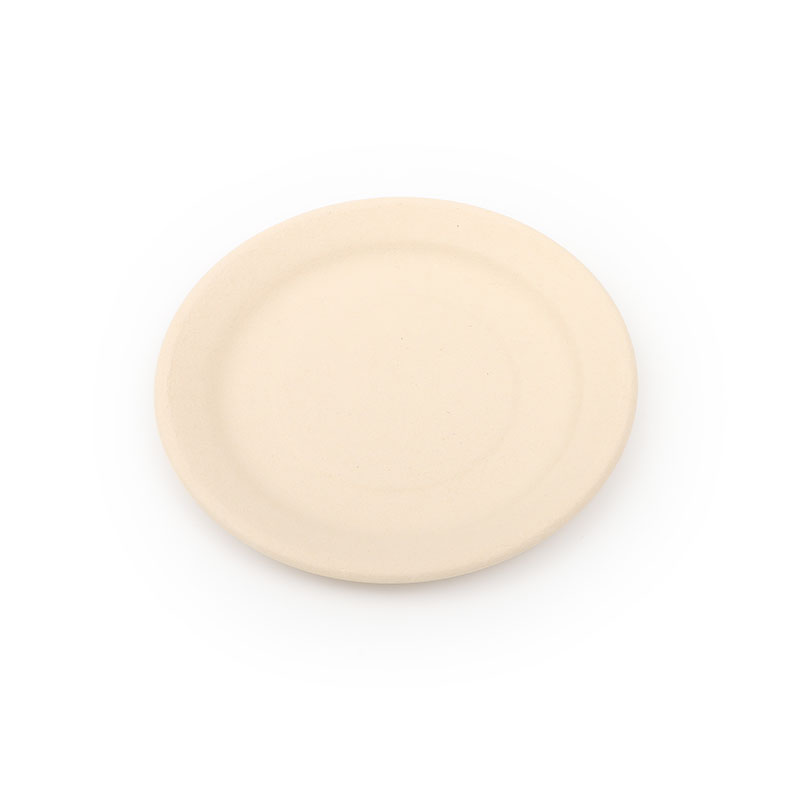 7 inch
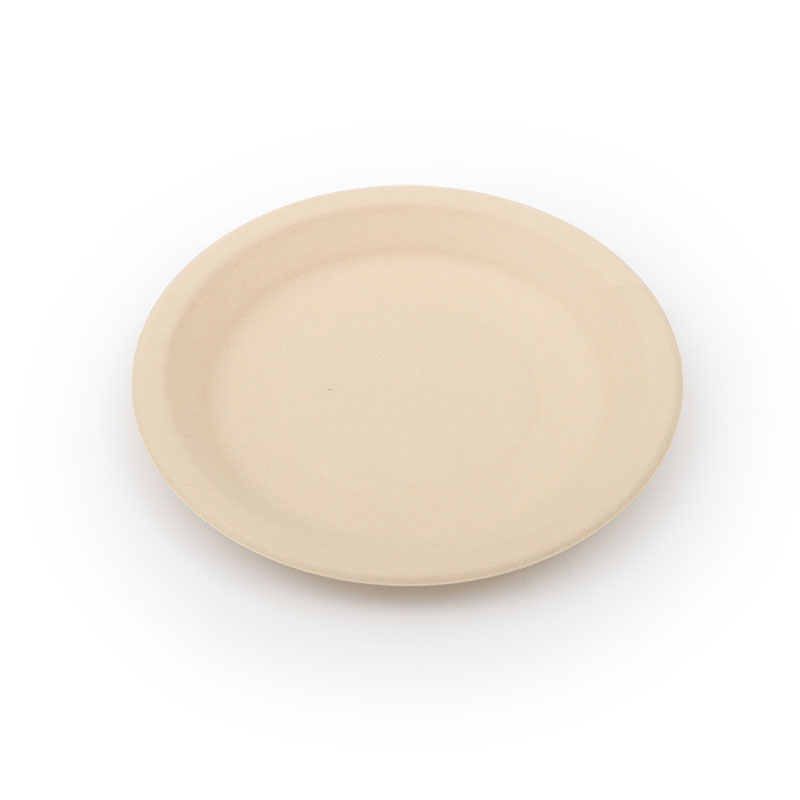 6 inch
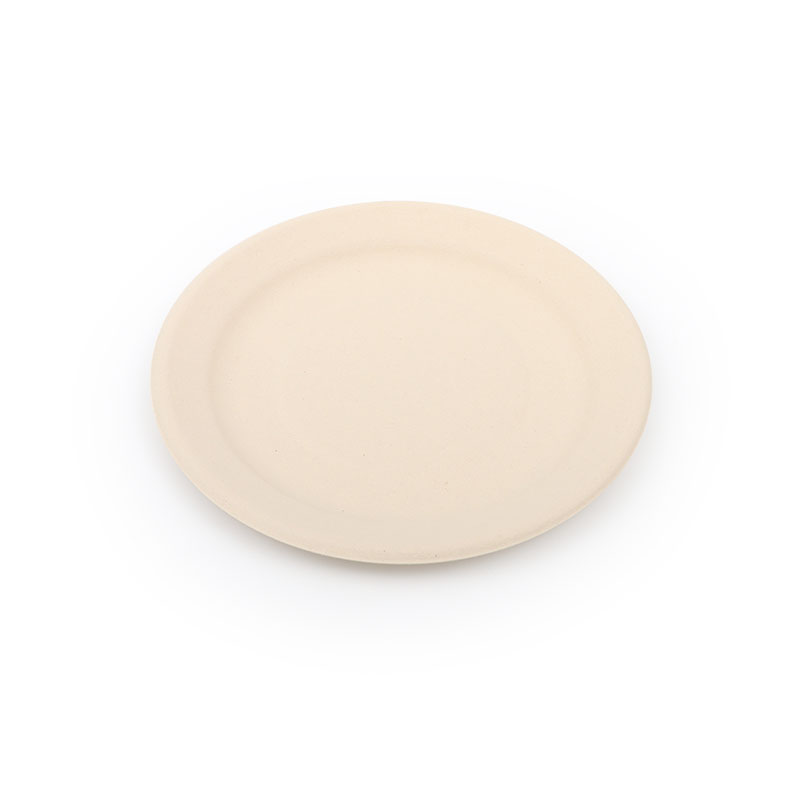 8 inch
 Middle Round Plate Series
 9 Inch 3 Compartments
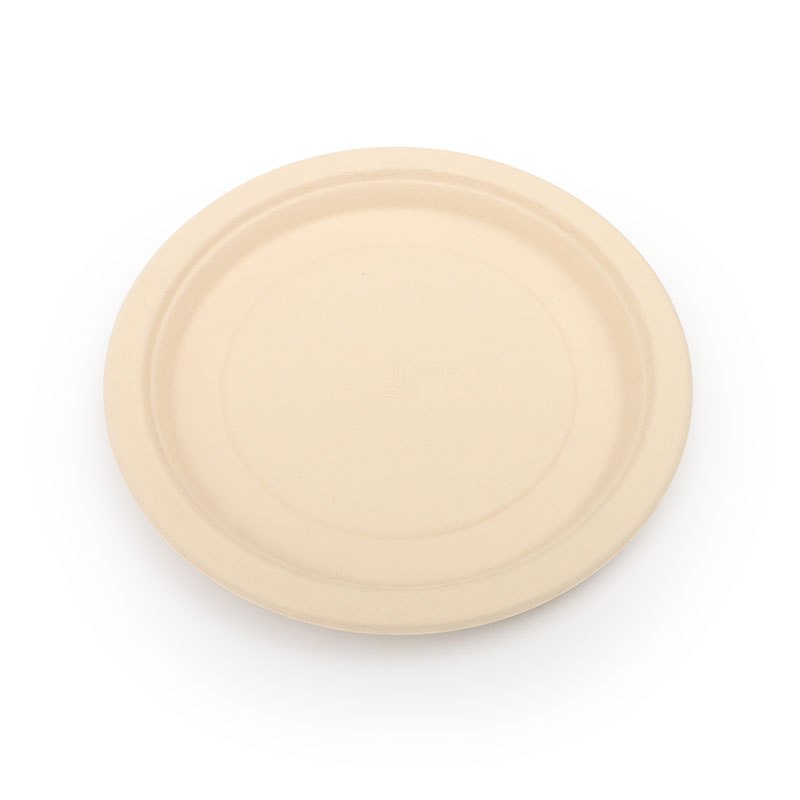 9 inch
 Big Round Plate Series
 12.7 Inch Pizza Plate
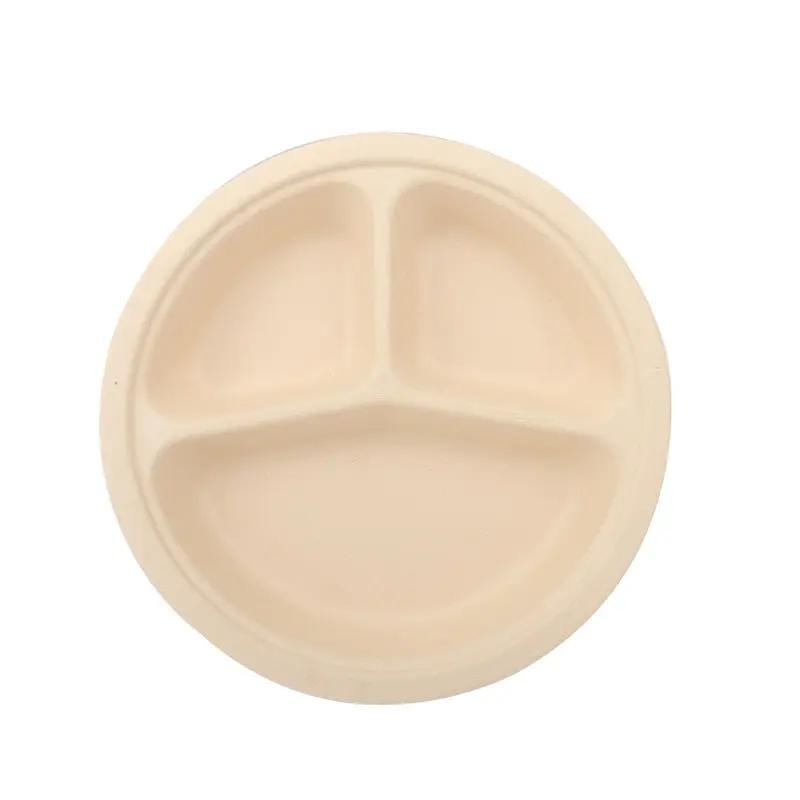 10.25 inch 3 Compartments
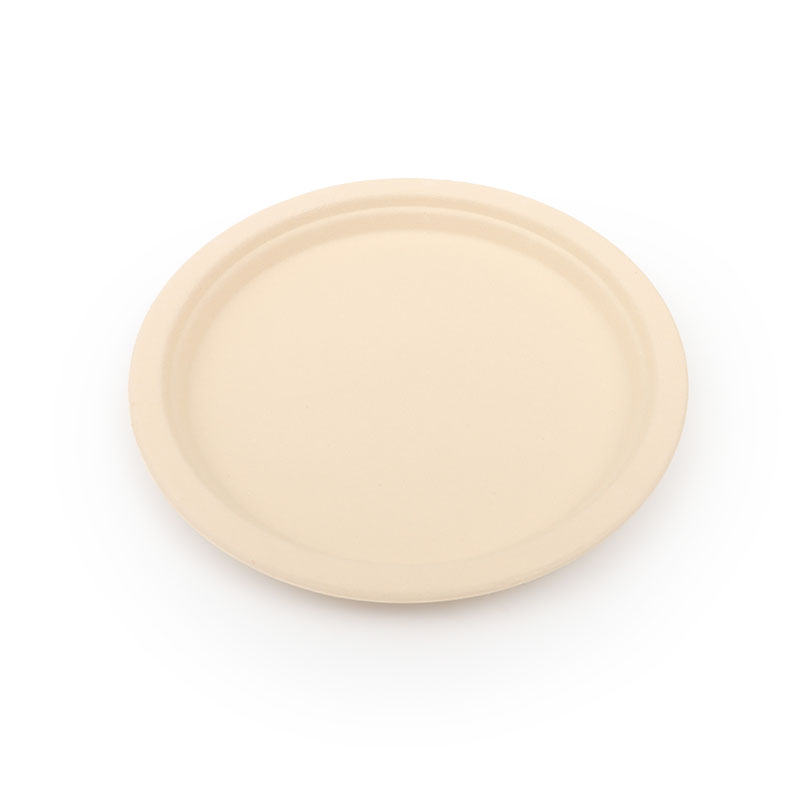 10 inch
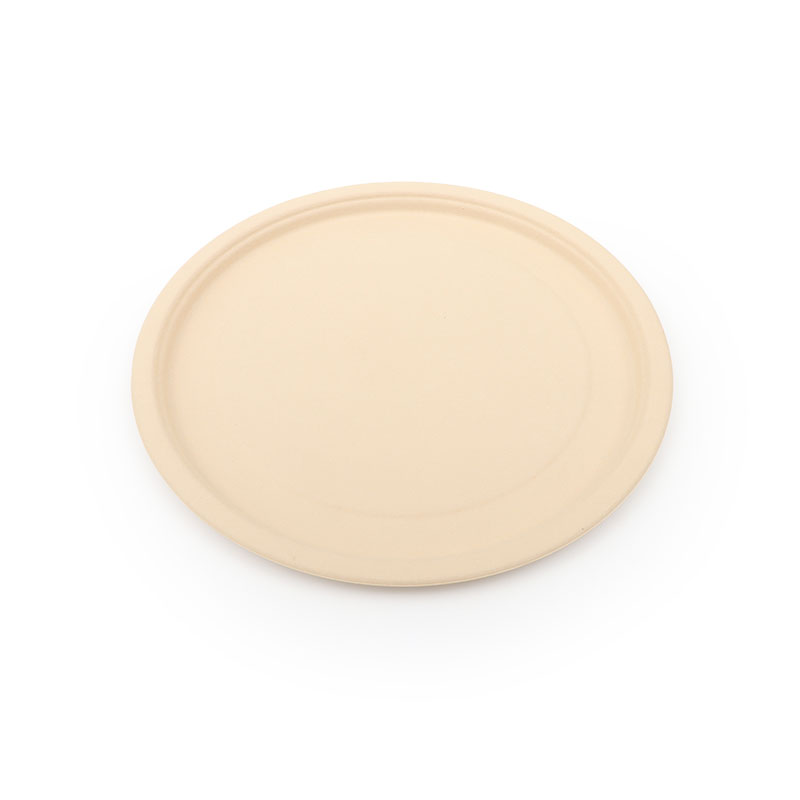 12 inch
 Bigger Bowl
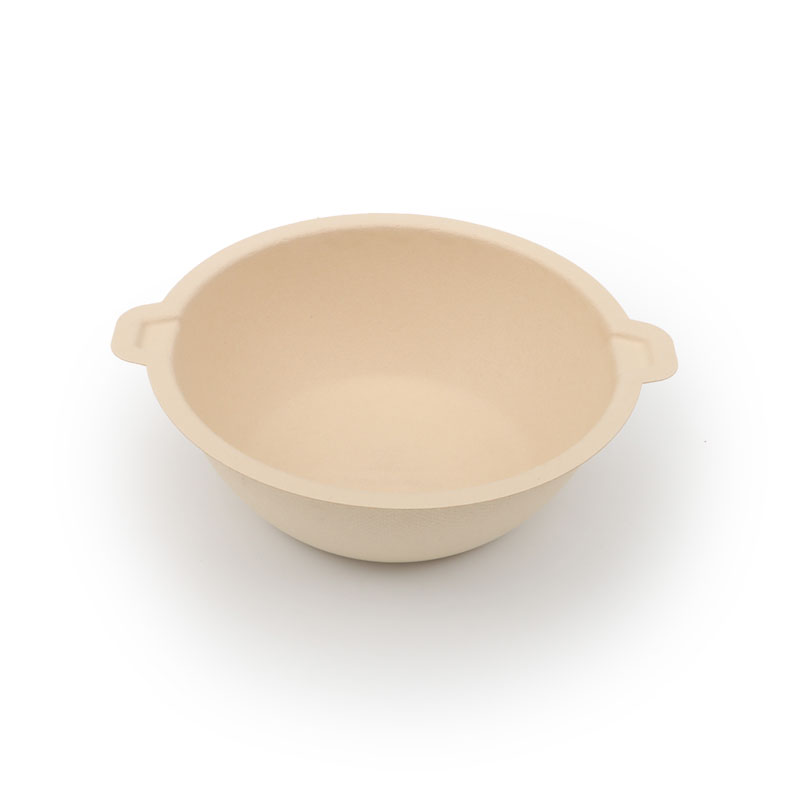 48oz(1420ml)
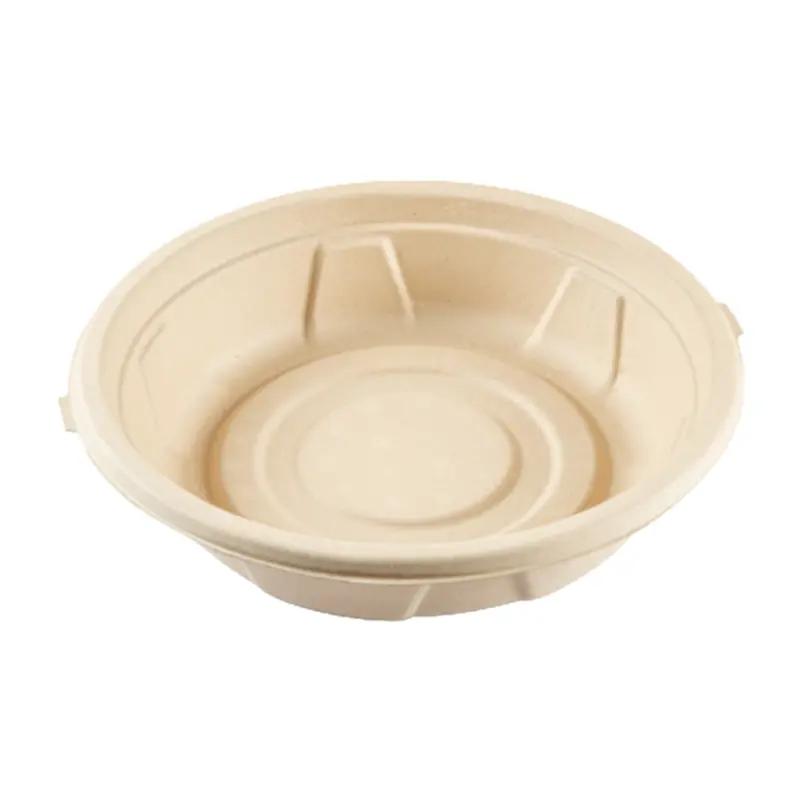 56oz(1650ml)
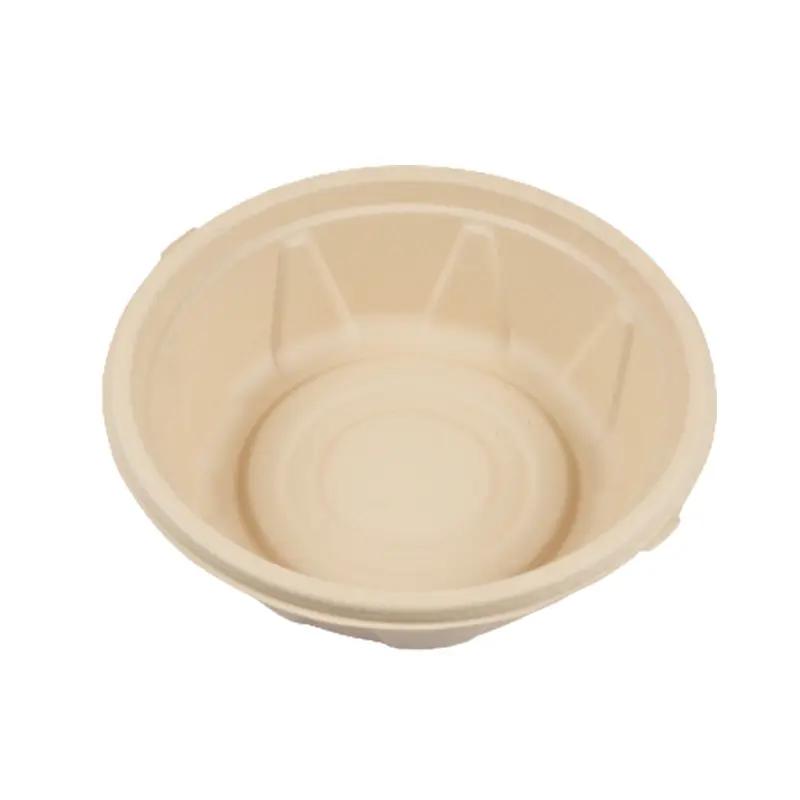 100oz(2950ml)
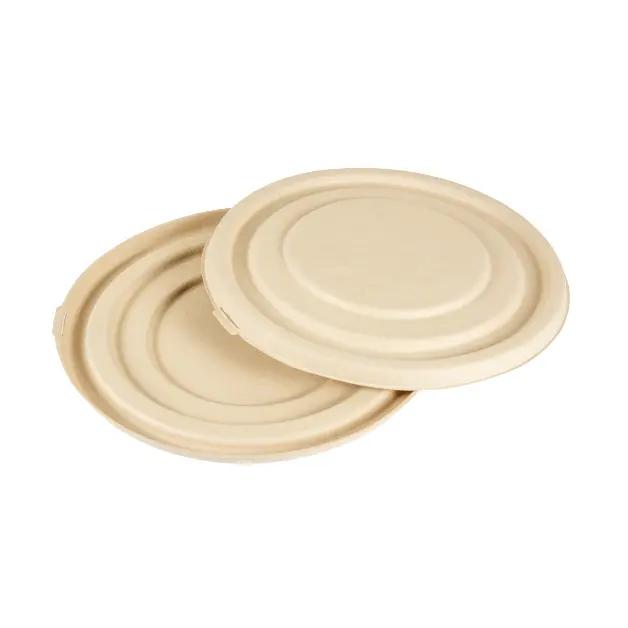 100oz(2950ml) With Lid
 Middle Bowl
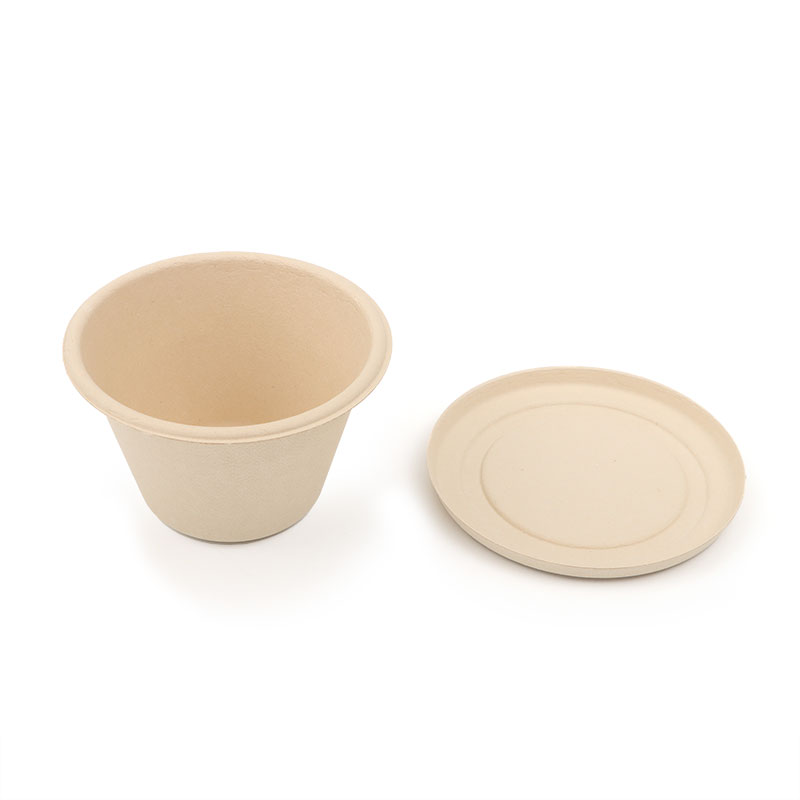 17oz(500ml)
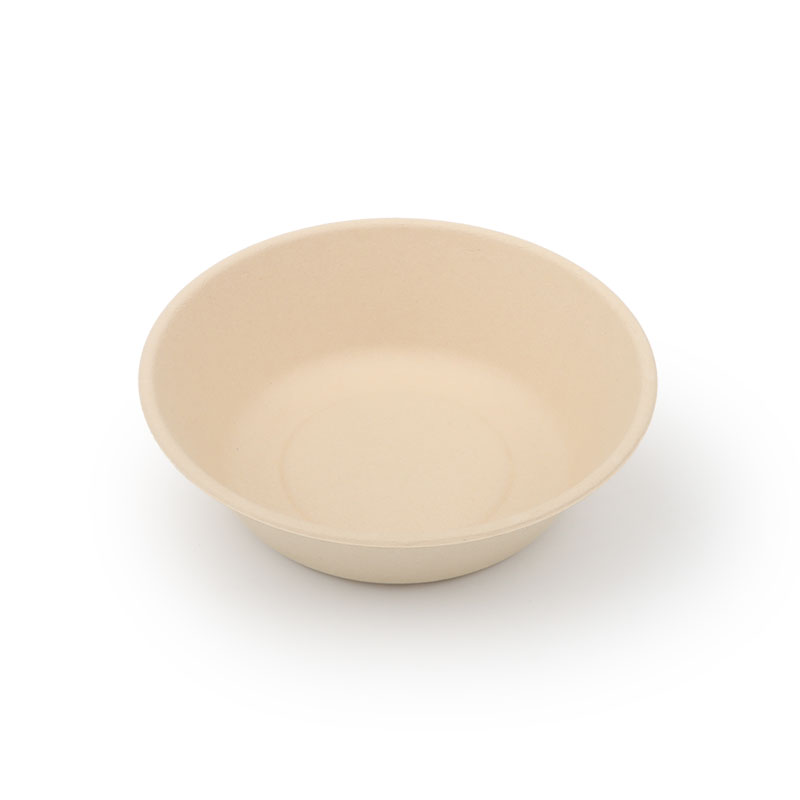 27oz(800ml)
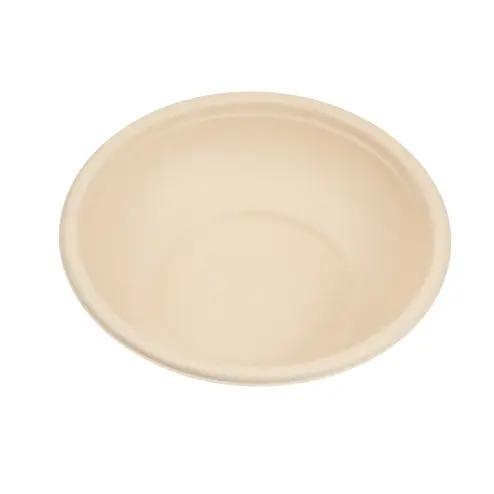 20oz(600ml)
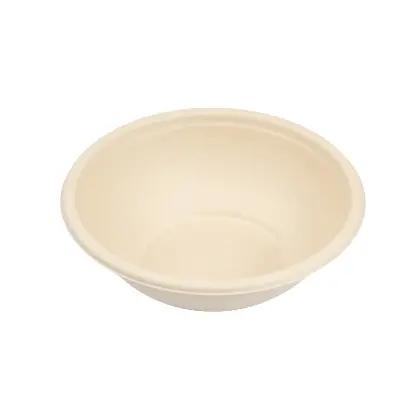 29oz(850ml)
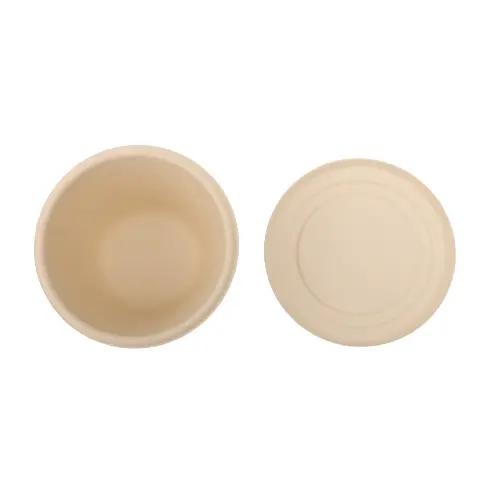 17oz(500ml) With Lid
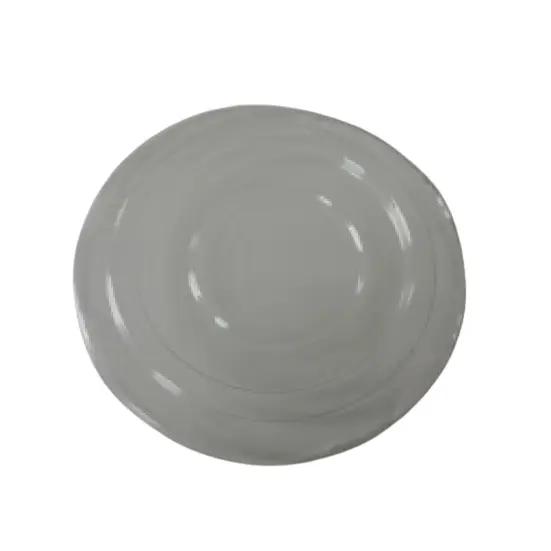 17oz(500ml) PET Lid
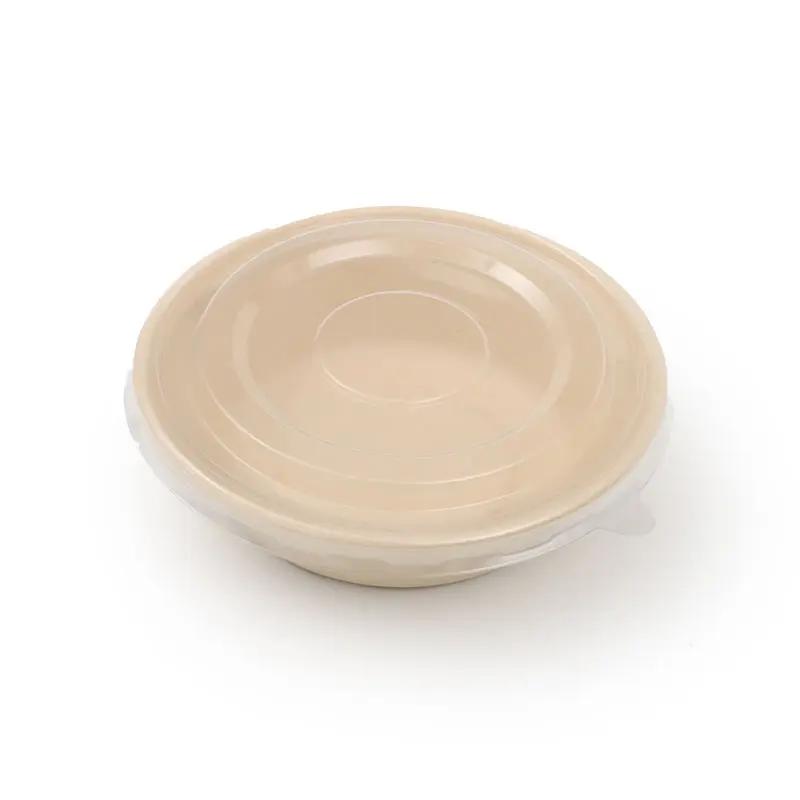 28oz(830ml) PET Lid
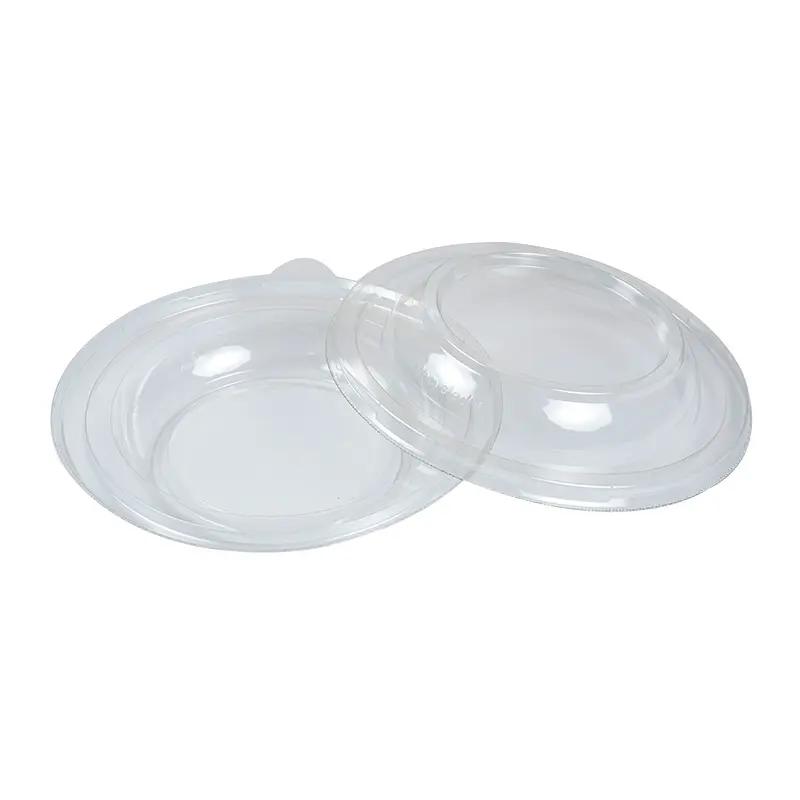 Round Bowl PET
 Small Bowl
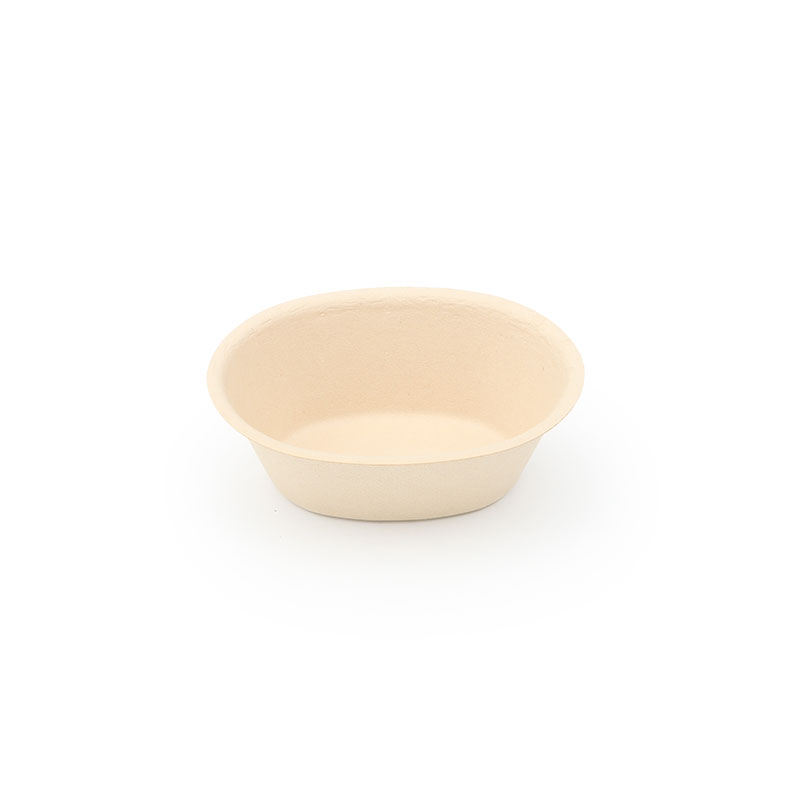 Snack Bowl
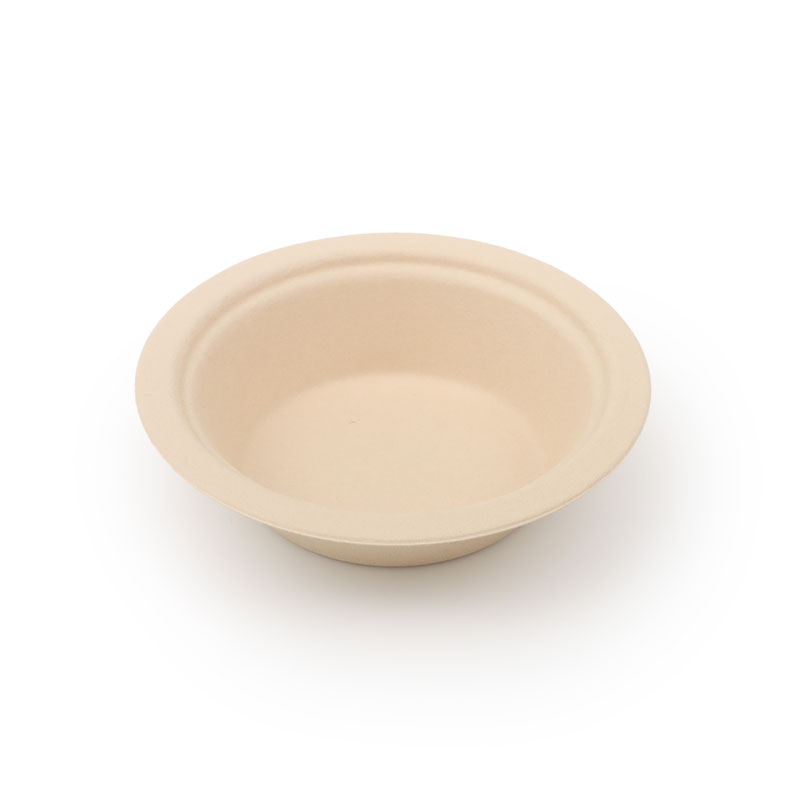 11.5oz(340ml) Bowl
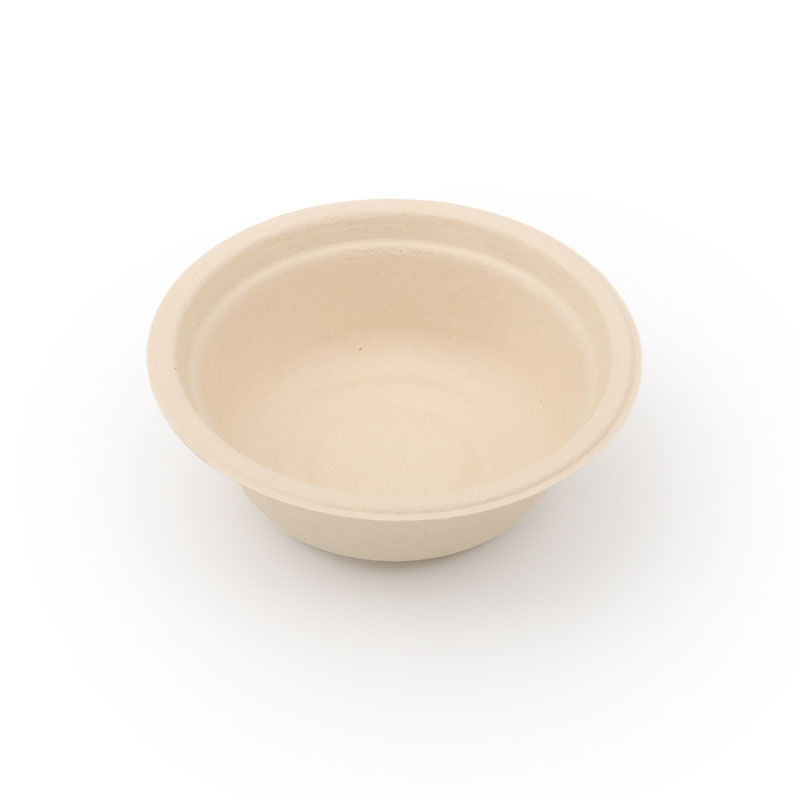 6.7oz(200ml) Bowl
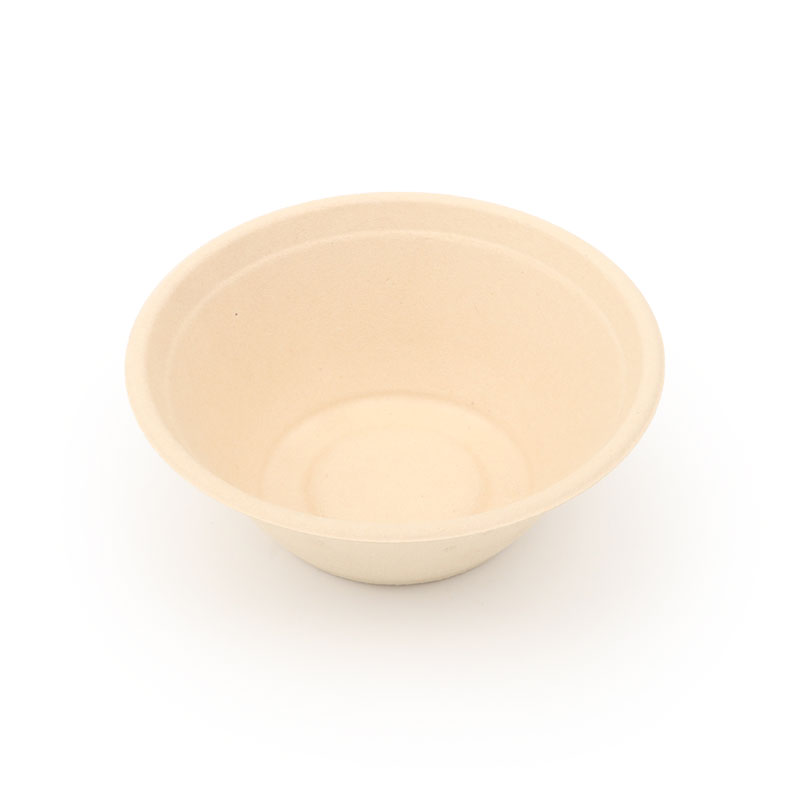 12oz(350ml) Bowl
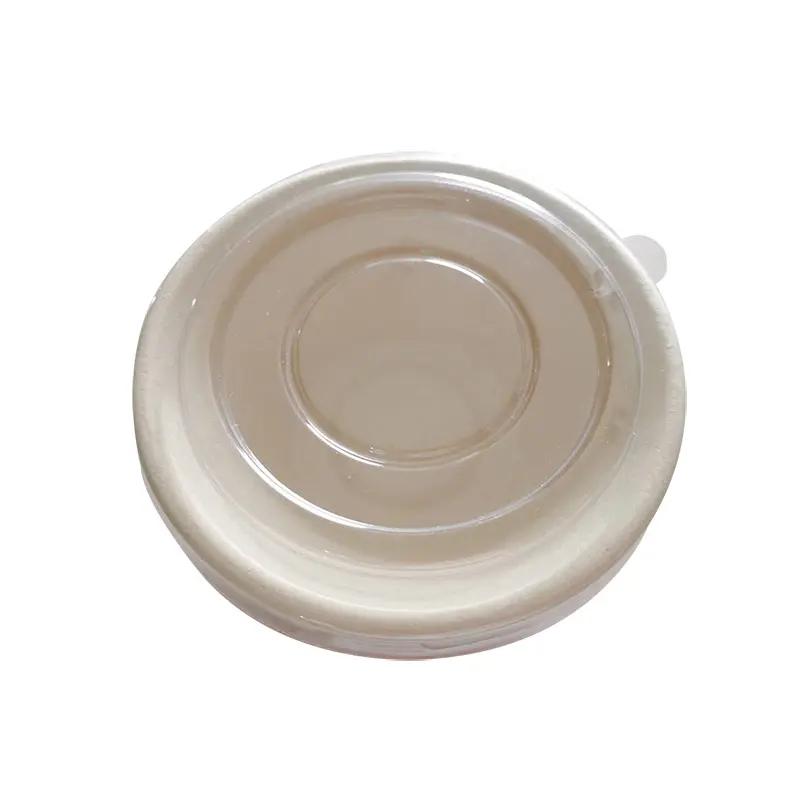 12oz(350ml) Bowl PET
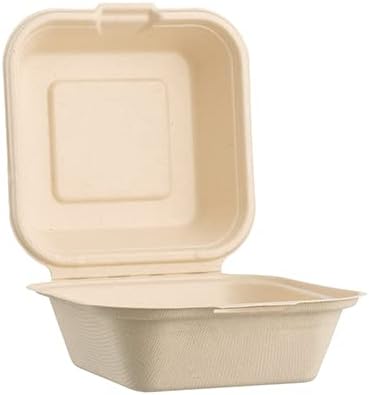
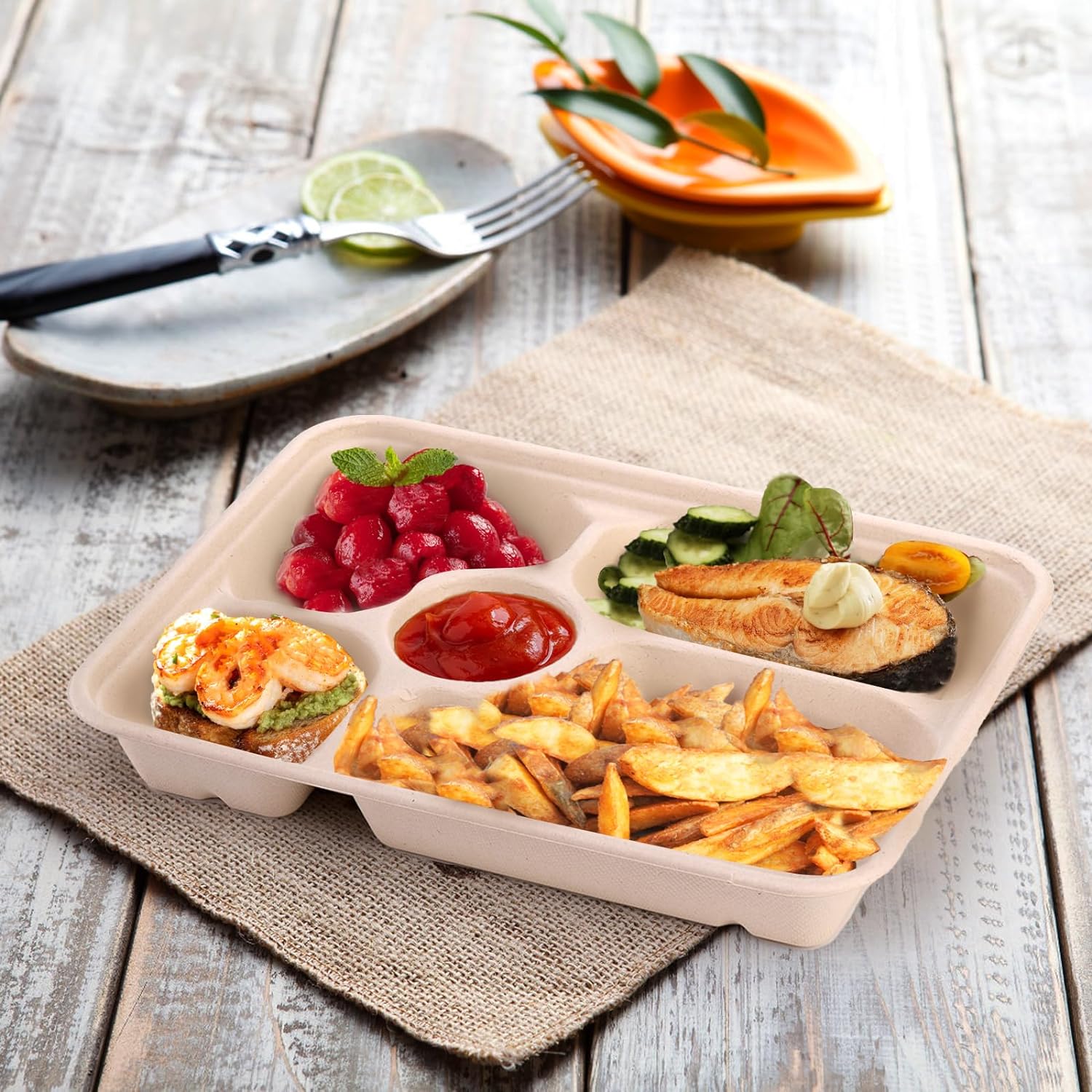 Bagasse Lunch Boxes
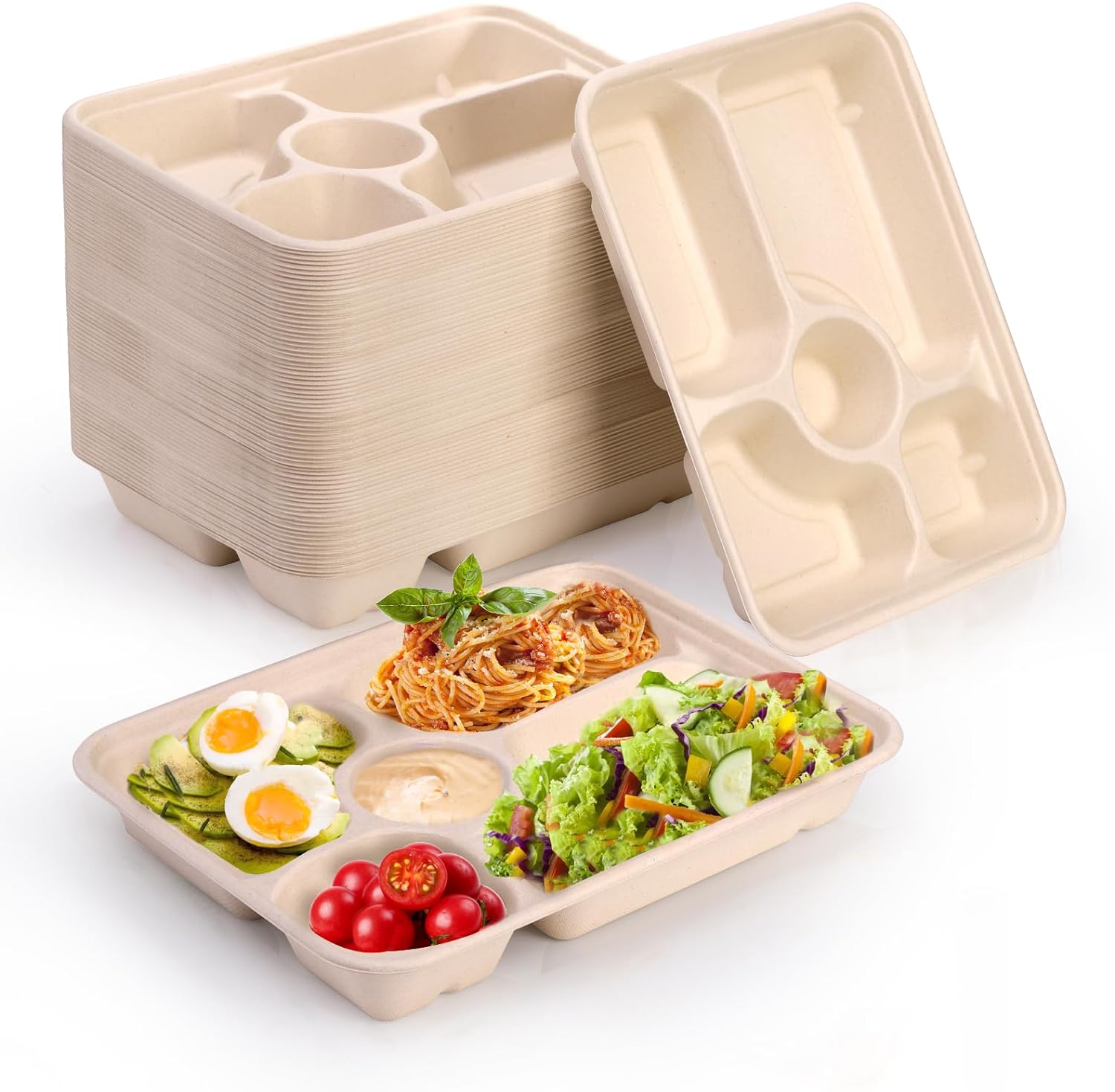 5CP
 6 inch
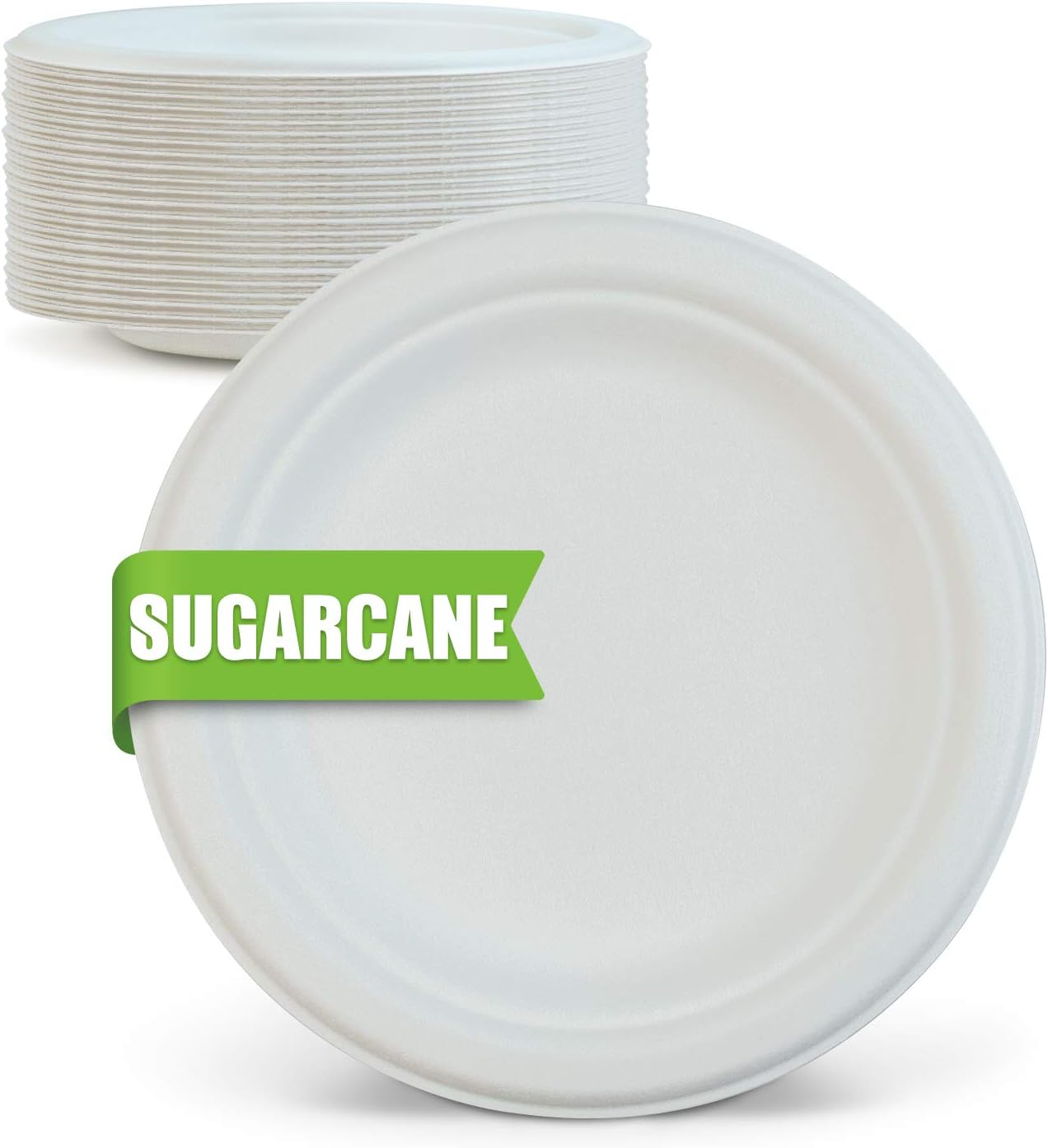
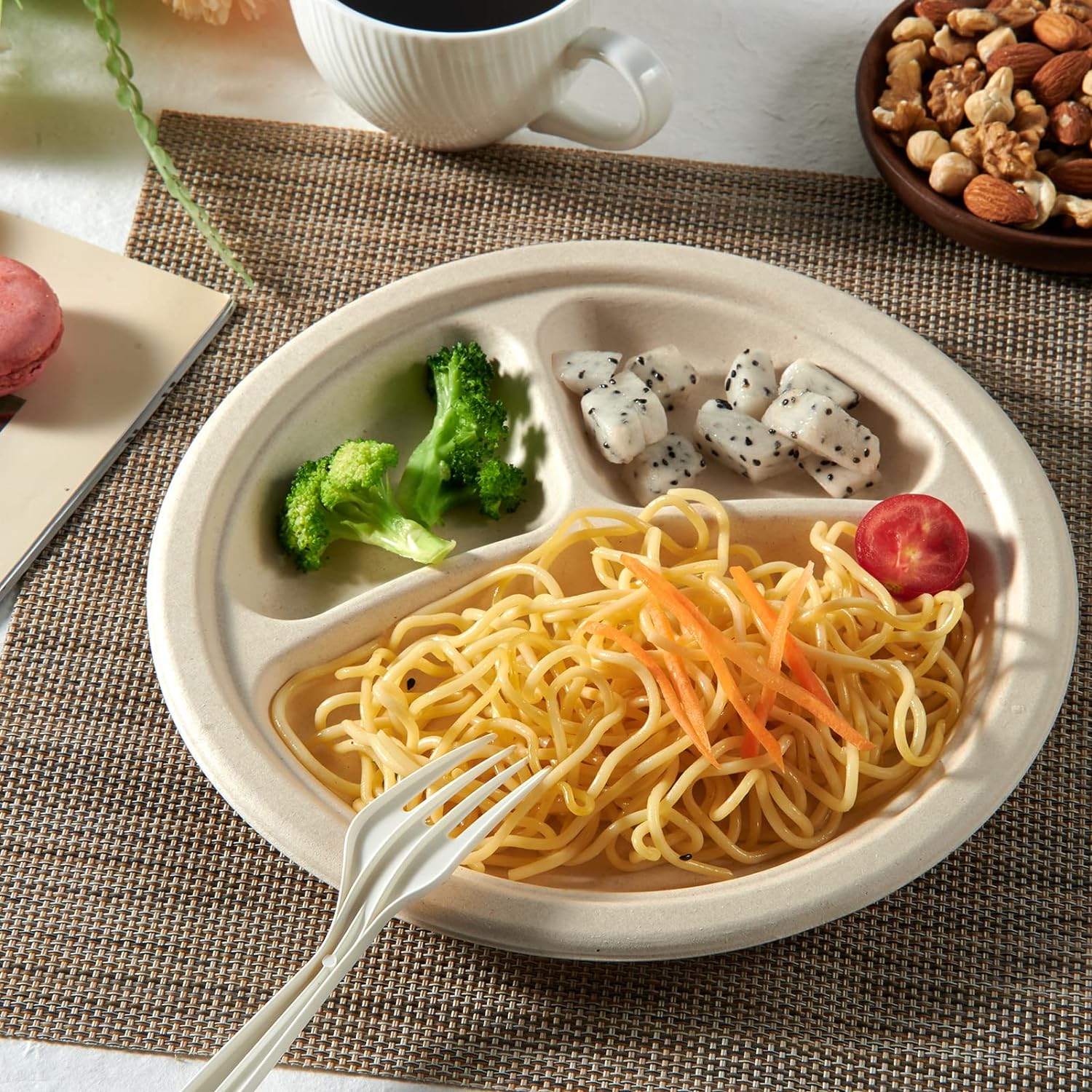 Bagasse Food Plates
 7 inch
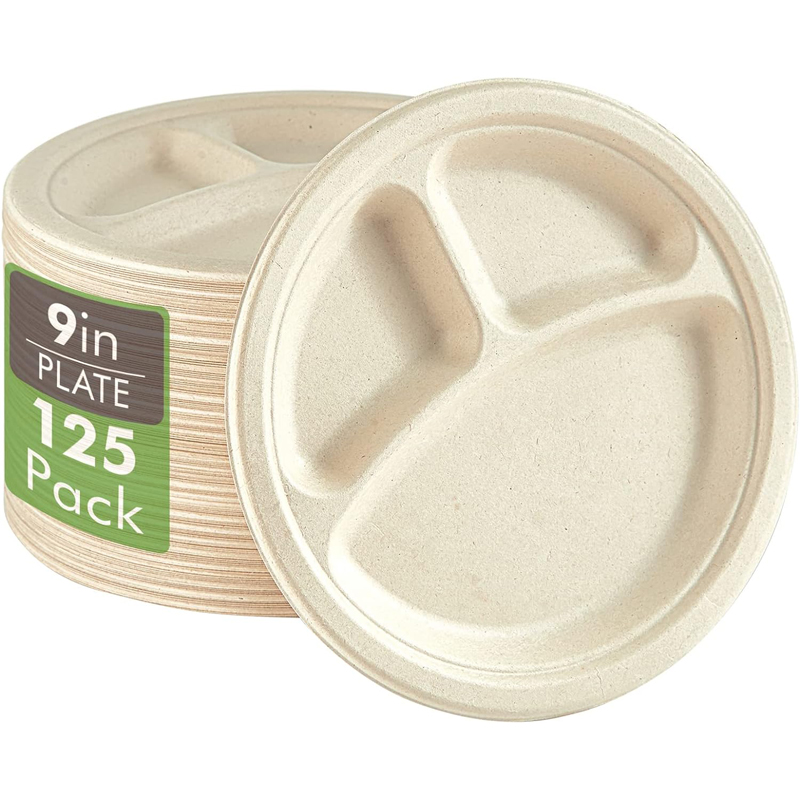 3CP
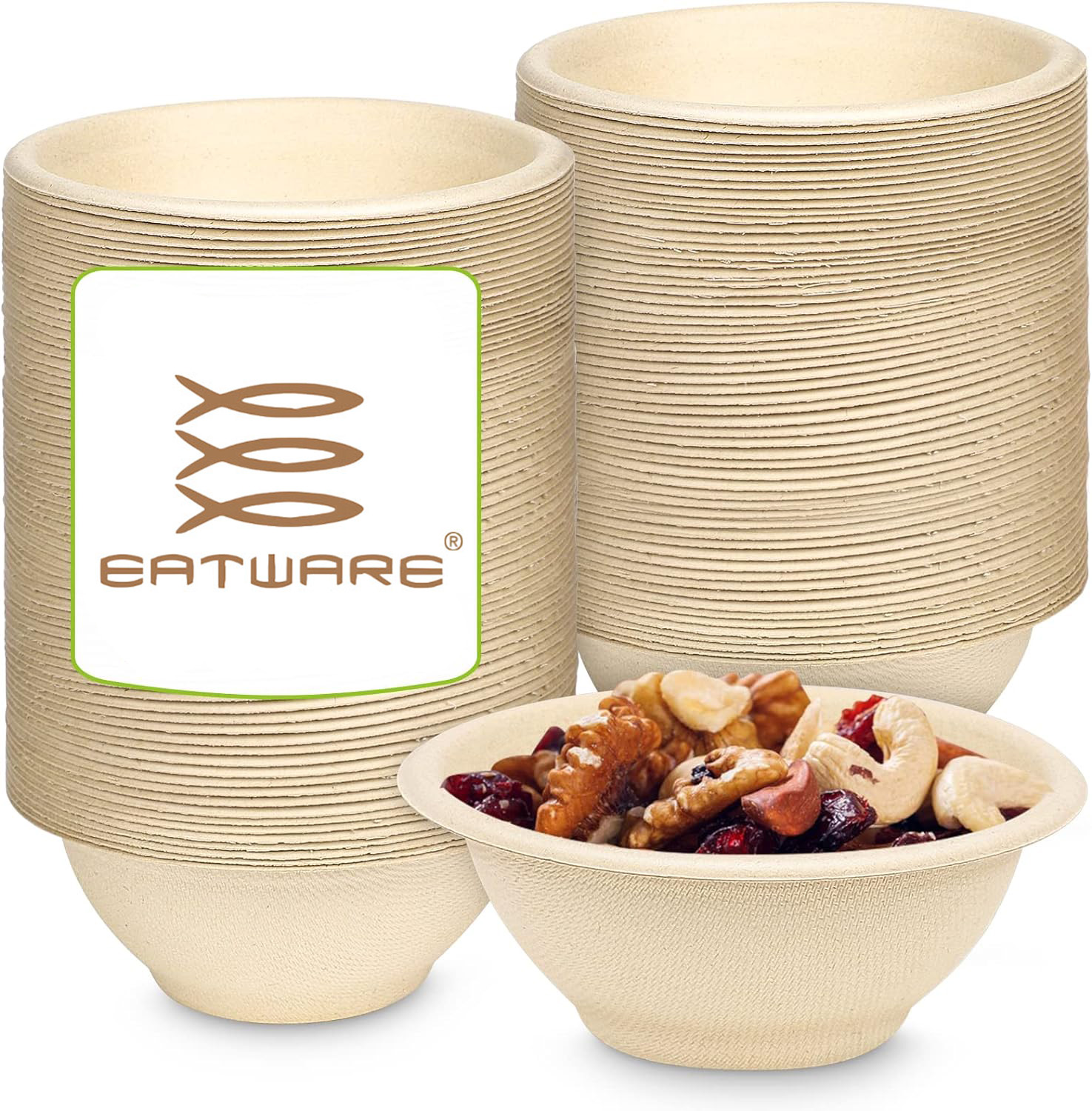 Bagasse Bowls
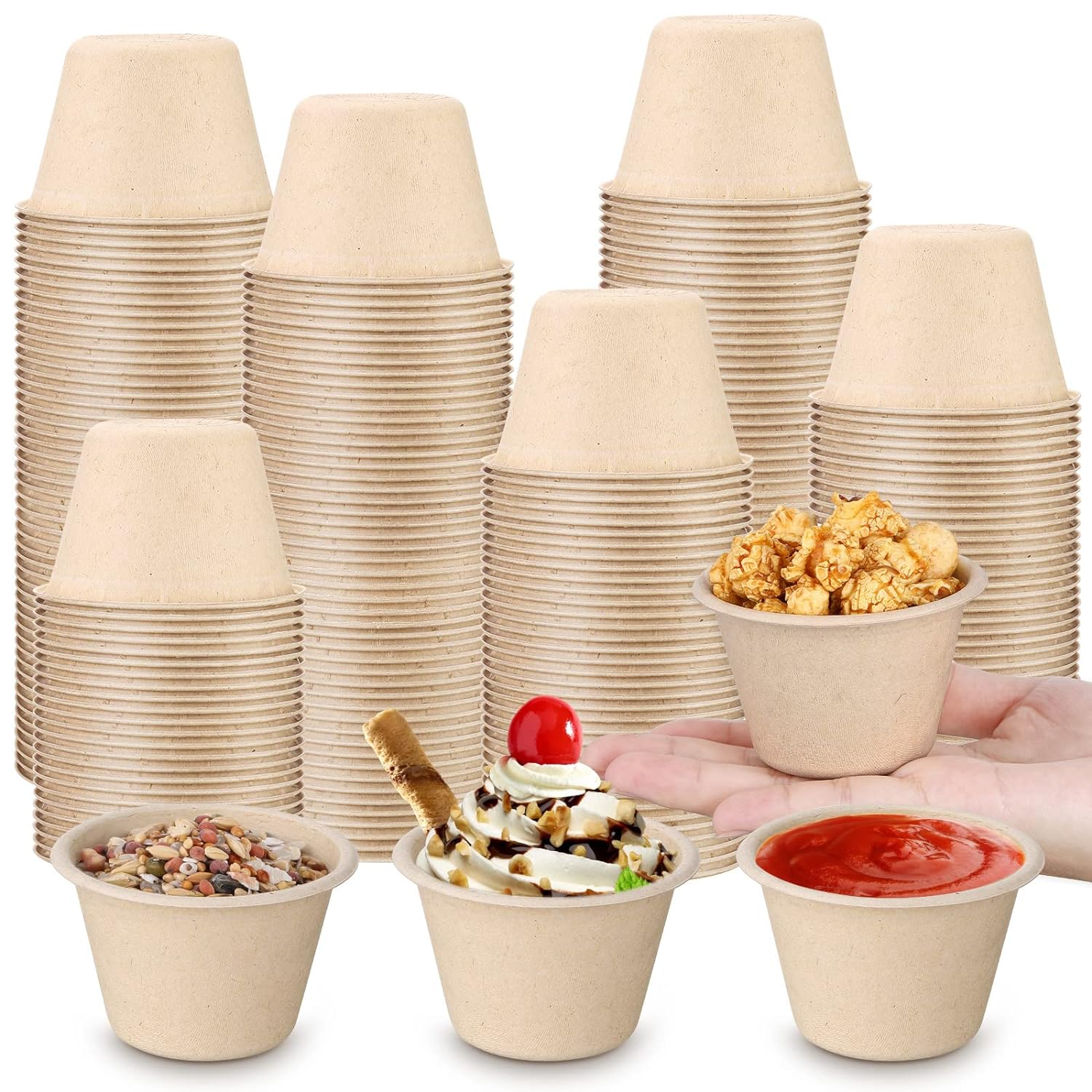 4oz
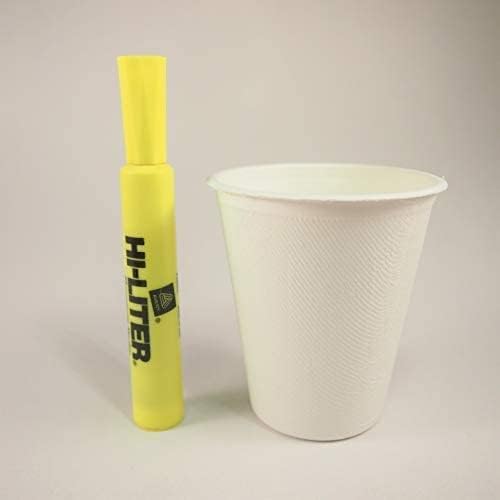 Bagasse Cups And Cutlery
 8oz
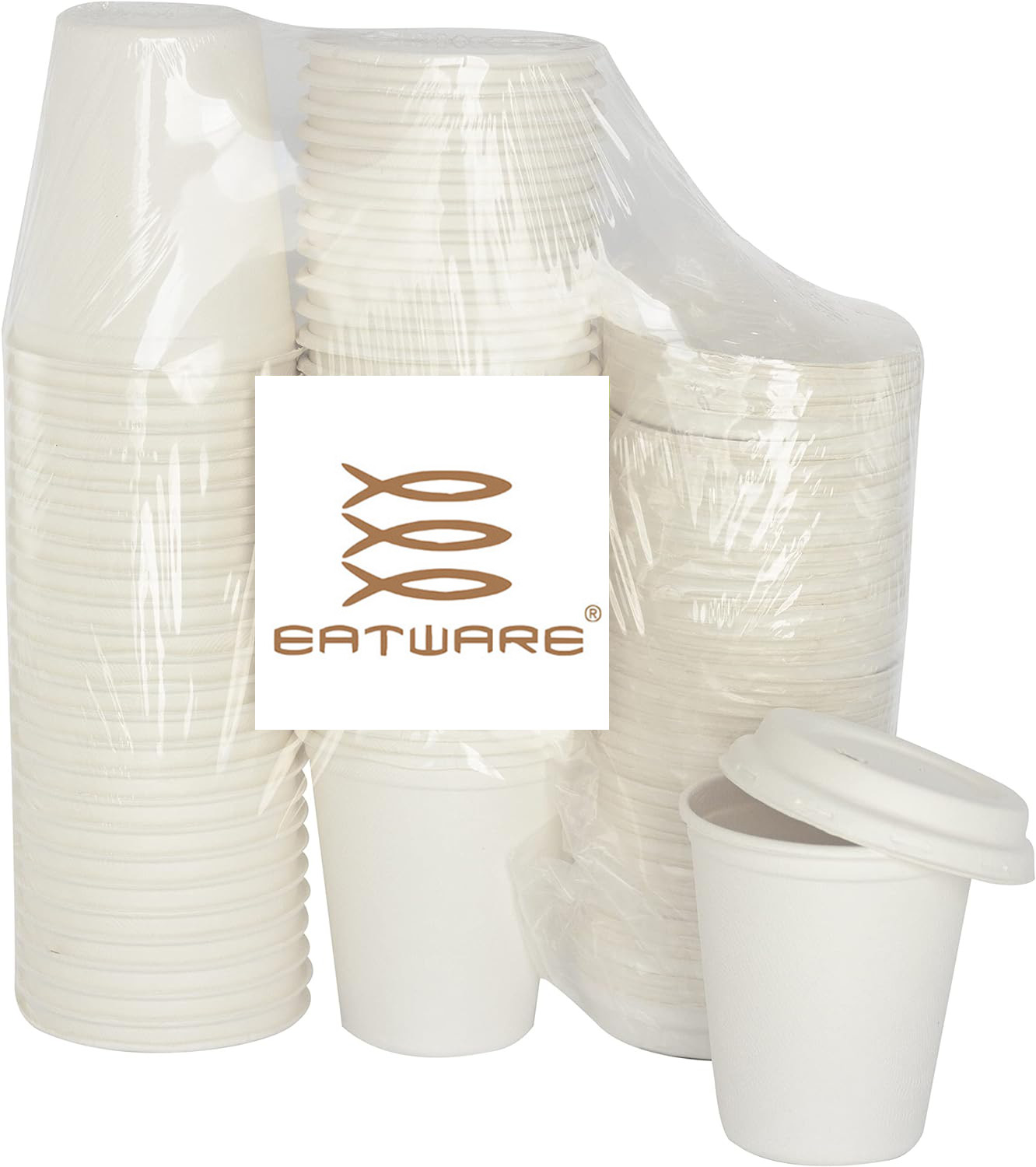 12oz
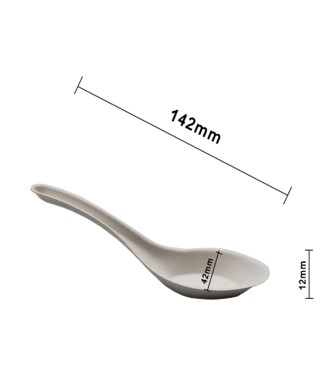 Cutlery
Leave Your Message
Precision-molded biodegradable barrier packaging engineered for high-speed MAP sealing lines in supermarket centralized processing facilities.

Delivering global retail giants with validated barrier performance, automated tooling adaptability, and reliable high-volume manufacturing throughput.
In the field of environmentally friendly packaging for 18 years, has established cooperation with 500+ brands.
Through our research and development, there are more than 60 products can product, supporting OEM/ODM customized services.
Exported to the United States, Europe, Australia, Canada and other countries, right now we have exported more than 30 countries.
10,000+ sq.m factory area, 30+ patent certificates, 10 foreign authoritative certifications, 55 automatic forming machines.
In modern high-volume retail grocery networks, the fresh seafood department is both a primary driver of customer loyalty and one of the highest risk categories for retail shrinkage. Fresh fish exhibits high water activity, neutral pH, and sensitive endogenous enzymatic activity, making it exceptionally vulnerable to rapid microbial proliferation by psychrotrophic bacteria (such as Pseudomonas, Shewanella putrefaciens, and Photobacterium phosphoreum) and lipid autoxidation. For tier-one supermarkets including Walmart, Costco, Loblaws, Sobeys, and Kroger, traditional ice-counter merchandising suffers from high labor overhead, 8% to 15% product shrink, cross-contamination risks, and an extremely constrained commercial shelf life of only 48 to 72 hours.
The strategic deployment of Modified Atmosphere Packaging (MAP) of Fish for Large Supermarkets transforms retail seafood logistics from an unstandardized, high-loss store-level butchery model into a centralized, highly automated, case-ready packaging system. By displacing ambient atmospheric air with a tailored blend of carbon dioxide (CO₂), nitrogen (N₂), and selectively calibrated oxygen (O₂), commercial seafood packers can reliably extend the chilled shelf life of fresh white fish and fatty pelagic species from 3-4 days to 10-16 days under strict cold chain management (0°C to +2°C). This technological leap unlocks regional hub-and-spoke distribution, dramatically reduces grocery markdown write-offs, and ensures consistent quality assurance across hundreds of retail branch locations.
Technical Milestone: Centralized MAP packaging allows national grocery chains to reduce store-level seafood waste by up to 68%, while centralizing QA protocols and lowering butchery labor costs across distributed supermarket outlets.
Engineering MAP systems for supermarket fish displays demands nuanced gas equilibrium controls, as different fish species present vastly different biochemical degradation pathways:
Historically, supermarket MAP trays were dominated by non-renewable multi-layer plastics, including expanded polystyrene (EPS) lined with EVOH, unrecyclable carbon-black CPET, and rigid polypropylene (PP). Under escalating international EPR (Extended Producer Responsibility) legislation, EU Packaging and Packaging Waste Directives (PPWR), and aggressive ESG decarbonization targets established by global supermarket groups, petroleum-based single-use plastic trays face mounting taxation and consumer backlash.
To address this critical market friction, Kangxin's EATware technological framework integrates renewable, all-natural bamboo and sugarcane bagasse fibers with advanced ultra-thin aqueous or bio-laminated high-barrier peelable sealing films. These compostable and recyclable plant-fiber MAP trays offer an Oxygen Transmission Rate (OTR) of less than 1.5 cm³/(m²·24h·0.1MPa) and a Water Vapor Transmission Rate (WVTR) below 2.0 g/(m²·24h), fully matching the mechanical and preservation barrier performance of conventional plastics while reducing carbon emissions throughout the supply lifecycle.
Seafood processing hubs utilize high-output tray sealers operating at 60 to 120 cycles per minute. Plant-fiber MAP trays provide exceptional flange precision, guaranteeing hermetic heat-seals with peelable barrier films that eliminate leakage during transit through regional cold-chain distribution centers (RDCs) to supermarket shelves.
Fresh fish fillets naturally purge moisture during chilled storage. Modern MAP bio-trays incorporate engineered ribbing geometries and integrated micro-perforated food-grade absorbent layers that trap free liquid away from the fish muscle, ensuring pristine visual presentation under supermarket LED display lighting without unsightly blood or liquid pooling.
Pre-seasoned seafood portions (such as garlic-herb salmon portions, teriyaki cod, and skewered prawns) are highly susceptible to acidic breakdown and volatile spice migration. High-barrier bio-MAP trays resist oil permeation and maintain chemical stability across broad temperature ranges, supporting dual-ovenable and microwave applications for convenient home preparation.
Advanced thermoforming technologies provide uniform flange flatness, ensuring a zero-defect seal with skin and MAP lidding films to prevent gas leakage during handling.
Extends fresh fish display longevity up to 4x compared to open overwrap trays, reducing food waste and expanding the geographic shipping perimeter for central suppliers.
Derived from rapidly renewable bamboo and bagasse fiber, fulfilling strict supermarket retailer sustainability criteria and reducing plastic disposal surcharges.
Kangxin (HaiMen) Environmental Technology Co., Ltd. is a technology innovation oriented enterprise that focuses on disposable environmentally friendly tableware and food packaging.
We have advanced production processes and equipment, and continue to attract senior talents, focusing on environmental protection, emphasizing safety, and ensuring quality.
READ MORE ABOUT USEATware is committed to sustainable development, using all natural plant fibers to produce safe, healthy and environmentally friendly tableware. Adhering to the concept of "take nature, serve humanity, return to nature", we focus on the development of safe, high quality and environmental standards.
EATware emphasizes environmental protection and sustainable development, explores the balance between enterprise survival and environmental protection, and uses all-natural and pollution-free bamboo fiber as the main material of tableware to ensure that its products meet the high technical level and are superior to developed countries.
Our MAP trays and eco-friendly forming machinery adhere to rigorous international food safety and compostability validation protocols.
Stay updated on the latest quality verification methods, foodservice material performance, and industrial packaging market shifts.
The most reliable way to test disposable food containers is to combine leakage testing with structural testing under conditions that reproduce the intended food application. A container should not be approved simply because it holds water for several minutes or survives an empty compression test...
For foodservice operators, replacing conventional plastic packaging is not simply a matter of changing materials. Disposable biodegradable tableware must still withstand hot food, sauces, oils, condensation, stacking, transport, and commercial handling without losing structural integrity. Poorl...
With growing global demand for takeaway meals and eco-friendly packaging, China's manufacturing sector has become a major hub for disposable food containers. Today's food businesses - from fast-food chains and meal-delivery services to supermarkets and catering companies - are looking for high-capacity suppliers...
Trusted by international retail giants, airline catering providers, and sustainable foodservice leaders across more than 30 countries.
Explore our full line of thermoformed molded-fiber MAP bowls, deep-freeze seafood containers, and case-ready fish trays designed for large retail chains.
