
 Box With T buckle
 700ml Square Lunch Box
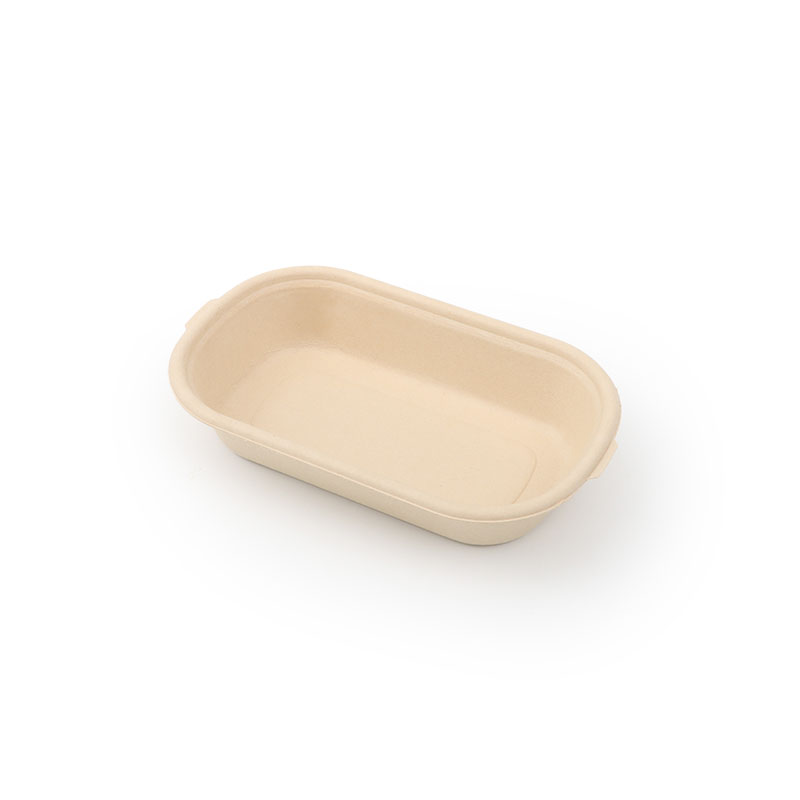 500ml
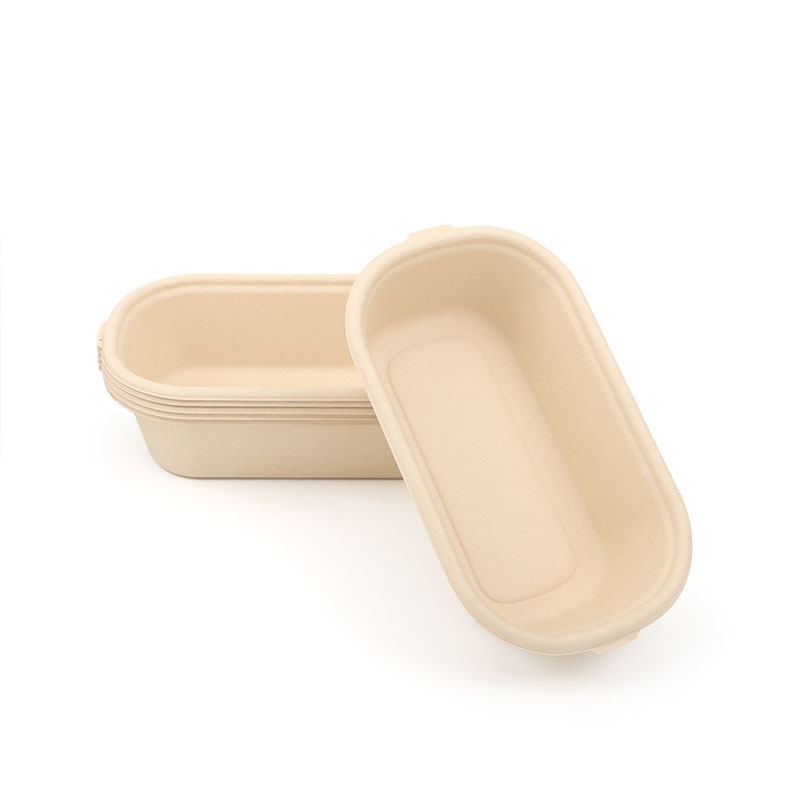 700ml
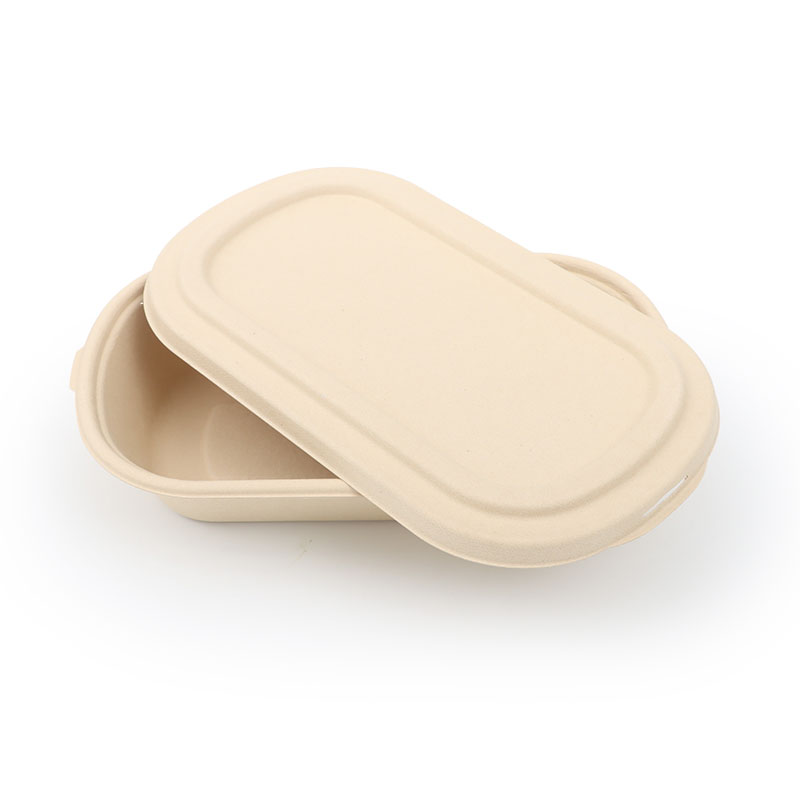 850ml
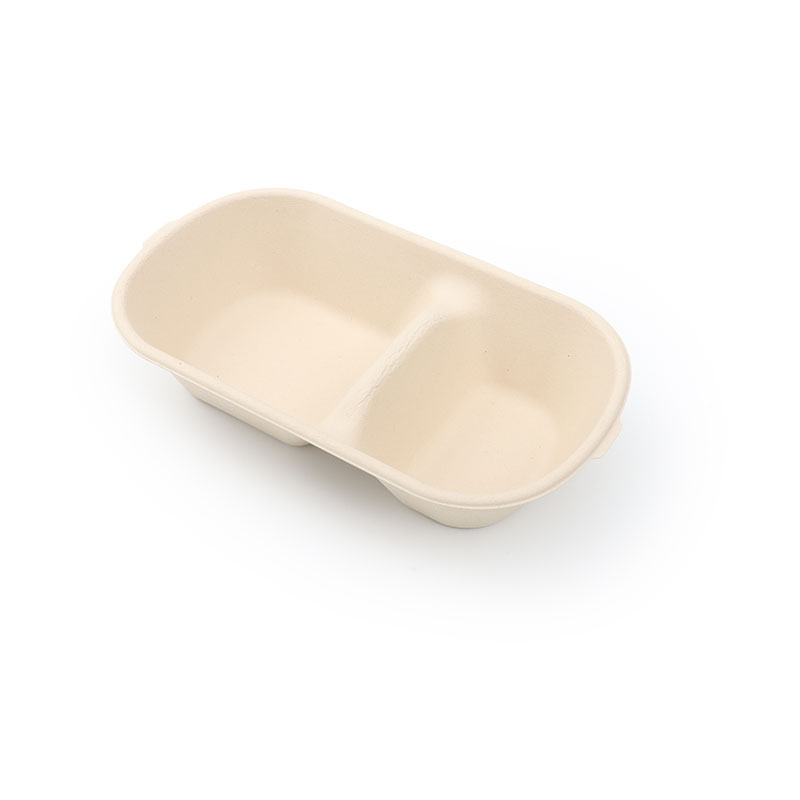 800ml 2 Compartments
 1000ml 2 Compartments
 1100ml
 1000ml Square Lunch Box
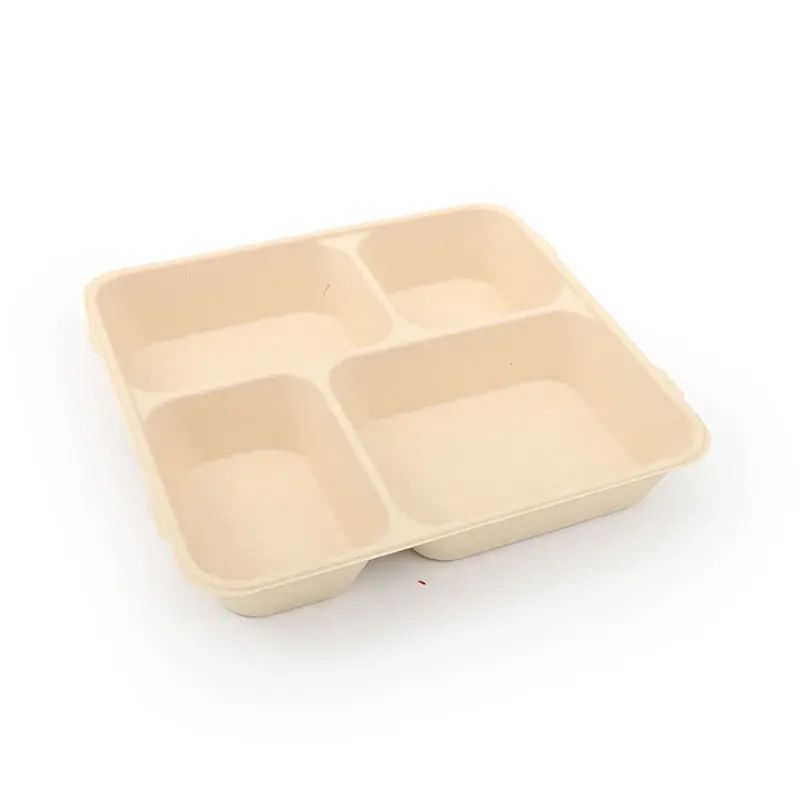 1340ml 4 Compartments
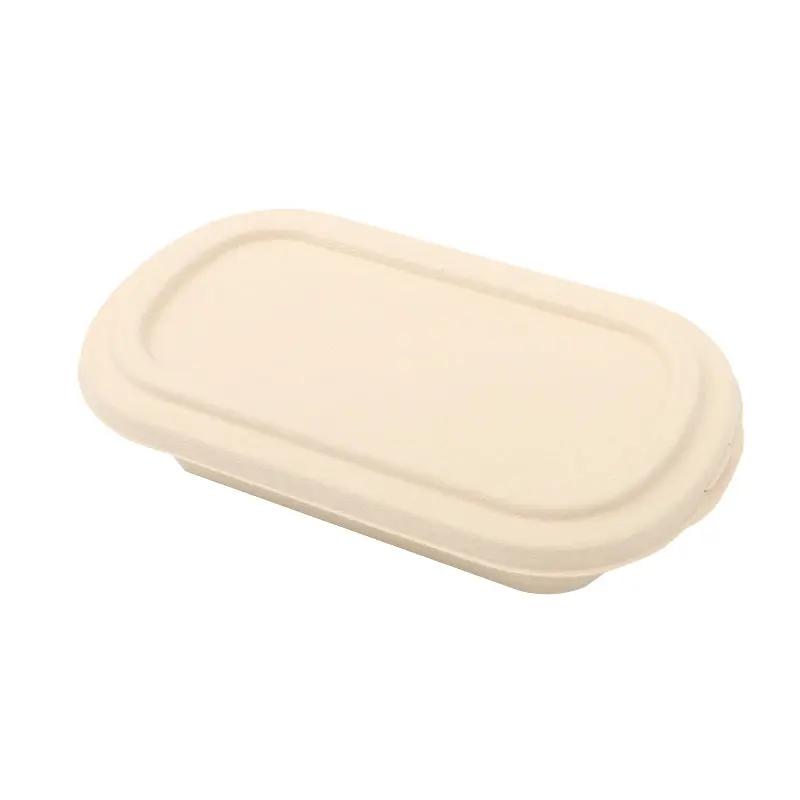 Lunch Box Lid
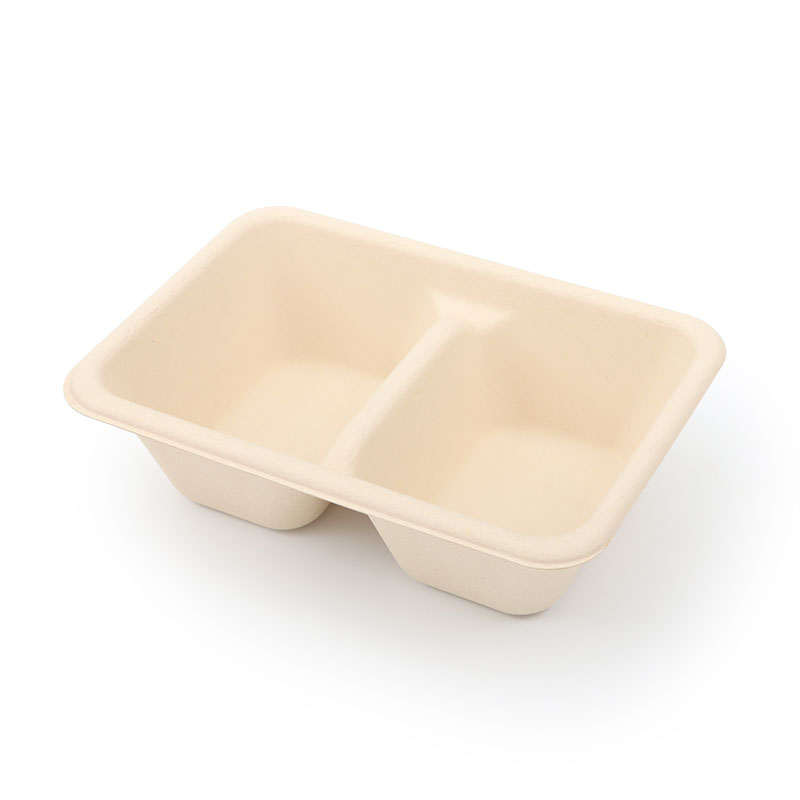 650ml
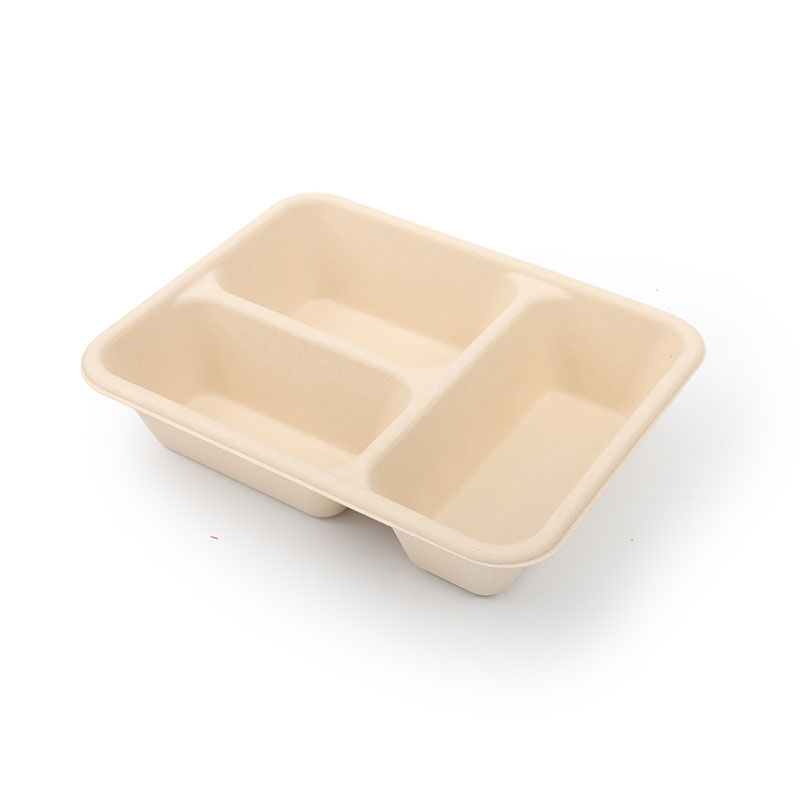 1000ml 3 Compartments
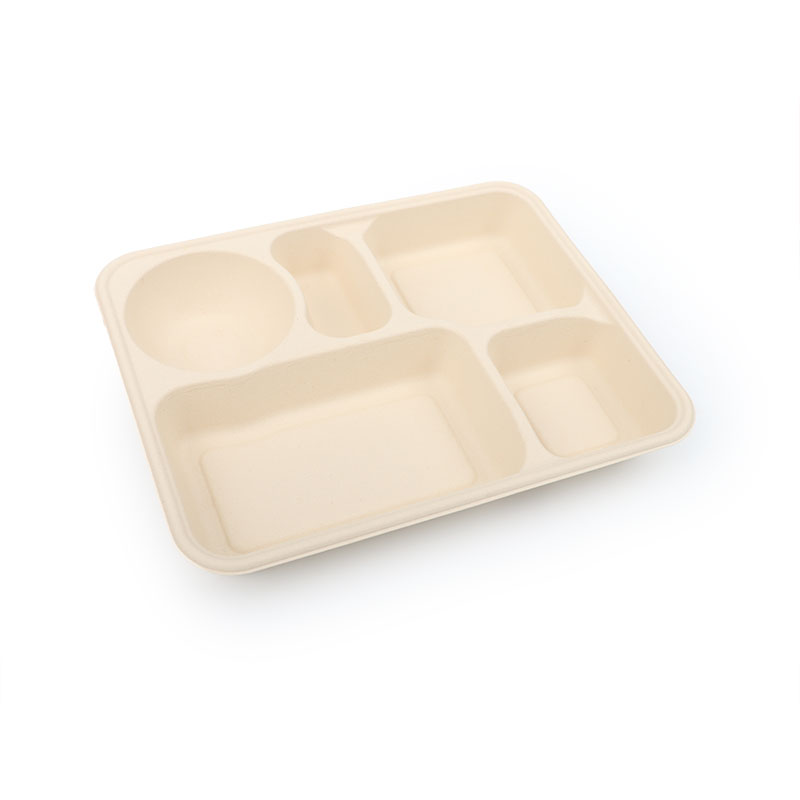 1250ml 5 Compartments
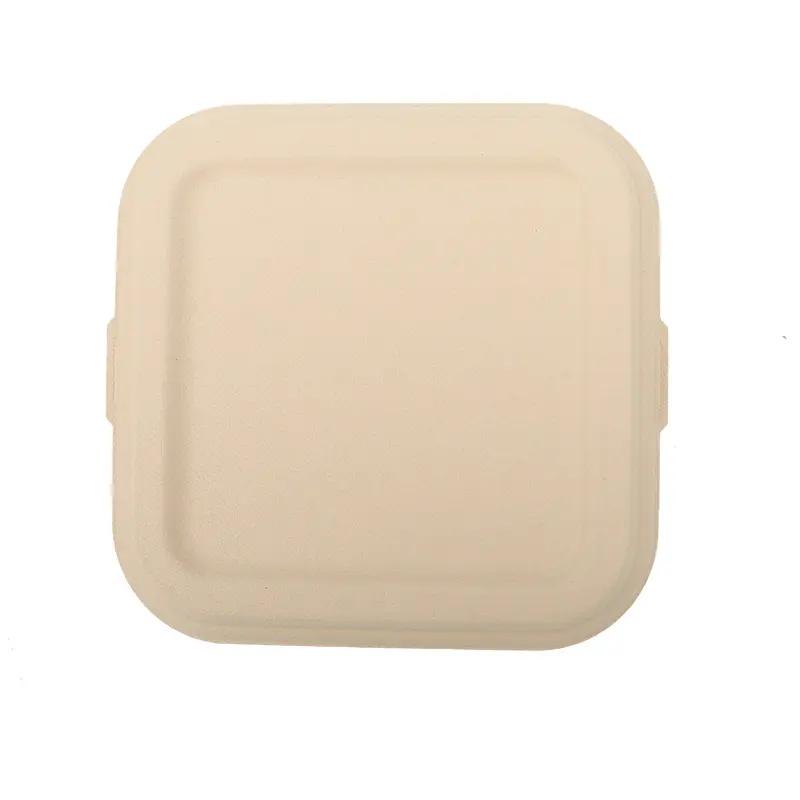 Square Lunch Box Lid
 Box Without T buckle
 850ml Salad Box
 700ml
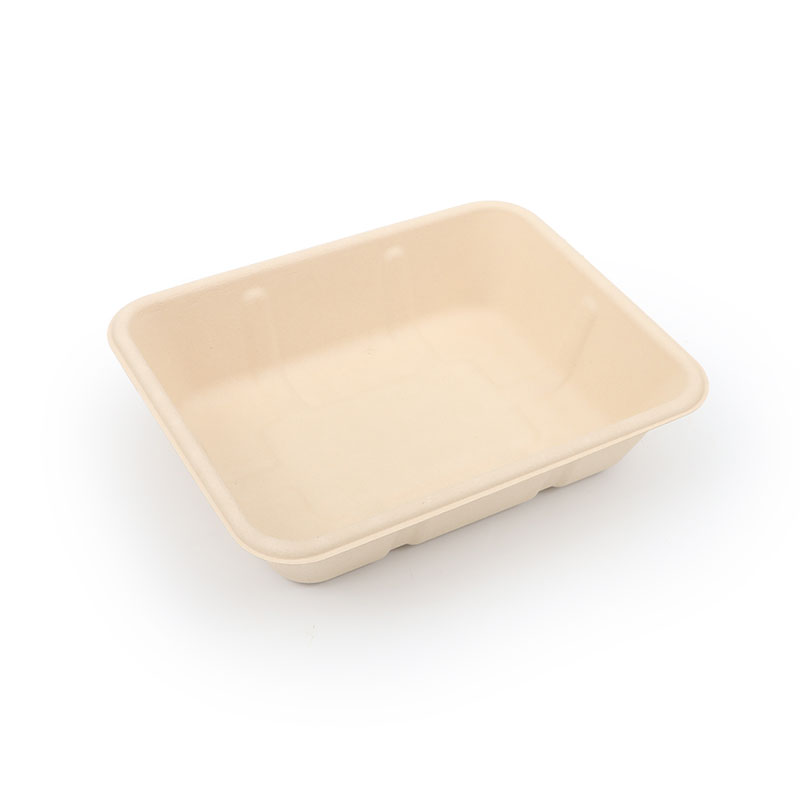 1350ml
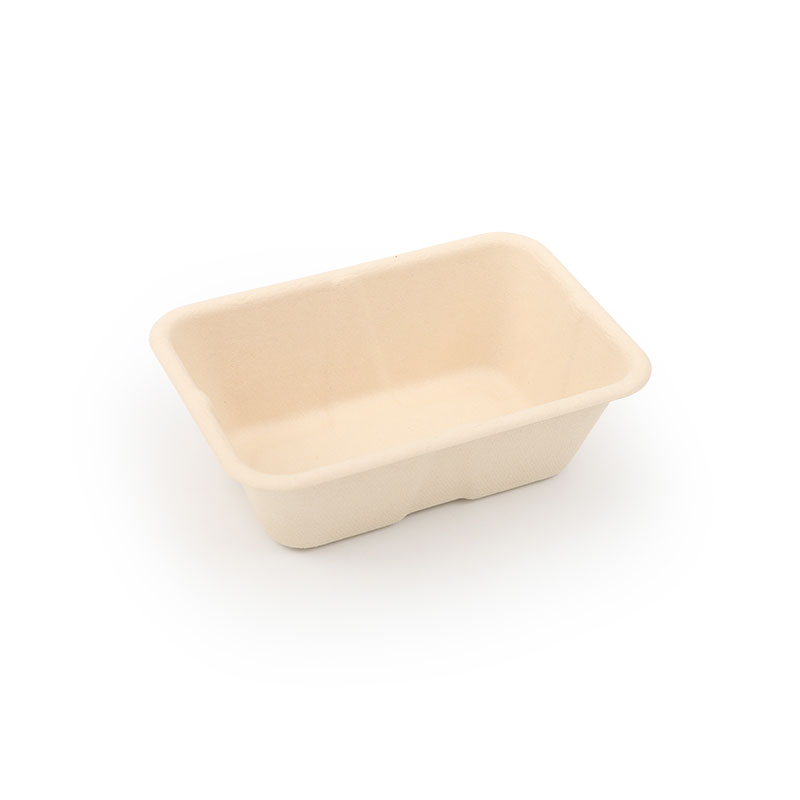 470ml
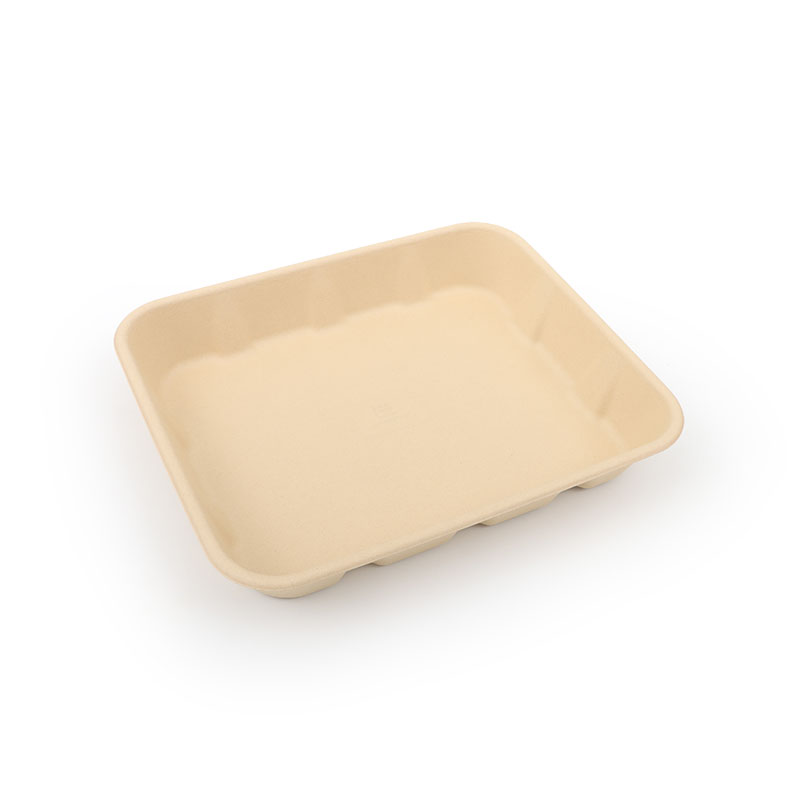 2183ml Tray Box
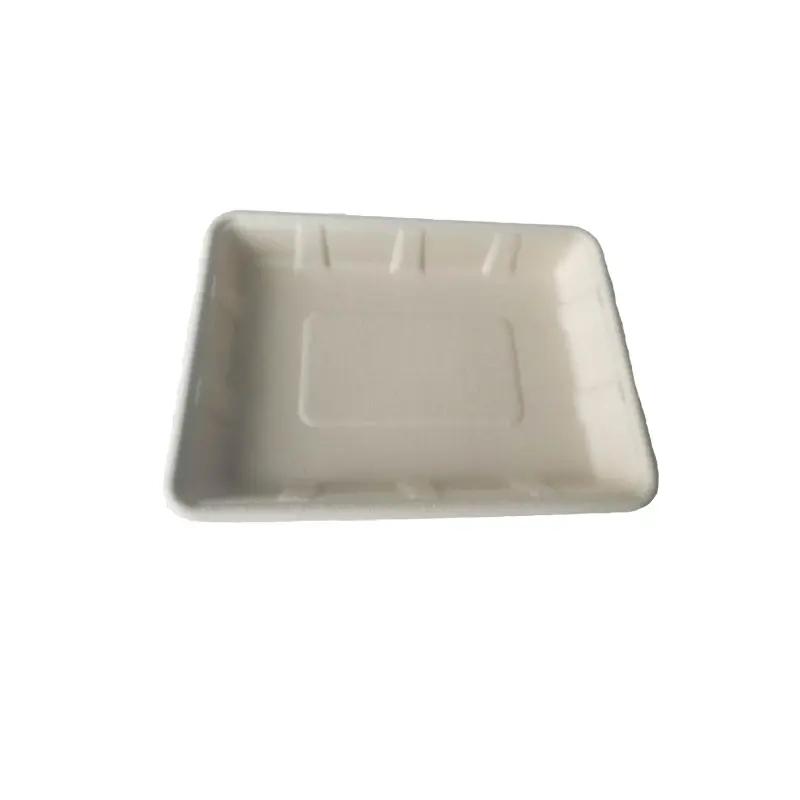 11" * 9"
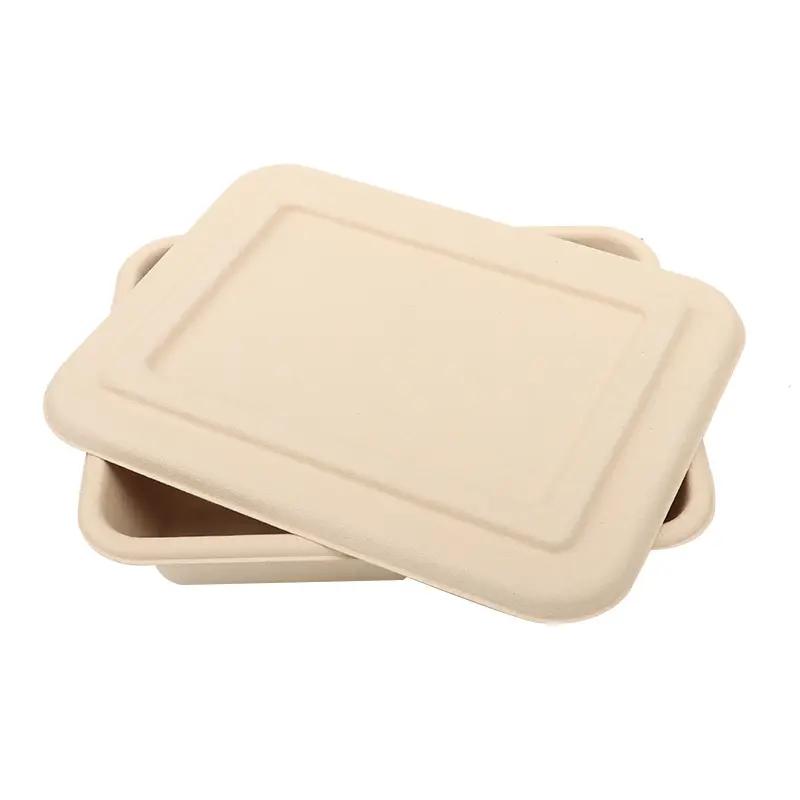 800ml
 One Part Box
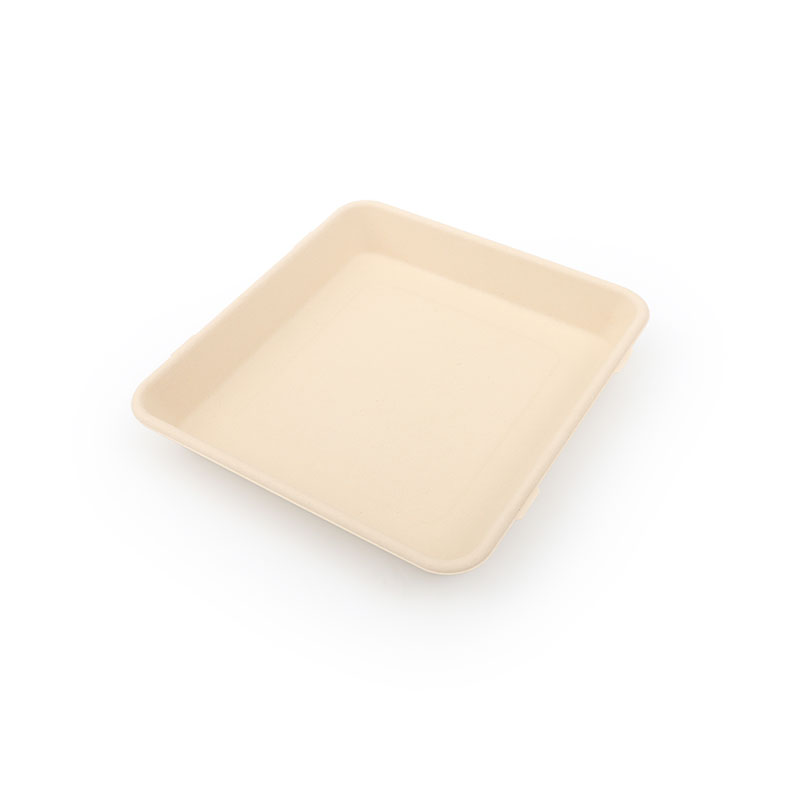 1443ml Tray Box
 Cake Bread Snack Tray Series
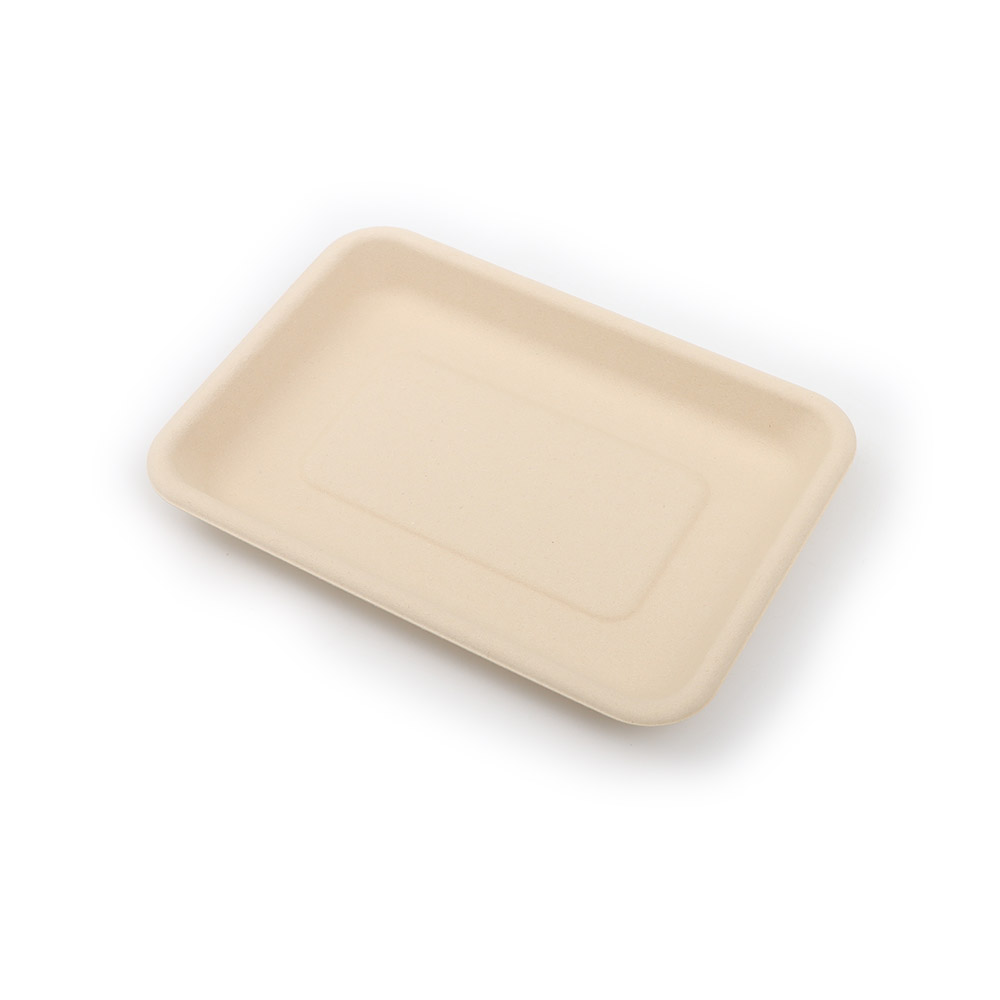 5" * 7" natural color
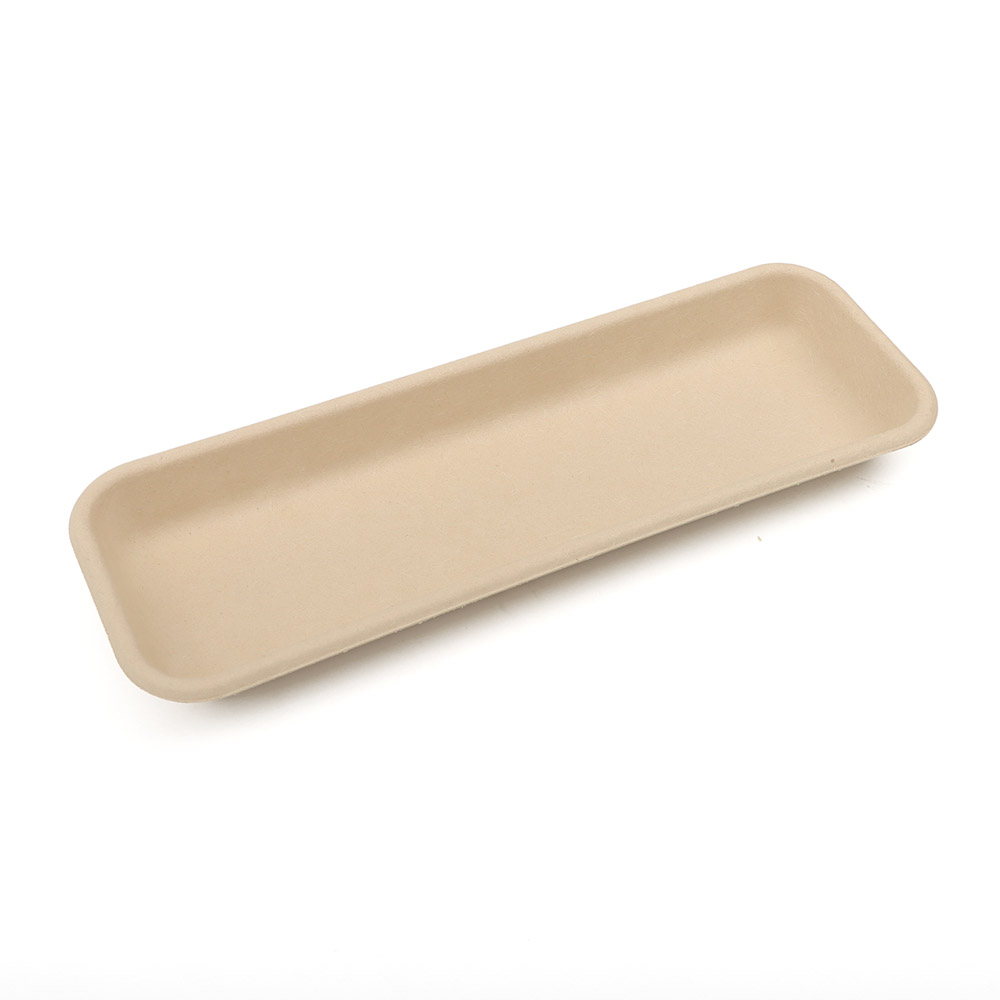 11.4" * 3.9"
 5.3" * 5.3"
 Fruit And Vegetable Tray Series
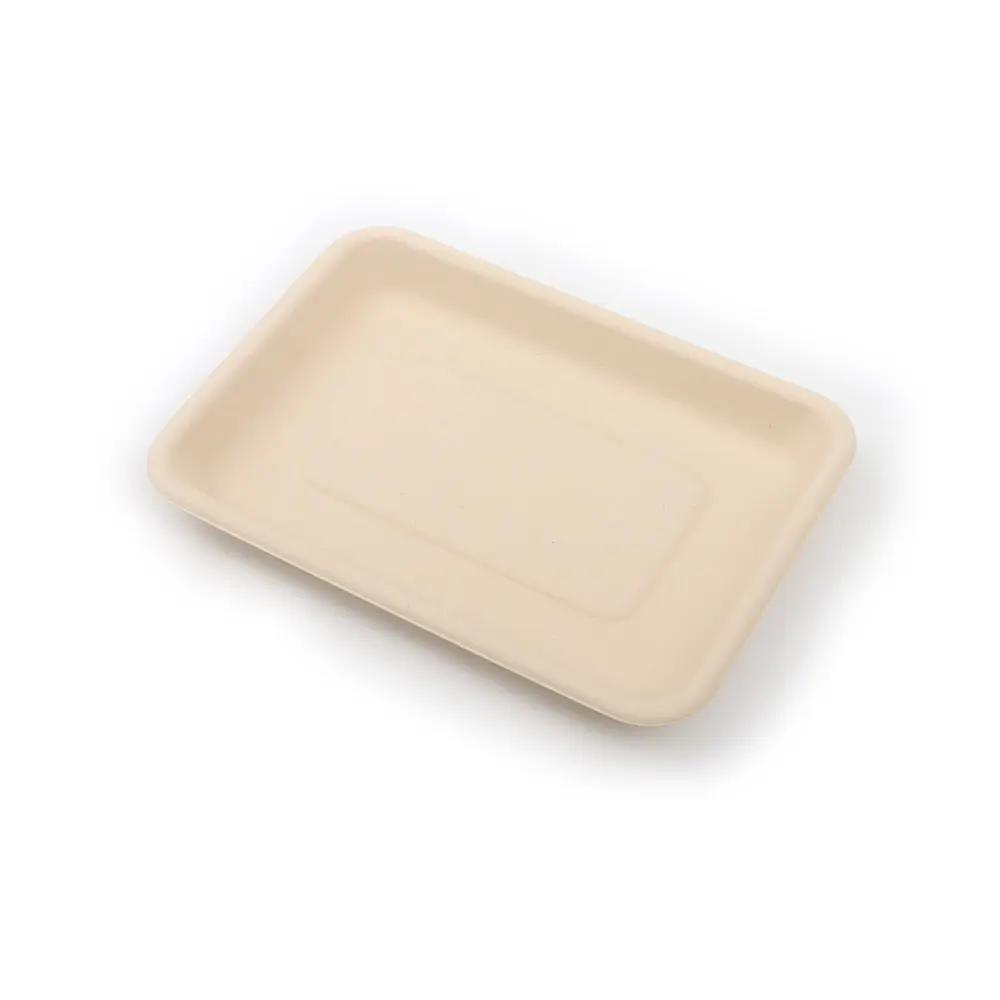 8.6" * 5.3"
 Sushi Tray Series
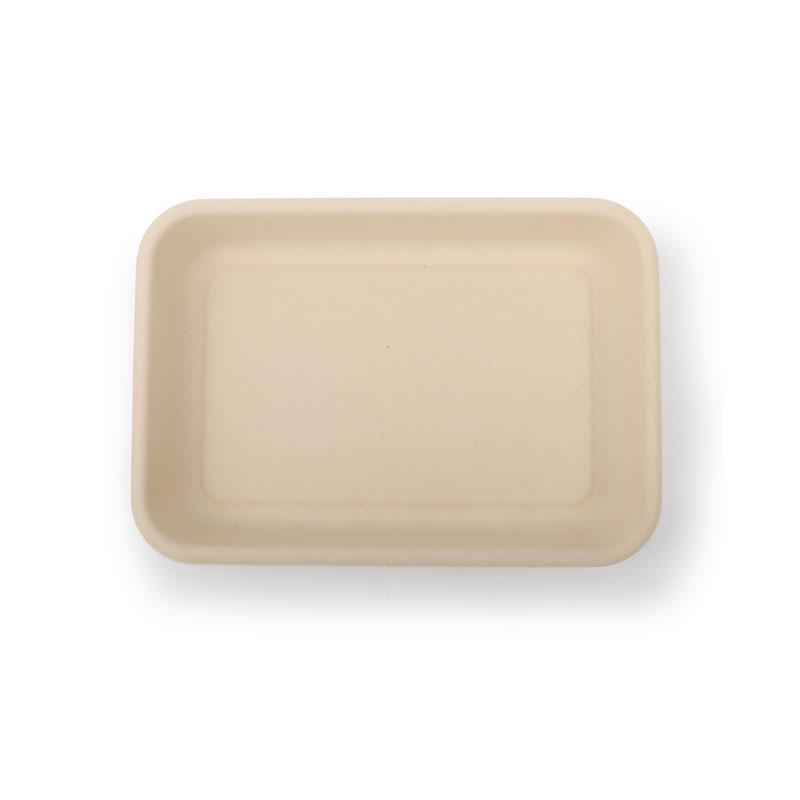 200" * 140"
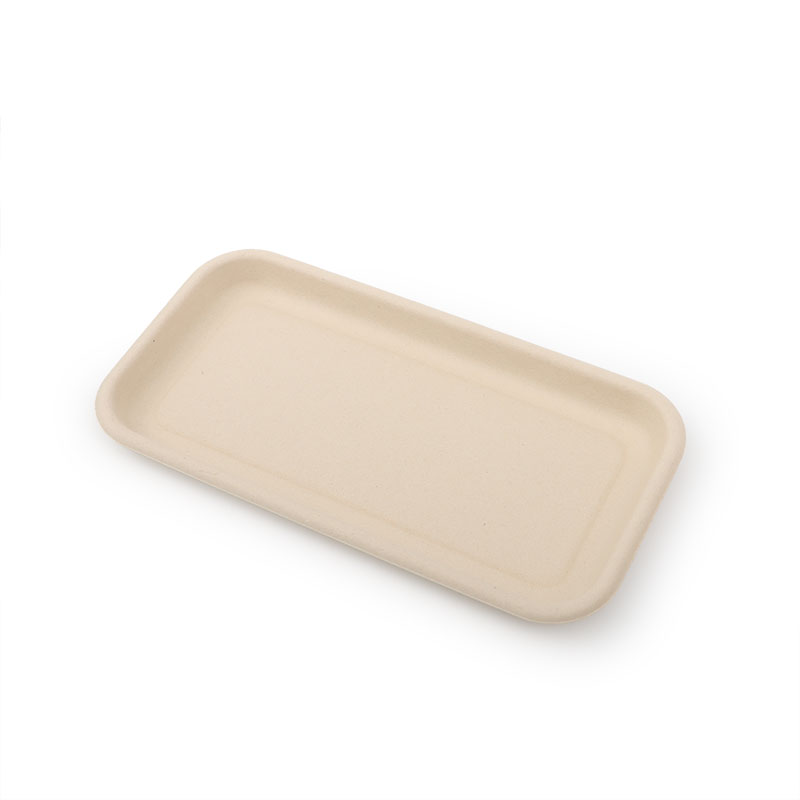 210" * 110"
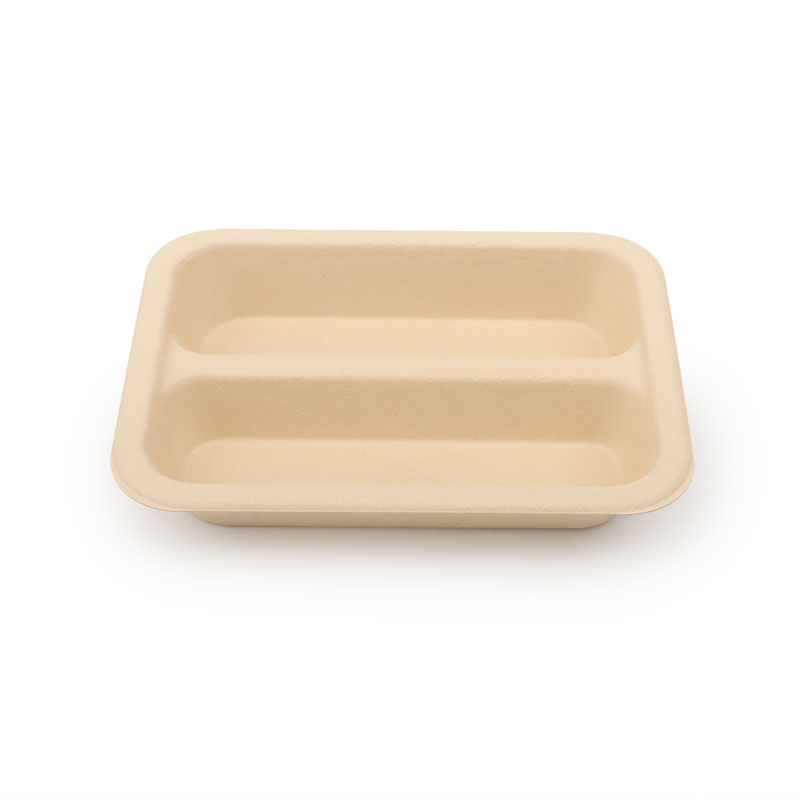 2 Compartments
 Small Round Plate Series
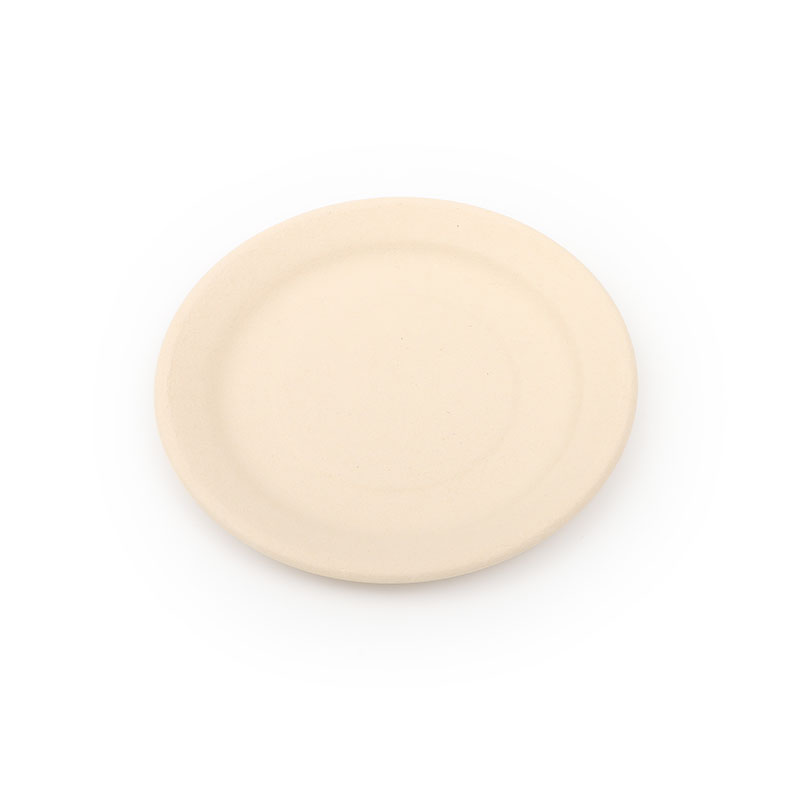 7 inch
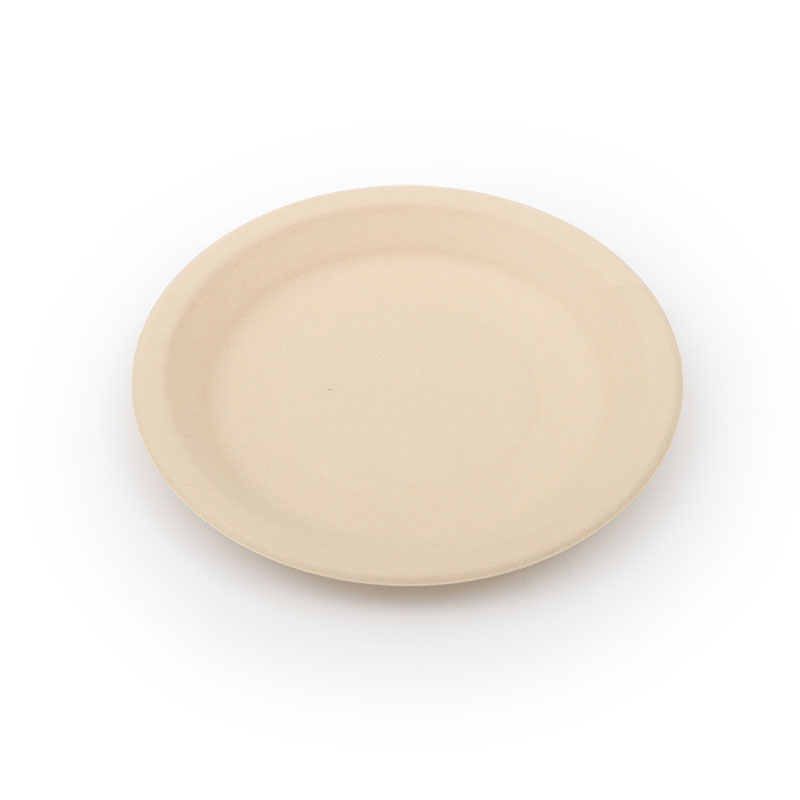 6 inch
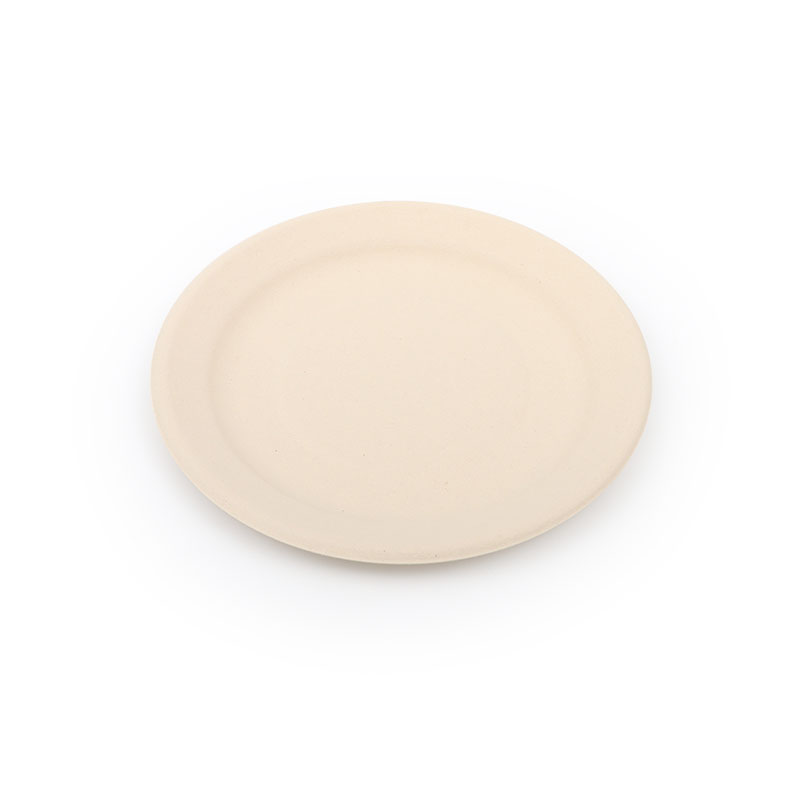 8 inch
 Middle Round Plate Series
 9 Inch 3 Compartments
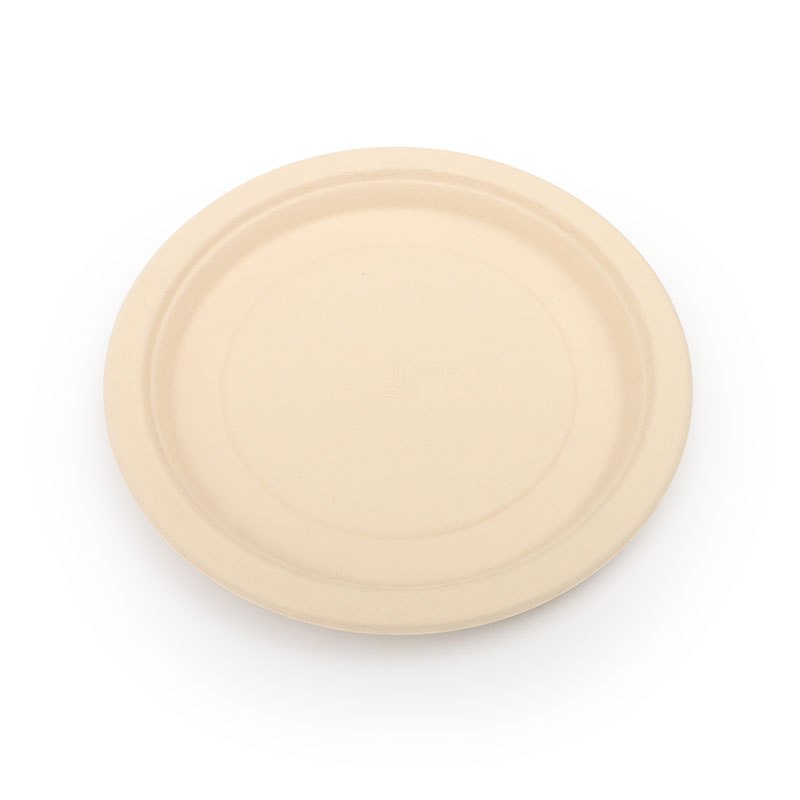 9 inch
 Big Round Plate Series
 12.7 Inch Pizza Plate
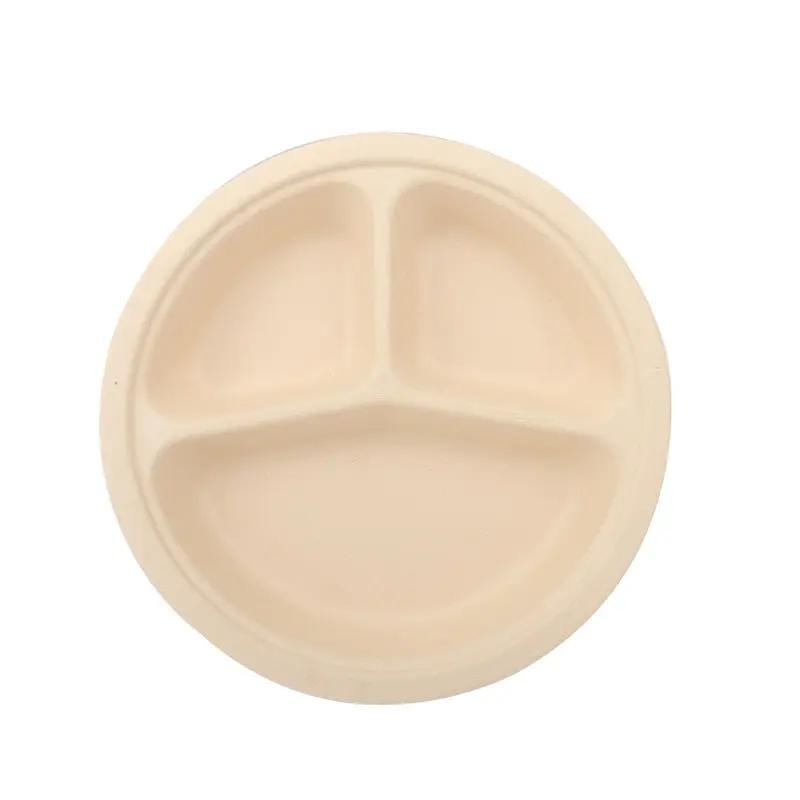 10.25 inch 3 Compartments
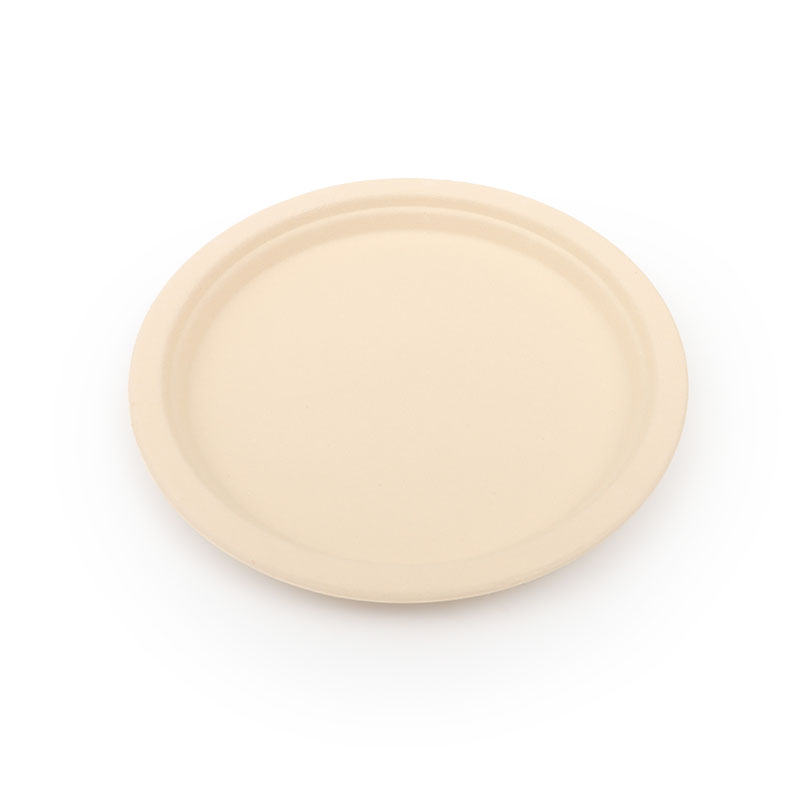 10 inch
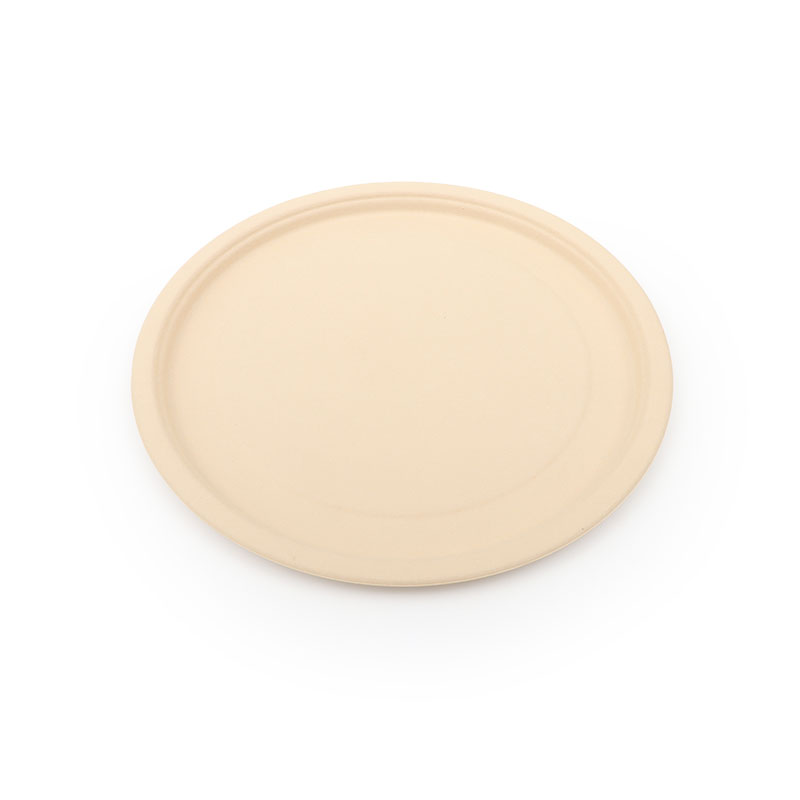 12 inch
 Bigger Bowl
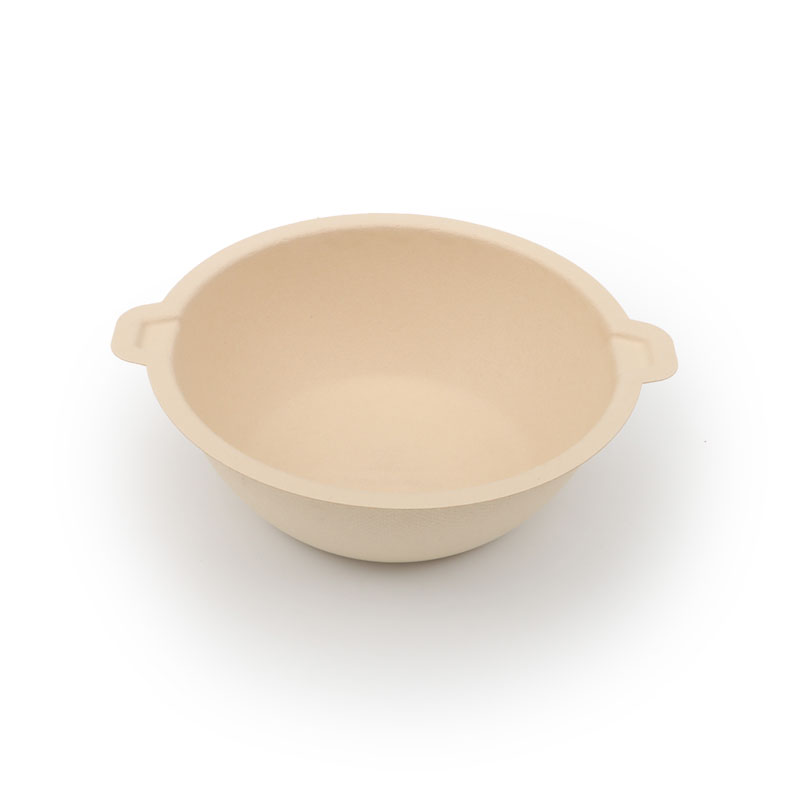 48oz(1420ml)
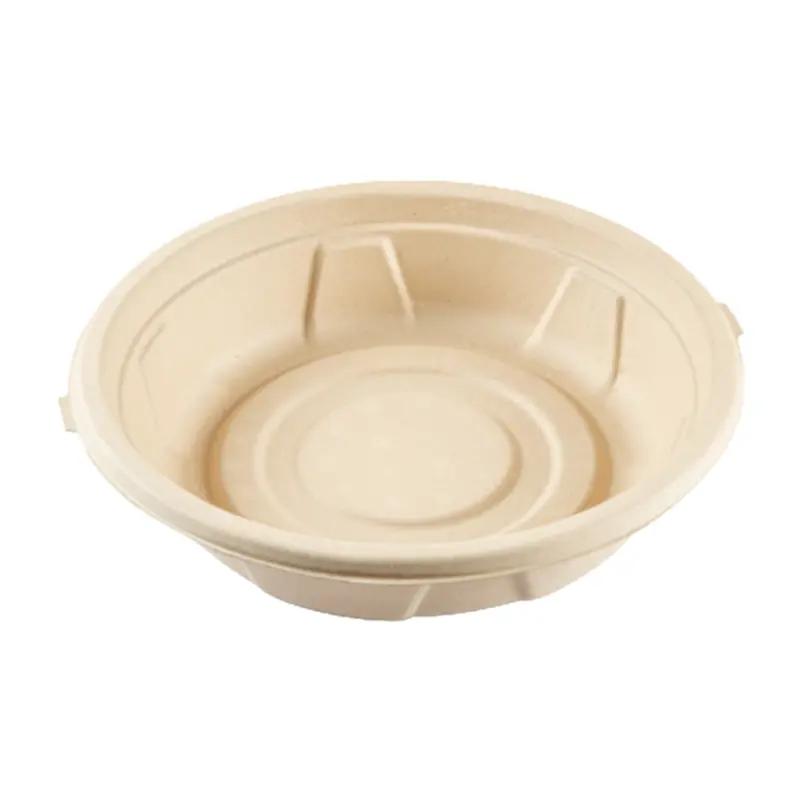 56oz(1650ml)
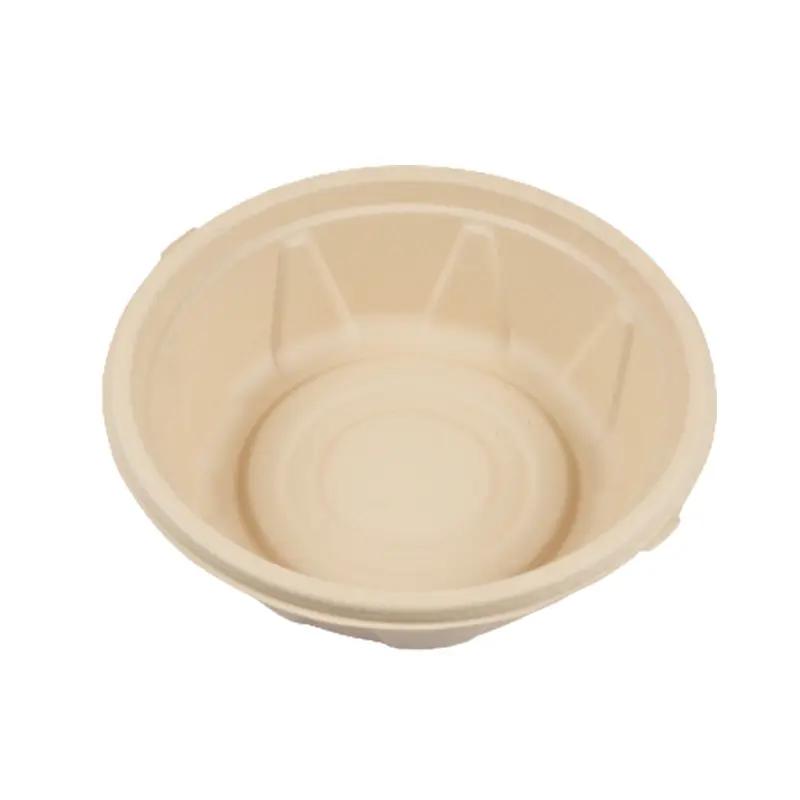 100oz(2950ml)
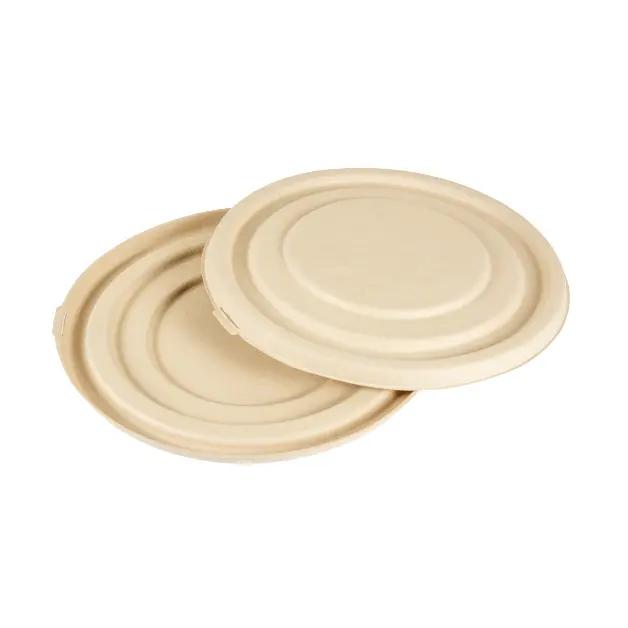 100oz(2950ml) With Lid
 Middle Bowl
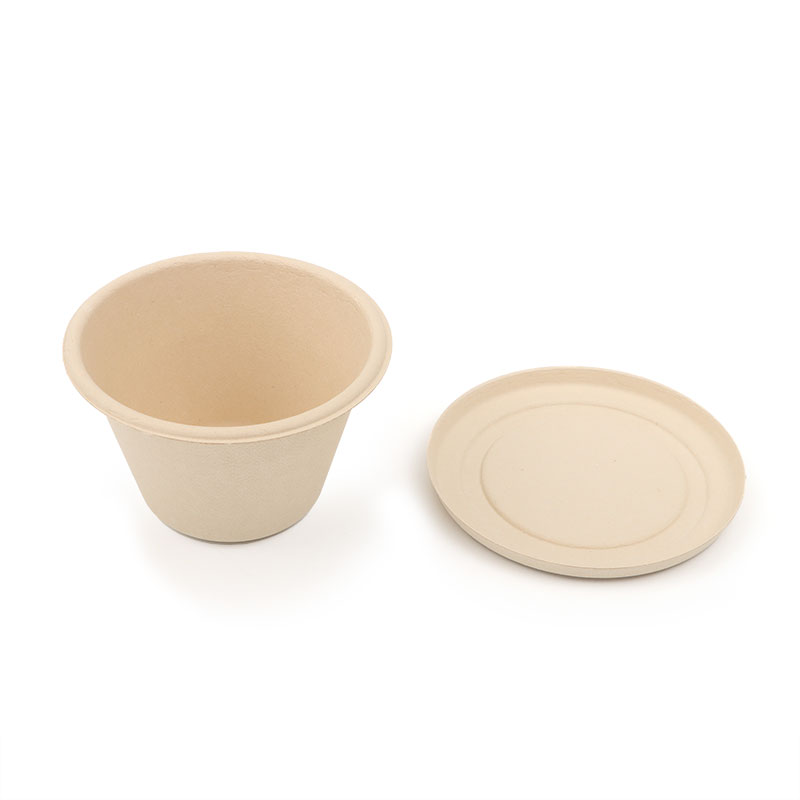 17oz(500ml)
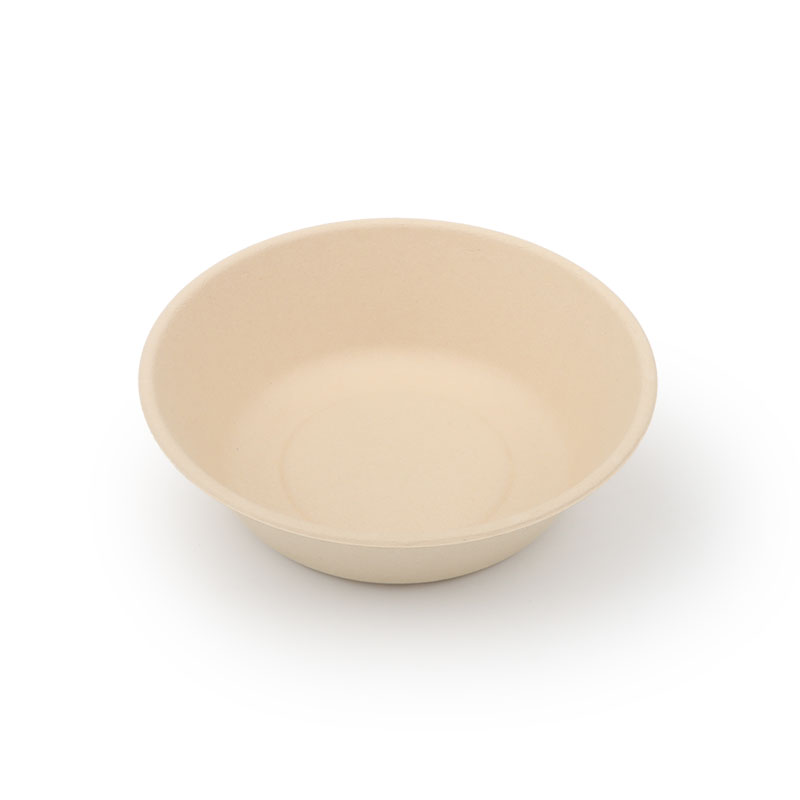 27oz(800ml)
 20oz(600ml)
 29oz(850ml)
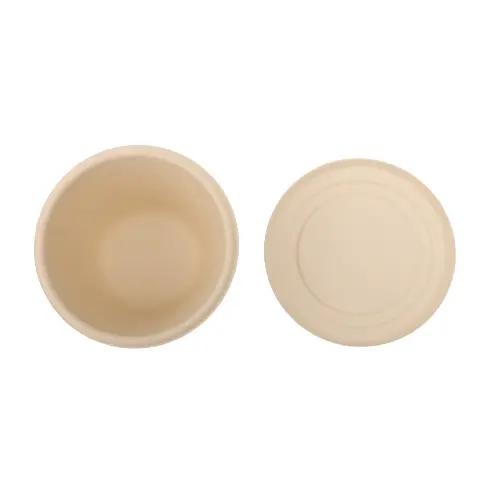 17oz(500ml) With Lid
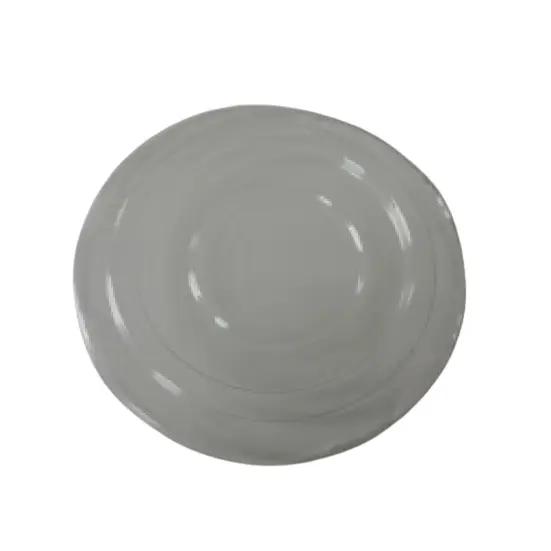 17oz(500ml) PET Lid
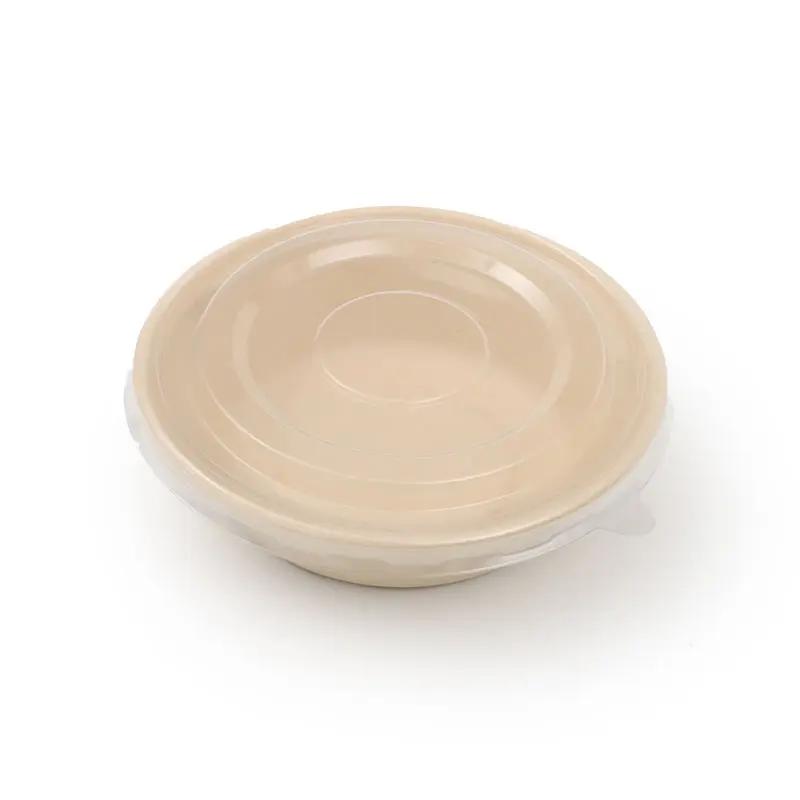 28oz(830ml) PET Lid
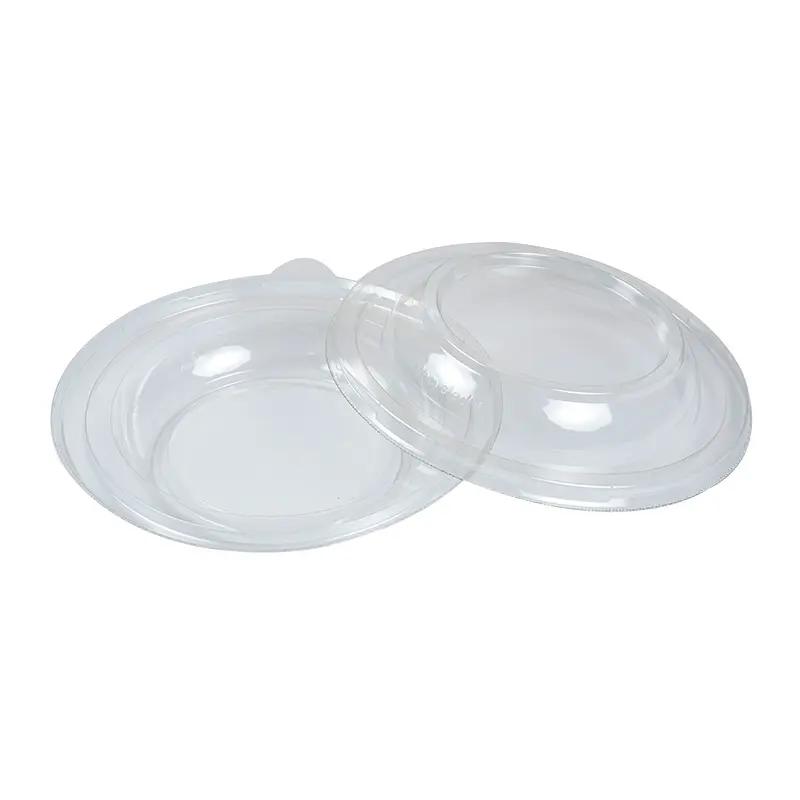 Round Bowl PET
 Small Bowl
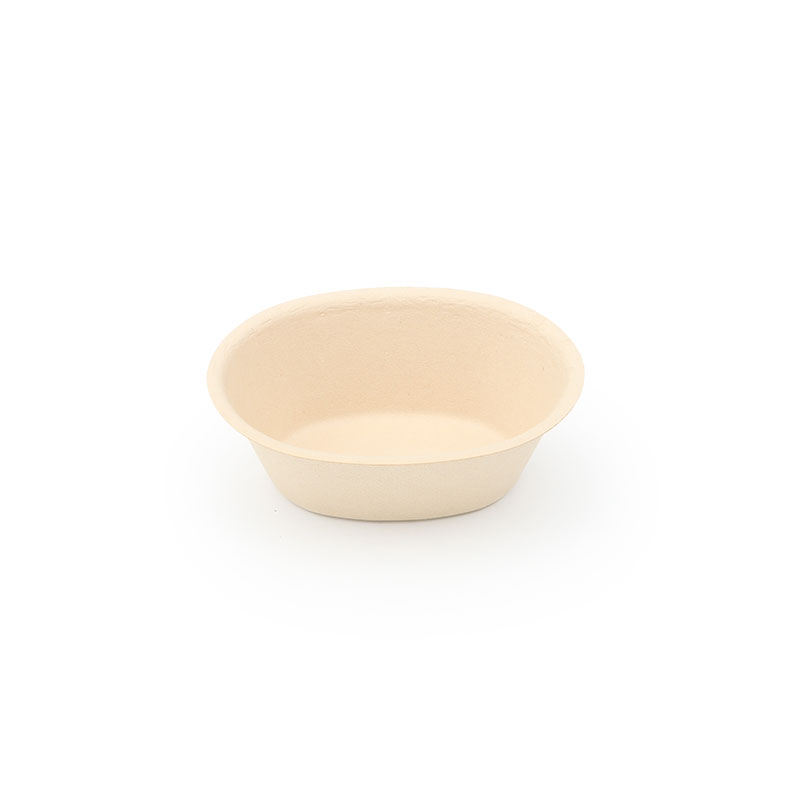 Snack Bowl
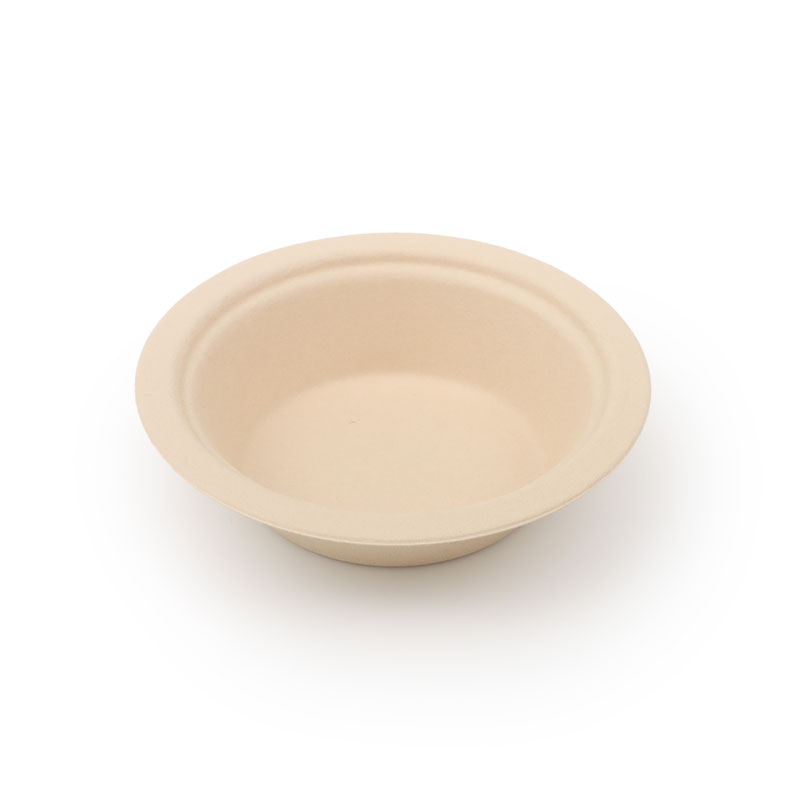 11.5oz(340ml) Bowl
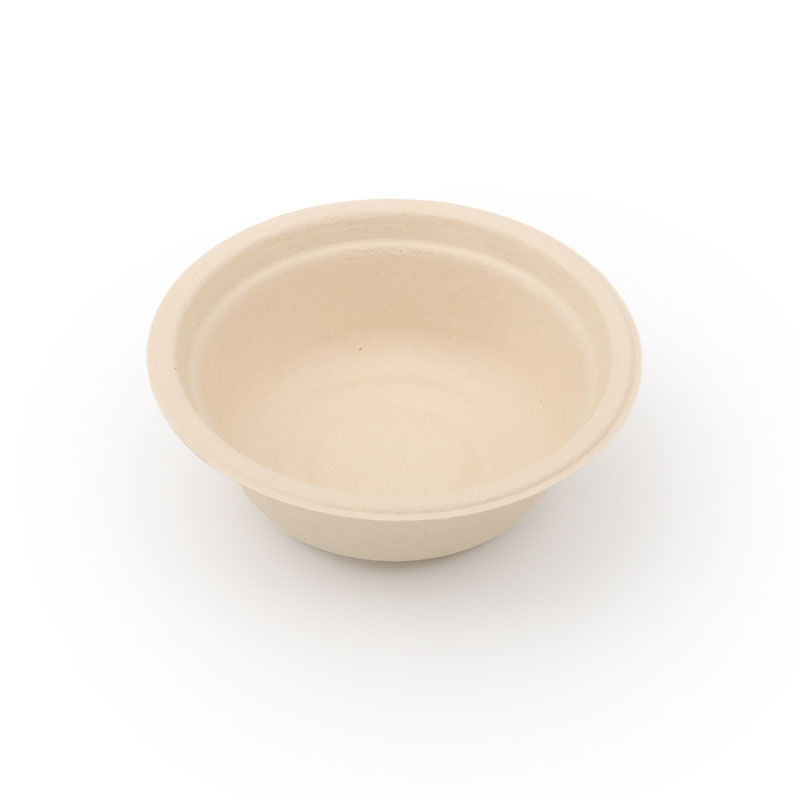 6.7oz(200ml) Bowl
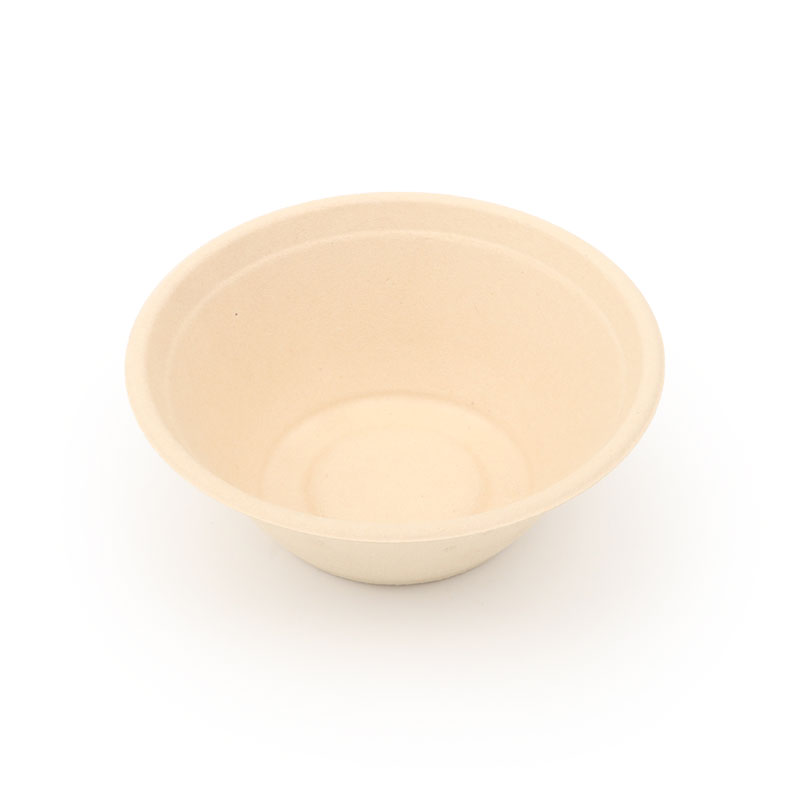 12oz(350ml) Bowl
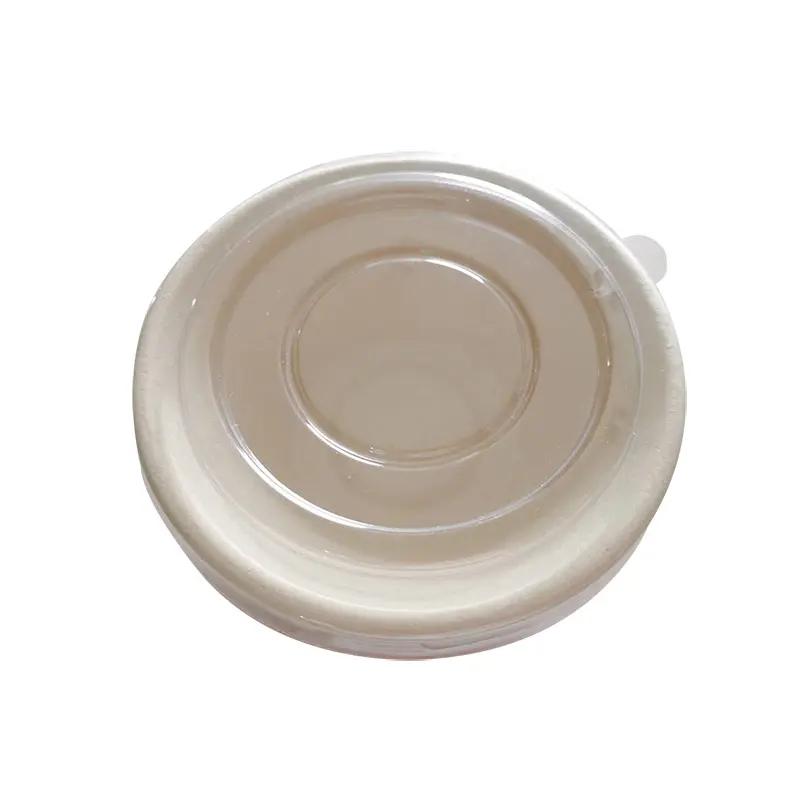 12oz(350ml) Bowl PET
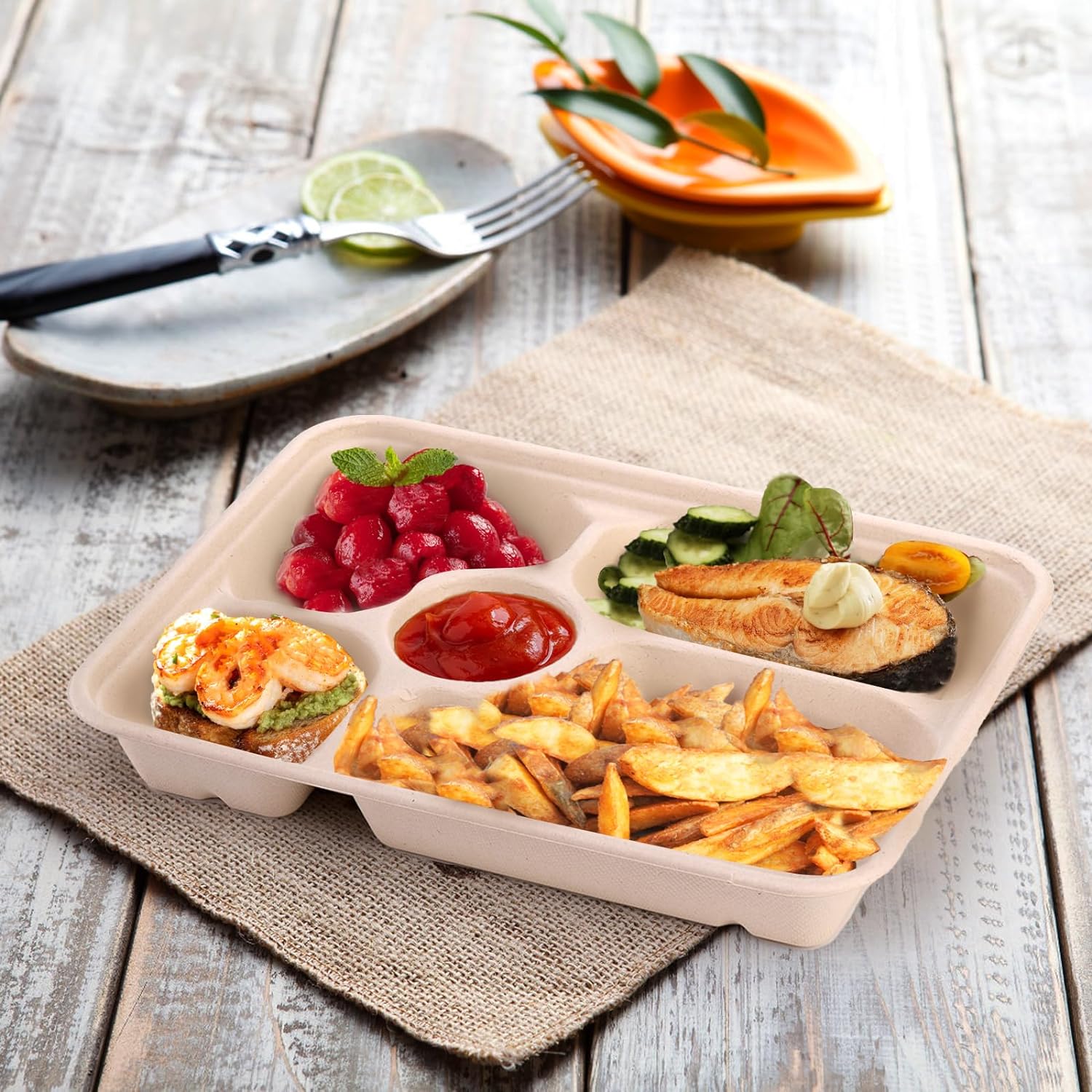 Bagasse Lunch Boxes
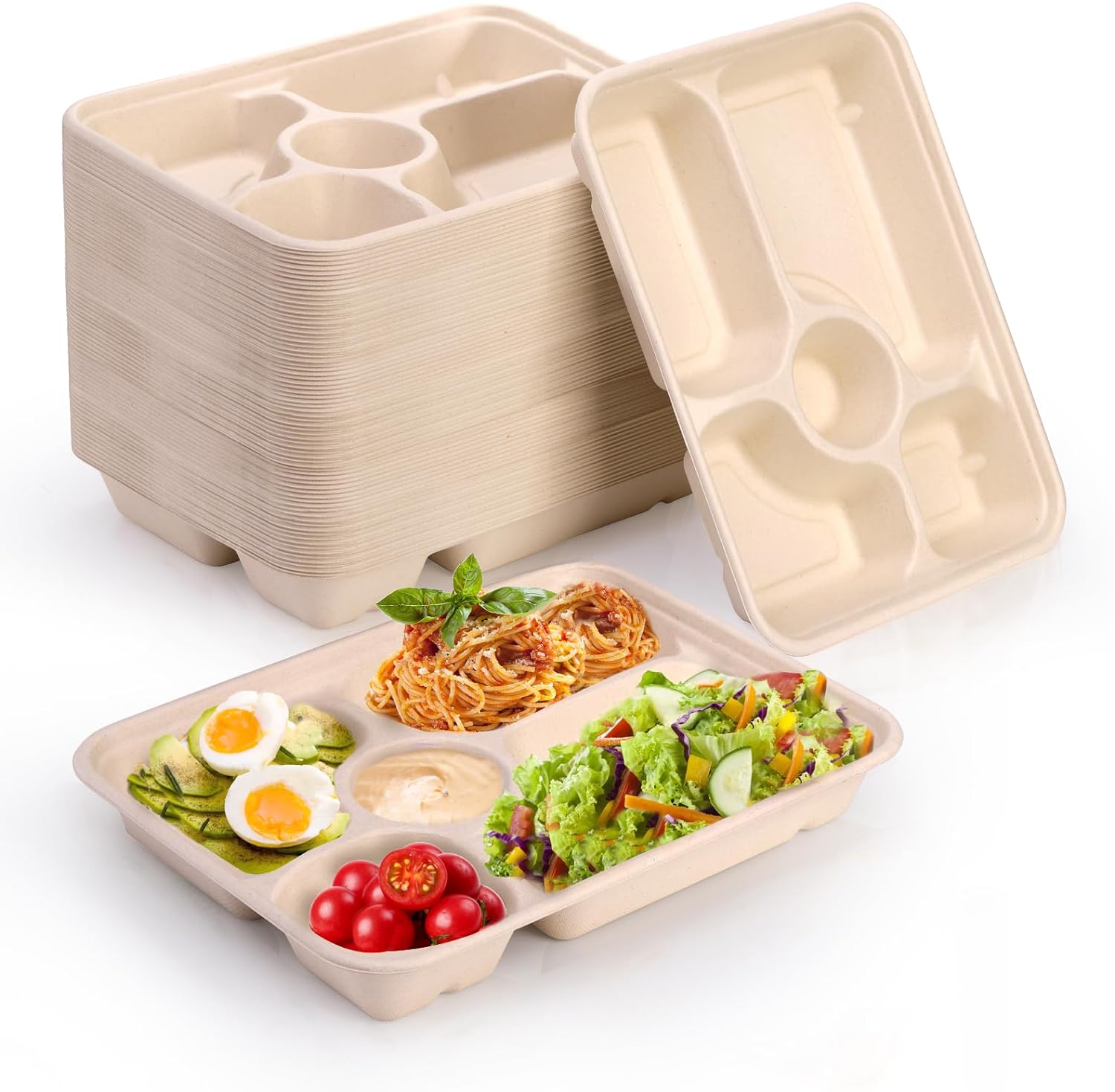 5CP
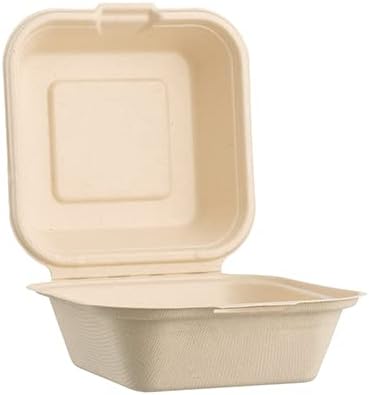 6 inch
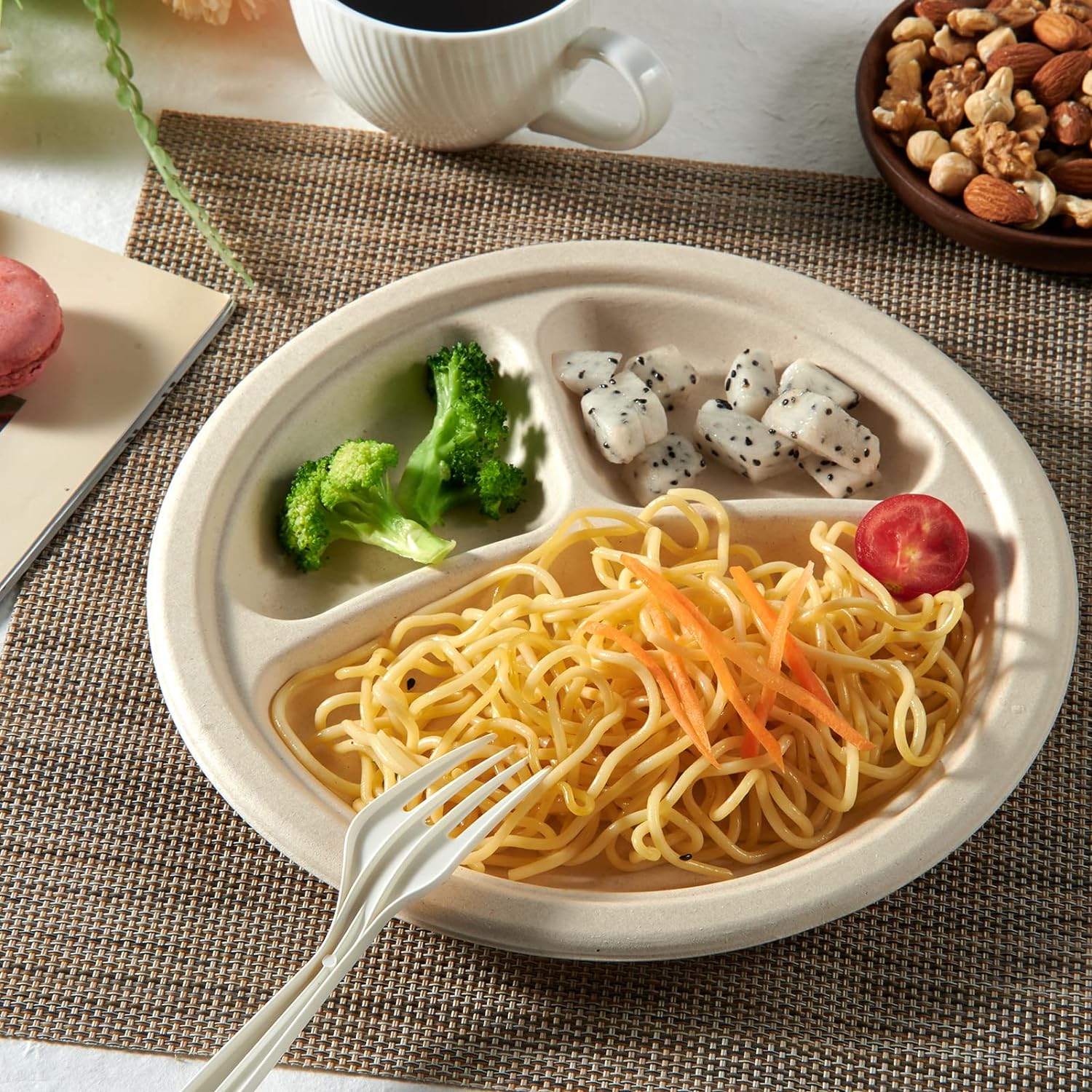 Bagasse Food Plates
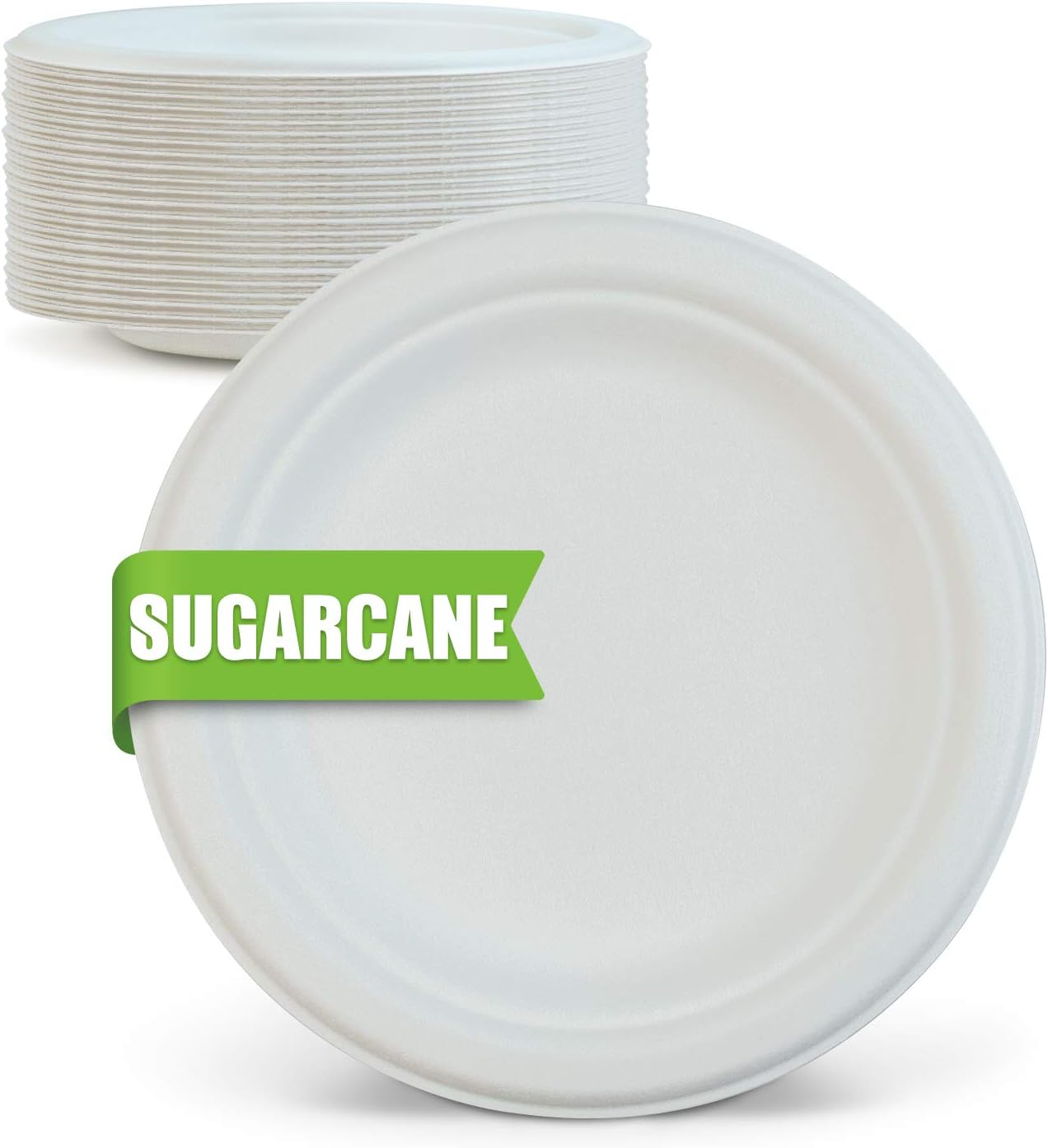 7 inch
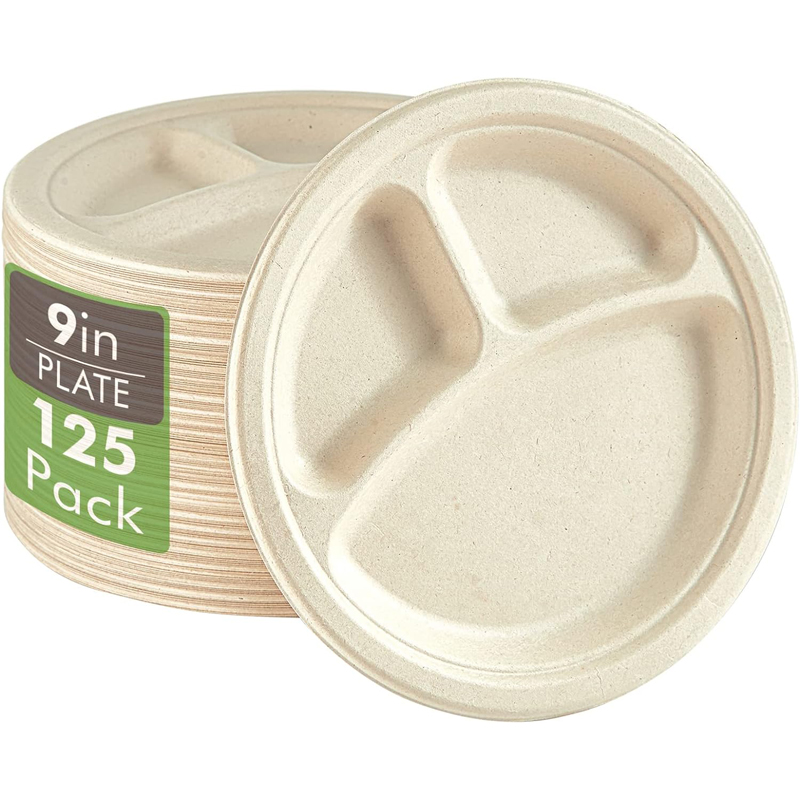 3CP
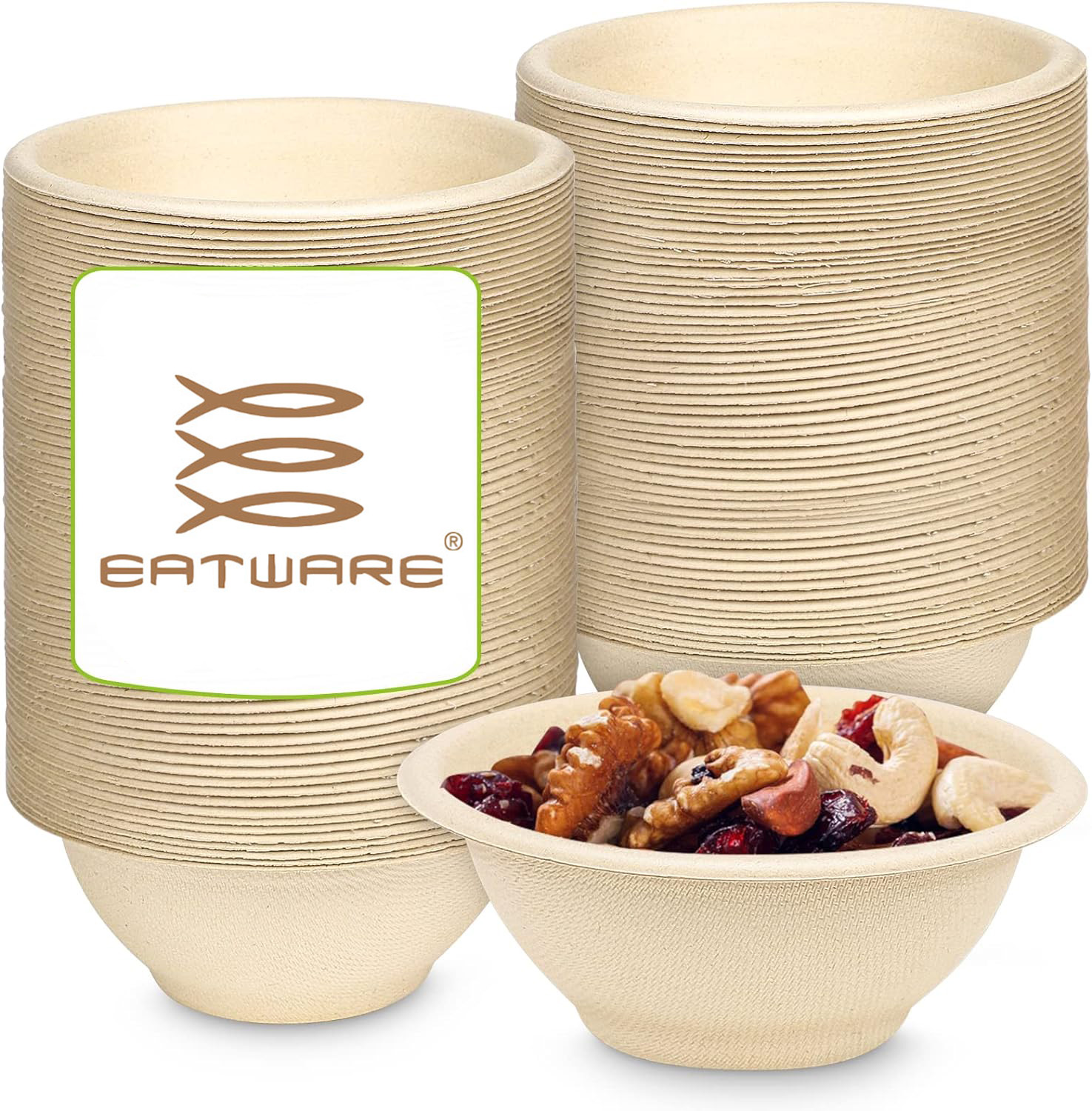 Bagasse Bowls
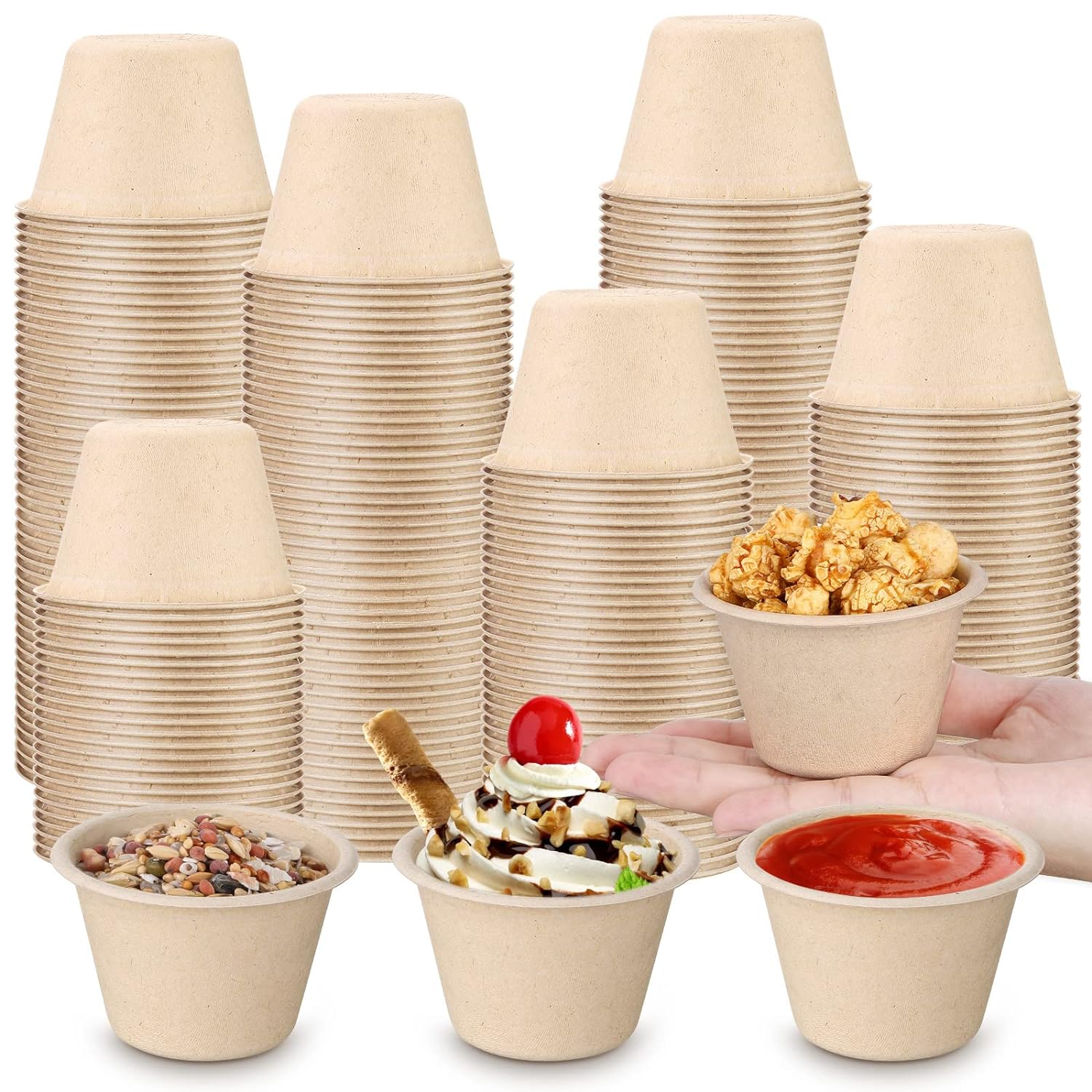 4oz
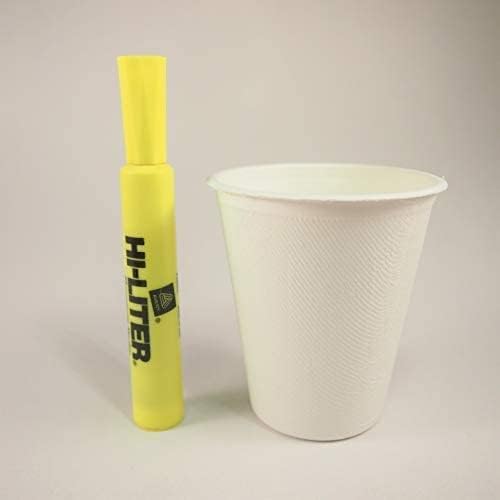 Bagasse Cups And Cutlery
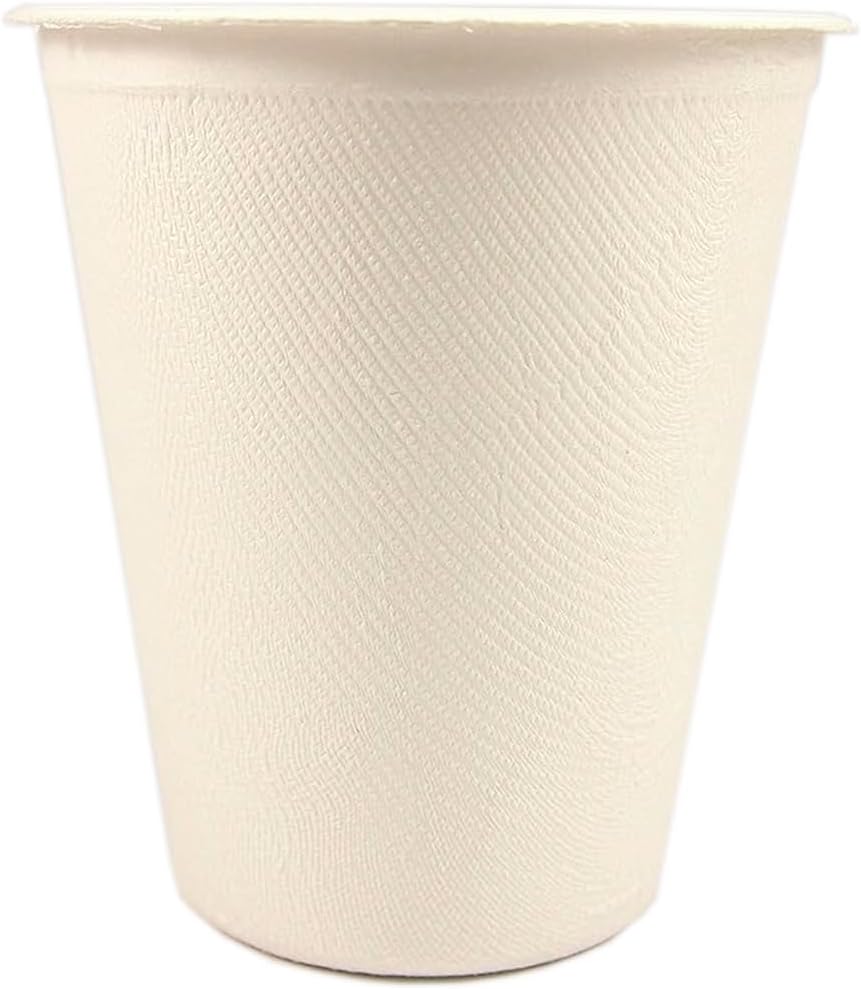 8oz
 12oz
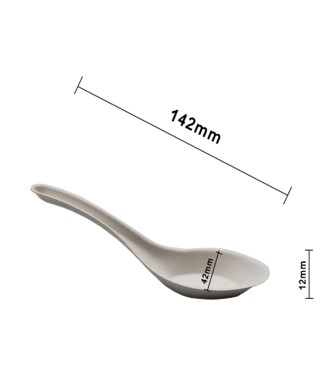 Cutlery




Disposable Biodegradable Tableware: A Technical Guide to Bamboo Pulp Food Packaging
Disposable Biodegradable Tableware: A Technical Guide to Bamboo Pulp Food Packaging

- Material selection: Bamboo pulp provides a renewable cellulose fiber base suitable for molded-fiber packaging.
- Performance: Water and oil resistance depend on fiber structure, density, processing, and barrier formulation.
- Food safety: Products should be evaluated against the food-contact requirements applicable to the destination market.
- Compostability: A bamboo-fiber product should not automatically be described as certified compostable; the complete product system and applicable certification must be verified.
- B2B purchasing: Buyers should evaluate leakage resistance, temperature performance, dimensional consistency, stacking, packaging efficiency, and compliance documentation—not only unit price.
Bamboo pulp tableware is generally produced through a molded-fiber process, in which cellulose fibers are dispersed in water, formed against a mold, dewatered, and dried or hot-pressed into a defined shape. The resulting fiber network provides mechanical strength through fiber entanglement and bonding.
Bamboo contains a high proportion of cellulose, giving processed bamboo pulp the fibrous structure required for molded packaging. Fiber length, refining level, pulp cleanliness, and moisture content affect the final mechanical properties.
For industrial applications, the key objective is not maximum fiber content alone. The formulation must achieve an appropriate balance between fiber bonding, density, rigidity, surface smoothness, and forming stability.
A takeaway lunch box or food tray must resist compression during stacking and transport. Ribbing, corner geometry, wall thickness, flange design, and local reinforcement can increase stiffness without simply adding material.
A well-designed container distributes loads through its walls and base rather than concentrating stress at corners or hinge areas. This is particularly important for delivery packaging, where containers may experience vibration, compression, and repeated handling before consumption.
Untreated cellulose is naturally hydrophilic, meaning it readily interacts with water. Hot soup, sauces, grease, and condensation can reduce fiber stiffness if the packaging is not appropriately engineered.
Manufacturers may improve barrier performance through controlled fiber density, surface treatment, or compatible coatings. Barrier performance must be tested on the finished product, because a coating or additive can change both food-contact characteristics and end-of-life properties.
Typical commercial evaluations include water leakage, oil penetration, dimensional stability, compression strength, and performance after exposure to hot or cold food.
Restaurants and food-delivery businesses typically require containers that maintain shape from filling through transportation.
Bamboo pulp takeaway containers are suitable for applications such as rice meals, noodles, vegetables, fried foods, bakery products, and prepared meals when the selected specification matches the food's temperature, moisture, and fat content.
For high-moisture meals, buyers should request actual leakage test results rather than relying on general claims such as “waterproof.” A container that performs well with dry food may not perform equally well with soup or oily sauces.
Large catering operations prioritize consistency. A small dimensional variation can create problems in automatic stacking, lid fitting, pallet packing, or food presentation.
Procurement teams should assess:
- Dimensional tolerance: Check length, width, height, rim geometry, and lid compatibility across production batches.
- Compression performance: Test filled containers under realistic stacking loads and transport conditions.
- Thermal performance: Evaluate the finished product with the actual food temperature and holding duration expected in operation.
- Oil resistance: Test high-fat foods rather than relying only on water-resistance data.
- Surface quality: Inspect for fiber pull-out, cracks, edge deformation, pinholes, and inconsistent forming.
Retail packaging introduces another requirement: shelf presentation. Containers need sufficient rigidity for filling, labeling, display, refrigeration, and customer handling.
A procurement specification should include product dimensions, weight tolerance, packing quantity, carton dimensions, pallet configuration, lid requirements, and storage conditions. These details can have a measurable effect on logistics cost even when the individual container price appears competitive.
| Evaluation Factor | Conventional PP/PET Food Packaging | Molded Bamboo Pulp Packaging |
| Primary material | Fossil-derived polymer in many common applications | Cellulose-based renewable fiber |
| Structural behavior | Stable and moisture-resistant by material design | Depends strongly on fiber density and forming |
| Water resistance | Generally high | Requires appropriate product engineering |
| Oil resistance | Generally high | Depends on barrier design and application |
| End-of-life pathway | Recycling where accepted and economically viable | Compostability may be possible, but certification and local facilities must be verified |
| Forming flexibility | High | High for plates, trays, bowls, and boxes, within process limits |
| Transport efficiency | Often lightweight and nestable | Can also be highly stackable, depending on geometry |
| Procurement priority | Resin specification, food-contact compliance, cost | Fiber specification, barrier performance, dimensional consistency, compliance, end-of-life claims |
For B2B buyers, the relevant comparison is total packaging performance, not simply material substitution. A lower-cost container that leaks during delivery can create food waste, customer complaints, and operational losses that exceed the initial material saving.
- Define the food profile: Record food temperature, moisture level, oil content, holding time, and expected transport duration.
- Specify performance targets: Establish minimum requirements for leakage, compression, dimensional stability, and lid fit.
- Request compliance documentation: Verify food-contact documentation for the destination market and obtain test reports applicable to the finished product.
- Verify environmental claims: If “compostable” is required, confirm the relevant certification and whether it applies to the complete product, including coatings, additives, and accessories.
- Conduct application testing: Fill production samples with representative food and evaluate them under actual or simulated distribution conditions.
- Audit packaging efficiency: Compare carton volume, stacking quantity, pallet utilization, and shipping weight alongside unit cost.
Bamboo pulp itself is a cellulose-based natural fiber, but the environmental behavior of the finished tableware depends on its complete formulation. Coatings, binders, additives, inks, and attached components can affect biodegradation or compostability. Buyers should request documentation for the complete product rather than relying solely on the raw-material description.
Yes, products can be engineered for hot and oily food, but performance varies by construction. Temperature, exposure time, food composition, wall structure, and barrier treatment all matter. A buyer should conduct application-specific leakage and deformation tests before approving mass production.
They can be, provided the container has adequate rigidity, sealing performance, and moisture resistance for the intended delivery cycle. Long transport times and high-moisture foods require more demanding specifications than short-duration takeaway applications.
Ask for material specifications, product weight and dimensions, manufacturing tolerances, food-contact compliance documents, barrier-performance test results, environmental certifications where applicable, production capacity, quality-control procedures, and sample performance under the intended food conditions.
Bamboo pulp tableware is best evaluated as an engineered food-packaging system rather than simply as an “eco-friendly” alternative. Fiber quality, structural design, barrier performance, food-contact compliance, dimensional consistency, and verified end-of-life claims determine whether a disposable product is commercially suitable.
For supermarkets, hotels, restaurants, caterers, and food-delivery businesses, the most efficient sourcing process starts with a defined application specification and representative product testing. Manufacturers should be able to provide samples, technical documentation, and customization options covering dimensions, weight, packaging, and barrier requirements.
For a new packaging project, request samples based on your actual food profile and compare leakage, rigidity, thermal performance, stacking, and logistics efficiency before final supplier approval.