
 Box With T buckle
 700ml Square Lunch Box
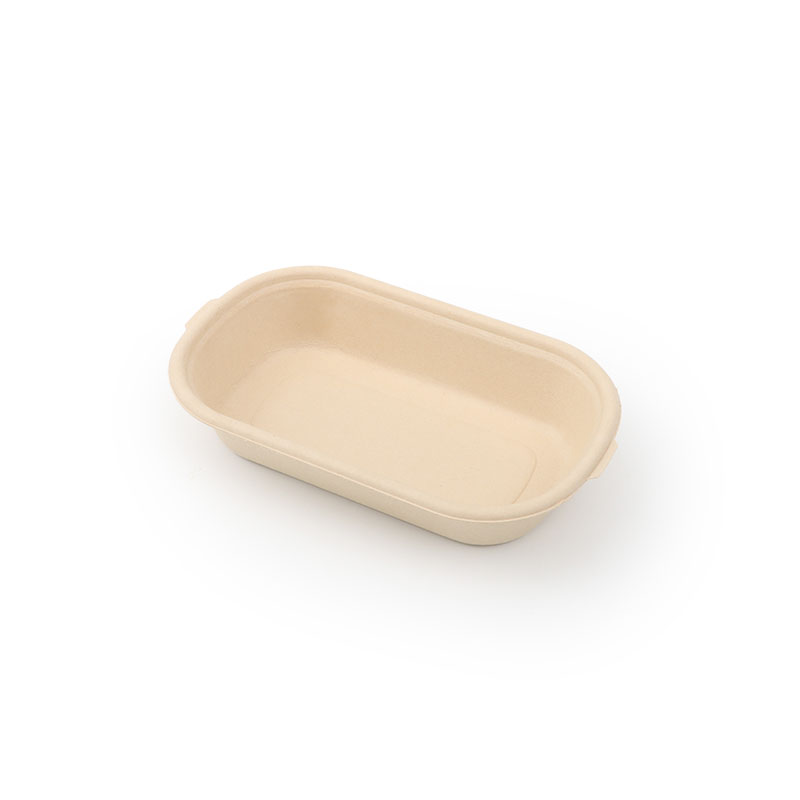 500ml
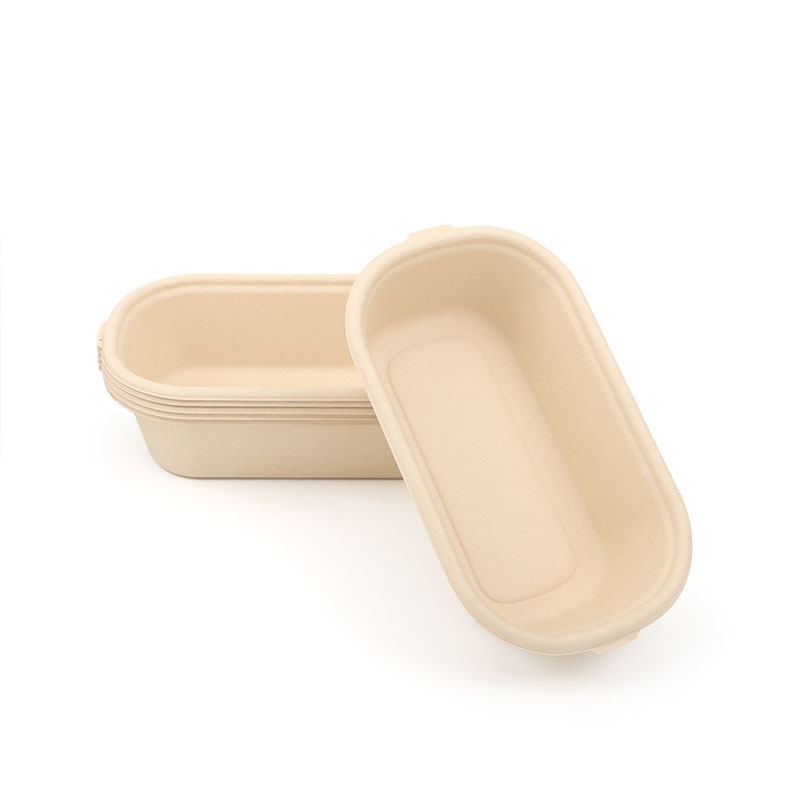 700ml
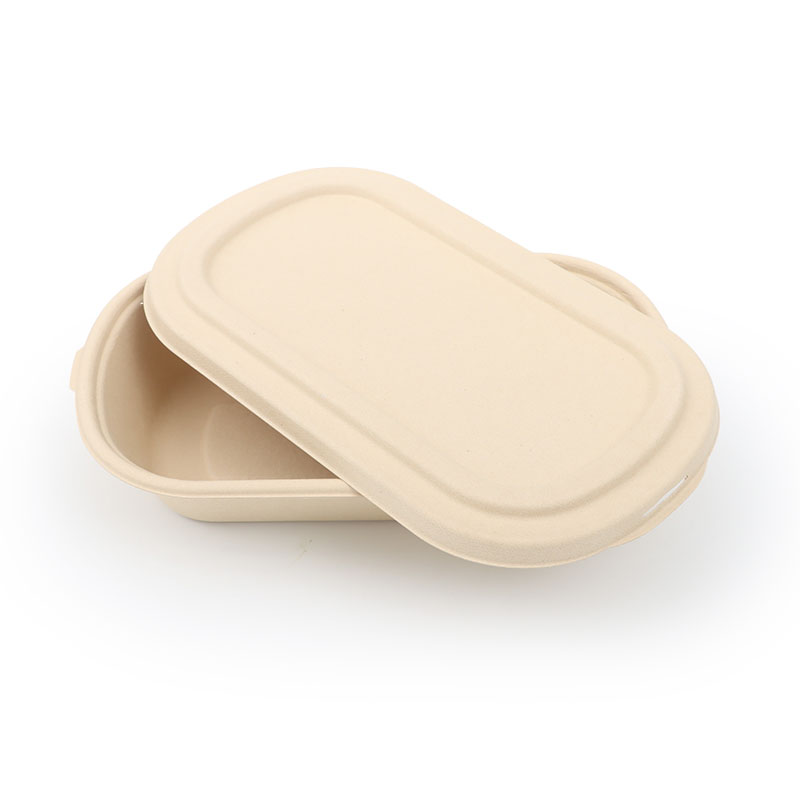 850ml
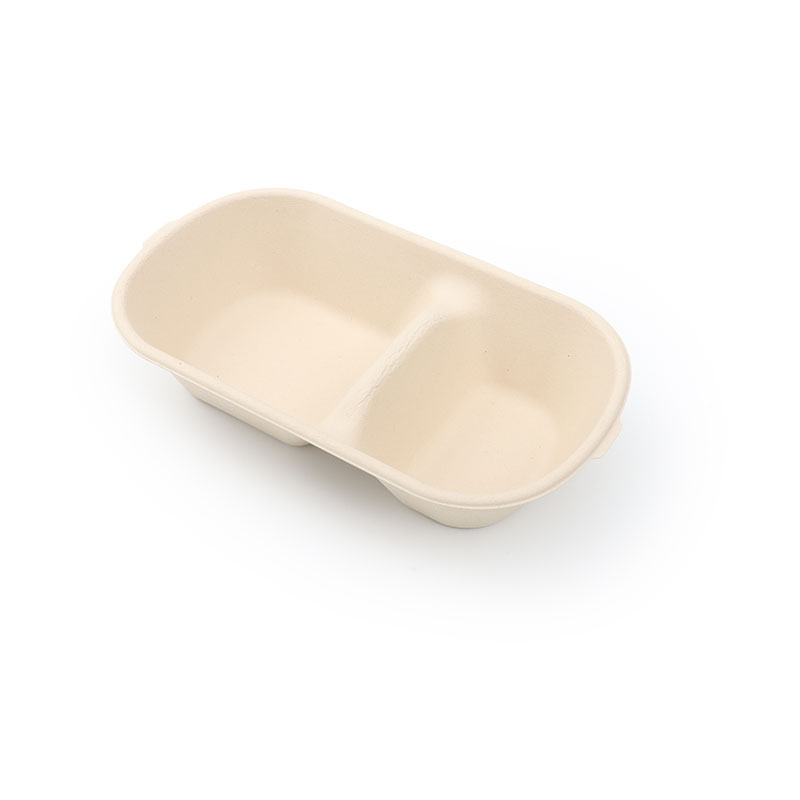 800ml 2 Compartments
 1000ml 2 Compartments
 1100ml
 1000ml Square Lunch Box
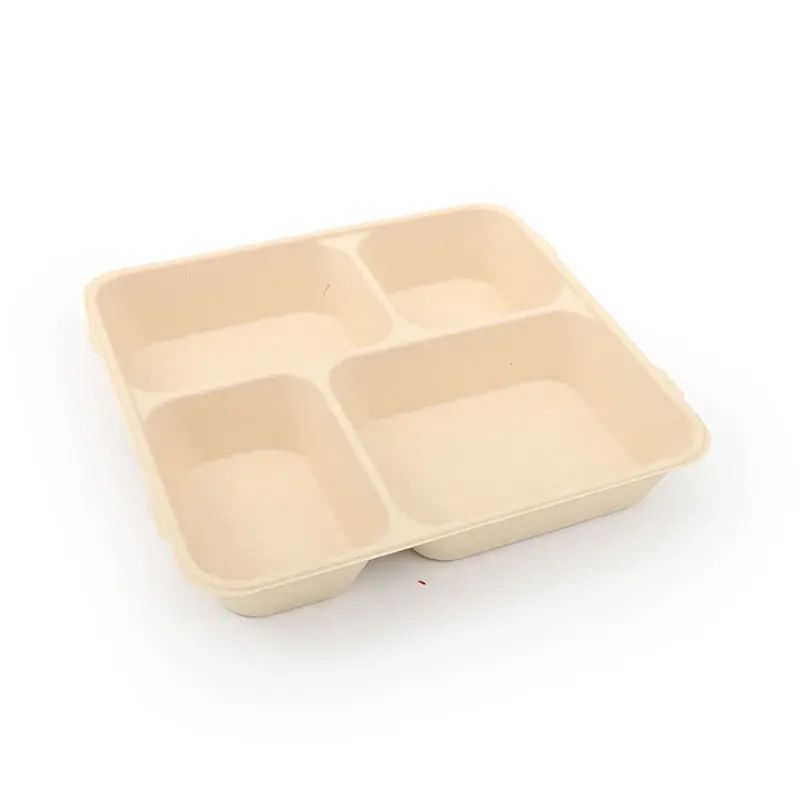 1340ml 4 Compartments
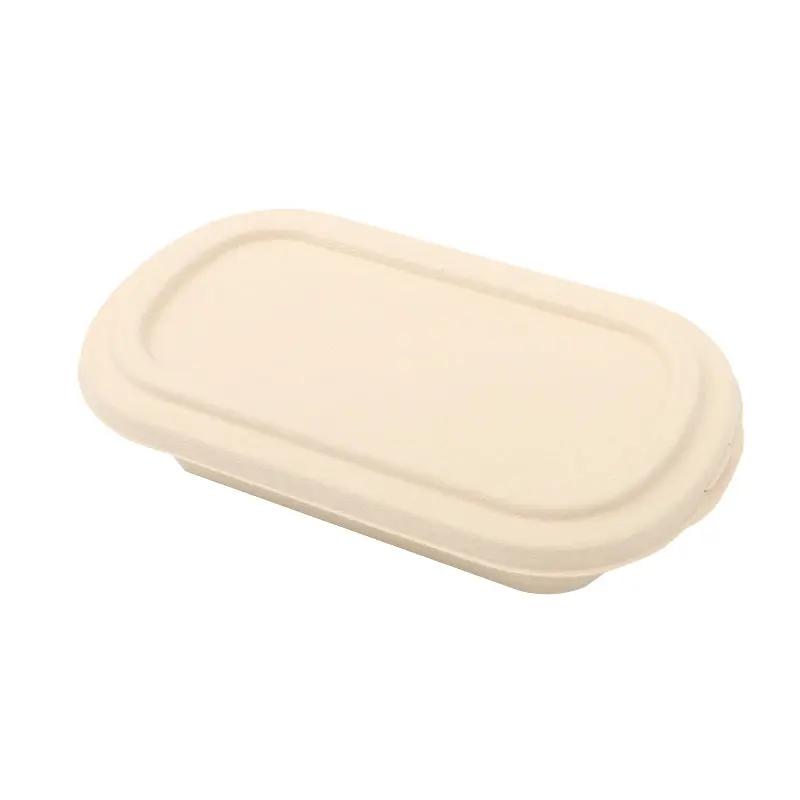 Lunch Box Lid
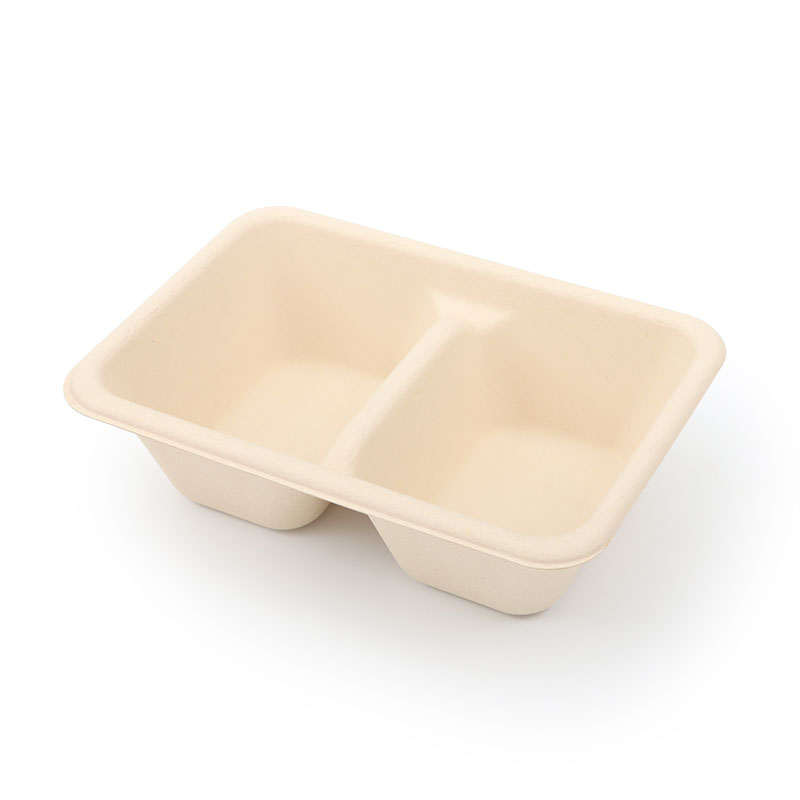 650ml
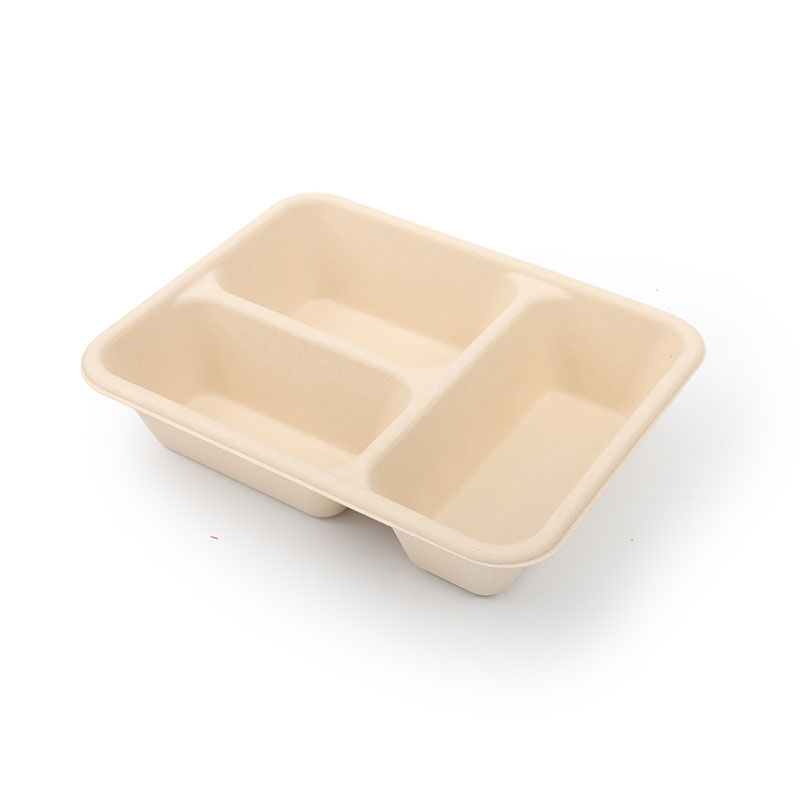 1000ml 3 Compartments
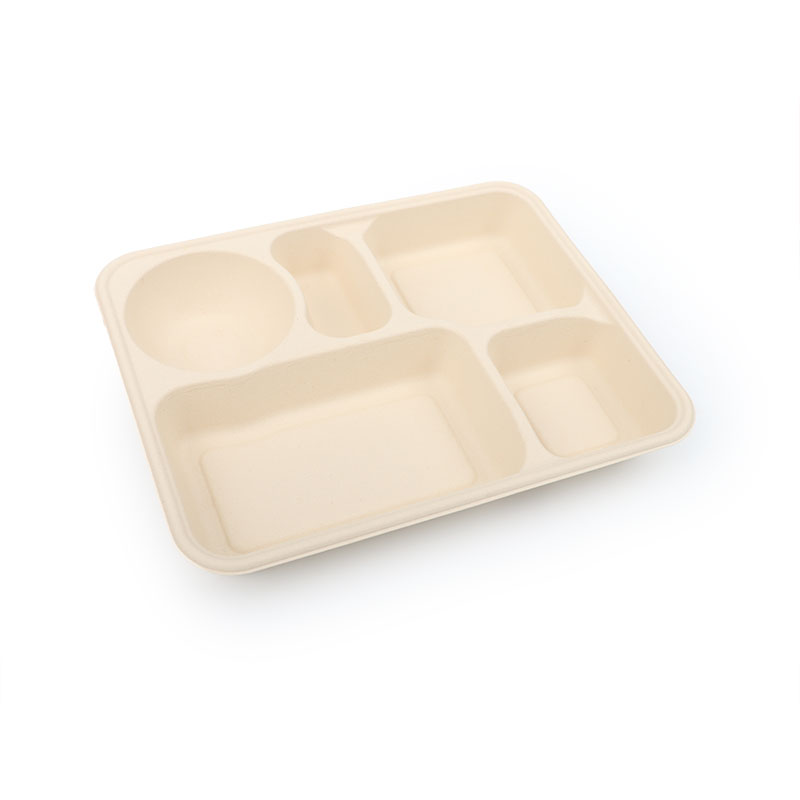 1250ml 5 Compartments
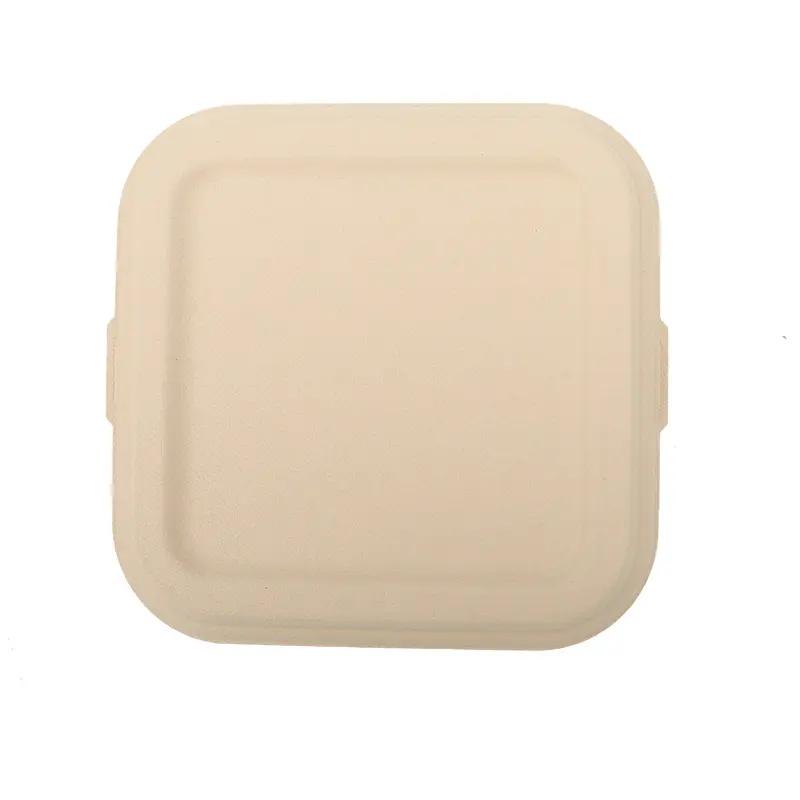 Square Lunch Box Lid
 Box Without T buckle
 850ml Salad Box
 700ml
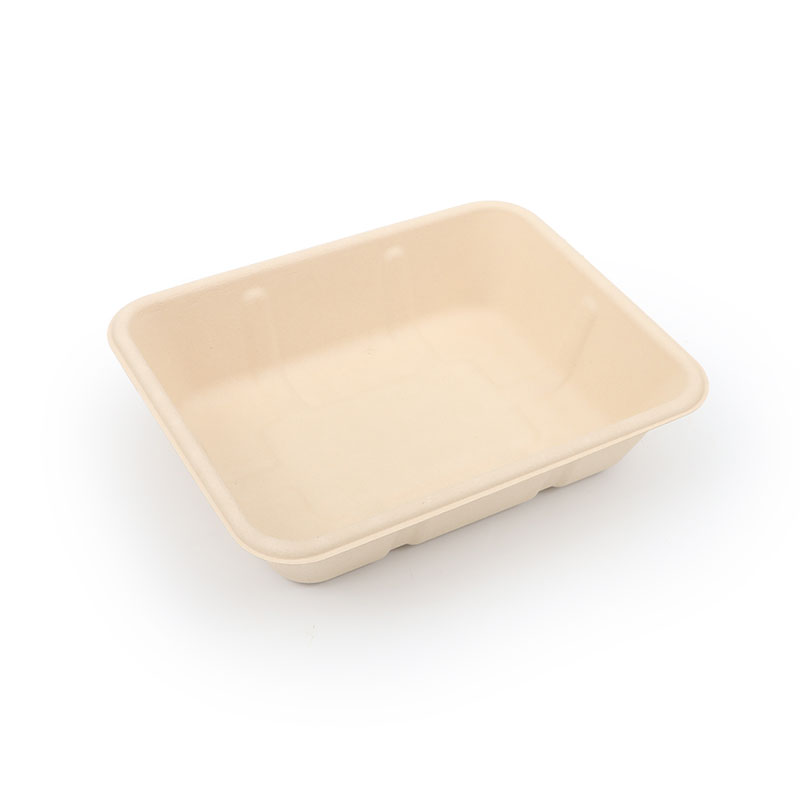 1350ml
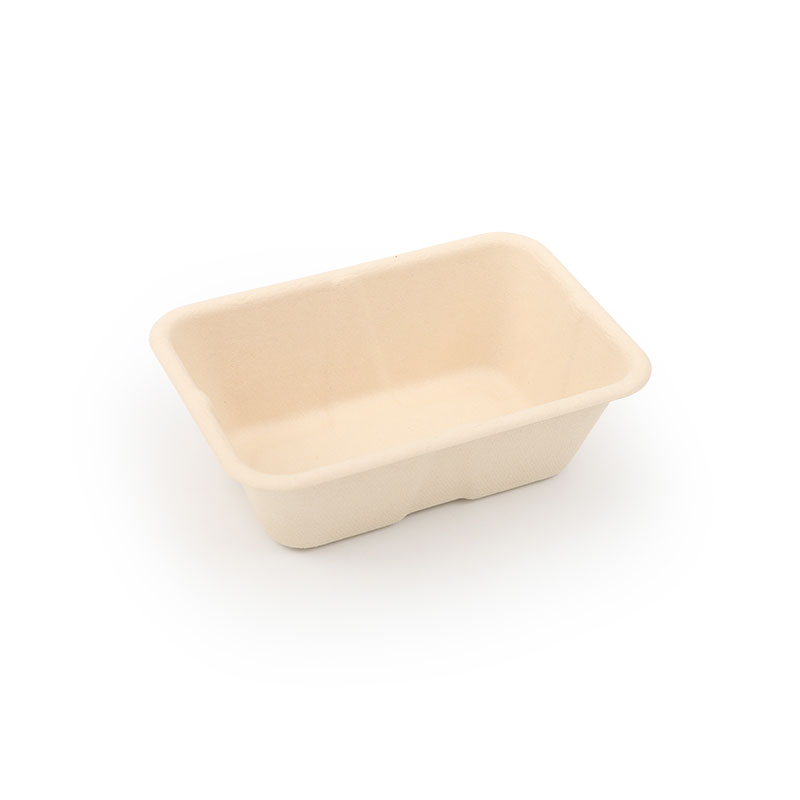 470ml
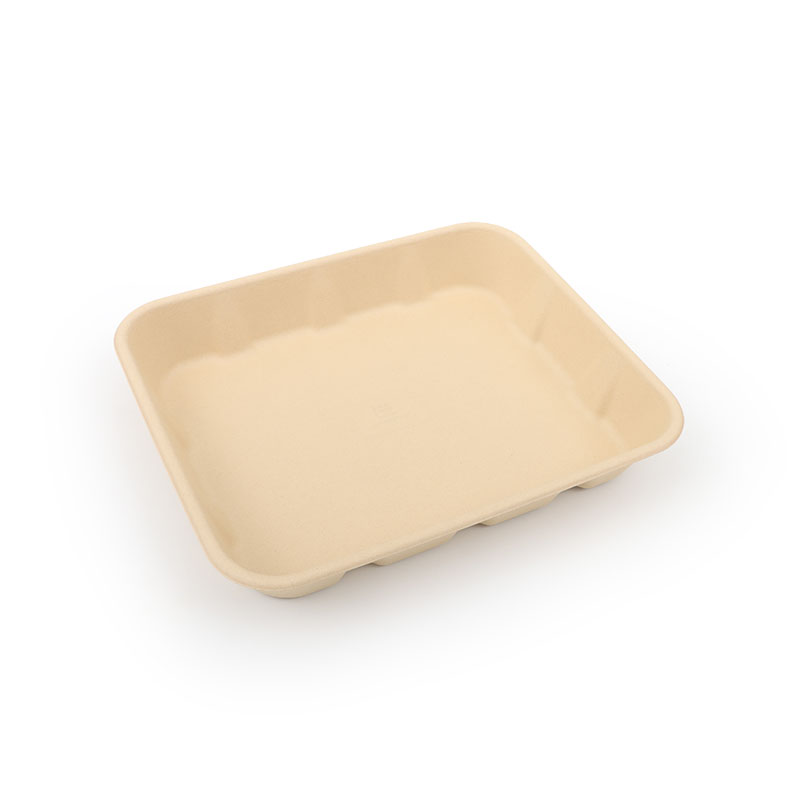 2183ml Tray Box
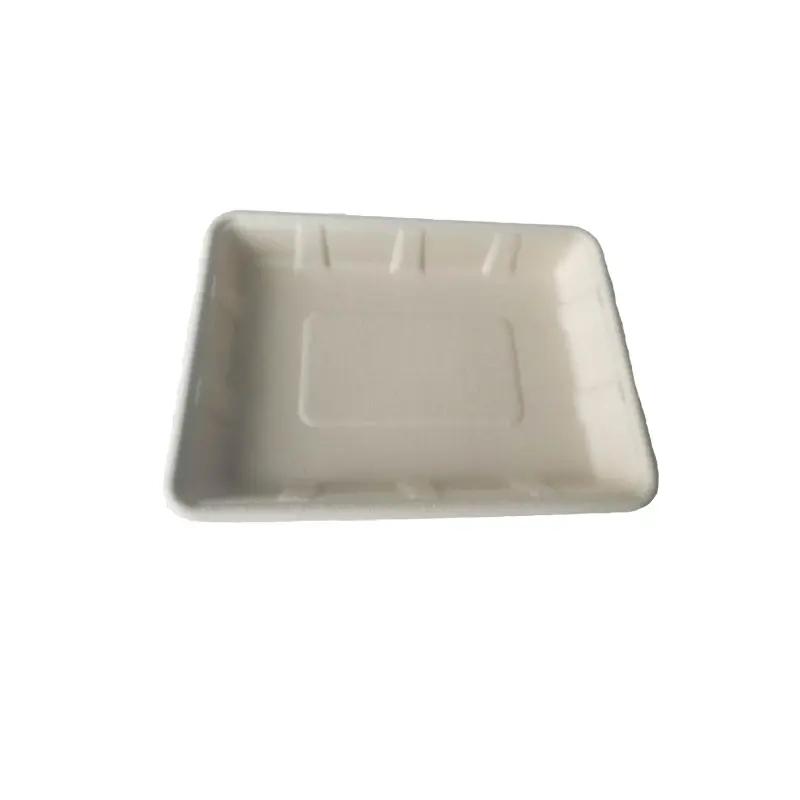 11" * 9"
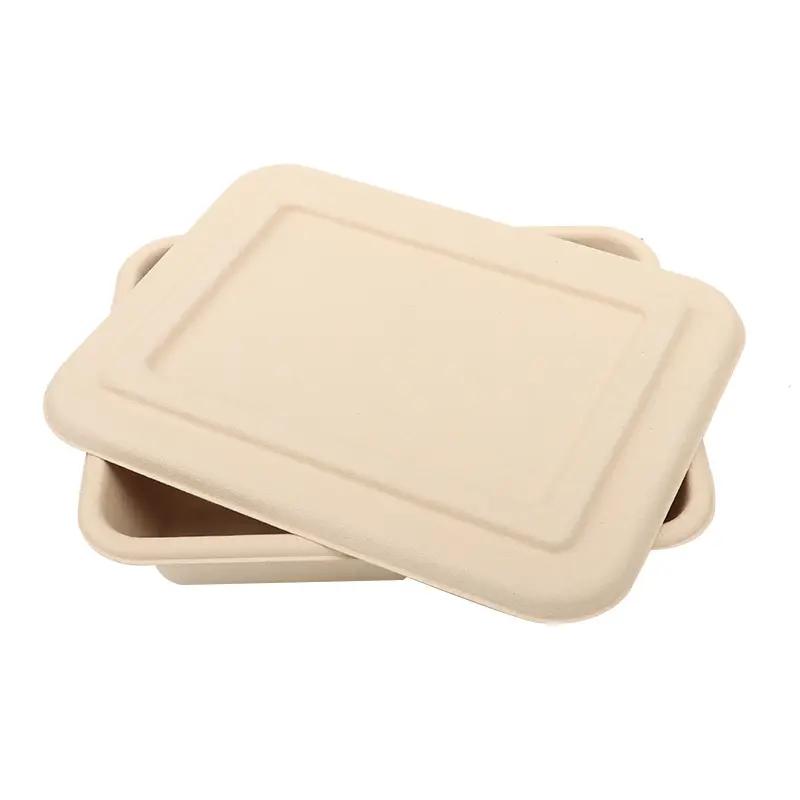 800ml
 One Part Box
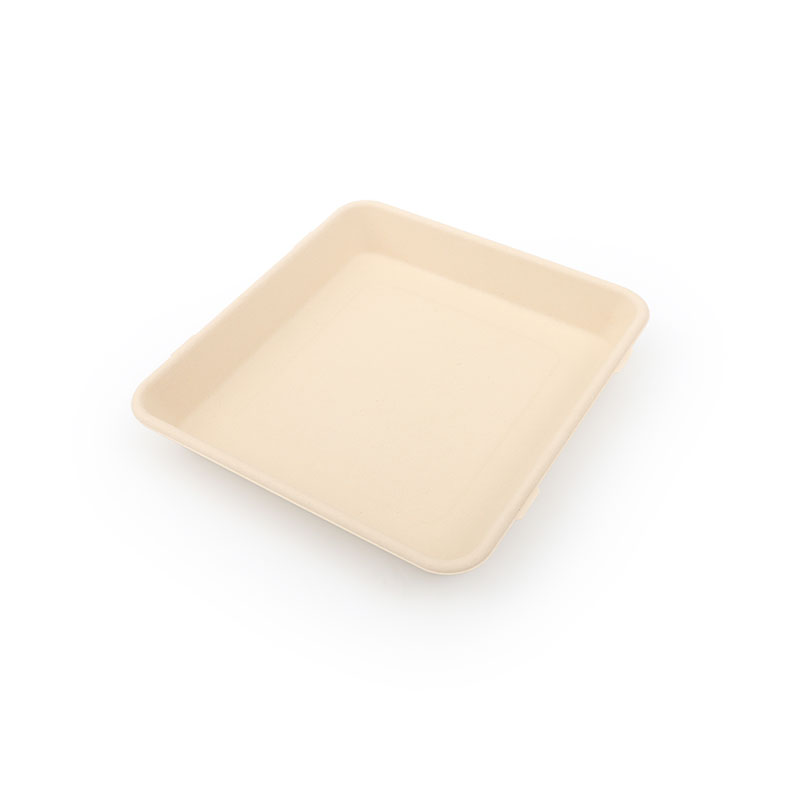 1443ml Tray Box
 Cake Bread Snack Tray Series
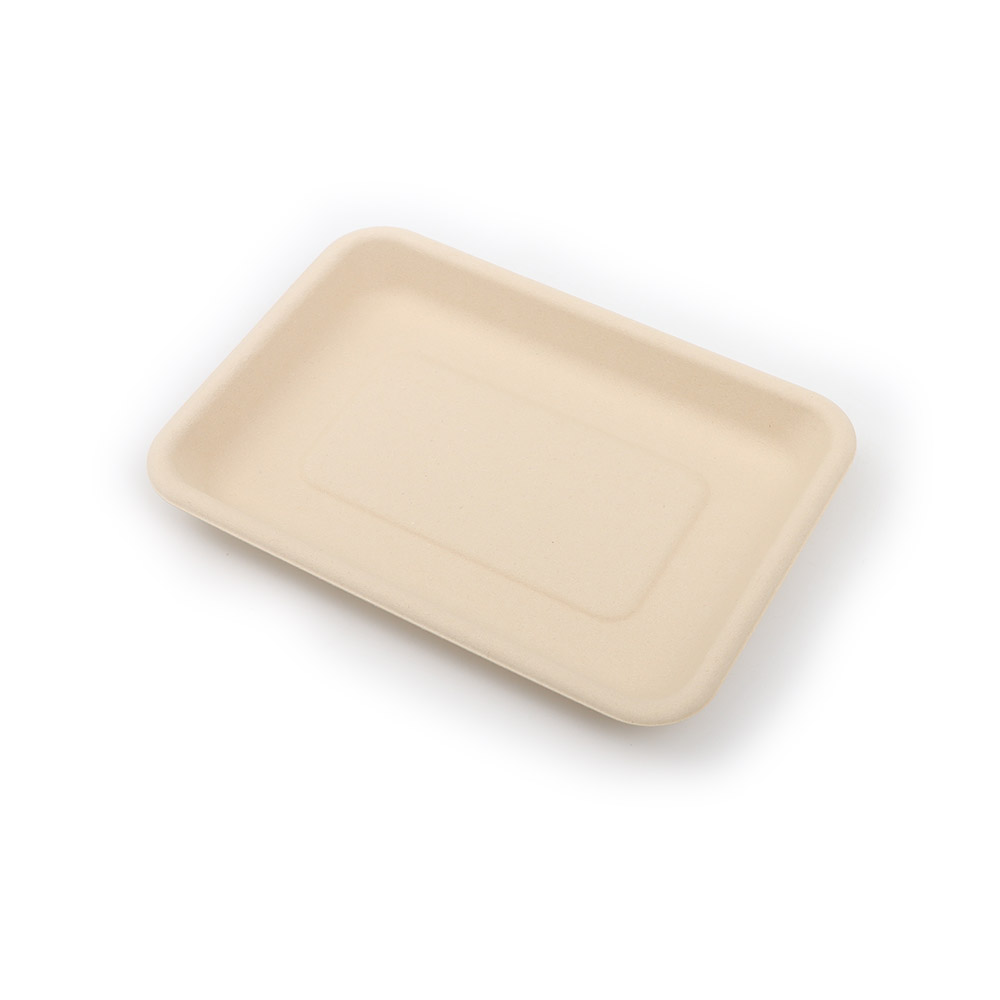 5" * 7" natural color
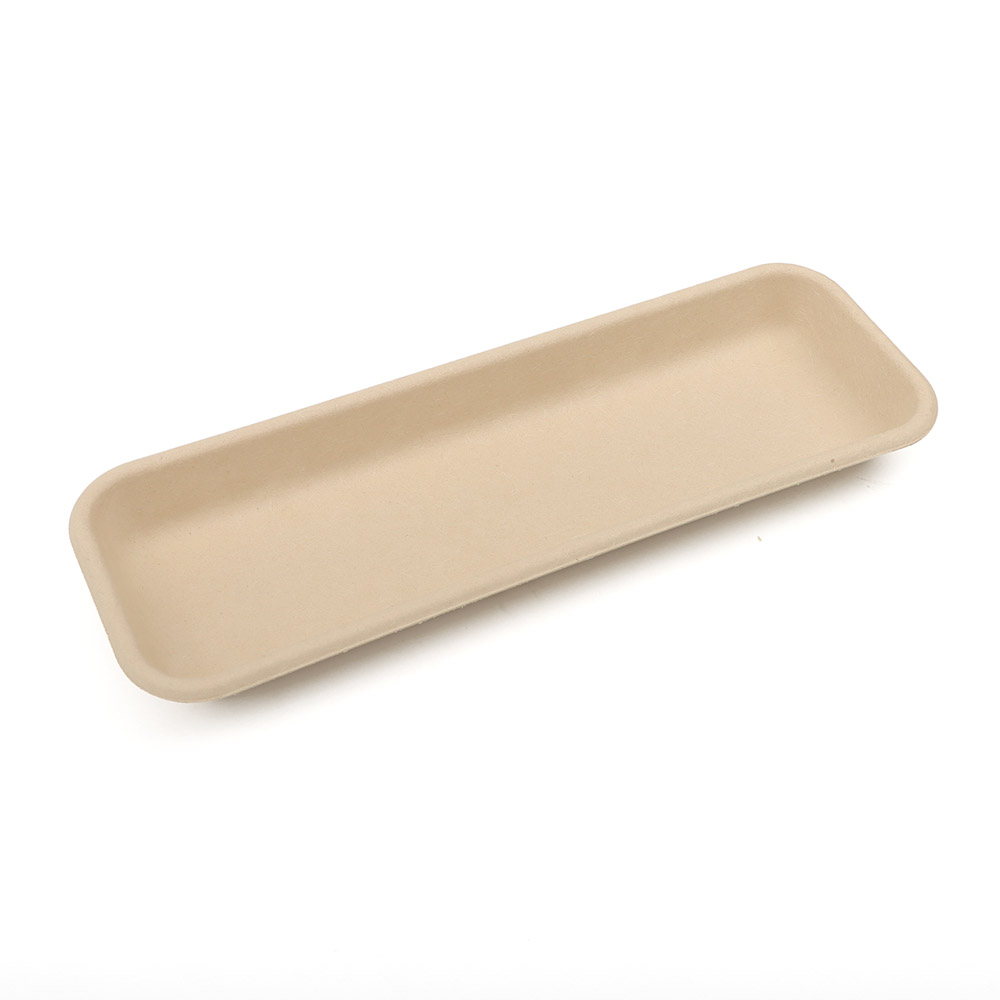 11.4" * 3.9"
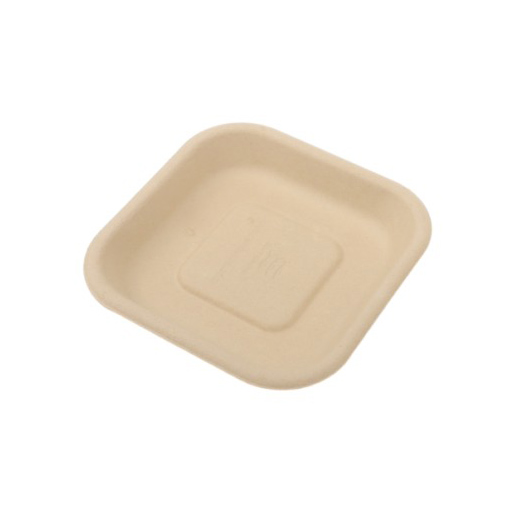 5.3" * 5.3"
 Fruit And Vegetable Tray Series
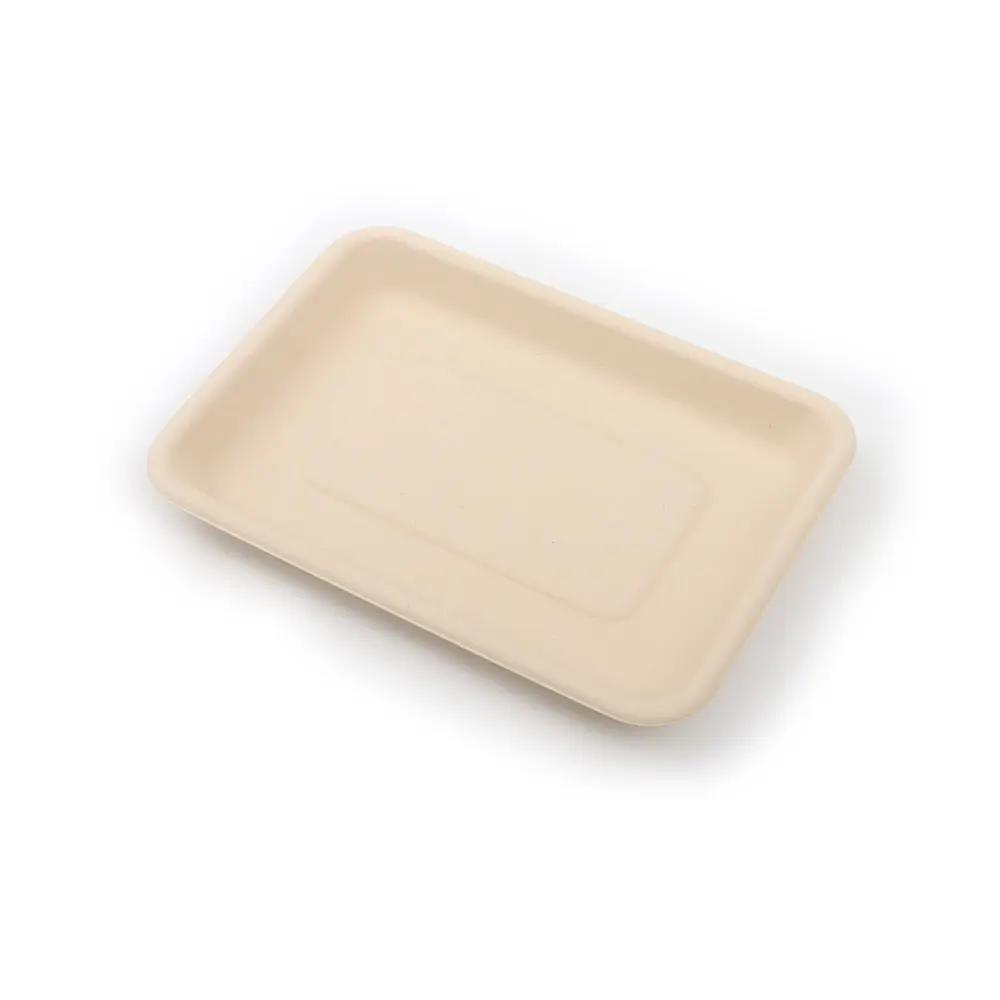 8.6" * 5.3"
 Sushi Tray Series
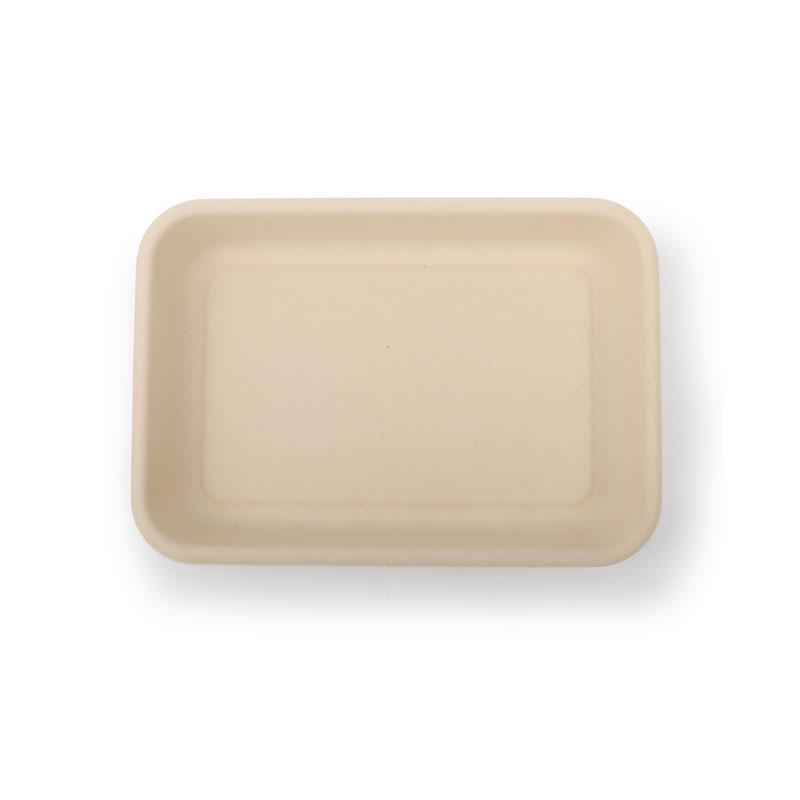 200" * 140"
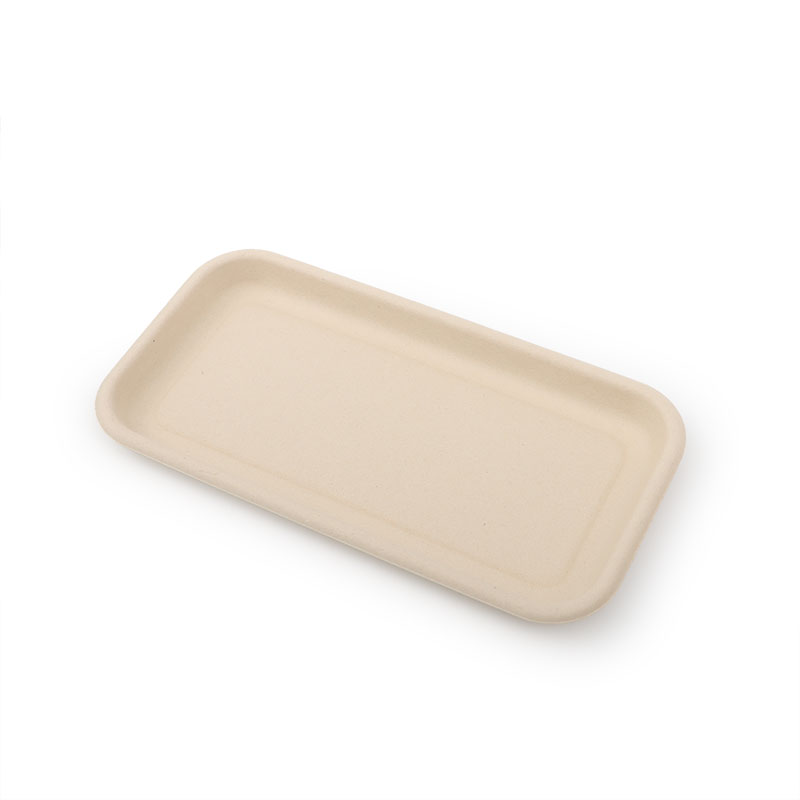 210" * 110"
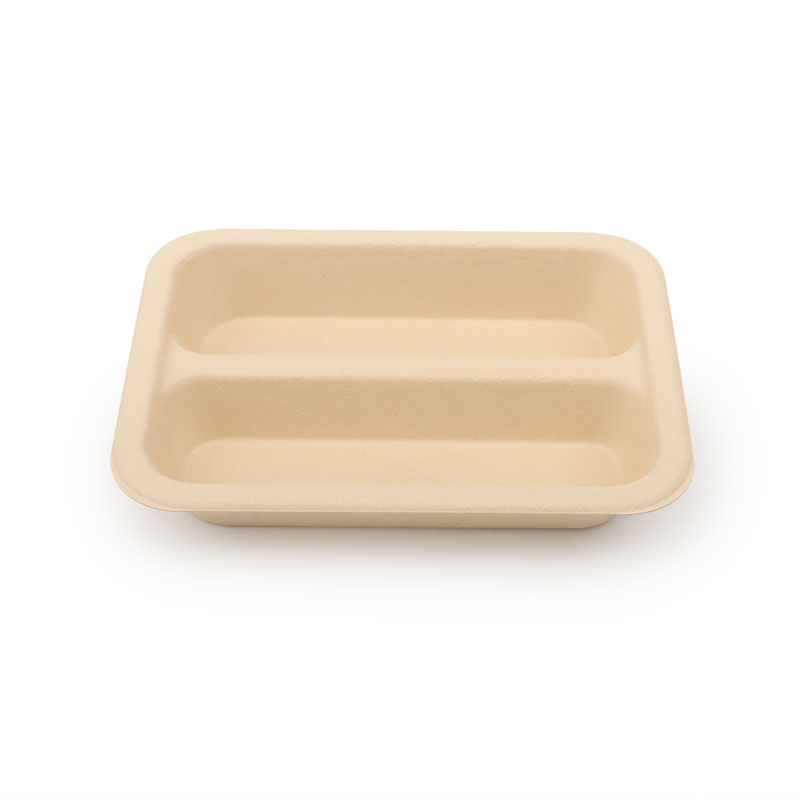 2 Compartments
 Small Round Plate Series
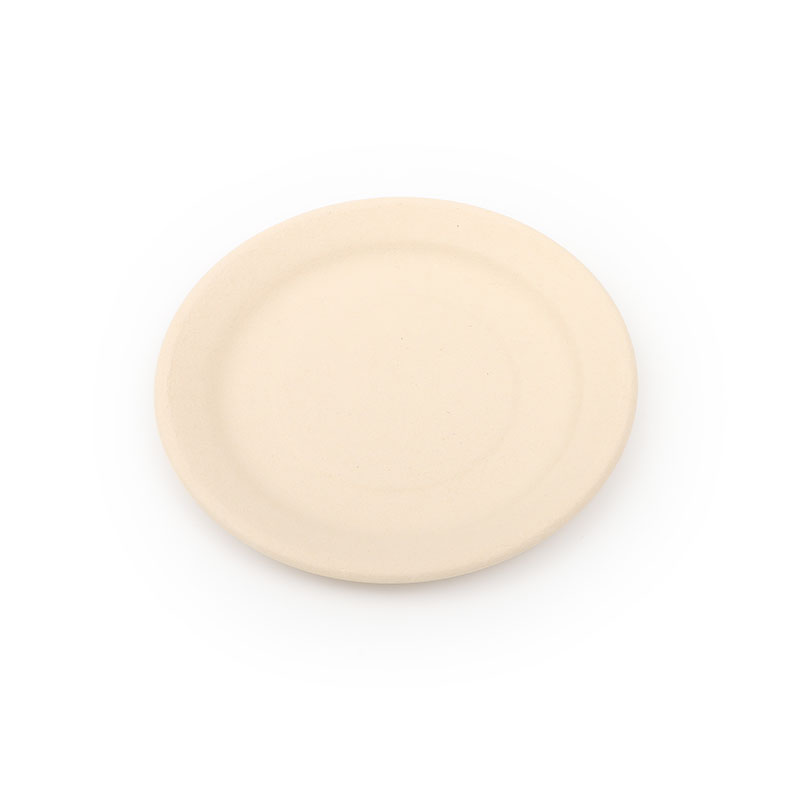 7 inch
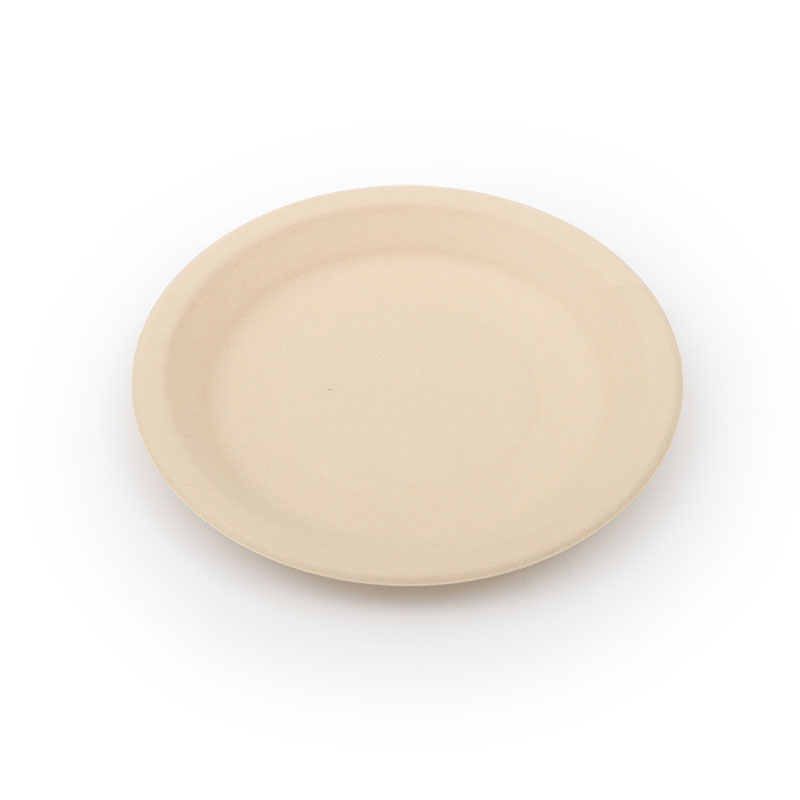 6 inch
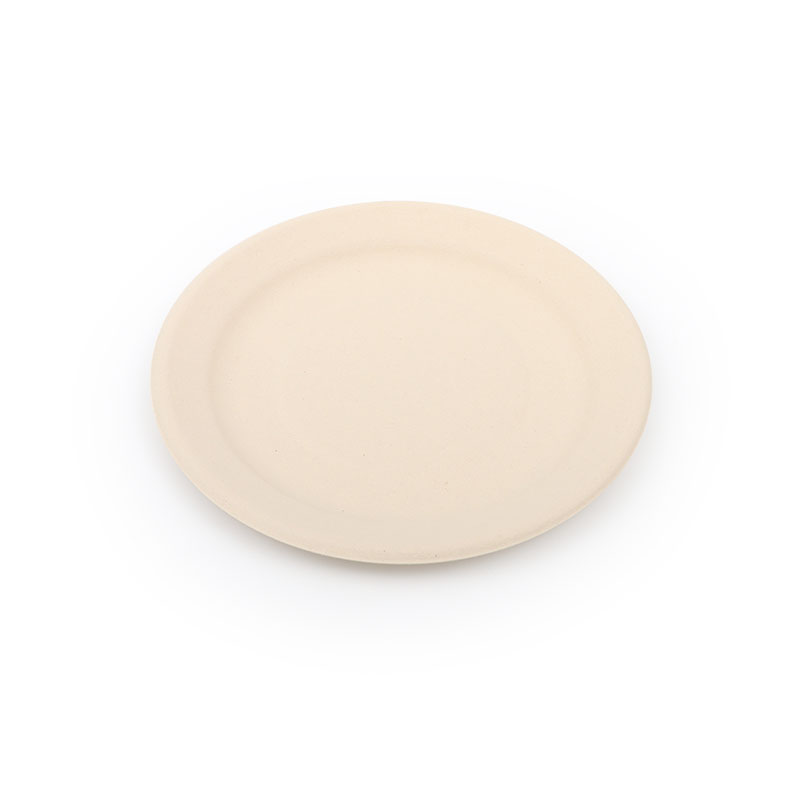 8 inch
 Middle Round Plate Series
 9 Inch 3 Compartments
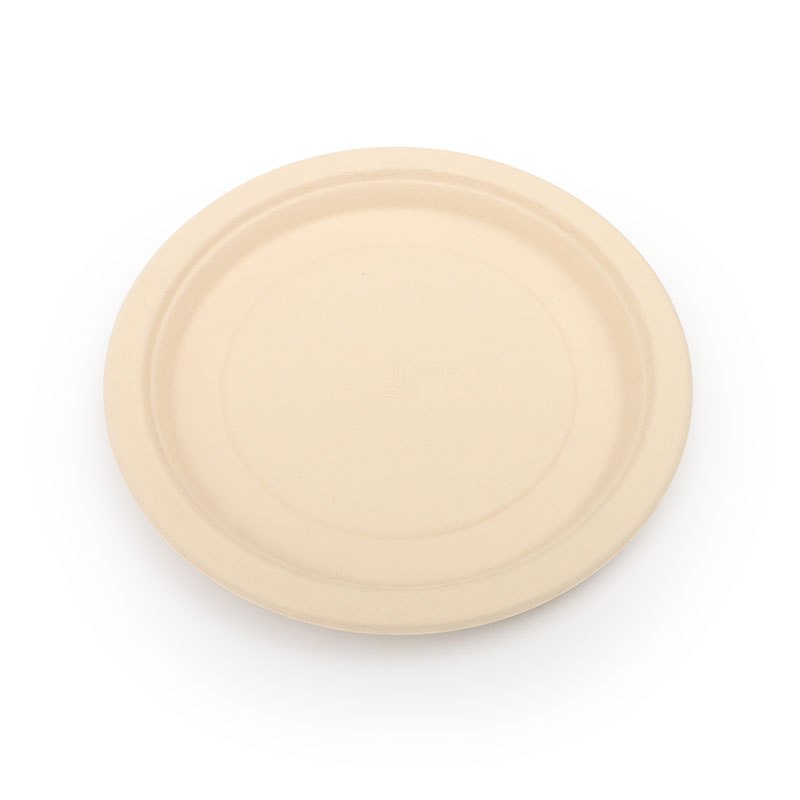 9 inch
 Big Round Plate Series
 12.7 Inch Pizza Plate
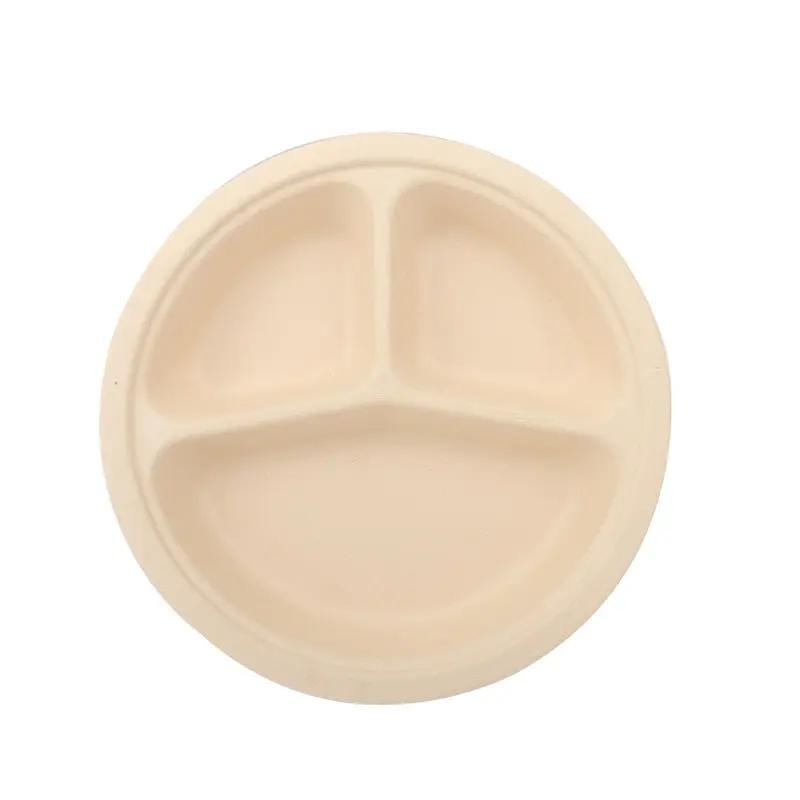 10.25 inch 3 Compartments
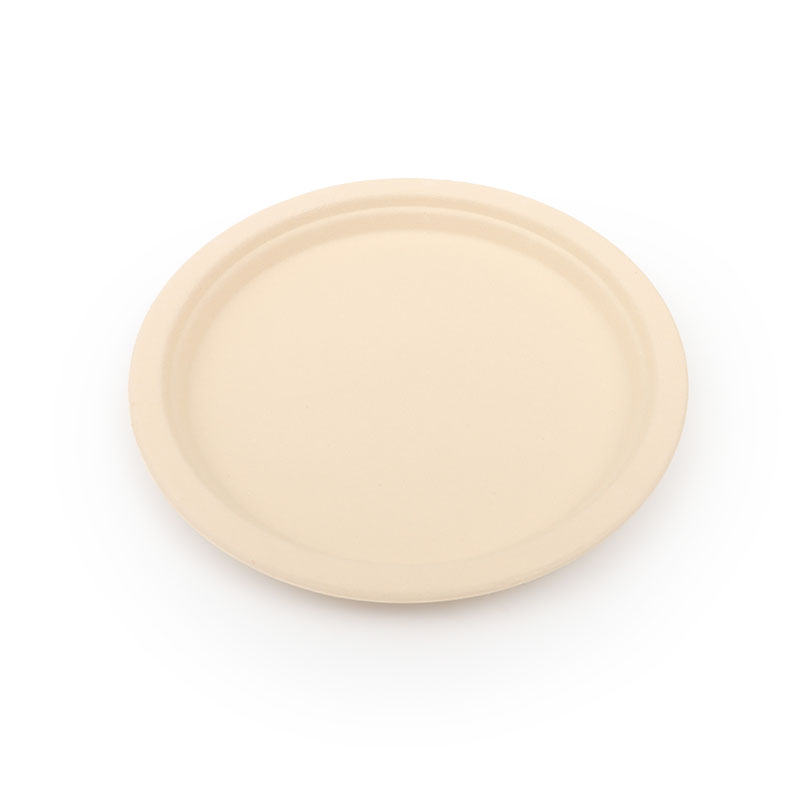 10 inch
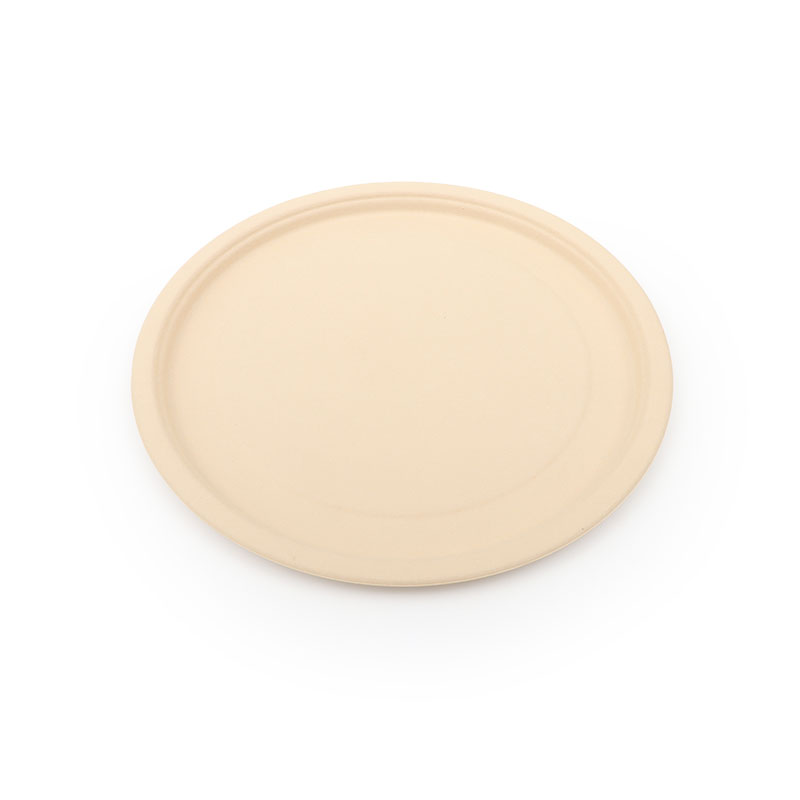 12 inch
 Bigger Bowl
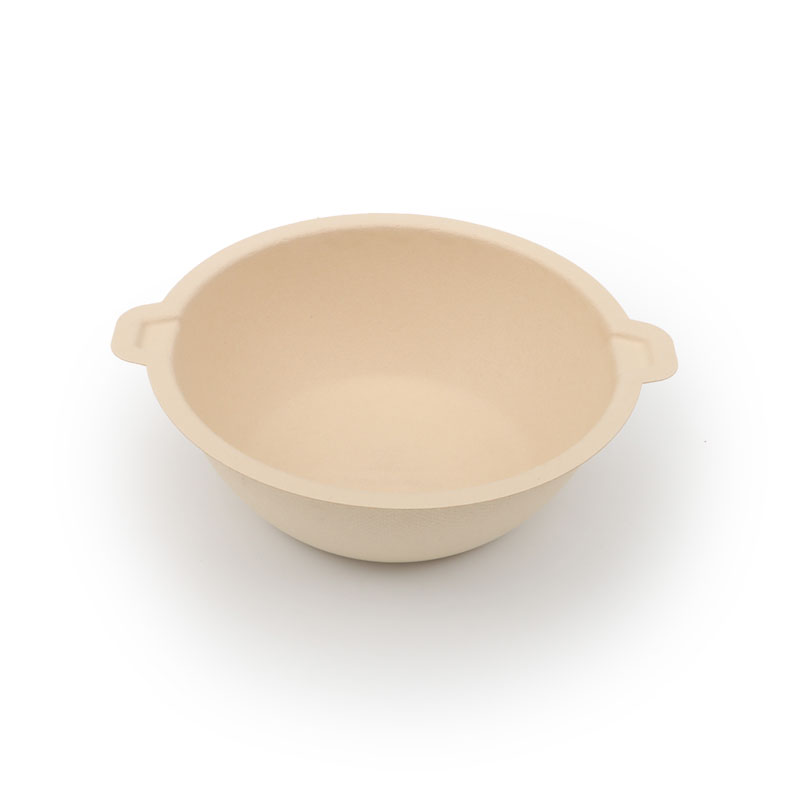 48oz(1420ml)
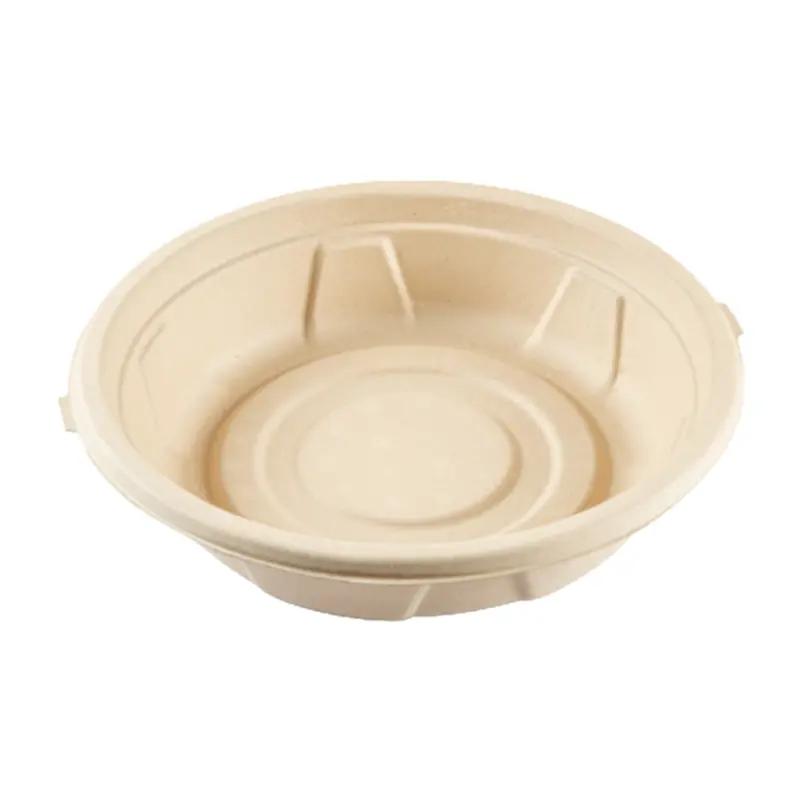 56oz(1650ml)
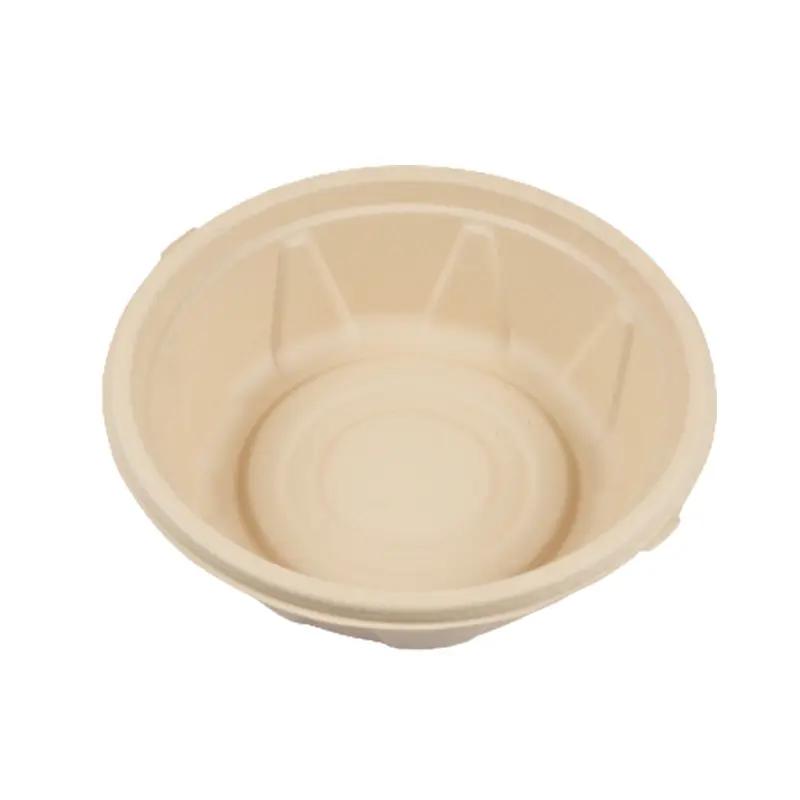 100oz(2950ml)
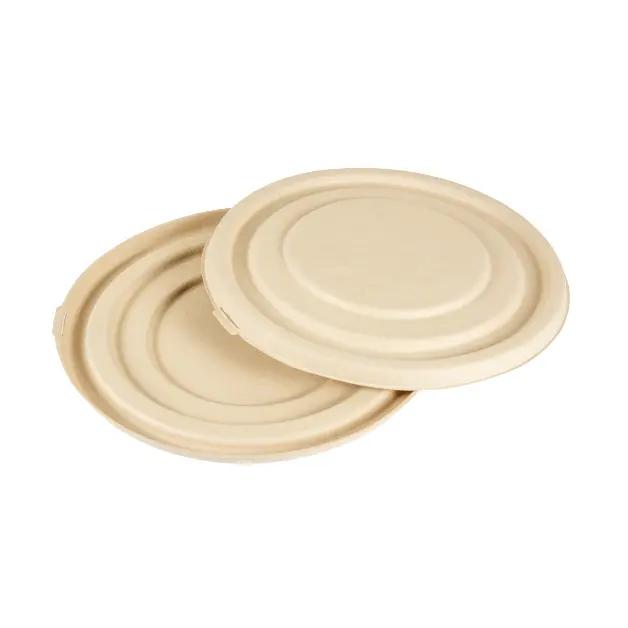 100oz(2950ml) With Lid
 Middle Bowl
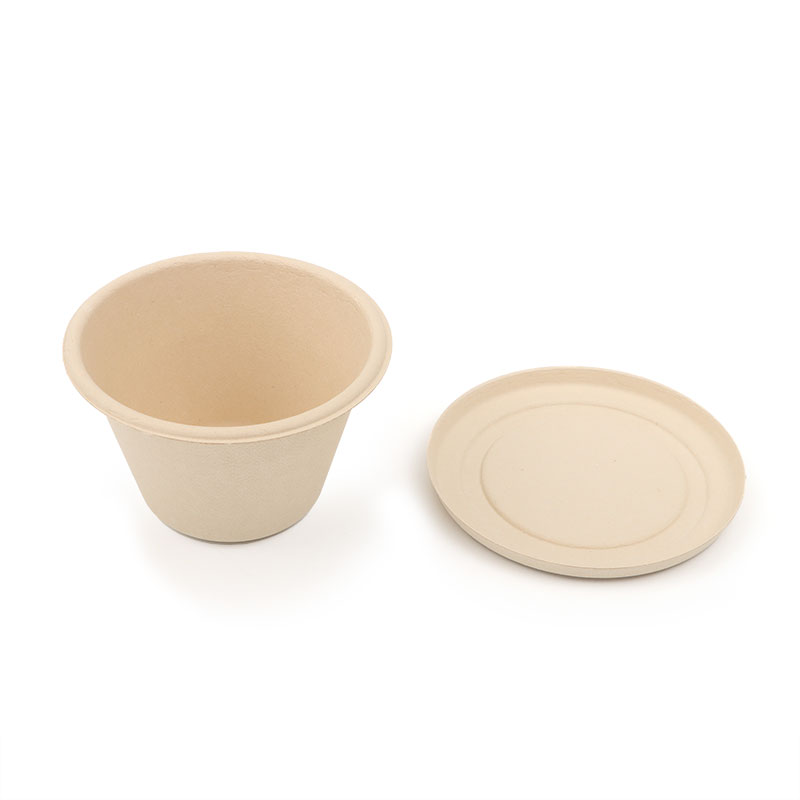 17oz(500ml)
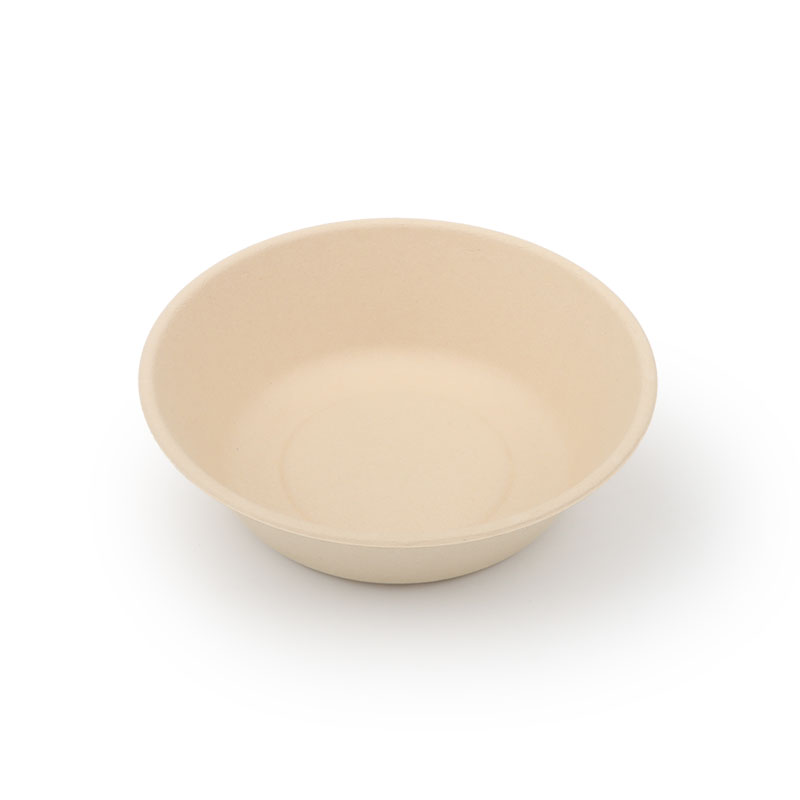 27oz(800ml)
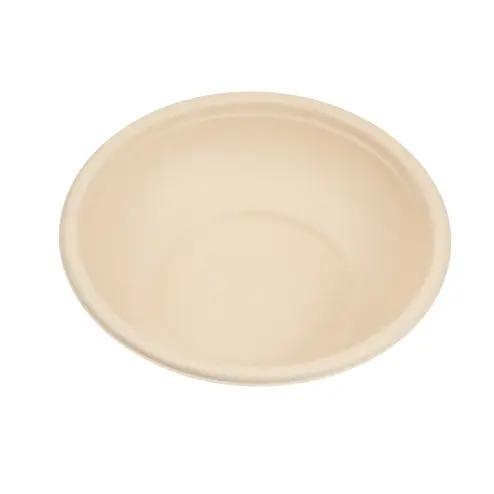 20oz(600ml)
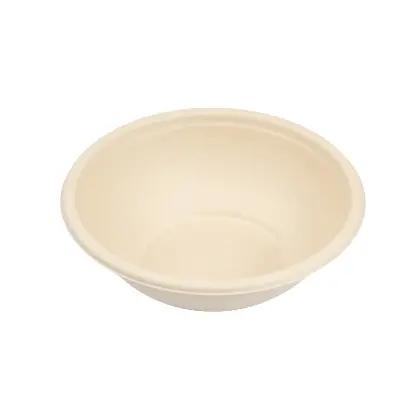 29oz(850ml)
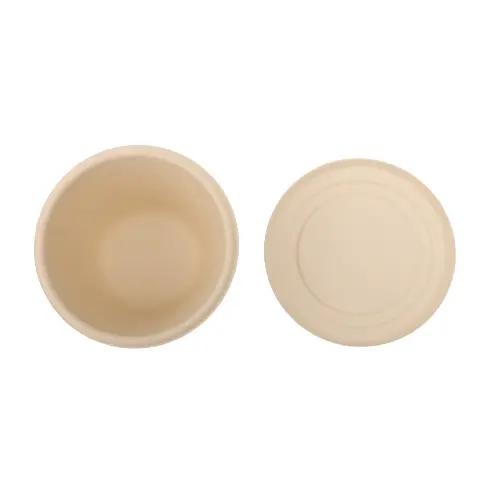 17oz(500ml) With Lid
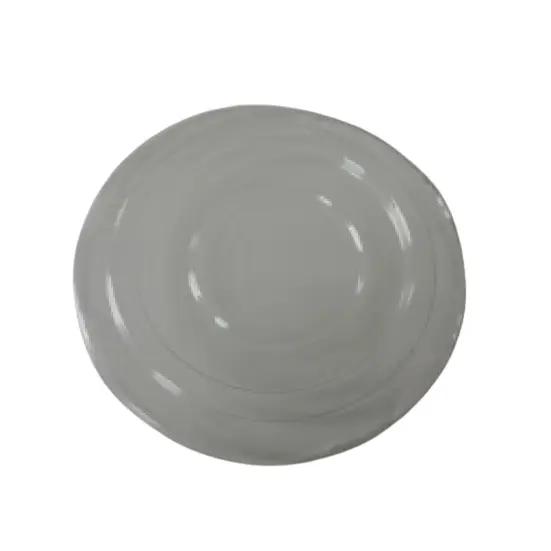 17oz(500ml) PET Lid
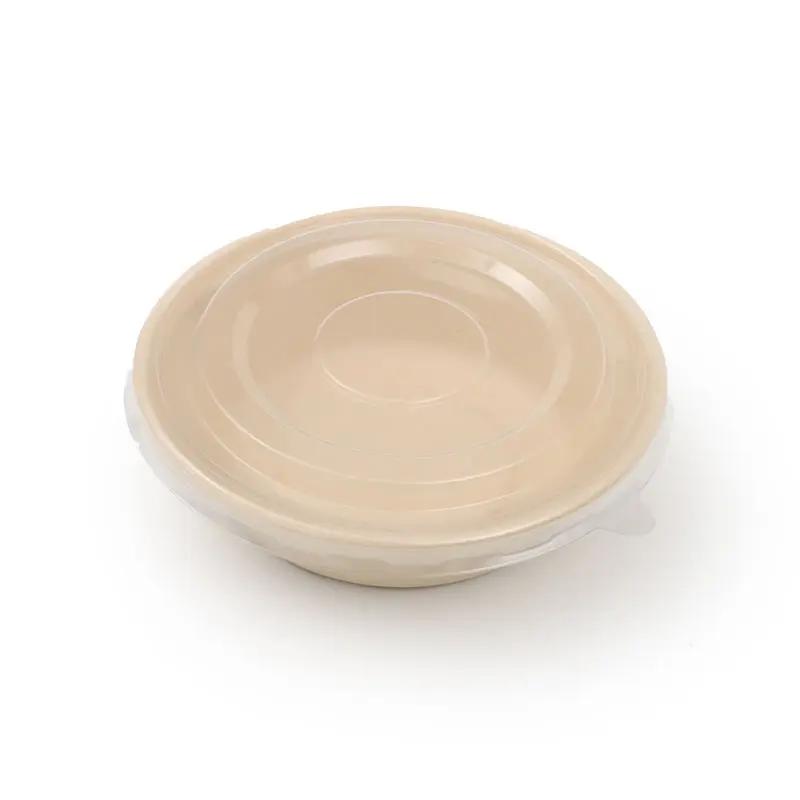 28oz(830ml) PET Lid
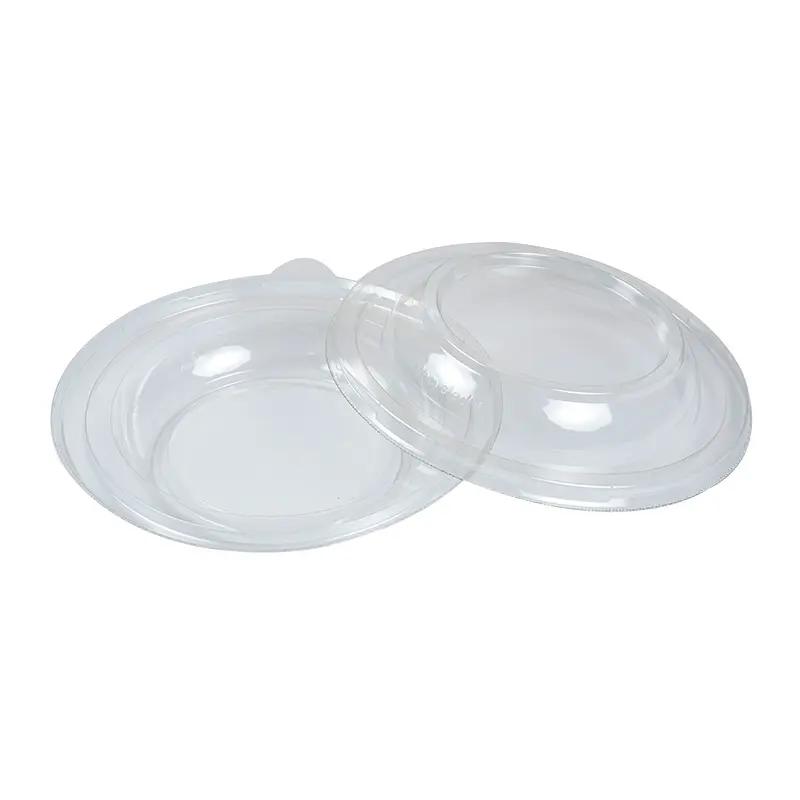 Round Bowl PET
 Small Bowl
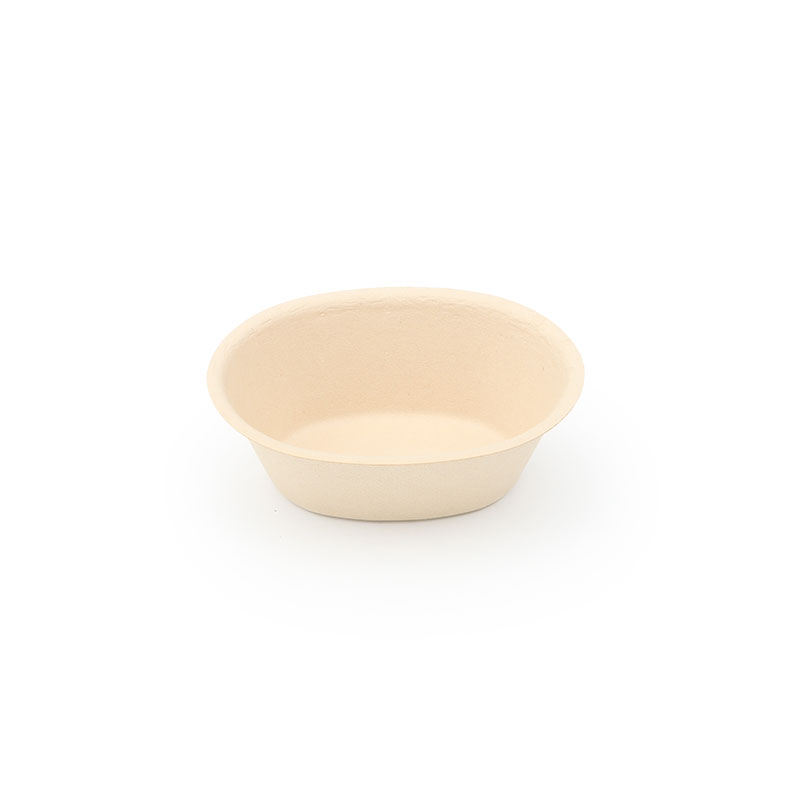 Snack Bowl
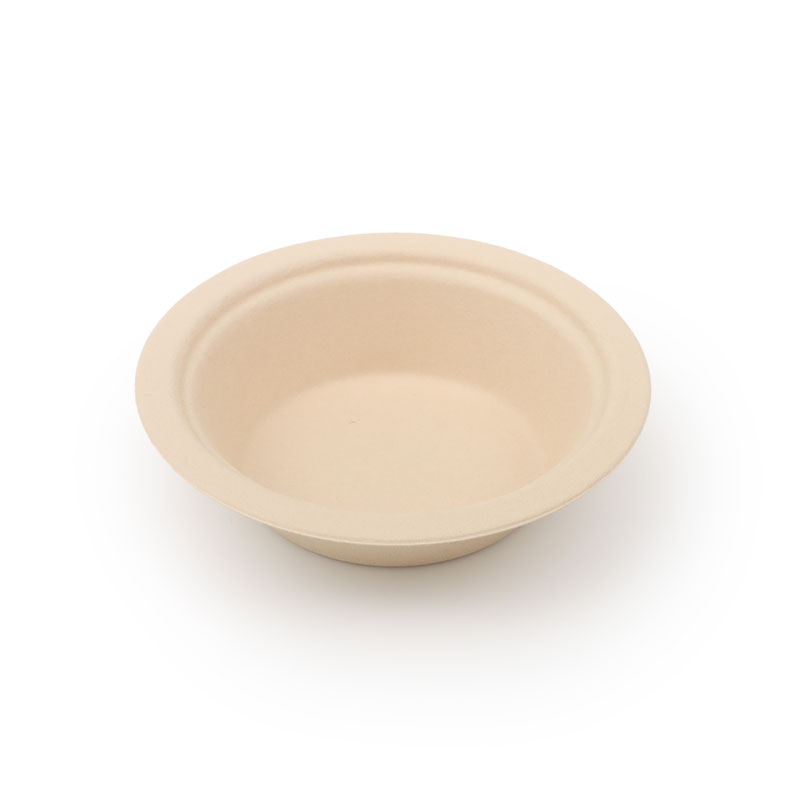 11.5oz(340ml) Bowl
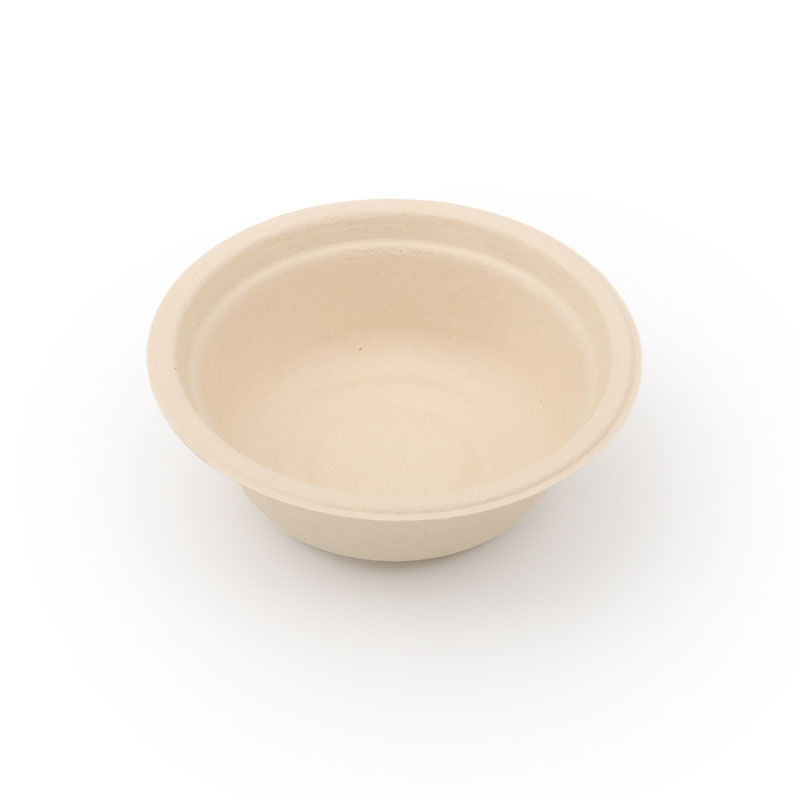 6.7oz(200ml) Bowl
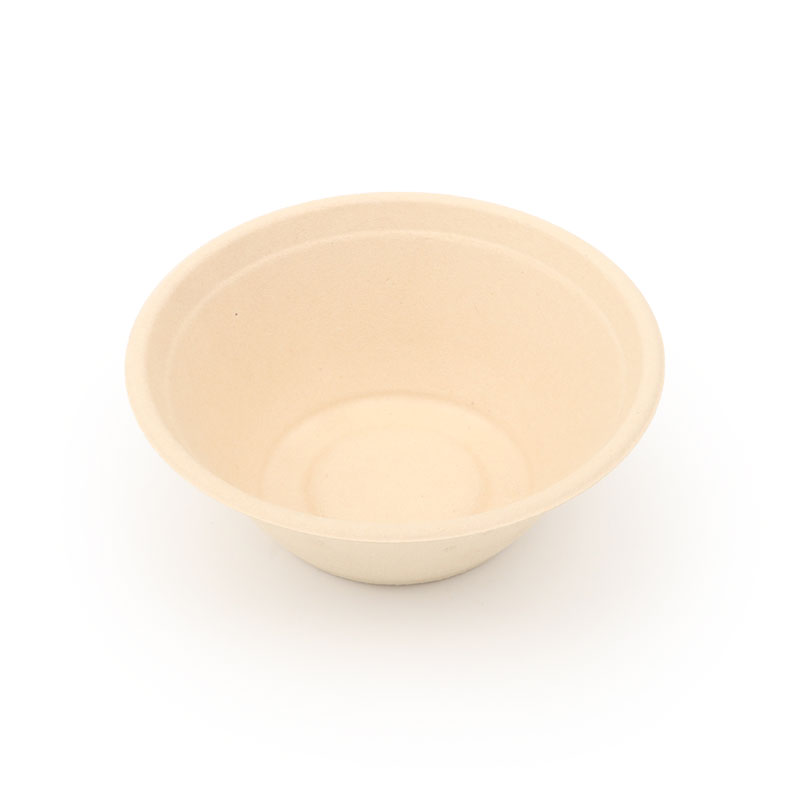 12oz(350ml) Bowl
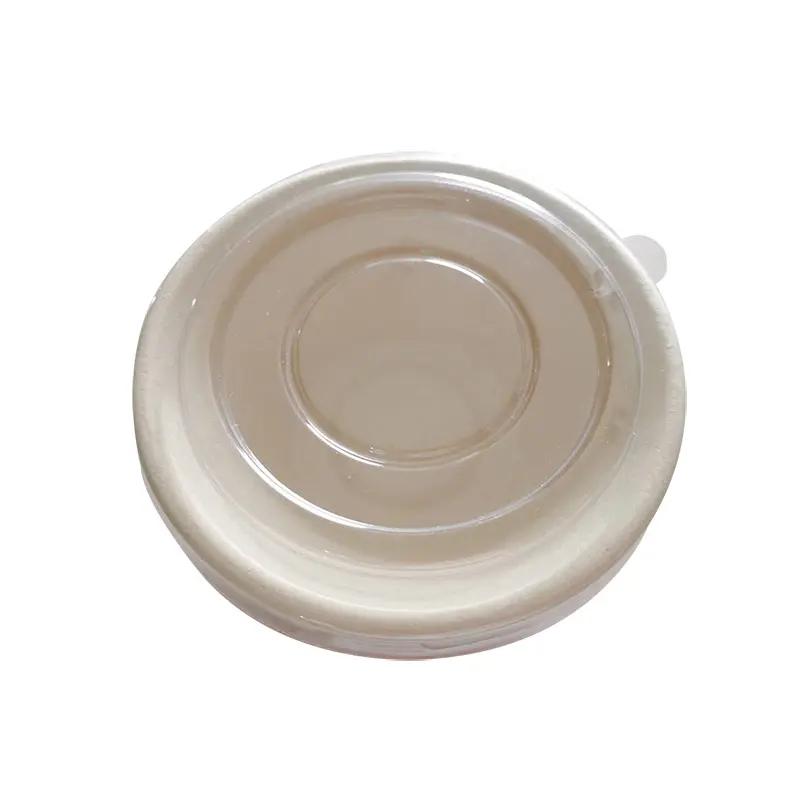 12oz(350ml) Bowl PET
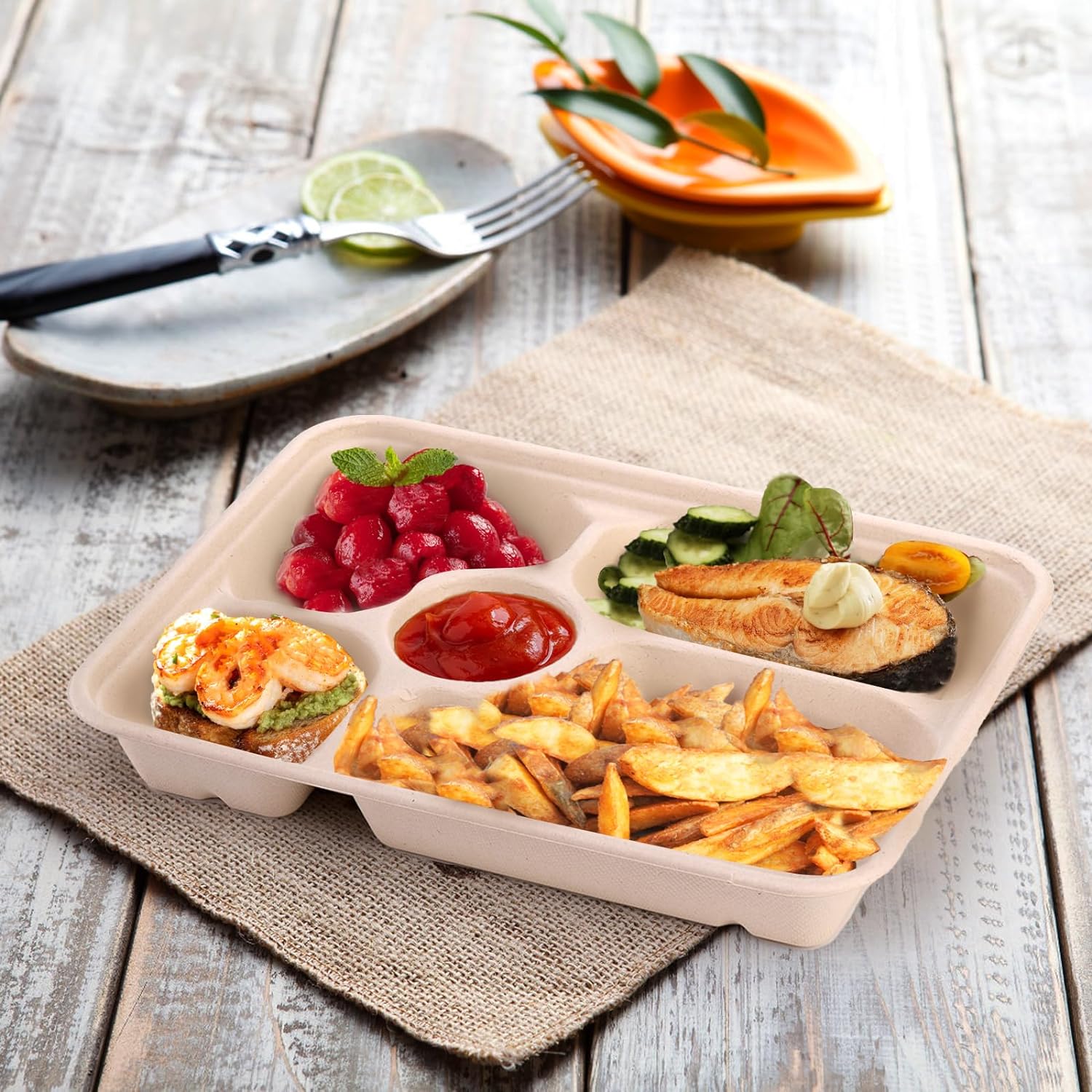 Bagasse Lunch Boxes
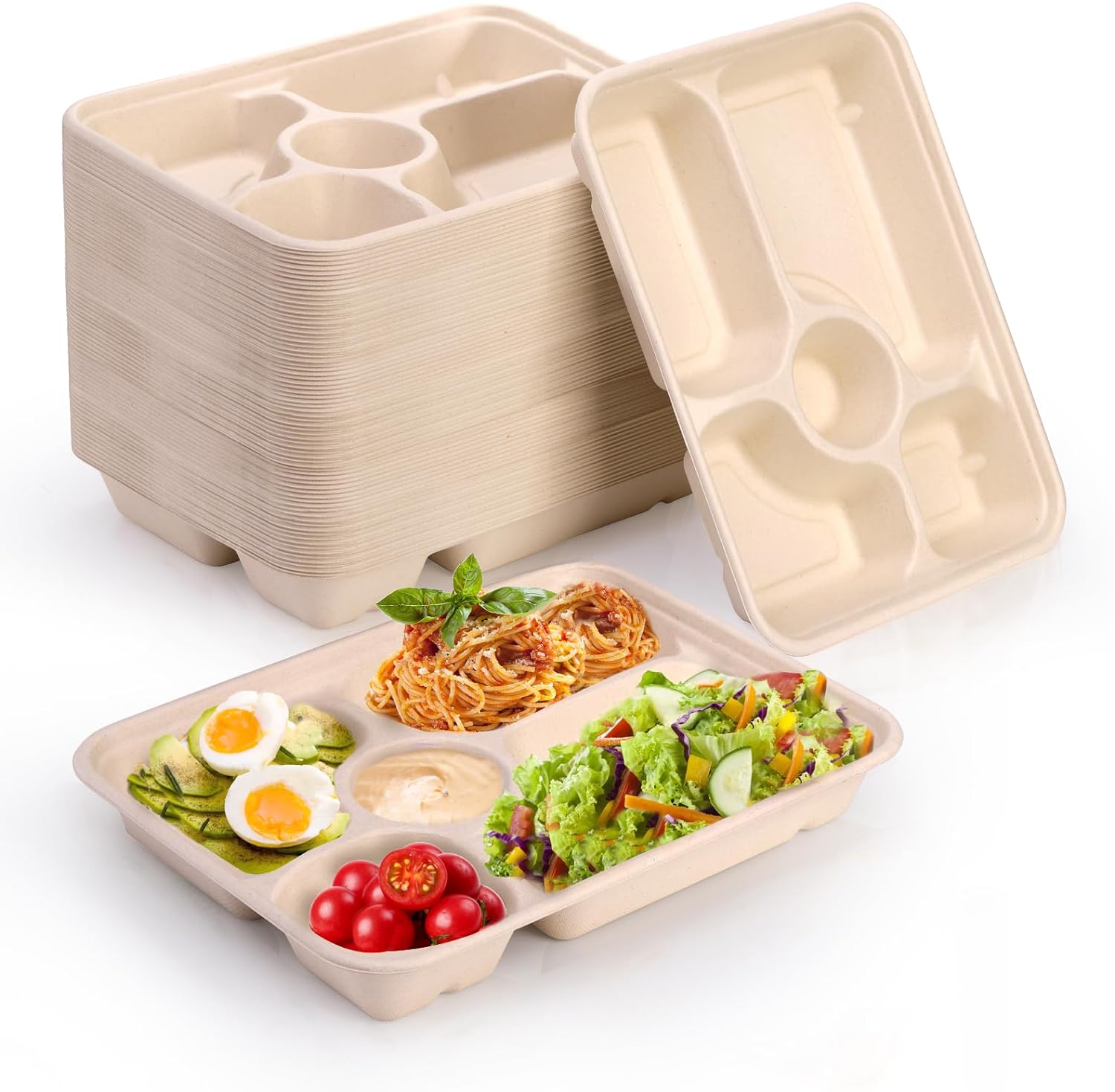 5CP
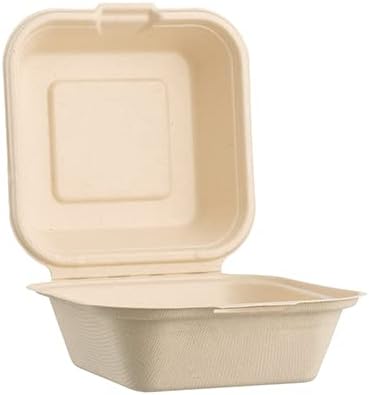 6 inch
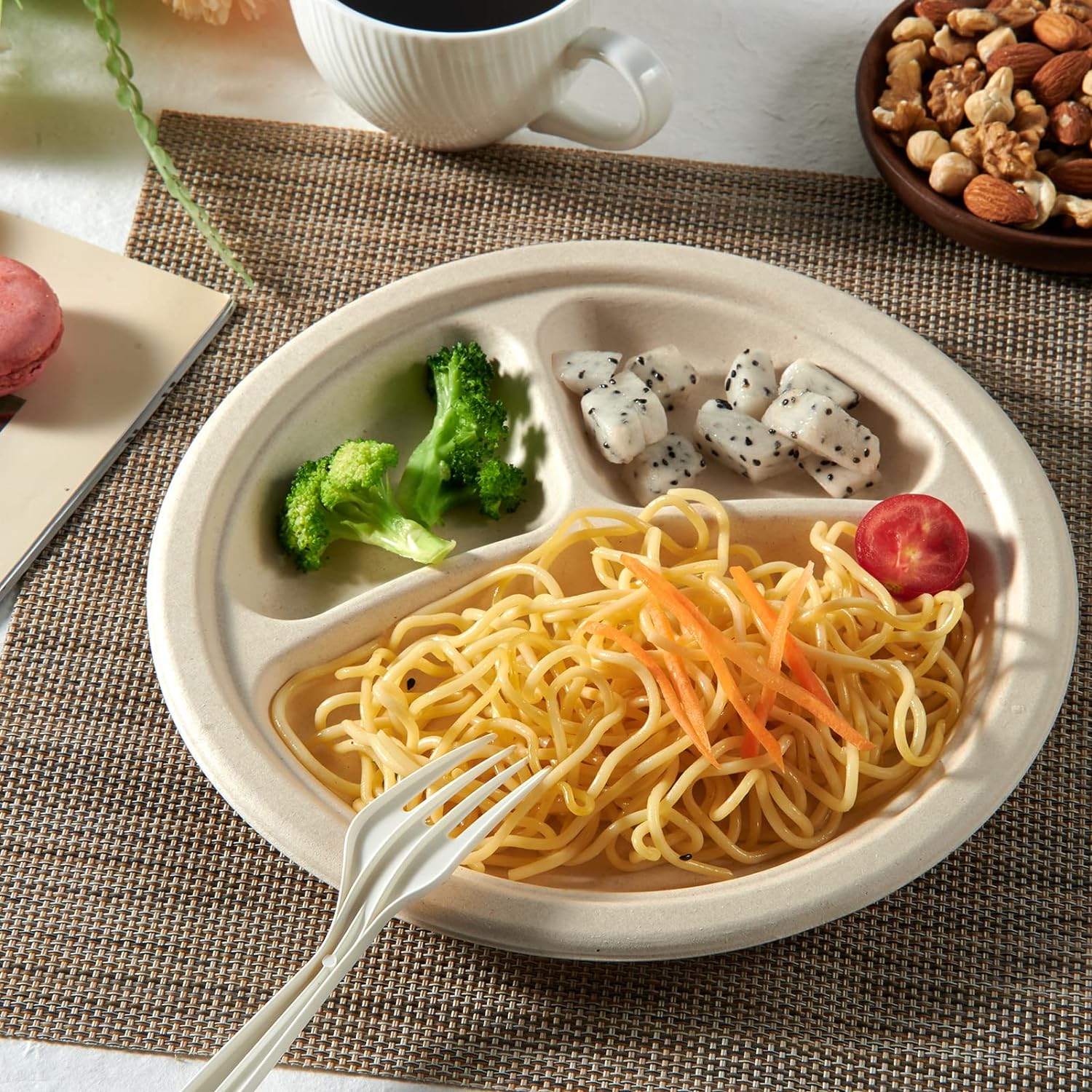 Bagasse Food Plates
 7 inch
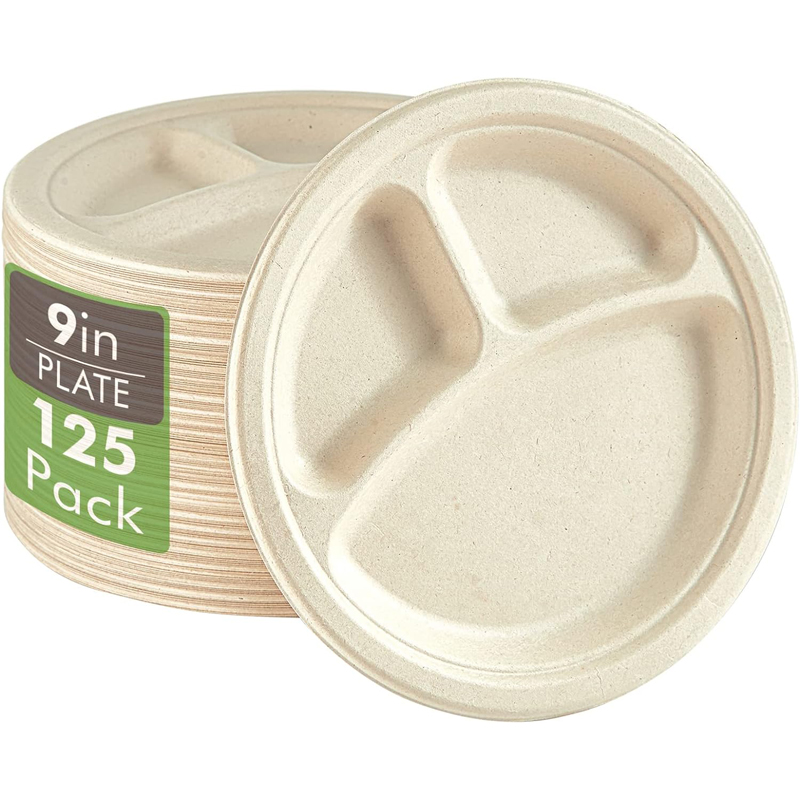 3CP
 Bagasse Bowls
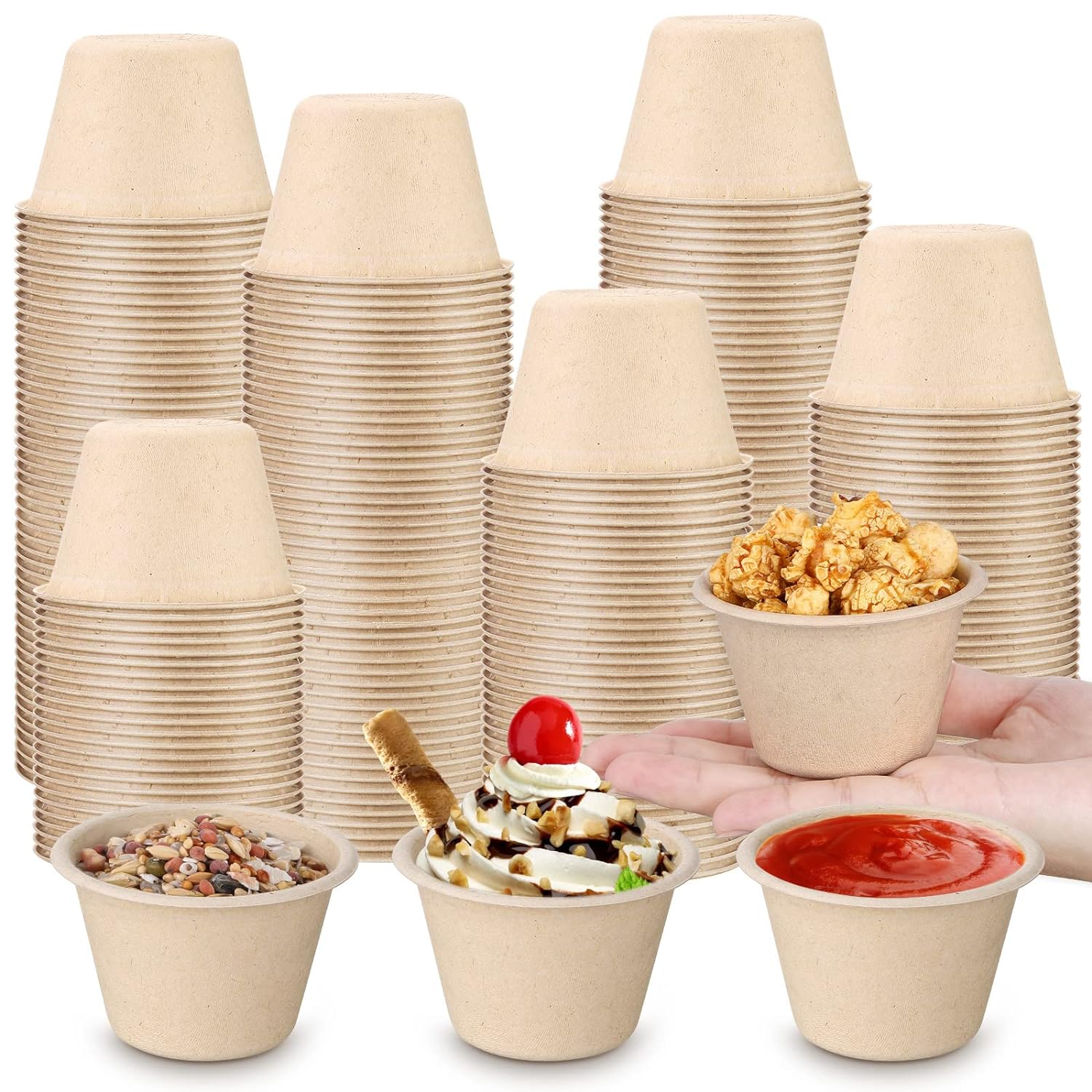 4oz
 Bagasse Cups And Cutlery
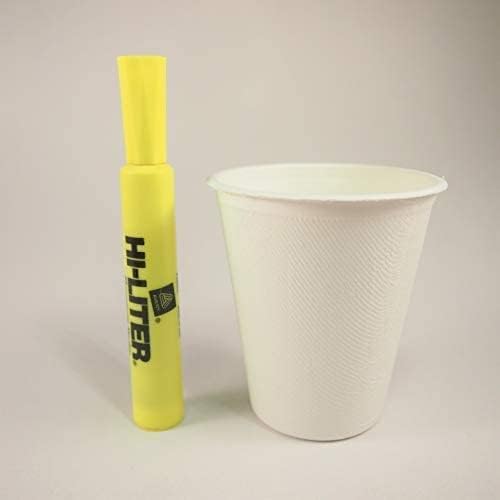
 8oz
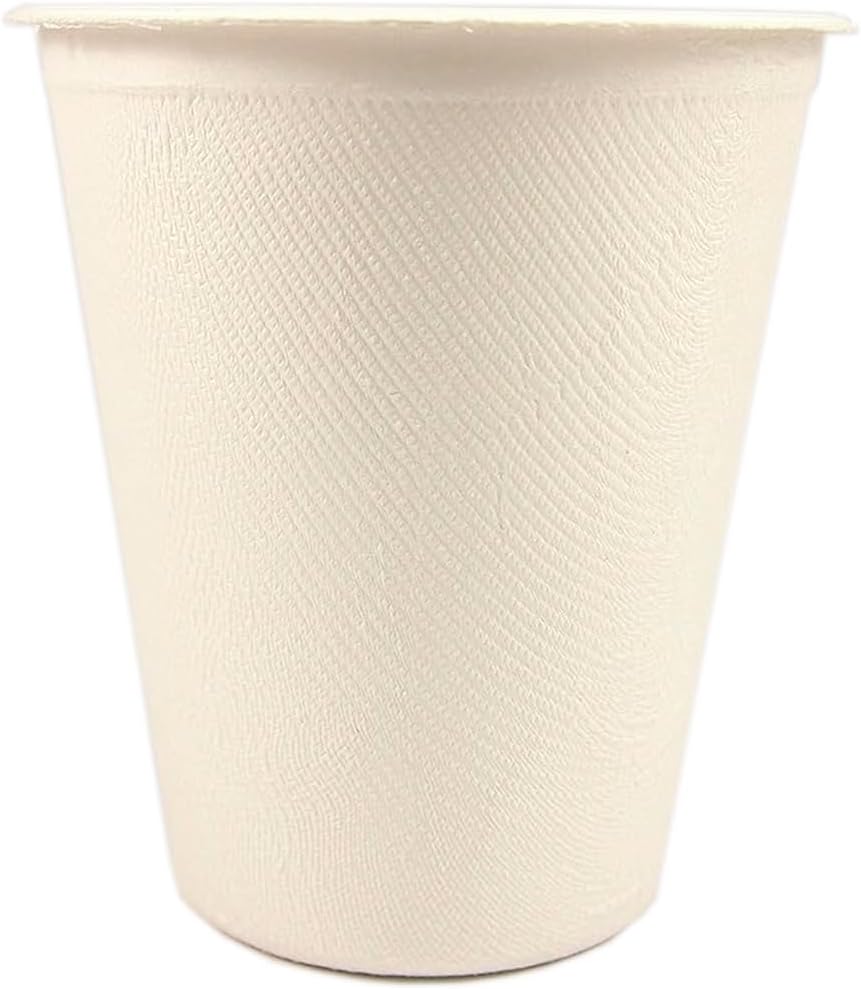
 12oz
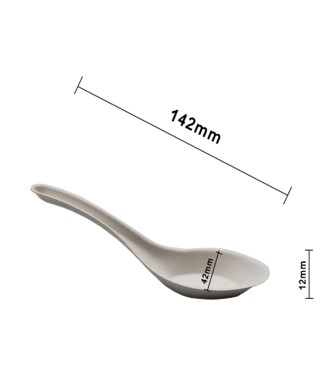 Cutlery




How to Evaluate OEM Bamboo Pulp Tableware Before Mass Production
How to Evaluate OEM Bamboo Pulp Tableware Before Mass Production

Key Takeaways
- A prototype is not automatically a production-approved product.
- Evaluate the complete bamboo pulp article rather than the fiber material alone.
- Compare dimensions, weight, capacity and tolerances against an approved drawing.
- Test water resistance, oil resistance and heat resistance separately.
- Verify food-contact documentation for the destination market and intended use.
- Treat PFAS status as a specific chemical-compliance requirement.
- Confirm that compostability claims cover the complete packaging configuration.
- Inspect molds and first-article samples before mass production.
- Establish quality-control criteria before signing off the bulk order.
1. Define the OEM Product Specification Before Sampling
The first step in evaluating OEM bamboo pulp tableware is to define measurable requirements before the factory develops the sample. A vague request such as “make a Compostable Bamboo Pulp Bowl” leaves too many variables uncontrolled.
A professional OEM specification should establish:
| Parameter | What the buyer should define | Why it matters |
| Product type | Bowl, plate, tray, box, lid | Determines mold and forming structure |
| Material | Bamboo pulp fiber and other components | Controls material qualification |
| Capacity | Nominal and brim-full capacity | Determines filling performance |
| Dimensions | Length, width, diameter, height | Controls fit and packaging |
| Unit weight | Target and tolerance | Controls material consumption |
| Thickness | Nominal or minimum requirement | Influences rigidity |
| Food application | Soup, salad, rice, fried food, etc. | Determines barrier requirements |
| Temperature | Filling, storage and reheating | Determines thermal testing |
| Oil exposure | Expected grease level | Determines oil-resistance testing |
| Lid | Fiber, plastic or other | Determines closure compatibility |
| Surface | Natural, bleached, coated, printed | Affects appearance and compliance |
| Branding | Embossing, printing, laser marking | Determines mold/artwork requirements |
| Packaging | Pieces/carton and carton dimensions | Affects logistics |
| Destination | EU, U.S., UK, Australia, etc. | Determines regulatory requirements |
The most important principle is to approve the specification before approving the sample. Otherwise, the factory and buyer may evaluate the same product against different expectations.
For example, an OEM 1,000 ml takeaway box should not be approved merely because the sample “looks strong.” The buyer should define whether 1,000 ml means brim-full capacity or usable capacity, the expected filled weight, food temperature, holding time and acceptable deformation.
2. Evaluate the Bamboo Pulp Material and Product Construction
Material identity is important, but finished-product construction determines much of the actual performance. Bamboo pulp tableware is produced by converting bamboo fiber into pulp and forming the pulp into a defined three-dimensional structure.
The production variables that can influence finished performance include:
- Fiber preparation
- Fiber length and distribution
- Pulp refining
- Fiber concentration
- Additives or binders
- Forming pressure
- Mold geometry
- Drying conditions
- Surface treatment
- Product density
- Wall thickness
- Structural ribs and corners
A bamboo pulp label should therefore be treated as a material description, not a performance guarantee.
What should an OEM buyer request?
Before approving the material, request:
- Material specification
- Main fiber source
- Information about additives or binders
- Coating or barrier information
- PFAS declaration where relevant
- Food-contact documentation
- Applicable compostability documentation
- Finished-product sample
The objective is to understand what actually goes into the finished food-contact article.
The FDA distinguishes between a food-contact substance, food-contact material and finished food-contact article, and notes that the regulatory status of the individual components can determine the overall regulatory status of the material.
This distinction is particularly important for OEM products because a factory may modify the formulation, coating or processing method during product development.
3. Check Dimensions, Weight, Capacity and Tolerances
Dimensional control is one of the most important differences between a successful OEM product and a prototype that cannot be manufactured consistently.
A production-ready OEM drawing should contain measurable dimensional requirements rather than relying on photographs or a physical reference alone.
EATware's current OEM portfolio provides useful examples of how molded-fiber products can be specified. Its published 500 ml bamboo pulp takeaway box measures 196 × 115 × 38 mm, while a published 1,000 ml three-compartment bamboo pulp box measures 226 × 177 × 52 mm. These are manufacturer-published specifications for specific products, not universal industry dimensions.
Recommended dimensional checks
A buyer should measure:
- Overall length
- Overall width
- Overall height
- Rim diameter or opening
- Compartment dimensions
- Base dimensions
- Lid mating dimensions
- Nesting depth
- Wall thickness where applicable
- Corner radius
- Product weight
- Capacity
Why tolerances matter
Molded-fiber products naturally have manufacturing variation, so a buyer should define acceptable tolerances before mass production.
A useful OEM specification can divide requirements into three levels:
Critical dimensions — dimensions affecting lid fit, machinery compatibility or food capacity.
Functional dimensions — dimensions affecting stacking, nesting or stability.
Cosmetic dimensions — dimensions where small variation has no meaningful functional impact.
This classification helps prevent unnecessary rejection while protecting the dimensions that actually matter.
4. Test Structural Strength Before Mass Production
Structural strength should be evaluated using the actual loading conditions expected during storage, transportation and foodservice.
A lightweight bamboo pulp container is not necessarily weak, but structural performance must be demonstrated through testing rather than inferred from unit weight.
A suitable test program can include:
Compression and stacking
Place filled containers into the expected stacking configuration and observe:
- Side-wall deformation
- Base deformation
- Lid interference
- Collapse
- Permanent deformation
- Product stability
Drop and handling tests
Evaluate the packaged product rather than only the empty container. A carton that protects the individual products during transport is part of the complete supply-chain design.
Nesting test
Check whether nested containers separate consistently. Excessive nesting force can slow filling operations, while insufficient nesting stability can increase carton movement during transport.
Lid-fit test
Check closure force, fit, leakage and dimensional compatibility after temperature exposure.
For OEM foodservice packaging, the correct question is not simply “Is the container strong?” but “Is the container strong enough for the specified filled, stacked and transported condition?”
5. Test Water, Oil and Temperature Resistance Separately
Water resistance and oil resistance should never be treated as the same test because aqueous and fatty foods interact differently with fiber-based packaging.
The FDA's food-type framework explicitly distinguishes foods containing free oil or fat from other aqueous and acidic food categories.
Recommended performance matrix
| Test | Example condition to define | Measurements |
| Water resistance | Defined water temperature and holding time | Leakage, seepage, softening |
| Oil resistance | Representative oily food or test medium | Oil penetration, staining |
| Acid resistance | Acidic food application where relevant | Surface degradation, leakage |
| Heat resistance | Maximum actual food temperature | Warping, deformation |
| Cold resistance | Refrigerated condition | Cracking, brittleness |
| Freeze resistance | Intended frozen storage | Dimensional change, cracking |
| Microwave | Actual reheating cycle | Warping, leakage, odor |
| Lid performance | Filled container under temperature cycle | Seal, fit, leakage |
Testing conditions should reproduce actual use whenever practical.
For example, a bowl intended for hot soup should not be approved only after a room-temperature water test. A takeaway box intended for oily fried food should be evaluated using a representative grease exposure at the expected temperature and holding time.
EATware currently publishes selected molded-fiber products with a stated resistance to 95°C water or oil for 30 minutes. This is a product-specific manufacturer claim and should be verified through the buyer's own acceptance test or relevant laboratory evidence before mass production.
6. Verify Food-Contact Compliance Before OEM Approval
Food-contact compliance should be verified for the finished product, its components and the intended conditions of use.
A generic “food grade” statement is not an adequate substitute for destination-market compliance documentation.
For the U.S. market, the FDA explains that food-contact substances may be subject to authorization requirements and that the regulatory status of each relevant component contributes to the status of the overall food-contact material.
The buyer should request:
- Food-contact declaration
- Material composition information where appropriate
- Migration test reports
- Conditions of use
- Laboratory name and accreditation where relevant
- Certificate number
- Test date
- Product or material identification
- Applicable market/regulation
Conditions of use are critical
The FDA identifies conditions including:
- Hot filling
- Pasteurization
- Room-temperature storage
- Refrigerated storage
- Frozen storage
- Reheating in the container
- High-temperature cooking
Therefore, a certificate for room-temperature food should not automatically be interpreted as evidence for high-temperature reheating.
7. Evaluate PFAS and Other Barrier Chemistry
PFAS status should be independently verified when the OEM product requires grease resistance.
A product made from bamboo fiber is not automatically demonstrated to be PFAS-free simply because the primary fiber is plant-based.
This is especially relevant for high-grease foods because a factory may use a barrier treatment to improve oil resistance.
The EU's Packaging and Packaging Waste Regulation has applied since August 12, 2026, and the European Commission states that food-contact packaging containing PFAS above specified limits can no longer be placed on the EU market.
For an OEM product intended for the EU market, the qualification file should therefore include:
- PFAS declaration
- Relevant analytical testing where required
- Barrier/coating specification
- Confirmation of formulation
- Change-control commitment
- Product/SKU identification
EATware publishes selected molded-pulp products as PFAS-free and lists fluorine-related information among its product specifications. Such claims should still be evaluated against current supporting documentation for the exact OEM SKU.
8. Verify Compostability at the Complete-Product Level
Compostability should be evaluated across the complete OEM packaging system rather than the bamboo pulp component alone.
The fiber substrate, coating, adhesive, printing, label and lid can all affect end-of-life compatibility.
ISO 18606:2013 specifies requirements for packaging suitable for organic recycling and states that packaging is considered recoverable through organic recycling only when the individual components meet the applicable requirements, unless components can be physically separated before disposal. The standard was reviewed and confirmed in 2024 and remains current.
A buyer should therefore ask:
- What compostability standard applies?
- Is certification for the finished product?
- Does certification cover the coating?
- Does certification cover the lid?
- Does certification cover printing and adhesives?
- Is the product commercially compostable or home compostable?
- Is the certification valid in the destination market?
Infrastructure matters
The EPA states that certified commercially compostable foodservice ware should be purchased only where a commercial composting program is locally available, accepts the product and has the required collection or hauling arrangements.
Therefore, certification and actual disposal infrastructure are separate procurement questions.
9. Evaluate the OEM Mold and Customization Process
Mold quality directly affects dimensional consistency, appearance and production stability.
A custom bamboo pulp product should not enter mass production until the mold, first article and approved drawing are aligned.
For custom projects, inspect:
- Mold dimensions
- Cavity geometry
- Draft angles
- Wall-thickness distribution
- Corner transitions
- Drainage/forming characteristics
- Embossed or debossed branding
- Lid interface
- Nesting geometry
- Mold maintenance requirements
EATware's customization process accepts several development inputs, including a physical sample for 3D scanning, a 2D drawing, a 3D drawing or reference mold.
For a buyer commissioning an OEM mold, the commercial agreement should also specify:
- Mold ownership
- Mold storage
- Mold maintenance
- Tooling life
- Modification approval
- Replacement responsibility
- Exclusivity, if applicable
- Rights to transfer production
Mold ownership should never be left as an informal assumption.
10. Run a Structured First-Article Inspection
The first-article inspection should be treated as the formal bridge between product development and mass production.
The first article should be measured against the approved engineering specification, not against the factory's internal target.
A practical inspection sequence is:
Step 1 — Visual inspection
Check:
- Surface uniformity
- Fiber distribution
- Cracks
- Burrs
- Delamination
- Mold marks
- Color variation
- Contamination
- Printing or embossing
Step 2 — Dimensional inspection
Measure critical dimensions using calibrated instruments.
Step 3 — Weight measurement
Measure multiple samples to establish production variation rather than relying on one sample.
Step 4 — Capacity verification
Confirm working capacity and, where relevant, brim-full capacity.
Step 5 — Functional testing
Test leakage, oil resistance, thermal stability, lid fit and stacking.
Step 6 — Packaging inspection
Check carton dimensions, count, labeling, pallet configuration and product protection.
A single sample can confirm design intent, but multiple production samples are needed to evaluate process consistency.
11. Conduct a Pilot Production Run
A pilot run is the most useful stage for identifying problems that cannot be seen in a hand-made or development sample.
The pilot run should use the same production line, material formulation, mold and process intended for mass production.
The buyer should compare pilot units with the approved first article across:
| Evaluation area | Prototype | Pilot production | Mass-production requirement |
| Dimensions | Design reference | Production variation | Within agreed tolerance |
| Unit weight | Target | Process distribution | Within agreed tolerance |
| Capacity | Design target | Production result | Within specification |
| Appearance | Approved sample | Batch consistency | Agreed defect limits |
| Leakage | Development test | Production test | Pass acceptance criteria |
| Oil resistance | Development test | Production test | Pass application test |
| Heat resistance | Development test | Production test | Pass application test |
| Lid fit | Prototype fit | Production variation | Consistent fit |
| Packaging | Sample carton | Production carton | Approved configuration |
The pilot should also be evaluated for production efficiency, reject rate, carton utilization and packing stability.
12. Establish Mass-Production Quality Control
Mass-production approval should be conditional on a documented quality-control plan.
The production specification should define what constitutes a critical, major or minor defect before the purchase order is released.
Critical defects
Examples include:
- Food-contact contamination
- Structural failure
- Severe leakage
- Incorrect material
- Incorrect product configuration
Major defects
Examples include:
- Significant deformation
- Incorrect dimensions affecting function
- Lid incompatibility
- Excessive oil penetration
- Serious surface damage
Minor defects
Examples include:
- Small cosmetic marks
- Minor color variation
- Non-functional surface imperfections
The exact acceptance criteria should be agreed between buyer and supplier according to the application.
Change control is essential
The factory should obtain buyer approval before changing:
- Raw-material source
- Fiber formulation
- Additives
- Coating
- Mold
- Production location
- Major forming process
- Packaging configuration
This requirement is particularly important for OEM products because a seemingly minor material change can alter food-contact, barrier or compostability characteristics.
13. OEM Bamboo Pulp Tableware Evaluation Scorecard
A structured scorecard helps purchasing teams compare suppliers without allowing a low price to compensate for a serious technical weakness.
| Evaluation category | Suggested questions | Evidence |
| Product design | Does the sample match the approved drawing? | Drawing + measured sample |
| Material | Is the material formulation documented? | Material specification |
| Dimensions | Are critical dimensions stable? | Inspection report |
| Weight | Is weight within tolerance? | Statistical sample data |
| Capacity | Does usable capacity meet the requirement? | Capacity test |
| Strength | Does the product survive stacking? | Performance test |
| Water resistance | Does it survive the intended exposure? | Test result |
| Oil resistance | Does it resist actual grease exposure? | Test result |
| Thermal performance | Does it tolerate actual temperatures? | Thermal test |
| Food contact | Is documentation valid for intended use? | Declaration/test report |
| PFAS | Is PFAS status documented? | Declaration/test |
| Compostability | Does certification cover the complete product? | Certificate |
| Mold | Is mold accuracy adequate? | Mold/first article inspection |
| Production | Can the factory maintain consistency? | Pilot-production data |
| Logistics | Is packaging optimized for shipment? | Packing specification |
A buyer can assign internal weighting to these categories based on the product application, but technical compliance should generally be treated as a pass/fail requirement rather than something that can simply be offset by a lower price.
14. A Practical OEM Approval Workflow
A reliable OEM bamboo pulp tableware project can follow this sequence:
Product brief → Engineering drawing → Material review → Mold development → First article → Laboratory/functional testing → Compliance review → Pilot production → Production approval → Mass production → Pre-shipment inspection
Each stage should have a documented approval point.
For a restaurant chain, the most important approval criteria may be leakage, heat resistance, lid fit and stacking. For a supermarket, dimensional consistency, packaging configuration and appearance may receive greater attention. For a food manufacturer, food-contact compliance, barrier performance and integration with filling equipment may be more important.
The evaluation process should therefore reflect the actual commercial application rather than using one universal checklist.
FAQ
1. What should I test before approving OEM bamboo pulp tableware?
At minimum, test dimensions, weight, capacity, leakage, water resistance, oil resistance, thermal performance, stacking strength and lid compatibility where applicable. Food-contact and compostability documentation should be reviewed separately.
2. Is a factory sample enough to approve mass production?
No. A development sample demonstrates design intent, while a pilot-production sample demonstrates whether the factory can reproduce the design consistently using the intended manufacturing process.
3. How do I verify the quality of bamboo pulp tableware?
Use a written specification, calibrated dimensional measurements, weight checks, capacity testing and application-specific performance tests. Multiple samples from pilot production are more informative than a single sample.
4. What certificates should I request for OEM bamboo pulp tableware?
The required documentation depends on the destination market and intended use. Typical requirements may include food-contact compliance documentation, migration testing, compostability certification, PFAS documentation and relevant factory quality-management certificates.
5. Does bamboo pulp tableware automatically qualify as compostable?
No. The complete packaging configuration must be considered. ISO 18606 addresses organic recycling and requires the relevant individual packaging components to meet applicable requirements unless they can be physically separated.
6. How should I test oil resistance for an OEM food container?
Use the actual or representative food application whenever practical. Define the oil level, temperature, contact time and acceptance criteria before testing. A room-temperature water test is not sufficient evidence for a container intended for hot, oily food.
7. When is an OEM bamboo pulp product ready for mass production?
An OEM product is ready when the engineering specification, mold, first article, compliance documentation, functional testing, pilot production and quality-control criteria have all been approved. The final approval should be tied to an identified production reference sample.
Conclusion
OEM bamboo pulp tableware should be approved through a controlled engineering and quality process, not by visual inspection or a general sustainability claim. The most important evaluation areas are material composition, dimensional accuracy, weight, capacity, structural strength, water and oil resistance, thermal performance, food-contact compliance, PFAS status, compostability, mold quality and production consistency.
For buyers evaluating manufacturers such as EATware, the product portfolio provides several relevant OEM categories, including bamboo pulp boxes, trays, plates, bowls and customized molded-fiber packaging. EATware publishes product-specific specifications and offers custom mold development, but manufacturer-published claims should still be verified against the buyer's own application, destination-market requirements and agreed acceptance criteria.
The safest point to release a large OEM purchase order is after pilot production has demonstrated that the approved design can be reproduced consistently under real manufacturing conditions. A clear specification, objective testing, product-level compliance review and formal change control provide the foundation for repeatable quality throughout mass production.
Author: Lucien Hong
Tel/Whatsapp/Wechat: +86 15201876558
Email: lucien.hong@eatware.com