
 Box With T buckle
 700ml Square Lunch Box
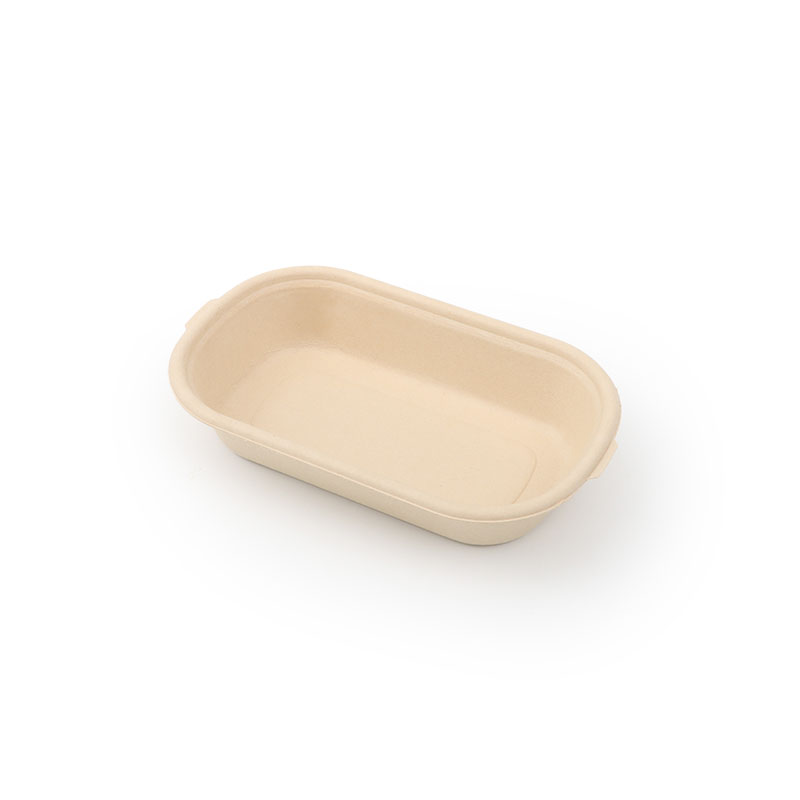 500ml
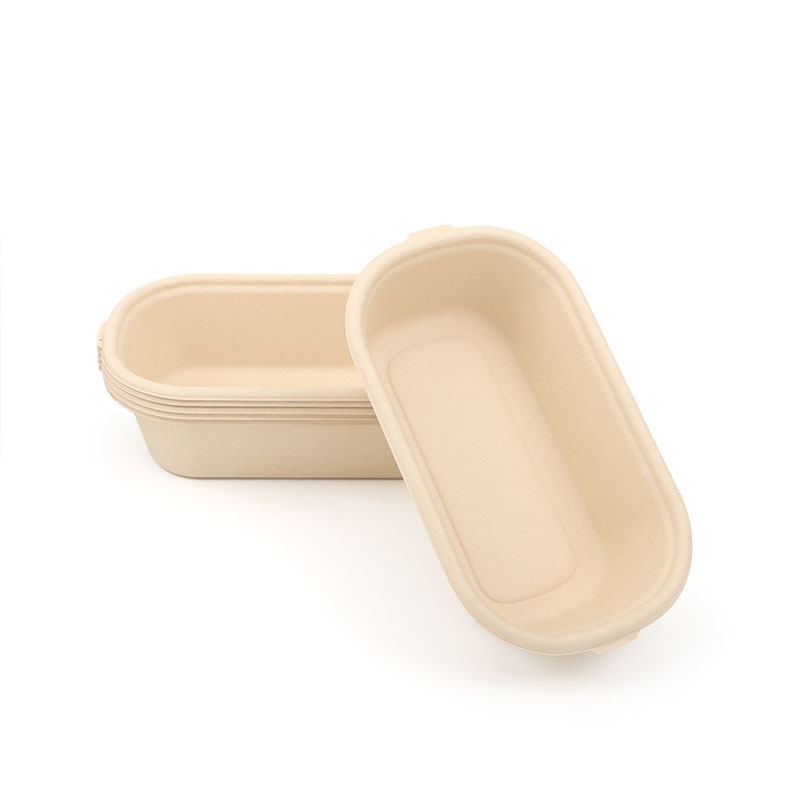 700ml
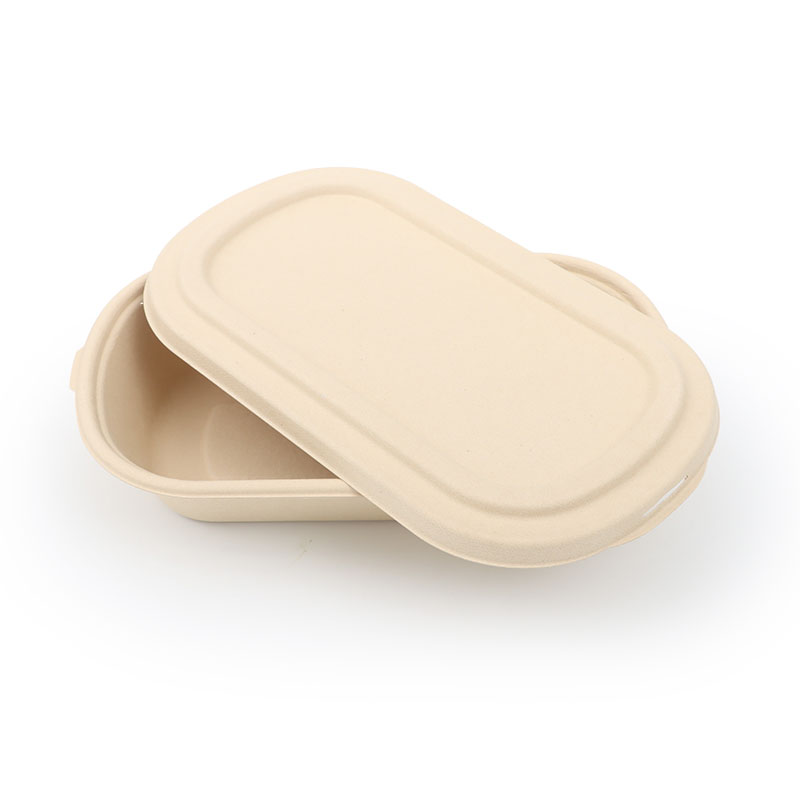 850ml
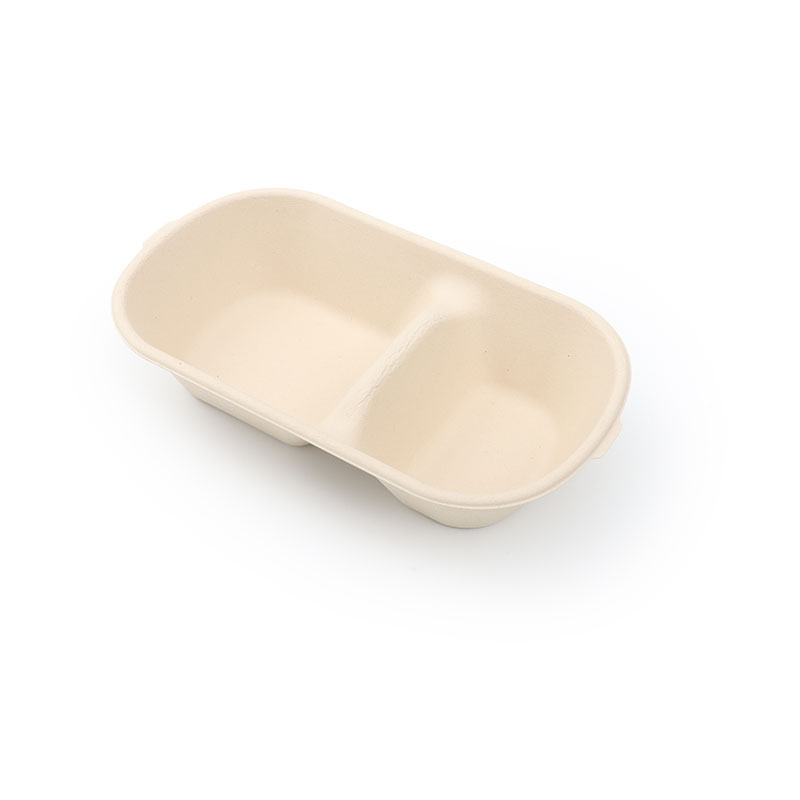 800ml 2 Compartments
 1000ml 2 Compartments
 1100ml
 1000ml Square Lunch Box
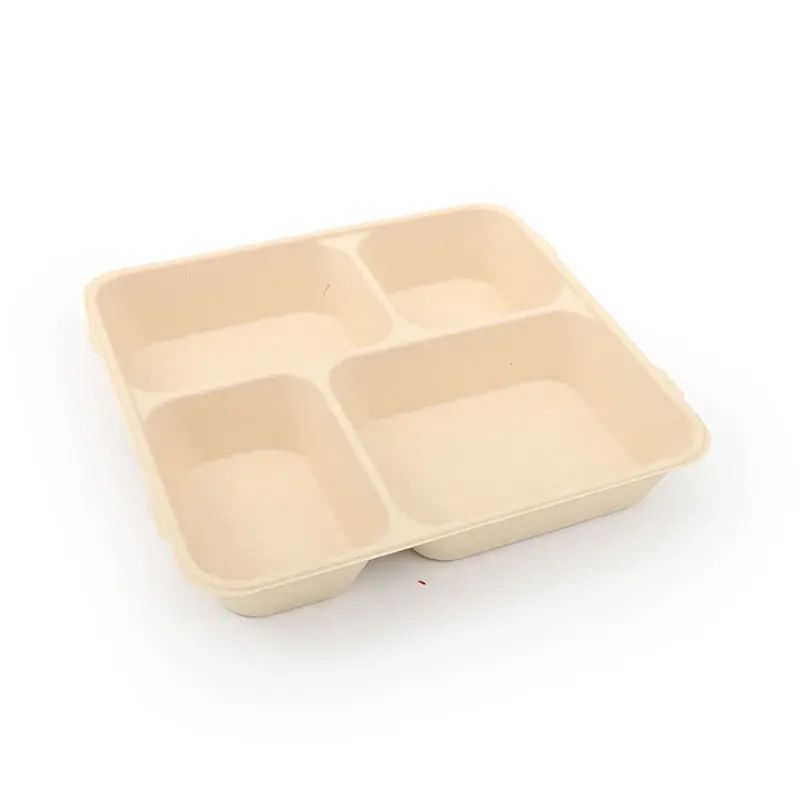 1340ml 4 Compartments
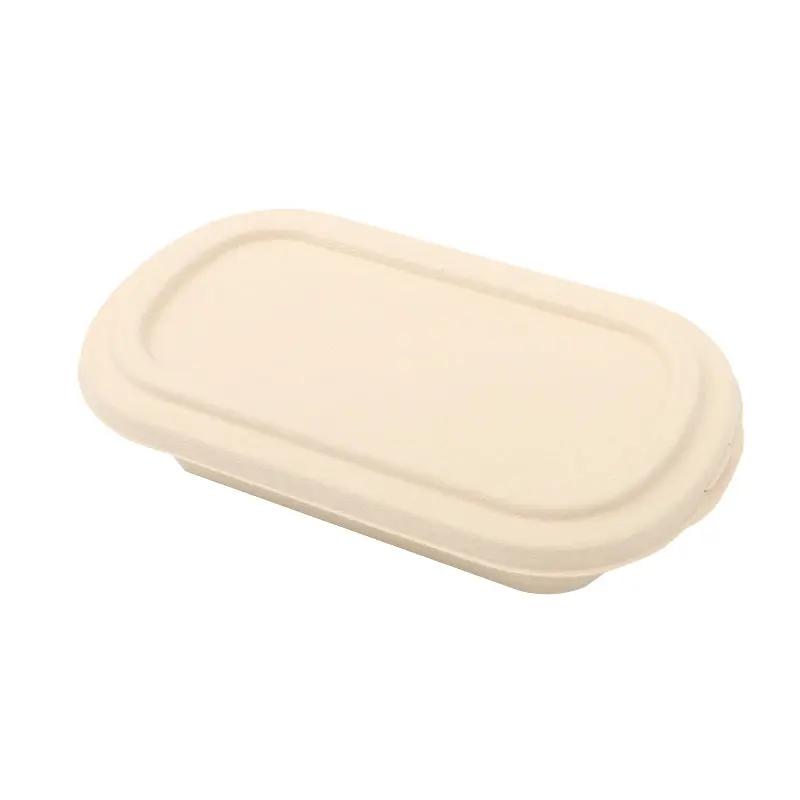 Lunch Box Lid
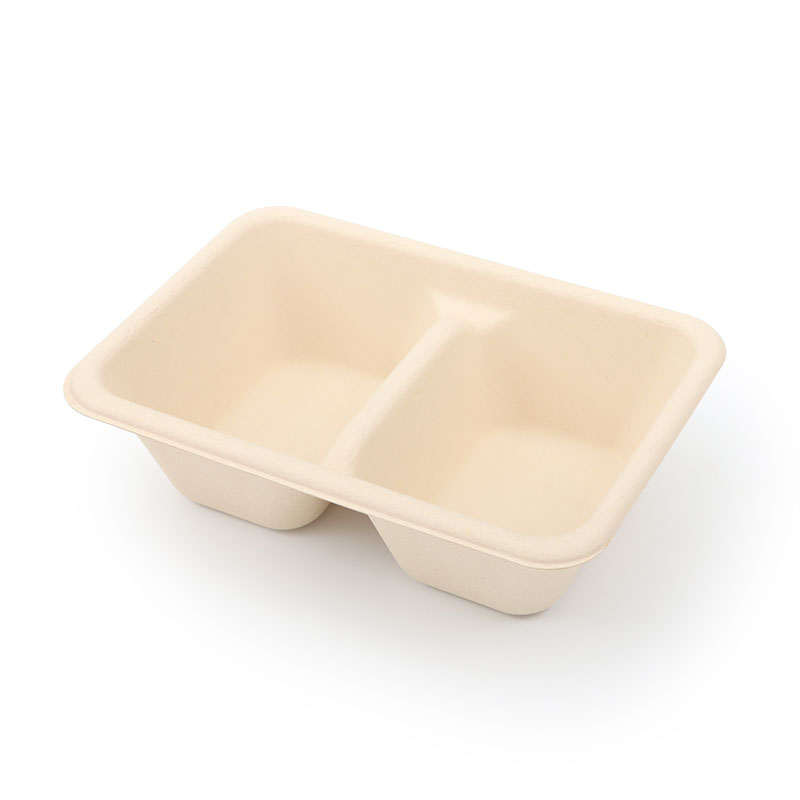 650ml
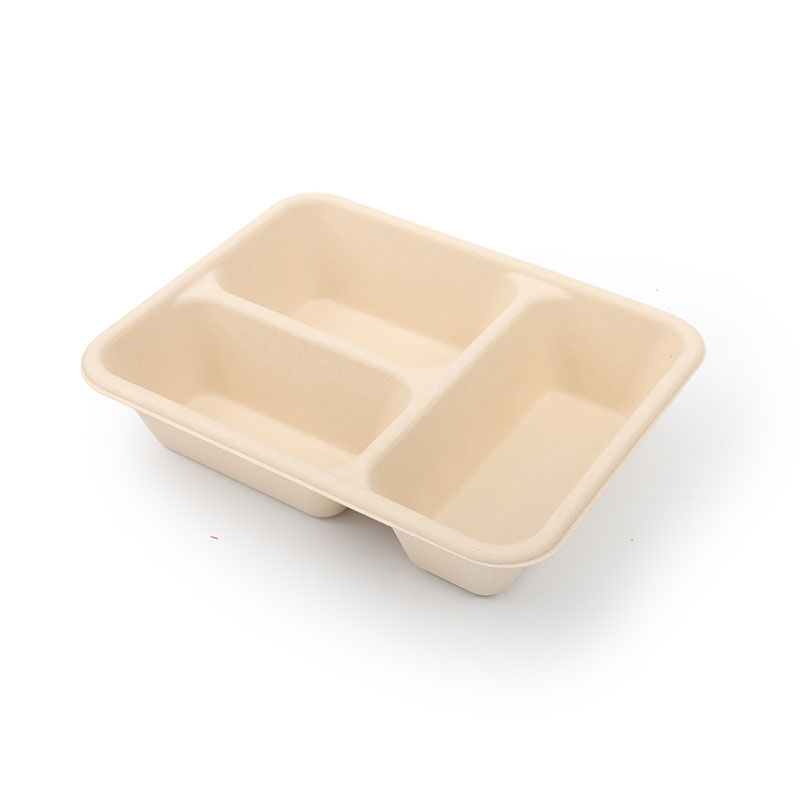 1000ml 3 Compartments
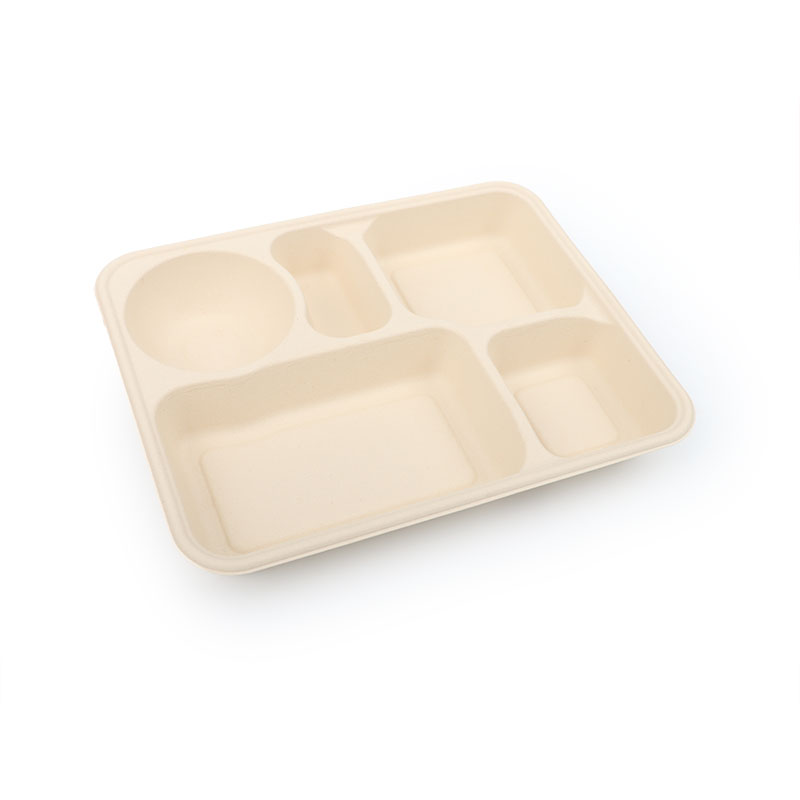 1250ml 5 Compartments
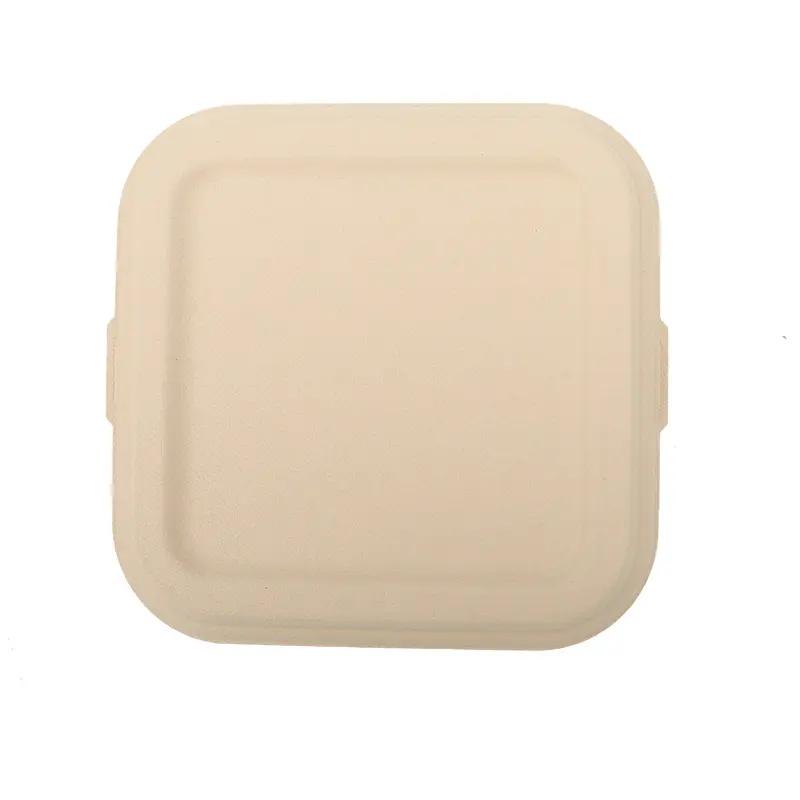 Square Lunch Box Lid
 Box Without T buckle
 850ml Salad Box
 700ml
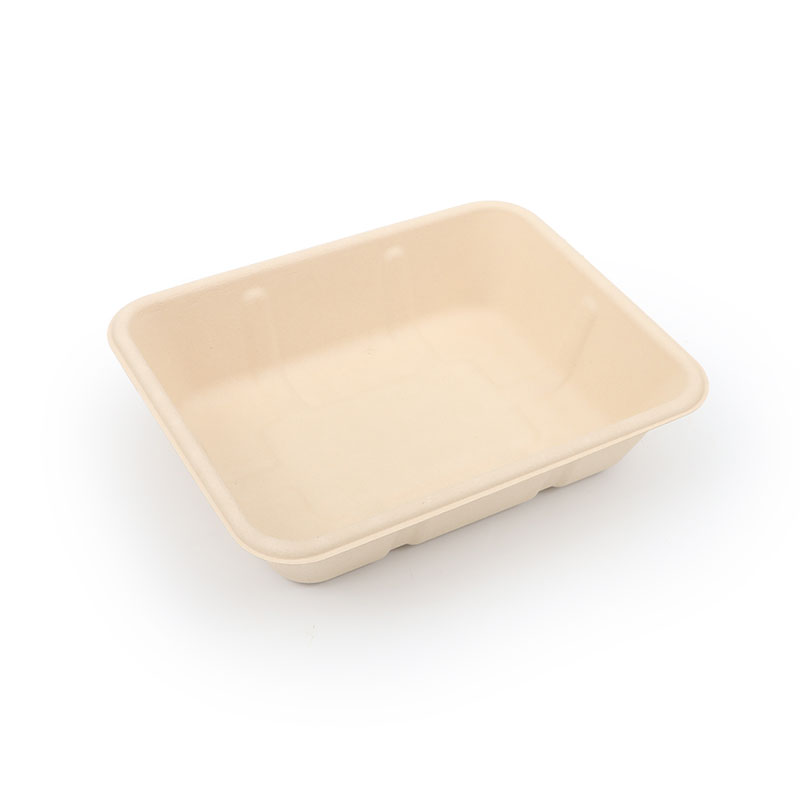 1350ml
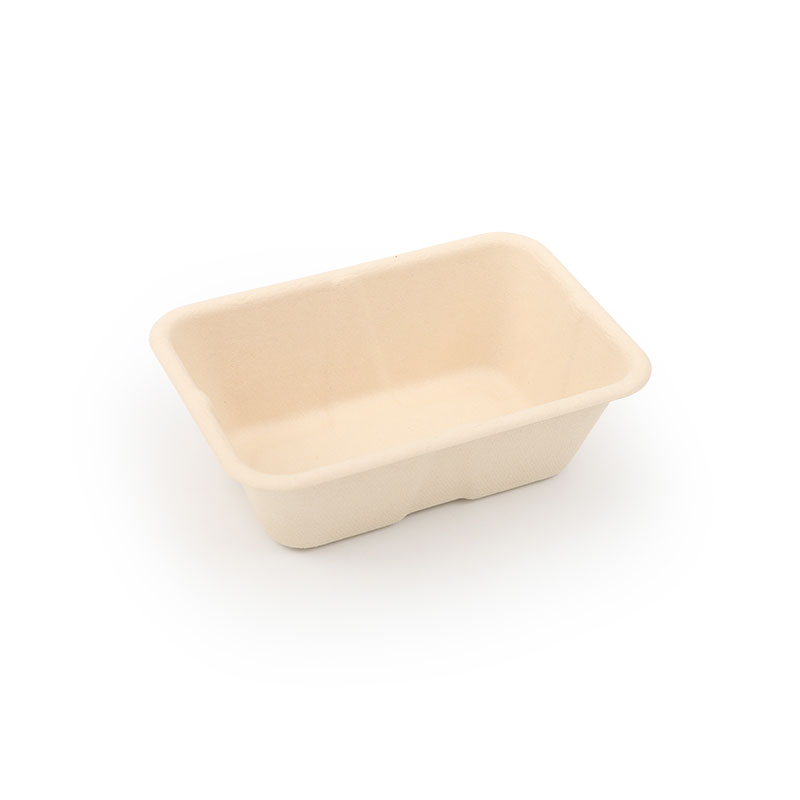 470ml
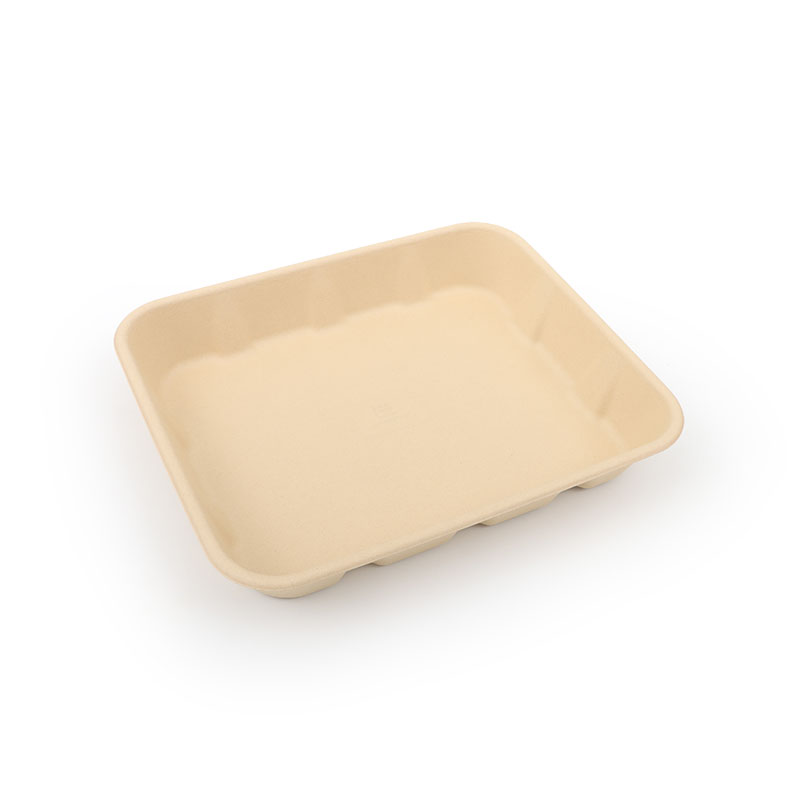 2183ml Tray Box
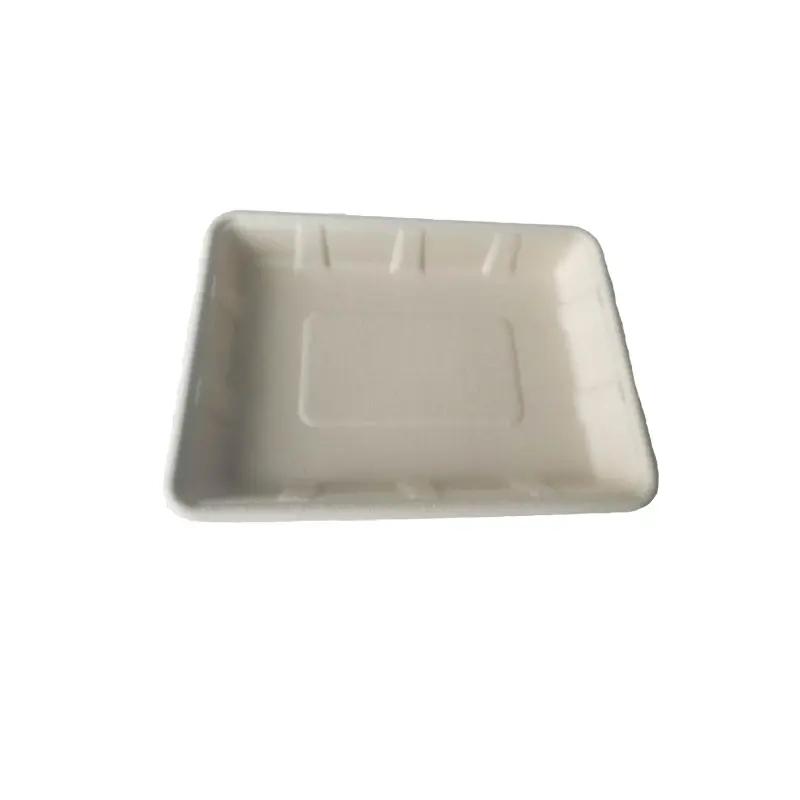 11" * 9"
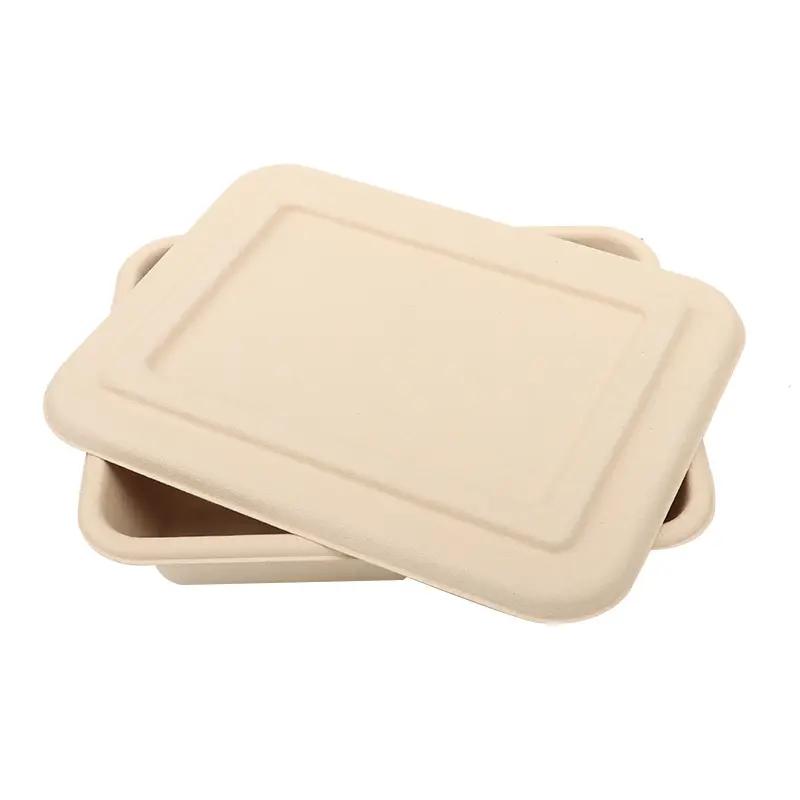 800ml
 One Part Box
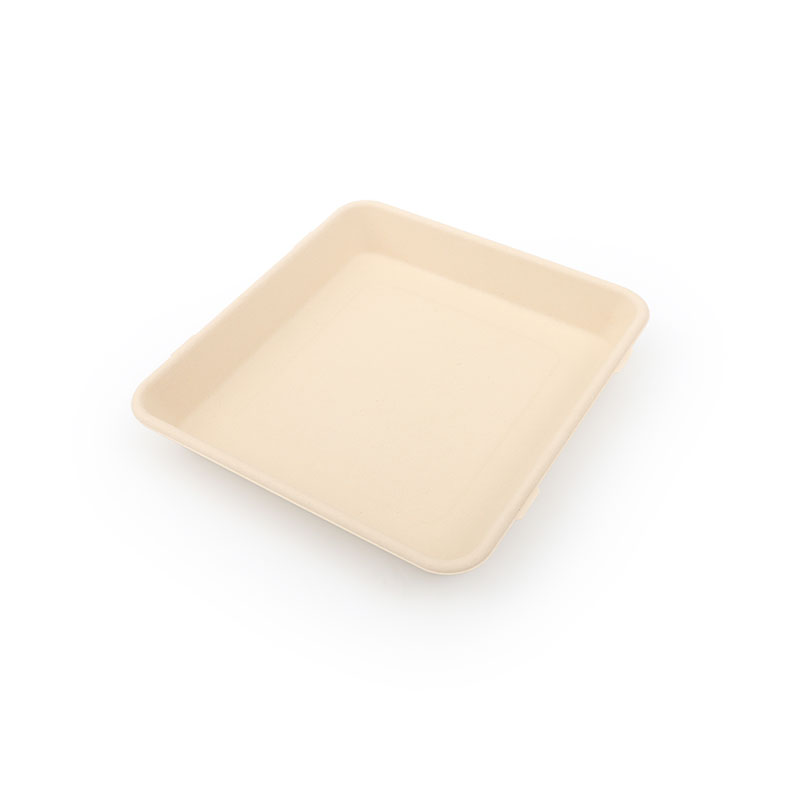 1443ml Tray Box
 Cake Bread Snack Tray Series
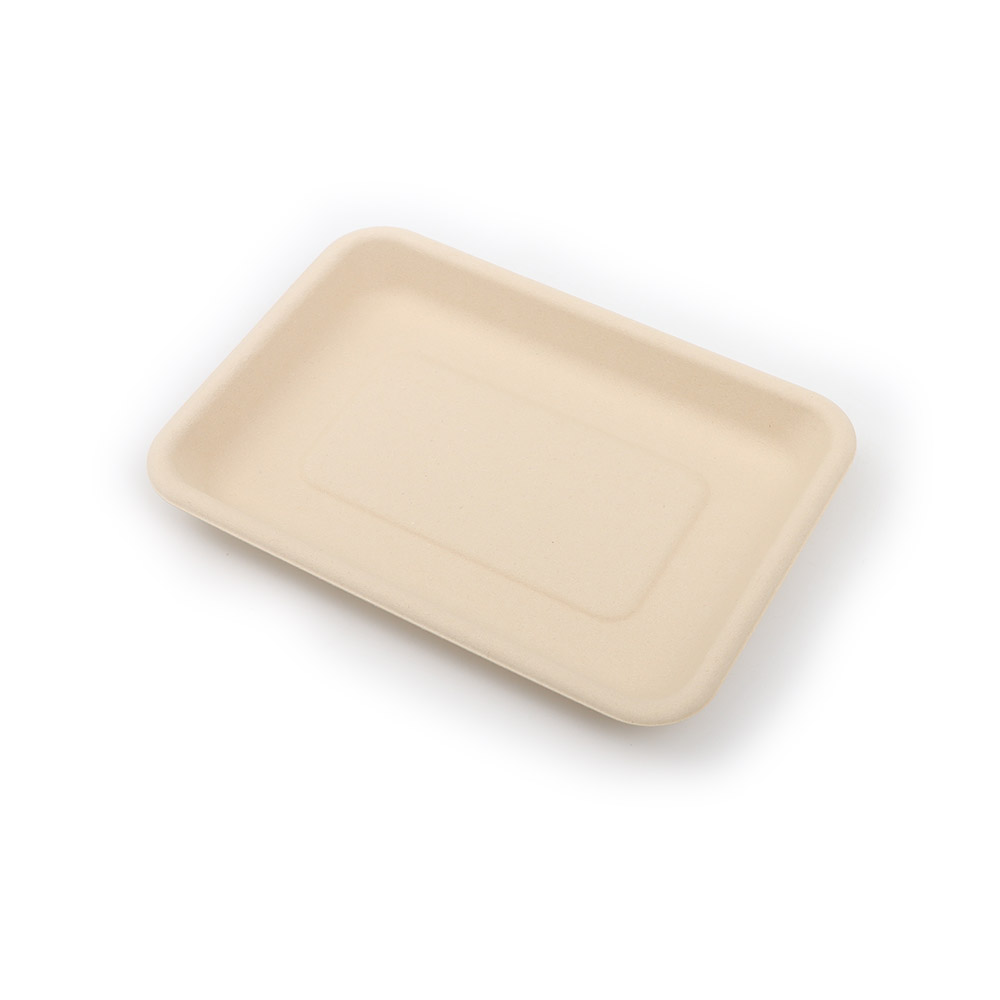 5" * 7" natural color
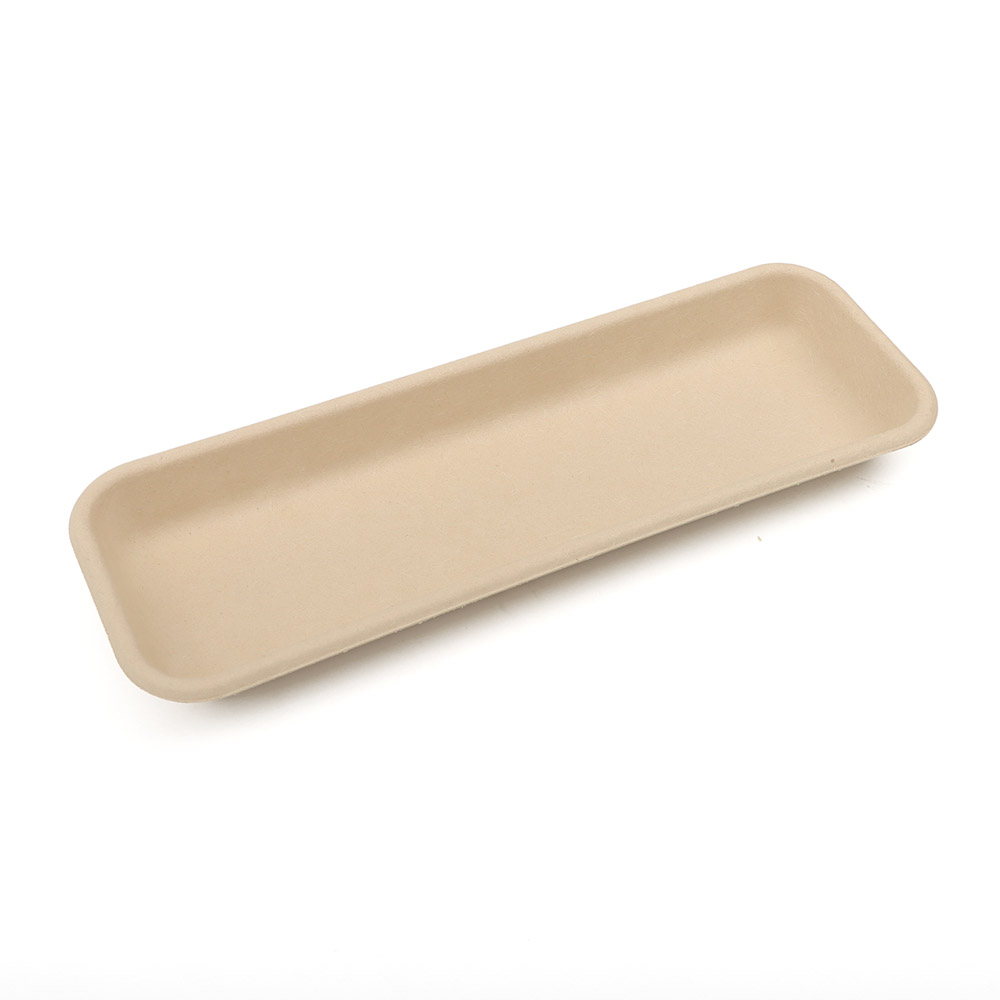 11.4" * 3.9"
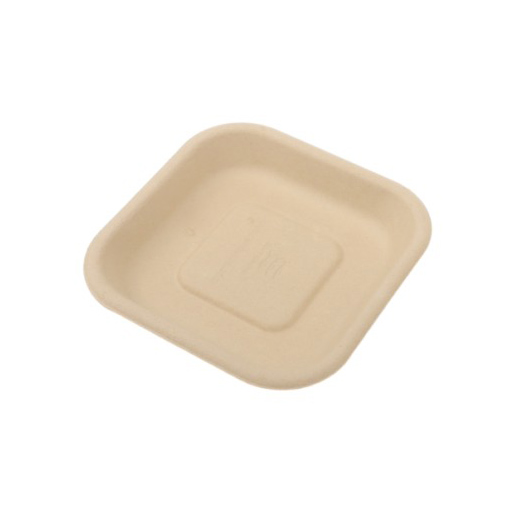 5.3" * 5.3"
 Fruit And Vegetable Tray Series
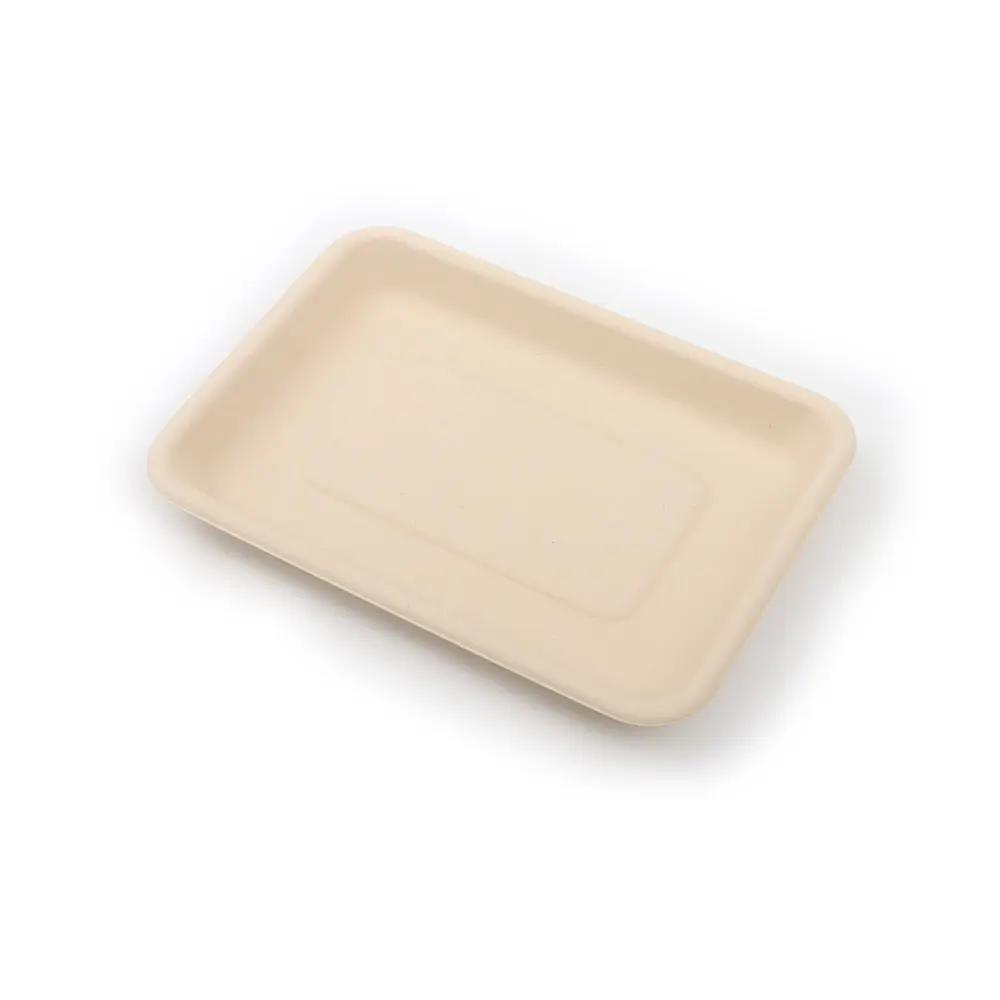 8.6" * 5.3"
 Sushi Tray Series
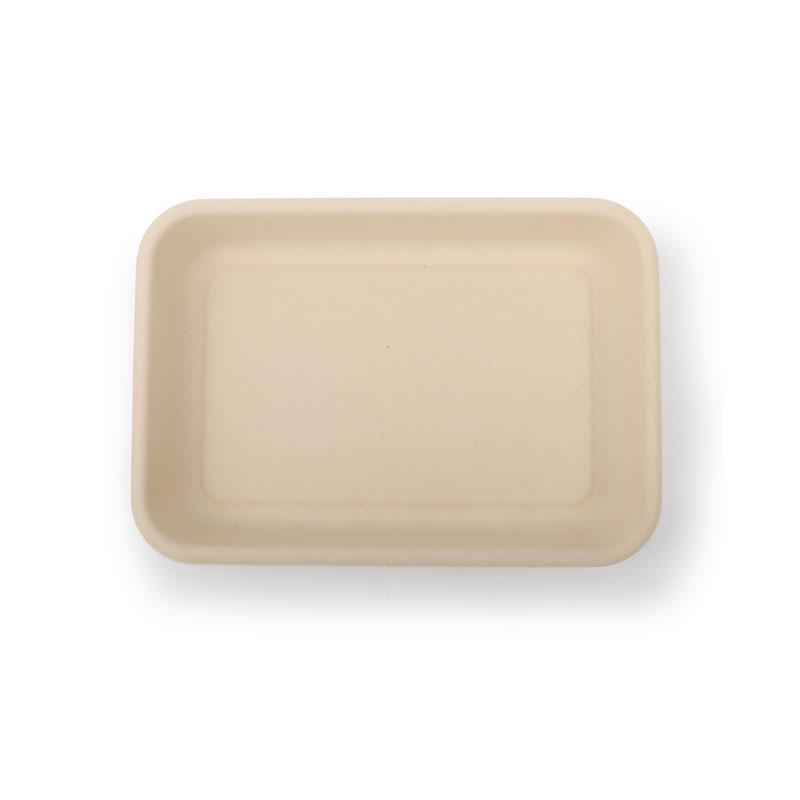 200" * 140"
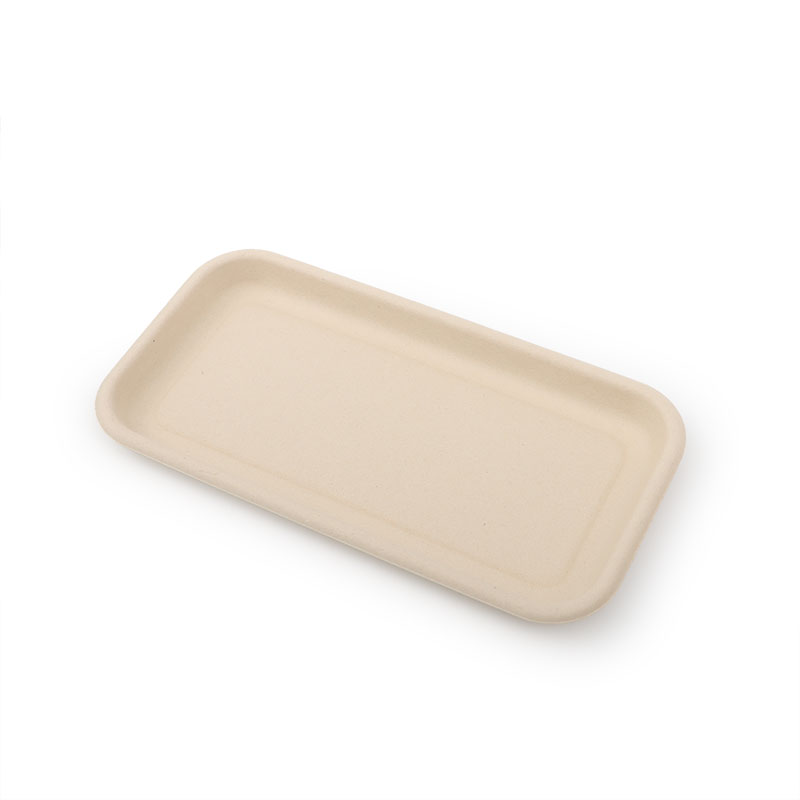 210" * 110"
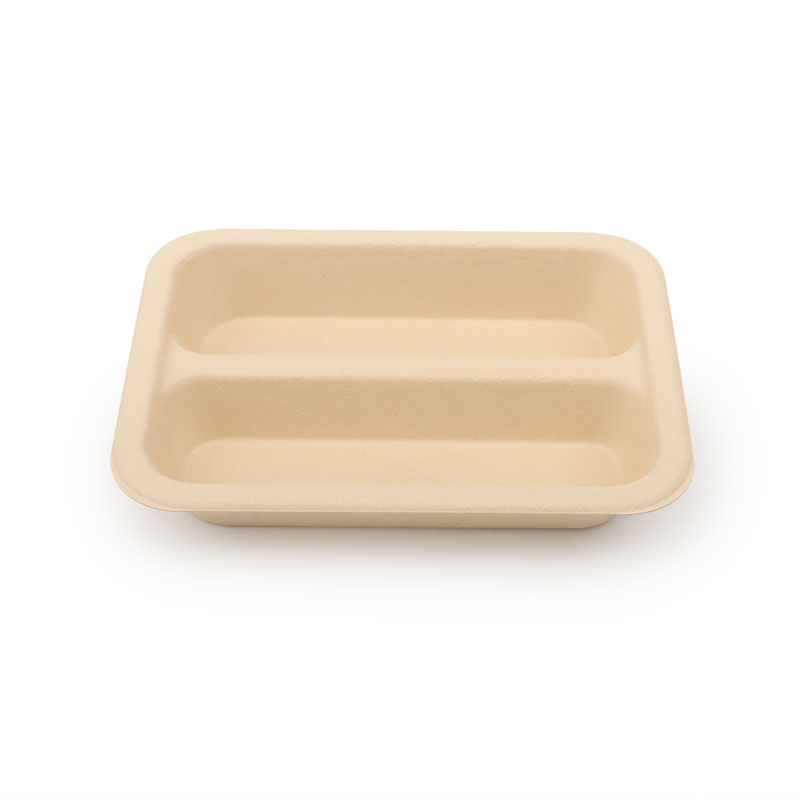 2 Compartments
 Small Round Plate Series
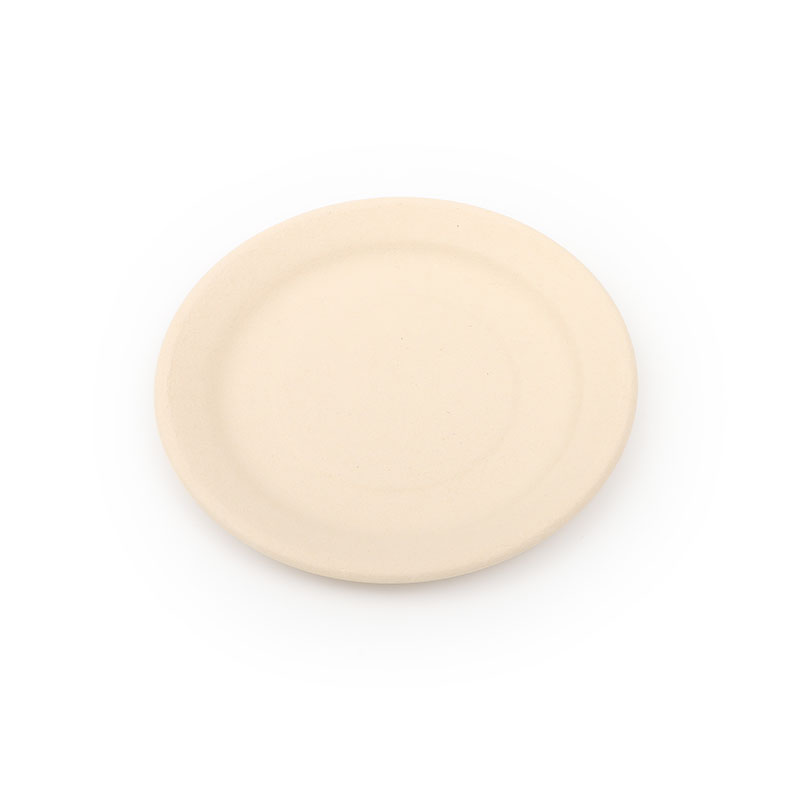 7 inch
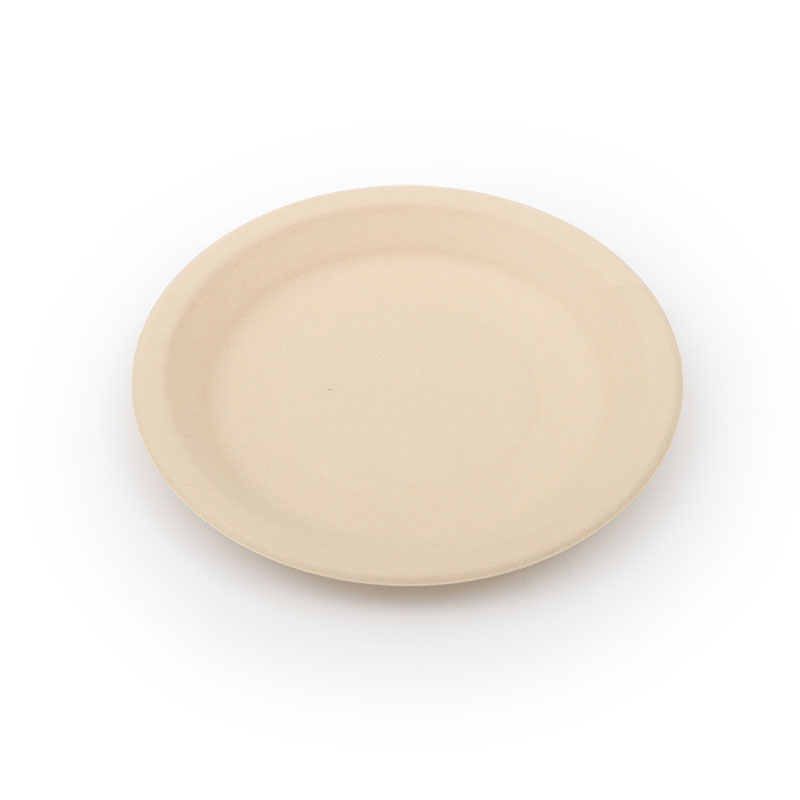 6 inch
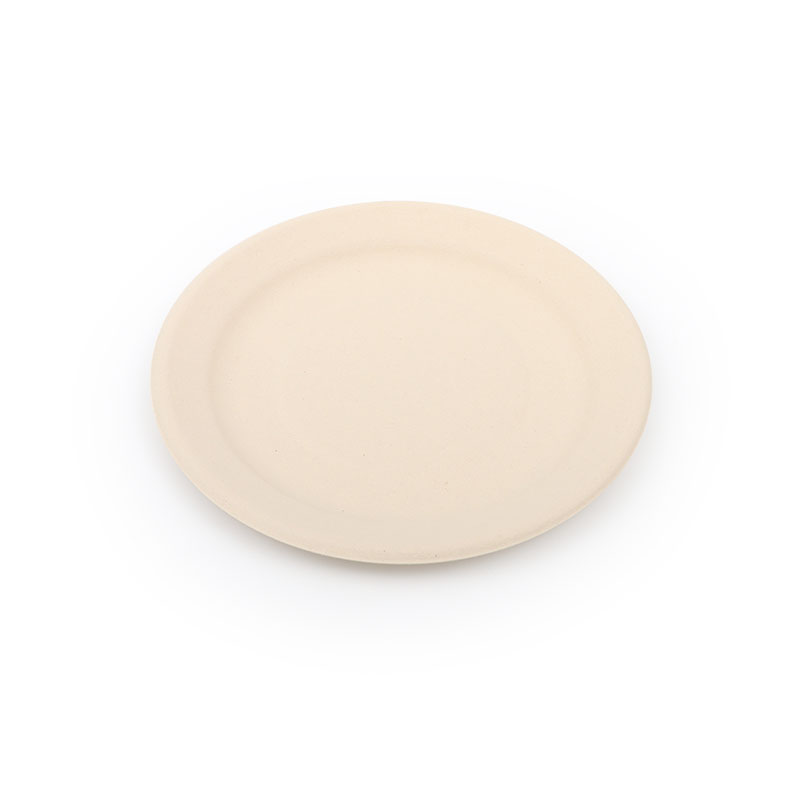 8 inch
 Middle Round Plate Series
 9 Inch 3 Compartments
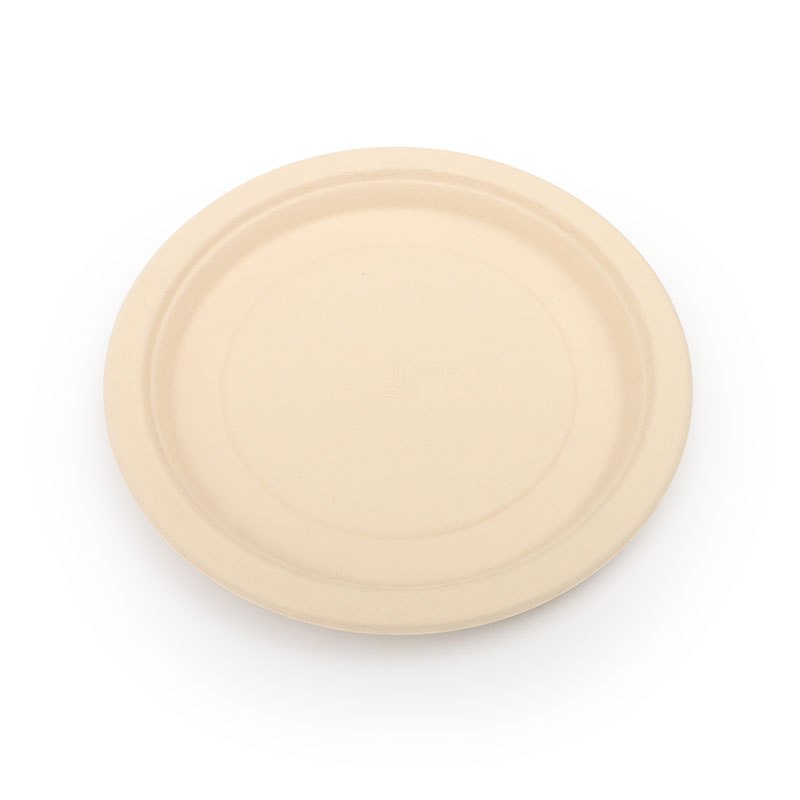 9 inch
 Big Round Plate Series
 12.7 Inch Pizza Plate
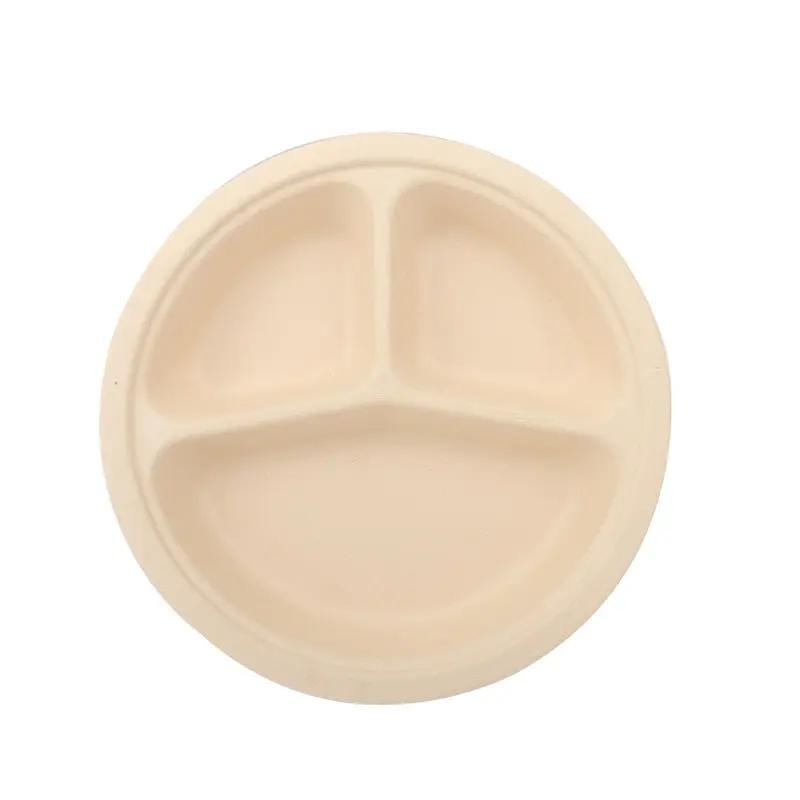 10.25 inch 3 Compartments
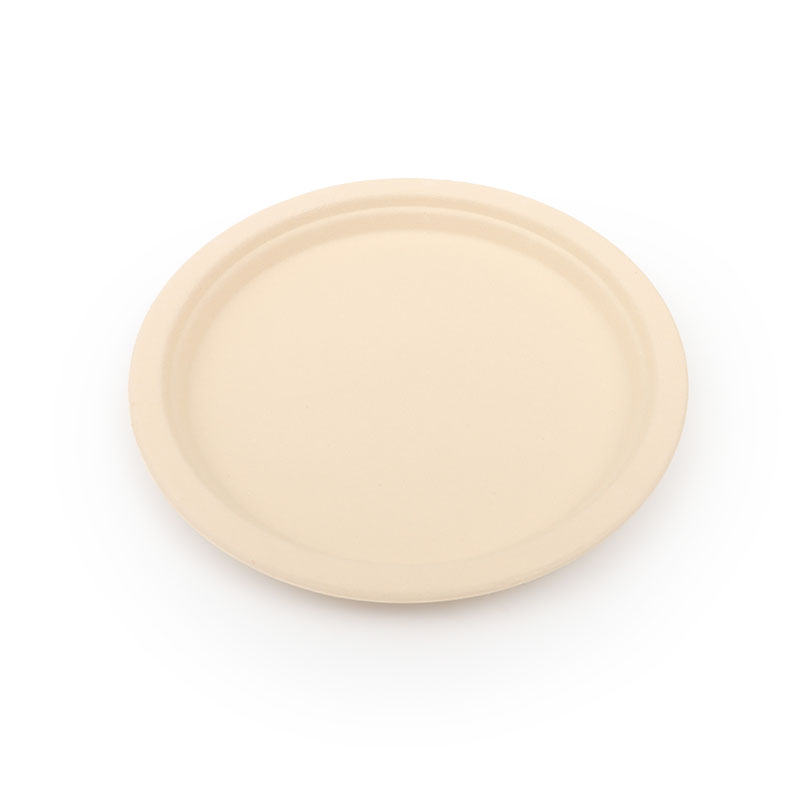 10 inch
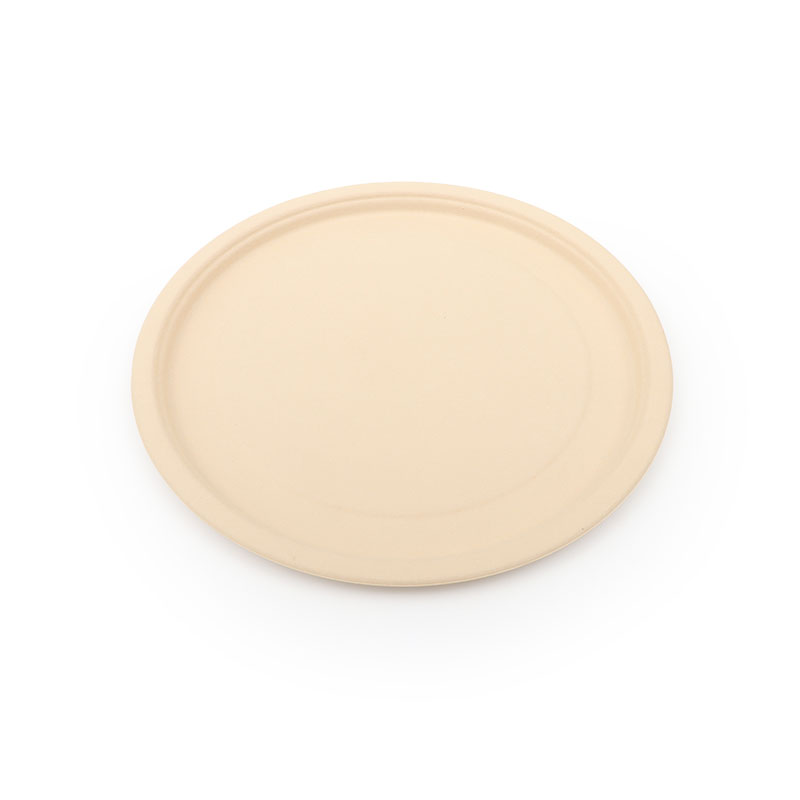 12 inch
 Bigger Bowl
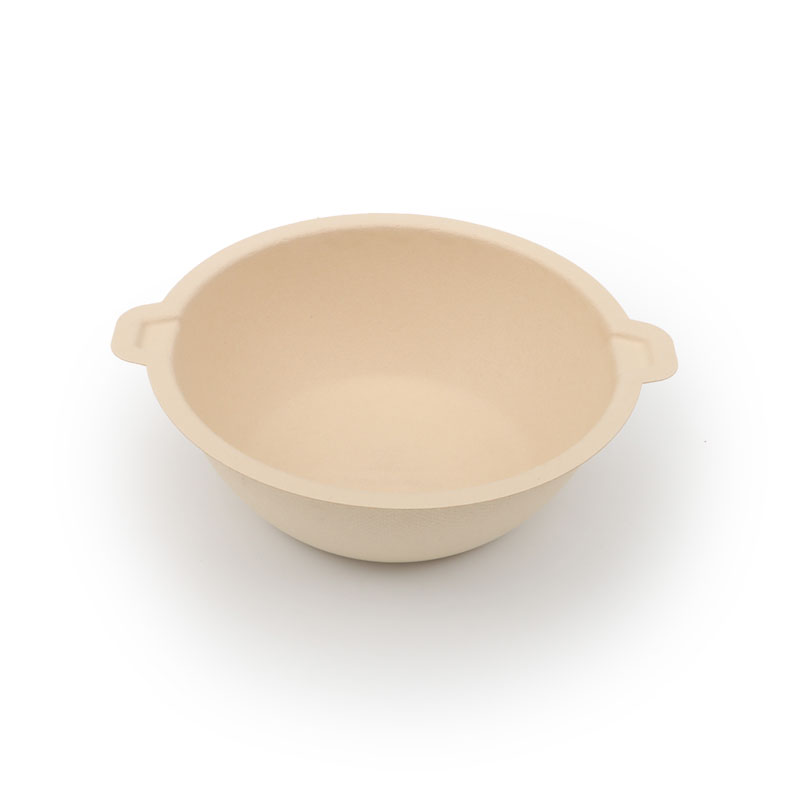 48oz(1420ml)
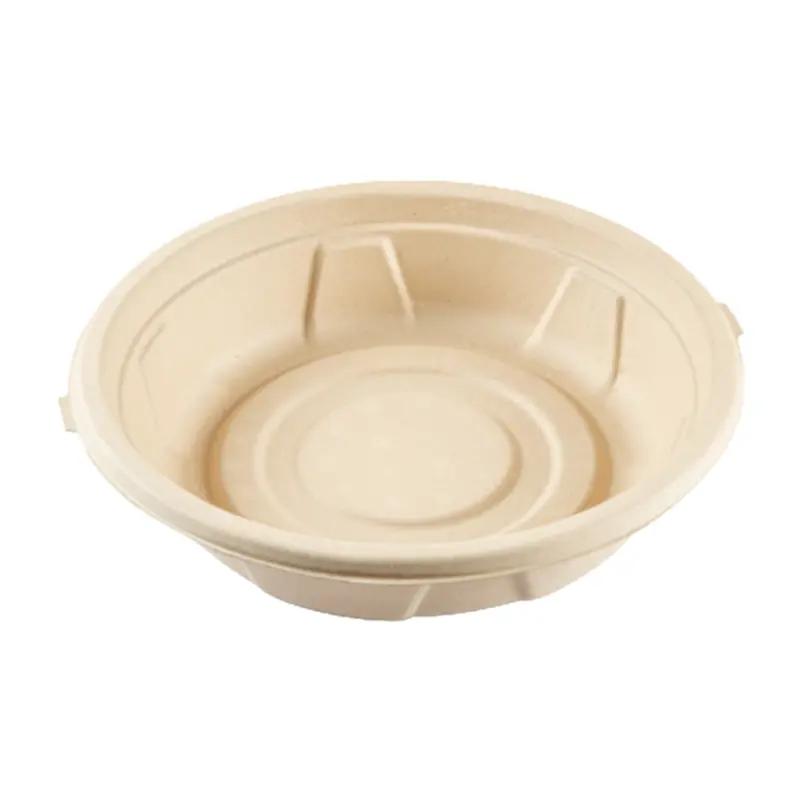 56oz(1650ml)
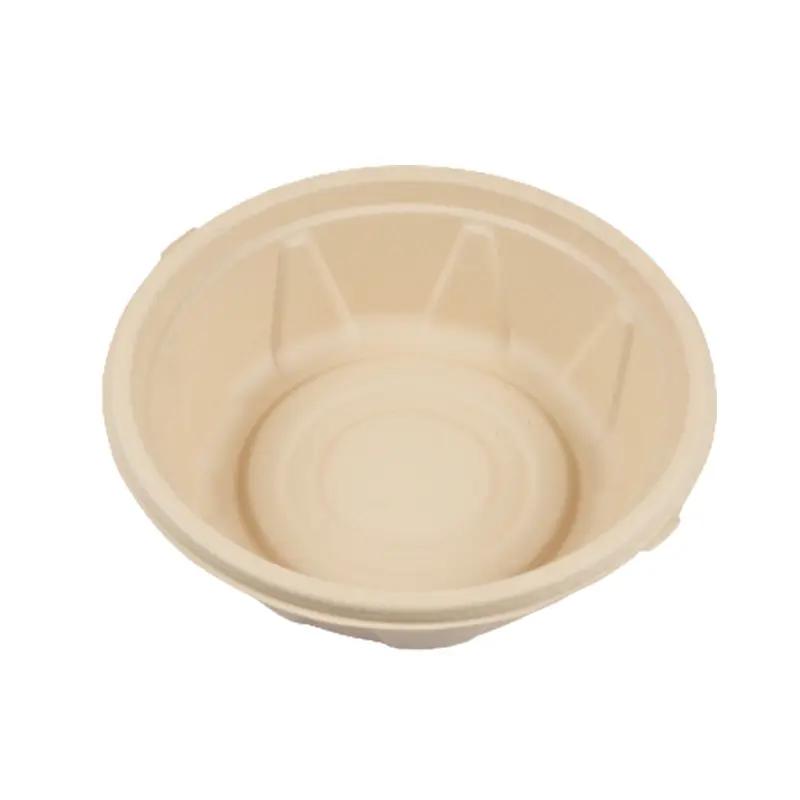 100oz(2950ml)
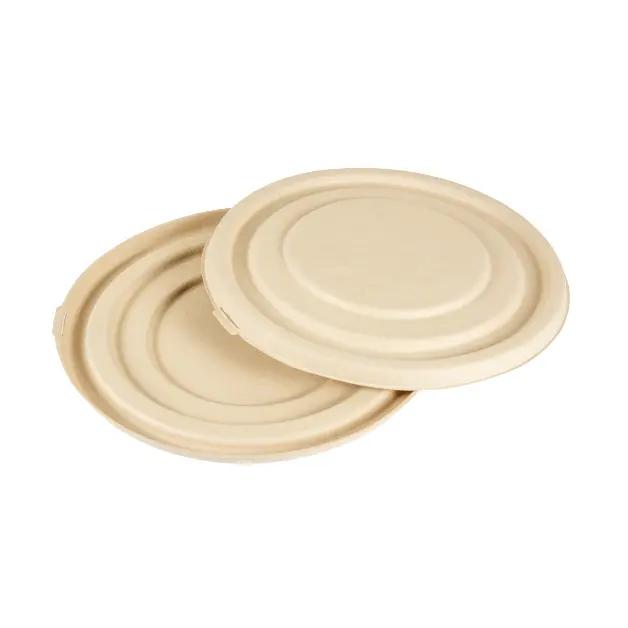 100oz(2950ml) With Lid
 Middle Bowl
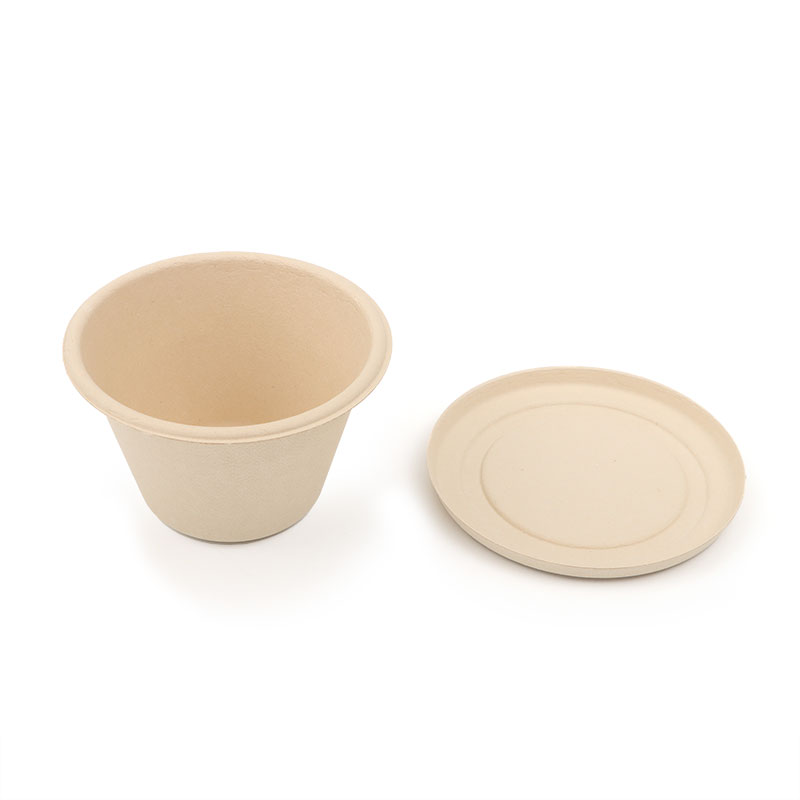 17oz(500ml)
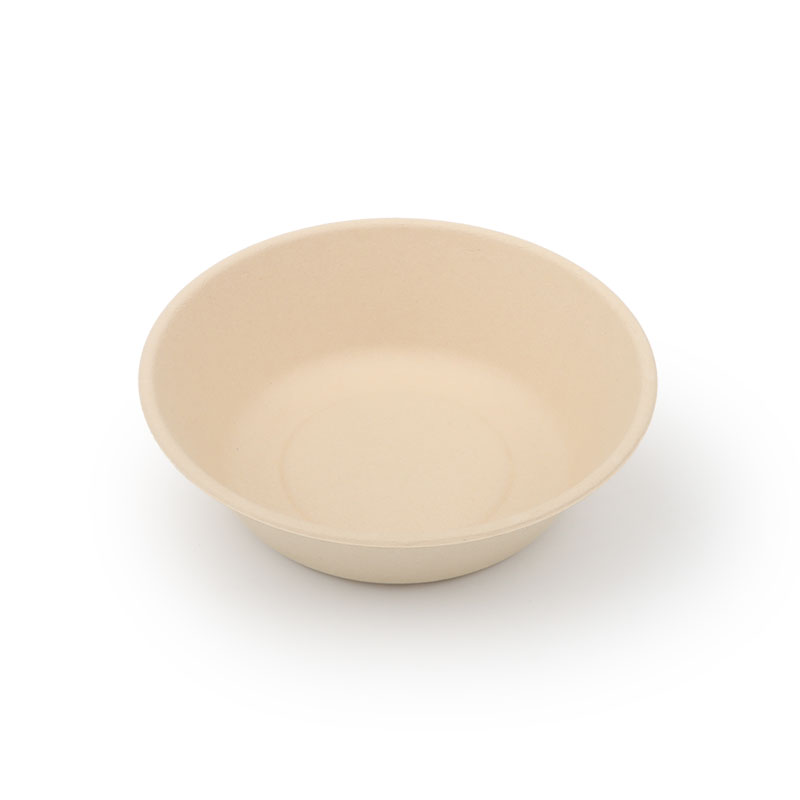 27oz(800ml)
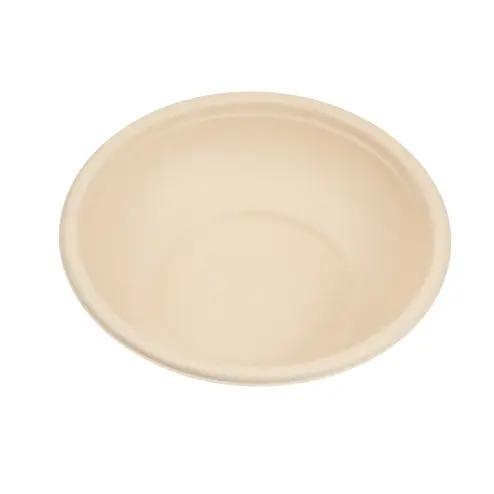 20oz(600ml)
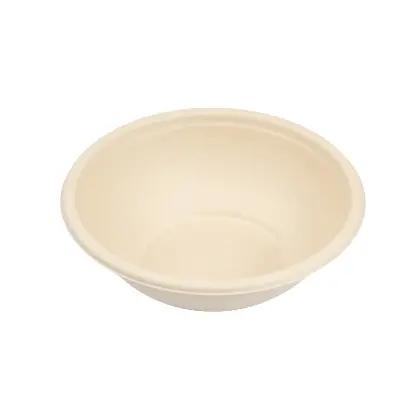 29oz(850ml)
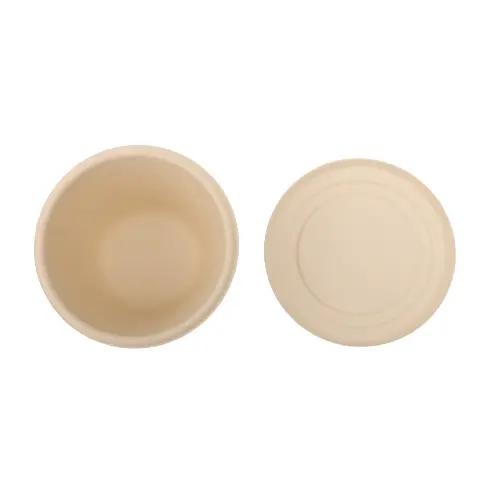 17oz(500ml) With Lid
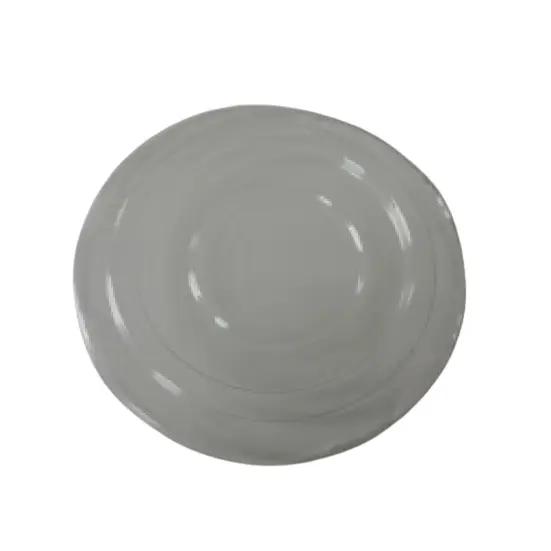 17oz(500ml) PET Lid
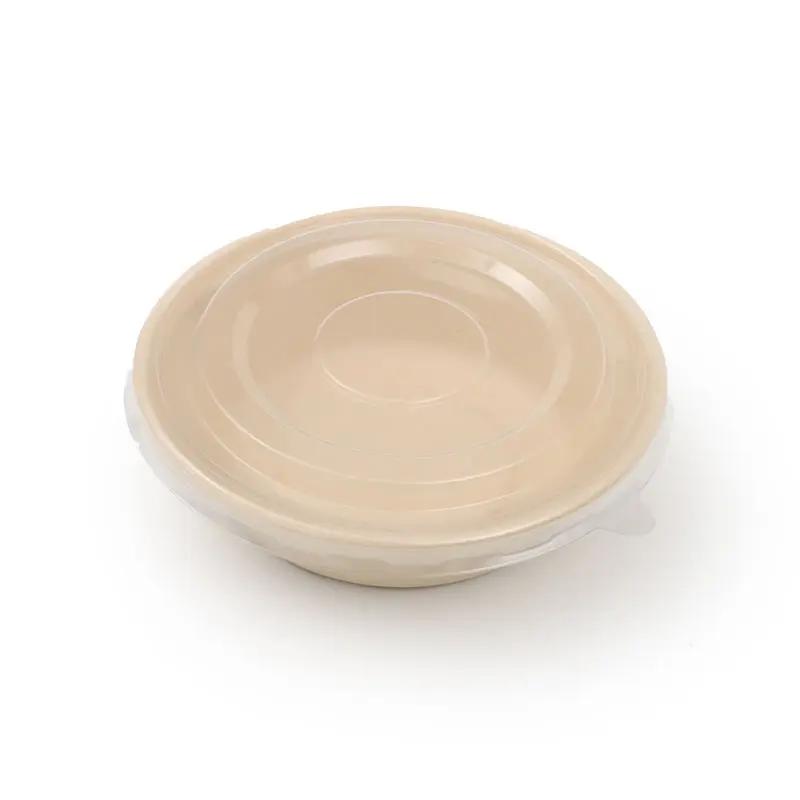 28oz(830ml) PET Lid
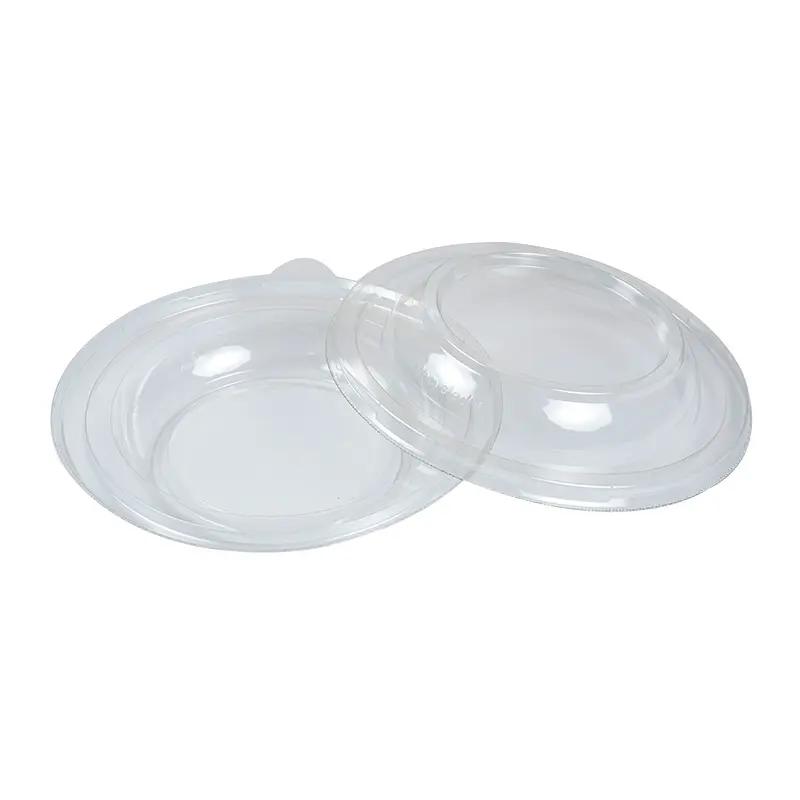 Round Bowl PET
 Small Bowl
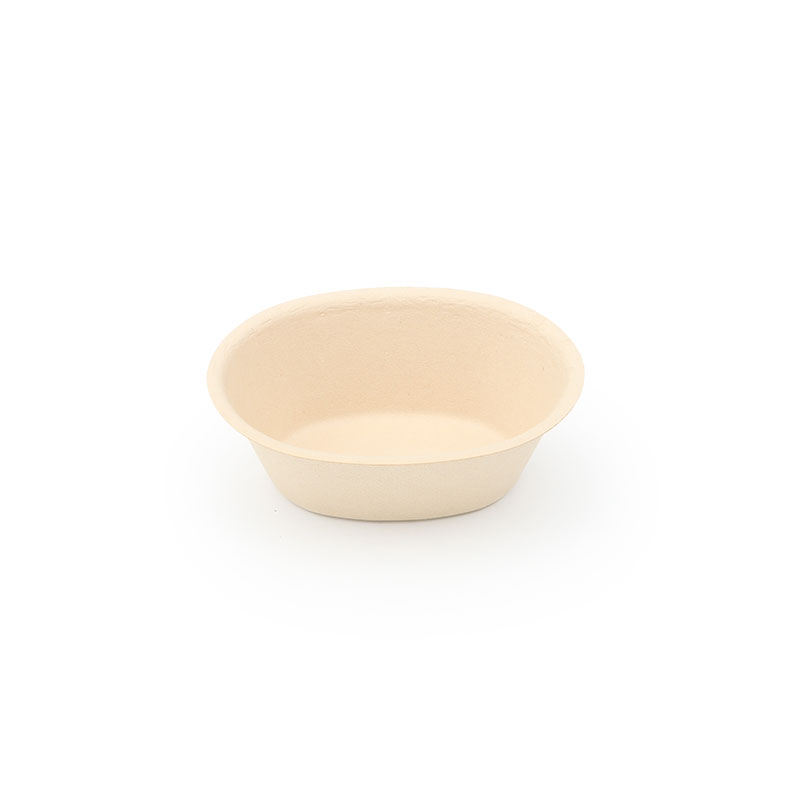 Snack Bowl
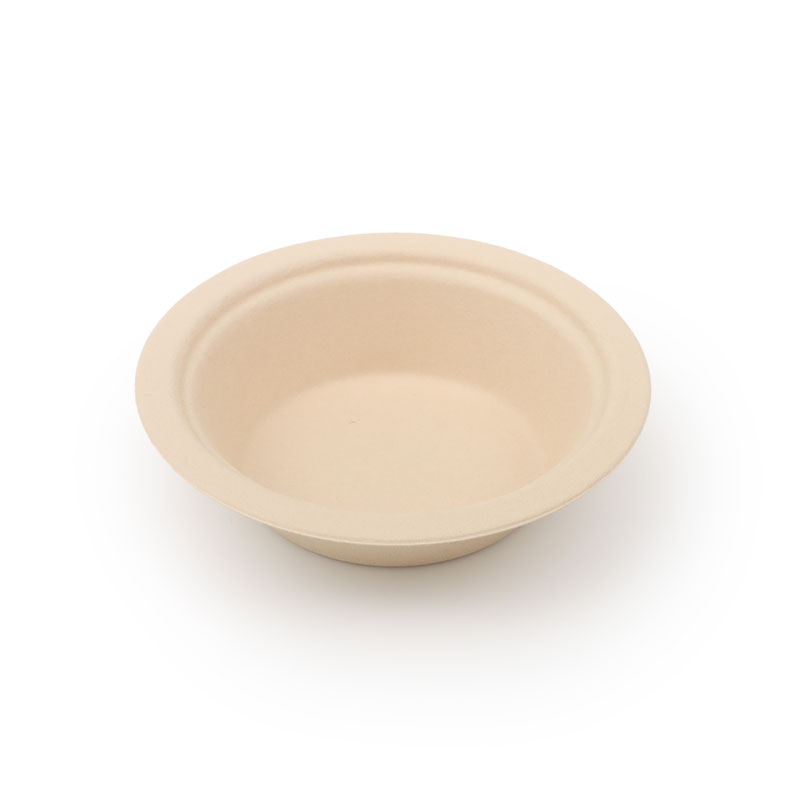 11.5oz(340ml) Bowl
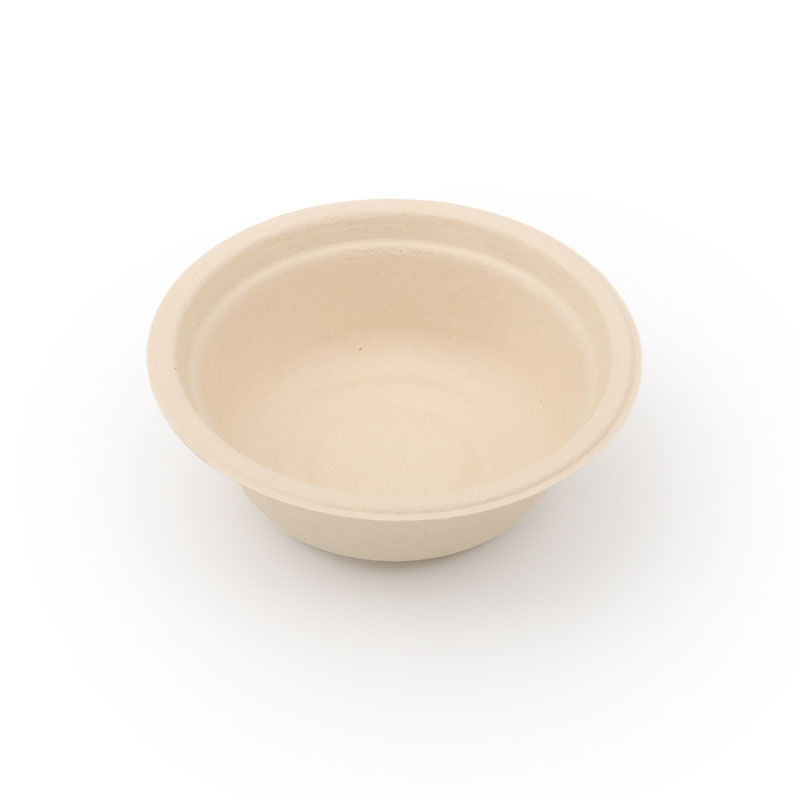 6.7oz(200ml) Bowl
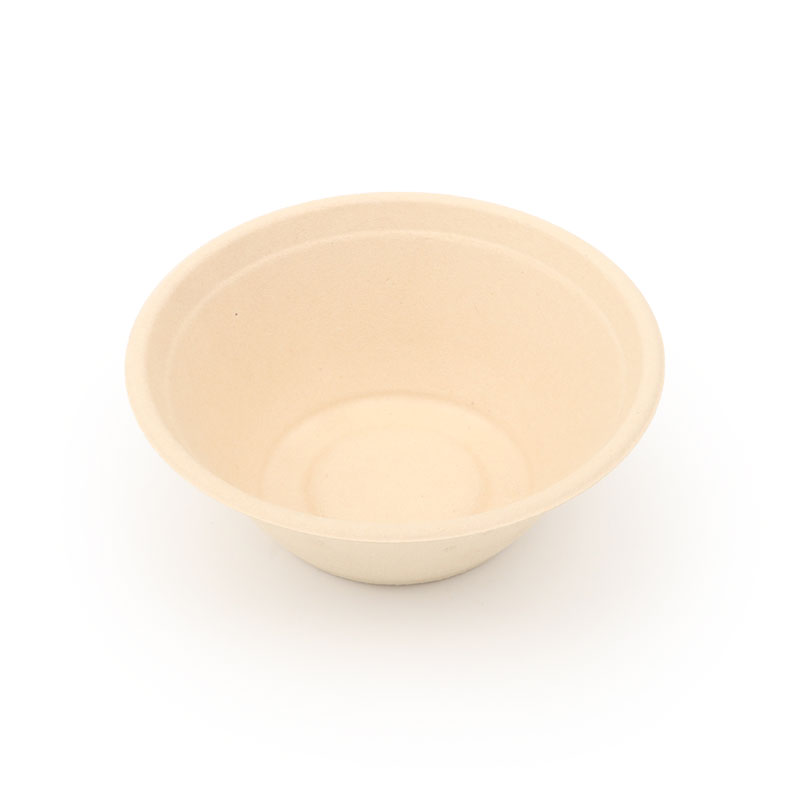 12oz(350ml) Bowl
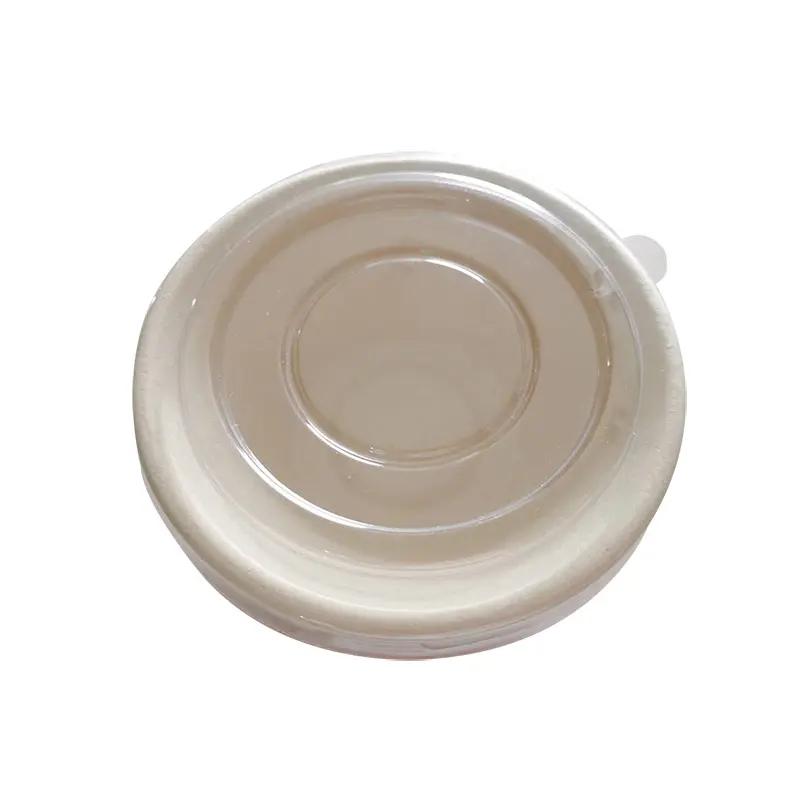 12oz(350ml) Bowl PET
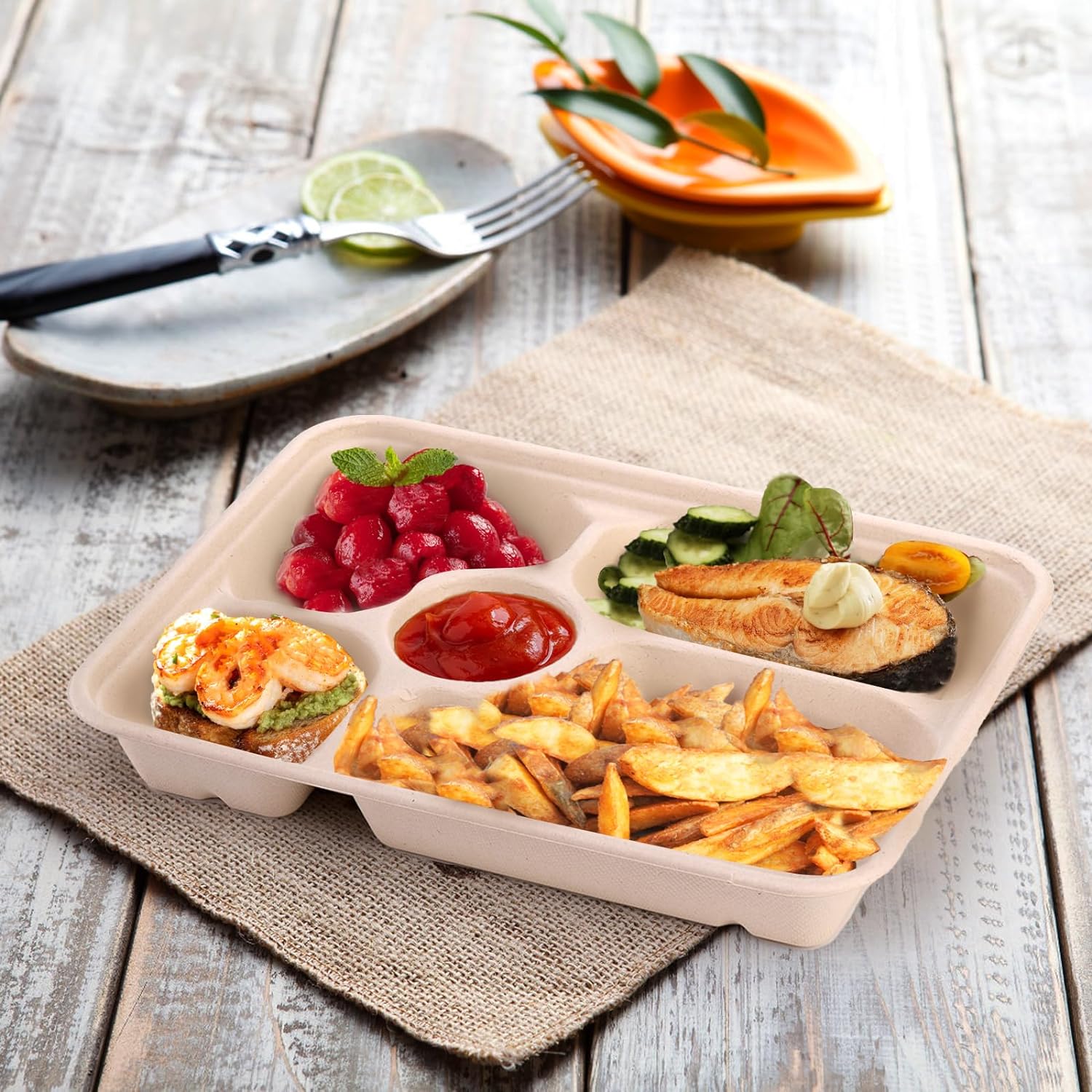 Bagasse Lunch Boxes
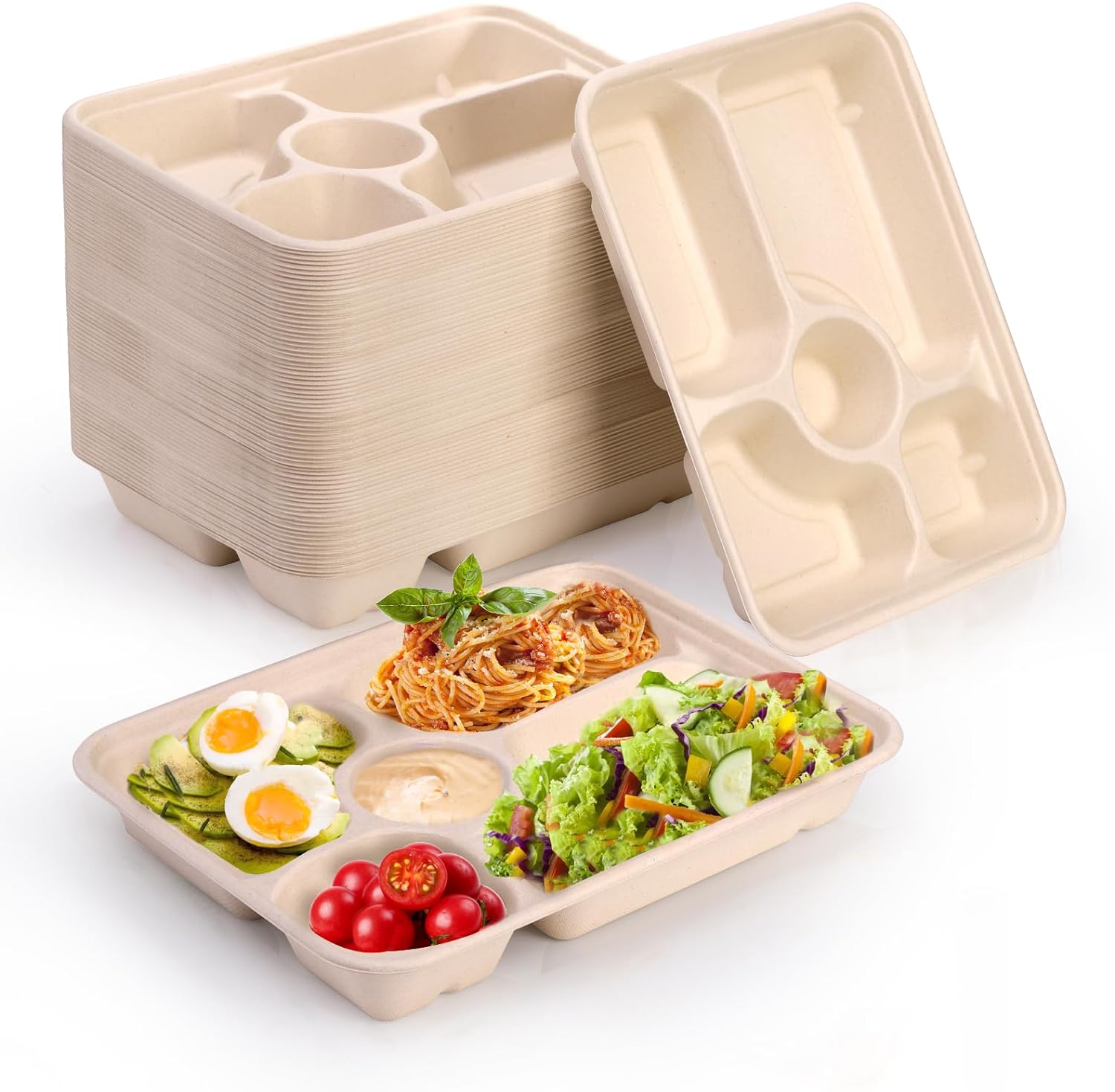 5CP
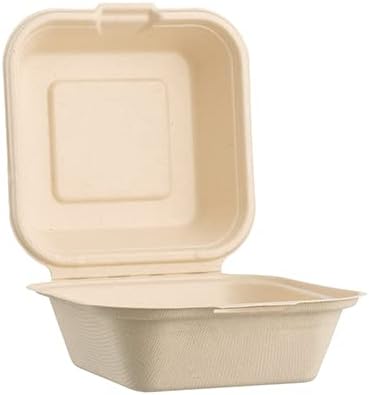 6 inch
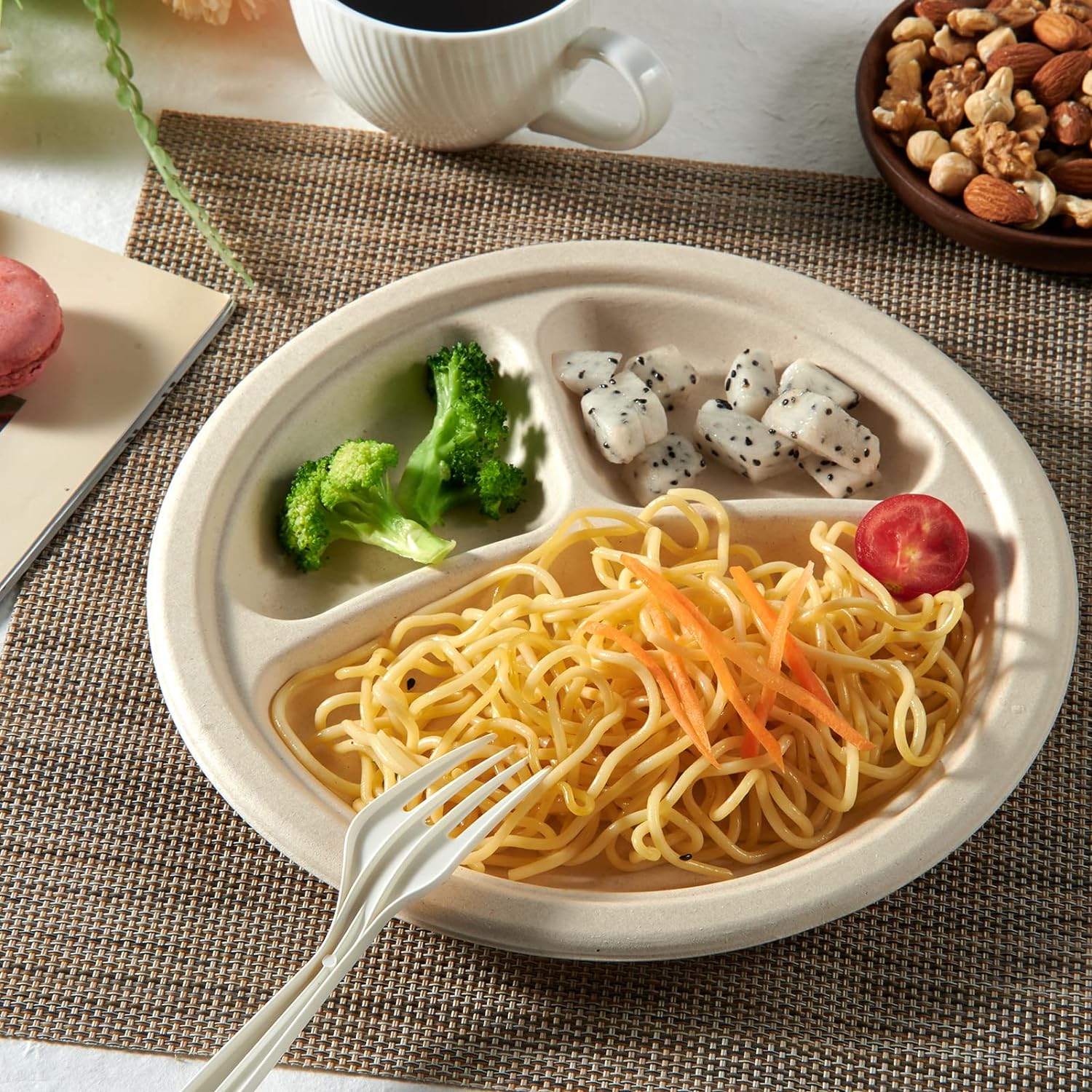 Bagasse Food Plates
 7 inch
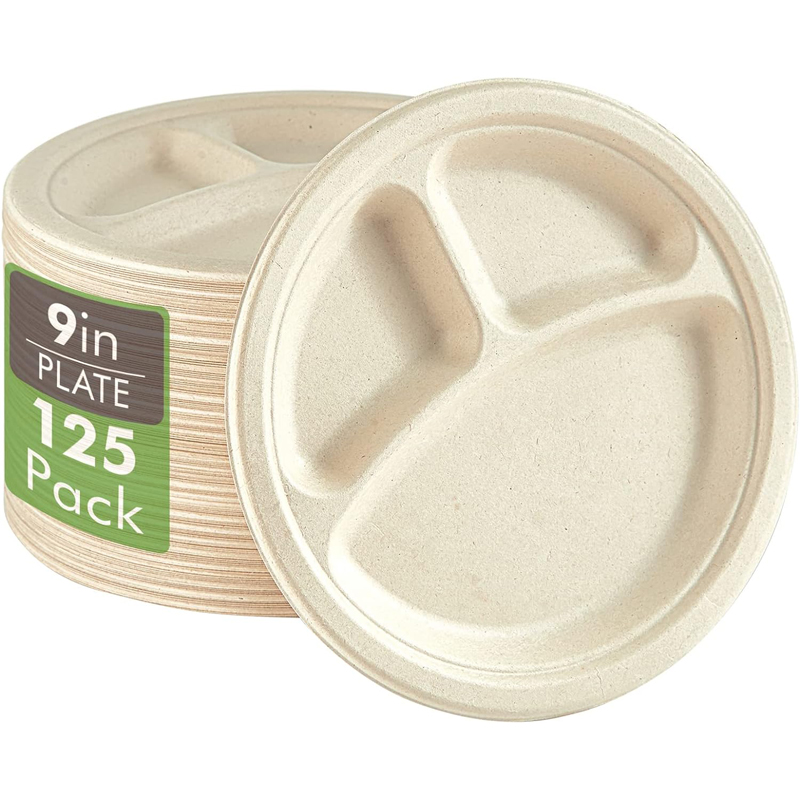 3CP
 Bagasse Bowls
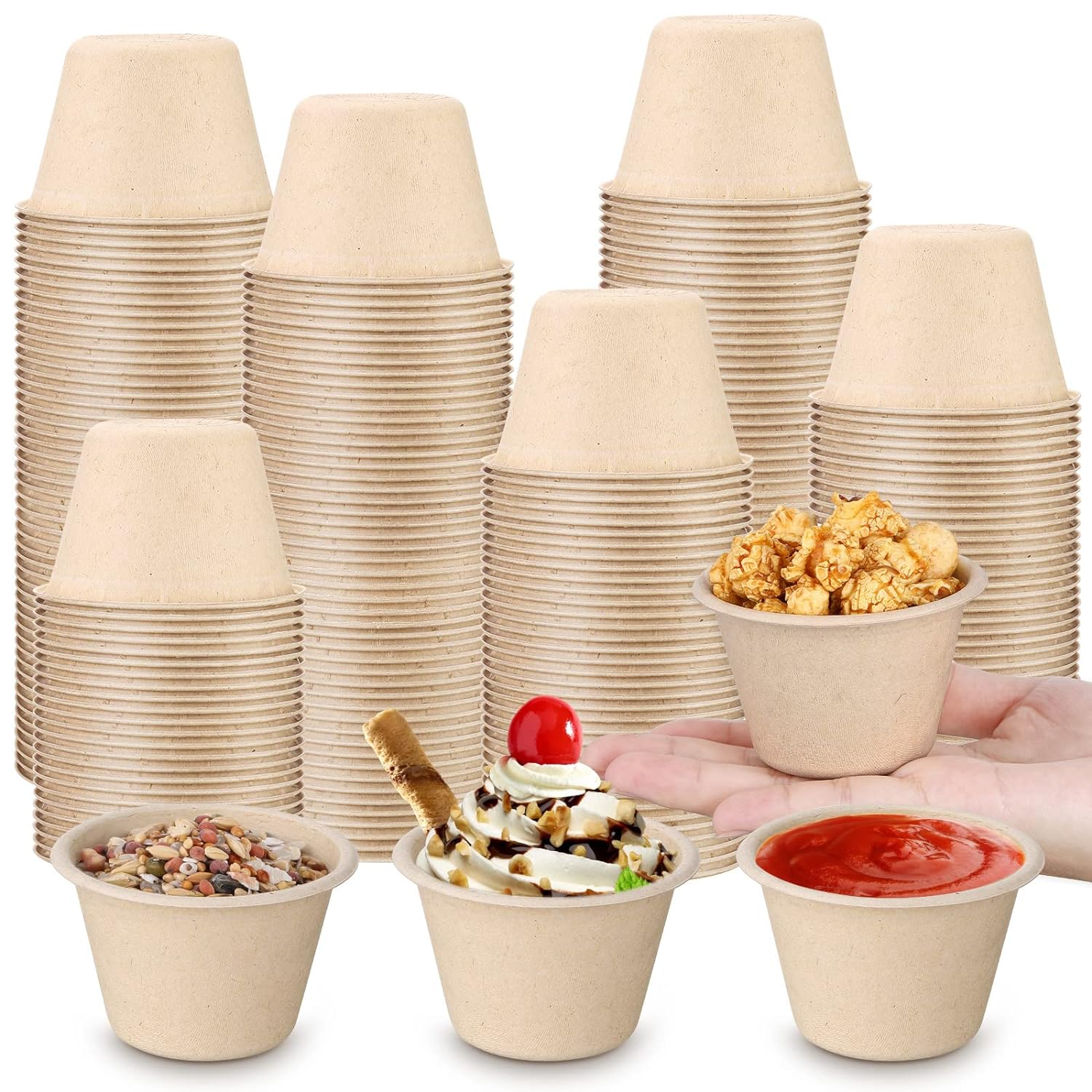 4oz
 Bagasse Cups And Cutlery
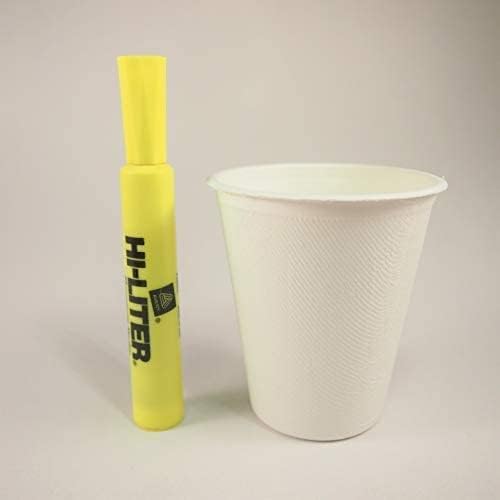
 8oz
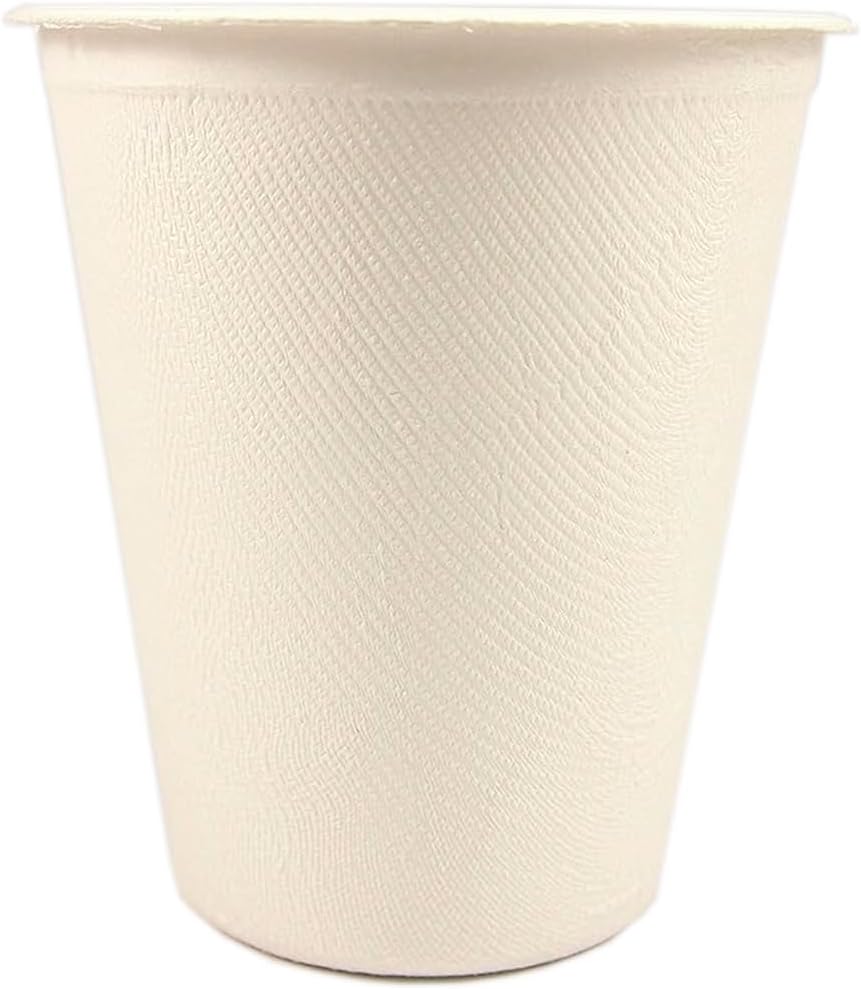
 12oz
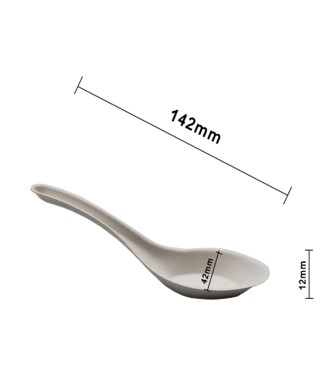 Cutlery




How to Source Bamboo Pulp Tableware Directly From China Factories
How to Source Bamboo Pulp Tableware Directly From China Factories
Quick Answer
The most reliable way to source bamboo pulp tableware directly from China factories is to qualify suppliers against the same technical, regulatory and commercial specification before comparing prices. Buyers should define the required product format, capacity, dimensions, material, food temperature, oil resistance, lid compatibility, certification and annual volume first. China has an established molded-fiber manufacturing base covering bamboo pulp boxes, bowls, plates, trays and customized food packaging. For example, EATware currently lists bamboo-pulp boxes, trays, plates and bowls and provides OEM/ODM customization. Its published specifications include products with 0.7 mm thickness and stated resistance to 95°C water or oil for 30 minutes on selected SKUs. These are manufacturer-published specifications and should be validated against the exact product and intended application before purchase.

Key Takeaways
- Define the finished product specification before contacting factories.
- Compare factories using identical technical and commercial requirements.
- Verify the actual material composition, coatings and additives.
- Request food-contact documentation for the destination market.
- Test leakage, oil resistance, heat resistance, stacking and dimensional stability.
- Confirm whether “compostable” applies to the complete product, including coatings and lids.
- Calculate landed cost, not just factory unit price.
- Use a sample order and approved production specification before scaling.
1. Why Source Bamboo Pulp Tableware Directly From China?
Direct factory sourcing can give commercial buyers greater control over customization, specifications, tooling and production planning than purchasing through multiple trading layers. The benefit is greatest when a buyer has repeat demand, private-label requirements or a product specification that is not well served by standard catalog items.
Bamboo pulp tableware is a molded-fiber product rather than a conventional plastic product, but its performance depends on the manufacturing process as much as the raw material. Bamboo is processed into pulp, refined and formed into a defined geometry under controlled pressure and temperature, followed by drying and finishing.
For a restaurant chain, supermarket or food distributor, the real sourcing question is therefore not simply “Which factory sells bamboo pulp tableware?” but “Which factory can repeatedly manufacture this exact food-contact product to the required performance specification?”
The distinction is important because two products described as “bamboo pulp bowls” can differ significantly in wall thickness, unit weight, density, surface finish, liquid resistance and dimensional stability.
2. Define the Product Before Contacting a Factory
A detailed product specification reduces quotation errors because factories cannot accurately price or engineer an undefined container. Before requesting quotations, buyers should prepare a basic product requirement sheet.
| Specification | Example requirement | Why it matters |
| Product type | Bowl, plate, tray, takeaway box | Determines forming process and mold |
| Material | Bamboo pulp fiber | Establishes raw-material direction |
| Capacity | 500 ml / 850 ml / 1,000 ml | Affects dimensions and material consumption |
| Dimensions | L × W × H or diameter × height | Controls fit and packing efficiency |
| Unit weight | Target in grams | Influences strength and cost |
| Thickness | Target or acceptable range | Affects stiffness and weight |
| Food type | Salad, rice, soup, fried food | Determines barrier requirements |
| Temperature | Hot fill, chilled or frozen | Defines thermal performance |
| Oil exposure | Low / medium / high | Important for grease resistance |
| Lid | Fiber, PET or other | Determines closure compatibility |
| Branding | Embossing, laser, printing | Influences tooling and production |
| Annual demand | Forecast pieces/year | Determines pricing and capacity |
| Destination | EU, U.S., UK, Australia, etc. | Determines compliance requirements |
A buyer sourcing an 850 ml soup bowl, for example, should not ask factories only for “eco-friendly bamboo bowls.” The request should identify capacity, dimensions, food type, temperature, expected holding time, lid requirements, packaging quantity and destination market.
3. Identify the Right Bamboo Pulp Tableware Factory
The right supplier search starts with manufacturing capability rather than the largest number of products shown on a website. A useful shortlist should distinguish factories with actual molded-fiber production capability from companies that primarily trade or distribute products.
EATware is one example of a China-based manufacturer whose website covers multiple molded-fiber categories, including boxes, trays, plates, bowls, map packaging, bagasse and customized products.
For buyers specifically sourcing bamboo pulp tableware, useful product categories to investigate include:
- Bamboo pulp takeaway boxes for takeaway meals and prepared foods.
- Bamboo pulp food trays for bakery, fresh food, sushi and portioned products.
- Bamboo pulp plates for foodservice and catering.
- Bamboo pulp bowls for soups, salads, snacks and prepared meals.
- Bamboo pulp three-compartment food containers where portion separation is required.
These categories provide a practical starting point for comparing product architecture before moving into custom mold development.
4. How to Shortlist China Bamboo Pulp Tableware Factories
A shortlist of three to five factories is generally more useful than requesting quotations from dozens of suppliers without a standardized specification. The objective is to compare manufacturing capability, documentation and commercial terms on an equivalent basis.
Check the factory's product specialization
A supplier that manufactures molded bamboo pulp every day may have stronger process knowledge for fiber preparation, forming, drying and mold optimization than a general packaging trader.
Ask whether the supplier manufactures:
- Bamboo pulp tableware
- Bagasse tableware
- Molded-fiber food containers
- Custom molded packaging
- Lids and matching components
- Food-contact packaging for the target market
Verify the manufacturing location
A supplier should provide the actual factory location, production scope and the relationship between the sales company and manufacturing company.
Useful questions include:
- What company name appears on the production documents?
- Where is the product manufactured?
- Which factory owns the molds?
- Is production outsourced?
- Which factory issues the quality documents?
- What is the normal monthly production capacity for the required SKU?
A factory audit, video inspection or third-party audit can be appropriate for larger annual contracts.
5. Compare Bamboo Pulp Tableware on Technical Performance
Material name alone is not enough to determine whether a bamboo pulp container will work for a commercial food application. Finished-product performance should be assessed under realistic use conditions.
EATware, for example, publishes a 12 oz bamboo-pulp bowl specification with a diameter of 155 mm, height of 38 mm, 340 ml brim-full capacity, 12 g unit weight and 0.7 mm thickness. The same page states 95°C water or oil resistance for 30 minutes and identifies the product as PFAS-free. These figures should be treated as the manufacturer's published specification for that product rather than as a universal performance level for all bamboo pulp tableware.
Key technical parameters
Unit weight is an important proxy for material consumption, but weight alone does not prove strength. Mold geometry, fiber distribution and structural ribs can allow two products with similar weights to have different compression performance.
Wall thickness affects stiffness and dimensional stability, but thicker does not automatically mean better. Excessive thickness can increase material use, shipping volume and cost without providing proportional performance benefits.
Water resistance and oil resistance should be tested separately. A container may resist water while allowing oily food components to migrate through the fiber network.
Temperature resistance must reflect the actual food application. A soup container, chilled salad bowl and frozen-food tray have different thermal requirements.
6. Verify Food-Contact Compliance Before Ordering
Food-contact compliance should be established for the destination market and intended conditions of use rather than inferred from a generic factory certificate. The FDA, for example, distinguishes food categories and conditions of use such as hot filling, refrigerated storage, frozen storage and reheating.
The FDA also explains that the regulatory status of a food-contact material depends on the individual substances that comprise the article and their potential migration under intended conditions.
A professional supplier qualification package should therefore include:
- Material specification
- Food-contact declaration
- Relevant migration testing
- Intended conditions of use
- Certificate numbers
- Certification scope
- Laboratory information
- Product/SKU identification
- Date of testing or certification
The buyer should check whether the documentation covers the finished article, rather than only a raw material supplied to the factory.
7. Check PFAS and Barrier Chemistry Separately
PFAS verification deserves a separate line in the sourcing checklist because plant fiber itself does not demonstrate the absence of fluorinated substances. Grease-resistant treatment, coatings and other additives can affect the chemical profile of a molded-fiber product.
The FDA explains that food-contact substances used in packaging can include substances applied to packaging surfaces and that regulatory authorization depends on the intended use.
For European buyers, PFAS requirements have become particularly important because the EU Packaging and Packaging Waste Regulation began applying on August 12, 2026, including restrictions concerning PFAS in food-contact packaging.
A supplier questionnaire should therefore ask:
- Is the product intentionally treated with PFAS?
- Is a fluorinated grease barrier used?
- Is the product covered by a current PFAS declaration?
- Is PFAS testing available?
- Does the declaration cover the exact SKU?
- Does the same formulation apply to custom products?
EATware publishes some bamboo-pulp products as “PFAS FREE” and lists “Fluorine” among certificate or specification information on several product pages. Buyers should nevertheless request current supporting documentation for the exact SKU and destination market.
8. Understand Compostability Correctly
Compostability should be assessed as a complete product-system property rather than as an automatic consequence of using bamboo fiber. The fiber may be plant-based, while a coating, adhesive, label or lid may have different end-of-life characteristics.
ISO 18606:2013 specifies requirements for packaging suitable for organic recycling and states that all individual components need to meet the applicable requirements unless components can be physically separated before disposal. The standard was reviewed and confirmed in 2024 and remains current.
This creates a practical sourcing rule:
Do not ask only whether the bamboo pulp is compostable; ask whether the complete finished packaging configuration is certified or documented for the intended disposal route.
The question becomes especially important when a container is sold with:
- Plastic lids
- Coatings
- Labels
- Adhesives
- Printed components
- Barrier films
9. Request Samples Before Negotiating the Final Price
Sample testing should precede final commercial approval because the lowest quotation has little value if the product fails in actual foodservice conditions.
A basic sample-testing protocol can include:
Water leakage test
Fill the container to the intended working level and observe for seepage over a defined period. Record visible leakage, wetting, deformation and base instability.
Oil resistance test
Use a representative oily food or controlled test medium at the intended temperature. Inspect both the interior and exterior surfaces.
Heat test
Expose the container to the highest expected use temperature. Measure dimensional deformation, softening, cracking and leakage.
Compression test
Test filled and empty containers under stacking conditions. Compression performance matters particularly for meal delivery, supermarket displays and warehouse storage.
Lid-fit test
Evaluate closure force, dimensional fit, leakage, opening behavior and performance after temperature exposure.
Transportation simulation
Evaluate the packaged product under stacking, vibration and handling conditions. A technically strong container can still become a commercial failure if cartons collapse or individual products deform during transportation.
10. Negotiate MOQ, Tooling and Total Landed Cost
The factory price is only one component of the actual sourcing cost. A meaningful quotation should include product price, tooling, packaging, inland transportation, export charges, freight, duties and other destination costs where applicable.
| Cost component | What to confirm |
| Product price | Price per piece and quotation basis |
| MOQ | Standard SKU vs custom SKU |
| Tooling | New mold cost and ownership |
| Sample | Free or chargeable |
| Packaging | Carton size and pieces/carton |
| Production lead time | Sample and mass production |
| Payment | Deposit and balance terms |
| Incoterm | EXW, FOB, CIF, etc. |
| Freight | Port and shipping assumptions |
| Documentation | Compliance and export documents |
| Replacement policy | Defective product handling |
Custom molds require particular attention. The buyer should establish who owns the mold, where the mold is stored, whether the supplier can use it for other customers and what happens if production is transferred.
11. Build a China-to-Market Procurement Workflow
A structured procurement workflow reduces quality and communication risks because every supplier receives the same requirements.
Stage 1: Define demand
Estimate monthly and annual consumption, product mix, peak-season demand and acceptable safety stock.
Stage 2: Create a technical specification
Document dimensions, capacity, material, weight, temperature, oil resistance, lid, packaging and destination-market requirements.
Stage 3: Contact qualified factories
Send the same RFQ to each shortlisted supplier. Ask for unit price, MOQ, tooling, lead time, capacity and compliance documents.
Stage 4: Evaluate samples
Test samples under realistic food and logistics conditions.
Stage 5: Verify documentation
Match certificates and test reports to the exact SKU, material and production entity.
Stage 6: Conduct a pilot order
A pilot shipment provides evidence about production consistency, packing quality, shipping damage and communication.
Stage 7: Approve mass production
Use an approved golden sample and written product specification as the production reference.
12. Why Direct Factory Sourcing Can Work for Different Buyer Types
The sourcing model should reflect the buyer's commercial structure because a restaurant group and a packaging distributor rarely have identical requirements.
Restaurant chains
Restaurant groups normally prioritize consistent dimensions, leak resistance, lid compatibility, stacking and repeat supply. A stable standard SKU may be more efficient than developing a completely new mold.
Supermarkets
Supermarkets often need retail-ready packaging, barcode and labeling compatibility, stable carton quantities, attractive appearance and predictable replenishment.
Food distributors
Distributors generally need a broader product portfolio, competitive landed cost and reliable production lead times. Standard products can reduce tooling exposure.
Private-label brands
Private-label buyers may prioritize custom dimensions, embossing, packaging, branding and exclusive molds. Tooling ownership and exclusivity should therefore be negotiated early.
FAQ
1. How do I find a reliable bamboo pulp tableware factory in China?
Start with manufacturers that demonstrate relevant molded-fiber production capability, then compare factory location, production capacity, product range, food-contact documentation, environmental certifications, sample quality, MOQ and export experience. A standardized RFQ makes supplier comparisons more meaningful.
2. What information should I send to a China bamboo pulp tableware factory?
Provide the product type, dimensions, capacity, target weight, food application, temperature range, oil exposure, lid requirements, packaging quantity, annual volume, destination market and customization requirements. Drawings or reference samples are particularly useful for custom projects.
3. Is bamboo pulp tableware always PFAS-free?
No. A plant-fiber material description does not by itself establish PFAS status. Buyers should request a current PFAS declaration or relevant testing for the finished product, especially when purchasing grease-resistant food packaging.
4. How much does it cost to source bamboo pulp tableware directly from China?
There is no universal factory price because cost depends on product size, weight, material formulation, mold complexity, order quantity, packaging, customization and shipping terms. Buyers should compare total landed cost rather than unit price alone.
5. What MOQ should I expect for customized bamboo pulp tableware?
MOQ varies by factory, product geometry, mold investment and production plan. As one example, EATware currently lists a 50,000-piece custom MOQ for a specific 12 oz bamboo-pulp bowl, but this should not be assumed to apply to every product.
6. How long does it take to develop a custom bamboo pulp container?
The timeline depends on drawing approval, mold development, sample iterations, testing, certification and production scheduling. Standard products generally require fewer development steps than completely new designs. Buyers should ask factories to separate mold-development time, sample time and mass-production lead time.
7. Should I buy standard bamboo pulp tableware or develop a custom mold?
Standard products are usually more practical when demand is uncertain or speed is important. Custom molds become more attractive when annual volume is sufficient to justify tooling and the buyer needs proprietary dimensions, branding, compartment structures or equipment compatibility.
Conclusion
Directly sourcing bamboo pulp tableware from China can provide access to extensive molded-fiber manufacturing capabilities, but successful procurement depends on technical qualification rather than supplier discovery alone. The most important step is to convert a general requirement such as “compostable bamboo tableware” into measurable specifications covering material, dimensions, weight, food type, temperature, oil resistance, leakage performance, compliance, certification and end-of-life requirements.
For buyers evaluating suppliers such as EATware, the practical process is straightforward: define the application, shortlist factories, issue a standardized RFQ, inspect documentation, test samples, calculate landed cost and complete a pilot order before scaling.
The strongest supplier relationship is built around a documented specification and repeatable quality system. When the factory can consistently manufacture the same product to the same technical requirements, direct China sourcing becomes a procurement strategy rather than simply a low-price purchasing exercise.