
 Box With T buckle
 700ml Square Lunch Box
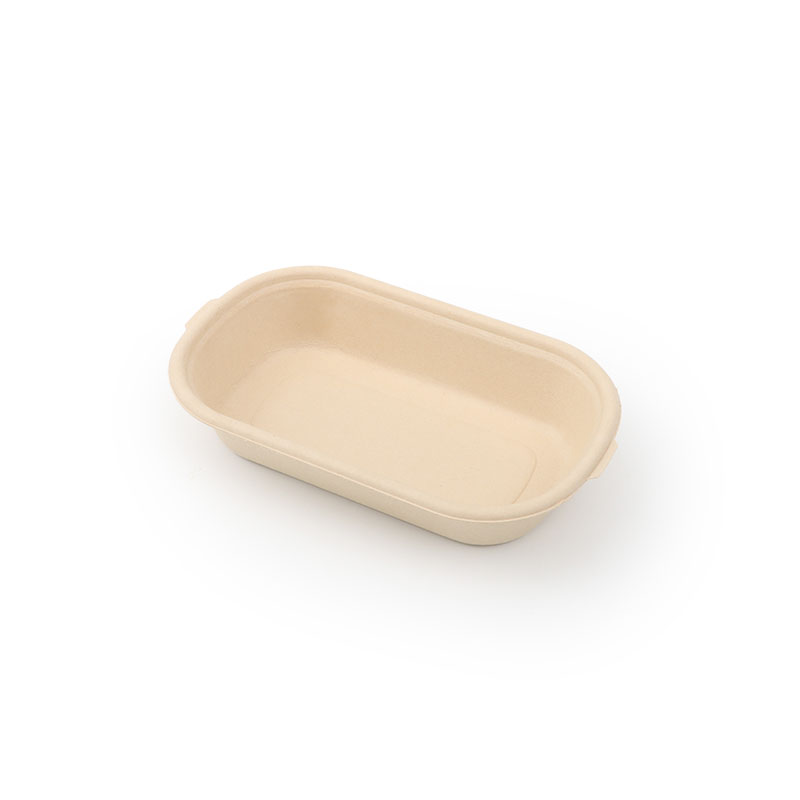 500ml
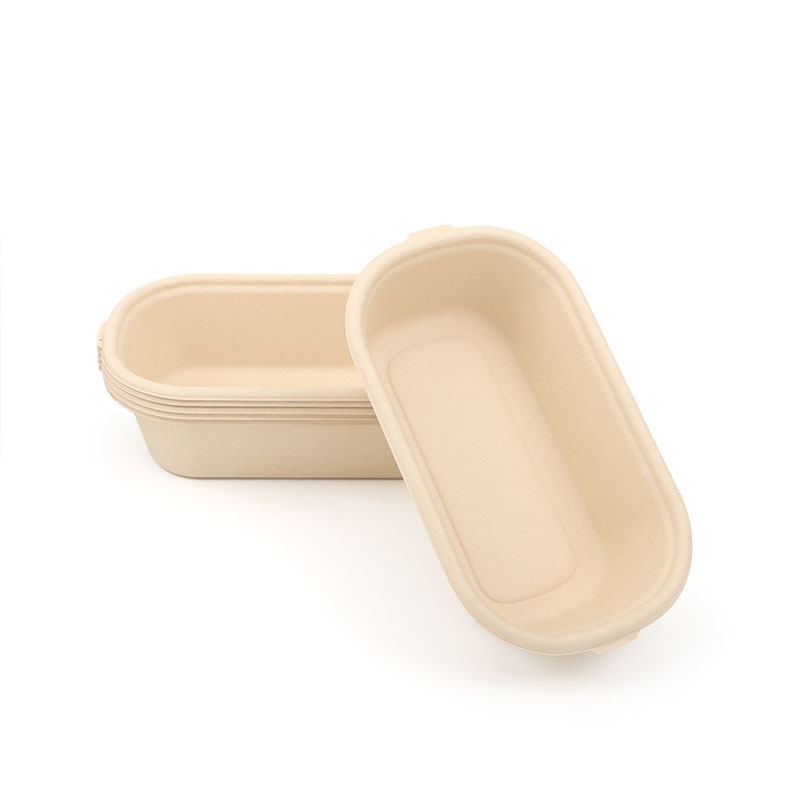 700ml
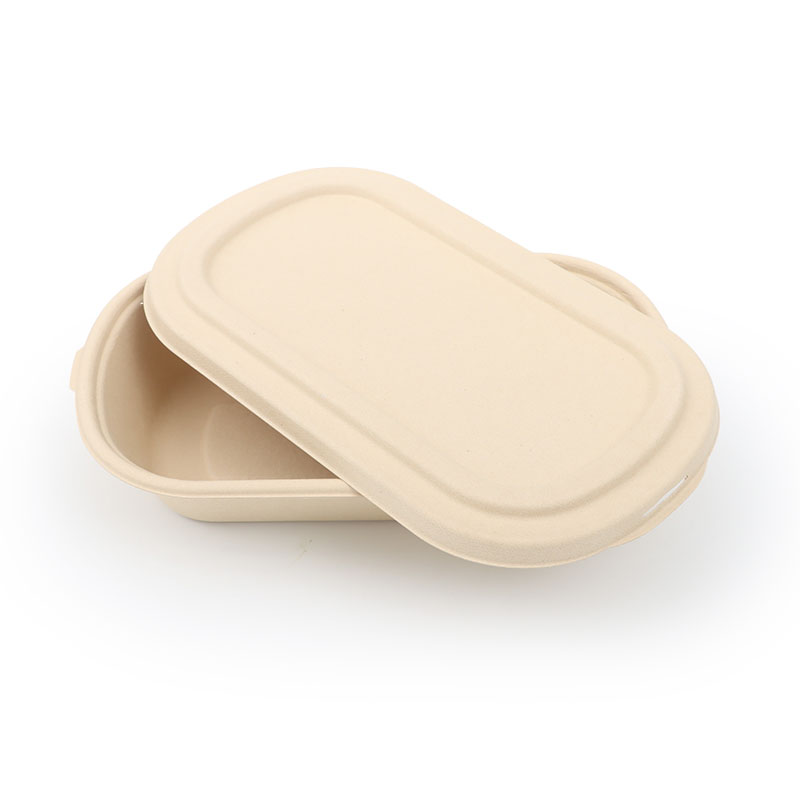 850ml
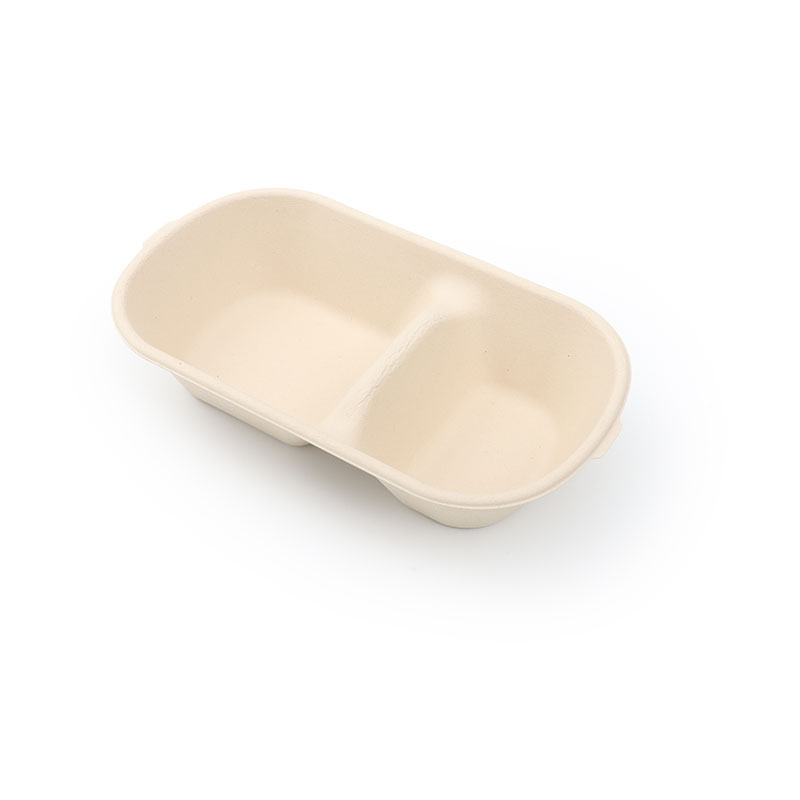 800ml 2 Compartments
 1000ml 2 Compartments
 1100ml
 1000ml Square Lunch Box
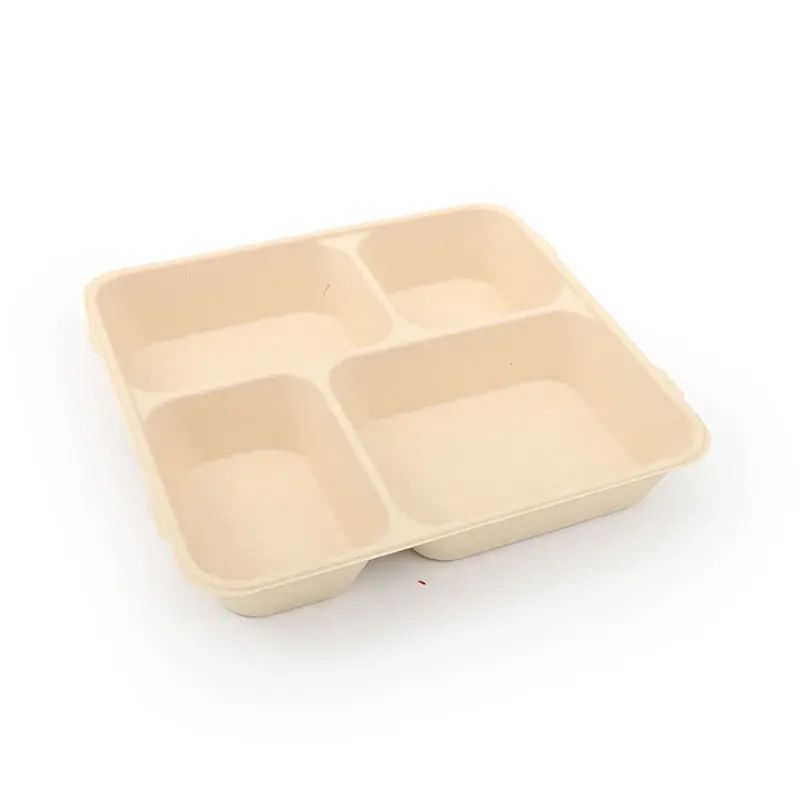 1340ml 4 Compartments
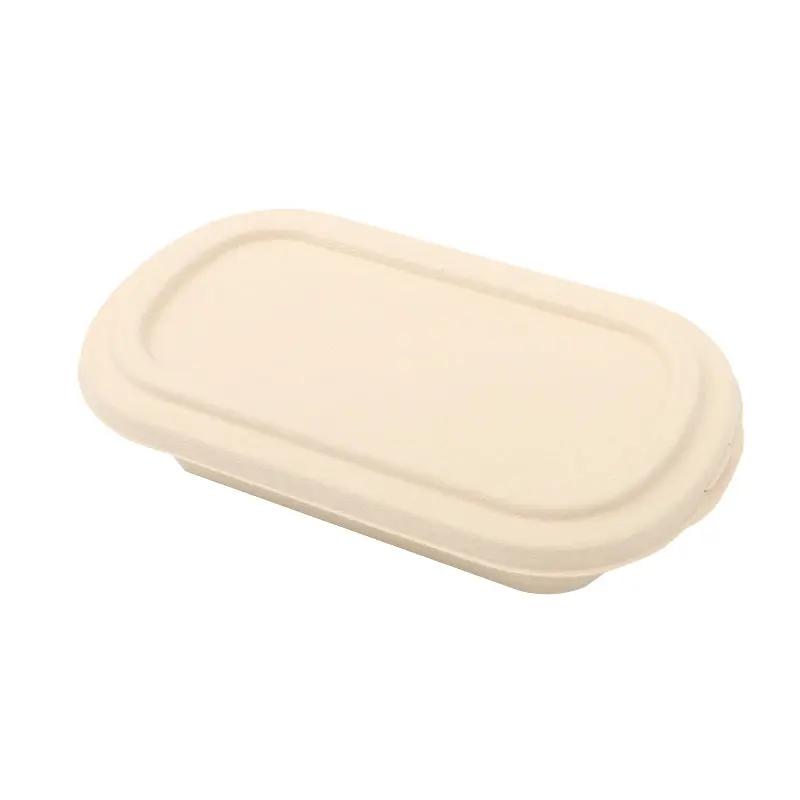 Lunch Box Lid
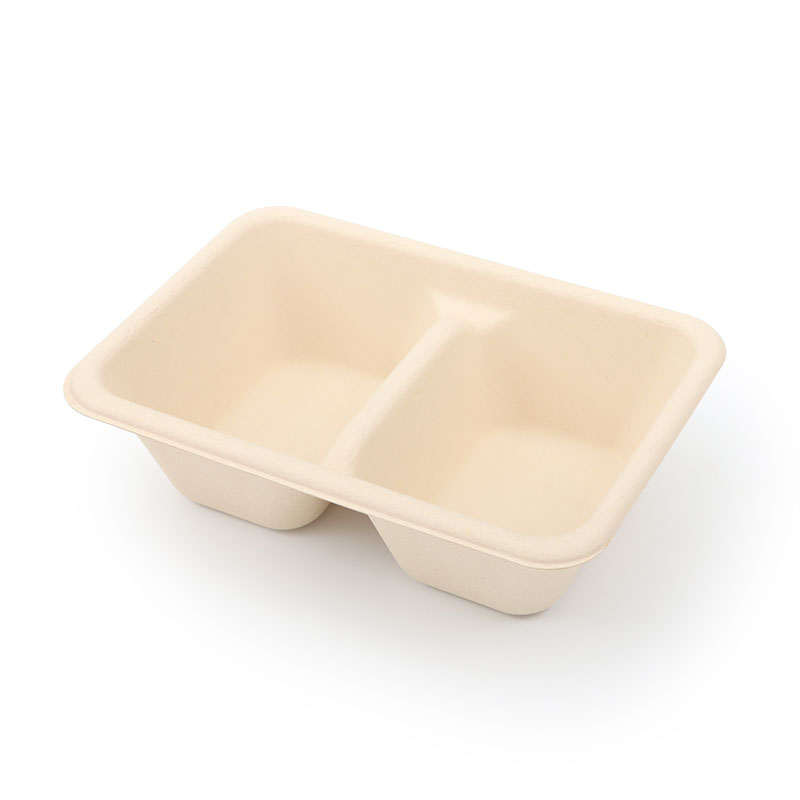 650ml
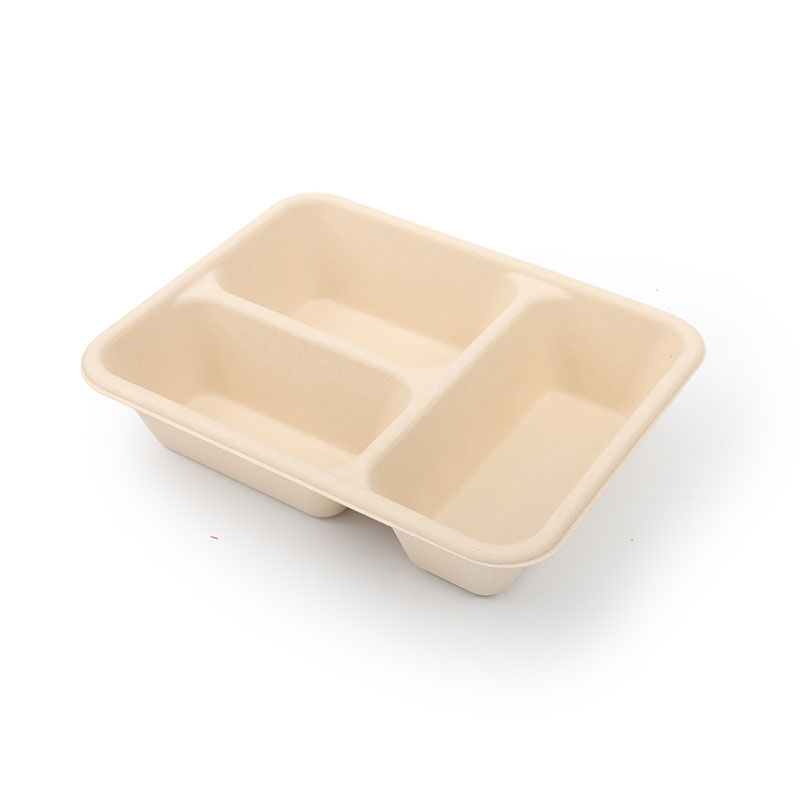 1000ml 3 Compartments
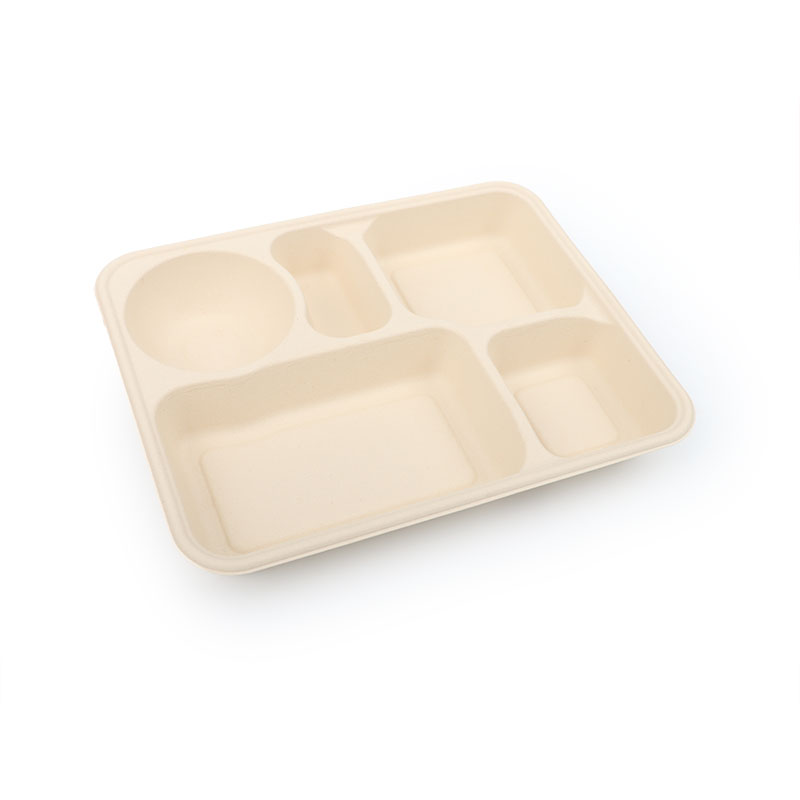 1250ml 5 Compartments
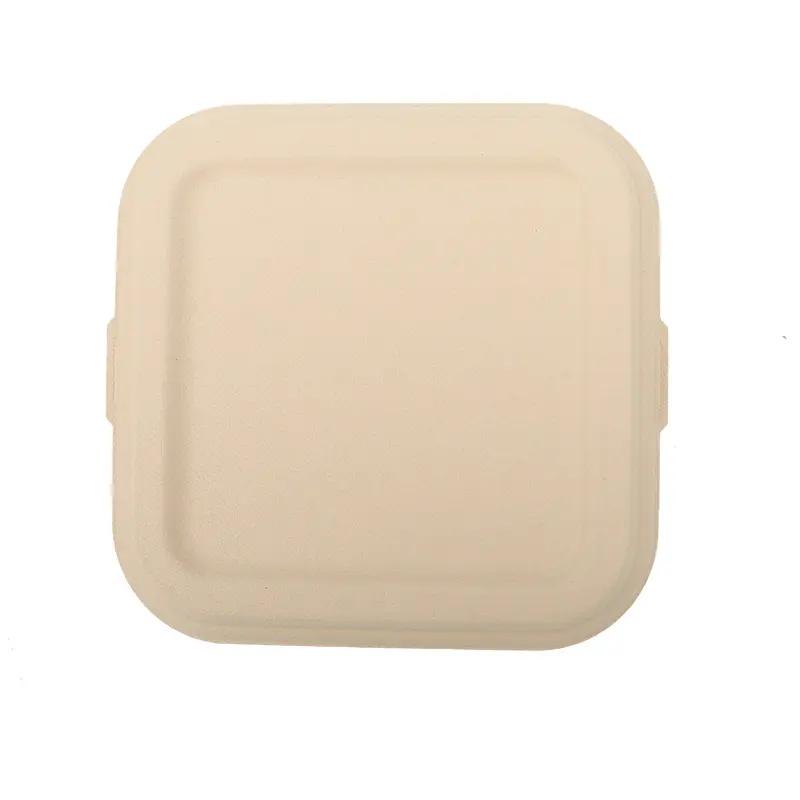 Square Lunch Box Lid
 Box Without T buckle
 850ml Salad Box
 700ml
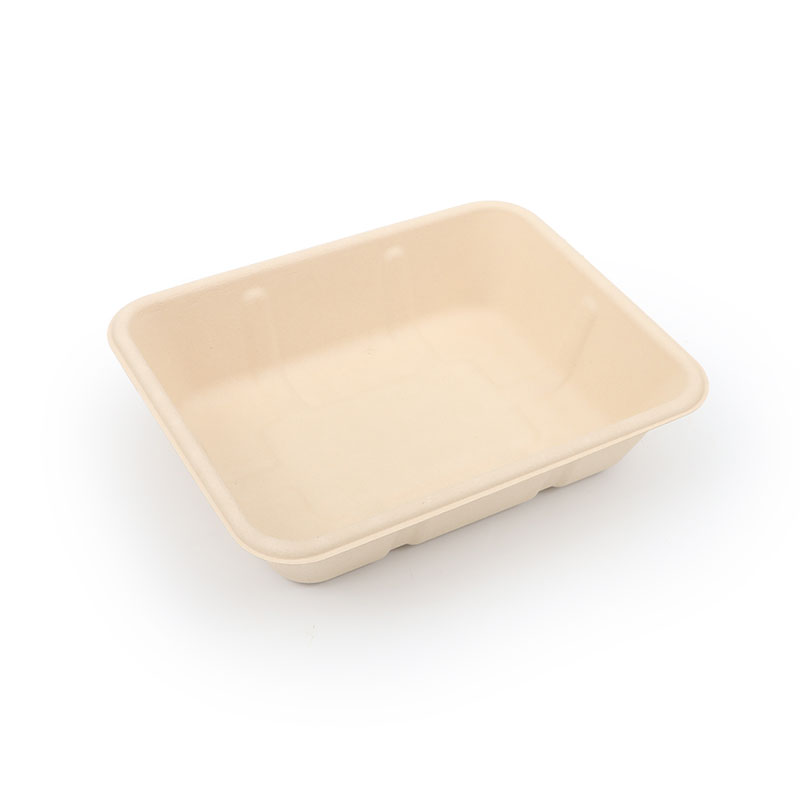 1350ml
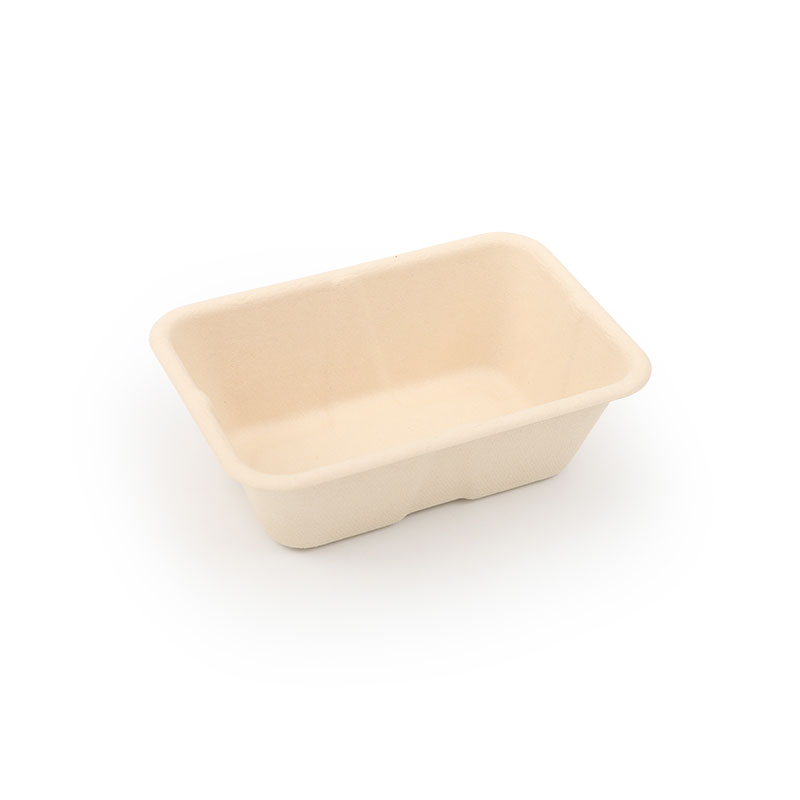 470ml
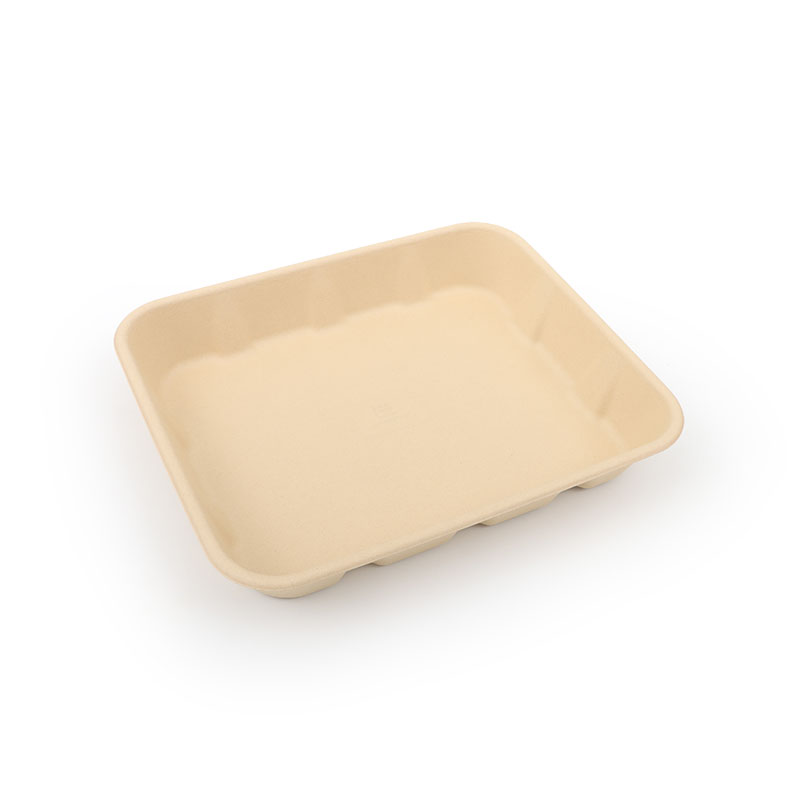 2183ml Tray Box
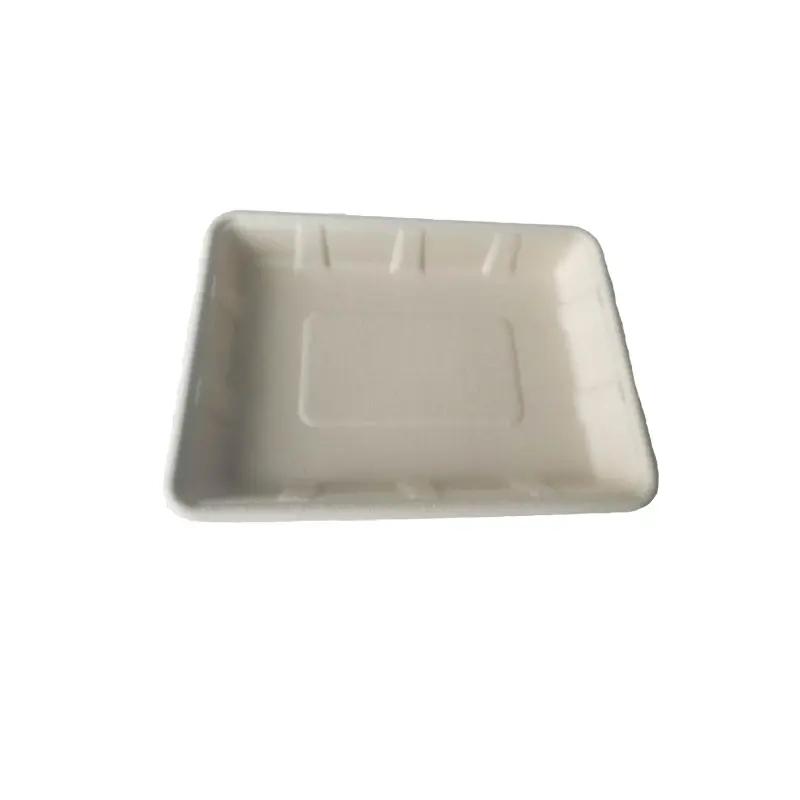 11" * 9"
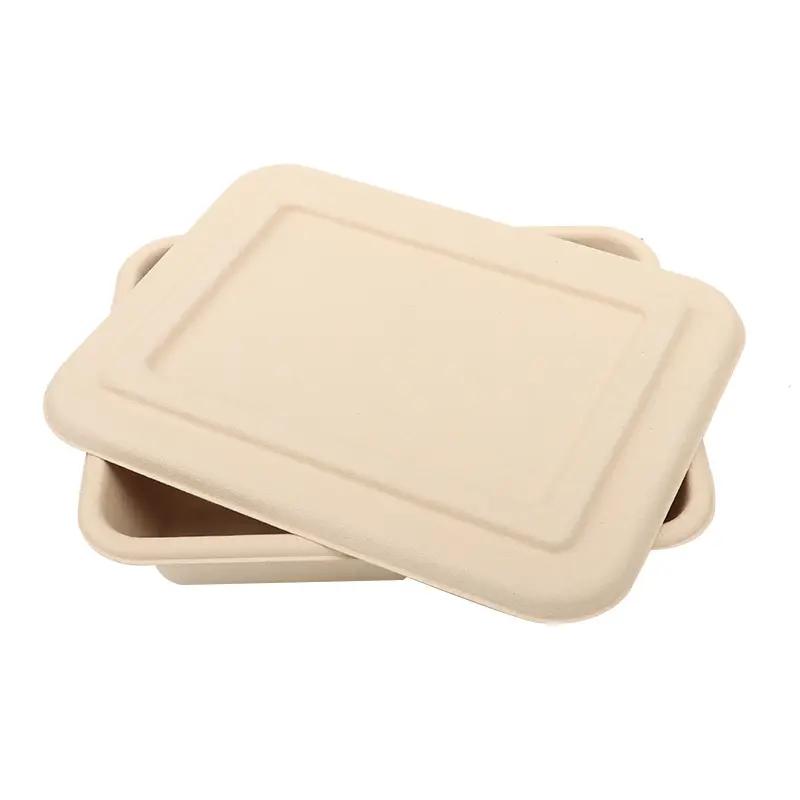 800ml
 One Part Box
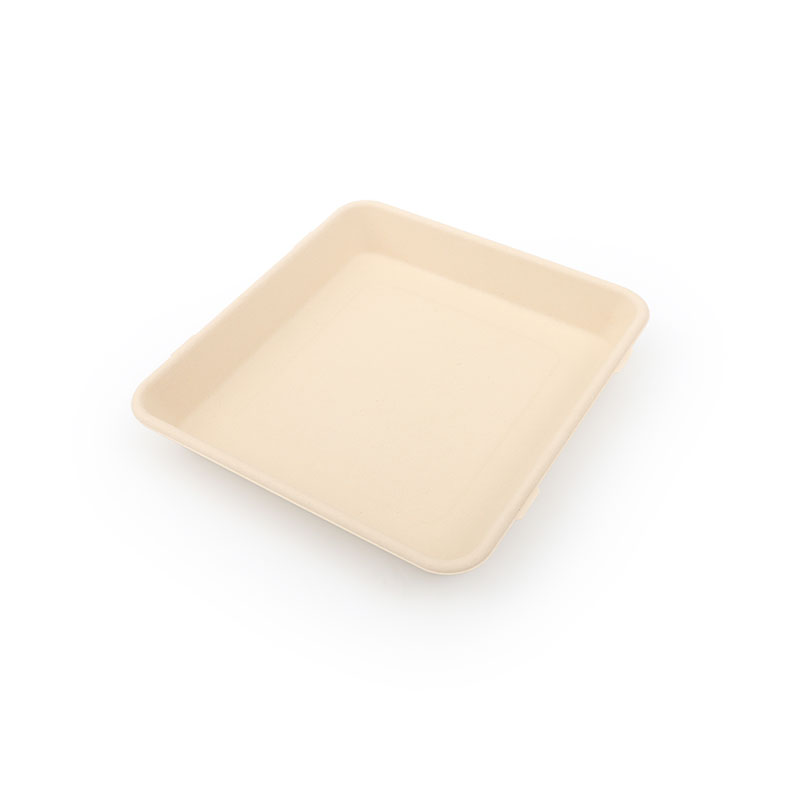 1443ml Tray Box
 Cake Bread Snack Tray Series
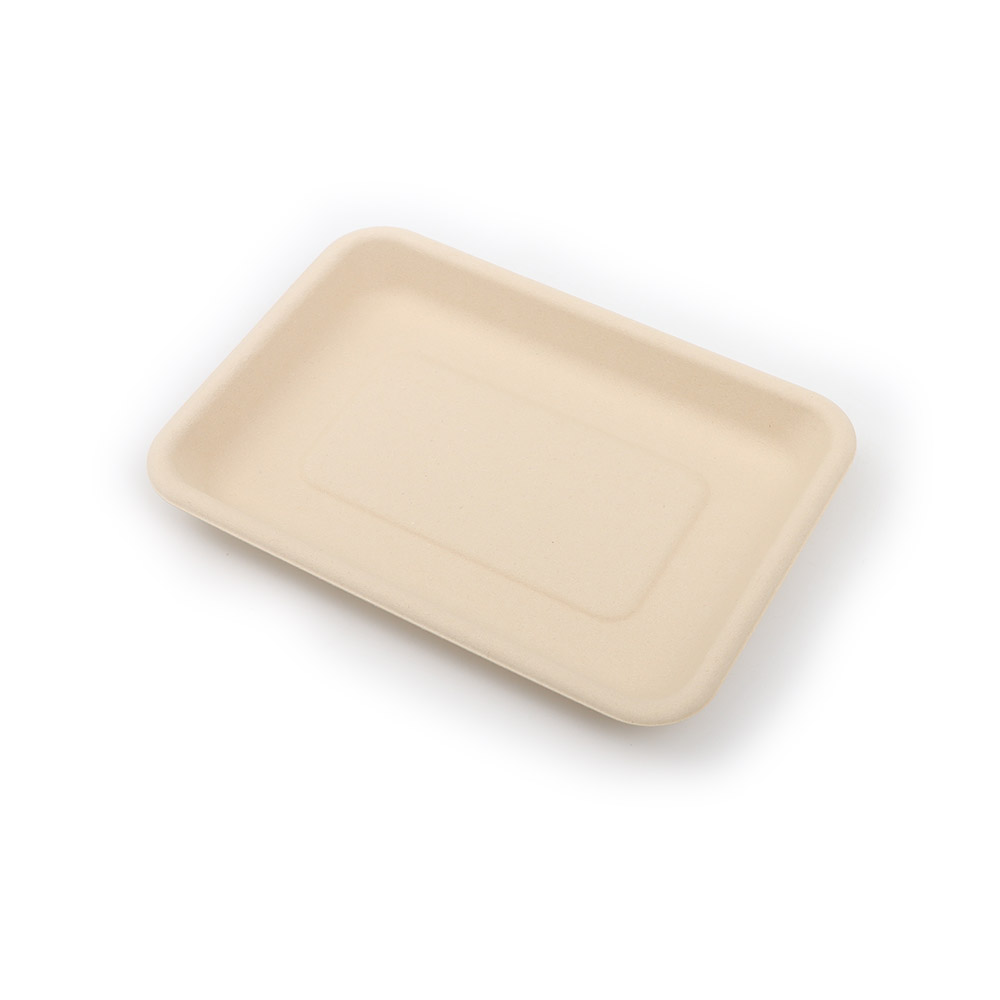 5" * 7" natural color
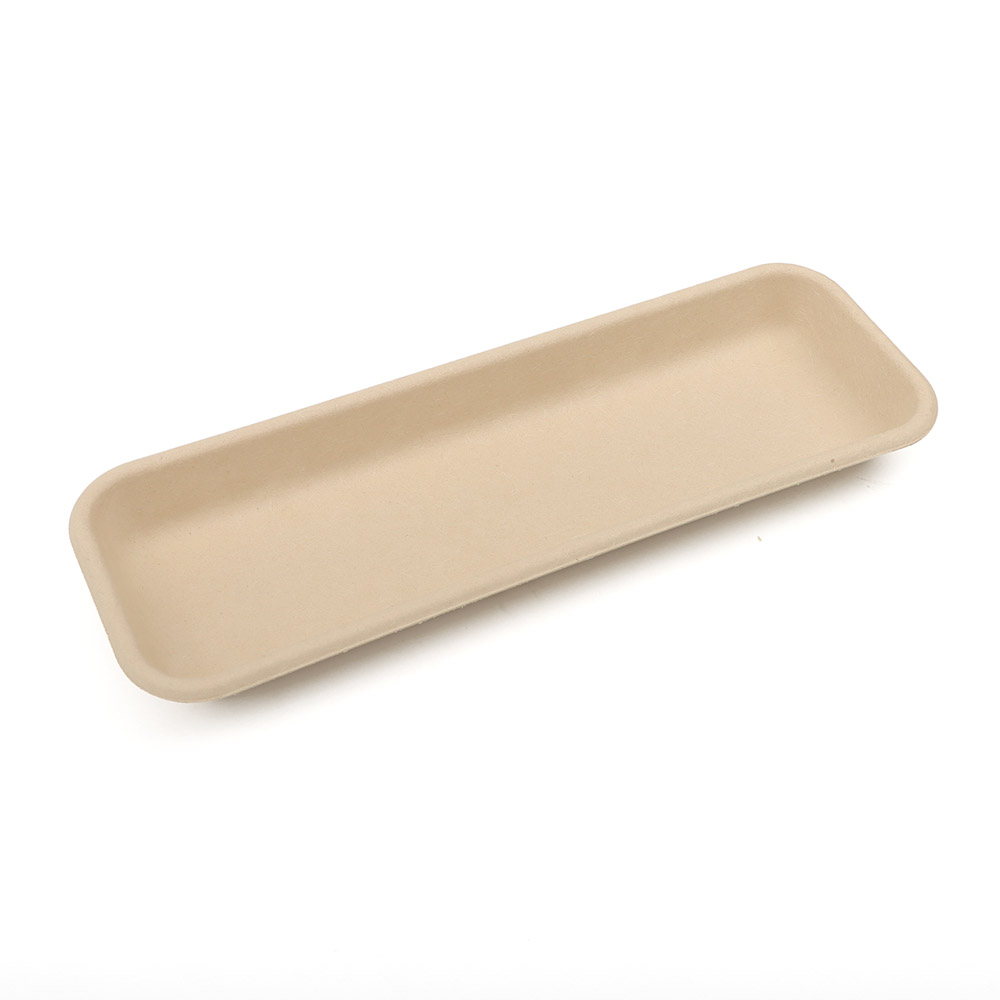 11.4" * 3.9"
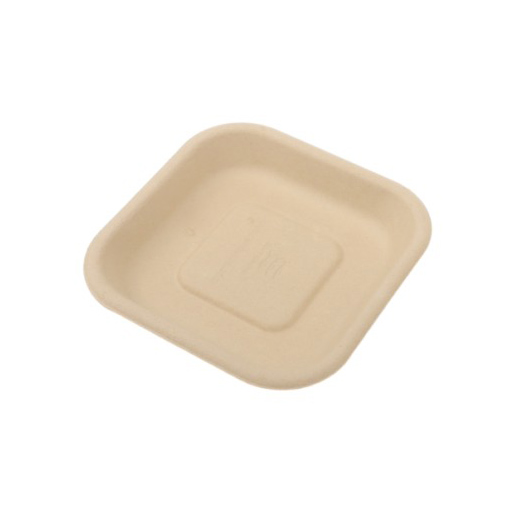 5.3" * 5.3"
 Fruit And Vegetable Tray Series
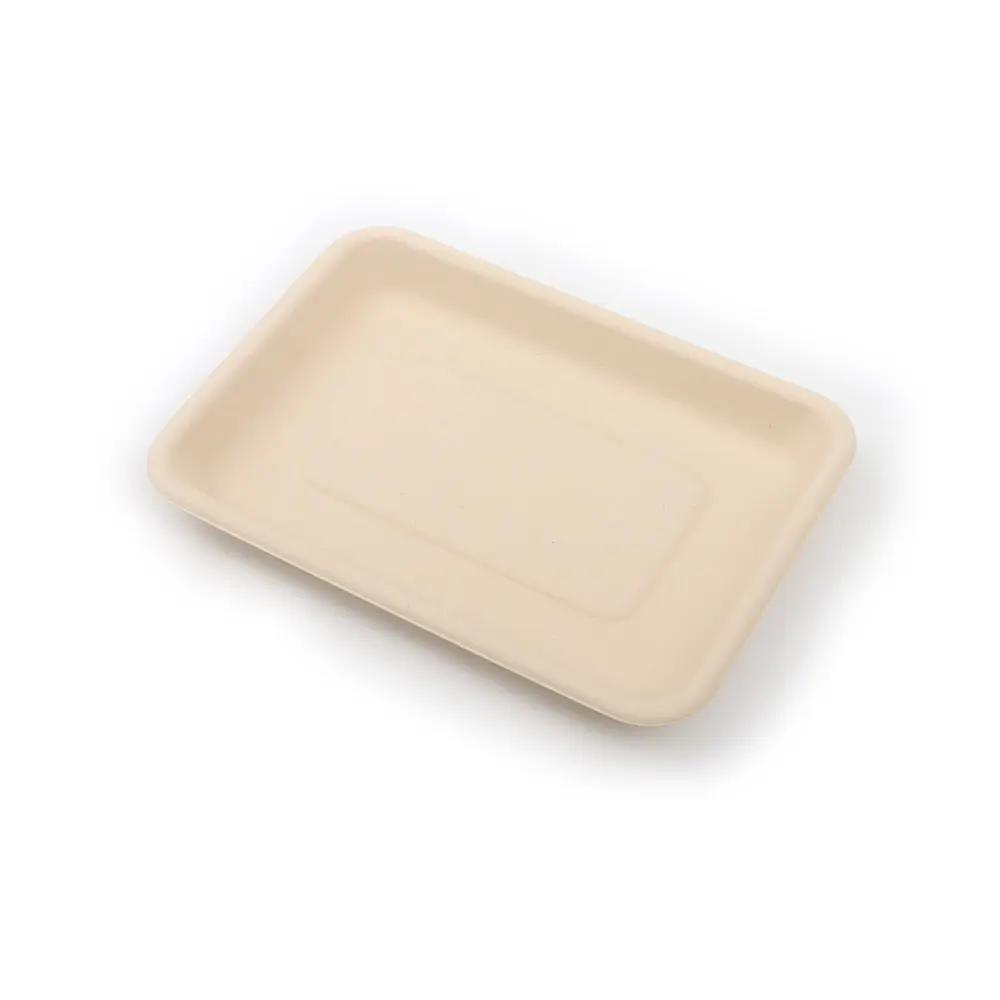 8.6" * 5.3"
 Sushi Tray Series
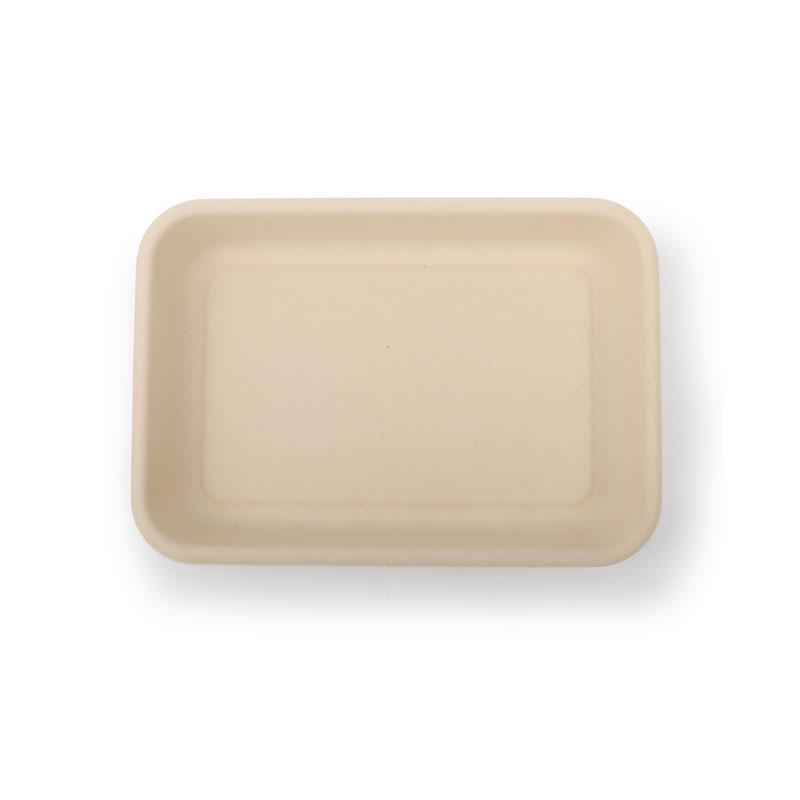 200" * 140"
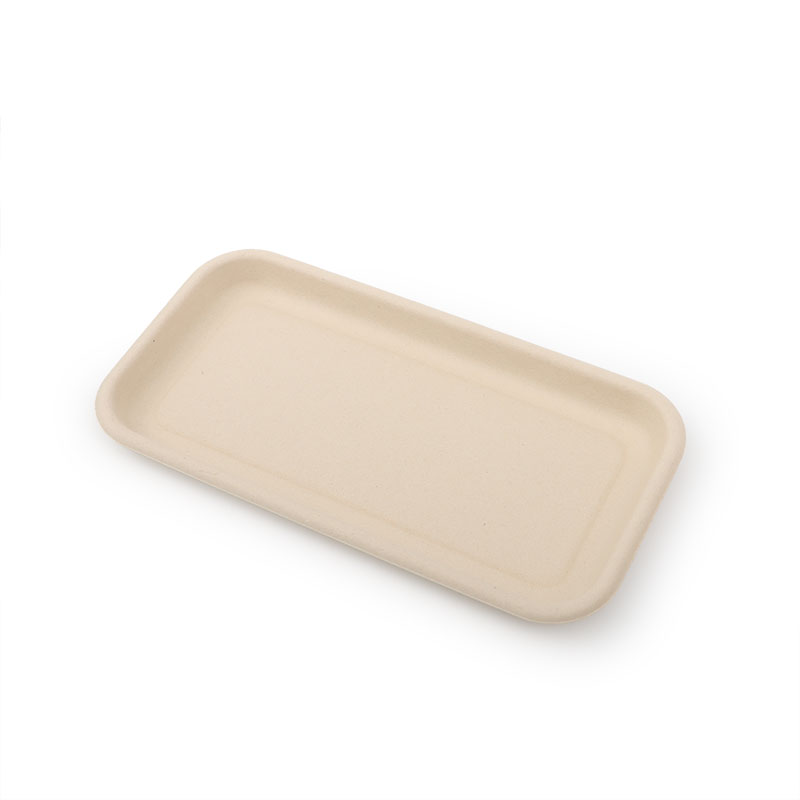 210" * 110"
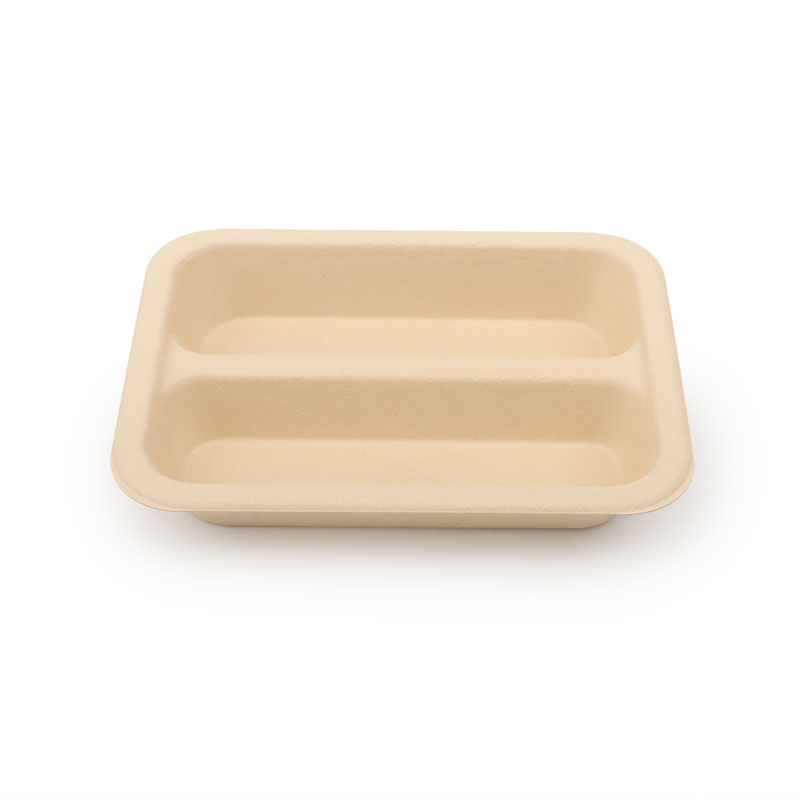 2 Compartments
 Small Round Plate Series
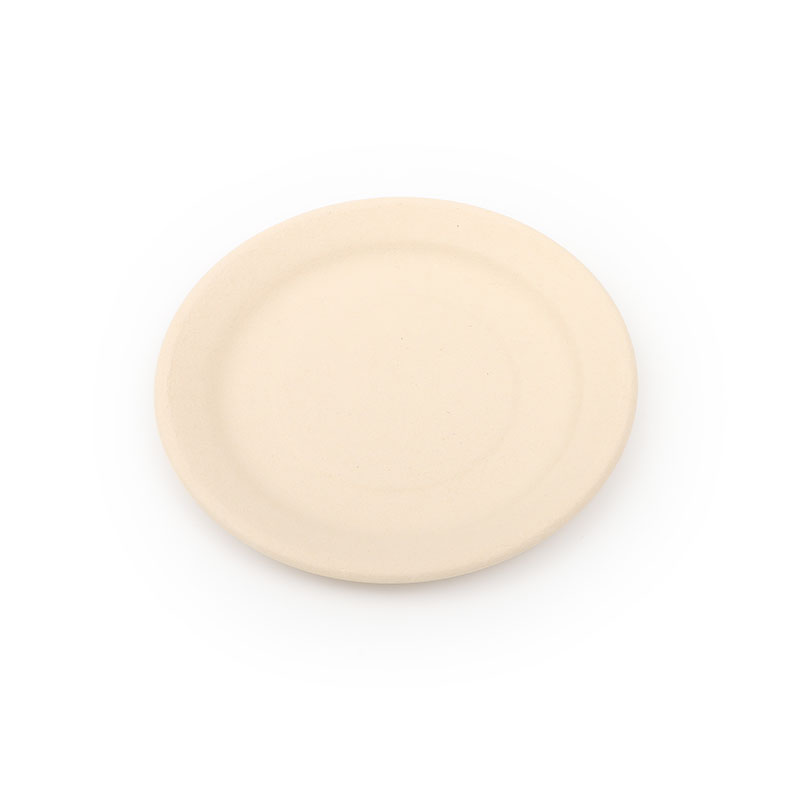 7 inch
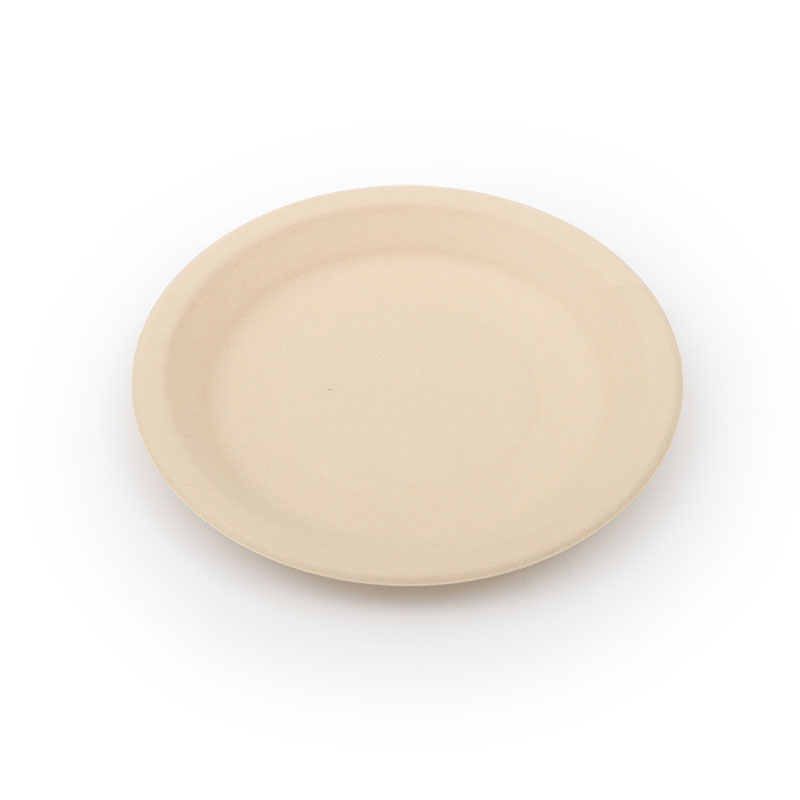 6 inch
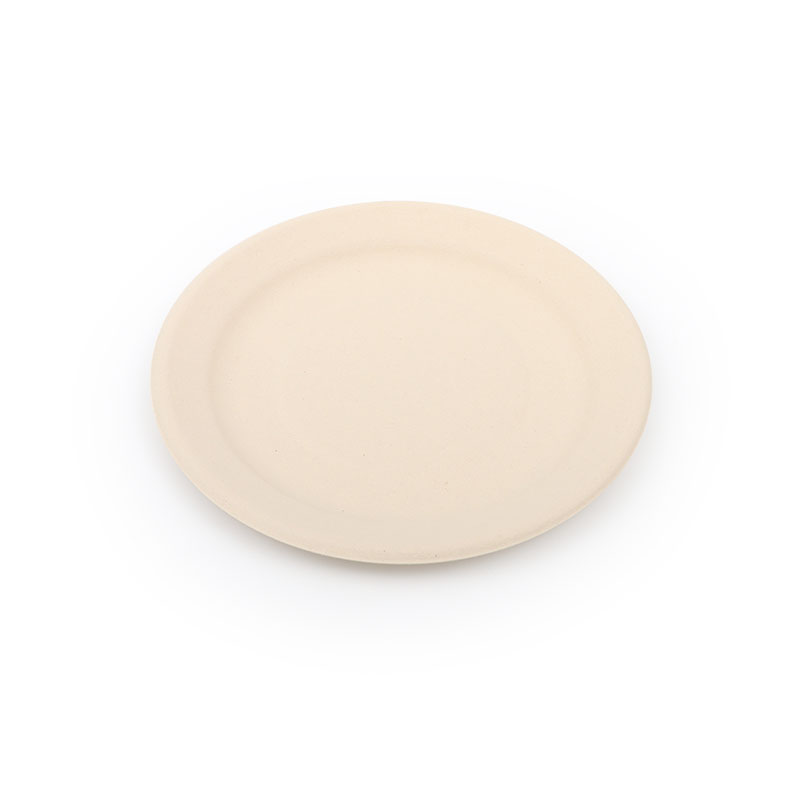 8 inch
 Middle Round Plate Series
 9 Inch 3 Compartments
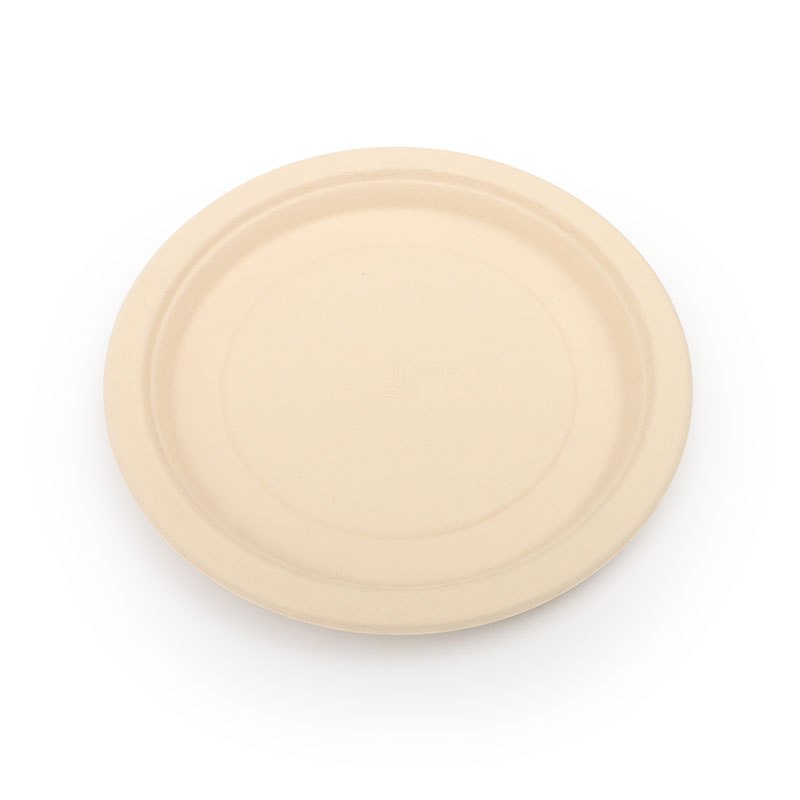 9 inch
 Big Round Plate Series
 12.7 Inch Pizza Plate
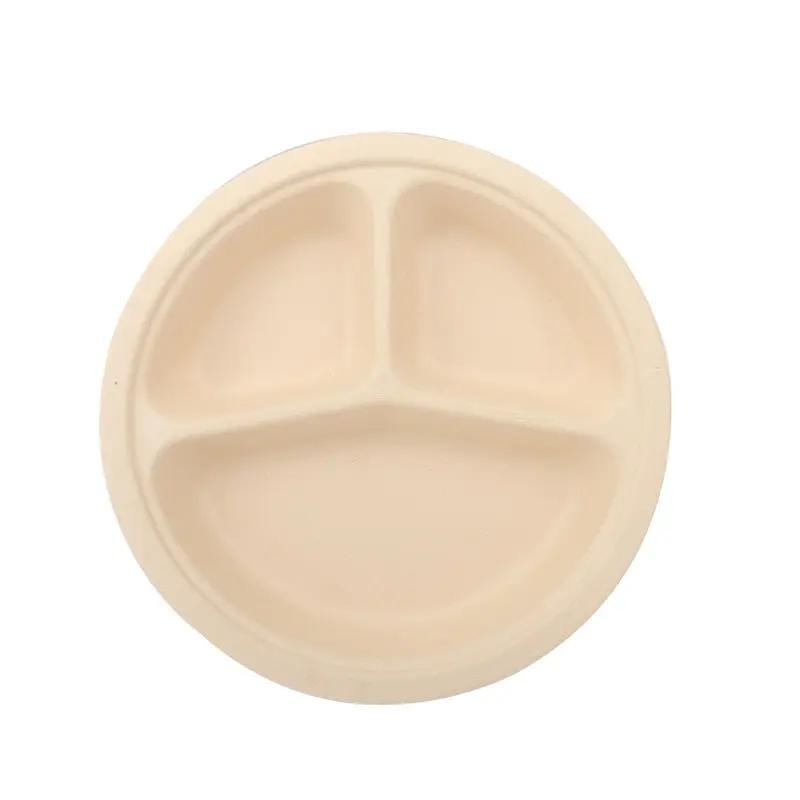 10.25 inch 3 Compartments
 10 inch
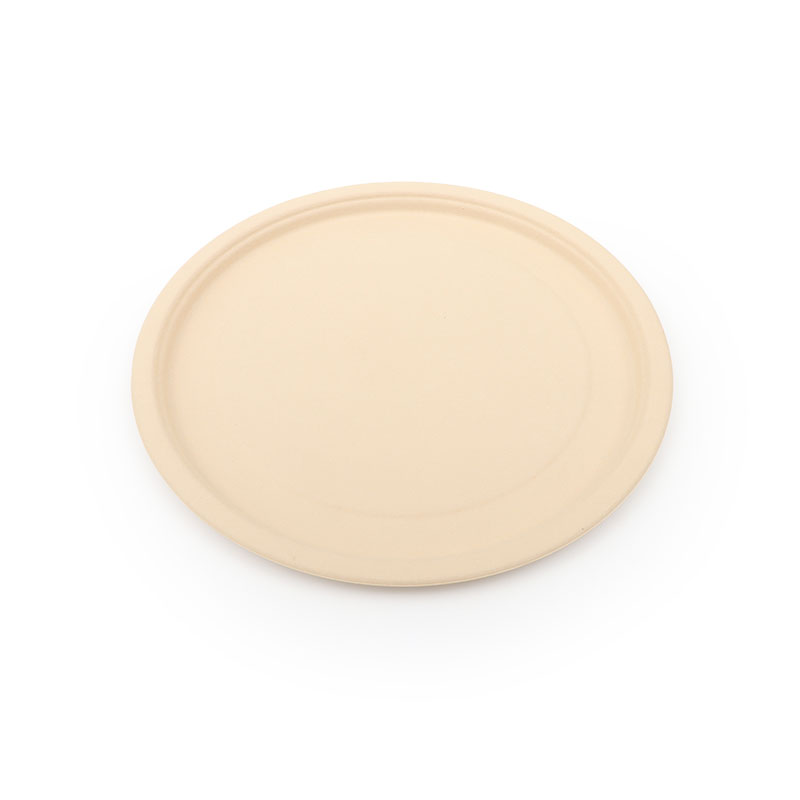 12 inch
 Bigger Bowl
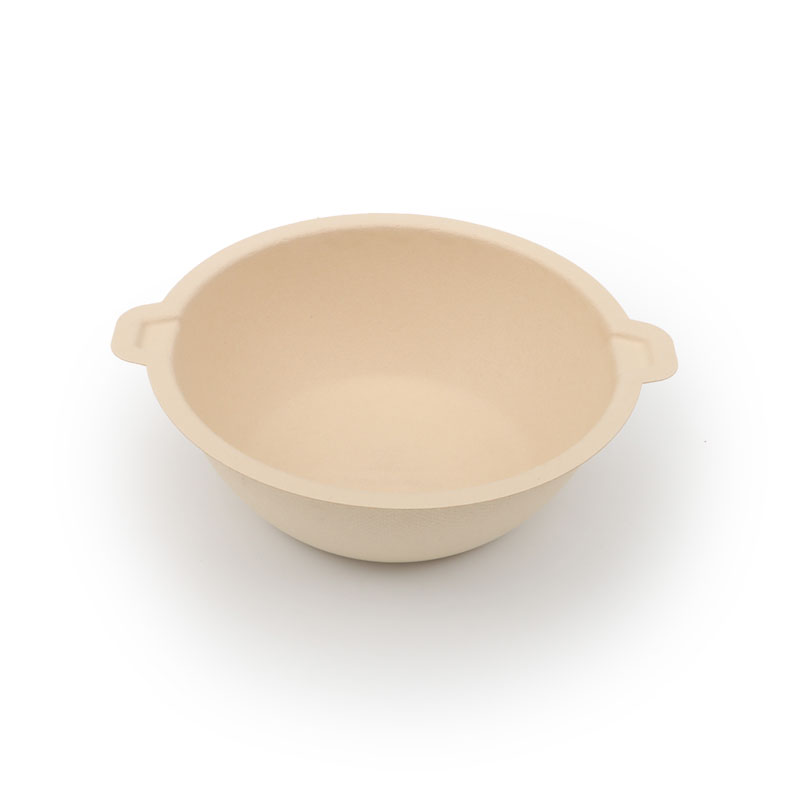 48oz(1420ml)
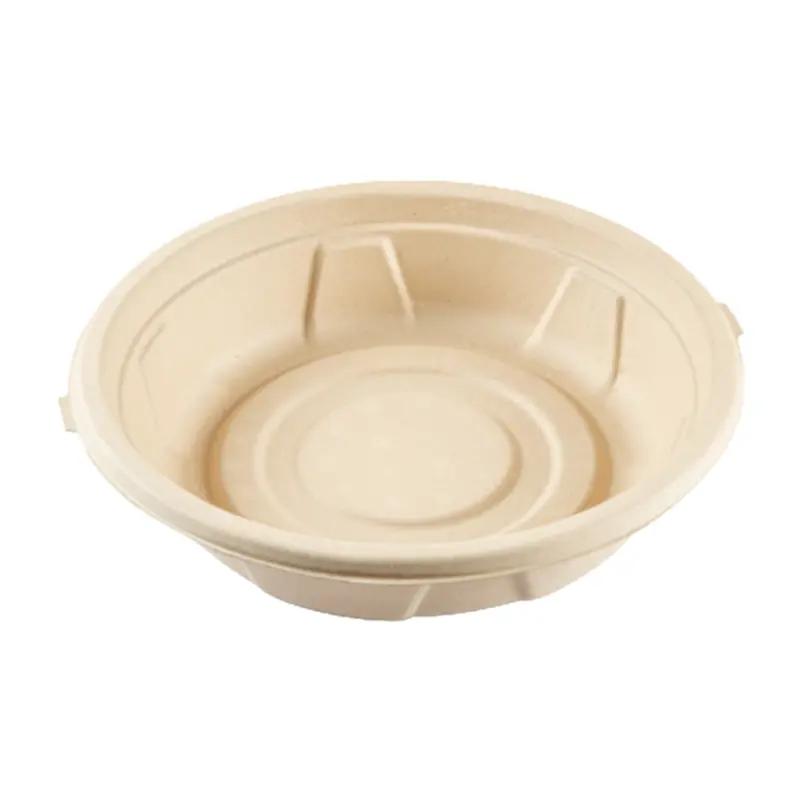 56oz(1650ml)
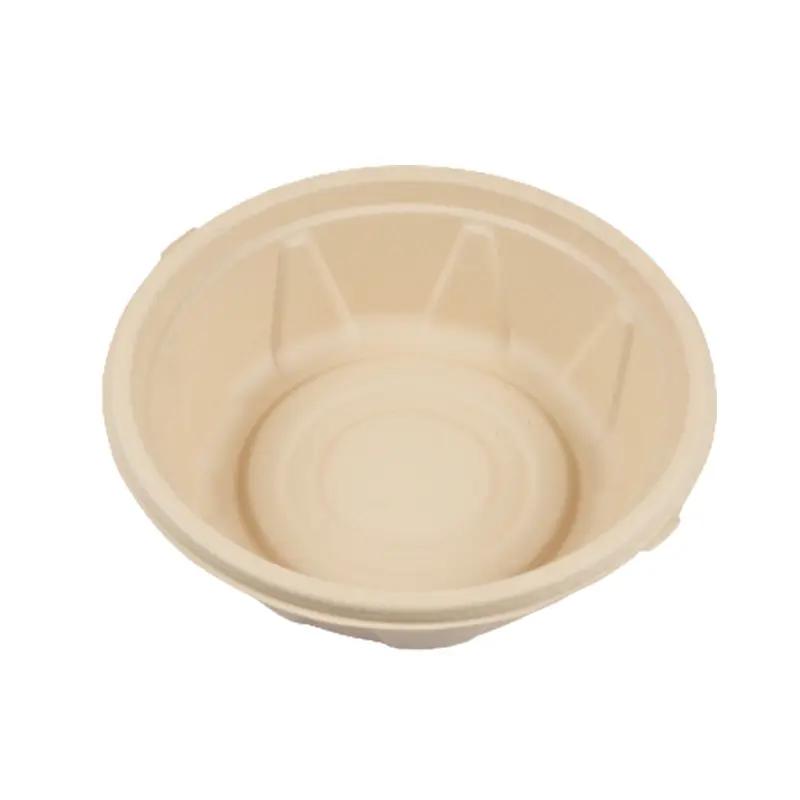 100oz(2950ml)
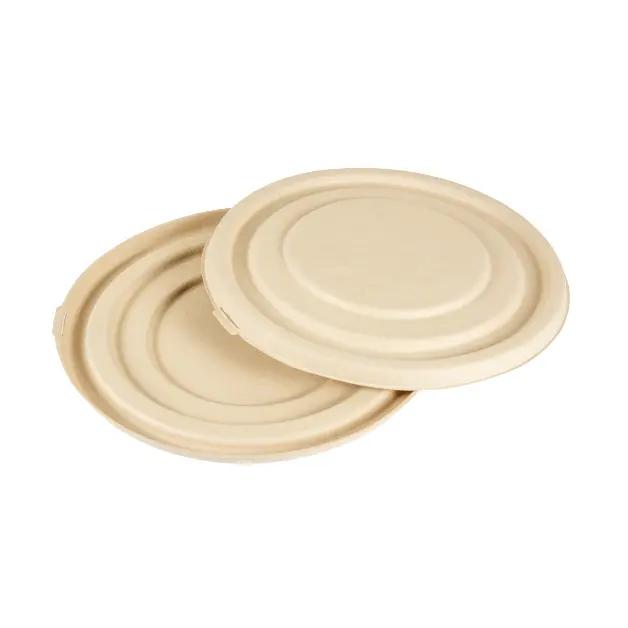 100oz(2950ml) With Lid
 Middle Bowl
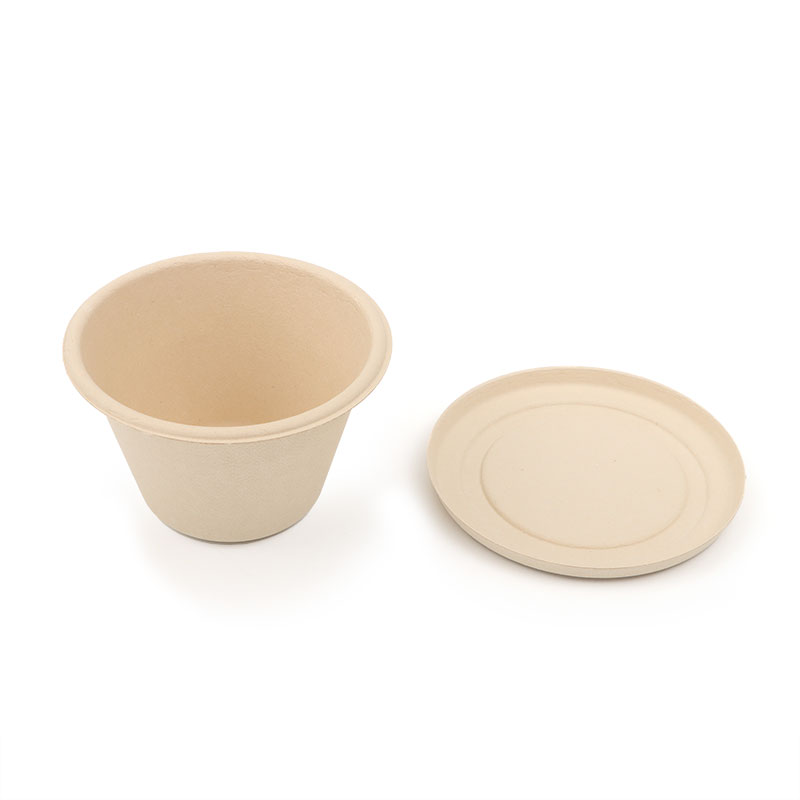 17oz(500ml)
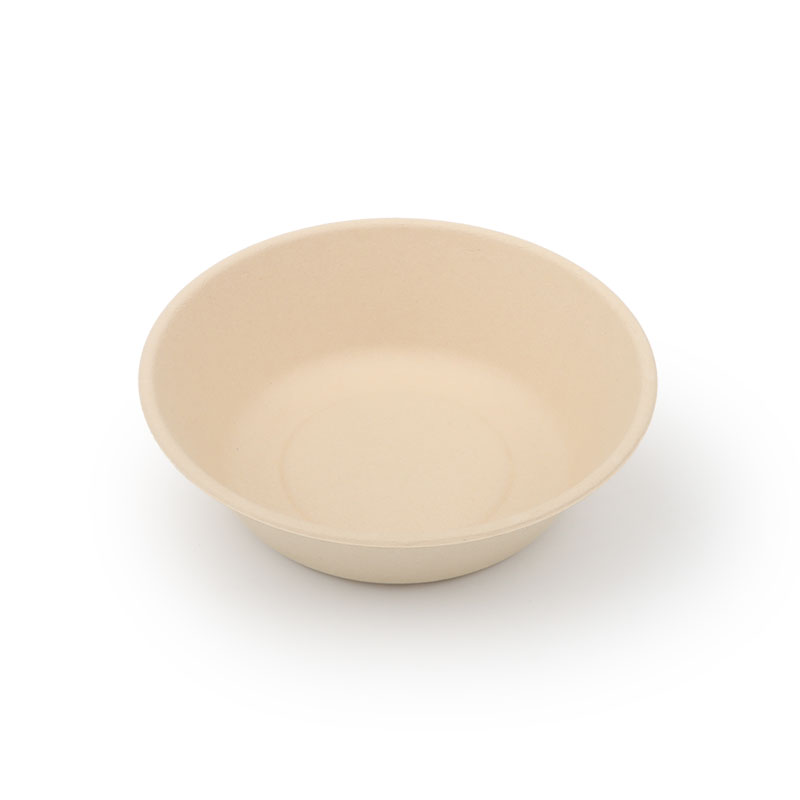 27oz(800ml)
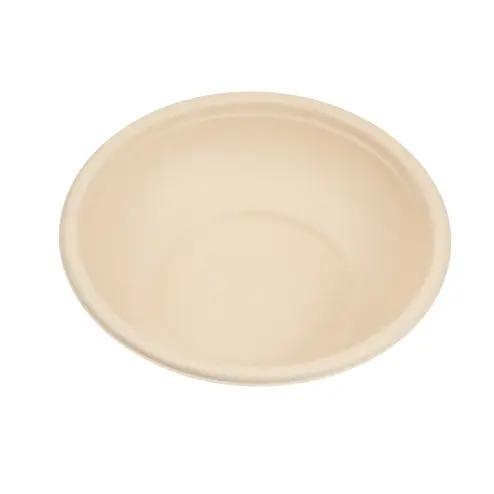 20oz(600ml)
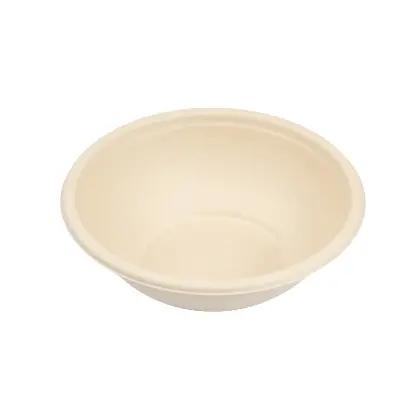 29oz(850ml)
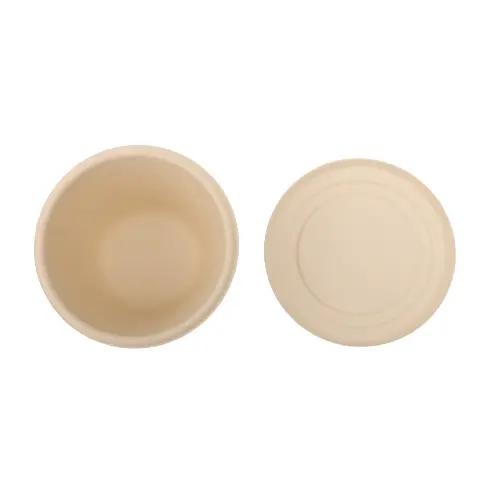 17oz(500ml) With Lid
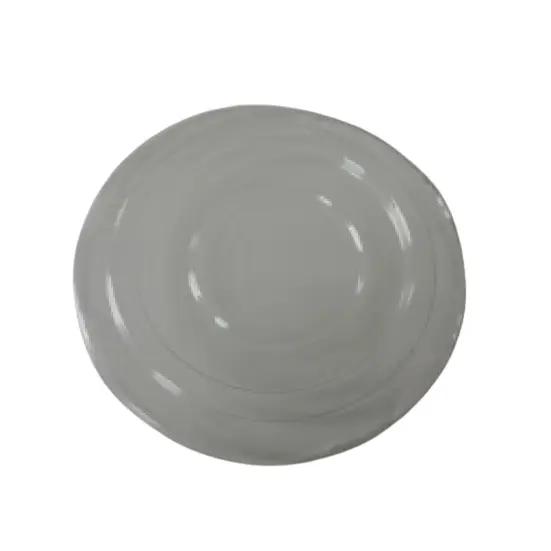 17oz(500ml) PET Lid
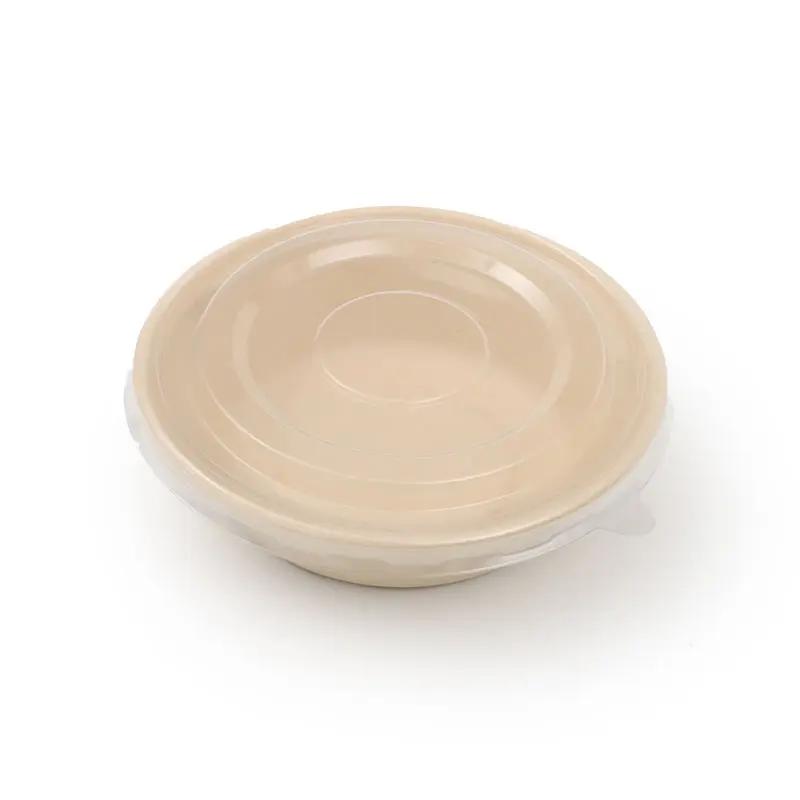 28oz(830ml) PET Lid
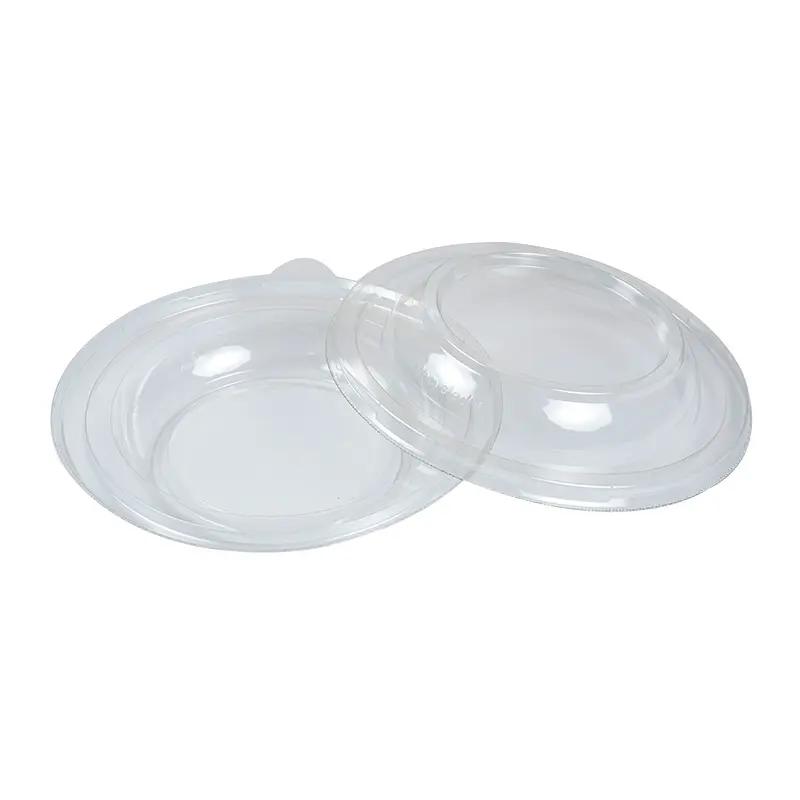 Round Bowl PET
 Small Bowl
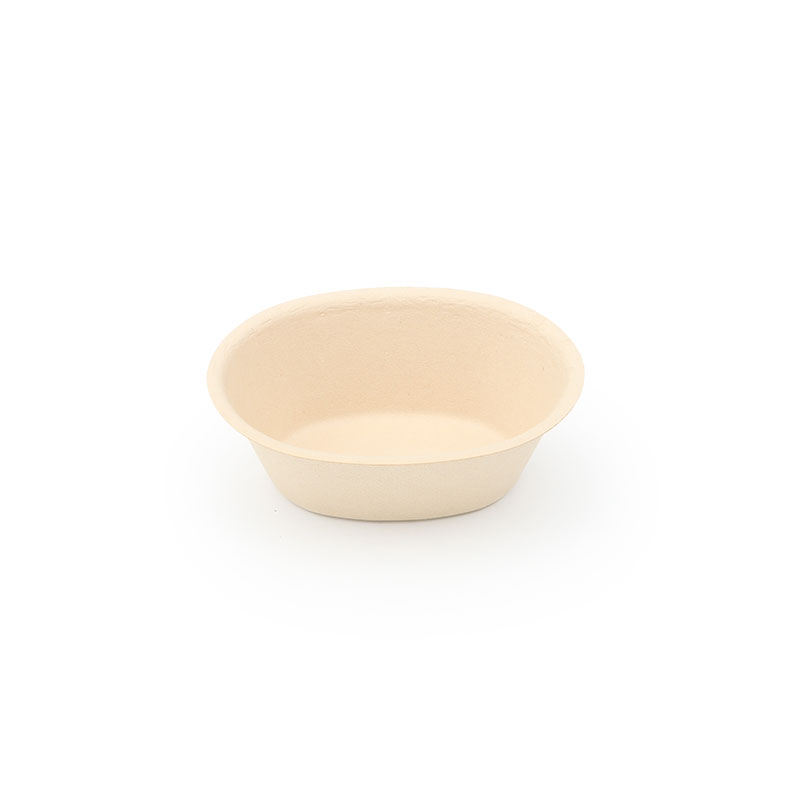 Snack Bowl
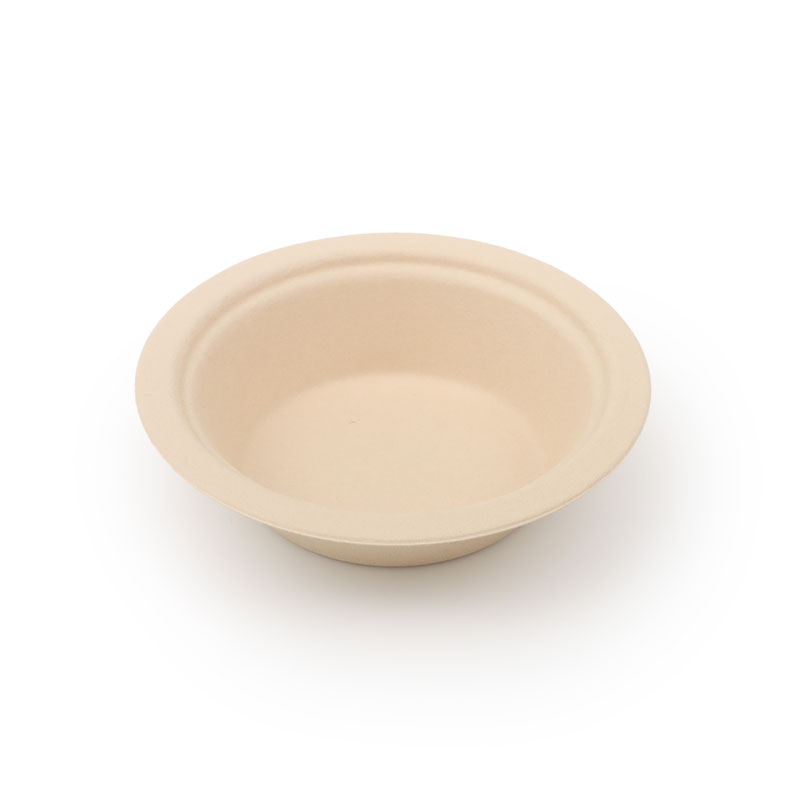 11.5oz(340ml) Bowl
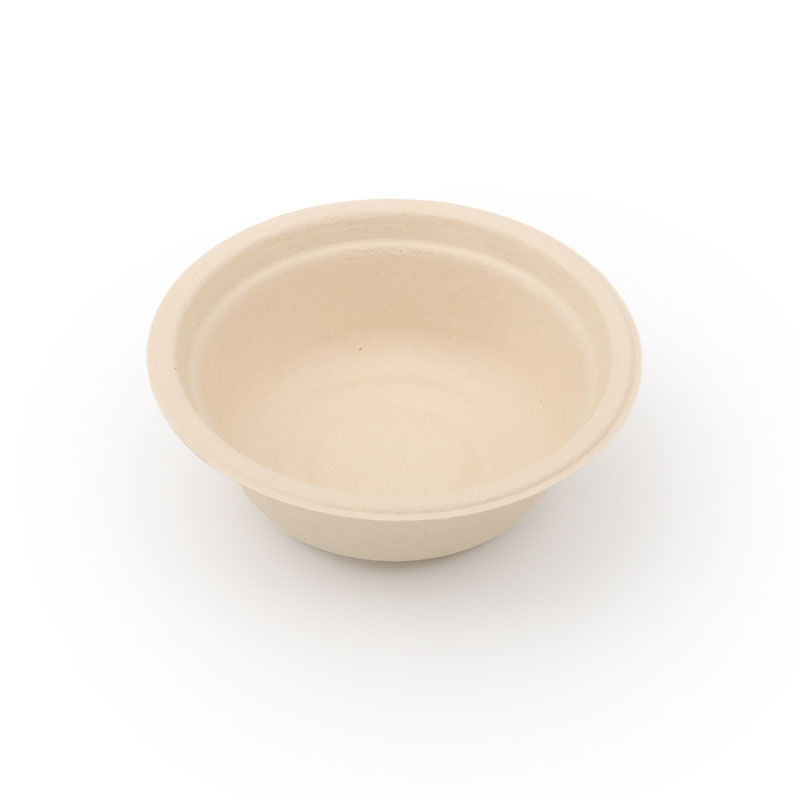 6.7oz(200ml) Bowl
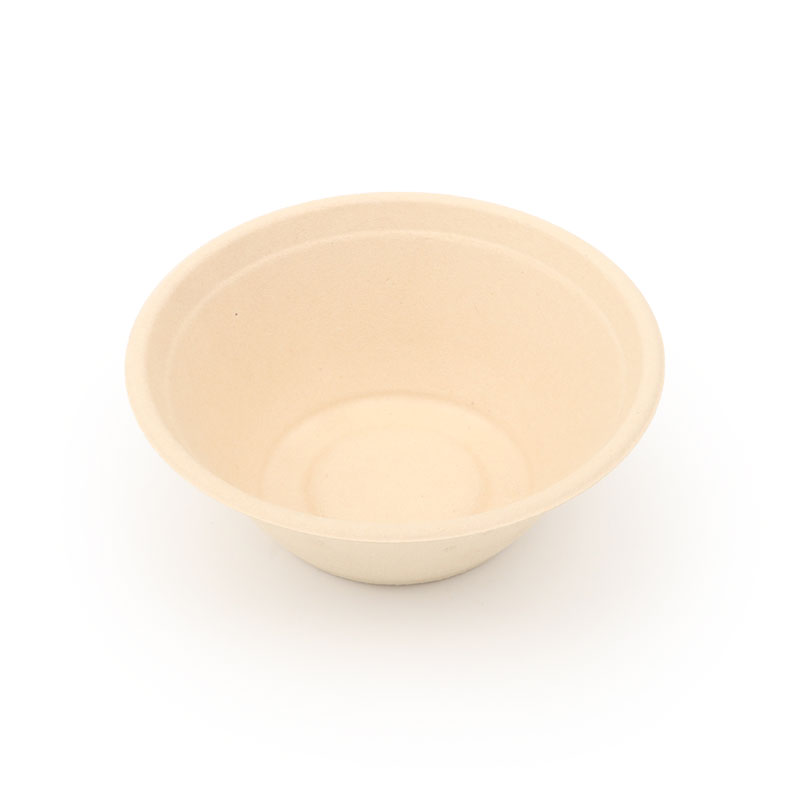 12oz(350ml) Bowl
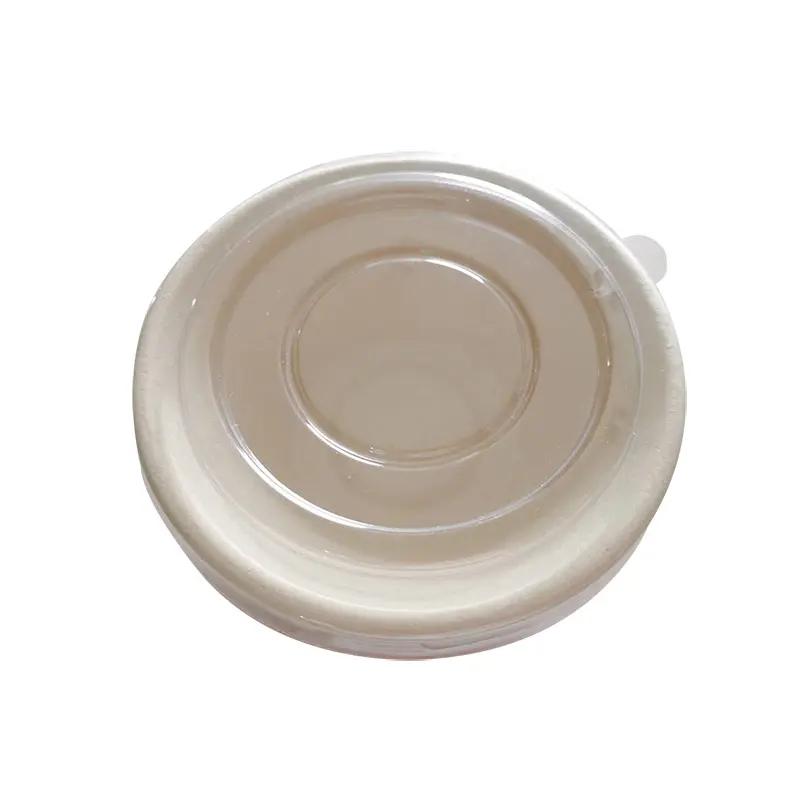 12oz(350ml) Bowl PET
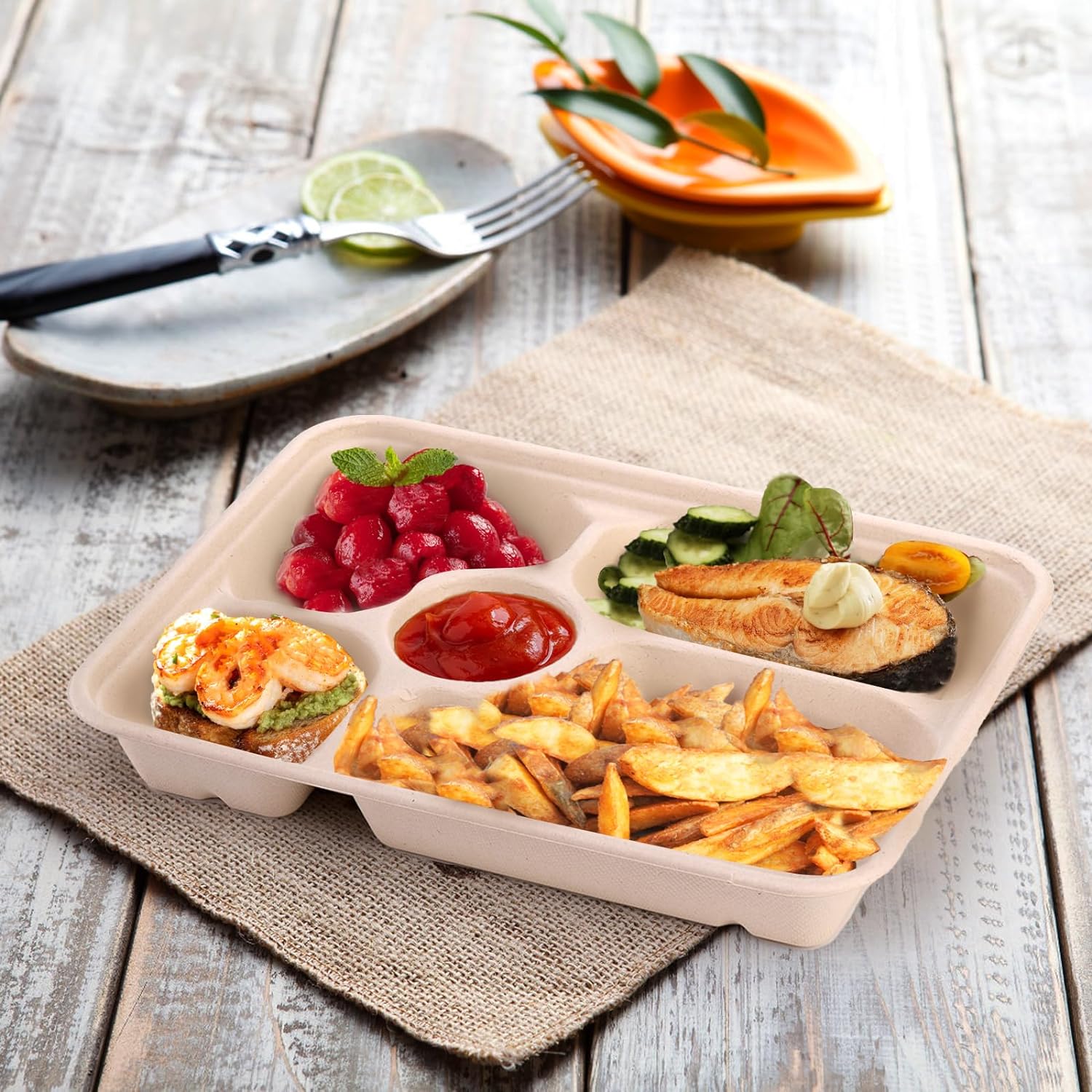 Bagasse Lunch Boxes
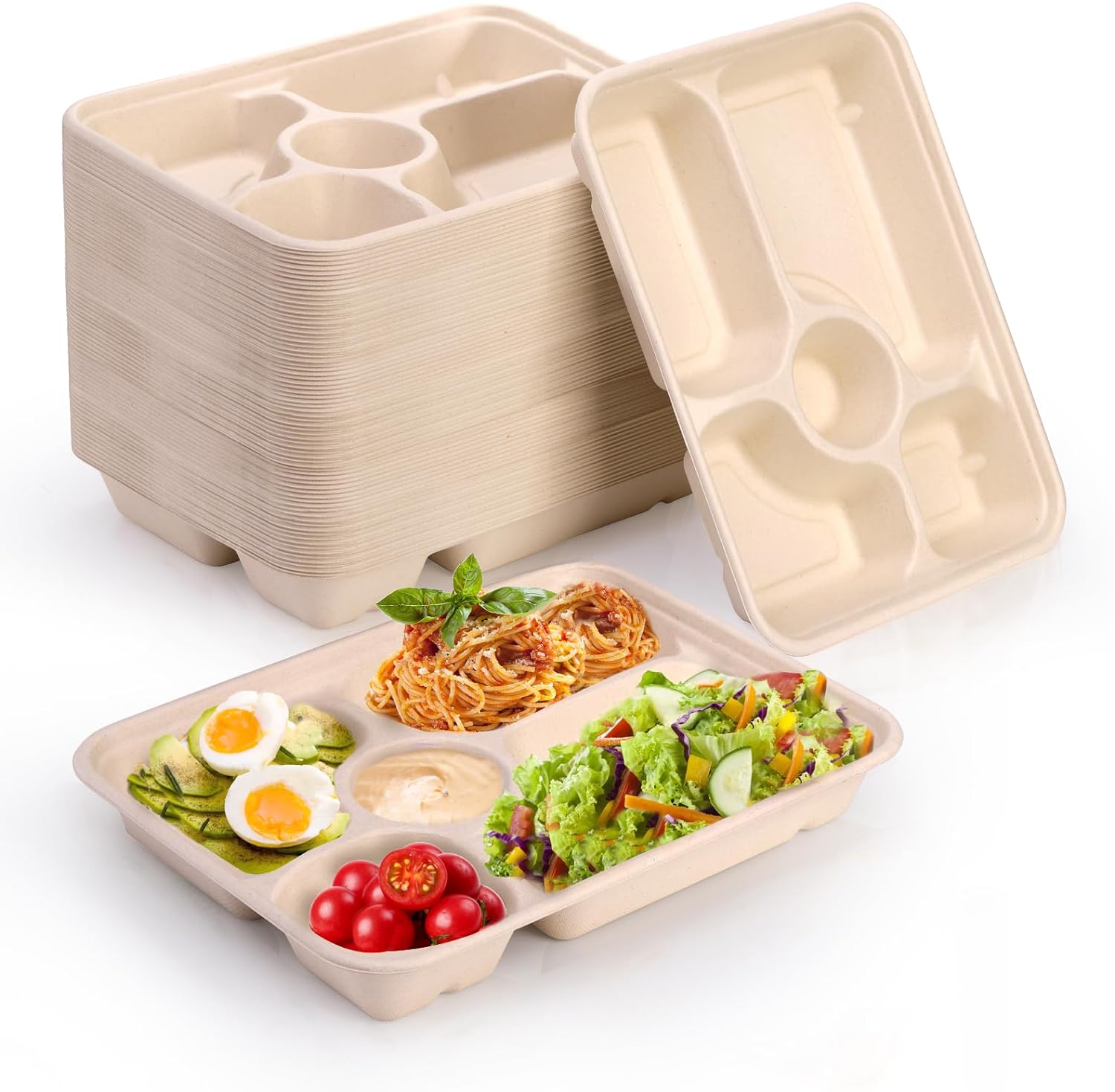 5CP
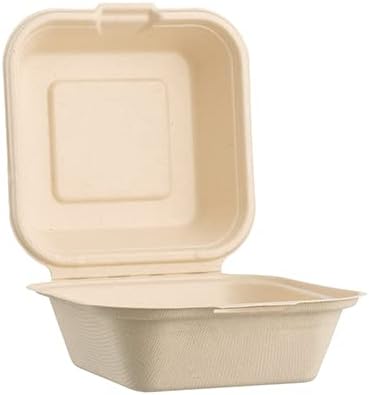 6 inch
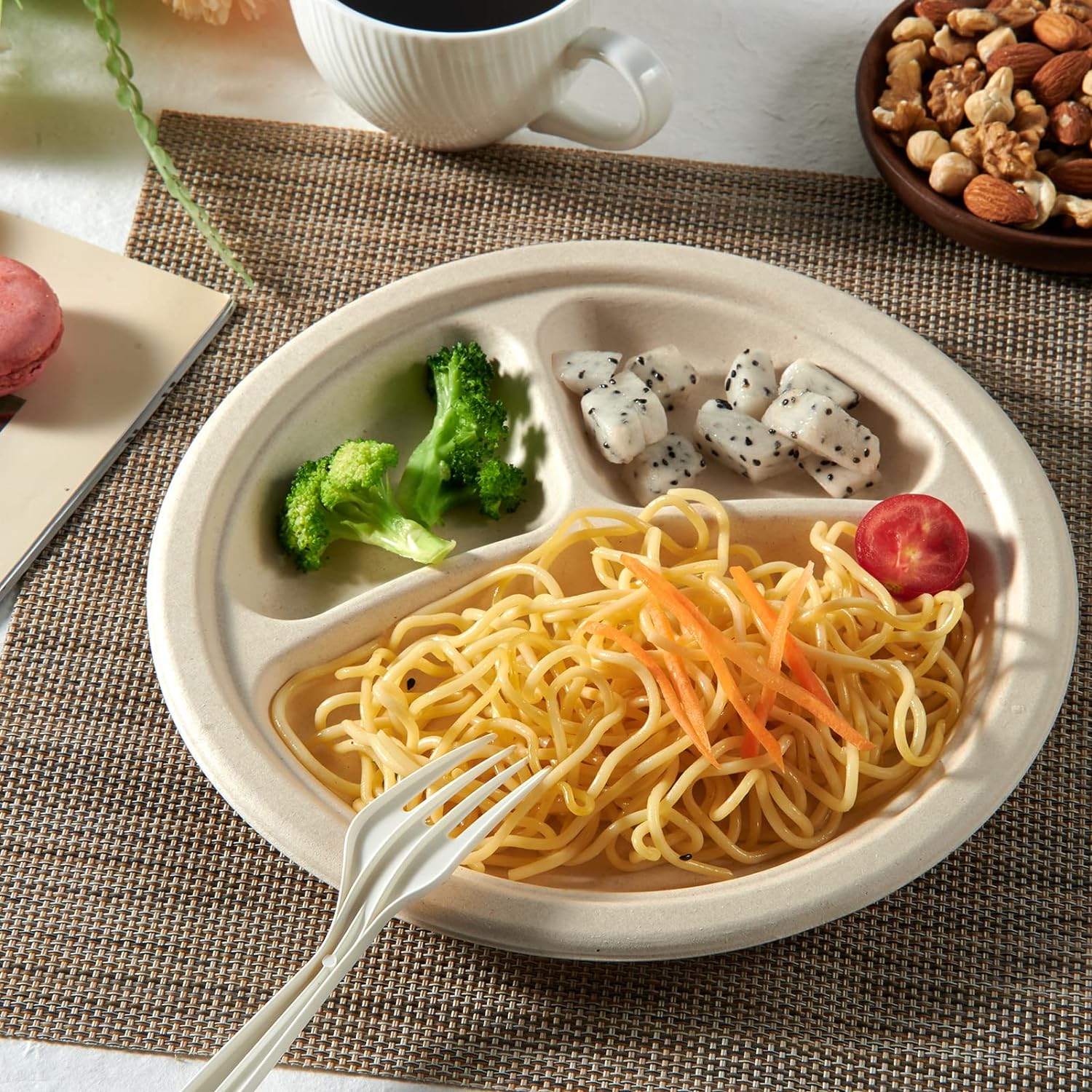 Bagasse Food Plates
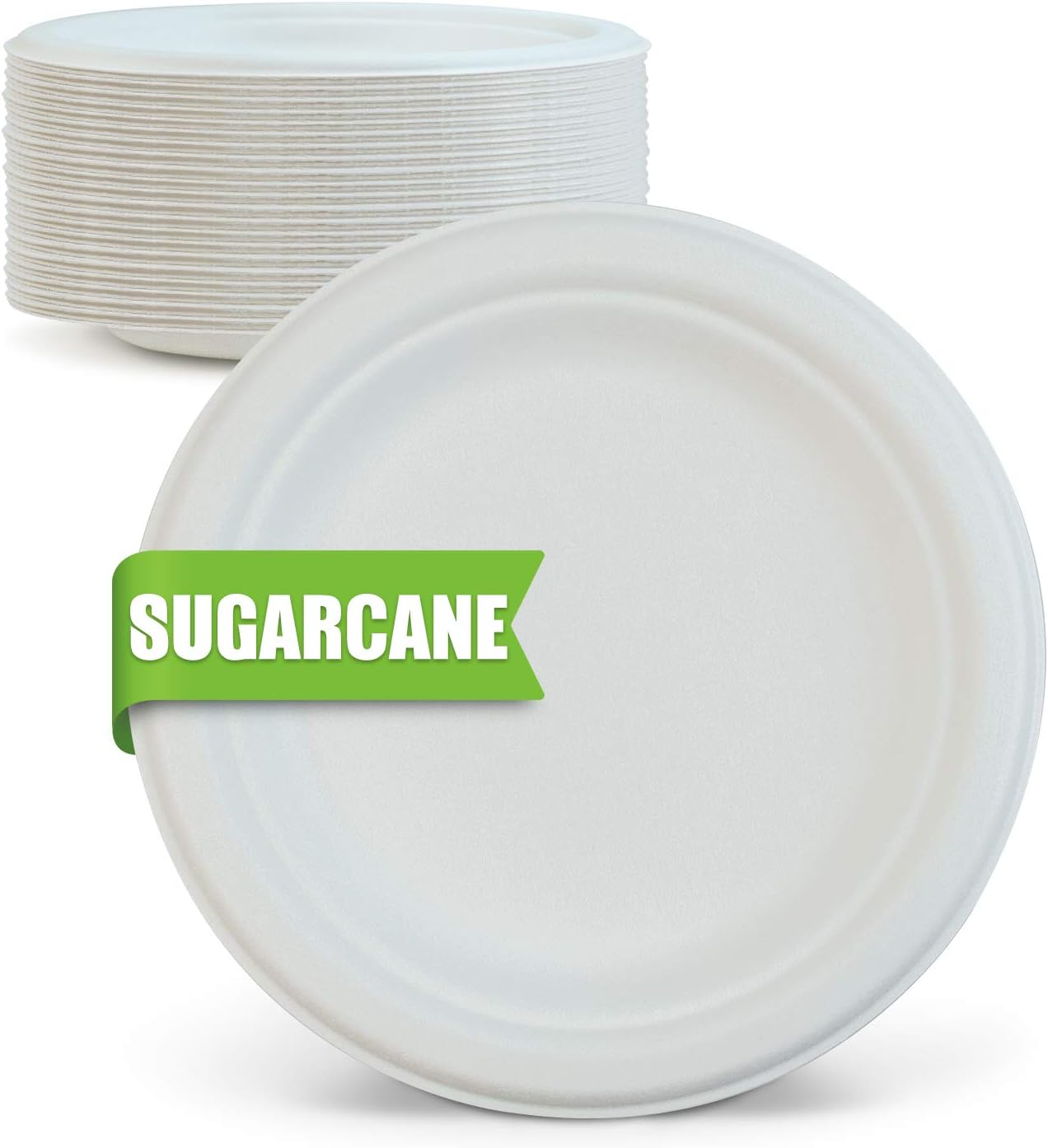 7 inch
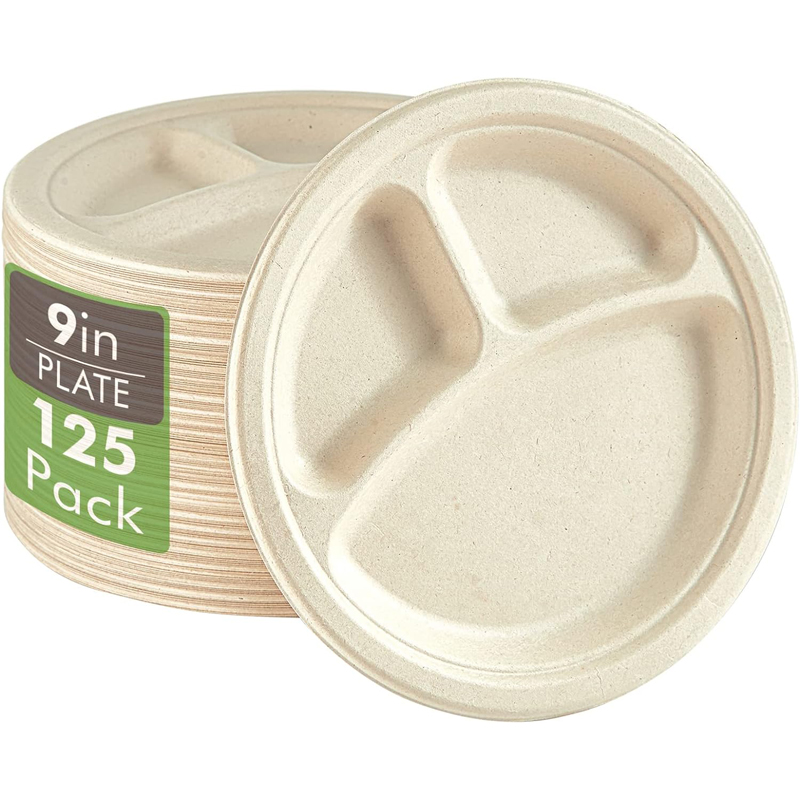 3CP
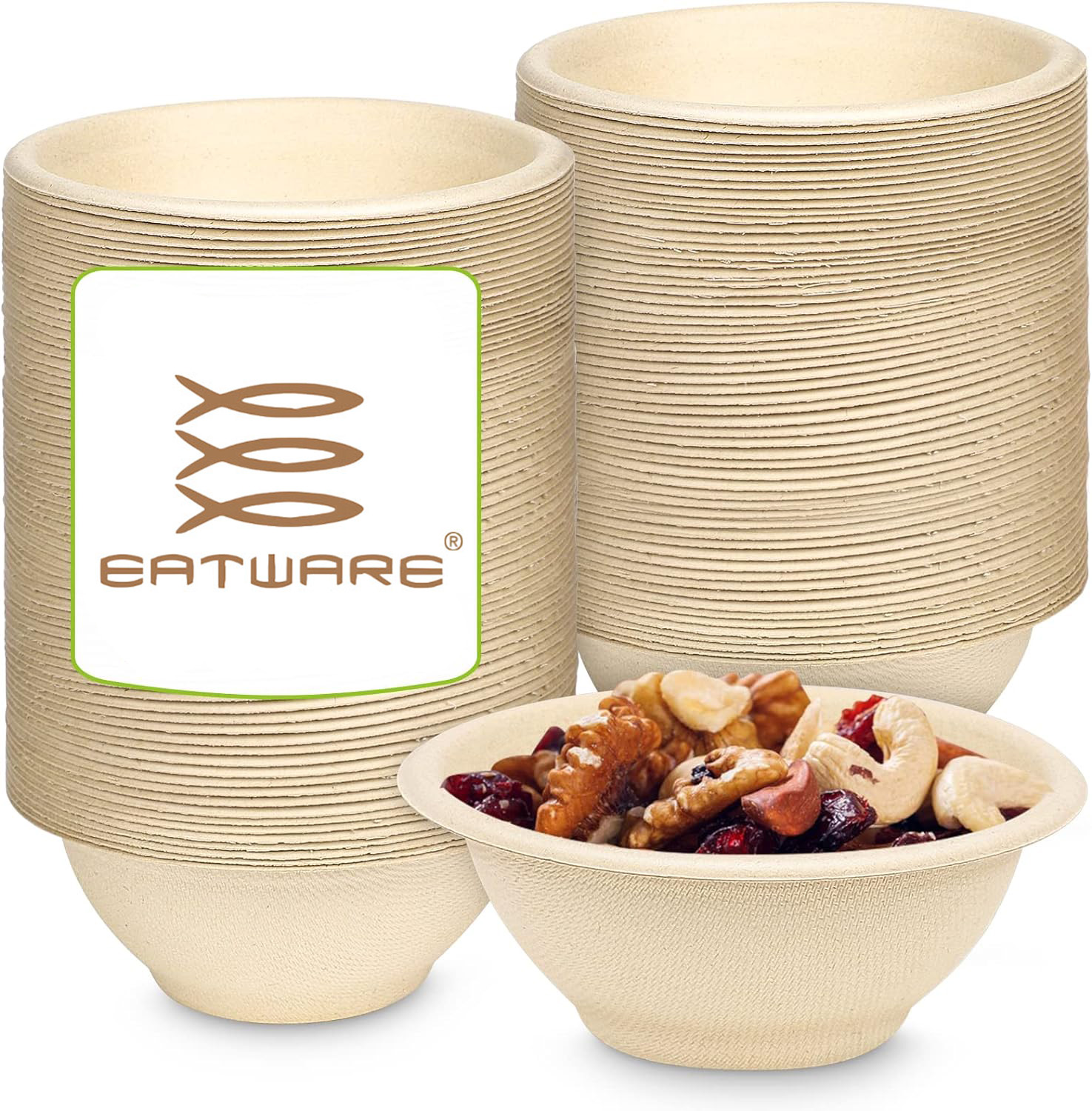 Bagasse Bowls
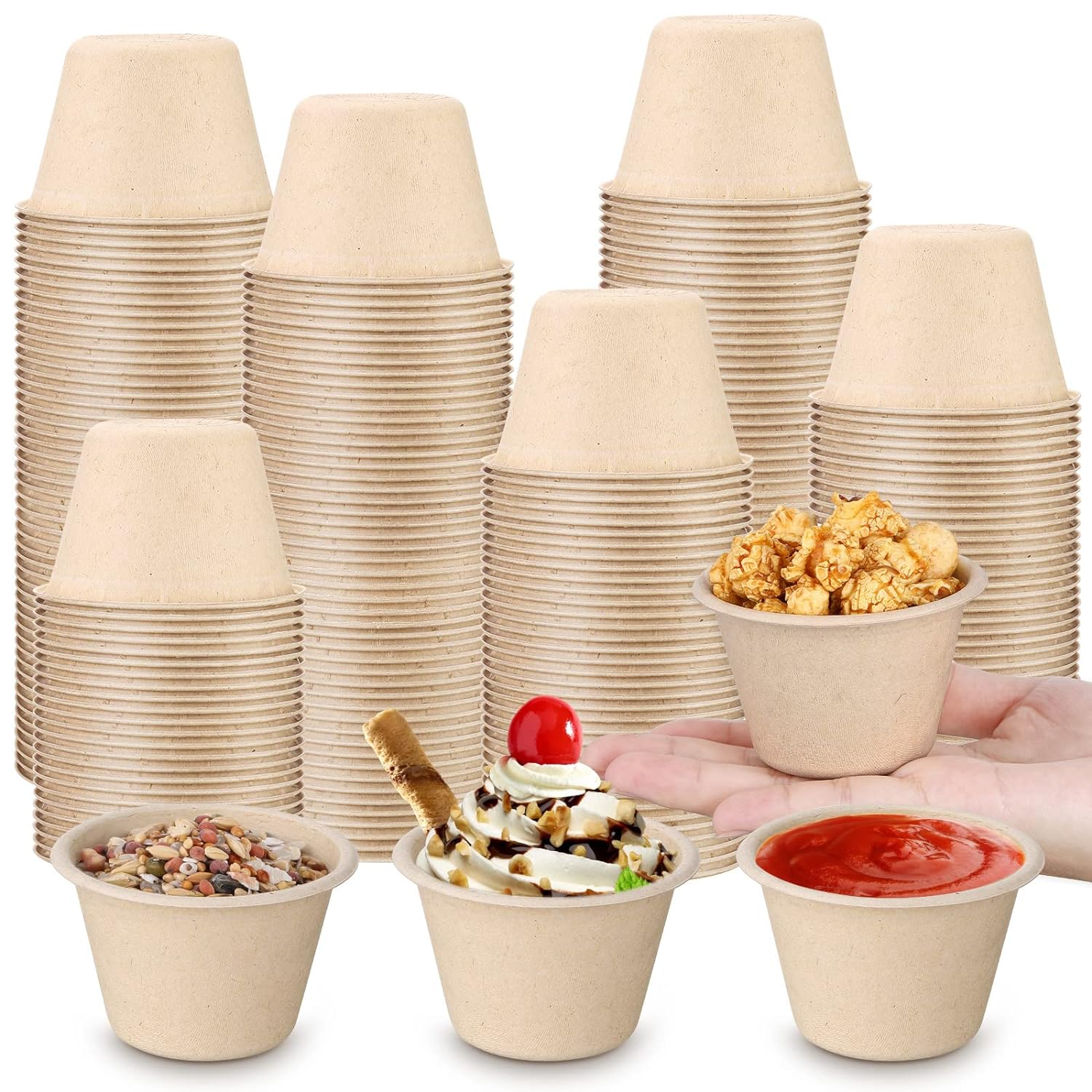 4oz
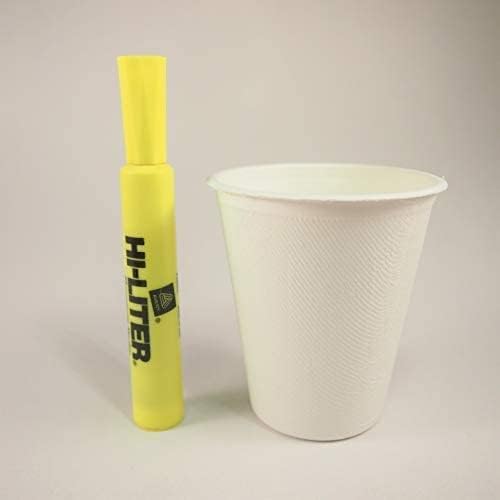 Bagasse Cups And Cutlery
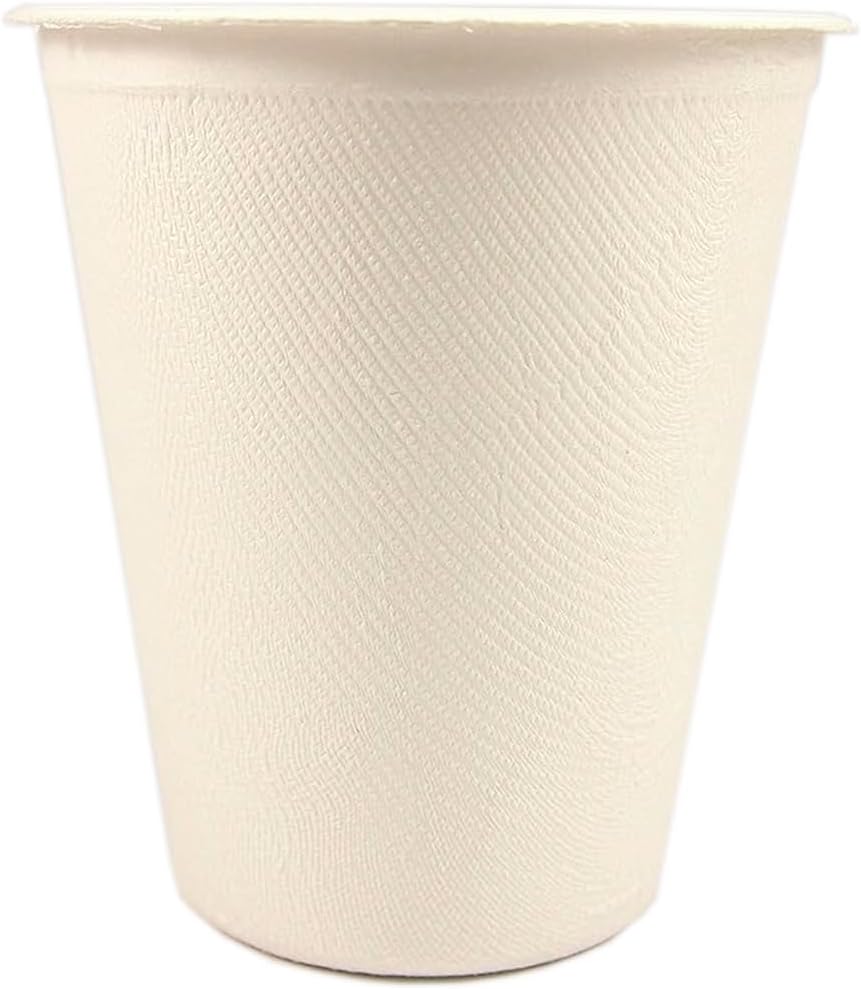 8oz
 12oz
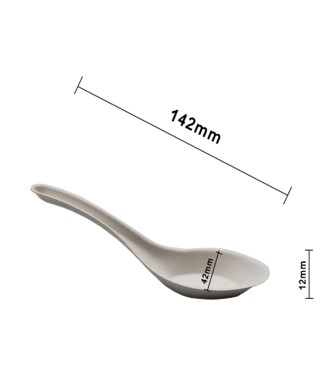 Cutlery




How to Specify Compostable Food Packaging for High Volume Bulk Orders
How to Specify Compostable food packaging for High Volume Bulk Orders
Quick Answer
High-volume compostable food packaging should be specified as a finished food-contact product, not simply as “eco-friendly” or “compostable packaging.” A professional bulk-order specification should define material composition, dimensions, capacity, unit weight, wall thickness, food type, temperature, oil exposure, leakage performance, lid compatibility, certification, PFAS requirements, packaging configuration, tolerances and annual volume. This approach is particularly important because the FDA classifies food-contact applications by both food type and conditions of use, including fatty foods, hot filling, refrigerated storage, frozen storage and reheating. For compostable packaging, certification and local waste infrastructure must also be considered; the U.S. EPA recommends certified commercially compostable foodservice ware only where an appropriate commercial composting program is available.
Key Takeaways
- Specify performance and compliance, not just material.
- Define food temperature, oil exposure and holding time before selecting the container.
- Use measurable dimensional and weight tolerances for high-volume production.
- Verify that compostability applies to the complete packaging configuration.
- Treat PFAS requirements as a separate procurement criterion.
- Approve physical samples before mass production.
- Calculate landed cost based on carton, pallet and container-loading efficiency.
- Use an approved specification and golden sample to control repeat production.
1. Start With the Food Application, Not the Material Label
The first specification question should be what the packaging must do, because the same compostable material can perform differently across different food applications.
A buyer sourcing packaging for a chilled salad, hot noodle meal, frozen prepared food and oily fried chicken is not solving the same engineering problem. Each application imposes different requirements on moisture resistance, grease resistance, thermal stability, structural strength and closure performance.
The FDA's food-contact framework illustrates why application details matter: food categories include aqueous foods, acidic foods, foods containing free oil or fat, dairy products, low-moisture fats and oils, and different types of bakery products. Conditions of use range from room-temperature filling to hot filling, refrigeration, freezing and reheating.
For a high-volume order, the buyer should therefore establish the application before requesting quotations.
Application brief
A useful specification should answer:
- What food will be packed?
- Is the food wet, dry, acidic or oily?
- What is the filling temperature?
- How long will the food remain in the container?
- Will the container be refrigerated?
- Will the food be frozen?
- Will the food be reheated in the container?
- Will the product be delivered by vehicle or courier?
- How many containers will be stacked?
- Is a leak-resistant lid required?
- What disposal system will receive the packaging?
These answers determine the technical requirements that follow.
2. Build a Complete Compostable Food Packaging Specification
A complete packaging specification converts a general sustainability objective into measurable purchasing requirements.
| Specification area | What to define | Example |
| Product format | Box, bowl, tray, plate, clamshell | 850 ml salad box |
| Material | Fiber/material system | Bamboo pulp fiber |
| Capacity | Nominal and brim-full capacity | 850 ml |
| Dimensions | Length × width × height | 225 × 160 × 45 mm |
| Unit weight | Target and tolerance | Target ± agreed tolerance |
| Wall thickness | Nominal thickness | 0.7 mm |
| Food application | Food category | Salad / prepared meal |
| Temperature | Filling and storage | Hot fill / chilled |
| Oil exposure | Low, medium or high | High |
| Leakage | Required test condition | No visible leakage |
| Lid | Material and fit | Fiber or compatible lid |
| Compostability | Certification route | Commercial composting |
| PFAS | Maximum/absence requirement | PFAS declaration/testing |
| Printing | Ink and artwork | One-color private label |
| Packaging | Units/carton | Buyer-defined |
| Annual volume | Forecast | Annual contract volume |
| Destination | Target market | EU / U.S. / UK |
The specification should distinguish target values from acceptance limits. A production drawing that says “approximately 850 ml” is less useful than a specification defining nominal capacity, acceptable tolerance and the method used to measure it.
3. Define Dimensions, Capacity and Structural Performance
Dimensional consistency becomes more important as order volume increases because a small production variation multiplied across hundreds of thousands or millions of pieces can affect lids, filling equipment, secondary packaging and pallet utilization.
For example, EATware currently publishes a 4-compartment molded-fiber lunch box with a 1,340 ml brim-full capacity, dimensions of 240 × 221 × 42 mm, 38 g unit weight and 0.7 mm thickness. These manufacturer-published specifications illustrate the level of detail that can be incorporated into a commercial product specification.
Critical dimensional parameters
Overall dimensions should be specified at defined measurement points. Molded fiber can have dimensional variation caused by moisture, forming conditions and drying.
Capacity should distinguish working capacity from brim-full capacity. A container advertised as 850 ml may not be intended to be filled to the absolute rim.
Unit weight should have an agreed tolerance. Weight variation can indicate changes in fiber distribution, moisture content or production consistency.
Wall thickness should be controlled where structural performance depends on it. Thickness alone, however, should not replace finished-product testing.
Structural performance
For bulk foodservice orders, buyers should define:
- Maximum stacking height
- Filled-container stacking requirement
- Compression performance
- Base stability
- Side-wall rigidity
- Lid retention
- Transportation requirements
- Acceptable deformation
The objective is to ensure that a container that passes factory inspection also survives warehouse storage, transportation and actual foodservice handling.
4. Specify Water, Oil and Temperature Resistance Separately
Water resistance, oil resistance and thermal resistance are different performance properties and should never be represented by one generic “waterproof” requirement.
EATware publishes selected molded-fiber products with a stated resistance to water or oil at 95°C for 30 minutes, while some product pages also specify microwave, oven and refrigerator applications. These figures are manufacturer-published specifications for particular products and should not be generalized to every molded-fiber package.
For a bulk procurement specification, the buyer should define the actual test condition.
| Performance | Specification question | Example acceptance criterion |
| Water resistance | How long and at what temperature? | No visible leakage during agreed test |
| Oil resistance | What food or test medium? | No external oil penetration |
| Heat resistance | Maximum actual food temperature? | No unacceptable deformation |
| Cold resistance | Refrigerated or frozen? | No cracking or loss of function |
| Microwave | Is reheating required? | No failure under defined cycle |
| Lid performance | What temperature range? | Secure closure throughout test |
| Compression | How many filled units are stacked? | No critical structural failure |
| Transit | What logistics conditions? | No unacceptable deformation/leakage |
The best specification uses actual use conditions instead of arbitrary laboratory conditions.
For example, a restaurant chain selling hot curry for a 45-minute delivery period should test a filled container with hot, oily food for approximately the expected holding time. Testing only cold water for five minutes provides limited evidence about real performance.
5. Define Food-Contact Compliance and Chemical Requirements
Food-contact compliance should be specified according to the destination market, food type and conditions of use rather than through a generic certificate statement.
The FDA notes that food-contact substances can include substances applied to packaging surfaces, including adhesives, colorants and other substances used to provide functions such as grease resistance. This is important for molded-fiber packaging because the fiber itself is only one part of the finished product.
A bulk-order compliance specification should therefore identify:
- Applicable destination-market legislation
- Food categories
- Conditions of use
- Migration-testing requirements
- Material declarations
- Coating or barrier chemistry
- PFAS requirements
- Certification requirements
- Testing laboratory requirements
- Certificate validity and SKU scope
PFAS deserves a dedicated requirement
PFAS should be addressed separately because grease-resistant food packaging has historically used fluorinated chemistry, and regulatory requirements are changing.
The European Commission states that the EU Packaging and Packaging Waste Regulation began applying on August 12, 2026, including restrictions on PFAS in food-contact packaging above specified limits.
For an EU-bound high-volume order, the specification should therefore contain an explicit PFAS clause rather than relying on the phrase “compostable.”
A useful procurement requirement can state that the supplier must provide:
- A current PFAS declaration;
- Relevant PFAS testing where required;
- Product-level documentation;
- Identification of any fluorinated treatment;
- Notification of any formulation change before production.
EATware states that its EATplus formulation is designed to provide water and oil resistance without adding fluorinated oil repellents. This is a manufacturer claim, so buyers should verify the claim through current product documentation and testing for the specific SKU.
6. Define Compostability and End-of-Life Requirements
Compostability is a specification category, not simply a marketing adjective.
A product may be made primarily from plant fiber while still containing a lid, coating, adhesive, label or other component with different end-of-life characteristics. ISO 18606:2013 specifies requirements for packaging suitable for organic recycling and states that packaging is considered recoverable through organic recycling only when the individual components meet the relevant requirements, unless components can be physically separated before disposal. The standard was reviewed and confirmed in 2024 and remains current.
The specification should therefore identify:
- Commercial or industrial compostability
- Home compostability, if required
- Applicable certification
- Certification scope
- Product configuration
- Lid configuration
- Coating configuration
- Label and adhesive requirements
- Destination-market disposal route
Compostability must match local infrastructure
The U.S. EPA recommends certified commercially compostable foodservice ware only when commercial composting is locally available, accepts the relevant product and has an appropriate collection system.
That requirement changes how a global buyer should write the specification.
Instead of:
“Product must be compostable.”
A more useful requirement is:
“Finished packaging must hold the specified compostability certification for the target market and configuration, and the buyer must confirm compatibility with the intended commercial composting system.”
This wording connects the product specification to actual end-of-life management.
7. Select the Right EATware Product Format for Bulk Applications
A high-volume buyer should select the packaging architecture before finalizing the manufacturing specification because different formats solve different operational problems.
EATware's current product portfolio includes boxes, trays, plates, bowls, map packaging, bagasse products and customized packaging.
Useful categories for specification development include:
Takeaway boxes
EATware's one-part molded-fiber boxes include bamboo-pulp food containers such as a published 500 ml format measuring 196 × 115 × 38 mm.
These formats can be evaluated for prepared meals, takeaway food, snacks and portion-controlled products.
Trays
Molded-fiber trays are relevant for bakery, fresh produce, sushi and other foods requiring a relatively open presentation format. The current product portfolio includes several dimensions and configurations.
Bowls
Molded-fiber bowls cover different sizes and capacities, making bowl geometry an important variable when specifying soup, salad, snack or prepared-food applications.
MAP packaging
For food brands requiring modified-atmosphere packaging, EATware MAP packaging includes published bamboo-pulp bowl, box and tray formats, including a 400 ml bowl, 950 ml box and tray configuration.
The important procurement principle is to choose the functional format first, then optimize material consumption and manufacturing parameters.
8. Standard Products vs Custom Packaging for High-Volume Orders
Standard packaging generally reduces development risk, while custom packaging provides greater control over dimensions, branding and food presentation.
| Requirement | Standard SKU | Custom mold |
| Initial development cost | Lower | Higher |
| Time to production | Usually shorter | Usually longer |
| Dimensional flexibility | Limited | High |
| Branding | Limited/custom packaging | Embossing, printing or structural branding |
| Lid compatibility | Existing options | Can be engineered |
| Product exclusivity | Usually limited | Can be negotiated |
| Tooling ownership | Not normally relevant | Must be contractually defined |
| Suitable for | Established demand | High-volume differentiated products |
Custom packaging becomes more attractive when the annual volume is large enough to amortize tooling and development costs.
EATware's customization process states that buyers can provide an existing physical sample for 3D scanning and mapping, a 2D drawing, a 3D drawing or mold references.
For a high-volume program, tooling agreements should explicitly address:
- Mold ownership
- Mold storage
- Mold maintenance
- Replacement responsibility
- Exclusivity
- Transfer rights
- Tooling life
- Approved modifications
9. Create a High-Volume Supplier RFQ
A standardized RFQ is one of the simplest ways to improve supplier comparison because every factory receives the same technical requirements.
The RFQ should request:
Product information
- Material
- Dimensions
- Capacity
- Unit weight
- Thickness
- Available colors
- Lid options
- Printing/customization
Performance
- Water resistance
- Oil resistance
- Heat resistance
- Cold resistance
- Compression
- Microwave suitability
- Leakage performance
Compliance
- Food-contact declaration
- Migration testing
- Compostability certificate
- PFAS declaration/testing
- Factory quality certificates
- Destination-market documentation
Commercial terms
- MOQ
- Tooling cost
- Sample cost
- Unit price
- Carton quantity
- Carton dimensions
- Gross weight
- Lead time
- Incoterm
- Port
- Payment terms
The supplier should also identify which figures are guaranteed specifications, which are typical production values, and which are only design targets.
10. Calculate Bulk-Order Economics Beyond Unit Price
The lowest factory quotation does not necessarily produce the lowest procurement cost.
For high-volume packaging, the buyer should calculate:
Landed cost = product cost + tooling allocation + packaging + inland logistics + freight + duties/taxes + inspection + handling
Packaging density is particularly important because molded-fiber products can occupy substantial cubic volume.
A container with a lower unit price but poor nesting efficiency can require more shipping containers. Conversely, a slightly more expensive product with better nesting, lighter weight and higher carton density may produce a lower delivered cost.
Bulk-order commercial metrics
Track at least:
- Price per piece
- Price per thousand pieces
- Pieces per carton
- Cartons per pallet
- Pallets per container
- Cubic meters per carton
- Gross weight per carton
- Annual consumption
- Defect rate
- Freight cost per unit
For large contracts, a supplier should provide a packaging and loading proposal rather than quoting only the product itself.
11. Establish Quality Control Before Mass Production
Quality control should be agreed before the purchase order because quality disputes are difficult to resolve after the goods have left the factory.
A high-volume program should establish:
Incoming material control
Verify pulp/material specifications, moisture and relevant raw-material documentation.
In-process control
Monitor forming, drying, dimensions, weight and visual defects.
Finished-product inspection
Check:
- Dimensions
- Weight
- Thickness where applicable
- Surface quality
- Color
- Cracks
- Delamination
- Deformation
- Leakage
- Lid fit
- Carton quantity
Pre-shipment inspection
A buyer or independent inspection company can check production against the approved specification before shipment.
The golden sample should remain the physical reference for future production. Any change to raw material, formulation, mold, coating, production location or major process parameter should require documented approval.
12. Pre-Production Testing for High-Volume Orders
A high-volume purchase should pass through a sample and pilot stage before the full production run.
A practical qualification sequence is:
- Drawing approval
- Material approval
- First article sample
- Food-contact documentation review
- Leakage testing
- Oil-resistance testing
- Thermal testing
- Compression/stacking testing
- Lid and closure testing
- Transport simulation
- Pilot production
- Final specification approval
The test protocol should use the buyer's actual food application whenever possible.
For example, if a 1,000 ml takeaway box will carry hot, oily food for one hour before consumption, testing should reproduce that combination rather than testing the empty container at room temperature.
FAQ
1. What should be included in a compostable food packaging specification?
At minimum, specify material, dimensions, capacity, unit weight, tolerances, food application, temperature, oil exposure, leakage performance, lid compatibility, compostability certification, PFAS requirements, packaging configuration and destination market.
2. Is “compostable” enough for a high-volume packaging order?
No. “Compostable” does not define the certification, disposal environment or complete packaging configuration. The buyer should specify the required certification and confirm that the relevant waste-management infrastructure accepts the product.
3. What food-contact information should a supplier provide?
The supplier should provide documentation appropriate to the destination market and intended conditions of use, including relevant food-contact declarations, migration testing and material information. The FDA framework demonstrates why food type and conditions of use must be considered together.
4. How do I specify PFAS-free compostable packaging?
Request a product-specific PFAS declaration and, where appropriate, analytical testing. Also identify coatings, grease barriers and other treatments. For EU sales after August 12, 2026, the PPWR's PFAS restrictions for food-contact packaging need to be incorporated into the compliance review.
5. Should I choose bamboo pulp or bagasse for a bulk order?
The decision should be based on the finished product's required performance, supply consistency, cost, certification and end-of-life requirements rather than material name alone. Both are plant-fiber feedstocks, but formulation, fiber characteristics, geometry and processing influence finished-product performance.
6. How can I reduce the cost of a large compostable packaging order?
The largest opportunities often come from optimizing unit weight, nesting, carton density, mold design, annual volume and logistics rather than simply negotiating the factory unit price. Standardizing several products around compatible dimensions can also reduce procurement complexity.
7. When should I use a custom mold?
A custom mold is most appropriate when the annual volume can justify tooling and the buyer needs proprietary dimensions, compartments, branding, lid compatibility or equipment integration. Standard products are generally more suitable when demand is uncertain or rapid deployment is the priority.
Conclusion
High-volume compostable food packaging should be purchased against a measurable technical specification, not a broad environmental claim. The specification needs to connect the food application with material composition, dimensions, structural performance, liquid resistance, thermal conditions, food-contact compliance, PFAS requirements, compostability and logistics.
For molded-fiber packaging, the finished product is the critical unit of evaluation. A bamboo-pulp or bagasse label does not by itself establish leakage resistance, grease resistance, heat performance or compostability of the complete packaging system.
For buyers evaluating EATware or other manufacturers, a practical process is to begin with the food application, define the specification, select the appropriate box, bowl, tray, plate or MAP format, request product documentation, test representative samples and then approve a pilot production run.
The most reliable high-volume procurement system is built around one written specification, one approved golden sample, defined acceptance criteria and documented change control. This structure gives purchasing teams a repeatable basis for comparing suppliers while reducing quality, compliance and supply-chain risk.
Author: Lucien Hong
Tel/Whatsapp/Wechat: +86 15201876558
Email: lucien.hong@eatware.com