
 Box With T buckle
 700ml Square Lunch Box
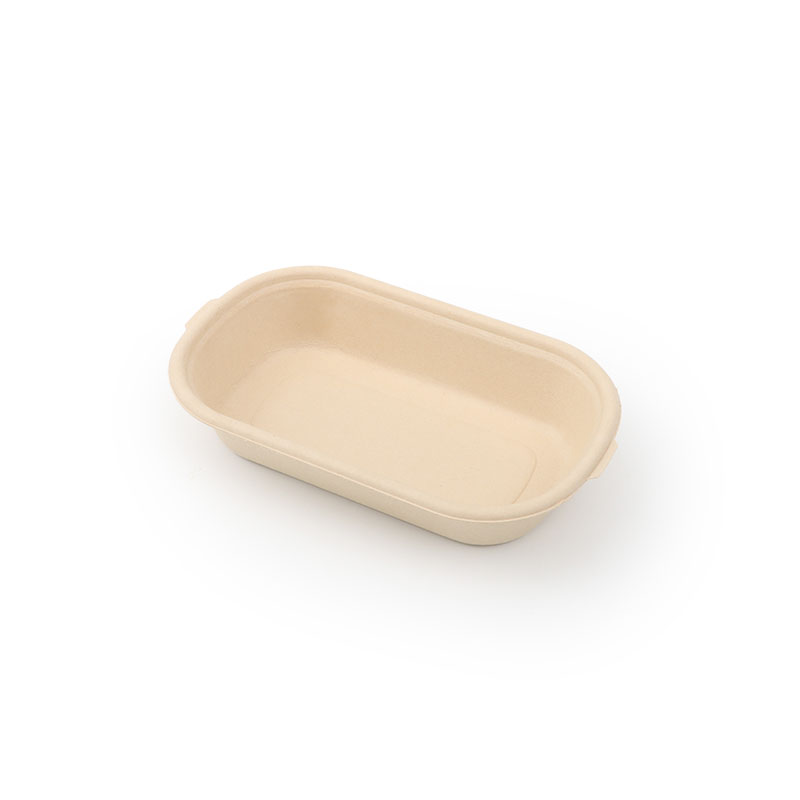 500ml
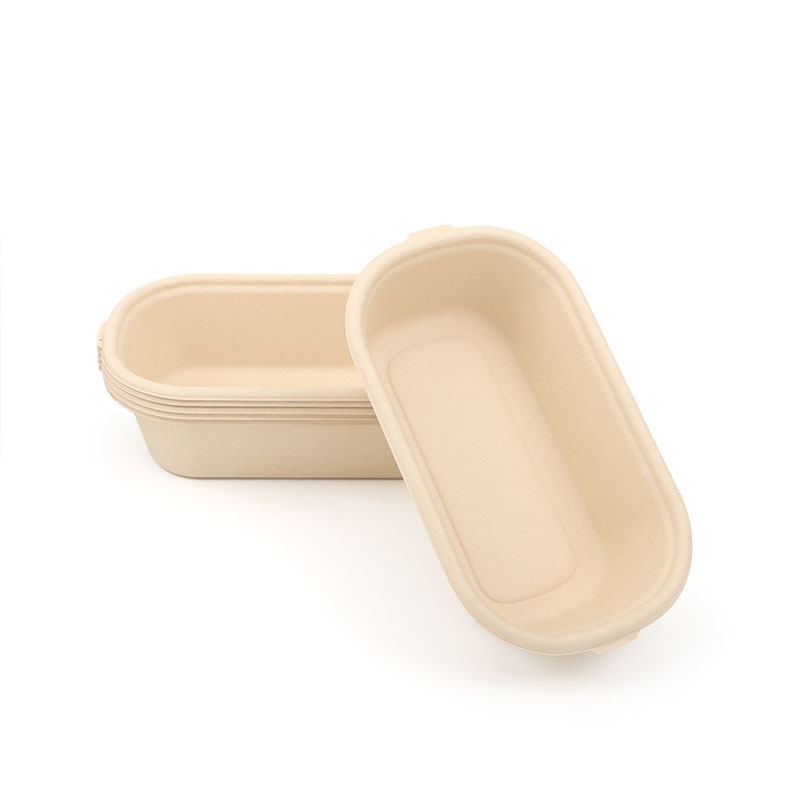 700ml
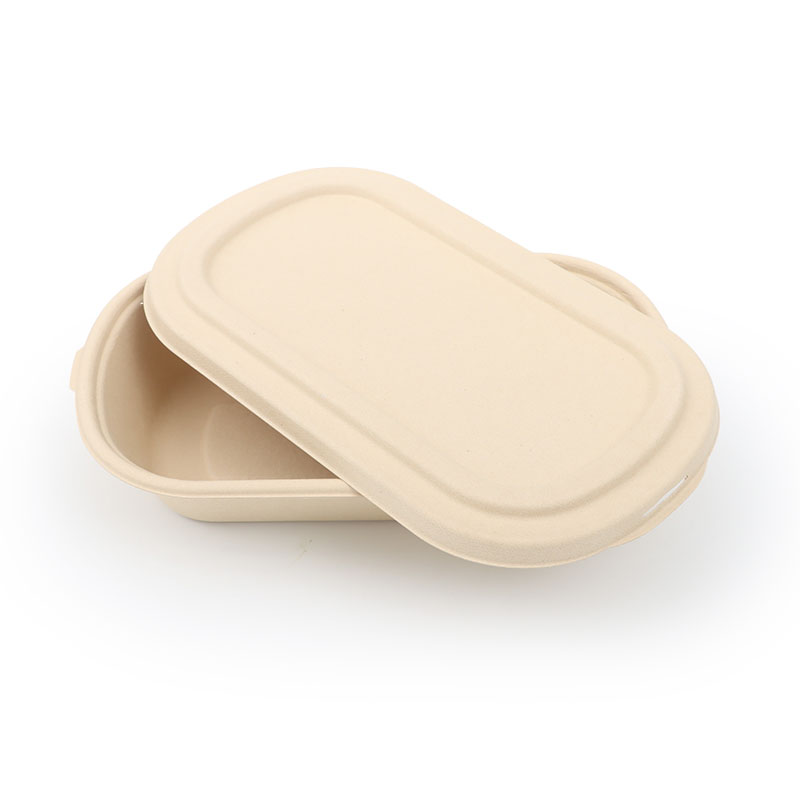 850ml
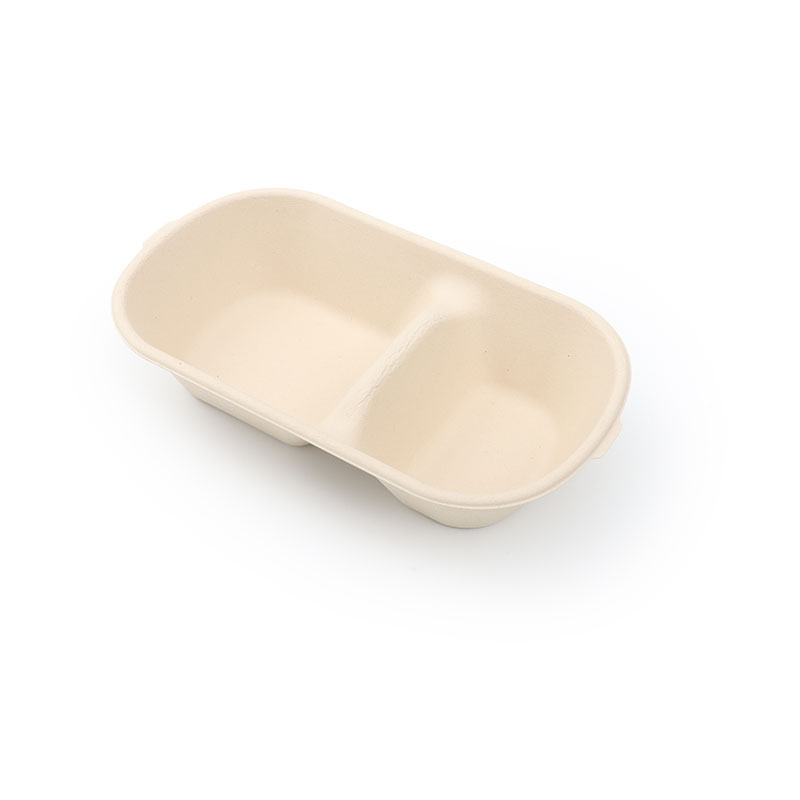 800ml 2 Compartments
 1000ml 2 Compartments
 1100ml
 1000ml Square Lunch Box
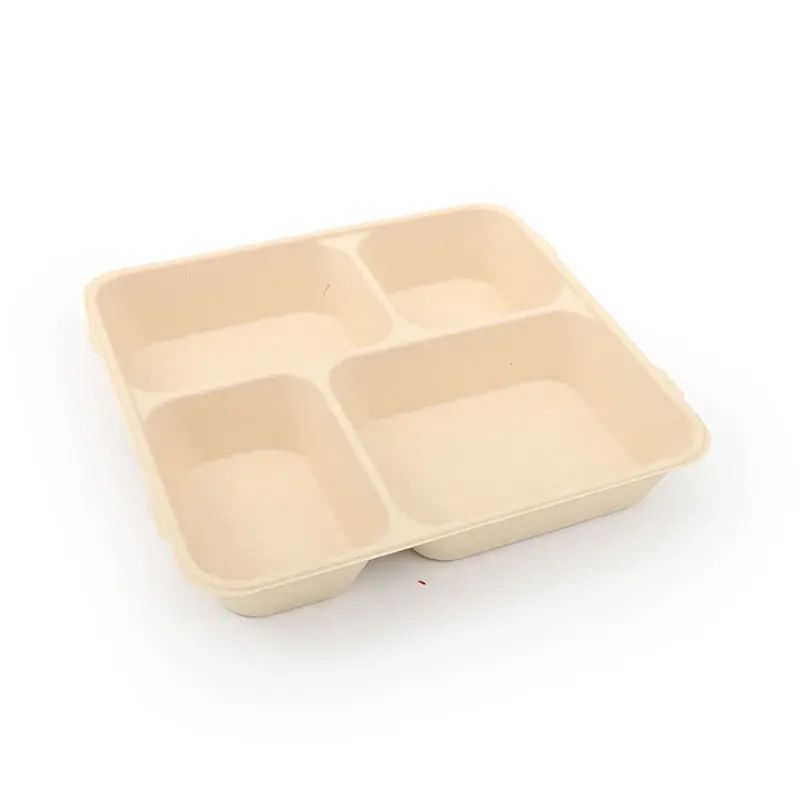 1340ml 4 Compartments
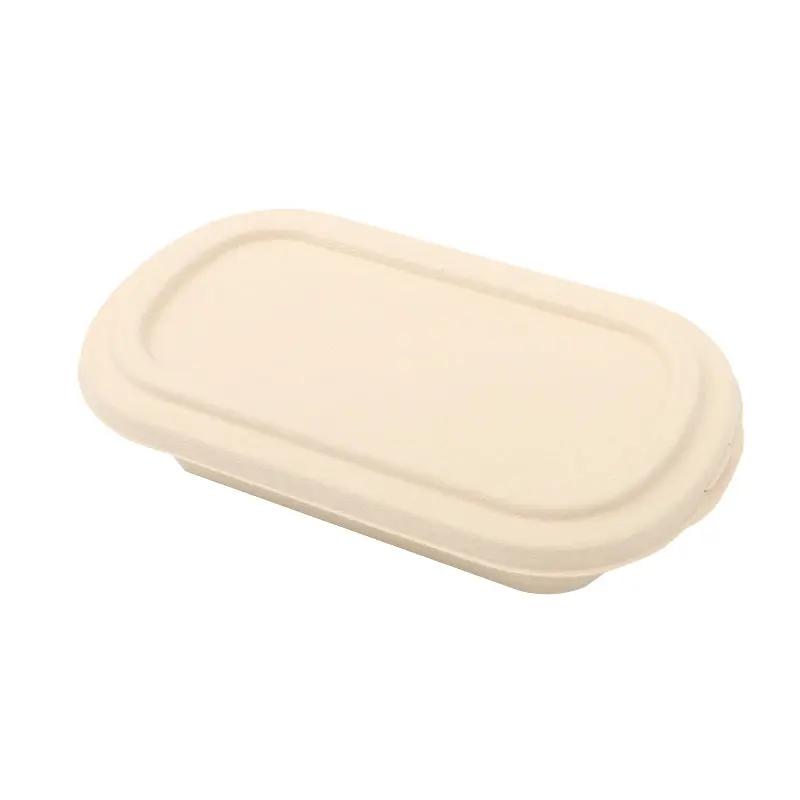 Lunch Box Lid
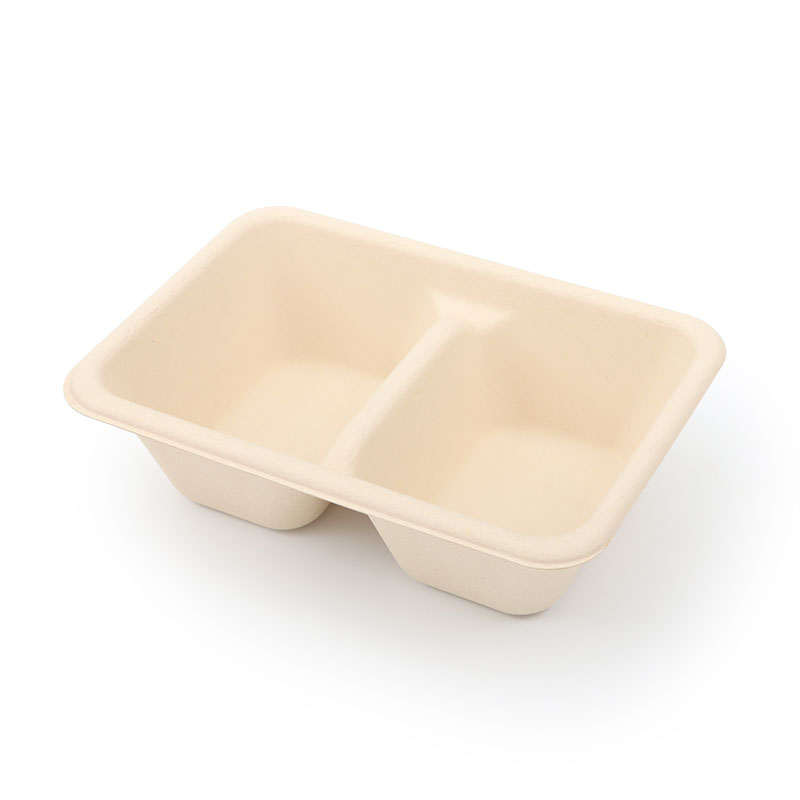 650ml
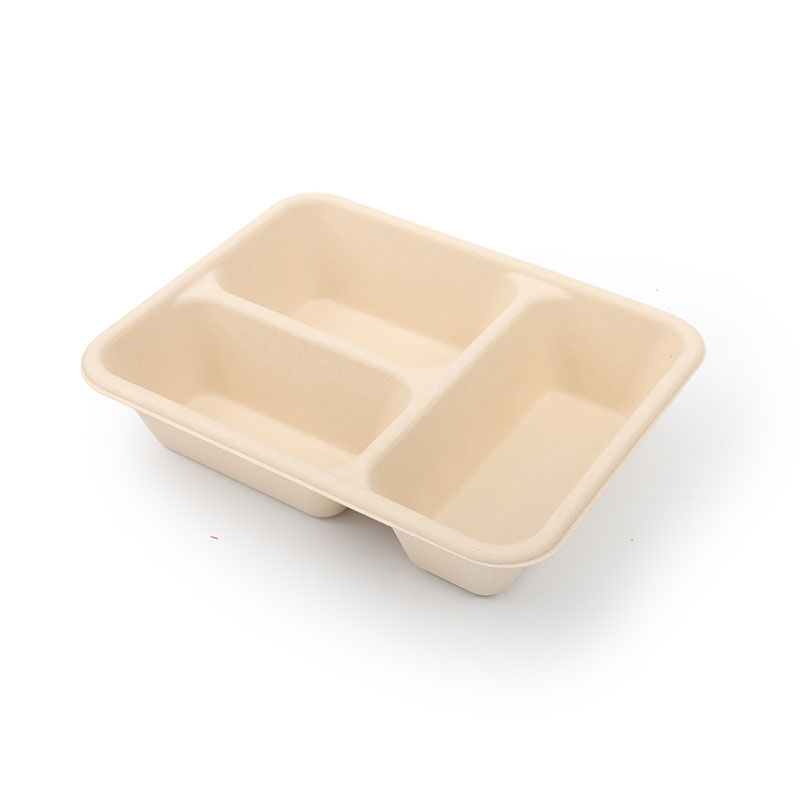 1000ml 3 Compartments
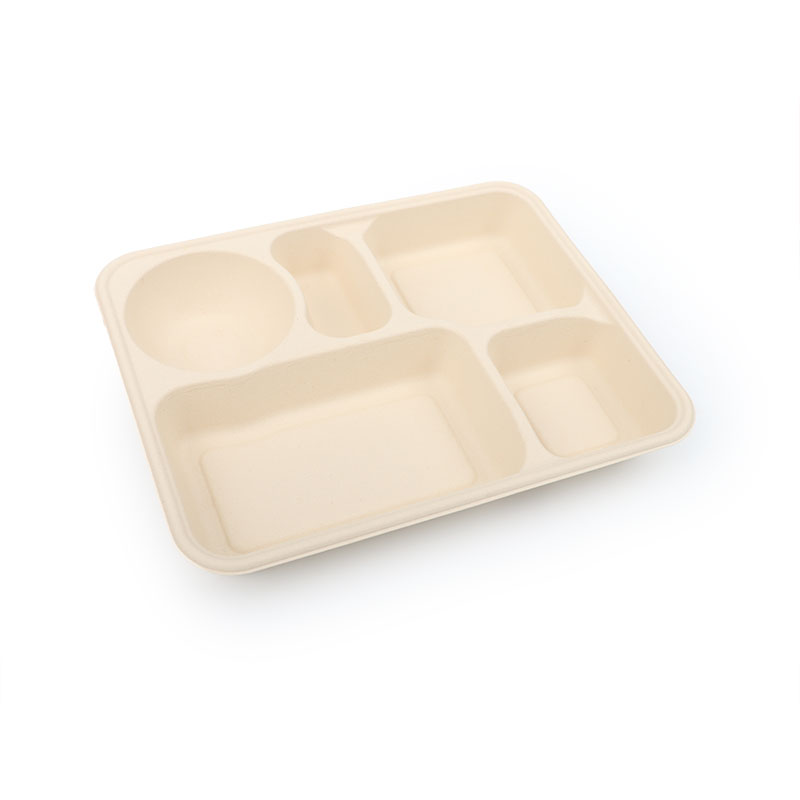 1250ml 5 Compartments
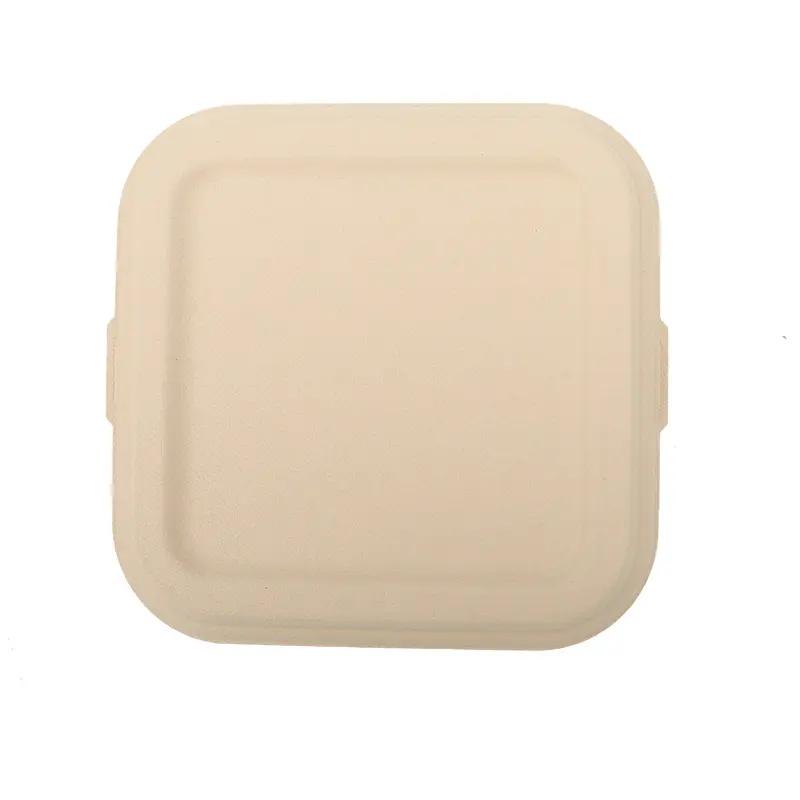 Square Lunch Box Lid
 Box Without T buckle
 850ml Salad Box
 700ml
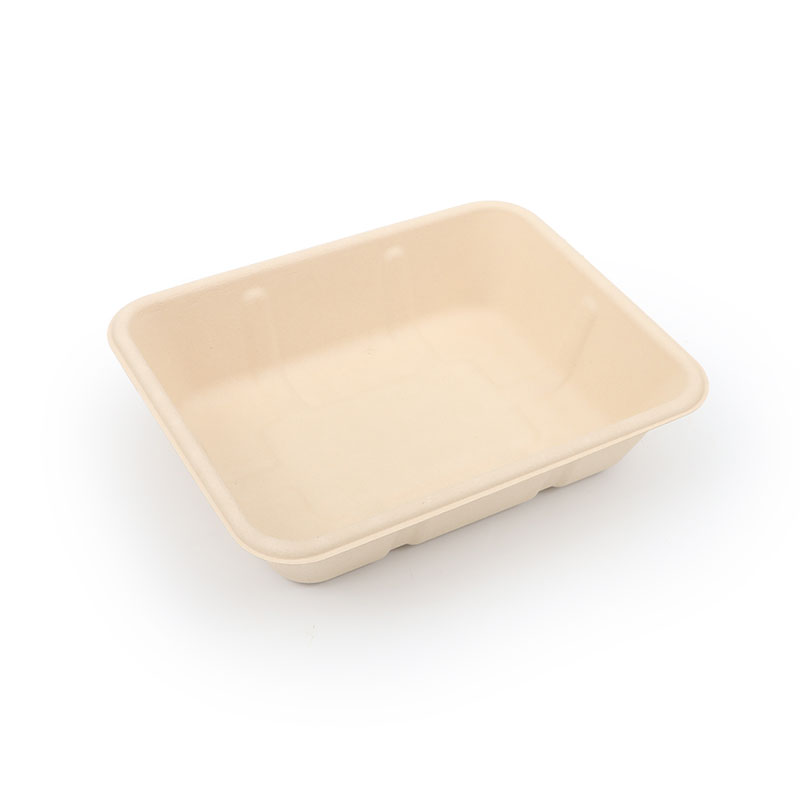 1350ml
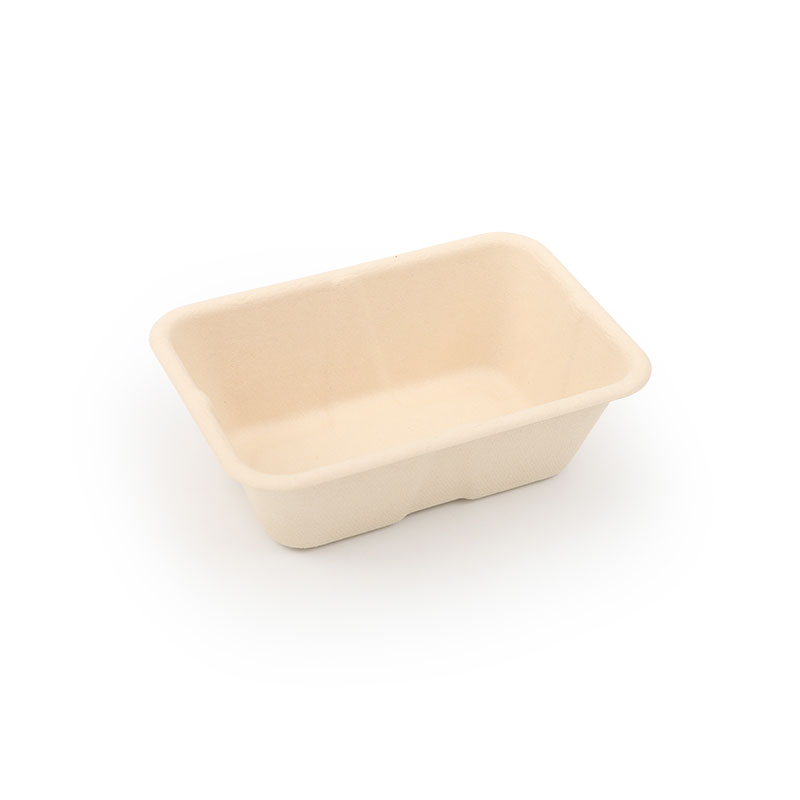 470ml
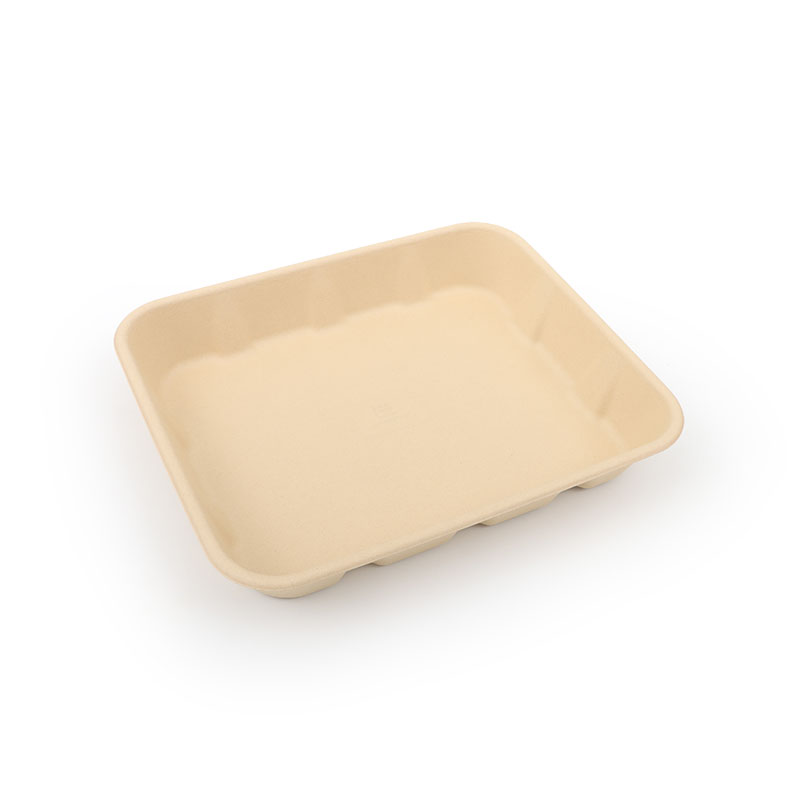 2183ml Tray Box
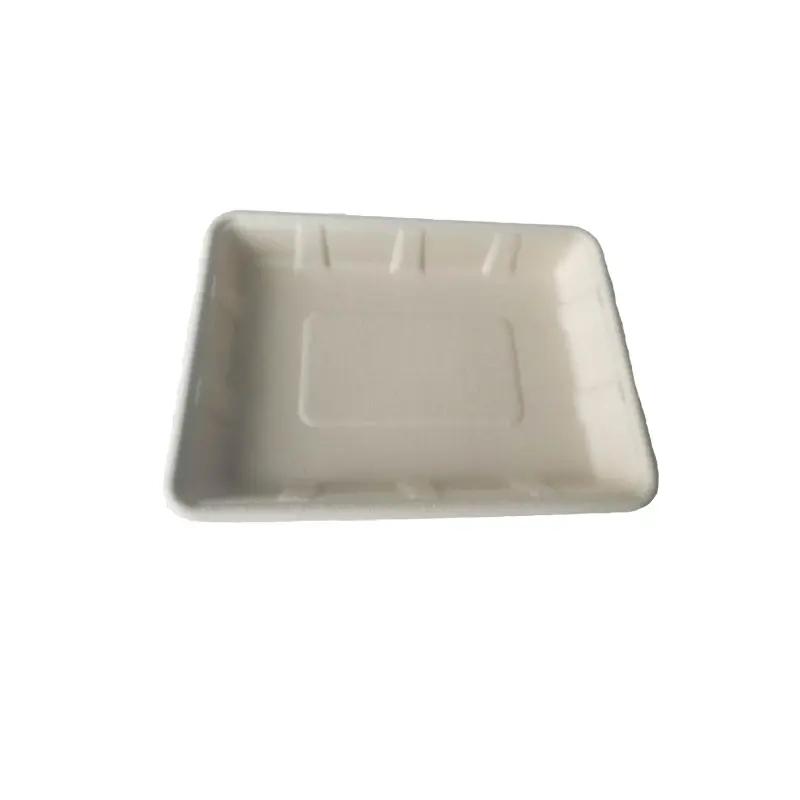 11" * 9"
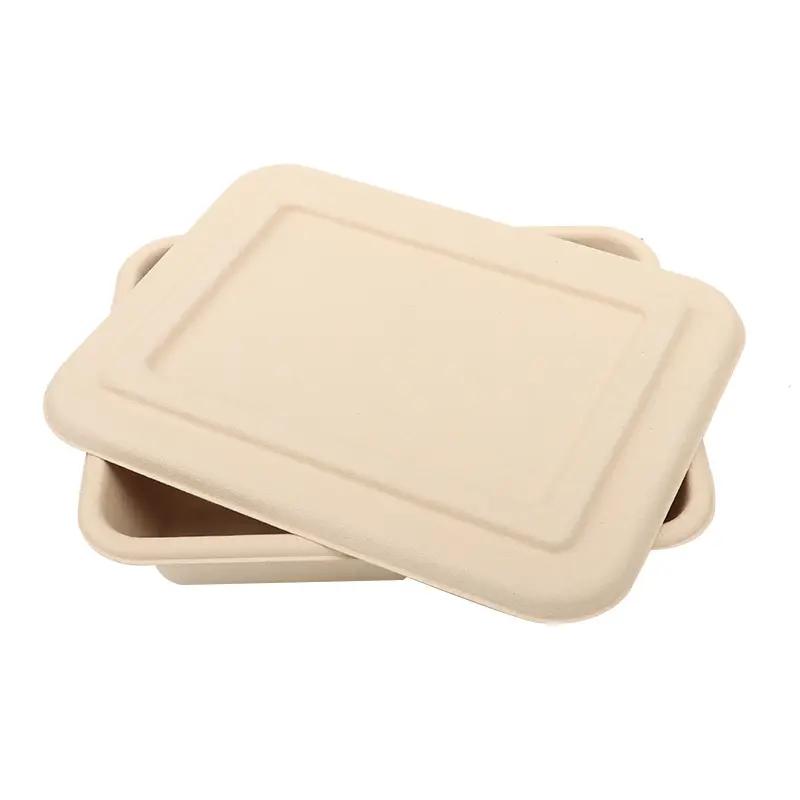 800ml
 One Part Box
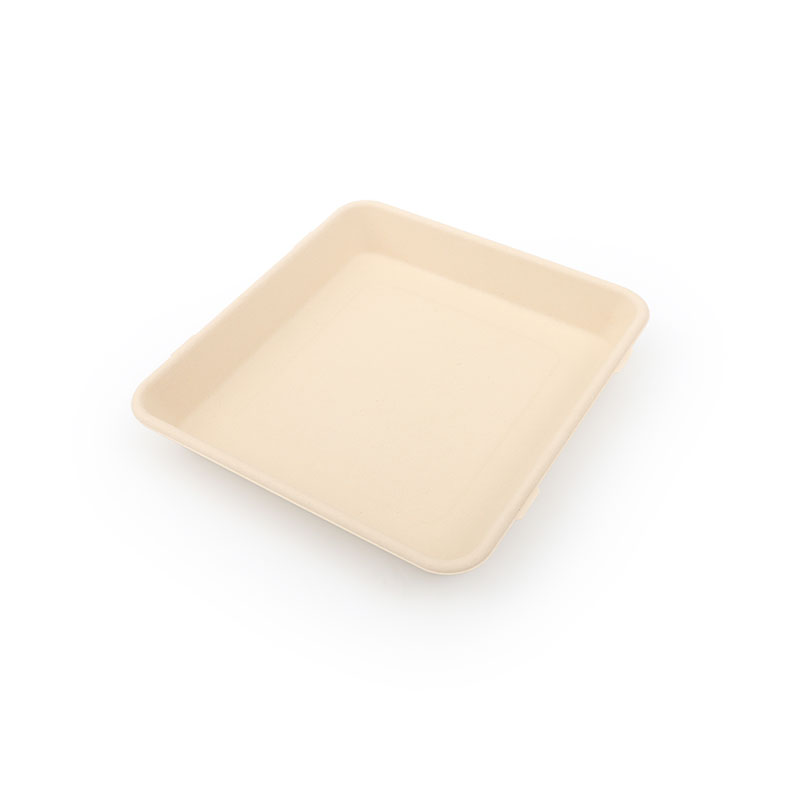 1443ml Tray Box
 Cake Bread Snack Tray Series
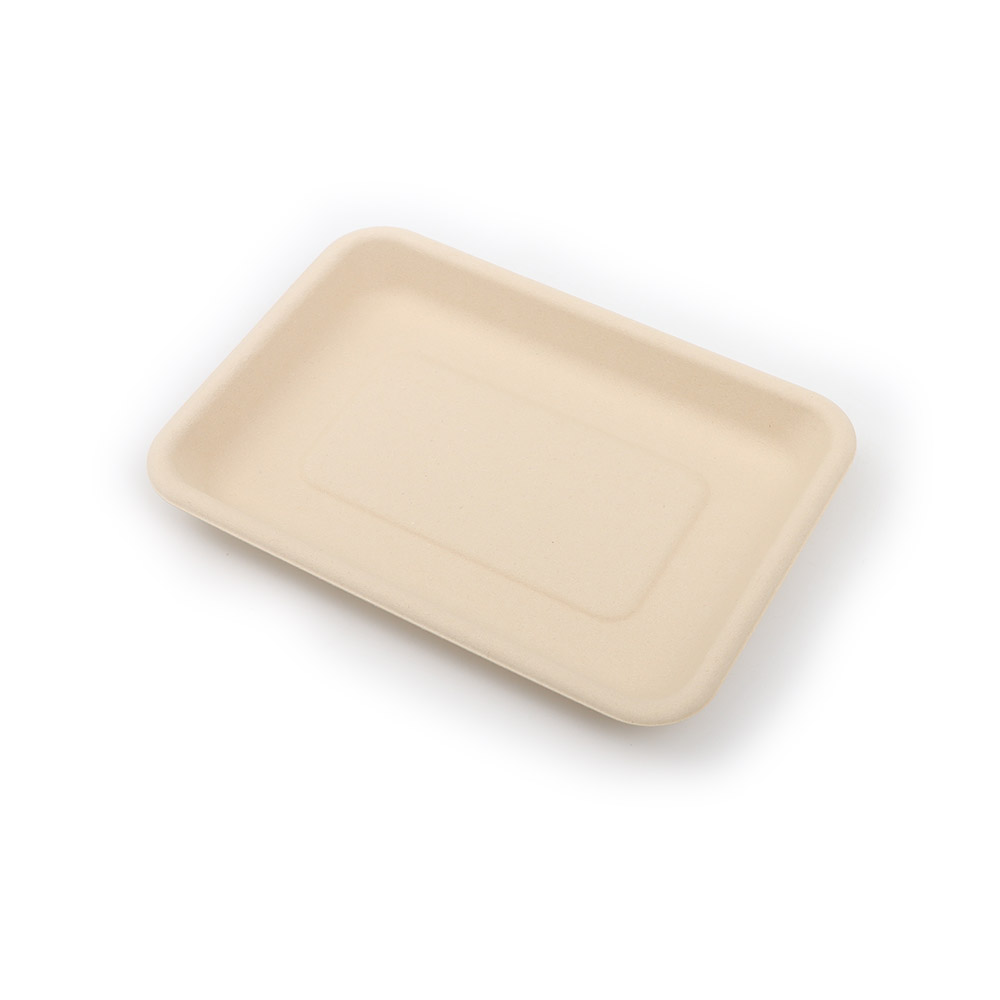 5" * 7" natural color
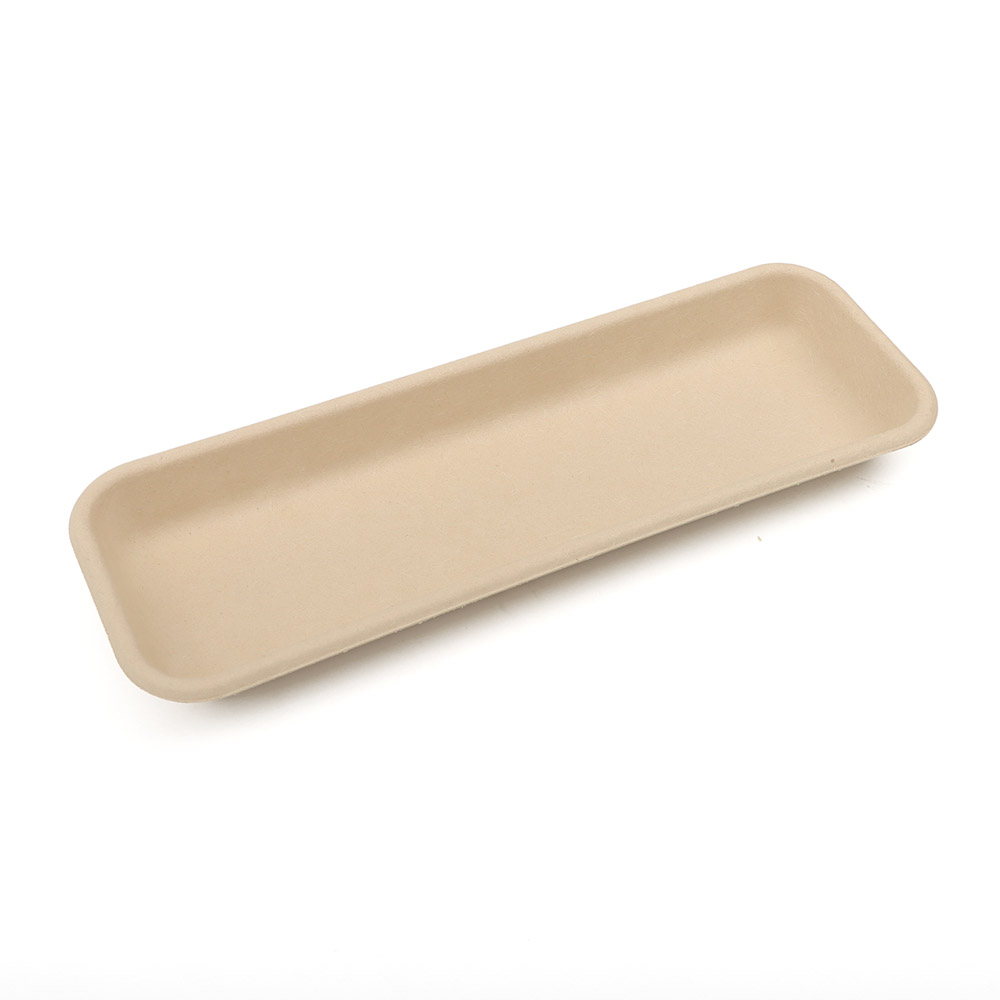 11.4" * 3.9"
 5.3" * 5.3"
 Fruit And Vegetable Tray Series
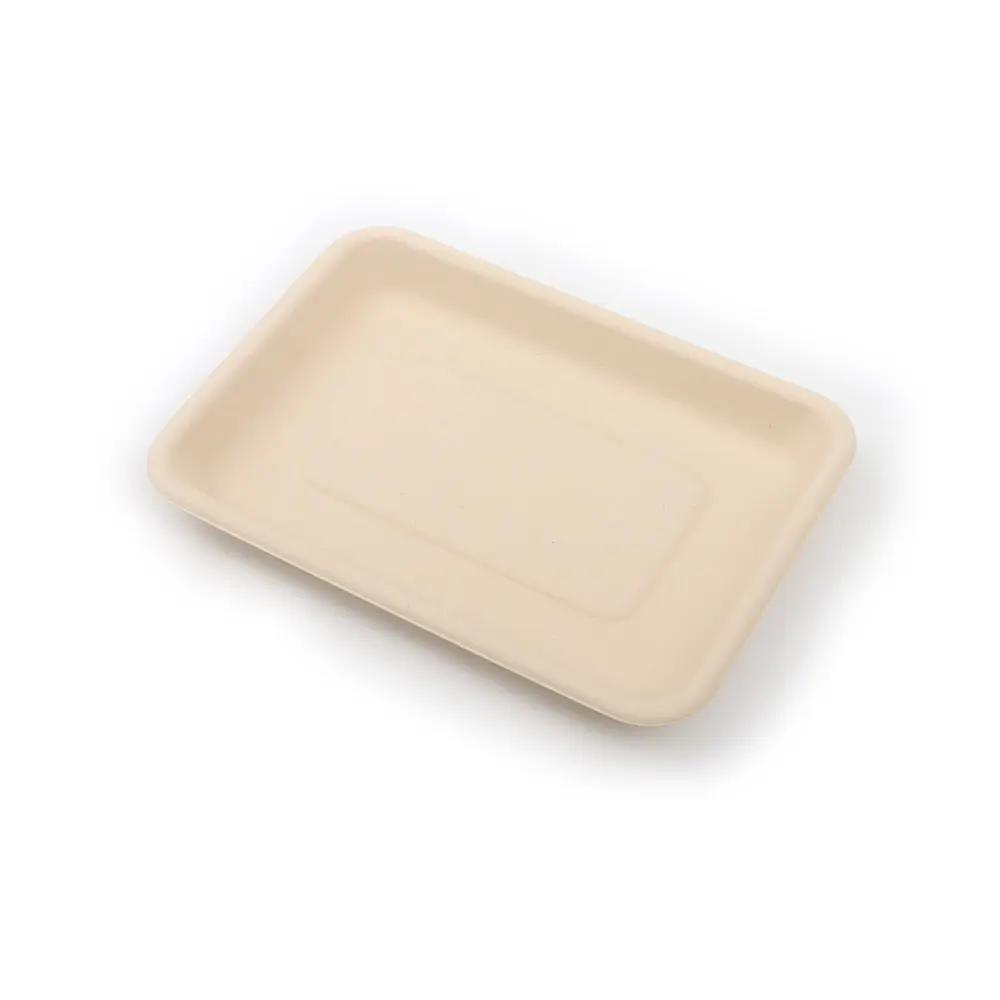 8.6" * 5.3"
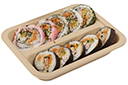 Sushi Tray Series
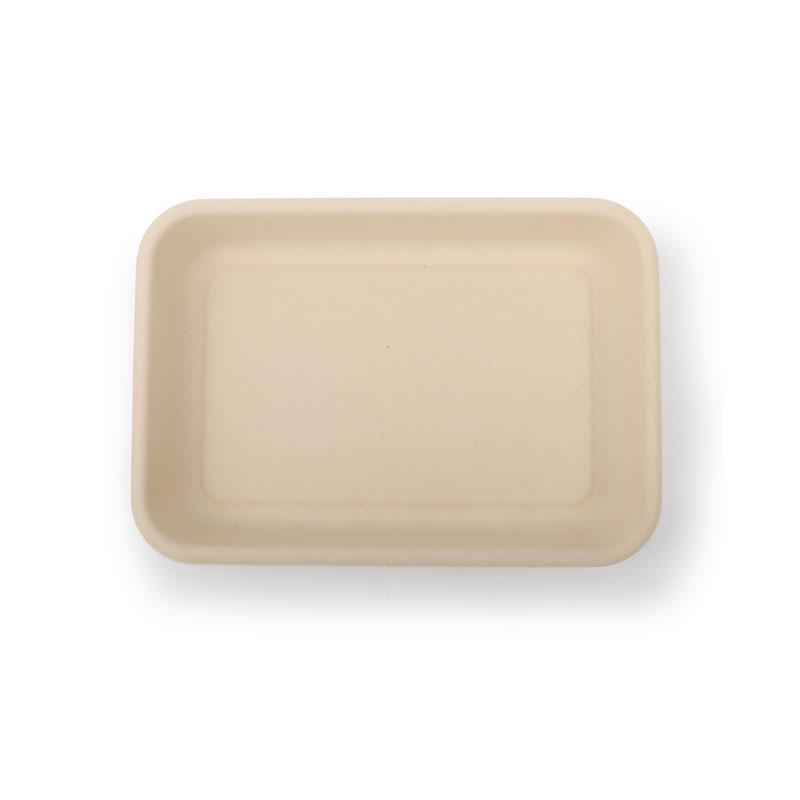 200" * 140"
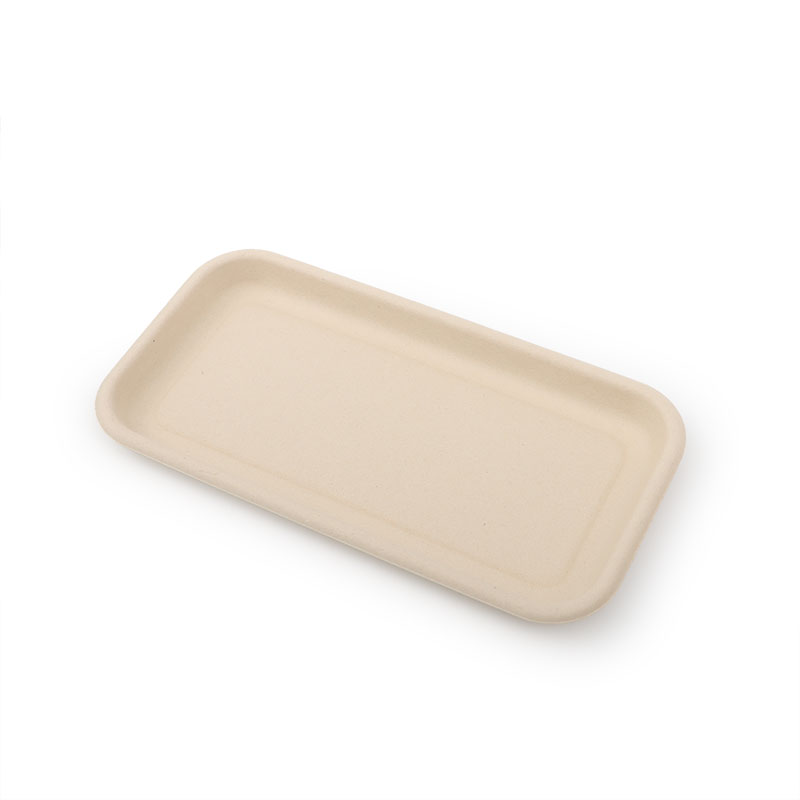 210" * 110"
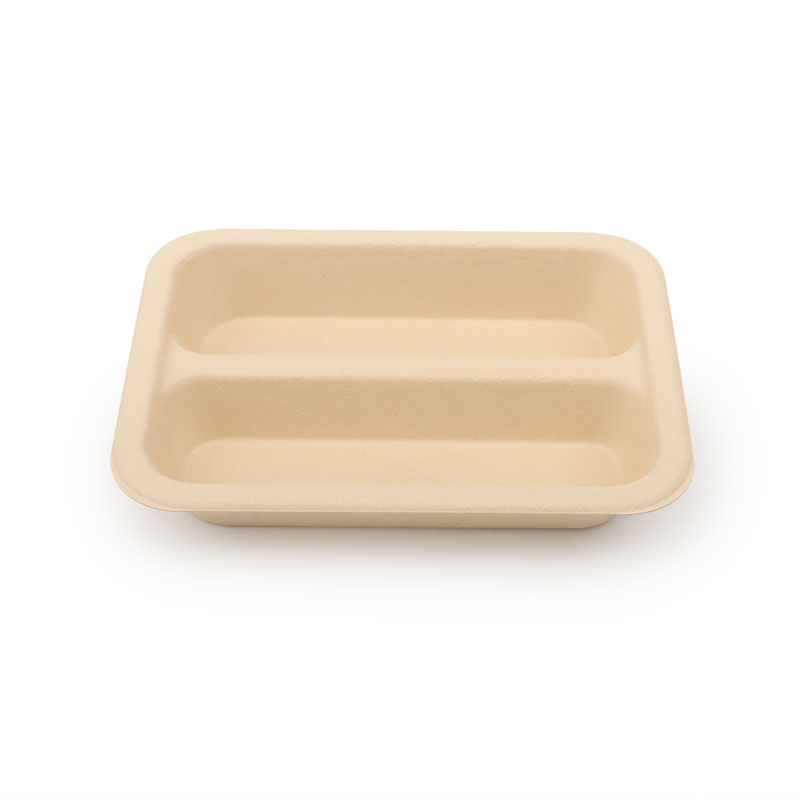 2 Compartments
 Small Round Plate Series
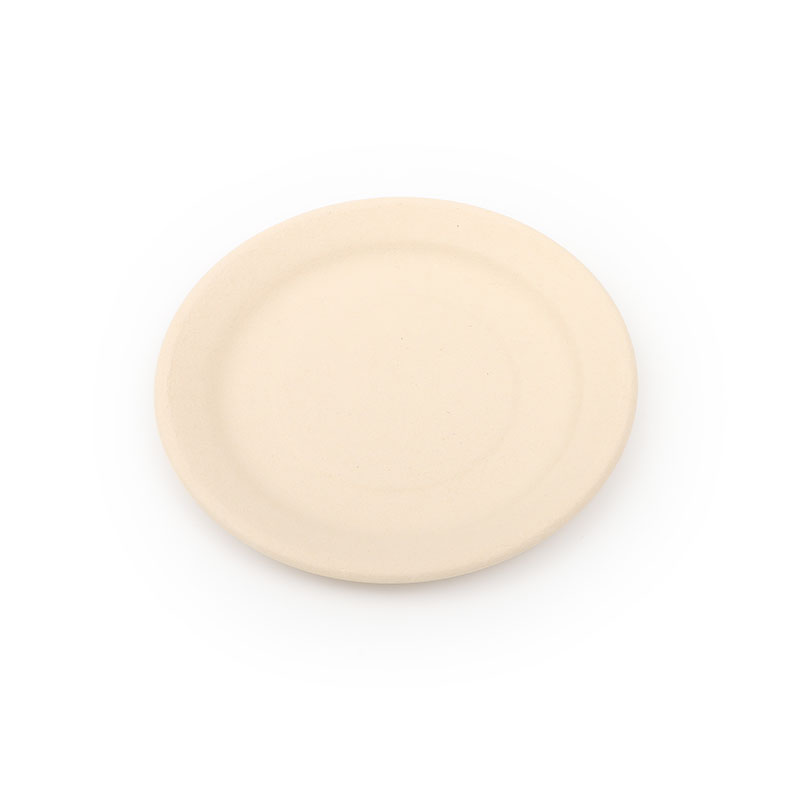 7 inch
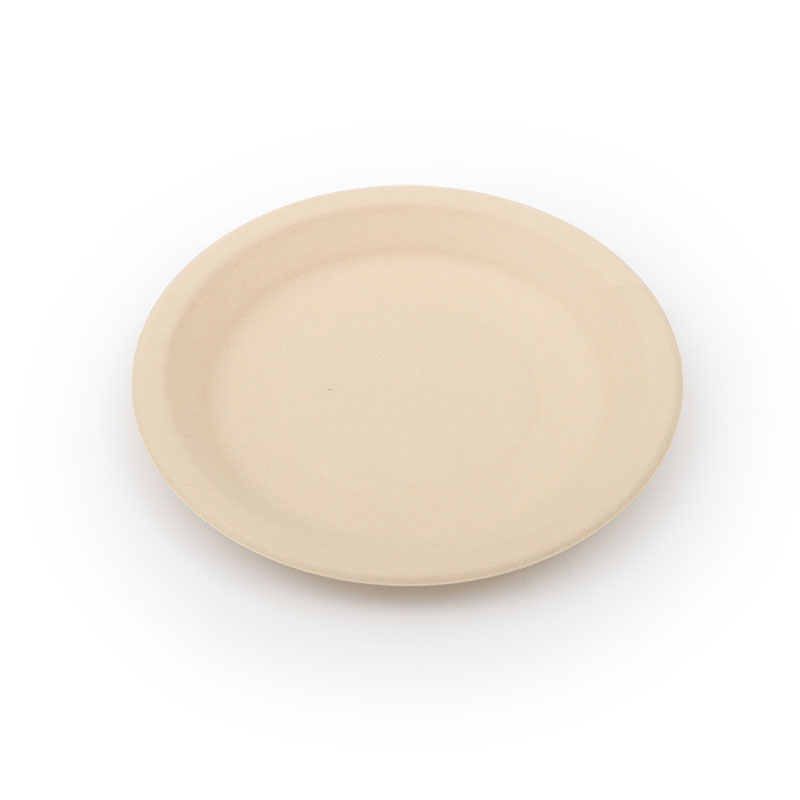 6 inch
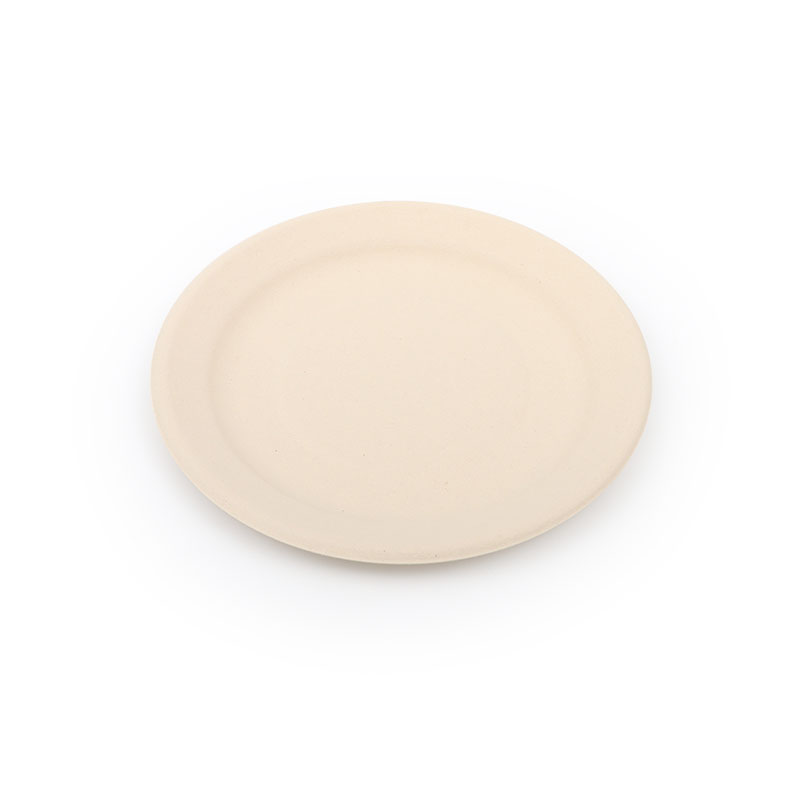 8 inch
 Middle Round Plate Series
 9 Inch 3 Compartments
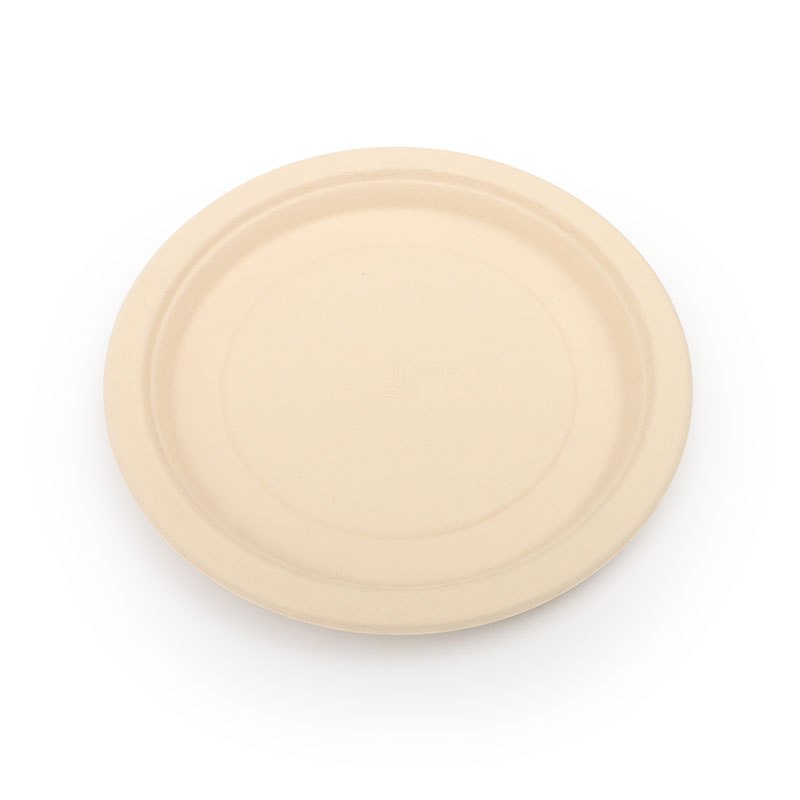 9 inch
 Big Round Plate Series
 12.7 Inch Pizza Plate
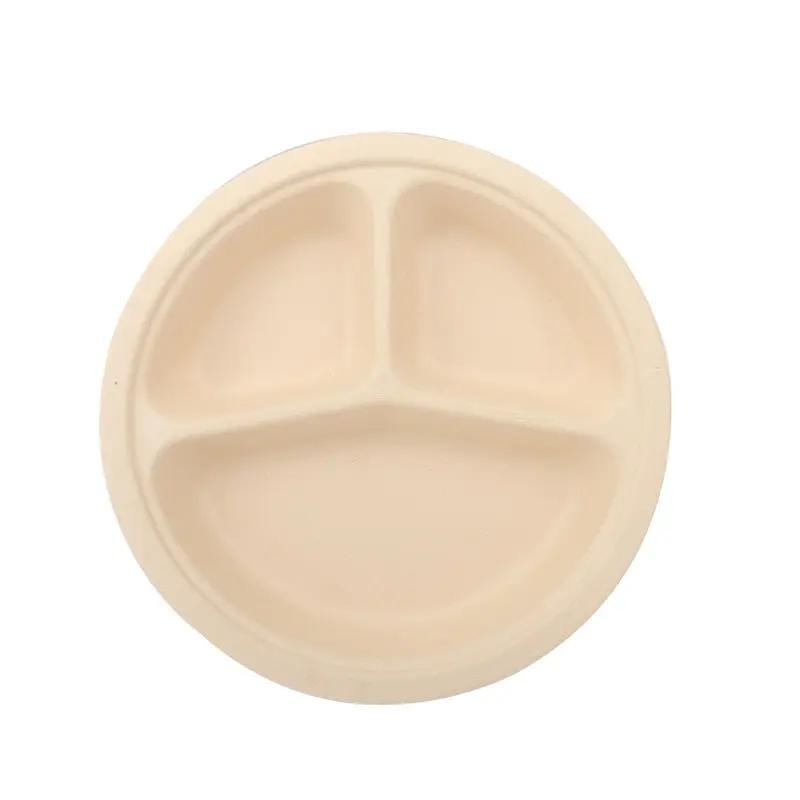 10.25 inch 3 Compartments
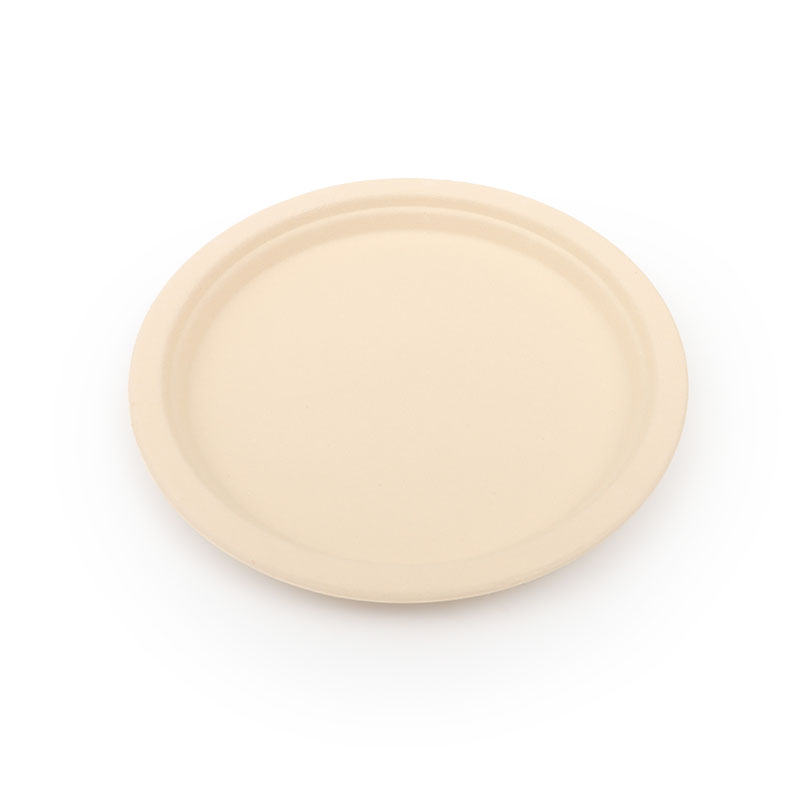 10 inch
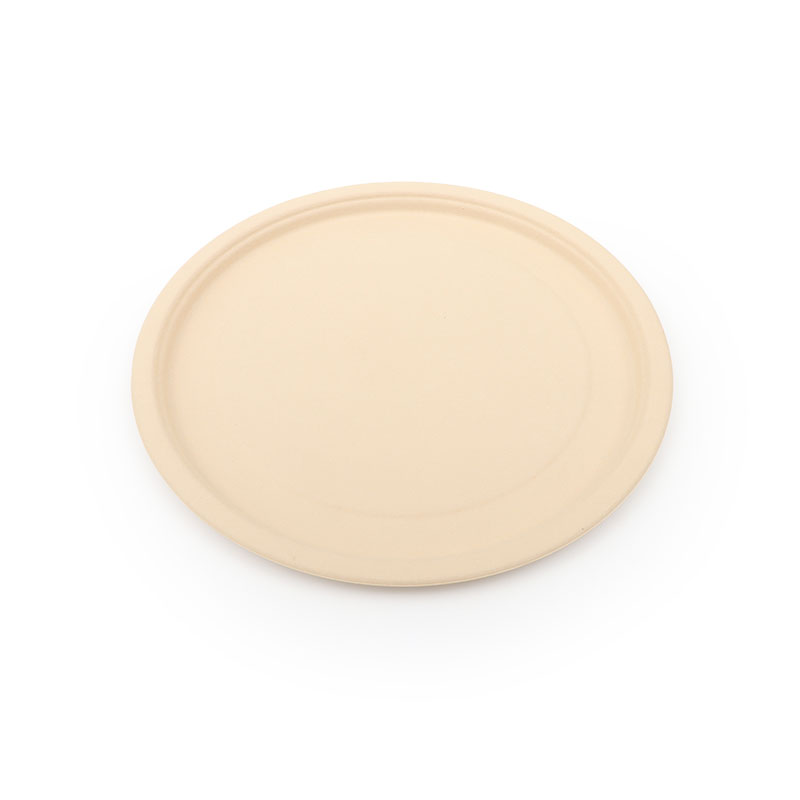 12 inch
 Bigger Bowl
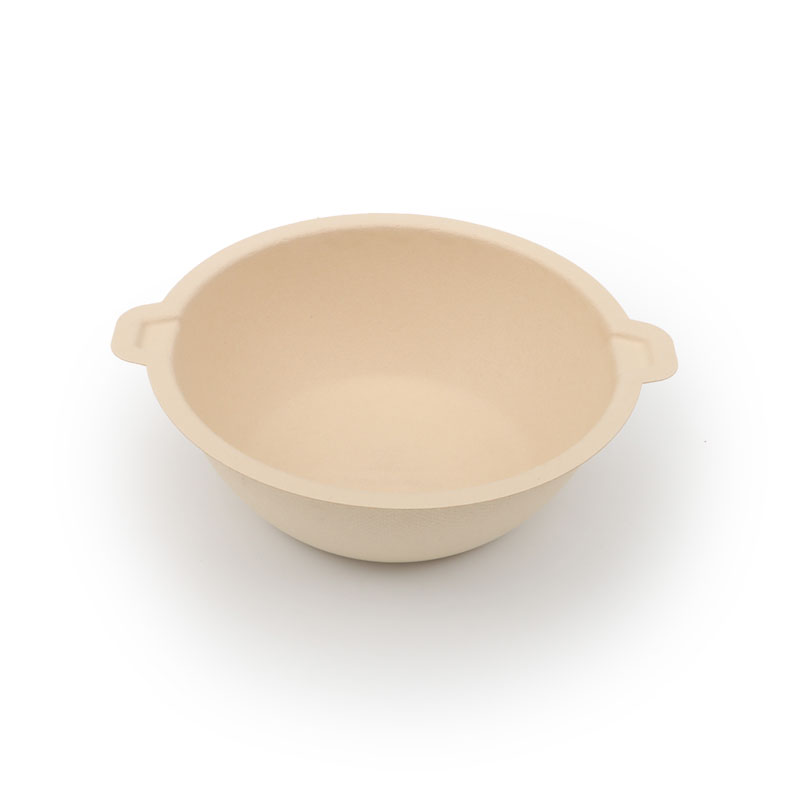 48oz(1420ml)
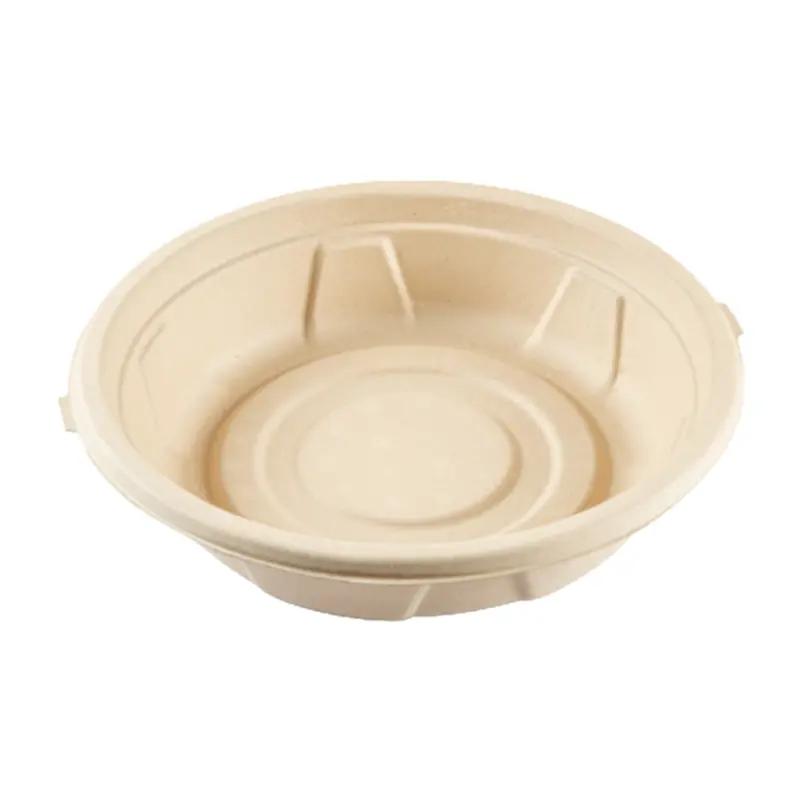 56oz(1650ml)
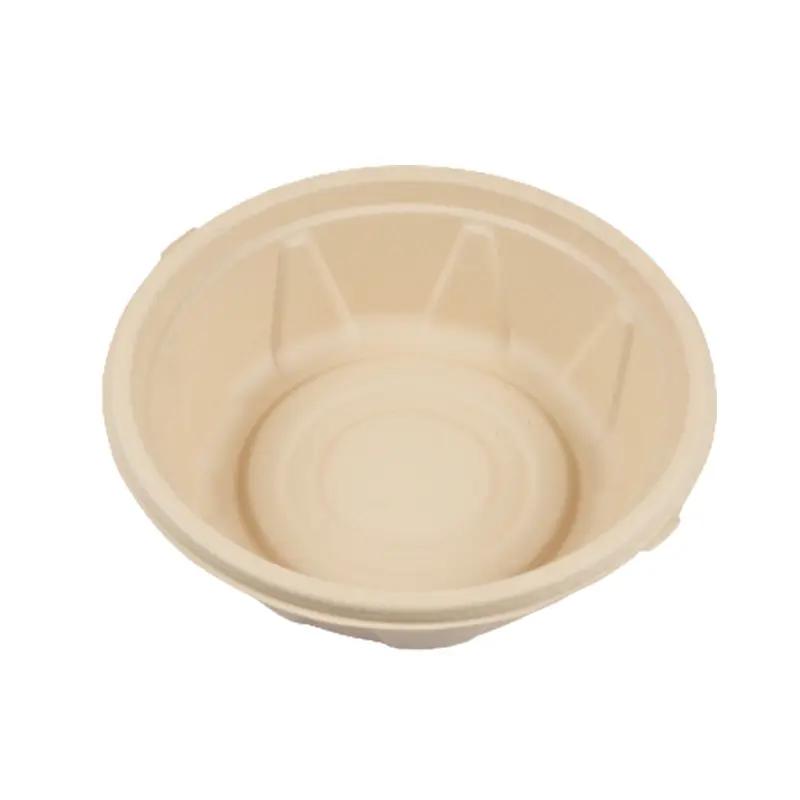 100oz(2950ml)
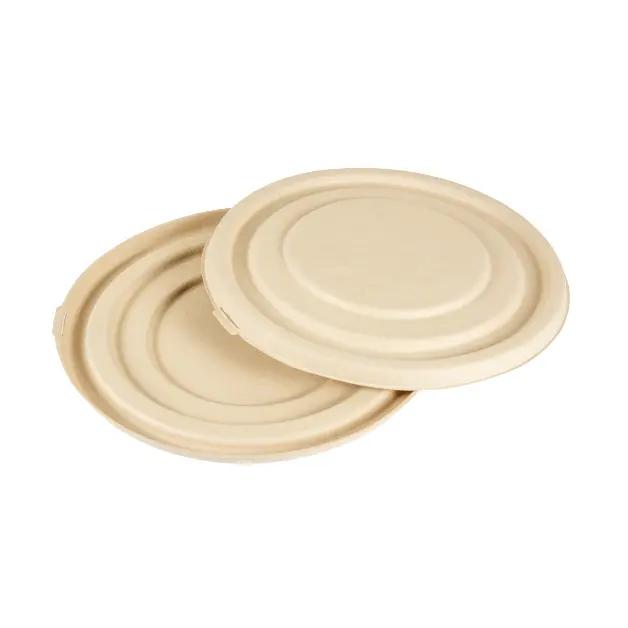 100oz(2950ml) With Lid
 Middle Bowl
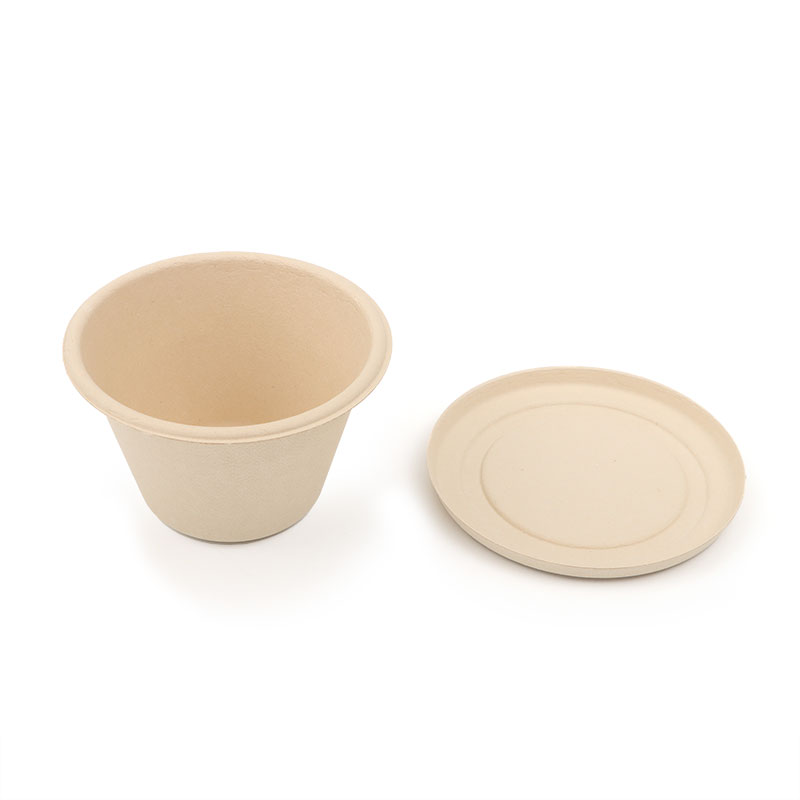 17oz(500ml)
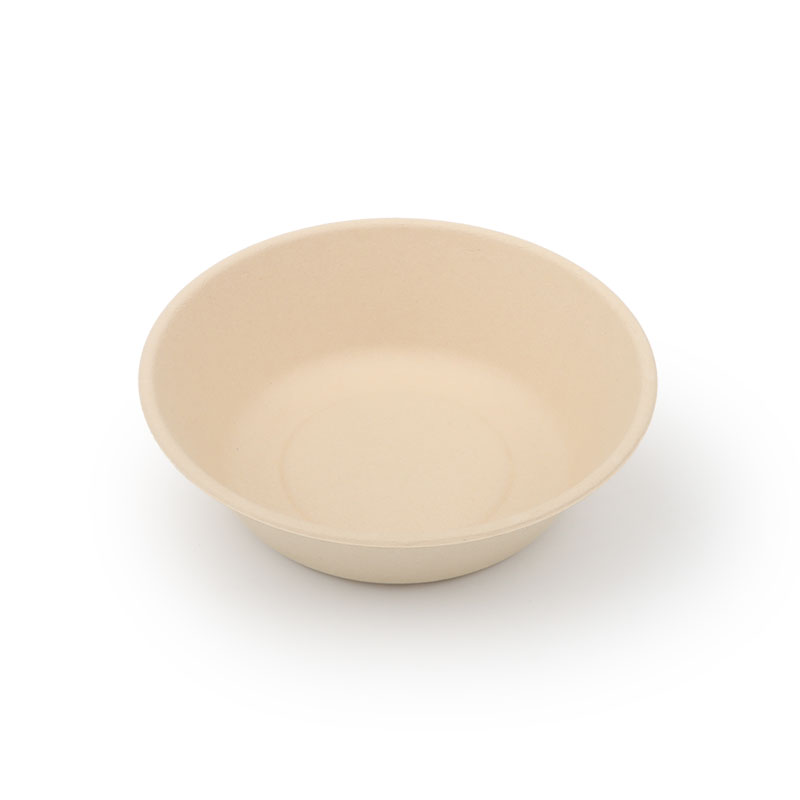 27oz(800ml)
 20oz(600ml)
 29oz(850ml)
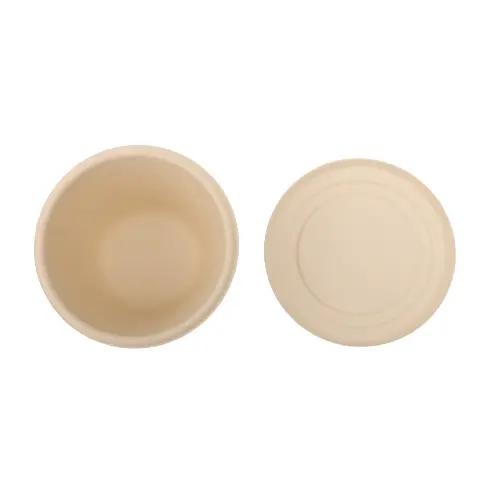 17oz(500ml) With Lid
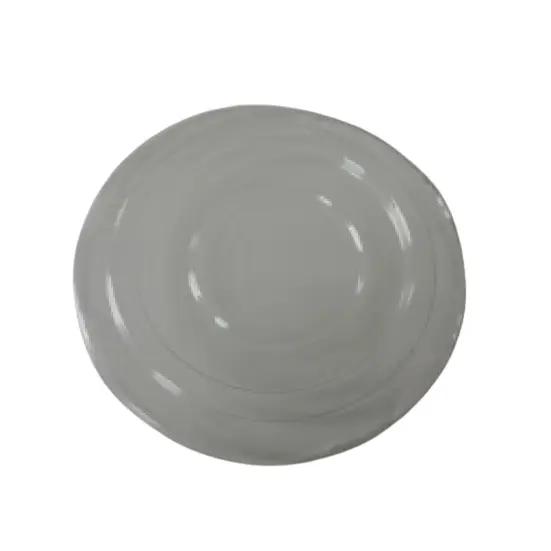 17oz(500ml) PET Lid
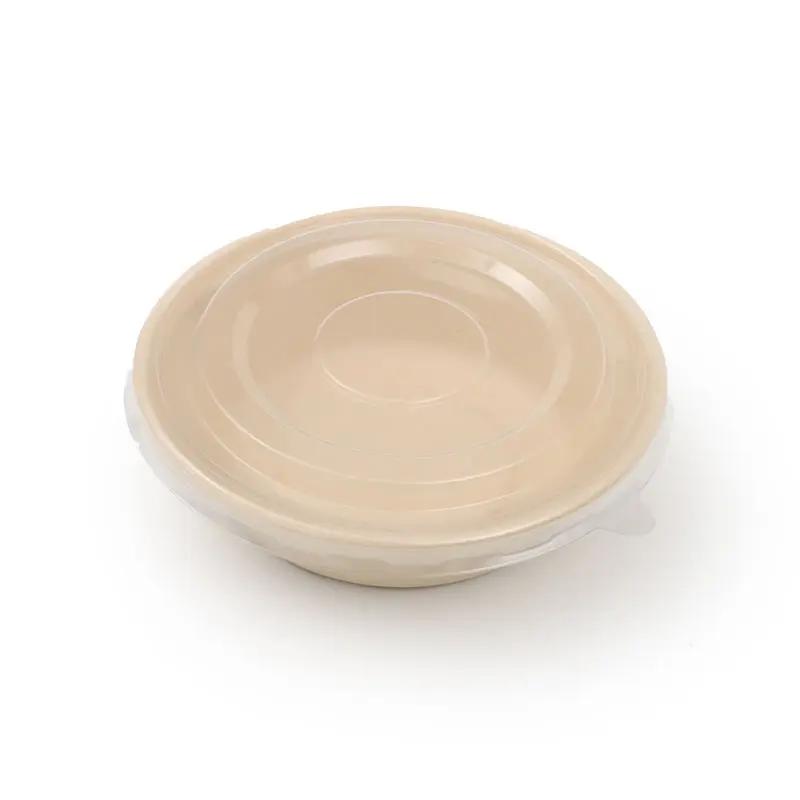 28oz(830ml) PET Lid
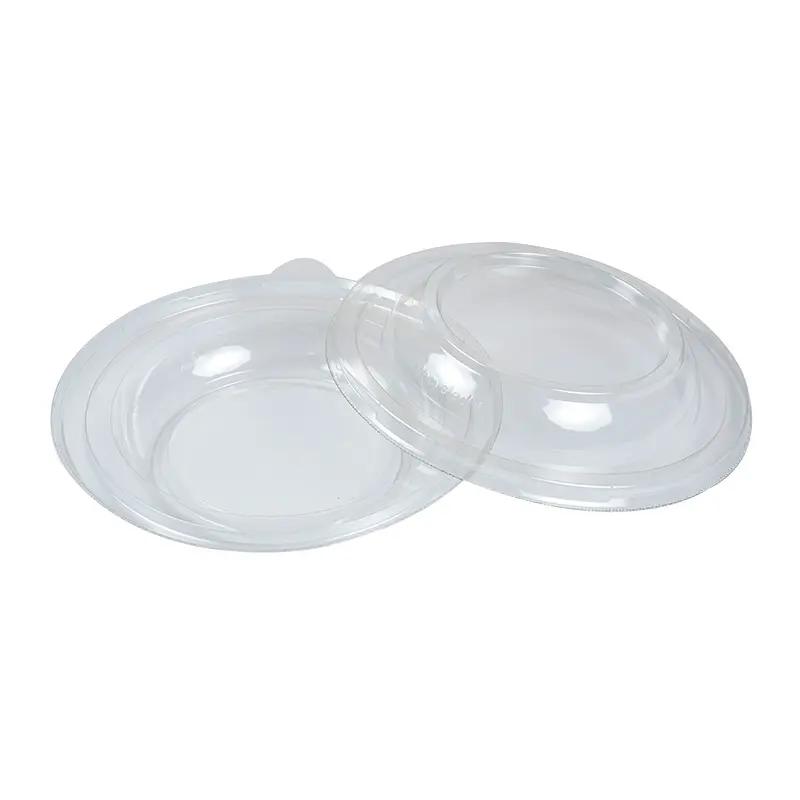 Round Bowl PET
 Small Bowl
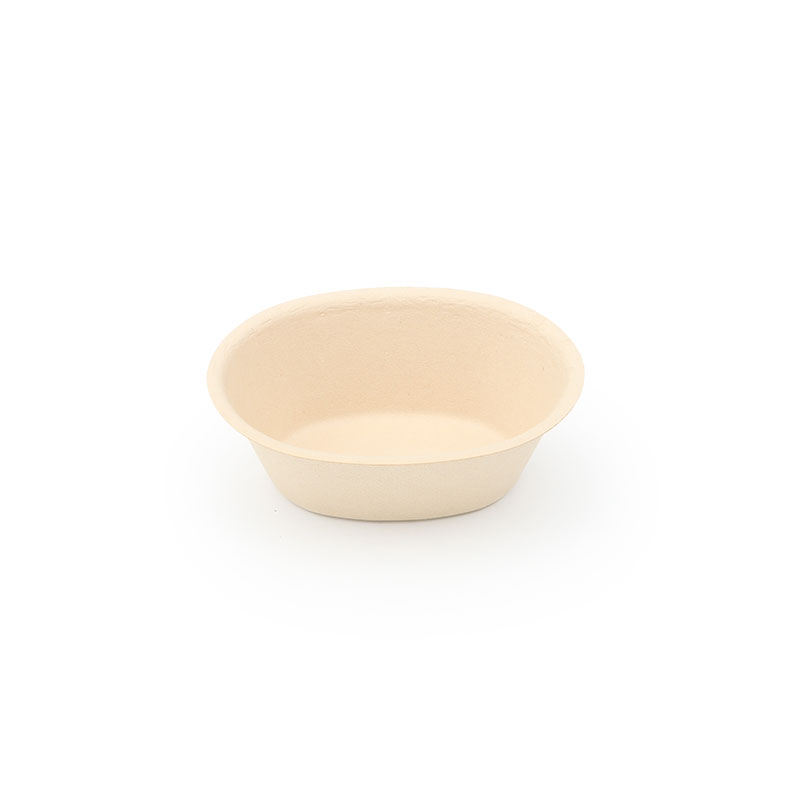 Snack Bowl
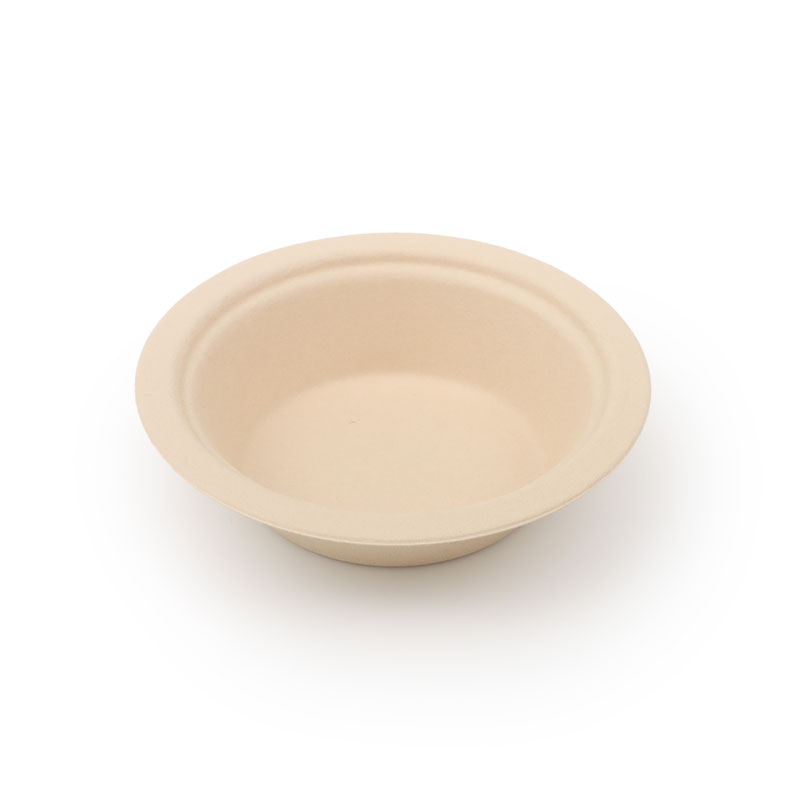 11.5oz(340ml) Bowl
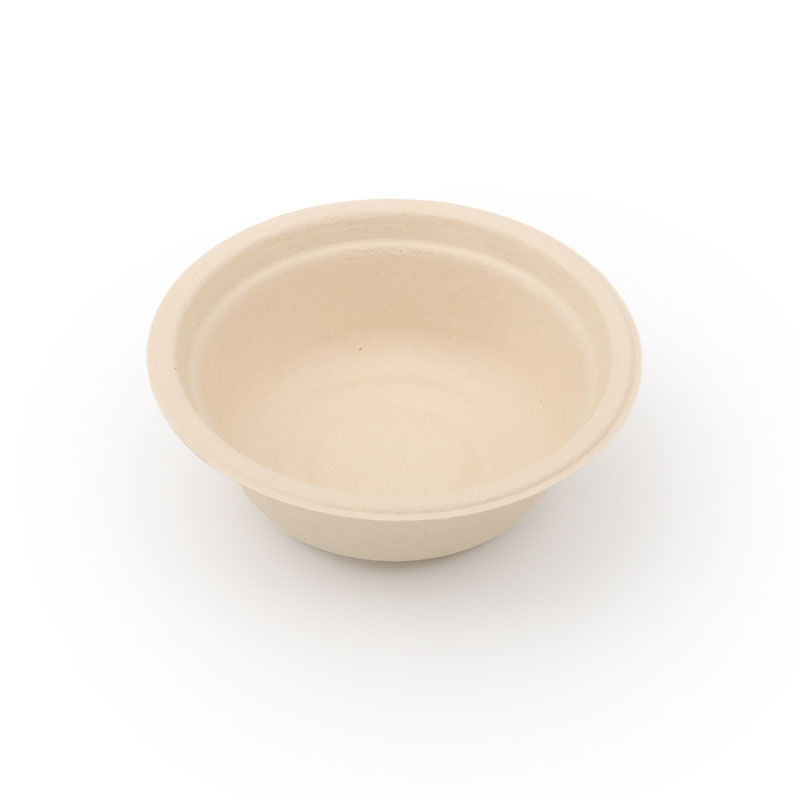 6.7oz(200ml) Bowl
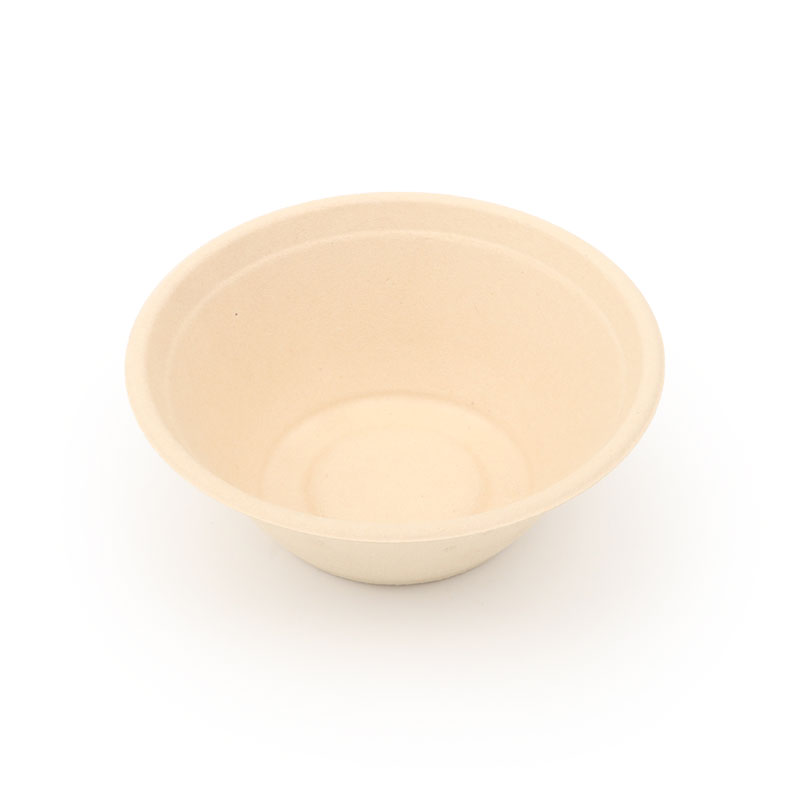 12oz(350ml) Bowl
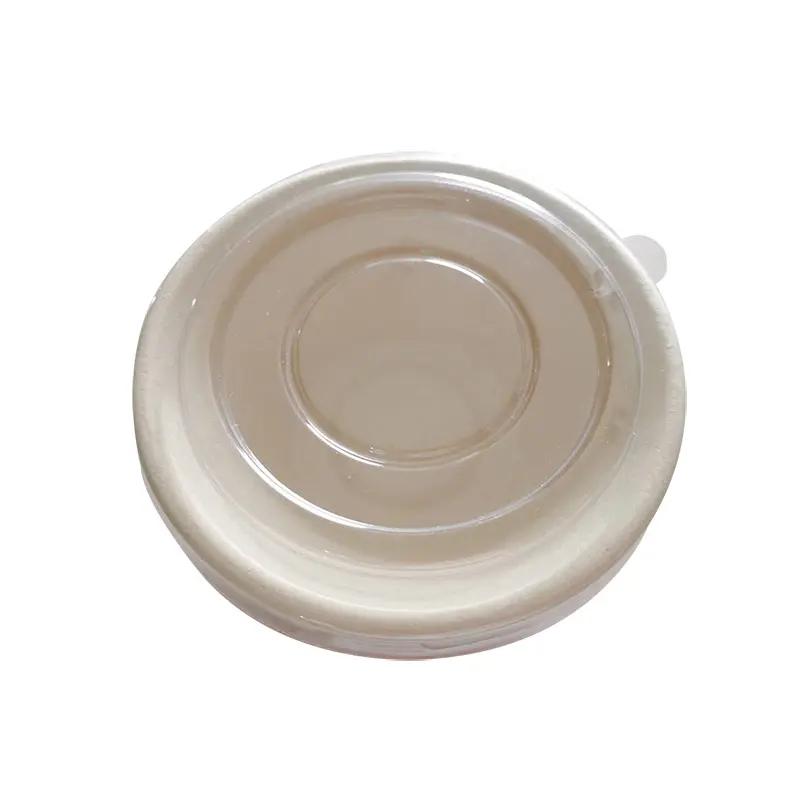 12oz(350ml) Bowl PET
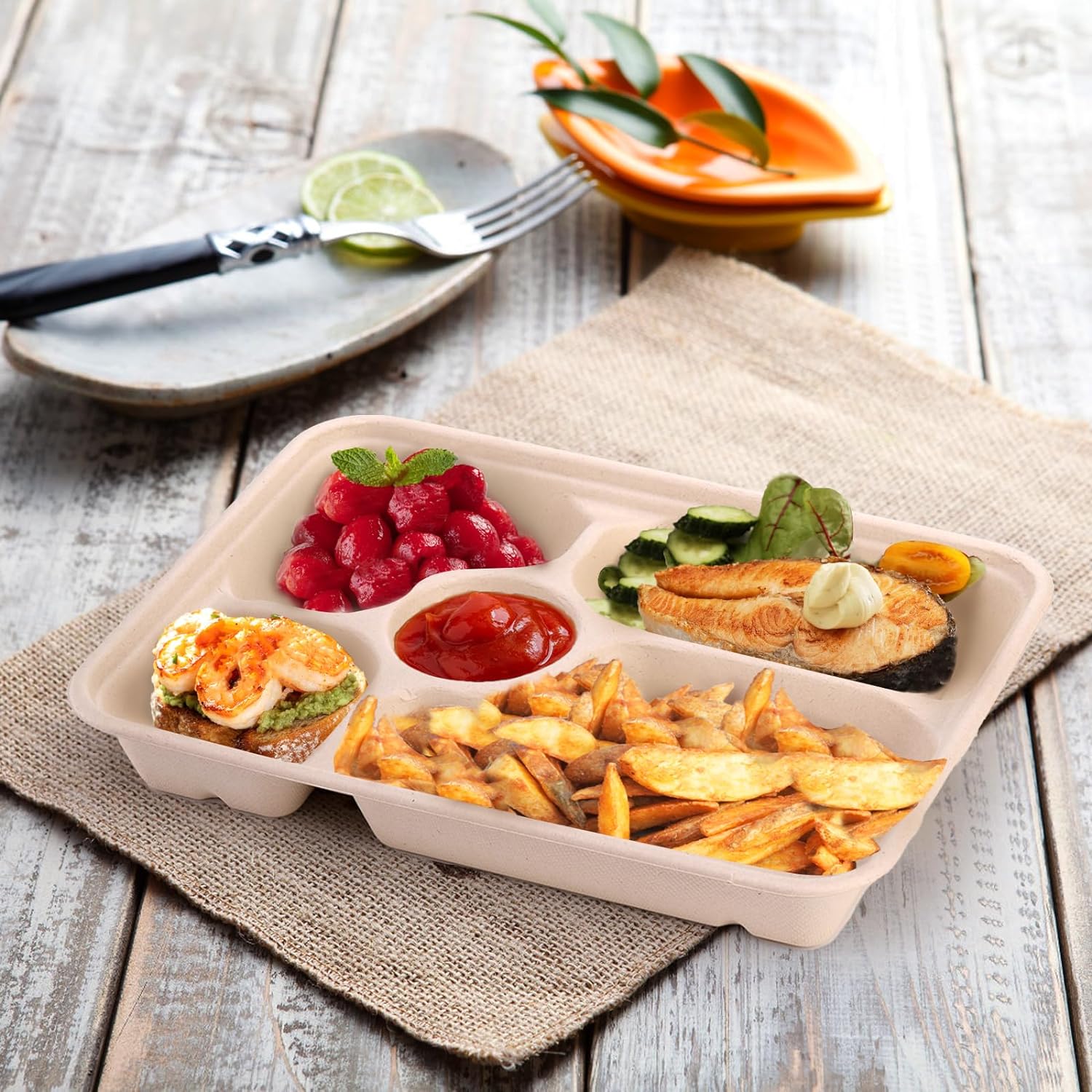 Bagasse Lunch Boxes
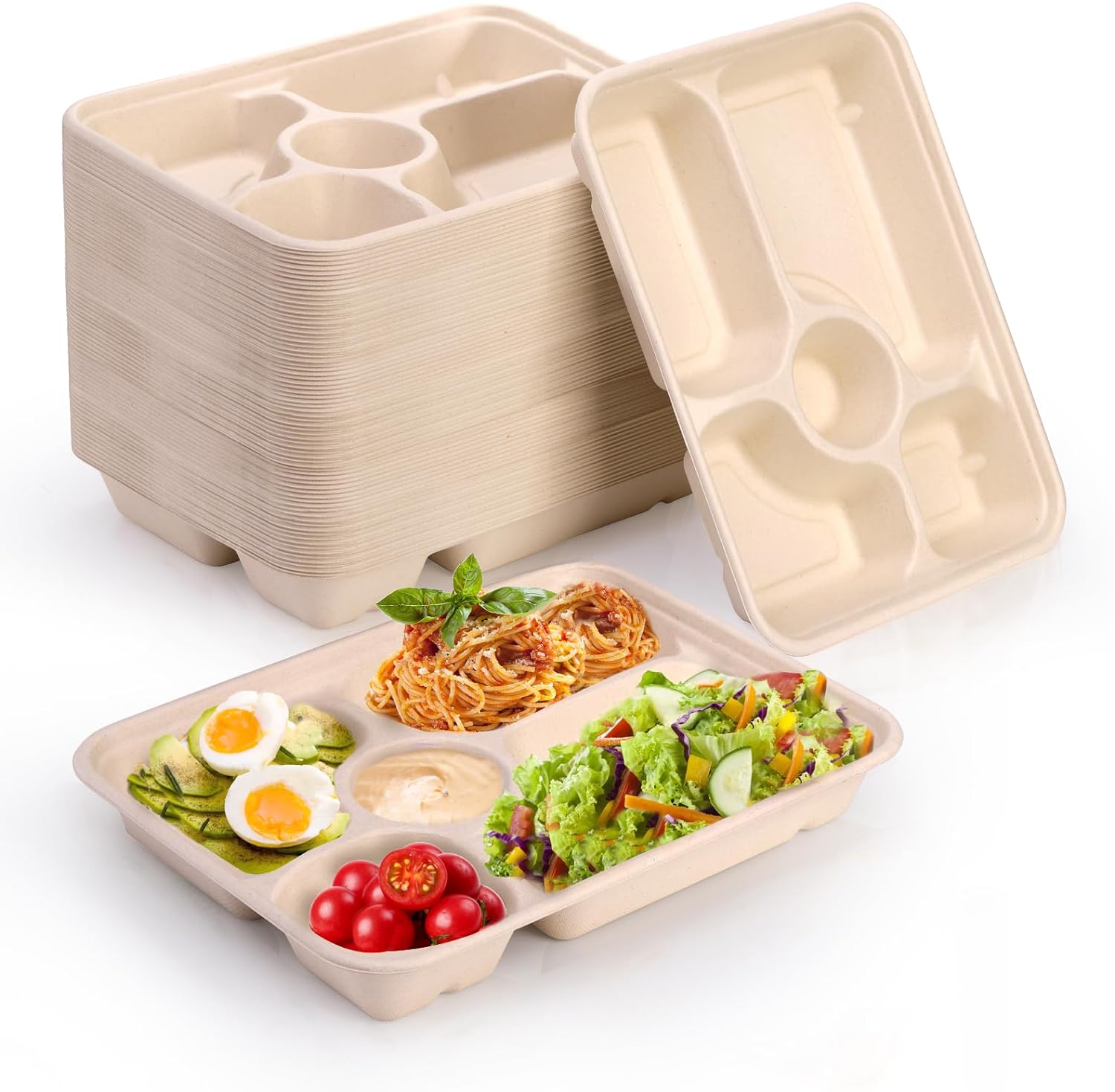 5CP
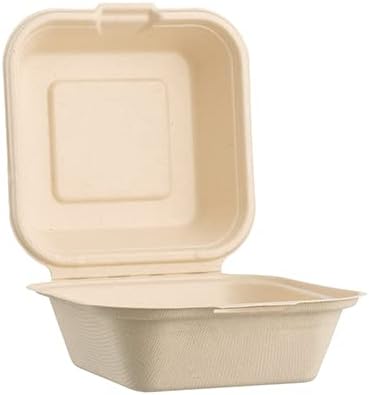 6 inch
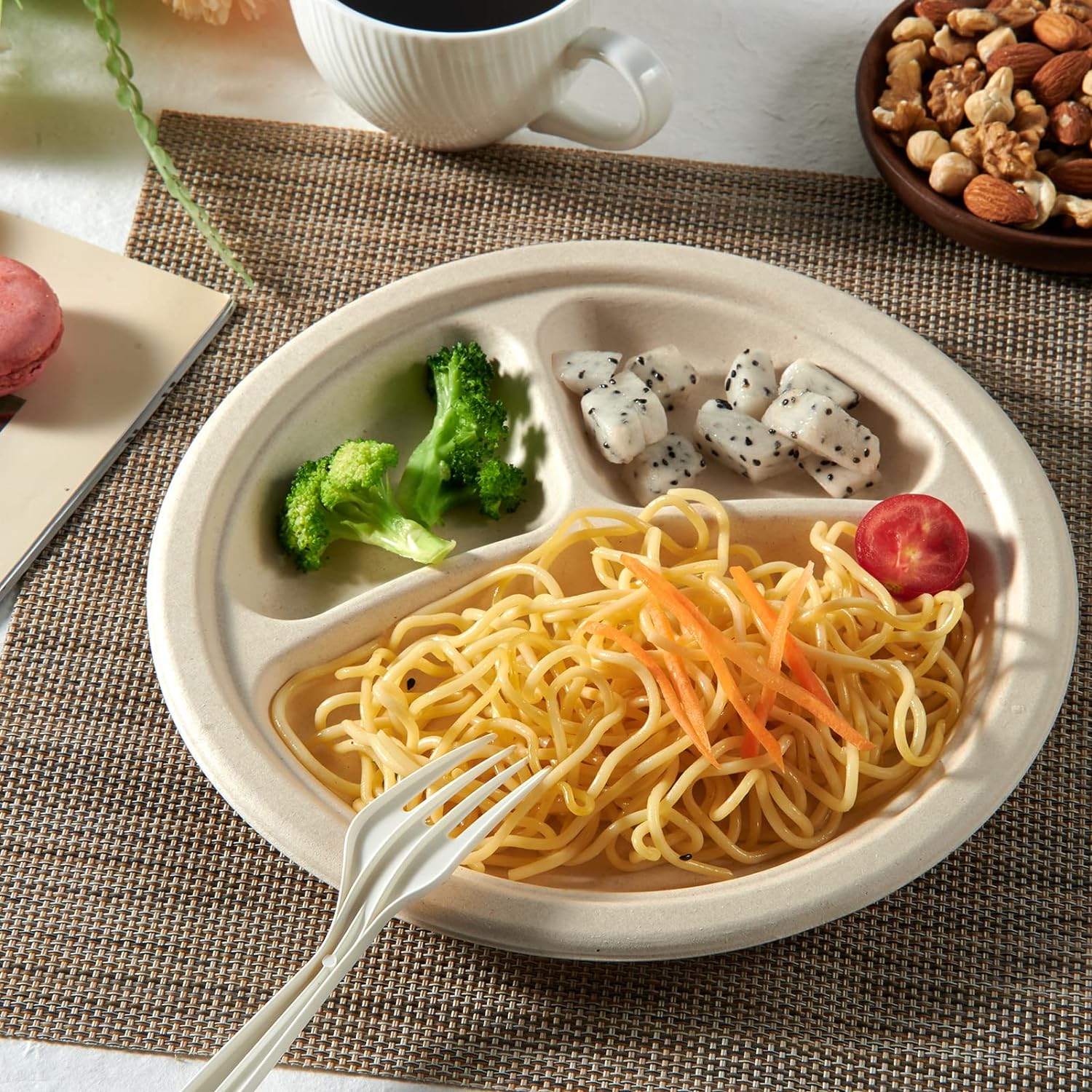 Bagasse Food Plates
 7 inch
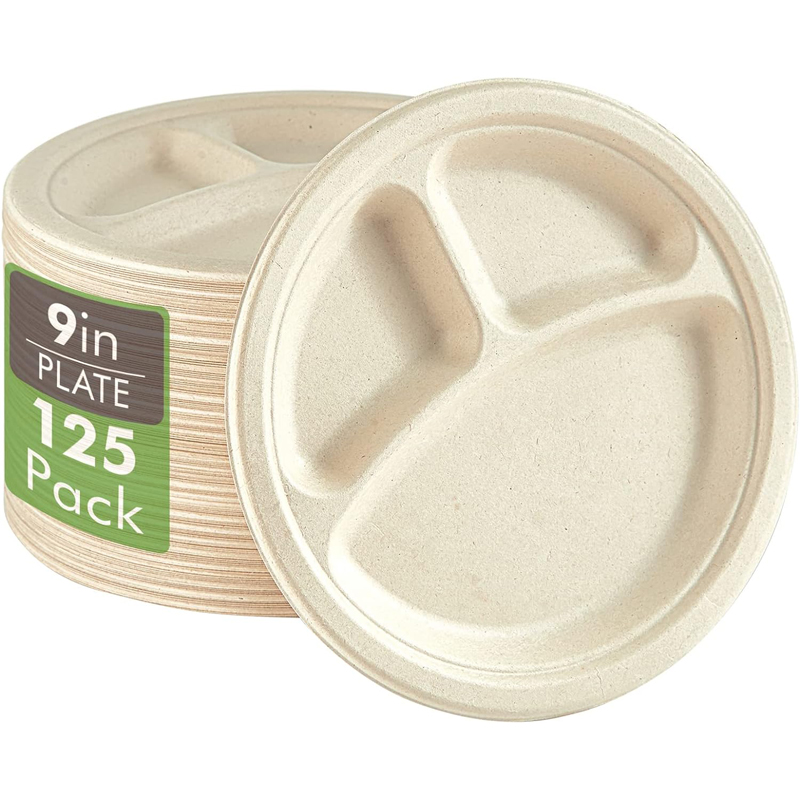 3CP
 Bagasse Bowls
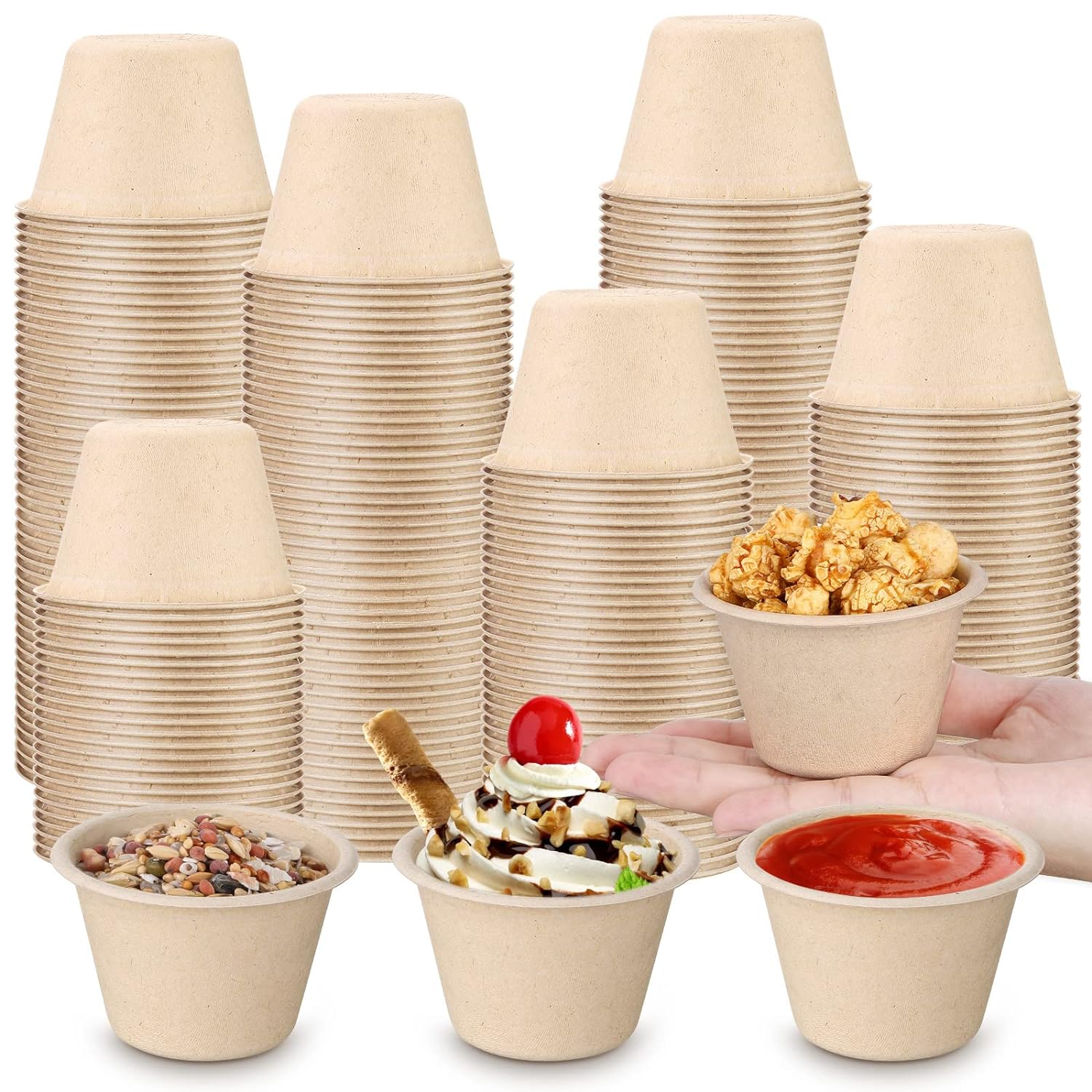 4oz
 Bagasse Cups And Cutlery
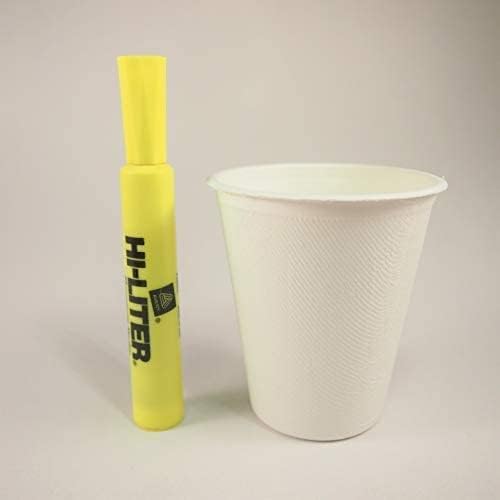
 8oz
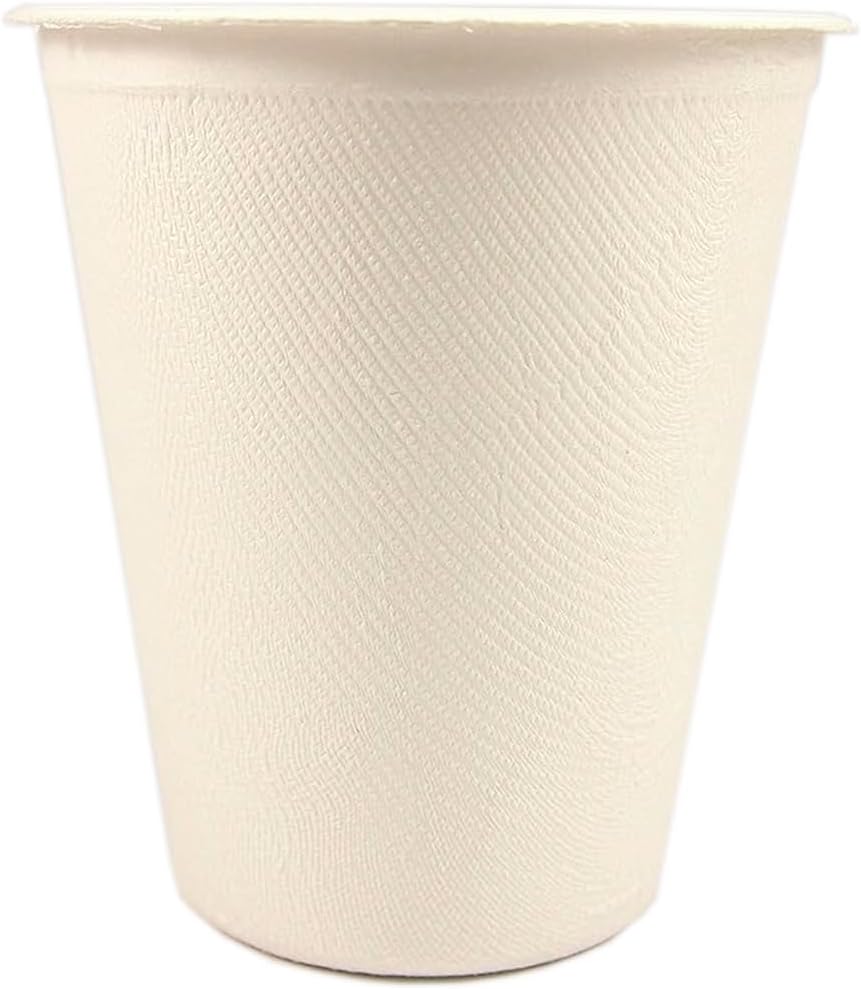
 12oz
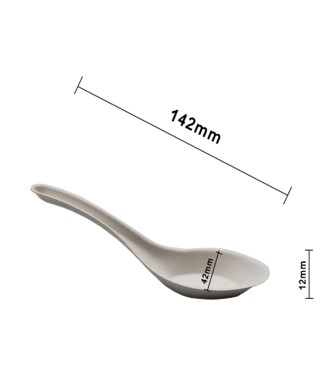 Cutlery




How to Test Disposable Food Containers for Leakage and Strength
How to Test Disposable Food Containers for Leakage and Strength
The most reliable way to test Disposable Food Containers is to combine leakage testing with structural testing under conditions that reproduce the intended food application. A container should not be approved simply because it holds water for several minutes or survives an empty compression test. Procurement teams should test the finished container with representative food or test liquids, at the intended temperature, for the expected holding period, while also evaluating deformation, lid fit, stacking, and transport loads.
For molded fiber products, the testing process should distinguish between liquid leakage, oil penetration, structural compression, dimensional stability, and food-contact compliance. ASTM D642 is an established method for evaluating compressive resistance of shipping containers and unit loads, while ASTM E96/E96M addresses water-vapor transmission of materials. Neither standard, by itself, proves that a specific takeaway container will perform adequately in a restaurant or delivery environment.

- Leakage testing must reproduce the actual food condition, including temperature, moisture, oil content, and holding time.
- Strength testing should evaluate filled containers and stacking loads, not only empty samples.
- Lid fit and rim geometry can be as important as container-wall strength for preventing leakage during transportation.
- ASTM D642 can provide a structured approach to compression testing, but application-specific acceptance criteria still need to be defined.
- Food-contact compliance should be assessed for the complete finished article, including coatings, additives, and other components.
- Environmental claims such as “compostable” should be supported by appropriate certification or test documentation rather than inferred from the use of bamboo pulp.
Why Leakage and Strength Are the First Two Tests Buyers Should Run
The first question for a foodservice buyer is not whether a container looks sustainable; it is whether the container remains functional between filling and disposal. Leakage and structural failure are two of the most common ways packaging performance becomes an operational problem.
A container can fail even when its raw material appears suitable. Cellulose-based molded packaging is sensitive to moisture because water can affect the fiber network and reduce stiffness. Heat can accelerate this effect, while oil and sauces can create additional surface and migration challenges.
For a procurement manager, the relevant test therefore has four variables:
| Variable | What to Measure | Why It Matters |
|---|---|---|
| Liquid resistance | Leakage, wet spots, seepage | Prevents food loss and delivery complaints |
| Oil resistance | Grease penetration, staining, softening | Important for fried and high-fat foods |
| Structural strength | Compression, deformation, collapse | Determines stacking and transport reliability |
| Dimensional stability | Height, rim shape, lid fit | Determines sealing and stacking consistency |
A useful specification should also define temperature, exposure time, filling level, sample quantity, and acceptance criteria. Without those variables, two suppliers can report completely different “leakage test” results while both claiming satisfactory performance.
How to Test Disposable Food Containers for Leakage
The most useful leakage test is a controlled simulation of the intended food application rather than a generic room-temperature water test.
1. Start With a Representative Test Liquid
Water is useful for initial screening because it is inexpensive and easy to control. However, water does not reproduce the behavior of oily sauces, acidic foods, emulsions, or high-temperature meals.
The FDA classifies food-contact applications according to both food type and conditions of use. Its current guidance distinguishes, for example, aqueous foods, acidic foods, foods containing free oil or fat, refrigerated foods, hot-filled foods, and foods reheated in the container.
For this reason, a restaurant supplying hot curry should not approve a container solely from a room-temperature water test. The test should reflect the actual product category.
2. Measure Leakage Over Time
A practical screening protocol can use a defined fill volume, controlled temperature, and predetermined observation intervals.
For example, a buyer may establish an internal test condition such as:
- Fill the container to the normal operating level.
- Record liquid temperature at filling.
- Place the container on a clean, dry absorbent surface.
- Inspect the base, corners, seams, rim, and lid interface at predetermined intervals.
- Record visible leakage, dampness, deformation, and surface penetration.
- Repeat the test using multiple production samples.
The test condition itself is more important than an arbitrary universal pass time. A 10-minute test may be relevant for a cafeteria serving line but inadequate for a delivery application involving 45–60 minutes of transportation.
3. Test Oil Separately From Water
Oil resistance should be treated as a separate performance requirement because a container that resists water may still allow grease penetration.
The test should use a representative high-fat food or an agreed test medium and evaluate:
- visible grease spots on the exterior;
- softening of the base or side wall;
- changes in dimensional stability;
- deterioration around corners and folds;
- leakage at the lid or closure interface.
This distinction is increasingly important for food-contact packaging. The FDA reported that PFAS-containing grease-proofing substances used on paper and paperboard food packaging were phased out of the U.S. market, and in January 2025 the agency determined that 35 related food-contact notifications were no longer effective.
For buyers specifying “PFAS-free” or “fluorine-free” molded fiber packaging, the requirement should therefore be documented through supplier declarations and appropriate testing rather than inferred from the product's appearance.
How to Test the Strength of Disposable Food Containers
Structural testing should reproduce the loads that occur during filling, stacking, warehousing, and transportation.
Compression Is the Main Structural Screening Test
ASTM D642 provides a standardized method for determining the compressive resistance of shipping containers, components, and unit loads. The method evaluates the ability of packaging structures to withstand external compressive forces encountered during storage and distribution.
For a disposable food container, the principle can be adapted to an application-specific test program.
The buyer should measure:
- Initial deformation
- Maximum compressive load
- Permanent deformation after loading
- Failure mode
- Lid displacement
- Base collapse
- Corner or rim failure
A container does not necessarily fail only when it completely collapses. Excessive deformation can be a functional failure if it causes the lid to detach, food to spill, or multiple containers to become unstable during stacking.
Filled Containers Should Be Tested
Empty-container testing is useful for quality control but is insufficient for commercial approval.
A filled container has a different load distribution because the food contributes weight and internal support. At the same time, hot and wet contents can change the mechanical behavior of molded fiber.
A stronger protocol compares at least three conditions:
| Test Condition | Primary Objective | Typical Use |
|---|---|---|
| Empty container | Detect forming and material defects | Factory QC |
| Filled container at normal load | Measure functional strength | Restaurant use |
| Filled and stacked containers | Evaluate distribution performance | Delivery and logistics |
For large-volume procurement, the third condition is particularly important. A container may perform well individually but deform when several filled units are stacked inside a delivery bag or transport carton.
Why Wall Thickness Alone Does Not Determine Strength
Increasing material weight can improve rigidity, but material weight is not a complete specification for molded-fiber packaging.
Fiber orientation, density distribution, moisture content, geometry, corner radius, flange design, ribs, and forming quality all affect structural performance.
A well-designed container can therefore achieve better load distribution without simply increasing material consumption.
The most useful supplier comparison is not:
“Which container has the highest grammage?”
It is:
“Which container meets the required compression and leakage specifications at the required weight and dimensional tolerance?”
That distinction matters because additional material can increase unit cost and shipping weight without solving a weakness caused by poor geometry or inconsistent forming.
A Practical Leakage and Strength Test Protocol
A B2B buyer can use the following workflow before approving a disposable food container for mass production.
Step 1: Define the Application
Record the actual operating conditions before requesting samples.
• Food category
• Filling temperature
• Approximate food weight
• Liquid and oil content
• Expected holding time
• Delivery distance or handling cycle
• Refrigeration or freezing requirements
• Microwave or reheating requirements, if applicable
• Expected stacking configuration
The FDA's food-contact guidance explicitly distinguishes different food types and conditions of use, including hot filling, refrigerated storage, frozen storage, and reheating in the container.
Step 2: Inspect the Physical Product
Before performance testing, measure:
- external dimensions;
- internal dimensions;
- product weight;
- wall thickness where relevant;
- rim geometry;
- lid engagement;
- visible fiber defects;
- cracks and pinholes;
- warping;
- surface consistency.
Record measurements from multiple samples rather than relying on one “golden sample.”
Step 3: Conduct Leakage Testing
Use representative liquid or food conditions and record:
| Parameter | Recommended Record |
|---|---|
| Fill level | Actual operating level |
| Temperature | Actual filling temperature |
| Exposure time | Normal and worst-case duration |
| Food condition | Aqueous, oily, acidic, mixed |
| Inspection points | Base, corners, walls, rim, lid |
| Failure criteria | Visible leakage, dampness, deformation |
| Sample size | Defined by internal QC plan |
The acceptance limit should be agreed before testing. Otherwise, test results can become subjective.
Step 4: Conduct Compression Testing
Apply controlled compression to filled and/or stacked containers.
The test should document the maximum load, deformation, failure location, and whether the container remains usable after the specified load.
ASTM D642 is useful as a reference for the methodology because it specifically addresses compressive resistance during storage and distribution. However, buyers should avoid treating a standard test result as a universal “safe stacking limit.” The actual load requirement depends on container geometry, food weight, stacking height, transport vibration, and environmental conditions.
Step 5: Repeat With Production Samples
Supplier samples should not be treated as proof of ongoing production consistency.
For commercial approval, repeat the test using samples from a production run or agreed pilot batch. Compare dimensional measurements and functional performance against the approved specification.
This step helps identify a common procurement problem: a product passes development testing but changes after production scale-up because pulp preparation, forming conditions, drying, or tooling parameters have changed.
Choosing the Right EATware Product Category for Testing
The correct test specimen should match the intended packaging format. EATware's product range includes several molded-fiber formats that can be evaluated according to different foodservice requirements.
For compartmented meals, prepared food, and portioned food applications, the molded pulp tray range includes bamboo-pulp options and examples designed around different dimensions and configurations.
For soup, salad, rice, and other bowl-based meals, the bamboo pulp bowl range includes molded bamboo-pulp bowls, including a 48 oz round bowl specification listed by EATware.
For takeaway meals requiring a closed package, the box without T-buckle range includes a bamboo-pulp 1,000 ml three-compartment lunch box specification.
For buyers comparing several formats, EATware's complete product category pagecovers boxes, trays, plates, bowls, map packaging, bagasse products, and customized products.
These categories should not be evaluated under one generic test condition. A soup bowl requires greater emphasis on liquid retention, while a multi-compartment meal box requires greater attention to compartment integrity, lid engagement, and stacking.
Test Conditions Should Match the Distribution Scenario
A container intended for immediate restaurant service has a different risk profile from one used for delivery.
Consider a typical takeaway workflow: hot food is filled into the container, the lid is closed, several containers are stacked, the package is placed in a delivery bag, and the food travels before reaching the customer.
The relevant test therefore combines heat exposure + moisture exposure + load + handling time.
| Application | Main Risk | Priority Test |
|---|---|---|
| Cafeteria serving line | Softening and handling deformation | Heat and leakage |
| Restaurant takeaway | Lid failure and leakage | Leakage + lid fit |
| Food delivery | Leakage + stacking deformation | Filled compression + transport simulation |
| Supermarket ready meals | Shelf stability and dimensional consistency | Leakage + compression + storage |
| Catering | Stacking and repeated handling | Compression + dimensional stability |
| Soup and sauce products | Liquid penetration | Extended leakage test |
| Fried or oily food | Grease penetration | Oil-resistance test |
This application-based approach is more reliable than assigning one generic specification to every disposable food container.
Food-Contact Compliance Is Part of the Test Program
Performance testing cannot replace regulatory compliance testing.
The FDA defines a food-contact substance as a substance intended for use as a component of materials used in manufacturing, packing, packaging, transporting, or holding food. The relevant evaluation can therefore involve more than the fiber itself, particularly when coatings, binders, adhesives, colorants, or other substances are present.
For procurement, the supplier documentation package should identify the finished product and the intended conditions of use.
A separate environmental claim should also be verified. ISO 18606:2013 addresses packaging suitable for organic recycling and states that all individual components need to meet the relevant requirements unless components can be physically separated before disposal.
That means a bamboo-fiber container should not automatically be described as compostable simply because bamboo pulp is biodegradable. The complete product, including relevant coatings and components, must be considered.
ASTM D6400 is specifically directed toward plastics and products designed for aerobic composting in municipal or industrial facilities, including products using polymer coatings or binders. It should therefore not be casually presented as a universal certification standard for every molded-fiber product.
The Procurement Checklist
Before approving a disposable food container supplier, procurement teams should request:
- Product specification sheet with dimensions, weight, material, and tolerances.
- Leakage test report showing test liquid, temperature, duration, filling level, and acceptance criteria.
- Compression or strength test data identifying the testing method and sample condition.
- Food-contact documentation applicable to the destination market and intended food conditions.
- Coating and additive information where the product contains barrier treatments, inks, binders, or other components.
- Environmental certification if compostability, biodegradability, PFAS-free, or similar claims will appear on the product or marketing materials.
- Production quality-control information showing how dimensional and performance consistency is maintained between batches.
The objective is not to collect the largest possible number of certificates. The objective is to establish a traceable connection between material → manufacturing process → test condition → intended application → compliance claim.
Seven Frequently Asked Questions
Fill the container with a representative liquid or food at the intended temperature and operating level, then inspect the base, walls, corners, rim, and lid interface over the required holding period. Water is suitable for initial screening, but oily or high-temperature foods should be tested separately when they represent the actual application.
Measure resistance to controlled compression and record load, deformation, and failure mode. For distribution applications, filled and stacked containers should be tested because empty-container strength does not necessarily represent real operating conditions.
ASTM D642 is a test method for determining the compressive resistance of shipping containers, components, and unit loads. It can provide a useful framework for packaging compression testing, but application-specific acceptance limits still need to be established.
No. Water testing is a useful screening method, but it does not reproduce every food condition. High-fat, acidic, hot, or long-hold foods can create different performance requirements.
The duration should correspond to the intended application. A short foodservice holding period and a long-distance delivery application should not automatically use the same test duration. The acceptance period should be defined before testing.
No. Material weight is only one variable. Fiber distribution, density, moisture, forming quality, geometry, ribs, corners, and rim structure can all influence strength and dimensional stability.
No. Bamboo pulp is a cellulose-based fiber, but the end-of-life characteristics of the finished product can be affected by coatings, binders, additives, and other components. Compostability claims should be supported by appropriate evidence for the complete product and the relevant disposal environment.
Conclusion
A reliable disposable food container should be approved through application-specific testing rather than material claims alone. Leakage testing determines whether the package can retain the intended food under realistic temperature and holding conditions, while compression testing determines whether the structure can survive filling, stacking, storage, and distribution.
For procurement teams, the most defensible process is to define the food profile first, establish measurable acceptance criteria, test representative samples, verify food-contact documentation, and then repeat critical tests on production batches. This approach reduces the risk of approving a container that performs well in a laboratory screening test but fails during actual foodservice operations.
For a new molded-fiber packaging project, buyers can begin by selecting the appropriate EATware product format, specifying the intended food and distribution conditions, and requesting samples for leakage and strength evaluation before mass-production approval.
Authoritative references used for the technical framework: FDA guidance confirms that food-contact evaluation depends on food type and conditions of use, while FDA's 2024–2025 PFAS actions are directly relevant to grease-resistant food packaging. ASTM D642-25 provides the current compression-testing reference used above, and ASTM E96/E96M-24a provides a standardized framework for water-vapor transmission testing. ISO 18606 remains current after its 2024 review and addresses organic recycling of packaging components.
EATware product pages referenced in the article: EATware trays · EATware bowls · EATware boxes without T-buckle · EATware products