
 Box With T buckle
 700ml Square Lunch Box
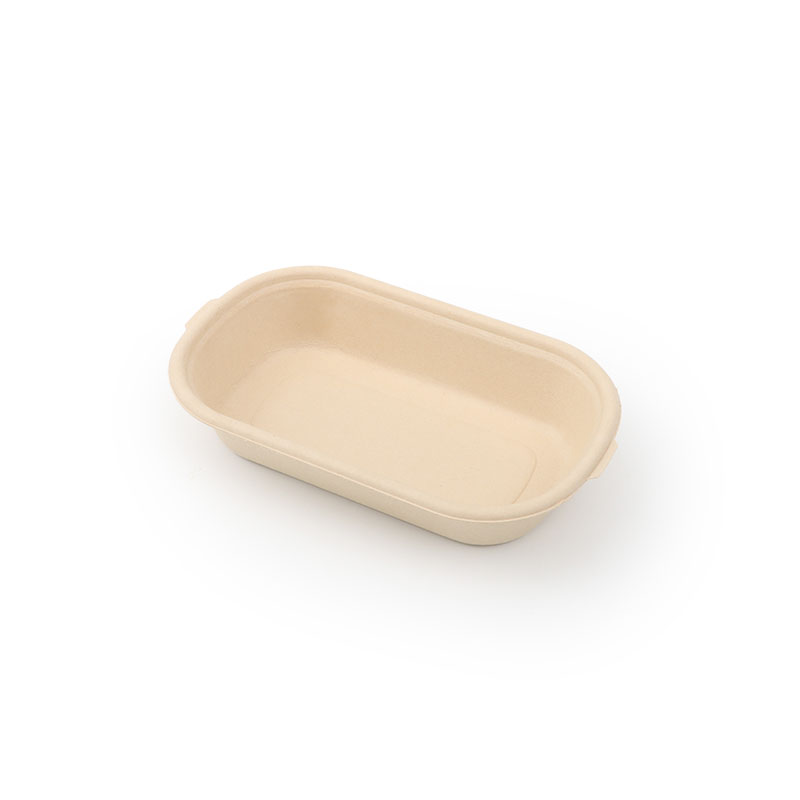 500ml
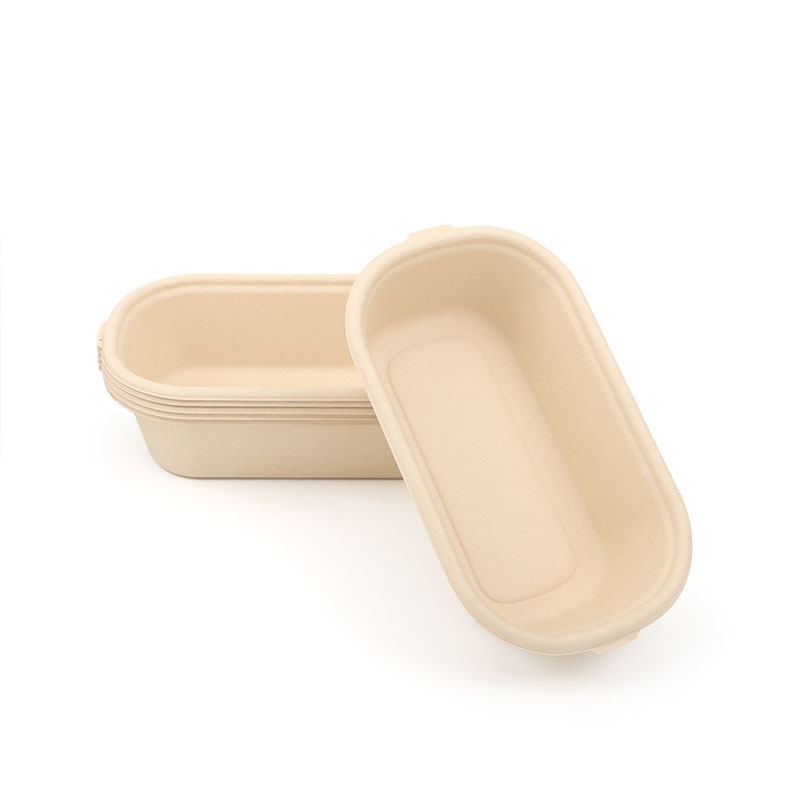 700ml
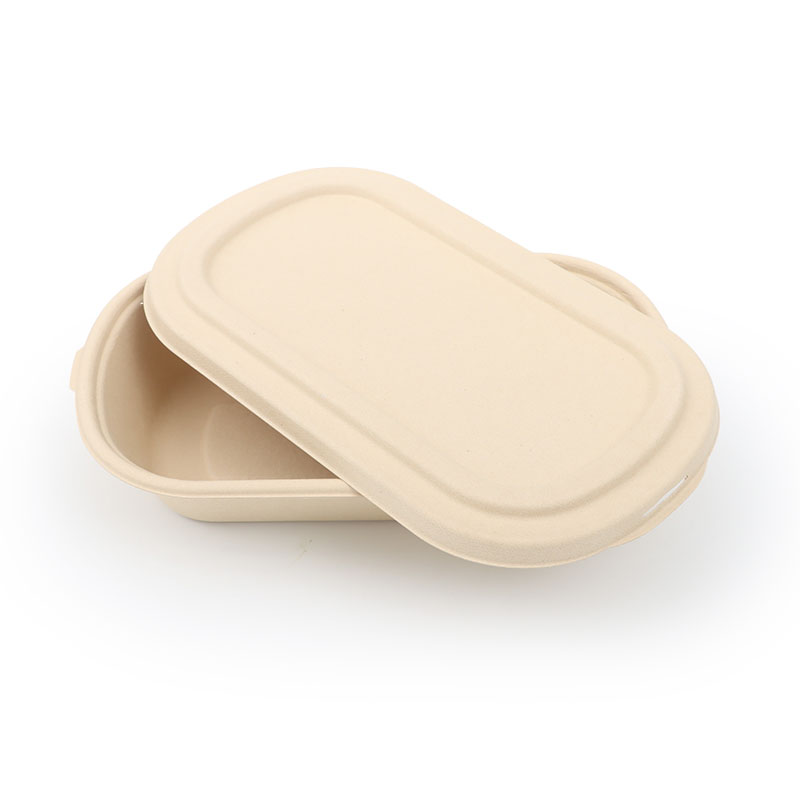 850ml
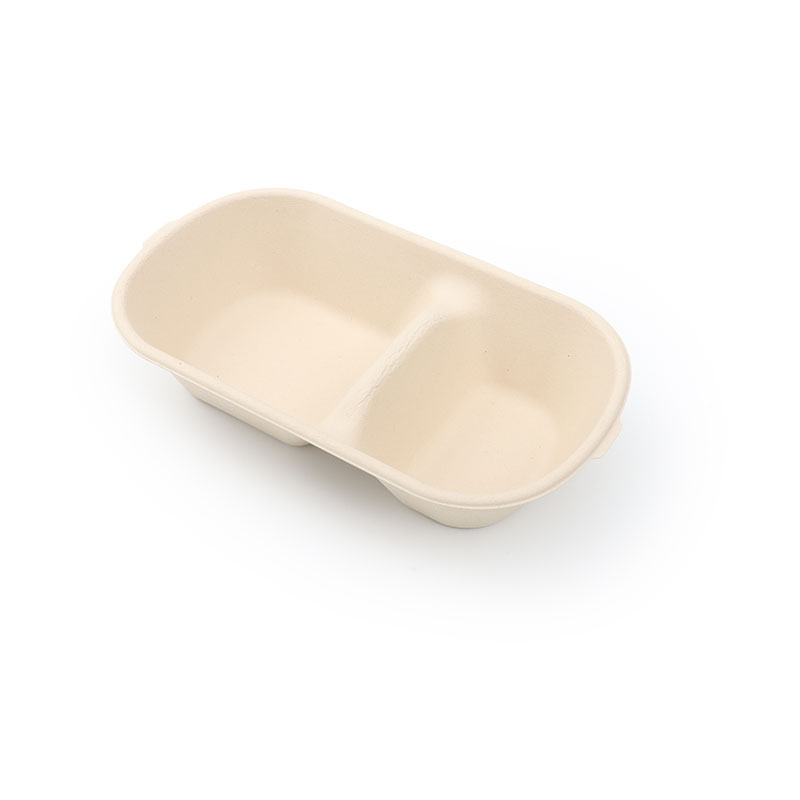 800ml 2 Compartments
 1000ml 2 Compartments
 1100ml
 1000ml Square Lunch Box
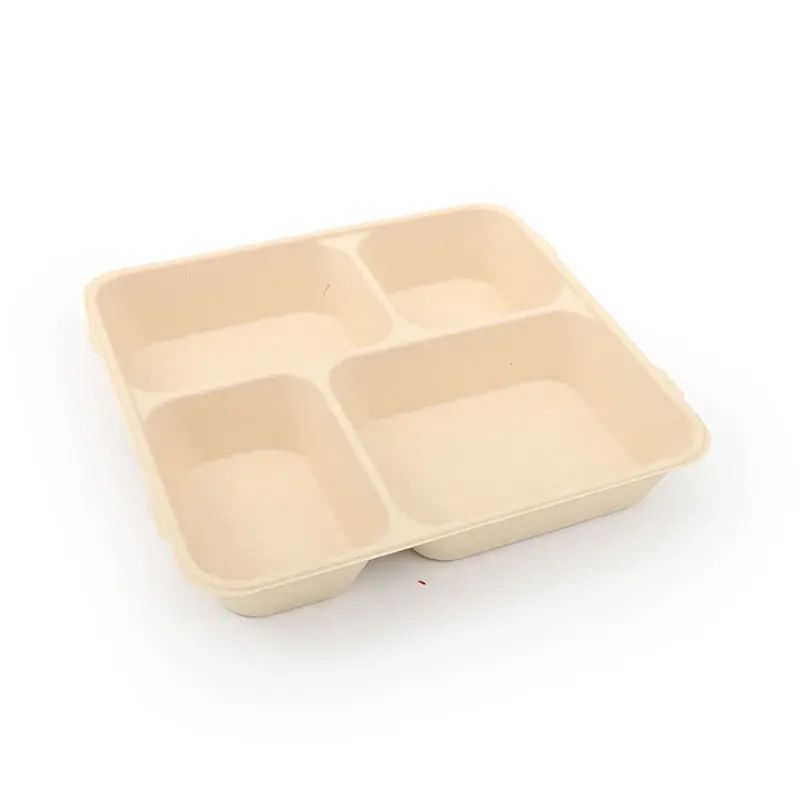 1340ml 4 Compartments
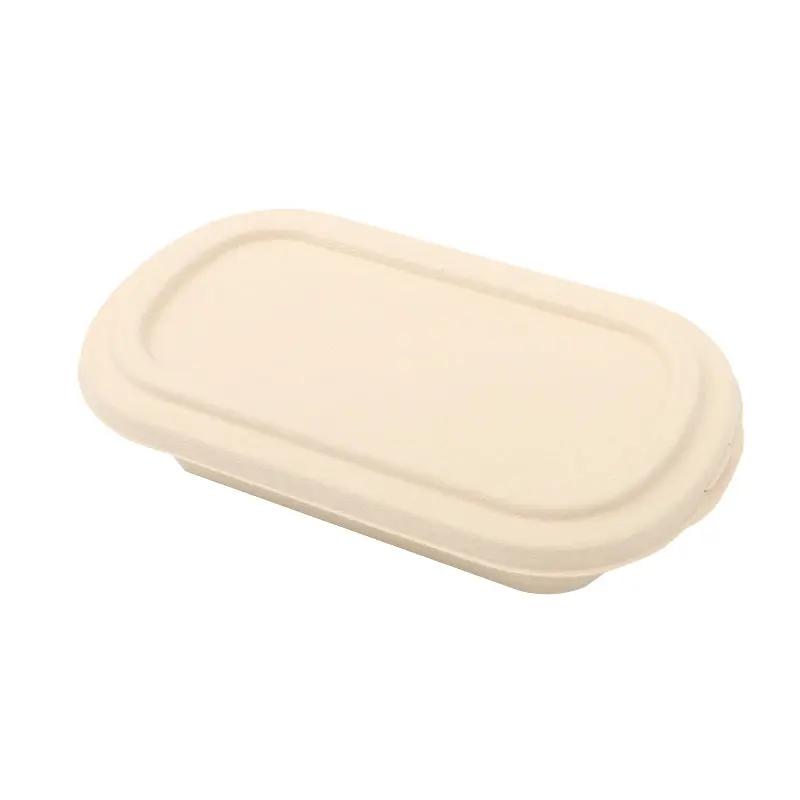 Lunch Box Lid
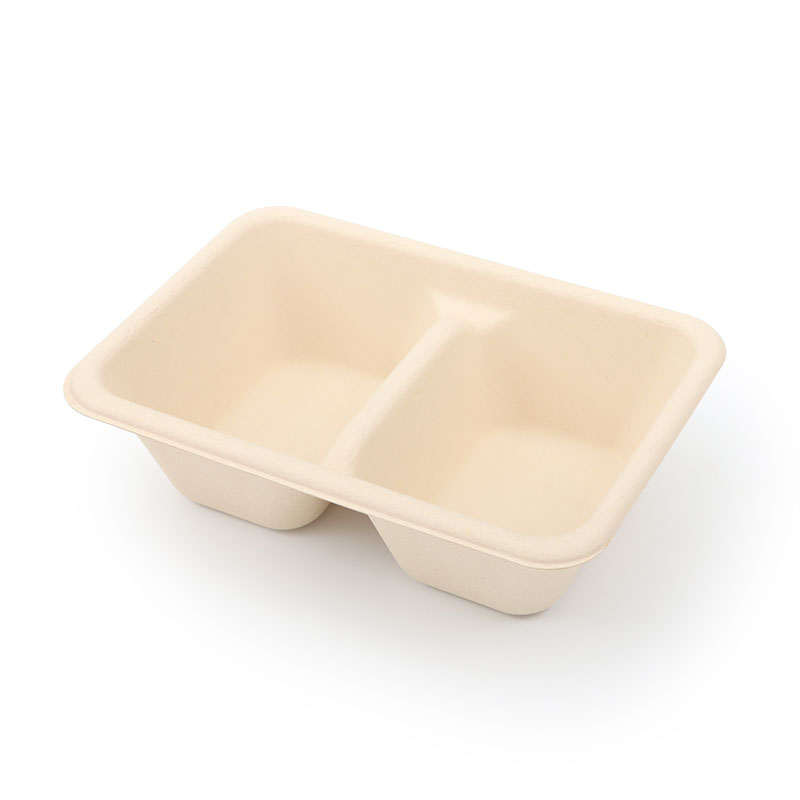 650ml
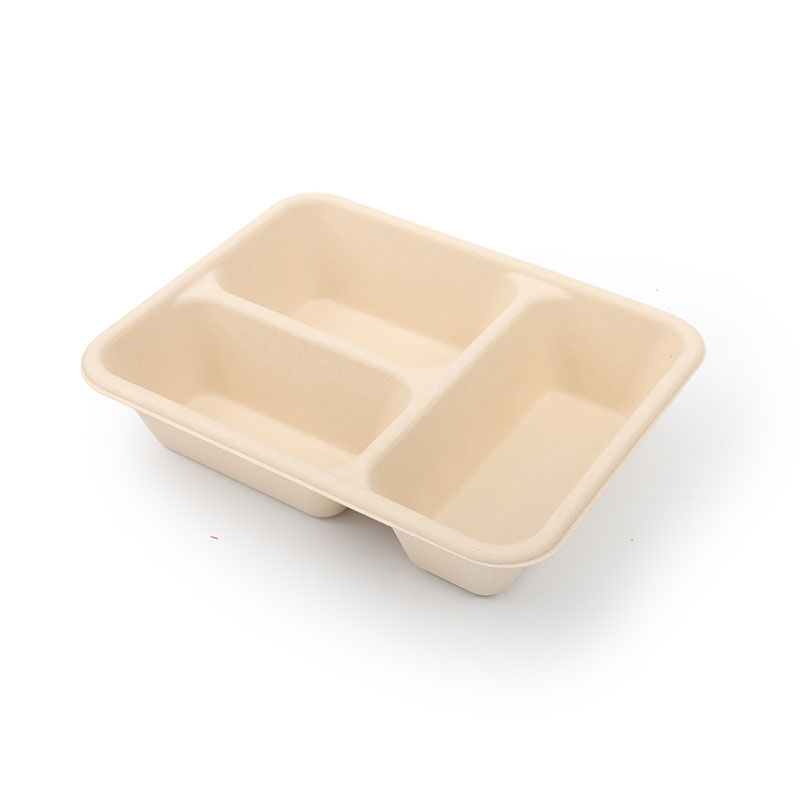 1000ml 3 Compartments
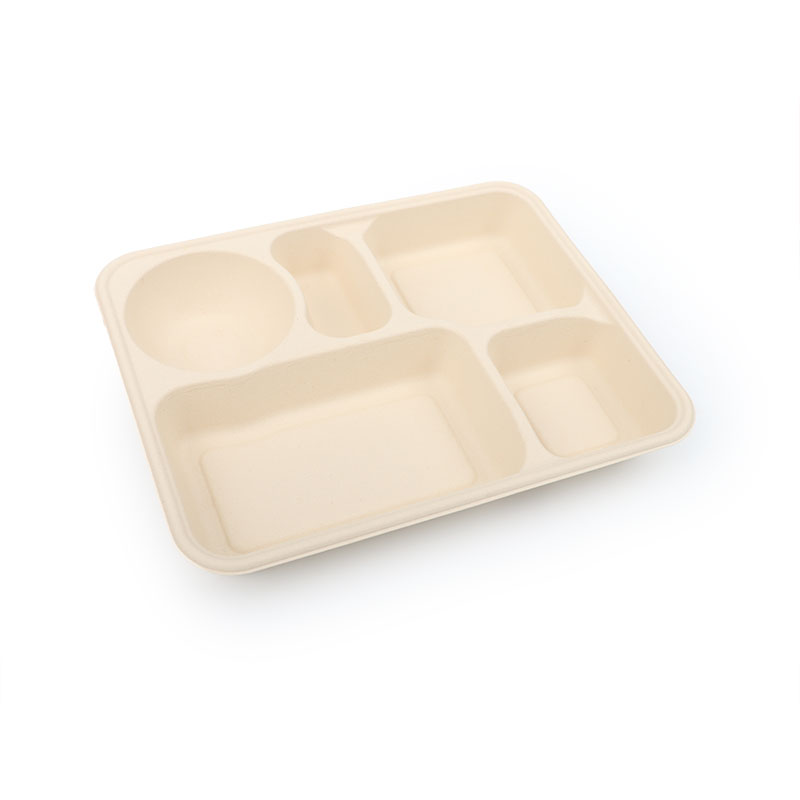 1250ml 5 Compartments
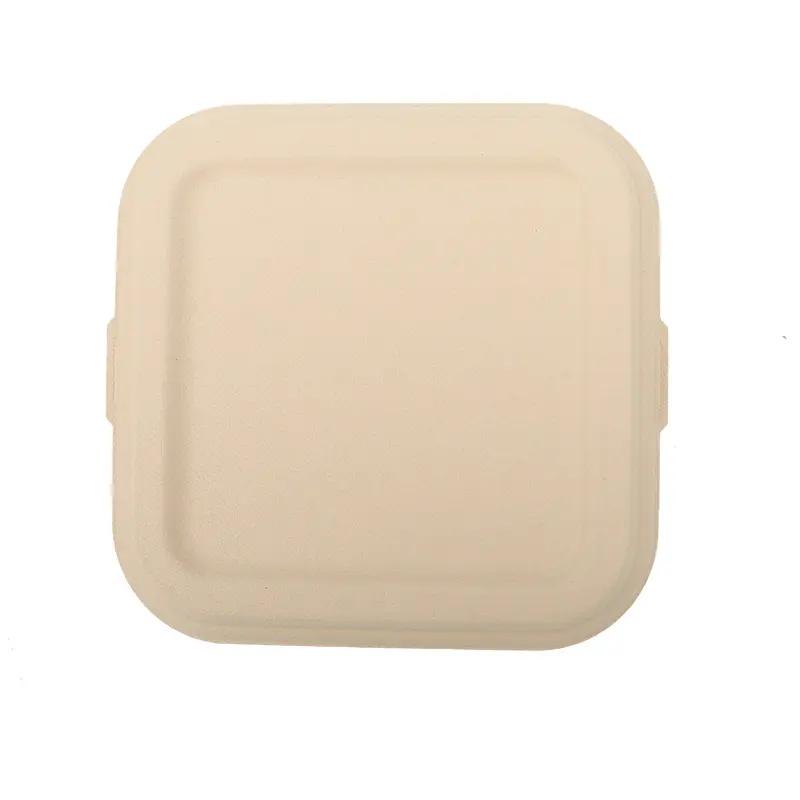 Square Lunch Box Lid
 Box Without T buckle
 850ml Salad Box
 700ml
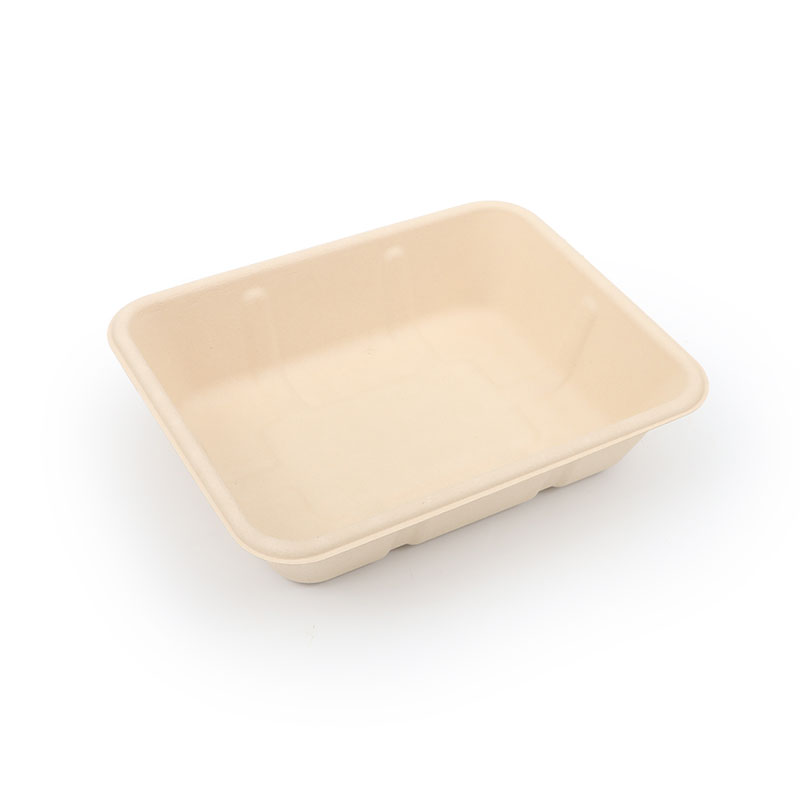 1350ml
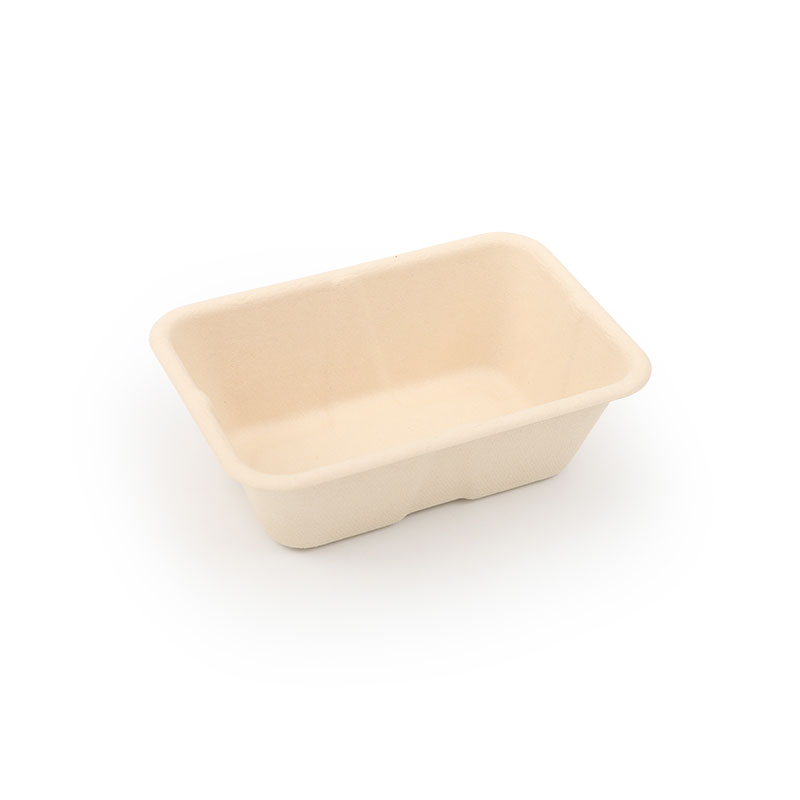 470ml
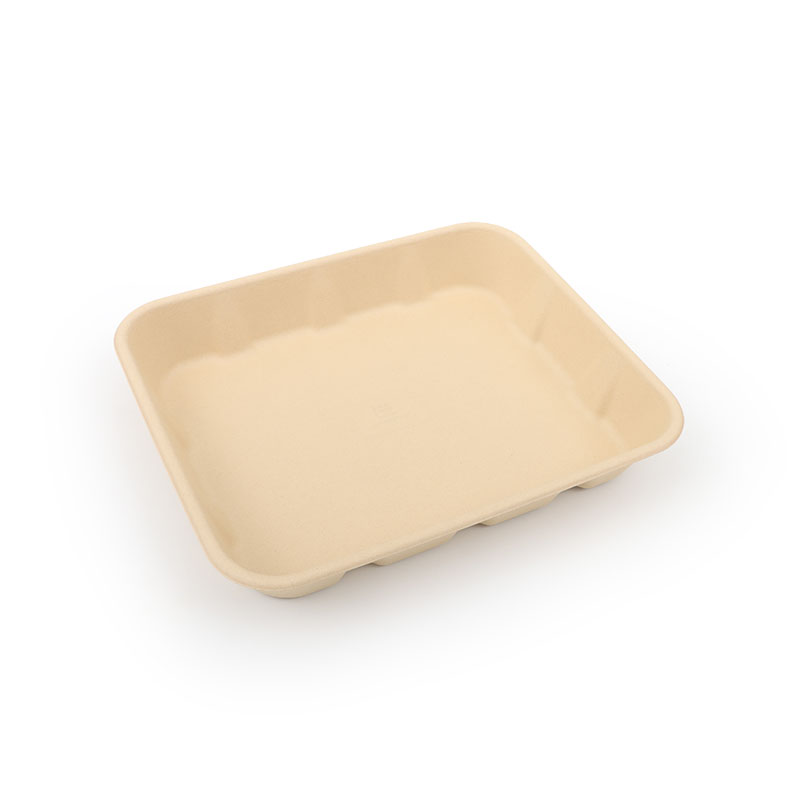 2183ml Tray Box
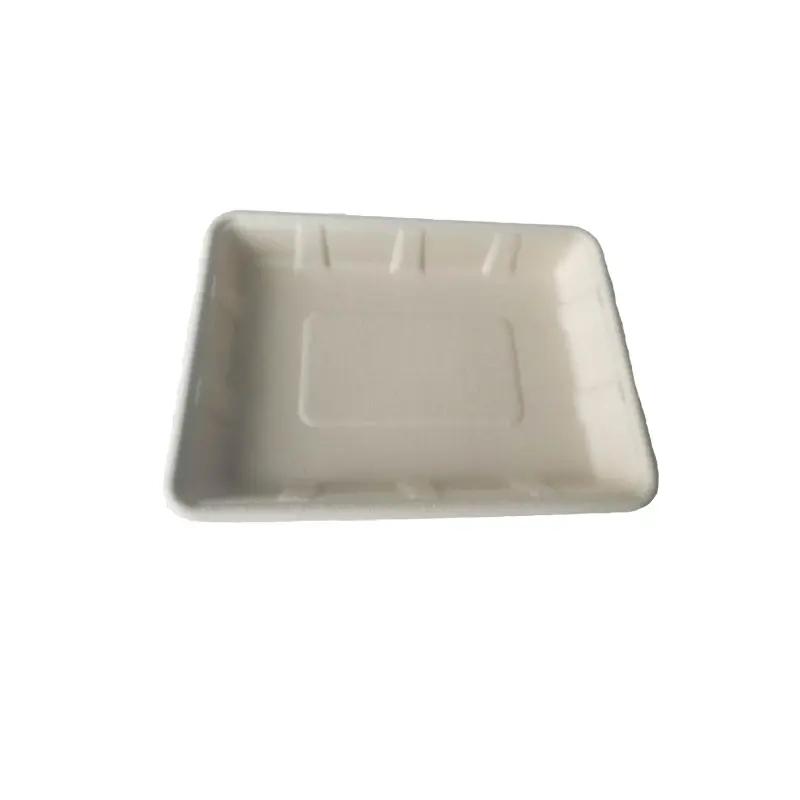 11" * 9"
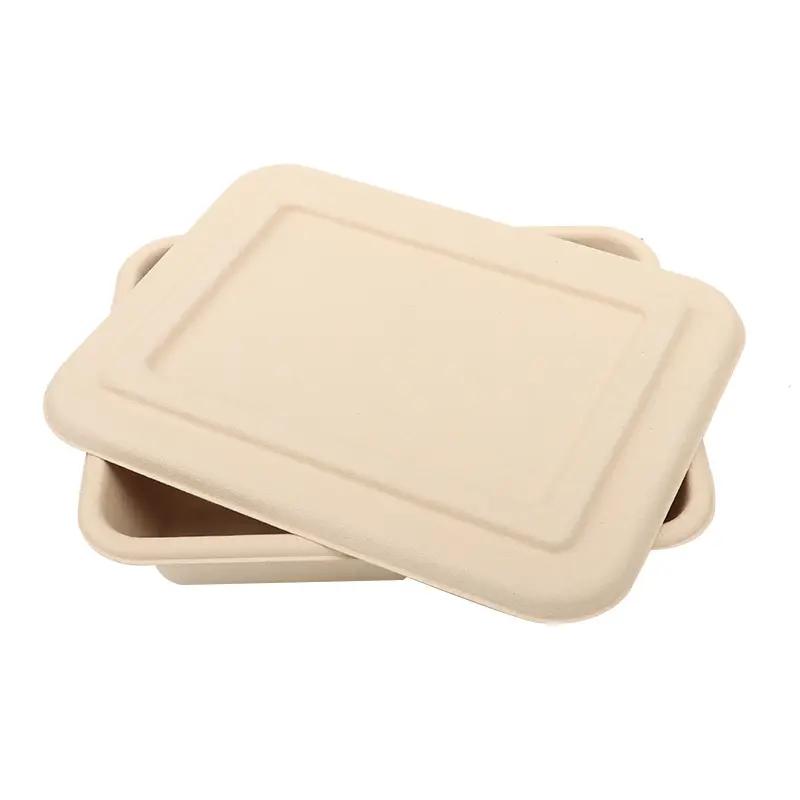 800ml
 One Part Box
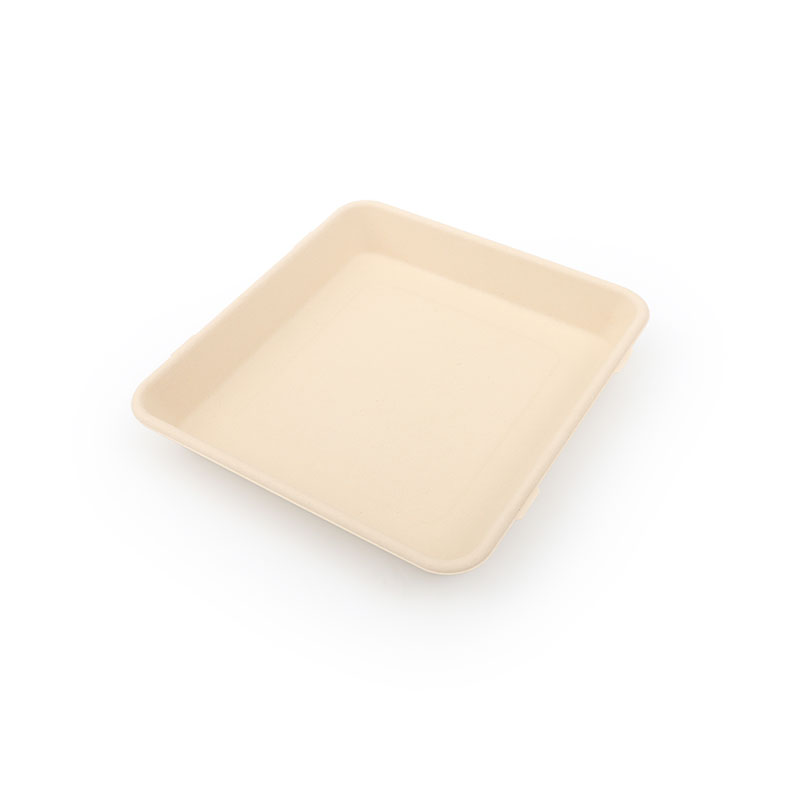 1443ml Tray Box
 Cake Bread Snack Tray Series
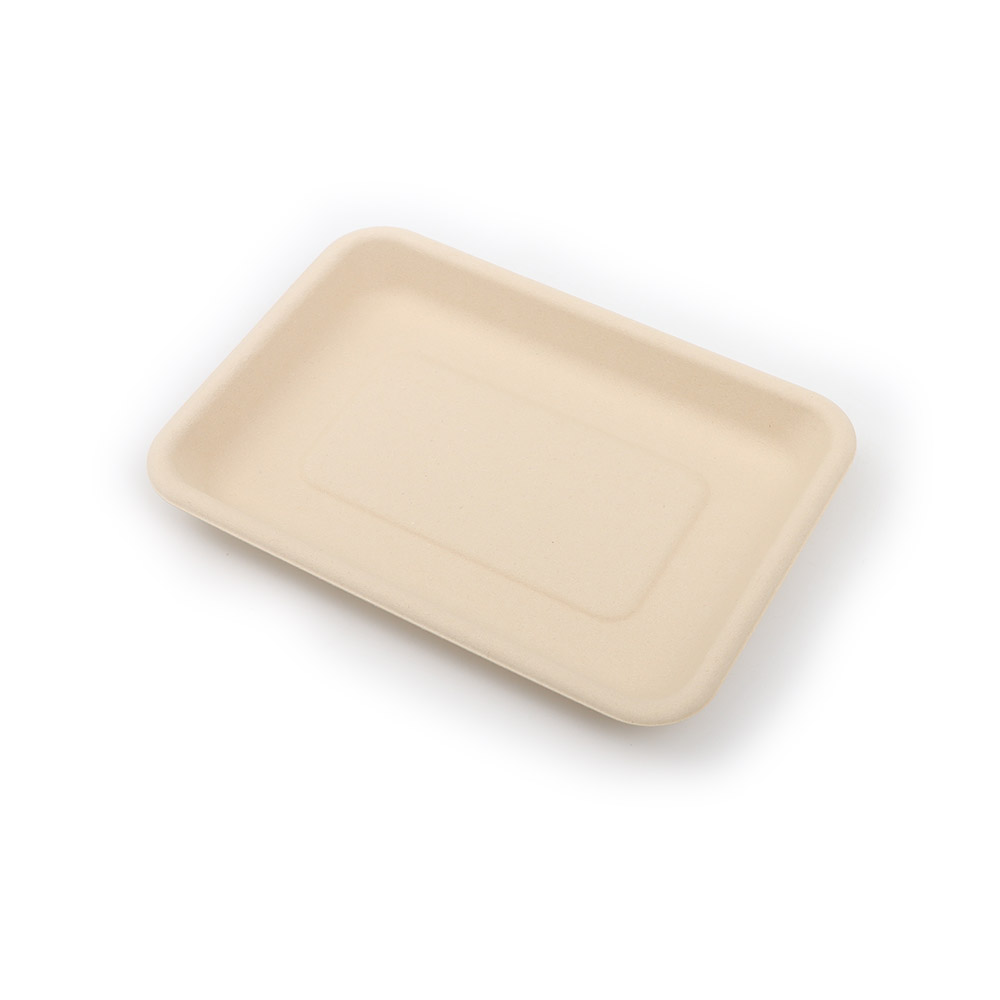 5" * 7" natural color
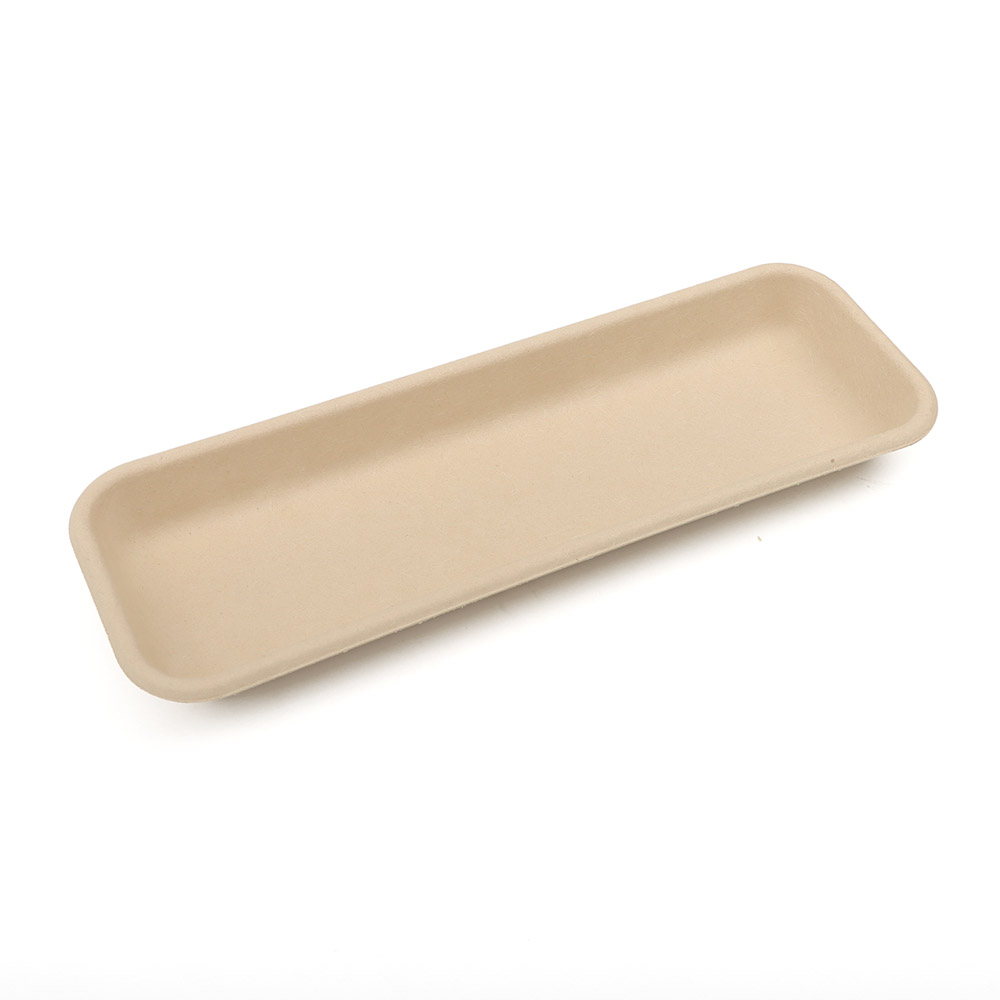 11.4" * 3.9"
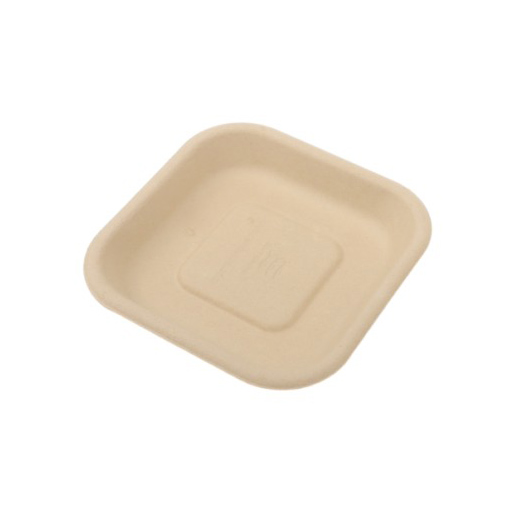 5.3" * 5.3"
 Fruit And Vegetable Tray Series
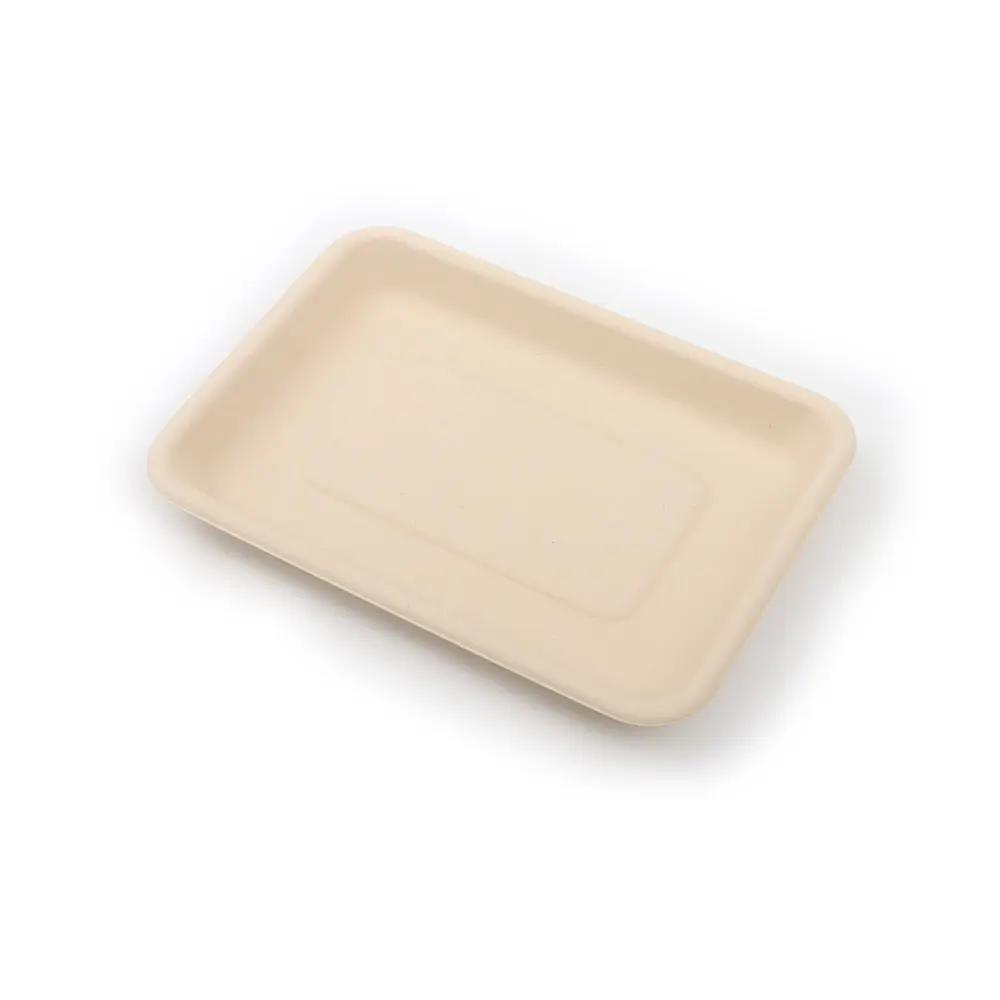 8.6" * 5.3"
 Sushi Tray Series
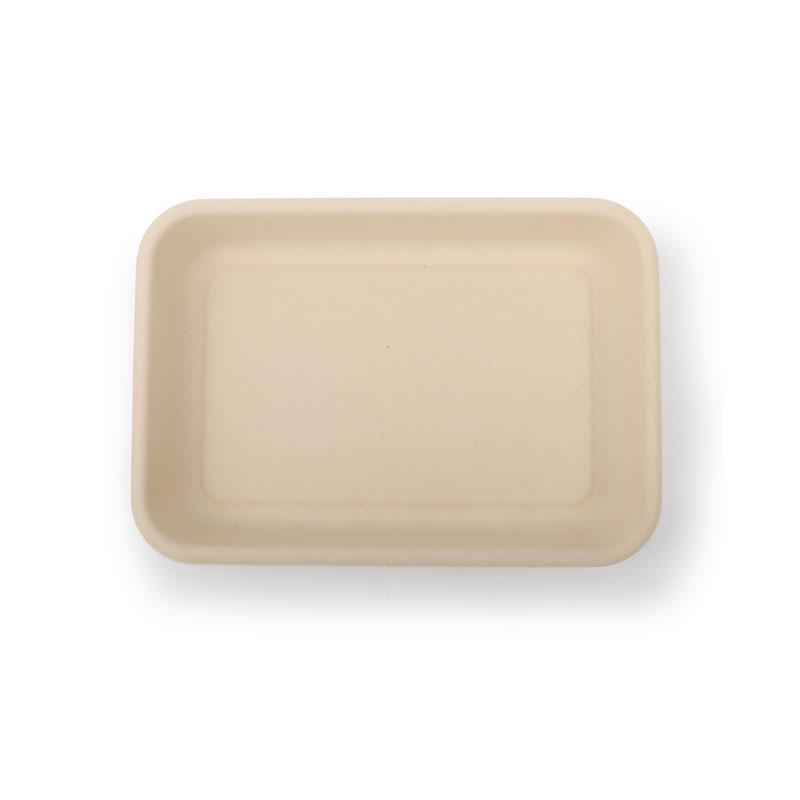 200" * 140"
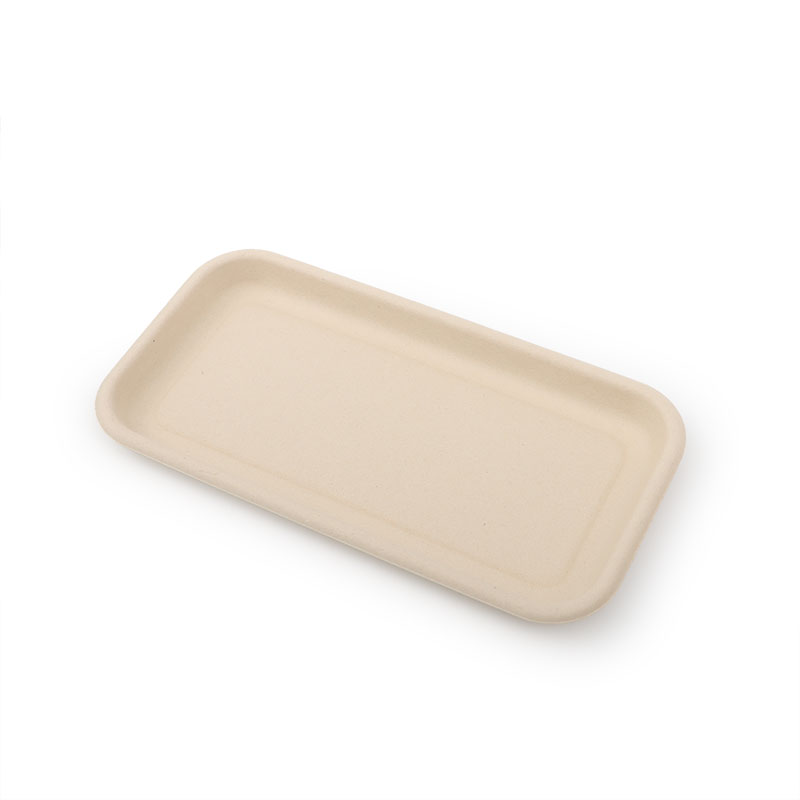 210" * 110"
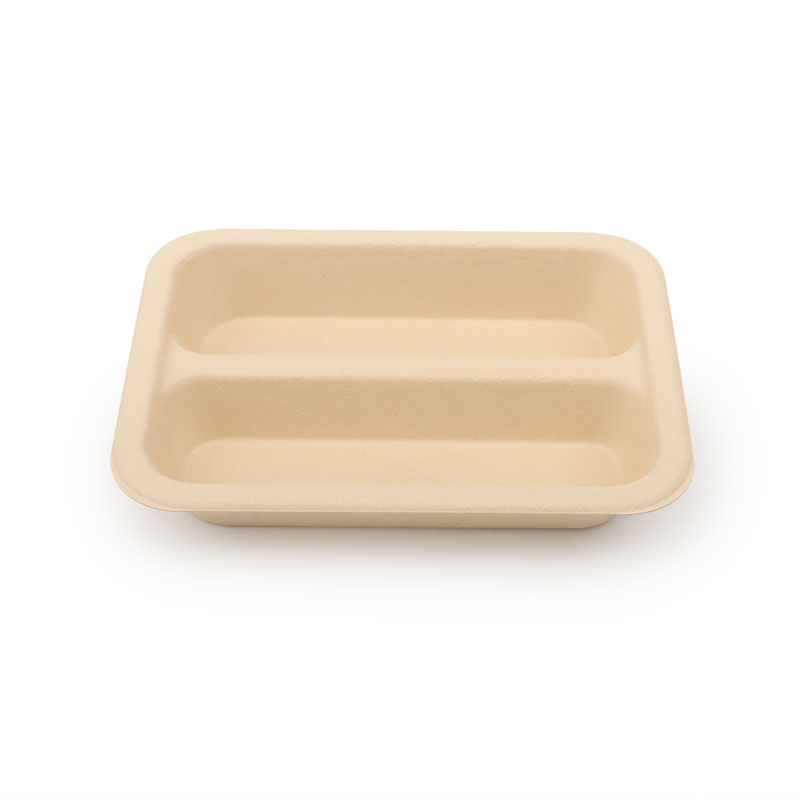 2 Compartments
 Small Round Plate Series
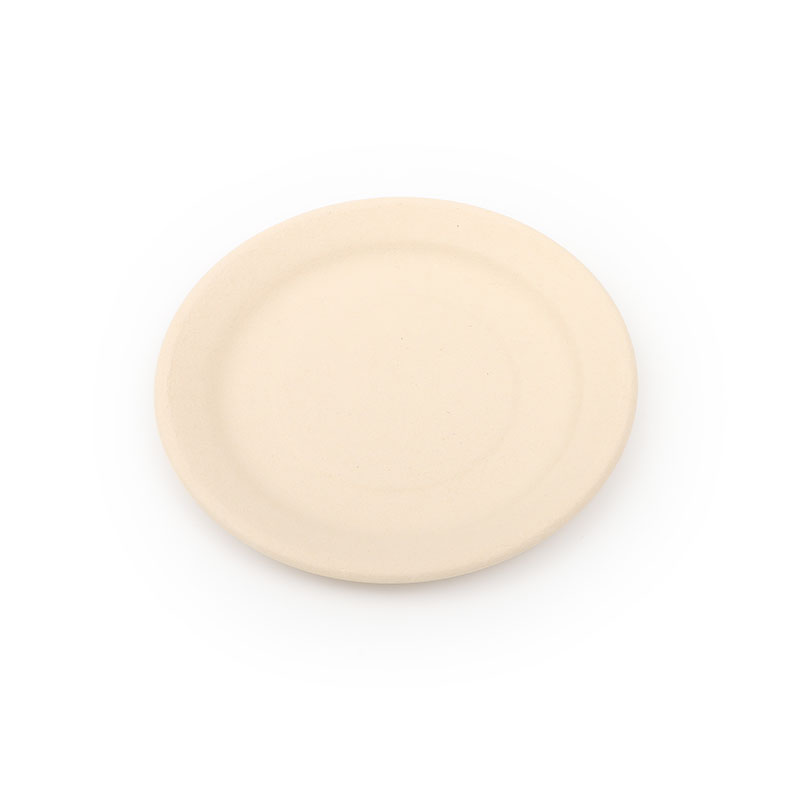 7 inch
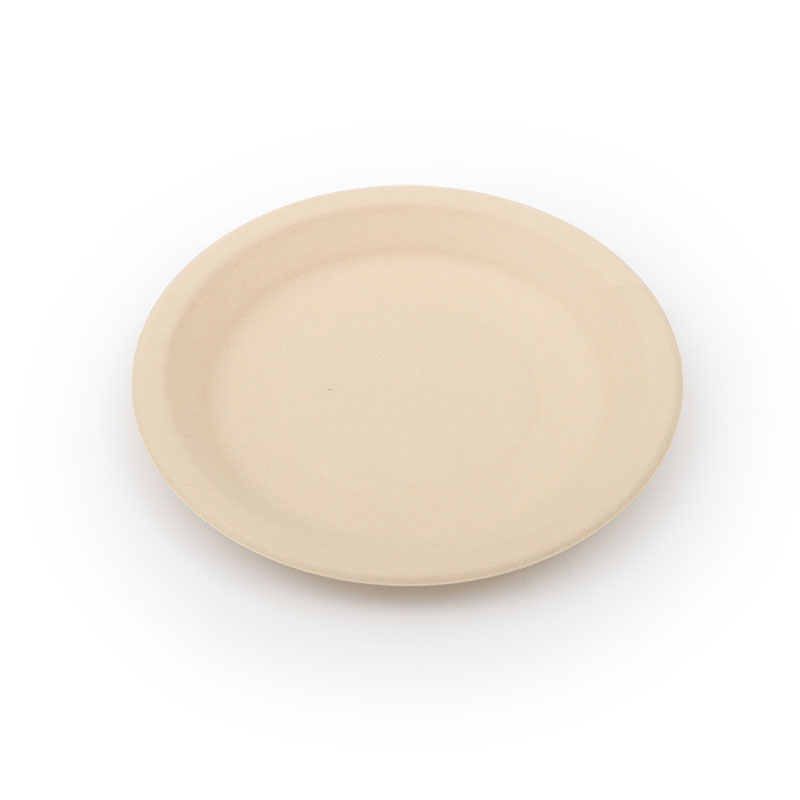 6 inch
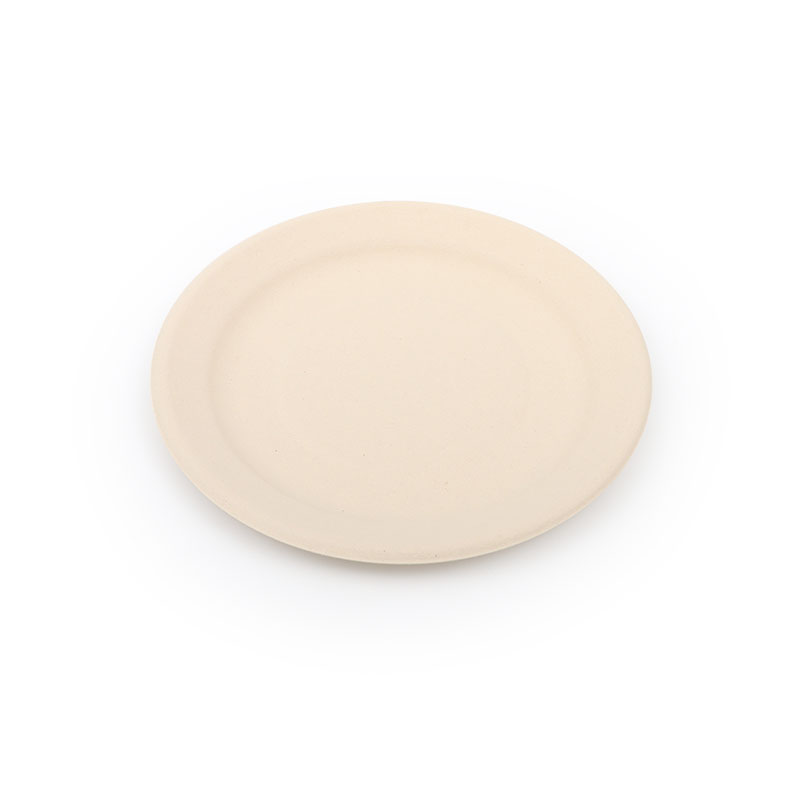 8 inch
 Middle Round Plate Series
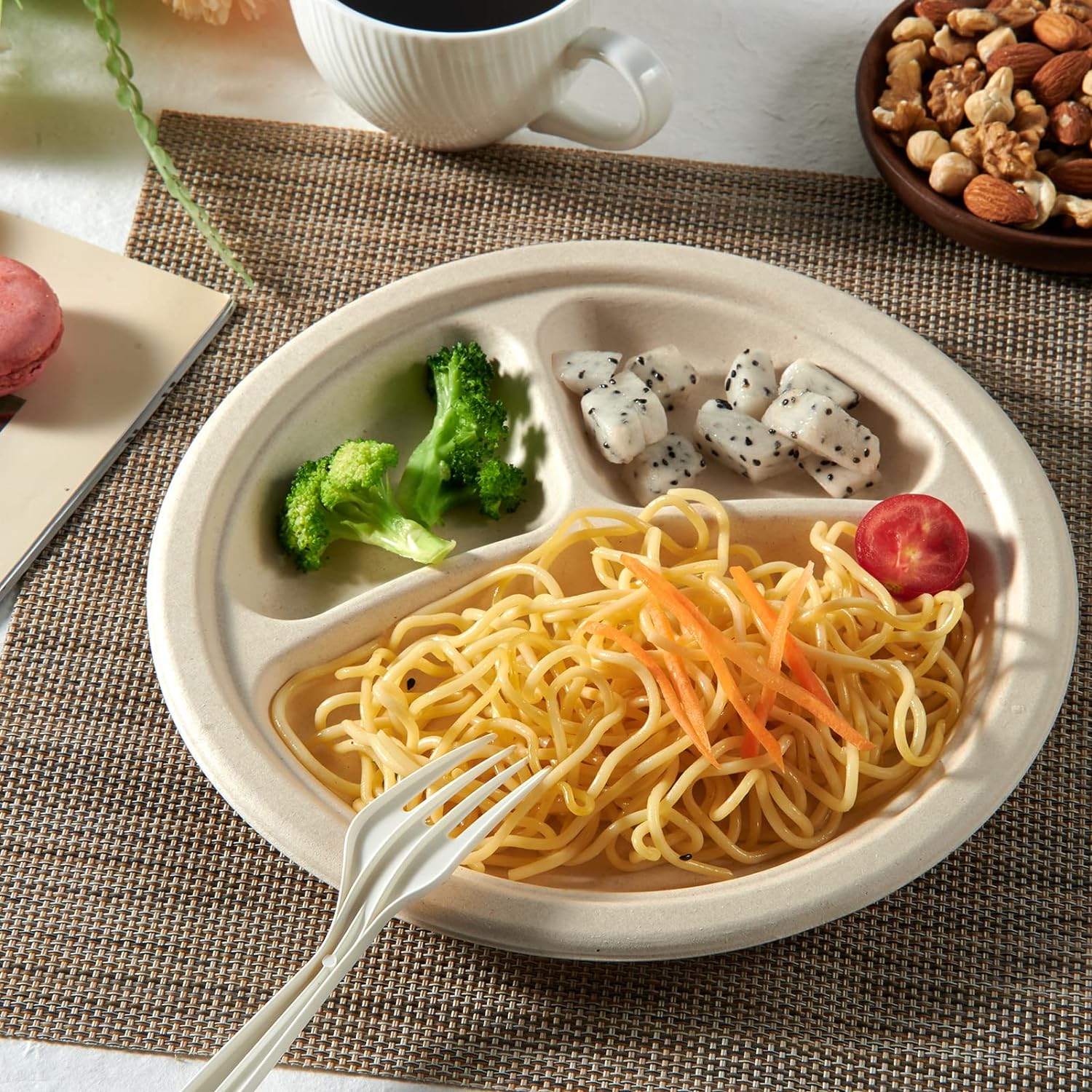
 9 Inch 3 Compartments
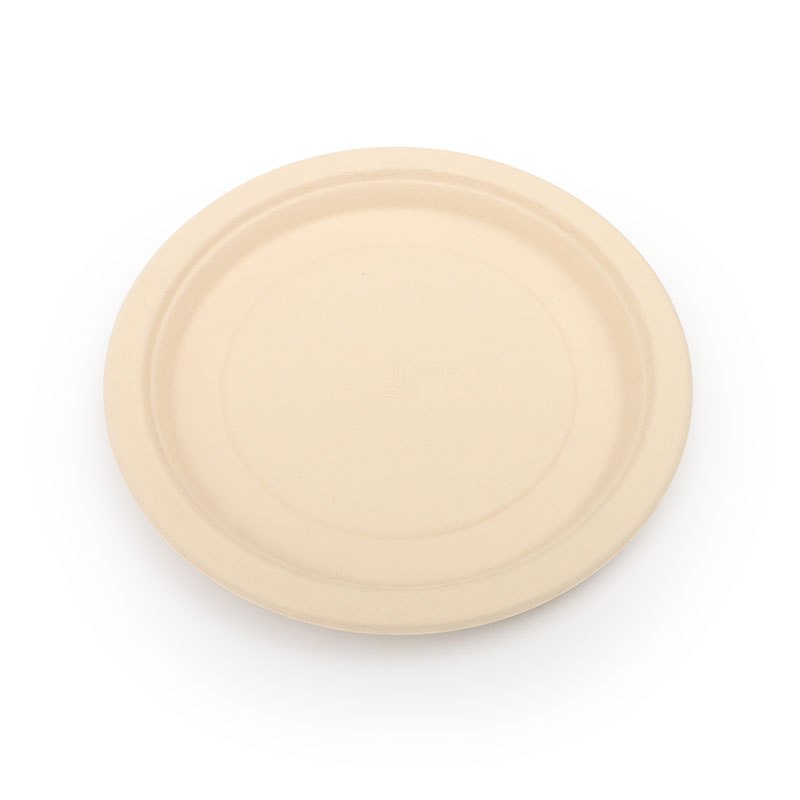 9 inch
 Big Round Plate Series
 12.7 Inch Pizza Plate
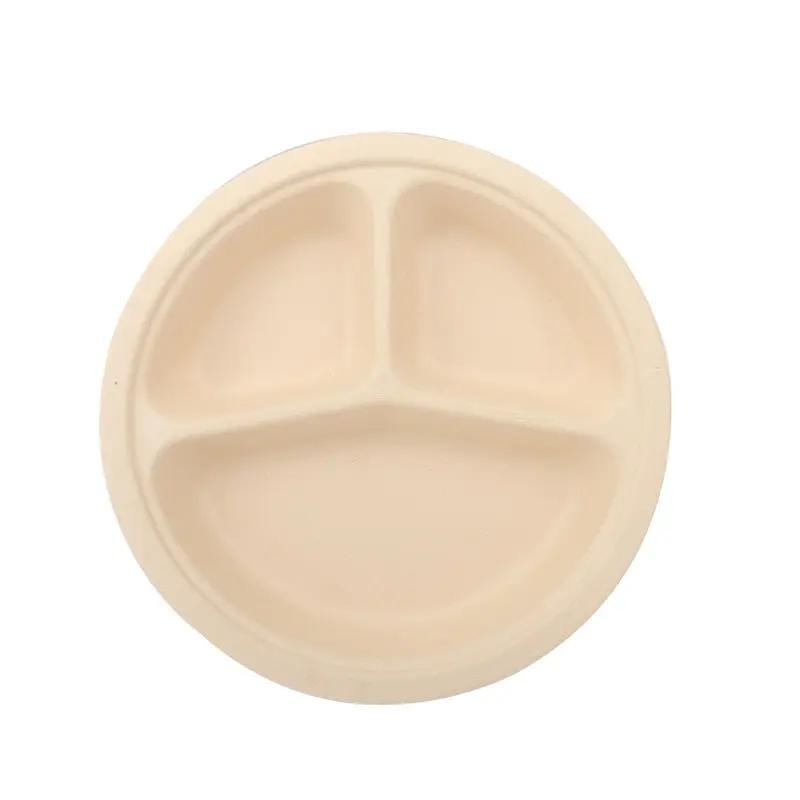 10.25 inch 3 Compartments
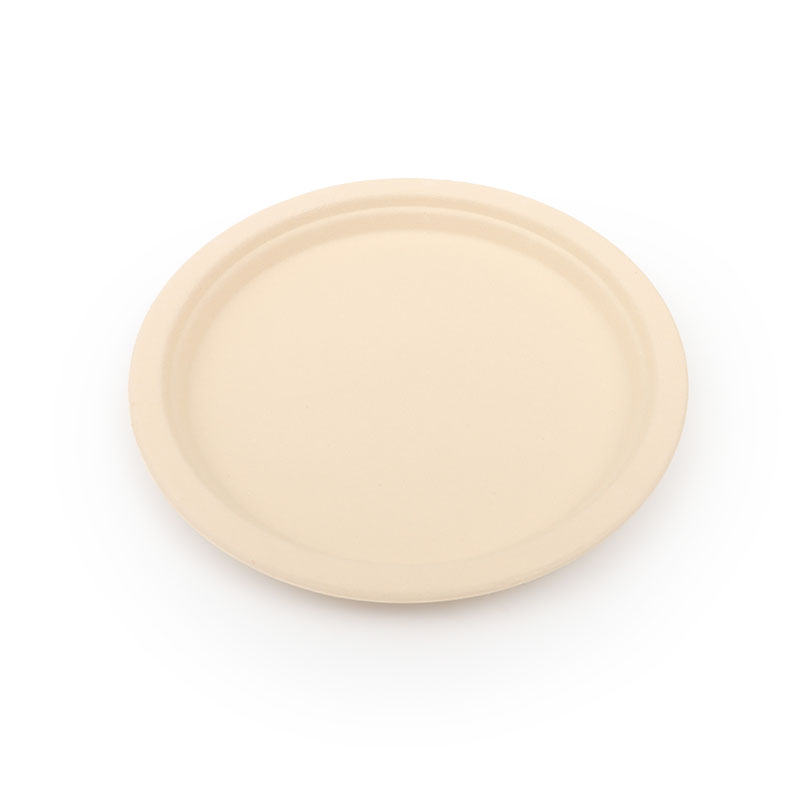 10 inch
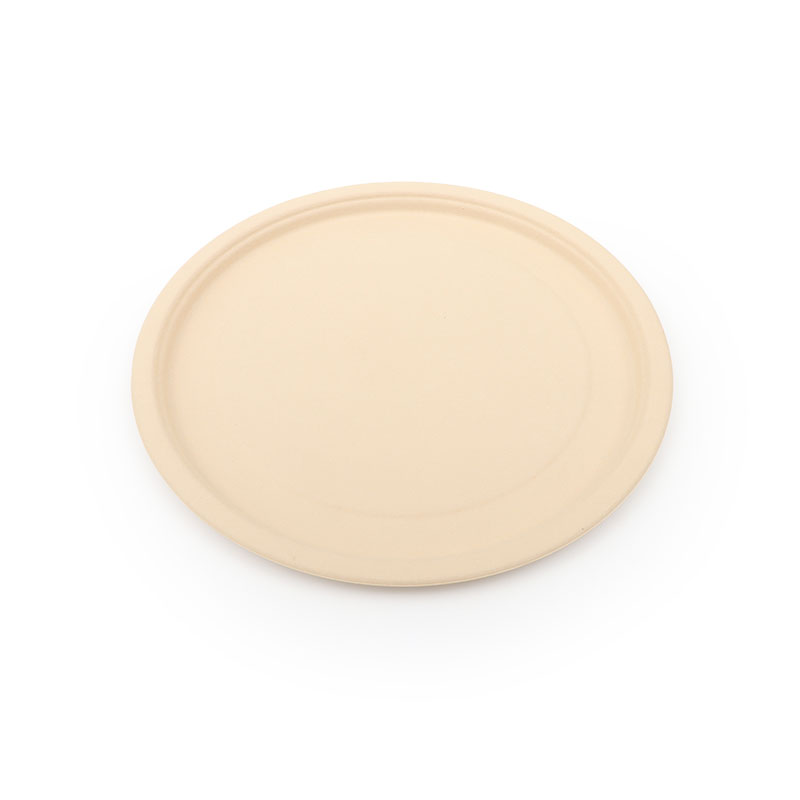 12 inch
 Bigger Bowl
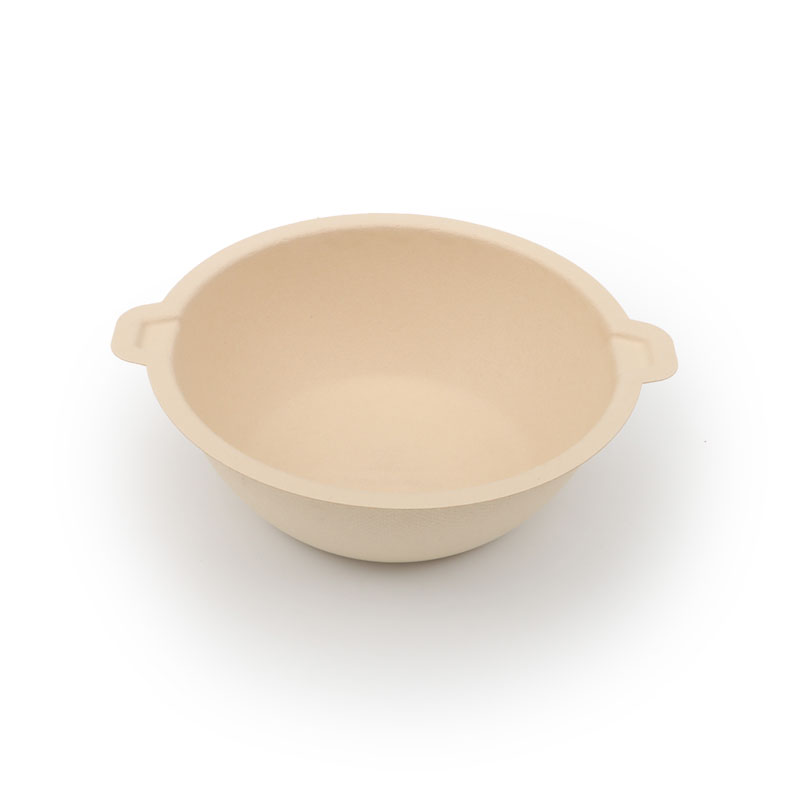 48oz(1420ml)
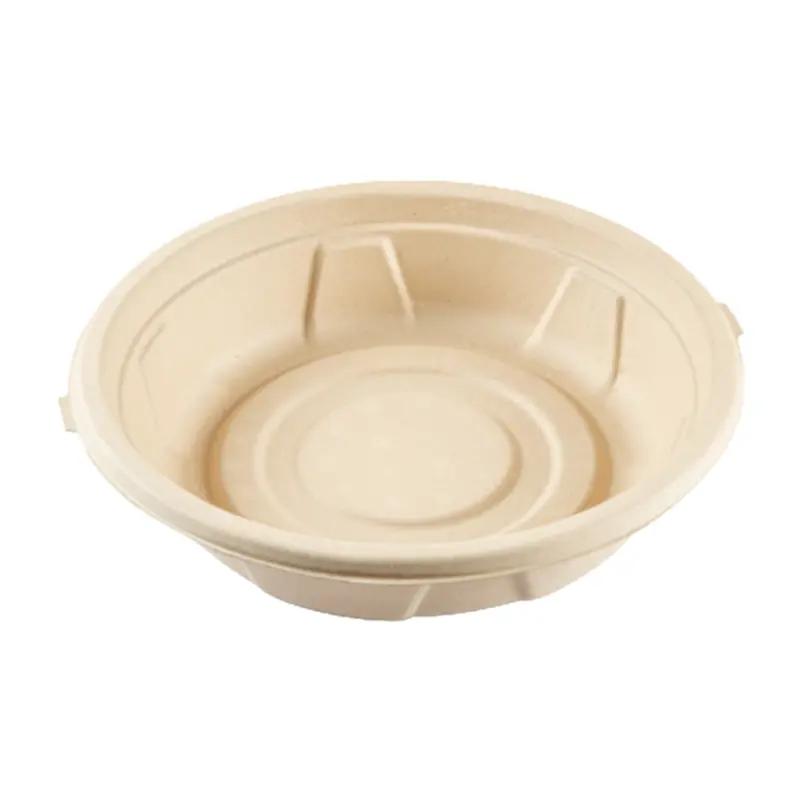 56oz(1650ml)
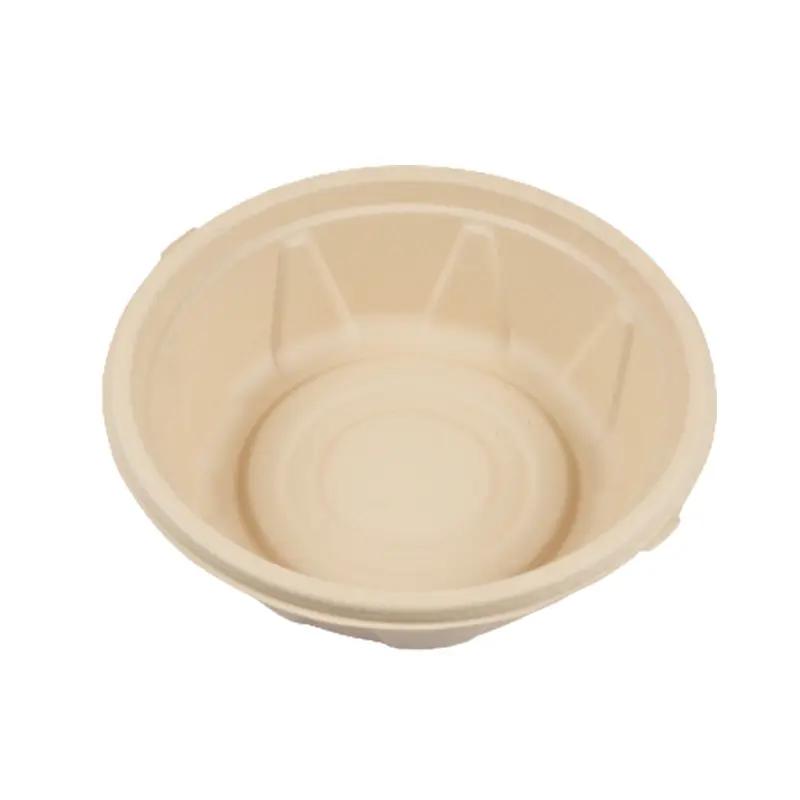 100oz(2950ml)
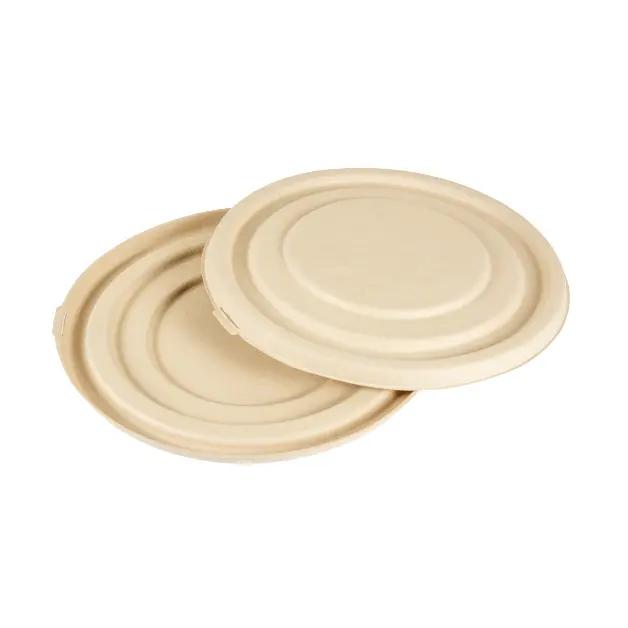 100oz(2950ml) With Lid
 Middle Bowl
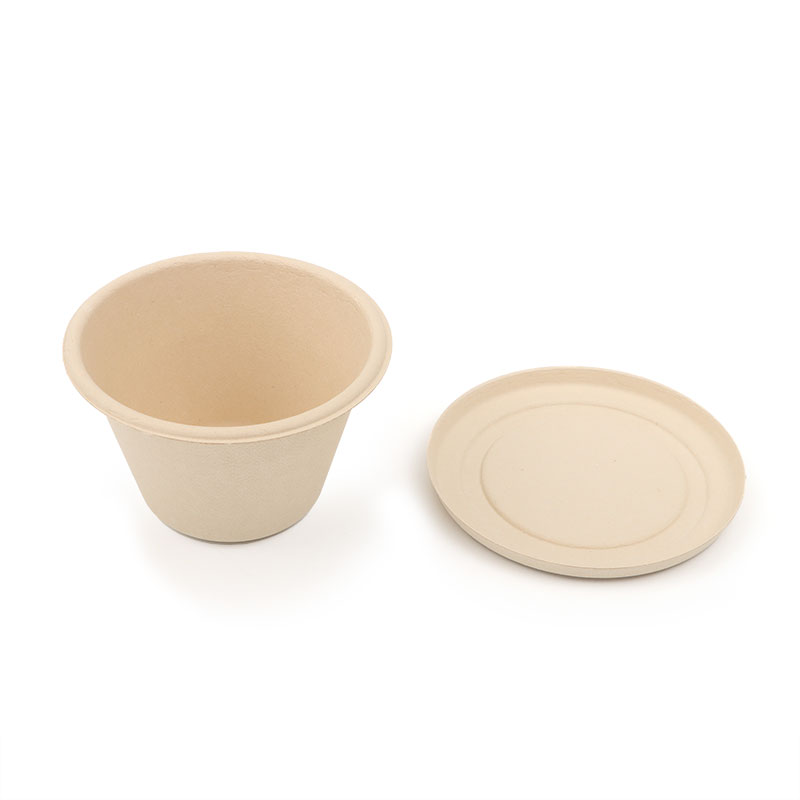 17oz(500ml)
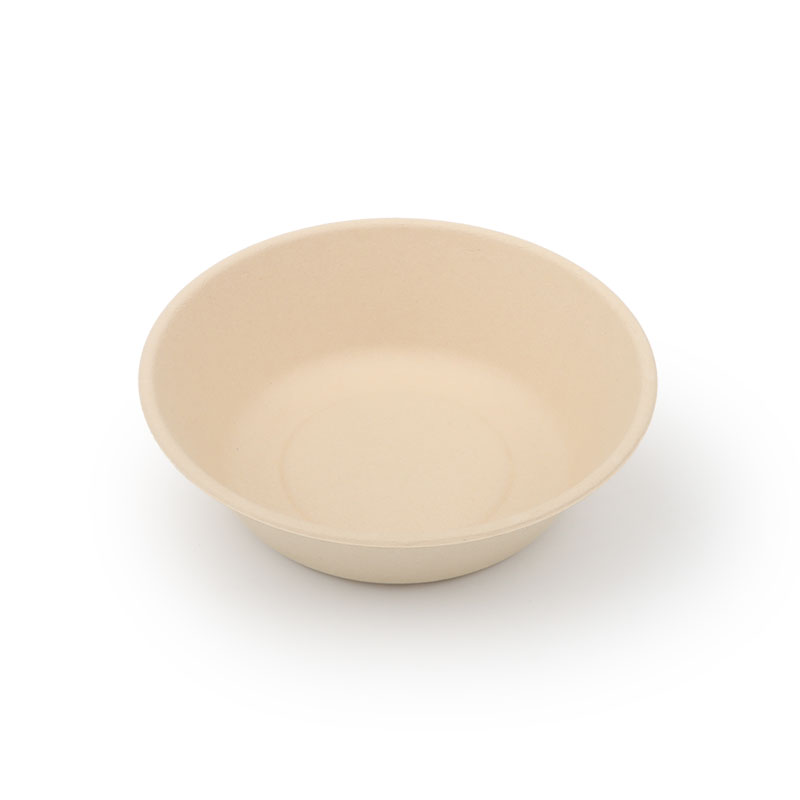 27oz(800ml)
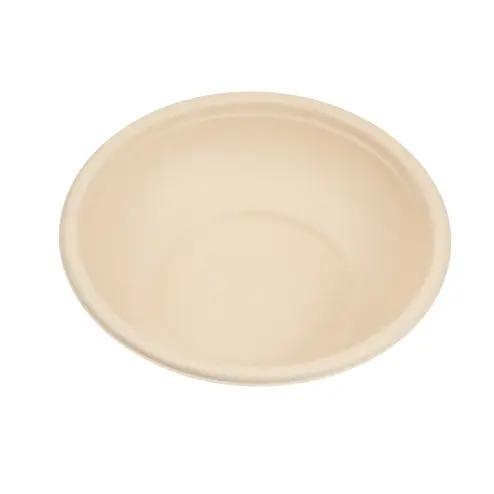 20oz(600ml)
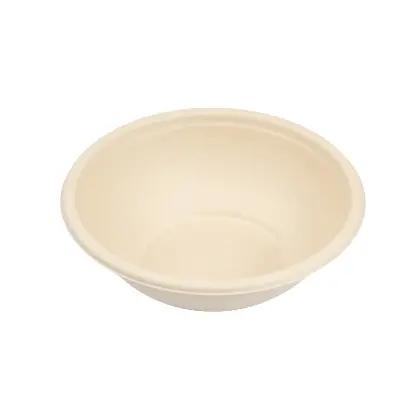 29oz(850ml)
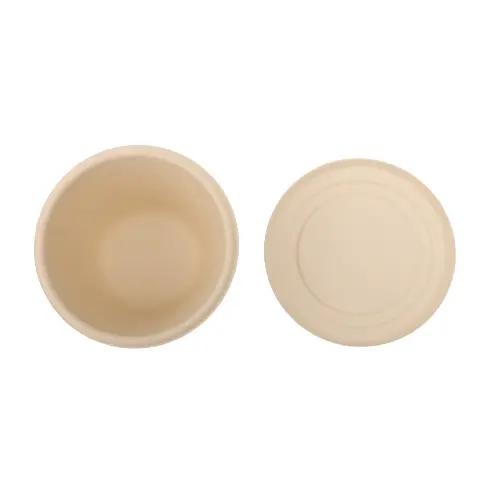 17oz(500ml) With Lid
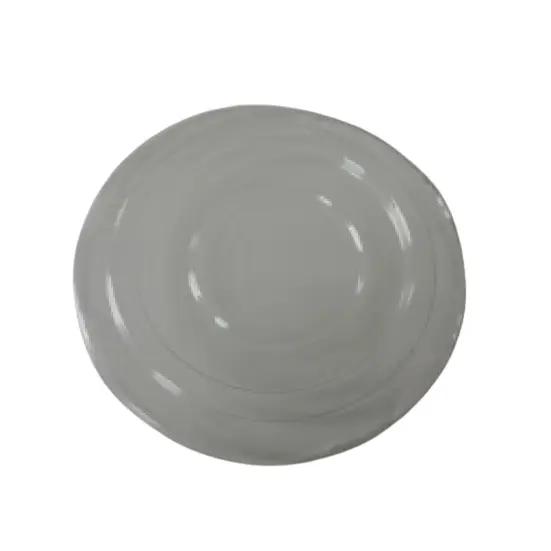 17oz(500ml) PET Lid
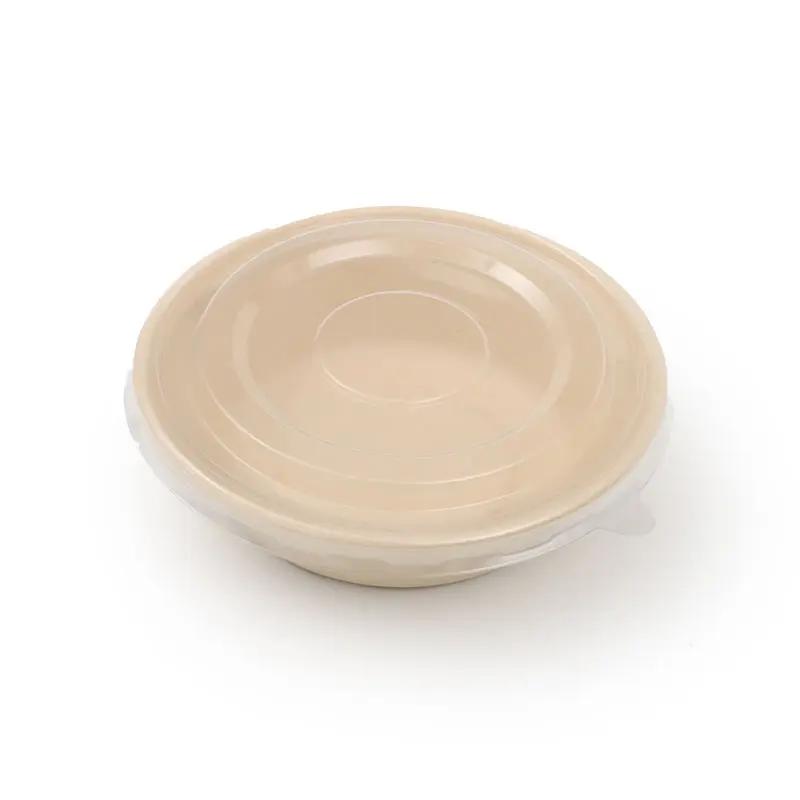 28oz(830ml) PET Lid
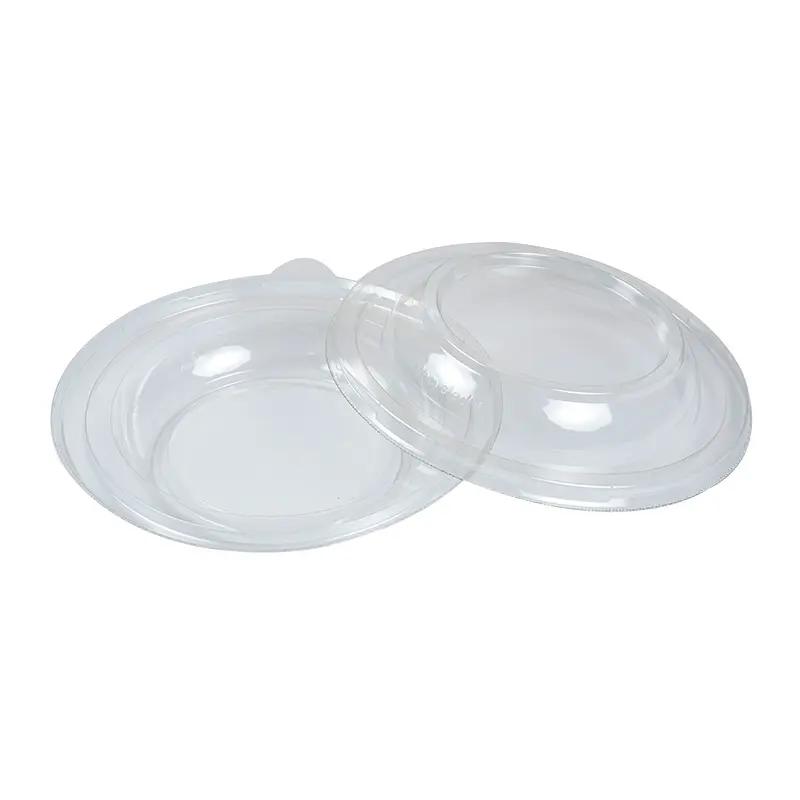 Round Bowl PET
 Small Bowl
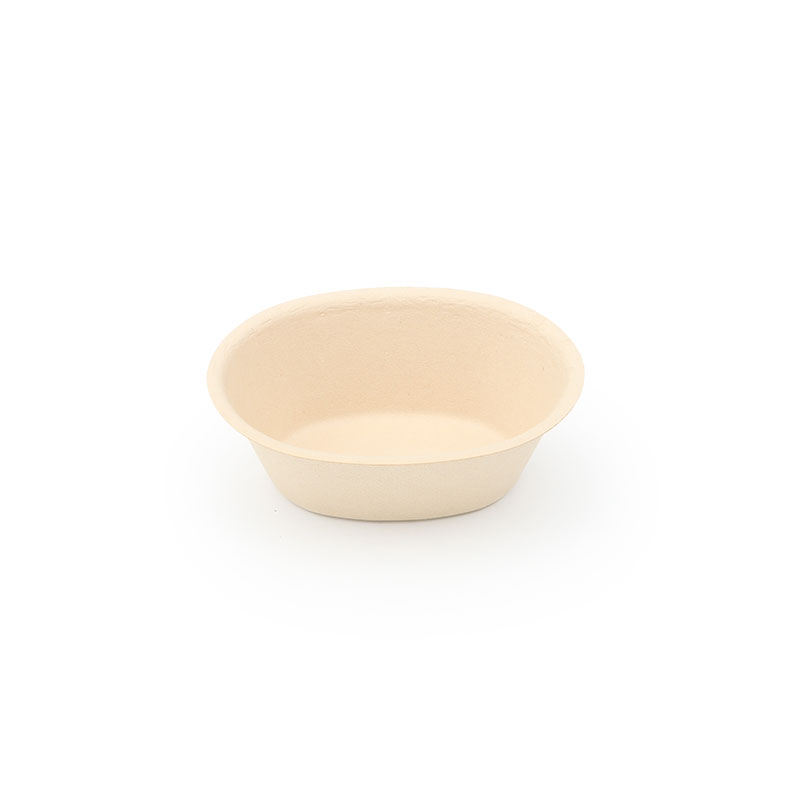 Snack Bowl
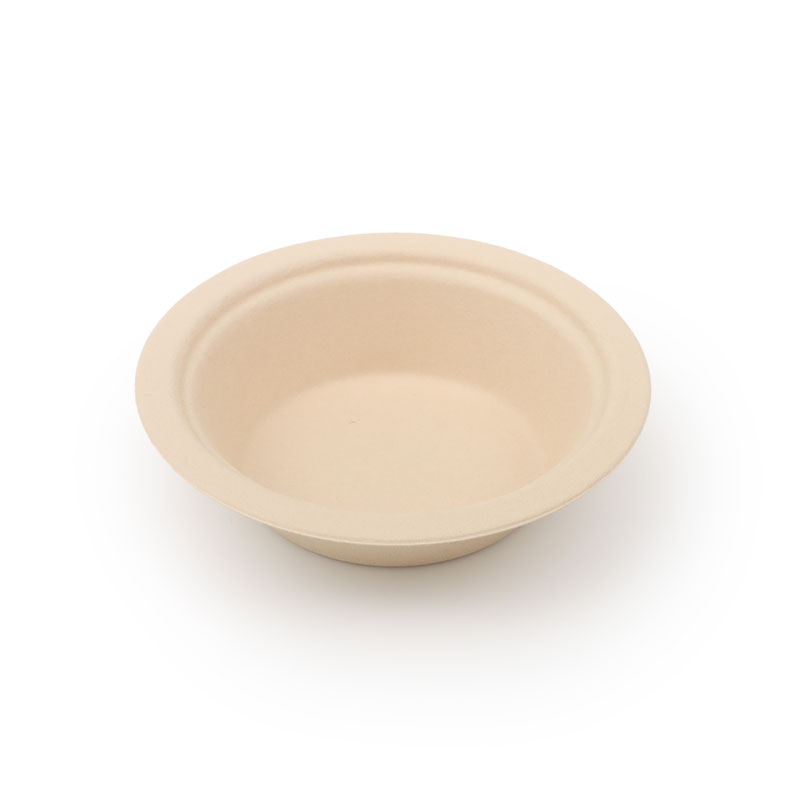 11.5oz(340ml) Bowl
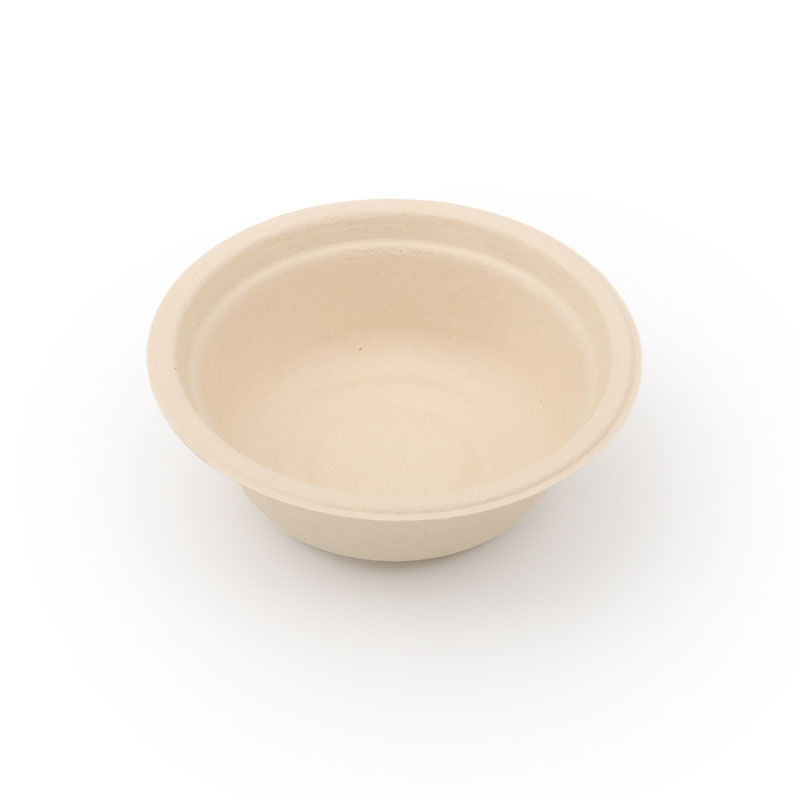 6.7oz(200ml) Bowl
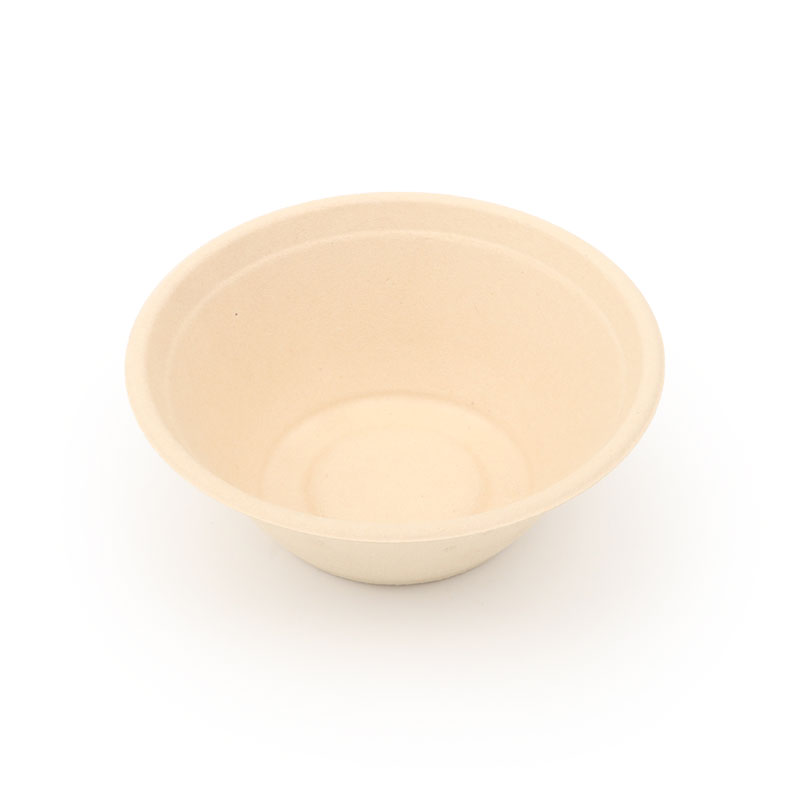 12oz(350ml) Bowl
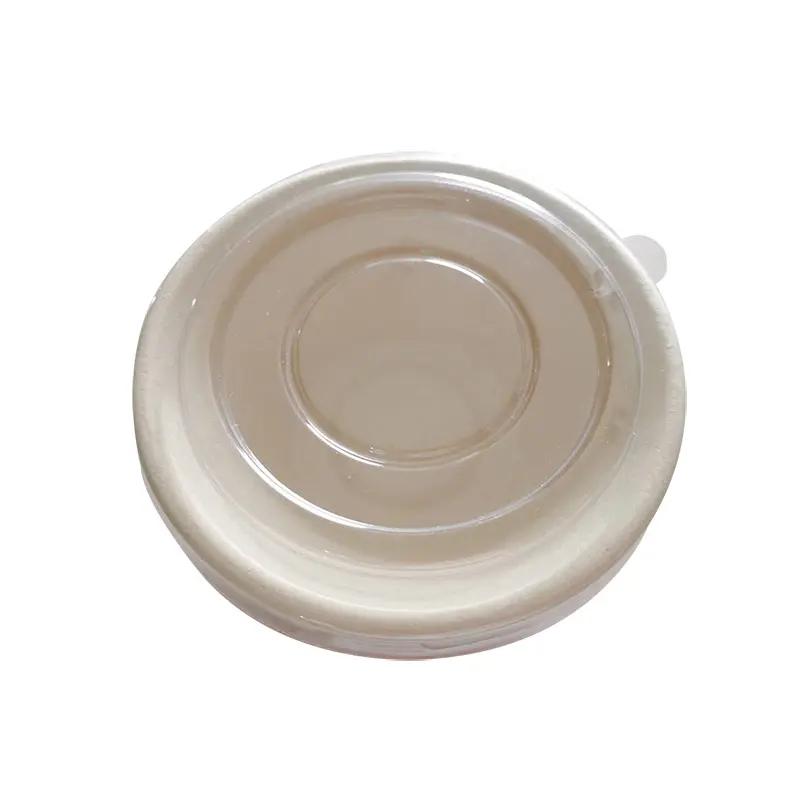 12oz(350ml) Bowl PET
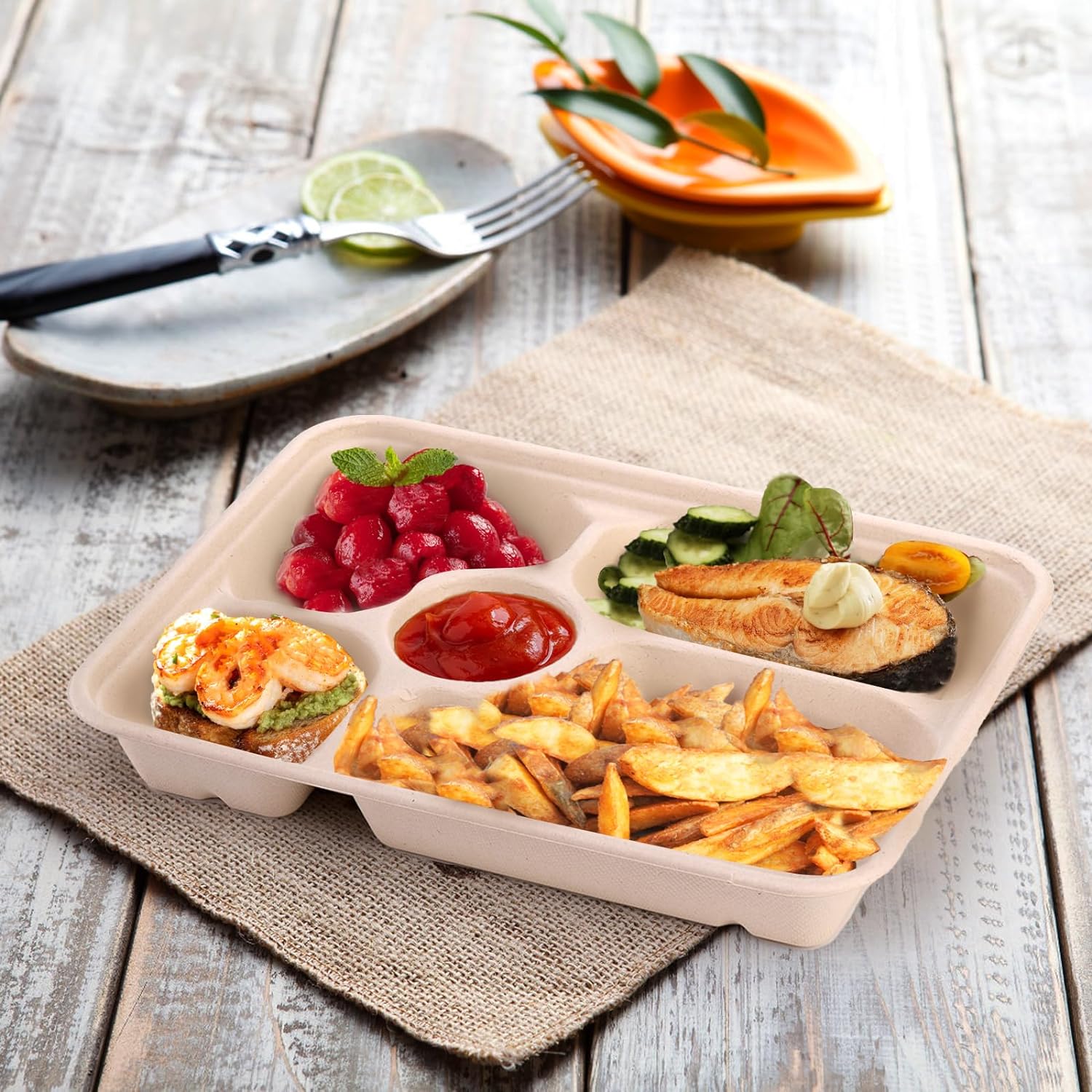 Bagasse Lunch Boxes
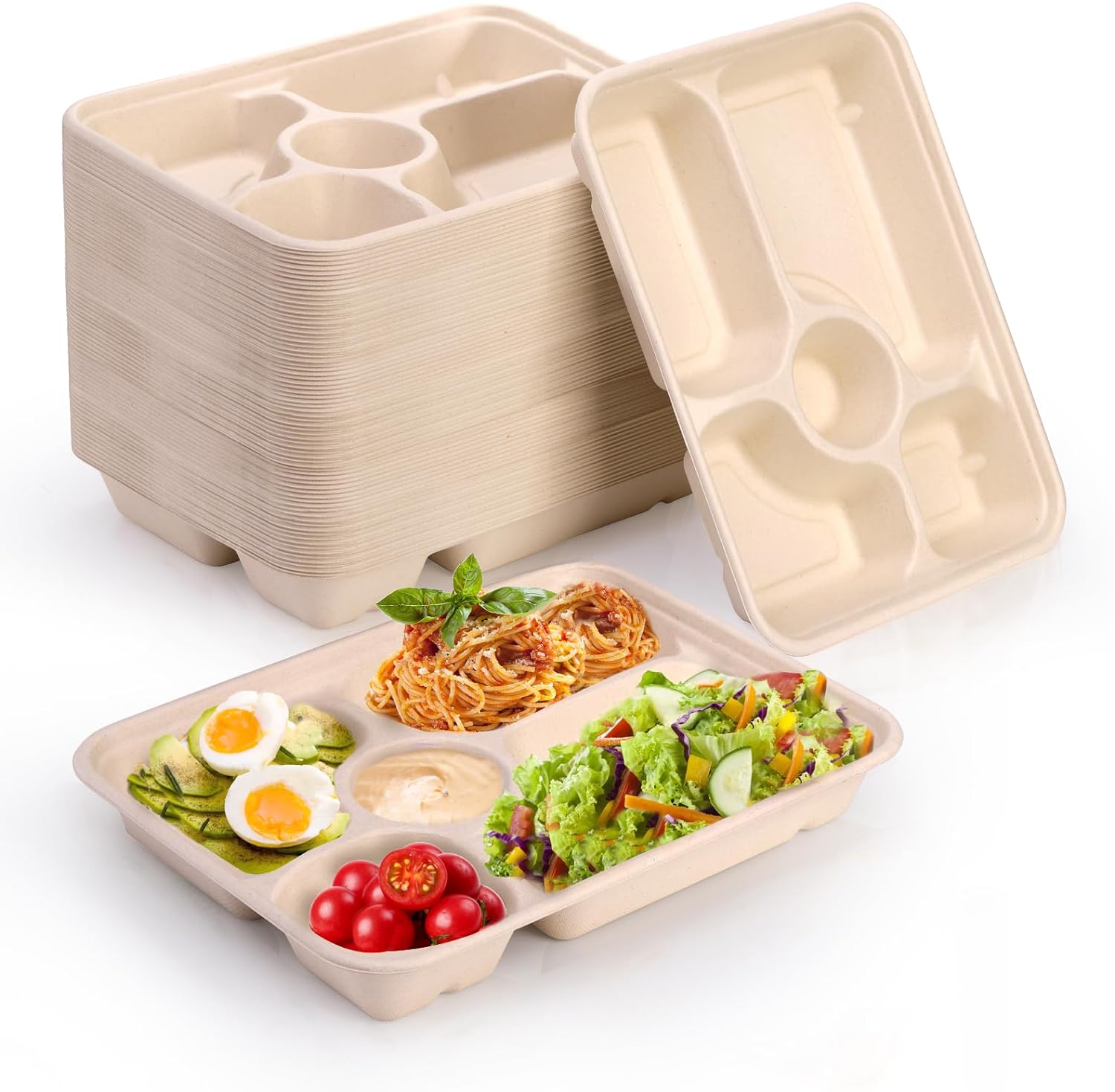 5CP
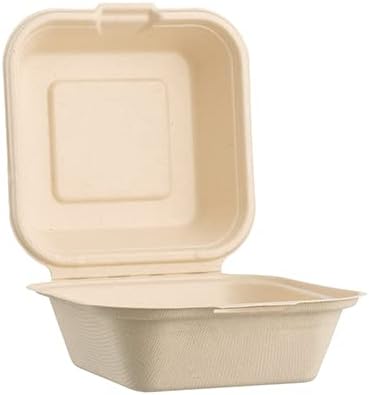 6 inch
 Bagasse Food Plates
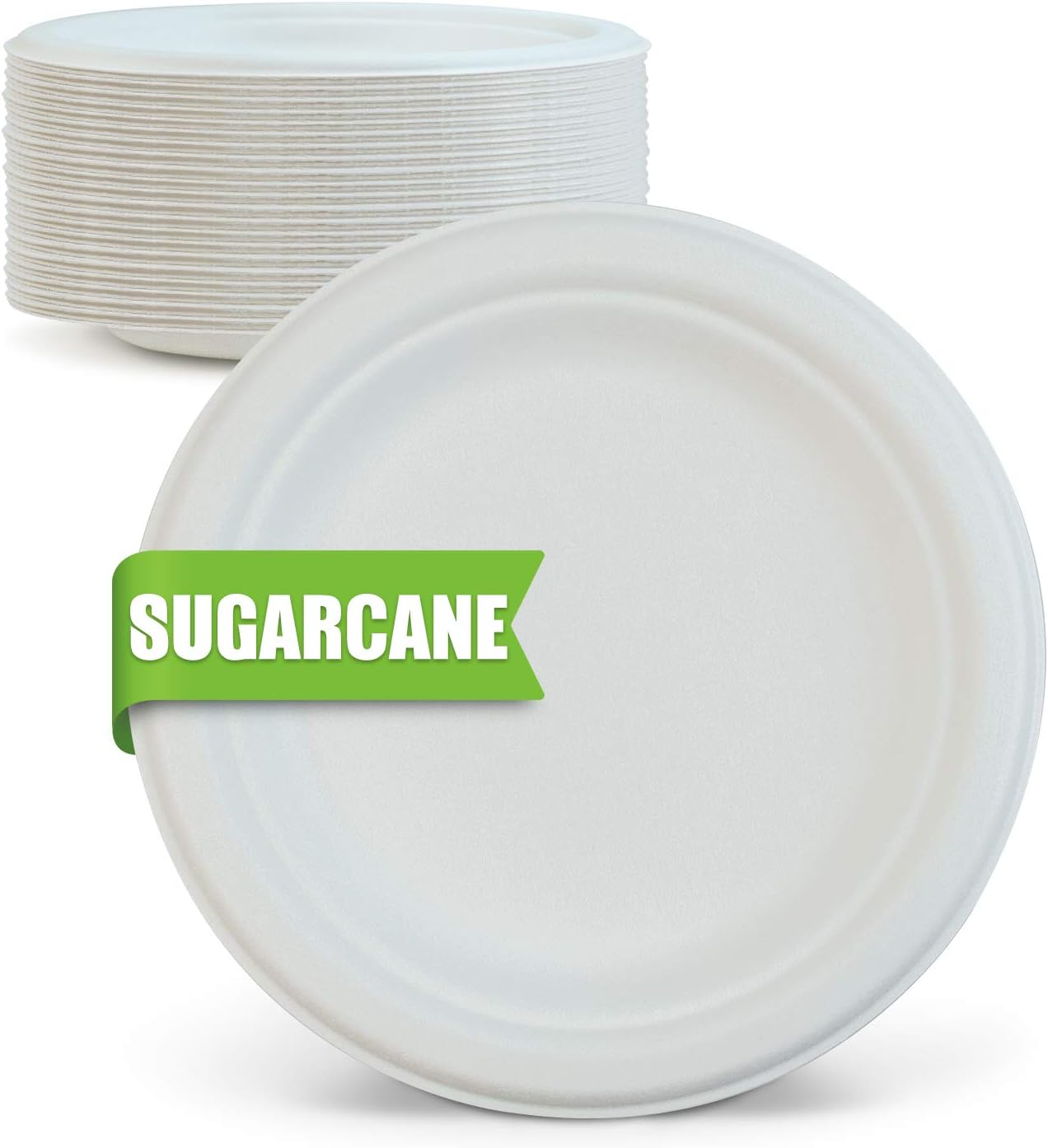 7 inch
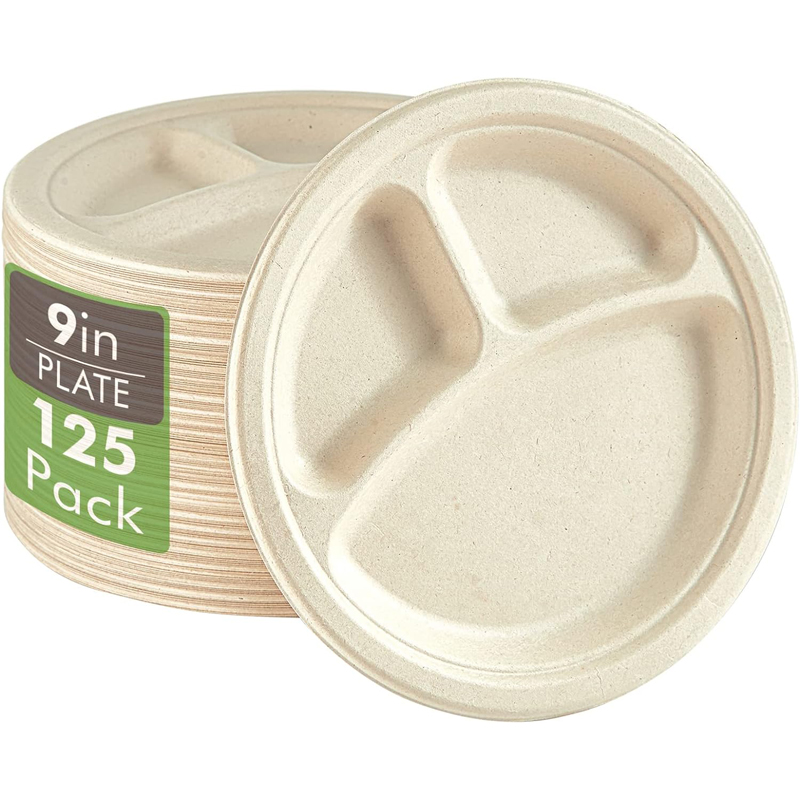 3CP
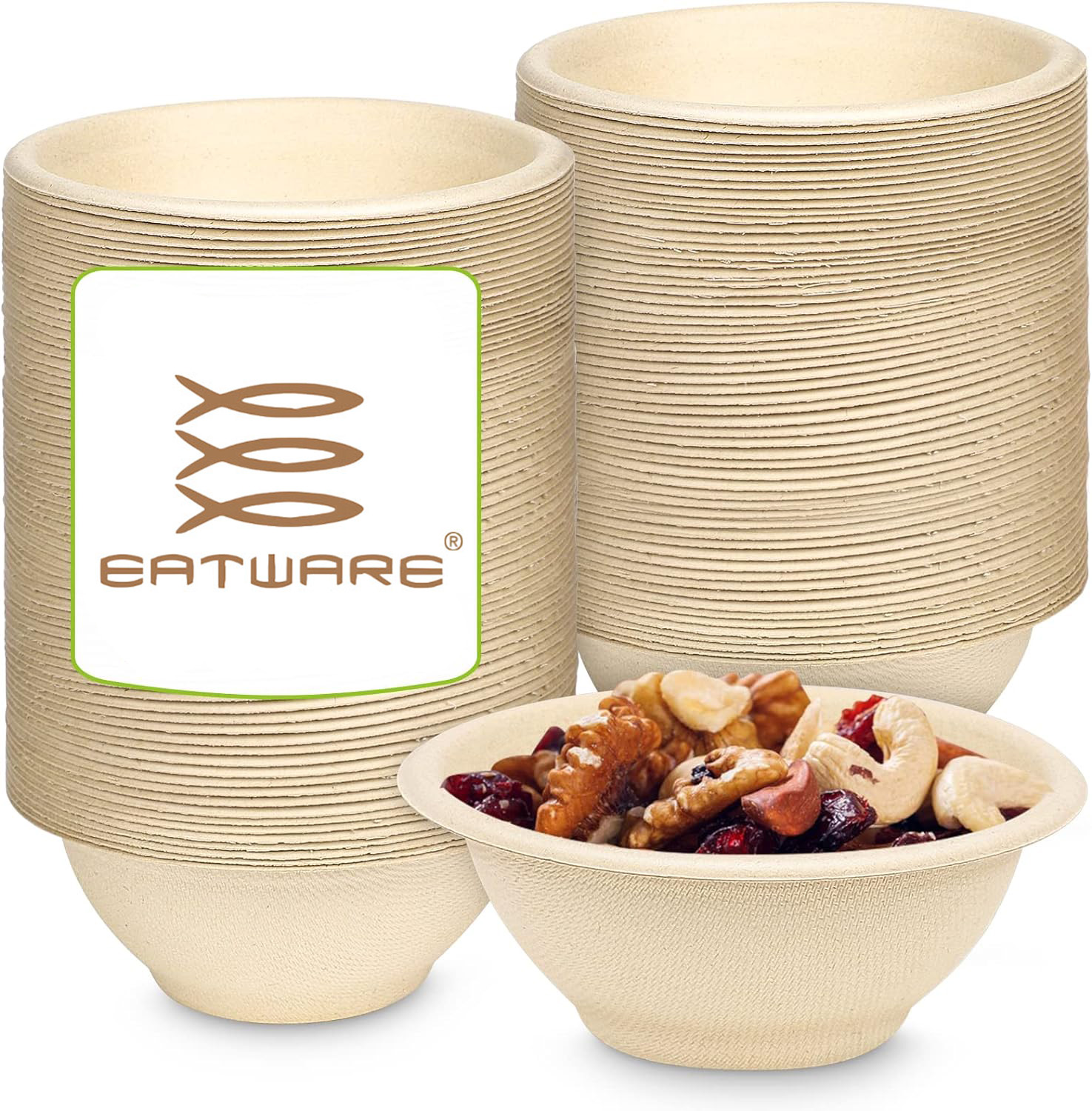 Bagasse Bowls
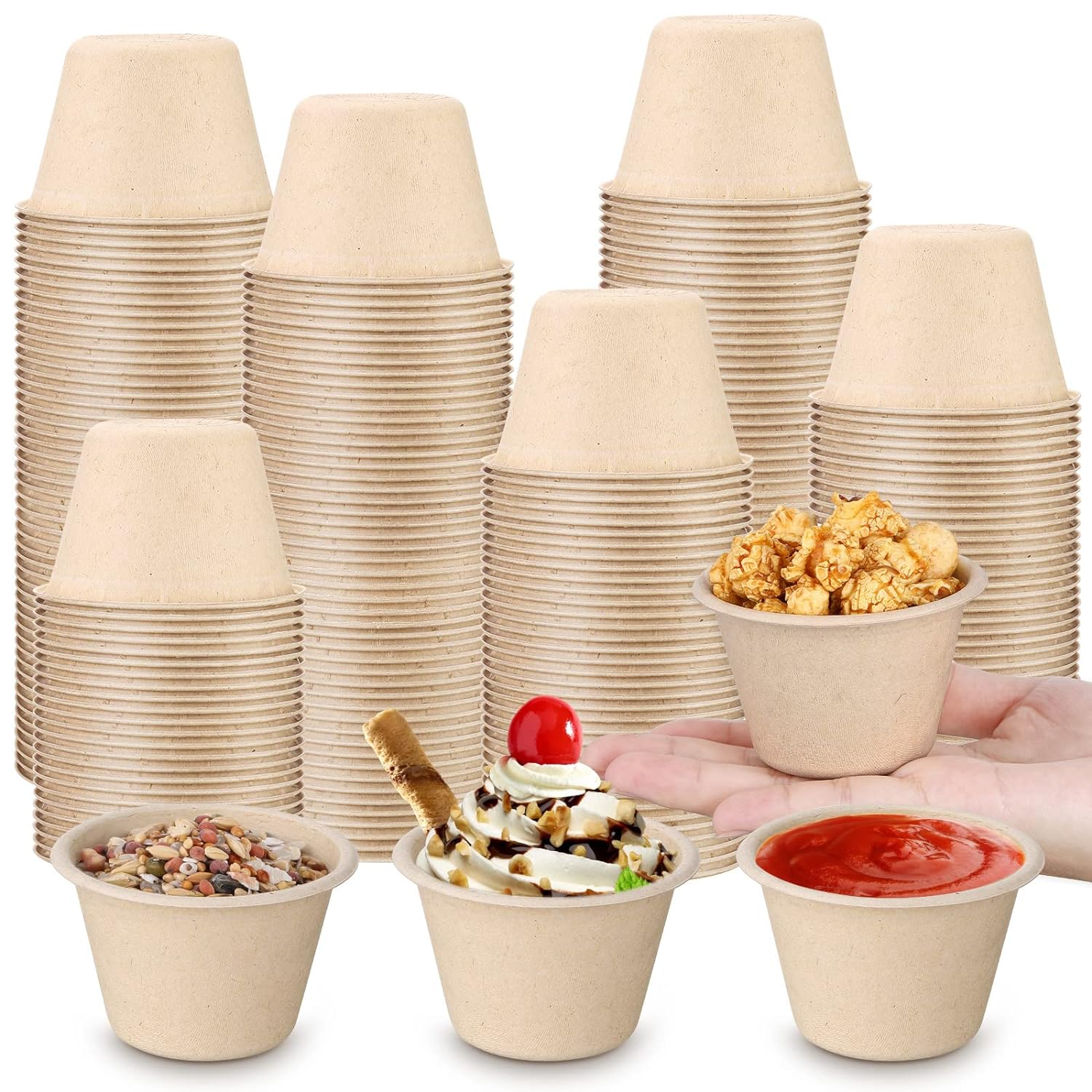 4oz
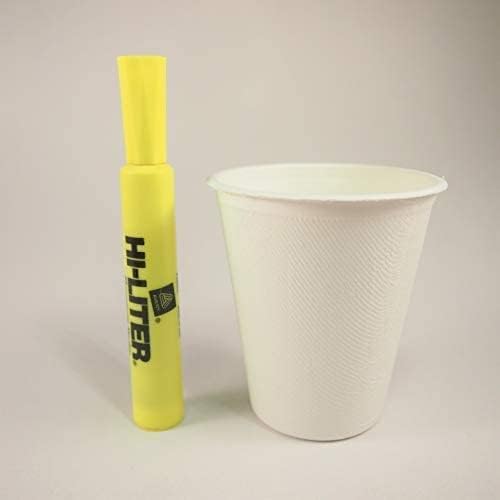 Bagasse Cups And Cutlery
 8oz
 12oz
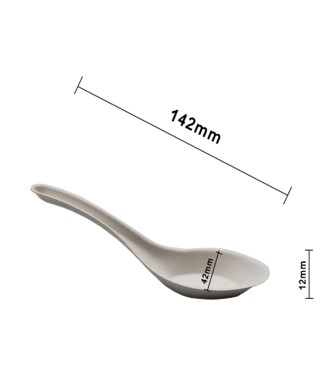 Cutlery




Take Out Food Container Materials: A Technical Analysis

The modern food service industry depends on packaging that can do much more than simply hold a meal. A Take Out food container must protect food quality, maintain safety standards, survive transportation challenges, and increasingly, support environmental goals.
Restaurants, catering companies, supermarkets, meal delivery platforms, and food manufacturers are all reconsidering their packaging choices. The question is no longer only about cost or convenience. Material performance has become a critical factor.
Different materials offer different advantages. Plastic provides durability and barrier protection. Paper-based solutions offer recyclability. Molded fiber packaging provides renewable material benefits with strong commercial performance. Understanding these differences helps food businesses select packaging that matches their operational needs.
This technical analysis explores the major materials used in take out food containers, compares their characteristics, answers common industry questions, and explains why sustainable molded fiber solutions are becoming a major trend in food packaging.
Why Take Out Food Container Materials Matter
Food packaging directly influences the quality and safety of the final dining experience.
A poorly selected container can create problems such as:
- Leakage during transportation
- Loss of food temperature
- Reduced product freshness
- Structural failure during delivery
- Poor customer perception
For takeaway and delivery businesses, packaging performance is especially important. Meals may travel for 30 minutes or longer before reaching customers. During this time, containers must withstand heat, moisture, oils, sauces, and physical handling.
The material itself determines how well a container performs.
Key technical factors include:
- Mechanical strength
- Heat resistance
- Moisture barrier performance
- Grease resistance
- Food-contact safety
- Environmental impact
- End-of-life disposal options
Common Materials Used in Take Out Food Containers
1. Plastic Food Containers
Plastic has traditionally been one of the most common materials used in takeaway packaging.
Common plastic types include:
- Polypropylene (PP)
- Polyethylene terephthalate (PET)
- Polystyrene (PS)
Advantages of Plastic Containers
Plastic remains popular because of several technical benefits:
- Lightweight structure
- High durability
- Strong moisture resistance
- Excellent sealing capability
- Low manufacturing cost
Polypropylene containers, for example, are widely used for hot meals because they can tolerate relatively high temperatures.
Limitations of Plastic Packaging
Despite its performance advantages, plastic packaging faces increasing challenges.
Concerns include:
- Dependence on fossil resources
- Long degradation periods
- Waste management difficulties
- Growing regulatory restrictions
As sustainability expectations increase, many businesses are exploring alternatives that provide similar performance with reduced environmental impact.
2. Paper-Based Take Out Containers
Paper and cardboard packaging have long been used for food applications, especially for bakery products, sandwiches, and dry foods.
Advantages
Paper-based containers offer:
- Renewable raw material sources
- Lightweight transportation
- Good printability for branding
- Familiar recycling pathways
However, untreated paper has limited resistance to liquids and grease.
To improve performance, many paper containers require coatings or barrier treatments. These coatings influence recyclability and compostability depending on their composition.
3. Sugarcane Bagasse Containers
Sugarcane bagasse is a plant-based fiber material produced from the leftover pulp after sugar extraction.
It has become increasingly popular in sustainable food packaging.
Technical Advantages
Bagasse containers provide:
- Good rigidity
- Heat resistance
- Grease resistance
- Renewable material sourcing
- Compostability potential
They are commonly used for:
- Meal boxes
- Plates
- Bowls
- Food trays
Bagasse packaging performs well in restaurants and takeaway environments where durability is essential.
4. Bamboo Pulp Take Out Food Containers
Bamboo pulp has become one of the most advanced materials in sustainable food packaging.
Bamboo fiber combines renewable sourcing with strong mechanical properties, making it suitable for demanding commercial applications.
Technical Advantages of Bamboo Fiber Packaging
High Strength-to-Weight Ratio
Bamboo fibers create containers that are lightweight but structurally strong. This helps prevent deformation during transportation and stacking.
Natural Fiber Composition
Bamboo is a rapidly renewable resource, making it an attractive alternative to petroleum-based packaging materials.
Excellent Food Performance
Molded bamboo pulp containers can provide:
- Oil resistance
- Moisture resistance
- Heat tolerance
- Leak protection
These properties make them suitable for soups, rice dishes, salads, noodles, and complete takeaway meals.
EATware Take Out Food Container Solutions
EATware specializes in molded bamboo pulp food packaging designed for restaurants, food manufacturers, catering companies, and global food service businesses. The product range combines renewable materials with practical commercial performance.
Compostable Food Boxes
Product Category:
https://www.eatware.com/product-category/box/
EATware Compostable Food Boxes are designed for takeaway meals, meal delivery, and prepared food applications. Their durable construction helps protect food during transportation while reducing reliance on conventional plastic packaging.
Compostable Bowls
Product Category:
https://www.eatware.com/product-category/bowl/
These bowls are suitable for soups, salads, noodles, desserts, and other food applications requiring strong moisture and grease resistance.
Compostable Trays
Product Category:
https://www.eatware.com/product-category/tray/
Molded fiber trays provide reliable packaging solutions for fresh foods, prepared meals, bakery products, and retail applications.
Compostable Plates
Product Category:
https://www.eatware.com/product-category/plate/
Designed for restaurants, catering events, and institutional dining, these plates provide durability with a natural appearance.
Comparing Take Out Food Container Materials
| Material | Strength | Heat Resistance | Sustainability |
|---|---|---|---|
| Plastic | Excellent | High depending on type | Lower due to fossil-based origin |
| Paper | Moderate | Limited without treatment | Depends on coating |
| Bagasse | Good | Good | High renewable potential |
| Bamboo Fiber | Excellent | Excellent | High renewable potential |
The best choice depends on the application.
A restaurant serving hot soups requires different packaging performance compared with a bakery selling dry products. Material selection should consider food type, transportation conditions, storage requirements, and sustainability objectives.
Frequently Asked Questions
Food safety depends on both the material and manufacturing process.
High-quality containers made from certified food-contact materials are designed to meet safety requirements. Businesses should evaluate suppliers based on quality control systems and compliance standards.
Yes.
Molded bamboo pulp containers are widely used for hot meals such as soups, noodles, rice dishes, and curries because of their heat resistance and structural stability.
Many modern molded fiber containers are designed with improved moisture and grease resistance.
Performance depends on product design, manufacturing technology, and intended food application.
The answer depends on the application.
Plastic remains technically effective in many situations, but biodegradable materials provide advantages in renewable sourcing and environmental impact reduction. Many businesses choose molded fiber packaging because it balances performance with sustainability.
What Does PFAS-Free Packaging Mean?
PFAS are chemicals historically used in some food packaging to improve grease resistance.
As awareness increases, many food businesses are choosing PFAS-free packaging solutions to support food safety and environmental goals.
Modern molded fiber technologies continue improving grease resistance without intentionally added PFAS.
Future Trends in Take Out Food Container Materials
The future of takeaway packaging will be shaped by several technological developments.
Advanced Fiber Engineering
Manufacturers are improving fiber processing techniques to create stronger and more moisture-resistant containers.
Sustainable Barrier Technologies
New coating and treatment methods aim to improve performance while maintaining compostability.
Customized Packaging Design
Brands increasingly use custom shapes, embossing, and designs to improve customer experience.
Circular Packaging Systems
Businesses are moving toward packaging solutions that consider the entire product lifecycle, from raw material sourcing to disposal.
How to Choose the Right Take Out Food Container Material
Before selecting packaging, businesses should evaluate:
- Food temperature requirements
- Product moisture level
- Transportation time
- Storage conditions
- Branding needs
- Sustainability targets
- Local disposal systems
A technically suitable material improves food quality, reduces operational problems, and creates a better customer experience.
Conclusion
Take out food container materials have evolved significantly. Traditional plastics remain widely used because of their performance, but increasing environmental concerns are accelerating demand for renewable alternatives.
Molded bamboo pulp packaging represents an important advancement in this transition. It combines strong mechanical performance, food safety, attractive presentation, and sustainable material sourcing.
For restaurants, retailers, and food service companies, choosing the right container material is a strategic decision. The ideal packaging solution protects food, supports business operations, and meets the changing expectations of consumers.
As the food industry moves toward a more sustainable future, advanced materials such as bamboo fiber and molded plant-based packaging will continue playing a central role in the next generation of take out food containers.