
 Box With T buckle
 700ml Square Lunch Box
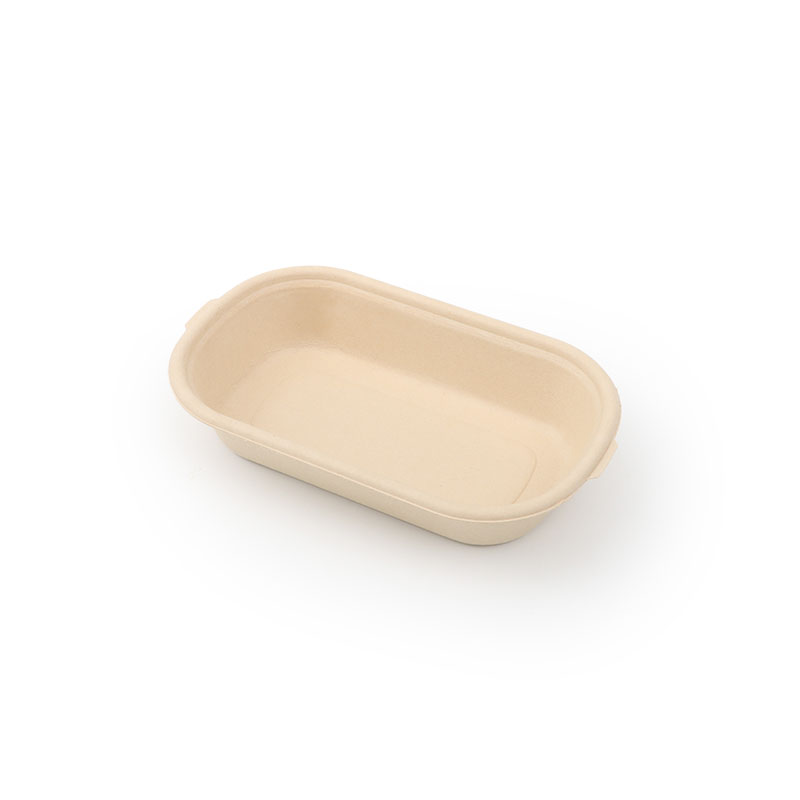 500ml
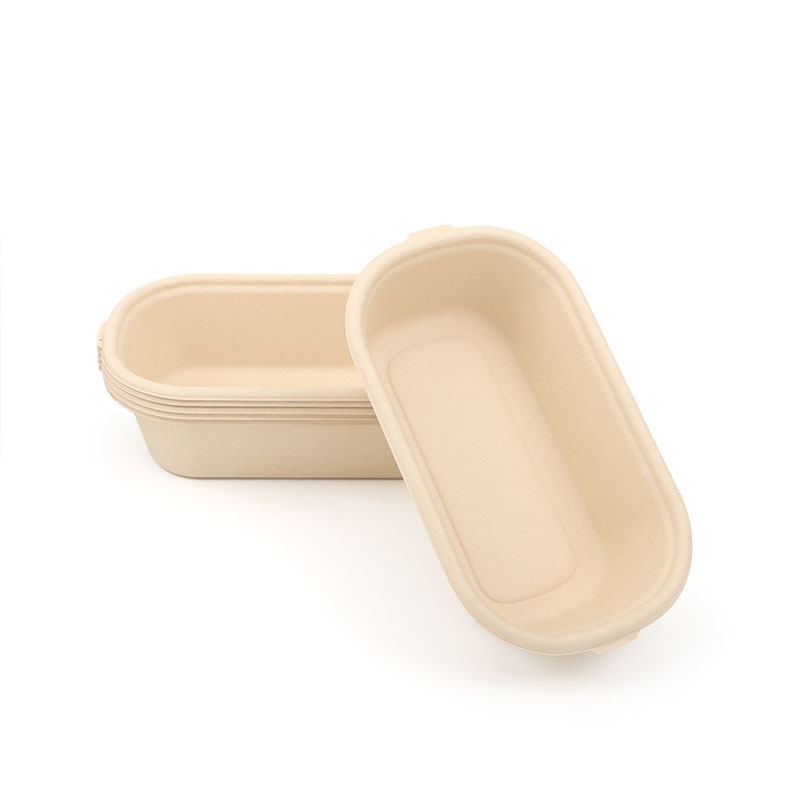 700ml
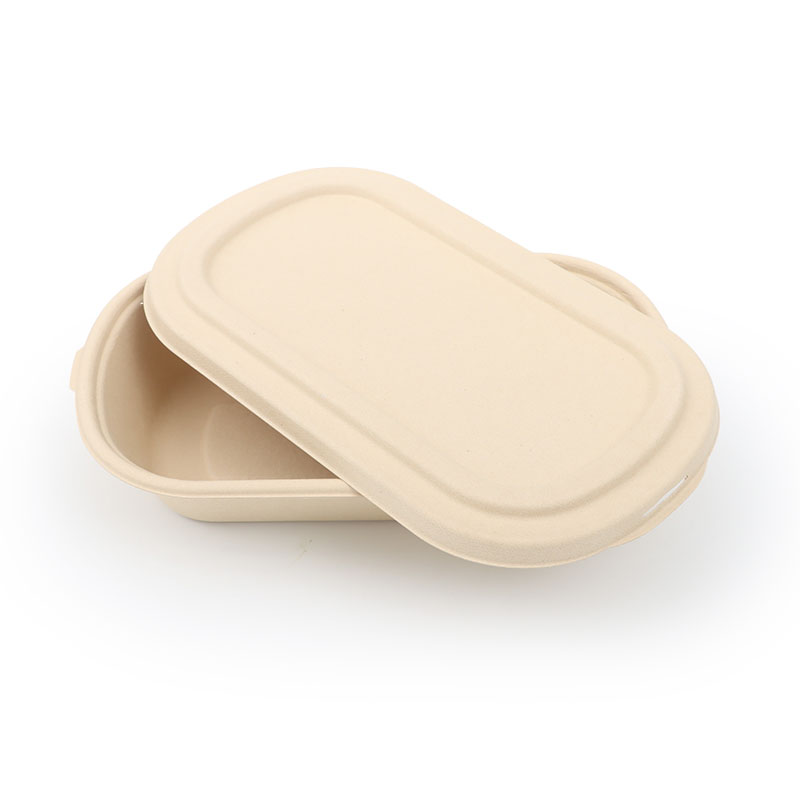 850ml
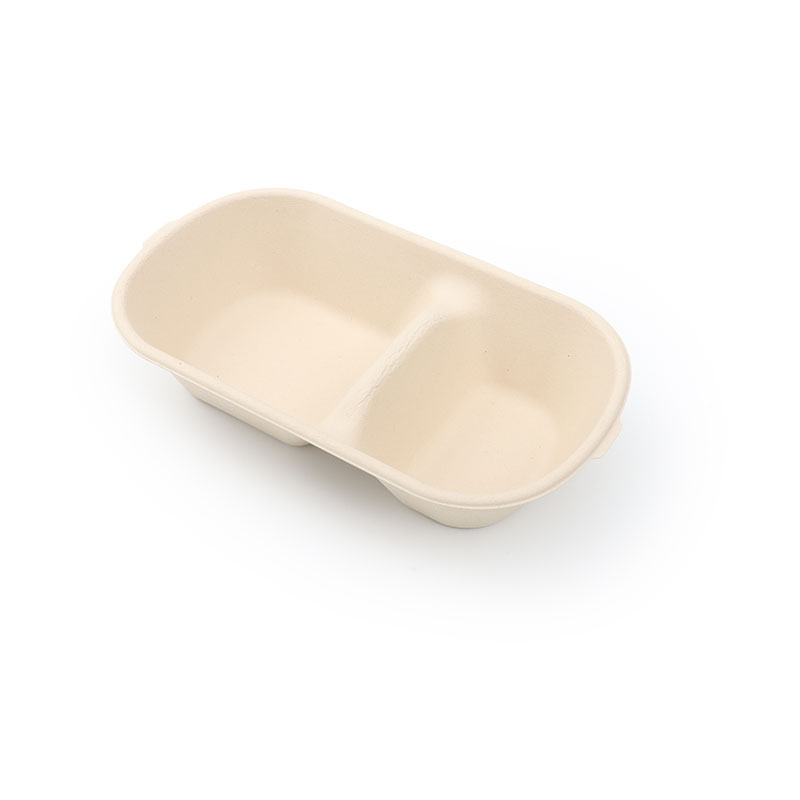 800ml 2 Compartments
 1000ml 2 Compartments
 1100ml
 1000ml Square Lunch Box
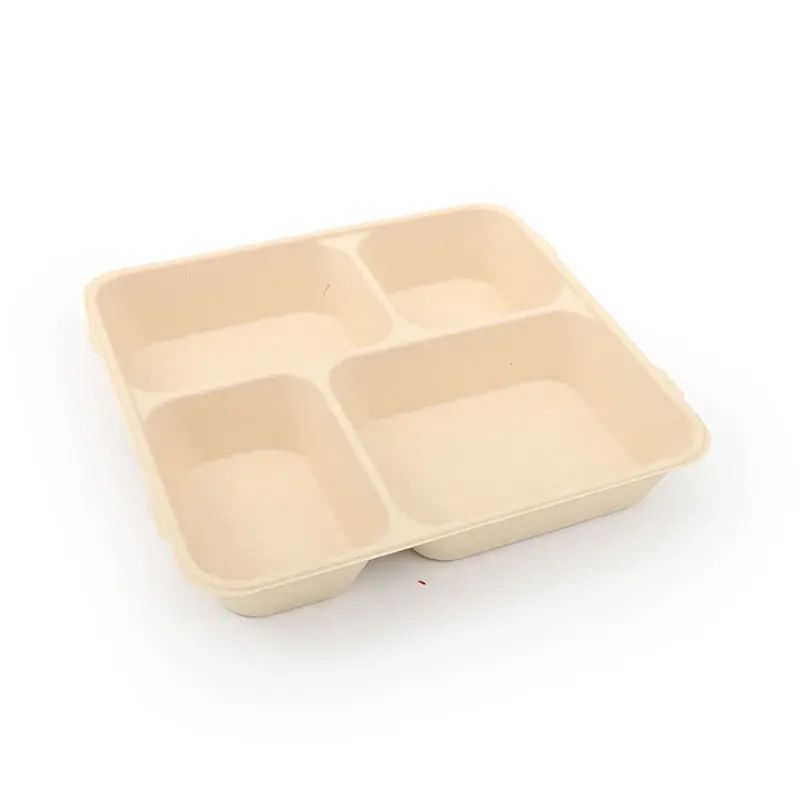 1340ml 4 Compartments
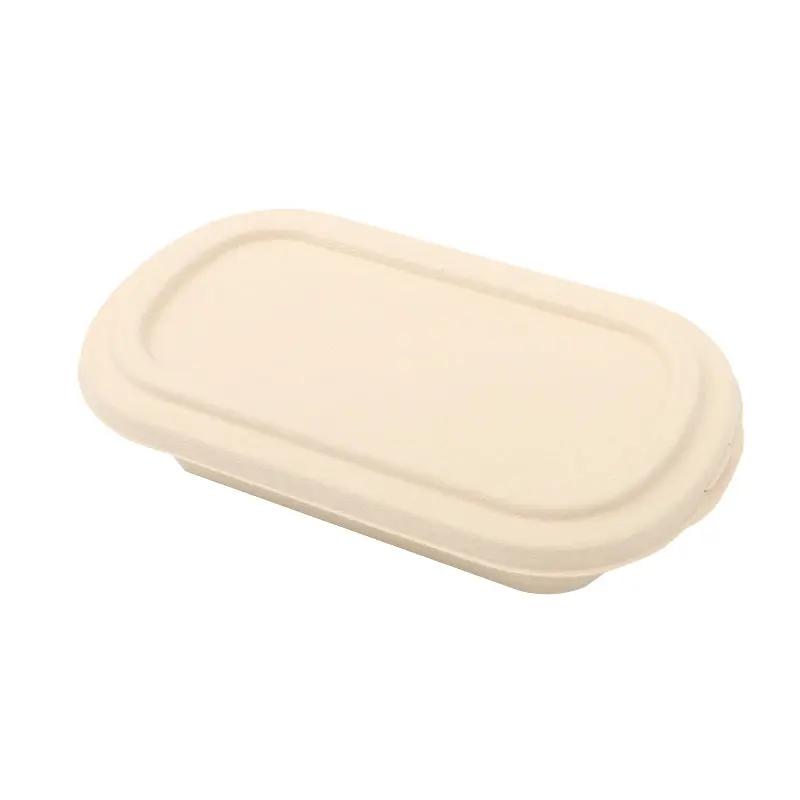 Lunch Box Lid
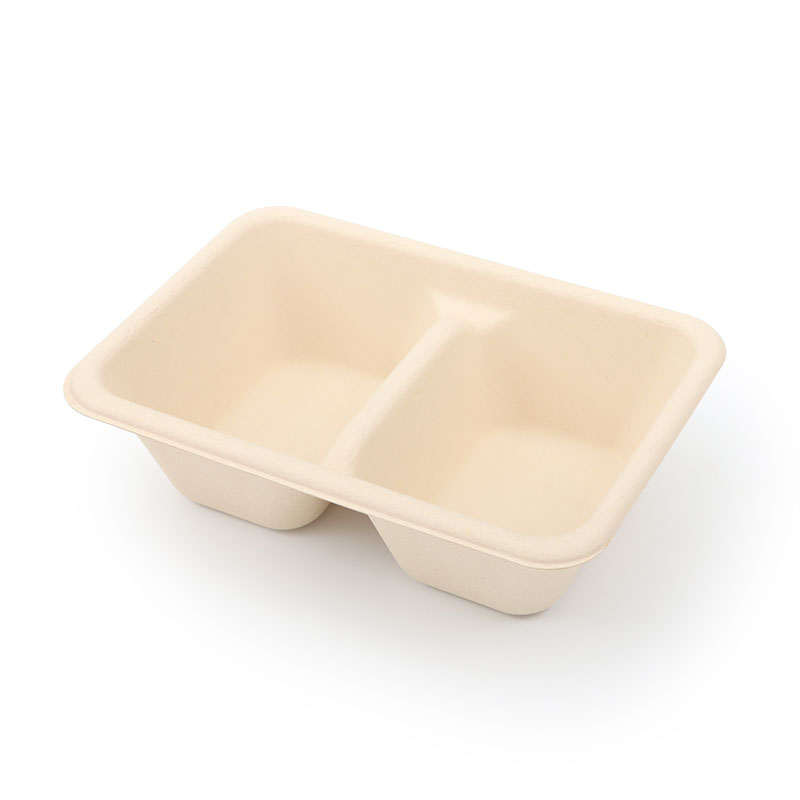 650ml
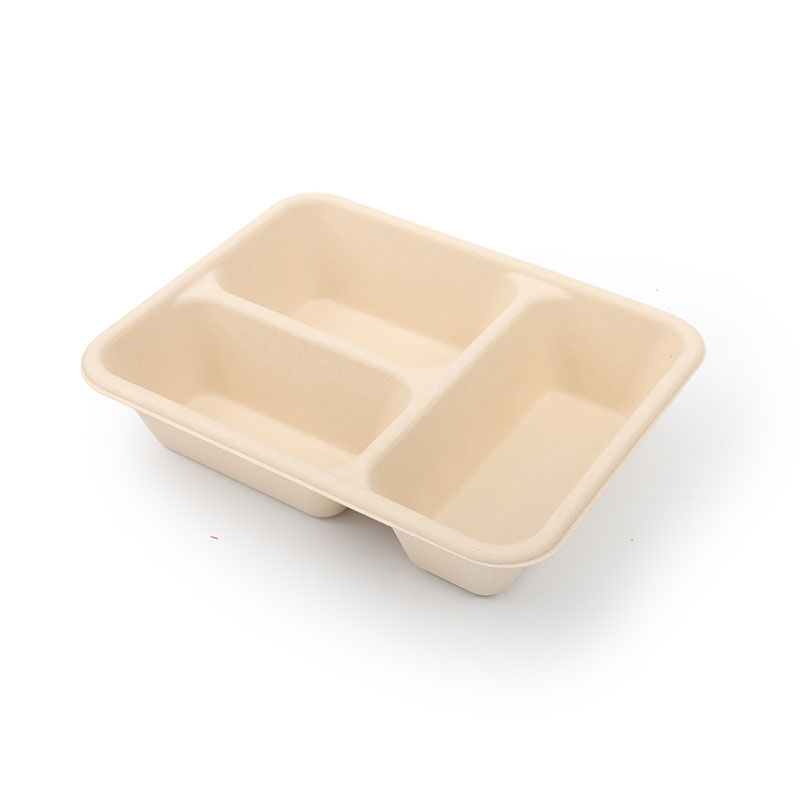 1000ml 3 Compartments
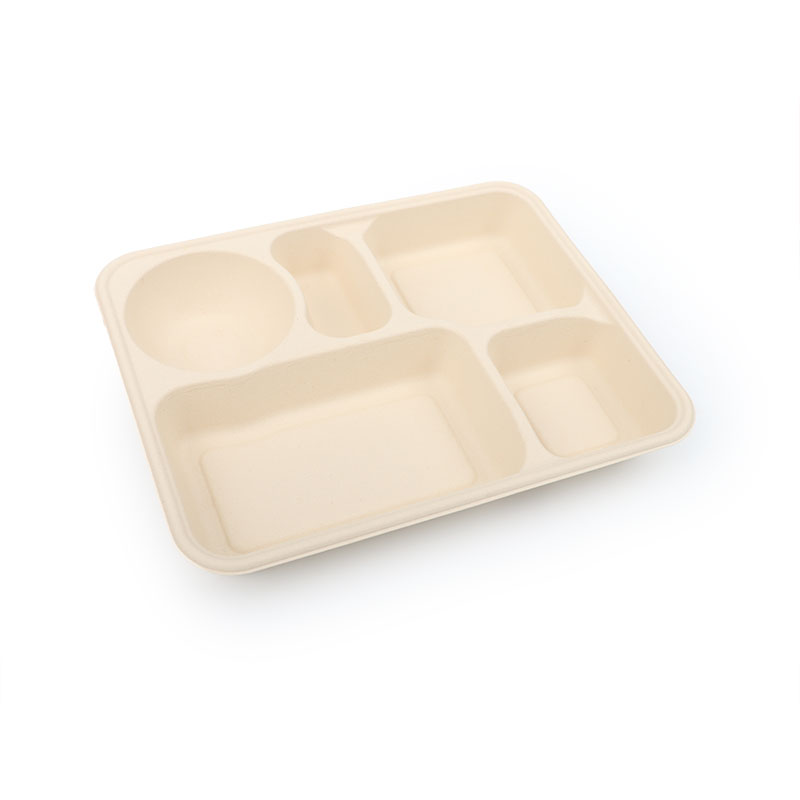 1250ml 5 Compartments
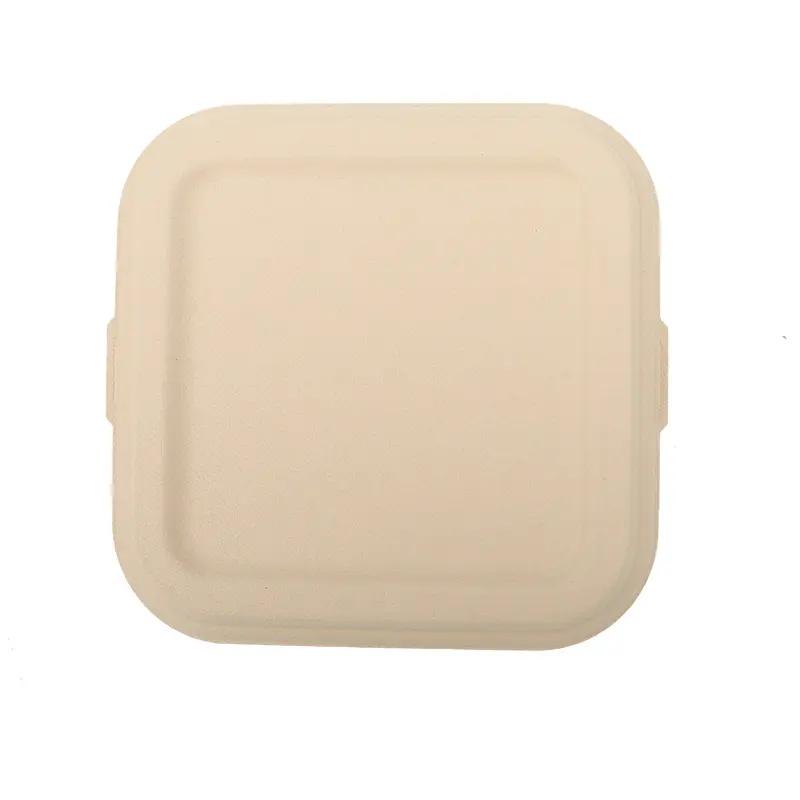 Square Lunch Box Lid
 Box Without T buckle
 850ml Salad Box
 700ml
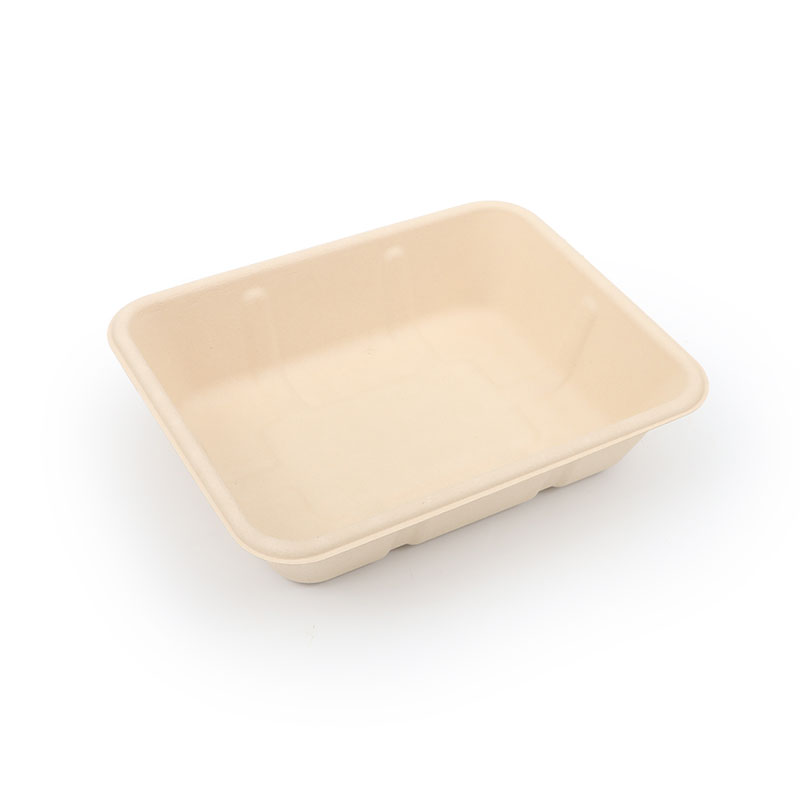 1350ml
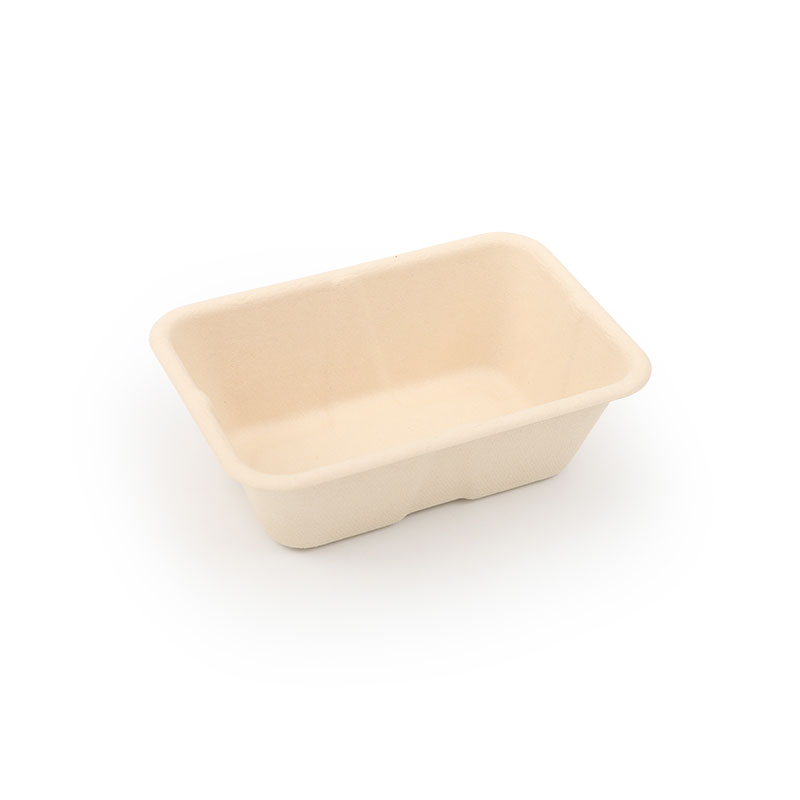 470ml
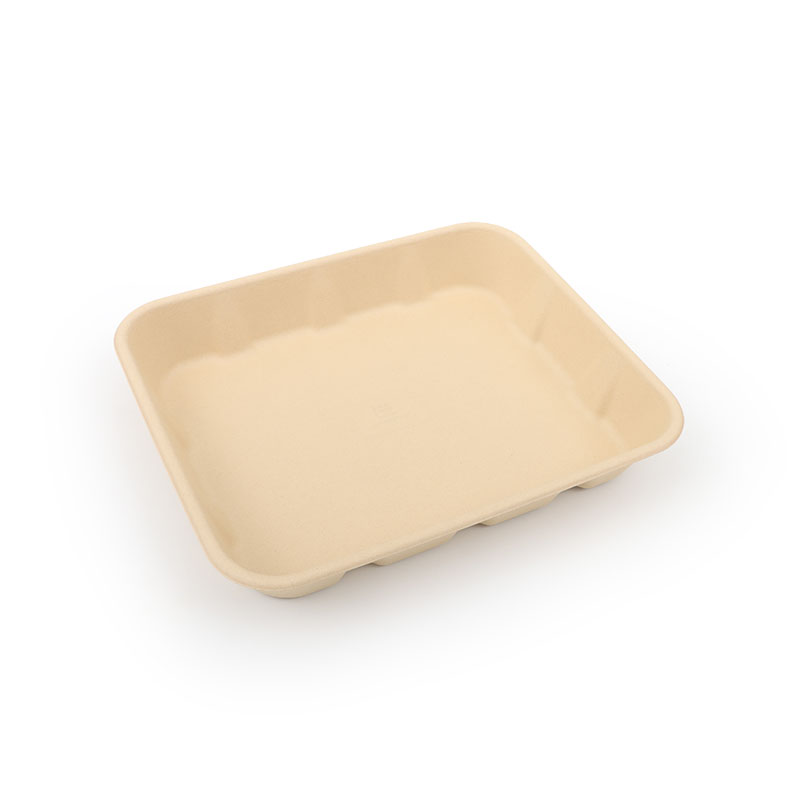 2183ml Tray Box
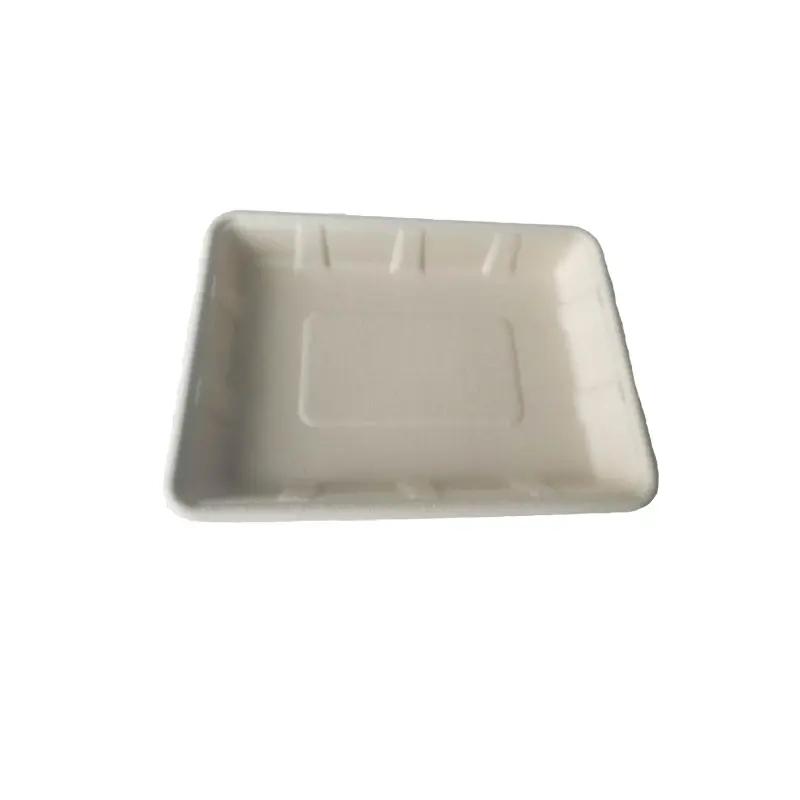 11" * 9"
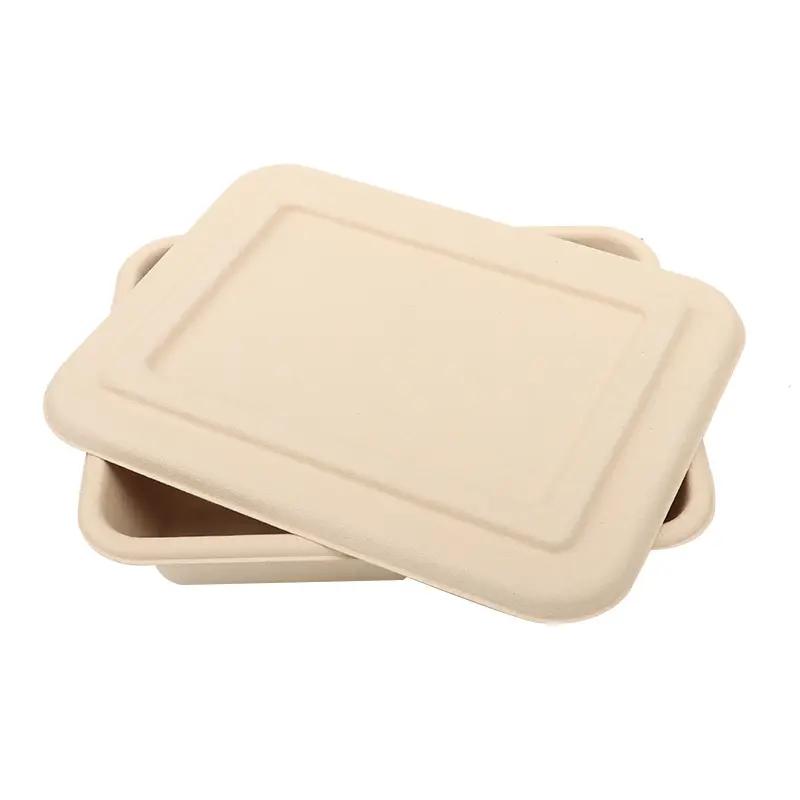 800ml
 One Part Box
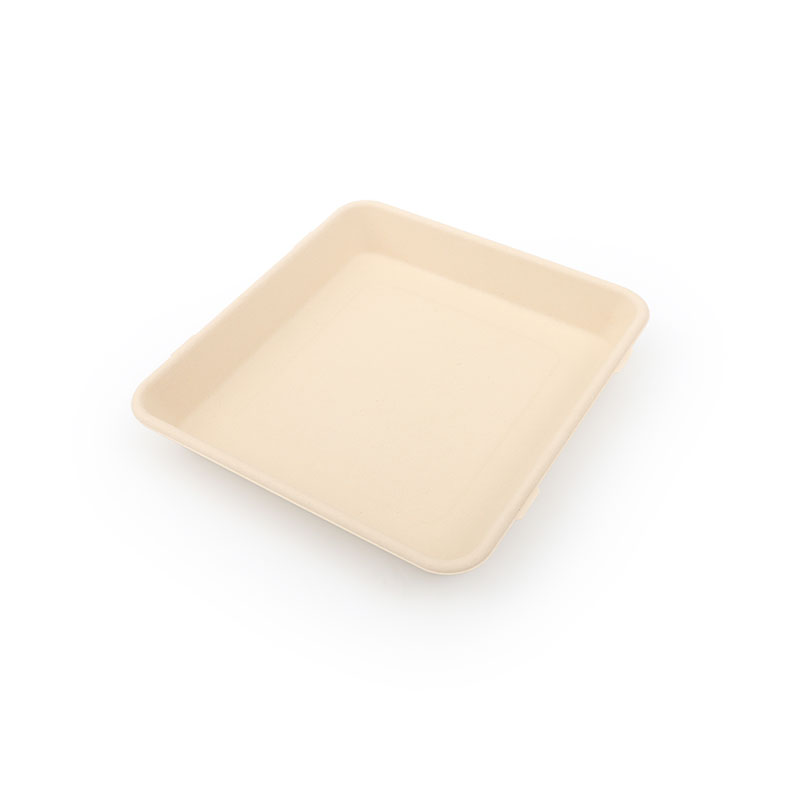 1443ml Tray Box
 Cake Bread Snack Tray Series
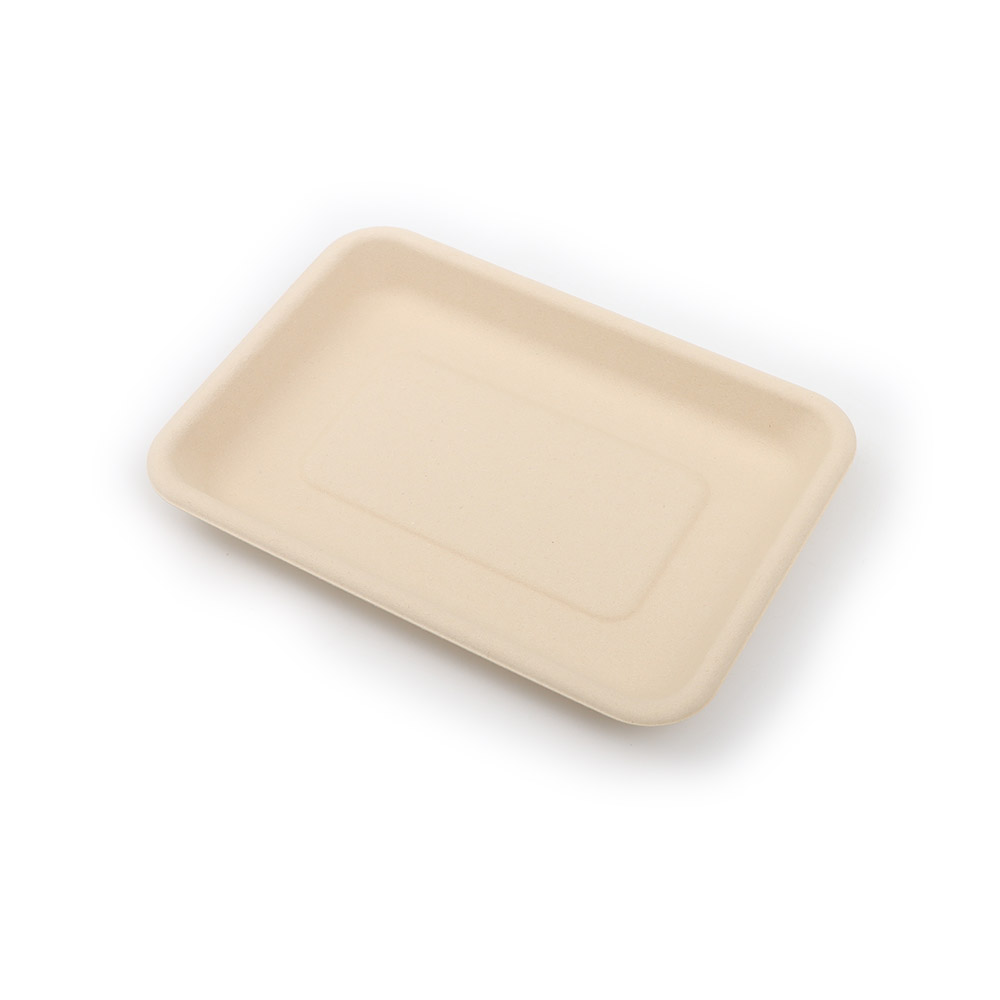 5" * 7" natural color
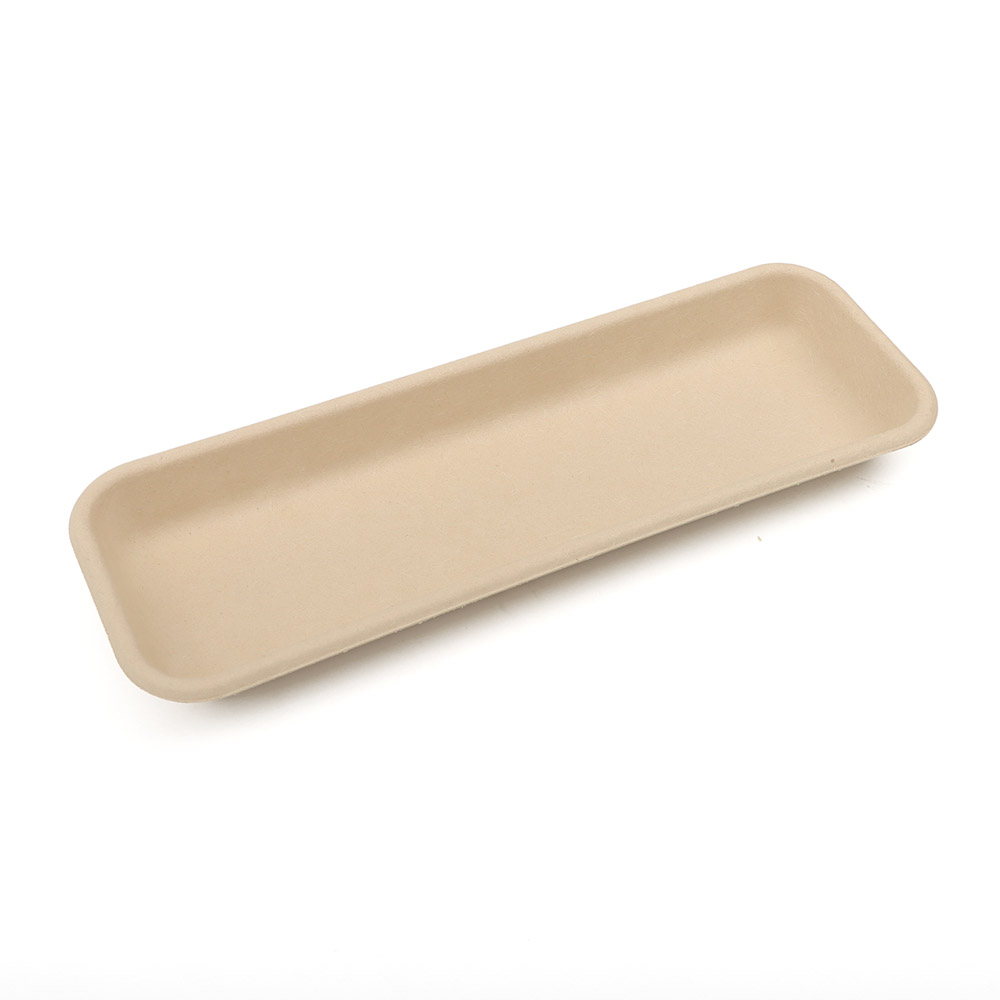 11.4" * 3.9"
 5.3" * 5.3"
 Fruit And Vegetable Tray Series
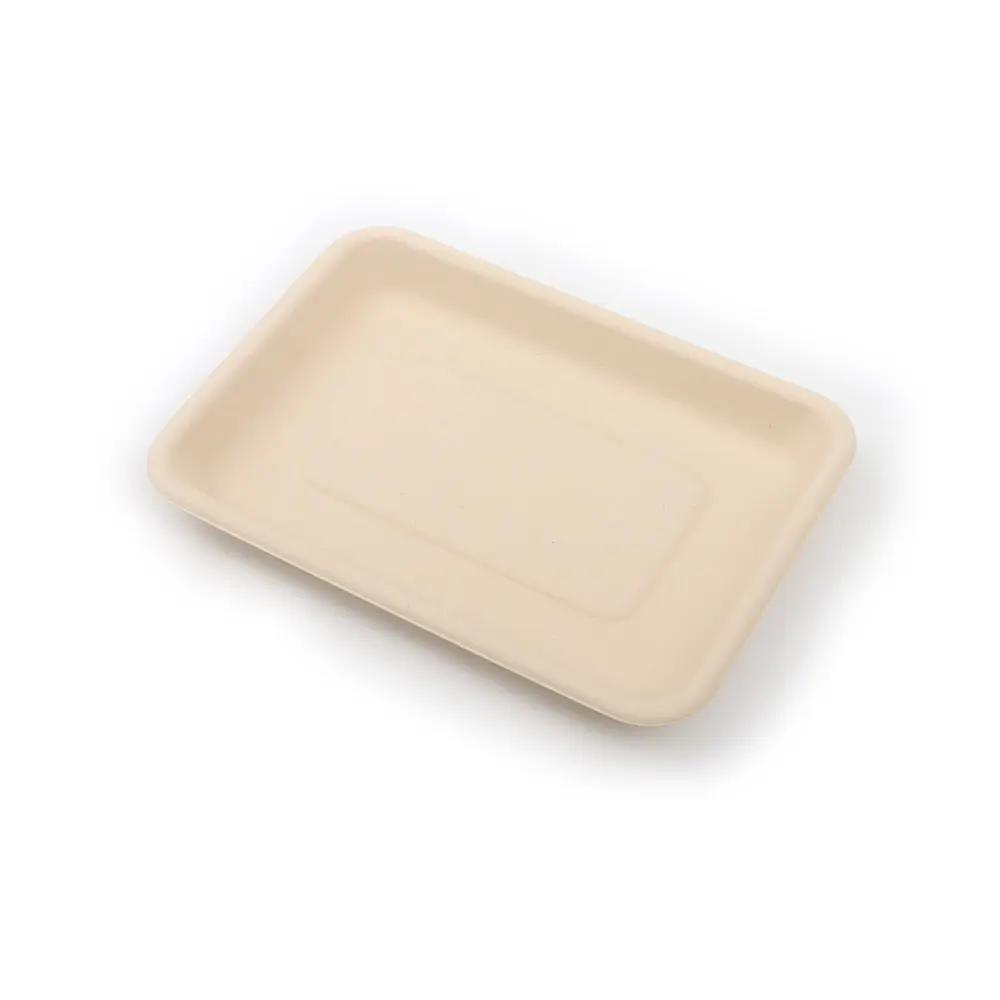 8.6" * 5.3"
 Sushi Tray Series
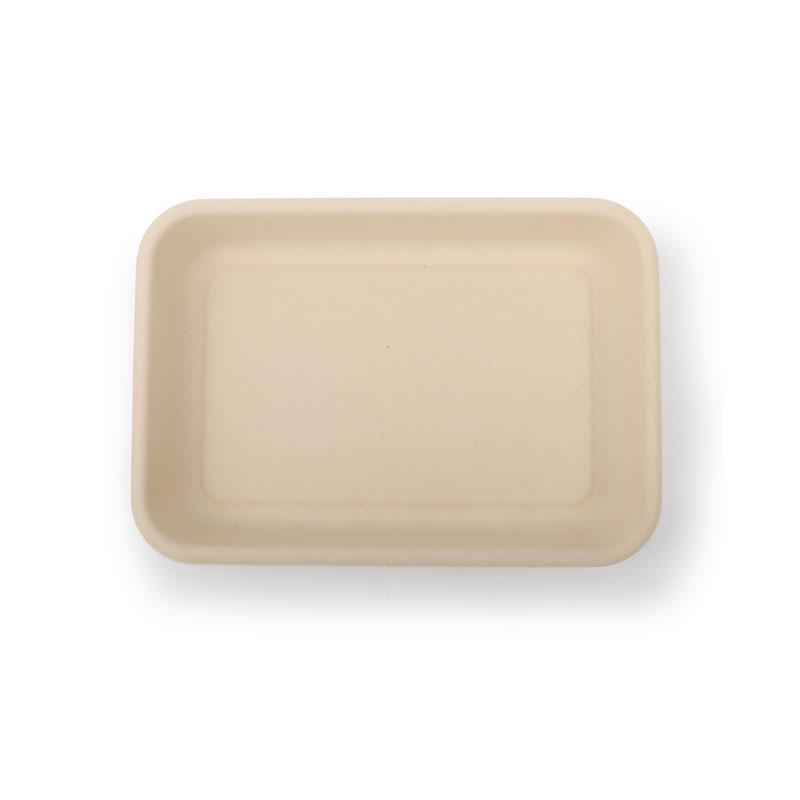 200" * 140"
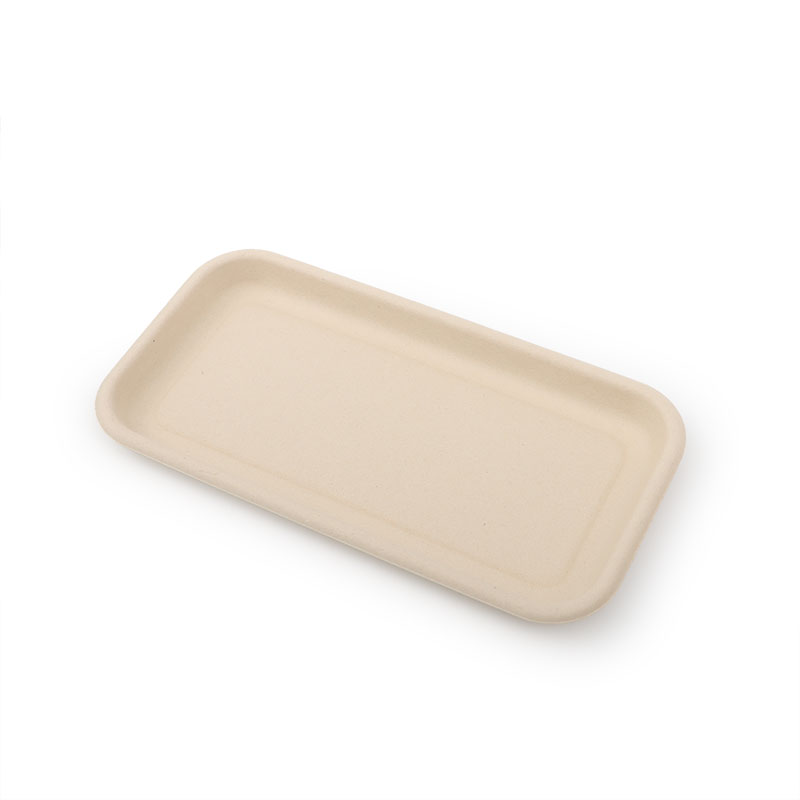 210" * 110"
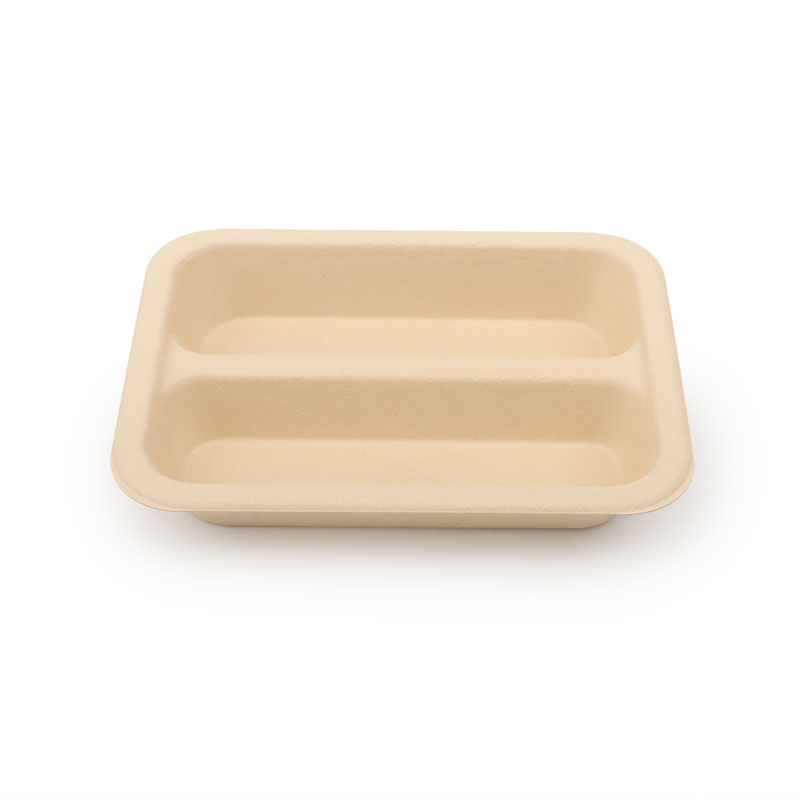 2 Compartments
 Small Round Plate Series
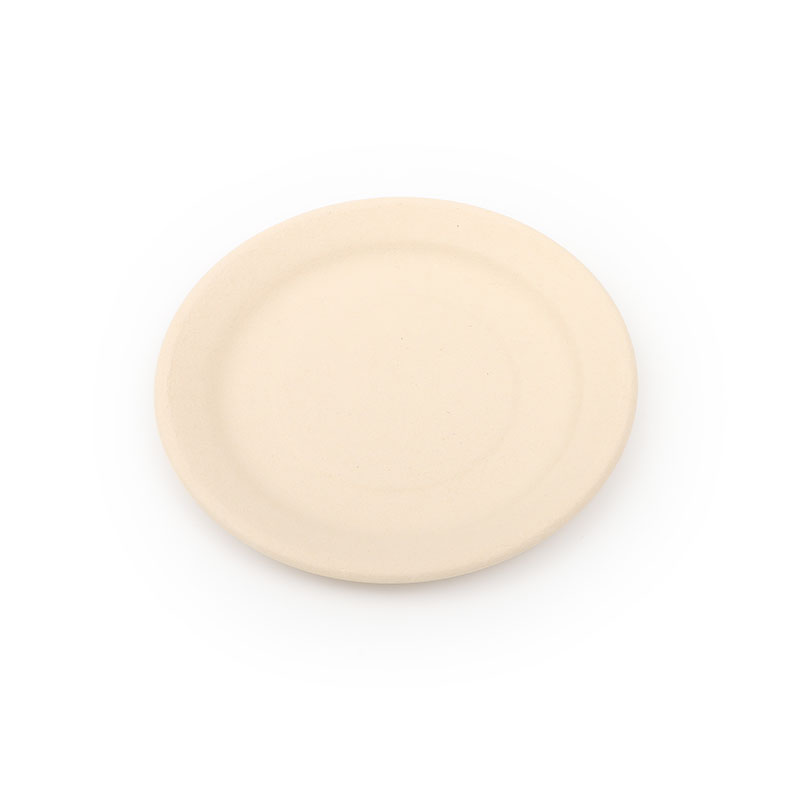 7 inch
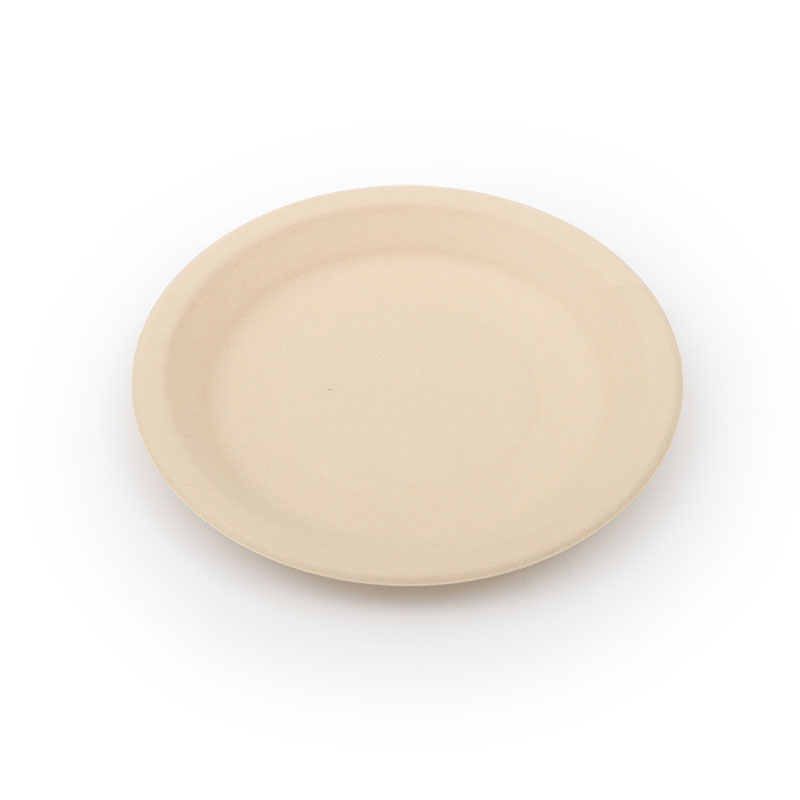 6 inch
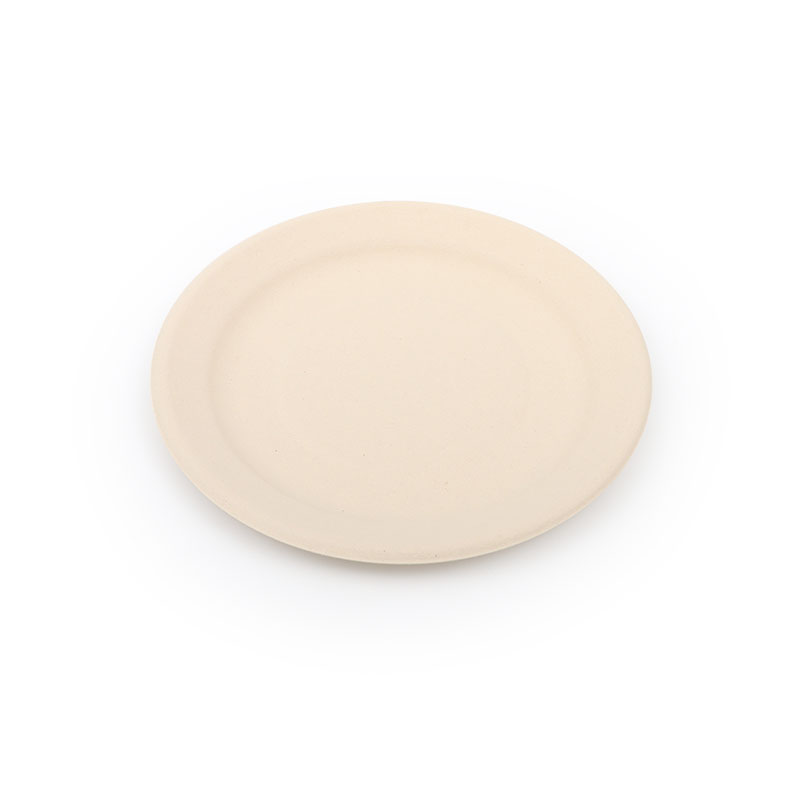 8 inch
 Middle Round Plate Series
 9 Inch 3 Compartments
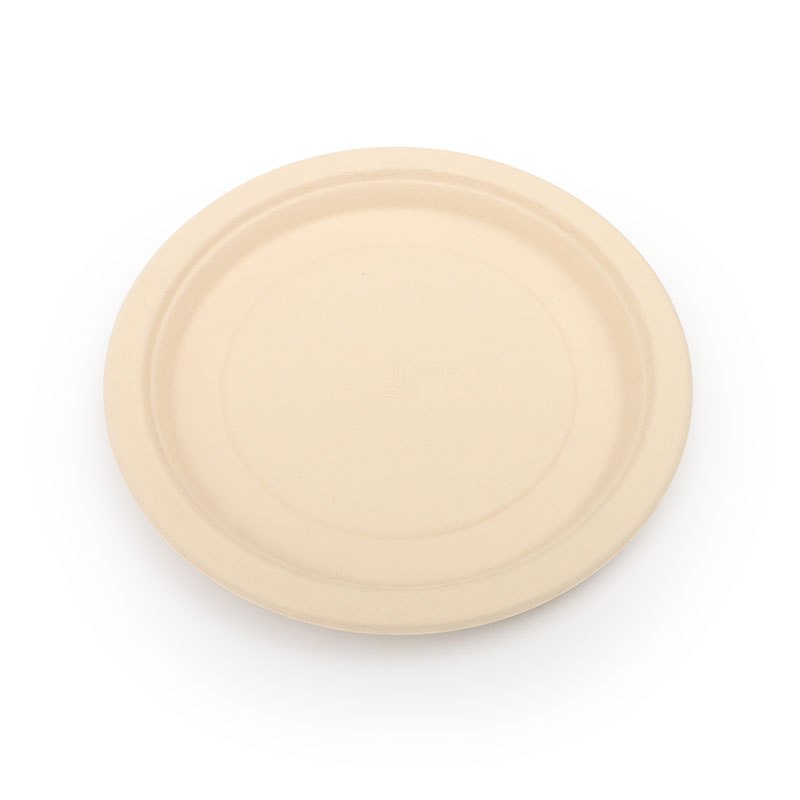 9 inch
 Big Round Plate Series
 12.7 Inch Pizza Plate
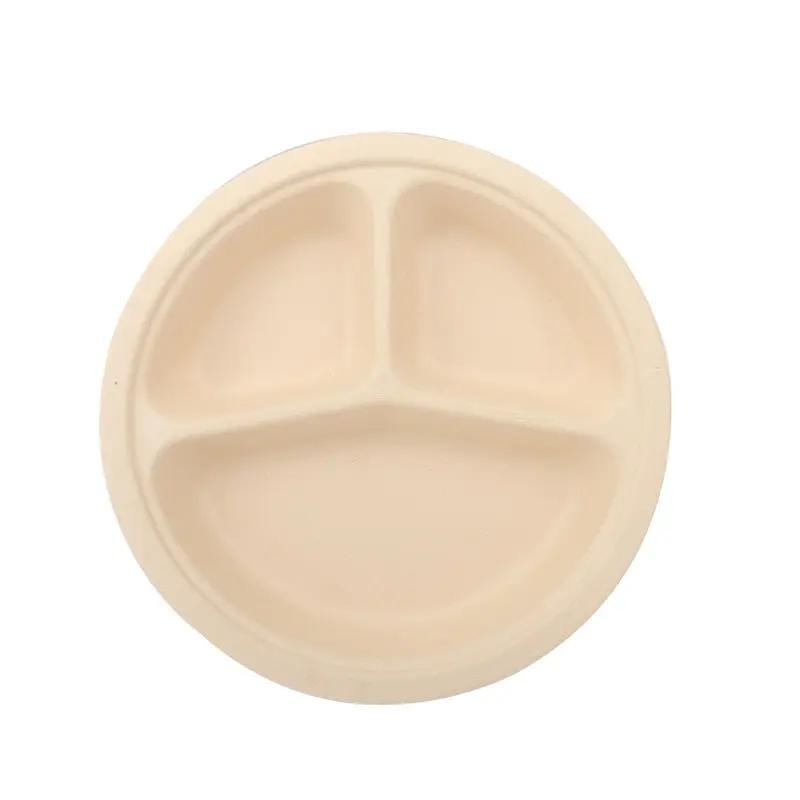 10.25 inch 3 Compartments
 10 inch
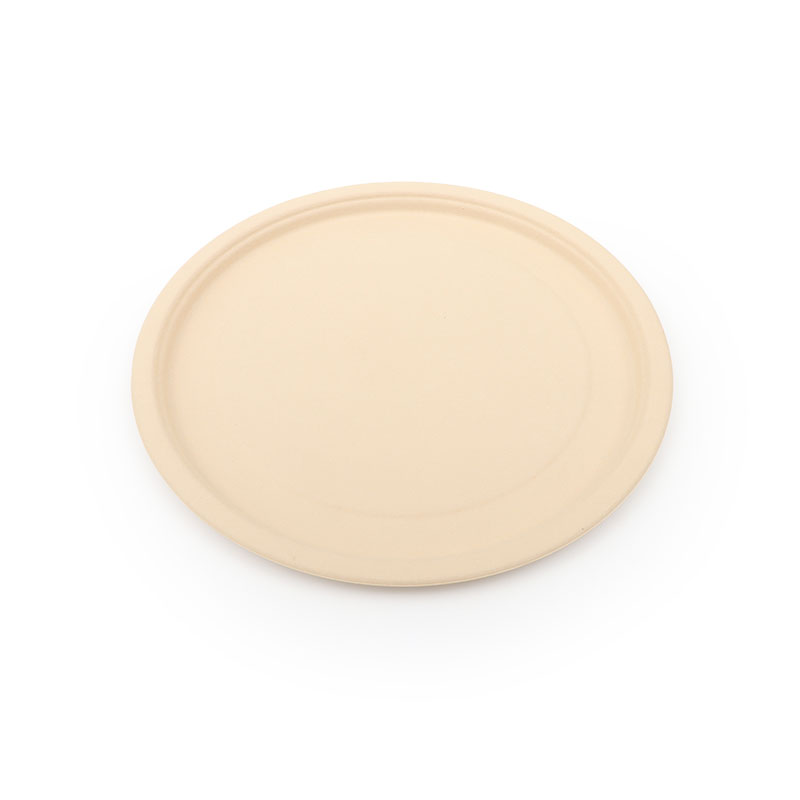 12 inch
 Bigger Bowl
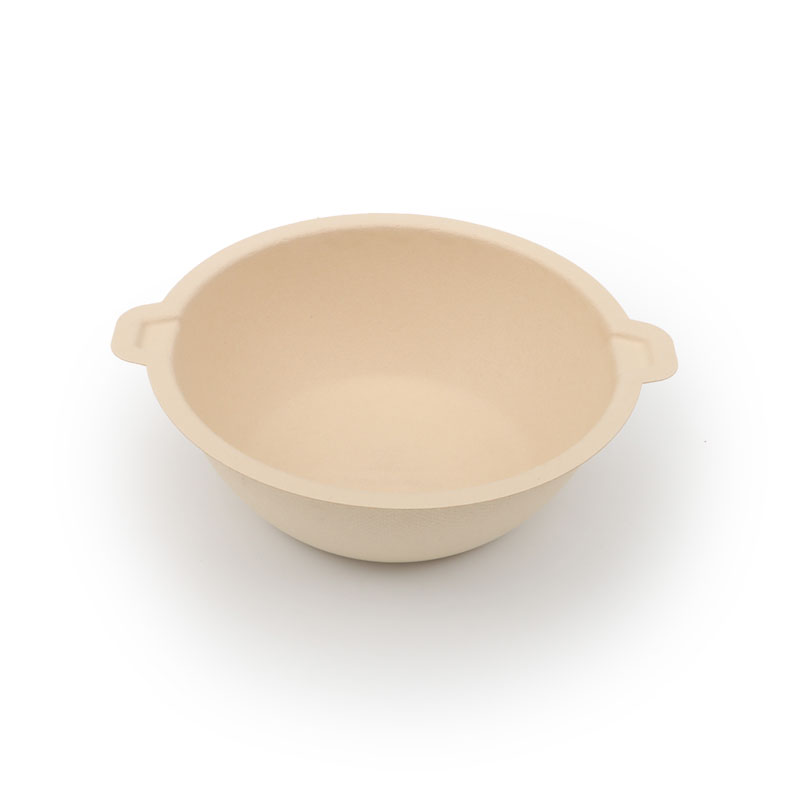 48oz(1420ml)
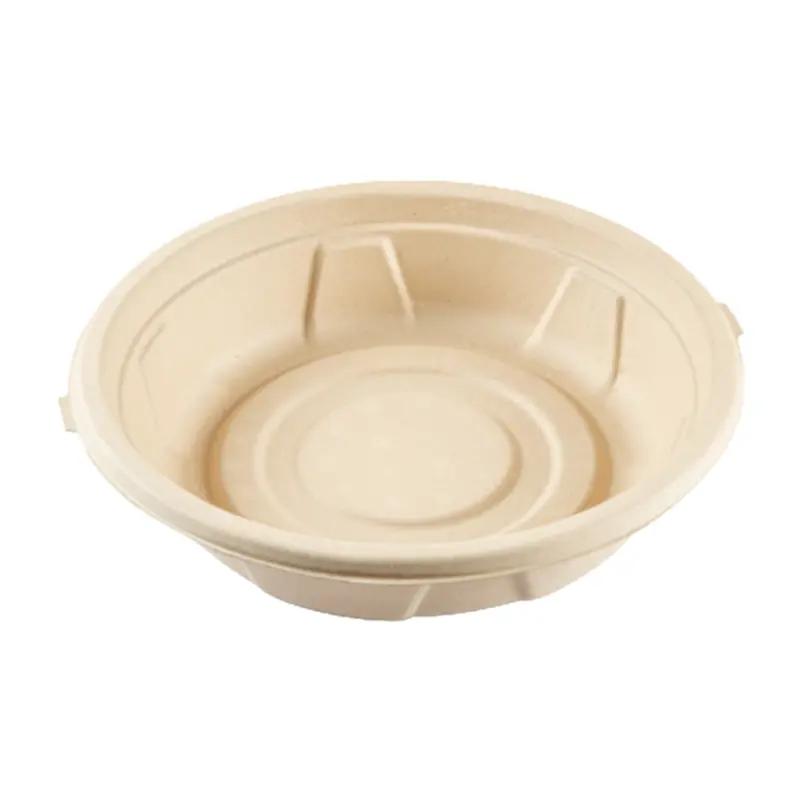 56oz(1650ml)
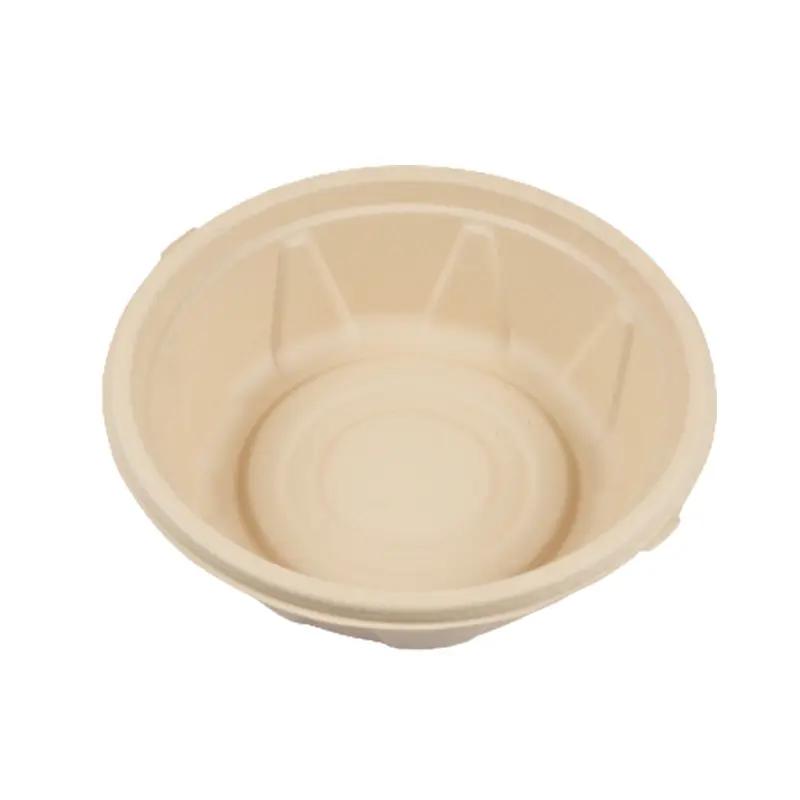 100oz(2950ml)
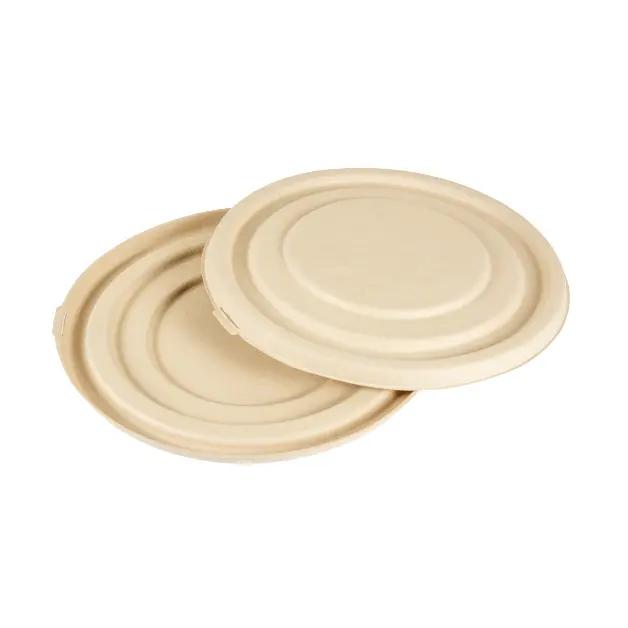 100oz(2950ml) With Lid
 Middle Bowl
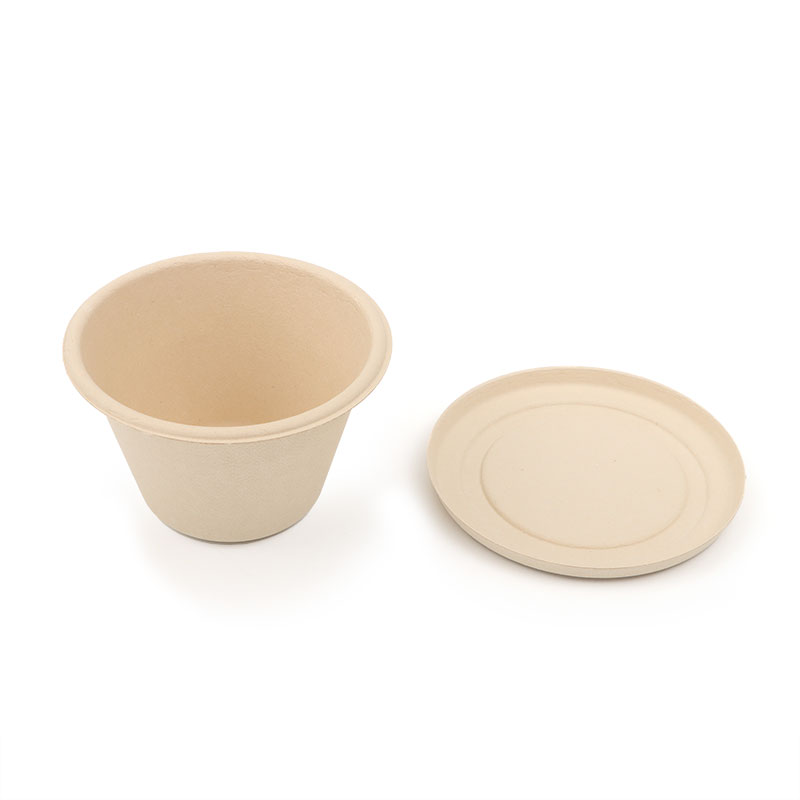 17oz(500ml)
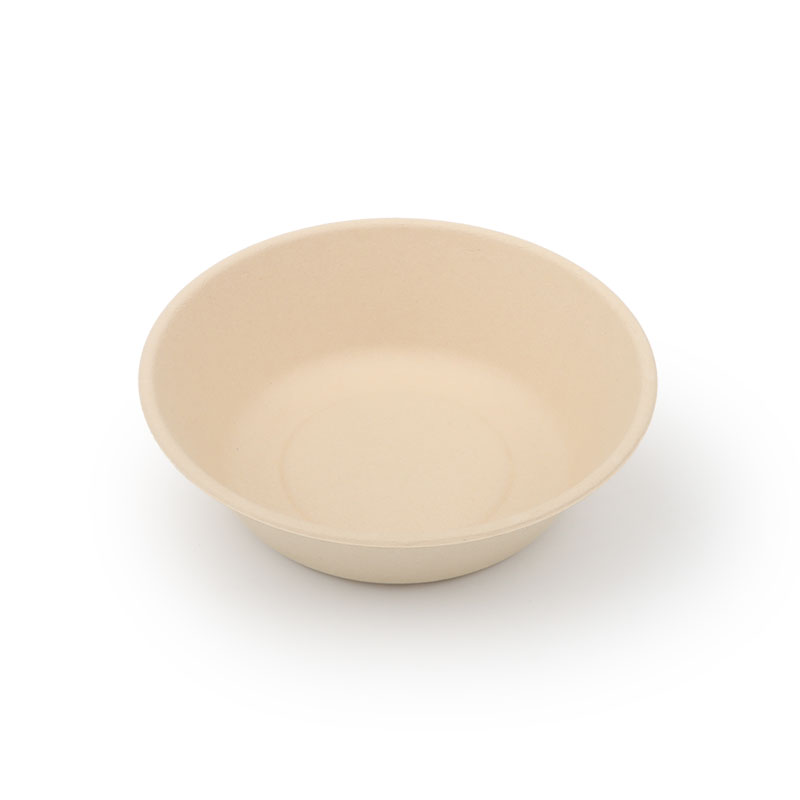 27oz(800ml)
 20oz(600ml)
 29oz(850ml)
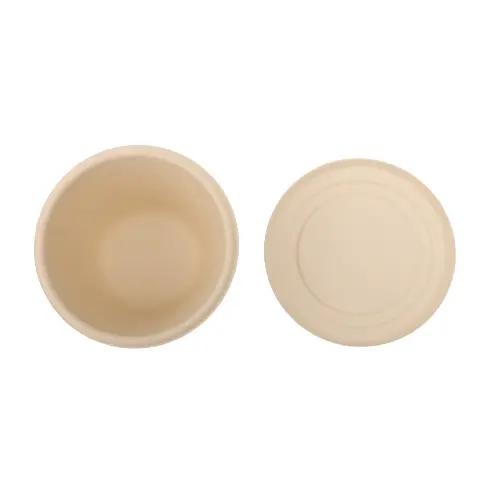 17oz(500ml) With Lid
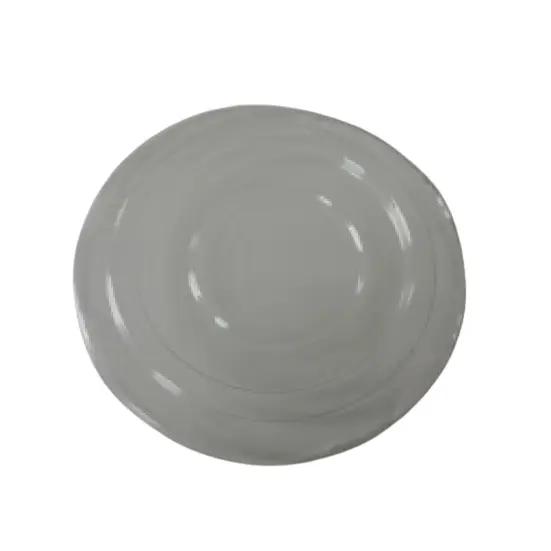 17oz(500ml) PET Lid
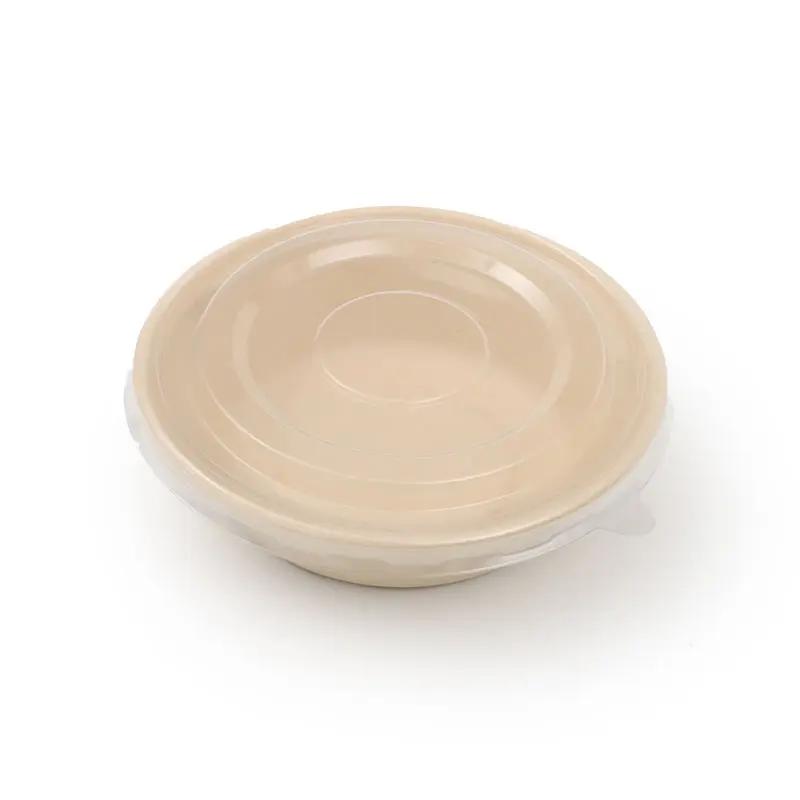 28oz(830ml) PET Lid
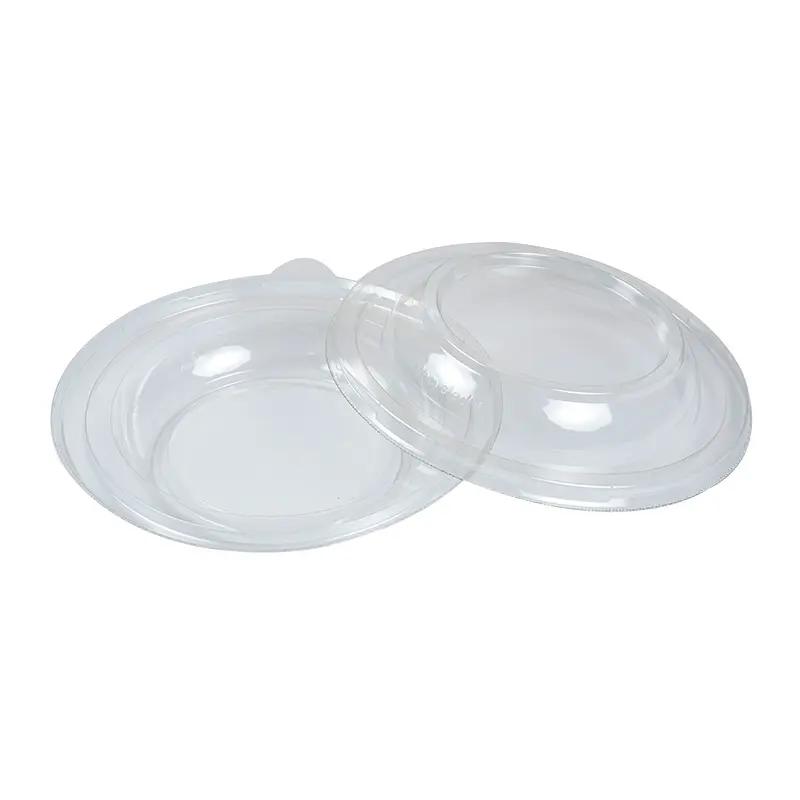 Round Bowl PET
 Small Bowl
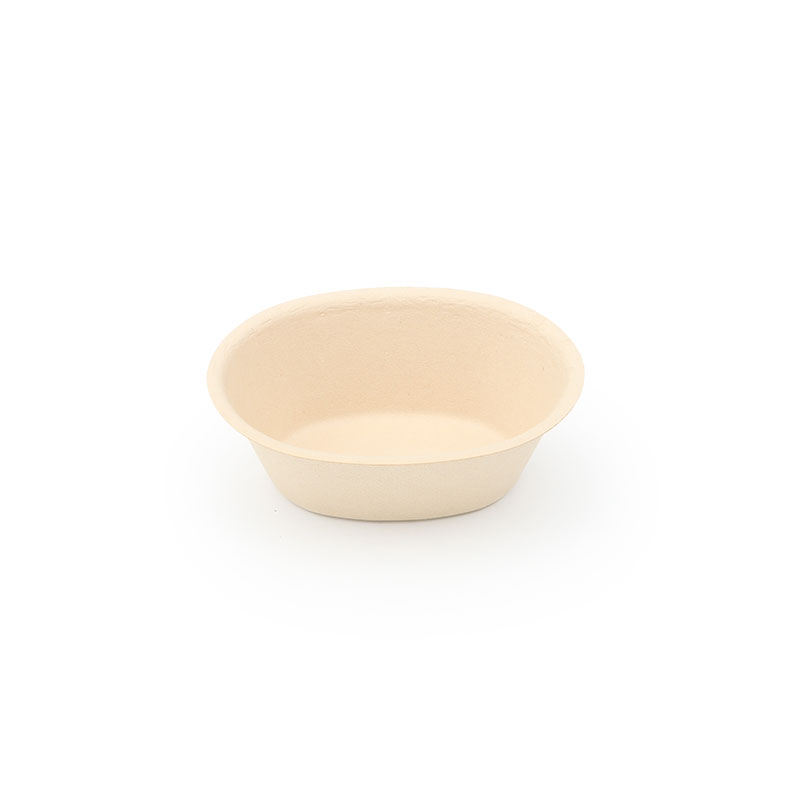 Snack Bowl
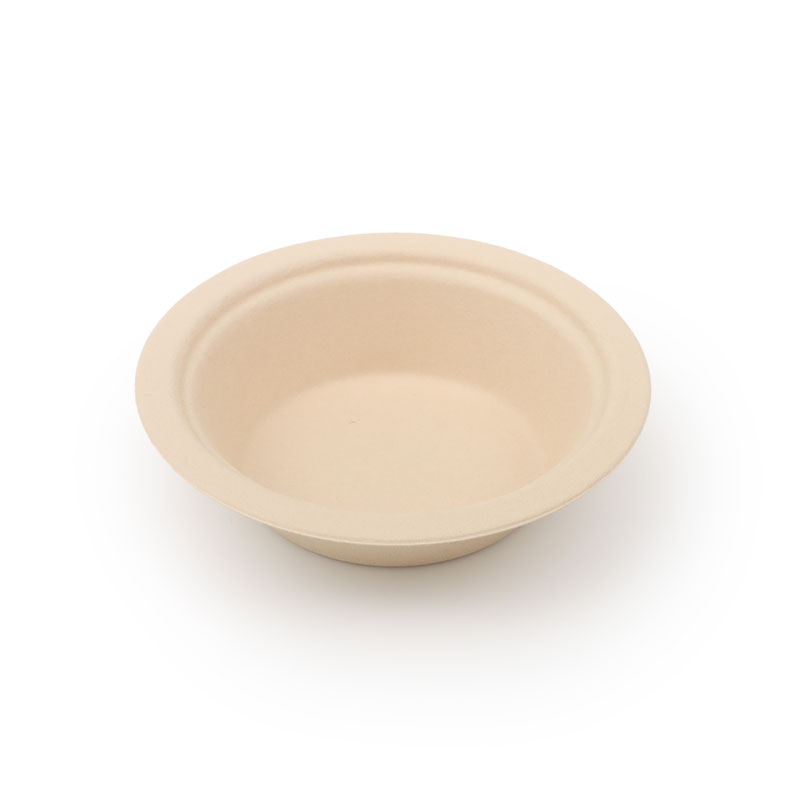 11.5oz(340ml) Bowl
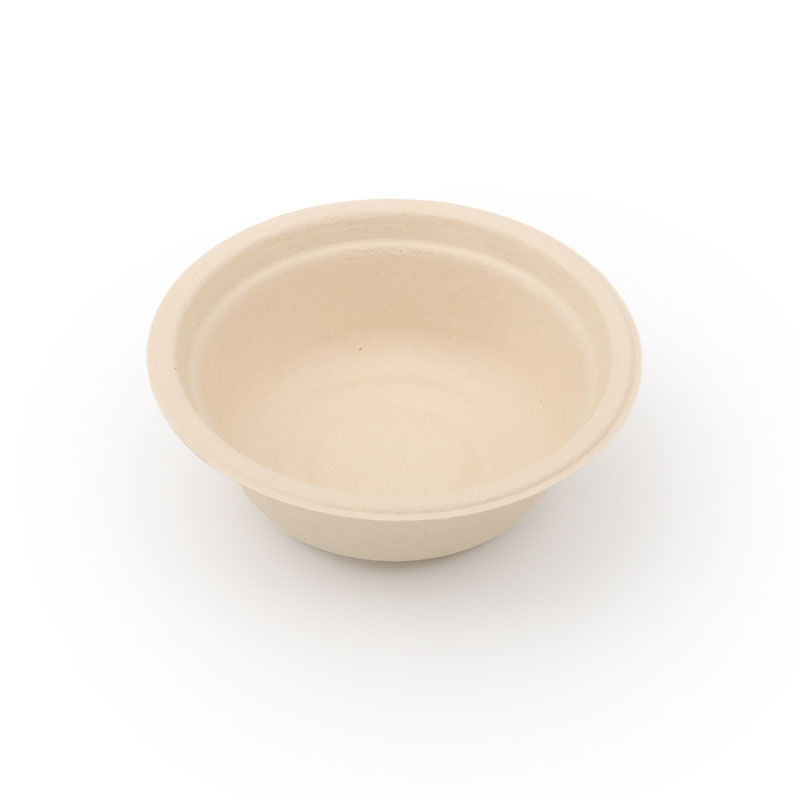 6.7oz(200ml) Bowl
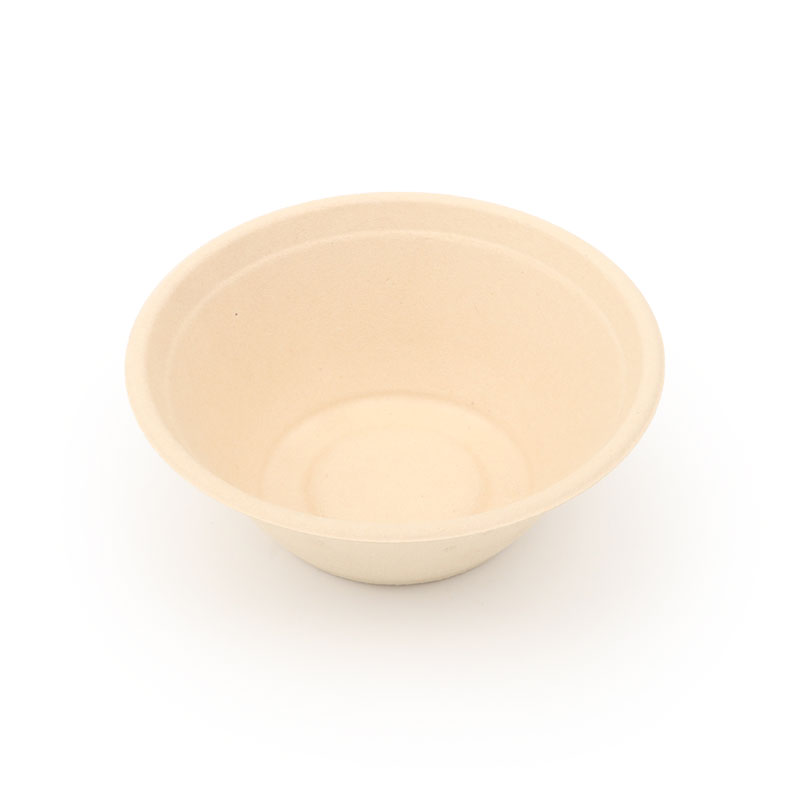 12oz(350ml) Bowl
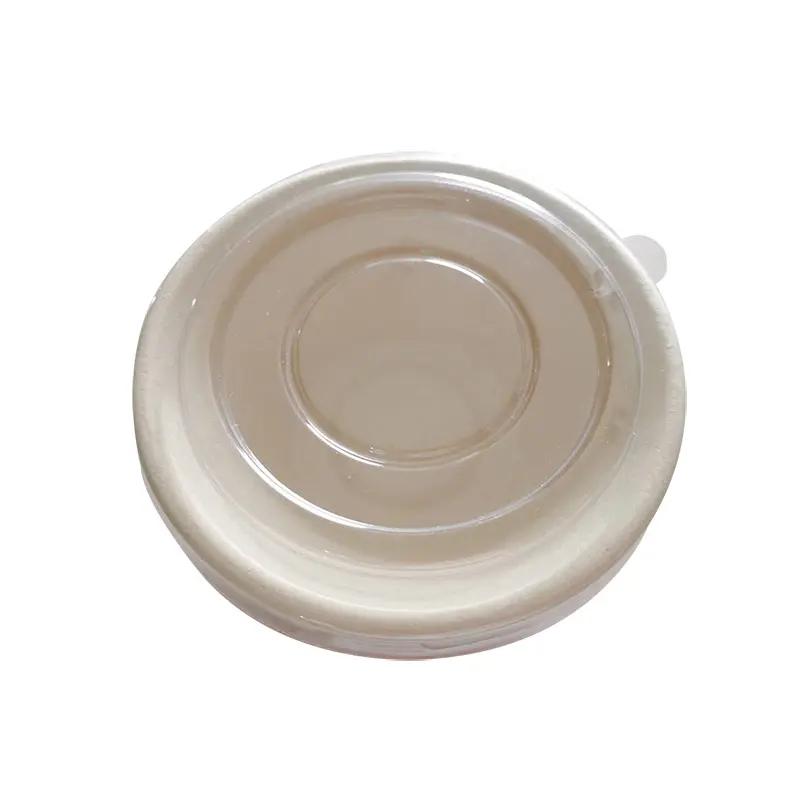 12oz(350ml) Bowl PET
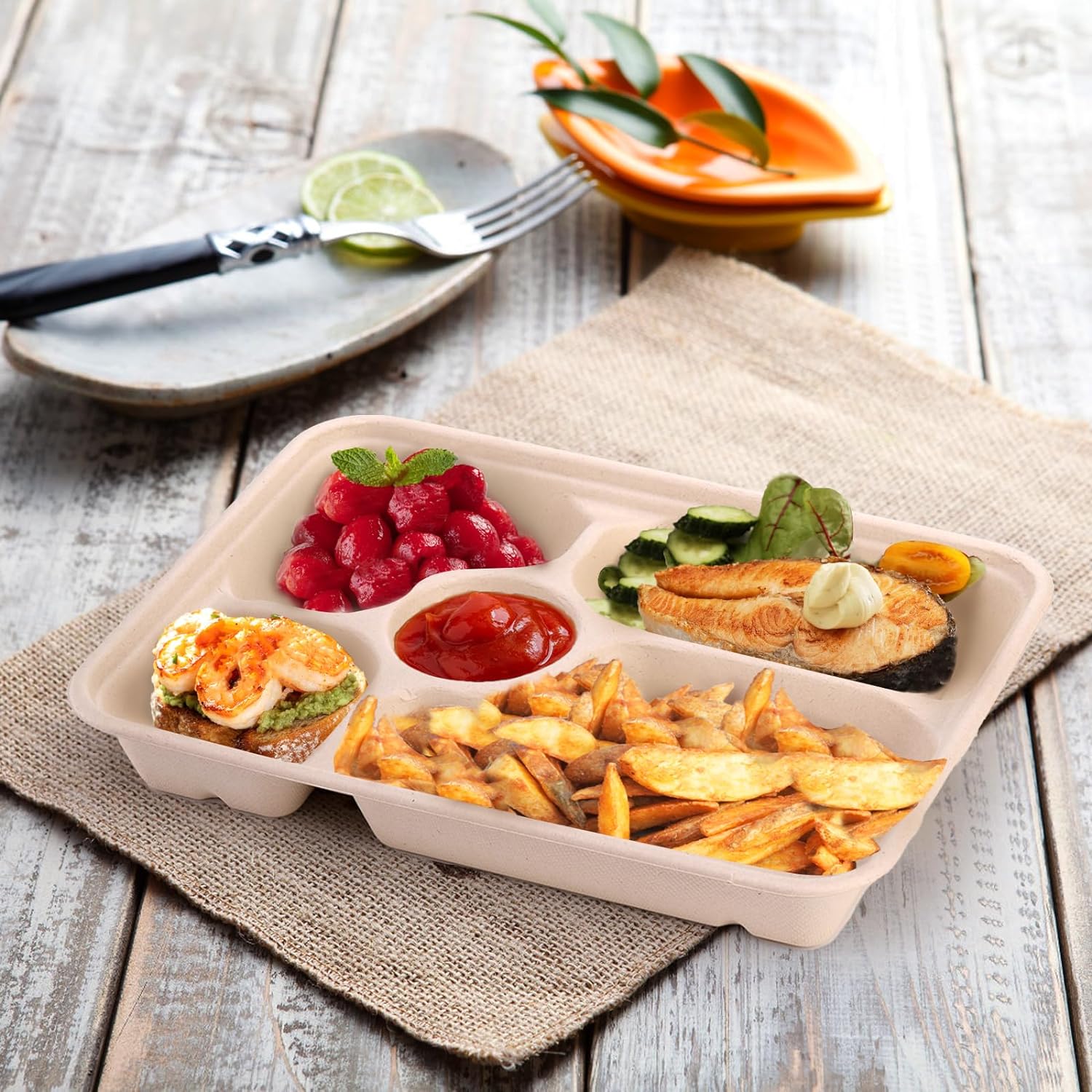 Bagasse Lunch Boxes
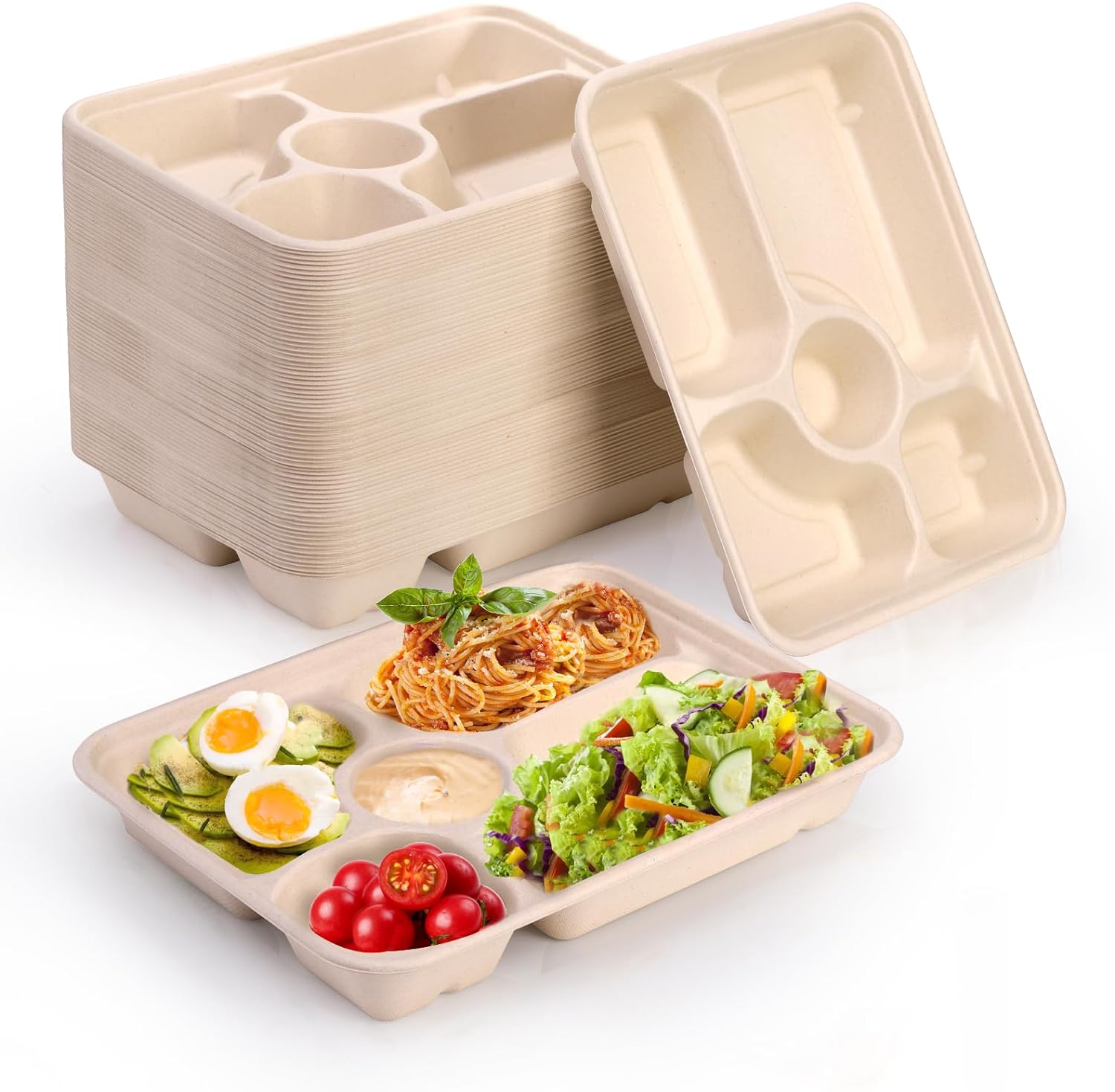 5CP
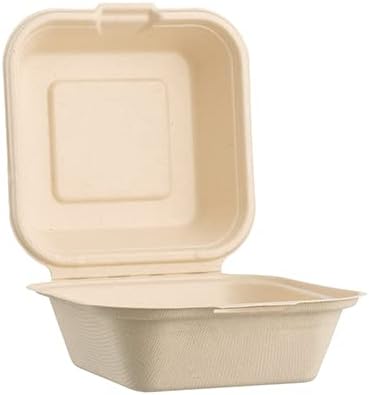 6 inch
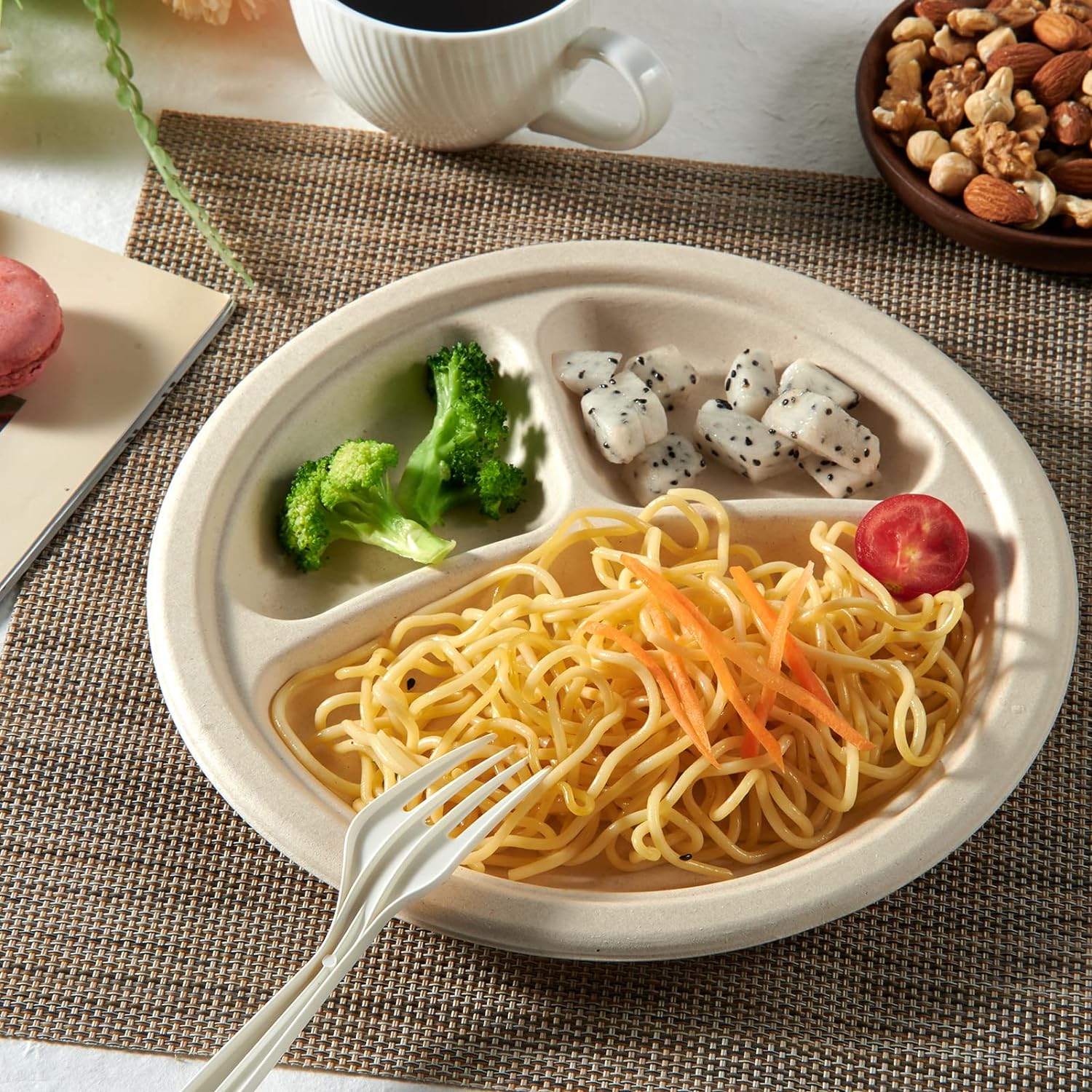 Bagasse Food Plates
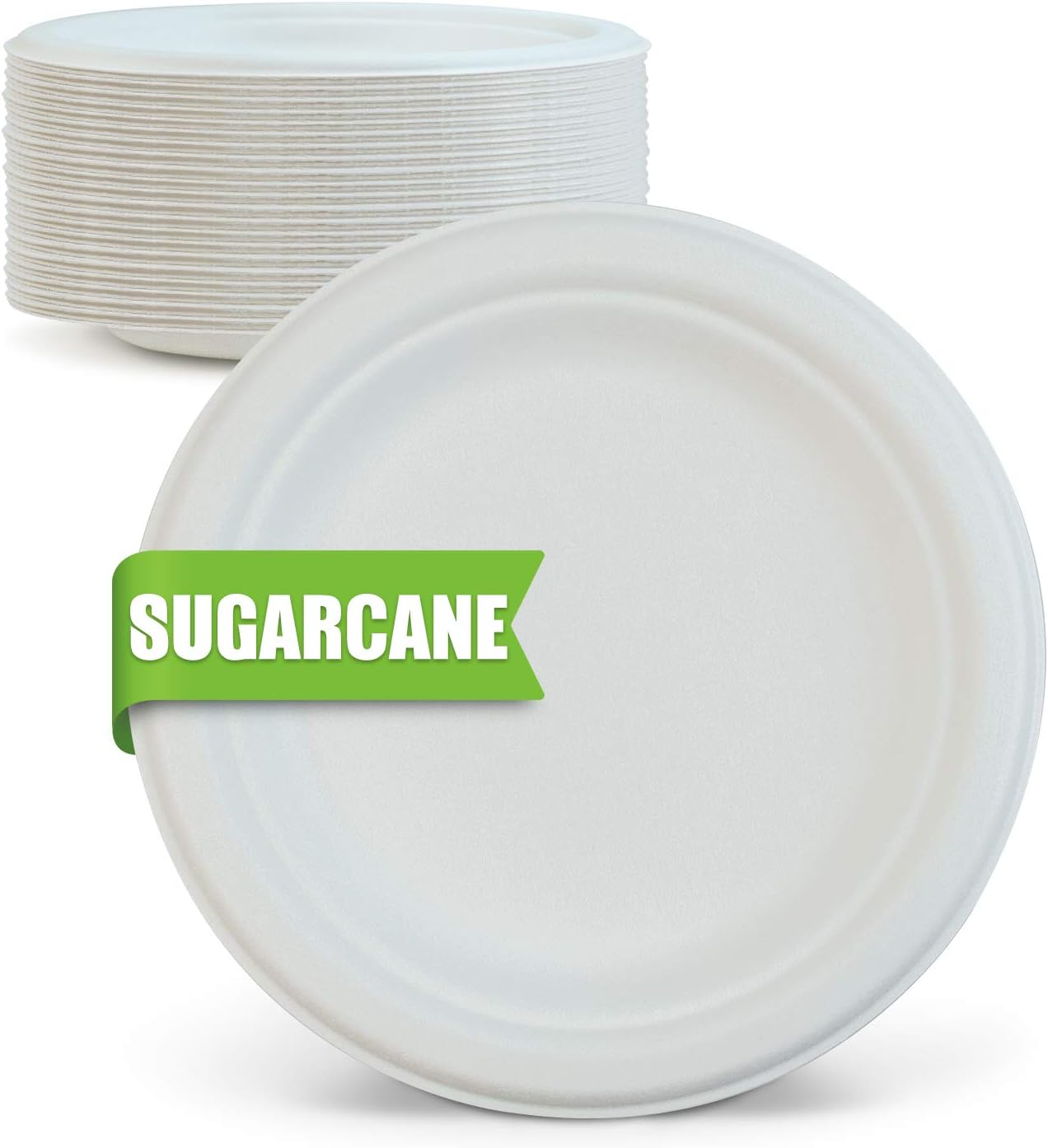 7 inch
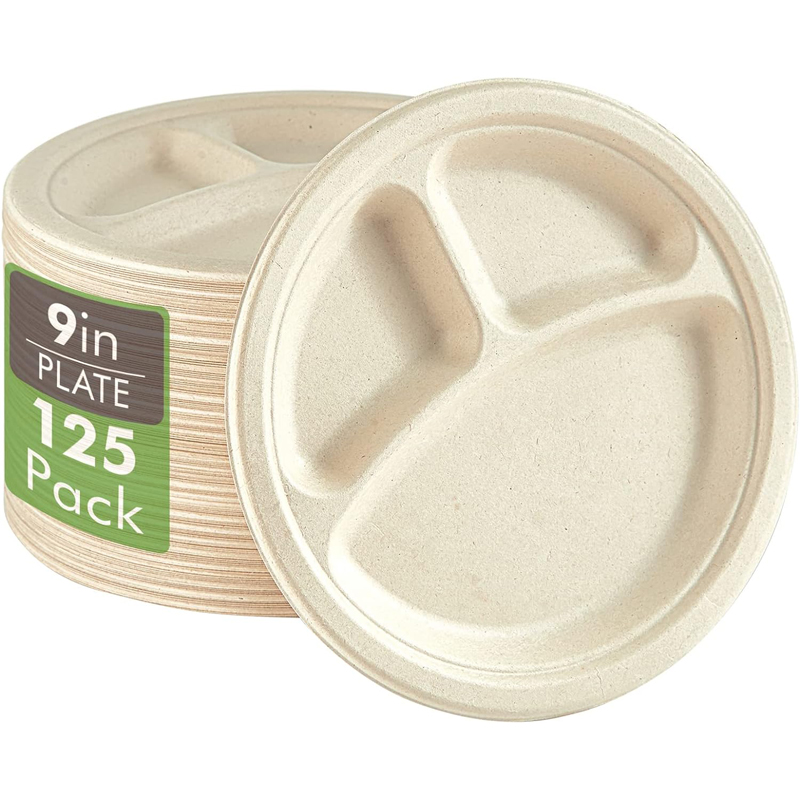 3CP
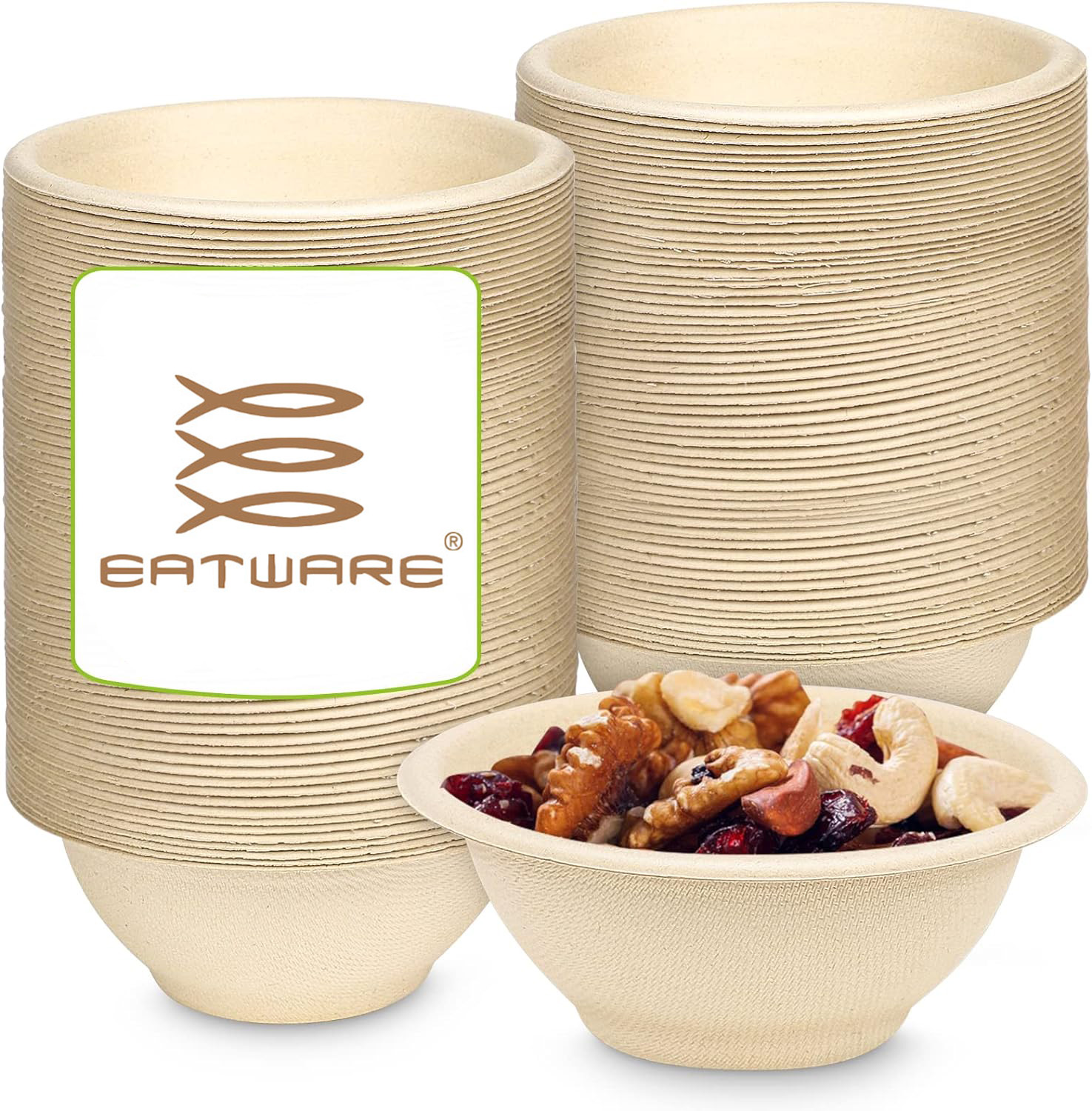 Bagasse Bowls
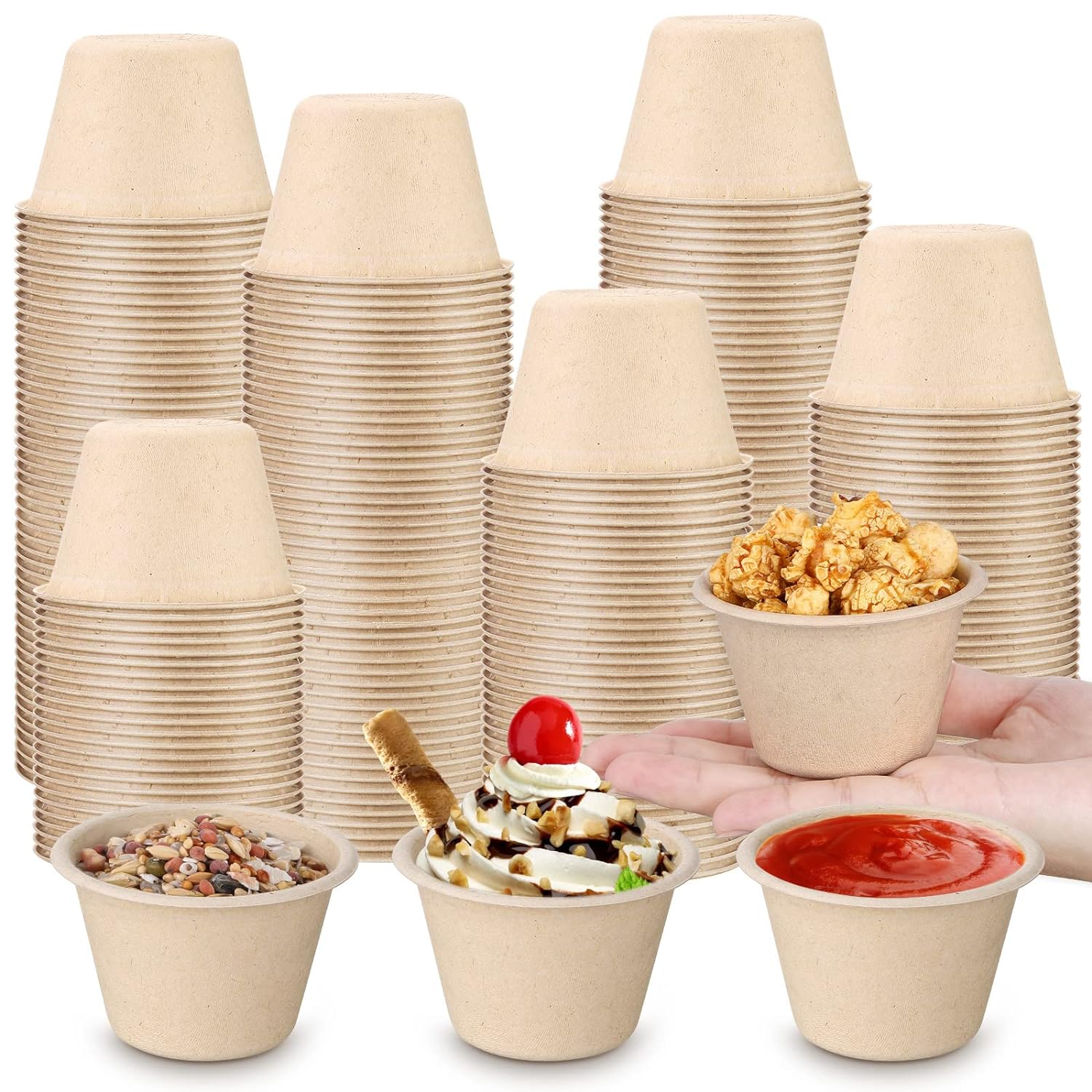 4oz
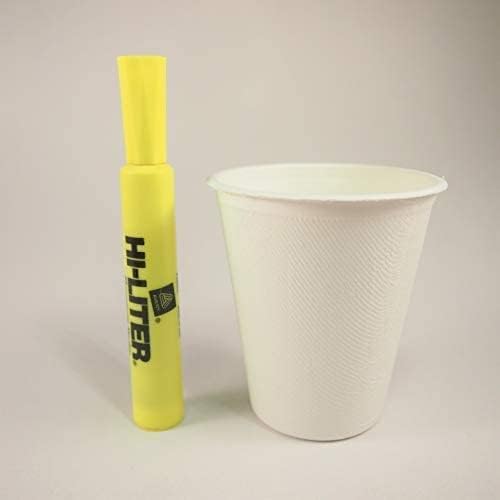 Bagasse Cups And Cutlery
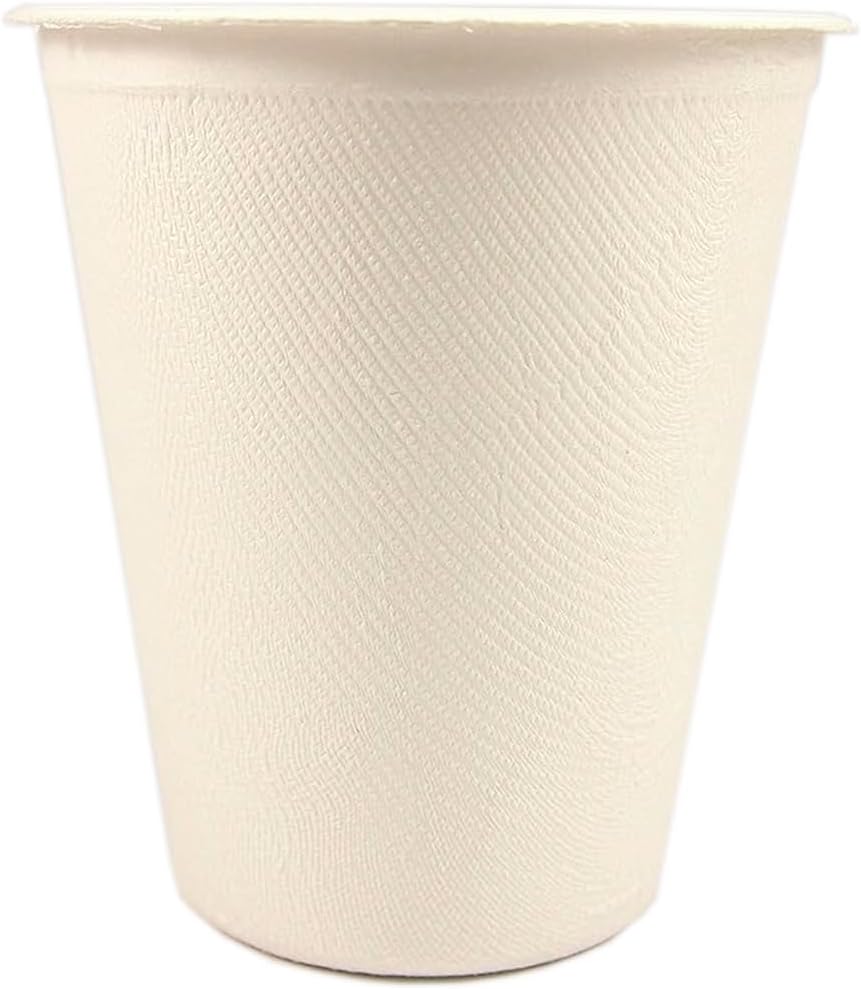 8oz
 12oz
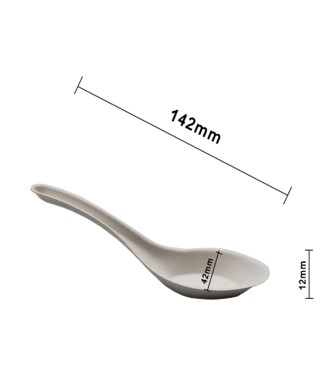 Cutlery
Leave Your Message
Engineered for night-market delicacies, artisanal skewers, steamed specialties, and takeaway gastronomy requiring freshness retention and zero oil leakage.

In the field of environmentally friendly packaging for 18 years,Has established cooperation with 500+ brands.
Through our research and development, there are more than 60 products can product, we also support OEM ODM customized services.
Exported to the United States, Europe, Australia, Canada and other countries, right now we have exported more than 30 countries.
10000+ square meters factory area, more than 30 patent certificates, 10 foreign authoritative certification, 55 automatic forming machines...
EATware is committed to sustainable development, using all natural plant fibers to produce safe, healthy and environmentally friendly tableware. Adhering to the concept of "take nature, serve humanity, return to nature", we focus on the development of safe, high quality and environmental standards.
EATware emphasizes environmental protection and sustainable development, explores the balance between enterprise survival and environmental protection, and uses all-natural and pollution-free bamboo fiber as the main material of tableware to ensure that its products meet the high technical level and are superior to developed countries.
An exhaustive technical breakdown of gas displacement dynamics, cold-chain distribution models, microbiological stabilization, and structural lamination for the global fast-casual and street gastronomy sector.
Street food represents one of the most vibrant, rapidly growing segments of the global food and beverage industry, estimated to serve over 2.5 billion people daily worldwide. Historically characterized by direct, immediate open-air preparation and consumption, the modern street food sector is undergoing a massive industrial transformation. The meteoric rise of ghost kitchens, centralized commissary production, food delivery platforms, and branded convenience retail has forced street food operators to address severe logistical challenges: microbial proliferation, rapid lipid oxidation, moisture loss, aroma deterioration, and fragile structural integrity during rapid transit.
Packaging in a protective atmosphere—scientifically designated as Modified Atmosphere Packaging (MAP)—has emerged as the decisive technological enabler. By replacing the ambient air surrounding freshly cooked or pre-prepped street delicacies with an engineered gas mixture (typically calibrated ratios of Nitrogen, Carbon Dioxide, and trace Oxygen), street food operators can extend product shelf-life from a few ephemeral hours to several days or weeks under refrigerated or ambient cold-chain conditions. This technological leap preserves complex spices, delicate textures, and visual vibrant qualities without the addition of chemical preservatives or artificial stabilizers.
Street gastronomy features extreme culinary diversity—ranging from oily, spice-laden braised skewers, grilled meats, and deep-fried savory pastries to high-moisture noodles, steamed dumplings, and acidic dipping sauces. Standard packaging solutions fail under these diverse chemical stress profiles. When packaged in a protective atmosphere, each street food category requires an exact gas blending formula:
Carbon Dioxide (CO2) Microbiological Inhibition: CO2 acts as an active antimicrobial agent. It dissolves into the liquid and lipid phases of the street food matrix, reducing intracellular pH and disrupting microbial enzyme activity, specifically suppressing gram-negative aerobic spoilage organisms (such as Pseudomonas species) and molds. For cooked street meats and skewers, CO2 concentrations between 20% and 40% provide optimal antimicrobial inhibition without provoking tray collapse (gas flushing balance).
Nitrogen (N2) as an Inert Protective Cushion: Street food items like crispy tacos, dumplings, and fried pastries possess delicate crusts that crush easily. Nitrogen is chemically inert, virtually insoluble in water and fat, and serves as an volumetric filler that prevents package collapse under atmospheric pressure. Furthermore, purging oxygen down to below 0.5% with pure N2 halts the rancidity of frying oils, preventing off-flavors and extending crispy crunch profiles.
Oxygen (O2) Optimization: While oxygen is intentionally minimized in fried and high-fat street recipes to stop oxidative degradation, micro-metered oxygen is occasionally retained in fresh-vegetable street garnishes (like pickled slaw, cilantro, and spring onions) to prevent anaerobic spoilage and maintain natural cellular respiration.
Historically, MAP technologies depended exclusively on multi-layer petroleum plastic trays (PET/EVOH/PE). However, the global anti-plastic legislation wave and consumer eco-consciousness demand sustainable alternatives. EATware bridges this critical gap by fusing 100% natural, unbleached bamboo and sugarcane pulp fibers with advanced micro-thin, biodegradable barrier film lamination.
Our molded bamboo pulp containers undergo high-precision thermoforming at elevated pressures, creating ultra-smooth flange surfaces with micron-level tolerances. This flawless flat sealing rim is essential for high-speed automatic MAP heat-sealing machines. When laminated with our proprietary biodegradable barrier layer, the container achieves an Oxygen Transmission Rate (OTR) of less than 2 cm³/m²·24h·bar and a Water Vapor Transmission Rate (WVTR) below 3 g/m²·24h. The result is an uncompromising eco-friendly container that withstands piping-hot street chili oils, boiling broth, and prolonged refrigeration without structural sagging or gas barrier failure.
In the contemporary urban food market, traditional street vendors are transitioning into centralized franchise networks. A central commissary can prepare thousands of portions of signature street food dishes—such as curry fish balls, beef noodles, satay chicken, and pork baozi—and instantly package them in protective atmosphere trays.
This system unlocks immense economic advantages: it standardizes seasoning consistency across 500+ distribution points, reduces kitchen labor costs by up to 60%, eliminates food waste generated by uneven daily foot traffic, and allows street food brands to tap into tier-1 supermarket display shelves, convenience store refrigerated cabinets, and app-based rapid grocery delivery. The consumer receives authentic street flavor, reheated in seconds, with verified sterile food-contact integrity.
Looking ahead, the street food packaging sector is converging with Internet of Things (IoT) sensors and Artificial Intelligence. Next-generation MAP systems will incorporate dynamic colorimetric freshness indicators directly onto the biodegradable seal film, allowing consumers to visually verify food freshness via smartphone optical scanning. Machine-learning algorithms in automated packaging lines are already beginning to analyze real-time batch moisture and fat levels, auto-calibrating the N2/CO2 injection volume down to millisecond precision. EATware continues to spearhead this frontier, fusing plant fiber biochemistry with intelligent packaging engineering.
Kangxin (HaiMen) Environmental Technology Co., Ltd. is a technology innovation oriented enterprise that focuses on disposable environmentally friendly tableware and food packaging.
We have advanced production processes and equipment, and continue to attract senior talents, focusing on environmental protection, emphasizing safety, and ensuring quality.
Keep updated with technical insights, laboratory test standards, and global sustainable packaging developments.
The most reliable way to test disposable food containers is to combine leakage testing with structural testing under conditions that reproduce the intended food application. A container should not be approved simply because it holds water for several minutes or survives an empty compression tes...
For foodservice operators, replacing conventional plastic packaging is not simply a matter of changing materials. Disposable biodegradable tableware must still withstand hot food, sauces, oils, condensation, stacking, transport, and commercial handling without losing structural integrity. Poorl...
With growing global demand for takeaway meals and eco-friendly packaging, China’s manufacturing sector has become a major hub for disposable food containers. Today’s food businesses - from fast-food chains and meal-delivery services to supermarkets and catering companies - are looki...
Rigorous compliance across global food contact safety, composting standards, and proprietary automated forming patents.
Collaborating with international airlines, retail giants, and fast-casual food enterprises.
Explore our full line of MAP modified atmosphere trays, bowls, and boxes tailored for versatile street gastronomy scenes.
