
 Box With T buckle
 700ml Square Lunch Box
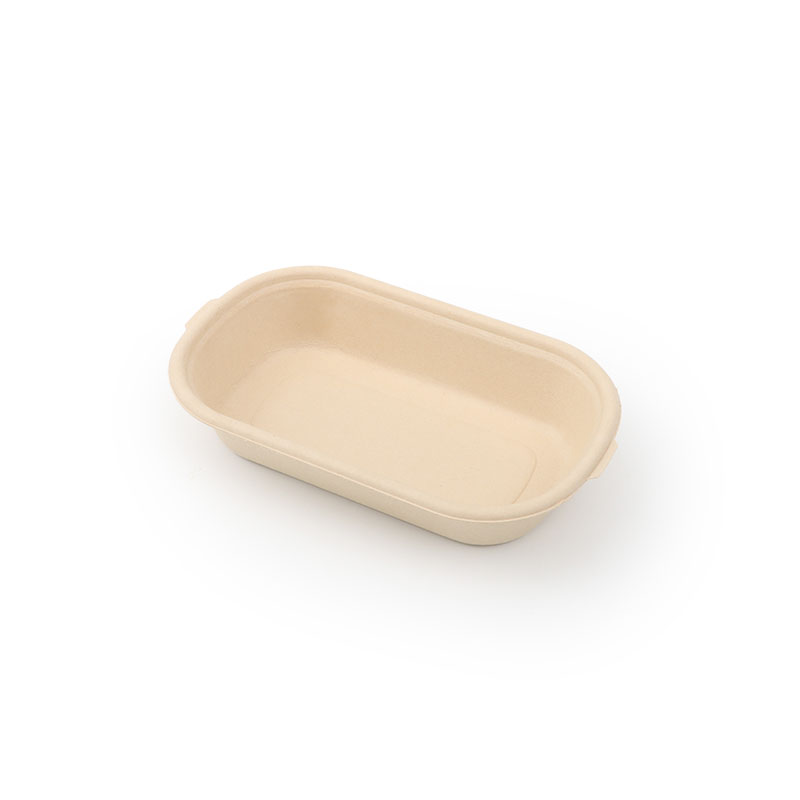 500ml
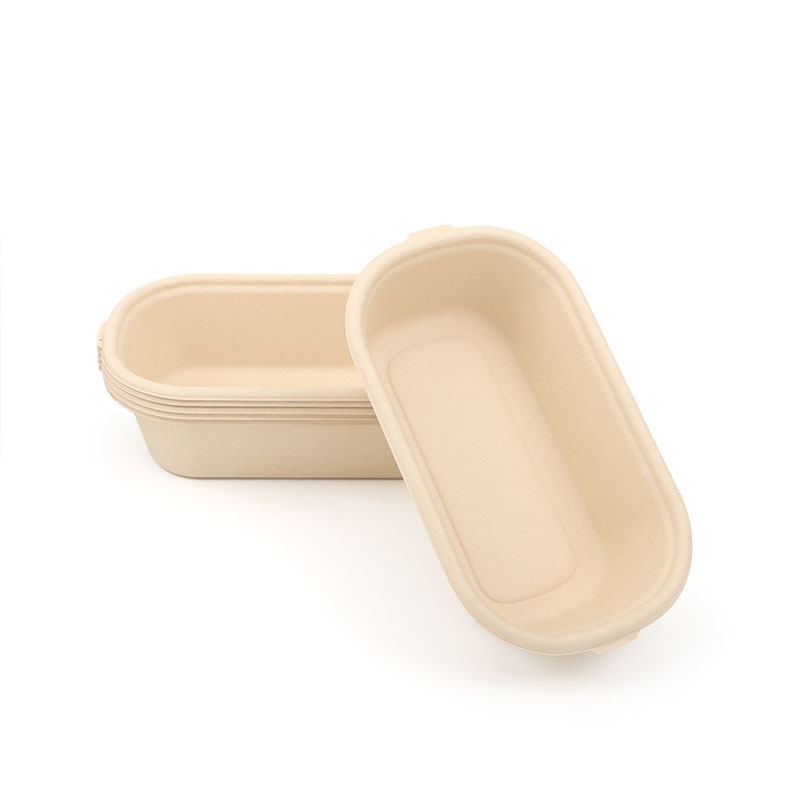 700ml
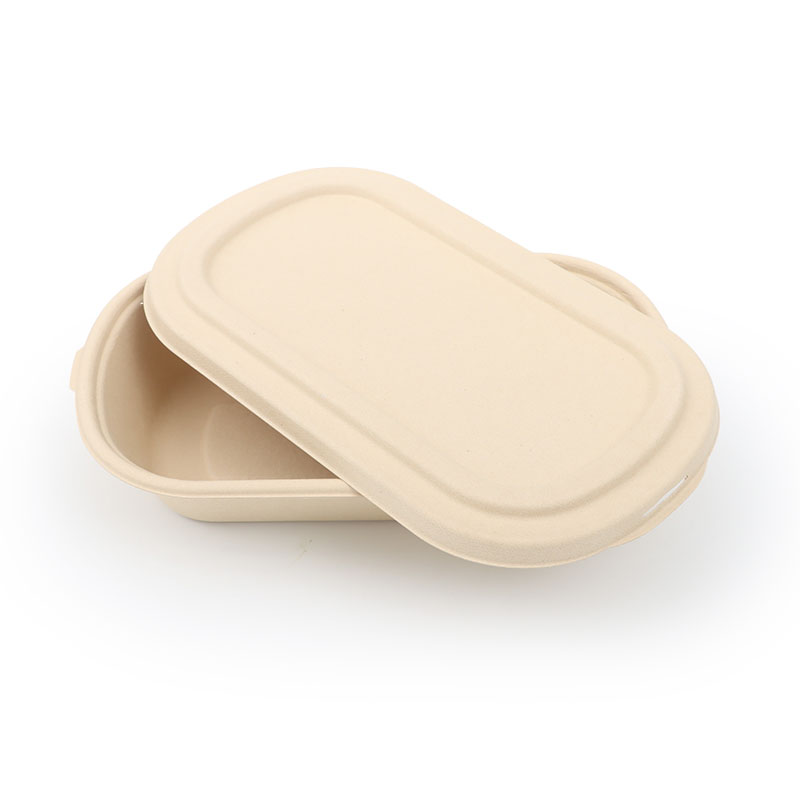 850ml
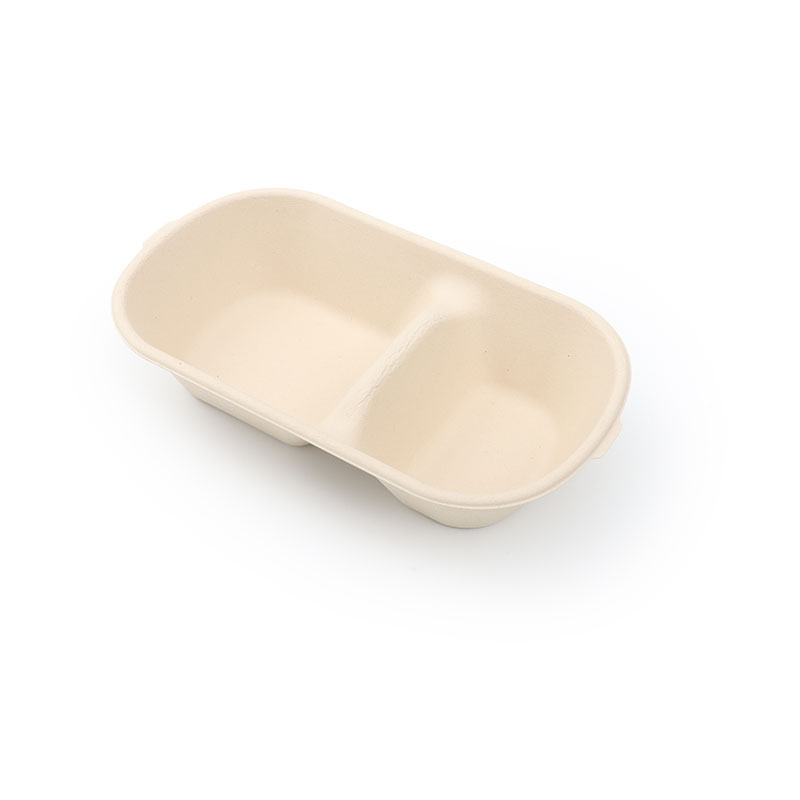 800ml 2 Compartments
 1000ml 2 Compartments
 1100ml
 1000ml Square Lunch Box
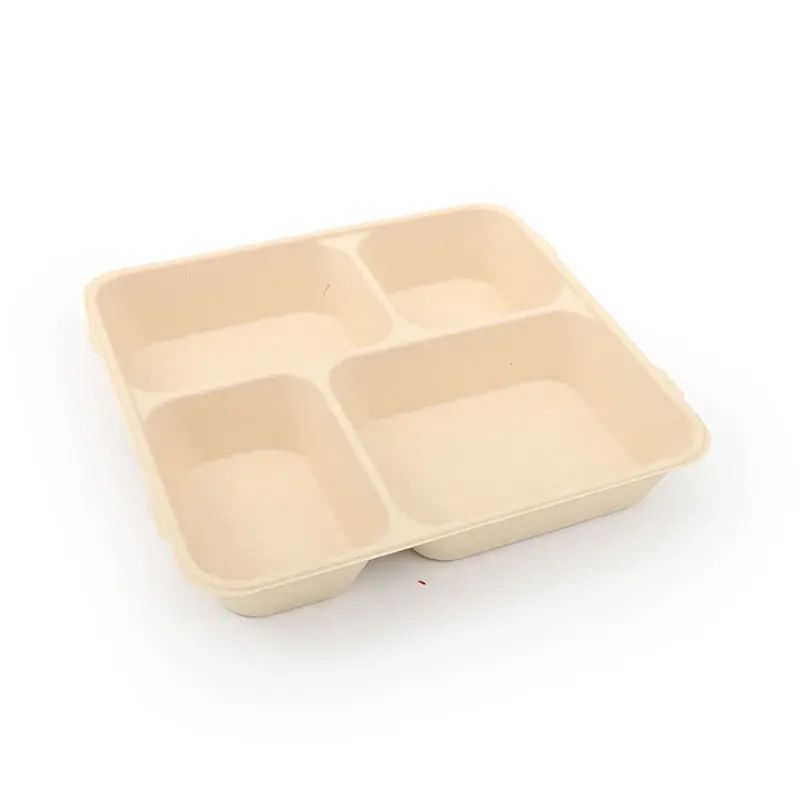 1340ml 4 Compartments
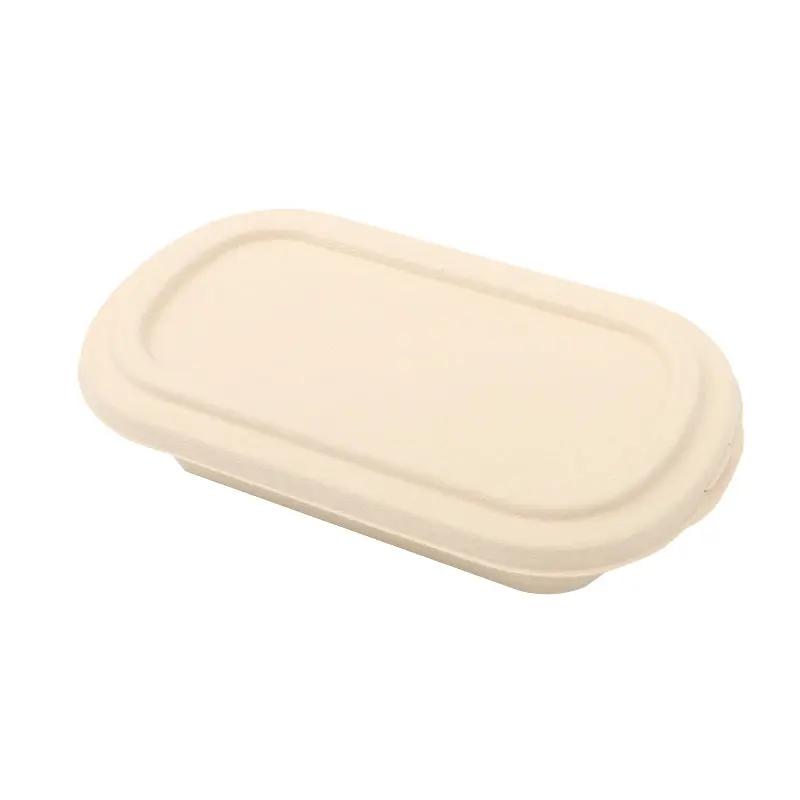 Lunch Box Lid
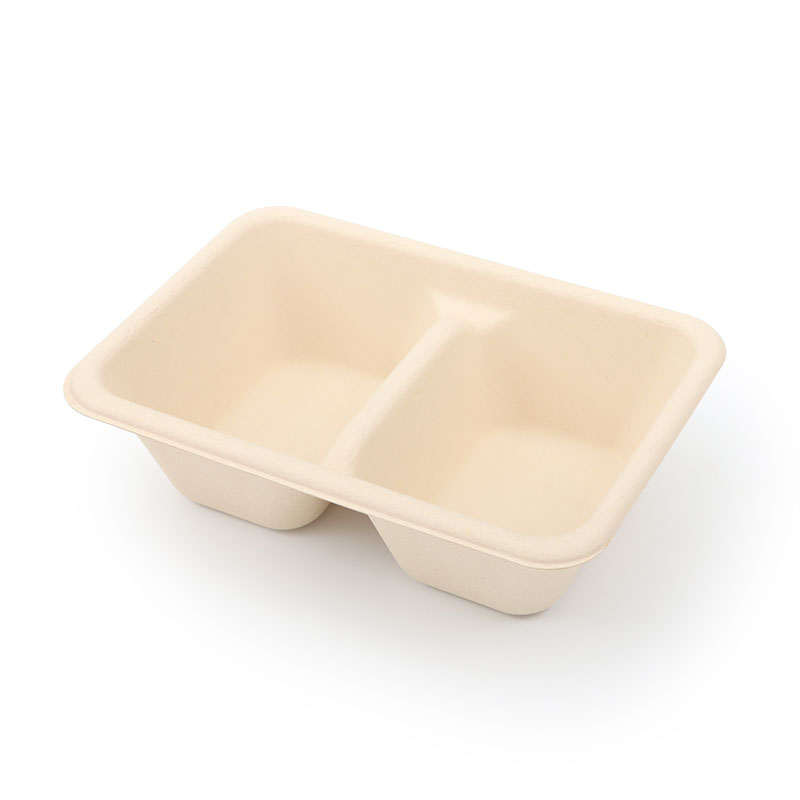 650ml
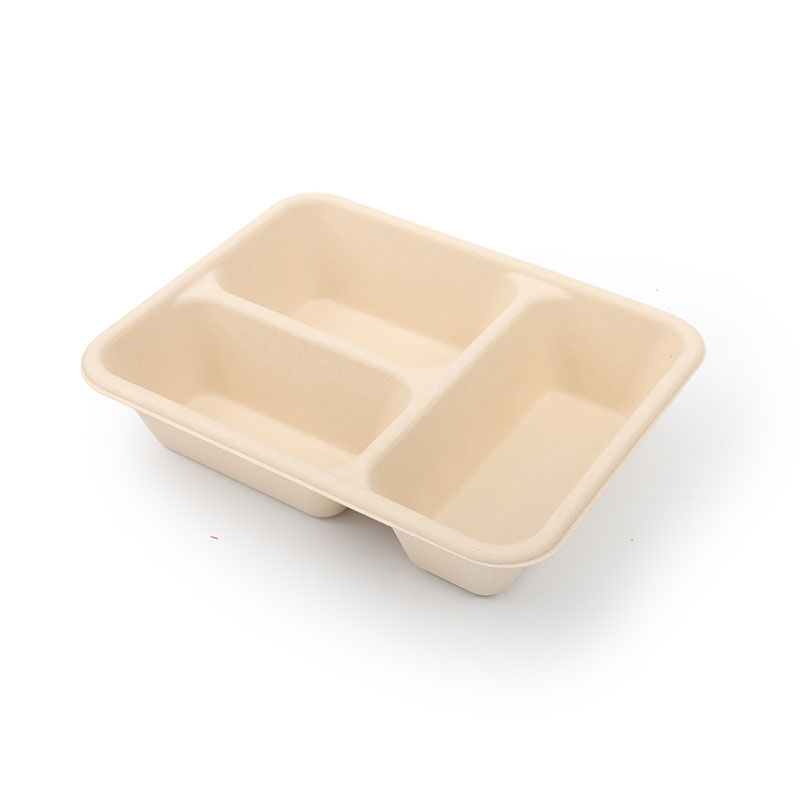 1000ml 3 Compartments
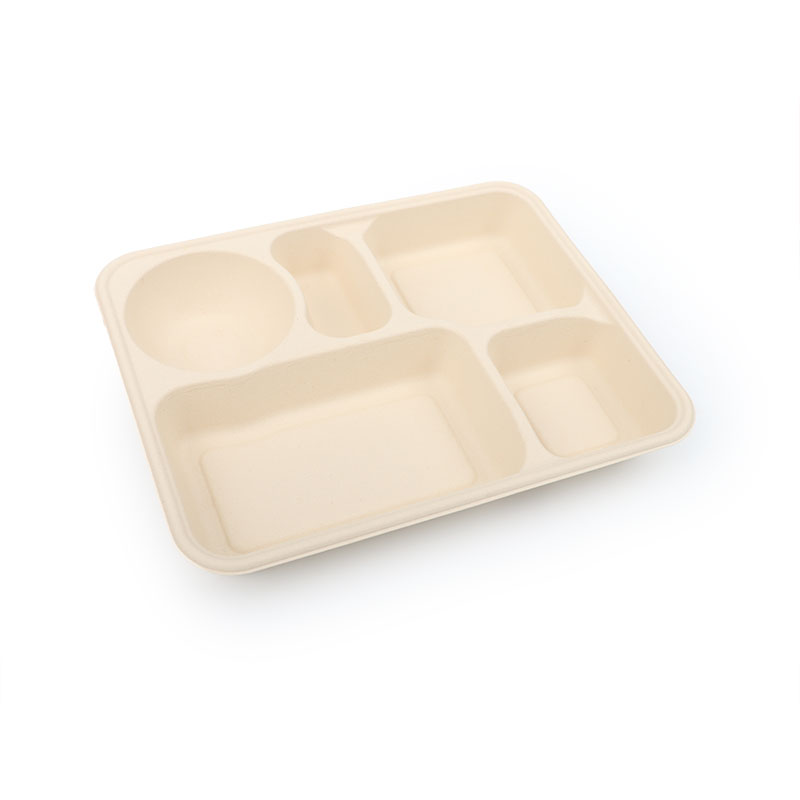 1250ml 5 Compartments
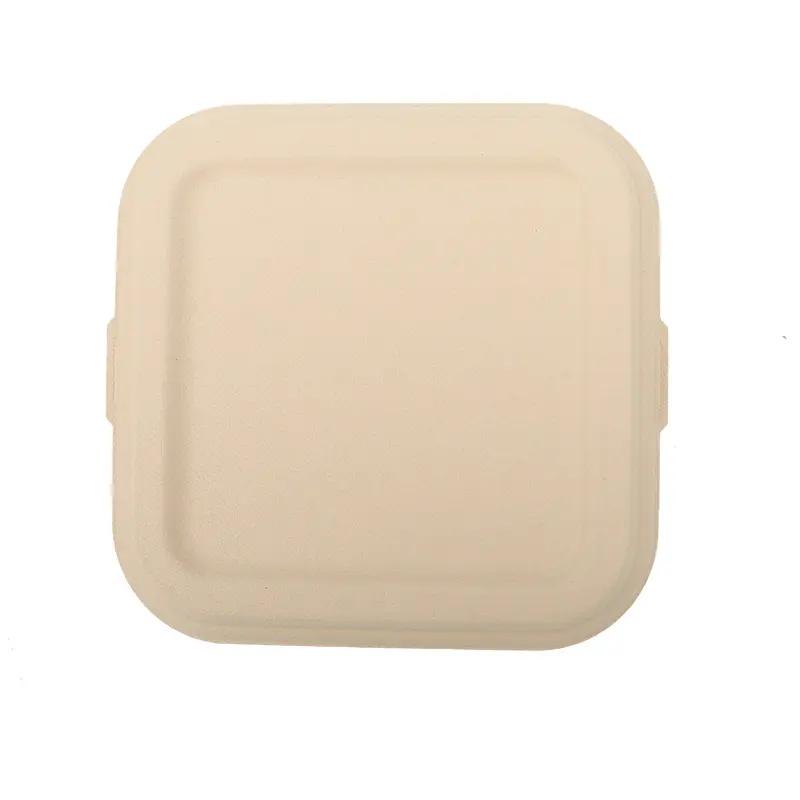 Square Lunch Box Lid
 Box Without T buckle
 850ml Salad Box
 700ml
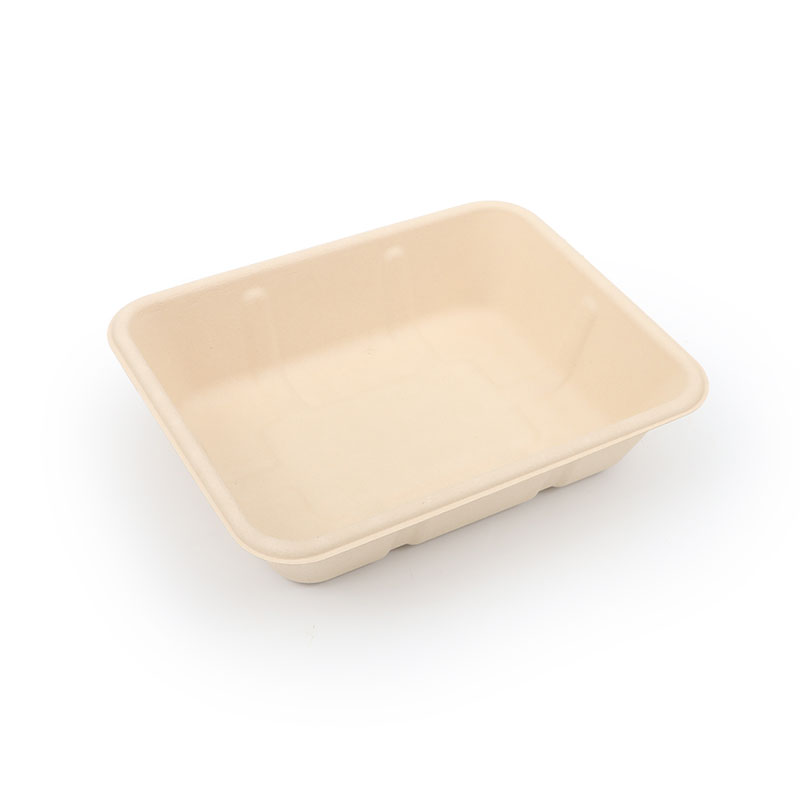 1350ml
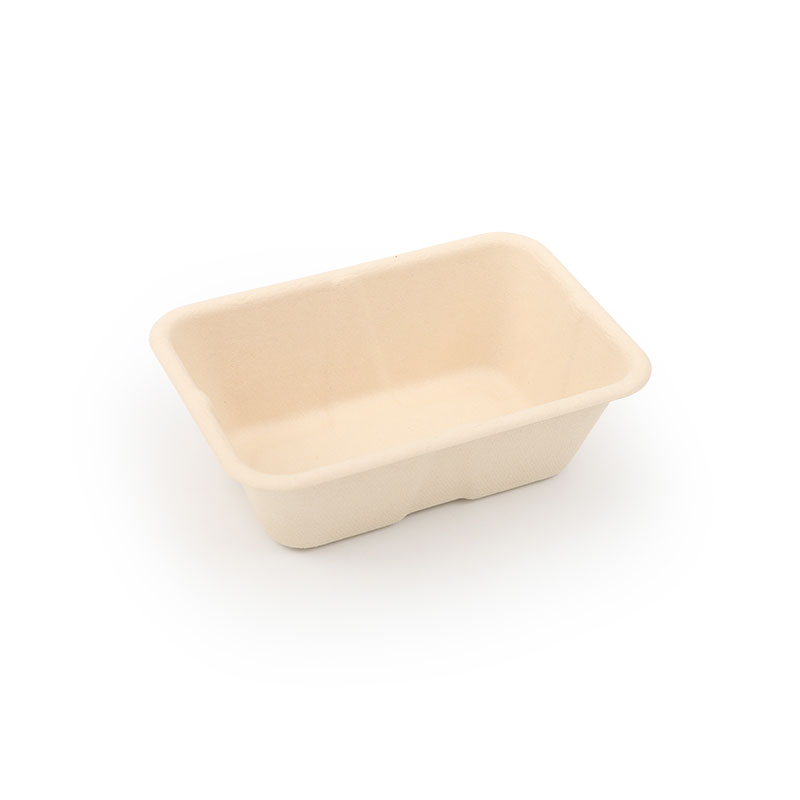 470ml
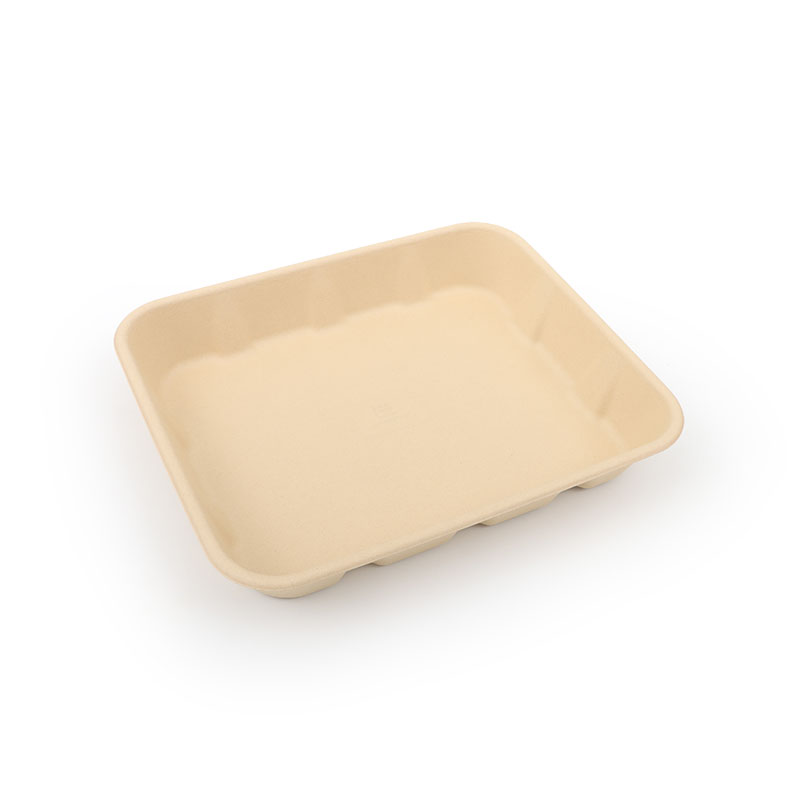 2183ml Tray Box
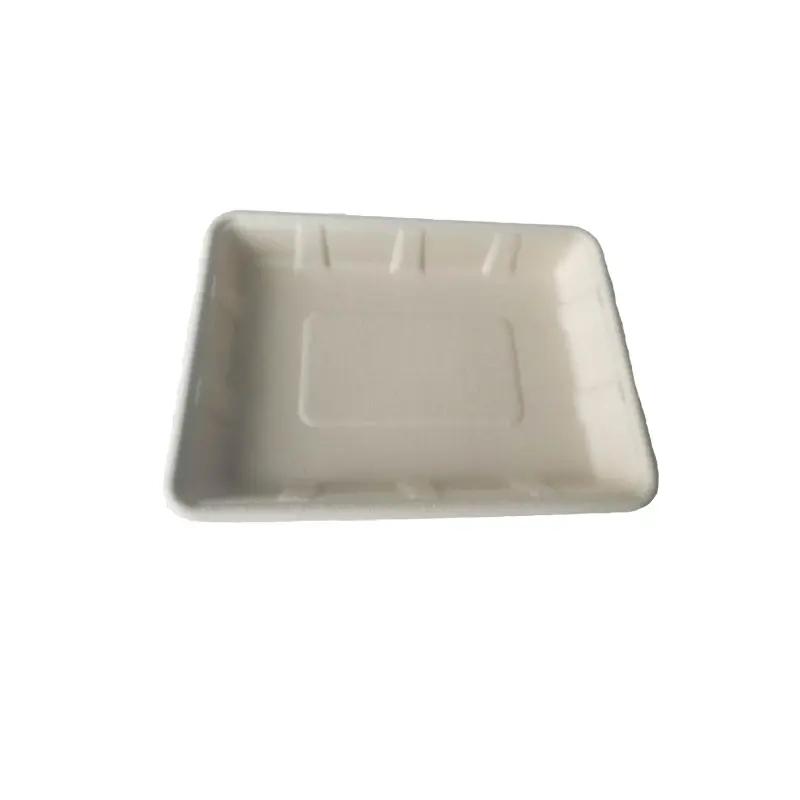 11" * 9"
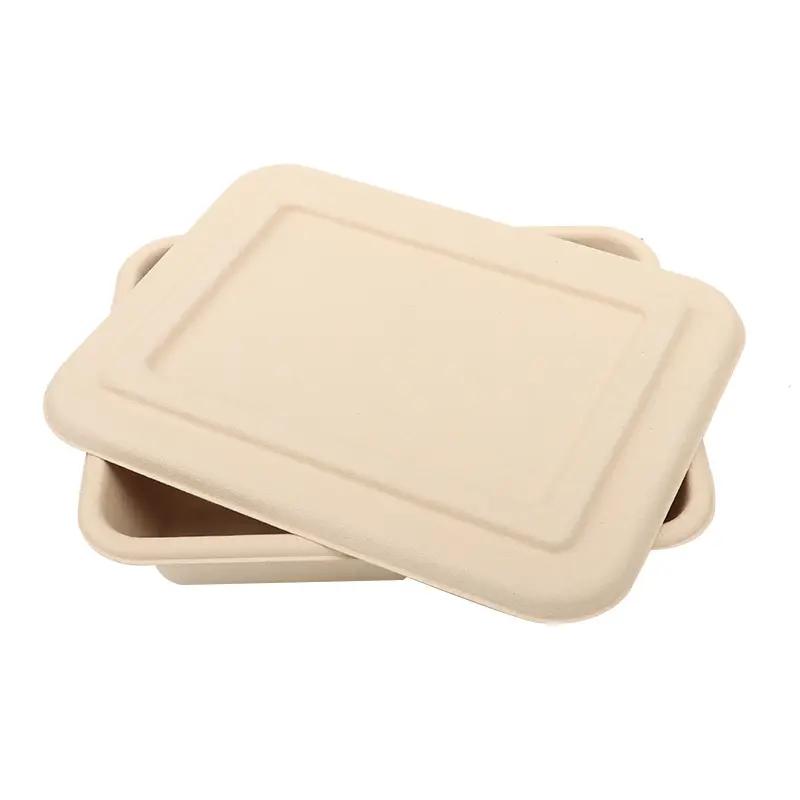 800ml
 One Part Box
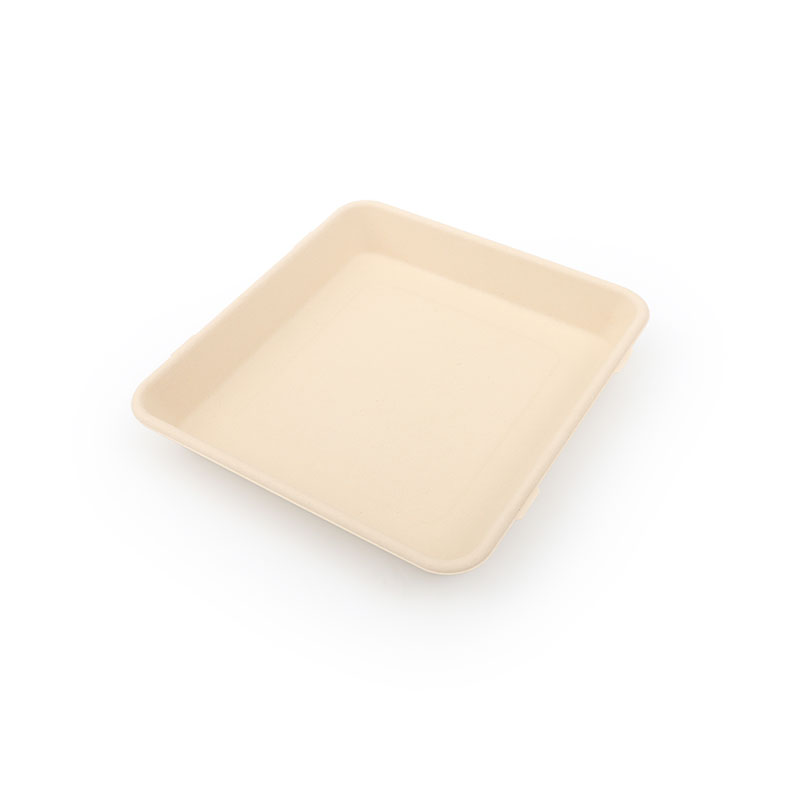 1443ml Tray Box
 Cake Bread Snack Tray Series
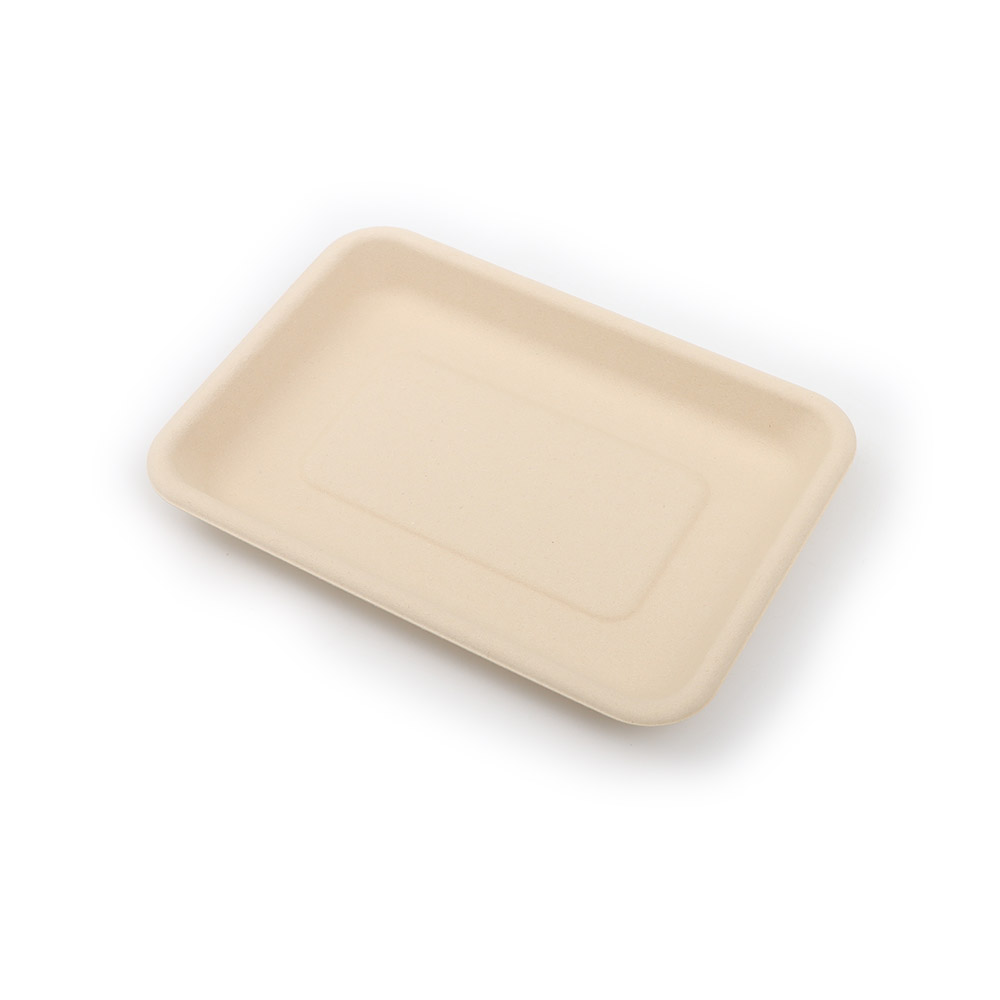 5" * 7" natural color
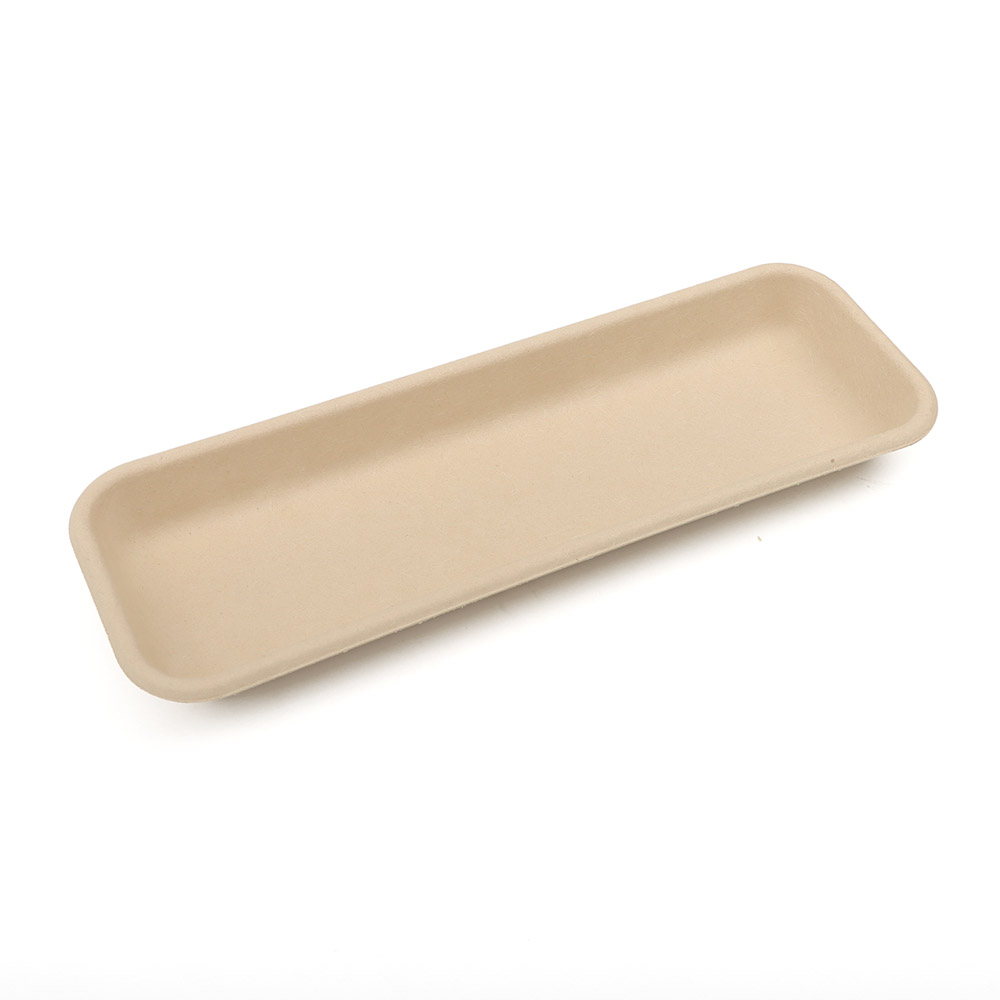 11.4" * 3.9"
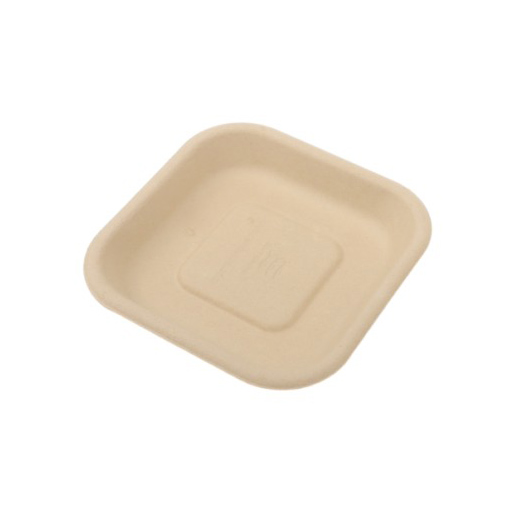 5.3" * 5.3"
 Fruit And Vegetable Tray Series
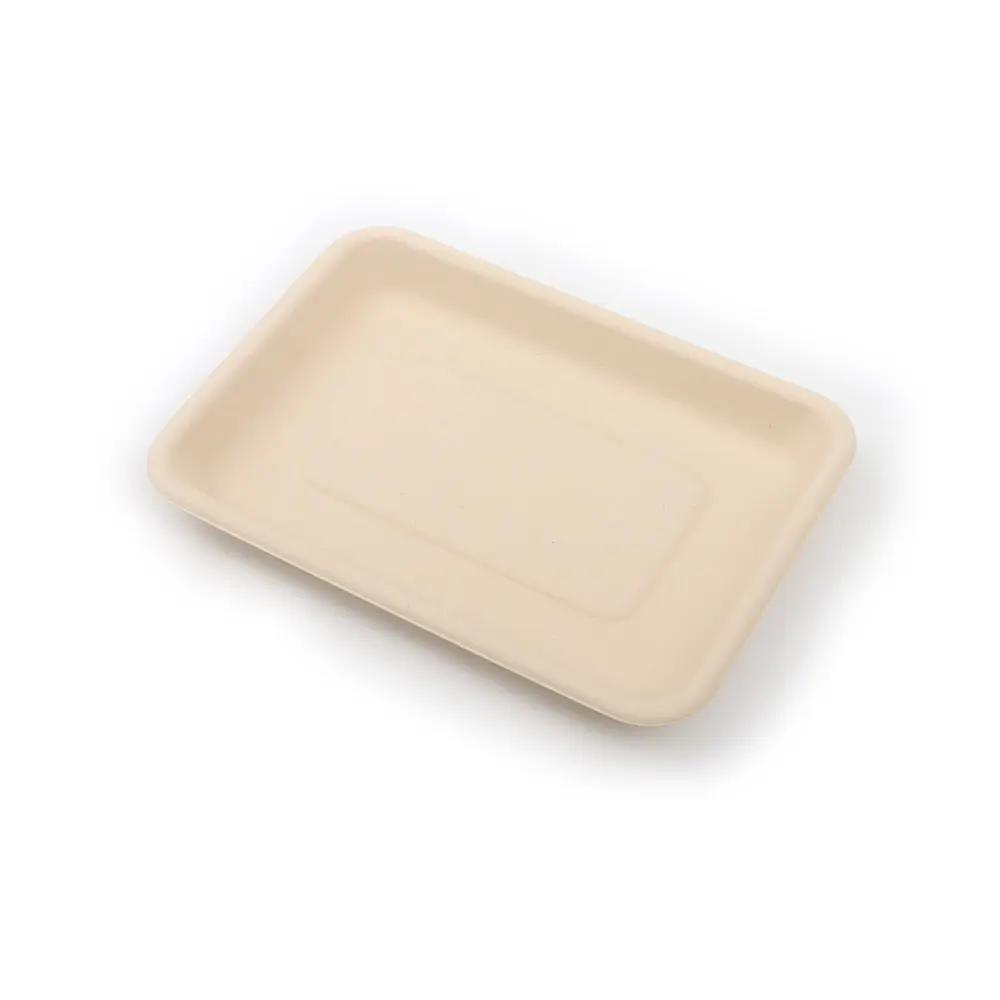 8.6" * 5.3"
 Sushi Tray Series
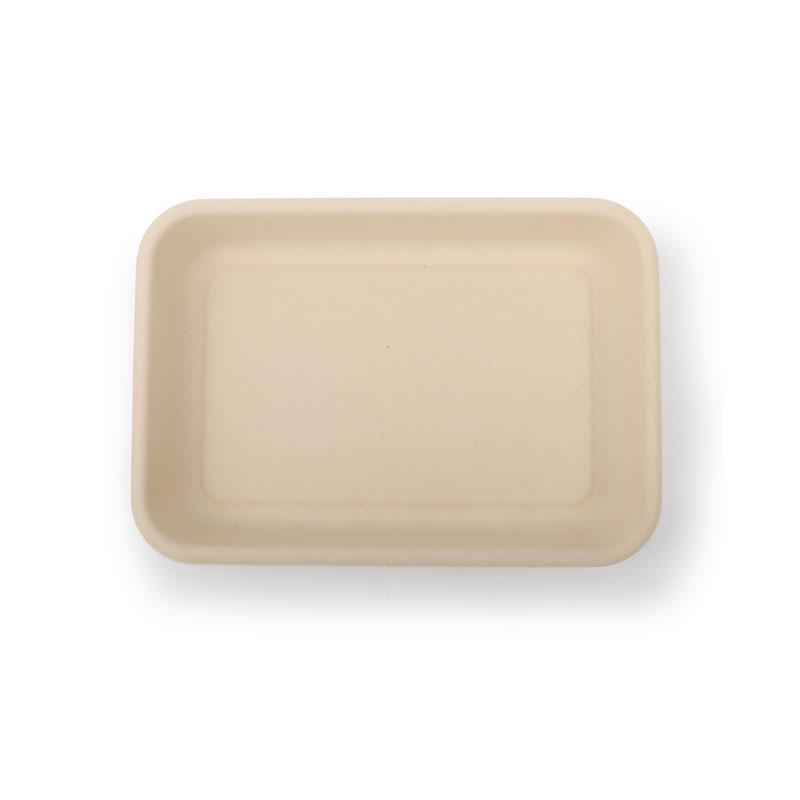 200" * 140"
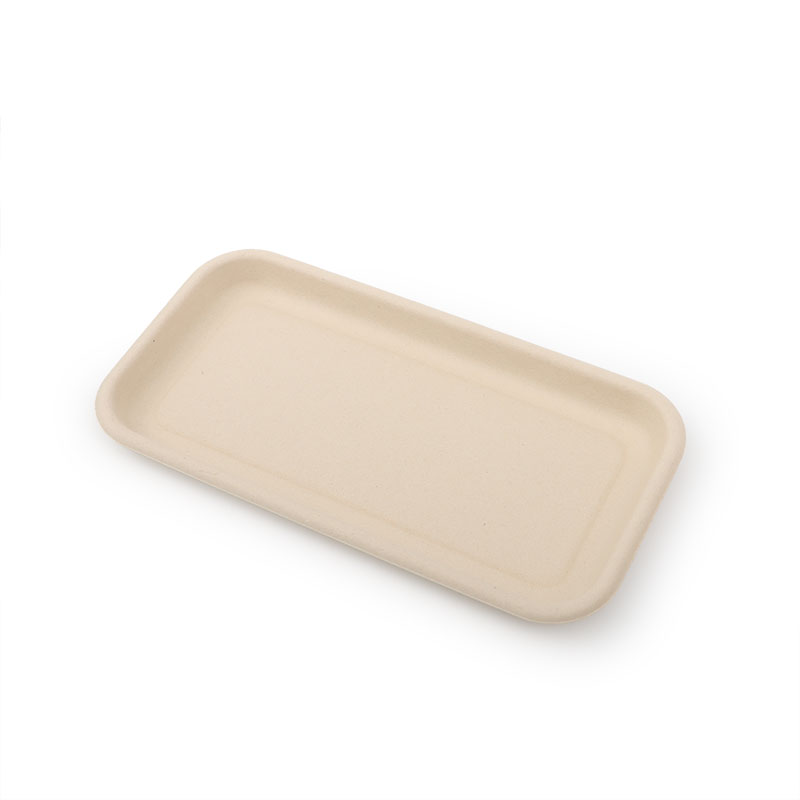 210" * 110"
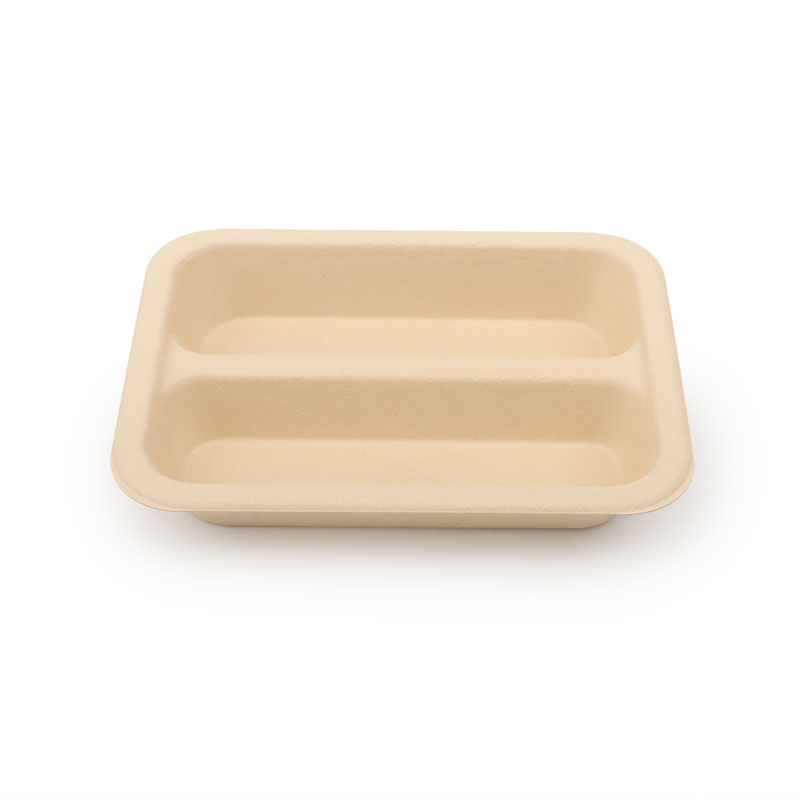 2 Compartments
 Small Round Plate Series
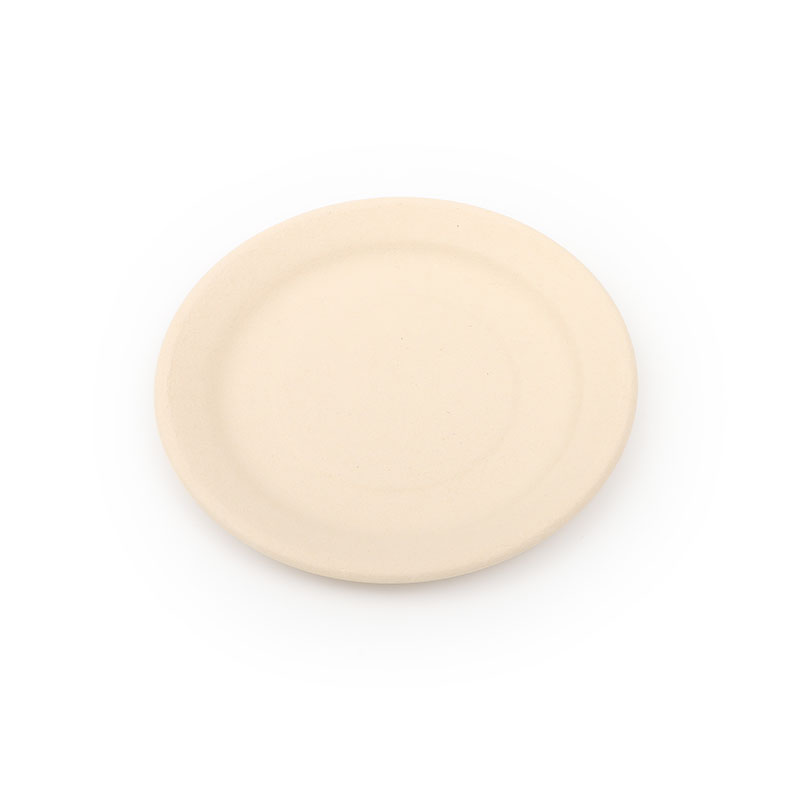 7 inch
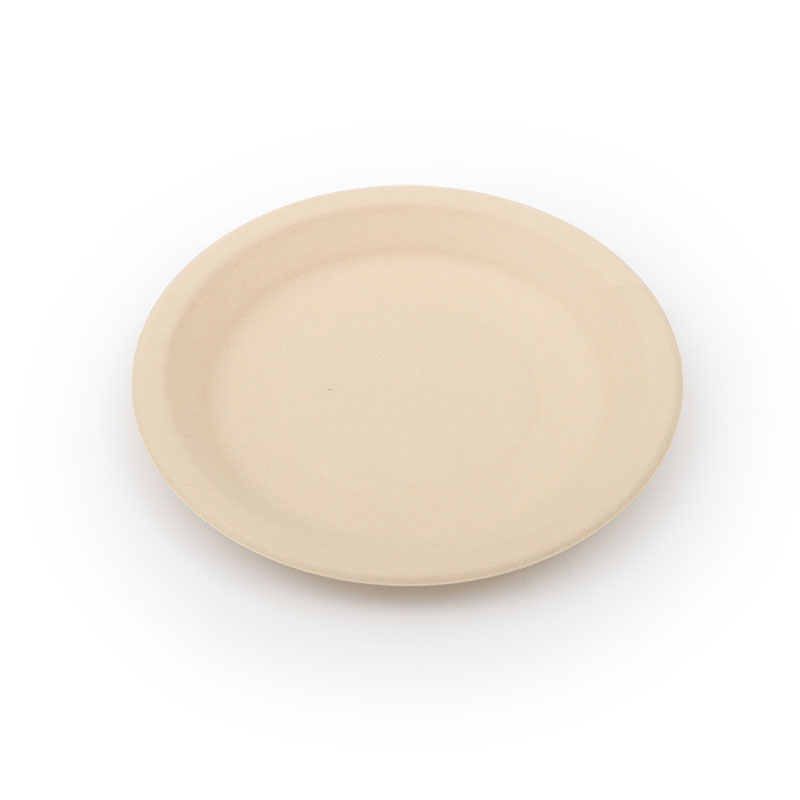 6 inch
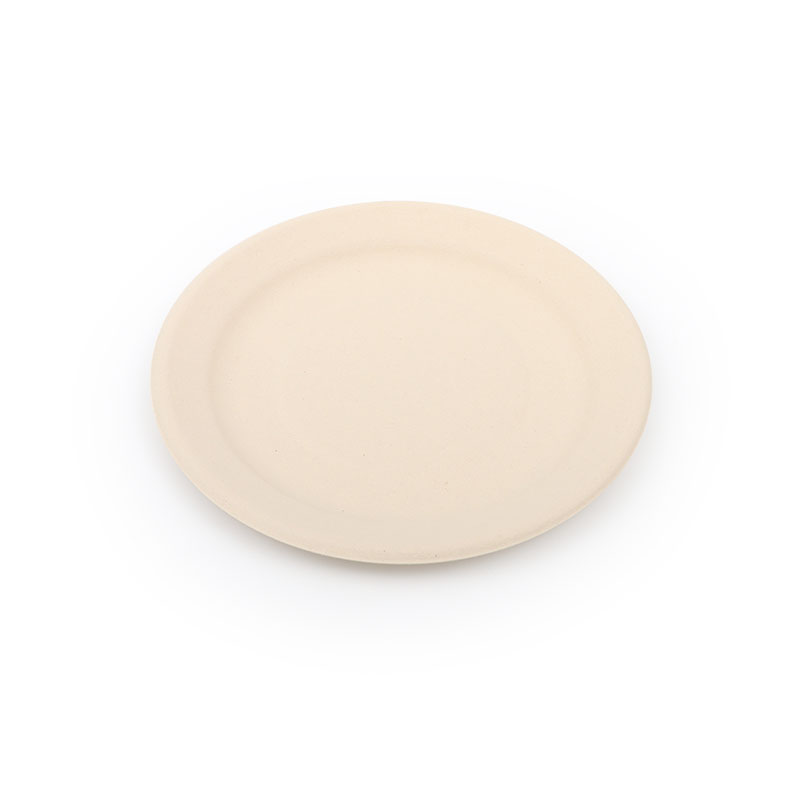 8 inch
 Middle Round Plate Series
 9 Inch 3 Compartments
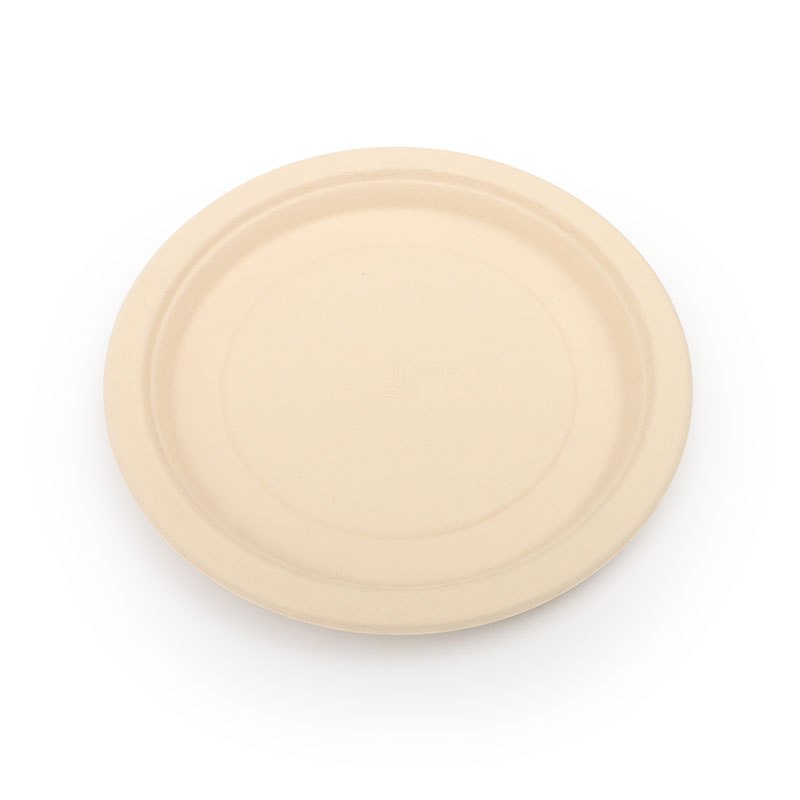 9 inch
 Big Round Plate Series
 12.7 Inch Pizza Plate
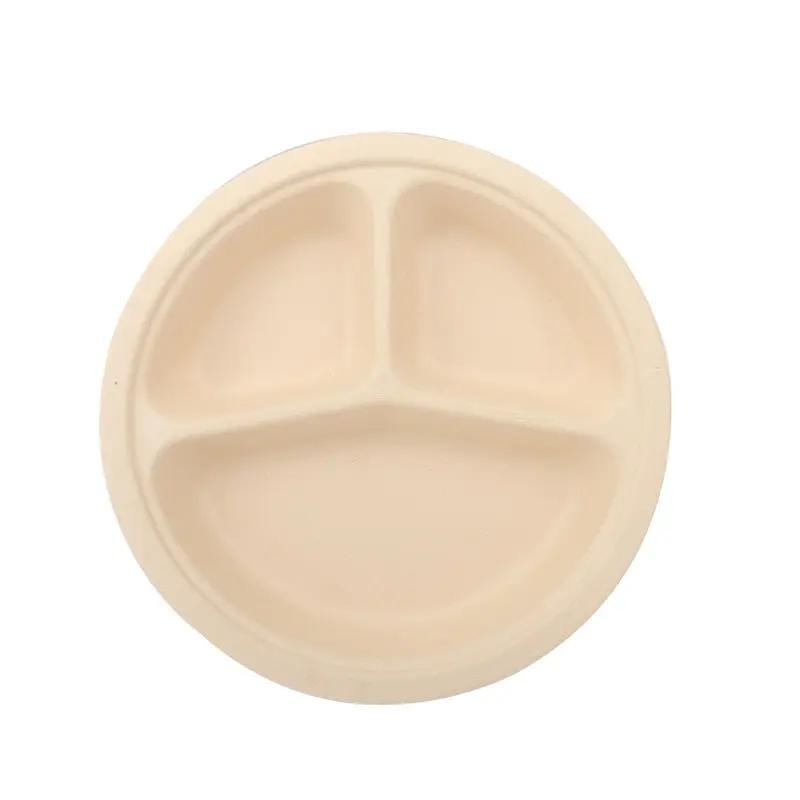 10.25 inch 3 Compartments
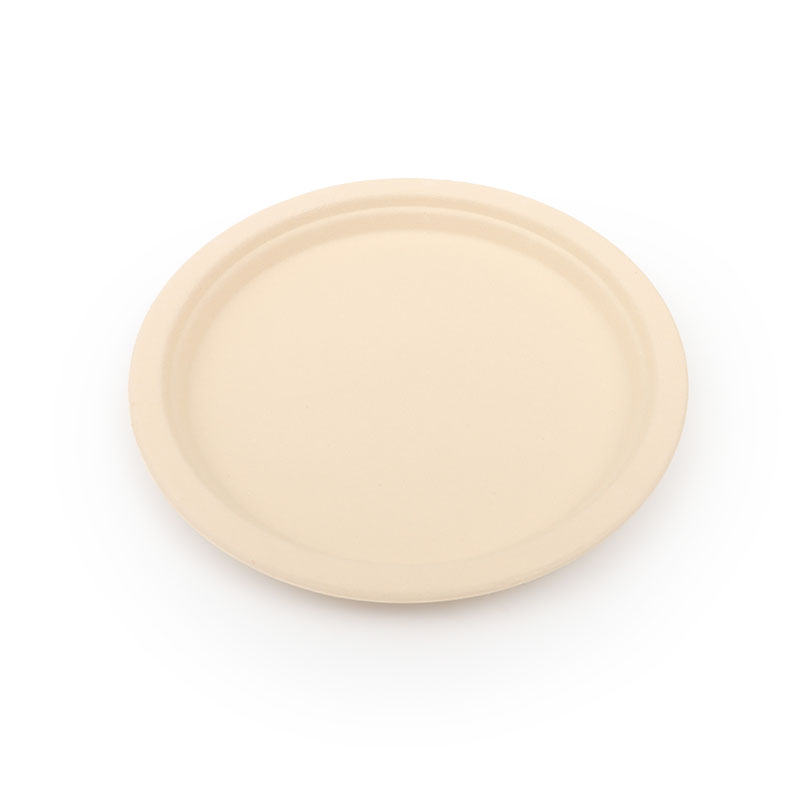 10 inch
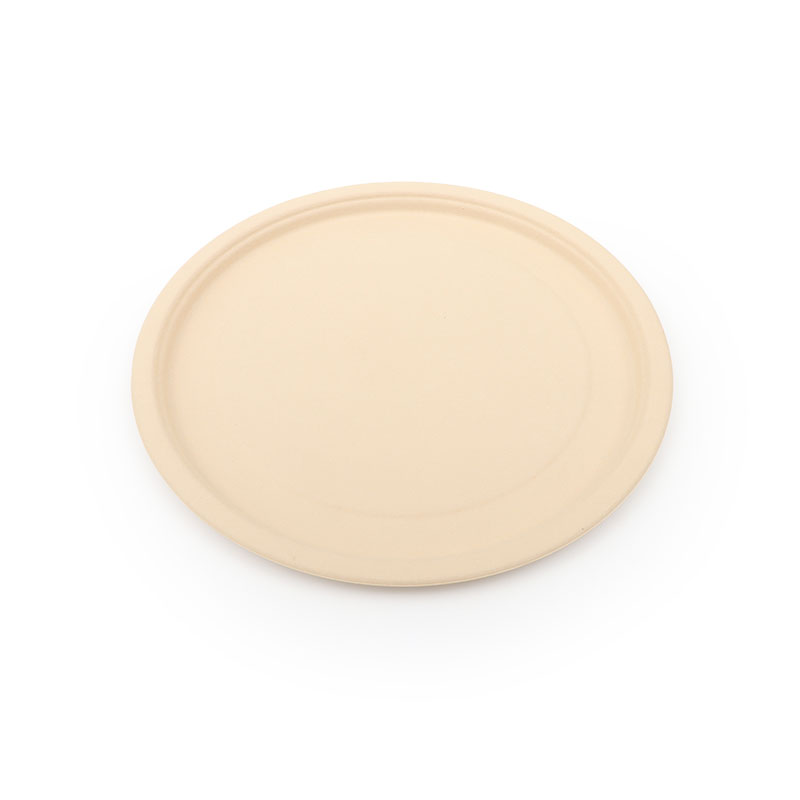 12 inch
 Bigger Bowl
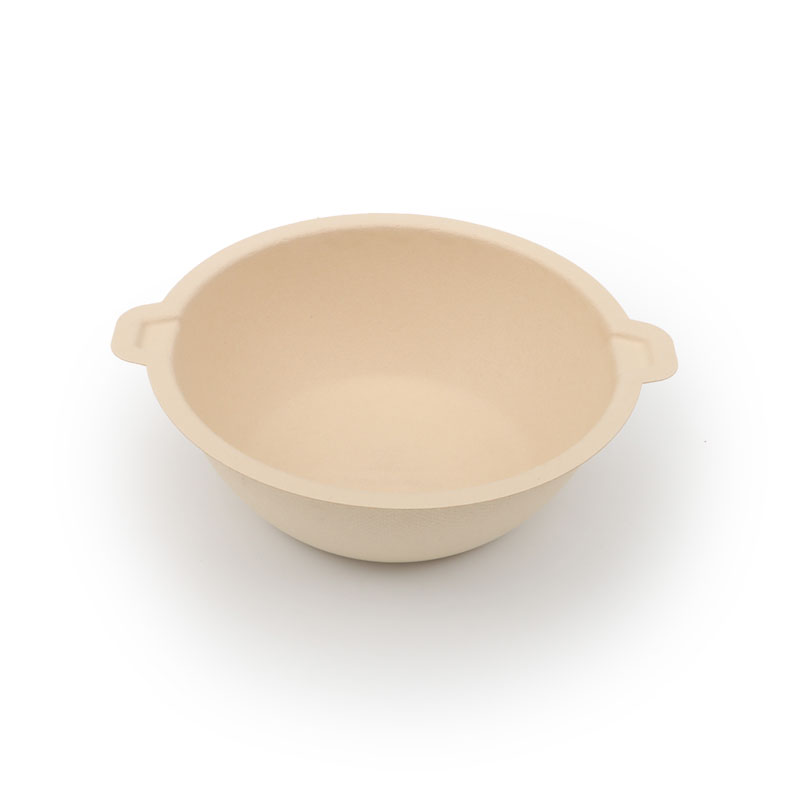 48oz(1420ml)
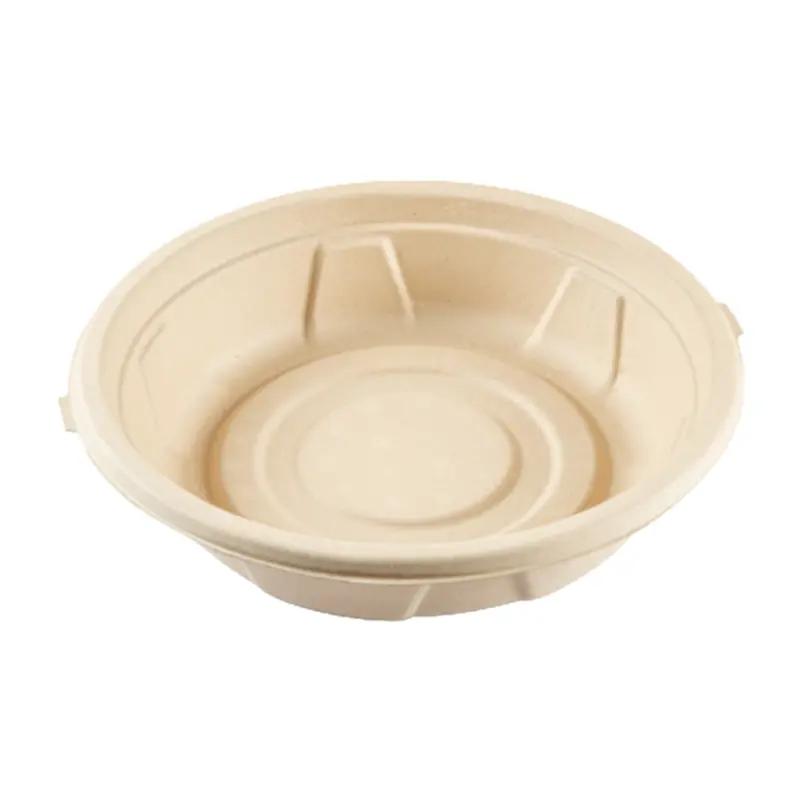 56oz(1650ml)
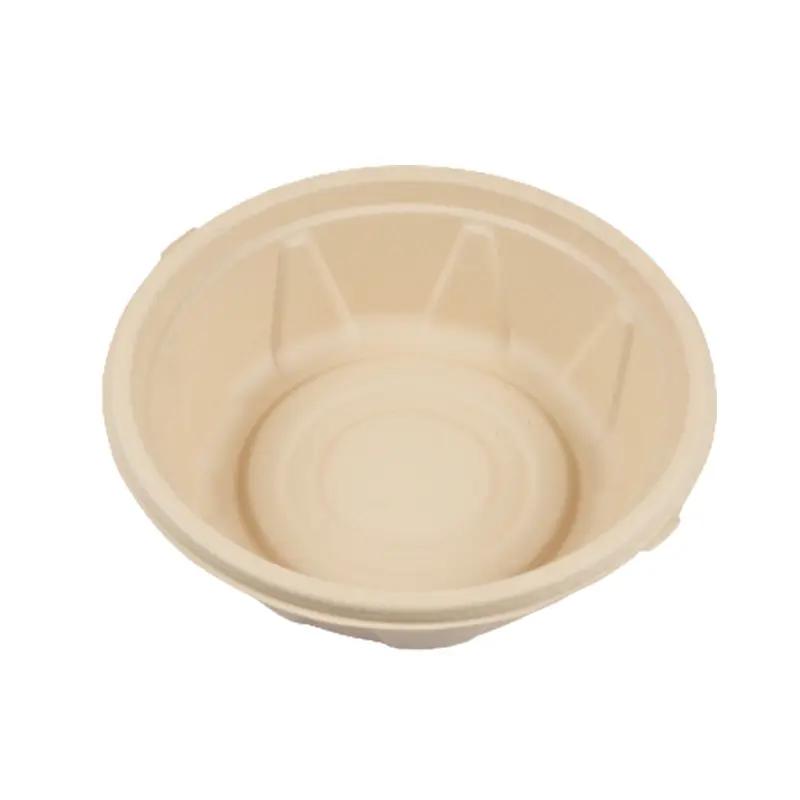 100oz(2950ml)
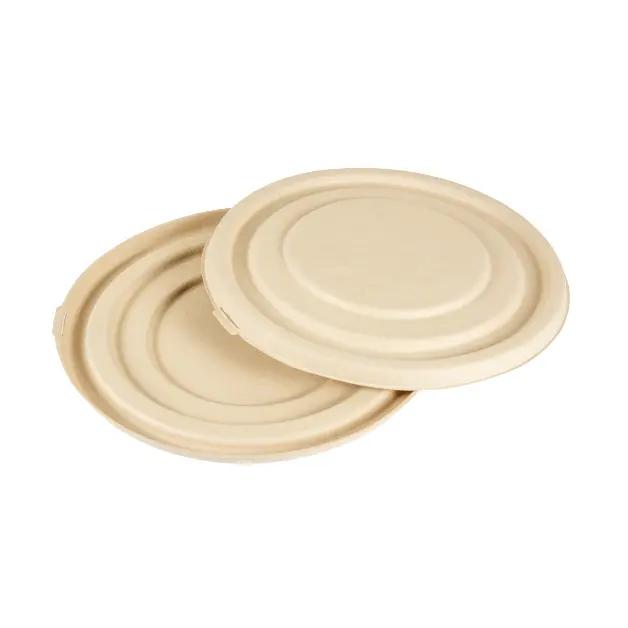 100oz(2950ml) With Lid
 Middle Bowl
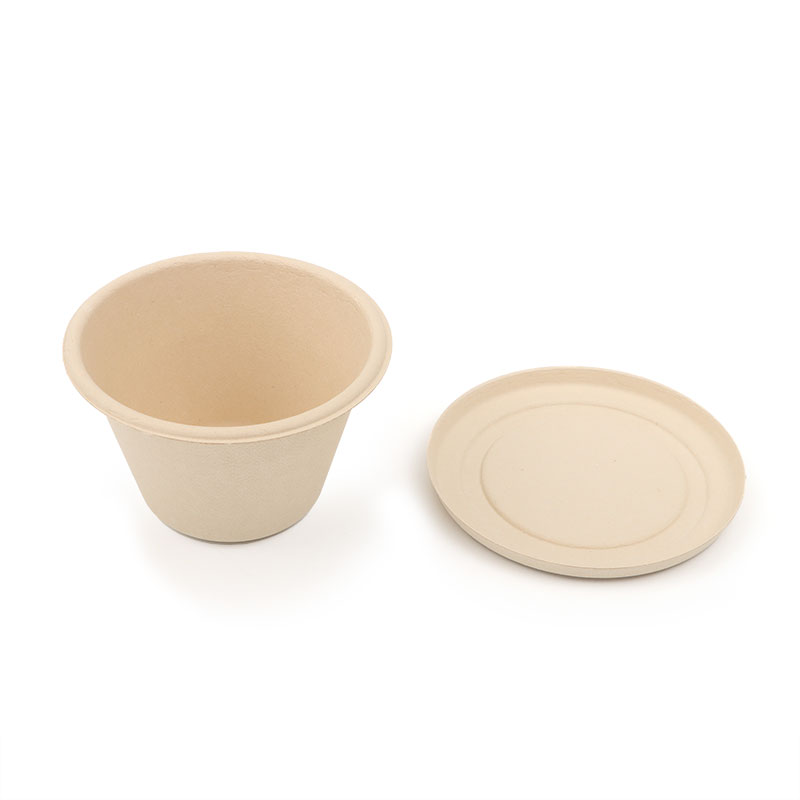 17oz(500ml)
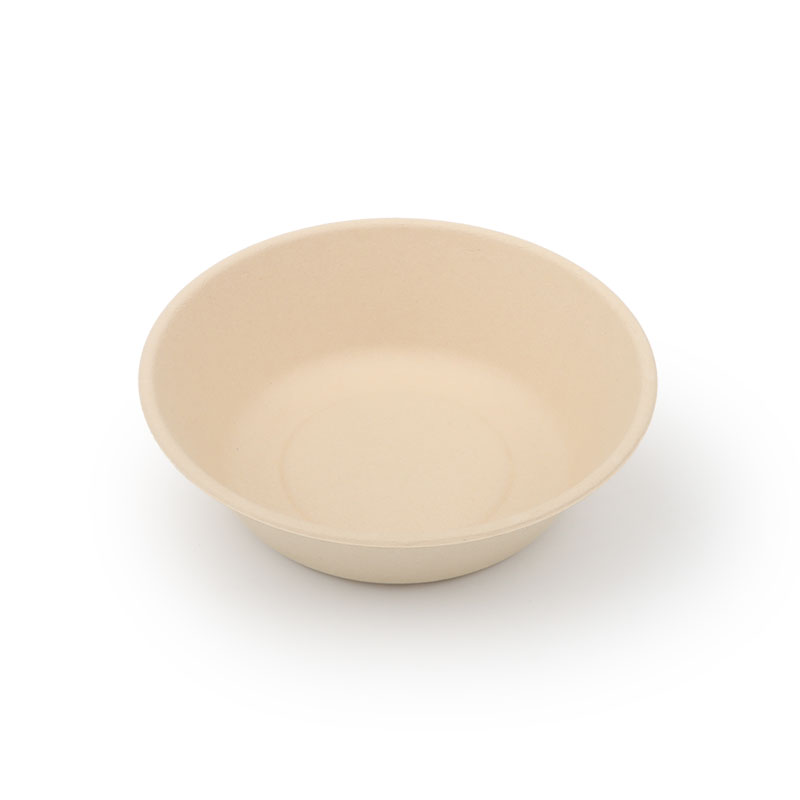 27oz(800ml)
 20oz(600ml)
 29oz(850ml)
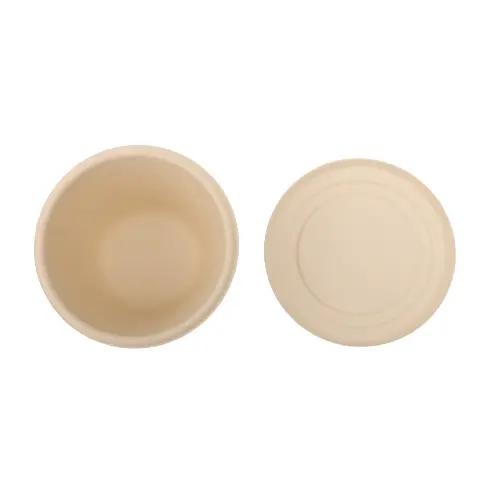 17oz(500ml) With Lid
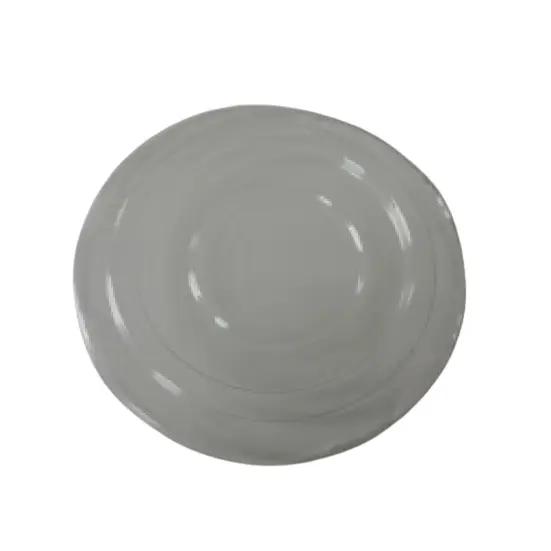 17oz(500ml) PET Lid
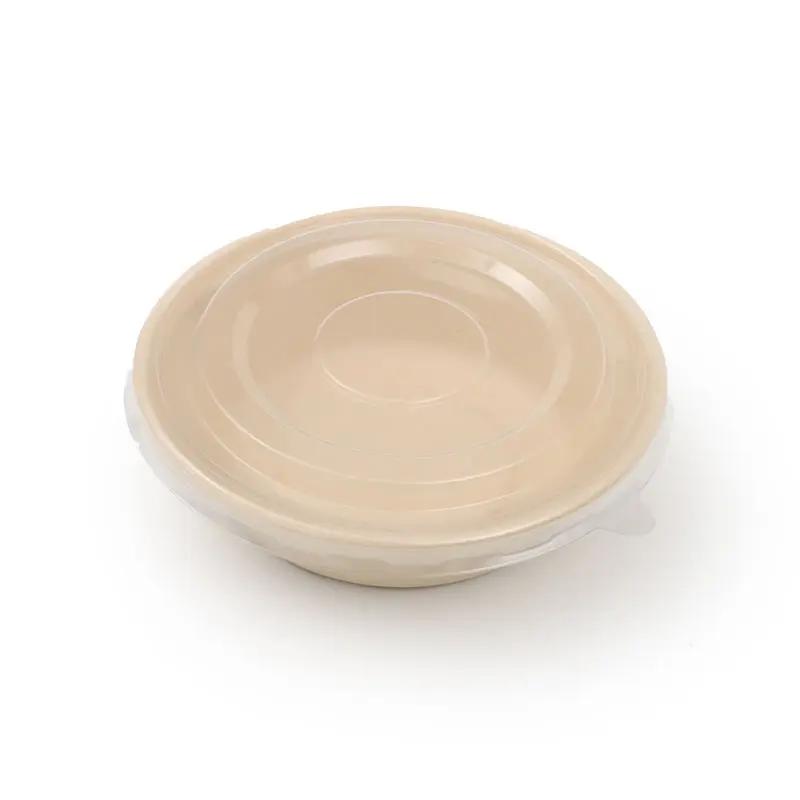 28oz(830ml) PET Lid
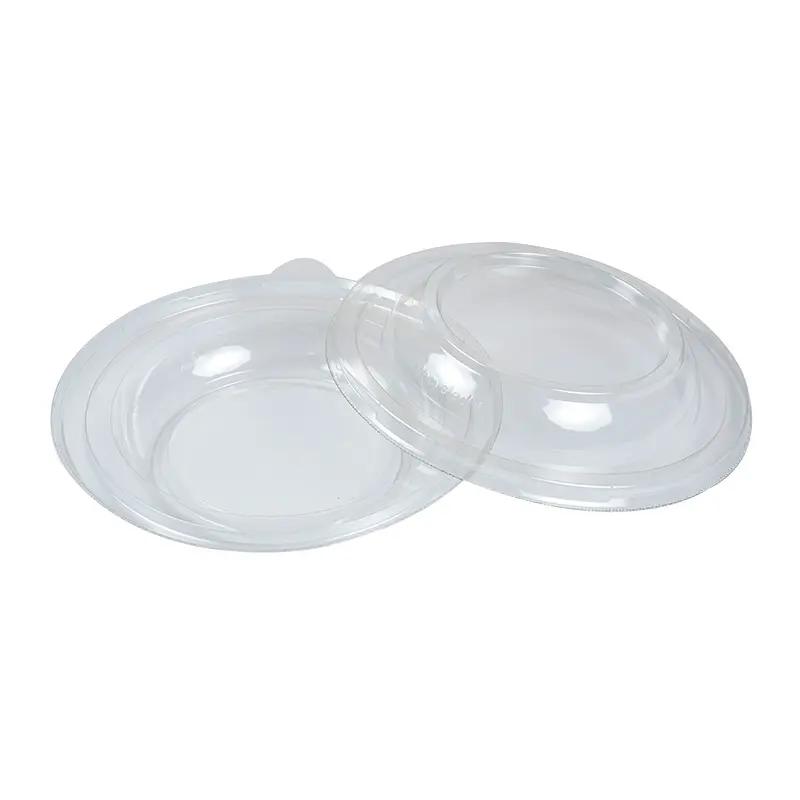 Round Bowl PET
 Small Bowl
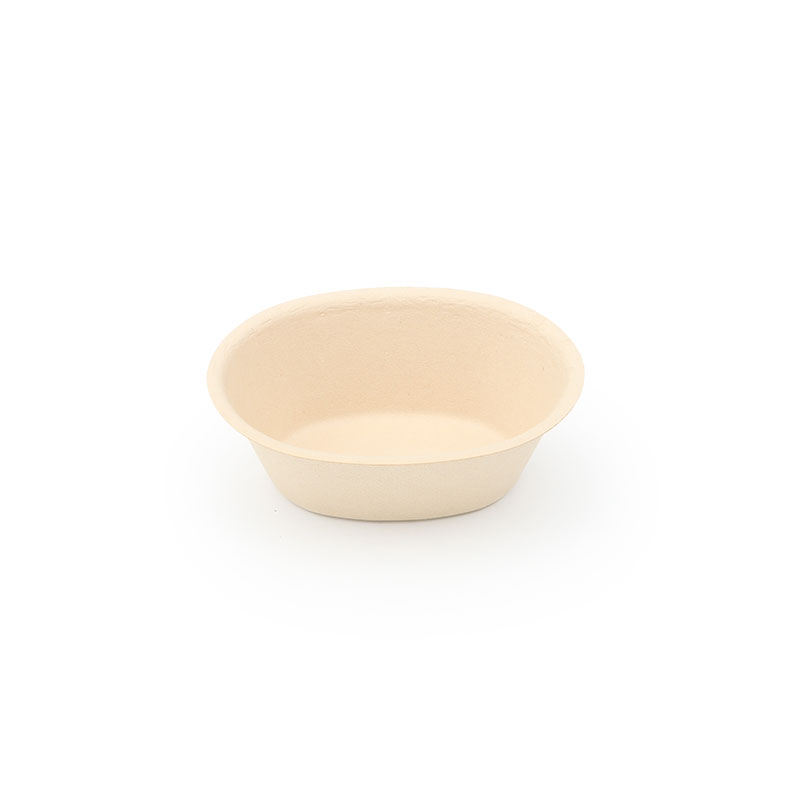 Snack Bowl
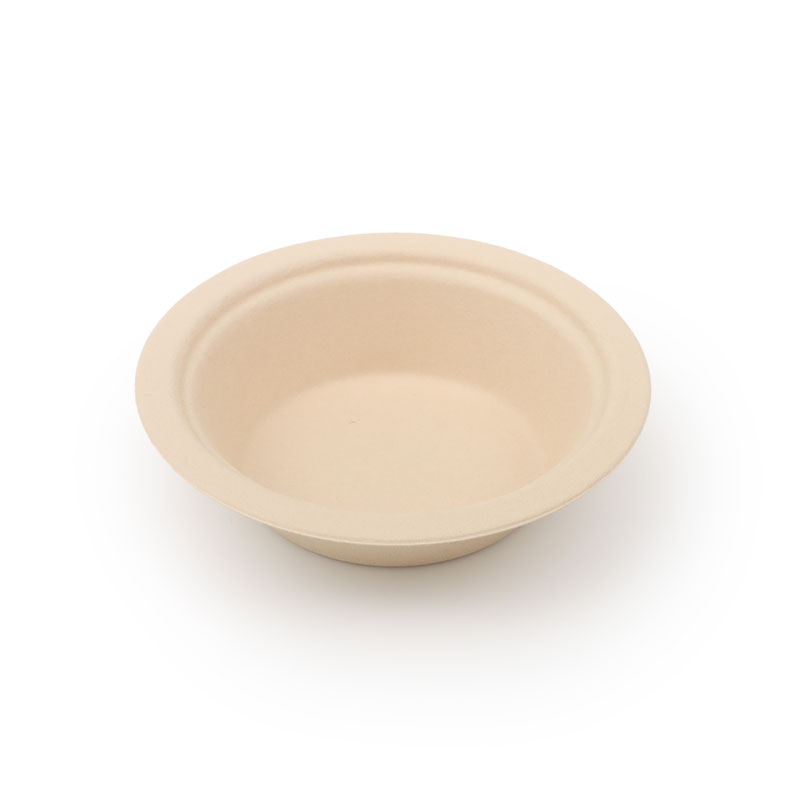 11.5oz(340ml) Bowl
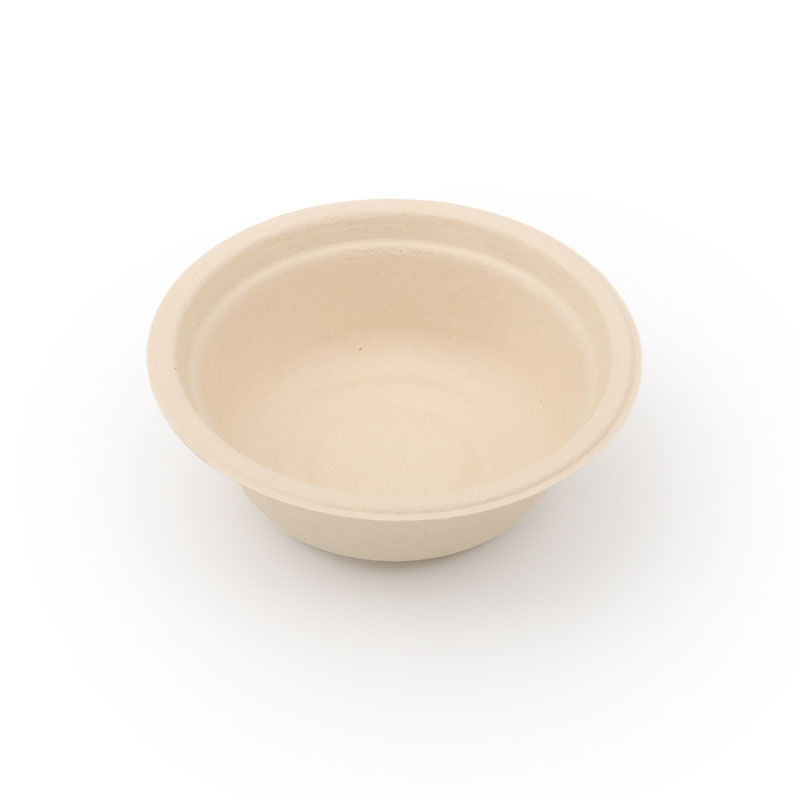 6.7oz(200ml) Bowl
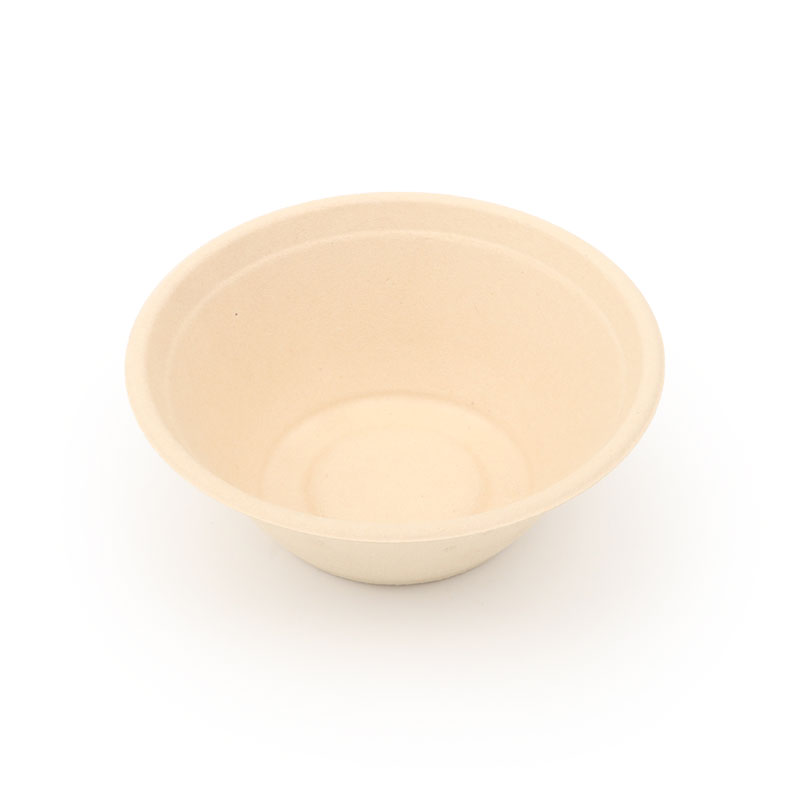 12oz(350ml) Bowl
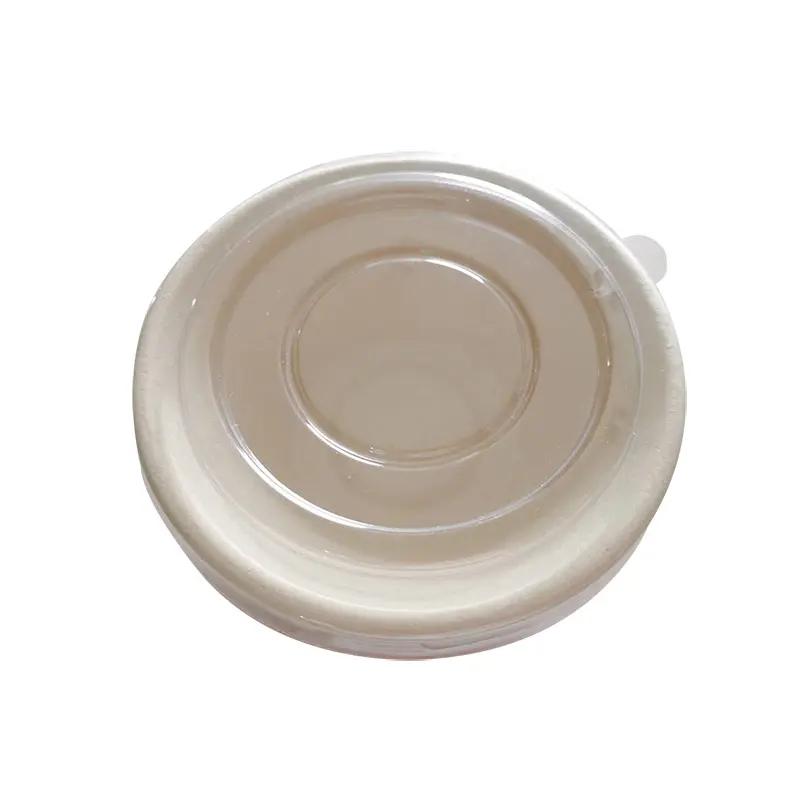 12oz(350ml) Bowl PET
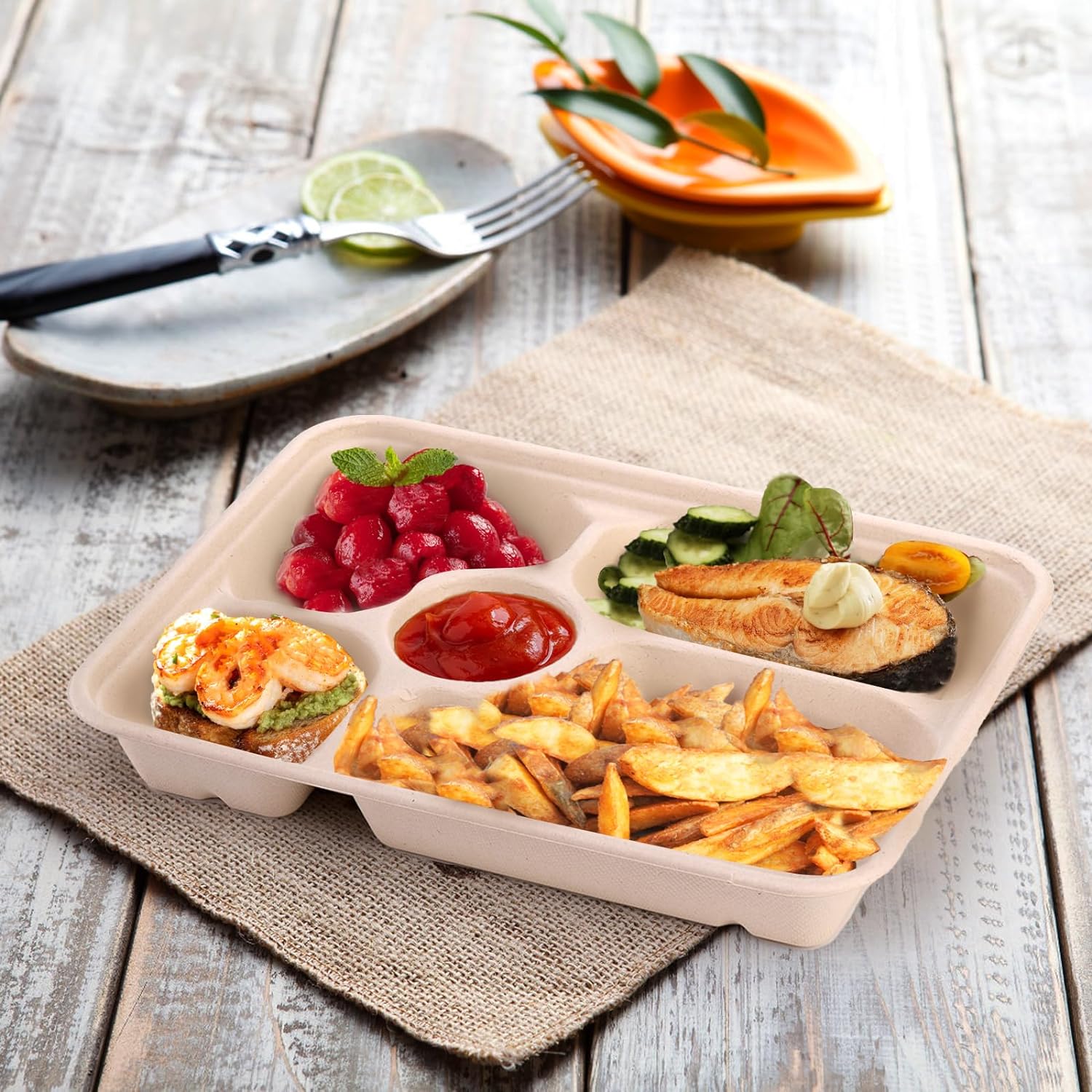 Bagasse Lunch Boxes
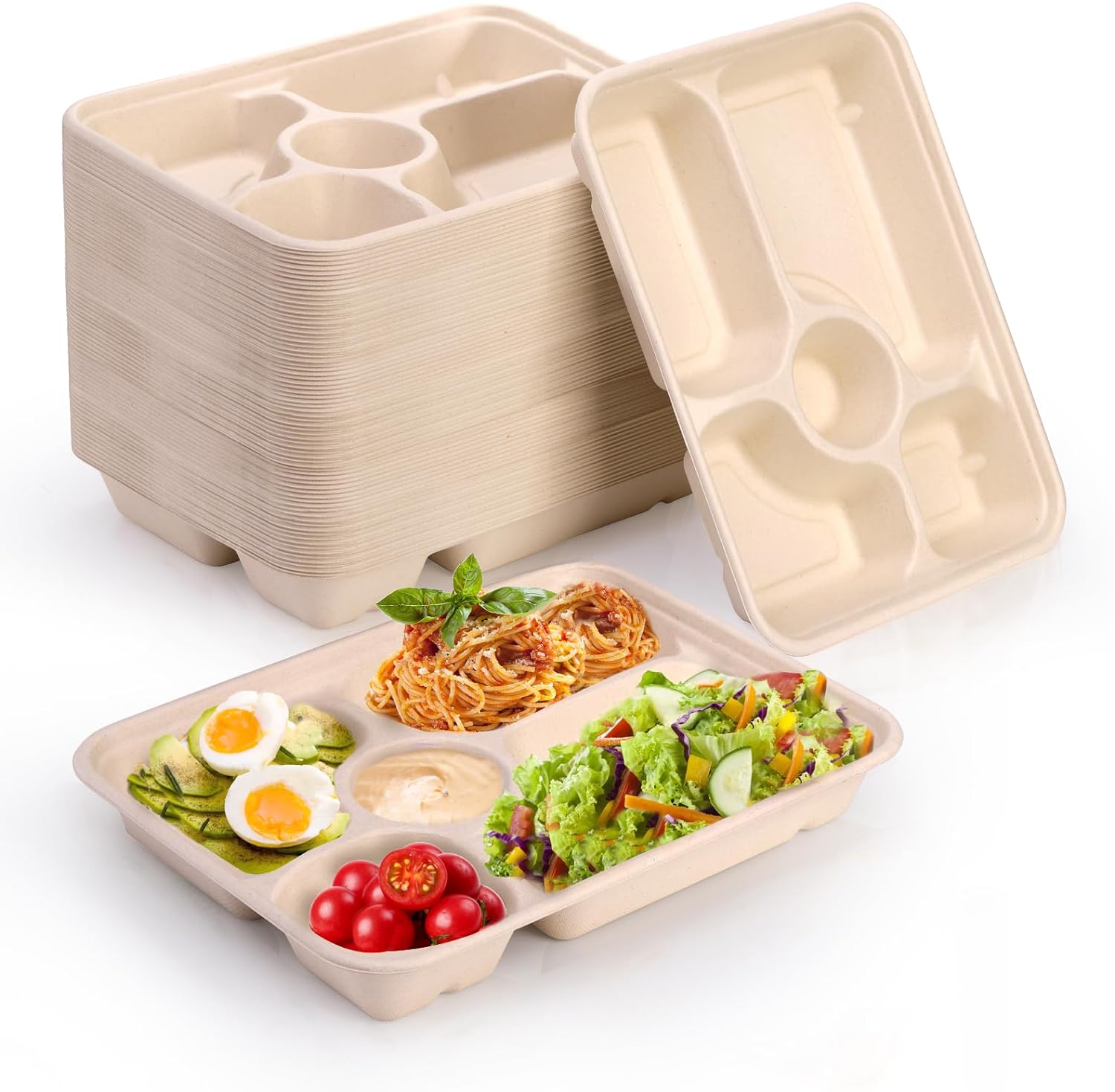 5CP
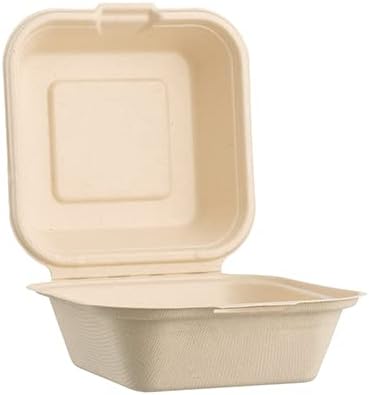 6 inch
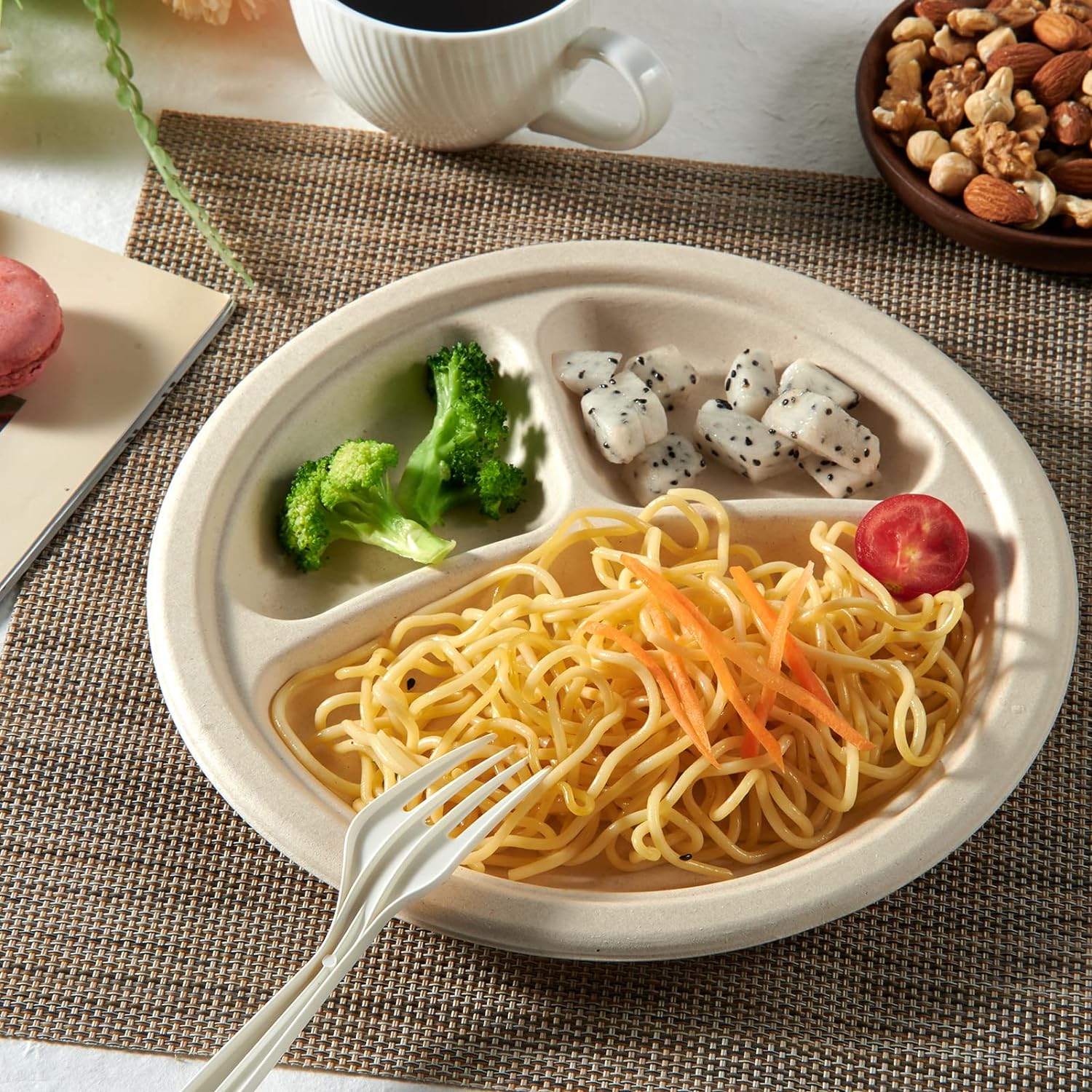 Bagasse Food Plates
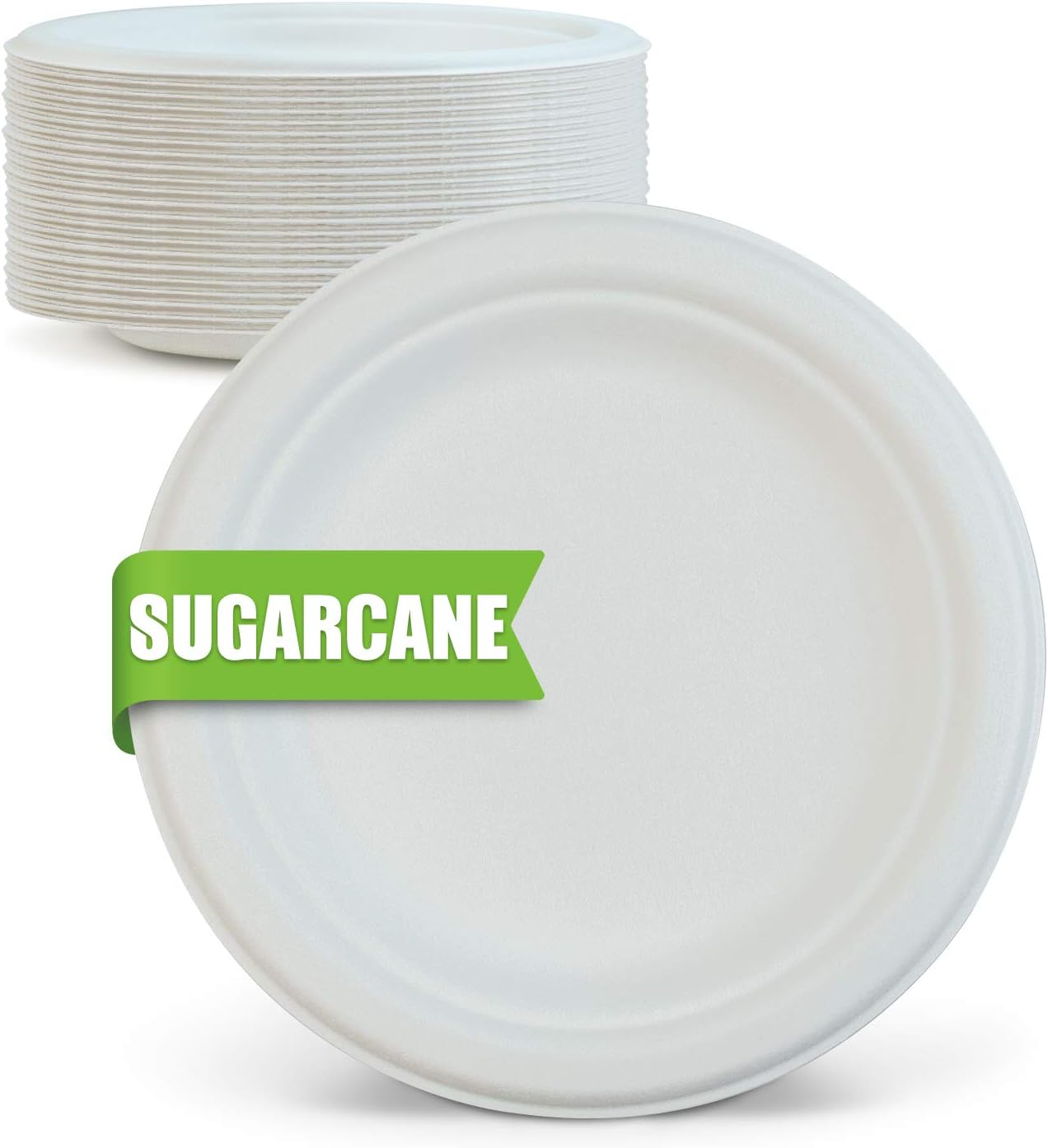 7 inch
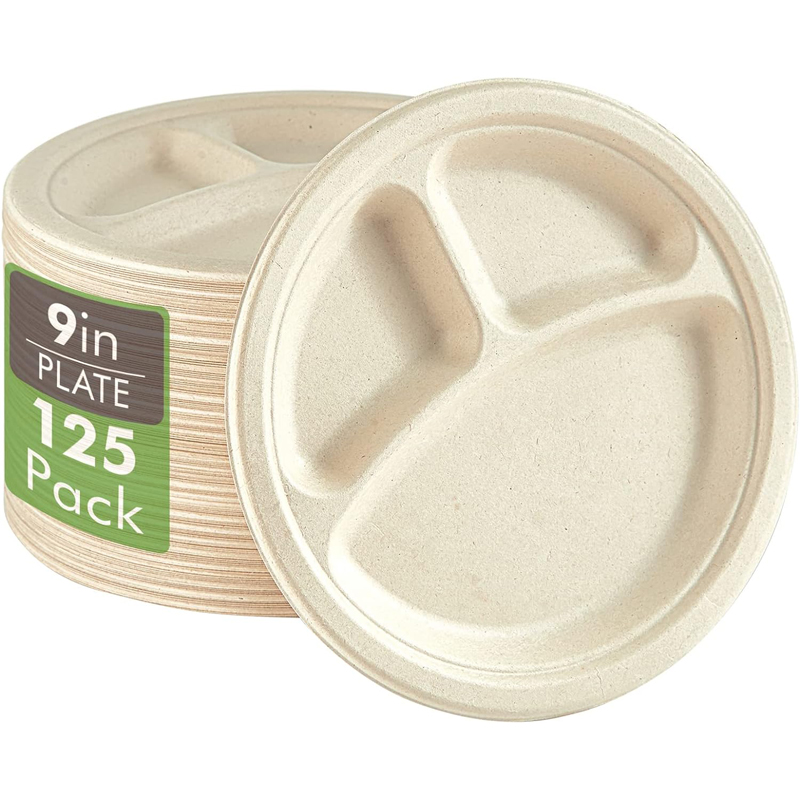 3CP
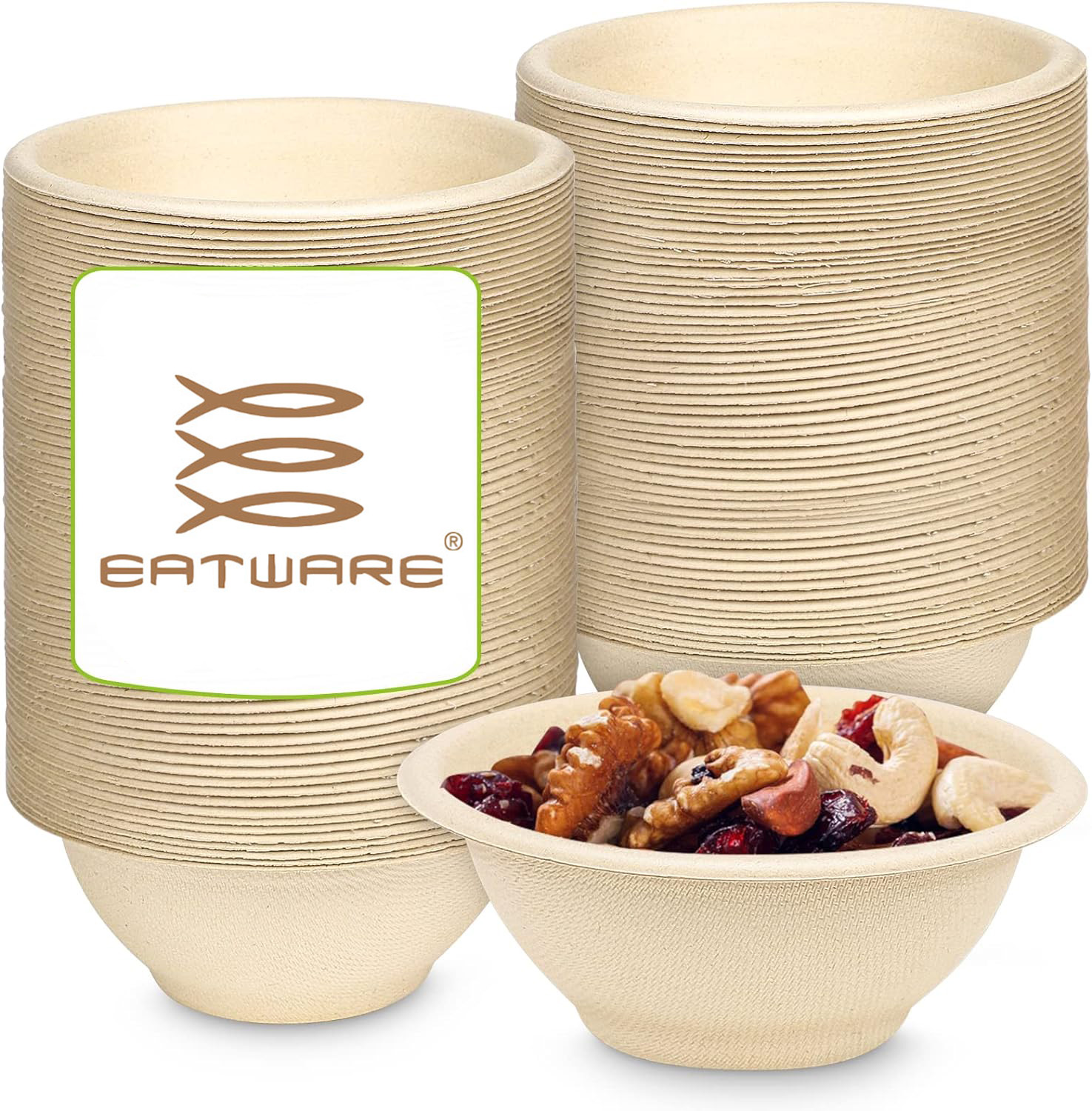 Bagasse Bowls
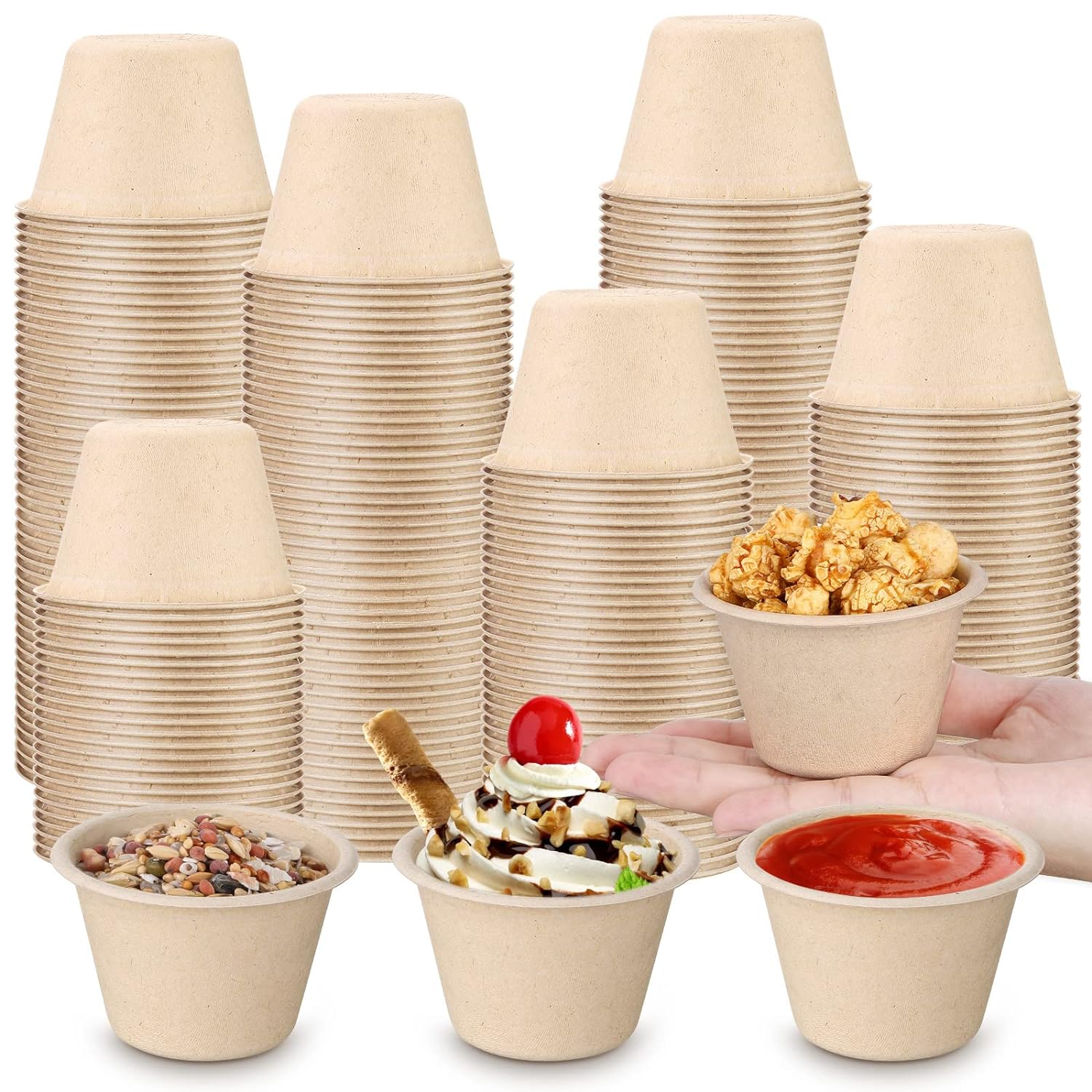 4oz
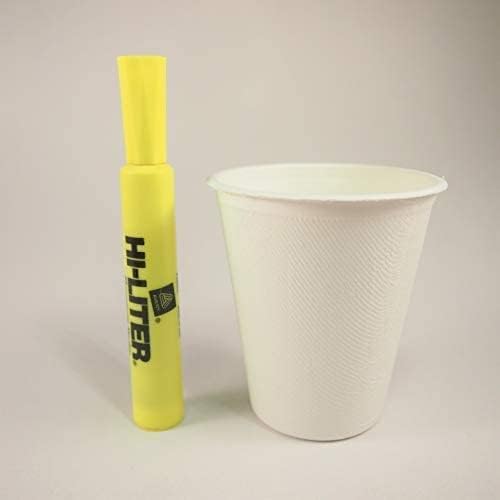 Bagasse Cups And Cutlery
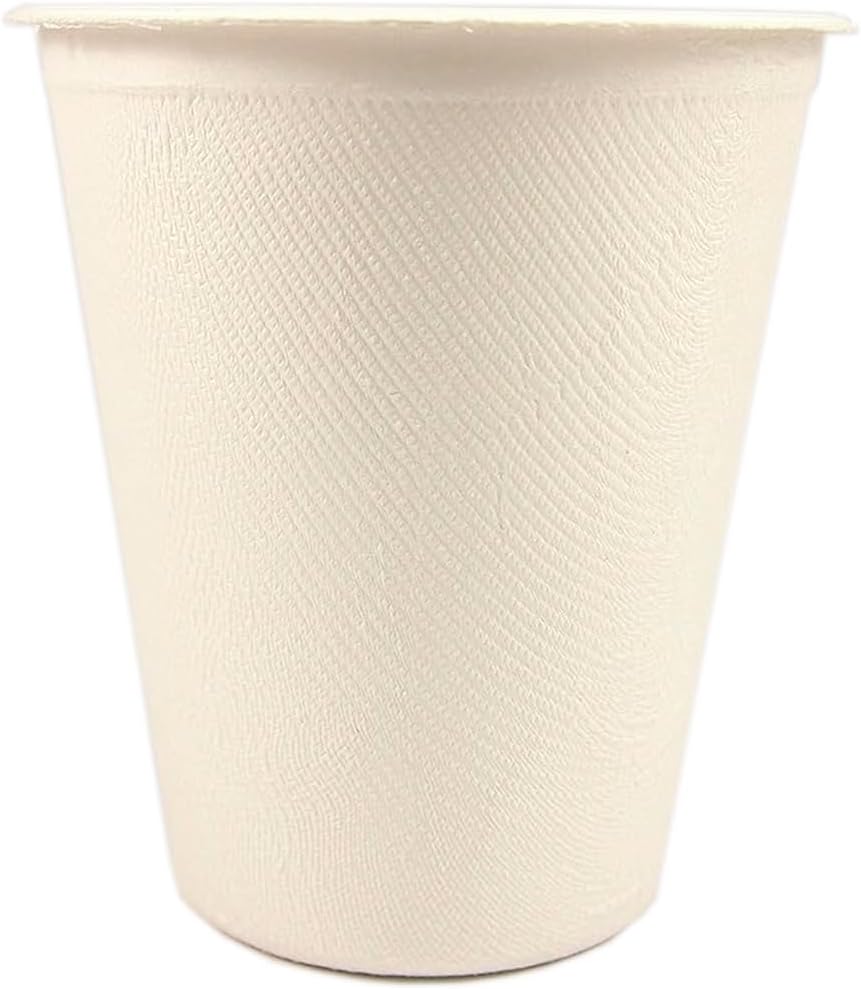 8oz
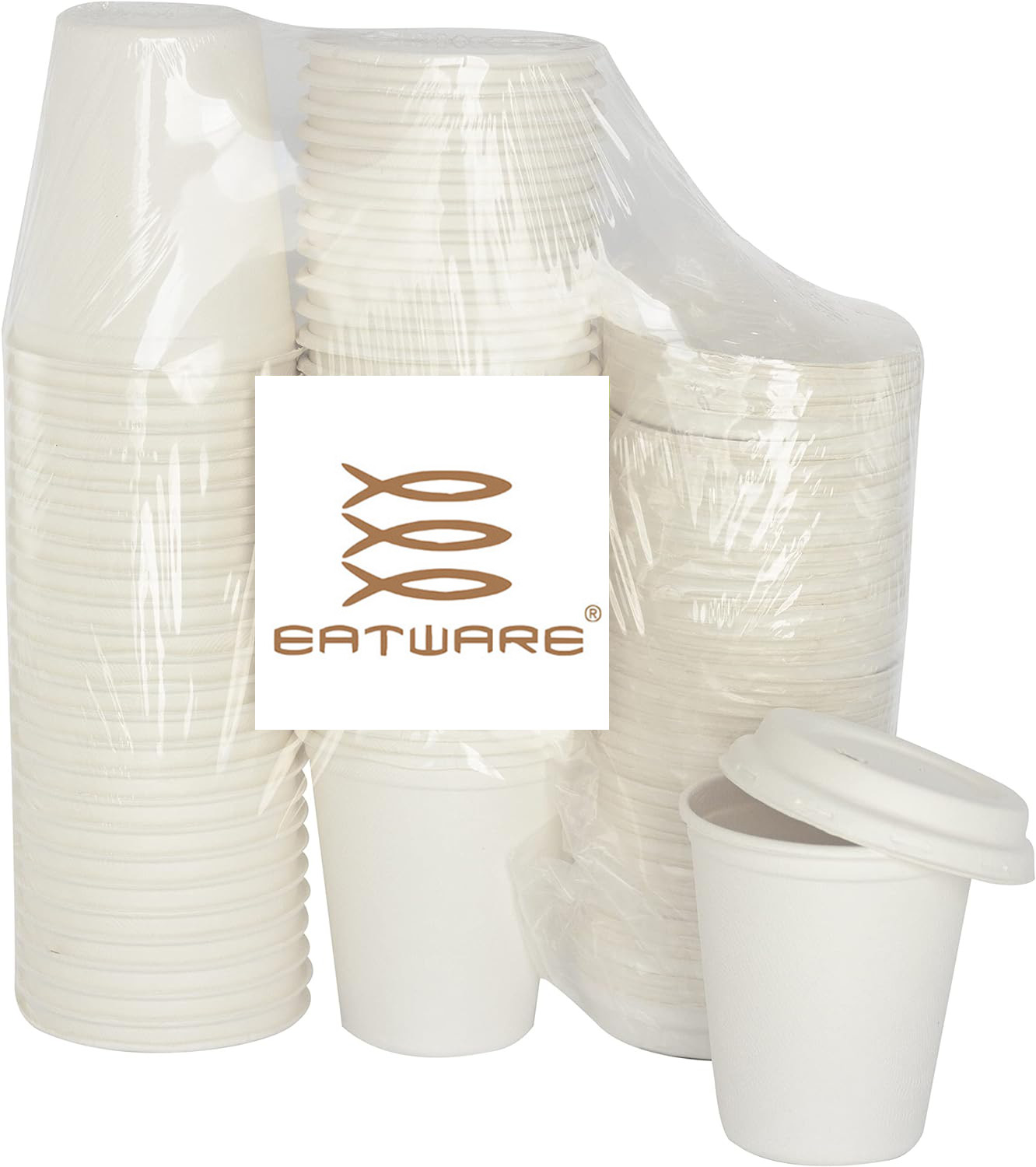 12oz
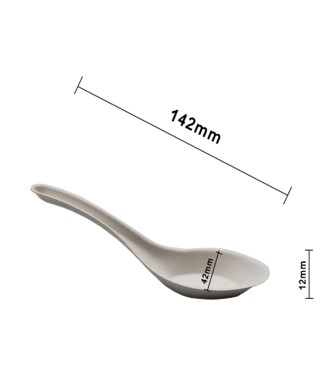 Cutlery
Leave Your Message
Engineered with high-density bamboo and sugarcane molded fibers to ensure zero oil migration, leakproof meat chilling, and micro-climate freshness at home.


For decades, residential meat preservation has relied heavily on Expanded Polystyrene (EPS) foam and non-recyclable multi-layered plastic films. While conventional plastic trays offer superficial moisture containment, they introduce severe microplastic migration risks, lack breathable moisture homeostasis, and contribute millions of tons of persistent municipal solid waste annually. As modern consumers pivot toward conscious kitchen routines, clean eating, and non-toxic cooking accessories, the demand for sustainable, high-barrier beef containment has reshaped food packaging technology.
Tectorial Technology represents a paradigm leap in pulp molding engineering. Derived from the biological concept of a protective "tectorial membrane"—a stratified, functional barrier layer that governs permeability and resilience—this technology applies an ultra-dense, micro-fibrillated natural bamboo and sugarcane cellulose matrix treated with non-fluorinated, water-based hydrophobic and oleophobic cross-linkers. This creates a food-contact surface that repels myoglobin-laden exudates, fatty acids, and meat juices without relying on harmful PFAS or petroleum laminates.
By compacting high-tensile bamboo fibers under thermoforming pressure of 55+ automated molding units, the tectorial surface achieves a compact cell density that resists blood soaking and lipid penetration for over 72 hours under domestic refrigeration.
Tectorial surface chemistry blocks beef blood, marinating oils, and high-fat secretions from softening the molded fiber base, ensuring structural firmness throughout meal prep.
Completely free of per- and polyfluoroalkyl substances (PFAS), heavy metals, or plasticizers, eliminating chemical transfers to raw cuts intended for family dining.
Manufactured strictly from renewable bamboo pulp and agricultural fibers that biodegrade into soil nutrient material, supporting international zero-carbon targets.
From pre-seasoning gourmet steaks to organized portion thawing and outdoor barbecuing, discover how bio-pulp trays streamline residential food safety.
When preparing ribeye, brisket, or flank steak on kitchen granite or wood blocks, raw meat purges frequently cause cross-contamination. Utilizing a dedicated Tectorial Technology Beef Tray creates a secure, sterile prep dock. Home cooks can rub kosher salt, crushed pepper, garlic pastes, and olive oil directly on the meat without soaking through the base or leaking marinades onto prep tables.
Traditional plastic wrap causes condensation pooling, leading to surface sogginess and cellular damage in thawing steaks. The microporous nature of tectorial plant pulp buffers minor humidity fluctuations while preventing drip leakage, preserving the pristine bloom, color, and texture of premium beef during slow 24-hour refrigerator defrosting.
For fitness enthusiasts and busy families preparing multi-day protein allocations, these trays allow effortless pre-weighing, vacuum staging, and dry-aging resting in domestic chilling drawers. Once cooked, leftover trimmings and bones can be discarded directly into the compost bin along with the tray.
Kangxin (HaiMen) Environmental Technology Co., Ltd. is a technology innovation oriented enterprise that focuses on disposable environmentally friendly tableware and food packaging. We have advanced production processes and equipment, and continue to attract senior talents, focusing on environmental protection, emphasizing safety, and ensuring quality.
In the field of environmentally friendly packaging for 18 years, has established cooperation with 500+ brands.
Through our research and development, there are more than 60 products can product, we also support OEM ODM customized services.
Exported to the United States, Europe, Australia, Canada and other countries, right now we have exported more than 30 countries.
10000+ square meters factory area, more than 30 patent certificates, 10 foreign authoritative certification, 55 automatic forming machines...
EATware is committed to sustainable development, using all natural plant fibers to produce safe, healthy and environmentally friendly tableware. Adhering to the concept of "take nature, serve humanity, return to nature", we focus on the development of safe, high quality and environmental standards.
EATware emphasizes environmental protection and sustainable development, explores the balance between enterprise survival and environmental protection, and uses all-natural and pollution-free bamboo fiber as the main material of tableware to ensure that its products meet the high technical level and are superior to developed countries.
Backed by 360 VR virtual factory auditing, worldwide food contact safety standards, and advanced molding automation patents.
Stay updated on international food packaging regulations, barrier performance testing protocols, and global sustainability shifts.
The most reliable way to test disposable food containers is to combine leakage testing with structural testing under conditions that reproduce the intended food application. A container should not be approved simply because it holds water for several minutes or survives an empty compression test...
Read More →For foodservice operators, replacing conventional plastic packaging is not simply a matter of changing materials. Disposable biodegradable tableware must still withstand hot food, sauces, oils, condensation, stacking, transport, and commercial handling without losing structural integrity...
Read More →With growing global demand for takeaway meals and eco-friendly packaging, China's manufacturing sector has become a major hub for disposable food containers. Today's food businesses - from fast-food chains and meal-delivery services to supermarkets and catering companies - are looking for proven suppliers...
Read More →Supplying industry-leading food service conglomerates, airline carriers, supermarkets, and specialty food chains worldwide.
Replacing expanded styrofoam and non-degradable plastic polymers with compostable bamboo pulp fibers to eradicate plastic residues from domestic disposal streams.
Preventing coastal microplastic contamination by producing marine-degradable, zero-PFAS plant tableware that leaves zero synthetic traces in aquatic ecosystems.
Sourcing fast-growing renewable bamboo and agricultural stalks, conserving ancient timber forests and capturing carbon through cyclical organic agriculture.
Explore our full line of thermoformed, PFAS-free molded bamboo pulp trays engineered for residential meat preparation, catering, and safe food storage.


