 Box With T buckle
 700ml Square Lunch Box
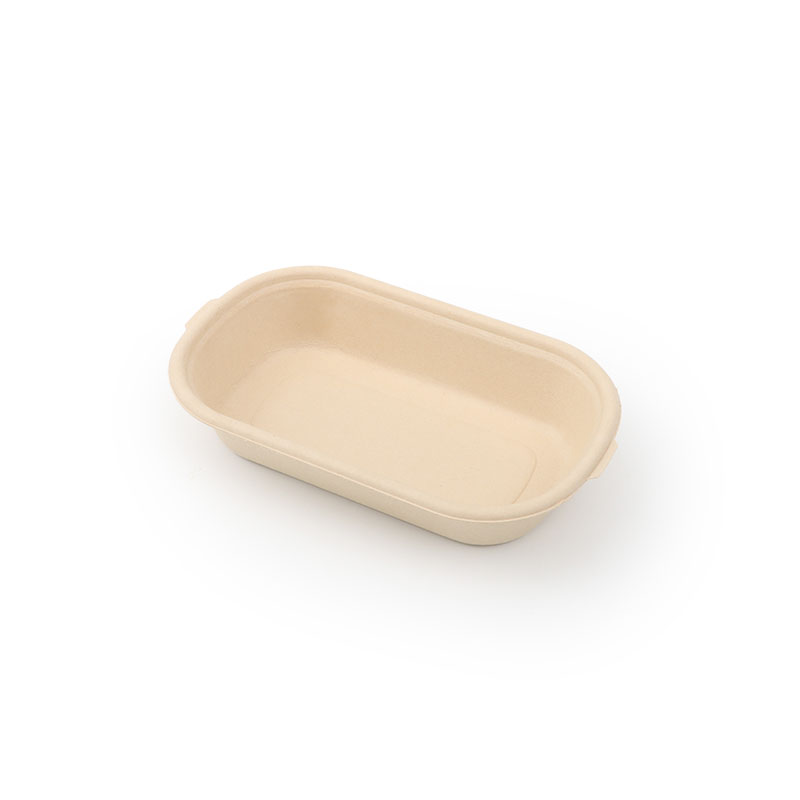 500ml
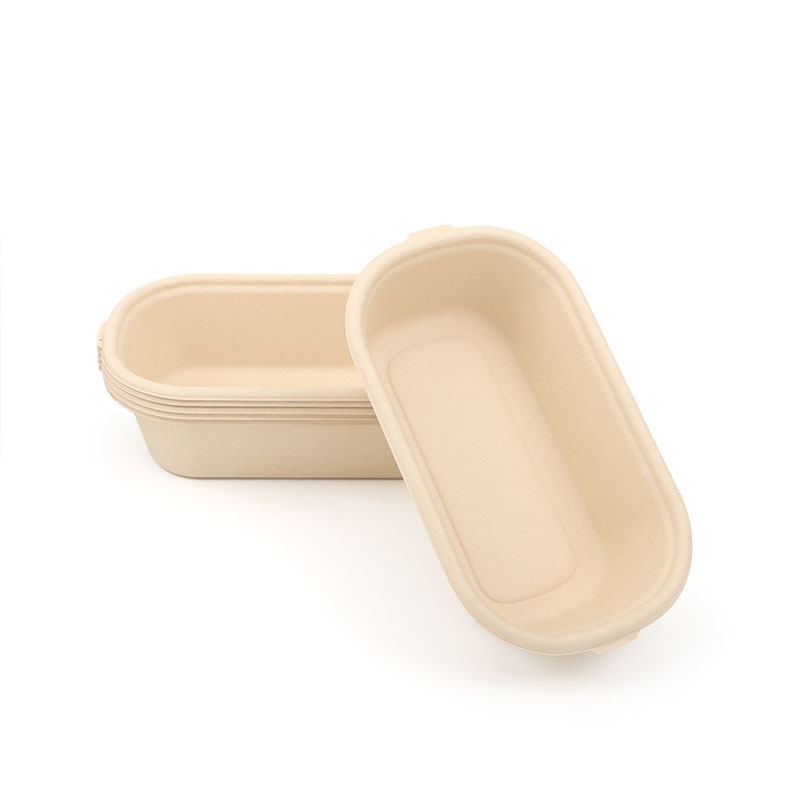 700ml
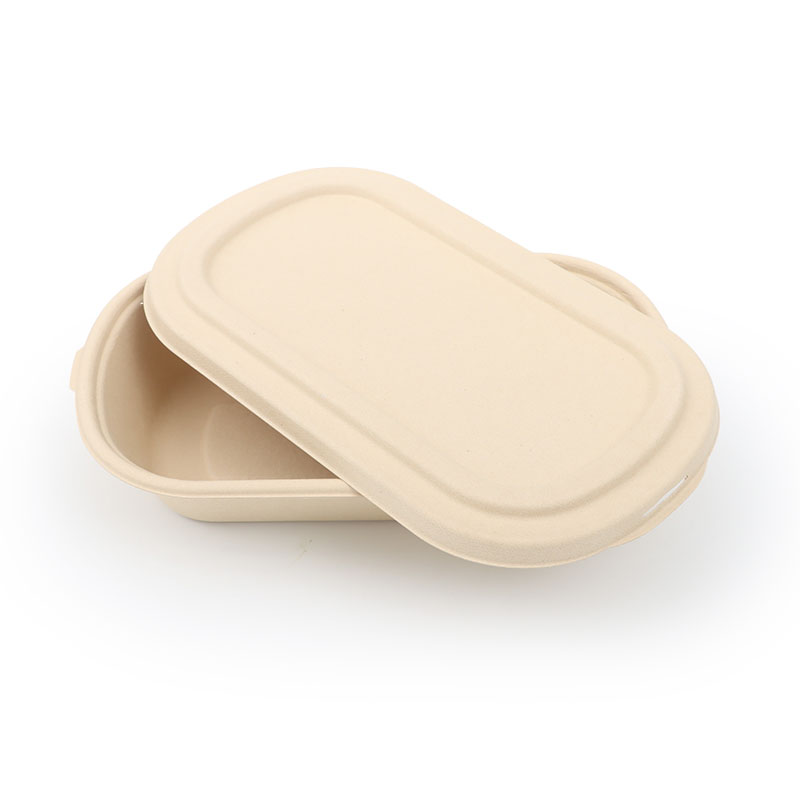 850ml
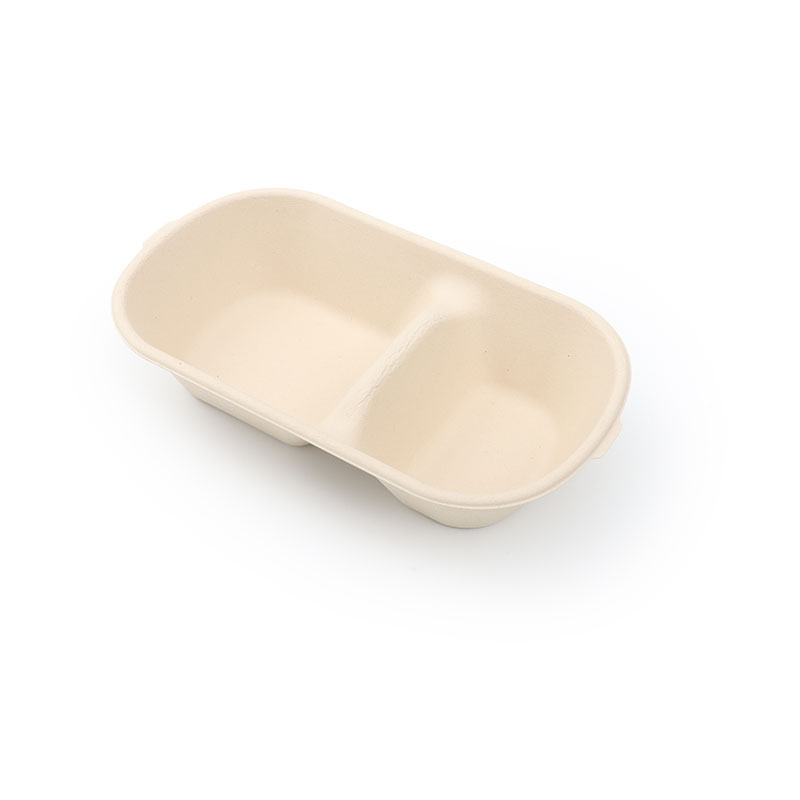 800ml 2 Compartments
 1000ml 2 Compartments
 1100ml
 1000ml Square Lunch Box
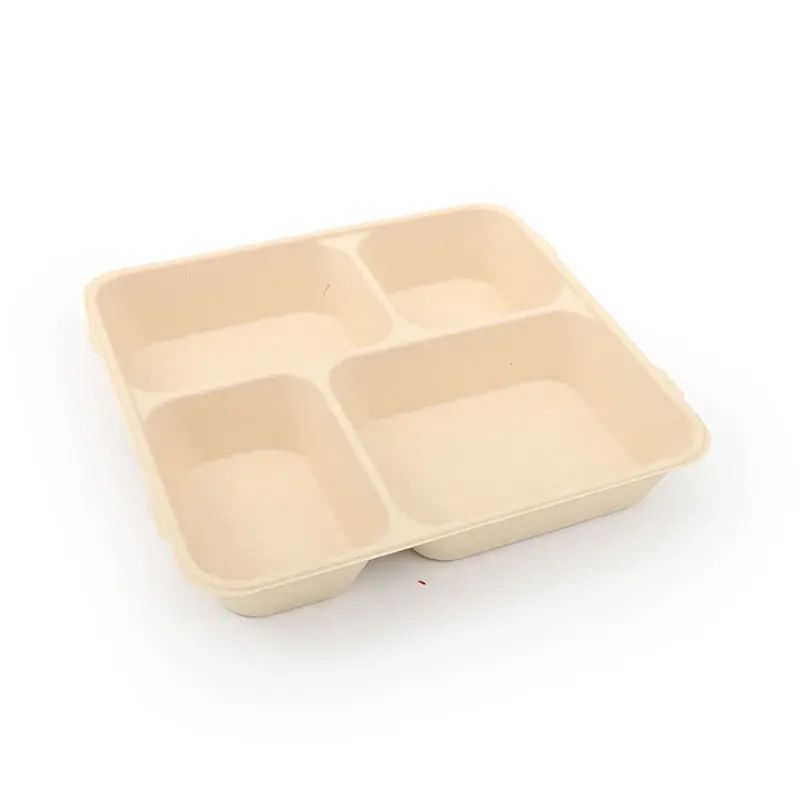 1340ml 4 Compartments
 Lunch Box Lid
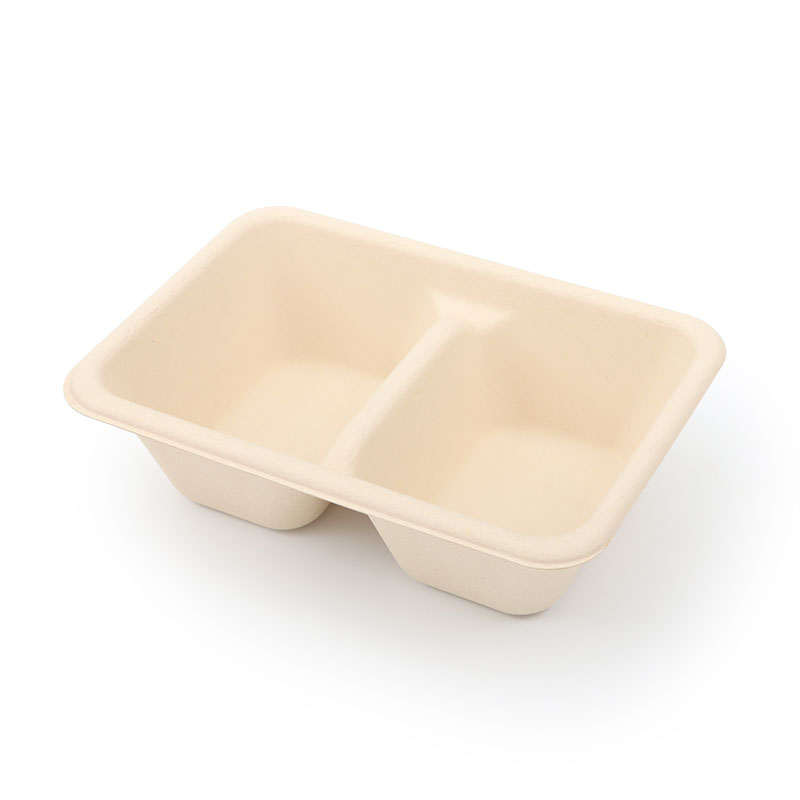 650ml
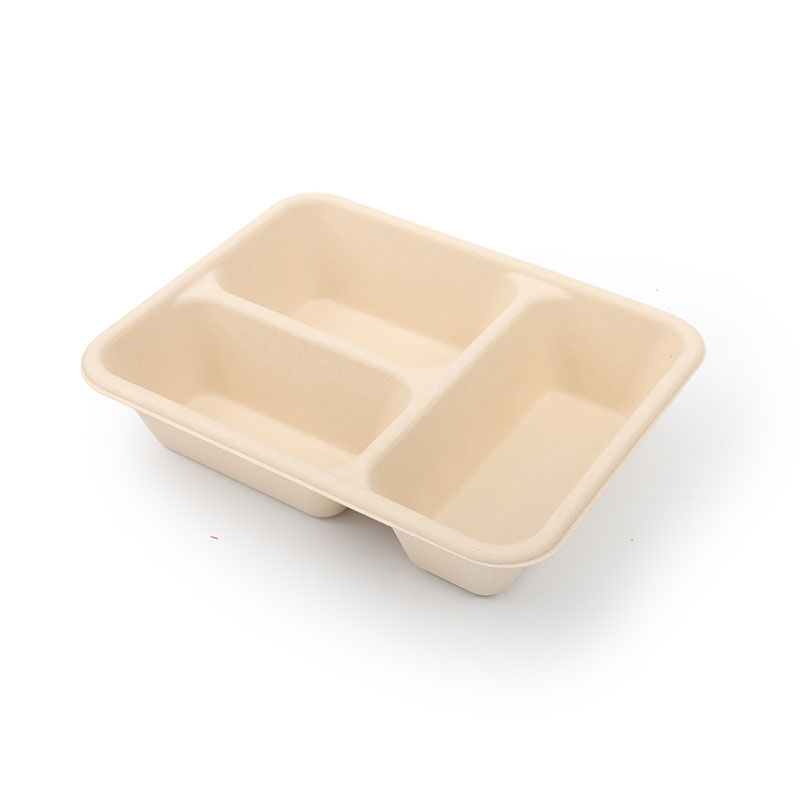 1000ml 3 Compartments
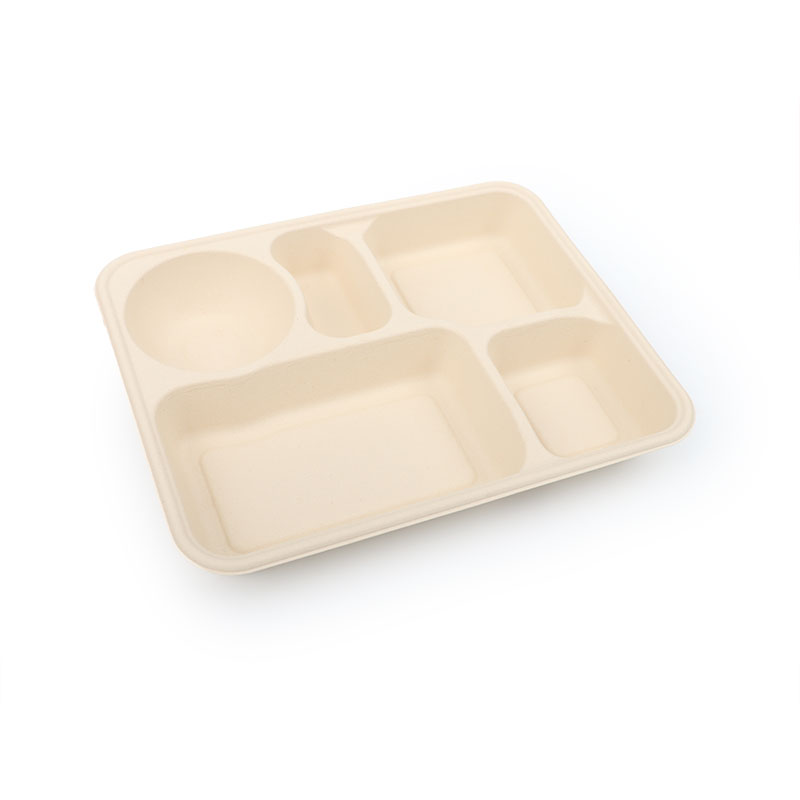 1250ml 5 Compartments
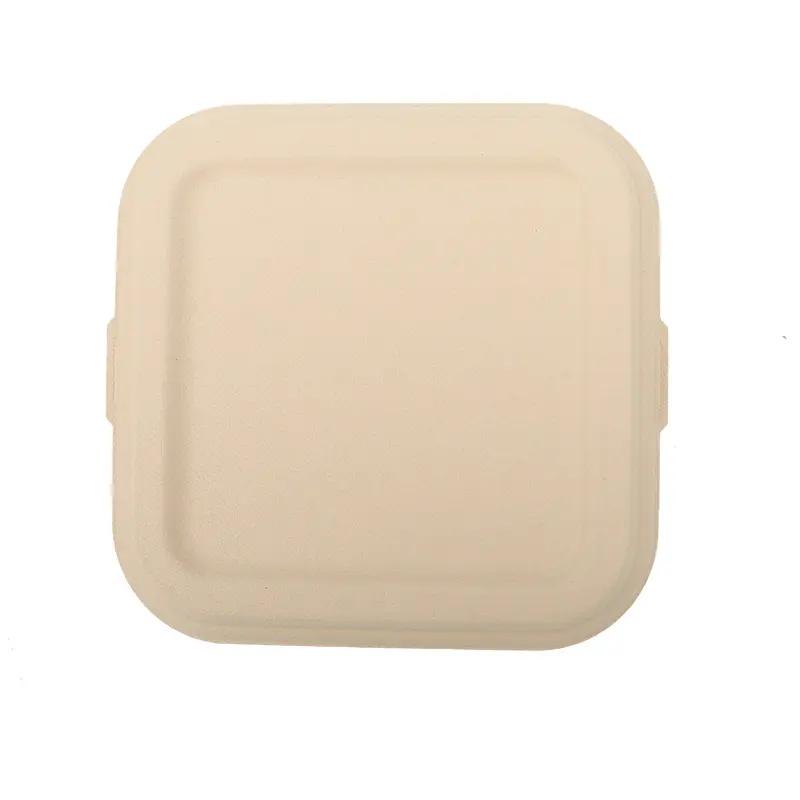 Square Lunch Box Lid
 Box Without T buckle
 850ml Salad Box
 700ml
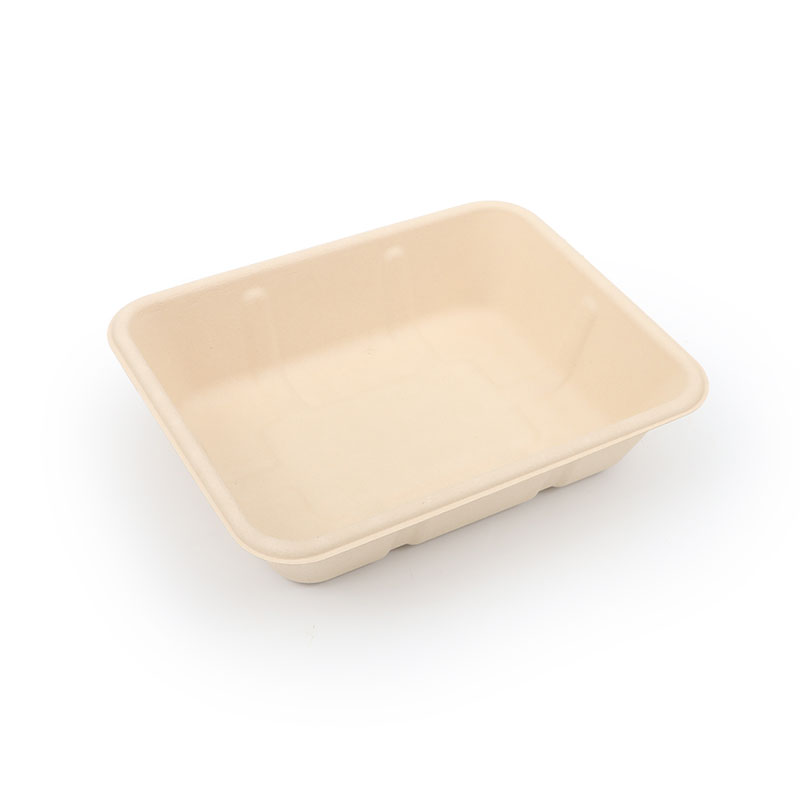 1350ml
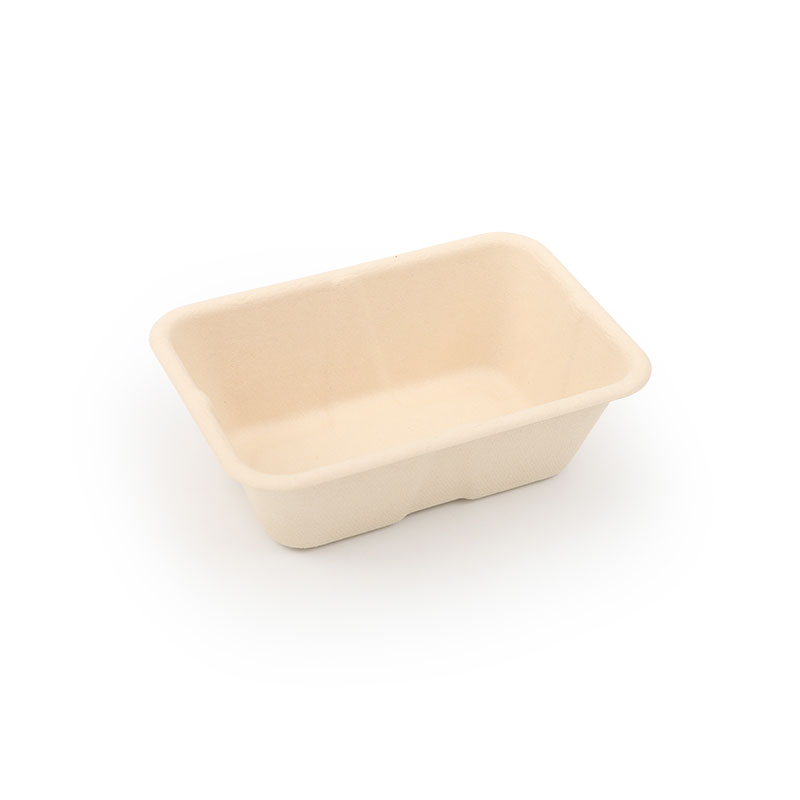 470ml
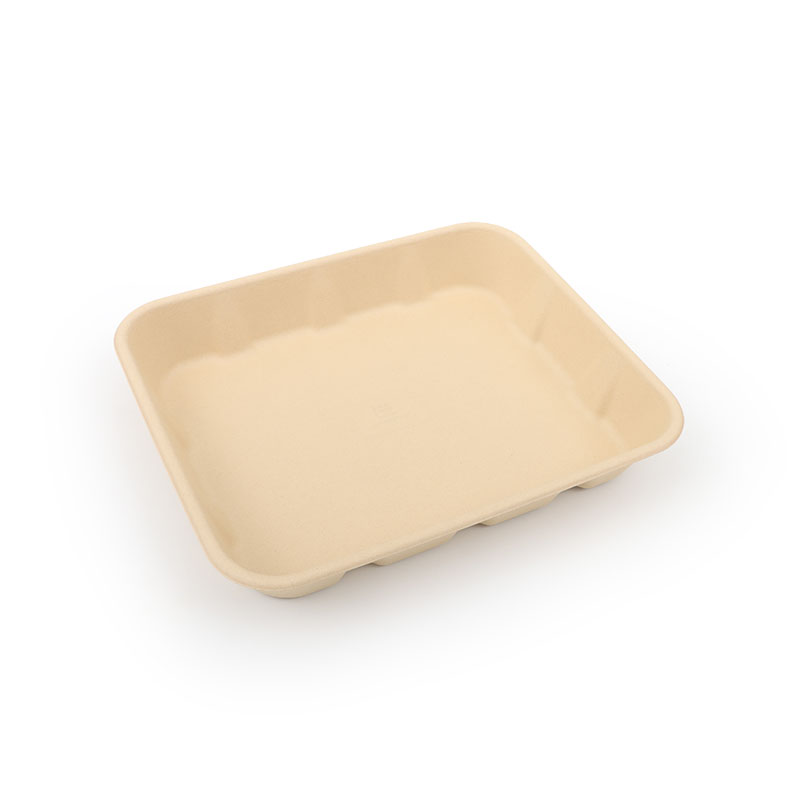 2183ml Tray Box
 11" * 9"
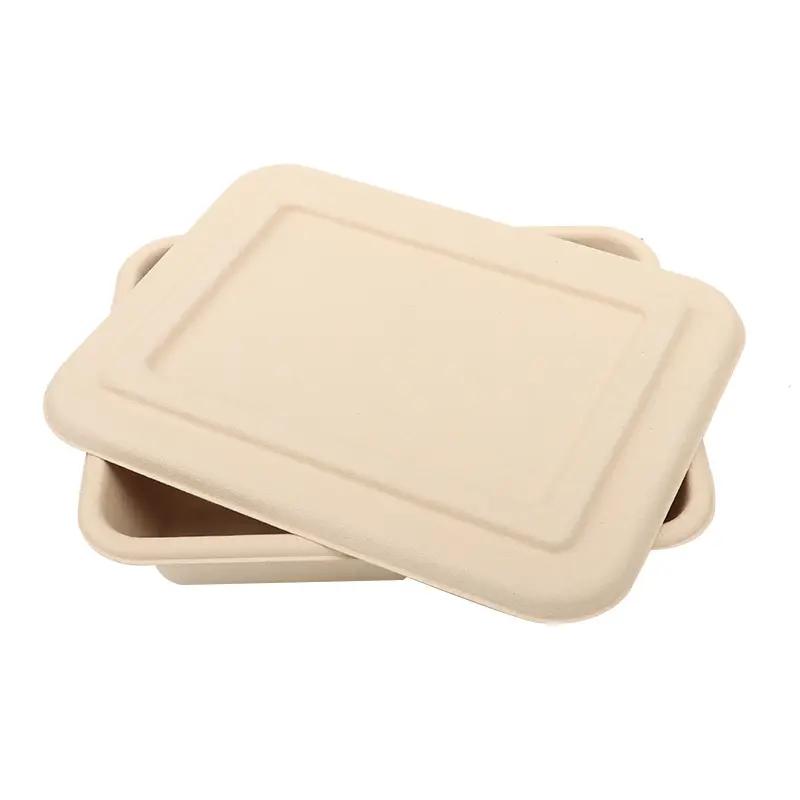 800ml
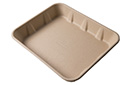 One Part Box
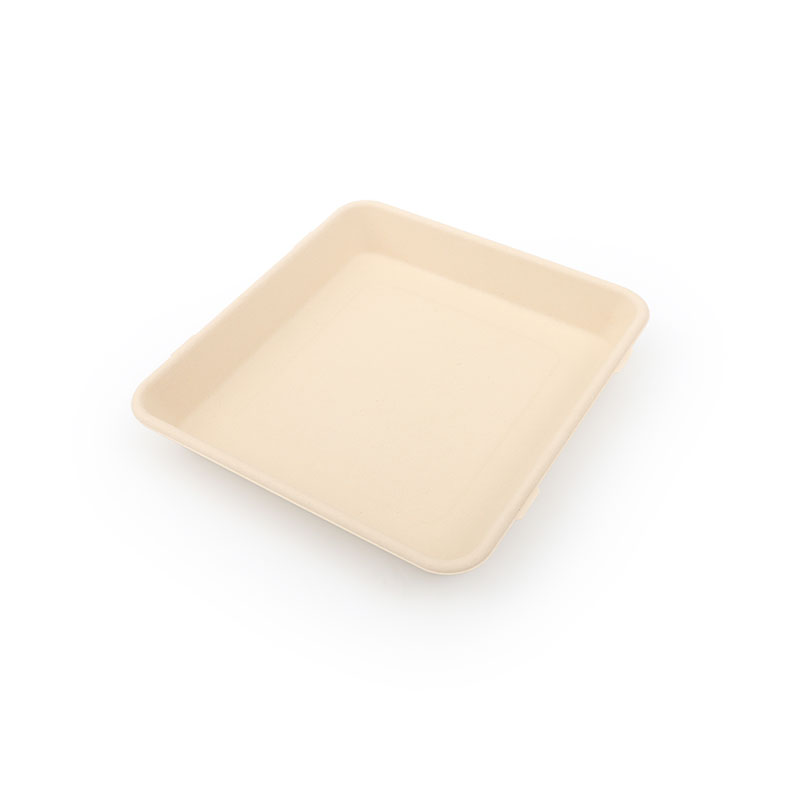 1443ml Tray Box
 Cake Bread Snack Tray Series
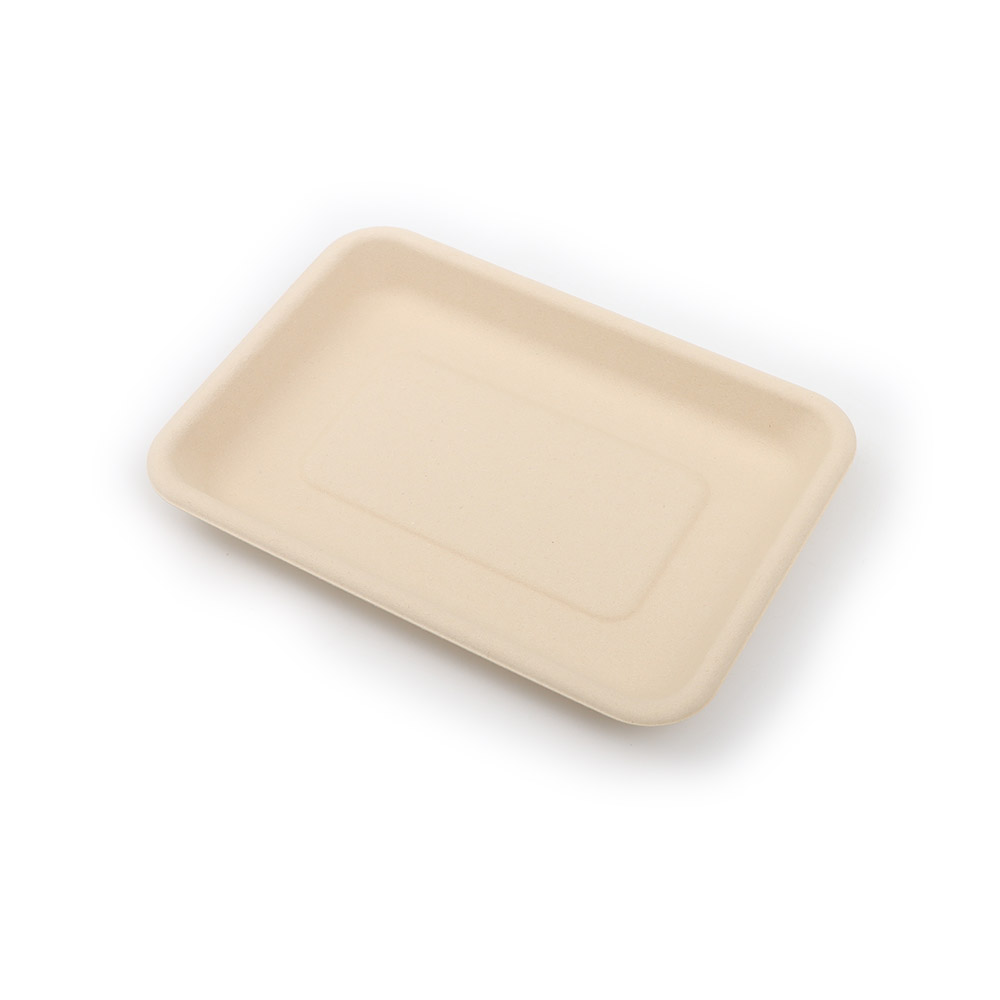 5" * 7" natural color
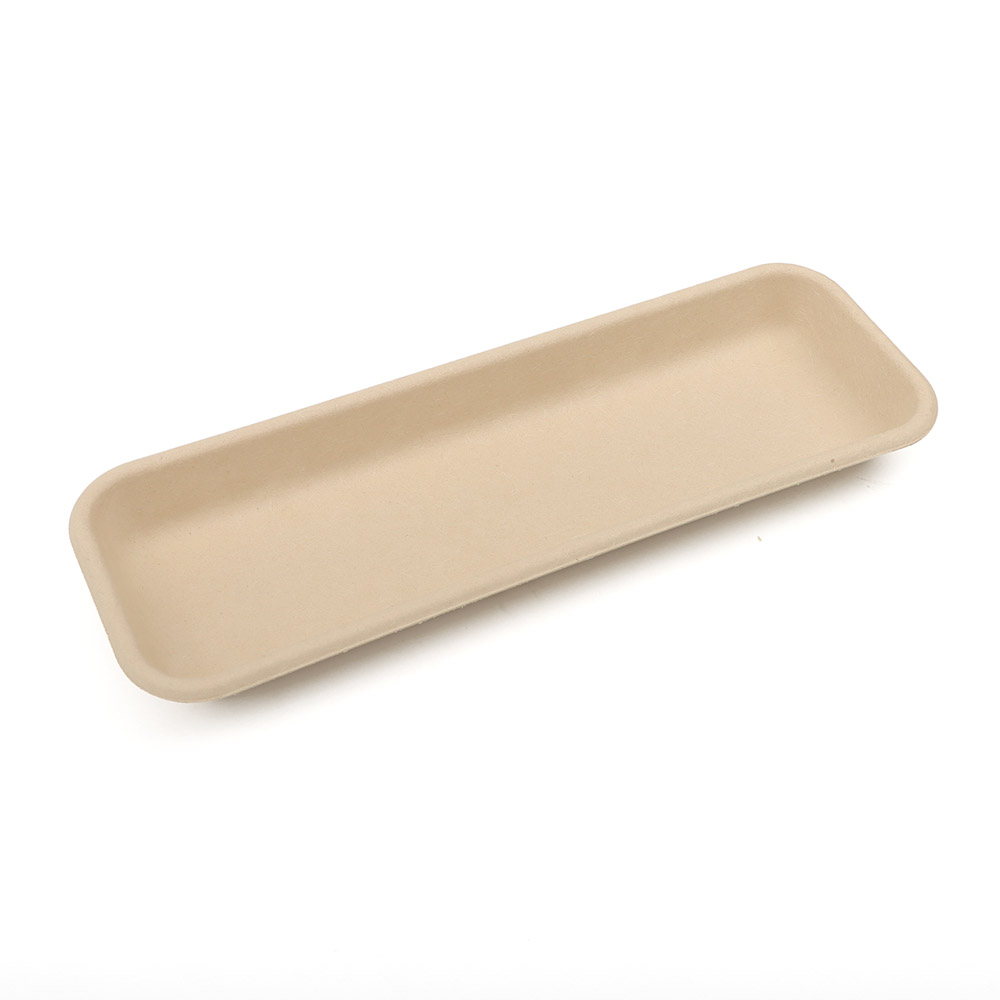 11.4" * 3.9"
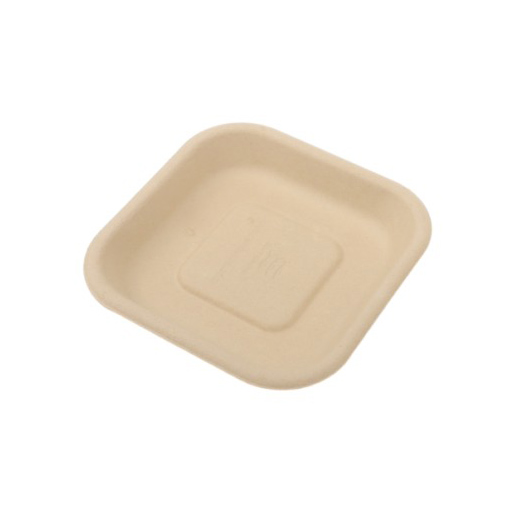 5.3" * 5.3"
 Fruit And Vegetable Tray Series
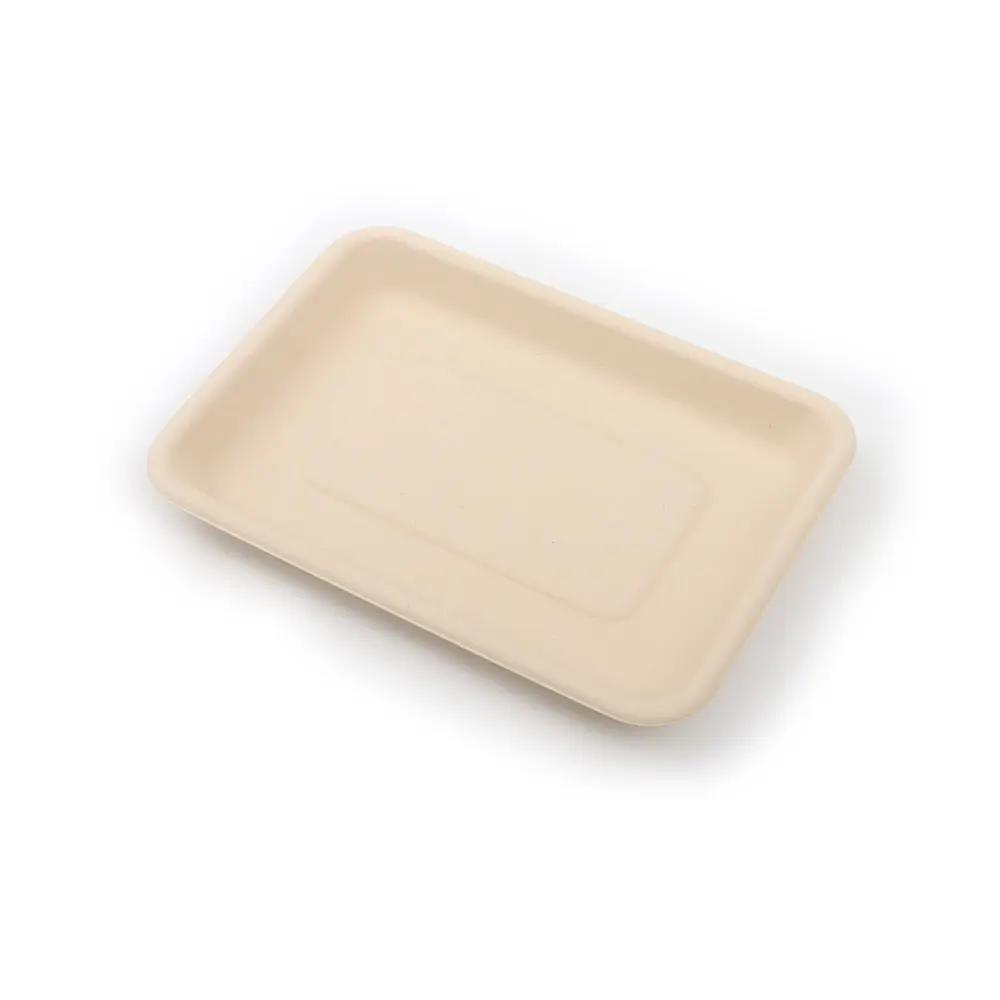 8.6" * 5.3"
 Sushi Tray Series
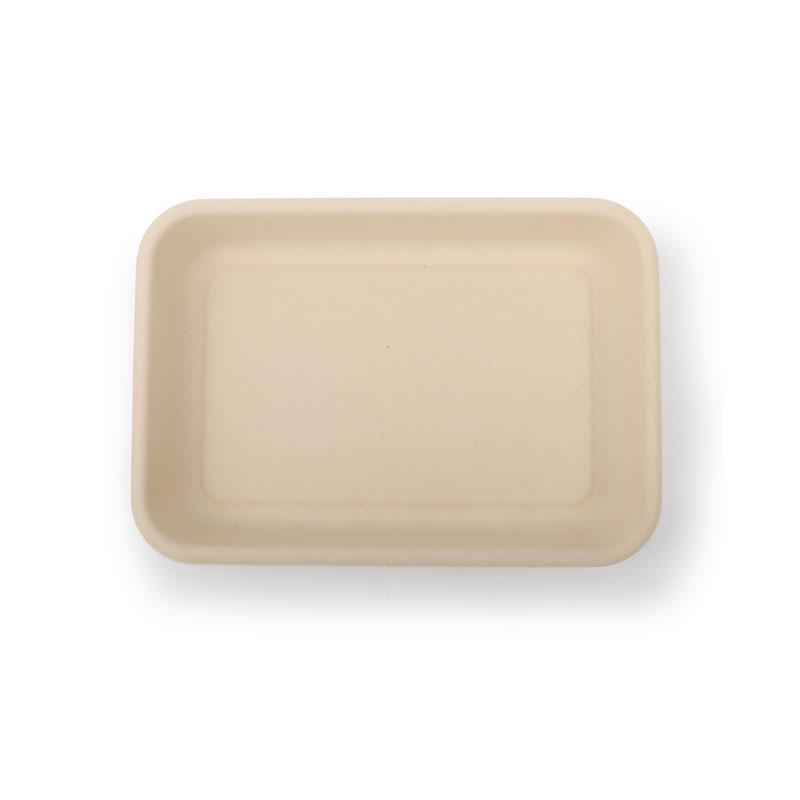 200" * 140"
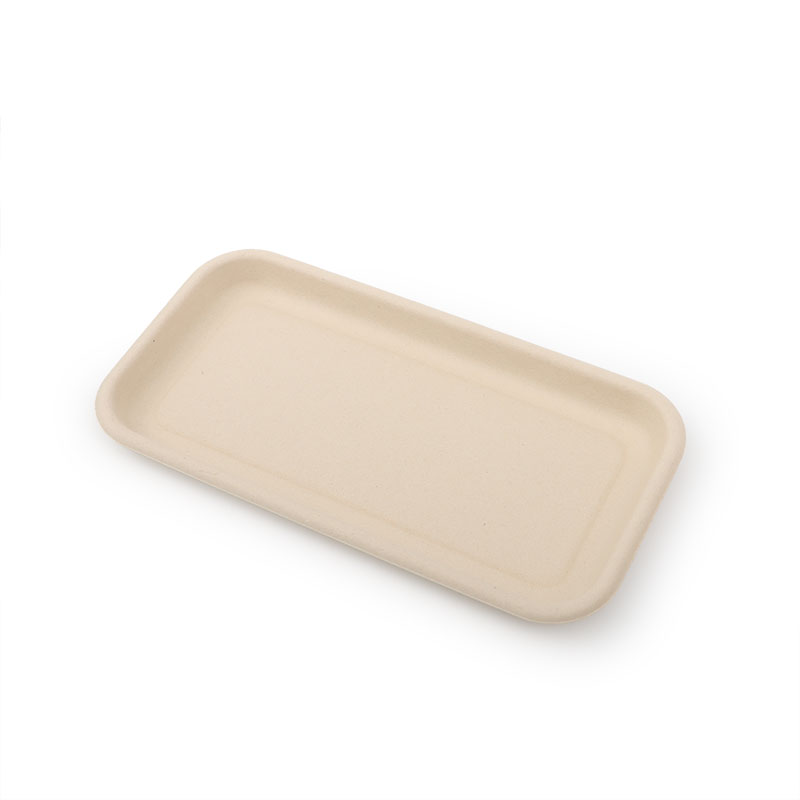 210" * 110"
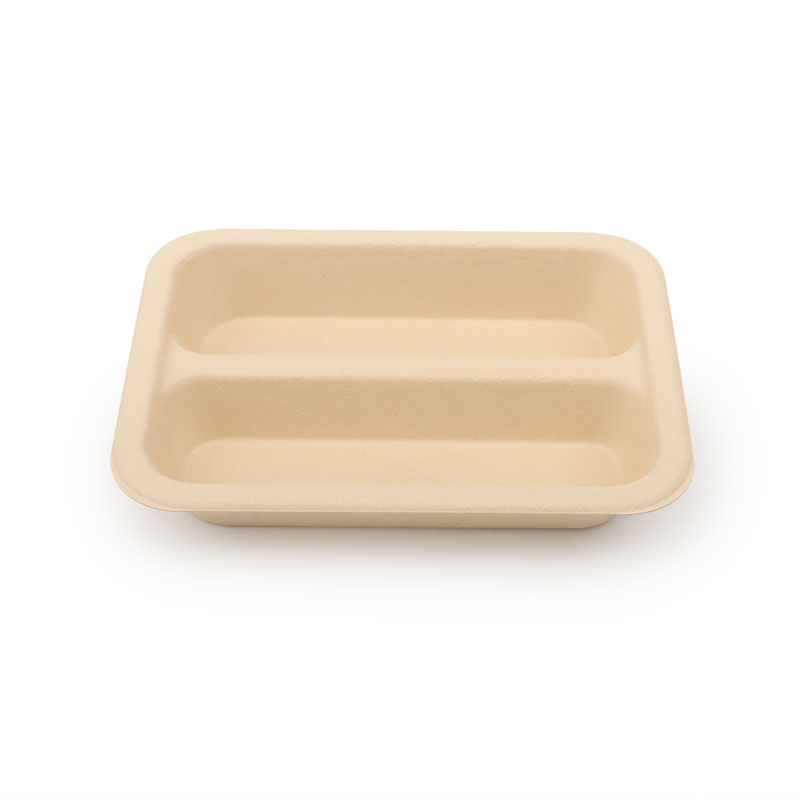 2 Compartments
 Small Round Plate Series
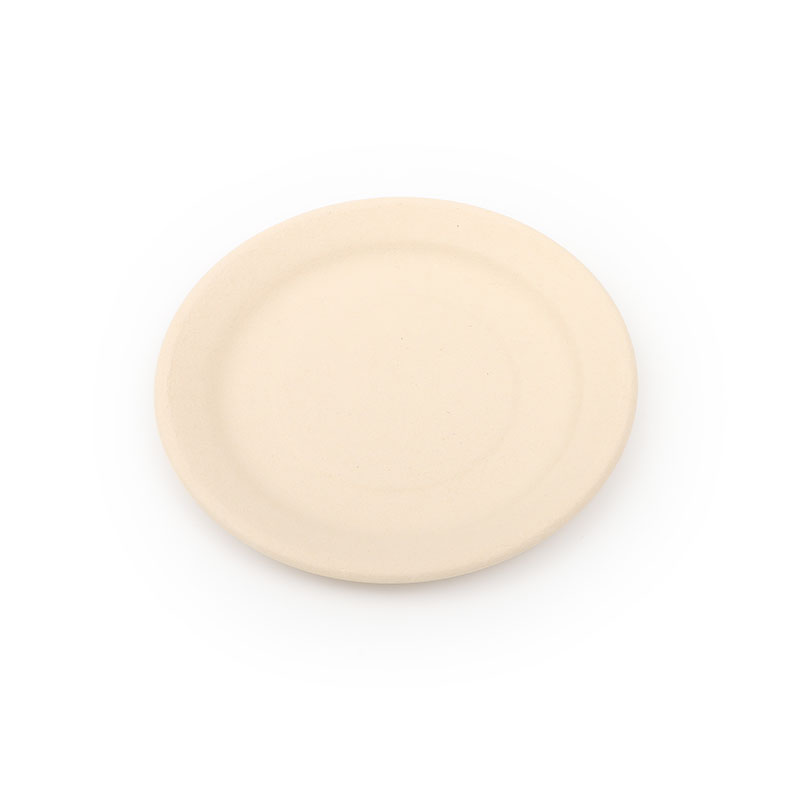 7 inch
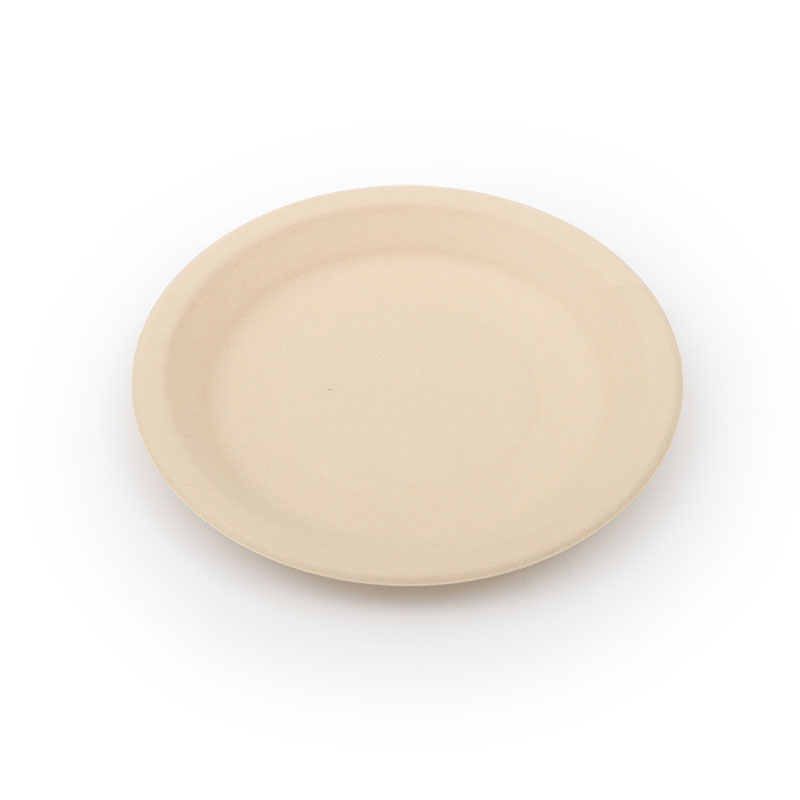 6 inch
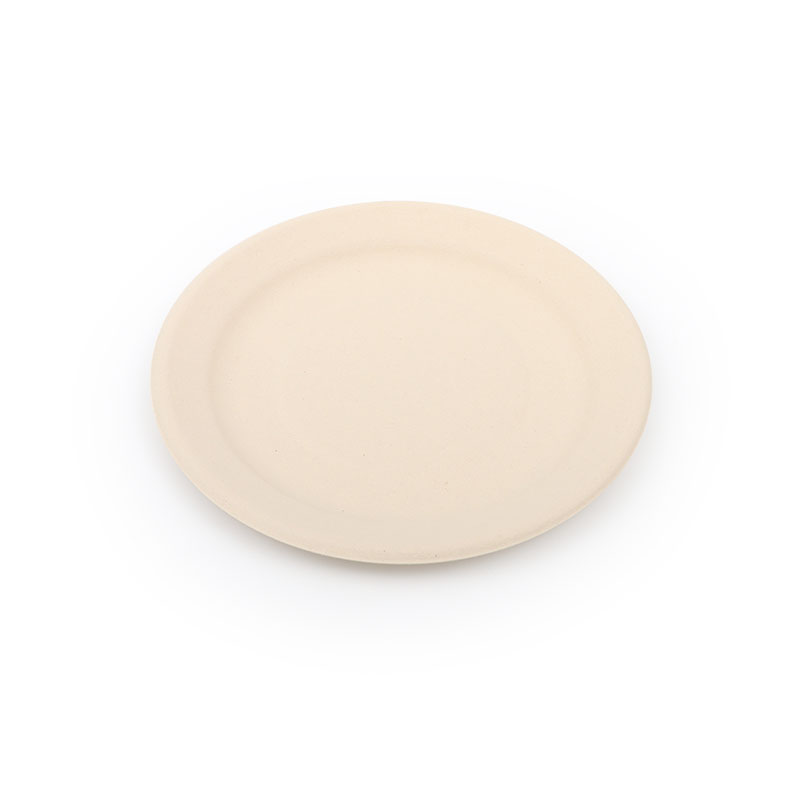 8 inch
 Middle Round Plate Series
 9 Inch 3 Compartments
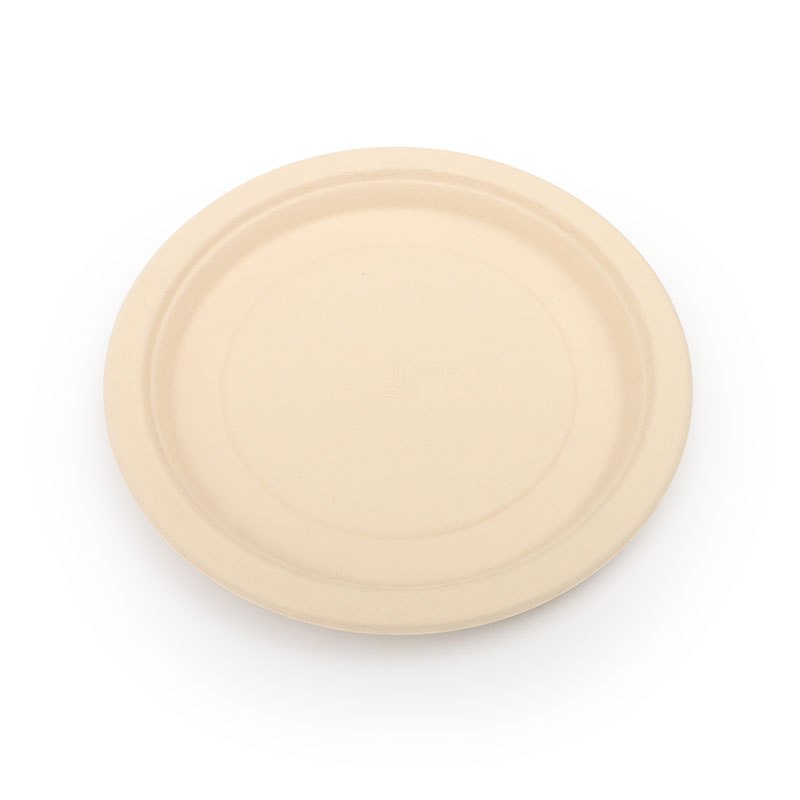 9 inch
 Big Round Plate Series
 12.7 Inch Pizza Plate
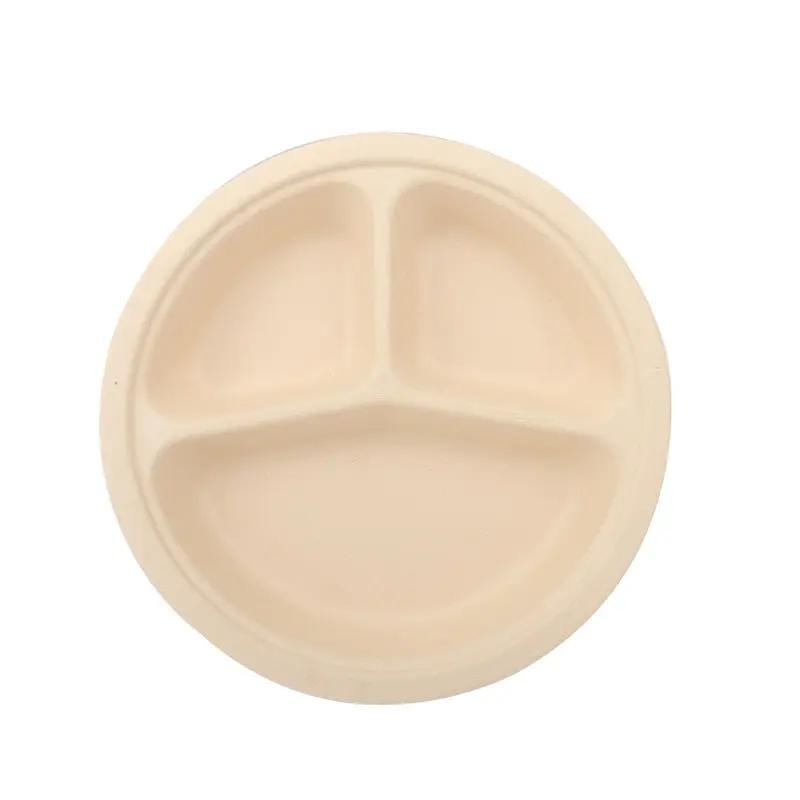 10.25 inch 3 Compartments
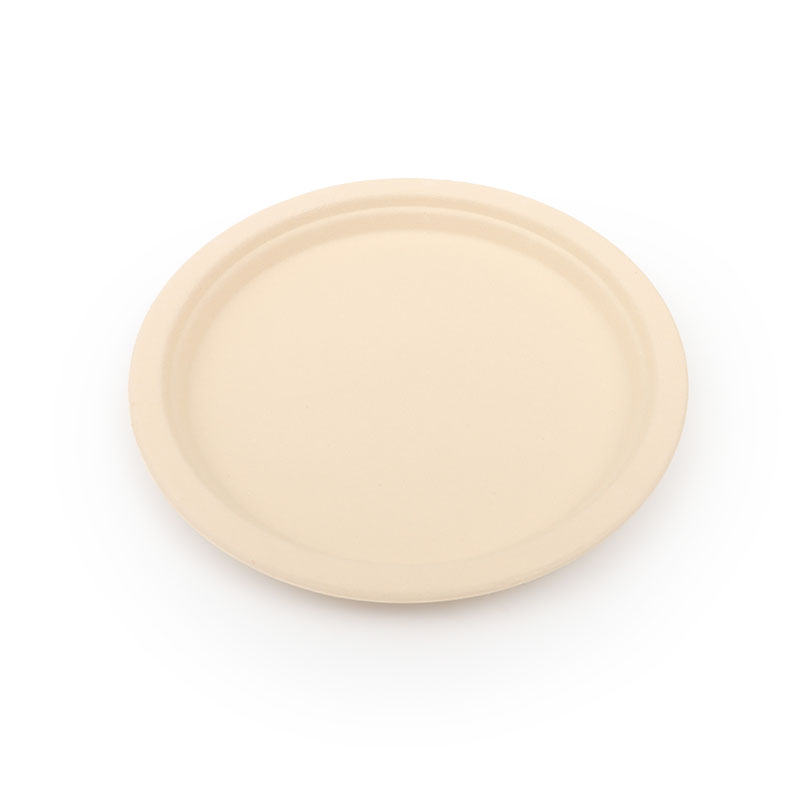 10 inch
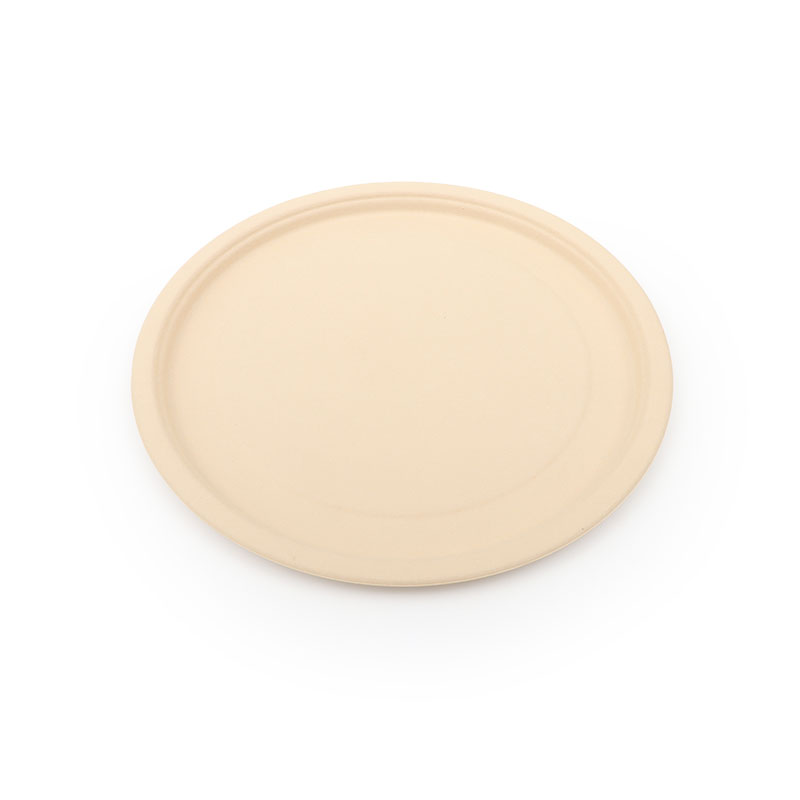 12 inch
 Bigger Bowl
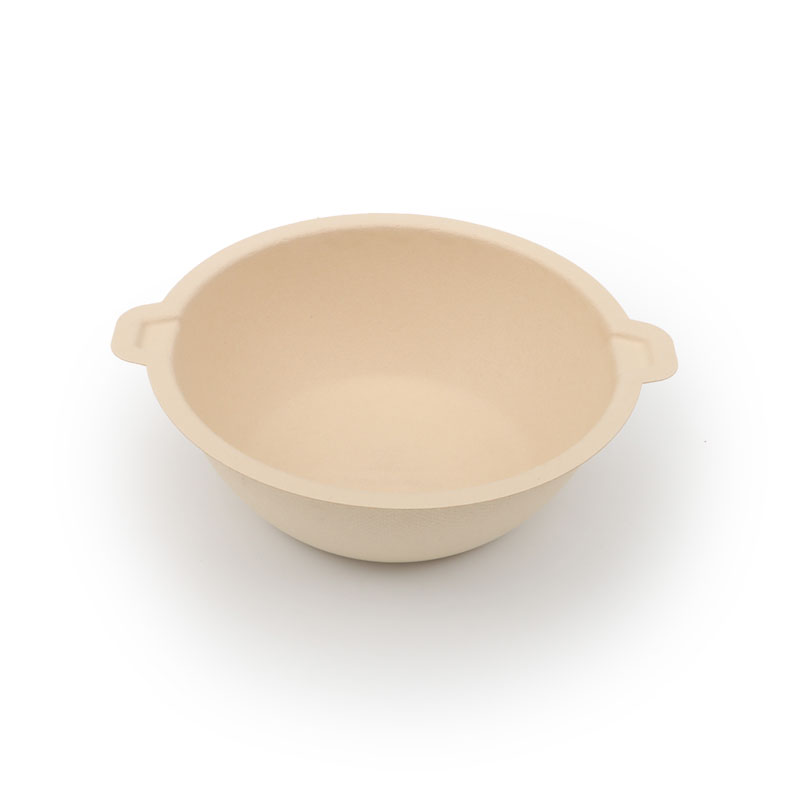 48oz(1420ml)
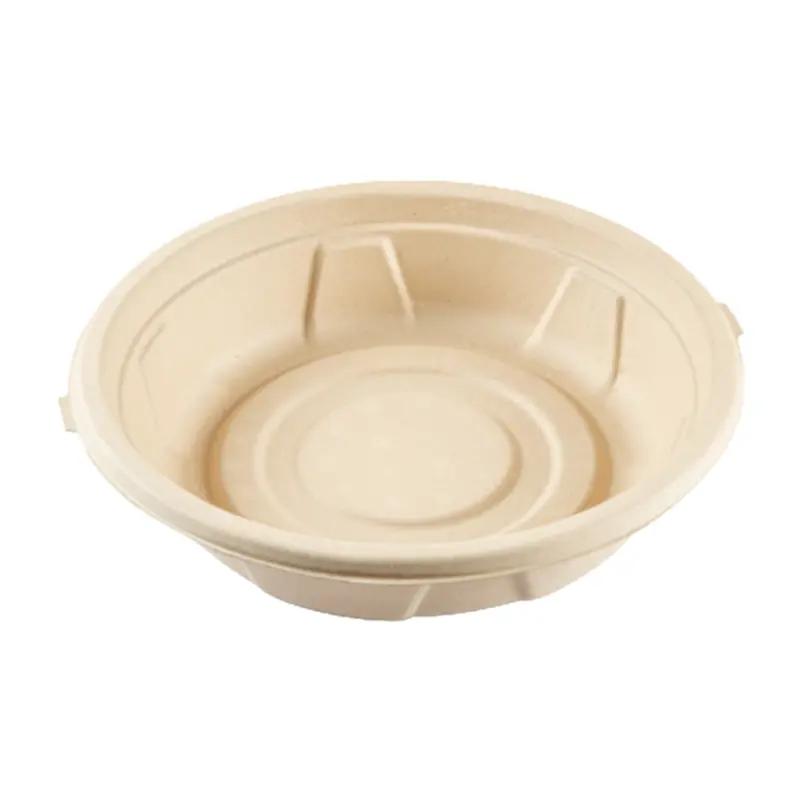 56oz(1650ml)
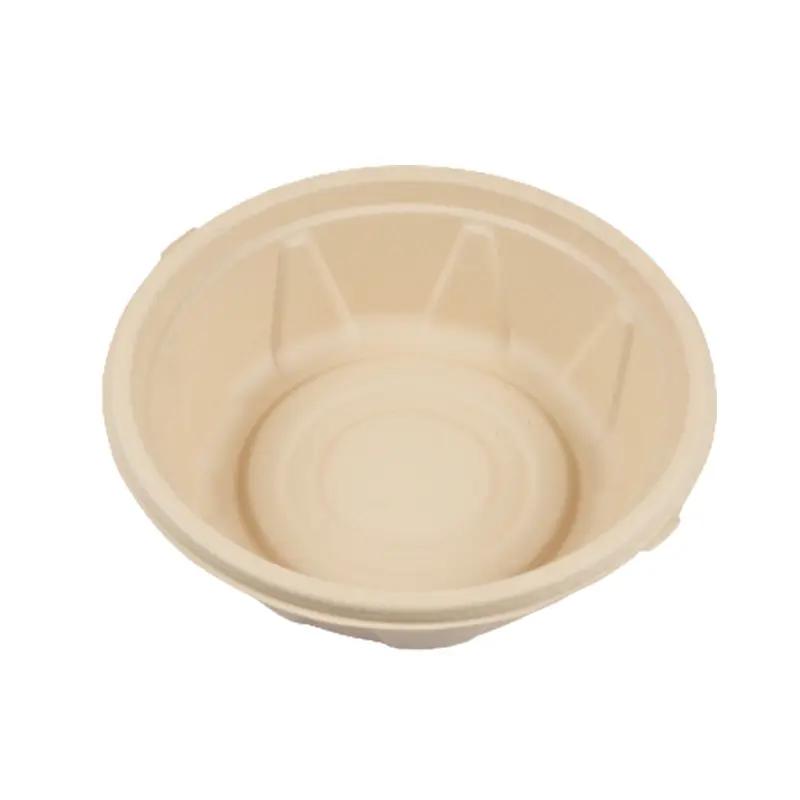 100oz(2950ml)
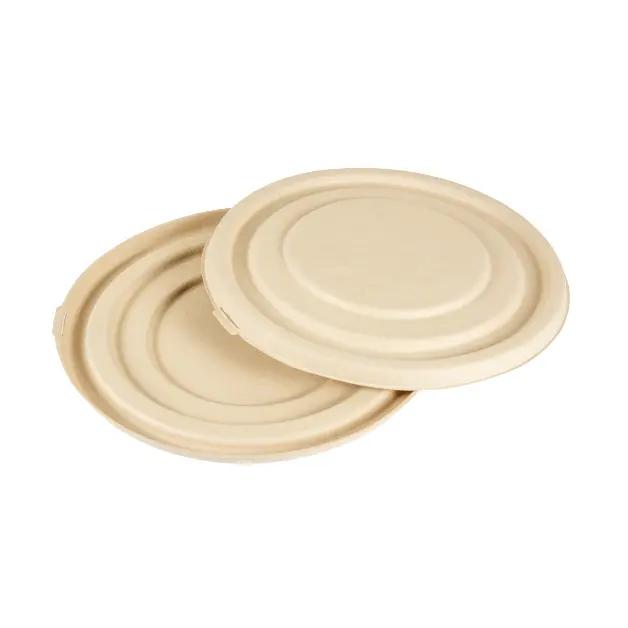 100oz(2950ml) With Lid
 Middle Bowl
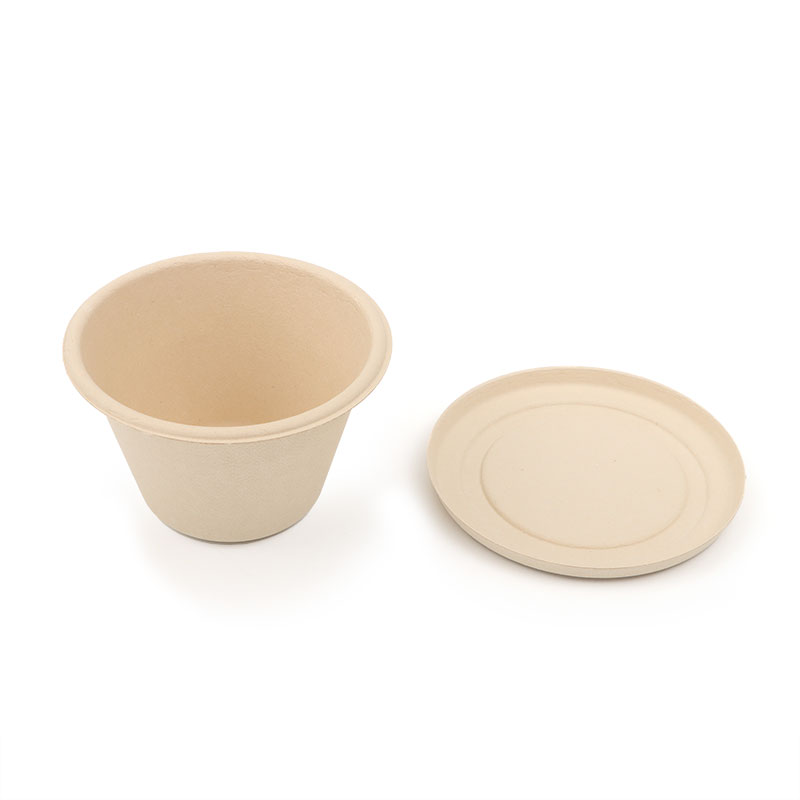 17oz(500ml)
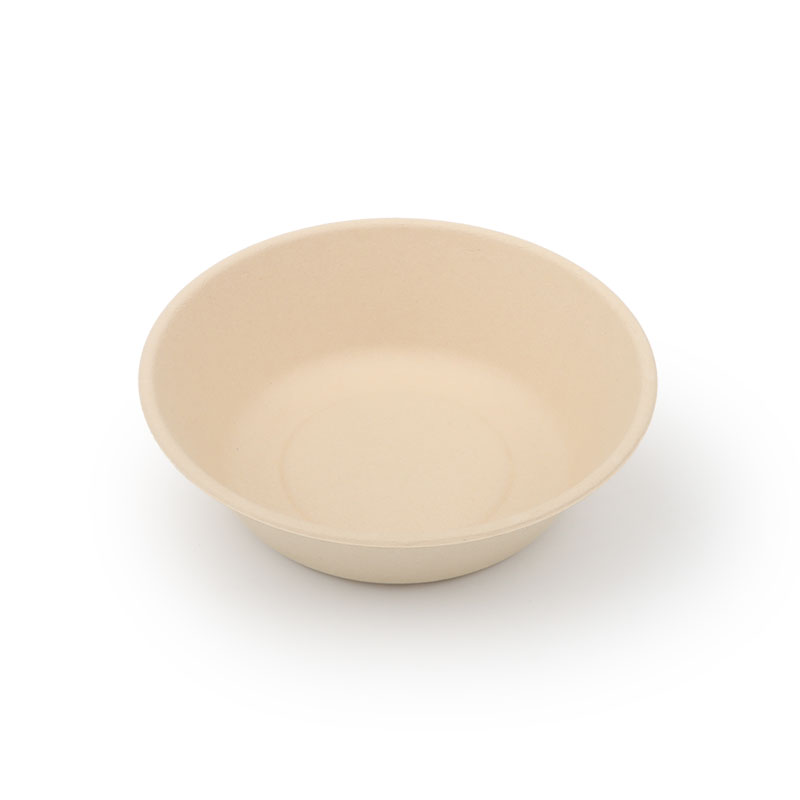 27oz(800ml)
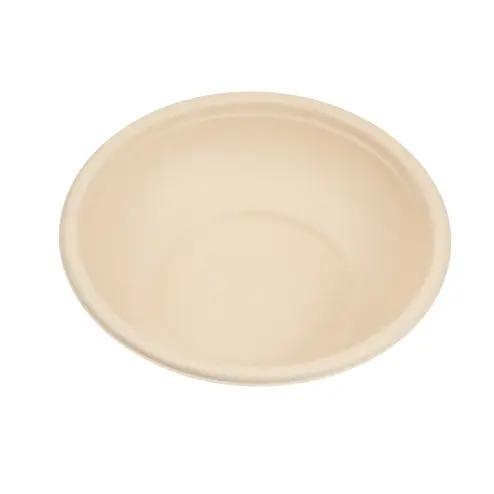 20oz(600ml)
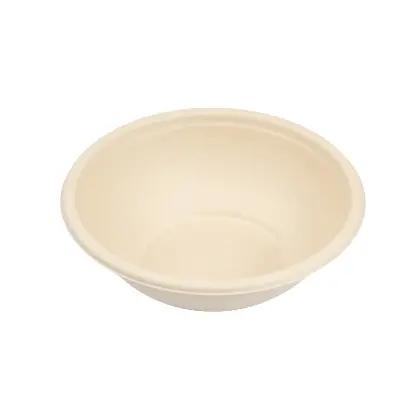 29oz(850ml)
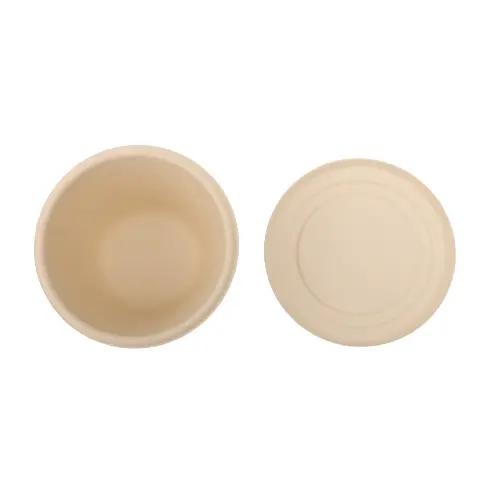 17oz(500ml) With Lid
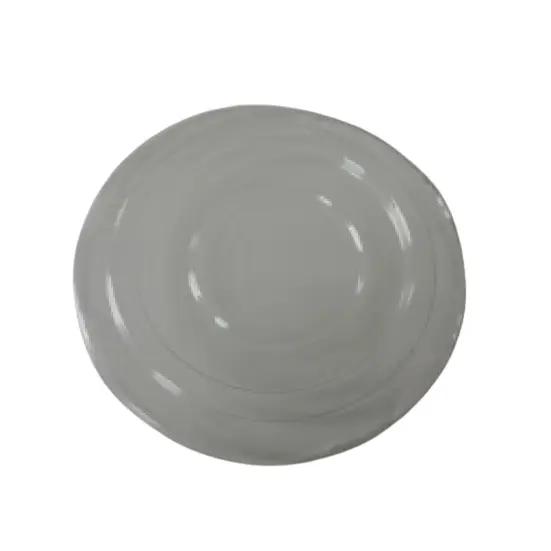 17oz(500ml) PET Lid
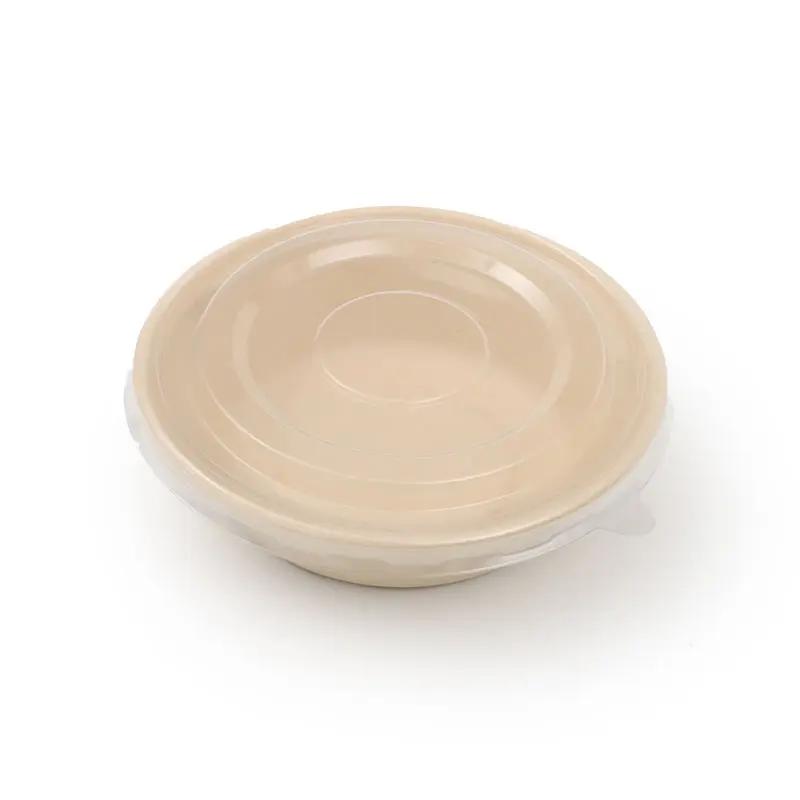 28oz(830ml) PET Lid
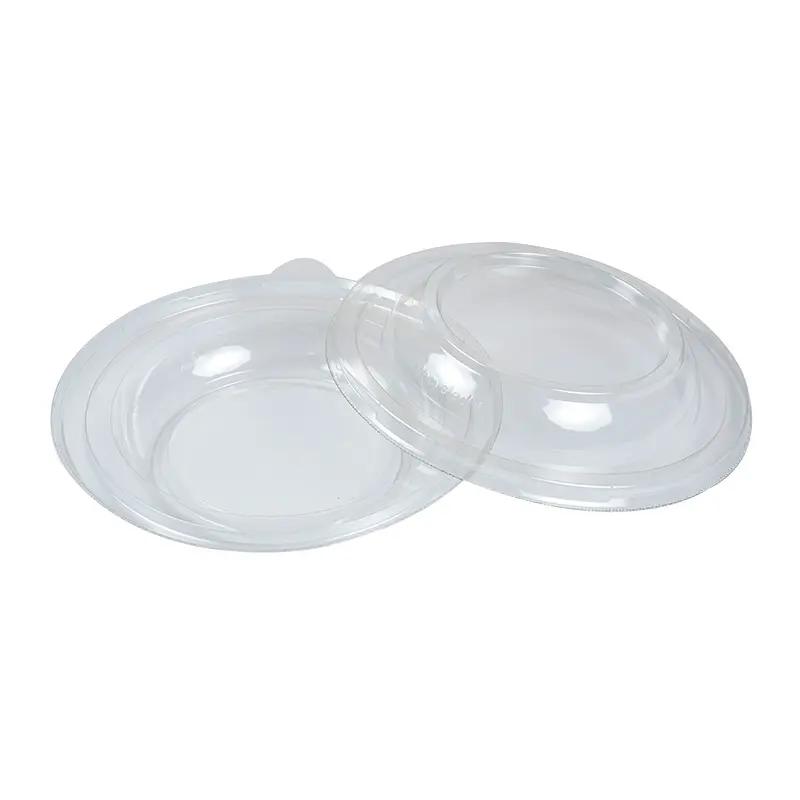 Round Bowl PET
 Small Bowl
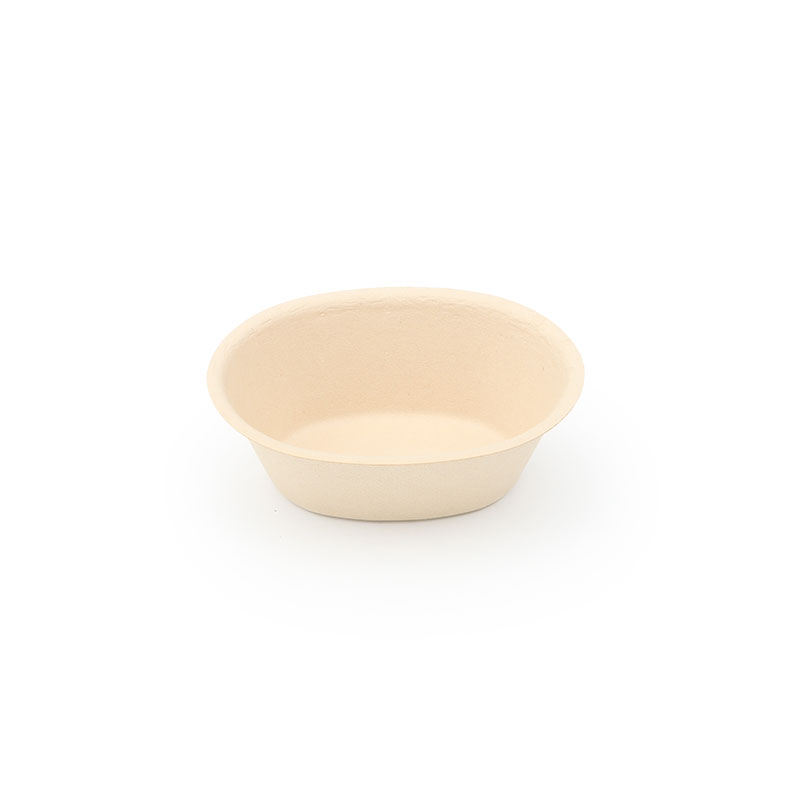 Snack Bowl
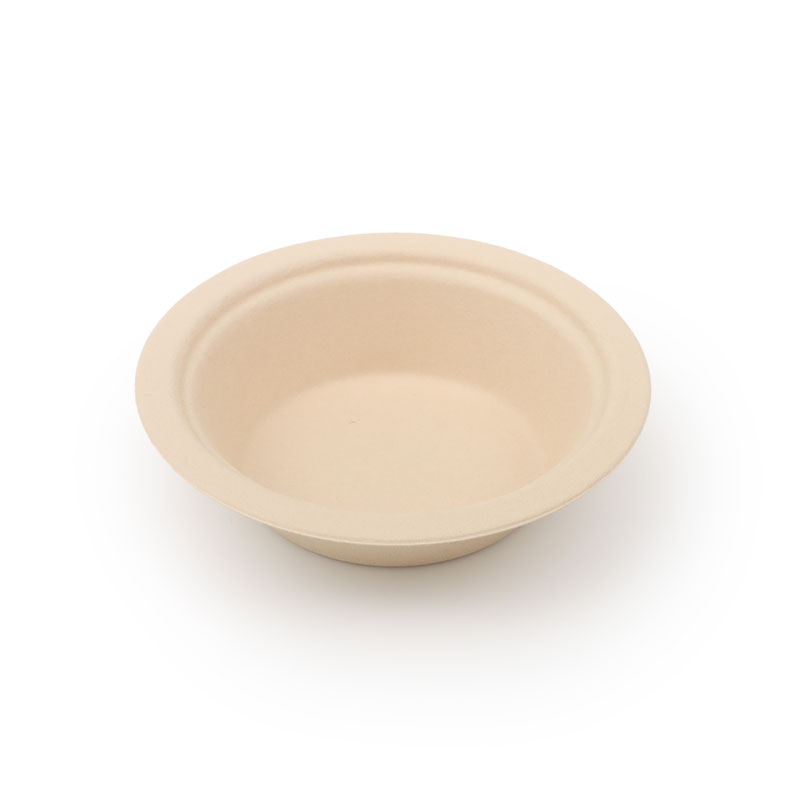 11.5oz(340ml) Bowl
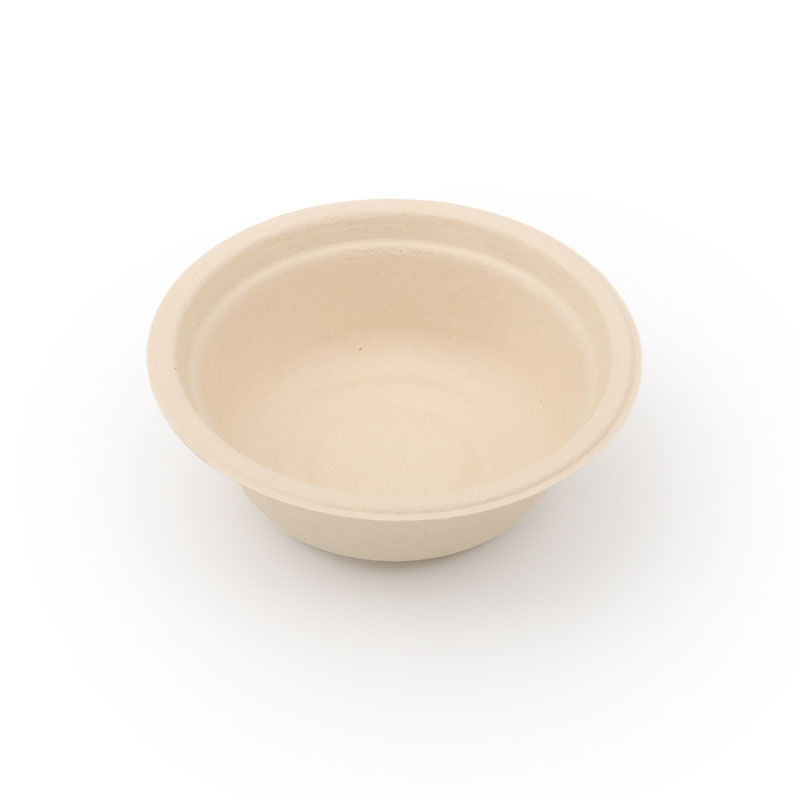 6.7oz(200ml) Bowl
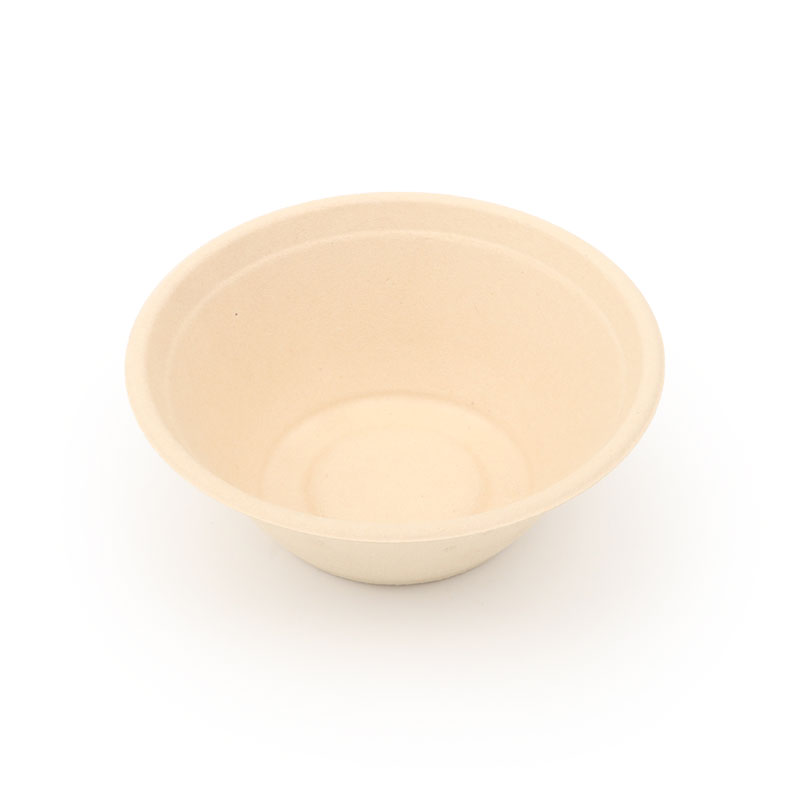 12oz(350ml) Bowl
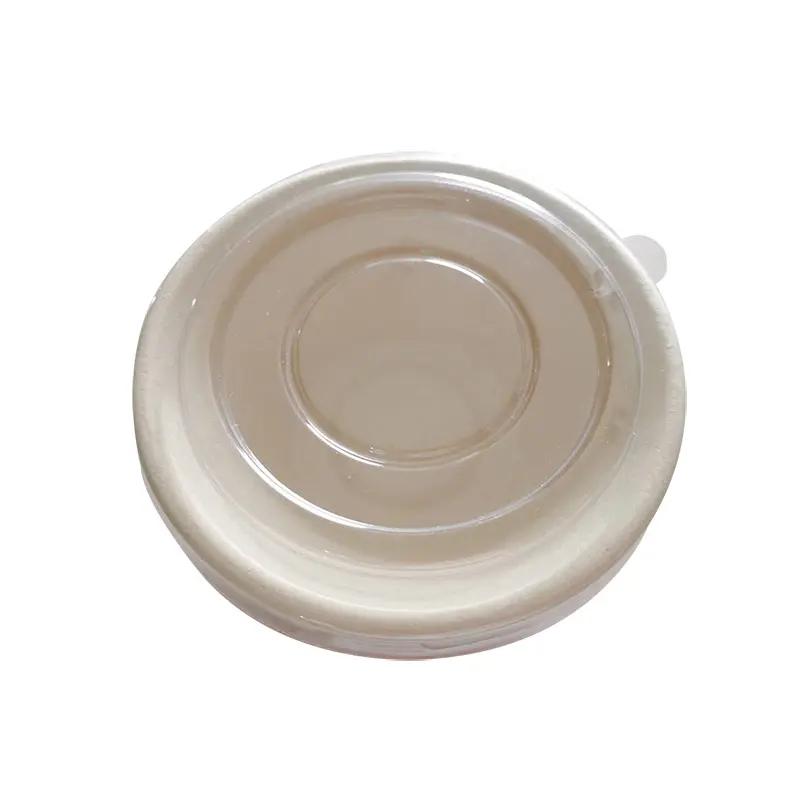 12oz(350ml) Bowl PET
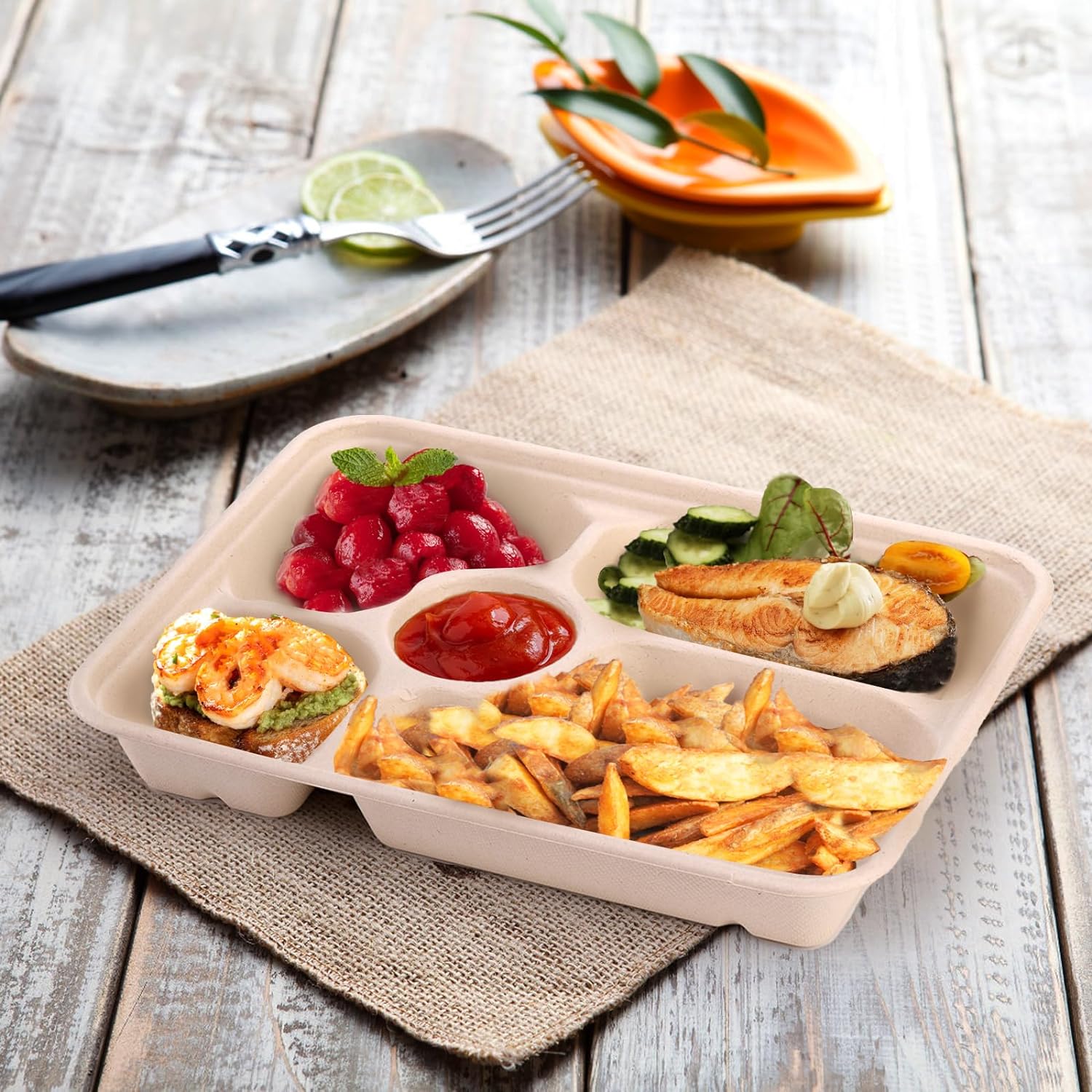 Bagasse Lunch Boxes
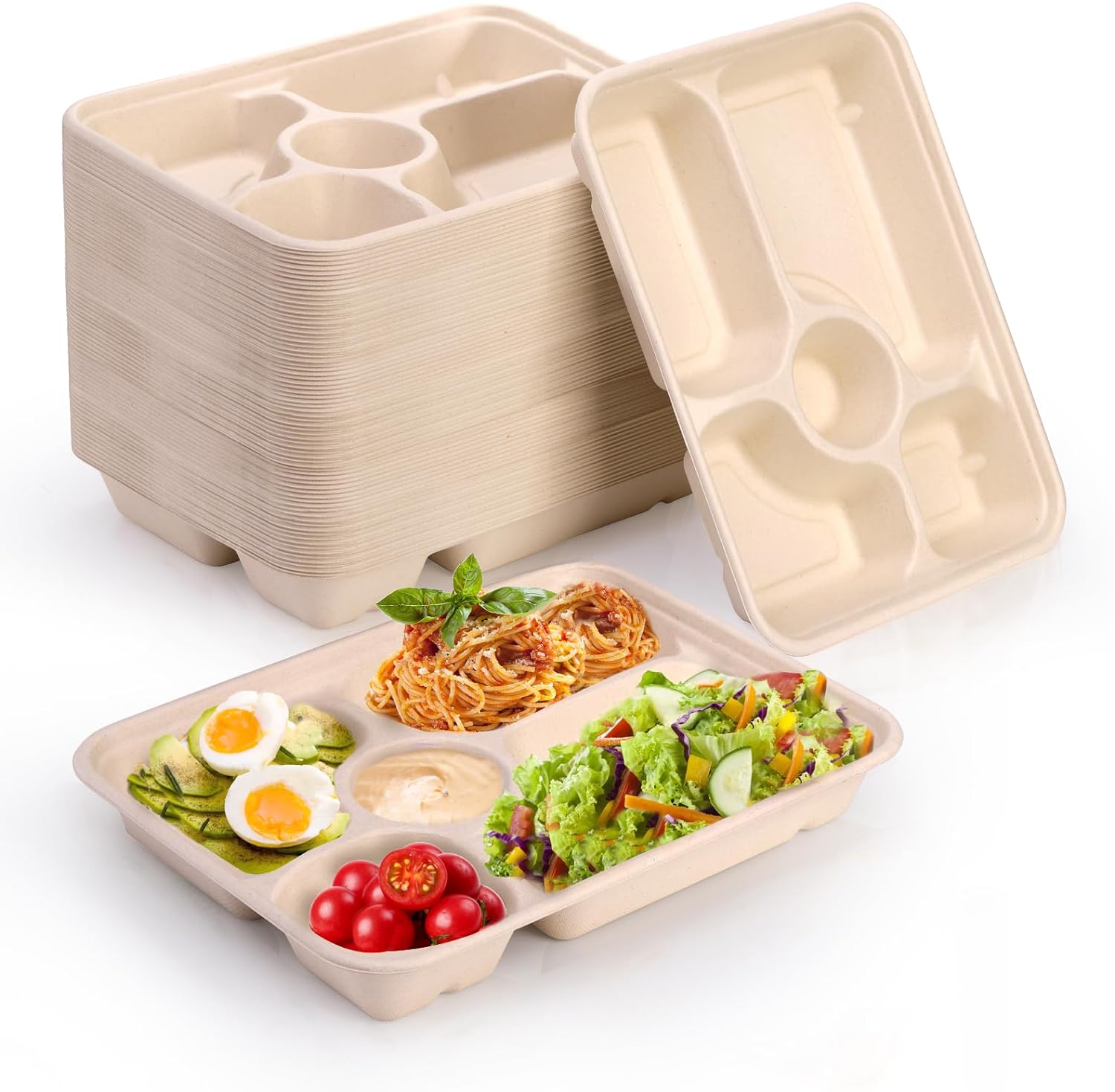 5CP
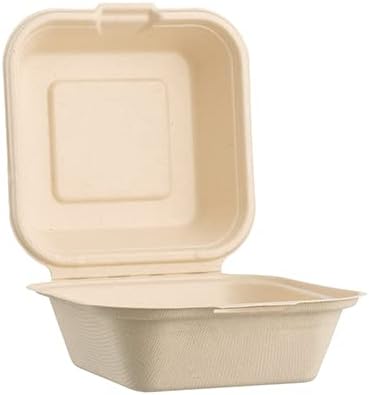 6 inch
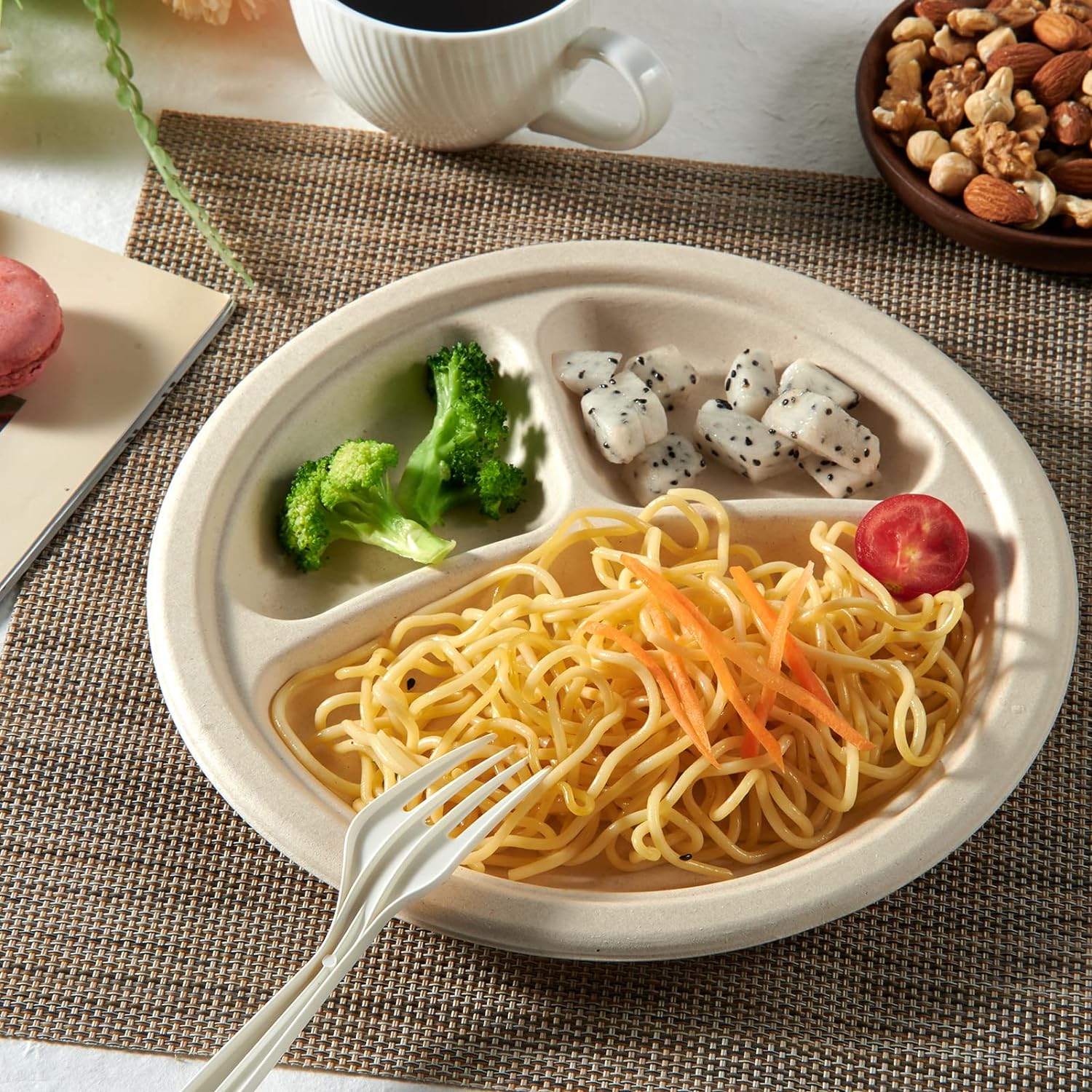 Bagasse Food Plates
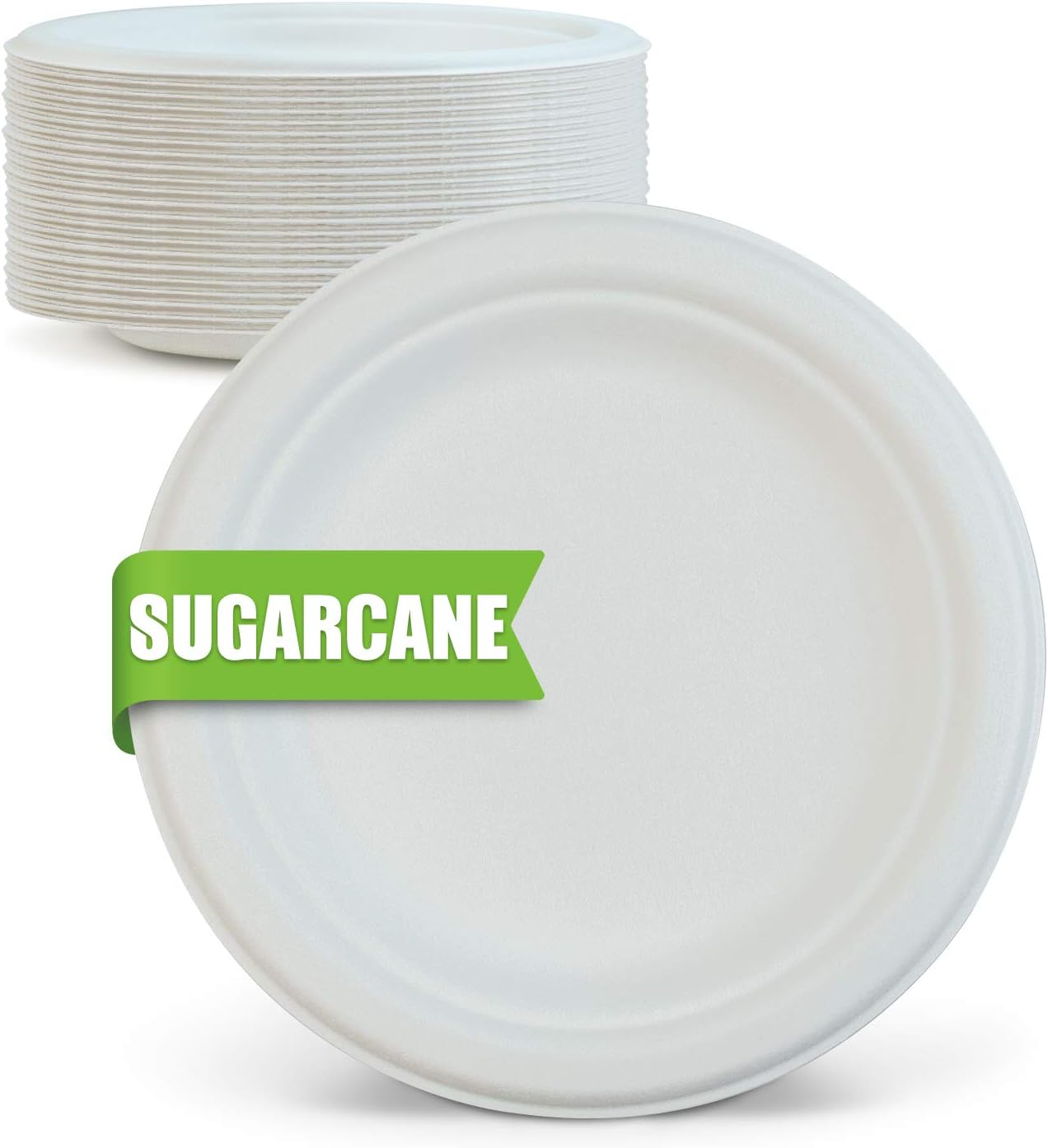 7 inch
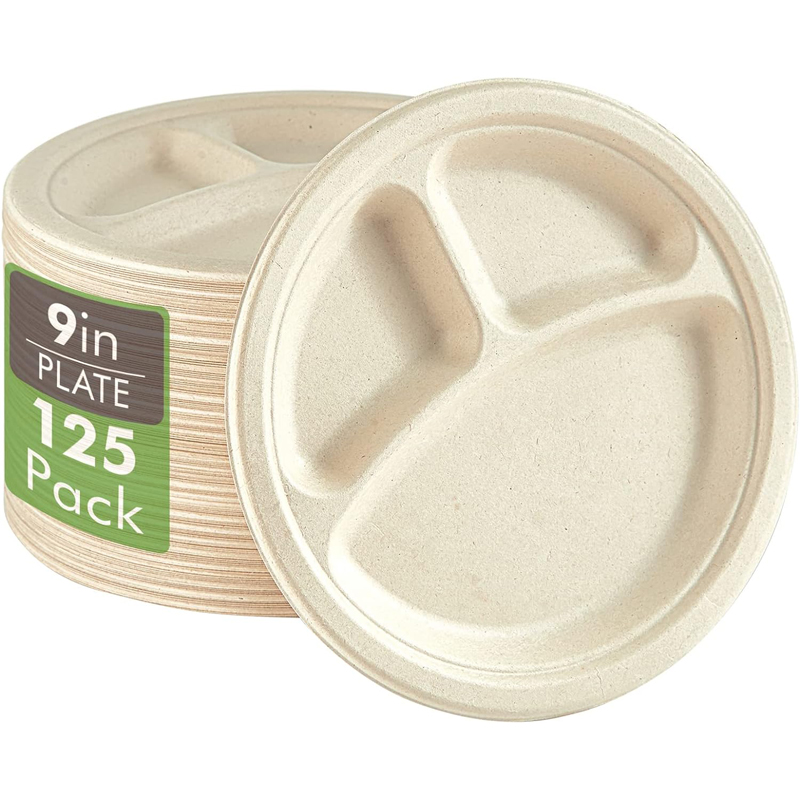 3CP
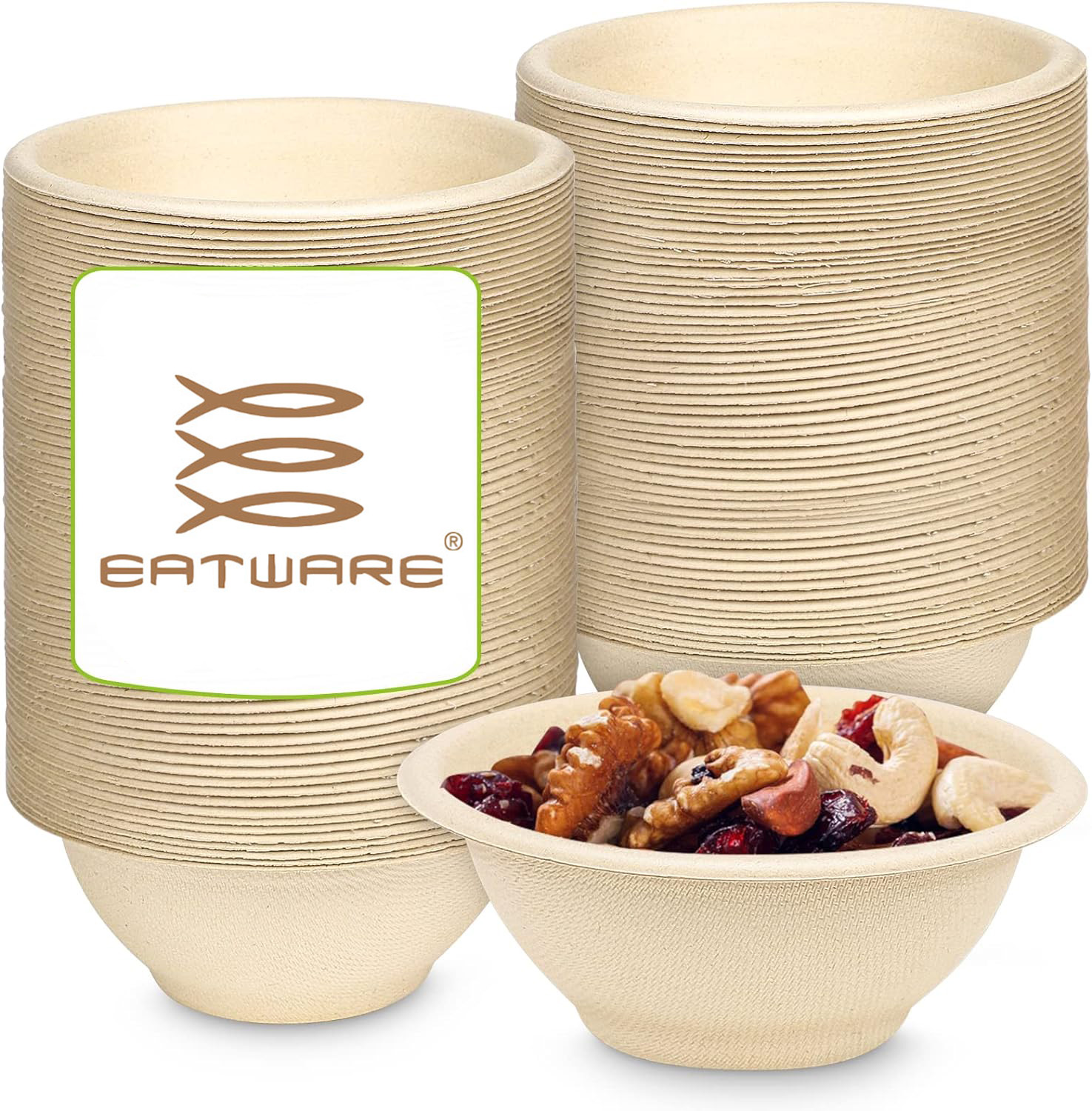 Bagasse Bowls
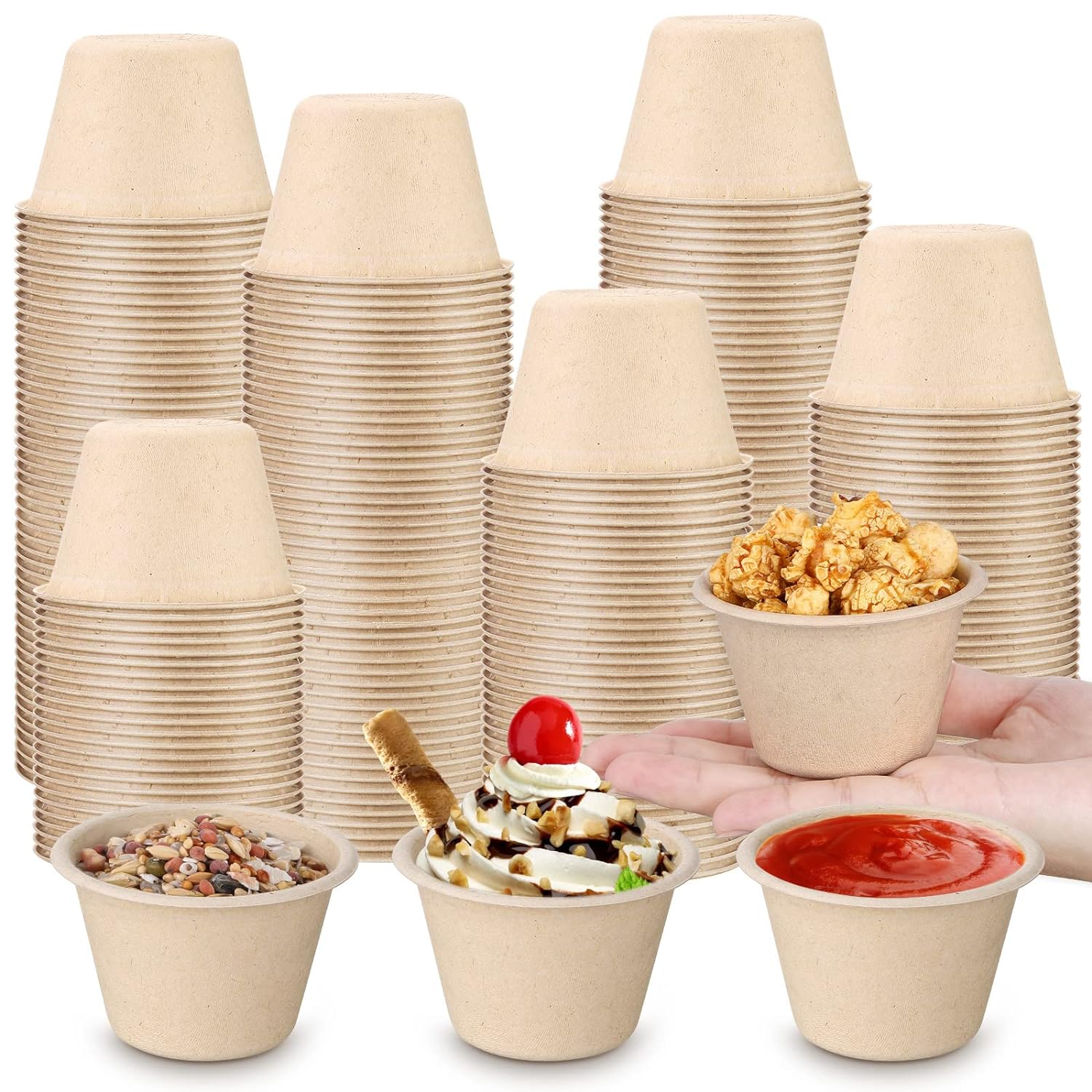 4oz
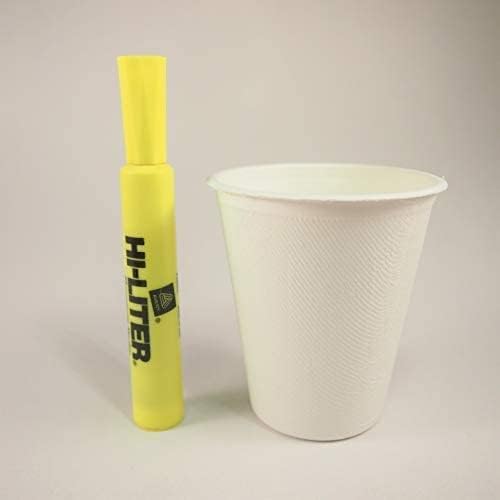 Bagasse Cups And Cutlery
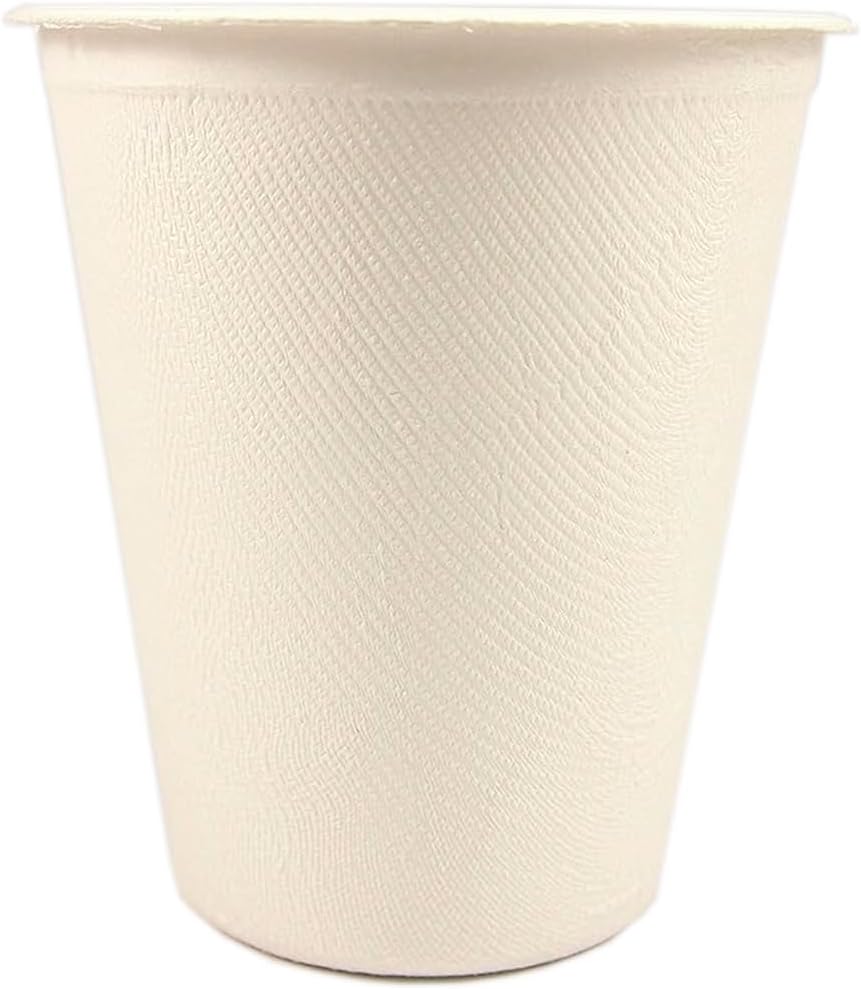 8oz
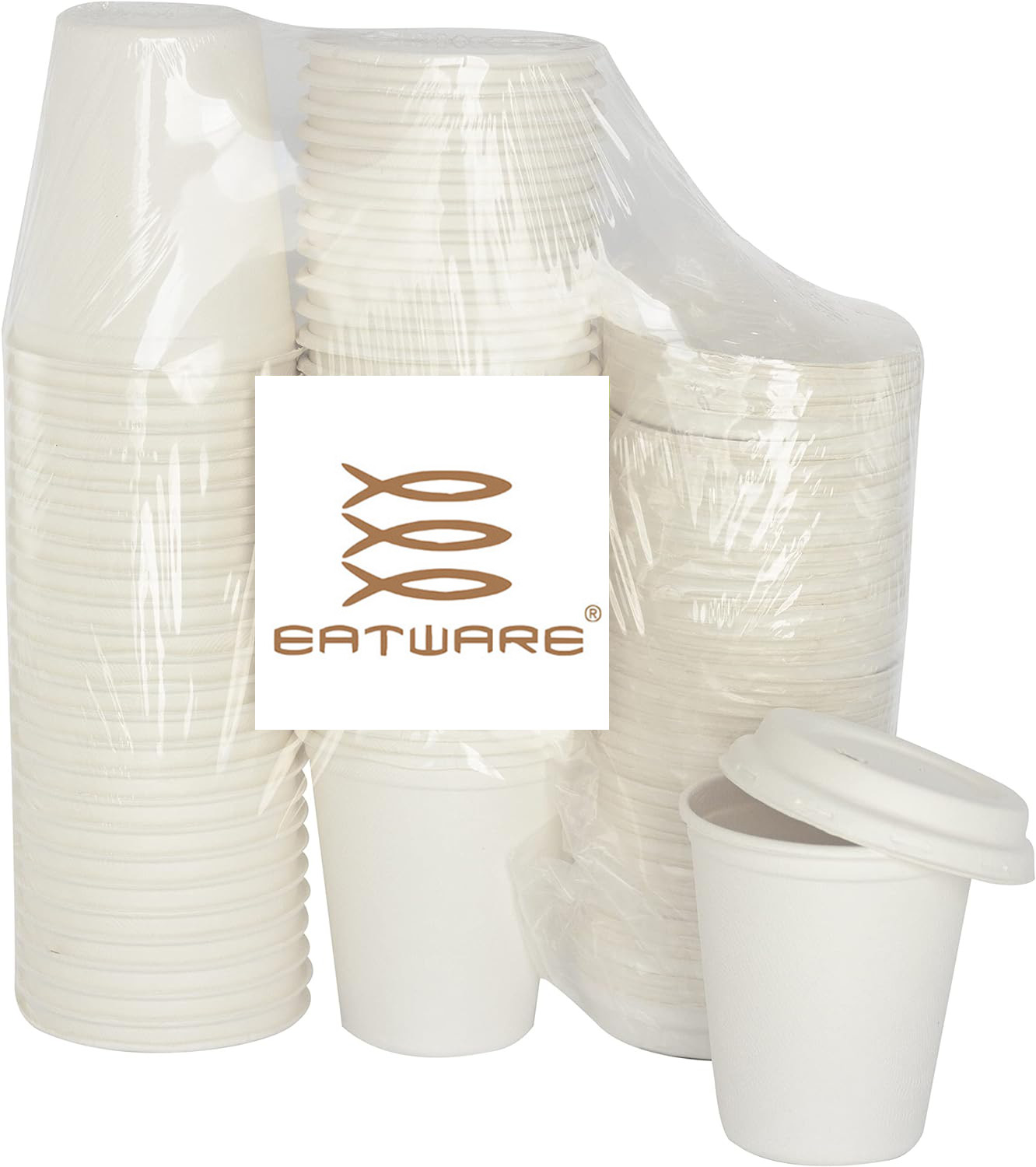 12oz
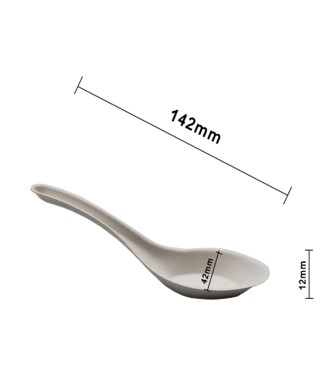 Cutlery
Leave Your Message
Precision-molded pulp containers engineered specifically for demanding school cafeteria protocols, hot meal services, and cold-pack distribution pipelines.
Evaluating commercial, logistical, and environmental dynamics shaping modern institutional foodservice packaging.
Tectorial surface engineering integrates multi-layered plant fiber matrix bonding. This proprietary process aligns bamboo and sugarcane bagasse fibers at microscopically compressed angles, delivering high barrier resilience against hot oils, fatty beef gravies, and boiling broths without structural deformation.
Educational institutions require rigorous material safety. Our tectorial technology beef trays eliminate fluorinated chemicals entirely, adhering to strict FDA, BPI, and European food contact directives to safeguard developing students from endocrine disruptors and microplastics.
Engineered with micro-beveled rim architectures, these trays avoid interlocking jamming during automated cafeteria denesting. School kitchen staff achieve seamless high-speed meal assembly, moving up to 45% faster across high-volume lunch lines.
School districts across North America, Europe, and Asia-Pacific are systematically phasing out expanded polystyrene (EPS) foam and single-use petroleum plastics. State-level packaging bans and school district wellness policies mandate fully compostable alternatives that do not compromise operational efficiency.
Beef, chili, hot stew entrees, and saucy proteins present extreme challenges for standard molded fiber trays. Thermal softening, oil seepage, and tray collapse have historically hindered conversion to green packaging. The implementation of Tectorial Technology addresses these structural challenges through thermo-mechanical fiber interlocking that maintains tray rigidity under direct 200°F (93°C) culinary loads for prolonged warming windows.
Modern educational lunch programs operate under strict nutritional and caloric guidelines (such as the USDA National School Lunch Program). Sectional molded pulp trays provide distinct, compartmentalized partitions to separate hot beef proteins, whole grains, fruits, and cold dairy cartons.
By eliminating food item crossover through rigid partition barriers, food presentation quality remains appealing to students, substantially reducing food waste. Furthermore, post-consumer sorting is streamlined: uneaten organic food waste and 100% biodegradable fiber trays can be diverted together directly to commercial composting streams.
Delivering global consistency through automated precision manufacturing, extensive capacity, and stringent international testing.
18 years of experience
In the field of environmentally friendly packaging for 18 years, has established cooperation with 500+ brands.
More than 60 products
Through our research and development, there are more than 60 products ready for high-volume production, supporting OEM/ODM services.
30+ exporting countries
Exported to the United States, Europe, Australia, Canada and other countries worldwide.
10000+ plant area
10,000+ m² factory floor, 30+ patent certificates, 10 foreign authoritative certifications, 55 automated forming units.
Kangxin (HaiMen) Environmental Technology Co., Ltd. is a technology innovation oriented enterprise that focuses on disposable environmentally friendly tableware and food packaging.
We have advanced production processes and equipment, and continue to attract senior talents, focusing on environmental protection, emphasizing safety, and ensuring quality across every production run.
Core Value: EATware is committed to sustainable development, using all natural plant fibers to produce safe, healthy and environmentally friendly tableware. Adhering to the concept of "take nature, serve humanity, return to nature", we focus on the development of safe, high quality and environmental standards.
Brand Culture: EATware emphasizes environmental protection and sustainable development, explores the balance between enterprise survival and environmental protection, and uses all-natural and pollution-free bamboo fiber as the main material of tableware to ensure that its products meet the high technical level and are superior to developed countries.
Combating White Pollution, Protecting the ocean, and Protecting the Forest form the core pillars of our production lifecycle.
Stay informed on the newest methodologies in disposable molded fiber testing, structural performance metrics, and supply chain advances.
The most reliable way to test disposable food containers is to combine leakage testing with structural testing under conditions that reproduce the intended food application. A container should not be approved simply because it holds water for several minutes or survives an empty compression test...
Read More →For foodservice operators, replacing conventional plastic packaging is not simply a matter of changing materials. Disposable biodegradable tableware must still withstand hot food, sauces, oils, condensation, stacking, transport, and commercial handling without losing structural integrity...
Read More →With growing global demand for takeaway meals and eco-friendly packaging, China's manufacturing sector has become a major hub for disposable food containers. Today's food businesses - from fast-food chains and meal-delivery services to supermarkets and catering companies - are looking for proven partners...
Read More →Audited and certified by worldwide recognized inspection agencies and food safety institutions.
Disposable lunch box molding device | Disposable lunch box production equipment | Environmental protection treatment systems | Environmentally friendly lunch box sterilization apparatus | Fully automatic environmentally friendly production unit | Lunch box forming and stabilizing technology | Lunch box production high-density equipment | Lunch box rapid prototyping device | Stacking equipment for fast food serving lines
Supplying industry leaders across school meal distributors, airlines, supermarkets, and international restaurant networks.
Explore our full line of sustainable, molded fiber food trays engineered with Tectorial Technology for school cafeterias and bulk food prep.


