 Box With T buckle
 700ml Square Lunch Box
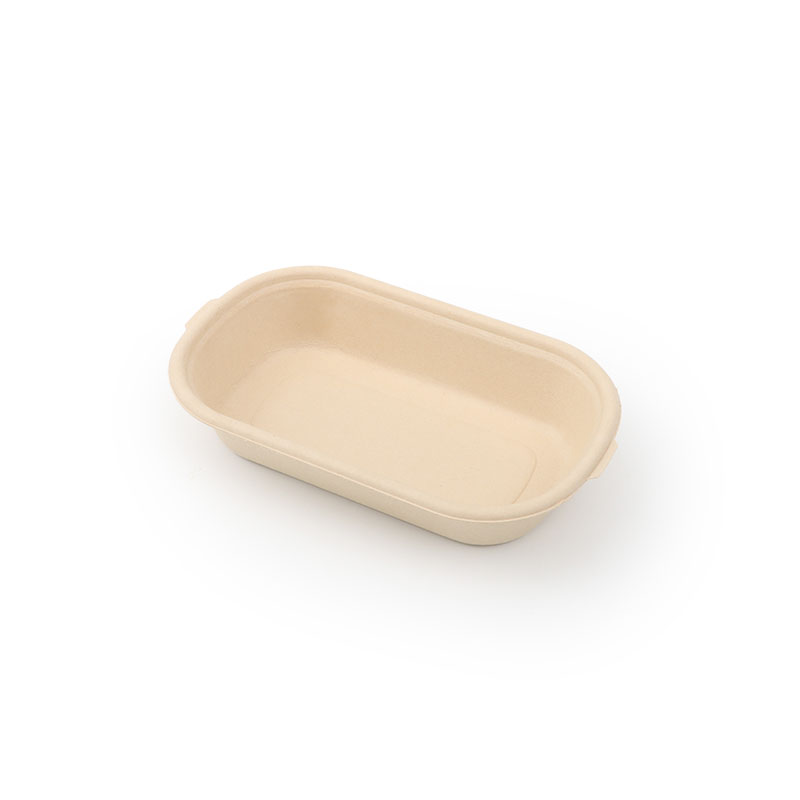 500ml
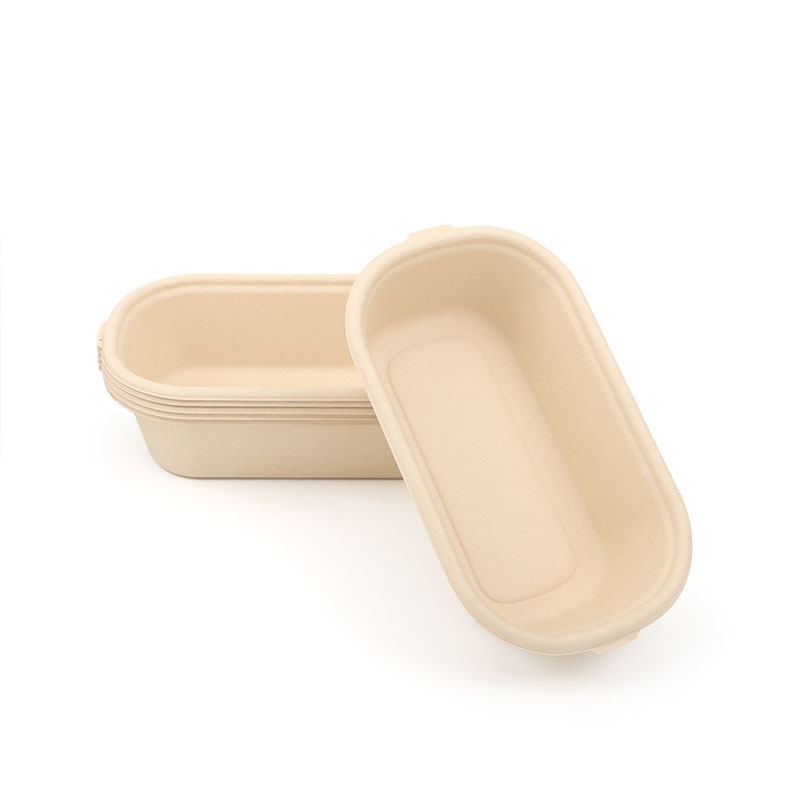 700ml
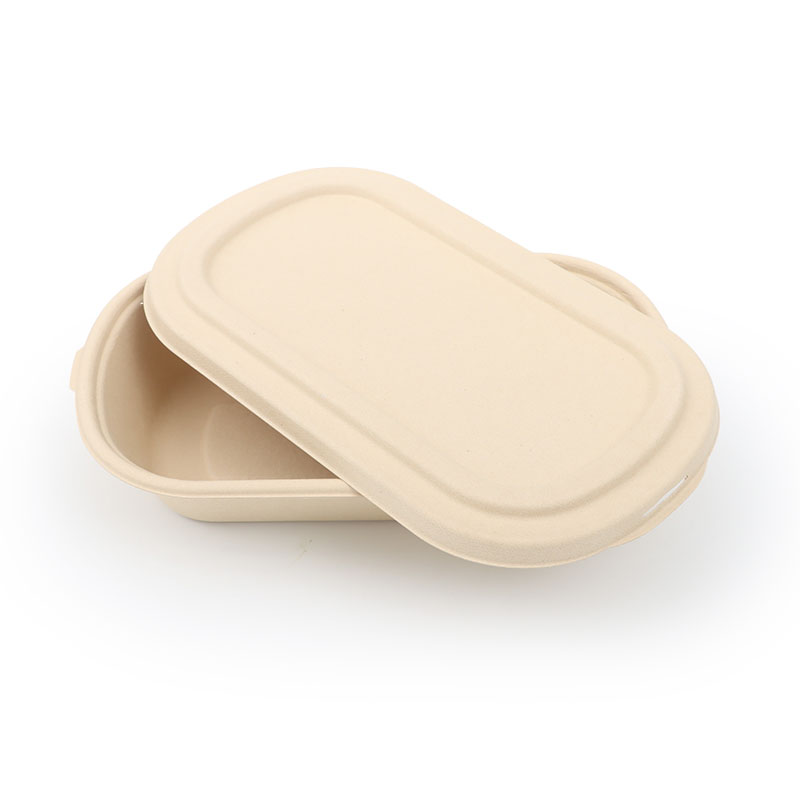 850ml
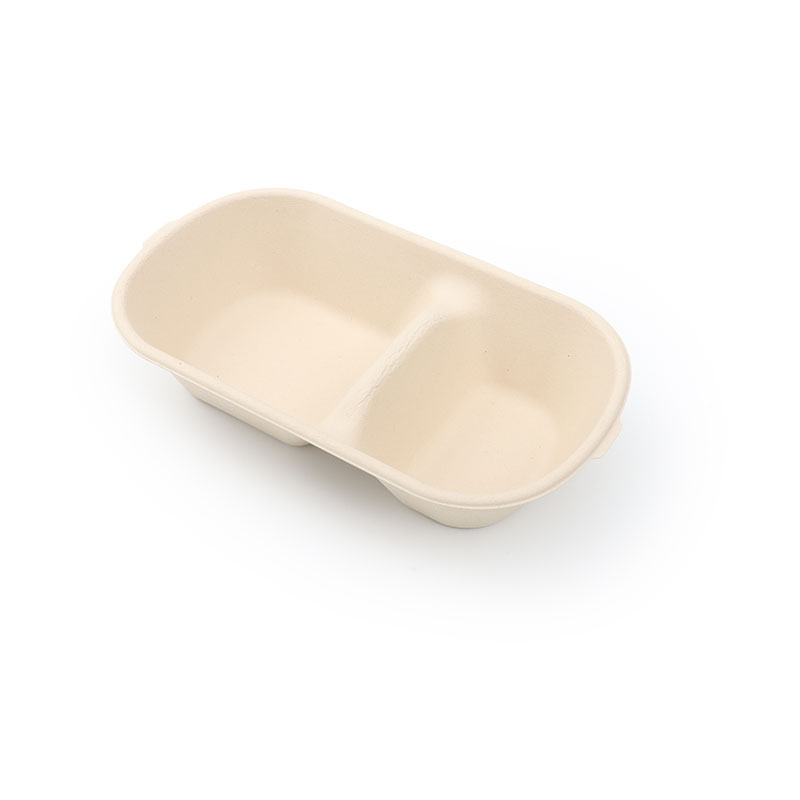 800ml 2 Compartments
 1000ml 2 Compartments
 1100ml
 1000ml Square Lunch Box
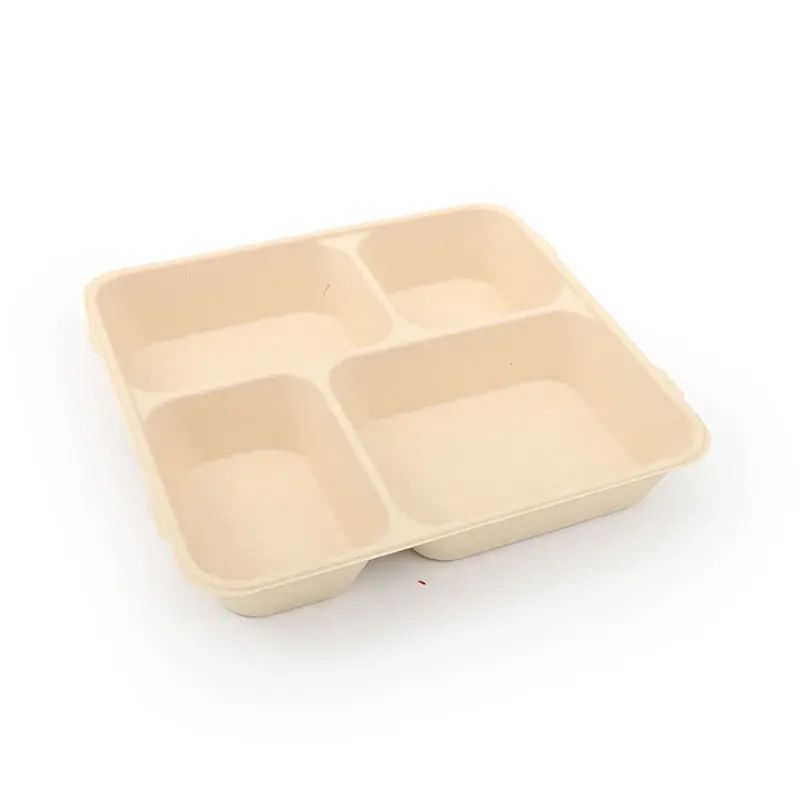 1340ml 4 Compartments
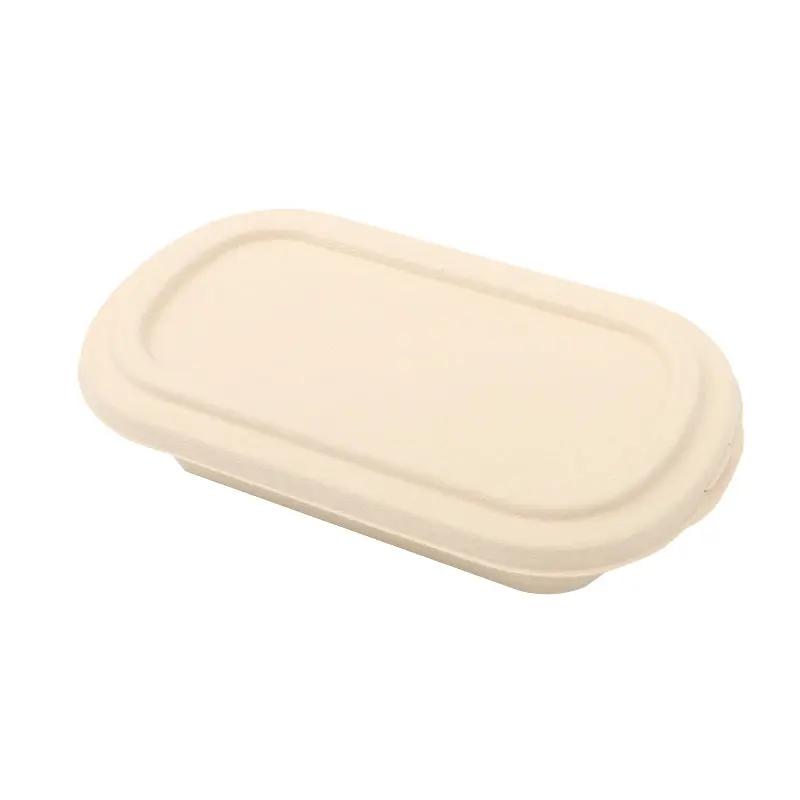 Lunch Box Lid
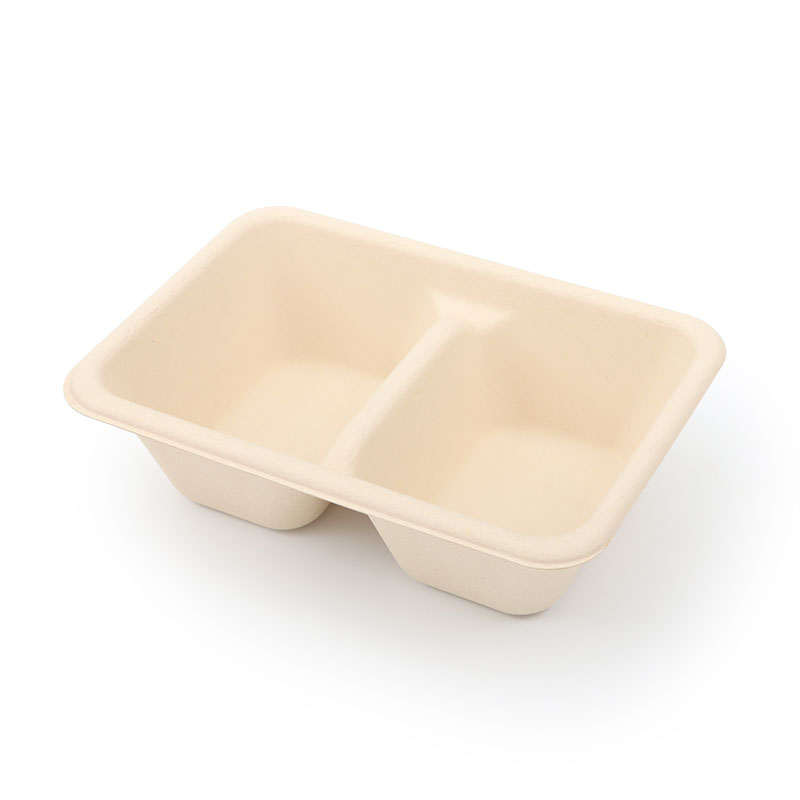 650ml
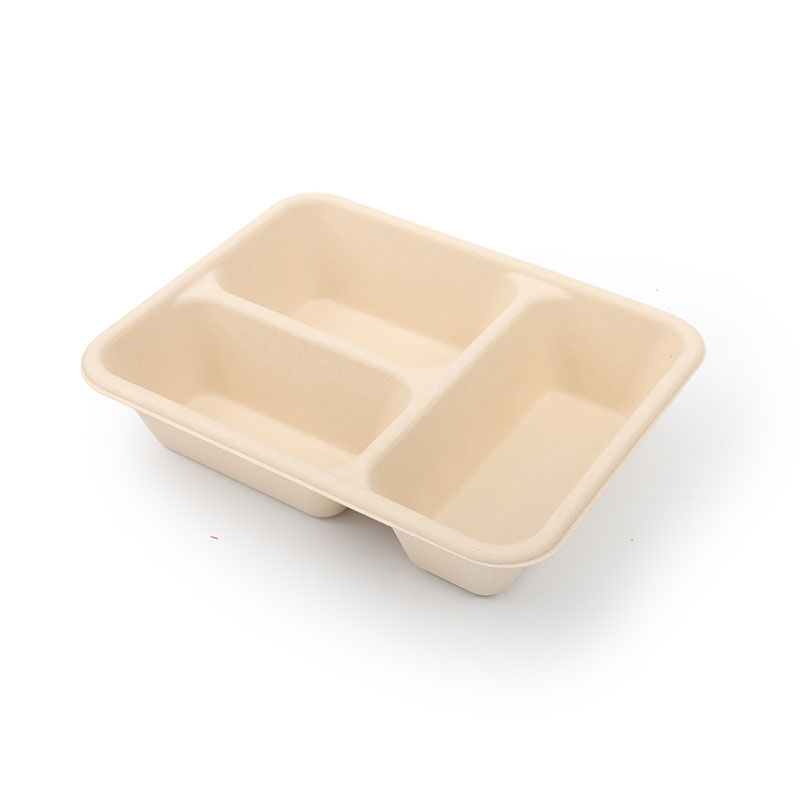 1000ml 3 Compartments
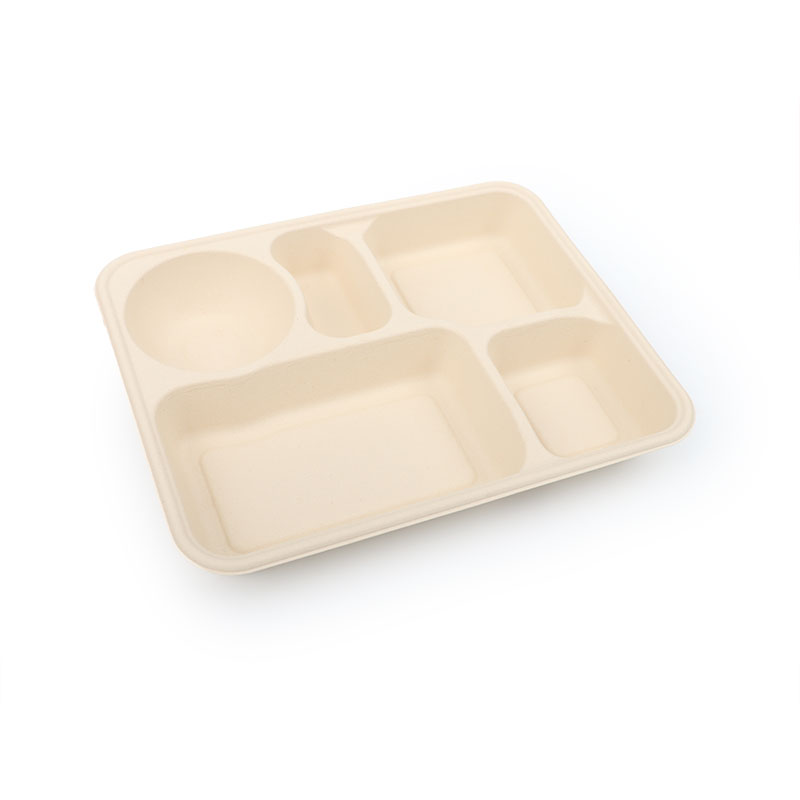 1250ml 5 Compartments
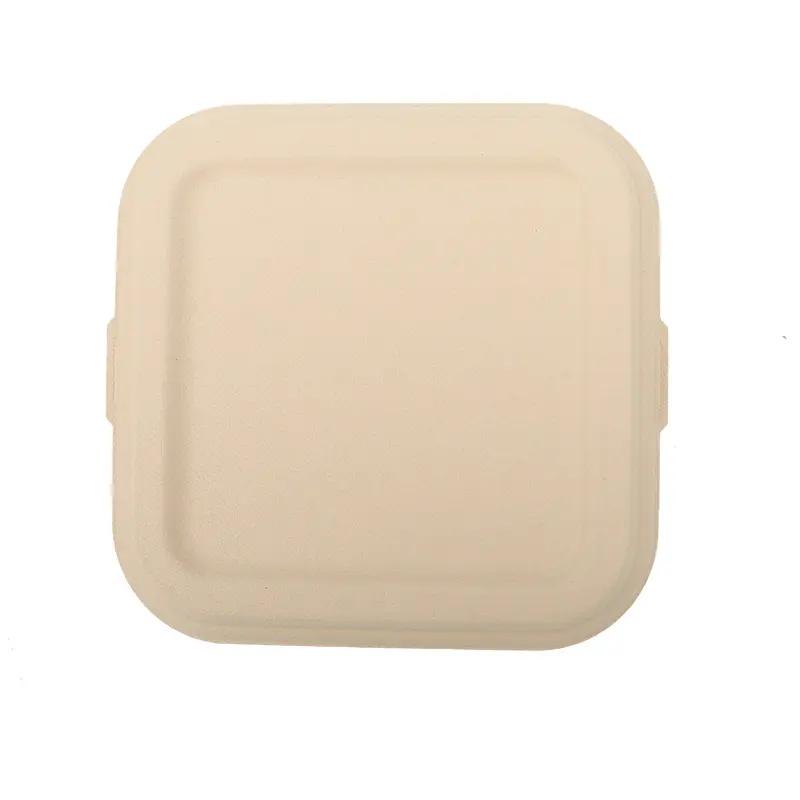 Square Lunch Box Lid
 Box Without T buckle
 850ml Salad Box
 700ml
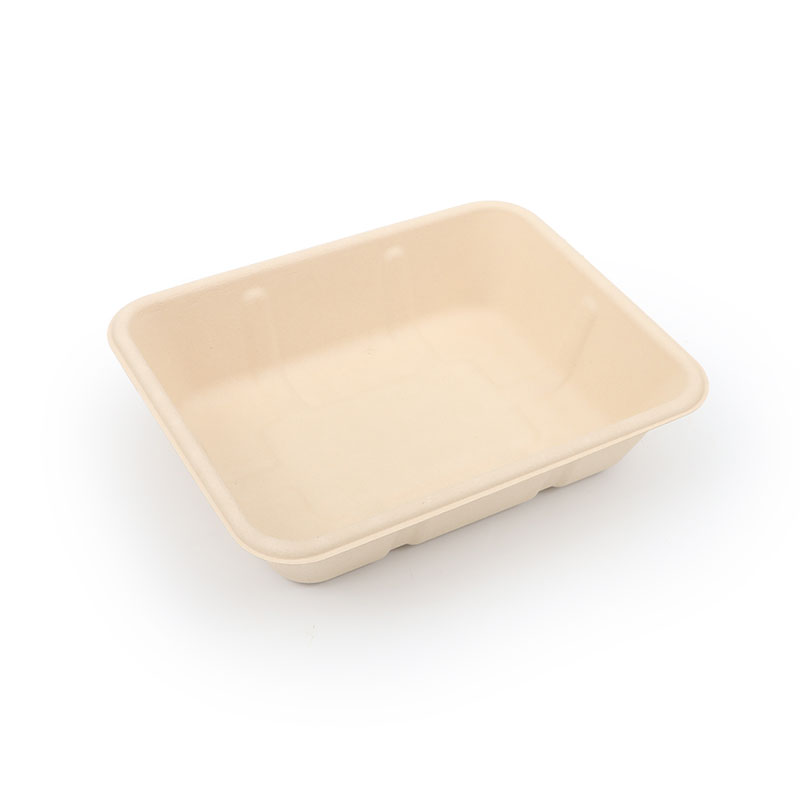 1350ml
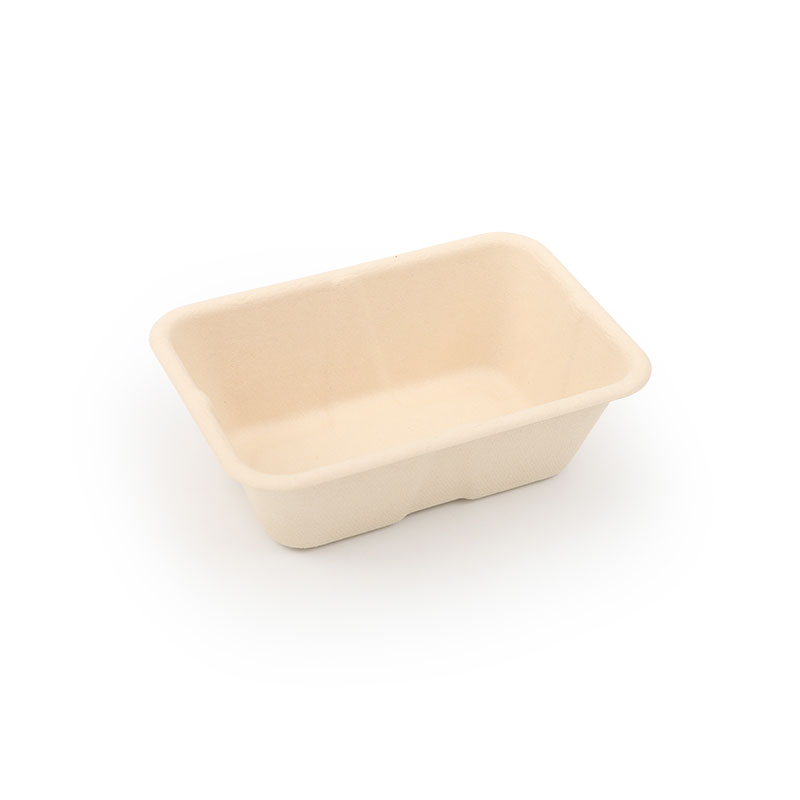 470ml
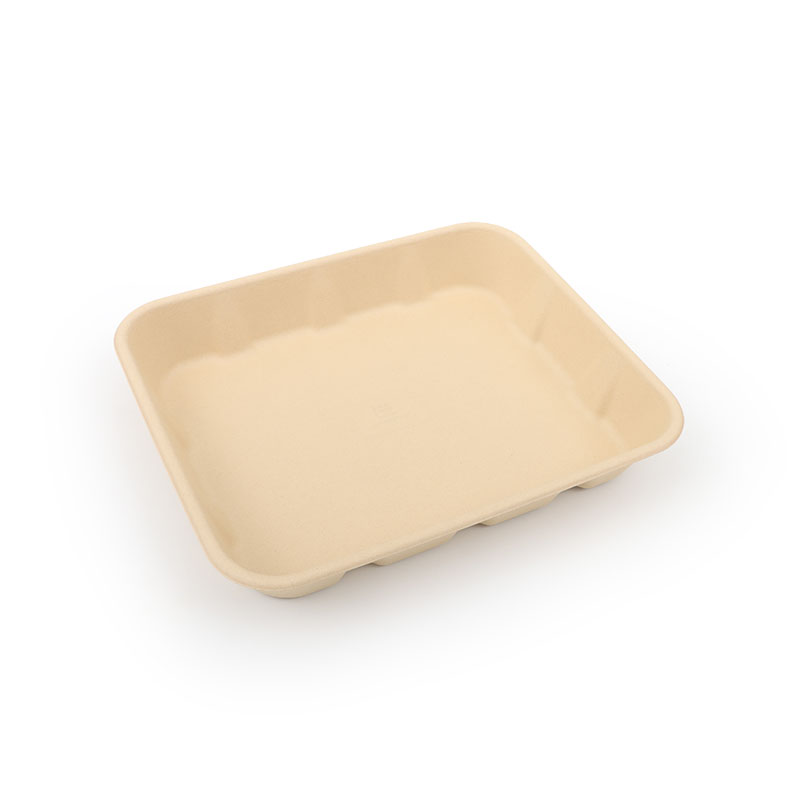 2183ml Tray Box
 11" * 9"
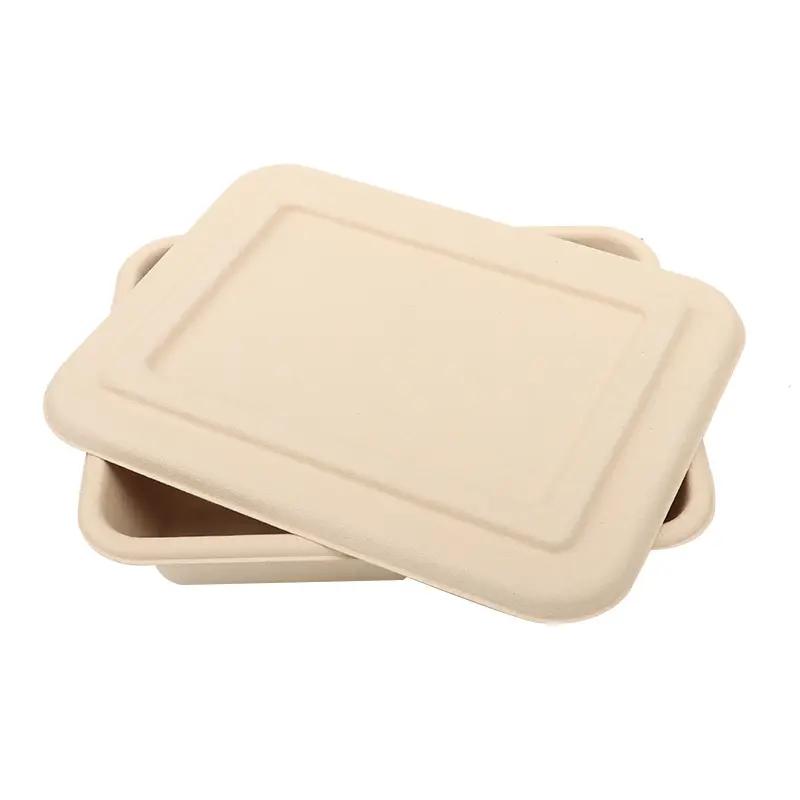 800ml
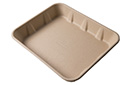 One Part Box
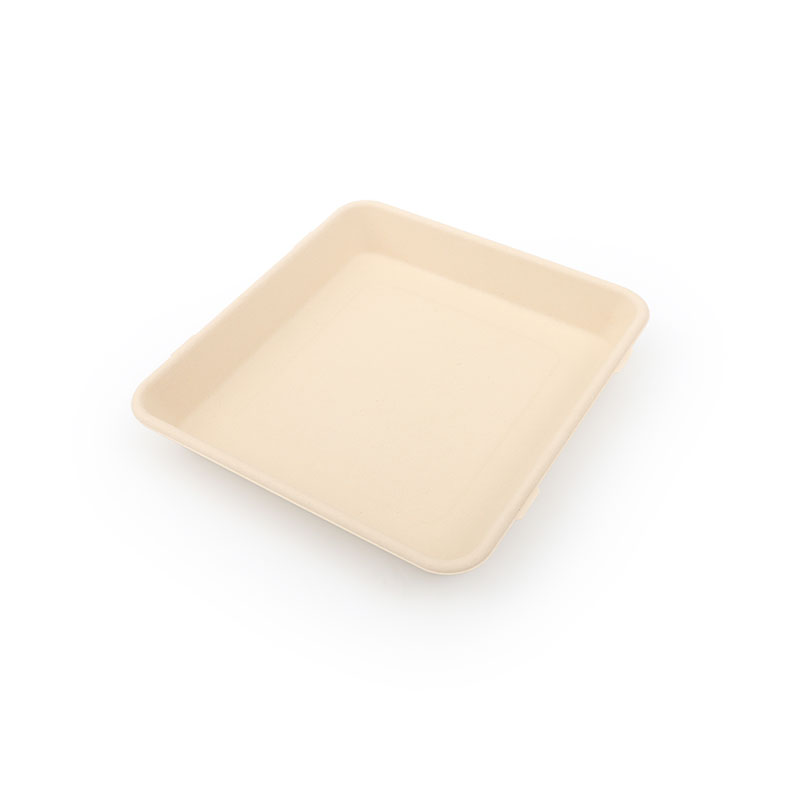 1443ml Tray Box
 Cake Bread Snack Tray Series
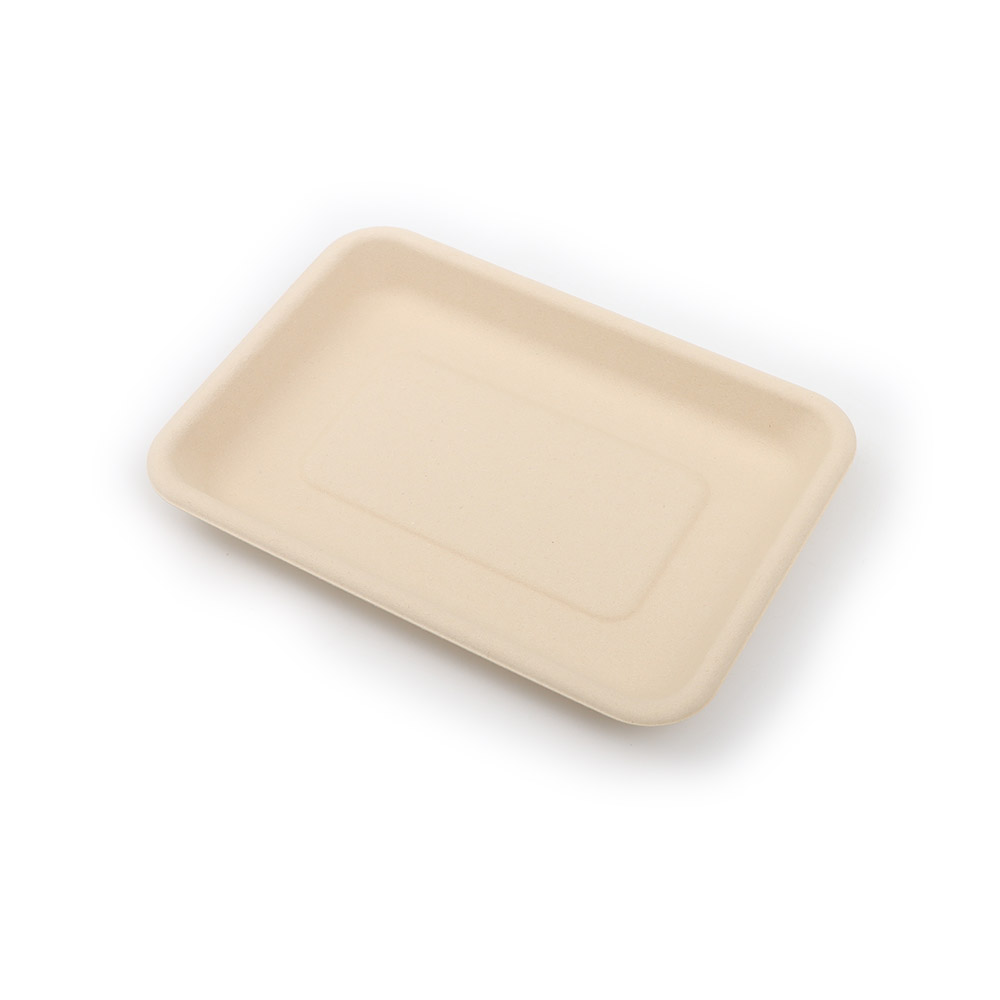 5" * 7" natural color
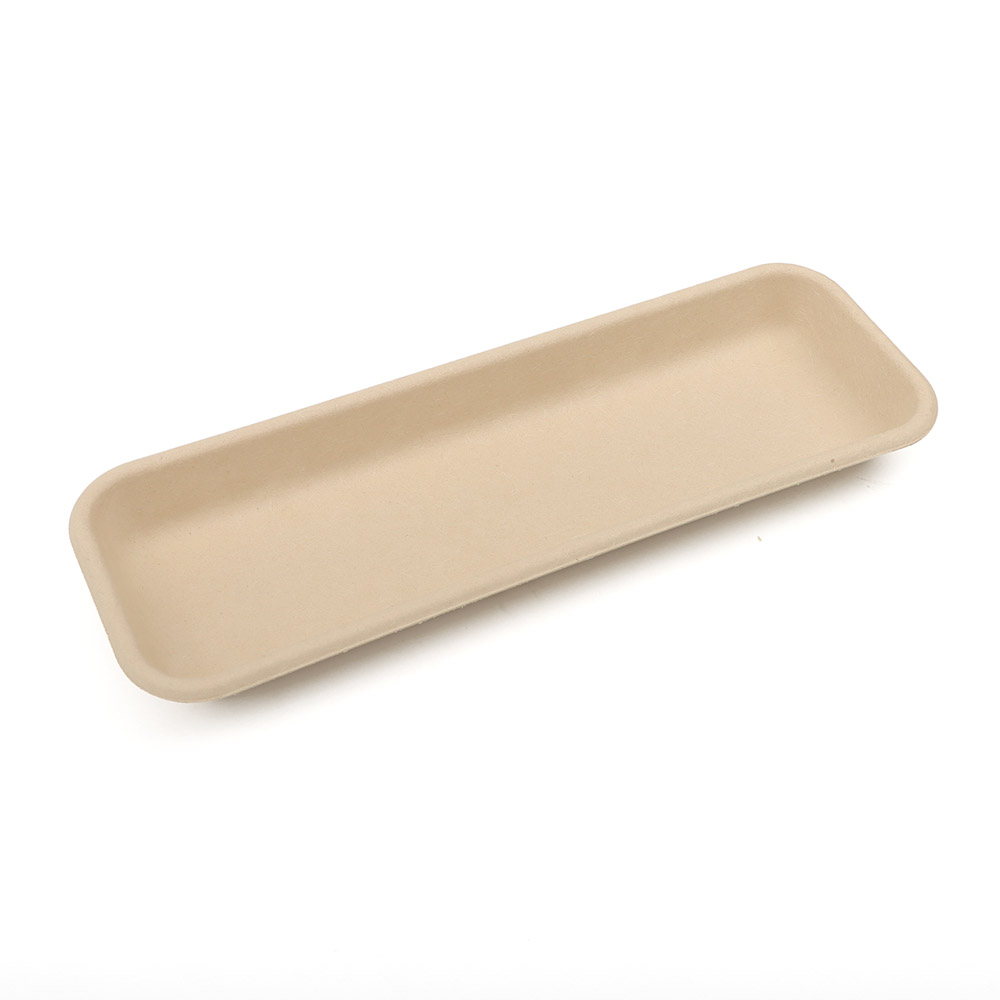 11.4" * 3.9"
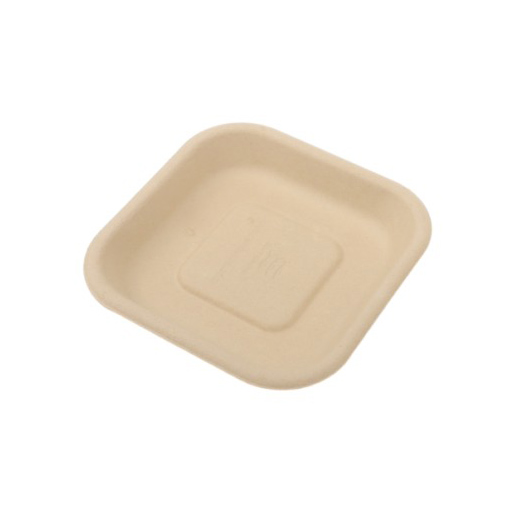 5.3" * 5.3"
 Fruit And Vegetable Tray Series
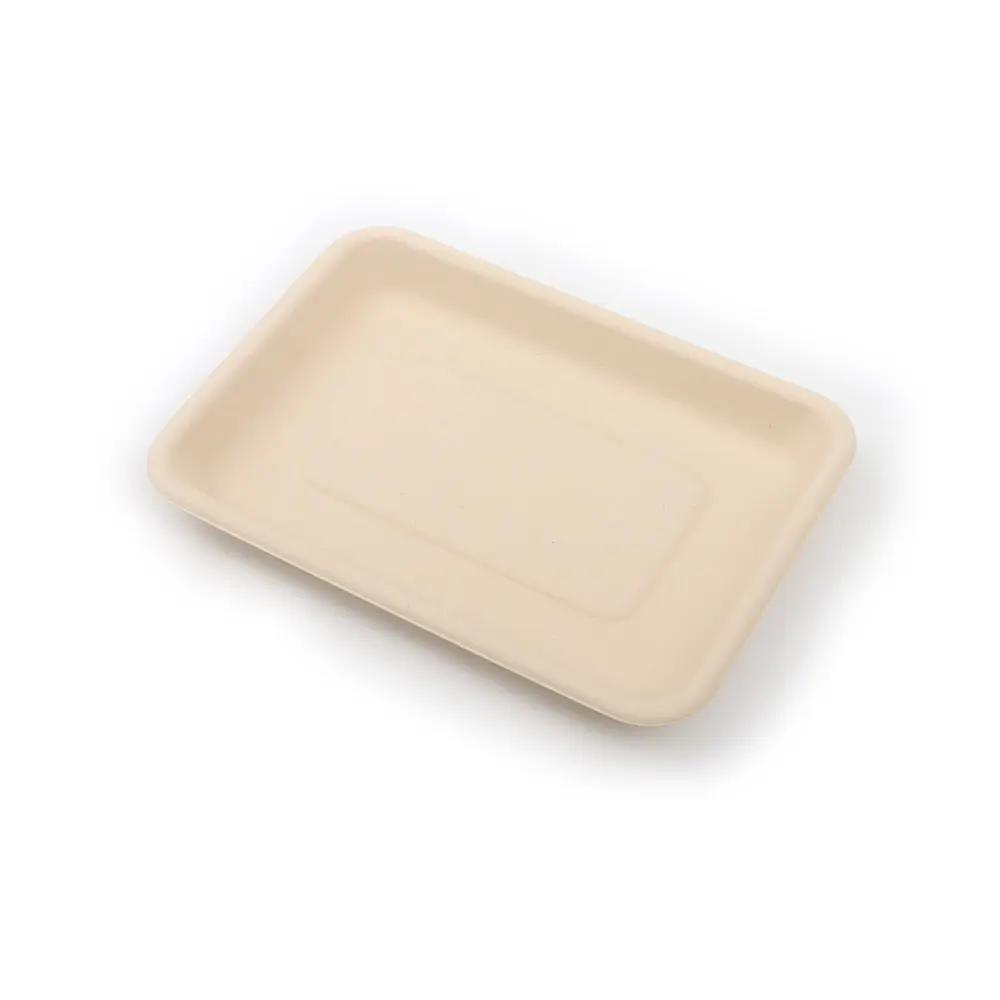 8.6" * 5.3"
 Sushi Tray Series
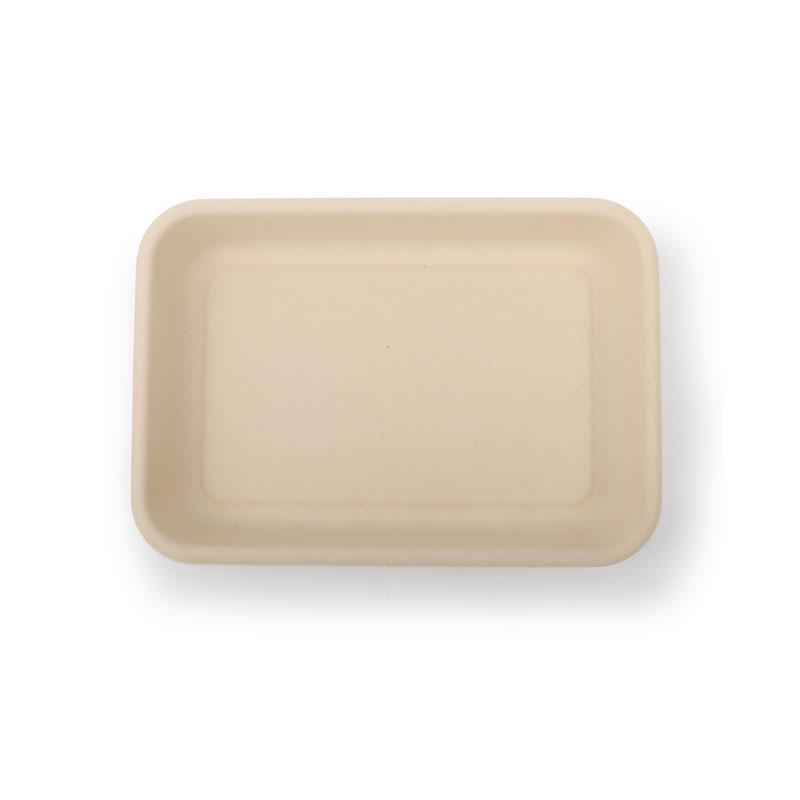 200" * 140"
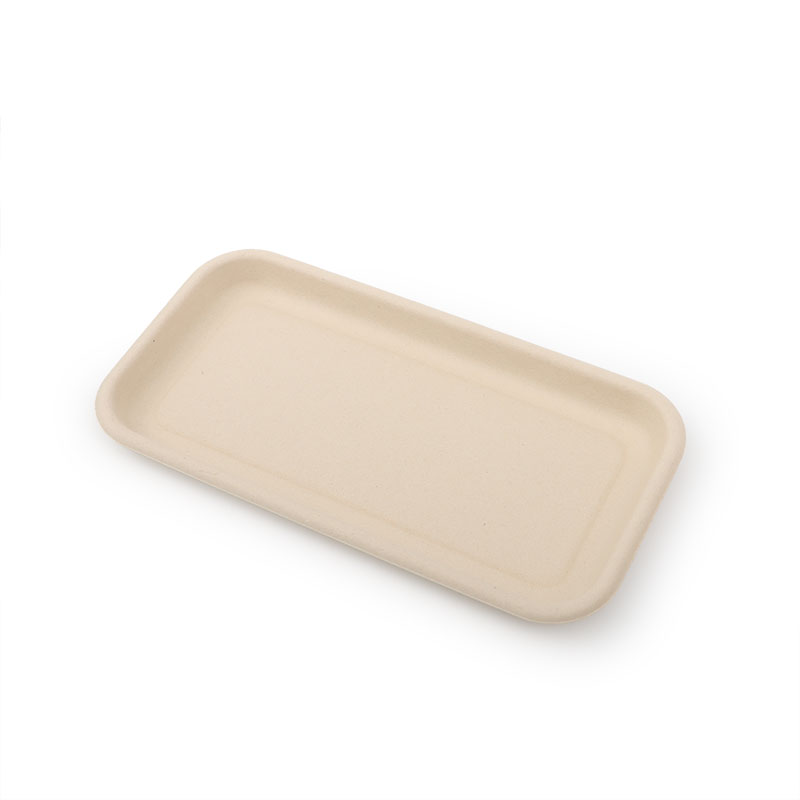 210" * 110"
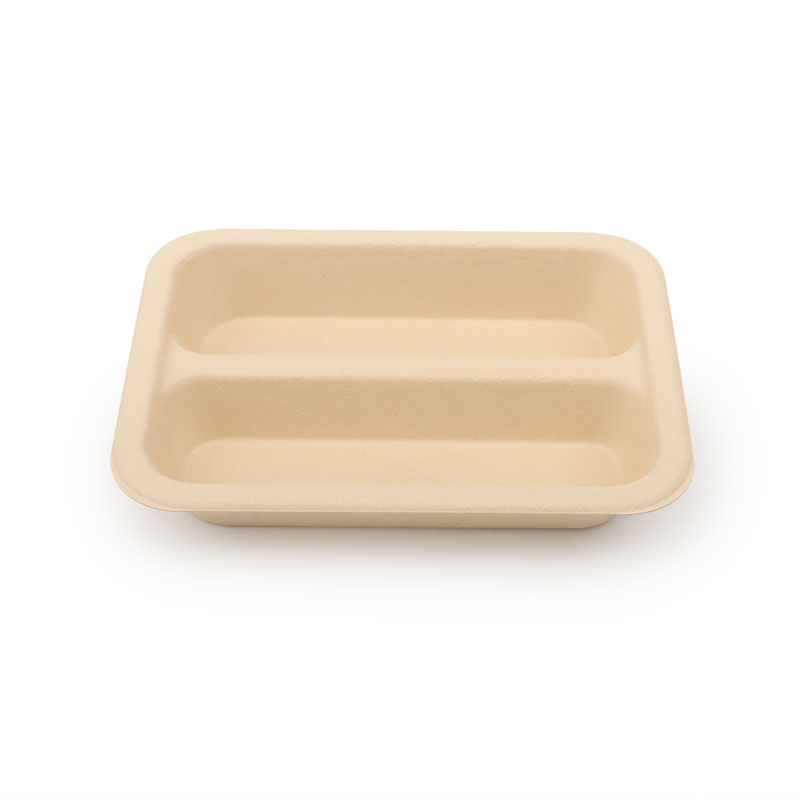 2 Compartments
 Small Round Plate Series
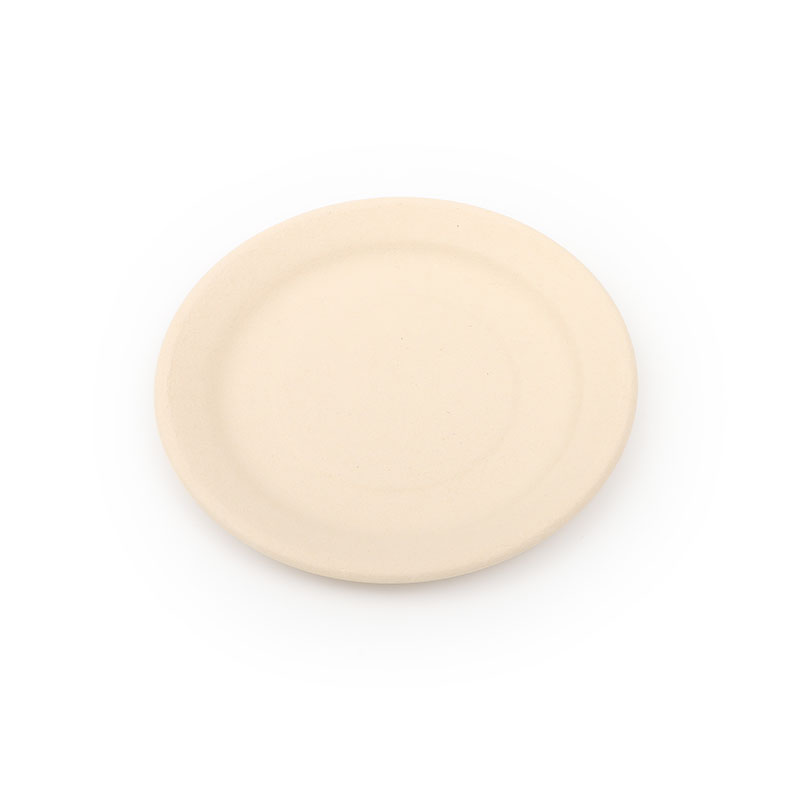 7 inch
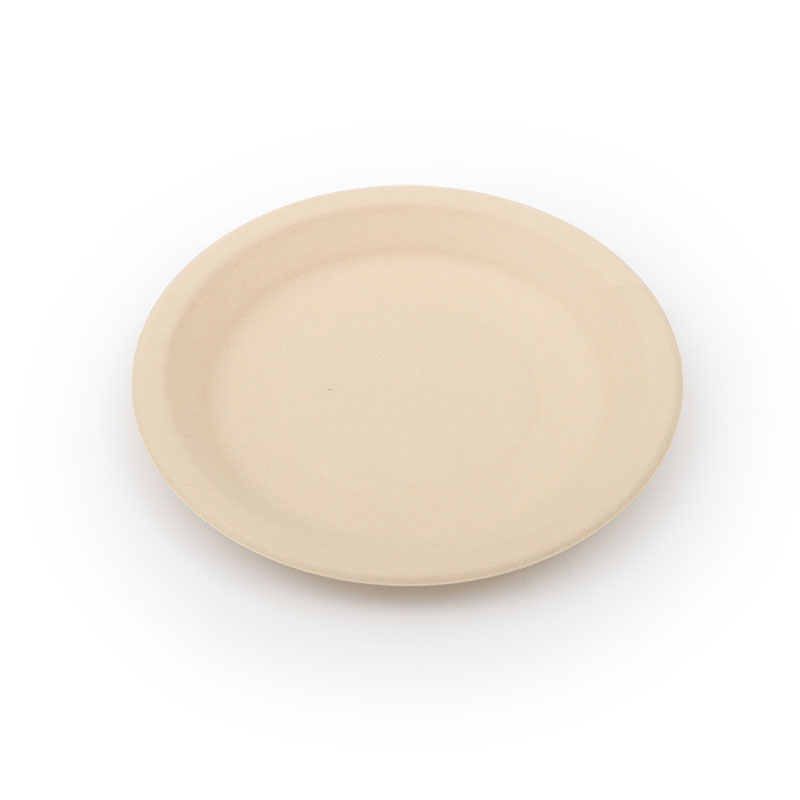 6 inch
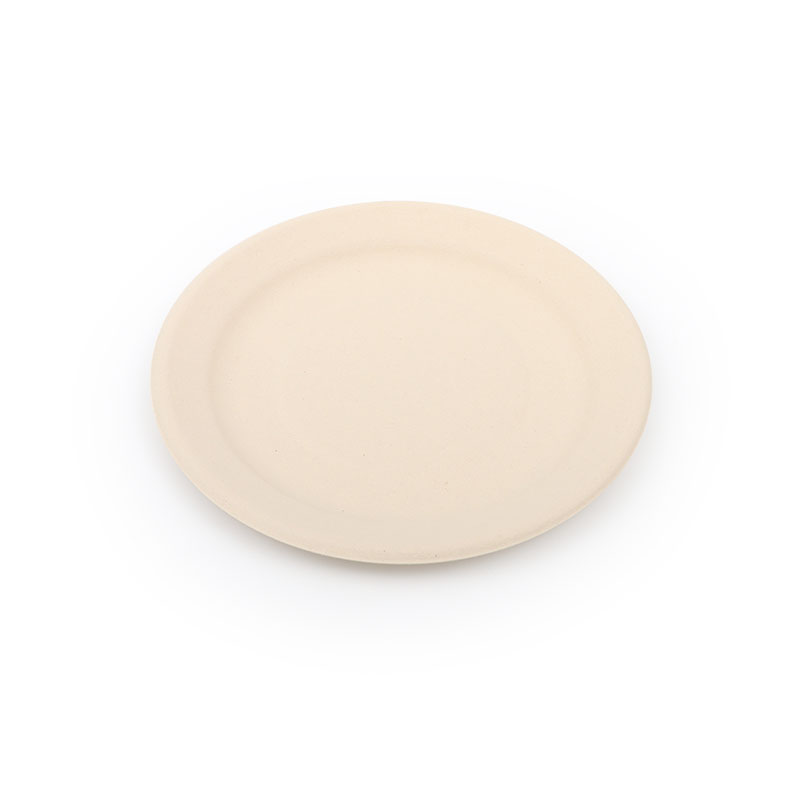 8 inch
 Middle Round Plate Series
 9 Inch 3 Compartments
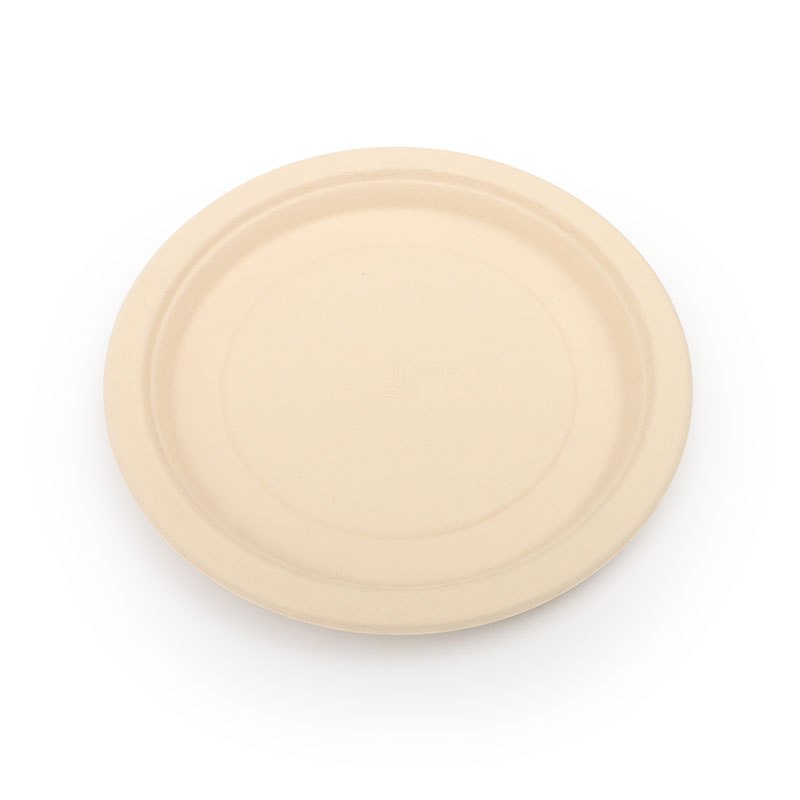 9 inch
 Big Round Plate Series
 12.7 Inch Pizza Plate
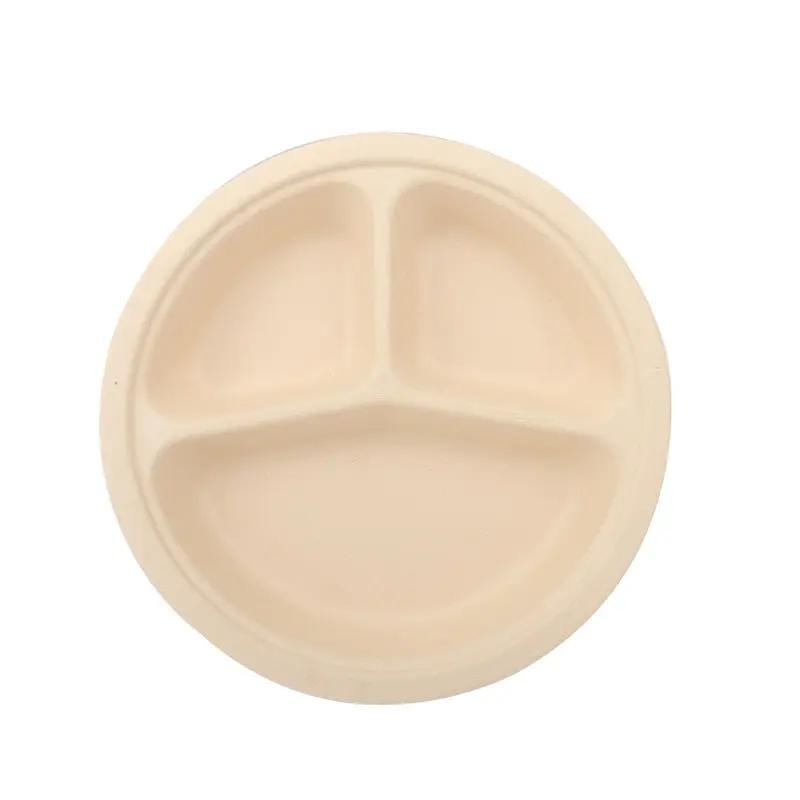 10.25 inch 3 Compartments
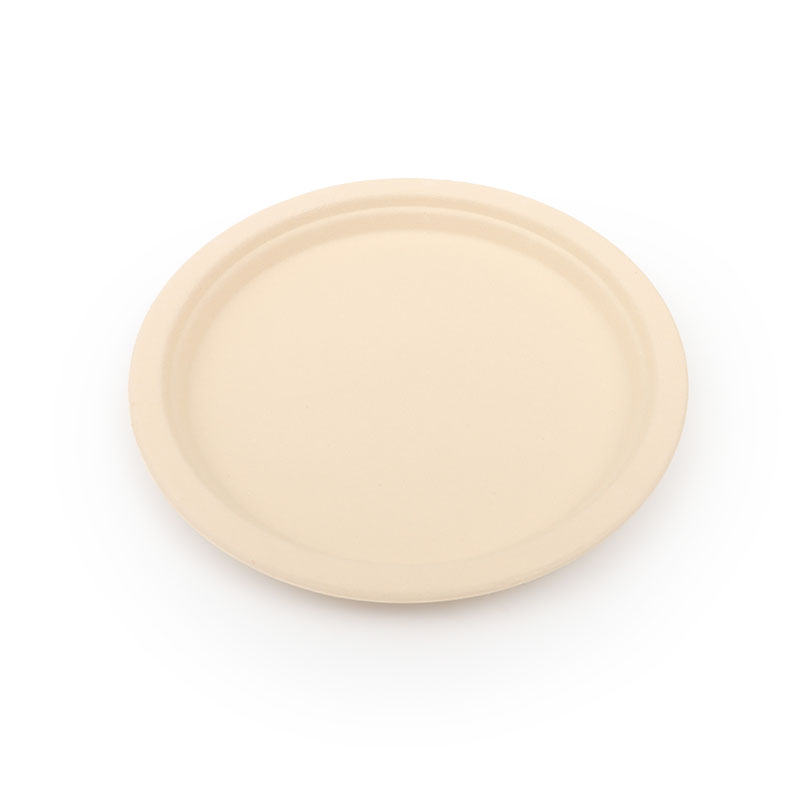 10 inch
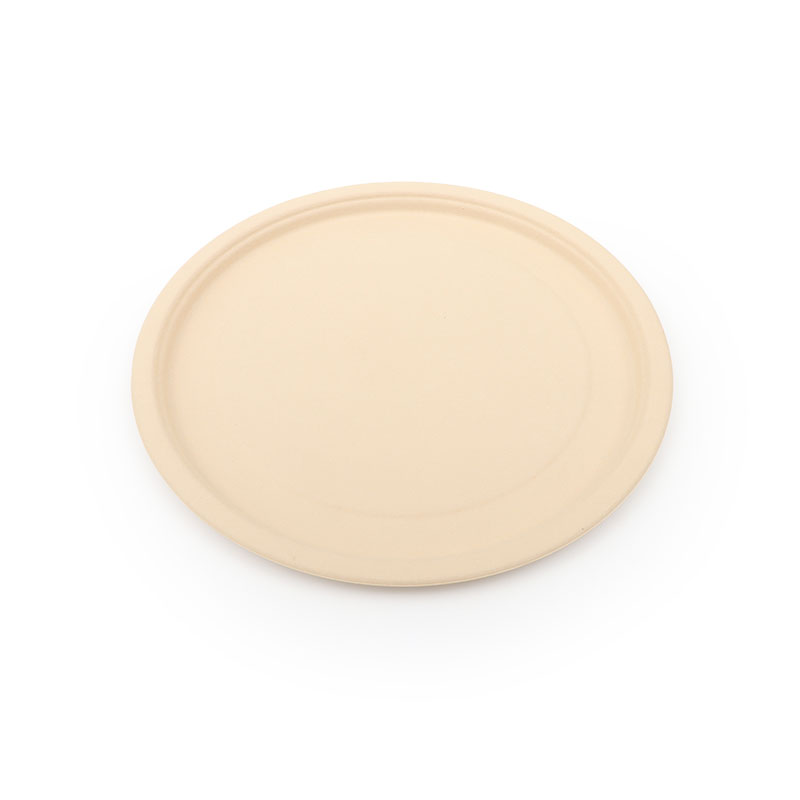 12 inch
 Bigger Bowl
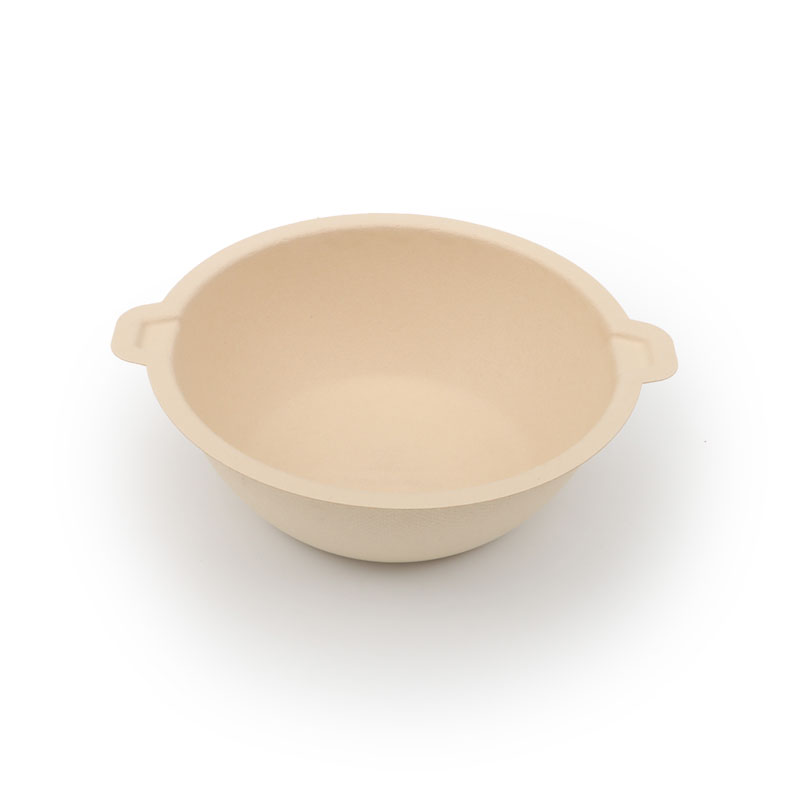 48oz(1420ml)
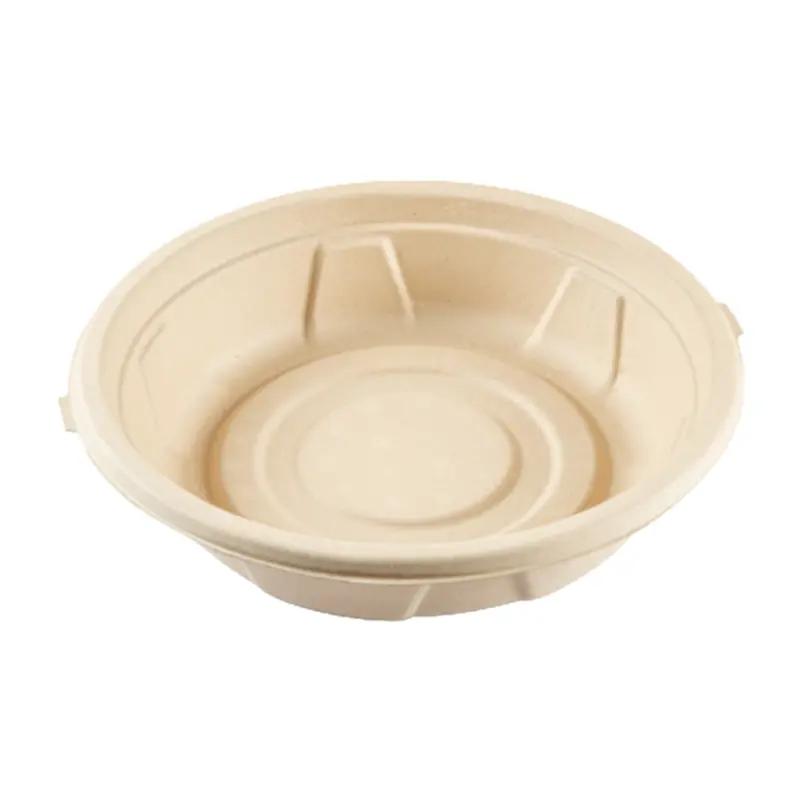 56oz(1650ml)
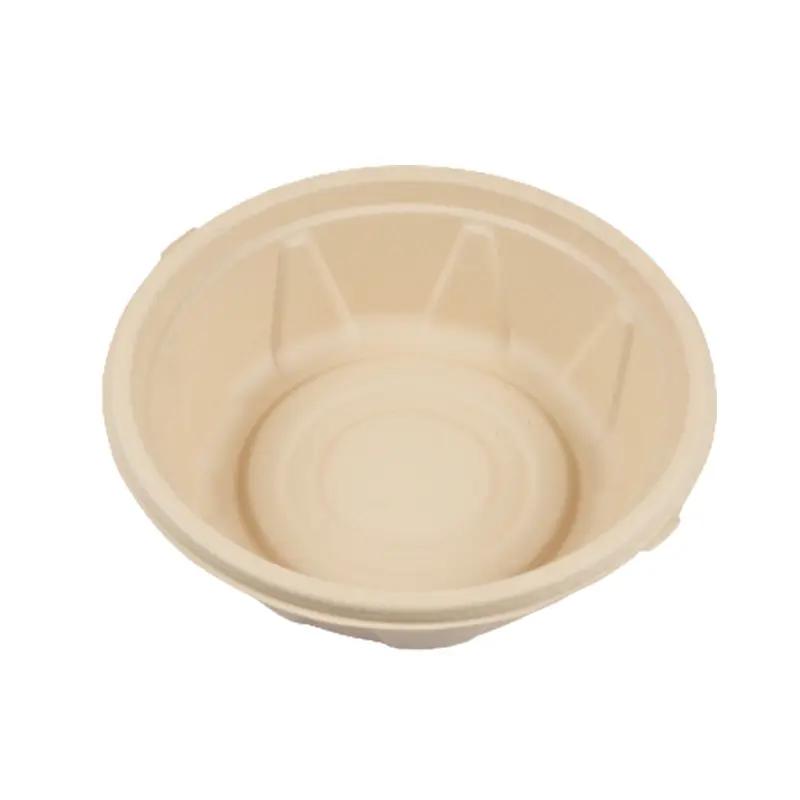 100oz(2950ml)
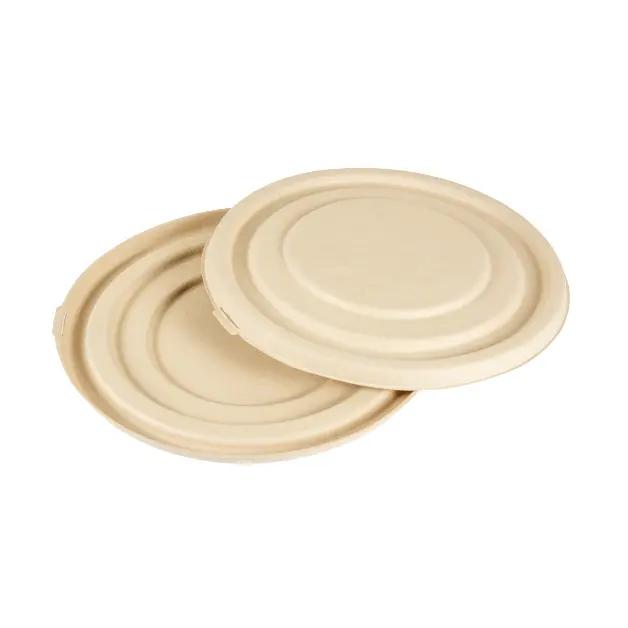 100oz(2950ml) With Lid
 Middle Bowl
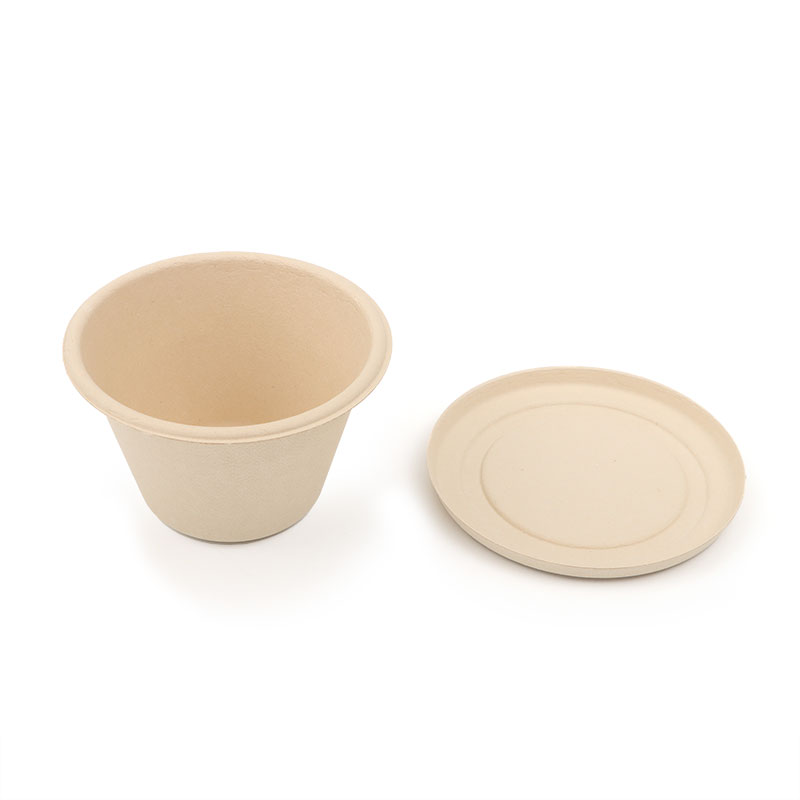 17oz(500ml)
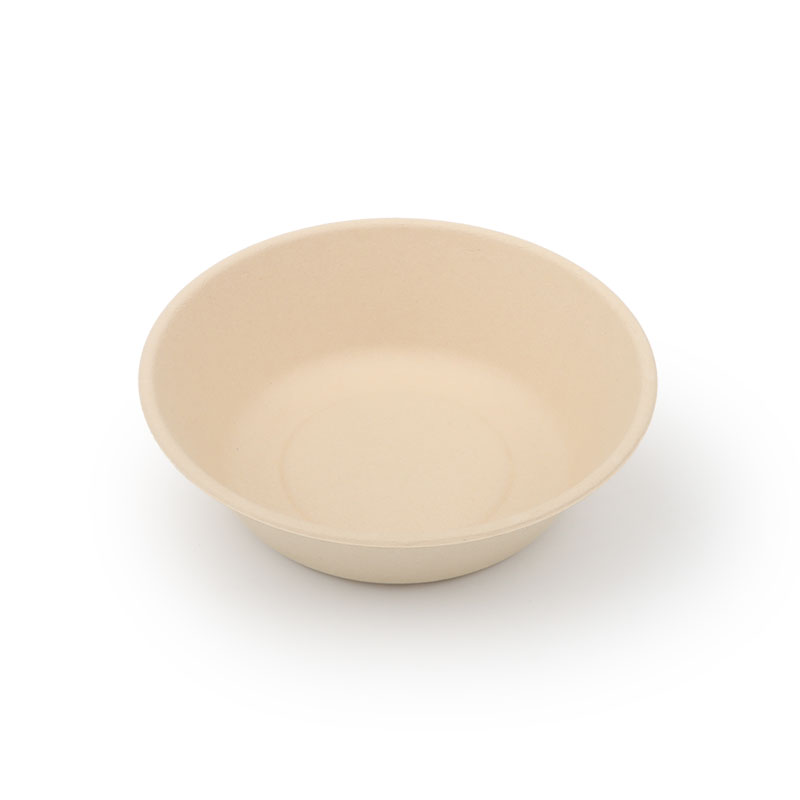 27oz(800ml)
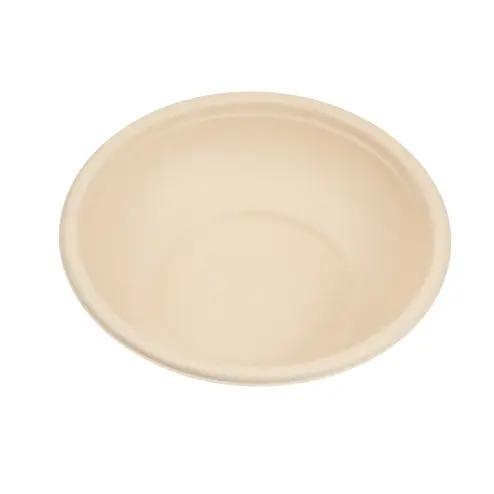 20oz(600ml)
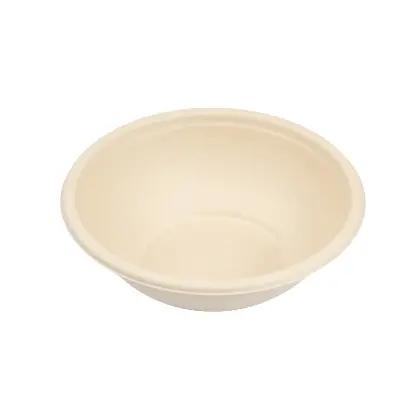 29oz(850ml)
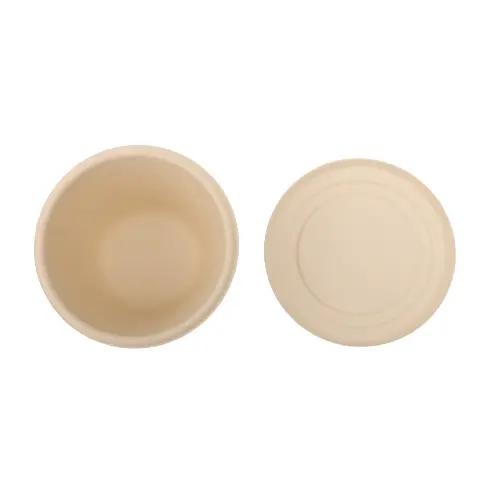 17oz(500ml) With Lid
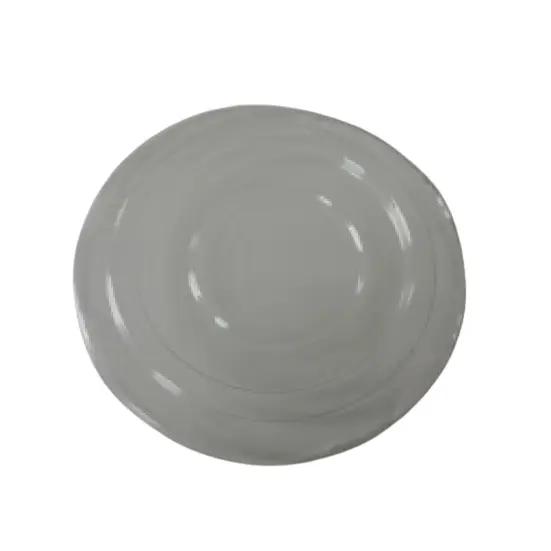 17oz(500ml) PET Lid
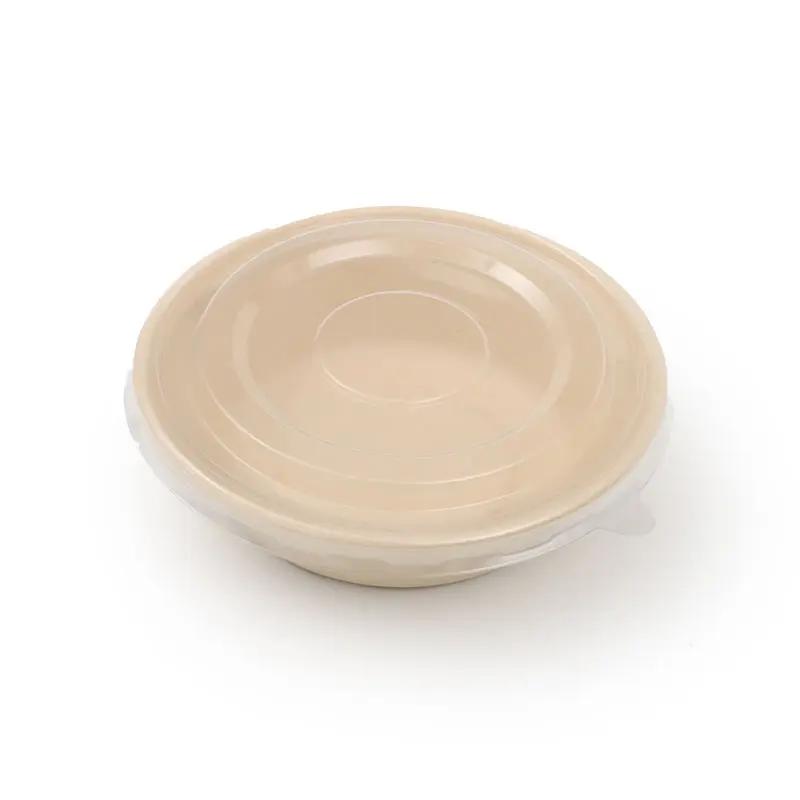 28oz(830ml) PET Lid
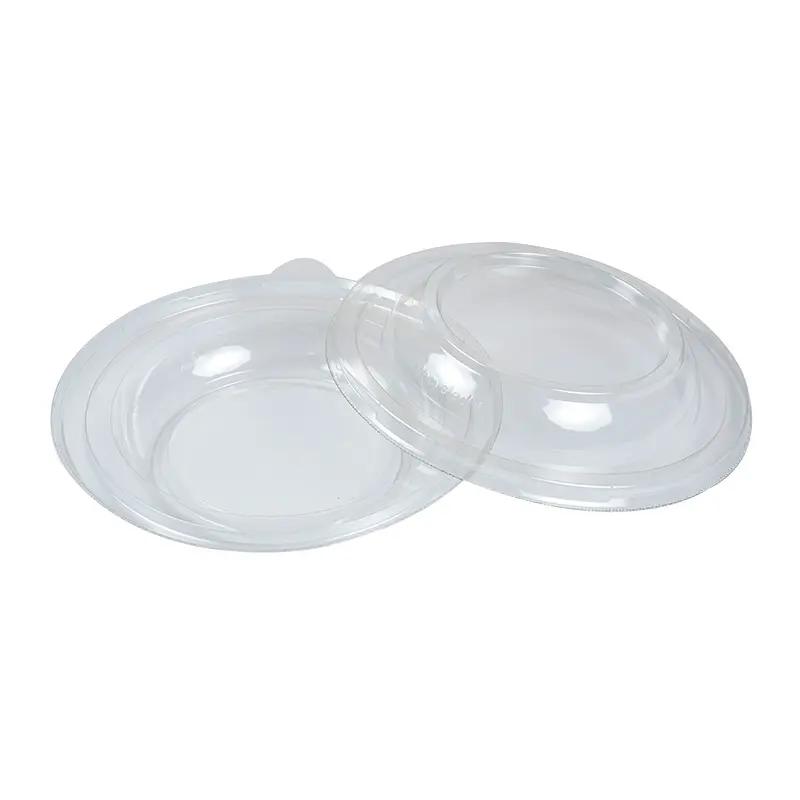 Round Bowl PET
 Small Bowl
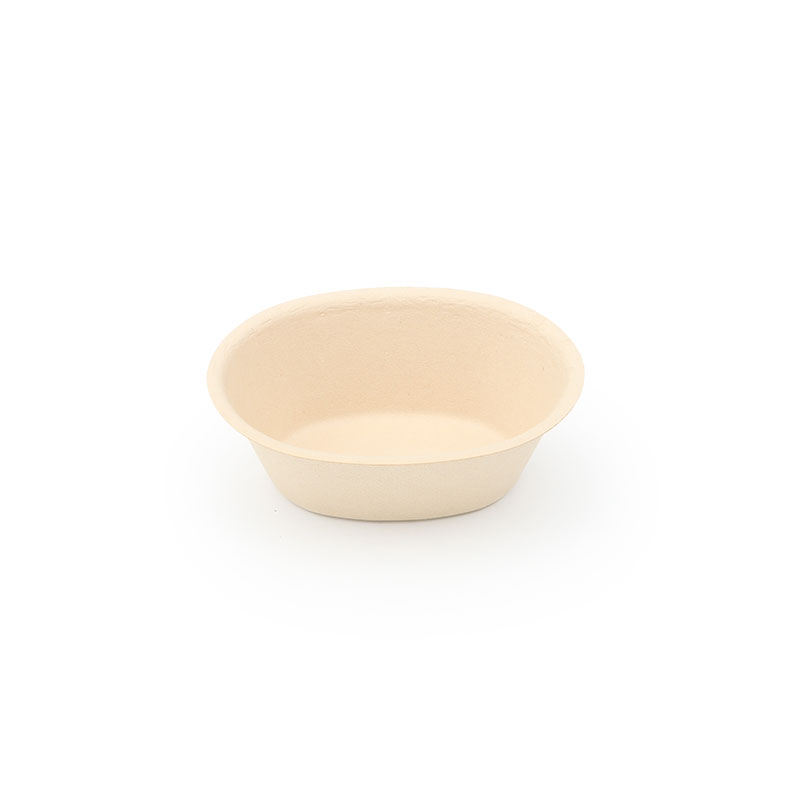 Snack Bowl
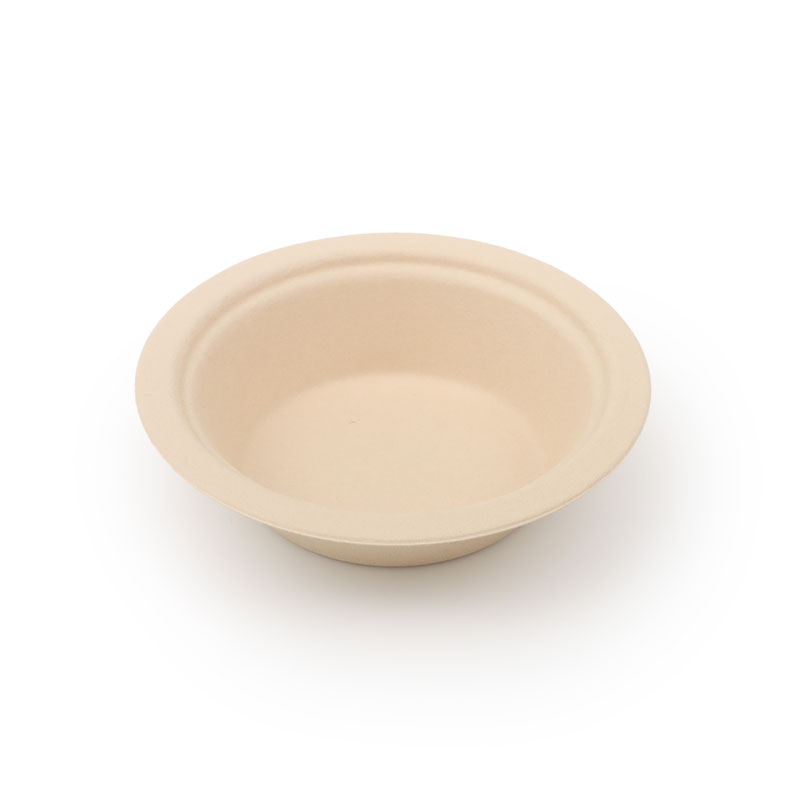 11.5oz(340ml) Bowl
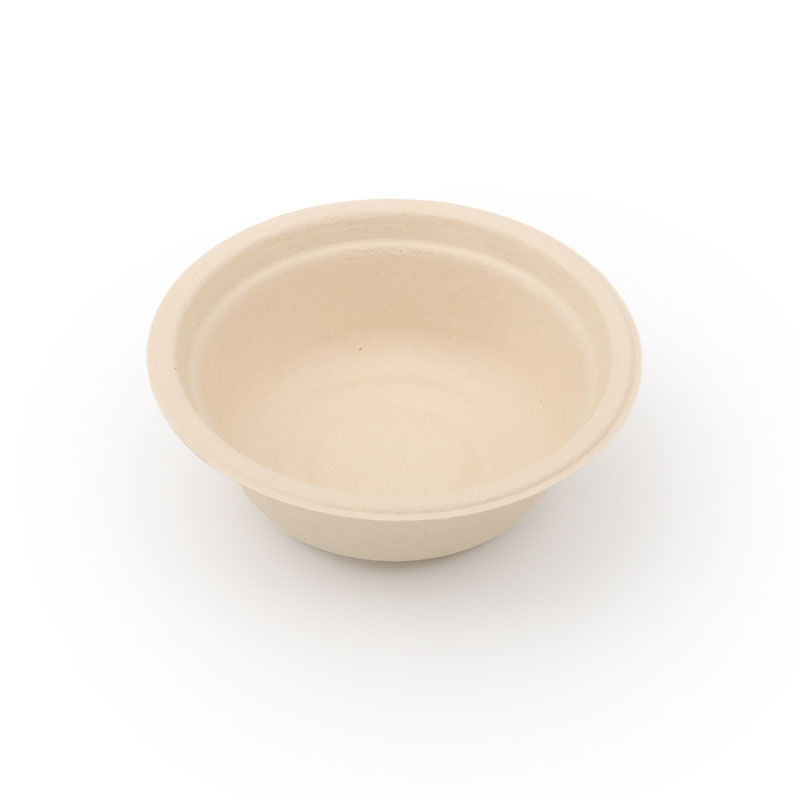 6.7oz(200ml) Bowl
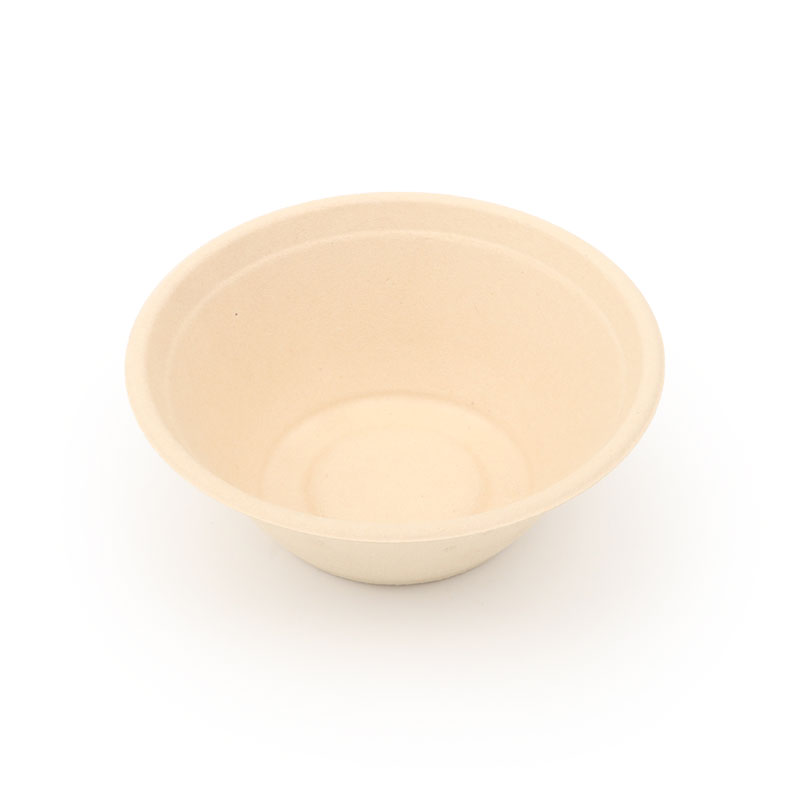 12oz(350ml) Bowl
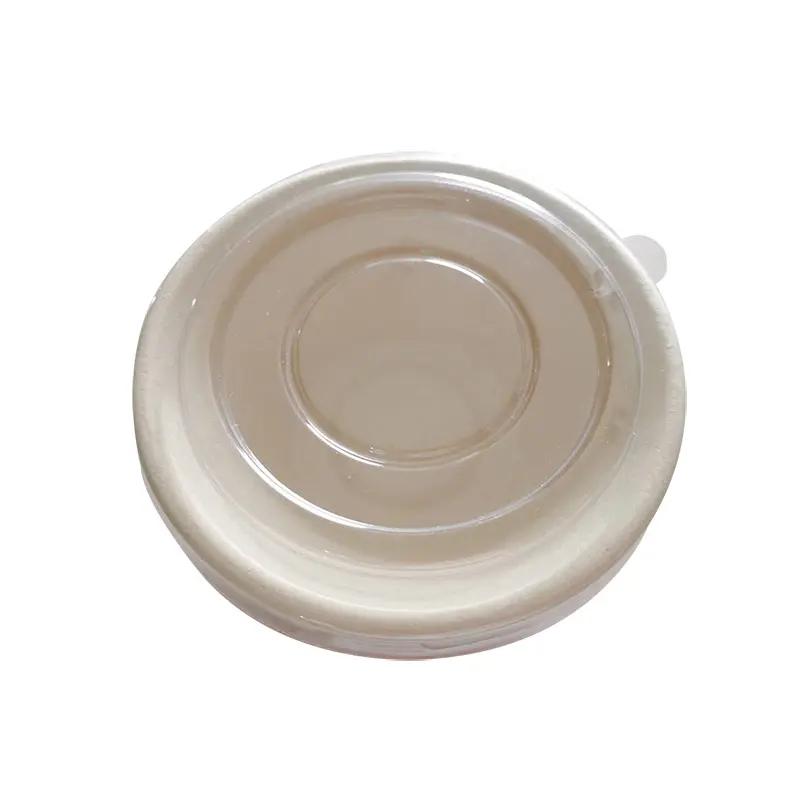 12oz(350ml) Bowl PET
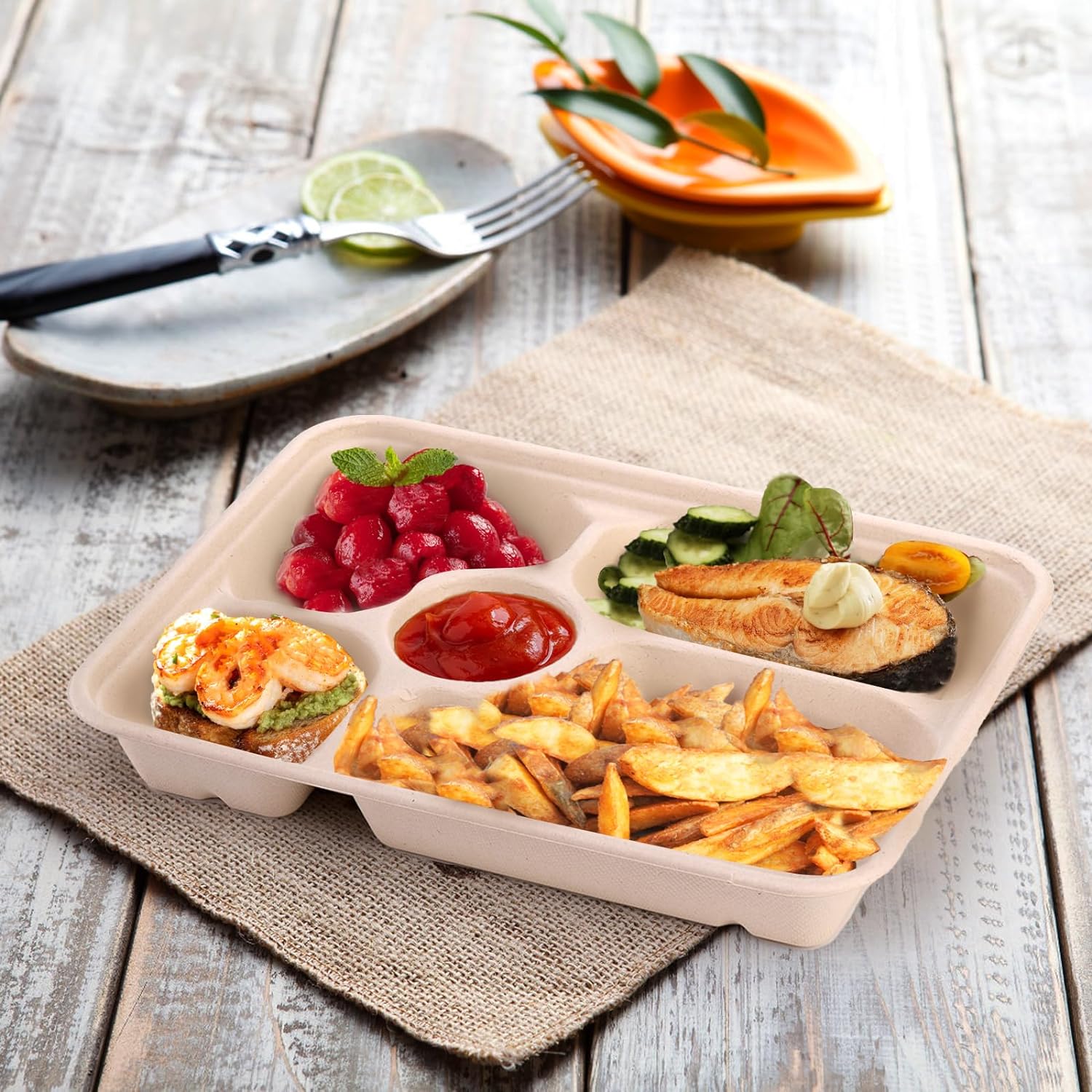 Bagasse Lunch Boxes
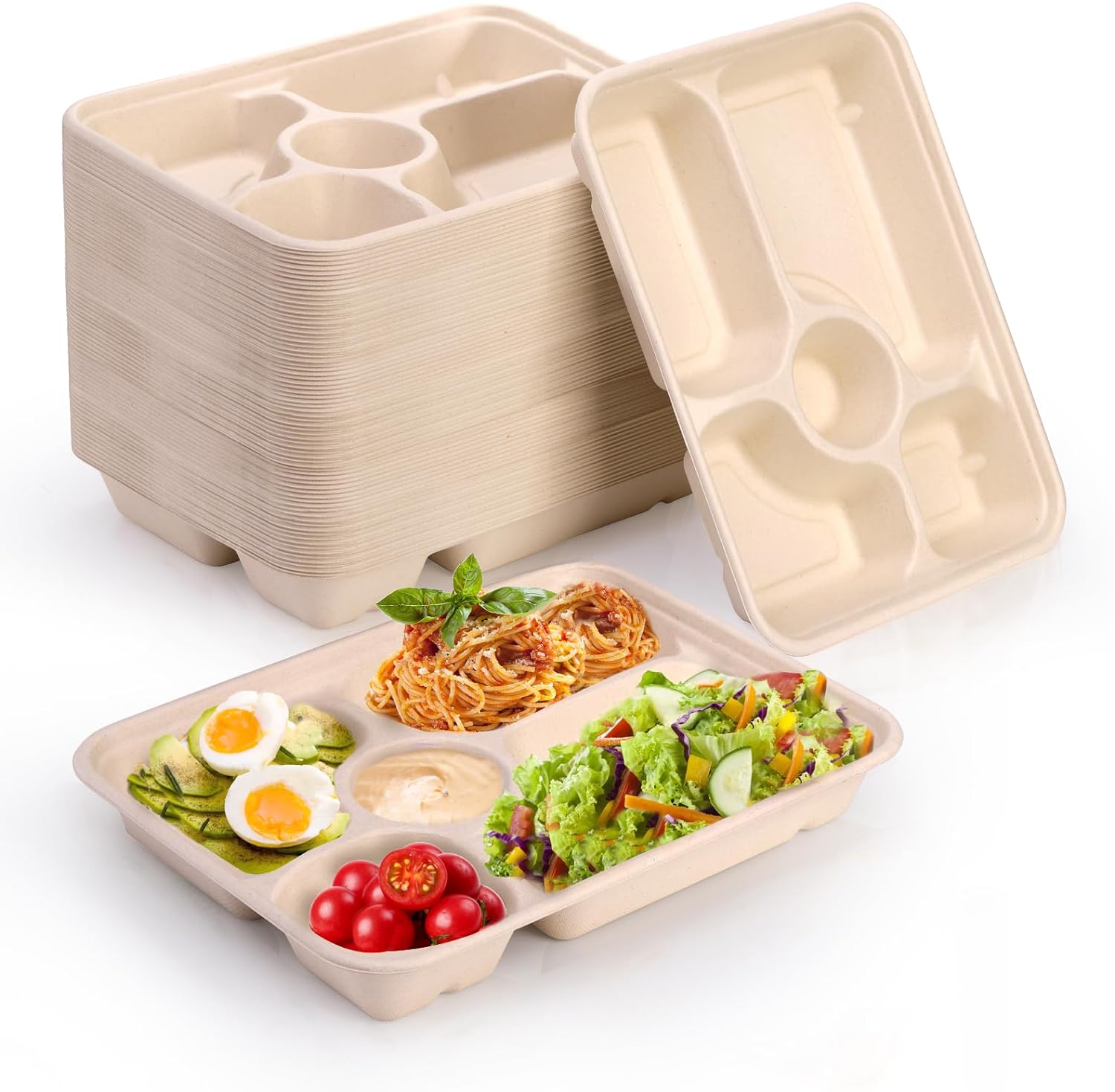 5CP
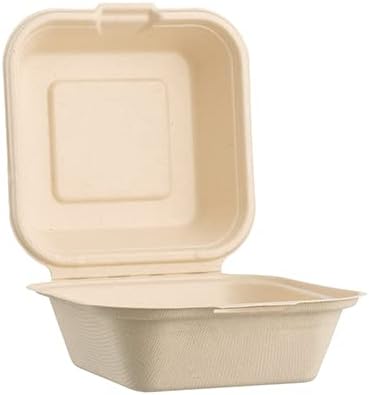 6 inch
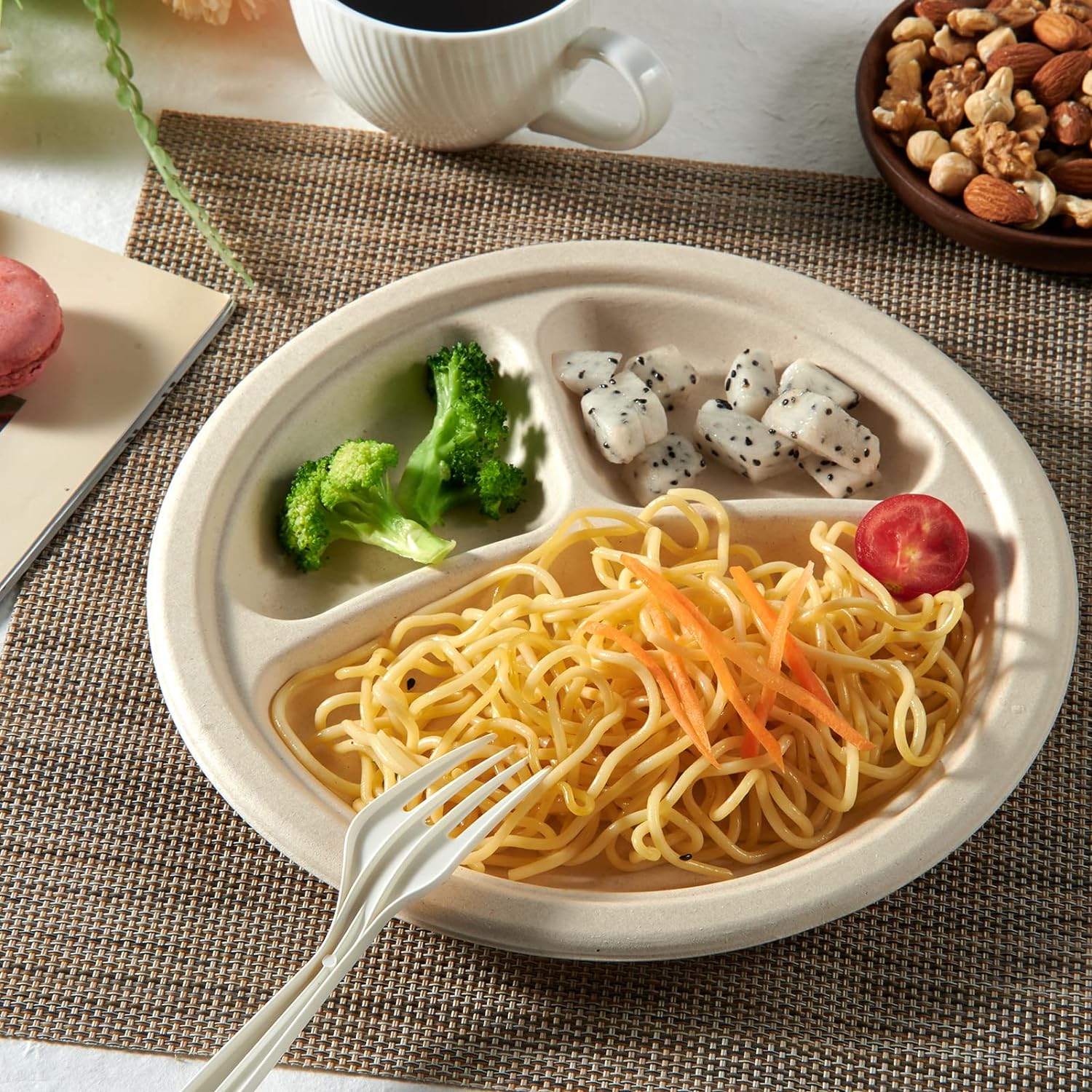 Bagasse Food Plates
 7 inch
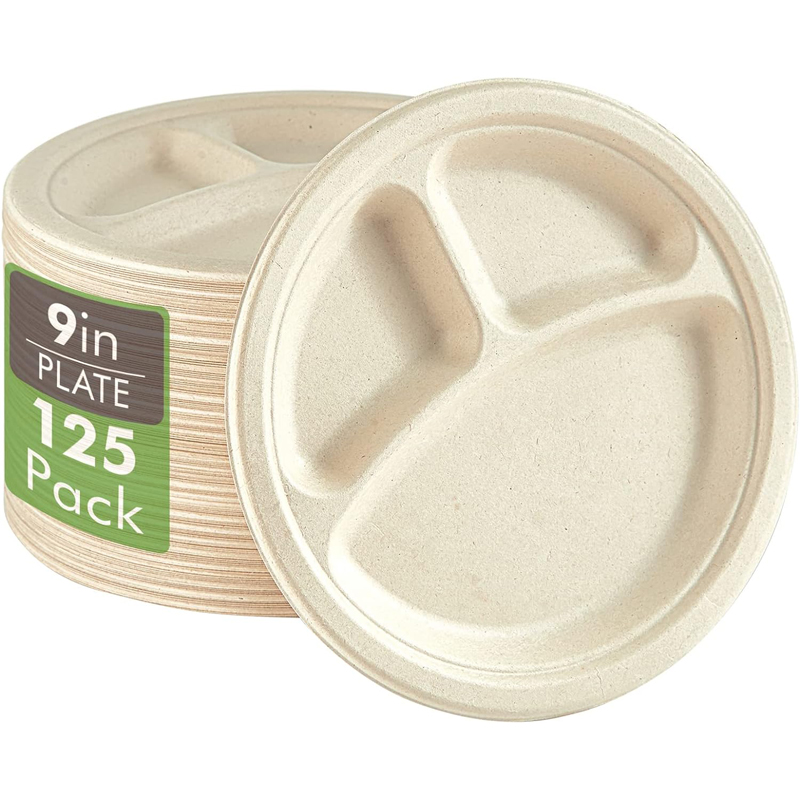 3CP
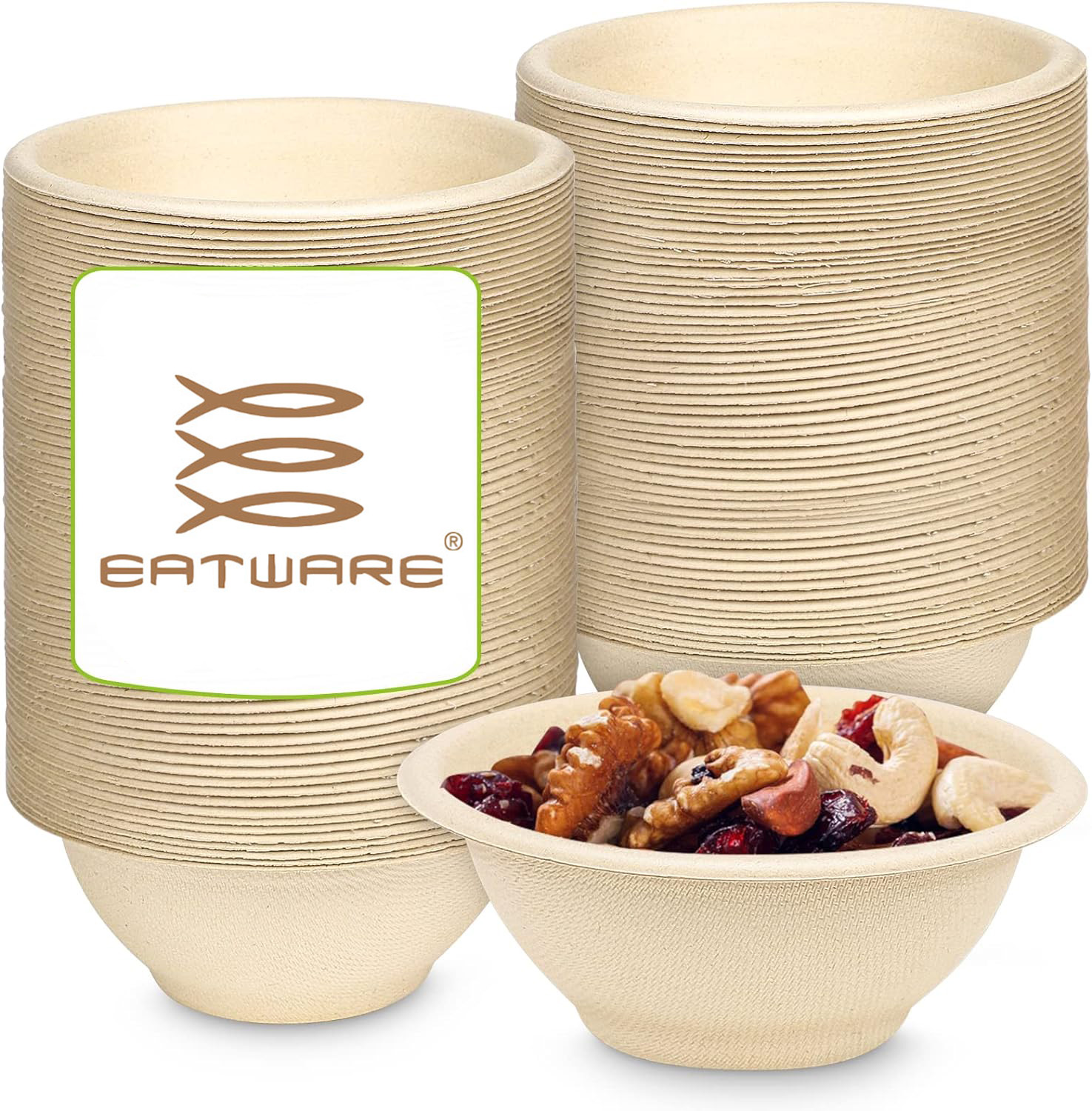 Bagasse Bowls
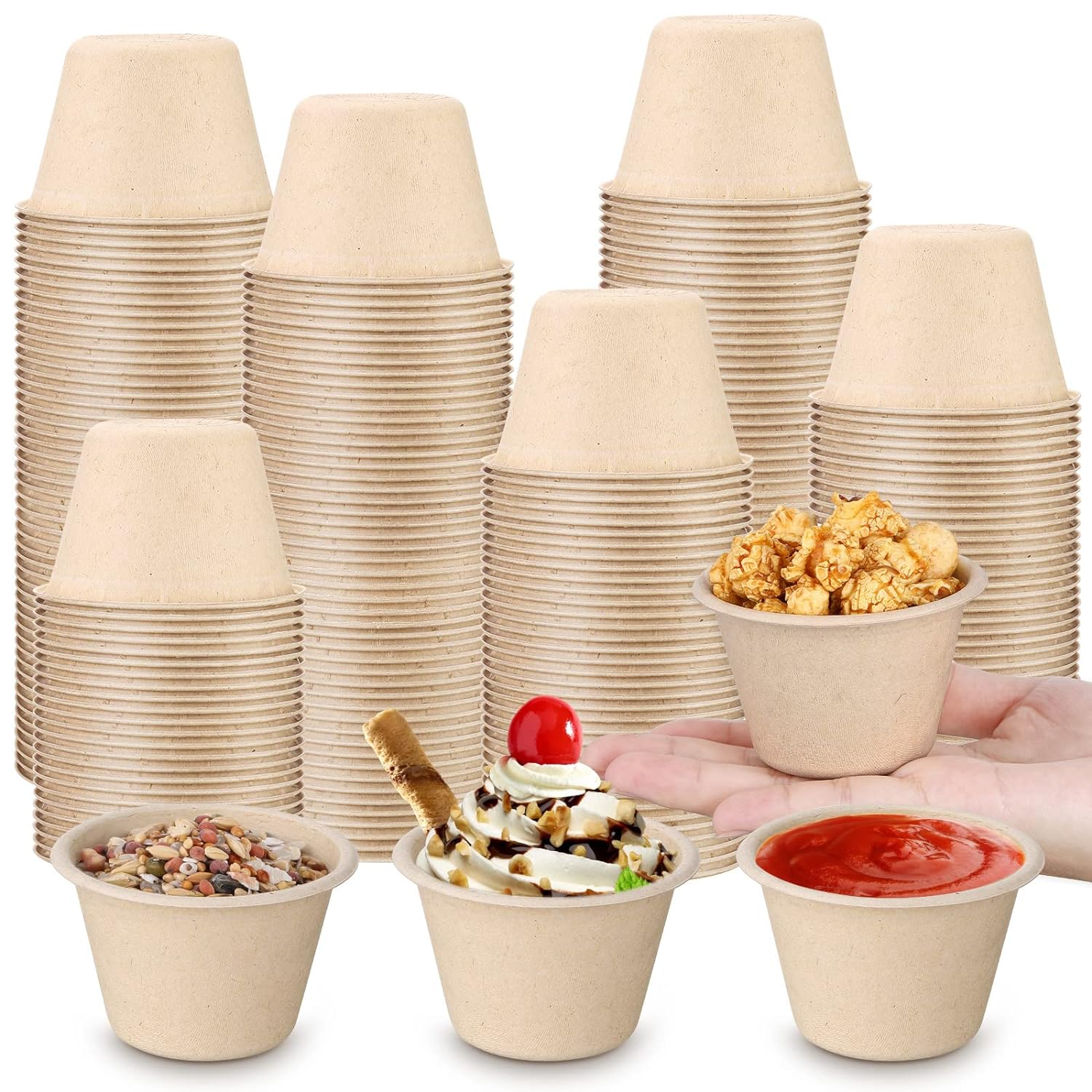 4oz
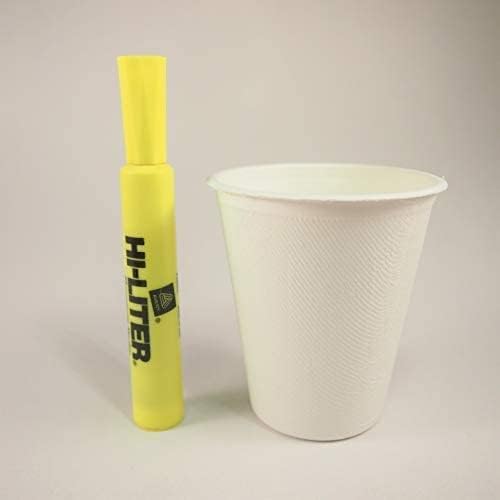 Bagasse Cups And Cutlery
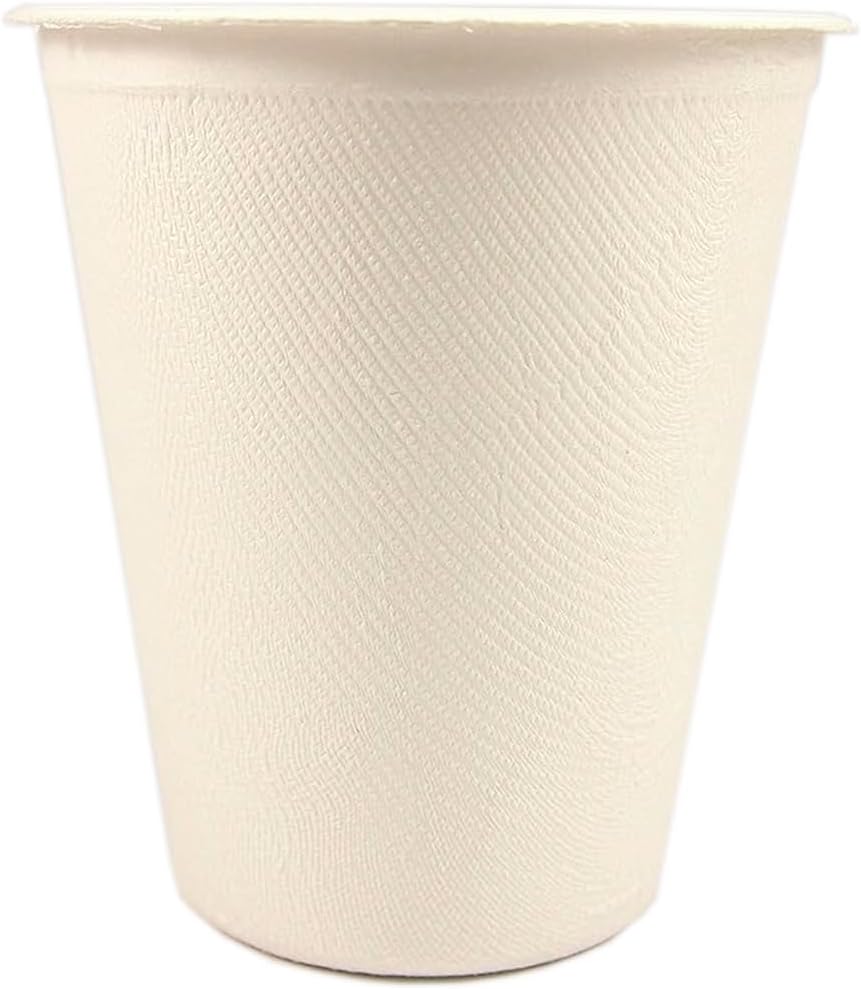 8oz
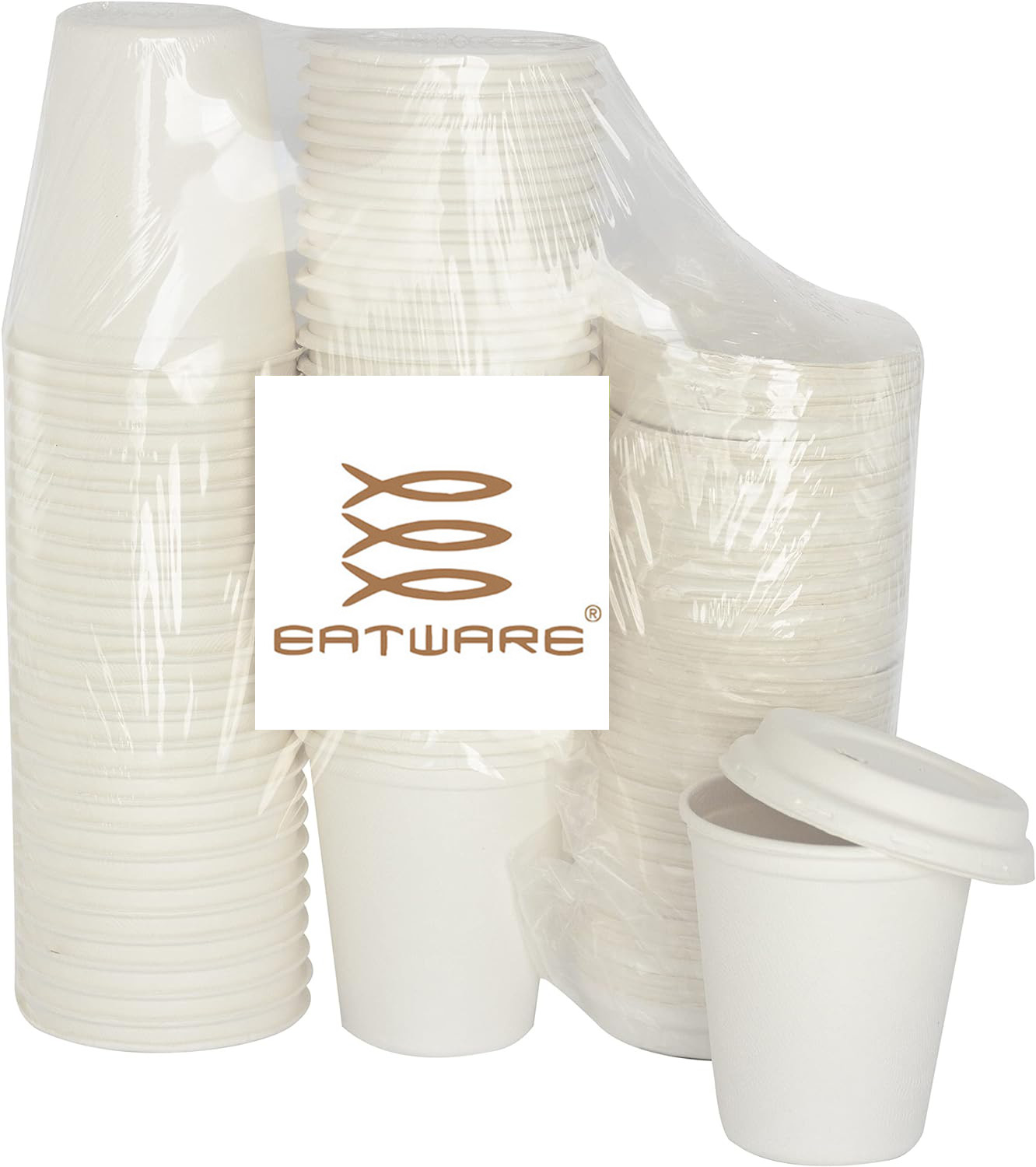 12oz
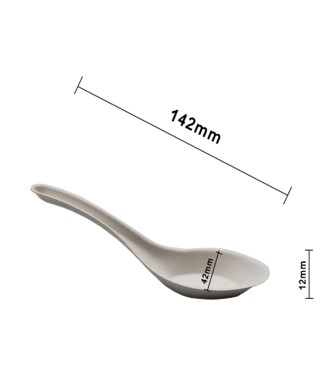 Cutlery
Leave Your Message
Precision-engineered compartmentalized trays and barrier-laminated containers designed for automated cafeteria dispensing, heat retention, and total compostability.

Standard 5-compartment USDA-compliant lunch tray engineered with reinforced tectorial ribs for heavy entree loads.
View Details
High-rigidity molded fiber multi-use trays optimized for grab-and-go school lunches and cafeteria salad bars.
View Details
Advanced tectorial lamination enabling hermetic MAP sealing for extended shelf-life school district central kitchens.
View Details
Patented interlocking T-buckle structural closure preventing accidental spills during student transit.
View DetailsEducational institutional foodservice operates at a scale and tempo distinct from commercial restaurants. K-12 school districts, collegiate dining halls, and campus retail kiosks serve millions of meals in compact 20-to-30-minute intervals. Historically dominated by polystyrene foam and petroleum-derived polyolefins, school cafeterias are facing an urgent dual imperative: meeting strict state-level environmental bans on single-use plastics and eliminating bio-accumulative per- and polyfluoroalkyl substances (PFAS) commonly used for oil resistance.
In biological morphology, tectorial architectures denote protective, membranous outer coverings designed to shield underlying structures while modulating fluid permeability. In advanced molded pulp manufacturing, Tectorial Technology represents the strategic integration of ultra-thin, compostable micro-barrier coatings and dense, hot-press molecular fiber bonding directly onto all-natural bagasse and bamboo substrates.
Traditional untreated sugarcane pulp or paperboard often suffers from moisture soften-through, oil saturation from fried foods or gravies, and thermal warping. EATware's advanced tectorial barrier matrices ensure structural integrity under boiling oil (up to 120°C) and hot liquids (up to 100°C) without the inclusion of fluorinated chemicals or non-biodegradable polymer films.
Cafeteria staff require nesting containers that de-nest smoothly from automatic dispensers, stack securely in transport cambros without collapsing, and seal rapidly via snap lids or automated heat-sealing film lines.
USDA National School Lunch Program (NSLP) standards demand strict compartmentalization for proteins, grains, vegetables, fruits, and dairy. Engineered compartment depths prevent liquid cross-contamination, ensuring student meal appeal.
Backed by advanced production processes, Kangxin delivers high-volume consistency required by the world's largest municipal school systems and university dining consortiums.
In the field of environmentally friendly packaging for 18 years, Has established cooperation with 500+ brands across global supply chains.
Through our research and development, there are more than 60 products can product, we also support OEM ODM customized services for custom tray molds.
Exported to the United States, Europe, Australia, Canada and other countries, right now we have exported more than 30 countries worldwide.
10000+ square meters factory area, more than 30 patent certificates, 10 foreign authoritative certifications, and 55 automatic forming machines.
Kangxin (HaiMen) Environmental Technology Co., Ltd. is a technology innovation oriented enterprise that focuses on disposable environmentally friendly tableware and food packaging.
We have advanced production processes and equipment, and continue to attract senior talents, focusing on environmental protection, emphasizing safety, and ensuring quality. Operating under the flagship EATware brand, our manufacturing systems unite biological fiber refining with automated high-tonnage thermal stamping.
READ MORE ABOUT USCore Value: EATware is committed to sustainable development, using all natural plant fibers to produce safe, healthy and environmentally friendly tableware. Adhering to the concept of "take nature, serve humanity, return to nature", we focus on the development of safe, high quality and environmental standards.
Brand Culture: EATware emphasizes environmental protection and sustainable development, explores the balance between enterprise survival and environmental protection, and uses all-natural and pollution-free bamboo fiber as the main material of tableware to ensure that its products meet the high technical level and are superior to developed countries.
Comprehensive analysis of how tectorial barrier packaging solves real-world institutional cafeteria operational challenges.
Large metropolitan school districts increasingly prepare meals in centralized commissary hubs, packaging food days in advance. Utilizing our MAP (Modified Atmosphere Packaging) laminating trays, oxygen is displaced with food-grade nitrogen/CO2 blends. The hermetic tectorial barrier eliminates oxygen permeability, maintaining fresh flavors and preventing microbial growth without chemical preservatives.
Younger students require lightweight, rigid trays with deep-draw compartments to prevent heavy gravies, chili, or fruit compotes from sloshing between sections. The 5CP Compostable Bagasse Tray provides structural perimeter rigidity that prevents catastrophic folding when handled single-handedly by small children.
Collegiate dining requires multi-compartment containers suitable for rapid delivery across expansive campuses. The 800ml 2-Compartment Bamboo Takeaway Box with T-Buckle provides mechanical lid retention that eliminates the need for separate plastic tape or shrink wrapping, surviving backpack transport intact.
Our state-of-the-art facility integrates specialized machinery backed by patented proprietary innovations that ensure micron-level dimensional stability and absolute bio-cleanliness:
School districts are bound by stringent civil health guidelines. EATware maintains full lifecycle verification from forest source to non-toxic end-of-life composting.
Research-backed perspectives on structural testing, thermal dynamics, and manufacturing advancements in biodegradable foodservice packaging.
The most reliable way to test disposable food containers is to combine leakage testing with structural testing under conditions that reproduce the intended food application. A container should not be approved simply because it holds water for several minutes or survives an empty compression test. Real cafeteria tests involve hot acidic tomato sauce, oil emulsions, and vertical stacking loads.
For foodservice operators, replacing conventional plastic packaging is not simply a matter of changing materials. Disposable biodegradable tableware must still withstand hot food, sauces, oils, condensation, stacking, transport, and commercial handling without losing structural integrity. Poorly engineered fibers deform when saturated, risking student burn hazards.
With growing global demand for takeaway meals and eco-friendly packaging, China's manufacturing sector has become a major hub for disposable food containers. Today's food businesses - from fast-food chains and meal-delivery services to supermarkets and catering companies - are looking for high-capacity, vertically integrated partners offering ISO-certified consistency.
Explore our complete range of certified biodegradable trays, hinged lunch containers, MAP barrier bowls, and compartmentalized boxes engineered for school dining environments.
Five-compartment balanced meal tray engineered for standard K-12 school lunch serving racks.
View Details
Heavy-duty open-top meal base engineered for hot entrees, cafeteria burger bars, and school banquets.
View Details
Pre-packaged soup and salad bowls with tectorial barrier film for heat-sealed cafeteria freshness.
View Details
Interlocking T-buckle closure prevents spills in campus delivery and student lunch transport.
View Details
Enhanced depth compartments specifically engineered for institutional soup, yogurt, and milk cartons.
View Details
High-temperature molded fiber formula resistant to oven reconstitution in school warming cabinets.
View Details
High-barrier hermetic sealing for extended holiday weekend meal distributions and field trips.
View Details
Ultra-strong bamboo fiber formulation providing superior drop resistance on school tile floors.
View DetailsWe collaborate with global airlines, municipal districts, supermarket leaders, and international foodservice distributors.
