
 Box With T buckle
 700ml Square Lunch Box
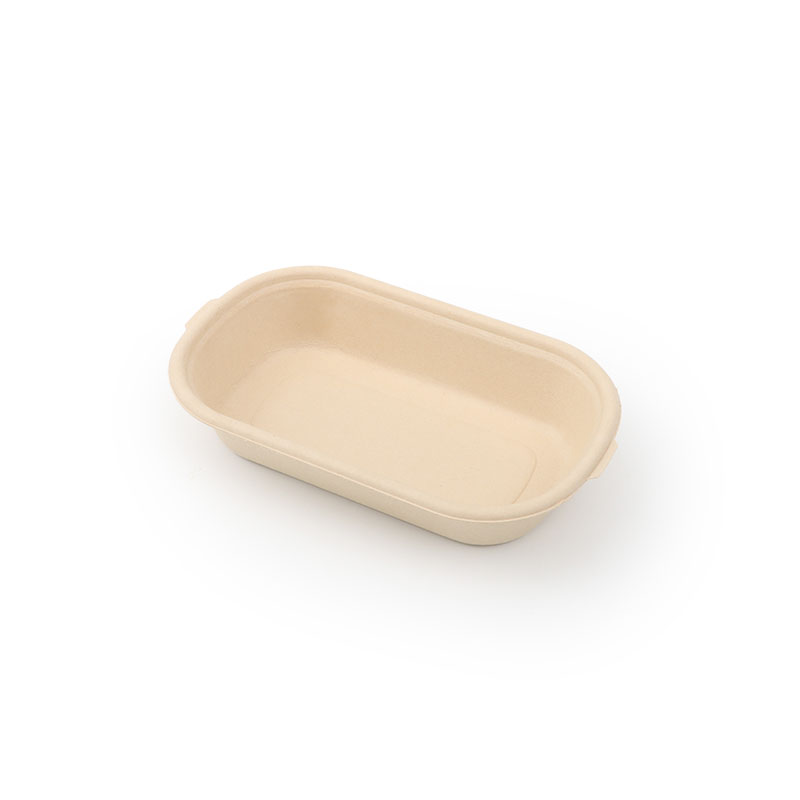 500ml
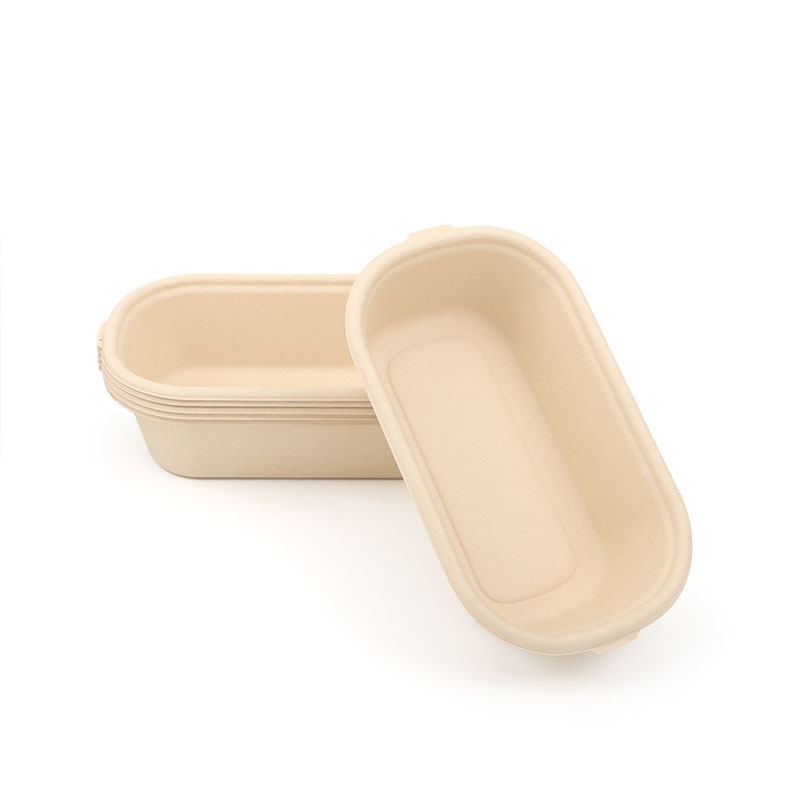 700ml
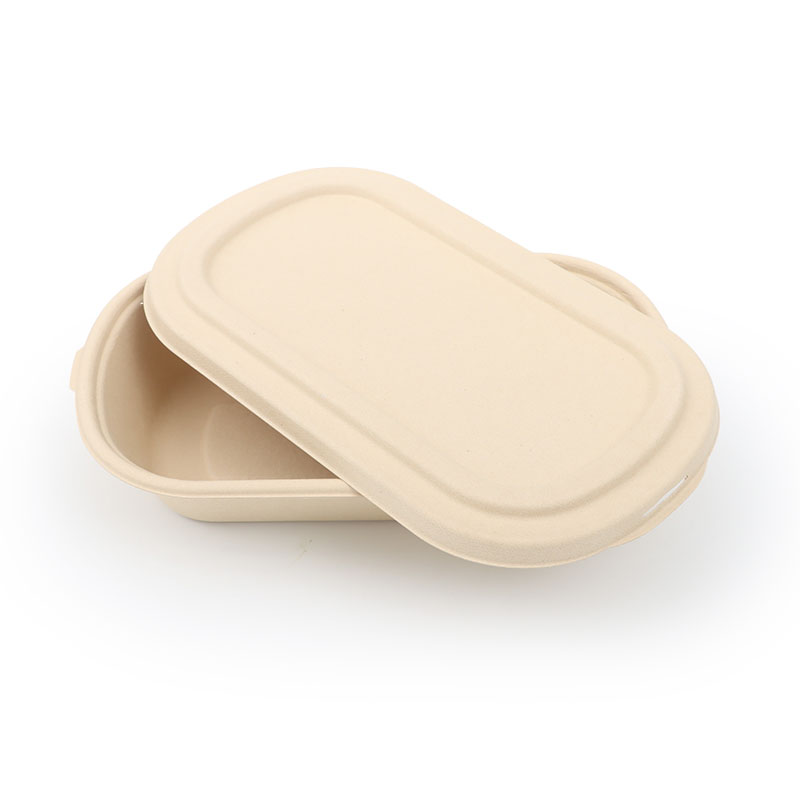 850ml
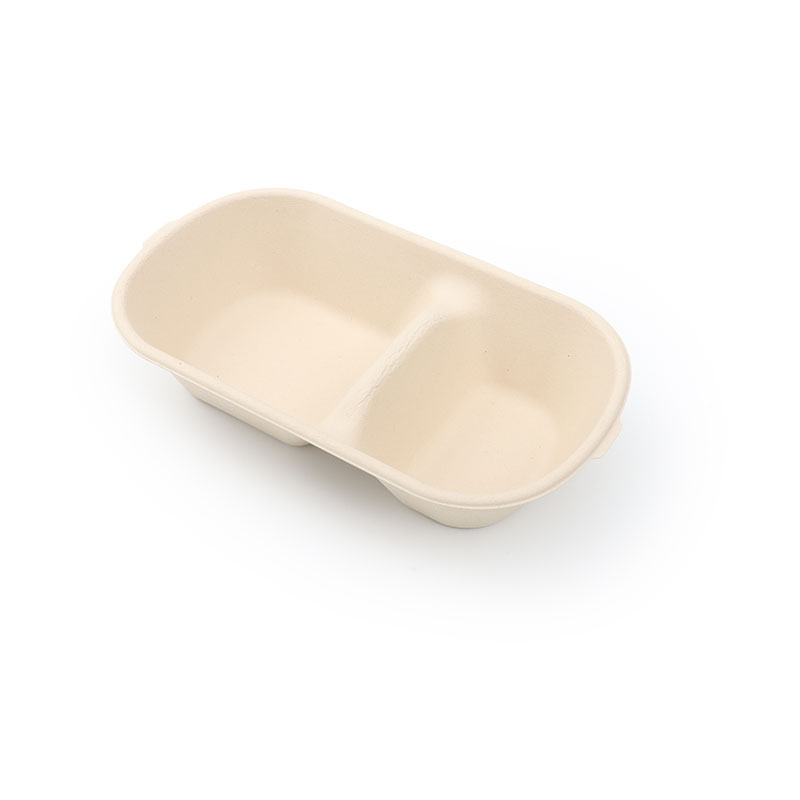 800ml 2 Compartments
 1000ml 2 Compartments
 1100ml
 1000ml Square Lunch Box
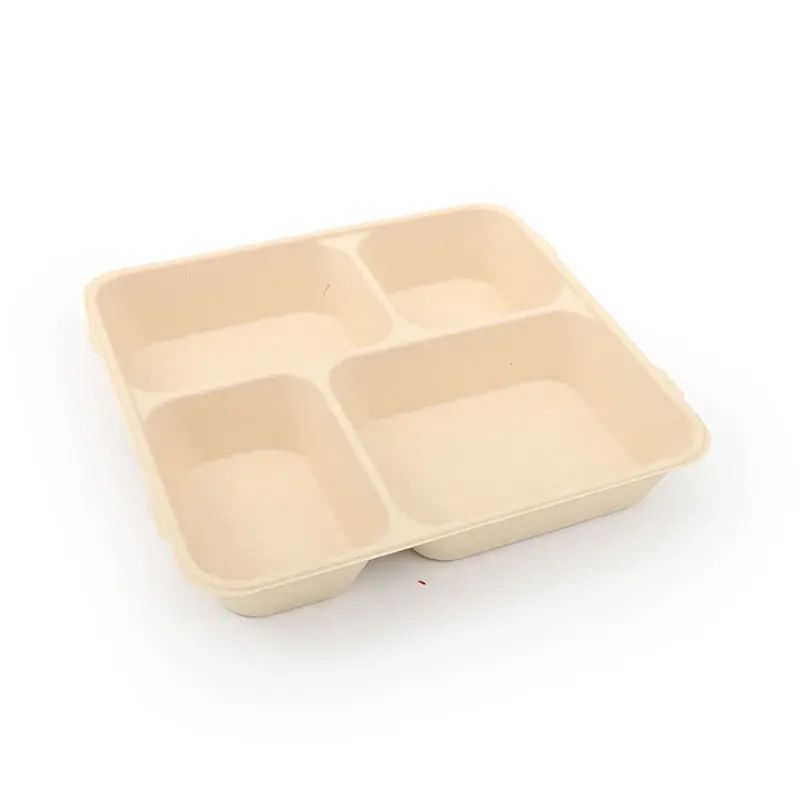 1340ml 4 Compartments
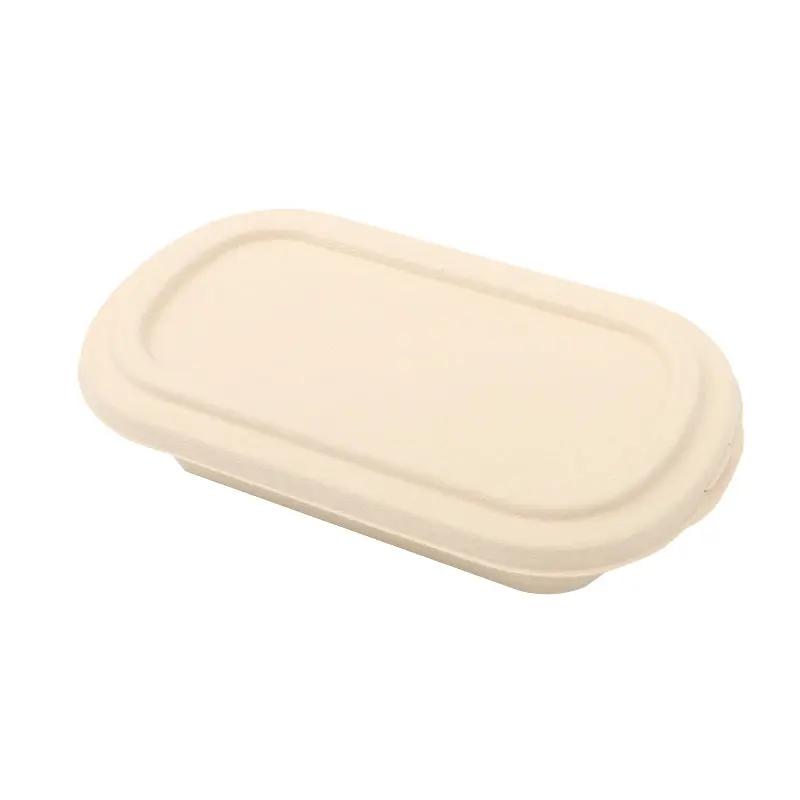 Lunch Box Lid
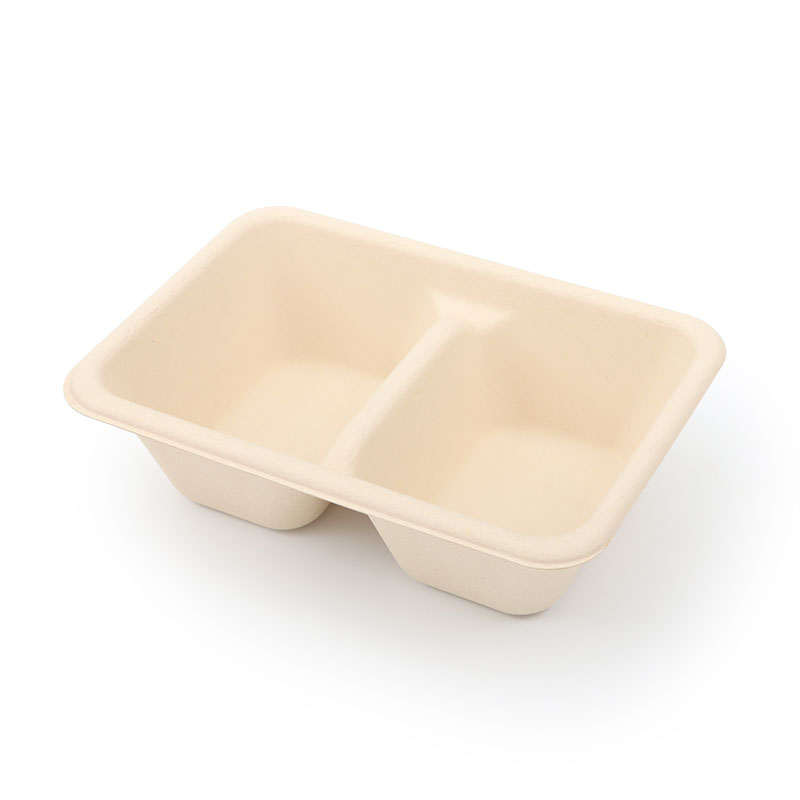 650ml
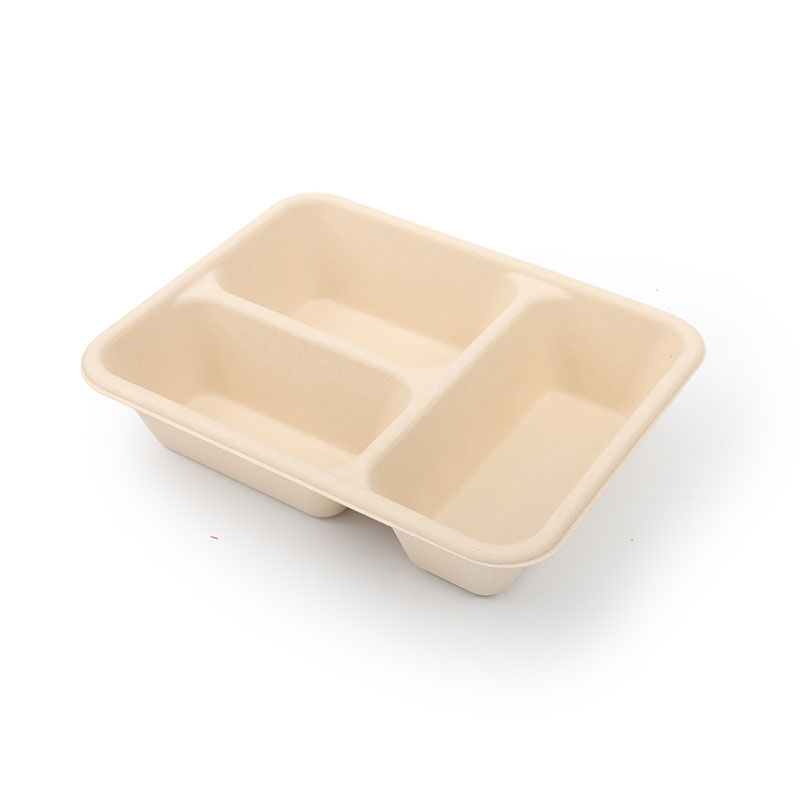 1000ml 3 Compartments
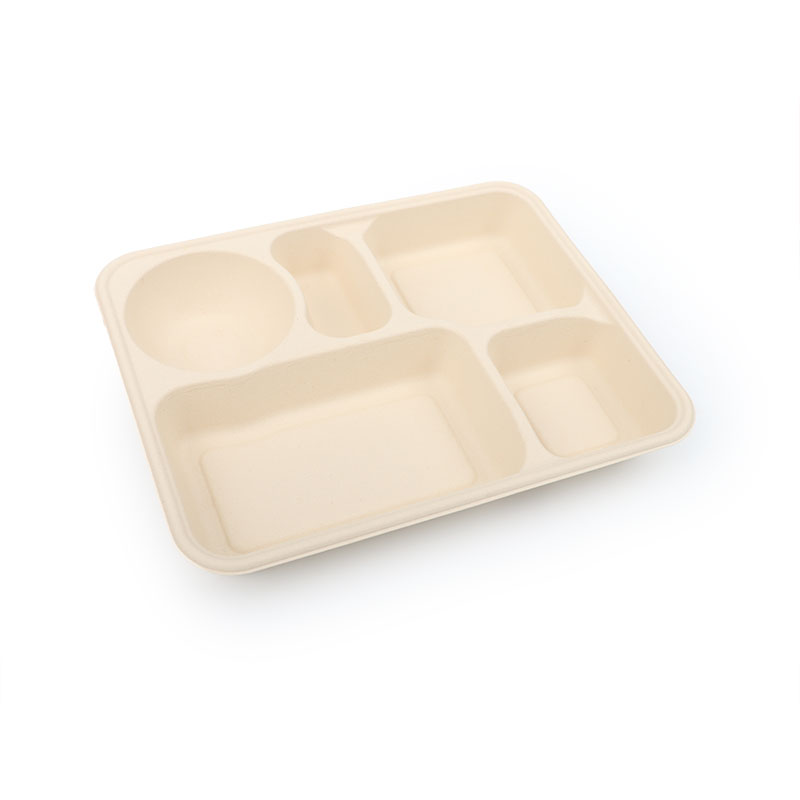 1250ml 5 Compartments
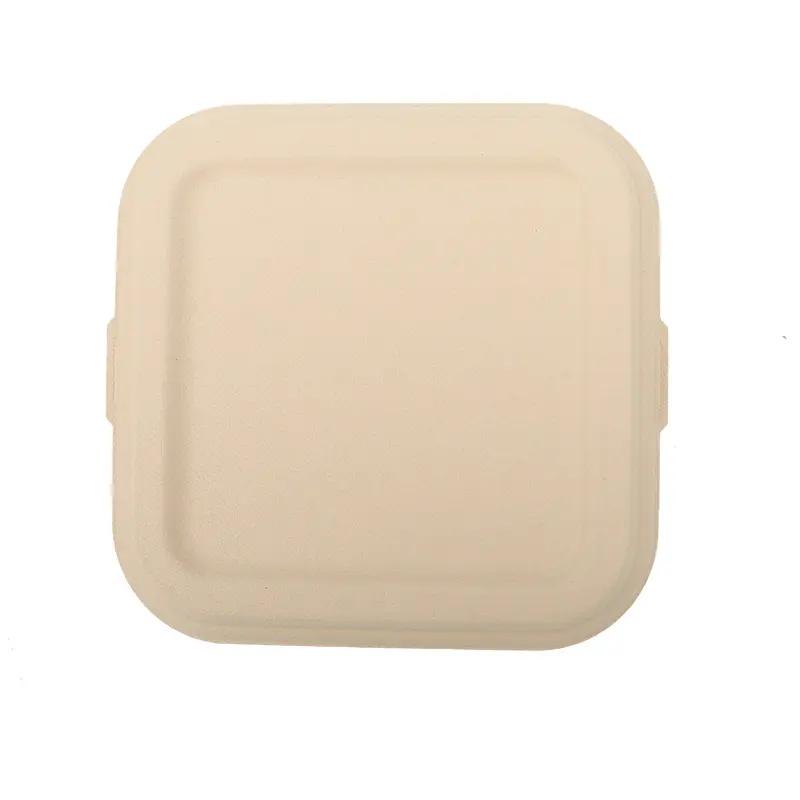 Square Lunch Box Lid
 Box Without T buckle
 850ml Salad Box
 700ml
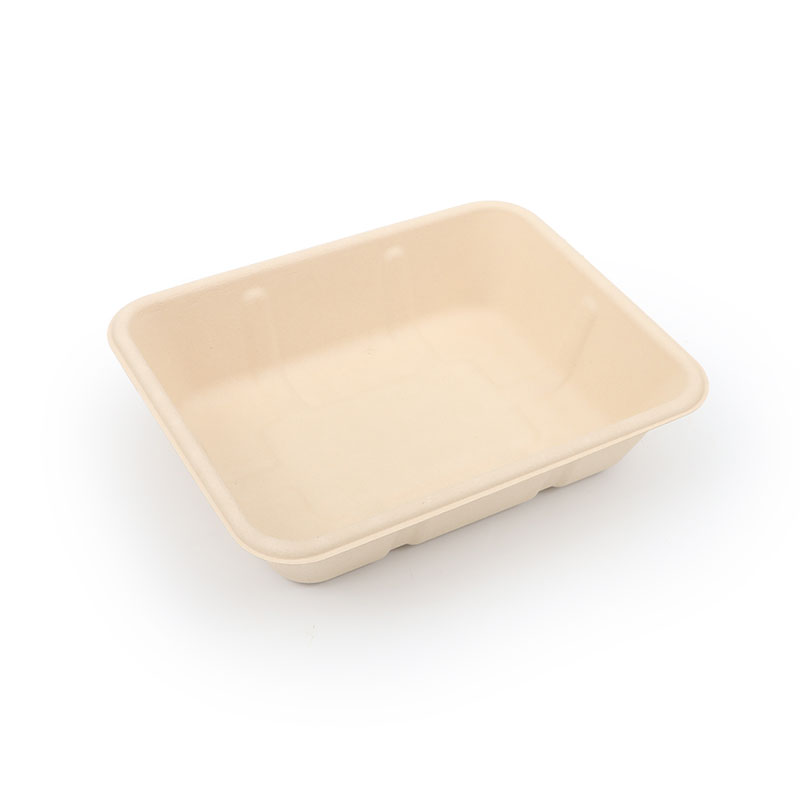 1350ml
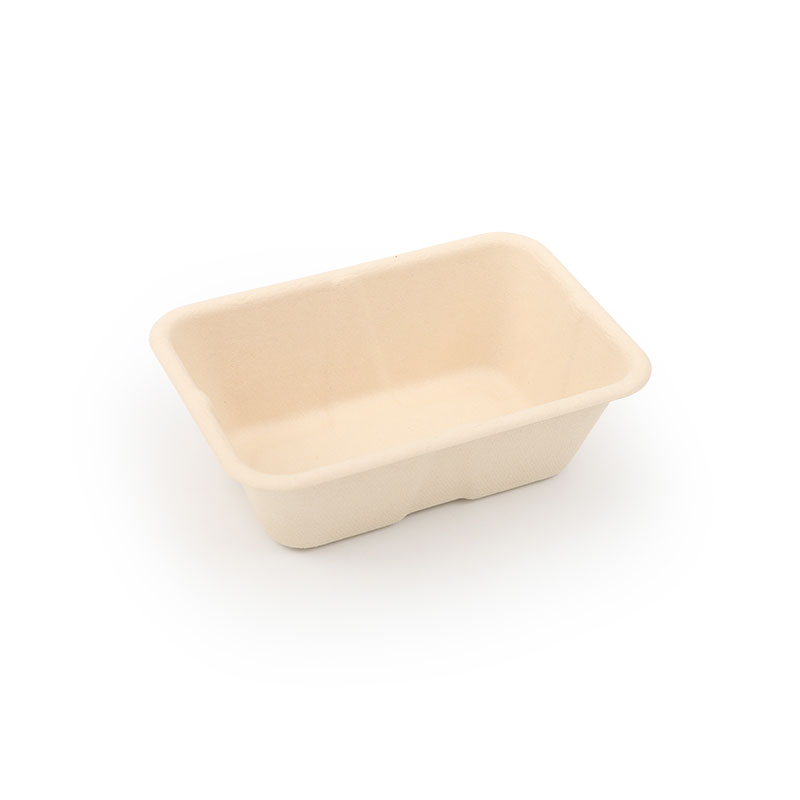 470ml
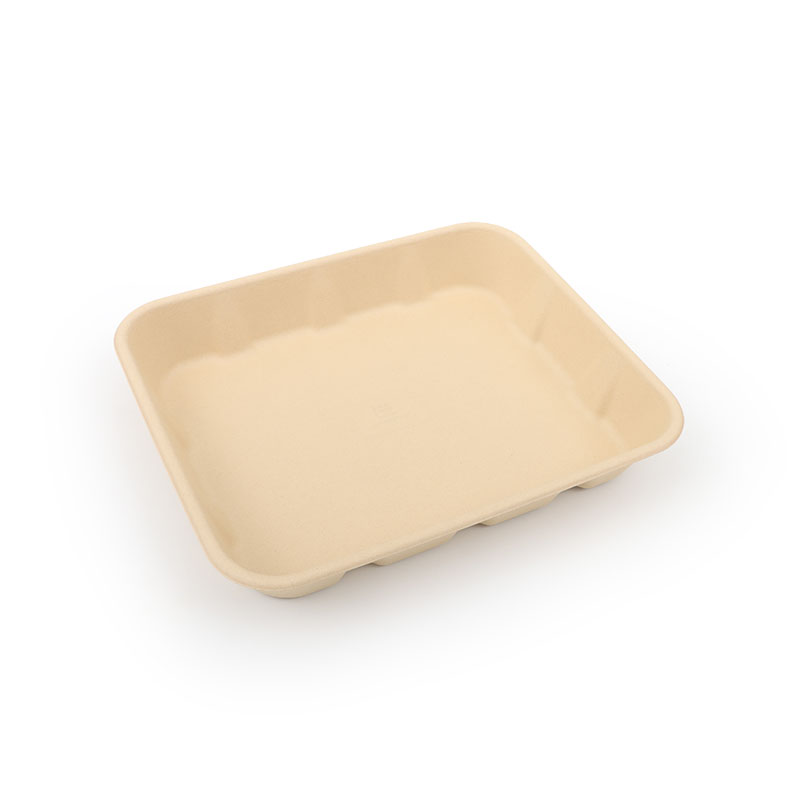 2183ml Tray Box
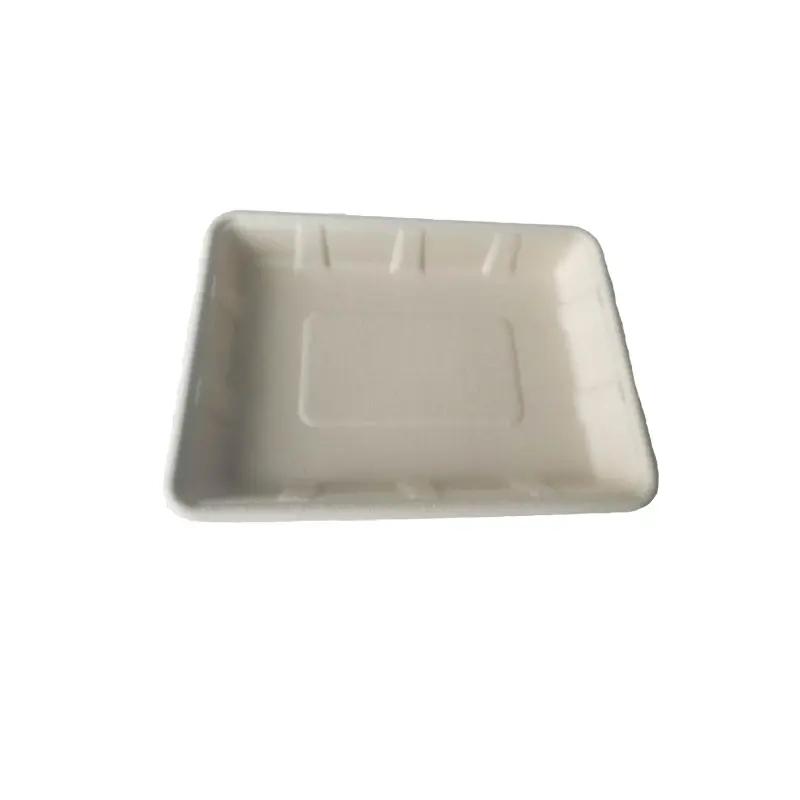 11" * 9"
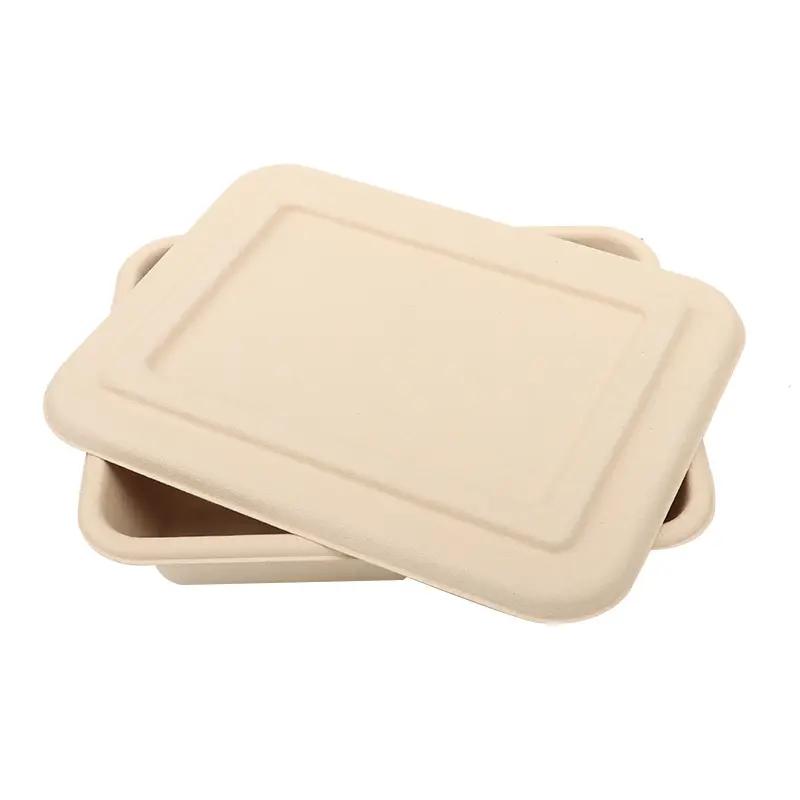 800ml
 One Part Box
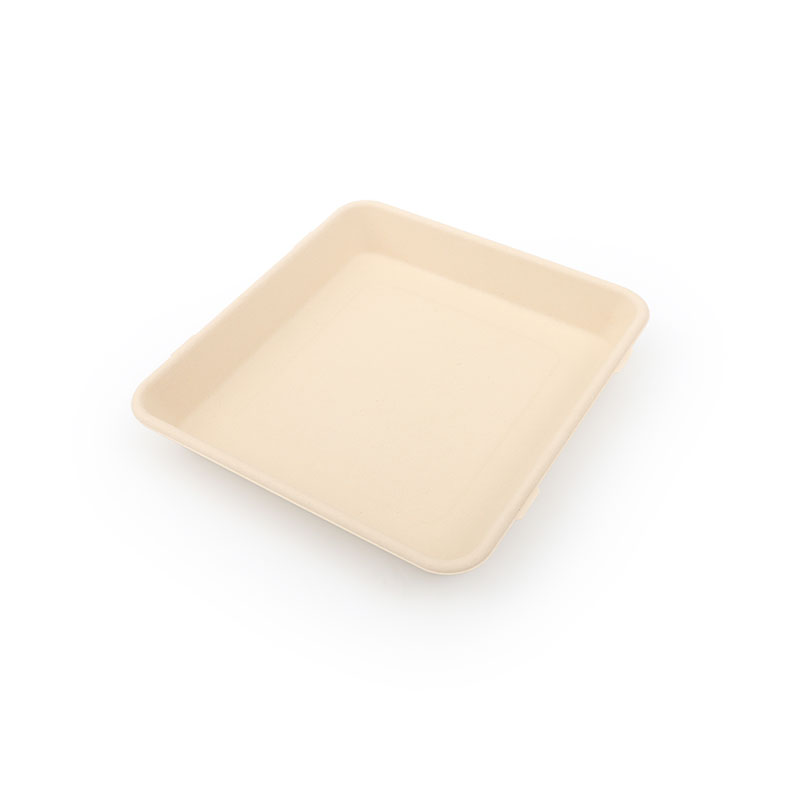 1443ml Tray Box
 Cake Bread Snack Tray Series
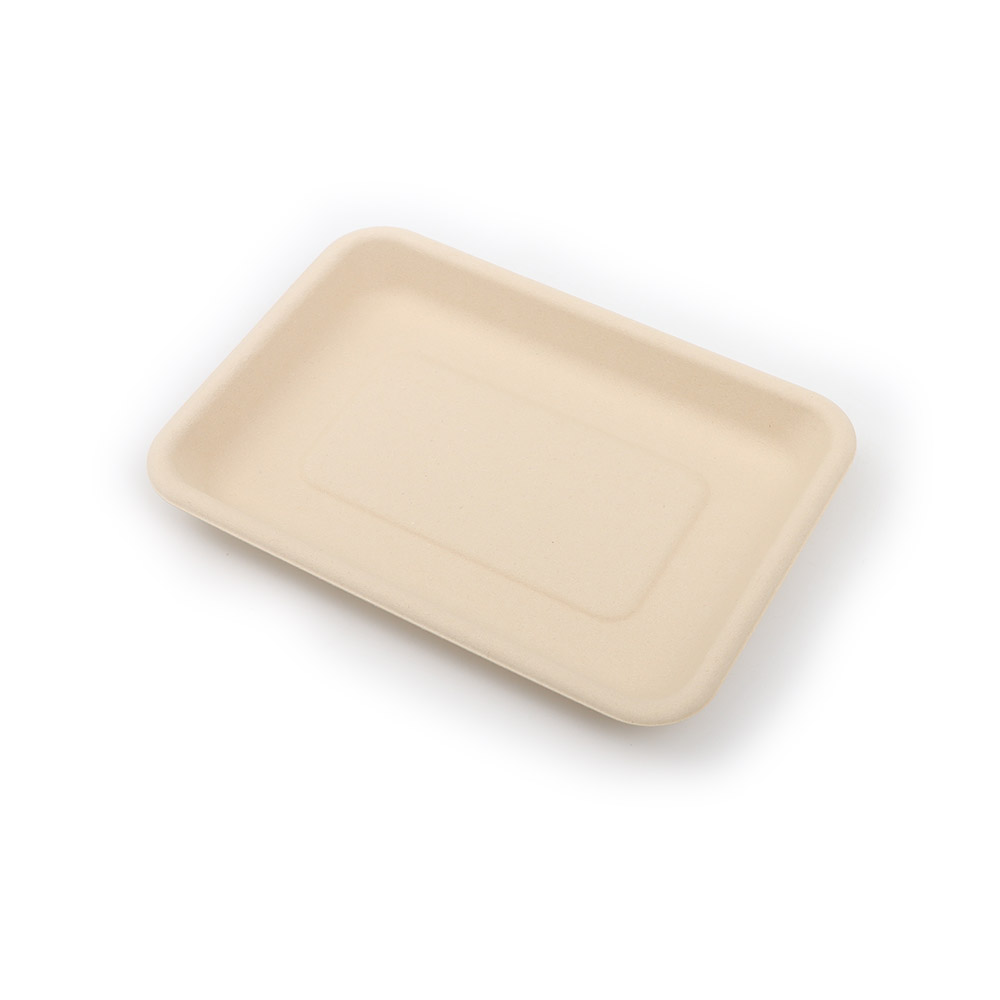 5" * 7" natural color
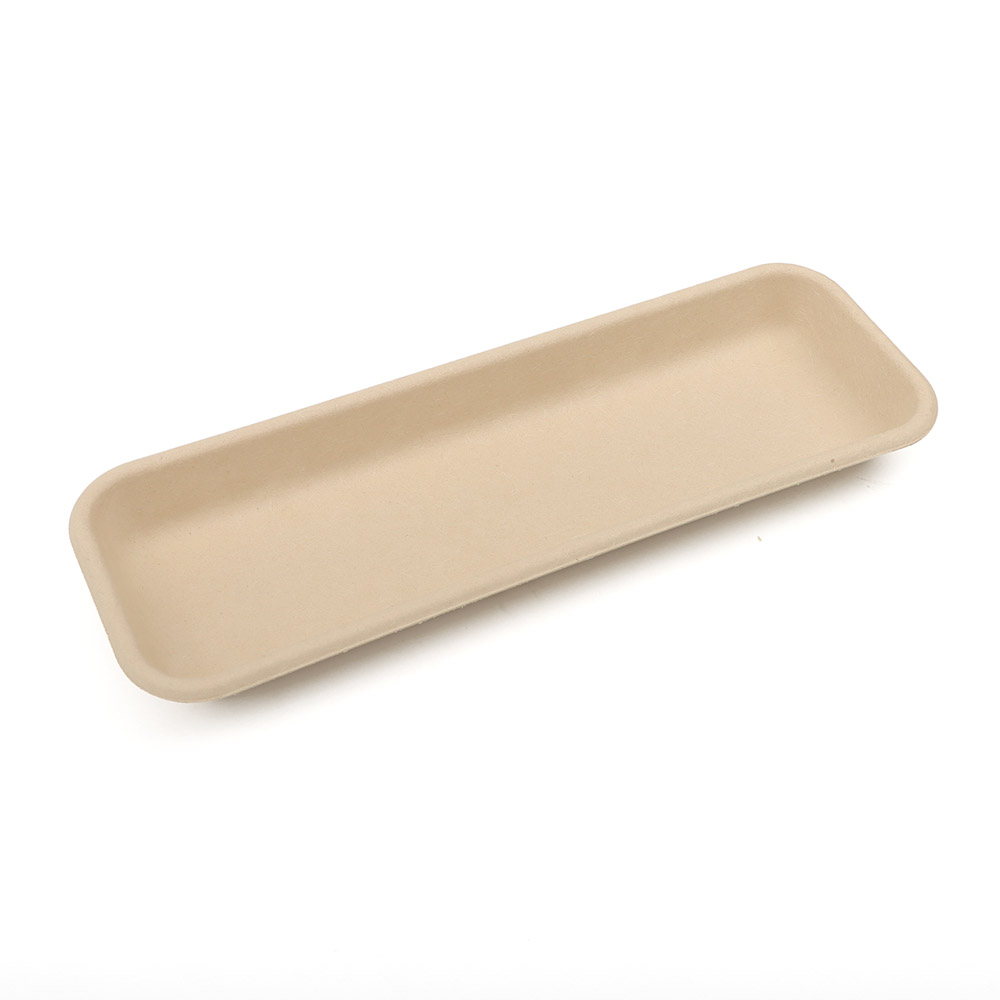 11.4" * 3.9"
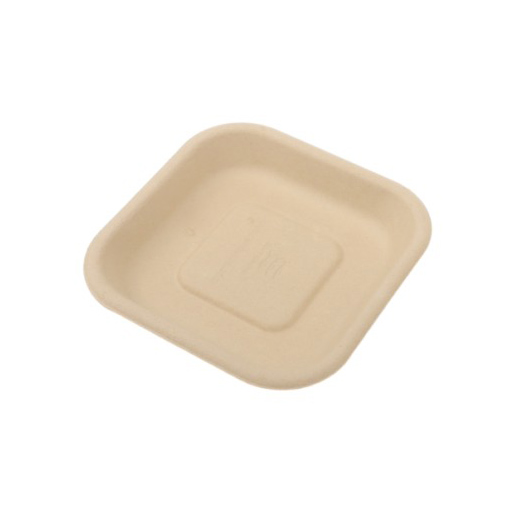 5.3" * 5.3"
 Fruit And Vegetable Tray Series
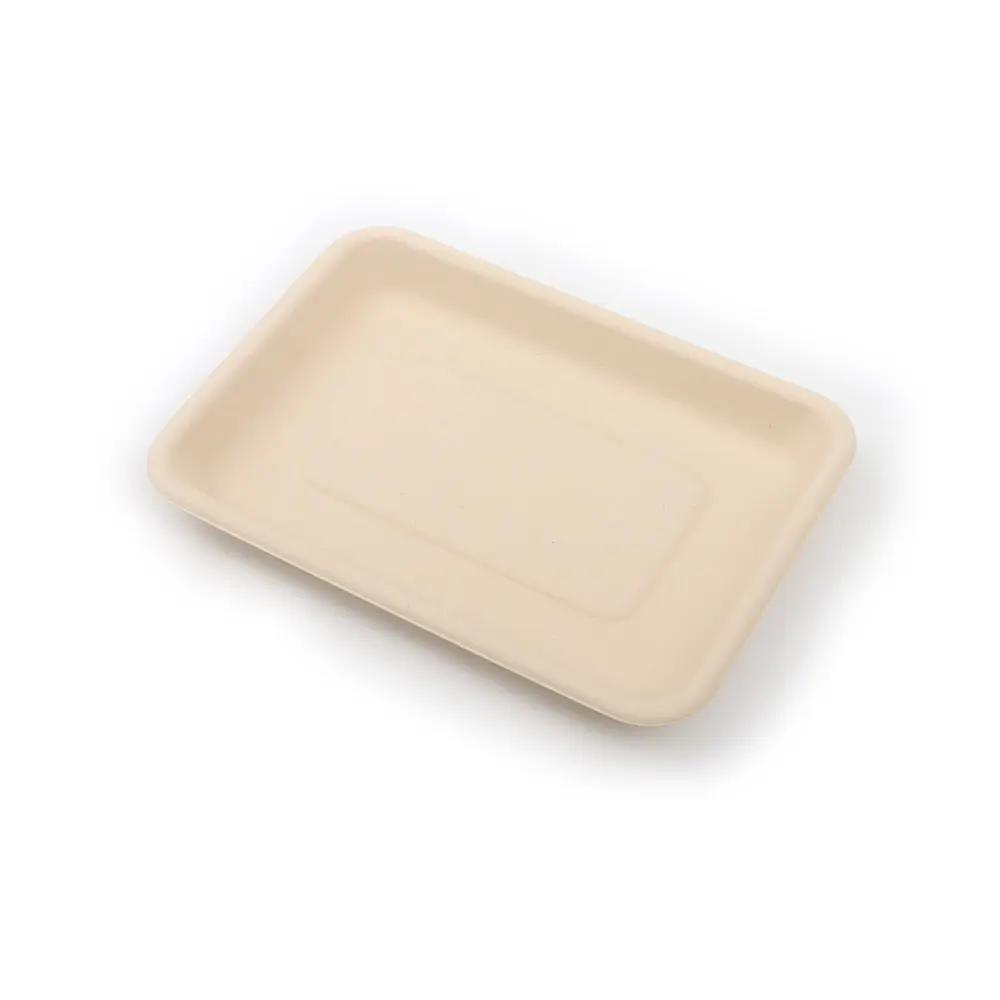 8.6" * 5.3"
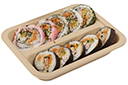 Sushi Tray Series
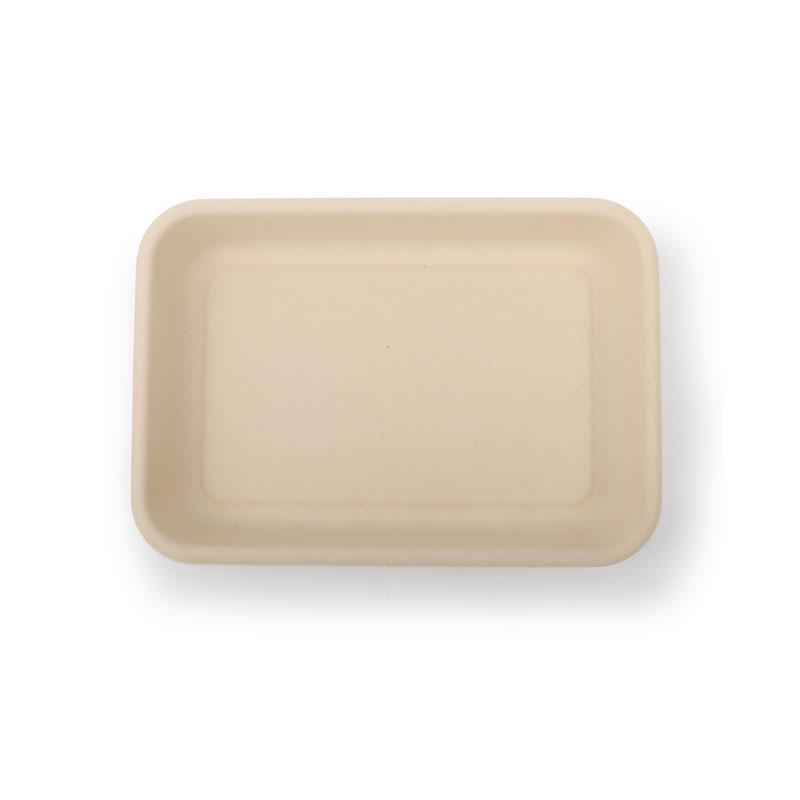 200" * 140"
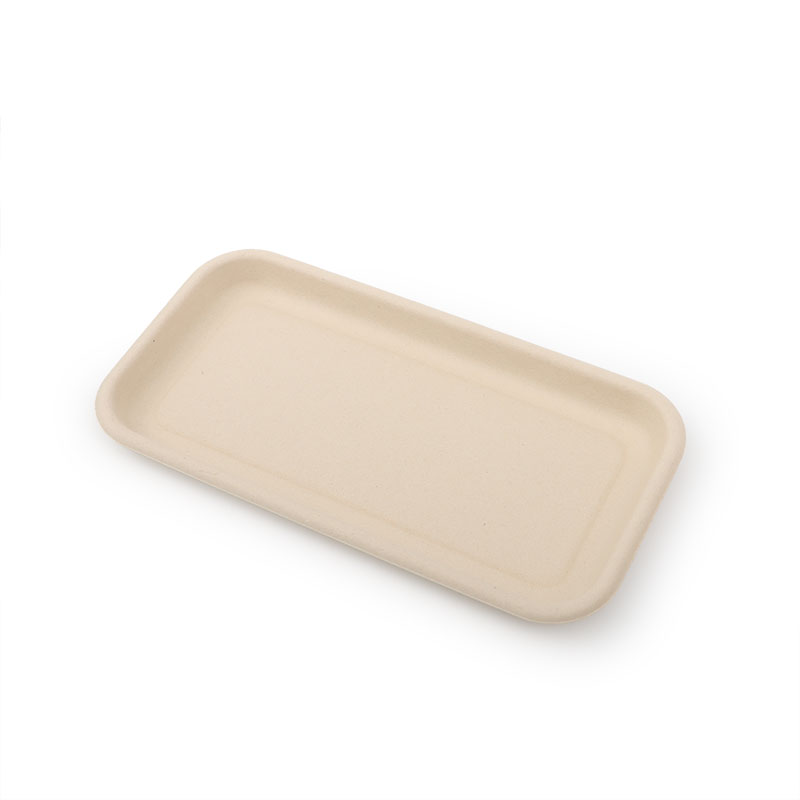 210" * 110"
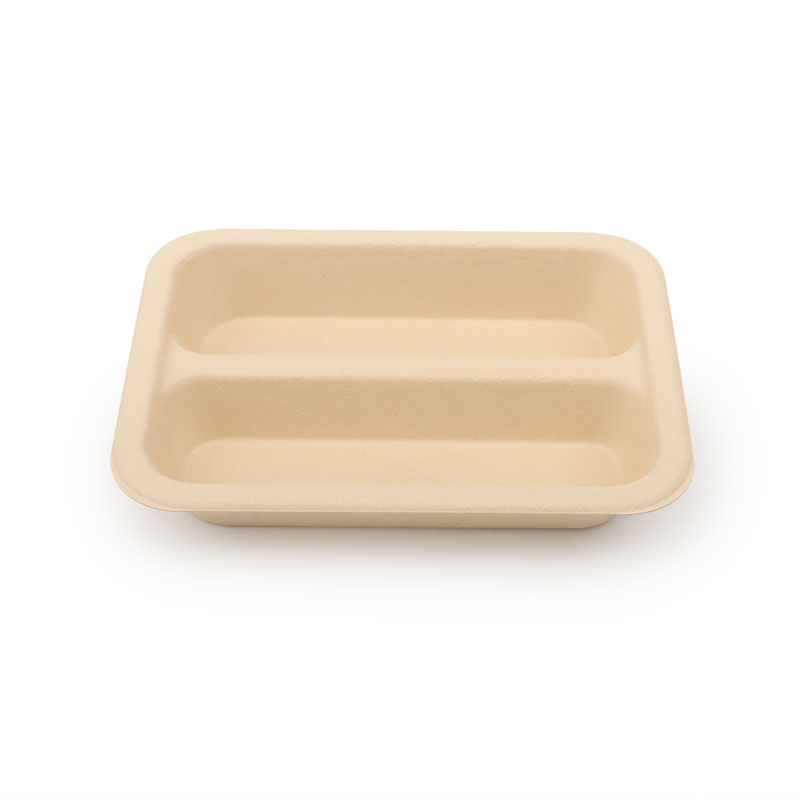 2 Compartments
 Small Round Plate Series
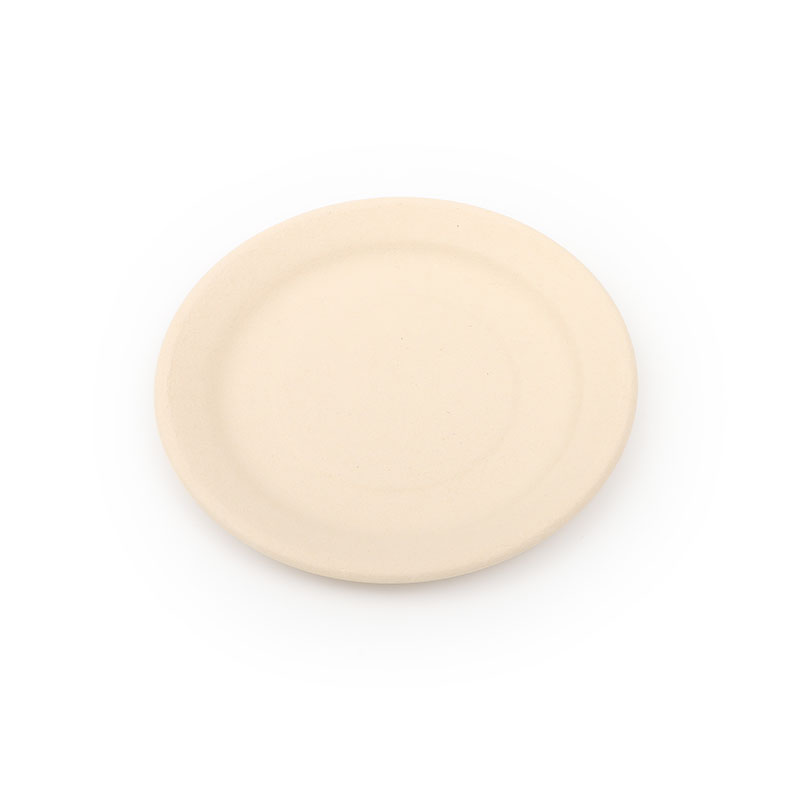 7 inch
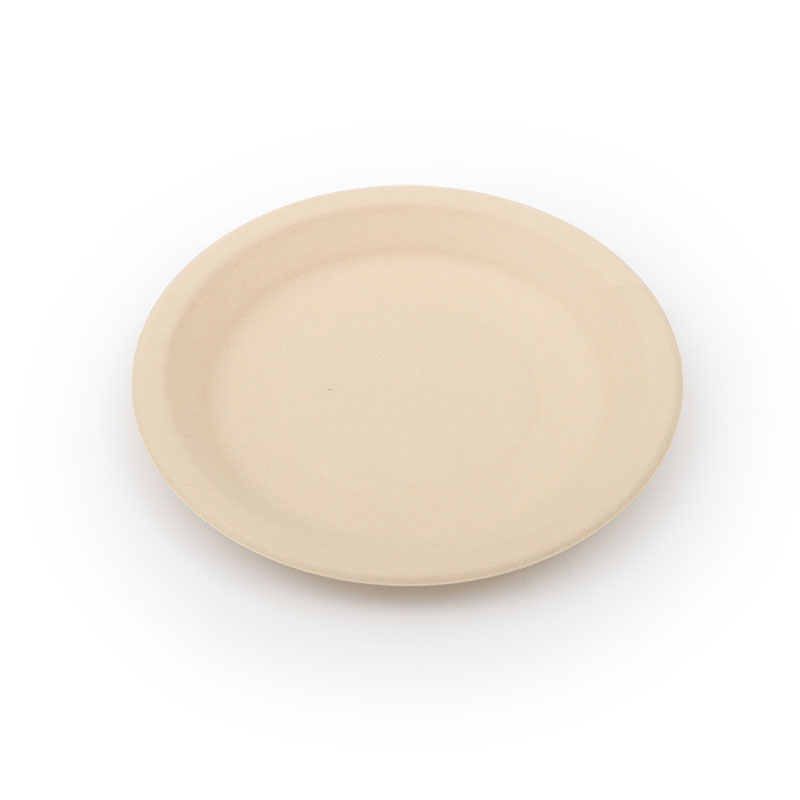 6 inch
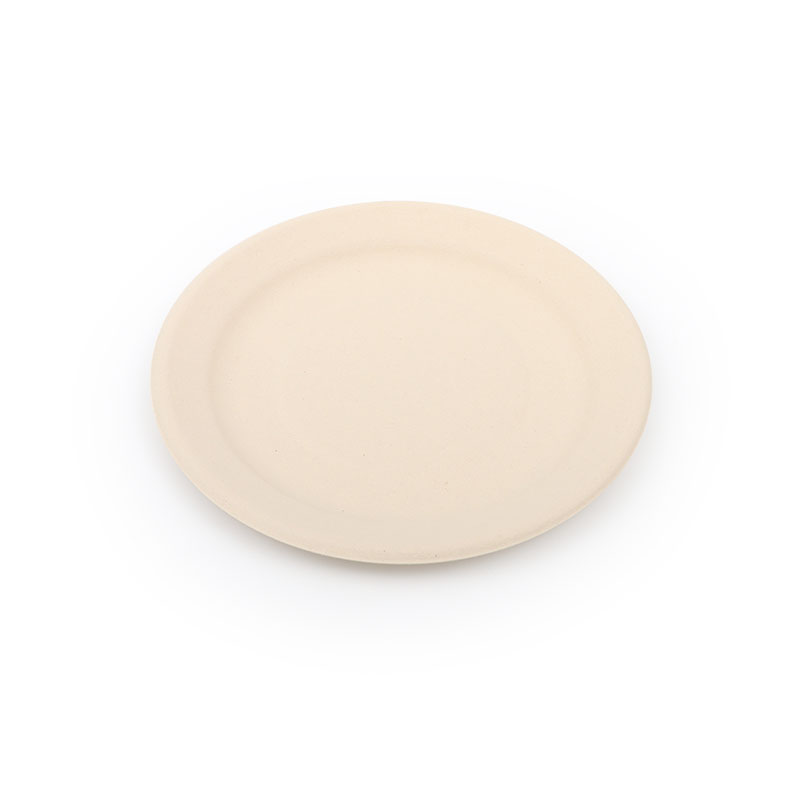 8 inch
 Middle Round Plate Series
 9 Inch 3 Compartments
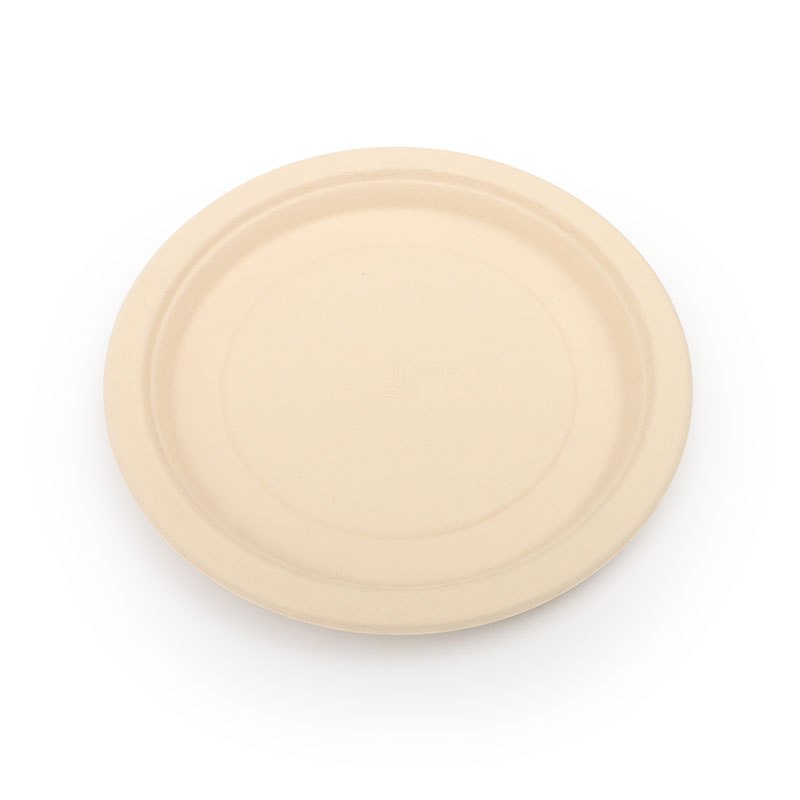 9 inch
 Big Round Plate Series
 12.7 Inch Pizza Plate
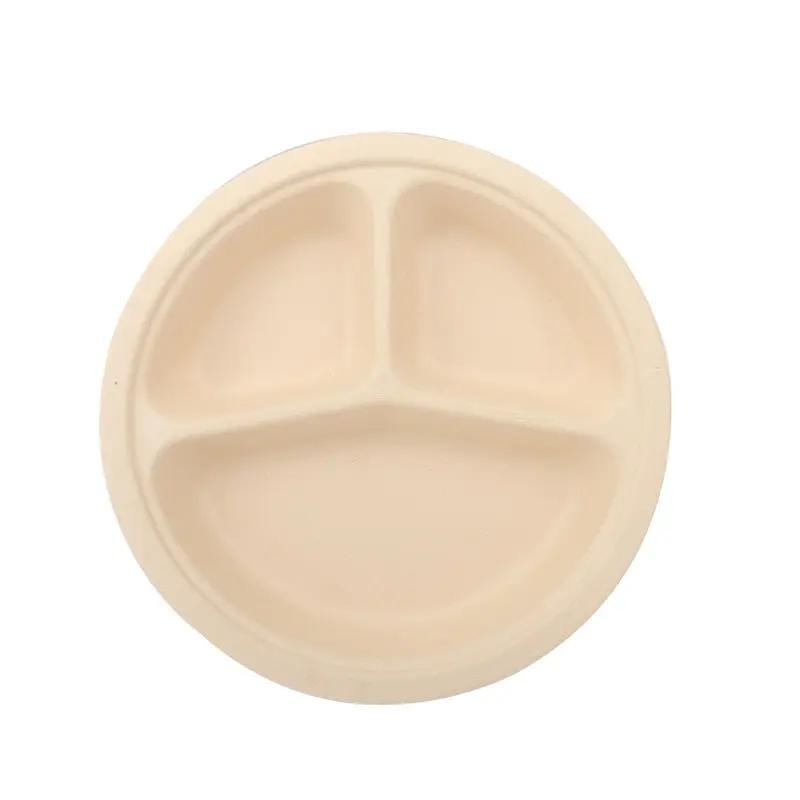 10.25 inch 3 Compartments
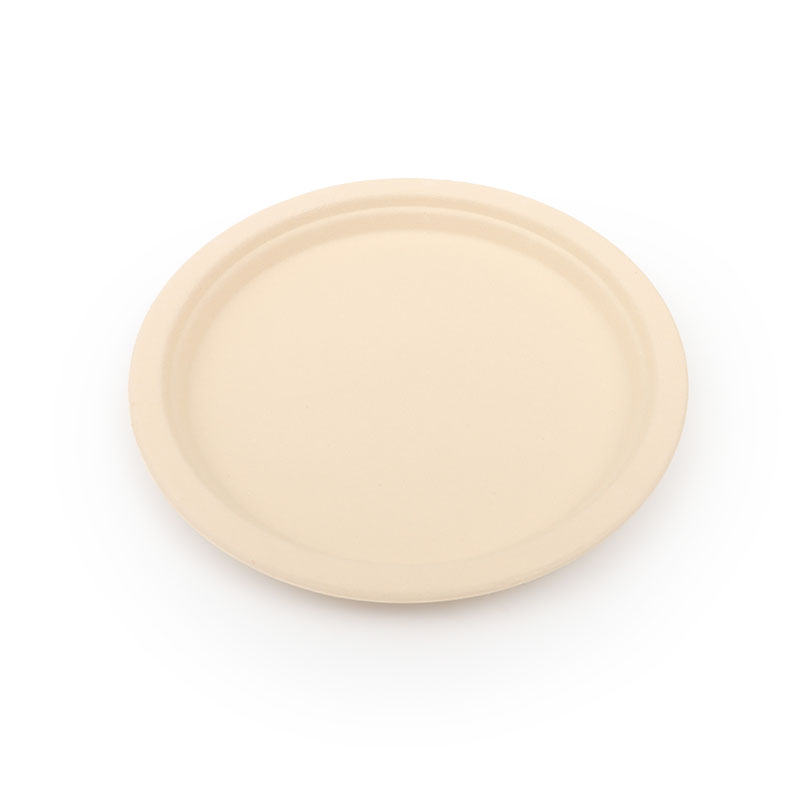 10 inch
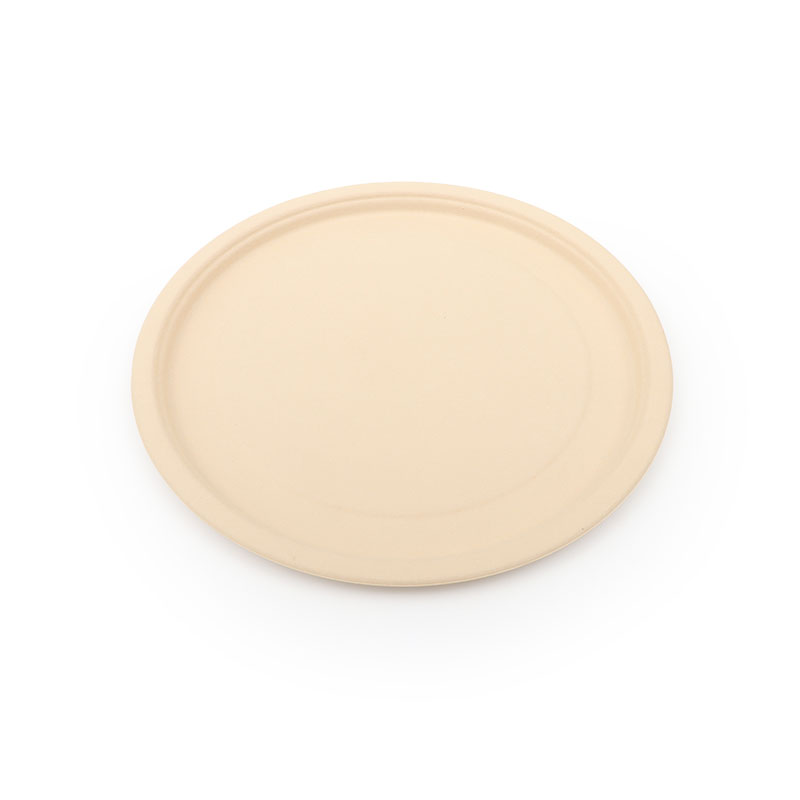 12 inch
 Bigger Bowl
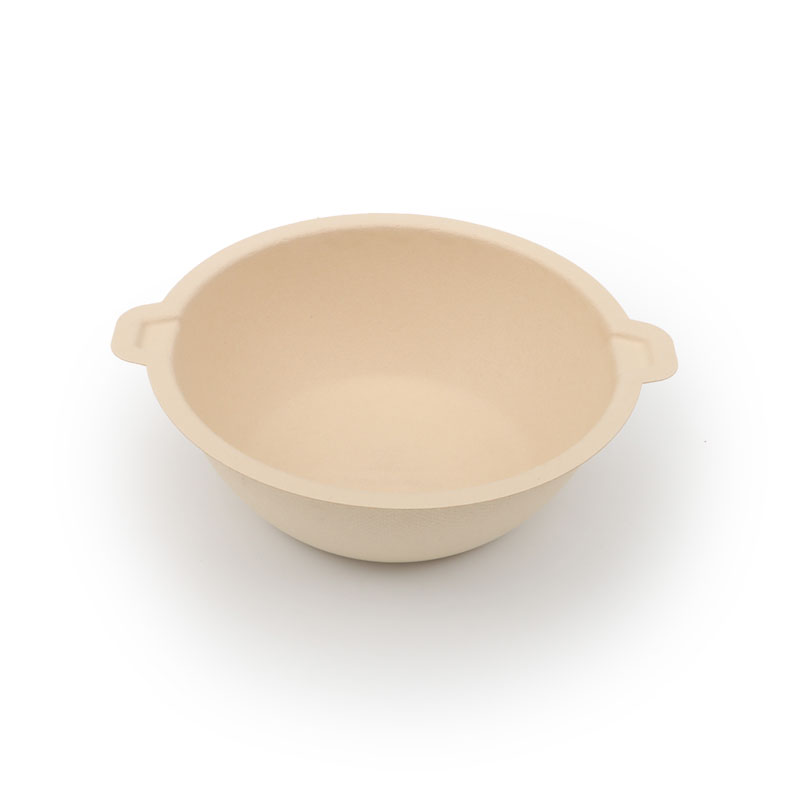 48oz(1420ml)
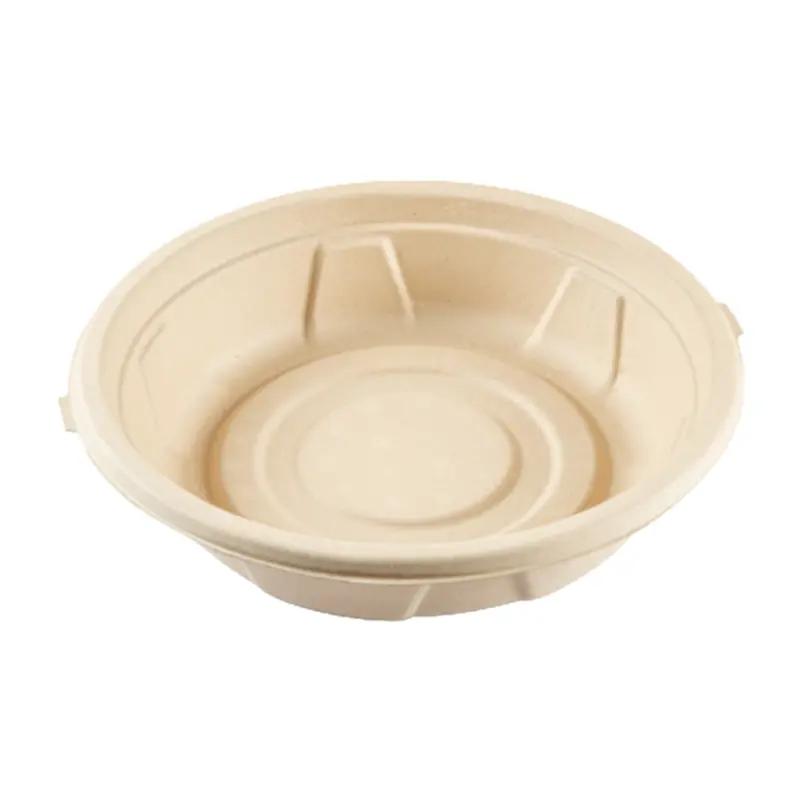 56oz(1650ml)
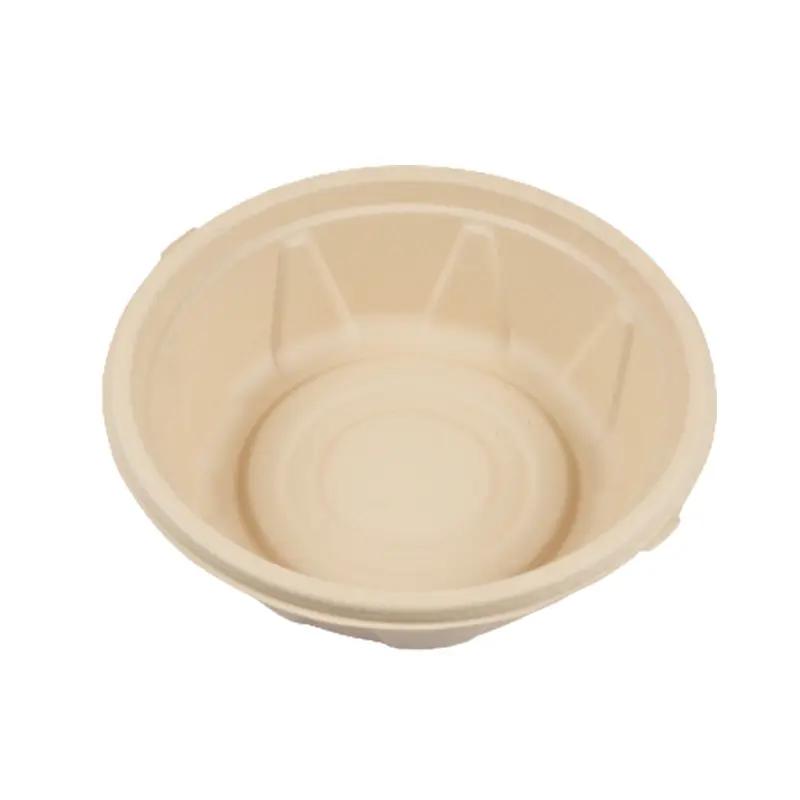 100oz(2950ml)
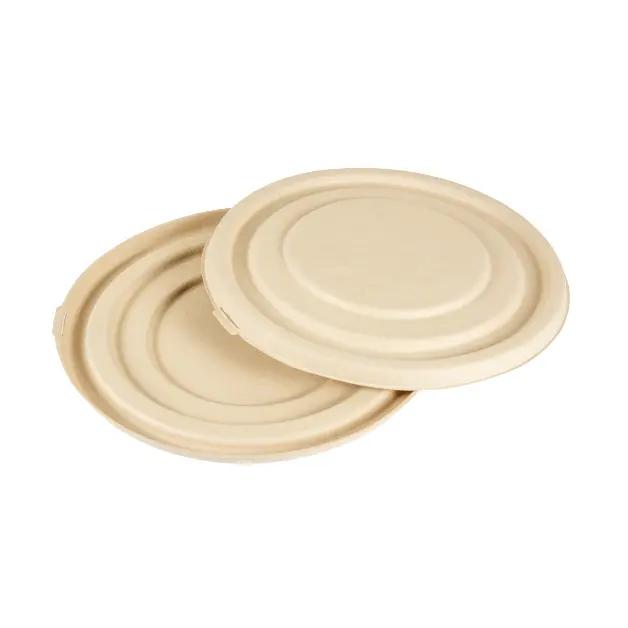 100oz(2950ml) With Lid
 Middle Bowl
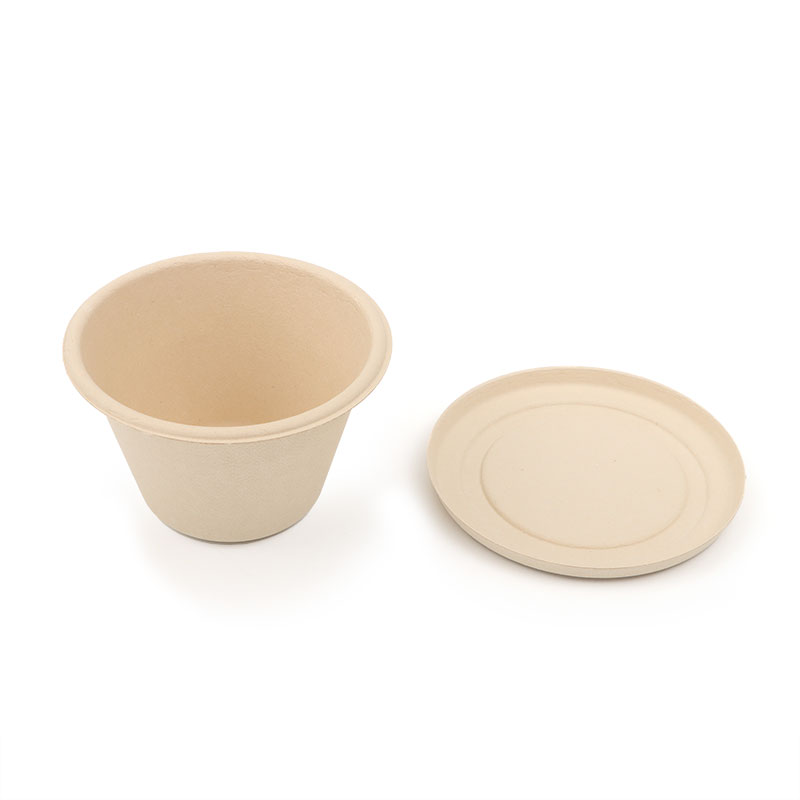 17oz(500ml)
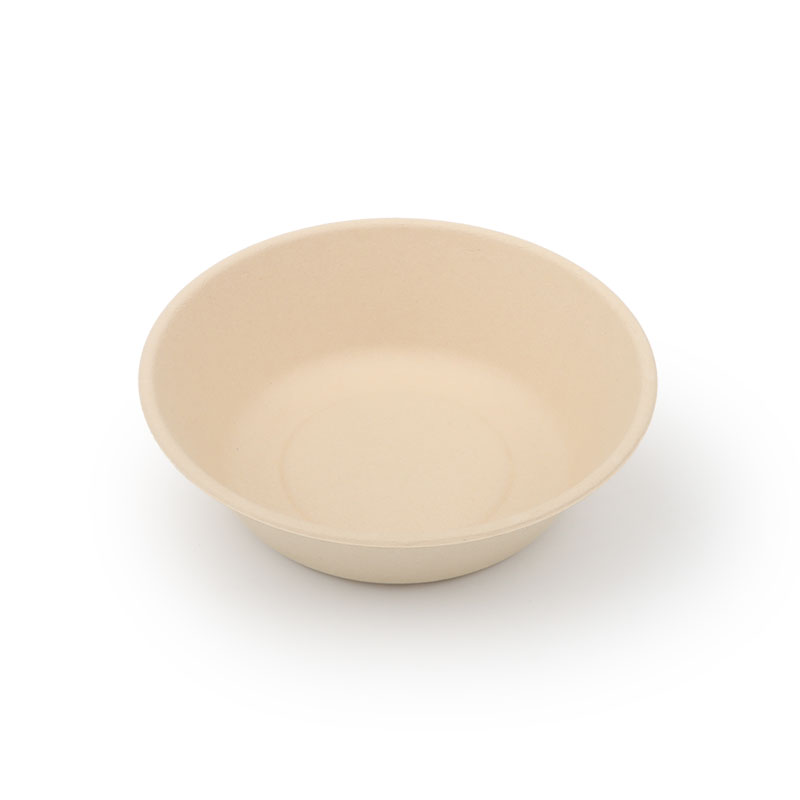 27oz(800ml)
 20oz(600ml)
 29oz(850ml)
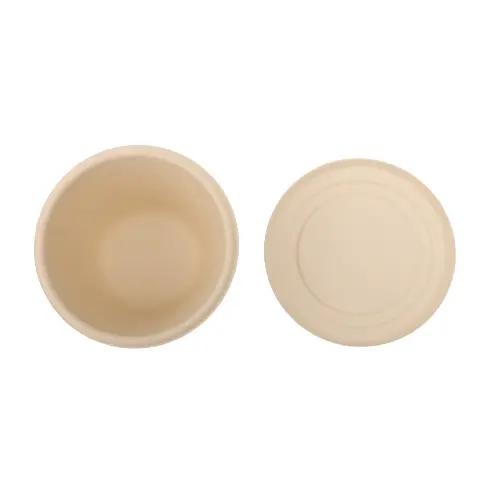 17oz(500ml) With Lid
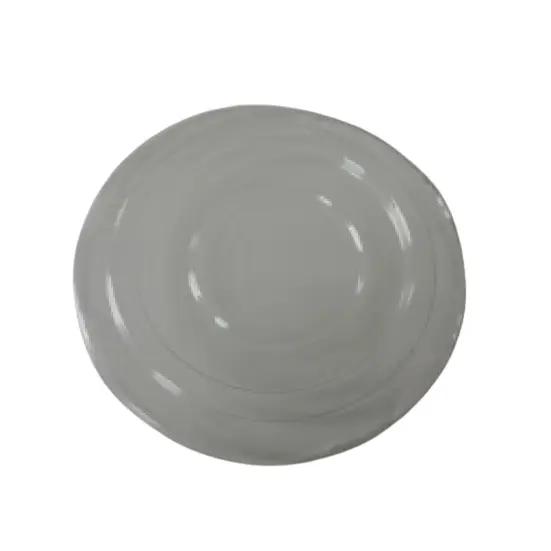 17oz(500ml) PET Lid
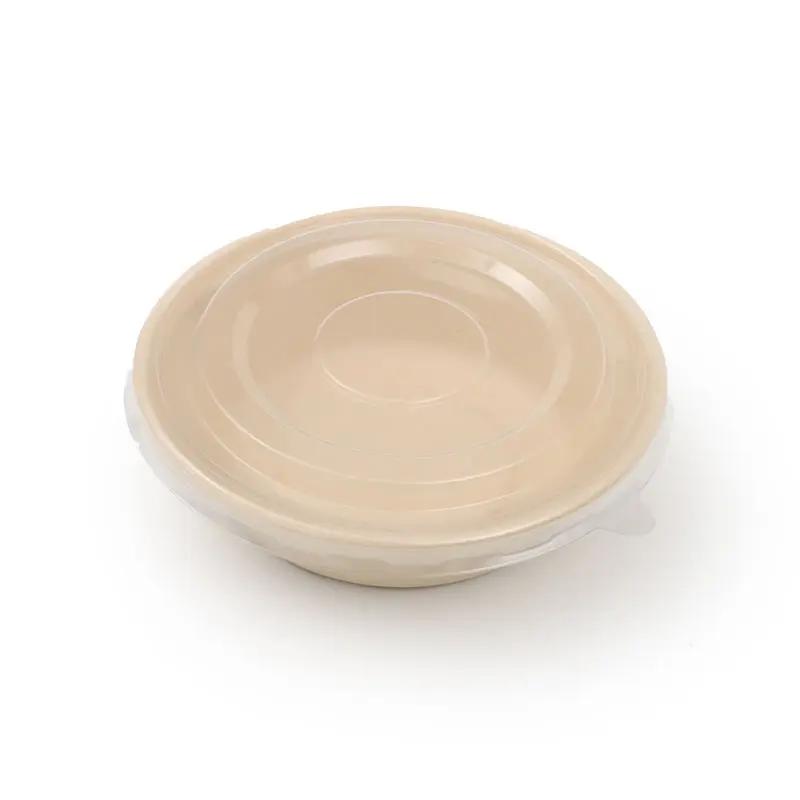 28oz(830ml) PET Lid
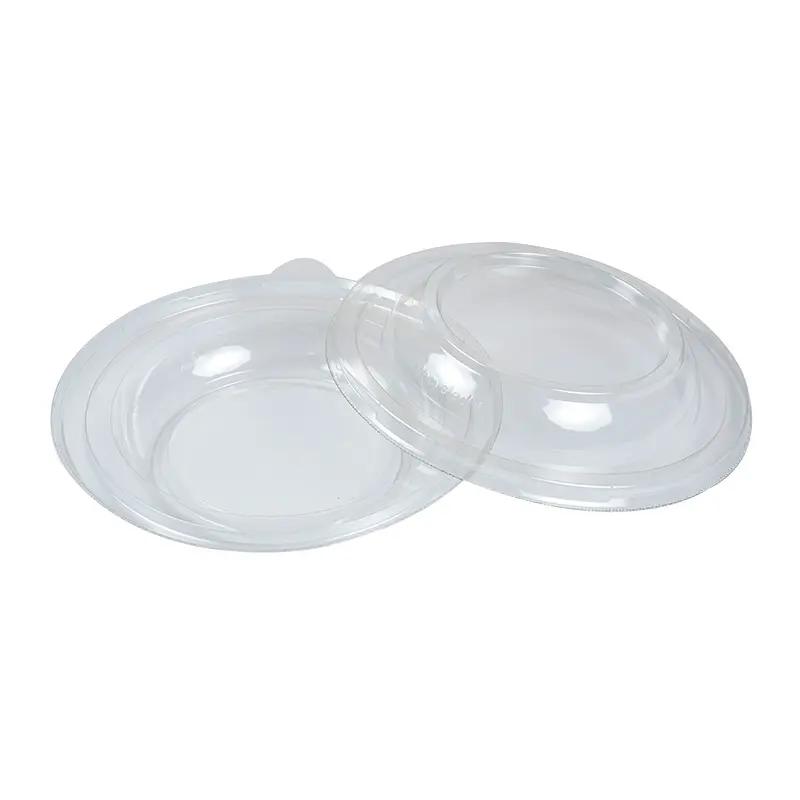 Round Bowl PET
 Small Bowl
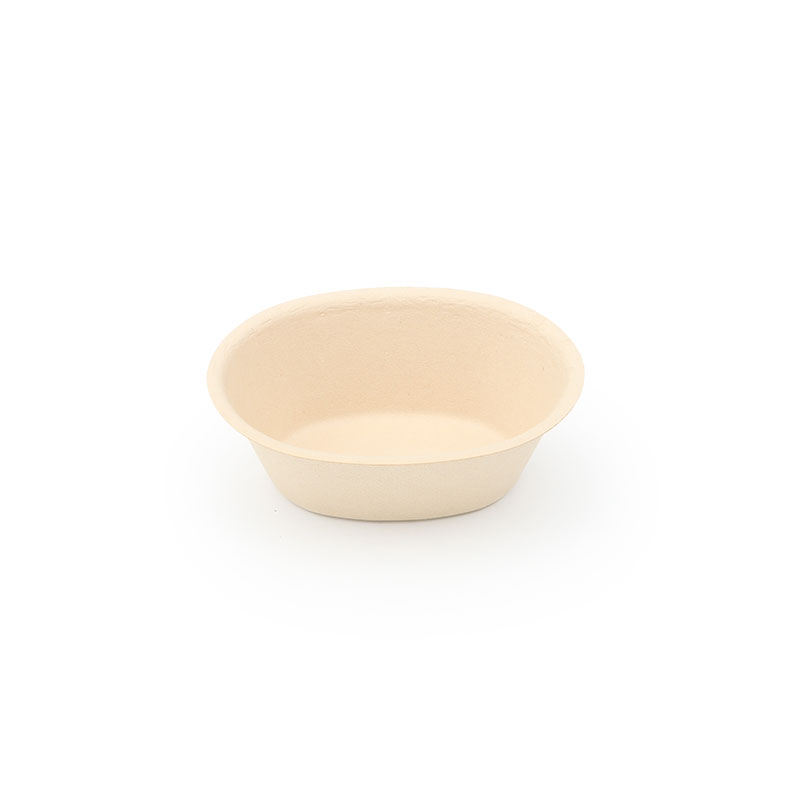 Snack Bowl
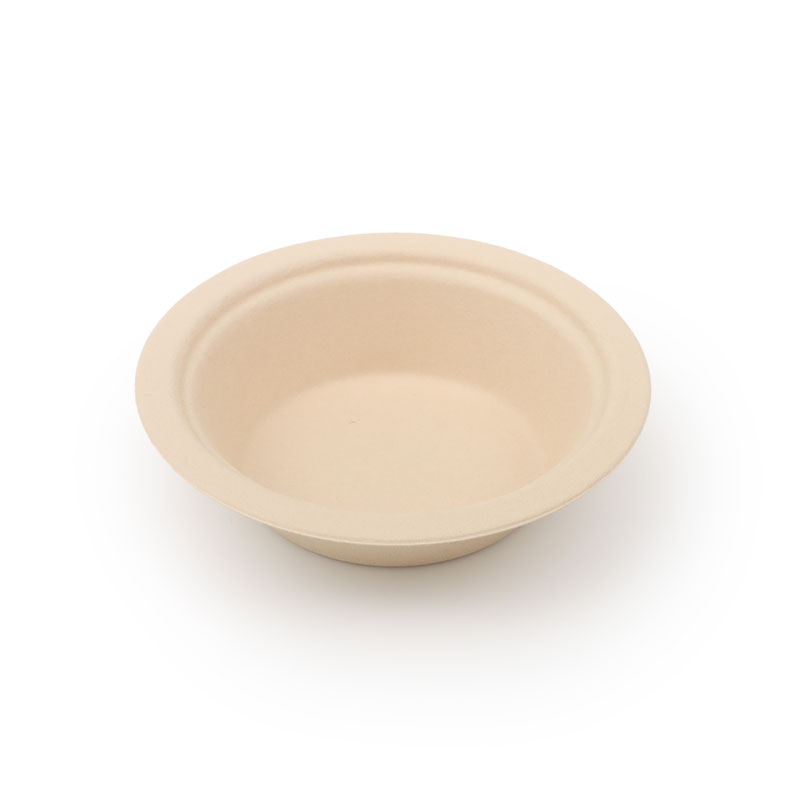 11.5oz(340ml) Bowl
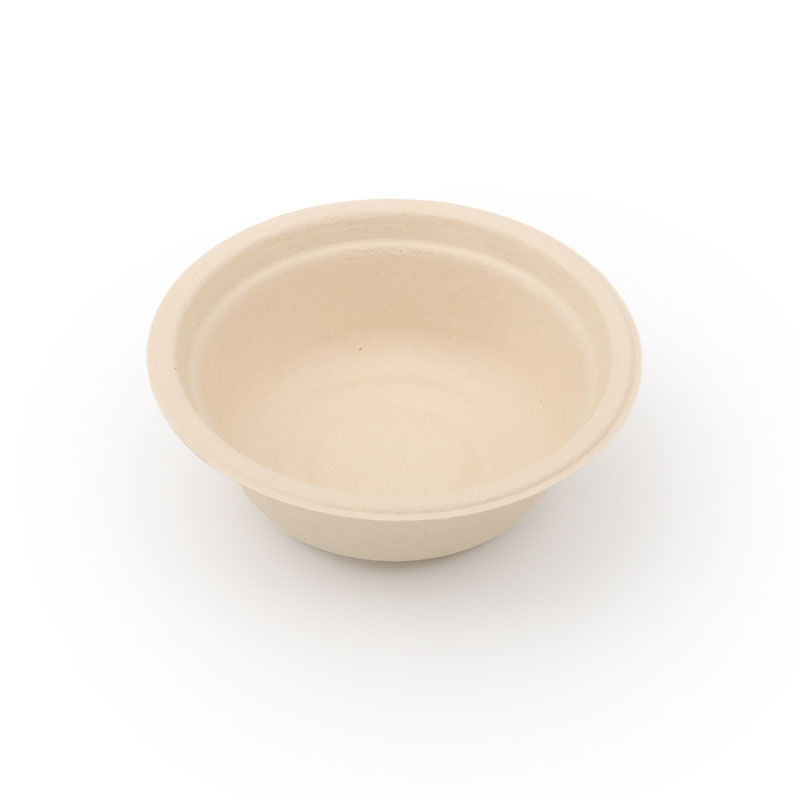 6.7oz(200ml) Bowl
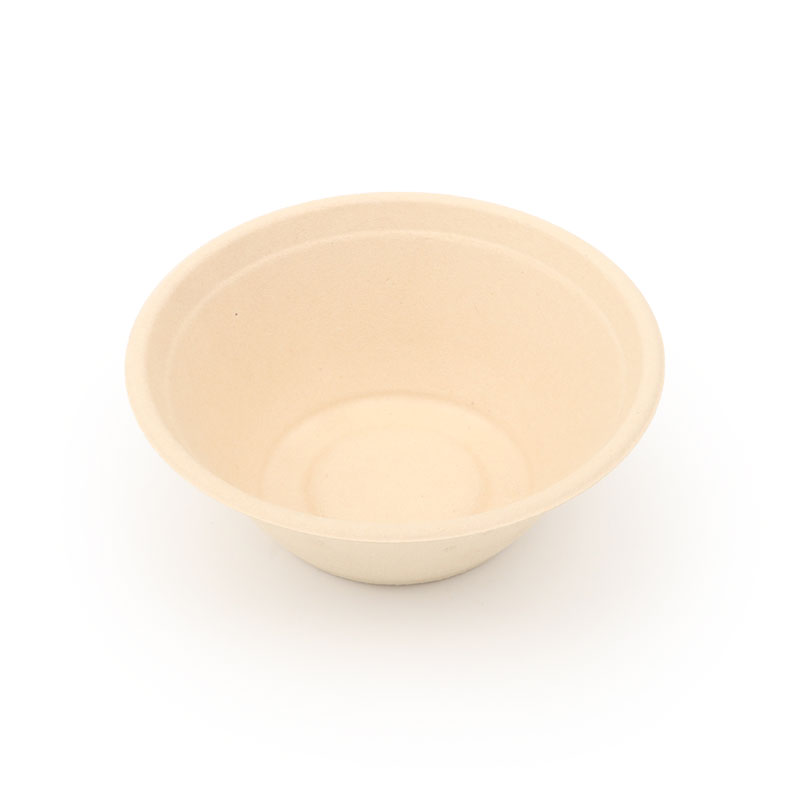 12oz(350ml) Bowl
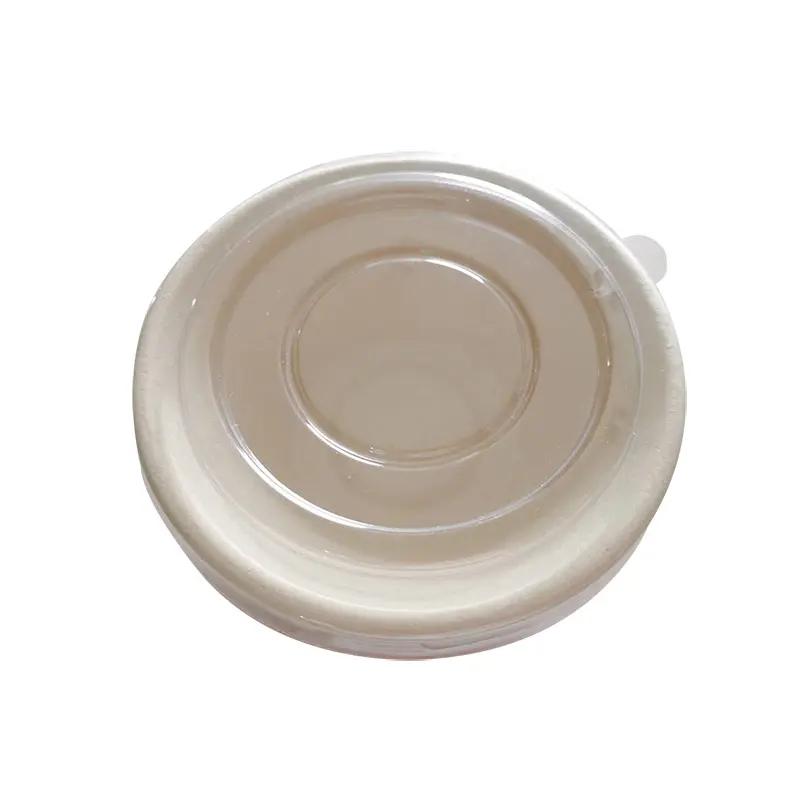 12oz(350ml) Bowl PET
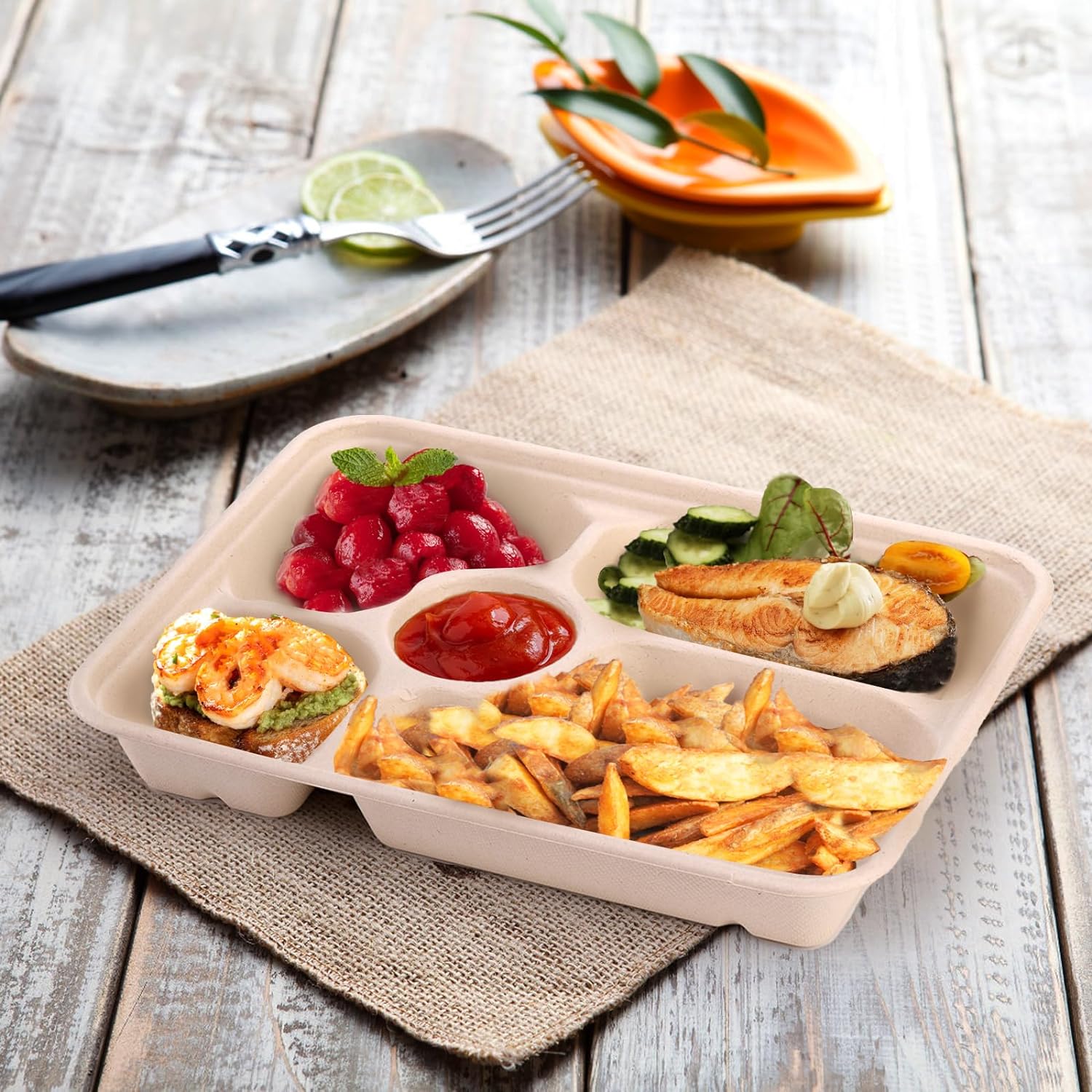 Bagasse Lunch Boxes
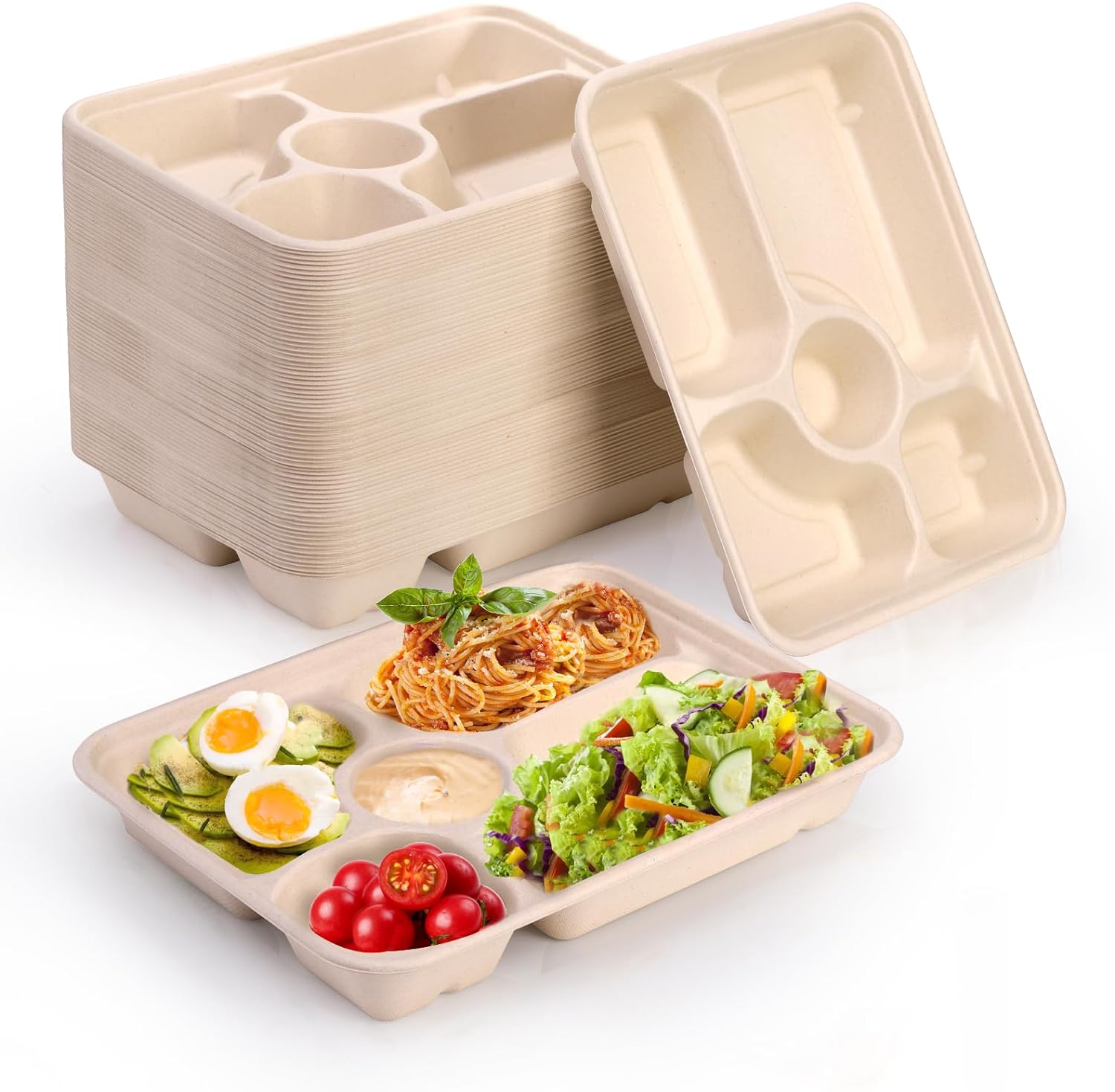 5CP
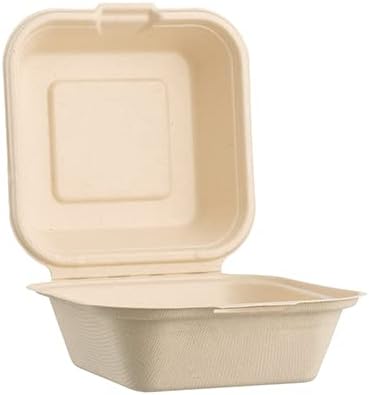 6 inch
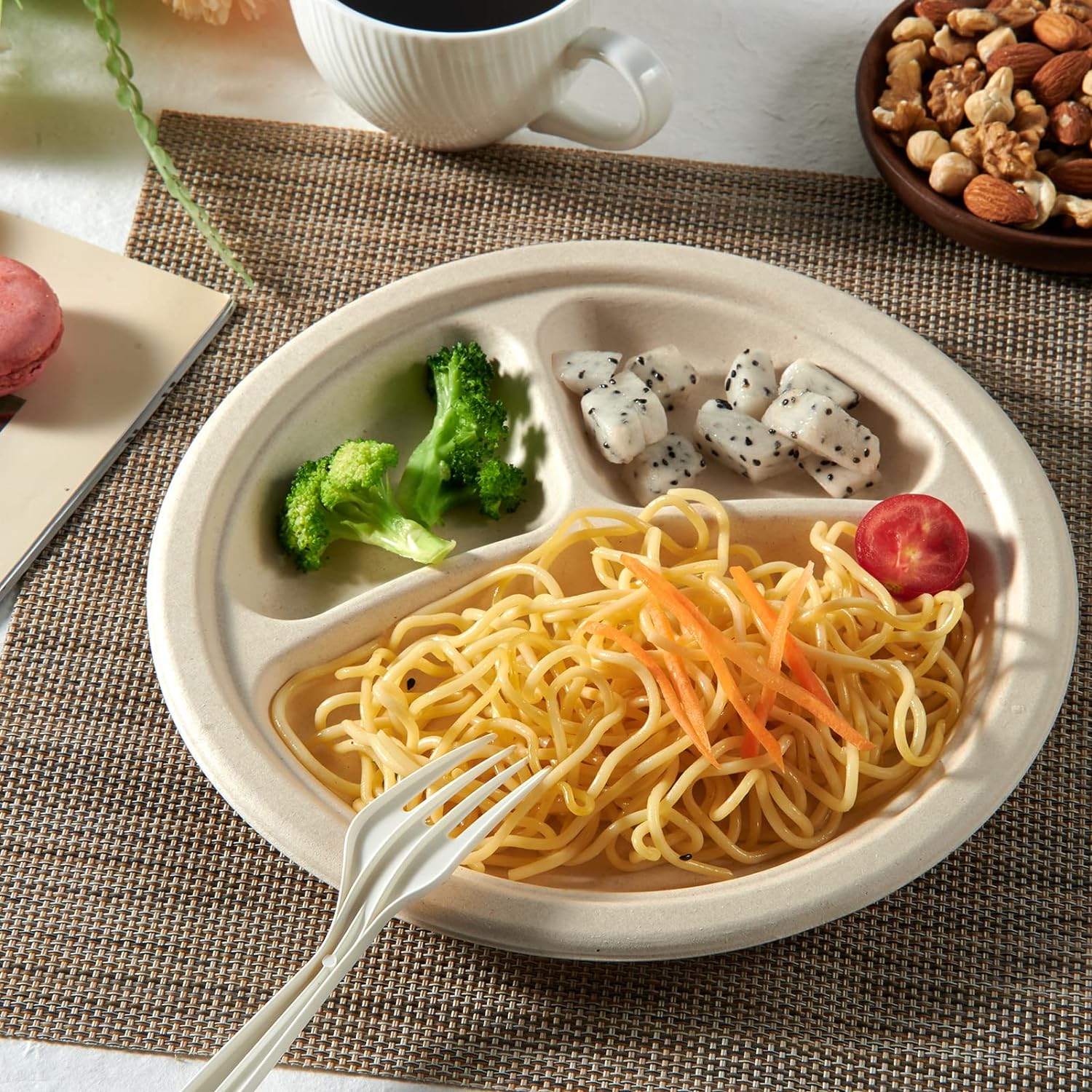 Bagasse Food Plates
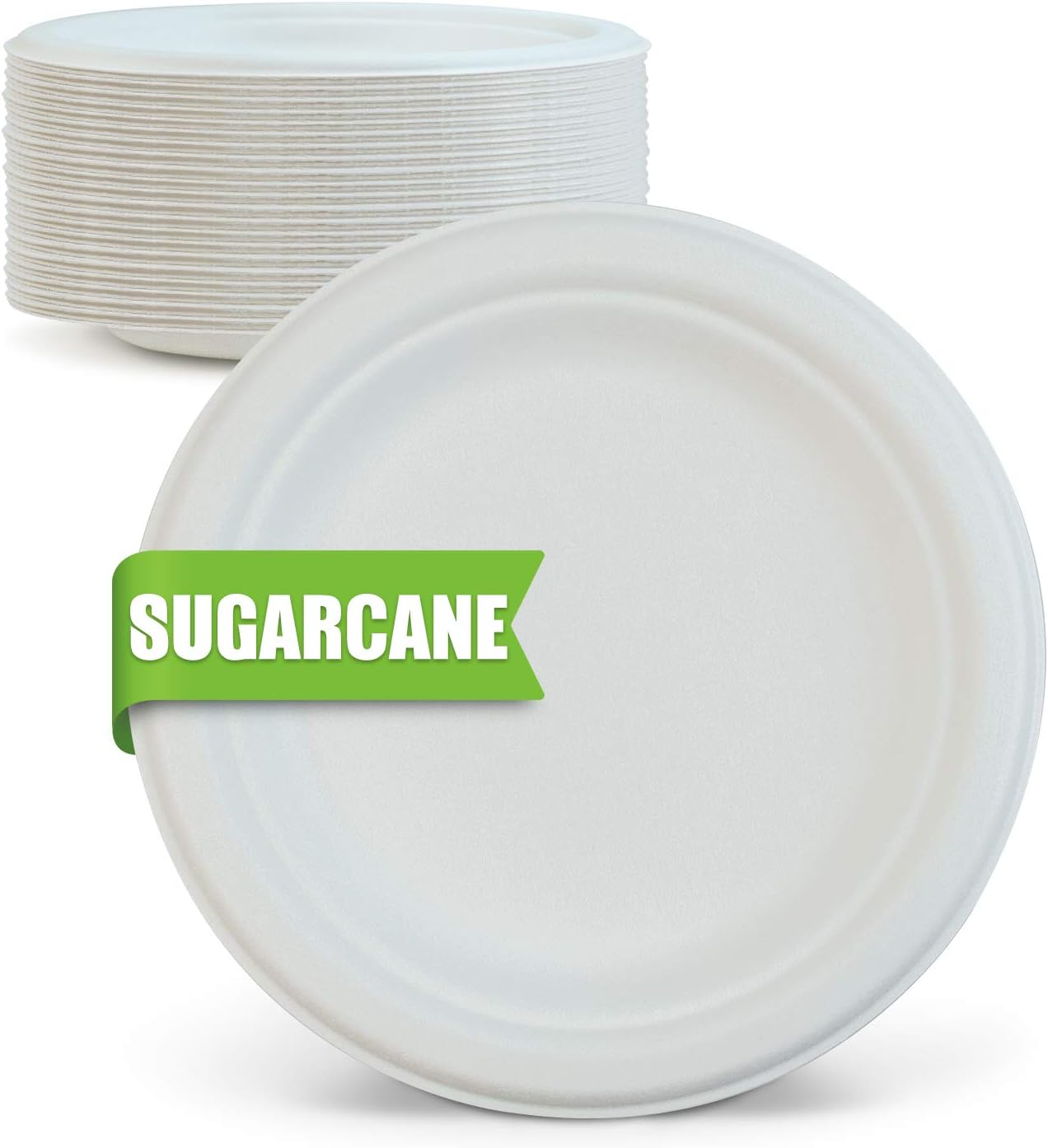 7 inch
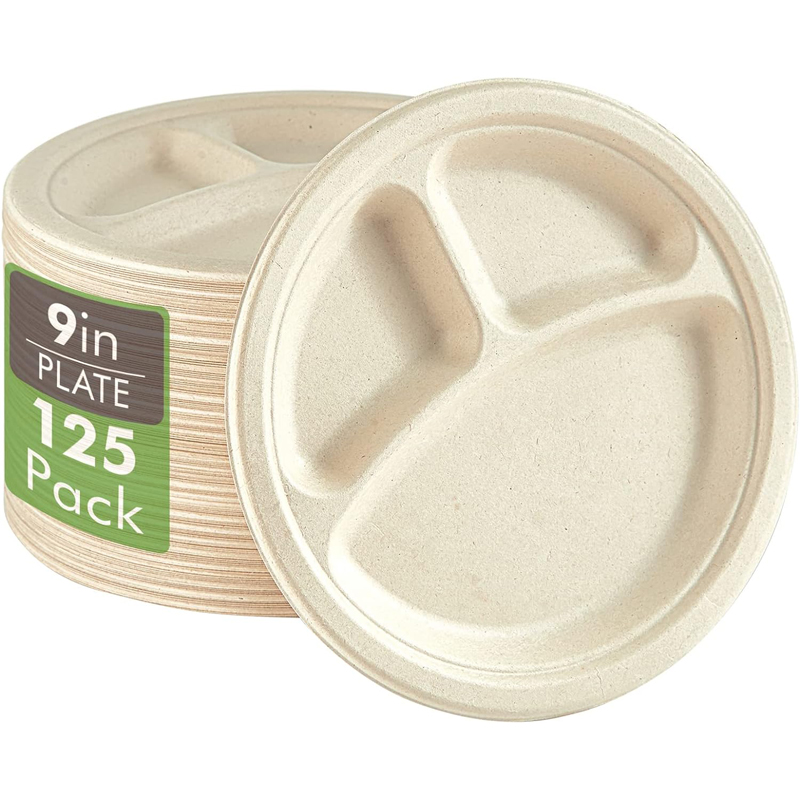 3CP
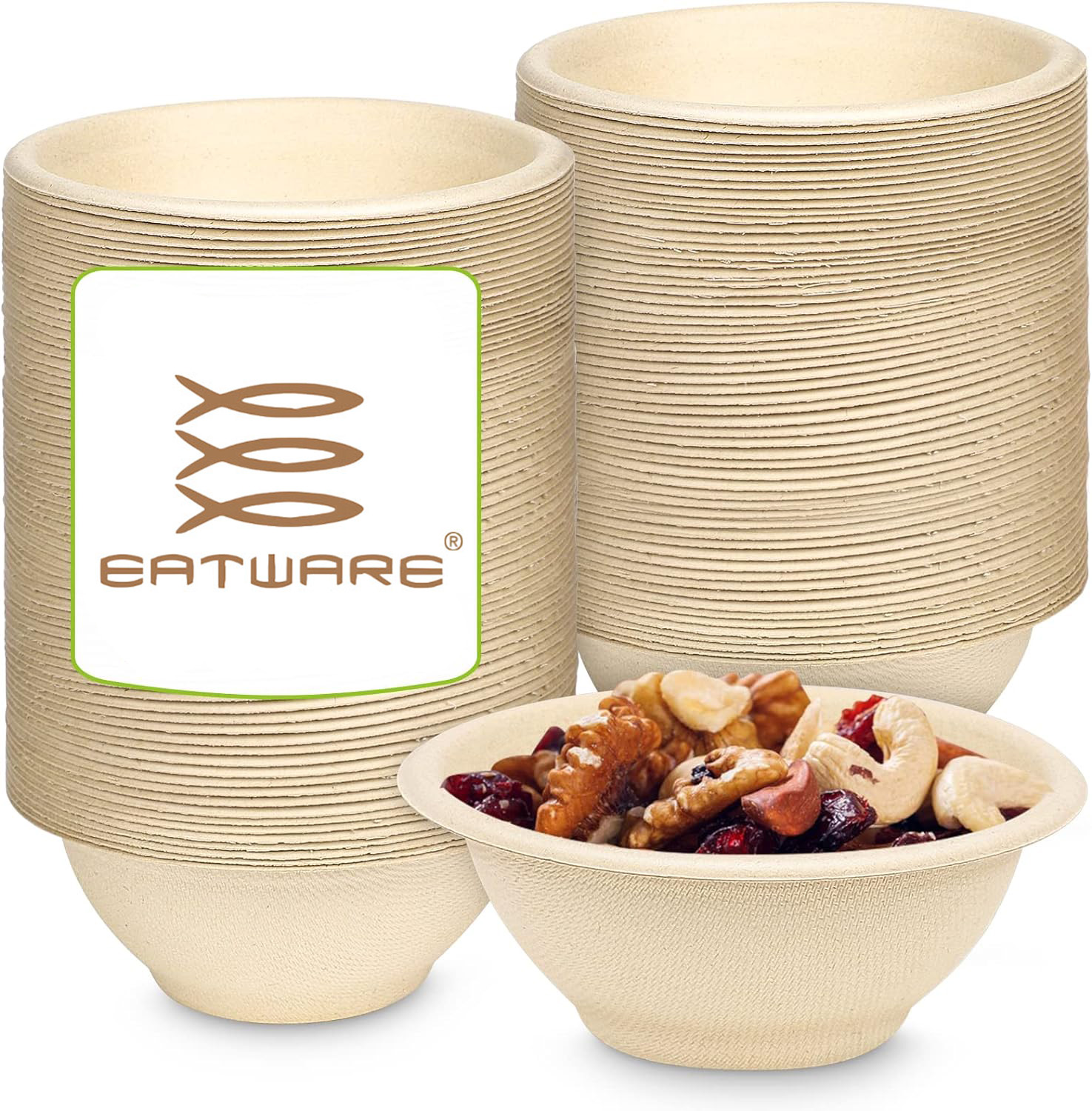 Bagasse Bowls
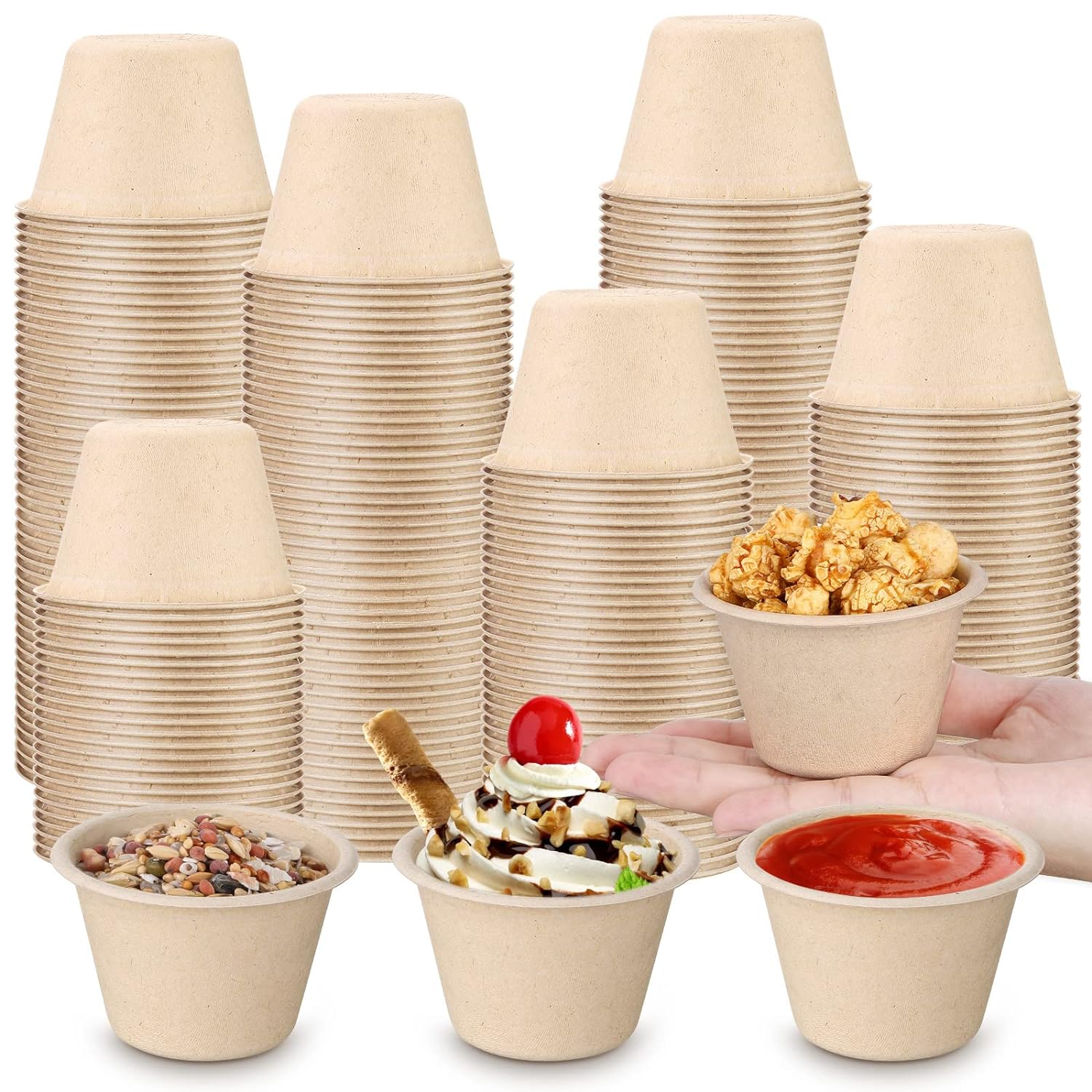 4oz
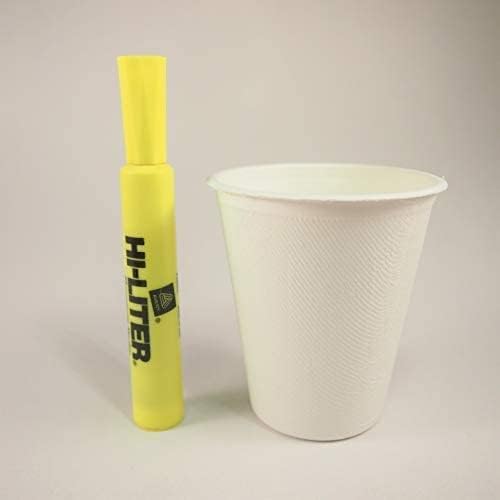 Bagasse Cups And Cutlery
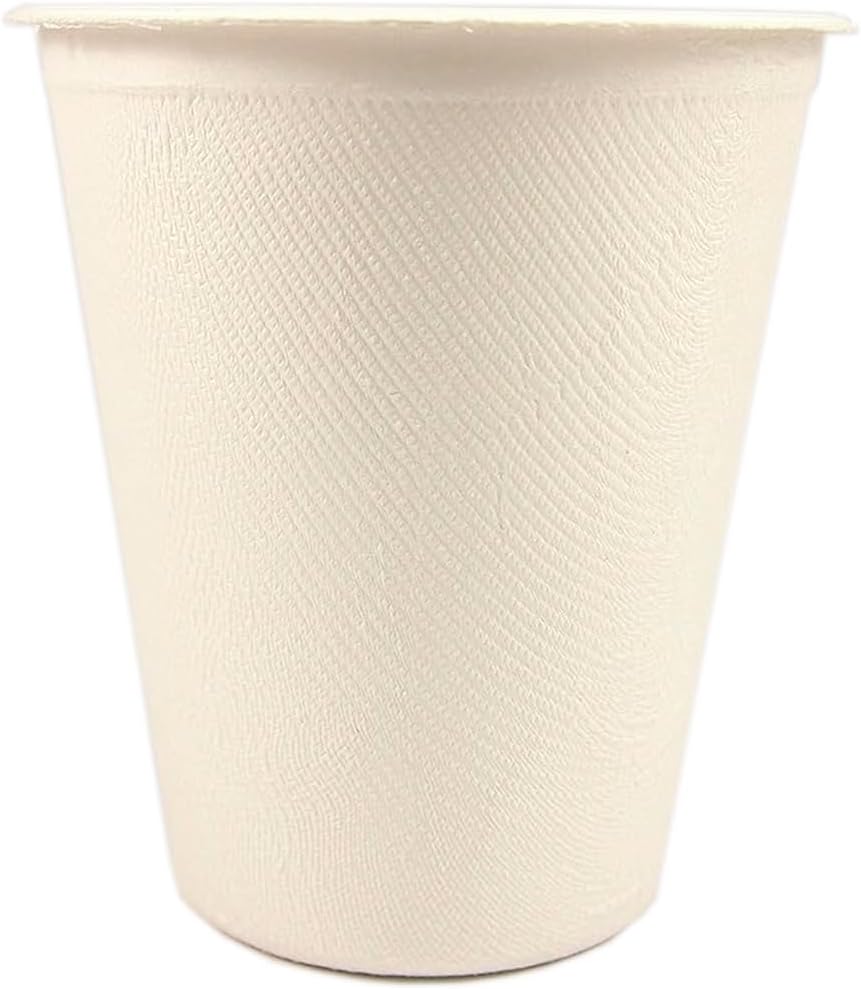 8oz
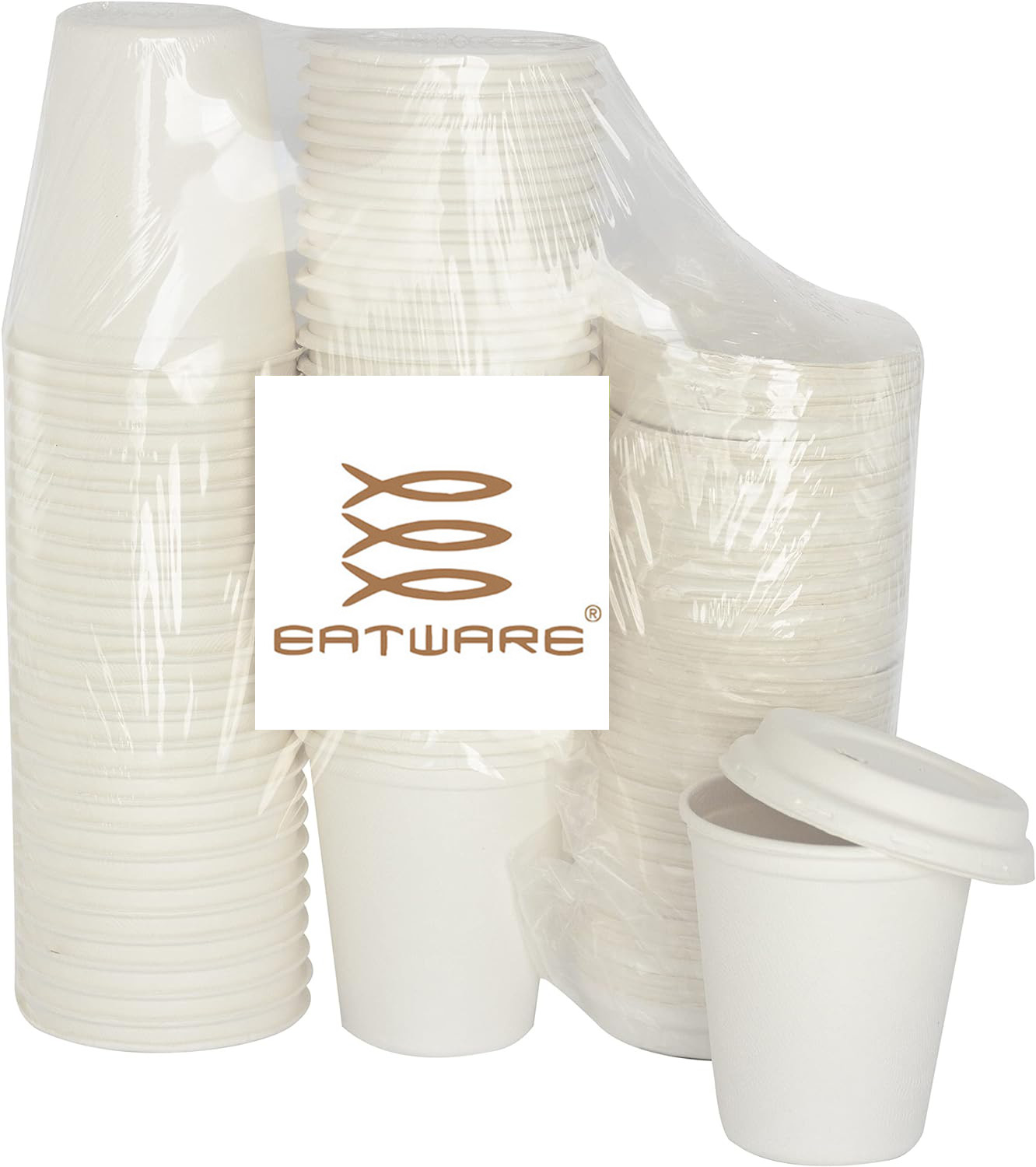 12oz
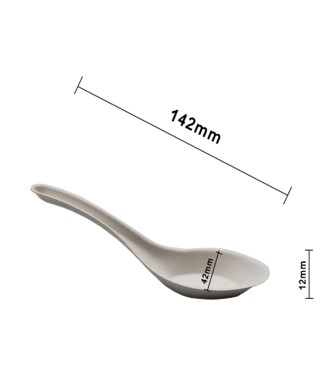 Cutlery
Leave Your Message
Engineered for high-heat broths, boiling oils, saucy street delicacies, and ultra-speed mobile takeaway.


How micro-coating barrier sciences and plant pulp substrates are redesigning mobile quick-service food safety, environmental footprint, and consumer sensory touchpoints across global urban centers.
Street food represents one of the most vibrant, rapidly expanding segments of the global foodservice ecosystem. Valued in the hundreds of billions of dollars and driving culinary tourism across Southeast Asia, the Americas, Europe, and the Middle East, street vendors and quick-service food trucks serve billions of freshly prepared meals daily. However, this sector operates under some of the most punishing physical and chemical packaging demands in the entire food industry. Meals are served scorching hot, laden with boiling oils, dense saturated fats, acidic citrus sauces, searing broths, and rich gravies, often eaten on foot or transported in dynamic takeaway conditions.
Historically, the street food market relied heavily on single-use expanded polystyrene (EPS) foam and cheap petroleum-based polyethylene (PE) lined paperboards. While cheap, these conventional containers represent catastrophic ecological liabilities, contributing significantly to urban litter, marine microplastic accumulation, and severe environmental pollution. Concurrently, traditional uncoated molded plant fibers (such as raw sugarcane bagasse or wheat straw) often fail under extreme street food conditions: within 10 to 15 minutes of contact with sizzling deep-fried dumplings, piping-hot noodle soups, or buttery curries, moisture penetration and oil migration soften the structural fiber lattice, causing soggy container bottoms, structural collapse, grease leakage, and burns to consumers' hands.
"Tectorial Technology" represents a breakthrough in material surface science—referring to the application of micro-thin, ultra-dense protective barrier layers (derived from Latin tectorium, meaning a protective coating or plastering layer) onto raw biodegradable molded bamboo and sugarcane bagasse substrates. Unlike hazardous per- and polyfluoroalkyl substances (PFAS) traditionally utilized for oil repelling, modern tectorial technology employs water-based bio-dispersion coatings, modified natural biopolymers (such as PLA/PBS/PHA micro-membranes), and aqueous mineral coatings that cross-link directly onto cellulose microfibrils.
This molecular-level surface sealing renders the container completely omniphobic—repelling both boiling water up to 100°C (and beyond under steam pressure) and scorching culinary oils up to 120°C–150°C—without impairing the home or industrial compostability of the container. Through precision high-pressure hot-press lamination and automated micro-spray tectorial processes, the resulting food boxes achieve exceptional tensile rigidity, thermal insulation, and total liquid impermeability, creating a flawless packaging vessel tailored for the rigorous pace of night markets, pop-up kiosks, food truck festivals, and cloud kitchens.
Achieving Kit Level 10-12 oil-repellency ratings via advanced bio-based aqueous dispersion barriers that resist heavy saturated frying oils, animal tallows, and hot chili dressings without toxic fluorinated chemicals.
Molded all-natural bamboo fiber cores fortified with tectorial coatings withstand searing temperatures without softening, warping, or yielding structural firmness during walking consumption.
Meets stringent EN 13432, ASTM D6400, and OK Compost certifications. Breaks down completely into organic humus within 90-180 days under composting conditions, leaving zero persistent microplastics.
Analyzing specialized gastronomic environments where Tectorial Technology Food Packaging delivers decisive performance, commercial safety, and customer satisfaction.
From steaming Vietnamese Pho and Sichuan Mala Tang to Thai Tom Yum and Japanese Takoyaki, night markets demand containers that manage boiling fluids and scalding steam. Uncoated paper or bagasse containers suffer from fiber softening when filled with boiling broth, resulting in unsafe lid fitment and dangerous spills. Tectorial technology creates an impermeable inner envelope that retains soup boiling hot while preventing outer surface moisture sweating. The container remains rigid and ergonomic to hold, even when diners are navigating crowded night bazaar corridors.
Barbecue skewers, roasted pork carnitas, Texas brisket sliders, and Middle Eastern kebabs release hot grease, spicy animal fats, and caramelized marinades. Ordinary single-layer paper plates allow hot oil to soak directly through within minutes, staining clothing and weakening the plate. Our tectorial bamboo food containers and compartment boxes provide a non-wetting oleophobic surface where oils bead harmlessly on the surface without penetrating the bamboo fiber core, maintaining clean aesthetics and leak-free reliability throughout consumption.
Poutine with scalding gravy and melted cheese curds, Indian butter chicken with roti, or Indonesian Satay with peanut sauce require superior compartment separation and ultra-secure closure. Molded bamboo 2-compartment takeaway boxes with engineered T-buckles ensure that the lid stays locked during aggressive bicycle courier transport or walking, preventing the intermixing of crispy dry foods and hot sauces. The tectorial coating prevents sauce absorption, ensuring every drop of flavor reaches the customer.
As ghost kitchens and fast-casual meal prep operations scale, pre-packaged street food items (such as pre-portioned poke bowls, artisanal ready-to-reheat noodles, and vacuum-sealed tapas) require long-shelf-life barrier packaging. Utilizing tectorial laminated food bowls and trays optimized for Modified Atmosphere Packaging (MAP), operators can hermetically seal plant-fiber containers with bio-films, keeping ambient oxygen out, preserving freshness for days, and completely replacing fossil-fuel plastic clamshells.
Pioneering green packaging technology, heavy automated manufacturing, and zero-carbon dining solutions for the global street food and fast-casual markets.
Kangxin (HaiMen) Environmental Technology Co., Ltd. is a technology innovation oriented enterprise that focuses on disposable environmentally friendly tableware and food packaging.
We have advanced production processes and equipment, and continue to attract senior talents, focusing on environmental protection, emphasizing safety, and ensuring quality.
In the field of environmentally friendly packaging for 18 years, Has established cooperation with 500+ brands.
Through our research and development, there are more than 60 products can product, we also support OEM ODM customized services.
Exported to the United States, Europe, Australia, Canada and other countries, right now we have exported more than 30 countries.
10000+ square meters factory area, more than 30 patent certificates, 10 foreign authoritative certification, 55 automatic forming machines...
EATware is committed to sustainable development, using all natural plant fibers to produce safe, healthy and environmentally friendly tableware. Adhering to the concept of "take nature, serve humanity, return to nature", we focus on the development of safe, high quality and environmental standards.
EATware emphasizes environmental protection and sustainable development, explores the balance between enterprise survival and environmental protection, and uses all-natural and pollution-free bamboo fiber as the main material of tableware to ensure that its products meet the high technical level and are superior to developed countries.
Our rigorous quality control framework ensures compliance with strict international food contact standards across the globe.
Explore our intelligent cleanroom workshops, automated pulp molding centers, and high-speed tectorial coating assembly lines through immersive 360 VR visualization.
Keeping pace with international food contact regulations, laboratory validation protocols, and global market dynamics.
The most reliable way to test disposable food containers is to combine leakage testing with structural testing under conditions that reproduce the intended food application. A container should not be approved simply because it holds water for several minutes or survives an empty compression tes...
For foodservice operators, replacing conventional plastic packaging is not simply a matter of changing materials. Disposable biodegradable tableware must still withstand hot food, sauces, oils, condensation, stacking, transport, and commercial handling without losing structural integrity. Poorl...
With growing global demand for takeaway meals and eco-friendly packaging, China’s manufacturing sector has become a major hub for disposable food containers. Today’s food businesses - from fast-food chains and meal-delivery services to supermarkets and catering companies - are looki...
Powering thousands of street food outlets, airlines, supermarket delicatessens, and international restaurant chains.
Every tectorial bamboo food box replaces petroleum single-use foam, preventing plastic leakage and protecting the natural lifecycle of our planet.
ocean
Forest
Select from our comprehensive lineup of molded bamboo and bagasse containers engineered for street food vendors, food trucks, and high-volume catering.
