 Box With T buckle
 700ml Square Lunch Box
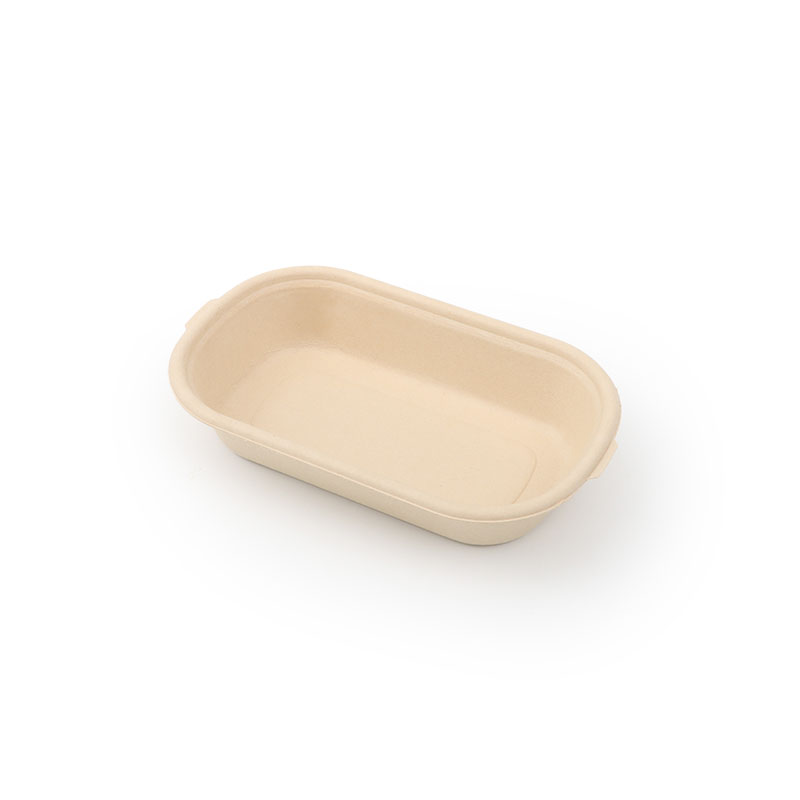 500ml
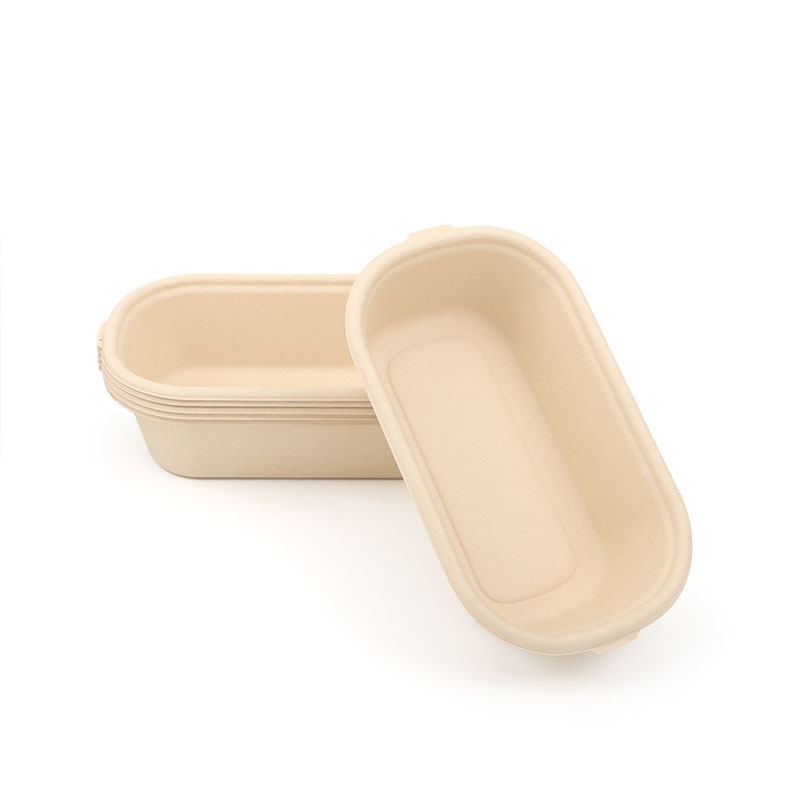 700ml
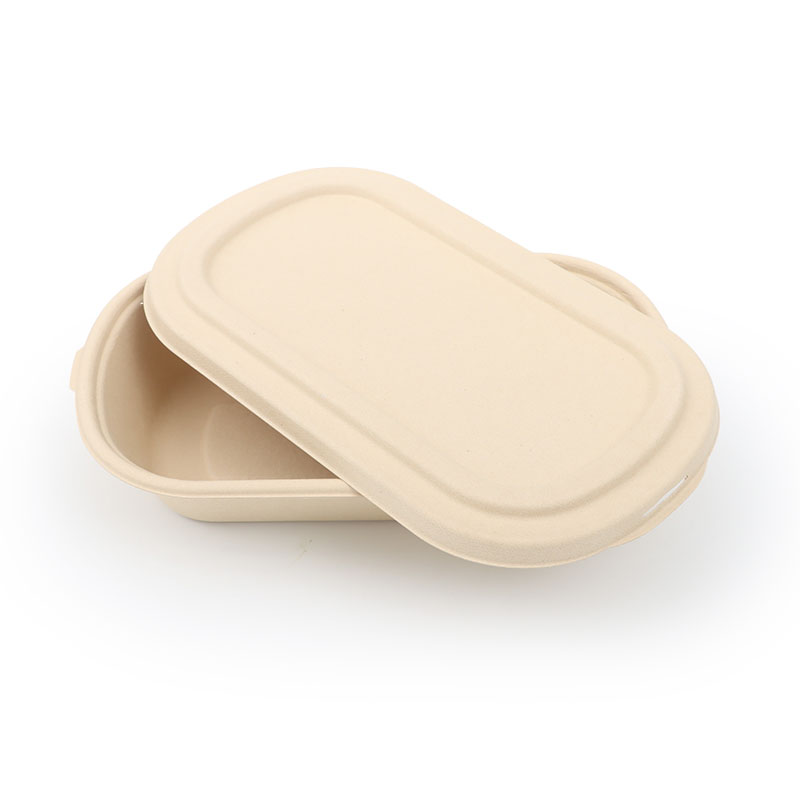 850ml
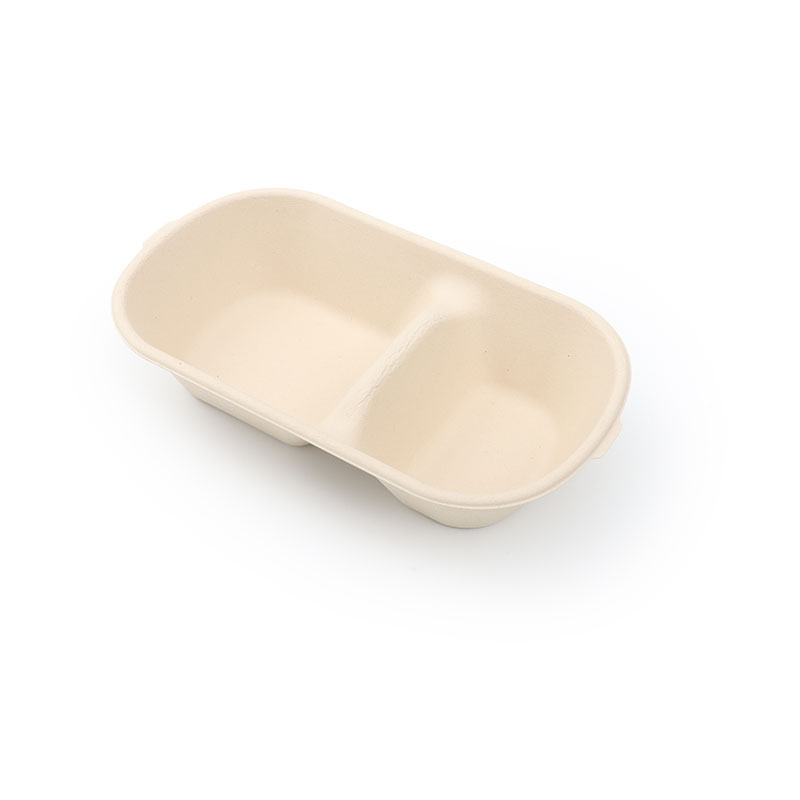 800ml 2 Compartments
 1000ml 2 Compartments
 1100ml
 1000ml Square Lunch Box
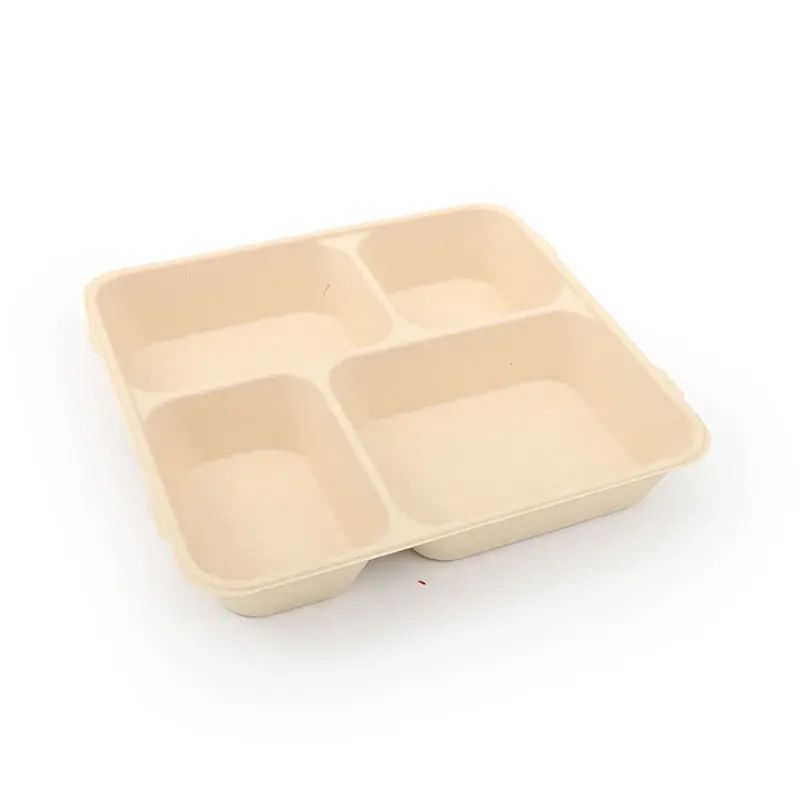 1340ml 4 Compartments
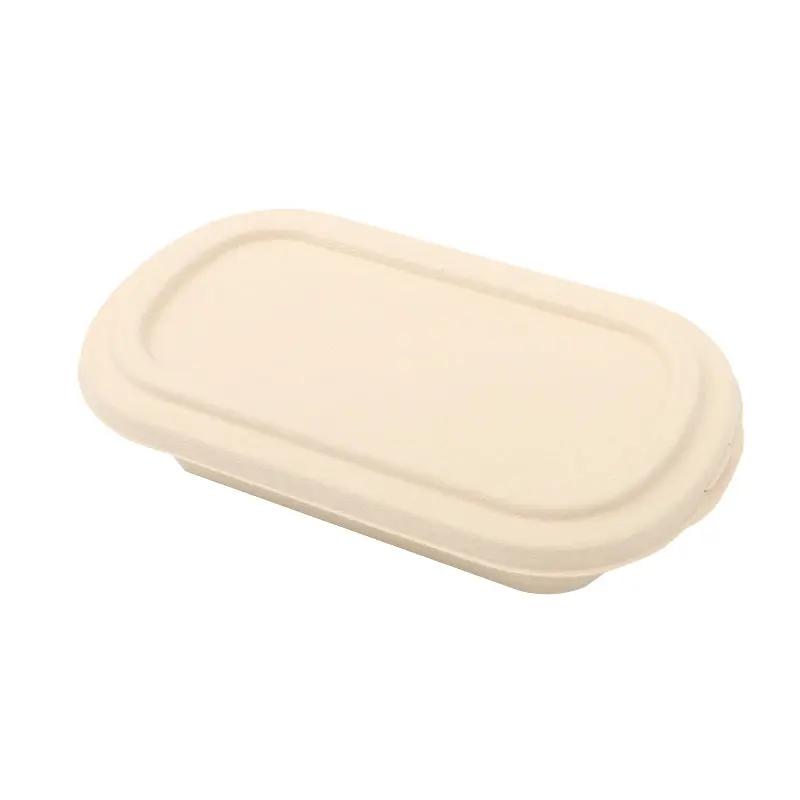 Lunch Box Lid
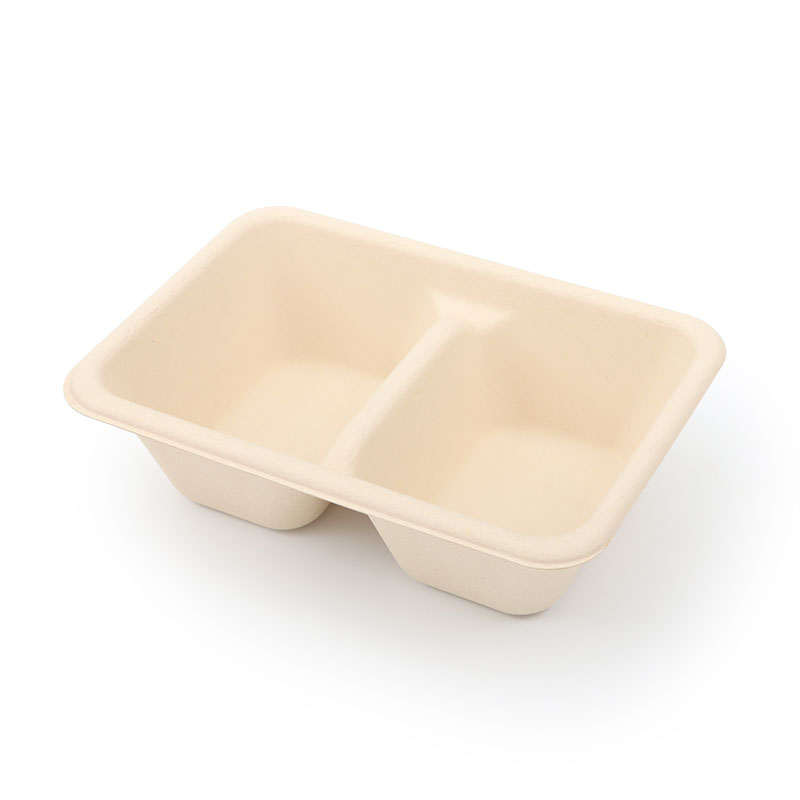 650ml
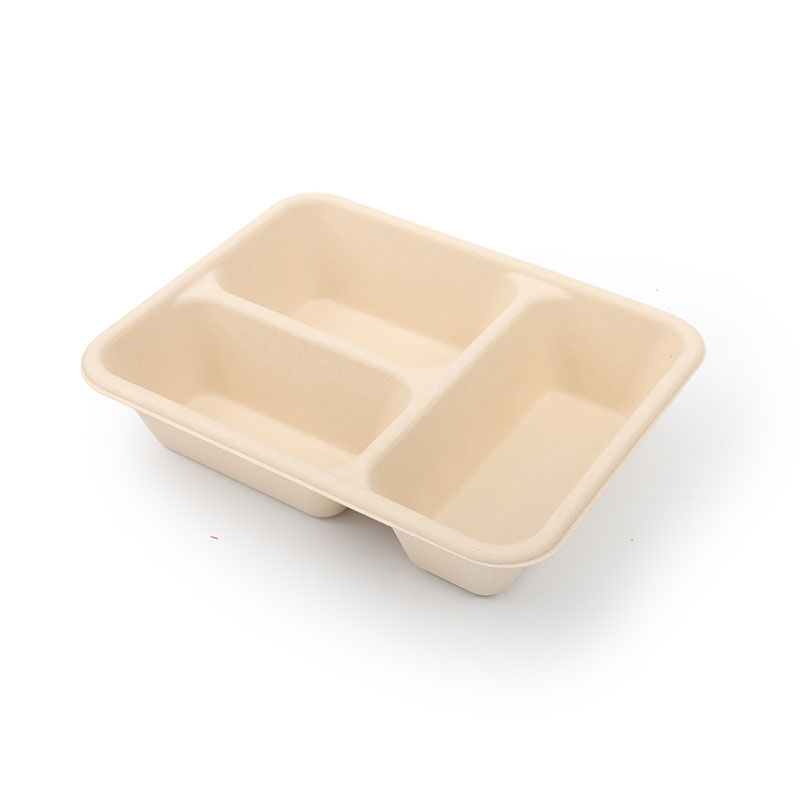 1000ml 3 Compartments
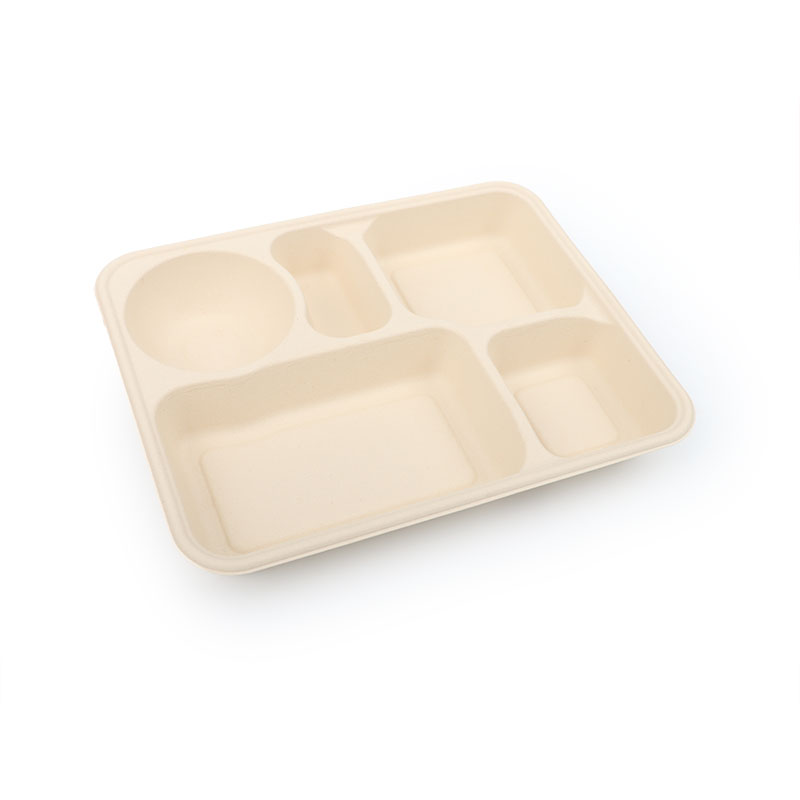 1250ml 5 Compartments
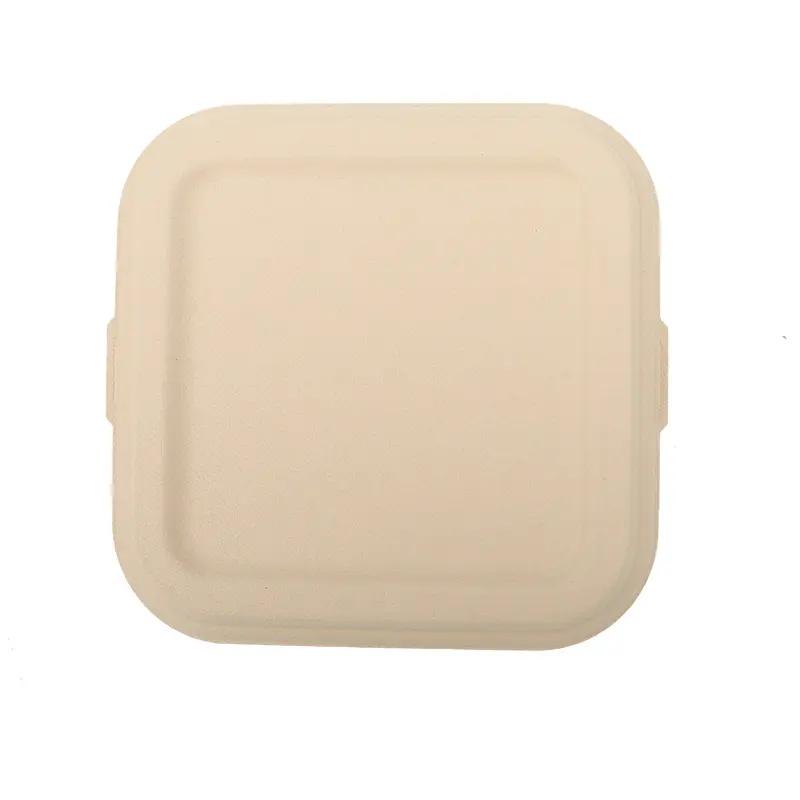 Square Lunch Box Lid
 Box Without T buckle
 850ml Salad Box
 700ml
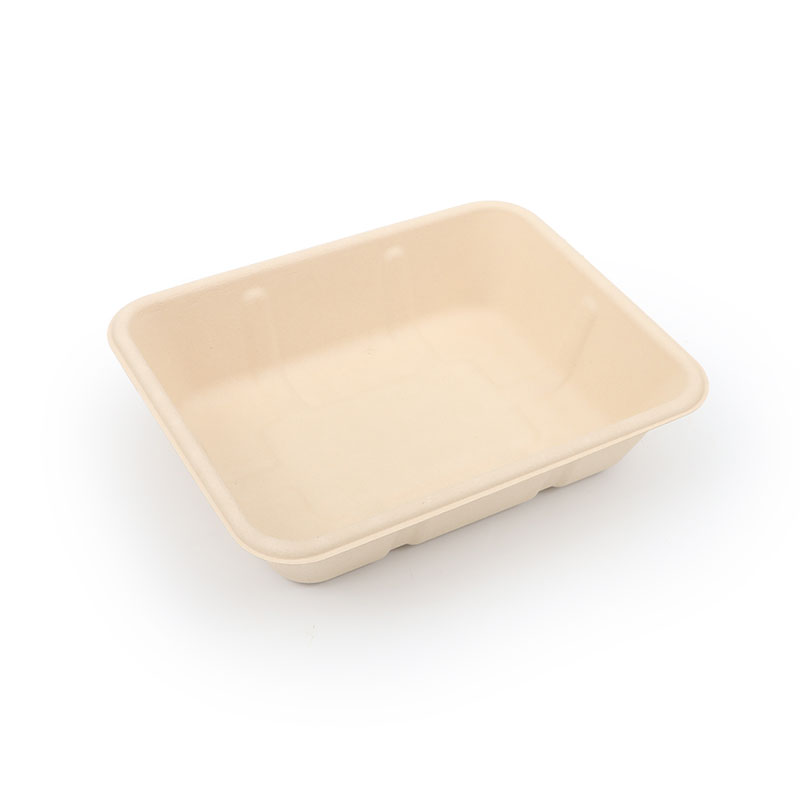 1350ml
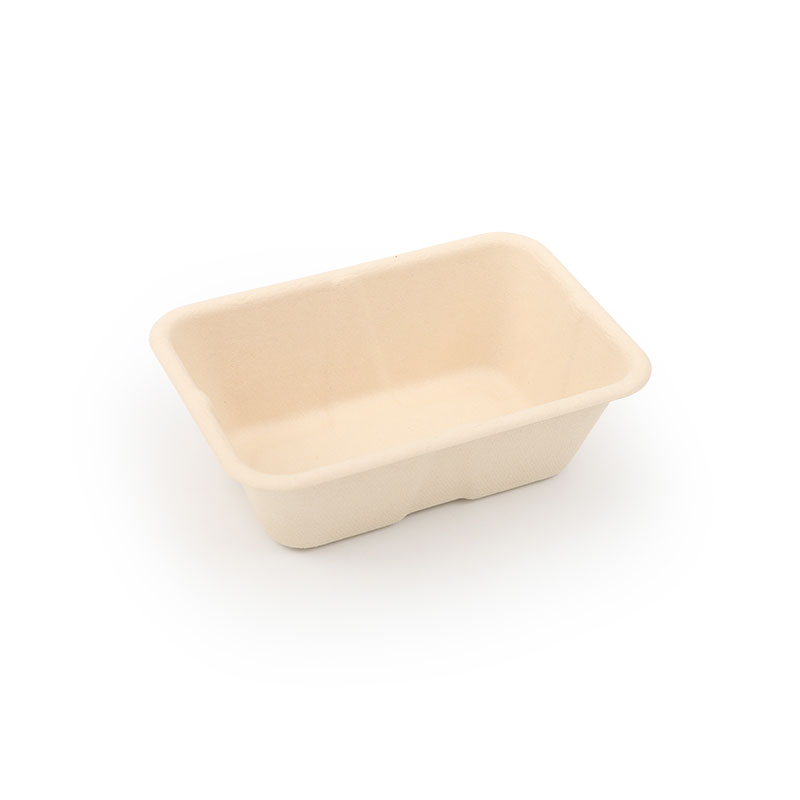 470ml
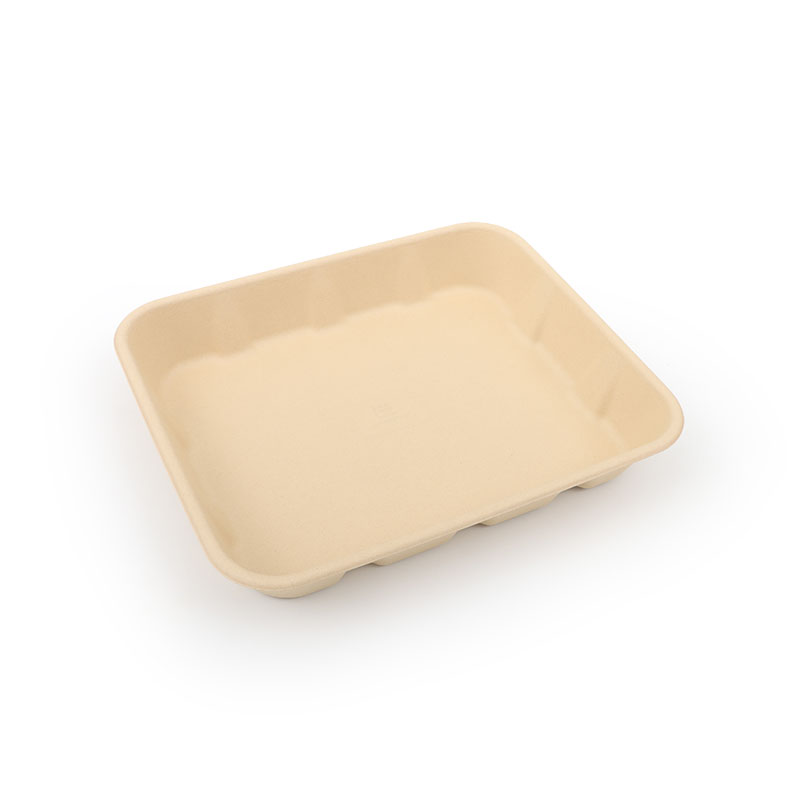 2183ml Tray Box
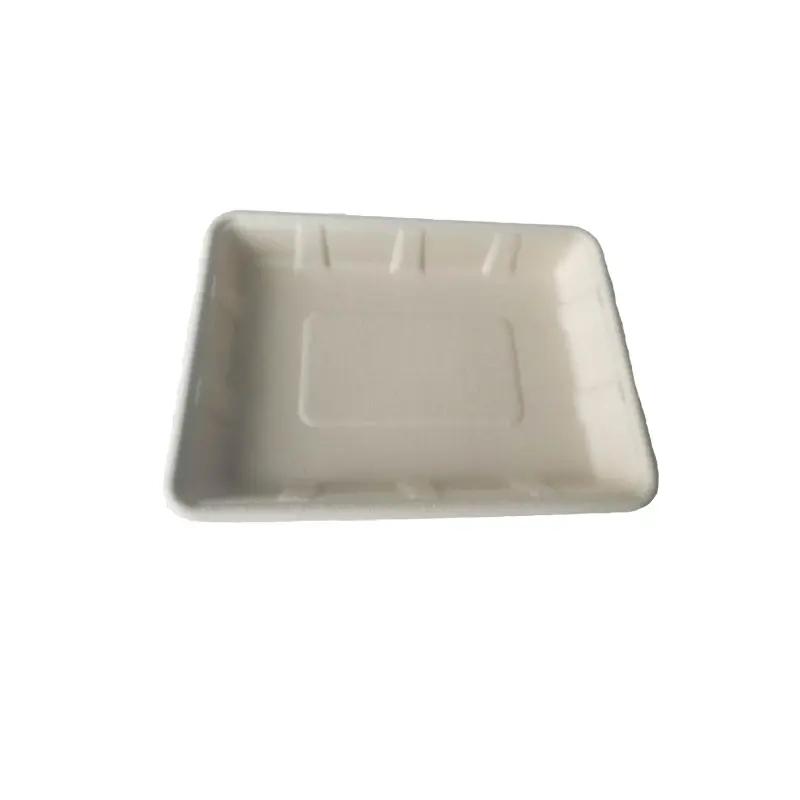 11" * 9"
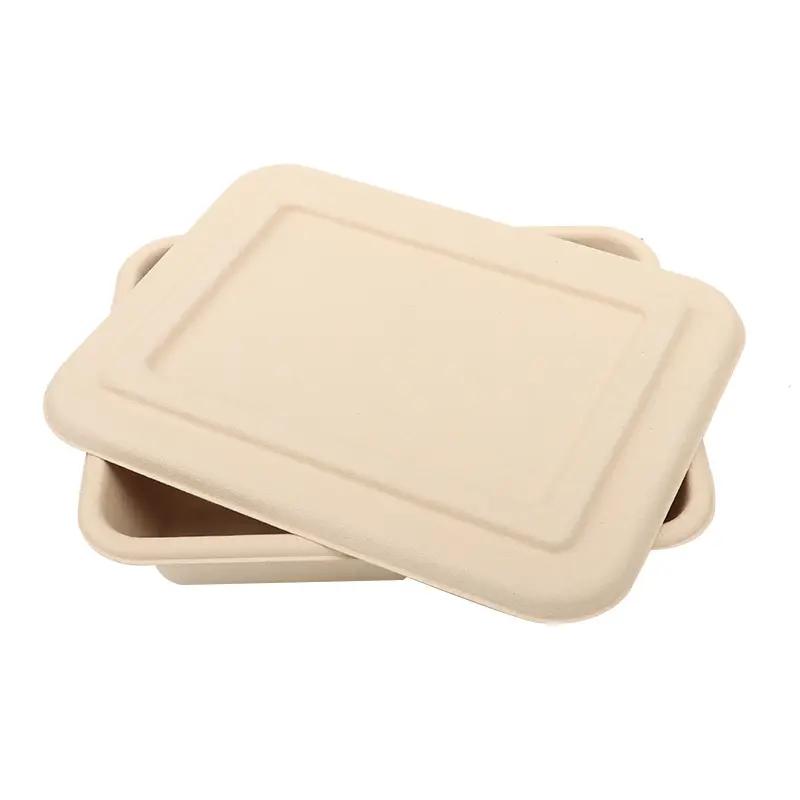 800ml
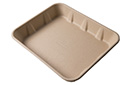 One Part Box
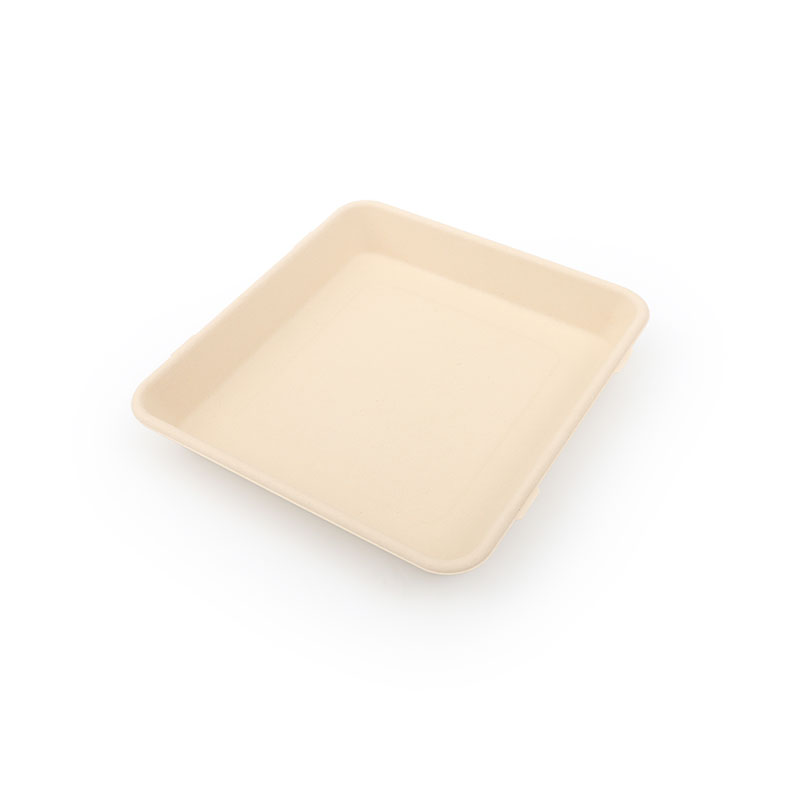 1443ml Tray Box
 Cake Bread Snack Tray Series
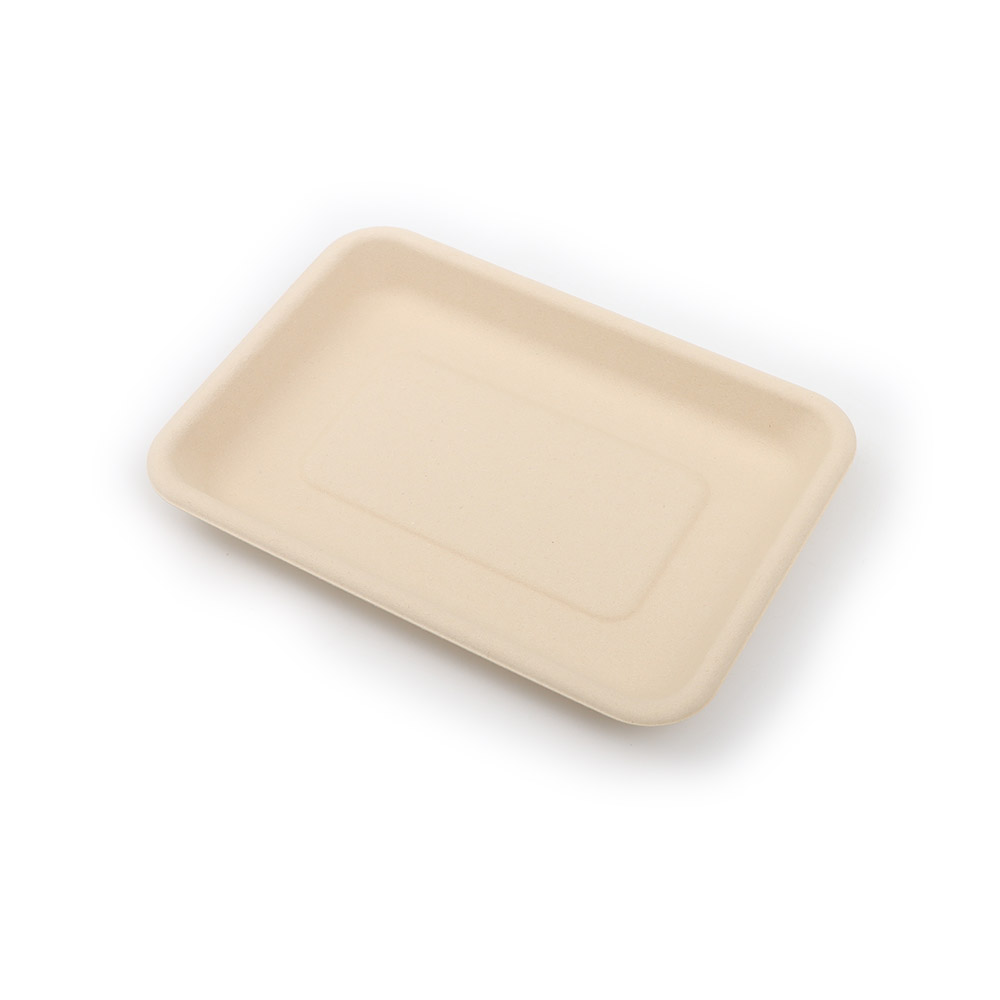 5" * 7" natural color
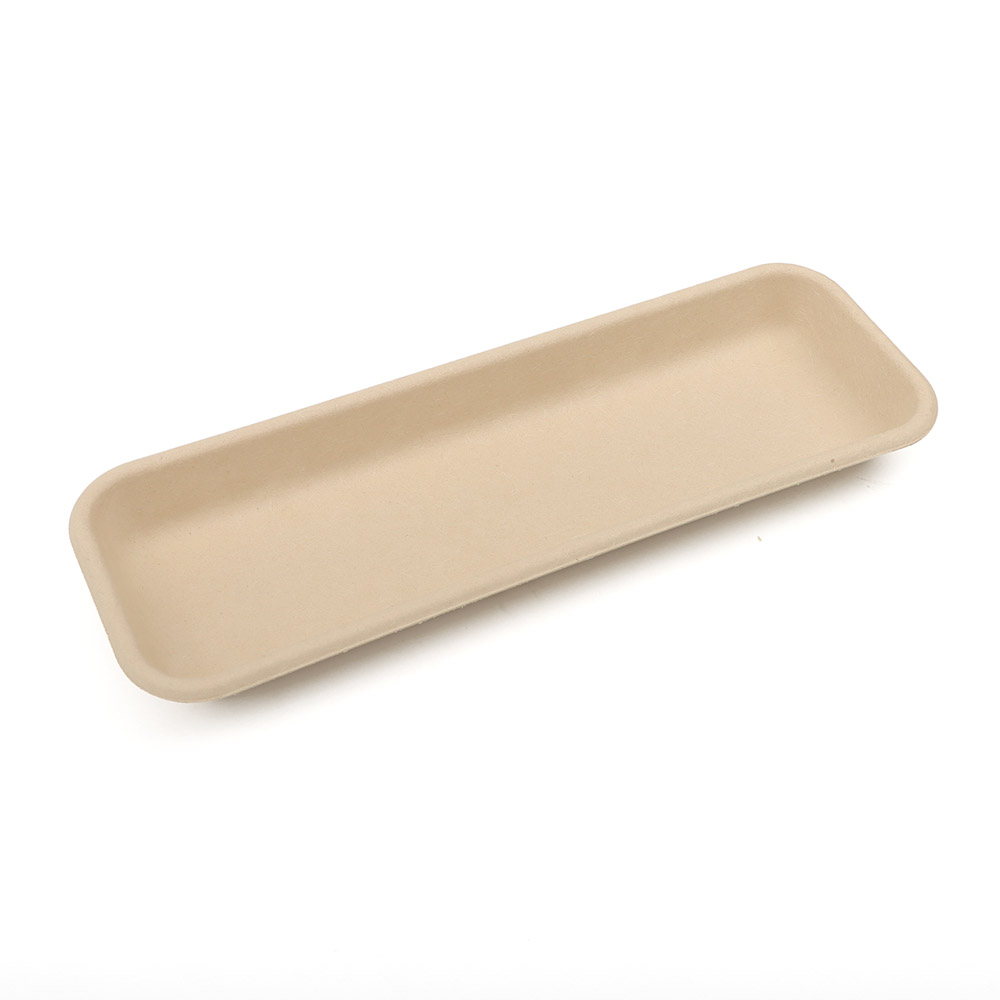 11.4" * 3.9"
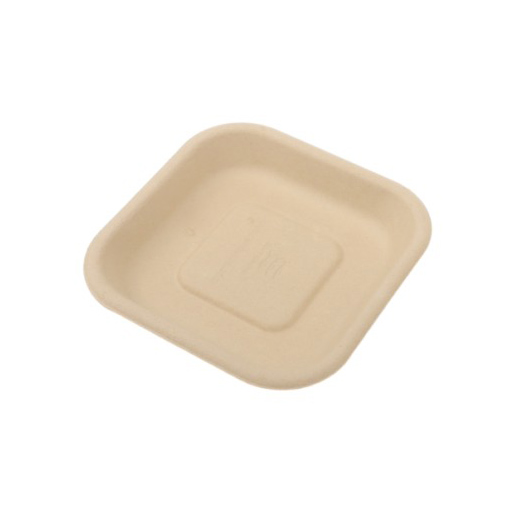 5.3" * 5.3"
 Fruit And Vegetable Tray Series
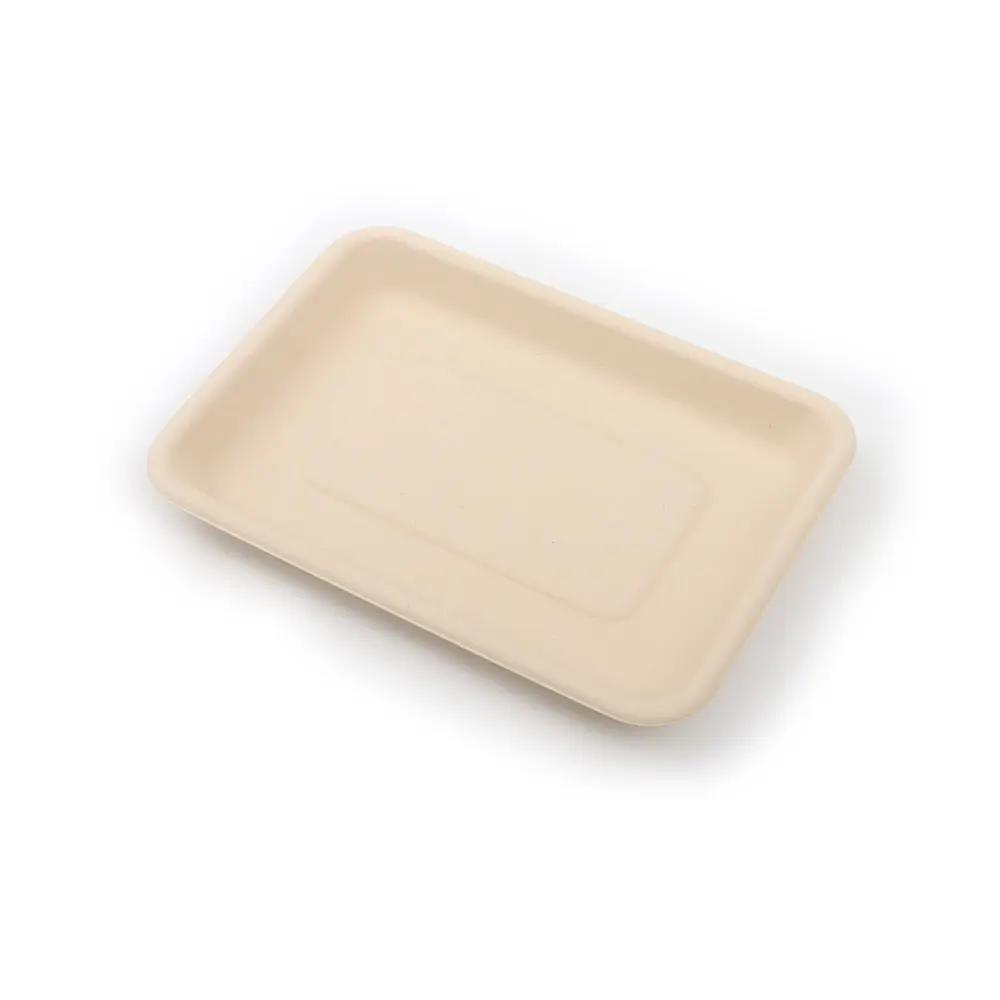 8.6" * 5.3"
 Sushi Tray Series
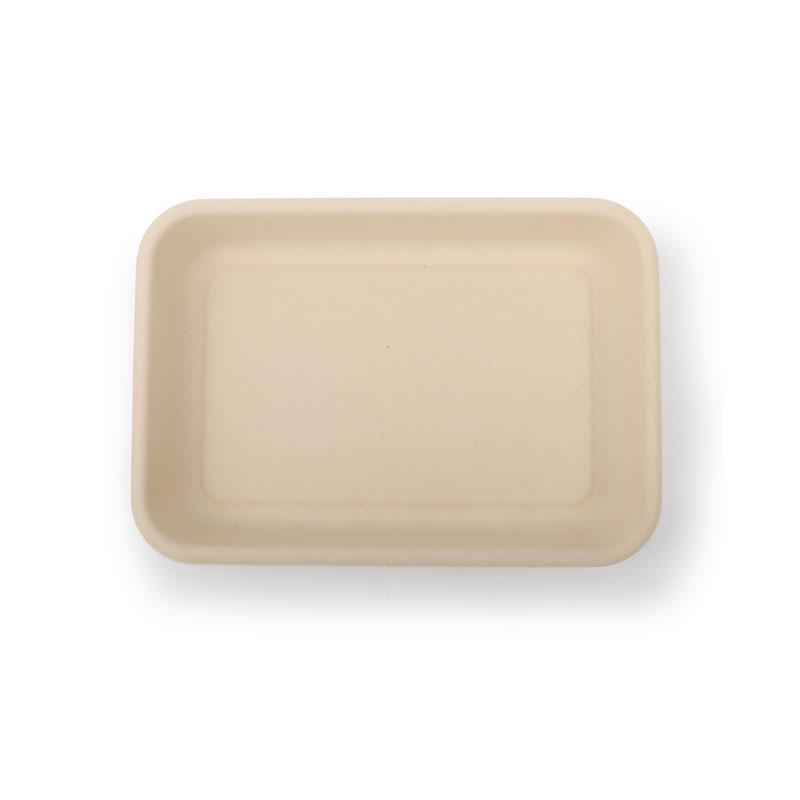 200" * 140"
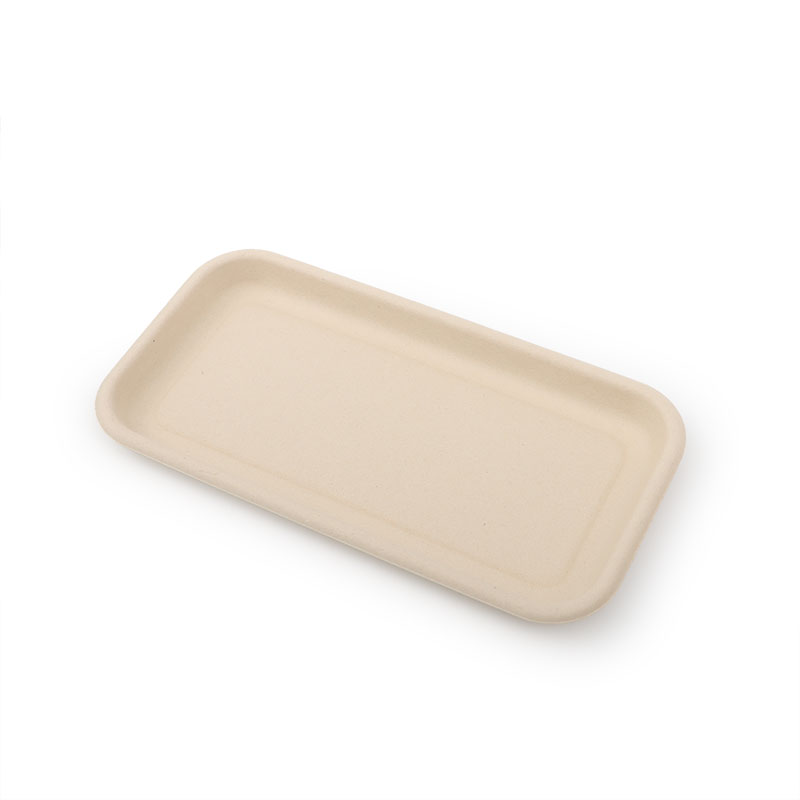 210" * 110"
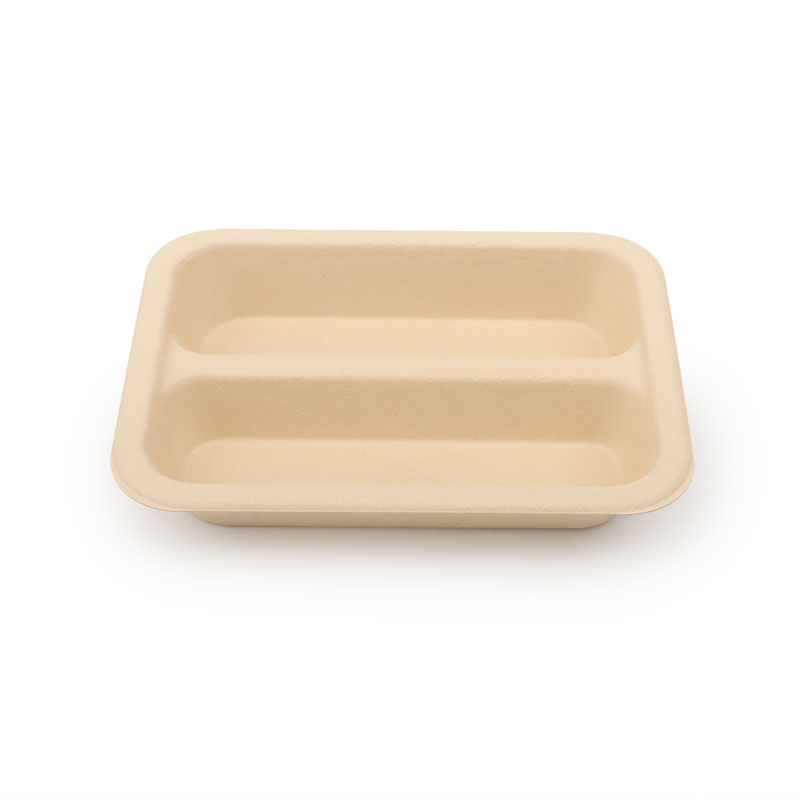 2 Compartments
 Small Round Plate Series
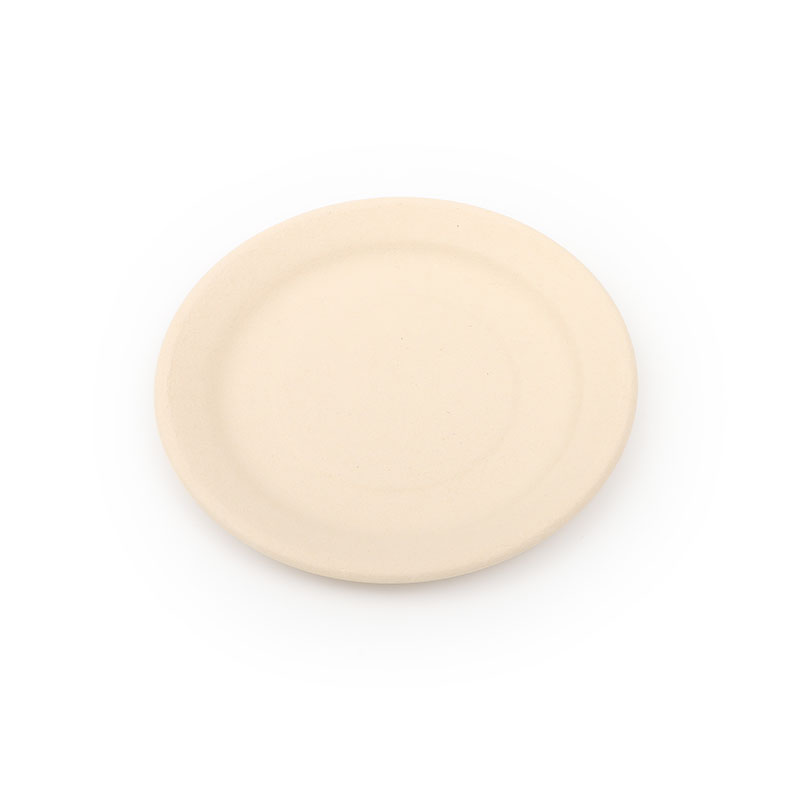 7 inch
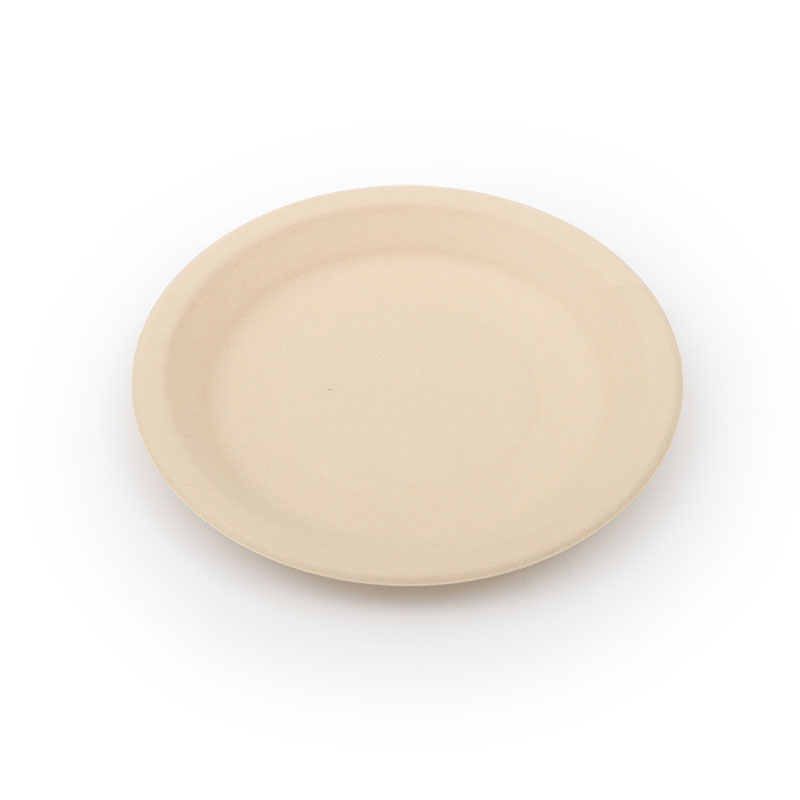 6 inch
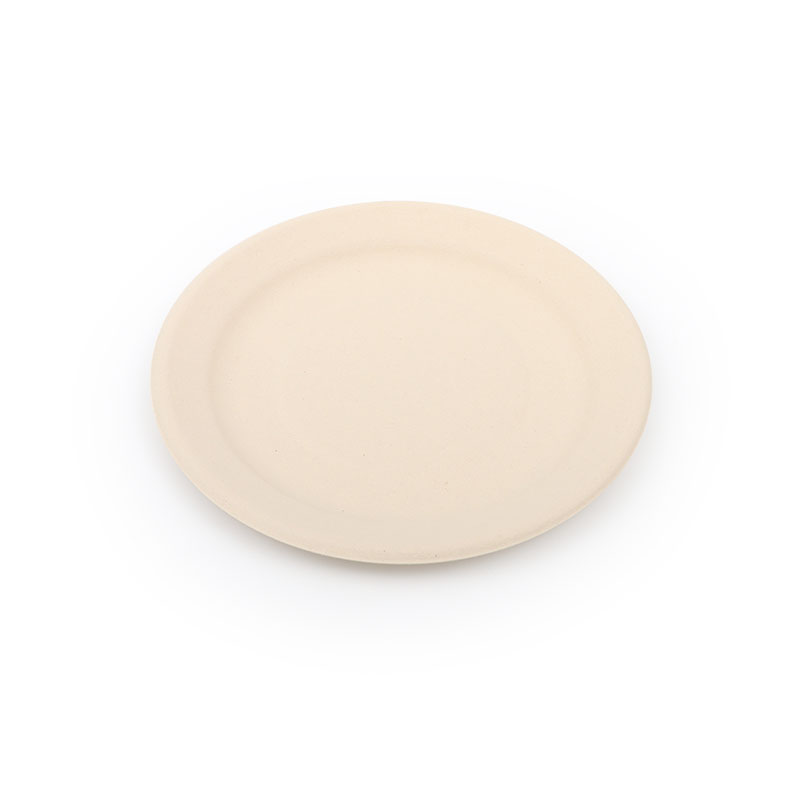 8 inch
 Middle Round Plate Series
 9 Inch 3 Compartments
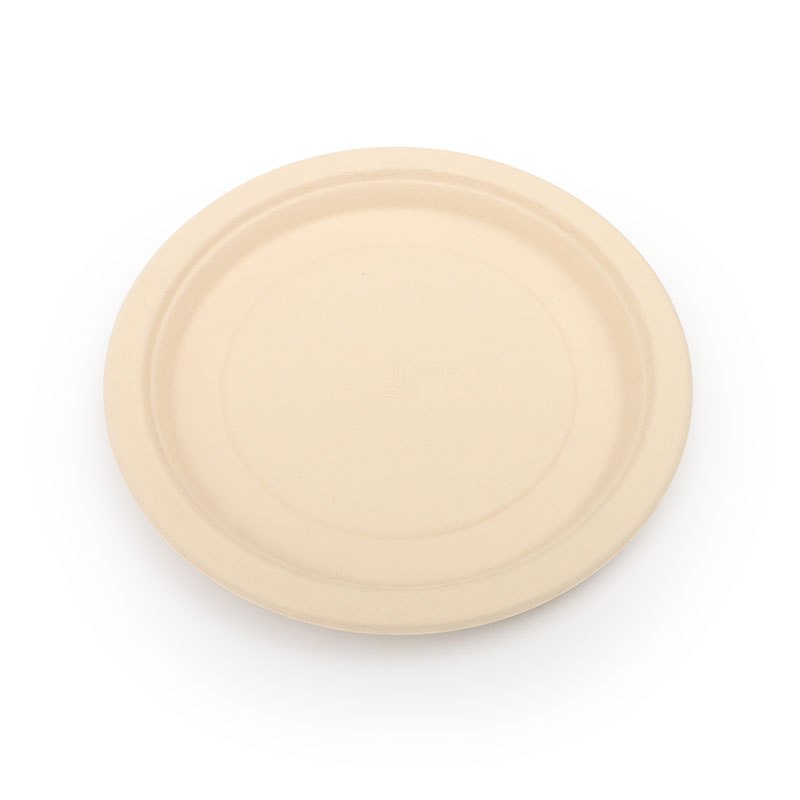 9 inch
 Big Round Plate Series
 12.7 Inch Pizza Plate
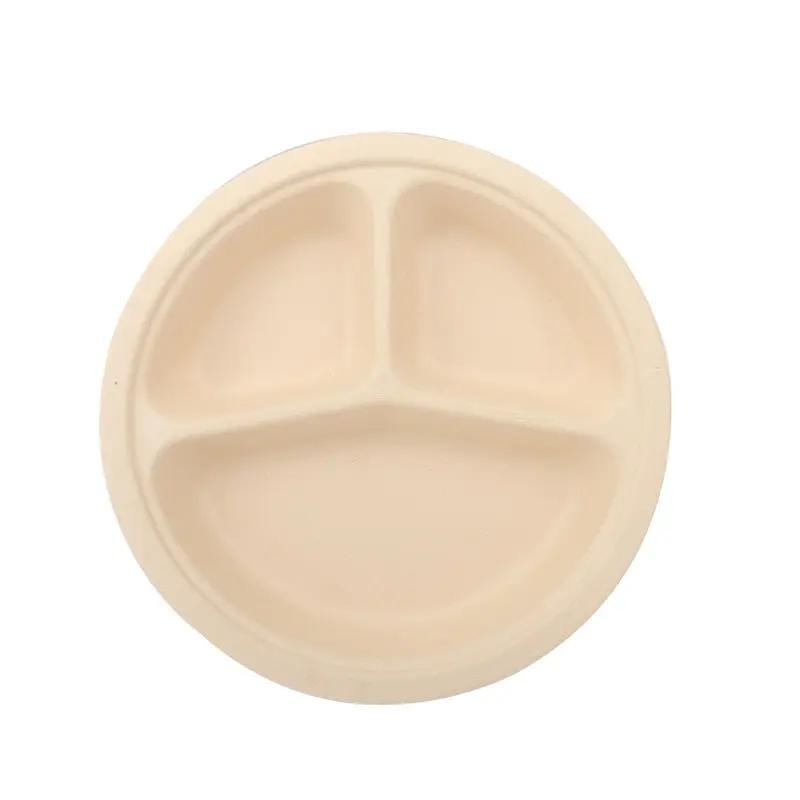 10.25 inch 3 Compartments
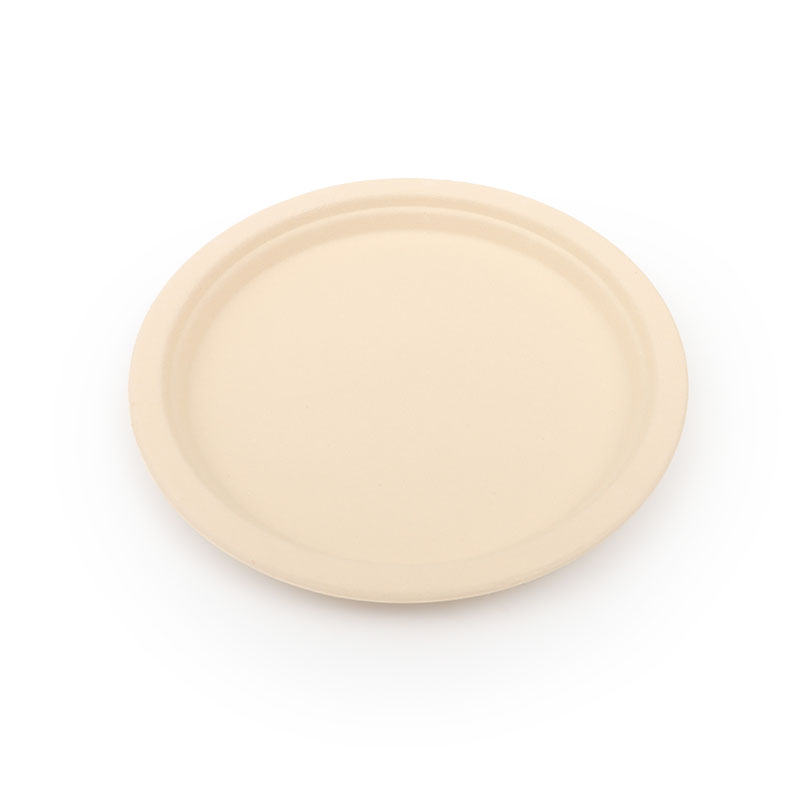 10 inch
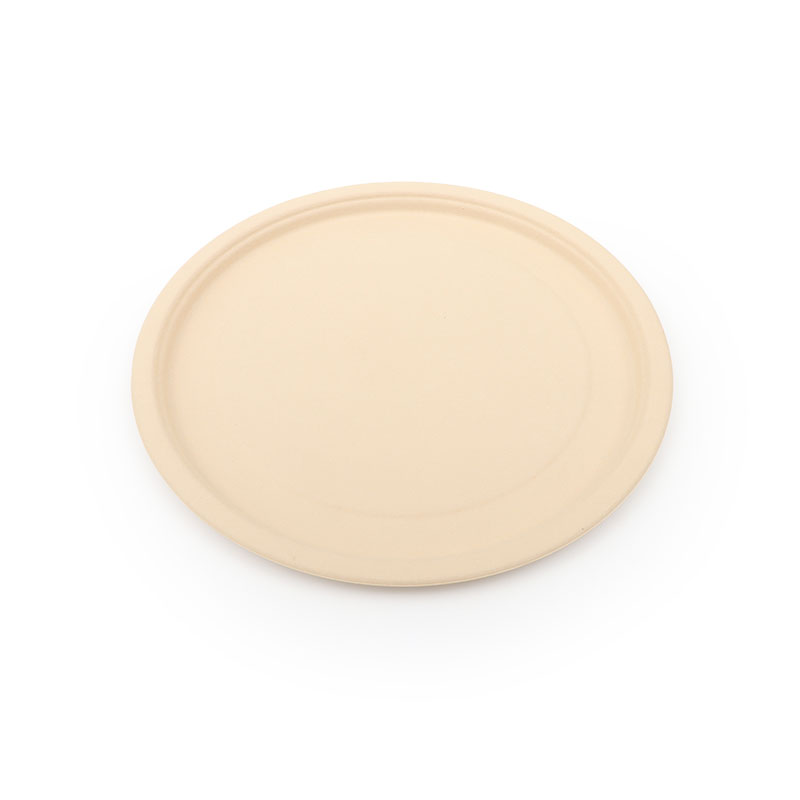 12 inch
 Bigger Bowl
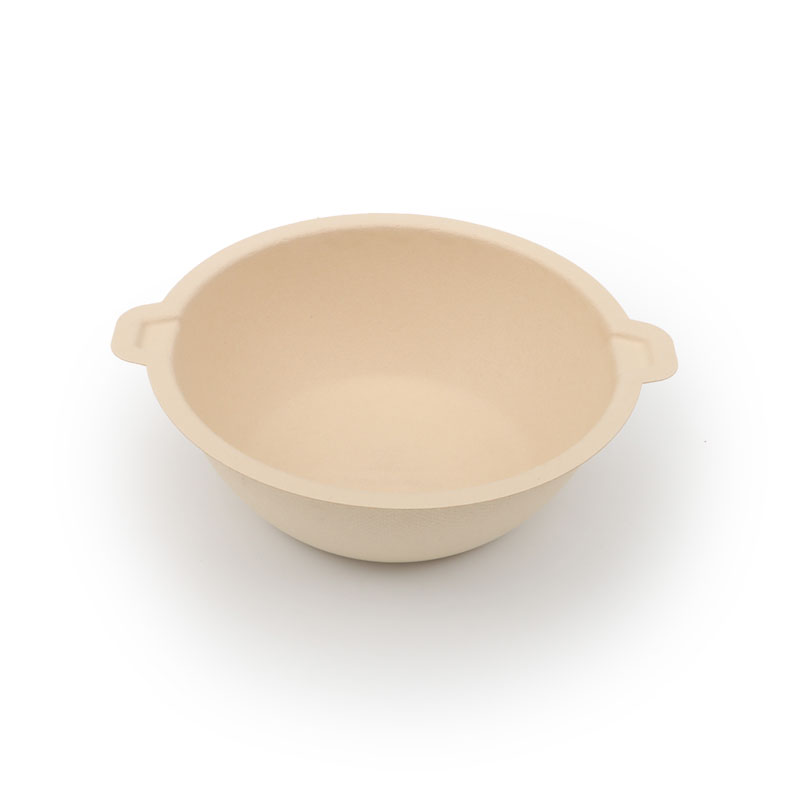 48oz(1420ml)
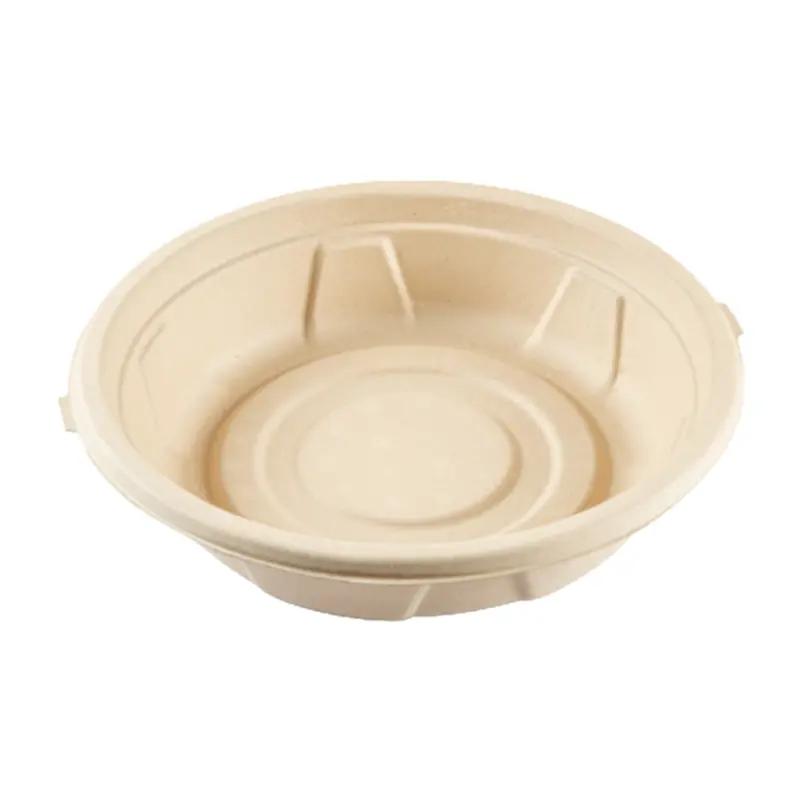 56oz(1650ml)
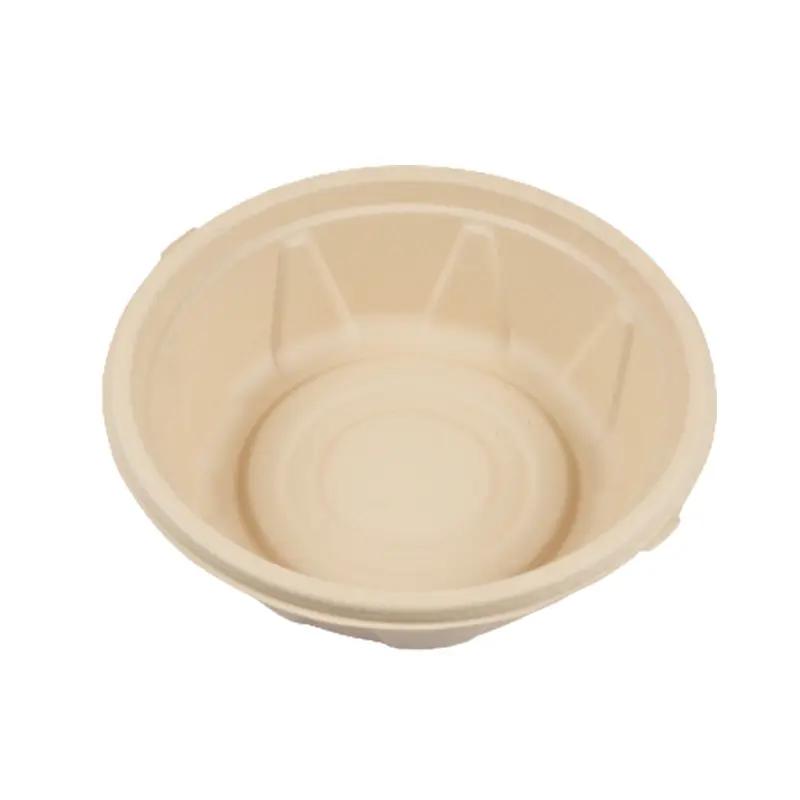 100oz(2950ml)
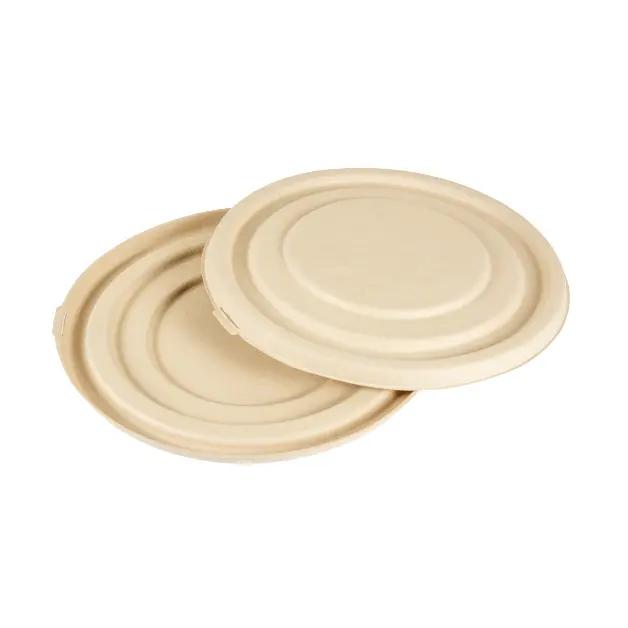 100oz(2950ml) With Lid
 Middle Bowl
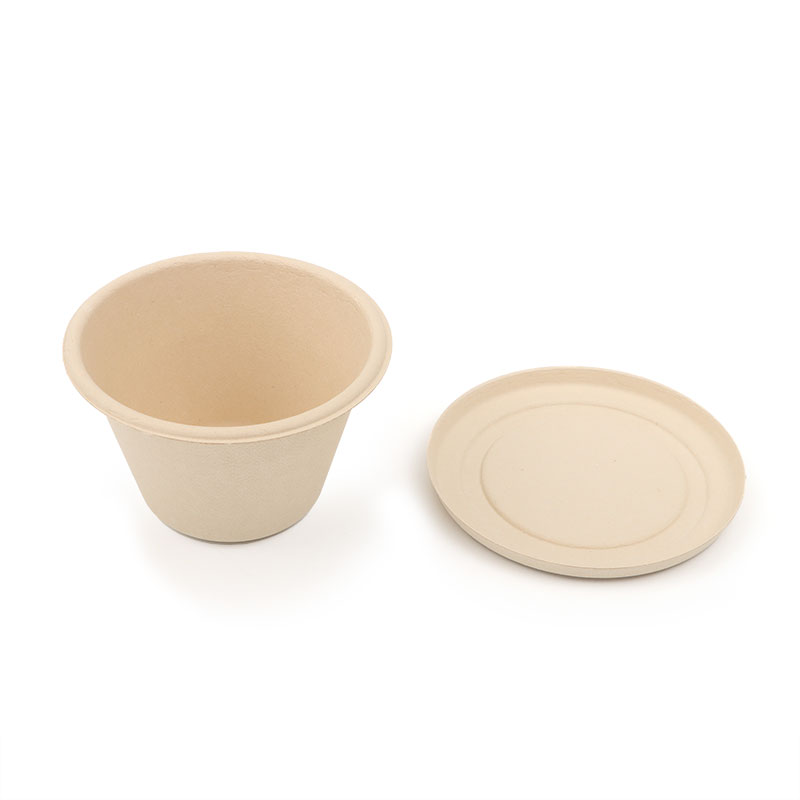 17oz(500ml)
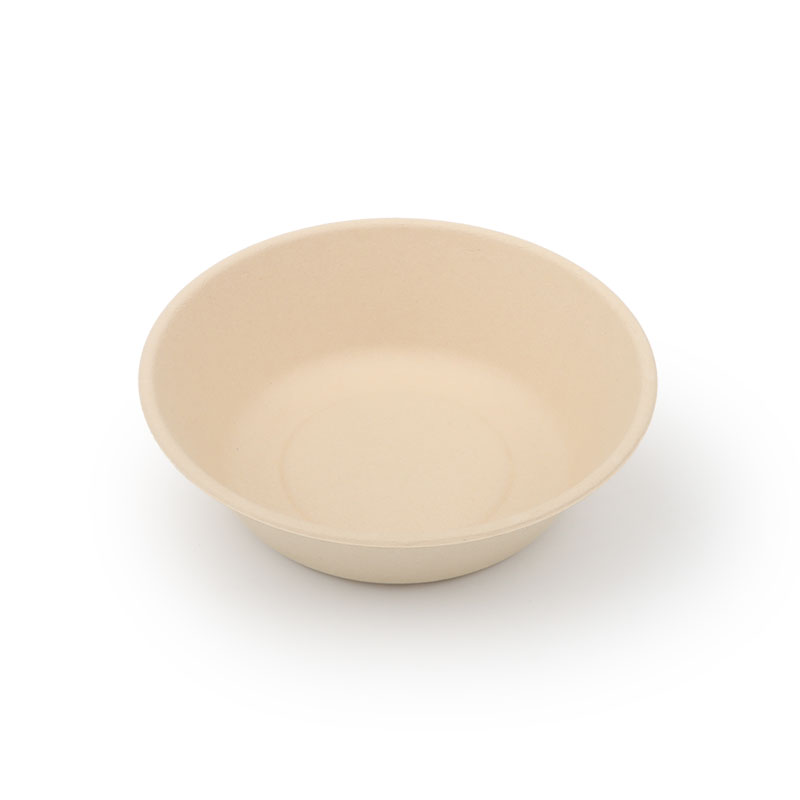 27oz(800ml)
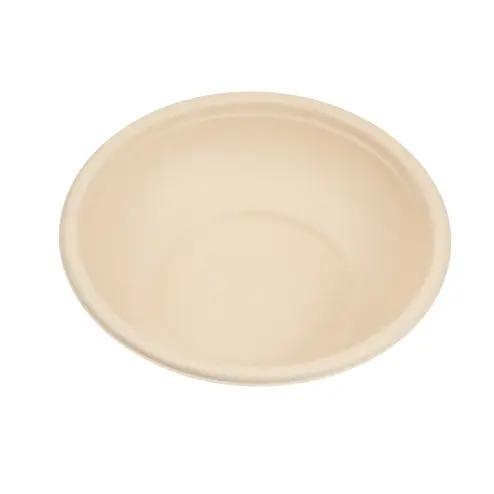 20oz(600ml)
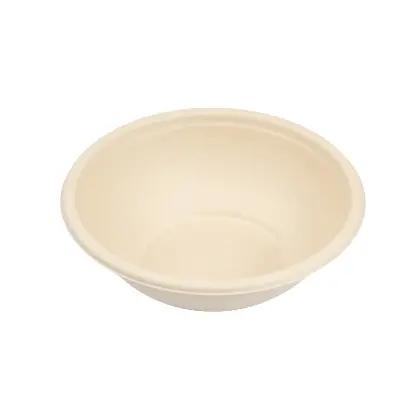 29oz(850ml)
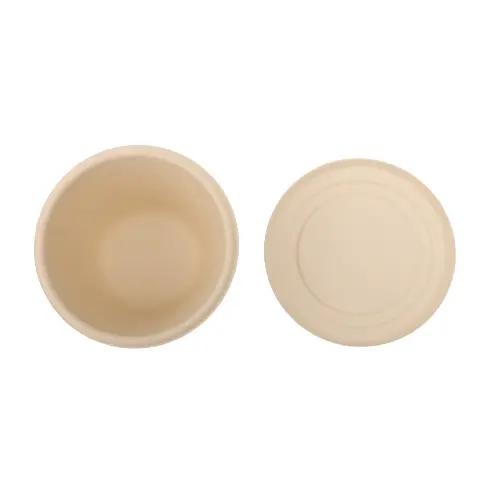 17oz(500ml) With Lid
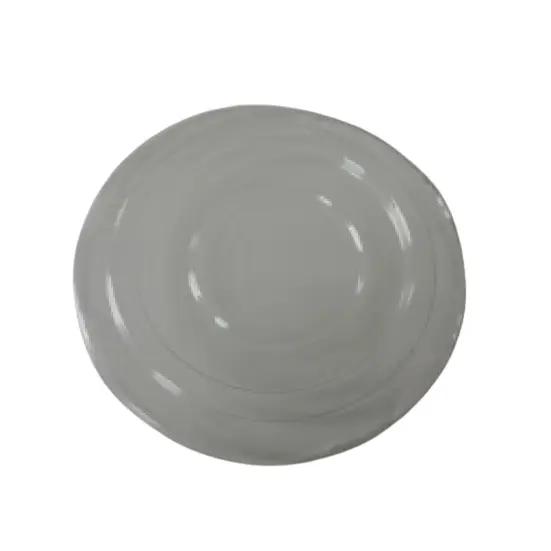 17oz(500ml) PET Lid
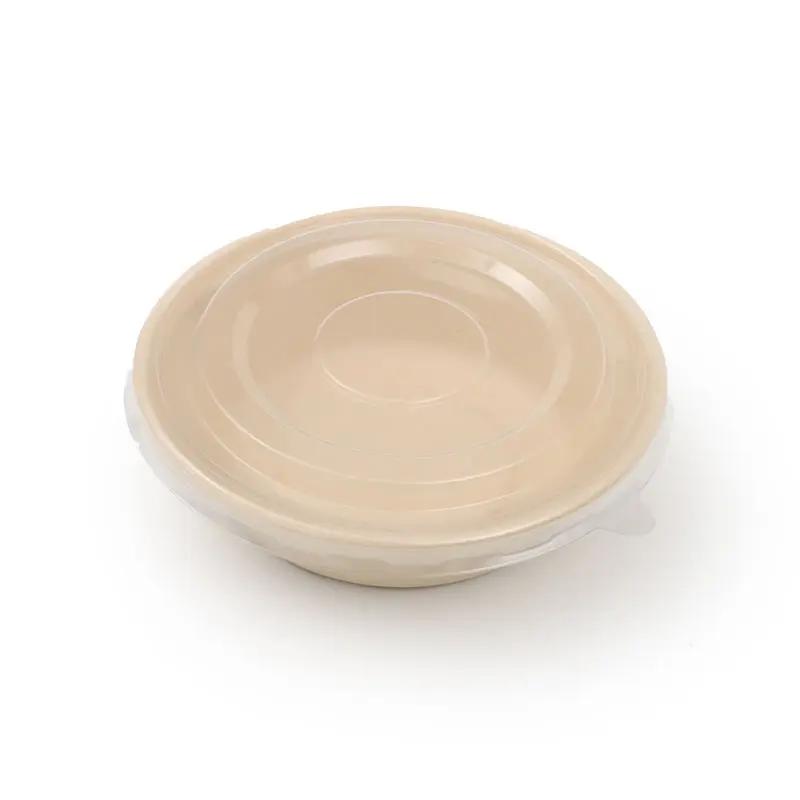 28oz(830ml) PET Lid
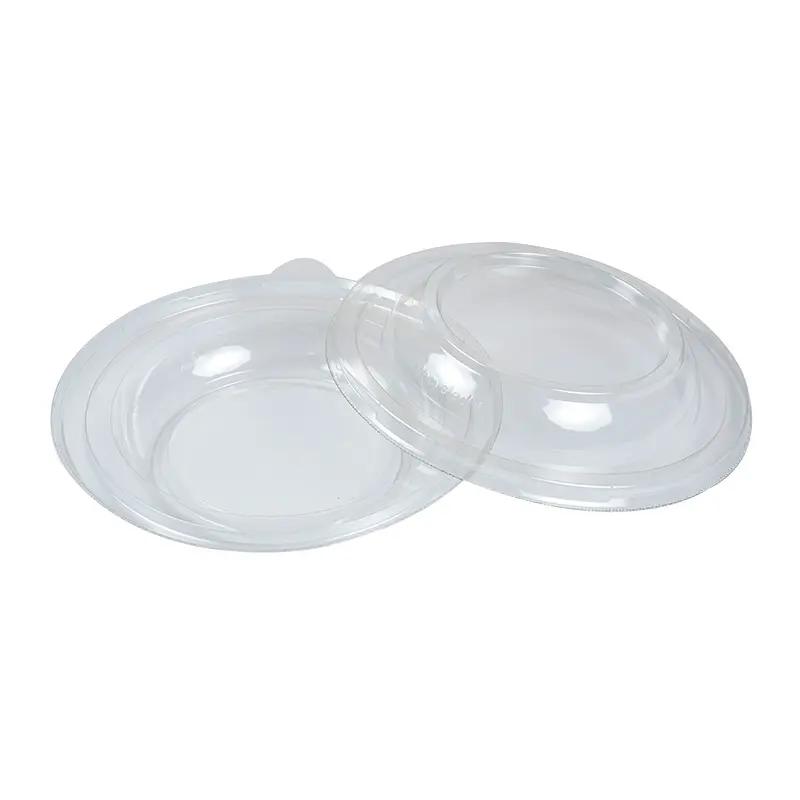 Round Bowl PET
 Small Bowl
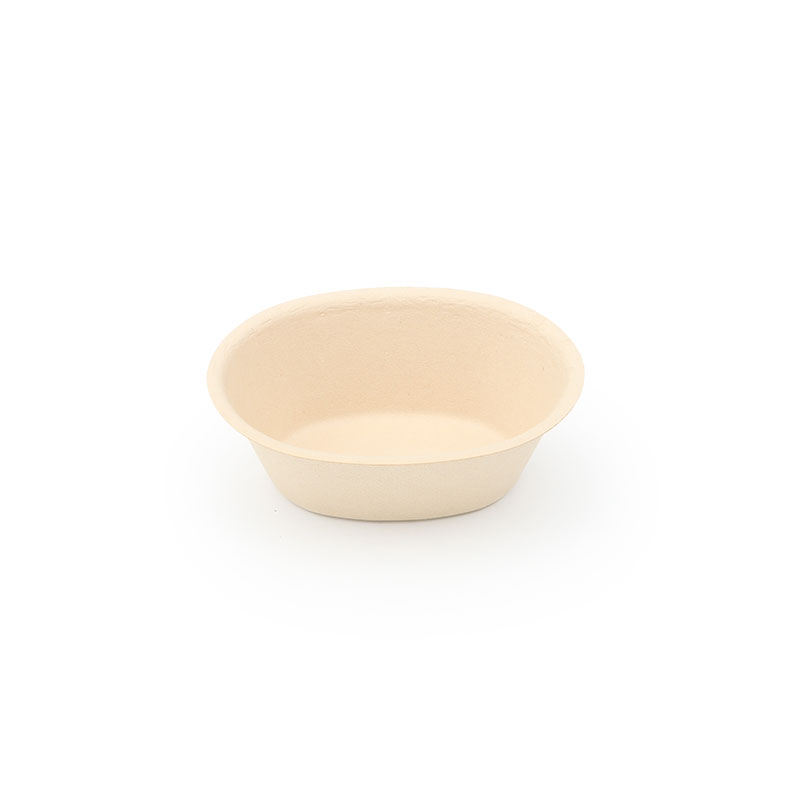 Snack Bowl
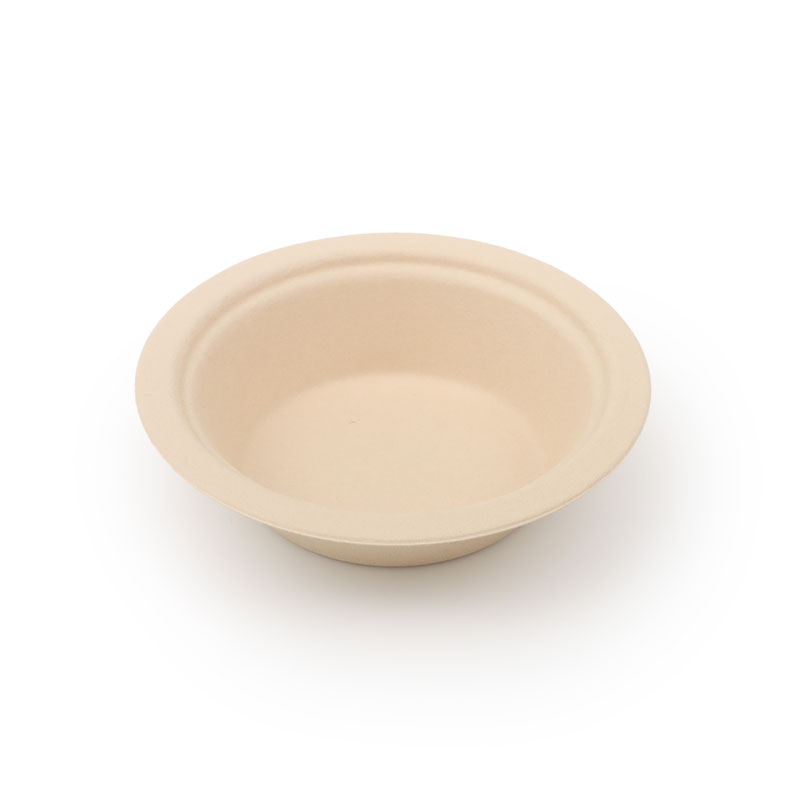 11.5oz(340ml) Bowl
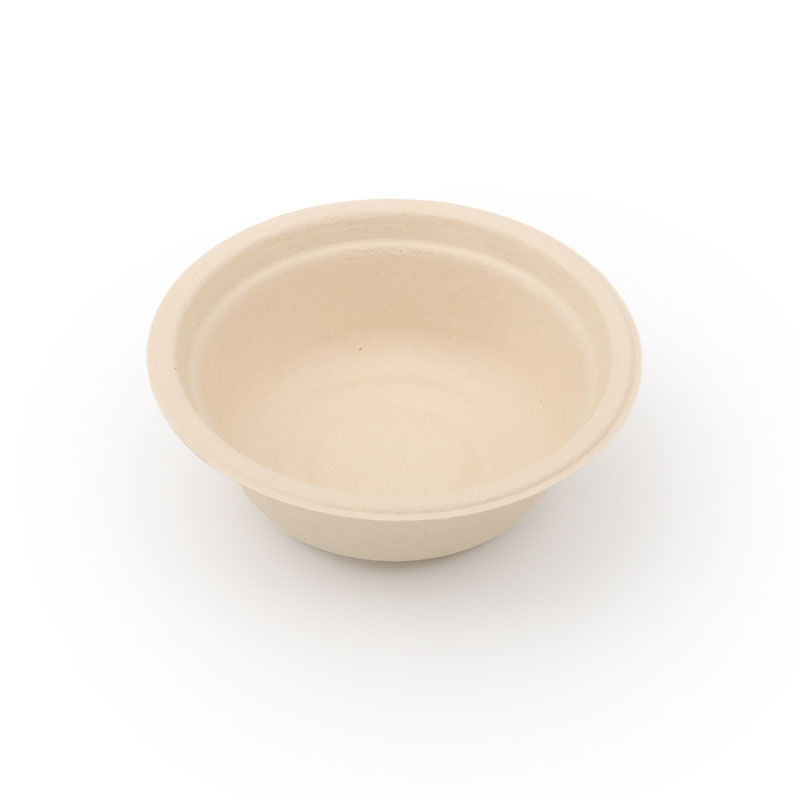 6.7oz(200ml) Bowl
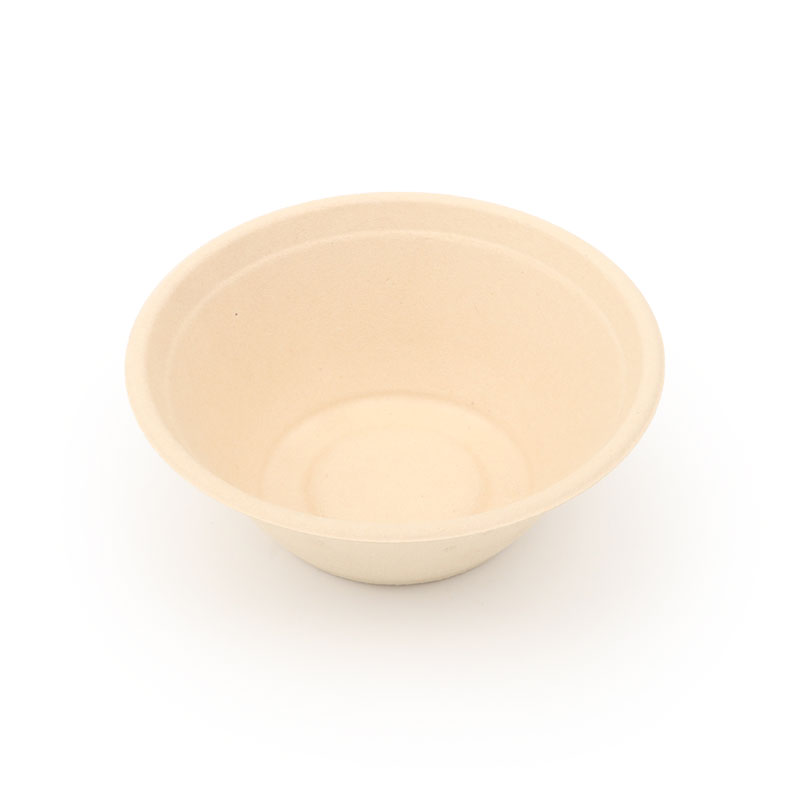 12oz(350ml) Bowl
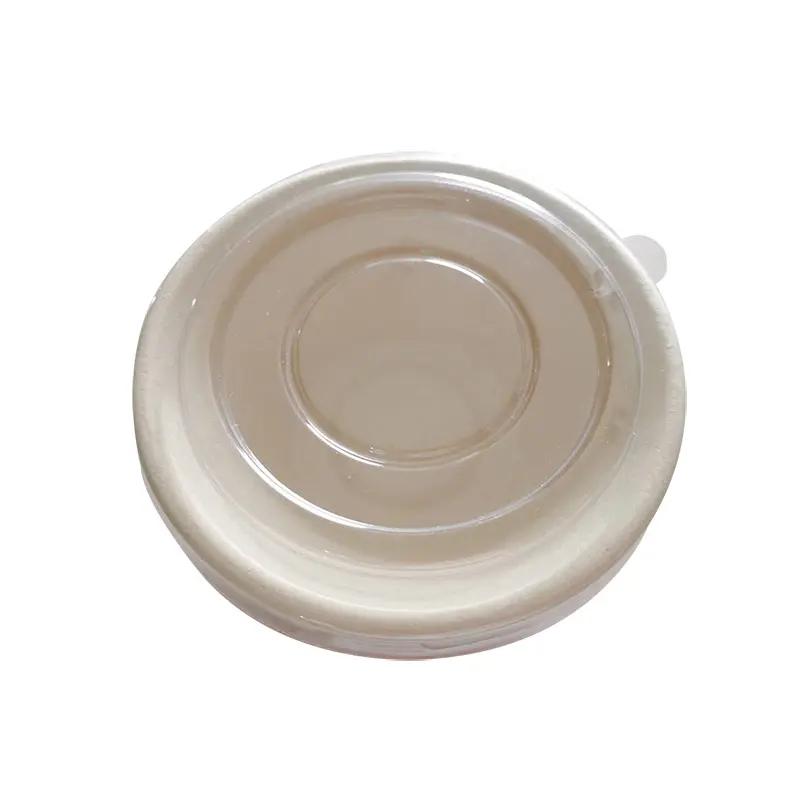 12oz(350ml) Bowl PET
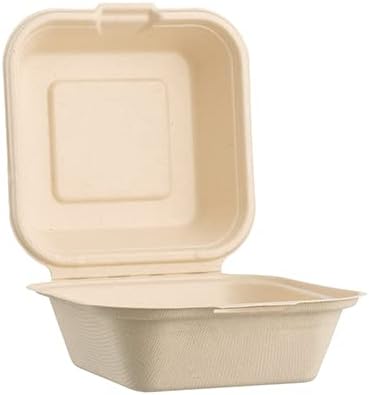
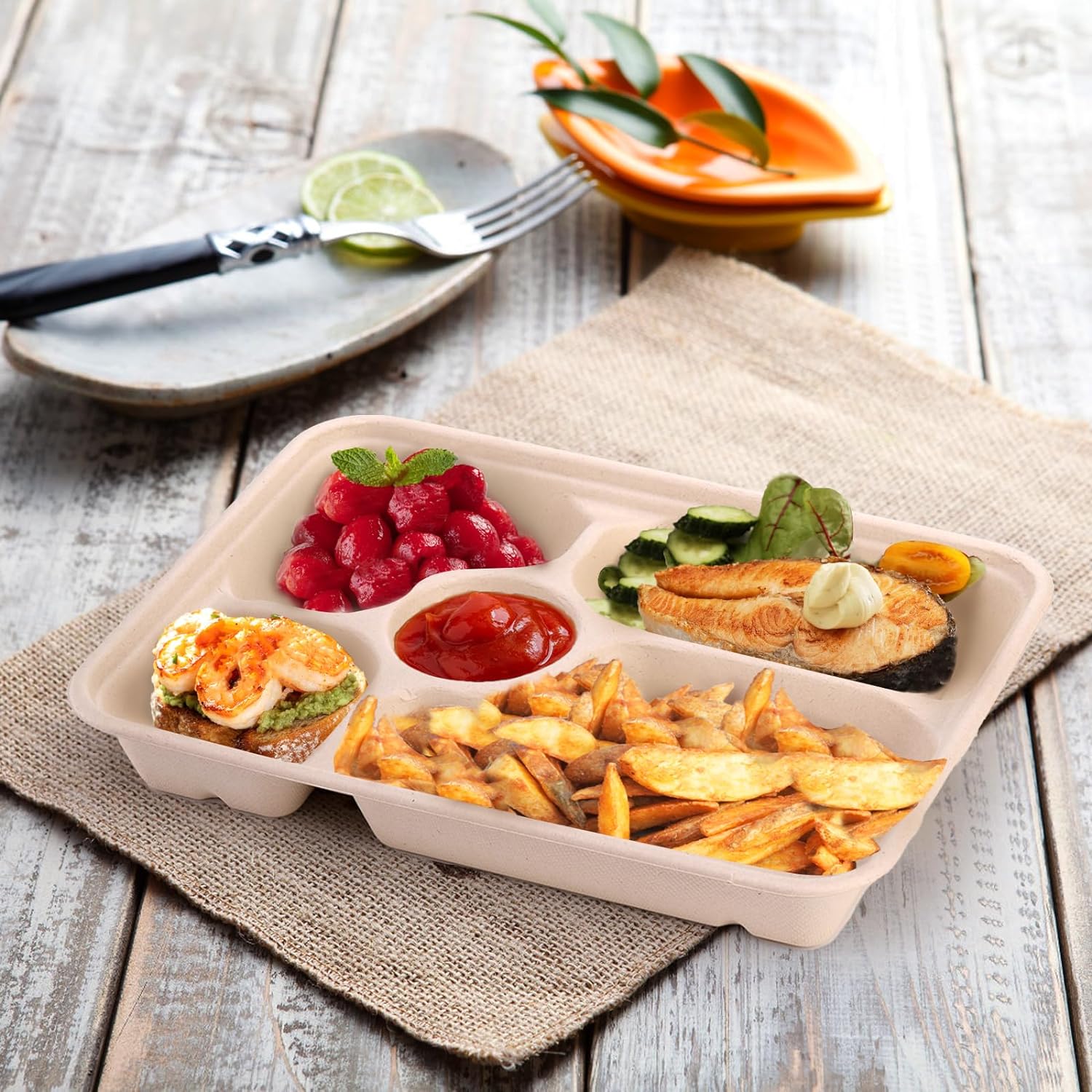 Bagasse Lunch Boxes
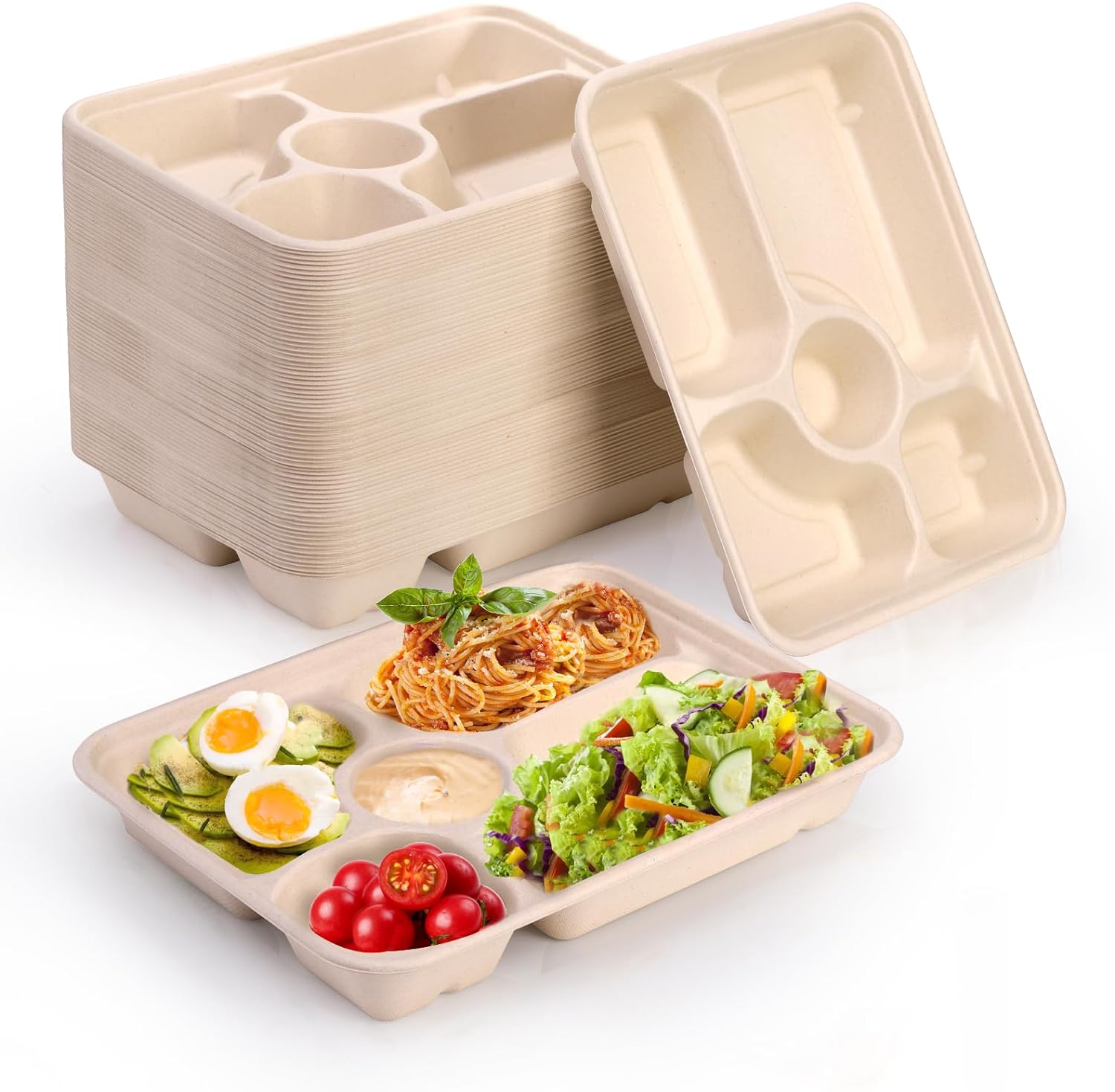 5CP
 6 inch
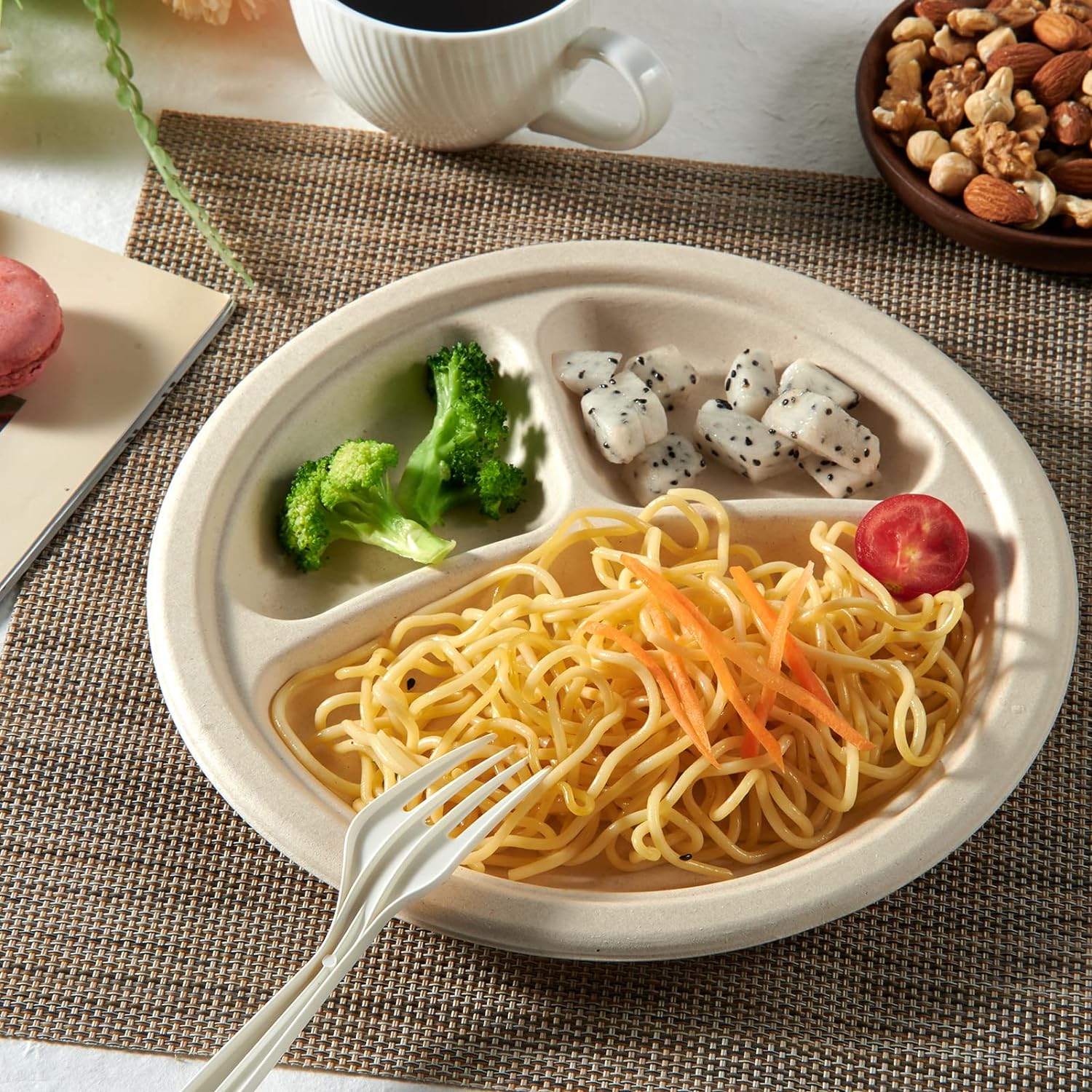 Bagasse Food Plates
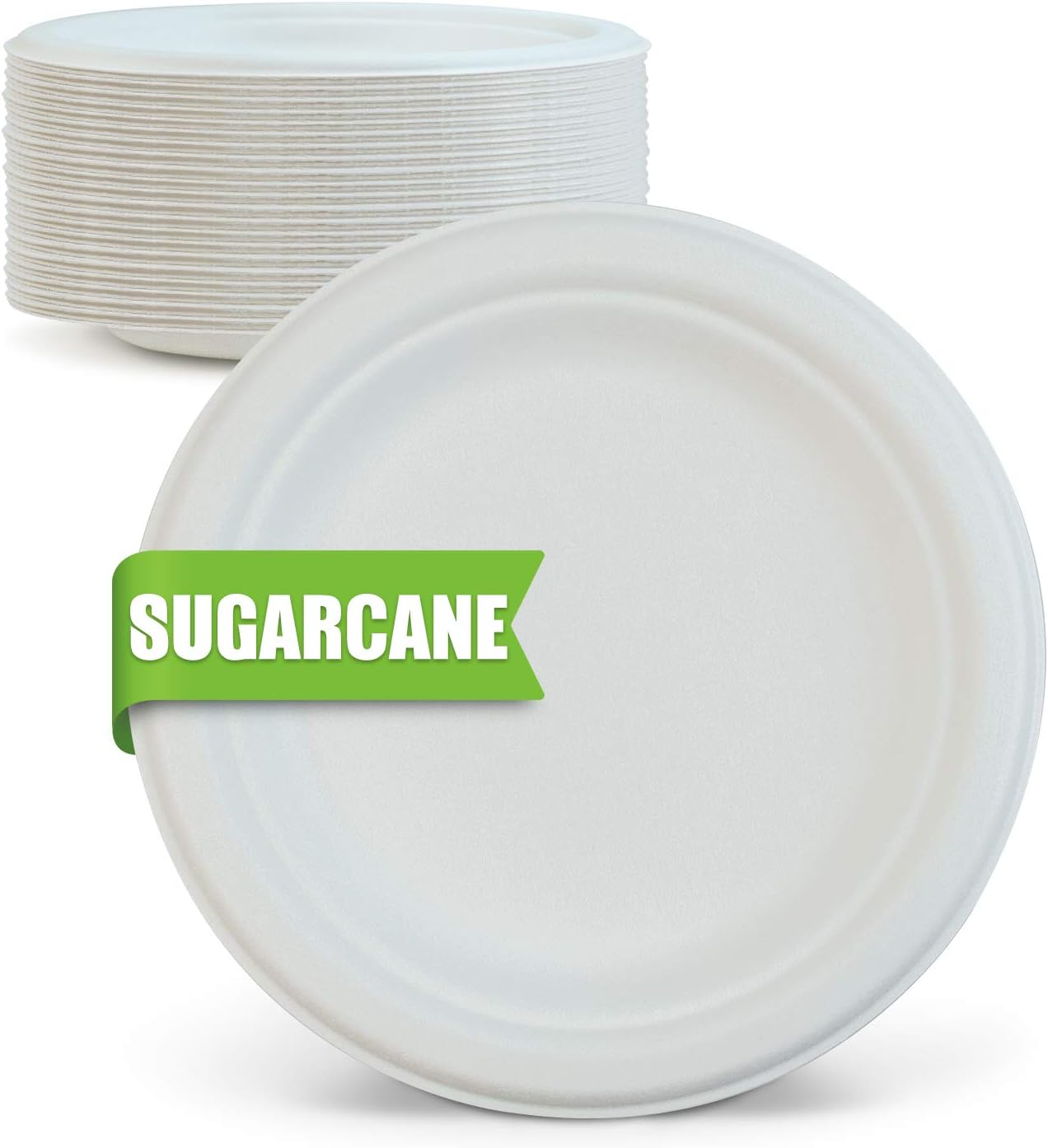 7 inch
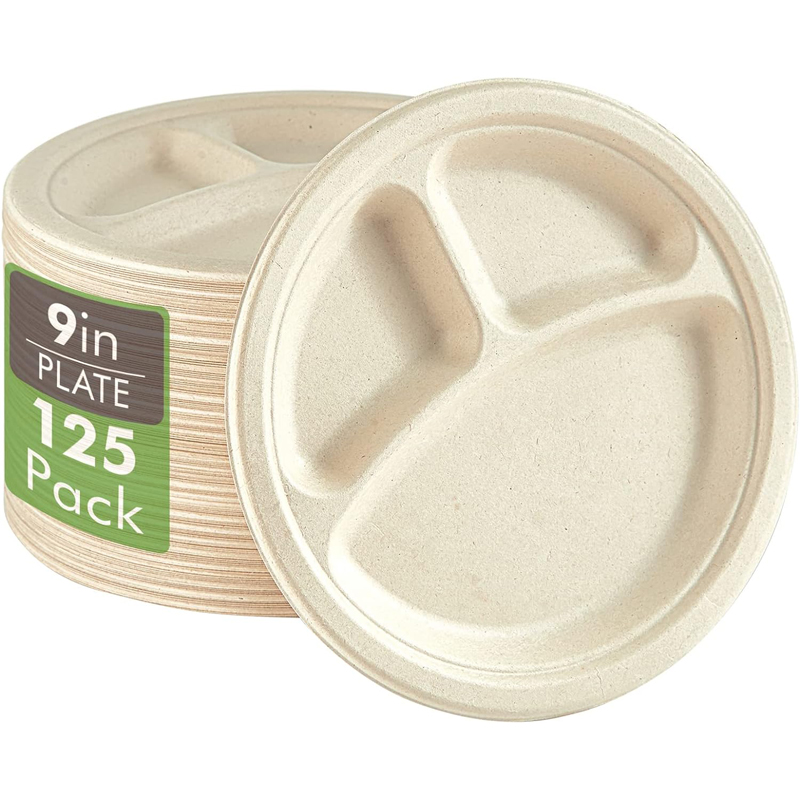 3CP
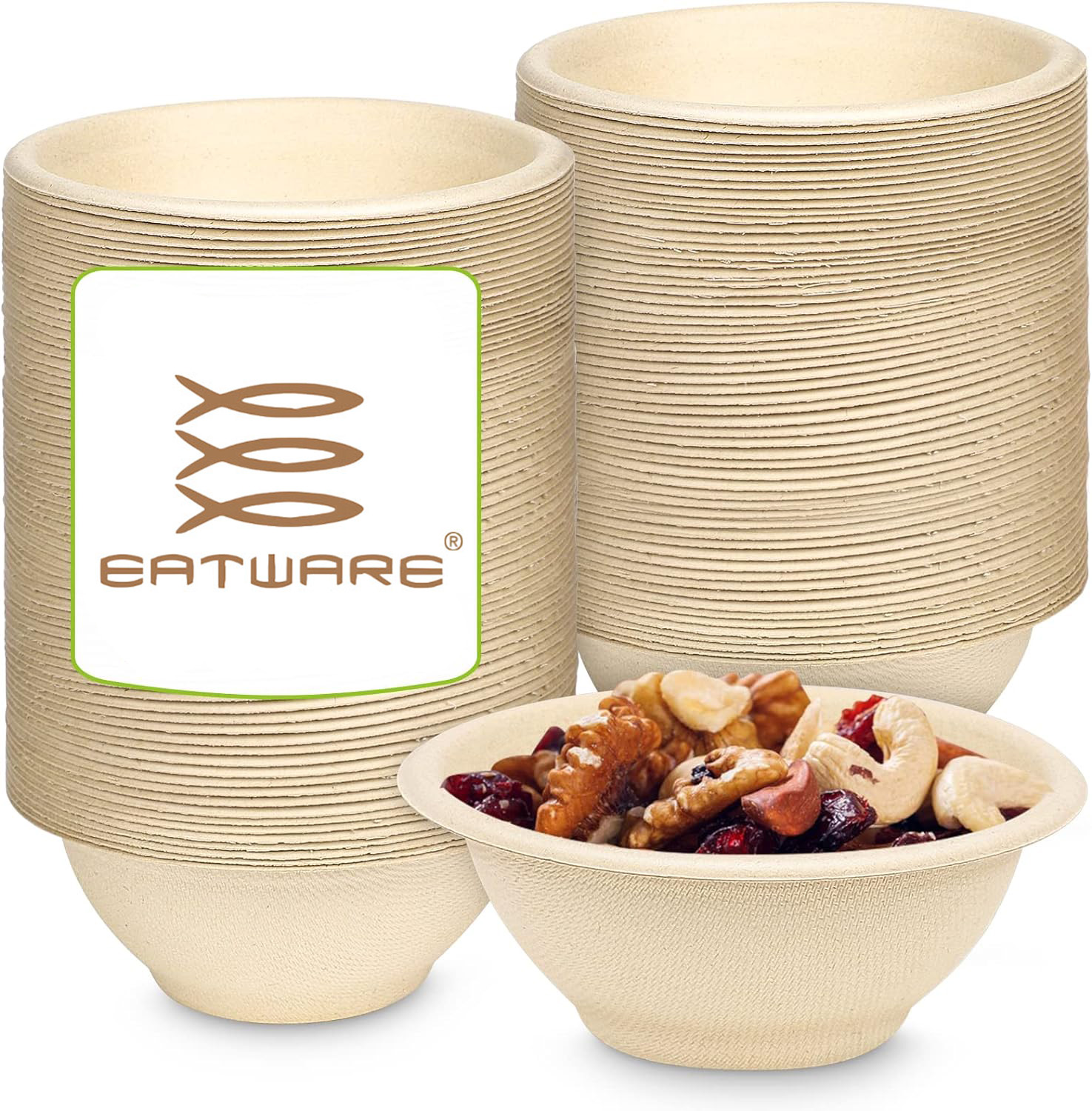 Bagasse Bowls
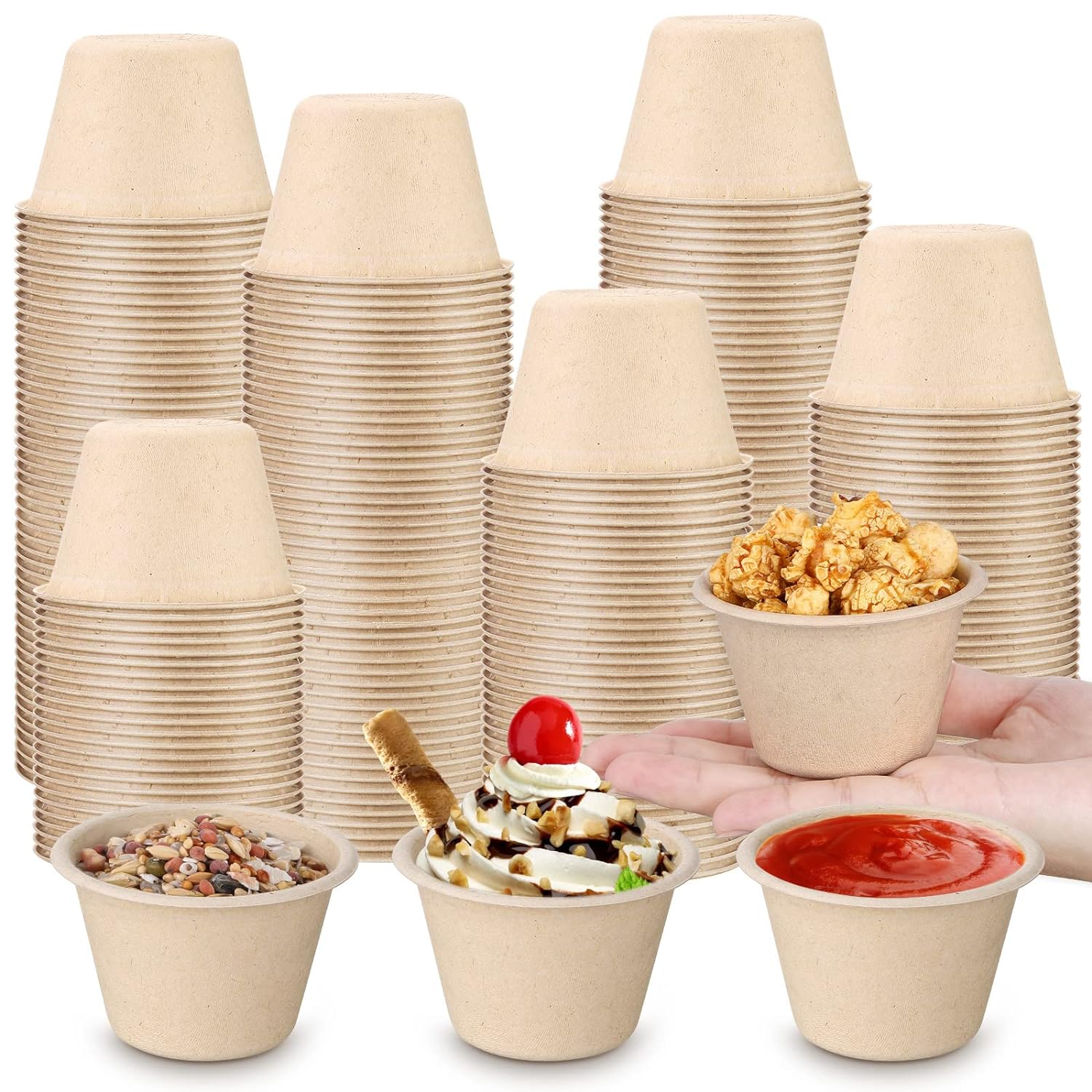 4oz
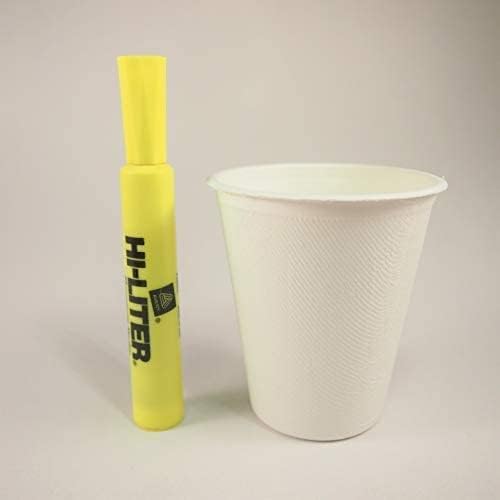 Bagasse Cups And Cutlery
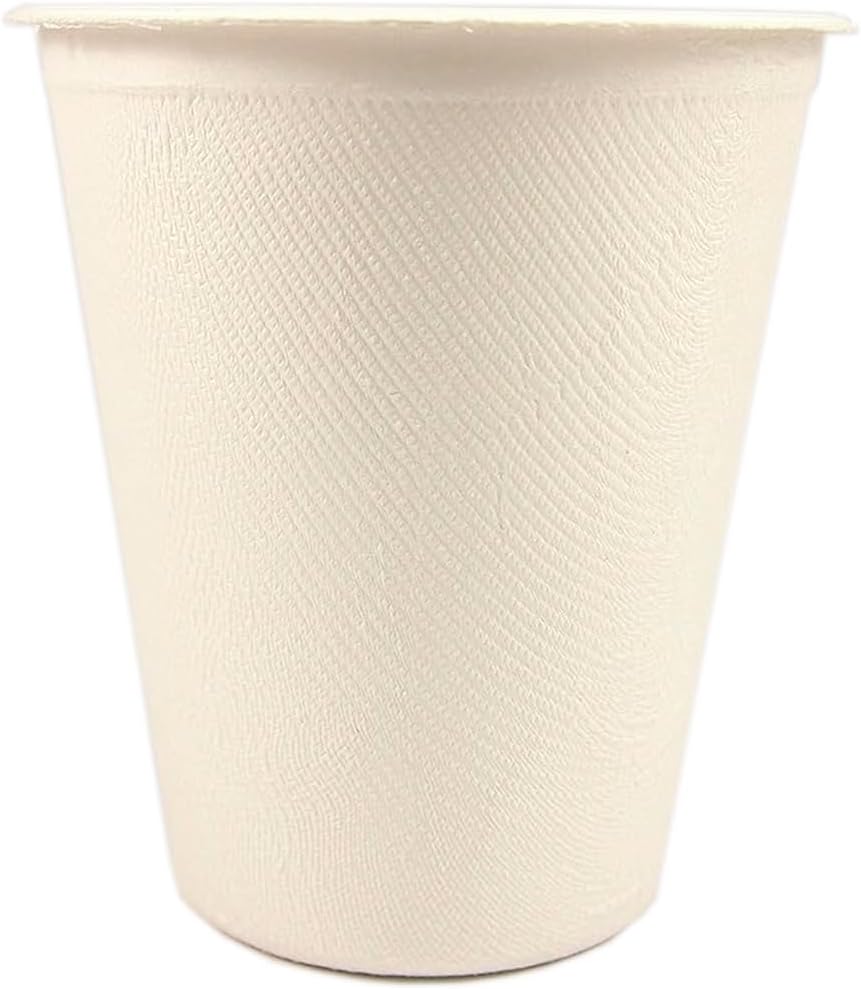 8oz
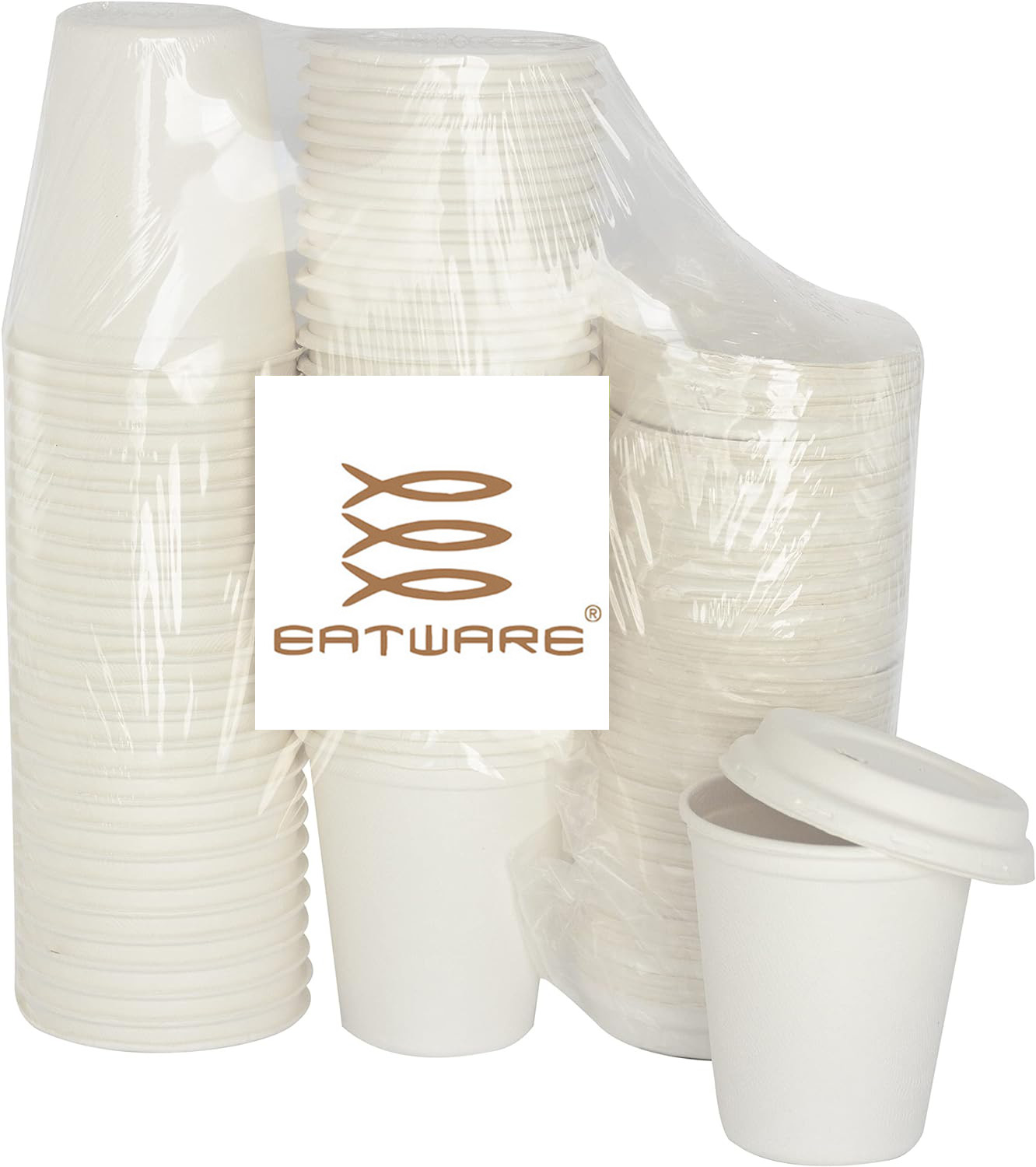 12oz
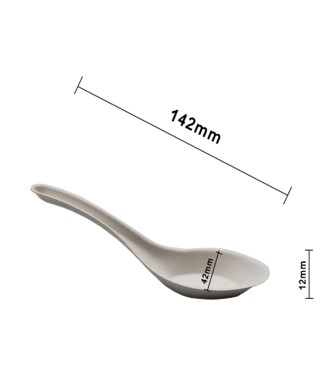 Cutlery
Leave Your Message
Advanced biodegradable molded pulp and high-performance packaging engineered for high-temperature resilience, leak protection, and premium food preservation.


The Kingdom of Saudi Arabia (KSA) is undergoing an extraordinary industrial and commercial transformation driven by the comprehensive socio-economic framework of Saudi Vision 2030 and the Saudi Green Initiative (SGI). With monumental investments in mega-projects such as NEOM, the Red Sea Project, Qiddiya, and major entertainment infrastructure in Riyadh, Jeddah, Dammam, and Al-Khobar, the demand for sustainable, resilient, and high-performance food packaging has surged exponentially.
As single-use non-recyclable plastics face stringent municipal and national regulatory phases across the Kingdom, commercial kitchens, luxury hospitality groups, cloud kitchens, and central flight catering services are actively transitioning toward Tectorial Technology Food Packaging. These next-generation pulp molding solutions combine advanced structural fiber interweaving with specialized barrier laminations (tectorial technology) to resist intense heat, moisture, and high-fat Arabian culinary compositions.
Direct alignment with nationwide plastic reduction frameworks, driving high-volume adoption of circular, plant-fiber tableware across urban centers.
Rapid growth in food delivery apps (HungerStation, Jahez, Chefz) creating unprecedented demand for spill-proof, structural-lock containers.
Unmatched seasonal scale requiring millions of certified biodegradable, hygienic, and stackable meal boxes for pilgrims in Makkah and Madinah.
The culinary landscape of Saudi Arabia places distinct physical demands on food packaging. Traditional dishes such as Kabsa, Mandi, Madhbi, grilled meats, and sauce-heavy stews involve high oil concentrations and searing service temperatures exceeding 90°C. Standard biodegradable paper containers often suffer from oil seeping, softening, or structural collapse under these rigorous conditions.
Tectorial Technology Food Packaging resolves these critical challenges through a precision surface coating and micro-membrane bonding technology applied to bamboo and sugarcane bagasse substrates. This creates an impenetrable yet fully compostable shield that prevents moisture degradation and oil migration while enabling Modified Atmosphere Packaging (MAP) for extended cold-chain and ready-to-eat (RTE) retail distribution.
Empowering Saudi importers, distributors, and hotel groups with unmatched manufacturing capacity, precision engineering, and worldwide logistics reliability.
In the field of environmentally friendly packaging for 18 years, Has established cooperation with 500+ brands.
Through our research and development, there are more than 60 products can product, we also support OEM ODM customized services.
Exported to the United States, Europe, Australia, Canada and other countries, right now we have exported more than 30 countries.
10000+ square meters factory area, more than 30 patent certificates, 10 foreign authoritative certification, 55 automatic forming machines...
EATware is committed to sustainable development, using all natural plant fibers to produce safe, healthy and environmentally friendly tableware. Adhering to the concept of "take nature, serve humanity, return to nature", we focus on the development of safe, high quality and environmental standards.
EATware emphasizes environmental protection and sustainable development, explores the balance between enterprise survival and environmental protection, and uses all-natural and pollution-free bamboo fiber as the main material of tableware to ensure that its products meet the high technical level and are superior to developed countries.
Kangxin (HaiMen) Environmental Technology Co., Ltd. is a technology innovation oriented enterprise that focuses on disposable environmentally friendly tableware and food packaging.
We have advanced production processes and equipment, and continue to attract senior talents, focusing on environmental protection, emphasizing safety, and ensuring quality.
READ MOREStay ahead with authoritative guidelines on food container performance testing, material engineering, and global manufacturing best practices.
The most reliable way to test disposable food containers is to combine leakage testing with structural testing under conditions that reproduce the intended food application. A container should not be approved simply because it holds water for several minutes or survives an empty compression tes...
For foodservice operators, replacing conventional plastic packaging is not simply a matter of changing materials. Disposable biodegradable tableware must still withstand hot food, sauces, oils, condensation, stacking, transport, and commercial handling without losing structural integrity. Poorl...
With growing global demand for takeaway meals and eco-friendly packaging, China’s manufacturing sector has become a major hub for disposable food containers. Today’s food businesses - from fast-food chains and meal-delivery services to supermarkets and catering companies - are looki...
Internationally audited compliance ensuring seamless entry through SASO (Saudi Standards, Metrology and Quality Organization) and international food contact compliance.
Trusted by premier multinational food chains, airline catering networks, and packaging innovators worldwide.
Pollution Eradication
Protecting the Marine Ecosystem
Forest & Soil Biodiversity
Explore our full catalog of high-barrier molded fiber containers, takeaway boxes, and MAP bowls optimized for international and Middle Eastern distribution.


