
 Box With T buckle
 700ml Square Lunch Box
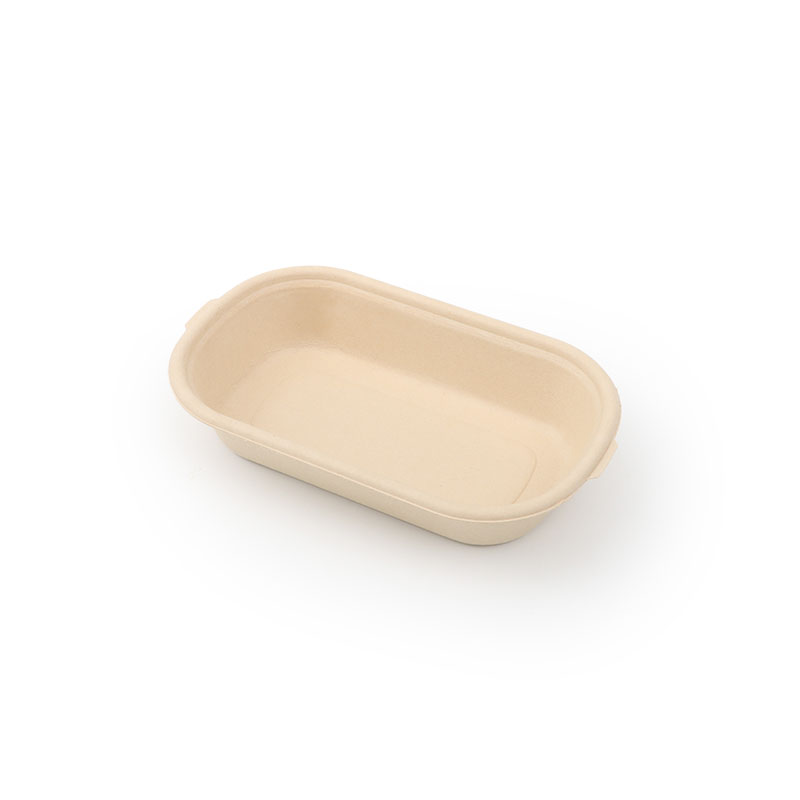 500ml
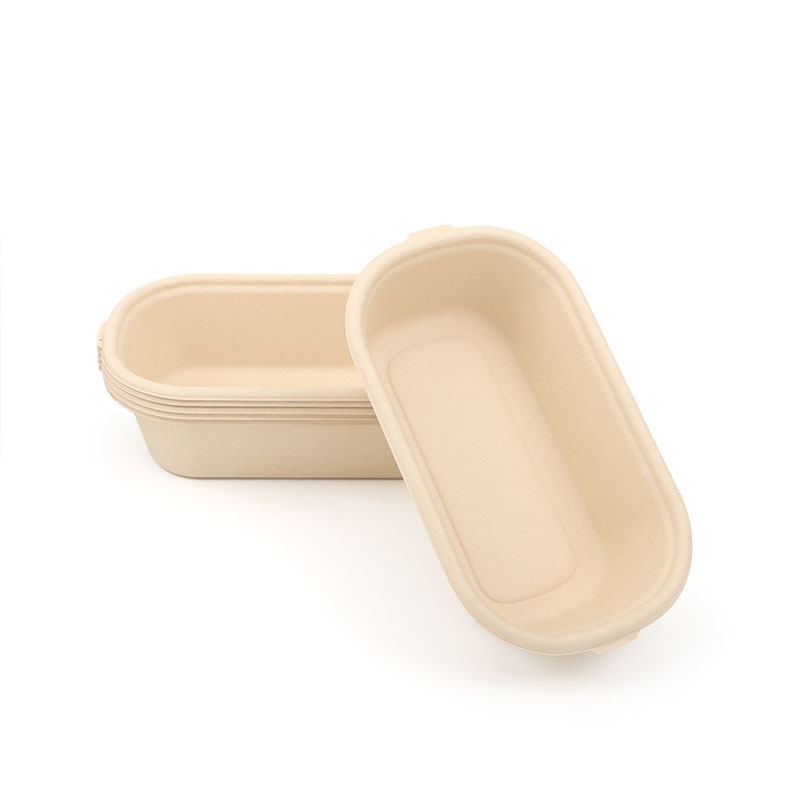 700ml
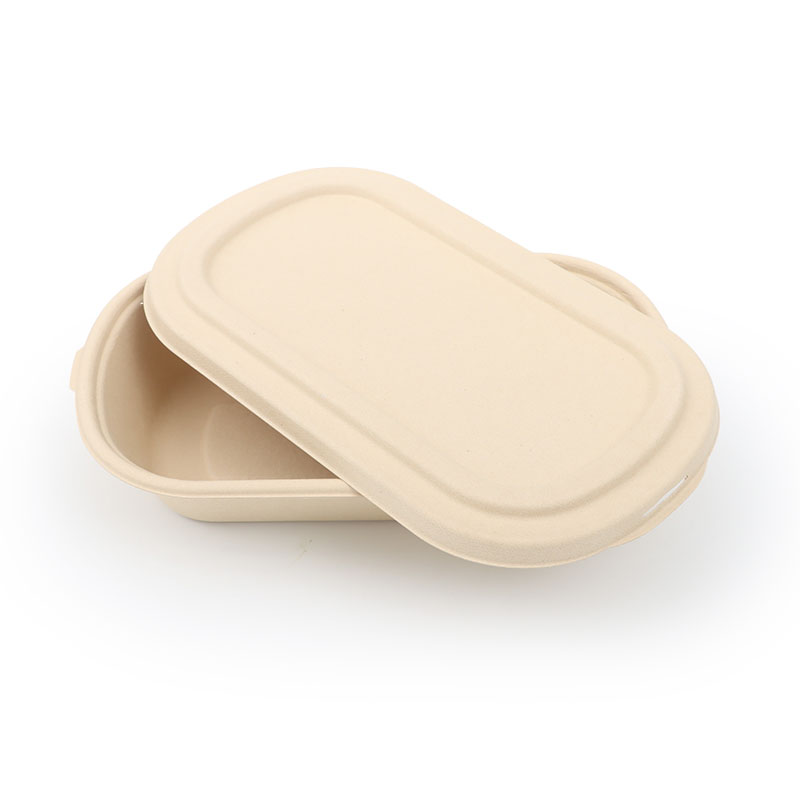 850ml
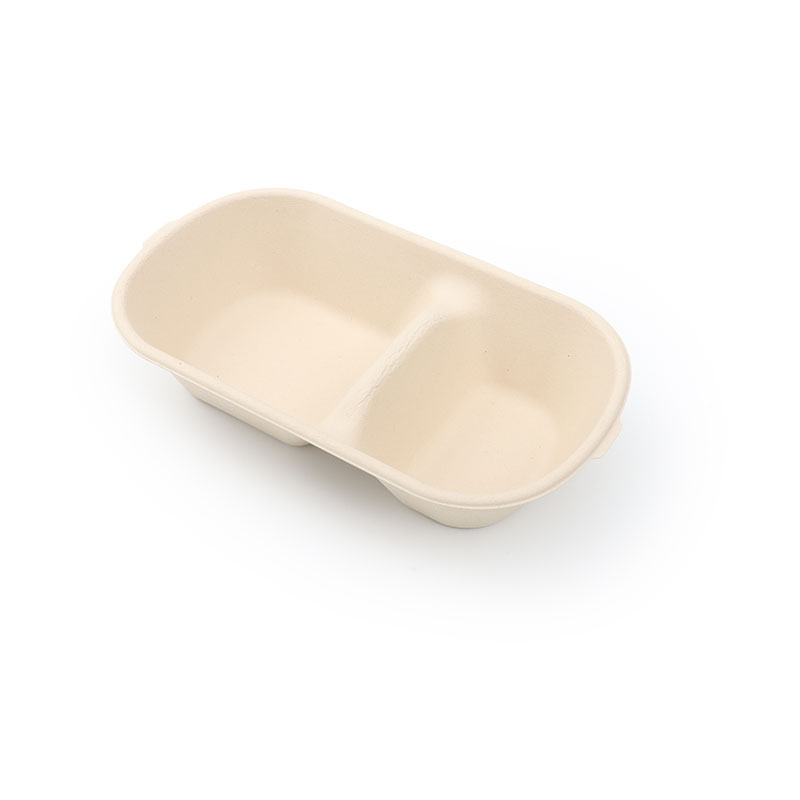 800ml 2 Compartments
 1000ml 2 Compartments
 1100ml
 1000ml Square Lunch Box
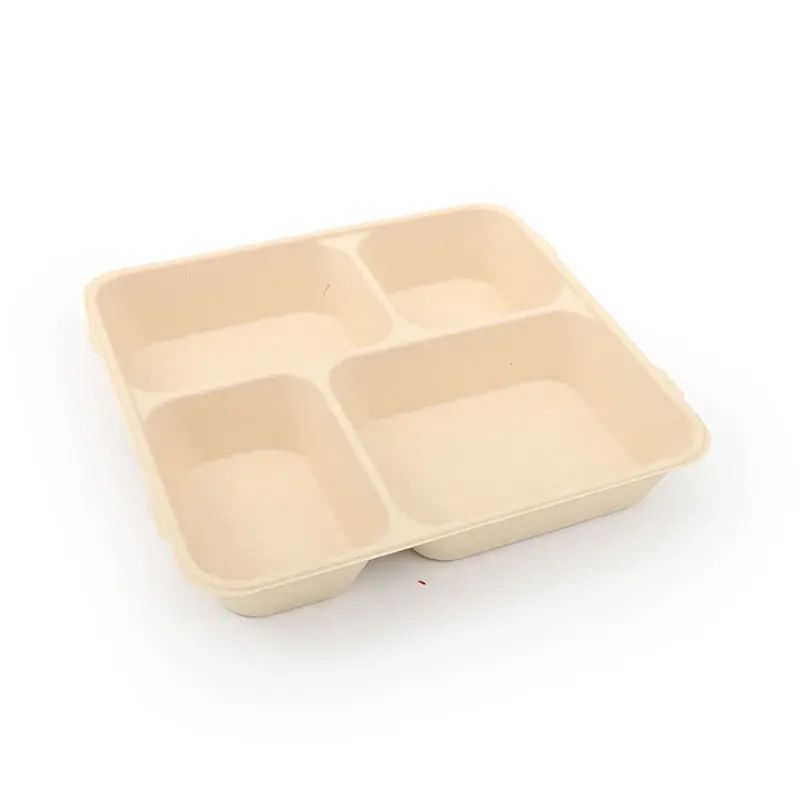 1340ml 4 Compartments
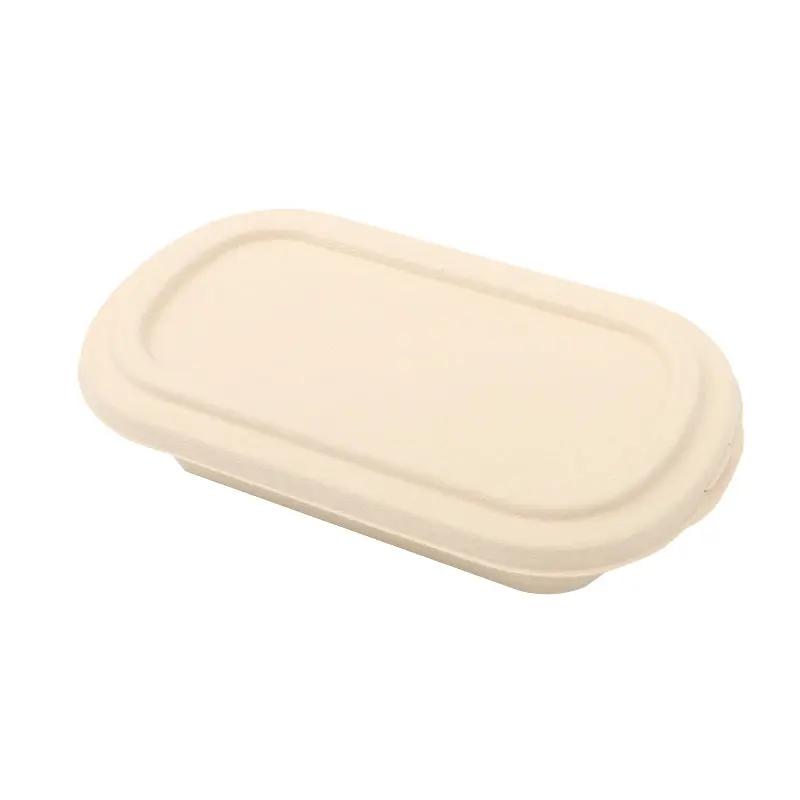 Lunch Box Lid
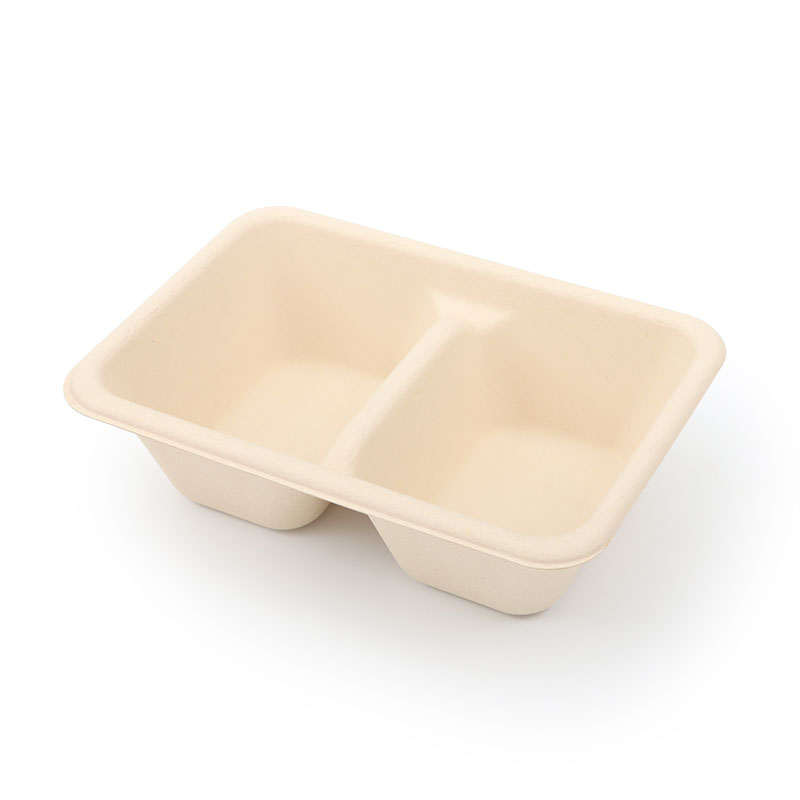 650ml
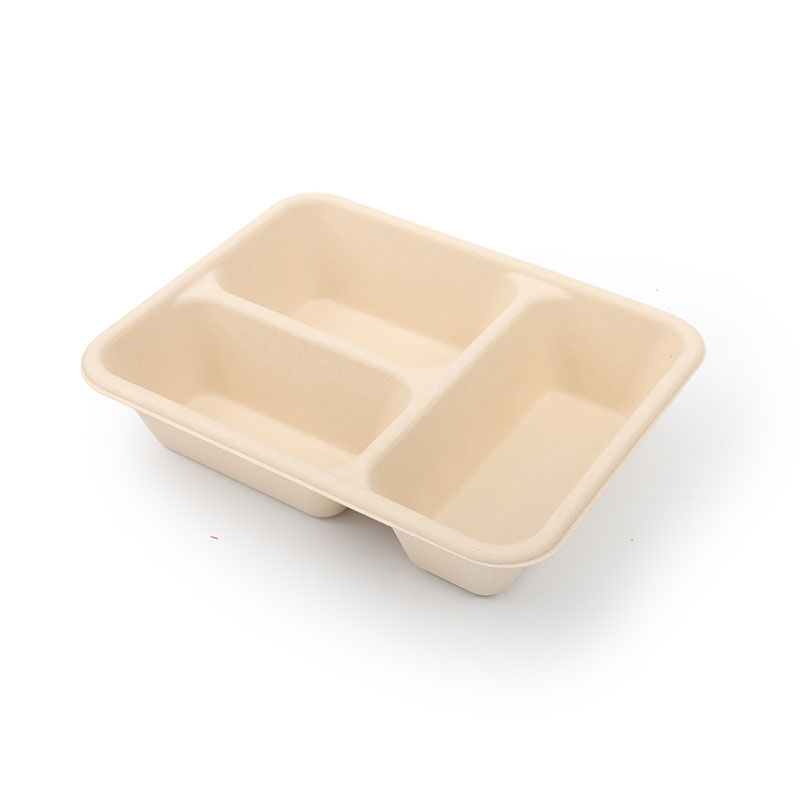 1000ml 3 Compartments
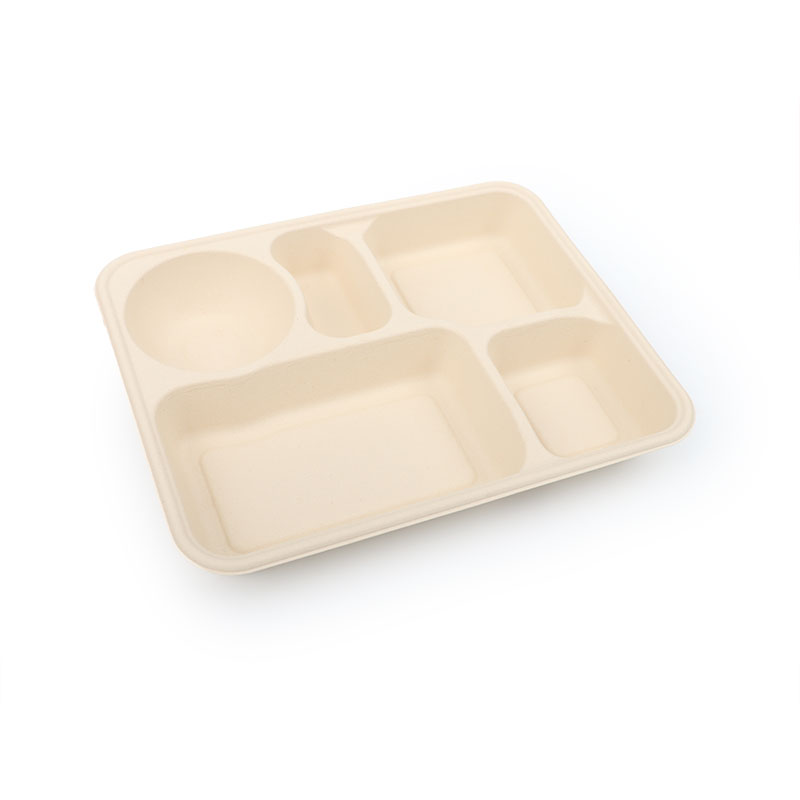 1250ml 5 Compartments
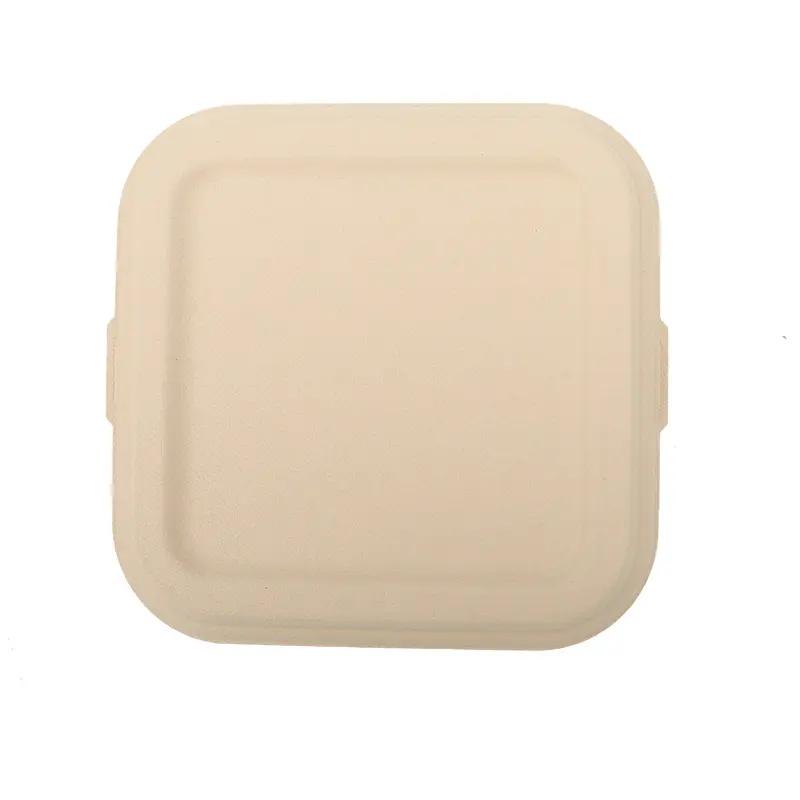 Square Lunch Box Lid
 Box Without T buckle
 850ml Salad Box
 700ml
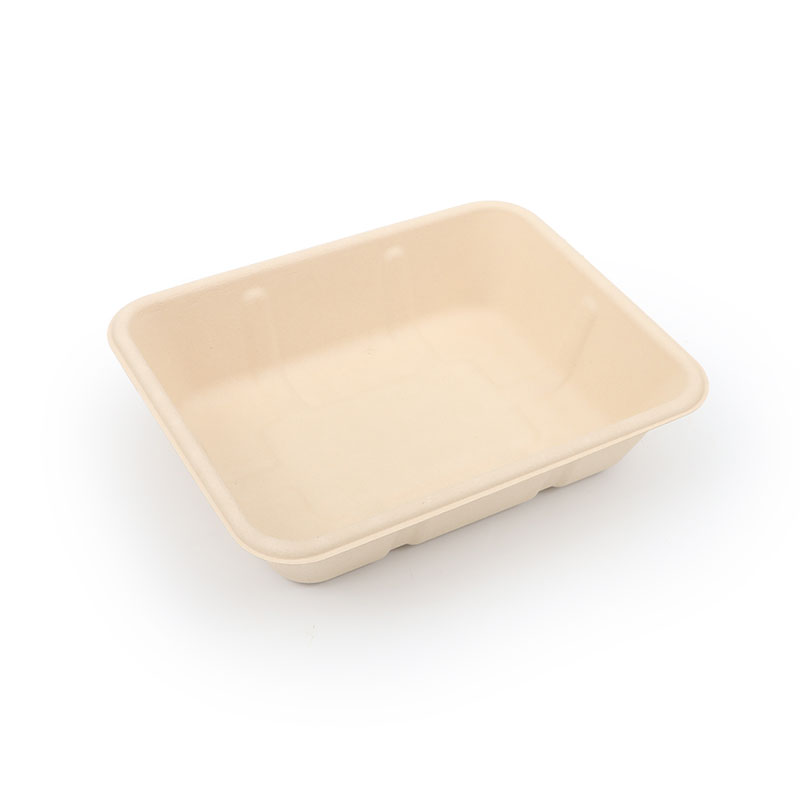 1350ml
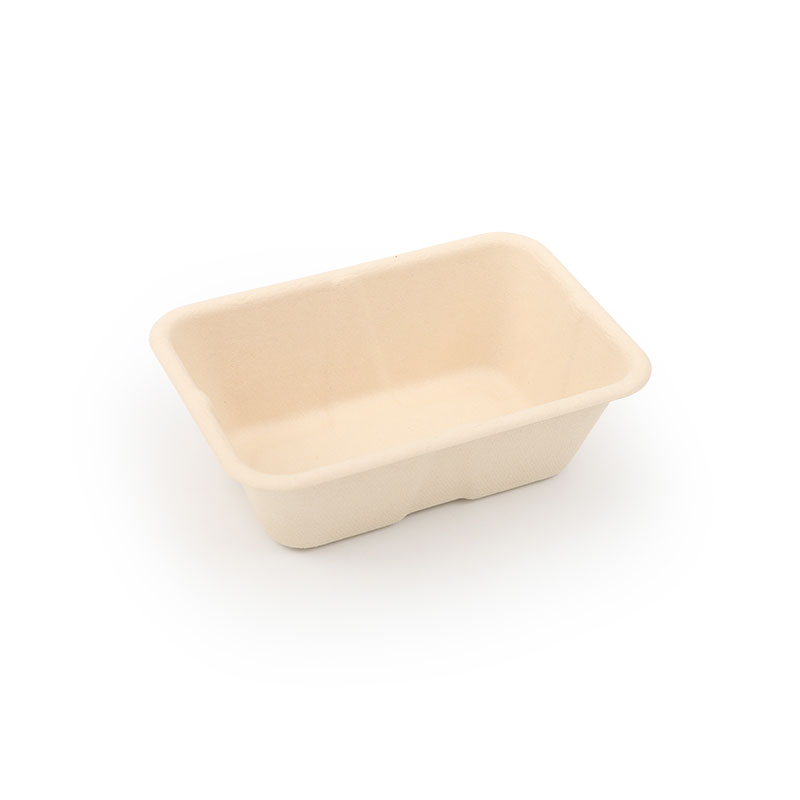 470ml
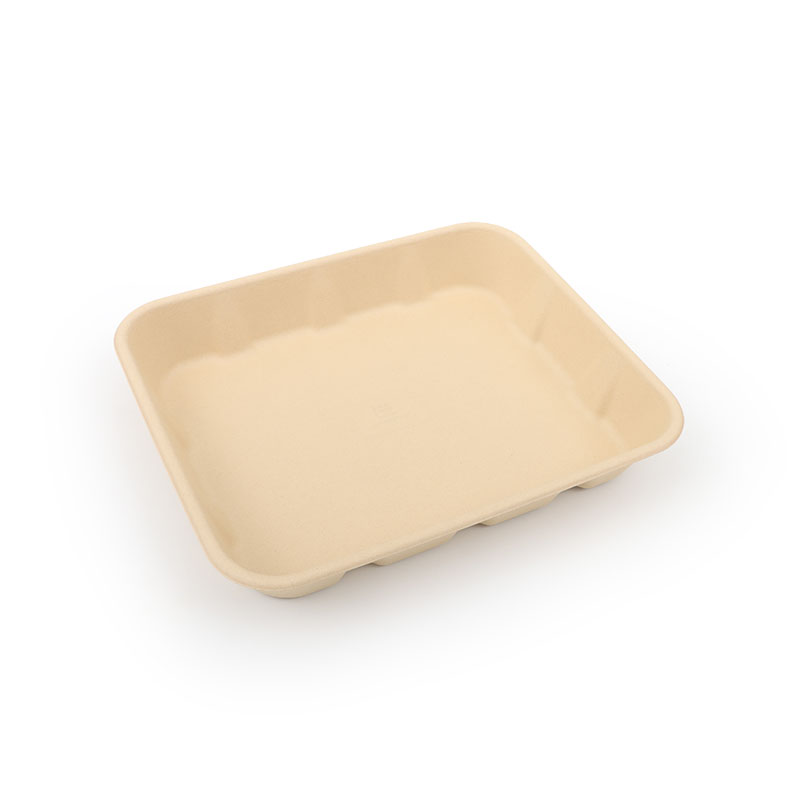 2183ml Tray Box
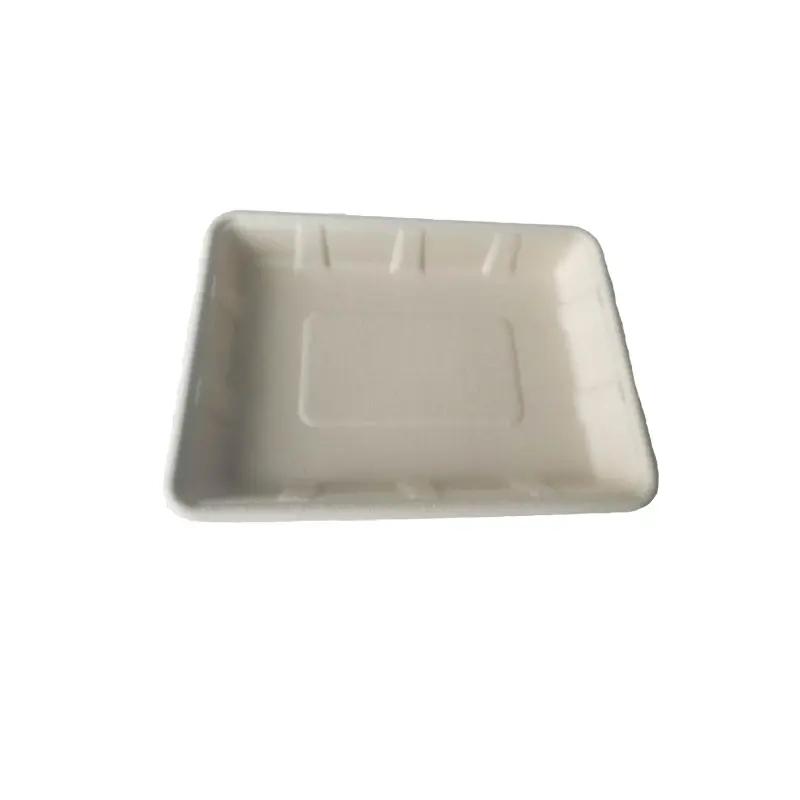 11" * 9"
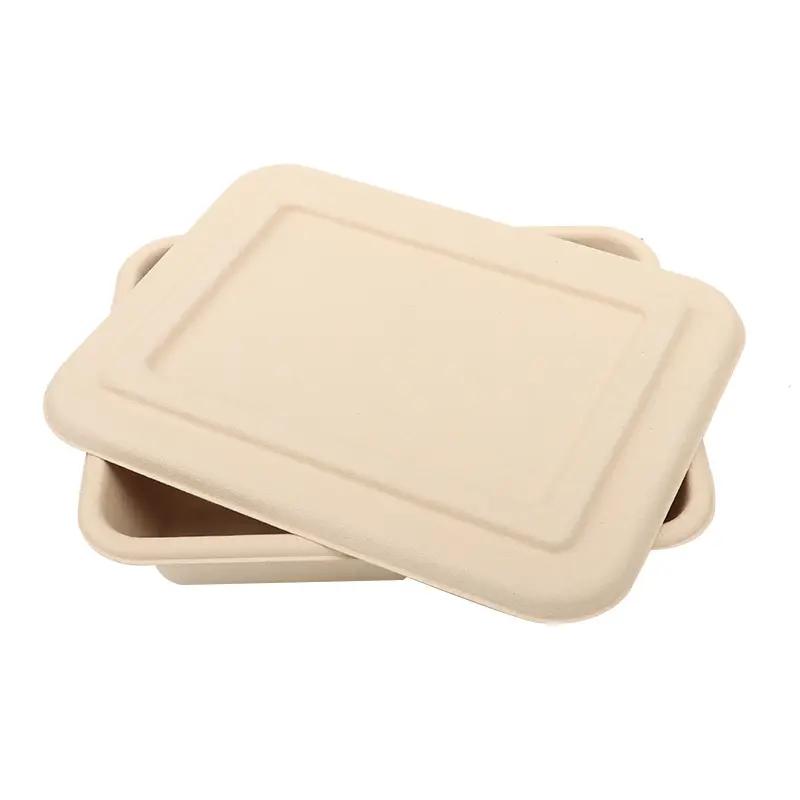 800ml
 One Part Box
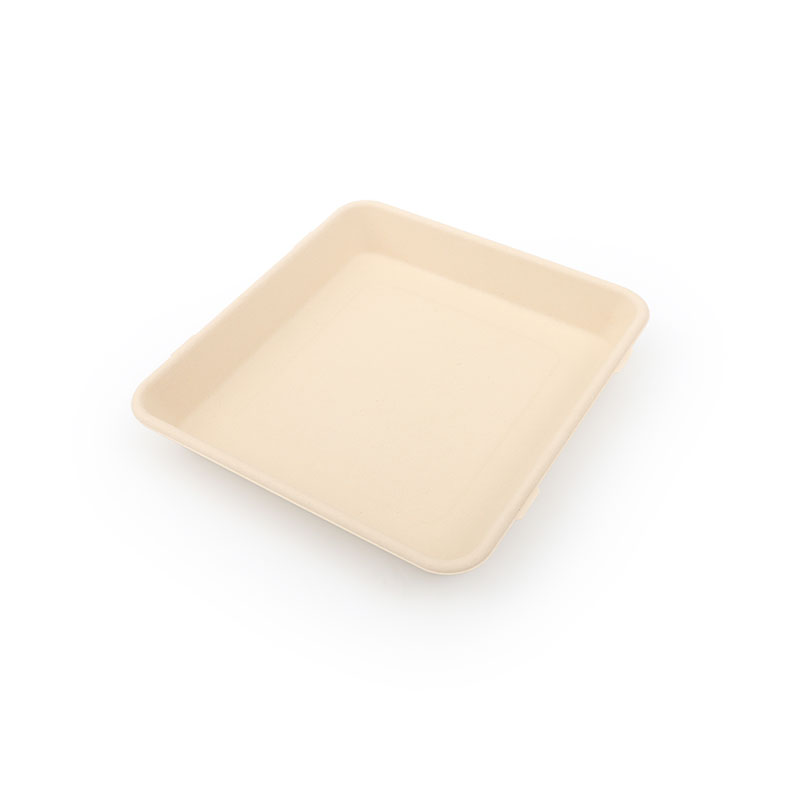 1443ml Tray Box
 Cake Bread Snack Tray Series
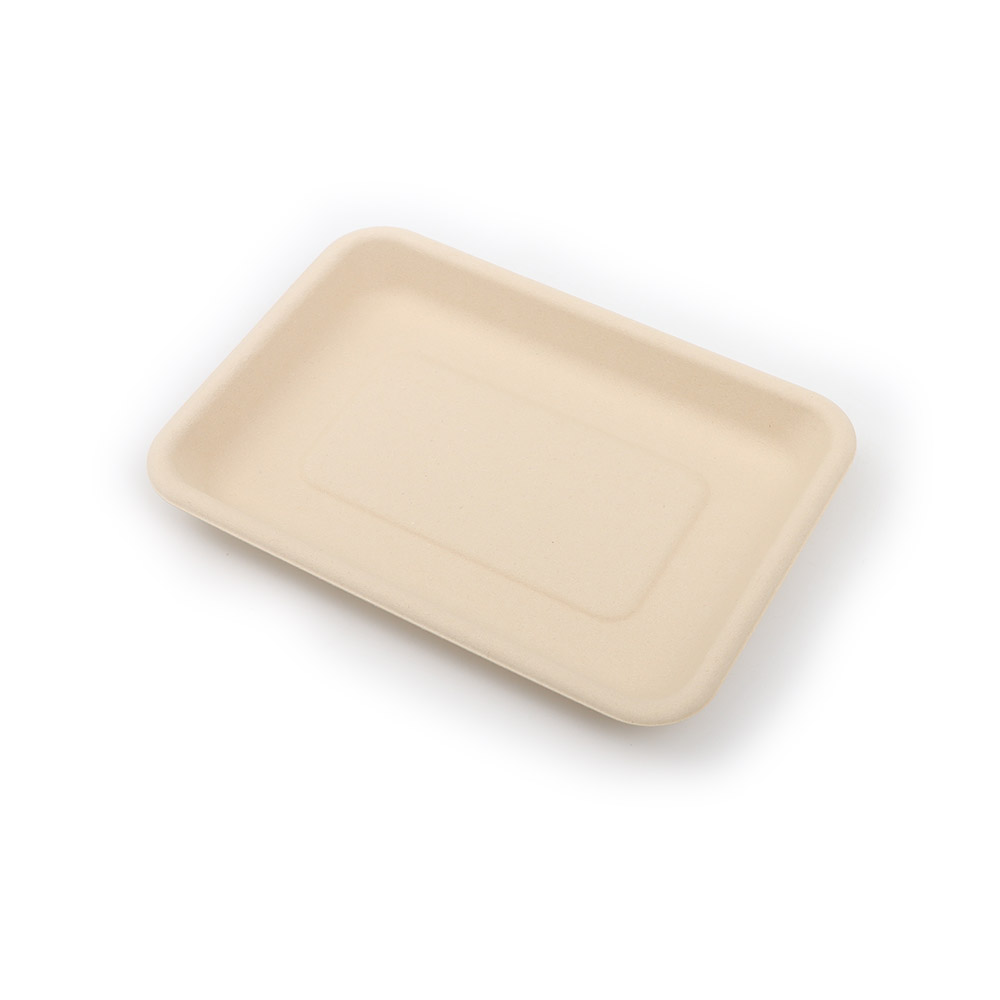 5" * 7" natural color
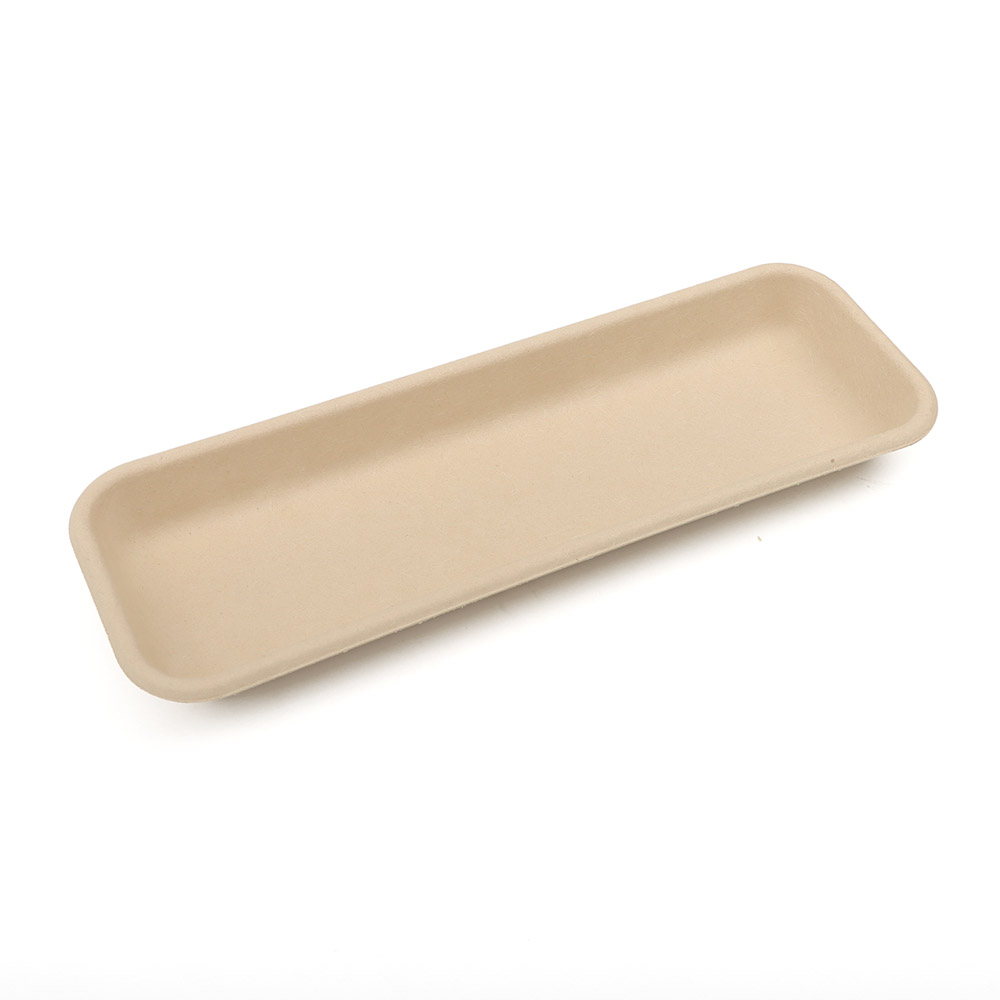 11.4" * 3.9"
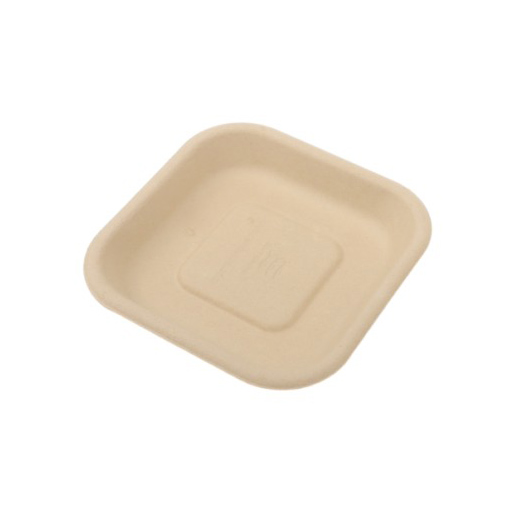 5.3" * 5.3"
 Fruit And Vegetable Tray Series
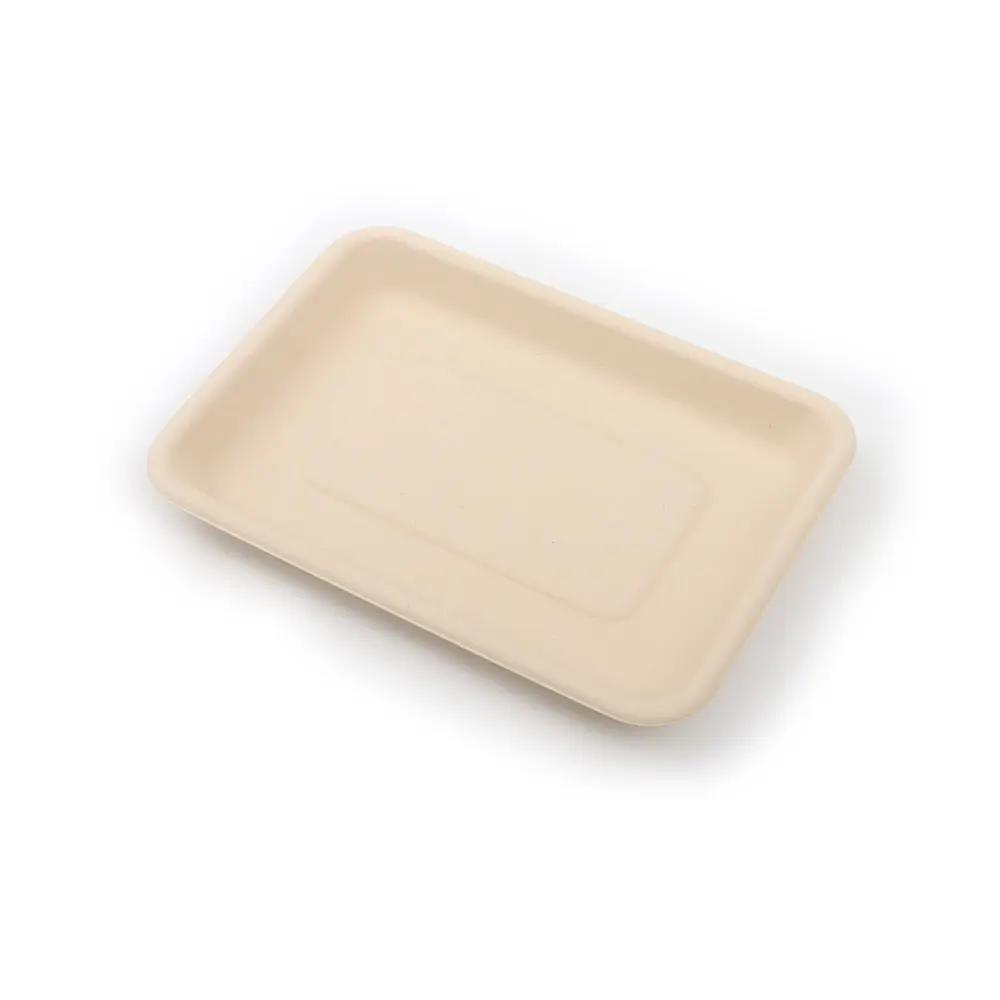 8.6" * 5.3"
 Sushi Tray Series
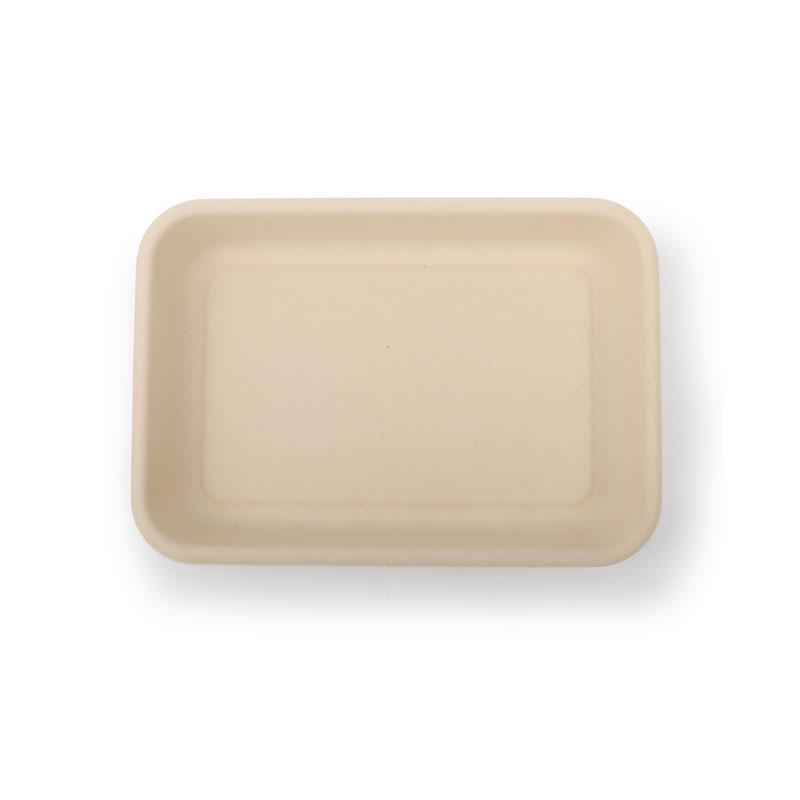 200" * 140"
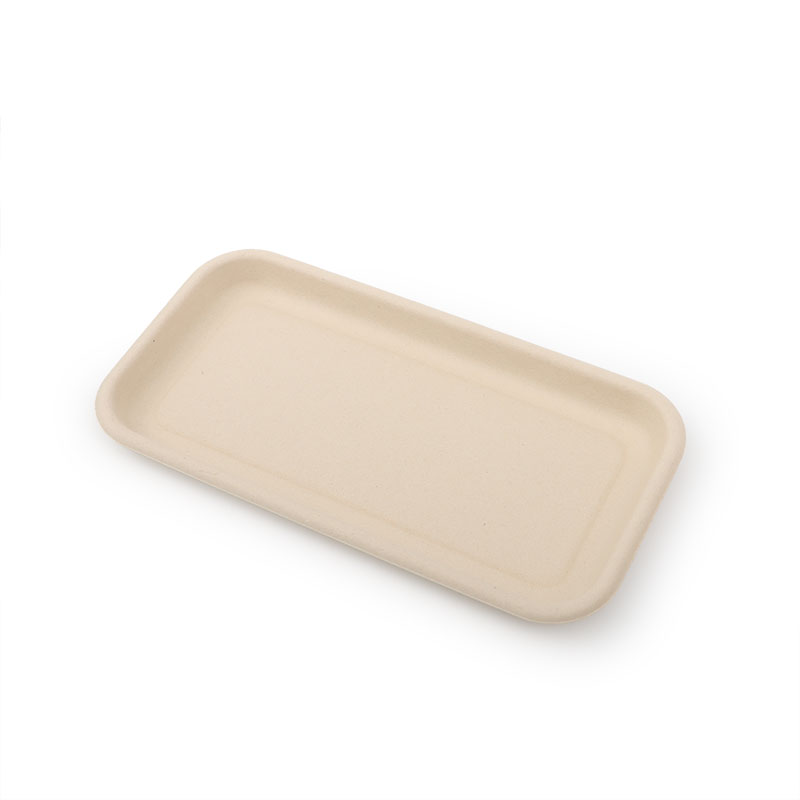 210" * 110"
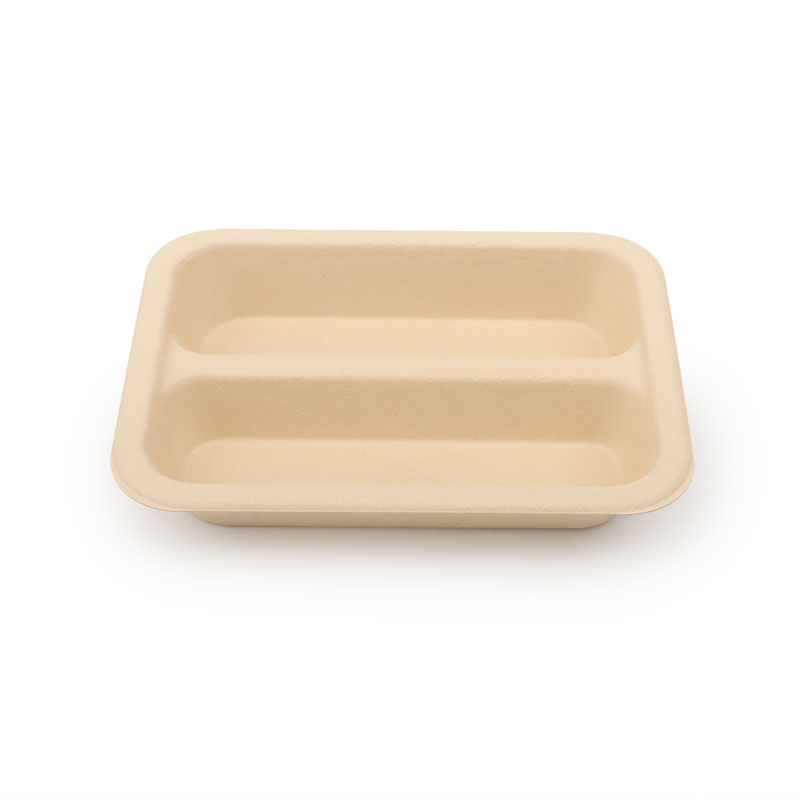 2 Compartments
 Small Round Plate Series
 7 inch
 6 inch
 8 inch
 Middle Round Plate Series
 9 Inch 3 Compartments
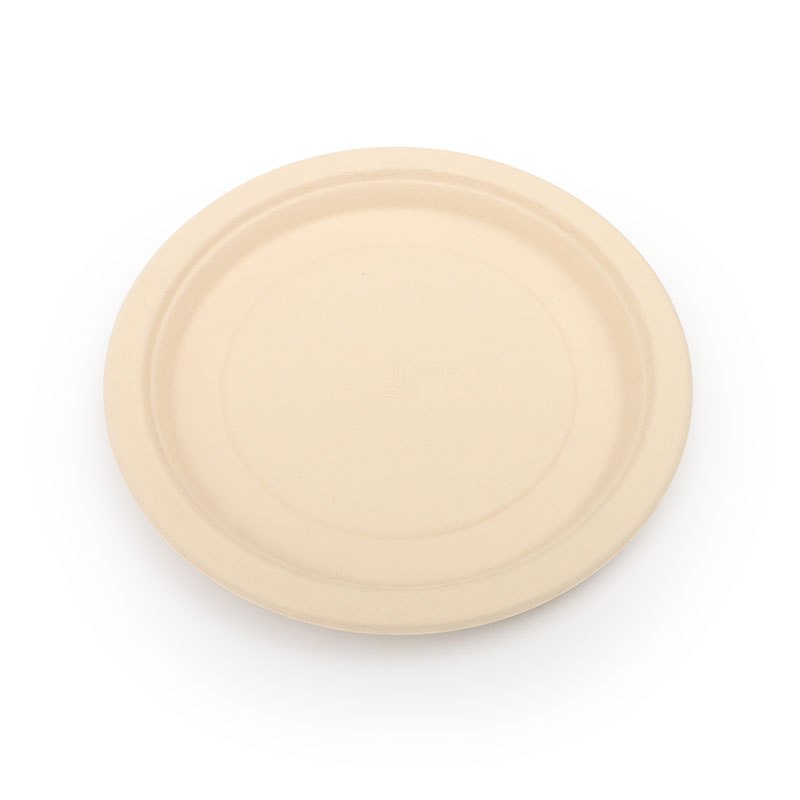 9 inch
 Big Round Plate Series
 12.7 Inch Pizza Plate
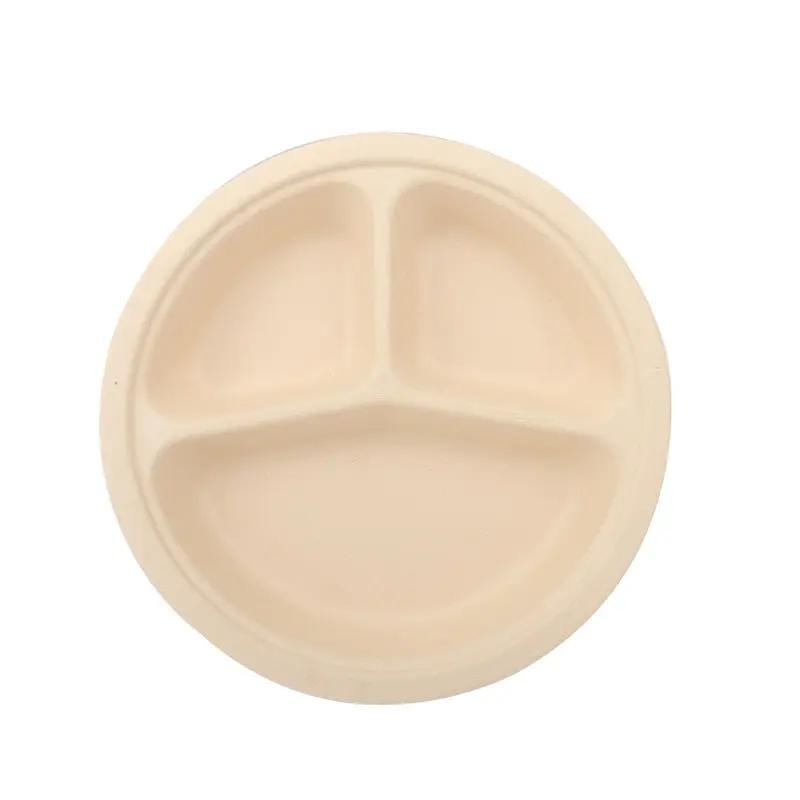 10.25 inch 3 Compartments
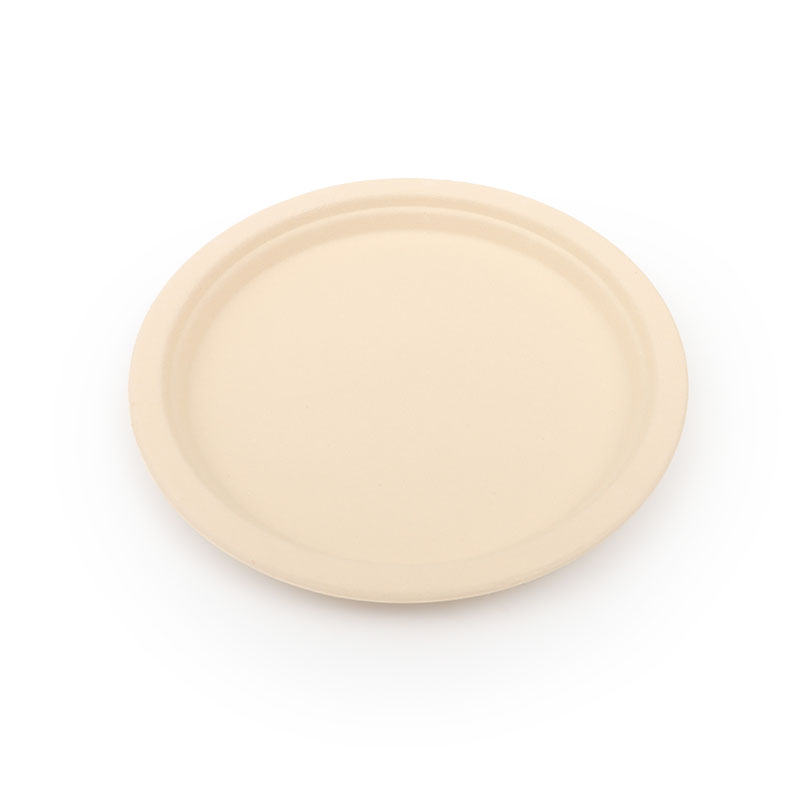 10 inch
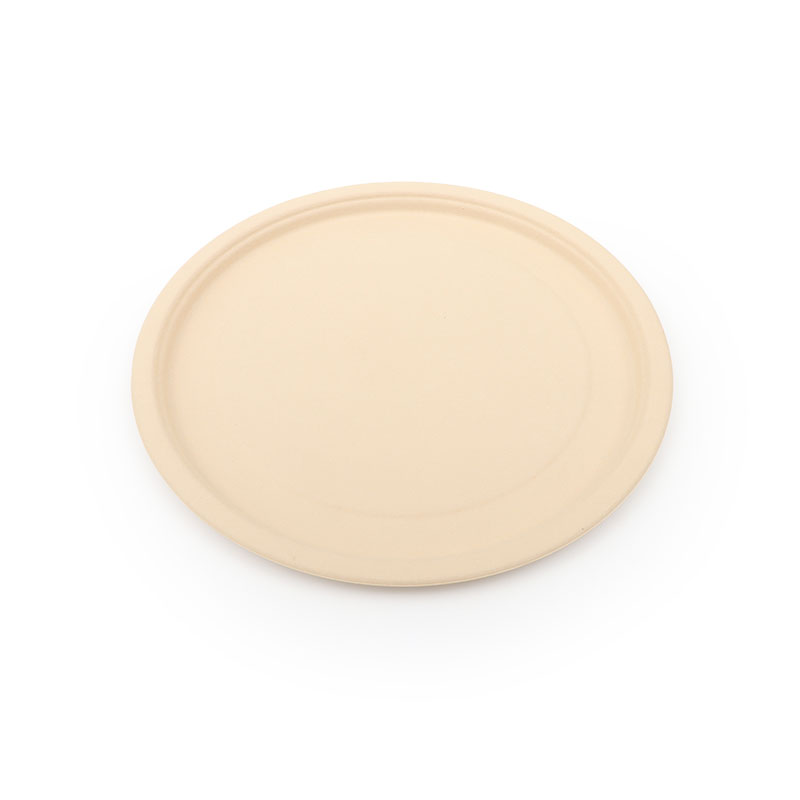 12 inch
 Bigger Bowl
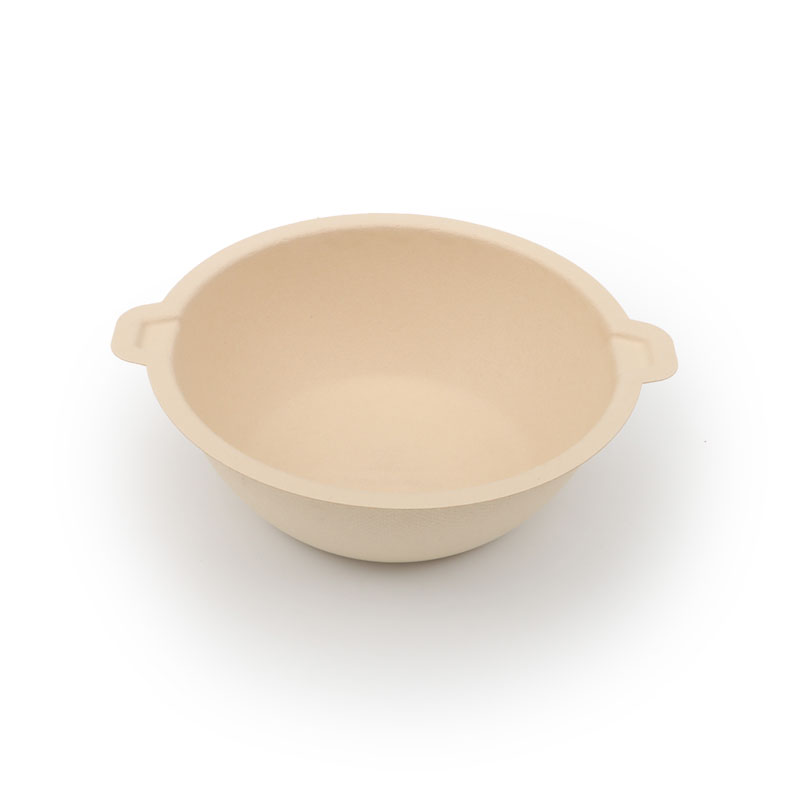 48oz(1420ml)
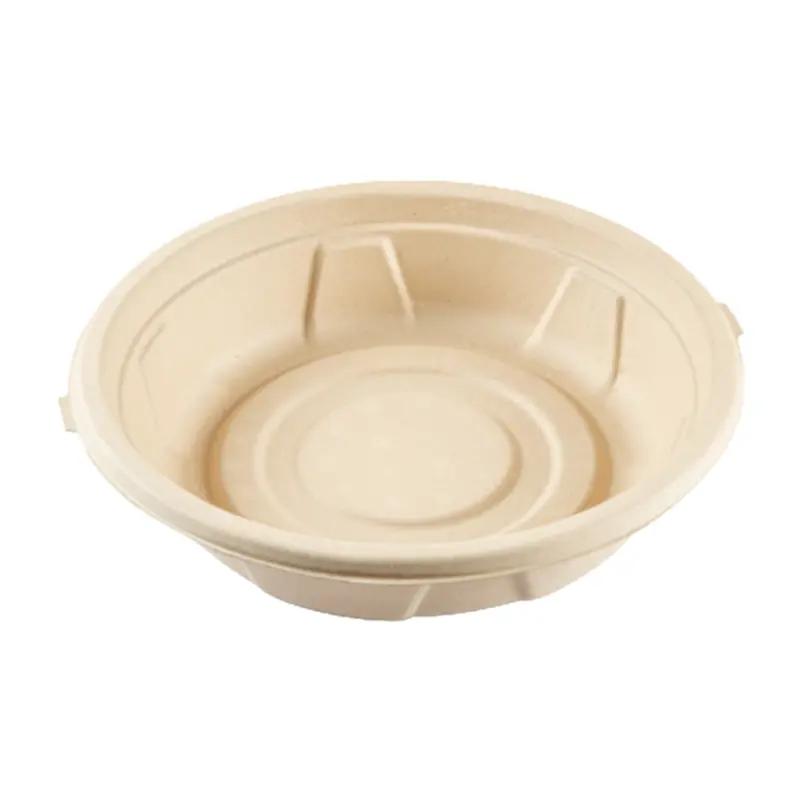 56oz(1650ml)
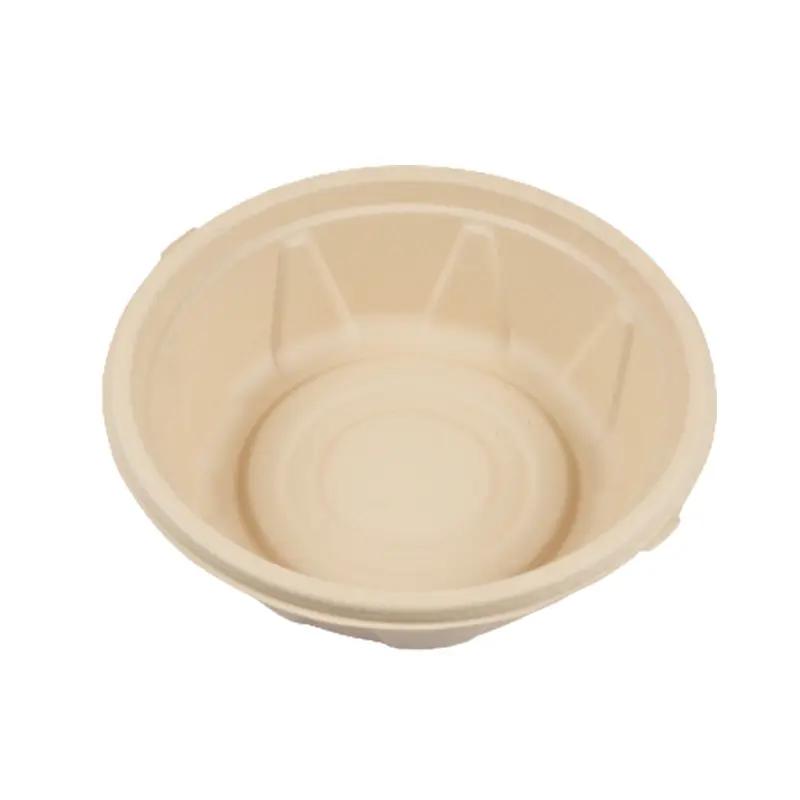 100oz(2950ml)
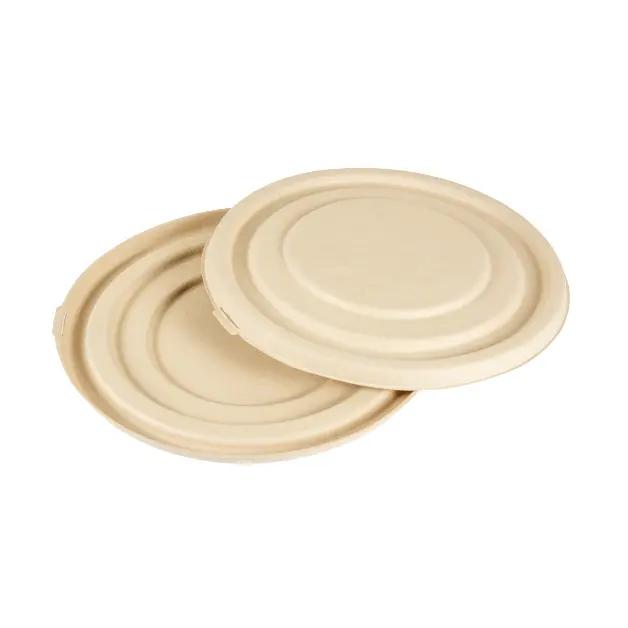 100oz(2950ml) With Lid
 Middle Bowl
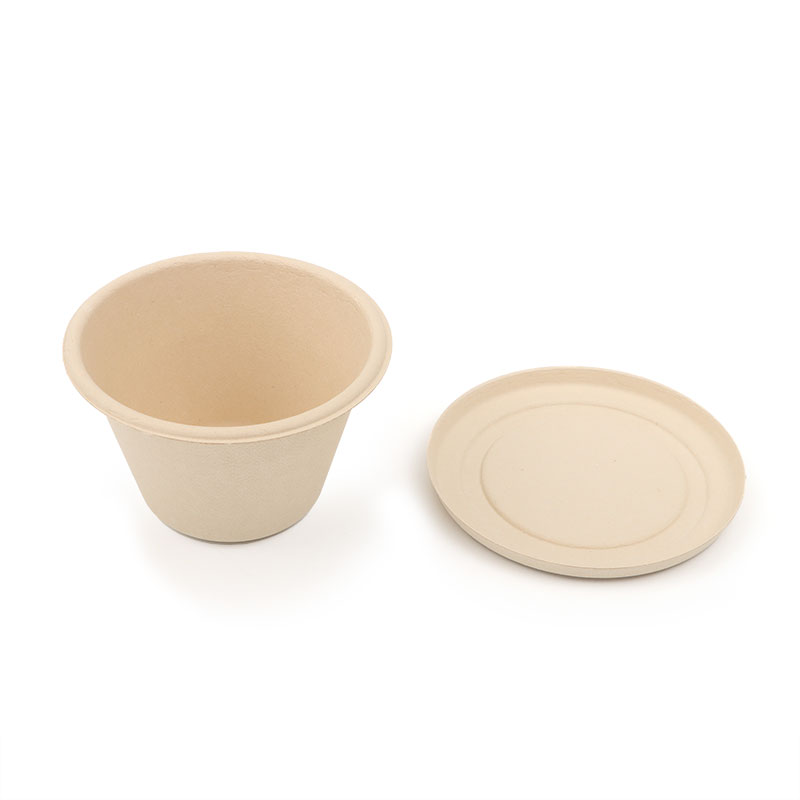 17oz(500ml)
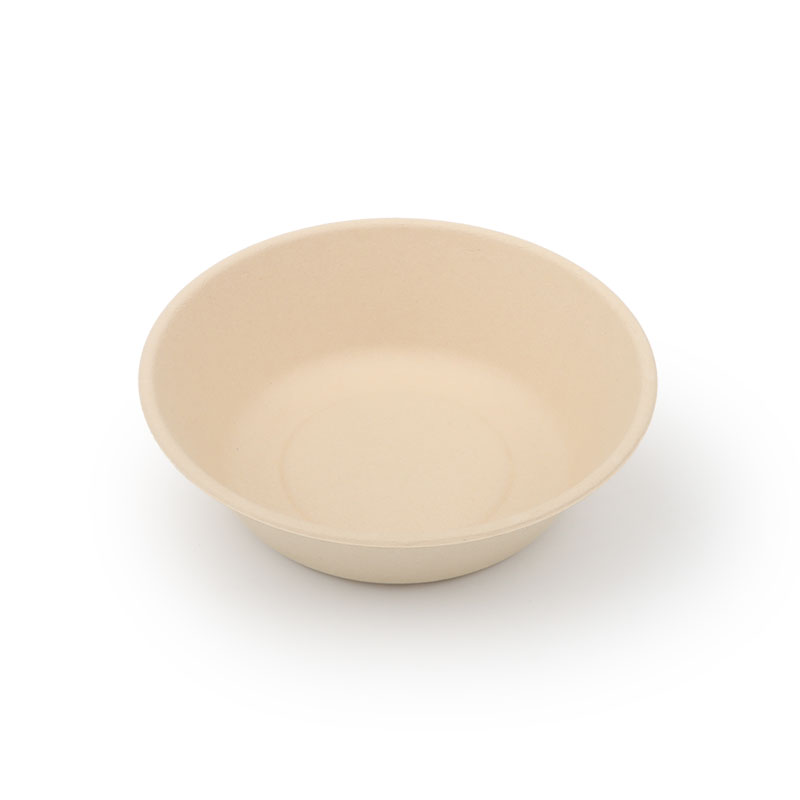 27oz(800ml)
 20oz(600ml)
 29oz(850ml)
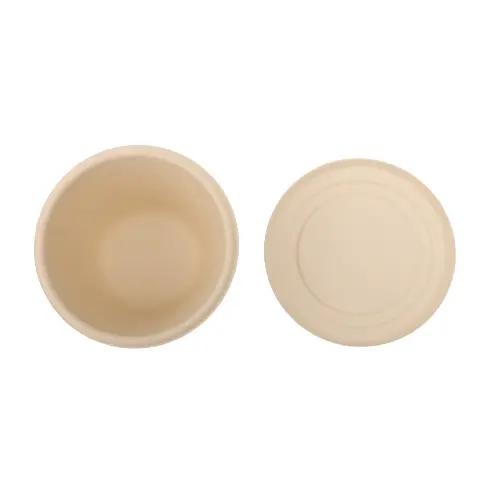 17oz(500ml) With Lid
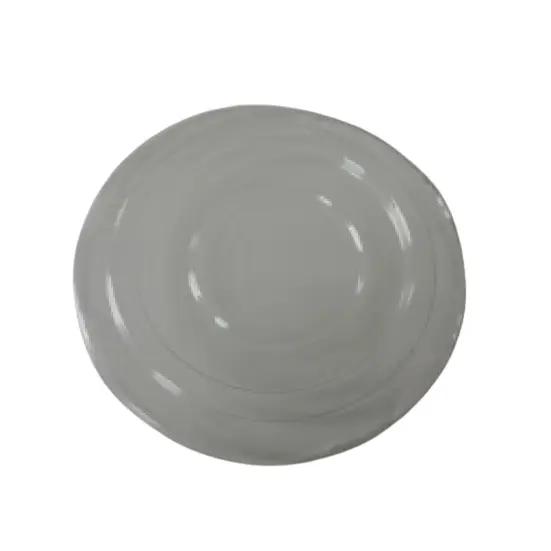 17oz(500ml) PET Lid
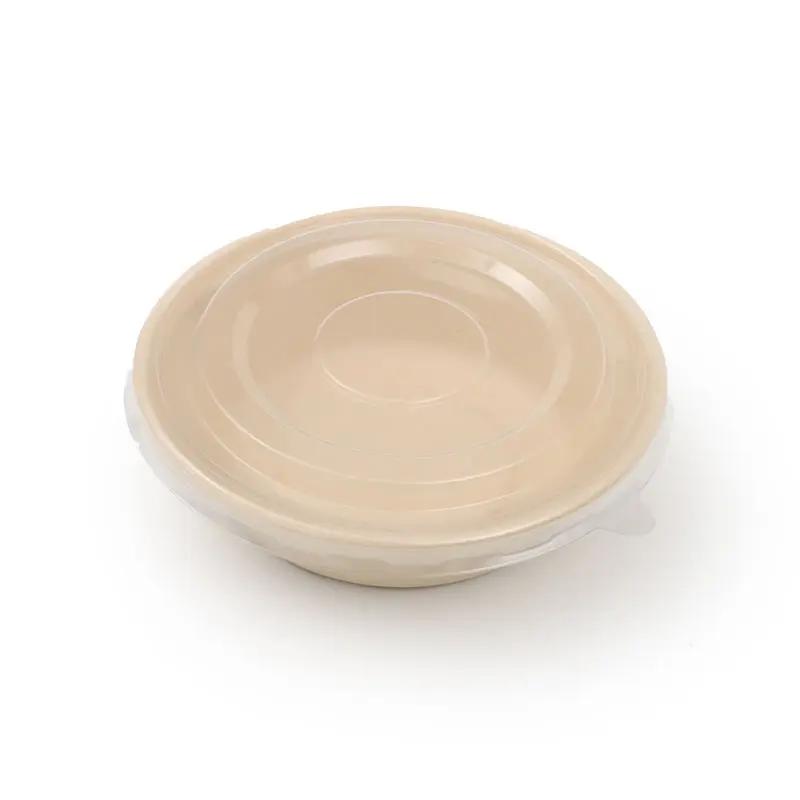 28oz(830ml) PET Lid
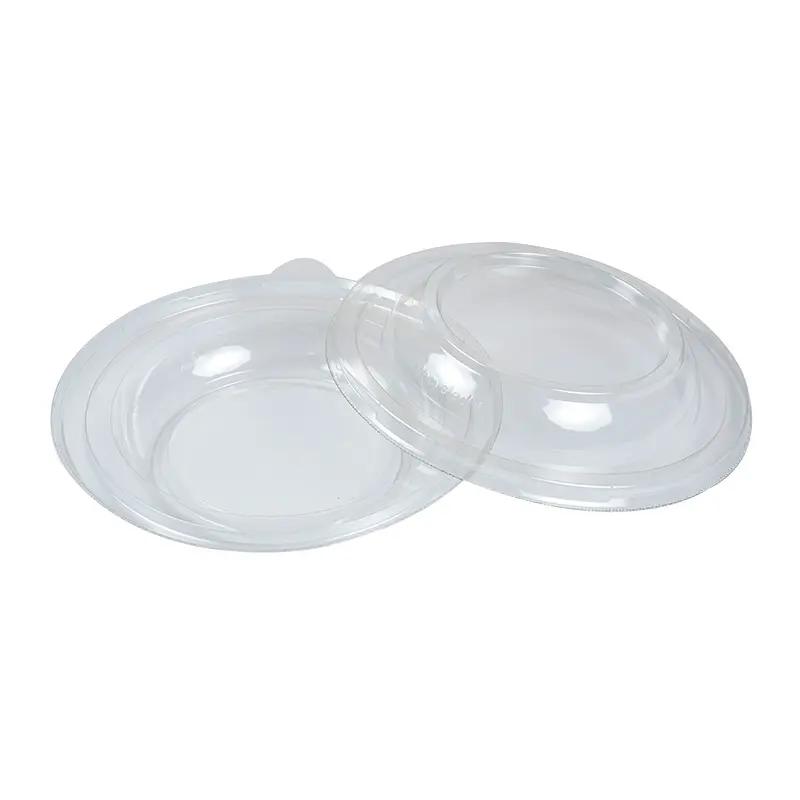 Round Bowl PET
 Small Bowl
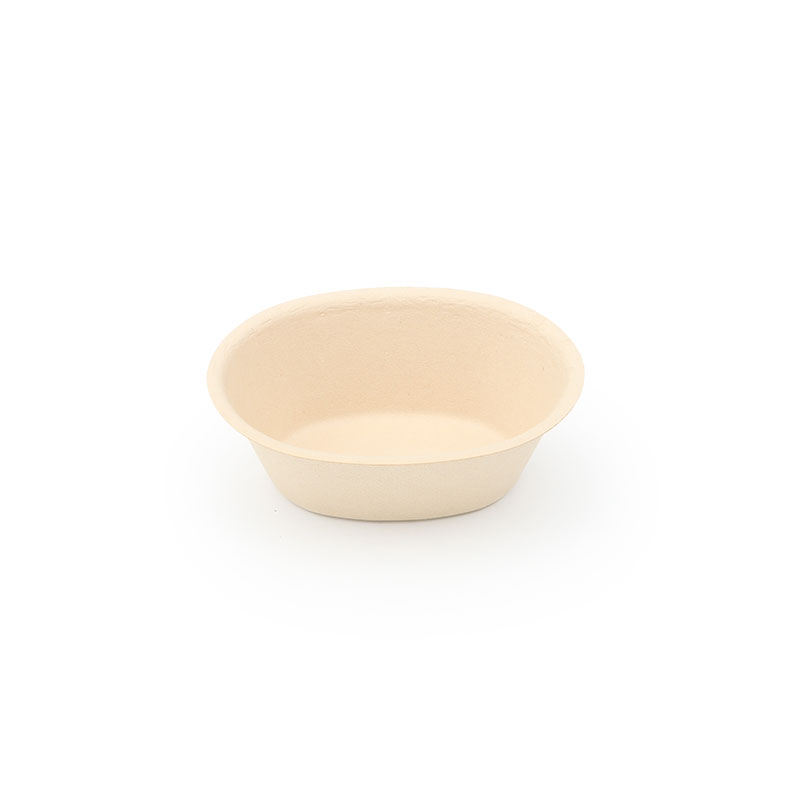 Snack Bowl
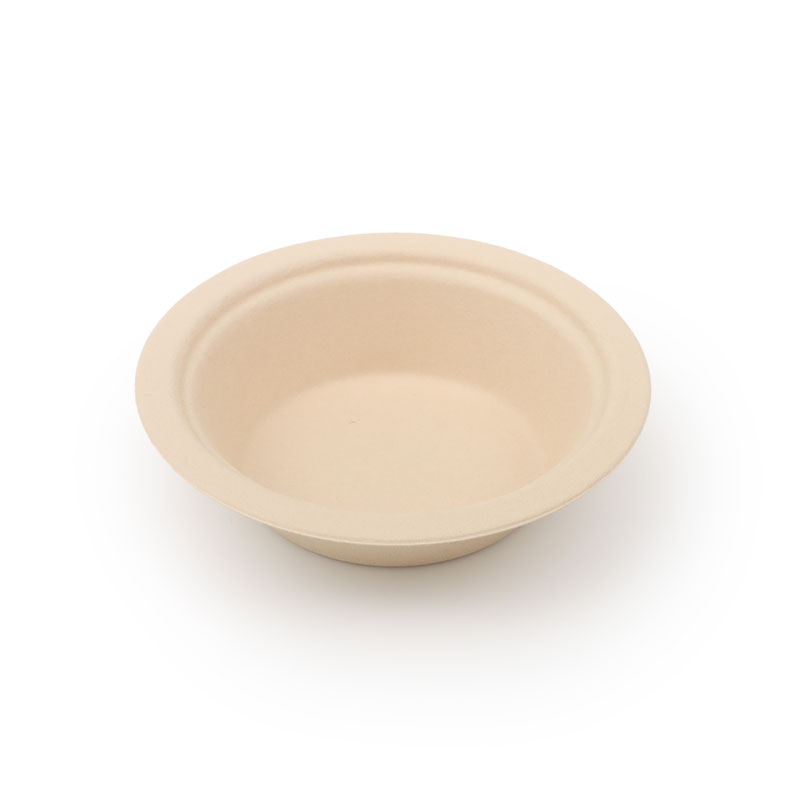 11.5oz(340ml) Bowl
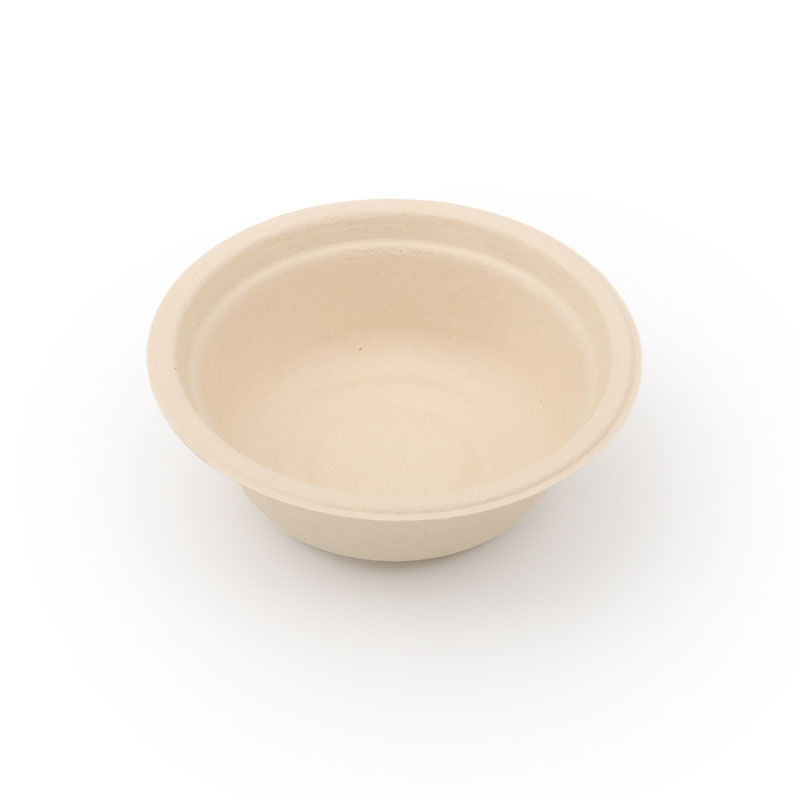 6.7oz(200ml) Bowl
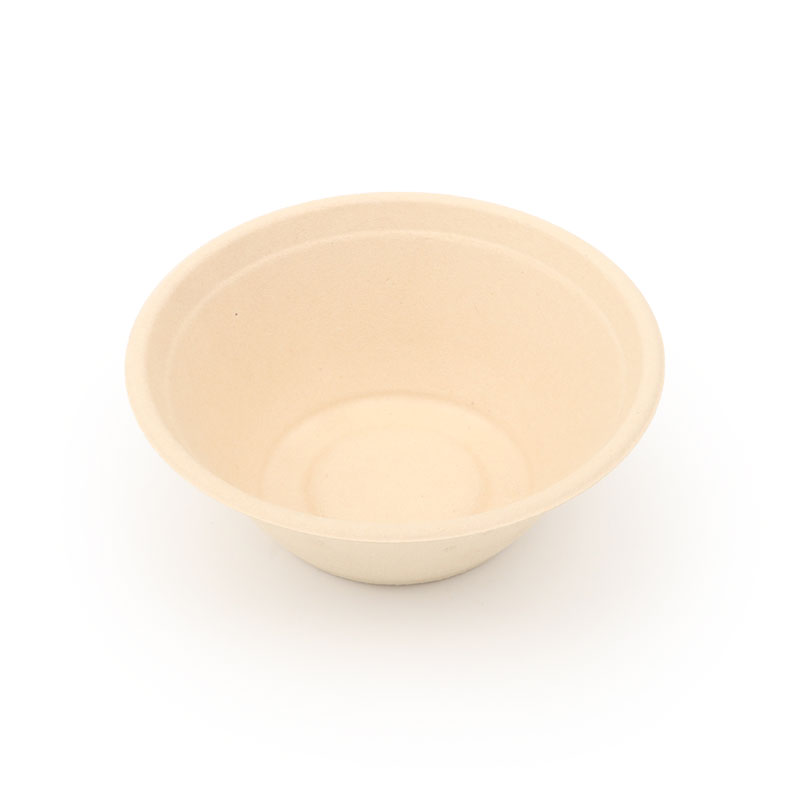 12oz(350ml) Bowl
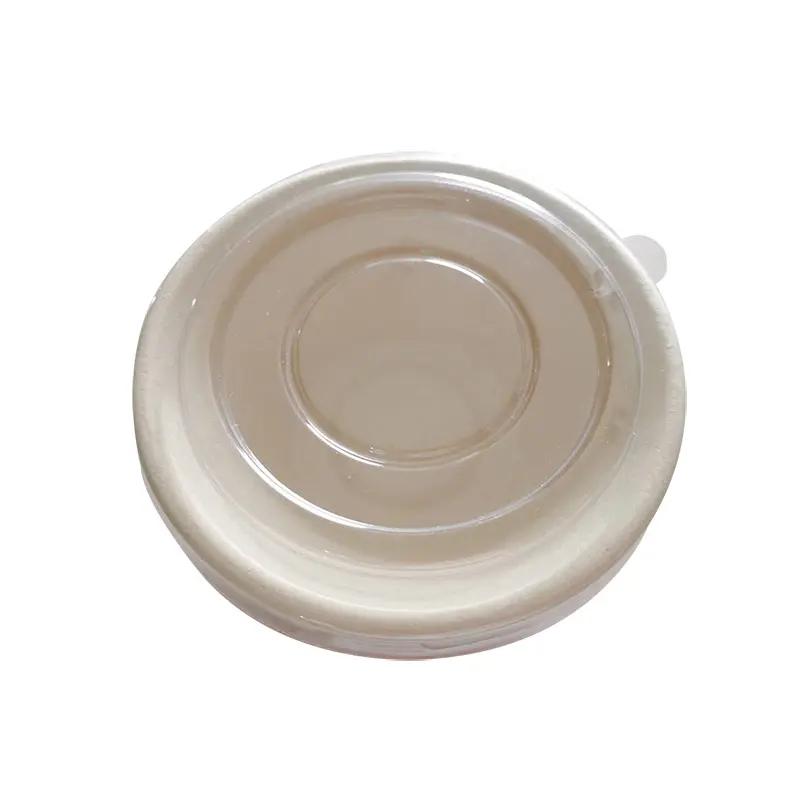 12oz(350ml) Bowl PET
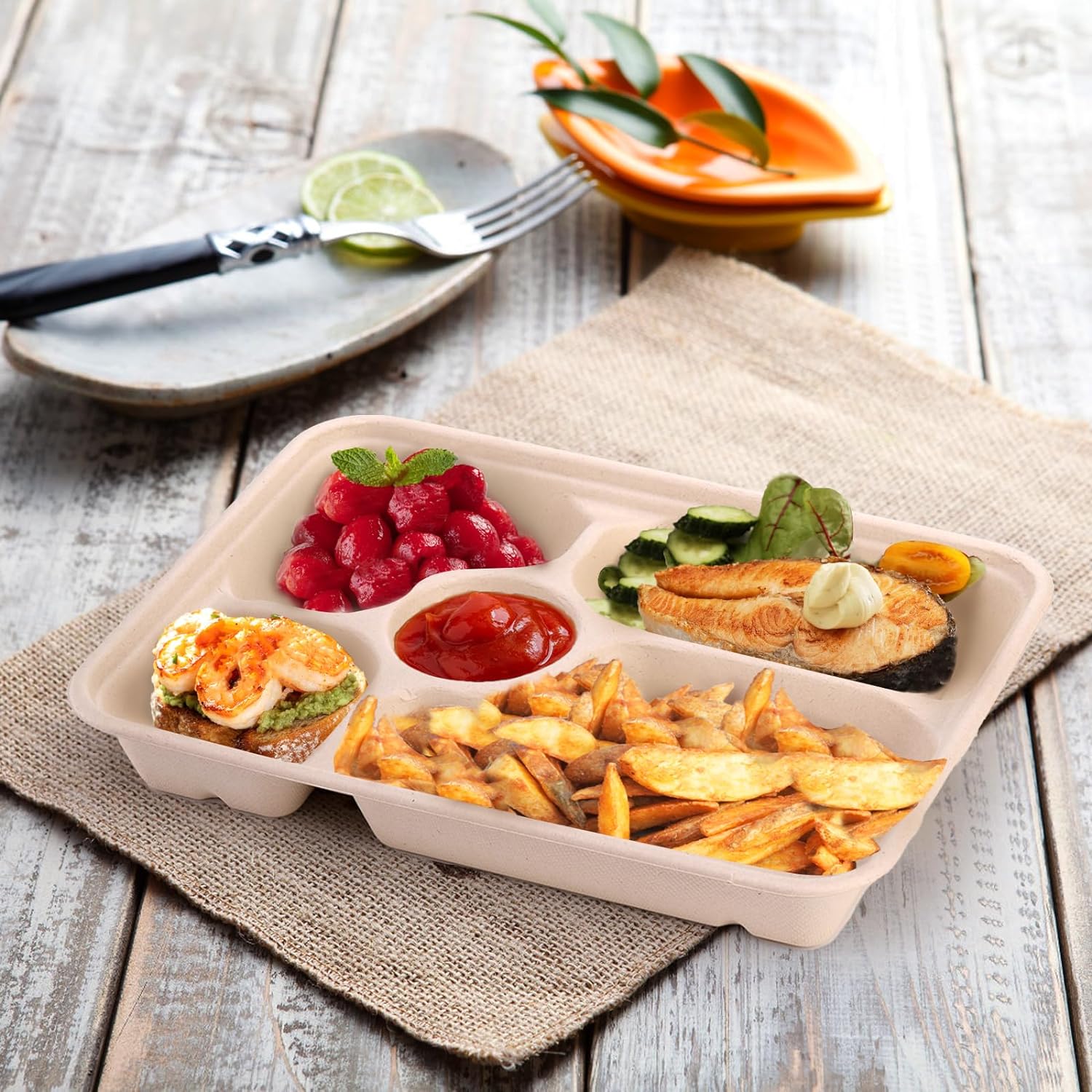 Bagasse Lunch Boxes
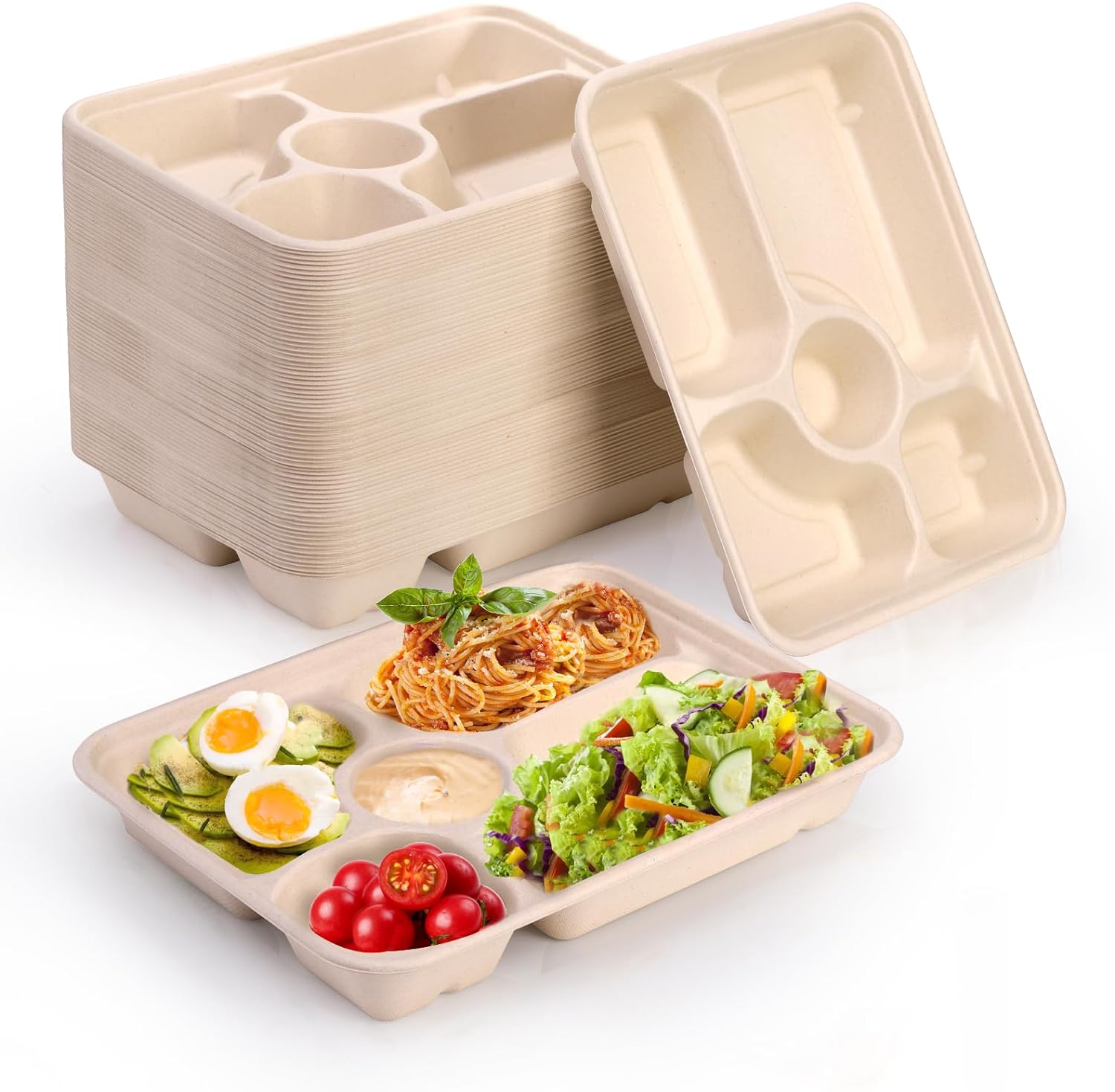 5CP
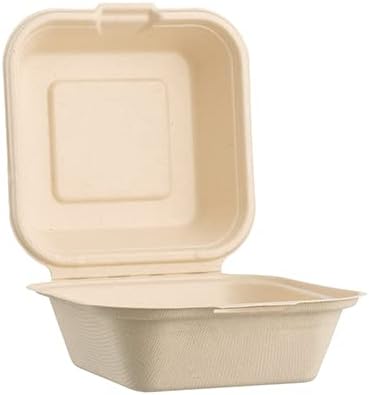 6 inch
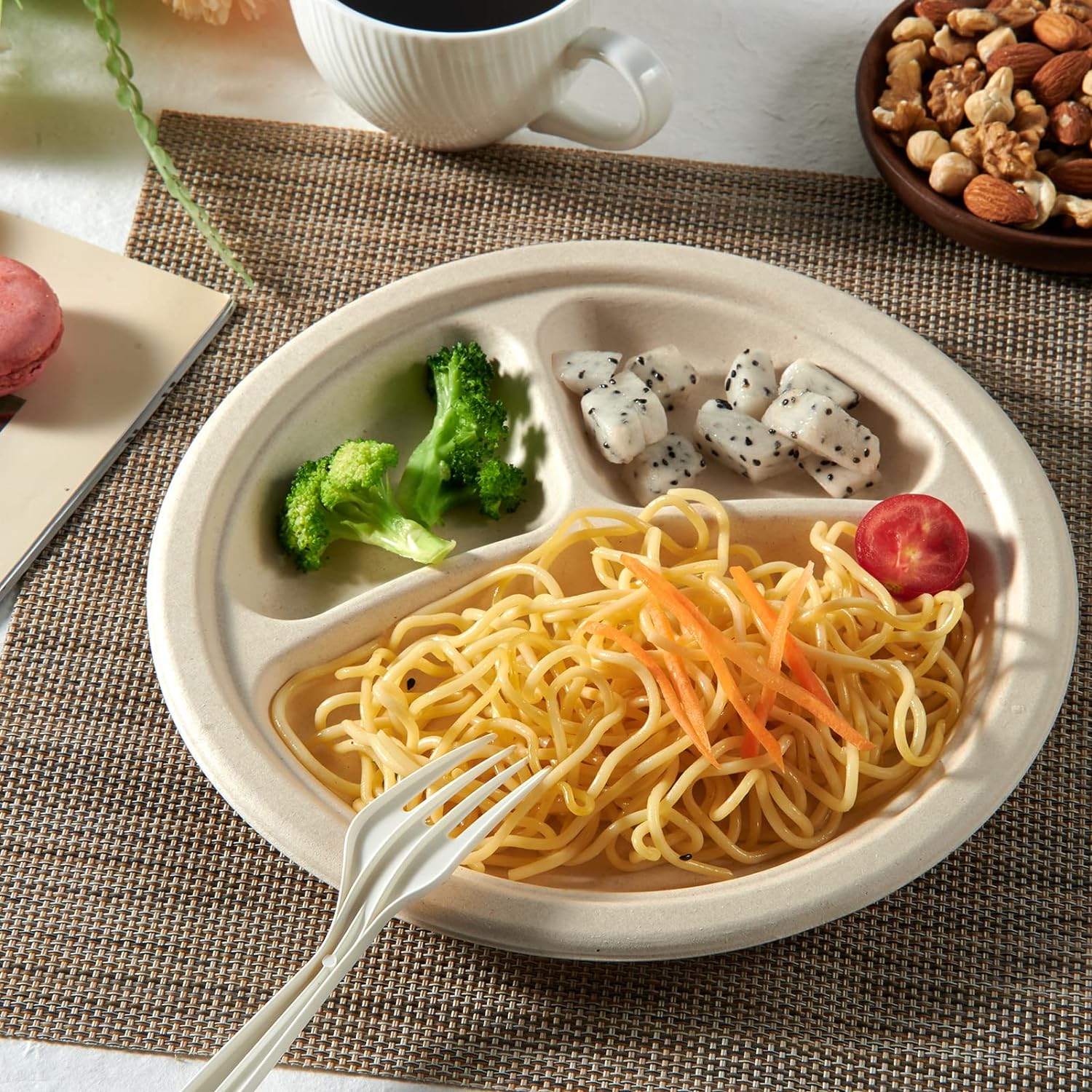 Bagasse Food Plates
 7 inch
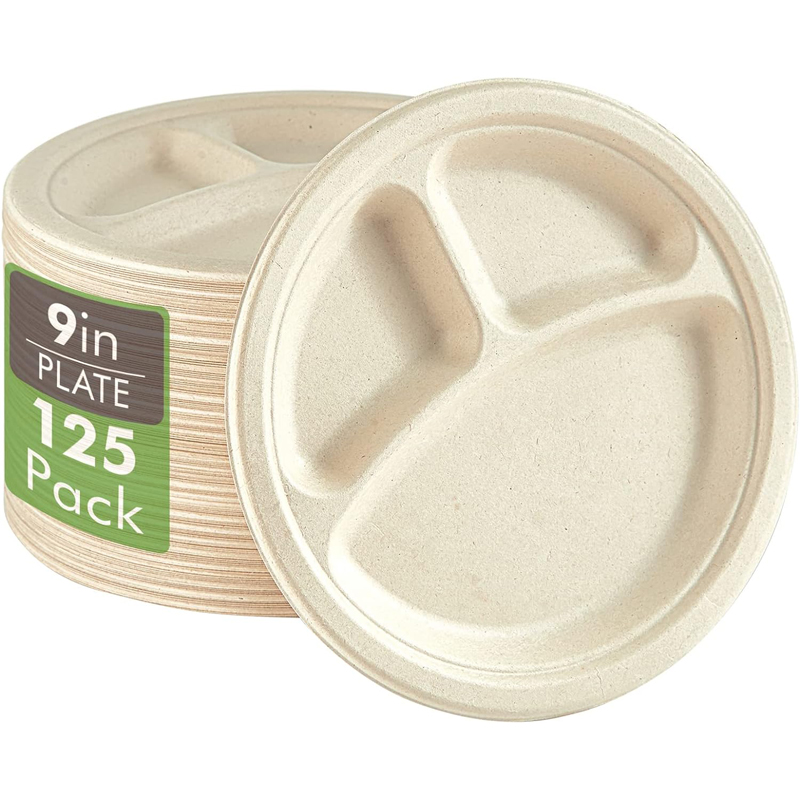 3CP
 Bagasse Bowls
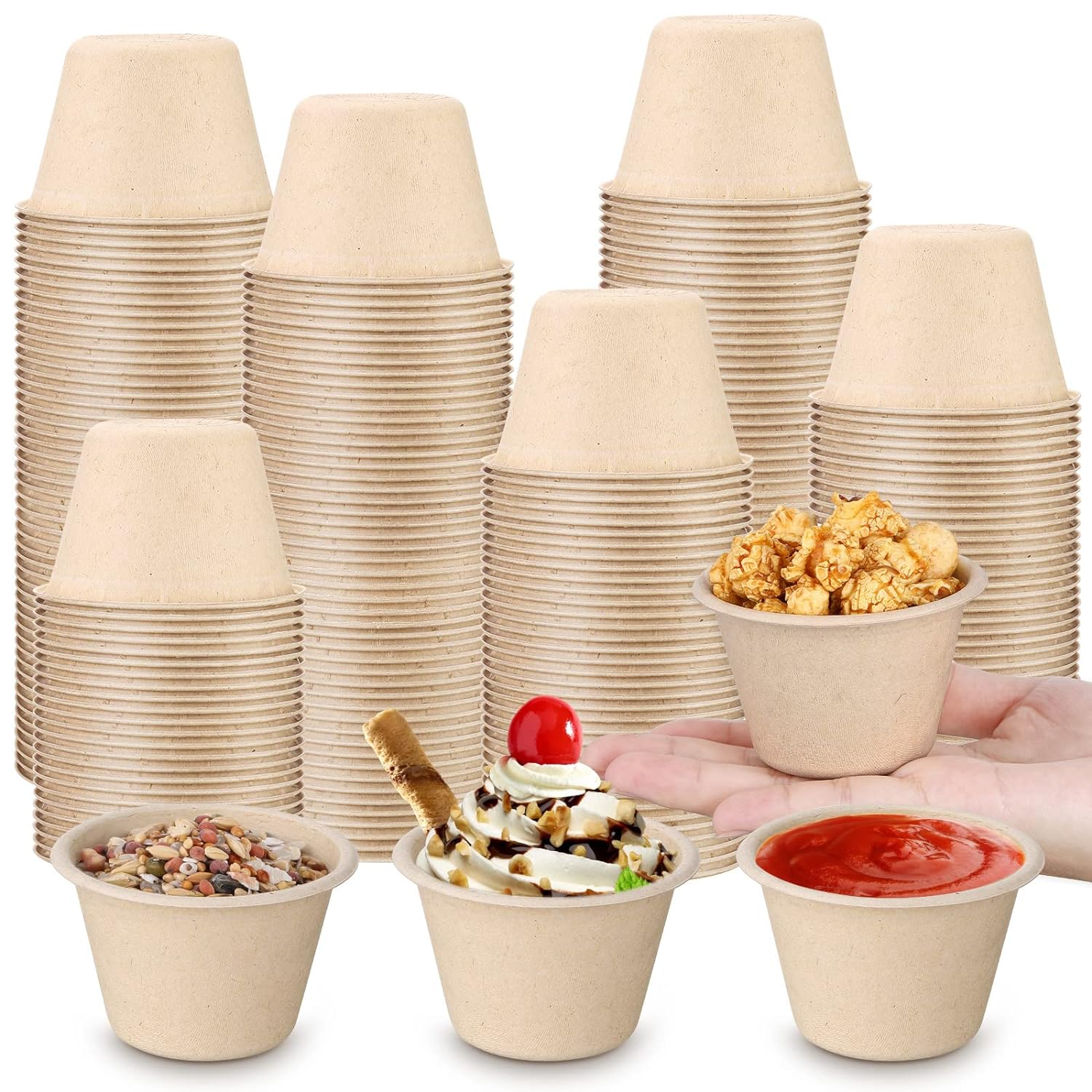 4oz
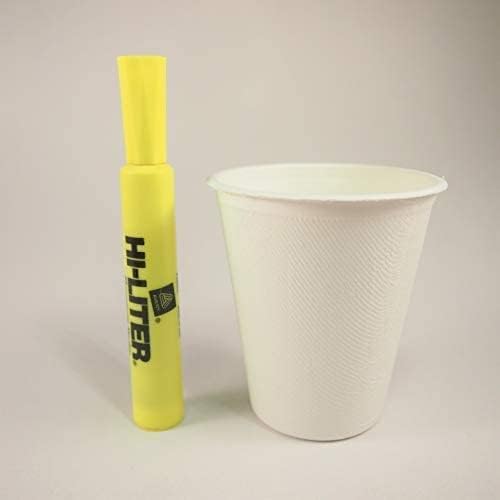 Bagasse Cups And Cutlery
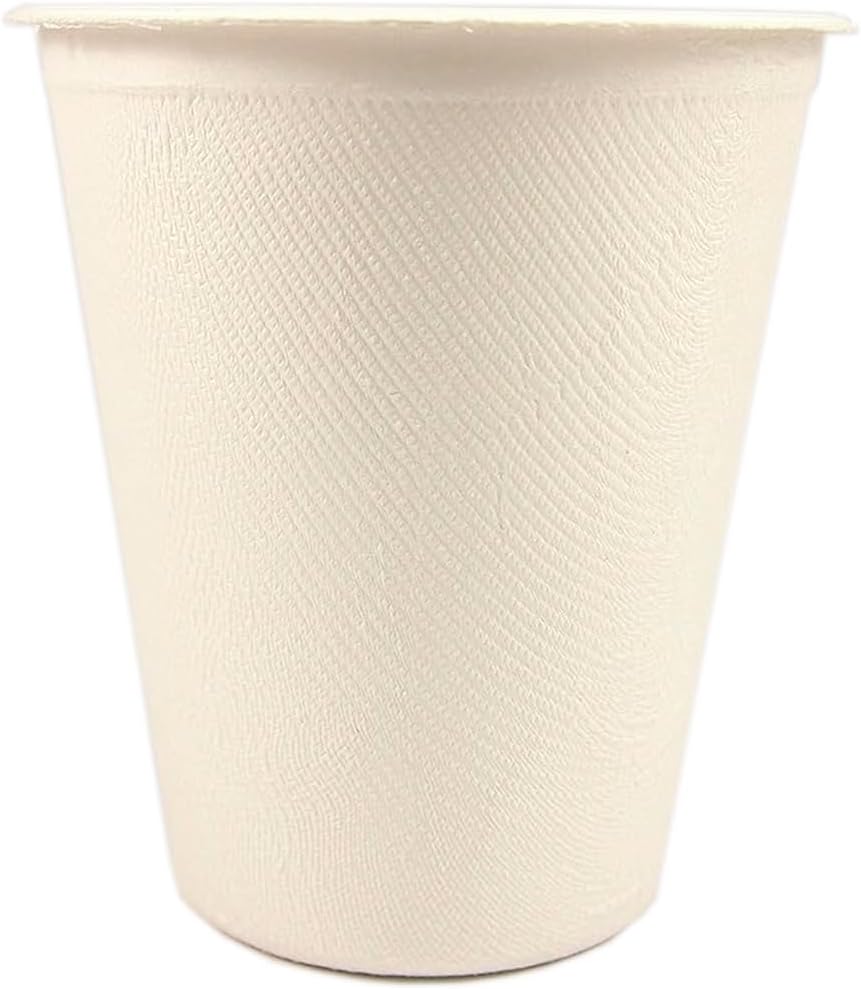 8oz
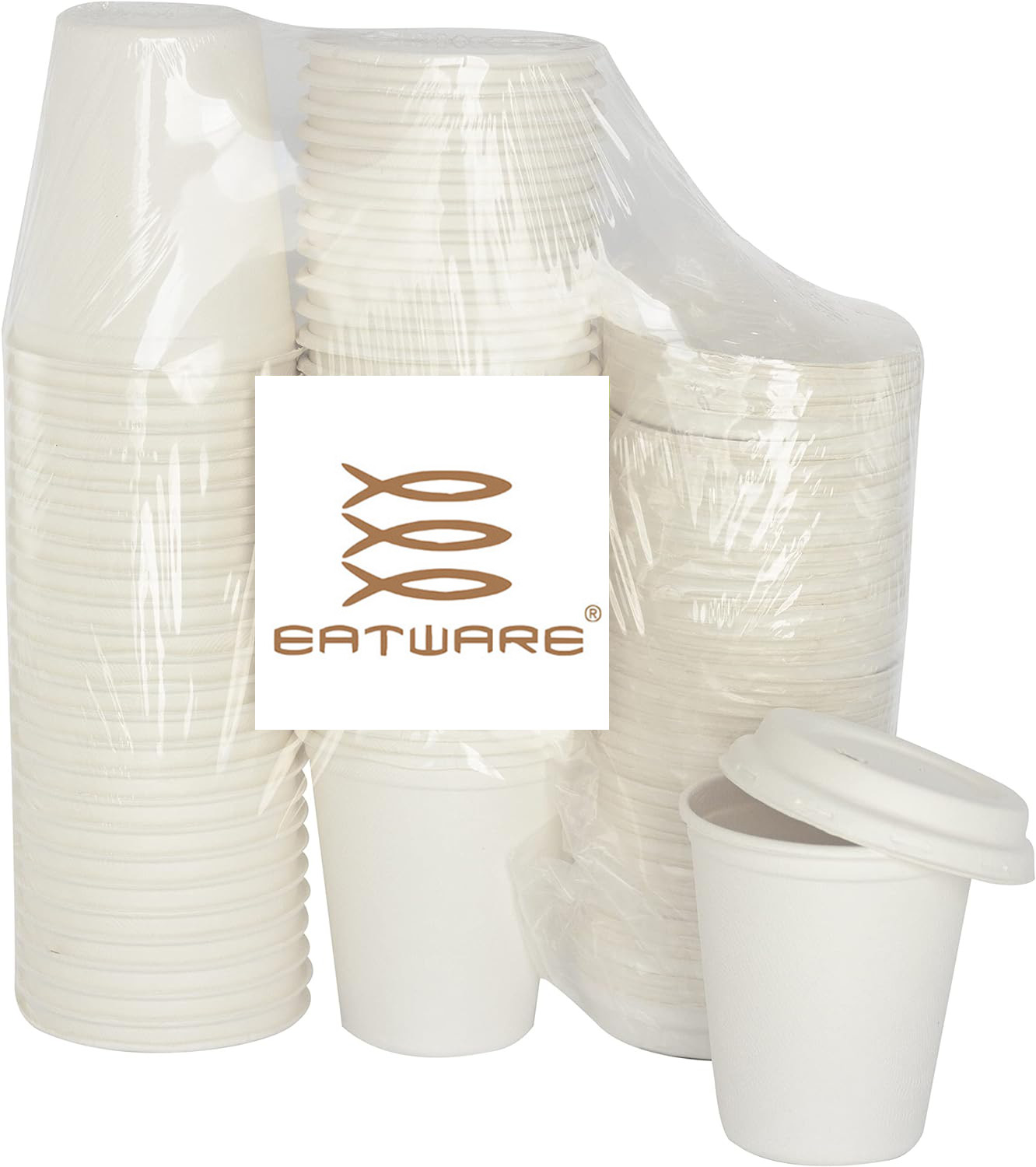 12oz
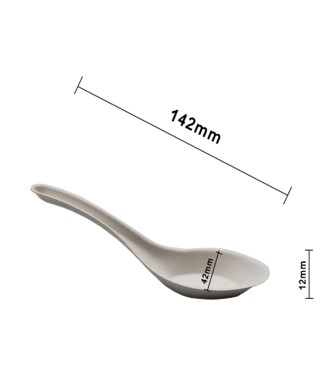 Cutlery
Leave Your Message
Direct export configurations compliant with SASO standards for Saudi supermarket chains, centralized kitchens, and food processors in Riyadh, Jeddah, and Dammam.


How state-of-the-art gas-flush lamination and natural plant fiber trays are revolutionizing food shelf life and logistics across the Arabian Peninsula.
Saudi Arabia experiences ambient outdoor temperatures frequently surpassing 45°C during summer months. In this hyper-arid climate, conventional fresh meat, poultry, pre-cut vegetables, and prepared ready-to-eat (RTE) meals suffer from rapid biochemical oxidation and microbial degradation. Modified Atmosphere Packaging (MAP) substitutes atmospheric air inside the package with an optimized protective gas blend (predominantly $N_2$ and $CO_2$).
By pairing high-barrier lamination films with eco-friendly bamboo fiber and sugarcane bagasse substrates, wholesale MAP solutions supplied to Riyadh, Jeddah, and Eastern Province food hubs inhibit aerobic bacterial growth, retain moisture without sogginess, and extend shelf life from 3–5 days to 14–28 days without artificial chemical preservatives.
Under the Saudi Green Initiative (SGI) and the National Circular Carbon Economy framework, the Kingdom of Saudi Arabia is aggressively shifting away from non-recyclable petroleum plastics and expanded polystyrene (EPS) foam containers. The Saudi Food and Drug Authority (SFDA) and SASO (Saudi Standards, Metrology and Quality Organization) are enforcing stringent food-contact and environmental decomposition criteria.
Our OEM/ODM manufacturing facilities supply Saudi wholesale distributors with 100% biodegradable, compostable molded fiber MAP trays featuring food-grade peelable barrier laminations. This empowers commercial brand owners to achieve both carbon-neutral ESG benchmarks and premium retail shelf presentation.
From modern retail hypermarkets in metropolitan centers to institutional catering in holy cities, MAP food packaging is a critical technological enabler in four dominant commercial segments:
During the pilgrimage seasons in Makkah and Madinah, tens of millions of chilled and ambient RTE meals must be distributed under tight sanitary windows. Hermetically sealed MAP barrier trays ensure zero leakage, sterile safety, and reliable stackability during massive fleet transportation.
Saudi meat processors and butchery chains require leak-proof, color-preserving packaging. High-barrier MAP tray laminations prevent myoglobin oxidation, retaining the vibrant natural red appearance of fresh meats without off-odor build-up.
The Kingdom is one of the world's largest producers of premium dates (Ajwa, Sukari, Sagai). Nitrogen-flushed MAP punnets and bowls maintain the ideal texture, stop insect proliferation, and prevent sugar crystallization for export to global luxury markets.
With the explosive rise of food delivery apps (Jahez, HungerStation, Chefz), cloud kitchens utilize 2-compartment and multi-compartment bagasse MAP trays with T-buckle or heat-sealed tops to deliver piping hot or chilled gourmet dishes intact.
Major retail giants (such as Panda, LuLu Hypermarket, Tamimi Markets, and Carrefour KSA) utilize transparent barrier-lidded MAP trays for washed salads, cut fruits, and marinated meats to elevate product aesthetics and minimize store-level scrap rates.
Logistics across vast desert transit corridors between Jeddah, Tabuk, and Dammam require containers with superior thermal dimensional stability (-20°C to +120°C) that resist oil soaking, steam deformation, and vibration stress.
Procuring MAP food packaging containers directly from our automated production facilities provides Saudi importers, packaging converters, and commercial distributors significant margin advantages. We support full OEM/ODM tool molding, custom compartment depths, embossed brand logos, and dedicated barrier films tailored to exact gas flushing ratios ($O_2, CO_2, N_2$).
All wholesale quotation requests for Saudi Arabia include complete landed cost analysis (FOB, CIF Jeddah Islamic Port, or CIF King Abdulaziz Port Dammam), optimized 40' High Cube container cubic-meter loading schemes, and pre-cleared SASO / SFDA compliance documentation packages for rapid customs clearance.
Engineered with precision tooling and high-capacity automated forming machinery to fulfill multi-container volume commitments across the Middle East.
In the field of environmentally friendly packaging for 18 years,Has established cooperation with 500+ brands.
Through our research and development, there are more than 60 products can product, we also support OEM ODM customized services.
Exported to the United States, Europe, Australia, Canada and other countries, right now we have exported more than 30 countries.
10000+ square meters factory area, more than 30 patent certificates, 10 foreign authoritative certification, 55 automatic forming machines...
Kangxin (HaiMen) Environmental Technology Co., Ltd. is a technology innovation oriented enterprise that focuses on disposable environmentally friendly tableware and food packaging.
We have advanced production processes and equipment, and continue to attract senior talents, focusing on environmental protection, emphasizing safety, and ensuring quality.
EATware is committed to sustainable development, using all natural plant fibers to produce safe, healthy and environmentally friendly tableware. Adhering to the concept of "take nature, serve humanity, return to nature", we focus on the development of safe, high quality and environmental standards.
EATware emphasizes environmental protection and sustainable development, explores the balance between enterprise survival and environmental protection, and uses all-natural and pollution-free bamboo fiber as the main material of tableware to ensure that its products meet the high technical level and are superior to developed countries.
Inspect our cleanroom workshops, automated pulp thermoforming production lines, and robotic stacking systems via digital VR validation.
Replacing non-degradable single-use fossil polymers across global markets.
Protecting the
Preserving marine biodiversity with zero-microplastic fiber degradation.
Forest
100% annually renewable bamboo & agricultural sugarcane bagasse pulps.
Trusted by leading airline caterers, supermarket conglomerates, and foodservice leaders worldwide.
Expert insights on food safety testing protocols, structural barrier performance, and global manufacturing standards.
The most reliable way to test disposable food containers is to combine leakage testing with structural testing under conditions that reproduce the intended food application. A container should not be approved simply because it holds water for several minutes or survives an empty compression tes...
read more →For foodservice operators, replacing conventional plastic packaging is not simply a matter of changing materials. Disposable biodegradable tableware must still withstand hot food, sauces, oils, condensation, stacking, transport, and commercial handling without losing structural integrity. Poorl...
read more →With growing global demand for takeaway meals and eco-friendly packaging, China’s manufacturing sector has become a major hub for disposable food containers. Today’s food businesses - from fast-food chains and meal-delivery services to supermarkets and catering companies - are looki...
read more →Explore our full array of barrier-laminated MAP food bowls, leakproof multi-compartment containers, and eco-tableware ready for containerized shipping to Dammam and Jeddah.

